ToolMage
Sign in

Best 296 Research AI tools for Education

Popular Research AI tools in Education include DeepSeek, Britannica, Google Books, Yuanbao, Semantic Scholar, JustDone, Chengpian AI, Wikiwand, ModelScope, and Glasp, helping you work more efficiently.

JotBot
Freemium

JotBot

JotBot is an AI-powered writing and research assistant designed to streamline your workflow. It helps overcome writer's block with AI autocomplete, finds and cites sources instantly, generates drafts in your unique style, and allows you to chat with your documents and sources. Ideal for students, writers, and researchers.

Research
Visits 85.5KFavorites 126Likes 125
tldrai
Freemium

tldrai

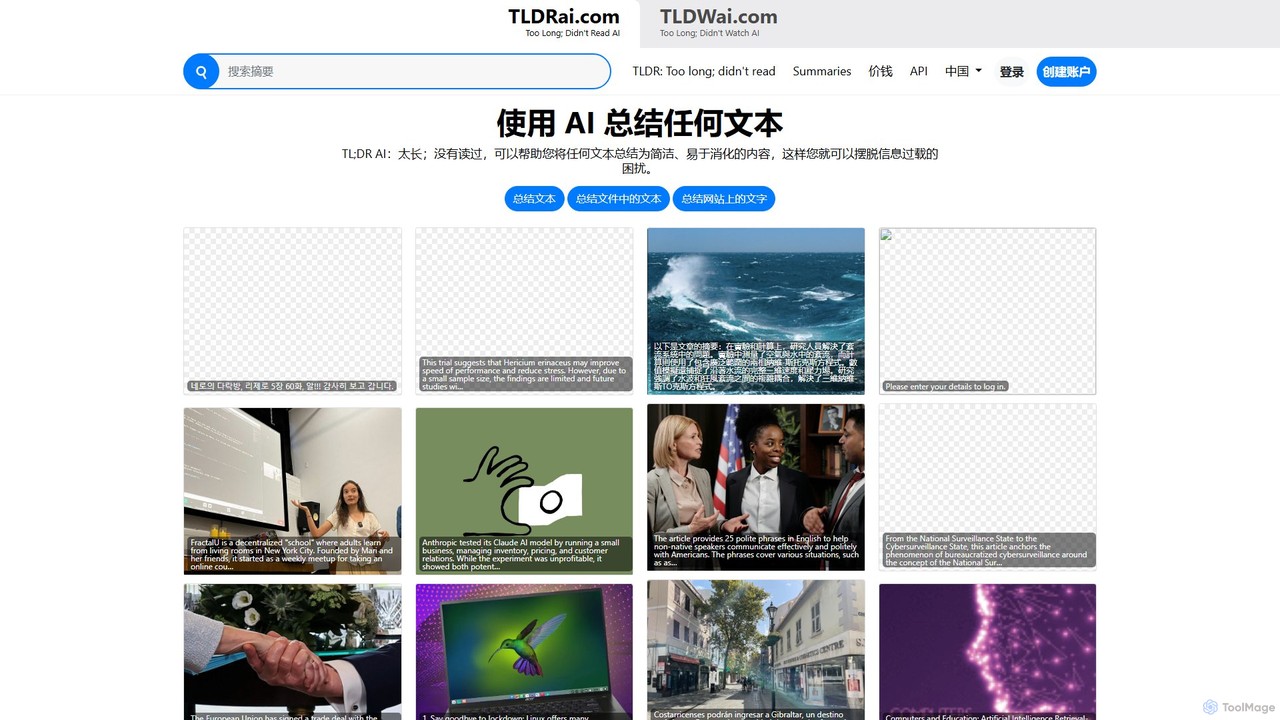
tldrai is an AI-powered summarization tool that condenses long texts, documents (PDF, DOCX, TXT), and web pages into concise summaries. It helps users quickly grasp the main points of articles, reports, and research papers, saving significant reading time. It supports multiple languages and offers both free and premium plans for enhanced features.

Research
Visits 9KFavorites 132Likes 153
Thesify
Freemium

Thesify

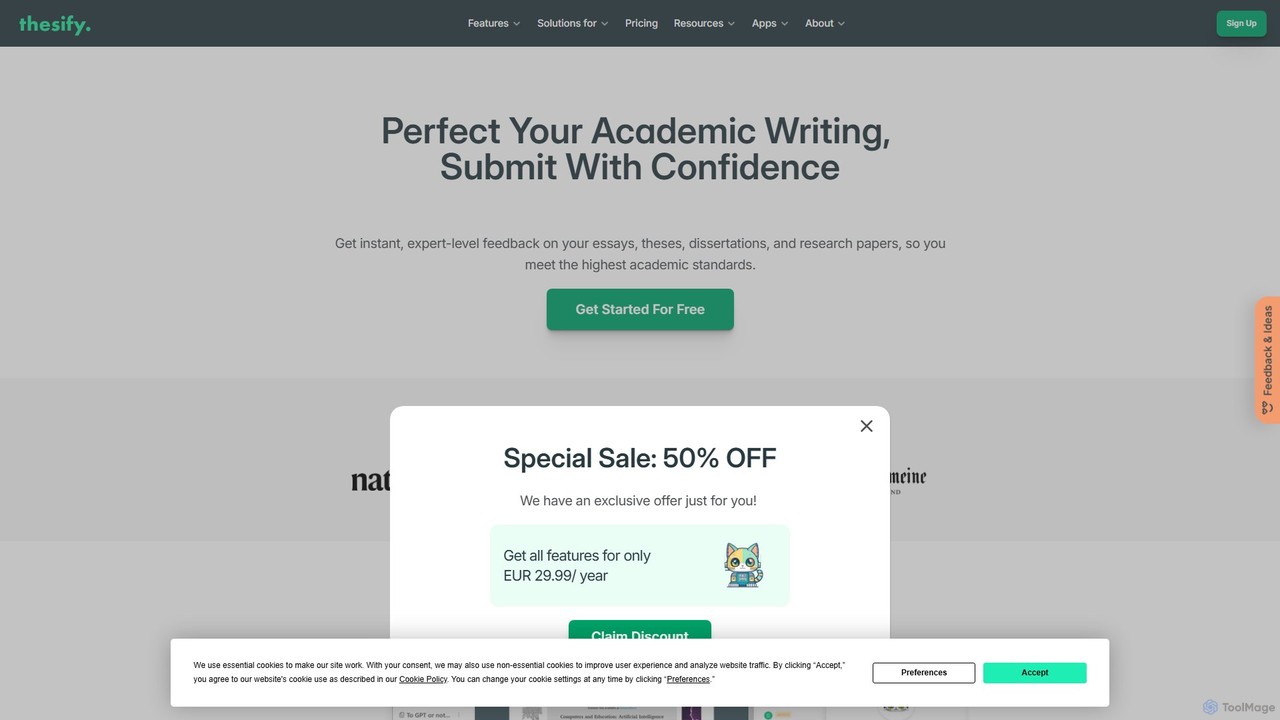
Thesify is an ethical AI-powered academic writing assistant for students and researchers. It provides instant, in-depth feedback on structure, argumentation, and clarity without writing for you. Features include a pre-submission review, paper summarizer, citation finder, and an agile editor to enhance your writing and uphold academic integrity.

Assistant
Visits 167KFavorites 171Likes 161
QuickReadAI
Freemium

QuickReadAI

QuickReadAI is an AI-powered tool that provides one-click summaries of any online content, including articles, web pages, and social media posts from platforms like Reddit, LinkedIn, and Twitter. It's designed to save you time and boost productivity by delivering concise, easy-to-digest summaries instantly.

Research
Visits 6.9KFavorites 139Likes 126
Alphy
Freemium

Alphy

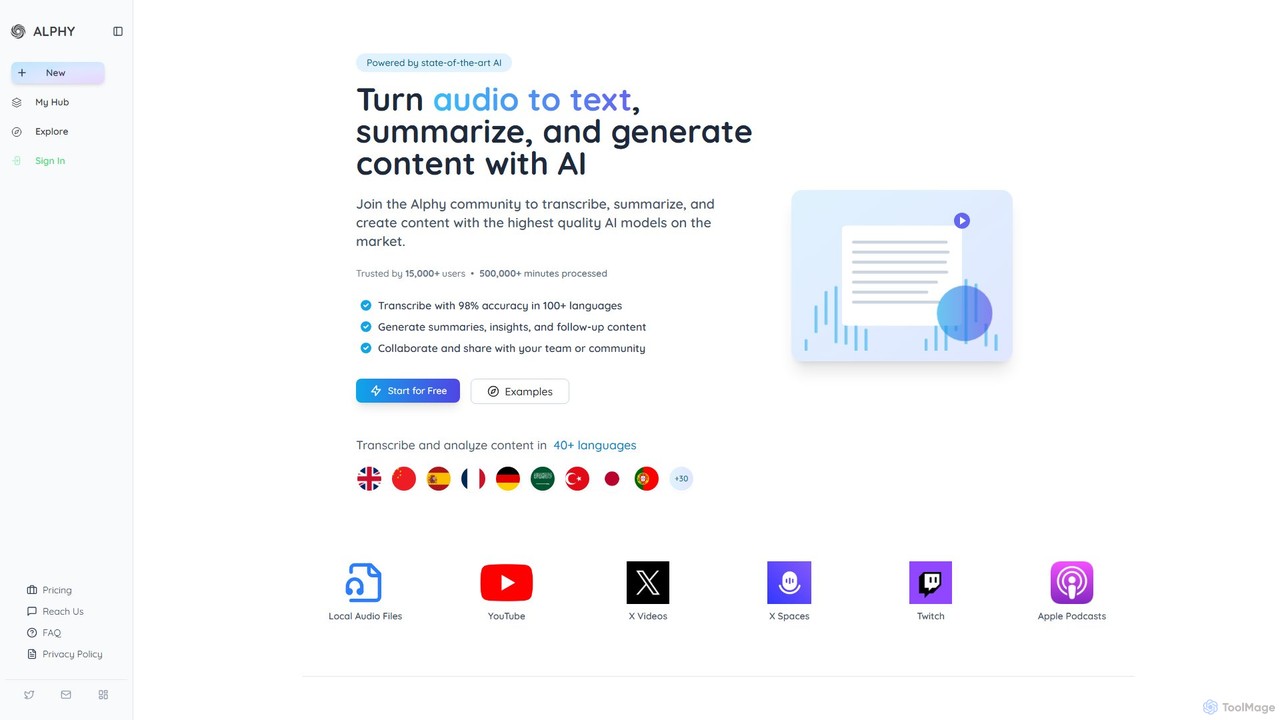
Alphy is an AI-powered tool that transcribes, summarizes, and analyzes audio and video content from various platforms like YouTube, X (Twitter), and podcasts. It turns lengthy discussions into accurate text, concise summaries, and new content formats, enabling users to quickly extract insights and repurpose information.

Summarizer
Visits 7.2KFavorites 133Likes 137
HyperWrite
Freemium

HyperWrite

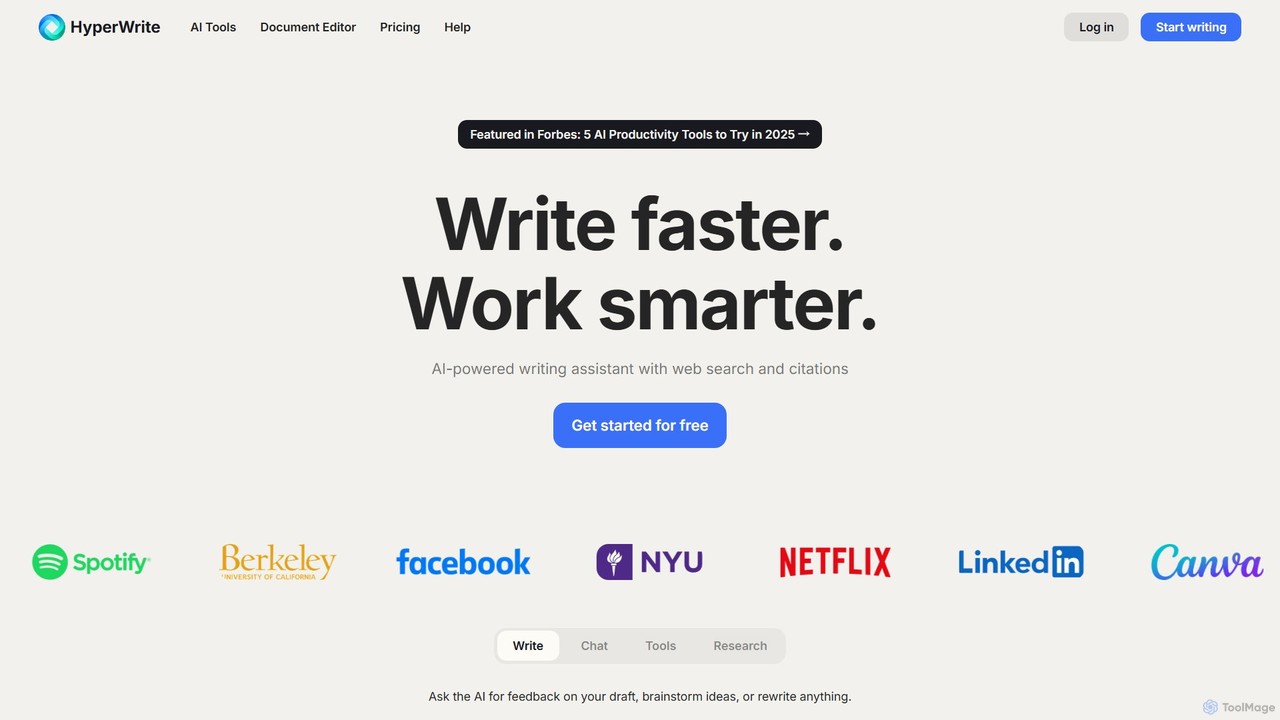
HyperWrite is an advanced AI writing assistant designed to enhance productivity for students, marketers, and professionals. It offers hundreds of tools for writing, research, summarization, and content creation. Key features include real-time academic research with citations, customizable 'Personas' to match your writing style, and a seamless Chrome extension for workflow integration.

Research
Visits 321.1KFavorites 148Likes 145
Second Opinion
Freemium

Second Opinion

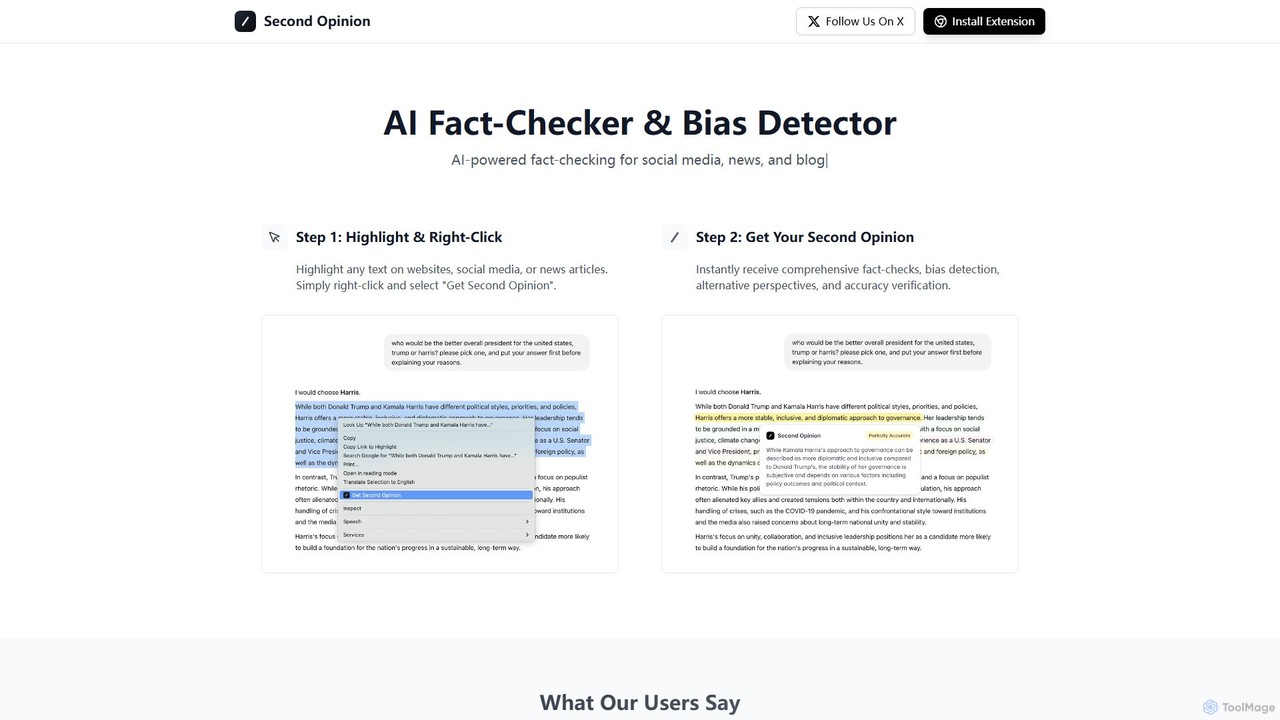
Second Opinion is an AI-powered Chrome extension that serves as a real-time fact-checker and bias detector. By highlighting any text online, users can instantly get an analysis of its accuracy, potential biases, and alternative perspectives, powered by Grok AI.

Chrome Extensions
Visits 6.5KFavorites 180Likes 160
pdftranslator
Freemium

pdftranslator

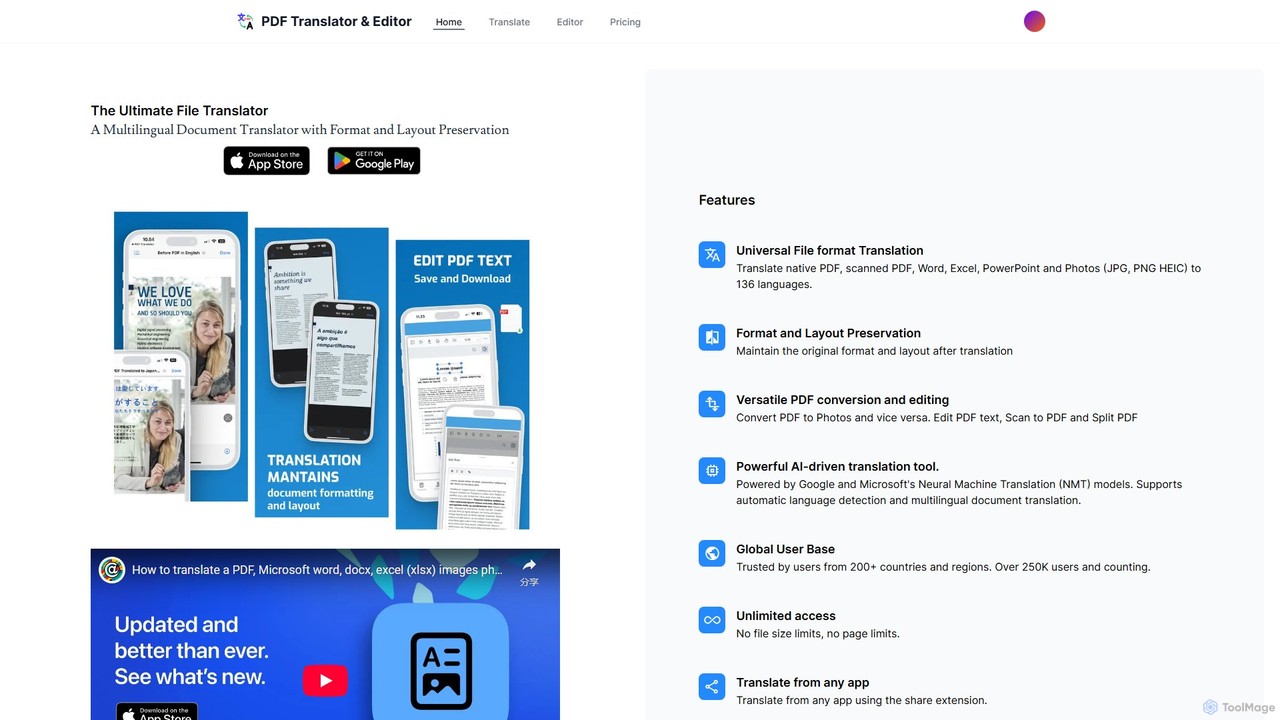
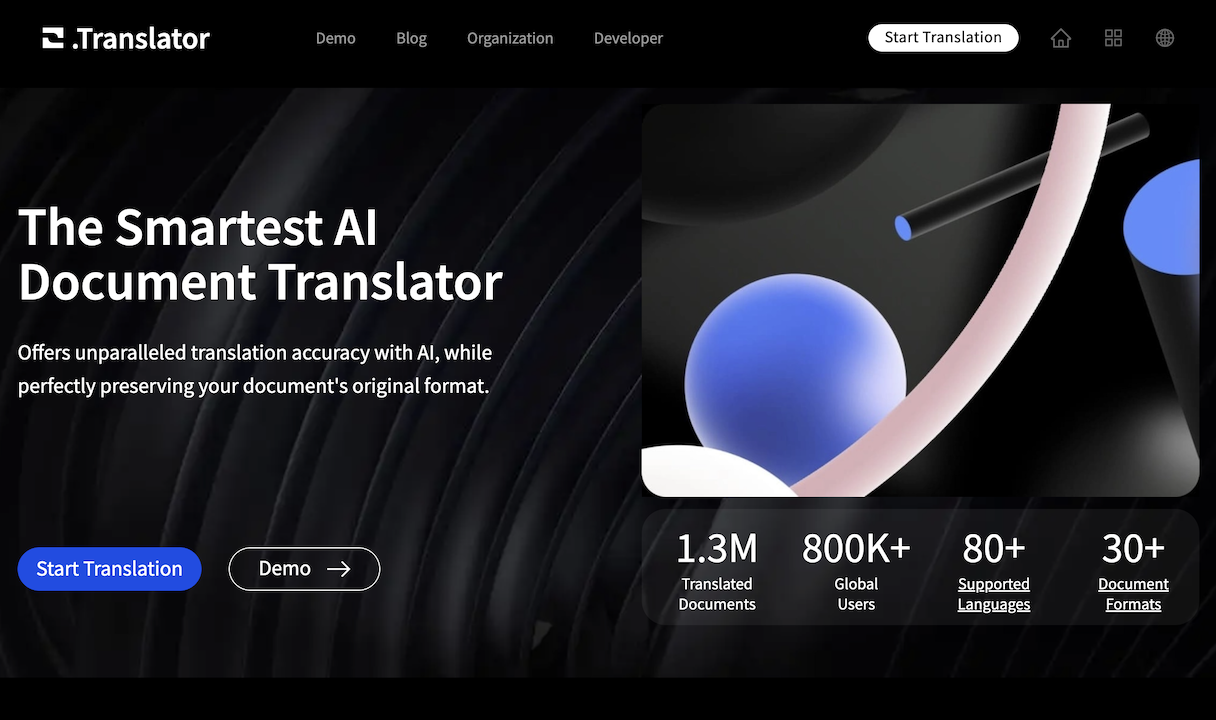
An AI-powered platform for translating and editing documents in over 136 languages. It supports various formats like PDF, Word, and images, while meticulously preserving the original layout. Features include OCR for scanned documents, PDF text editing, and cross-platform availability on web and mobile.

Translation
Visits 6.6KFavorites 177Likes 166
TubeOnAI
Freemium

TubeOnAI

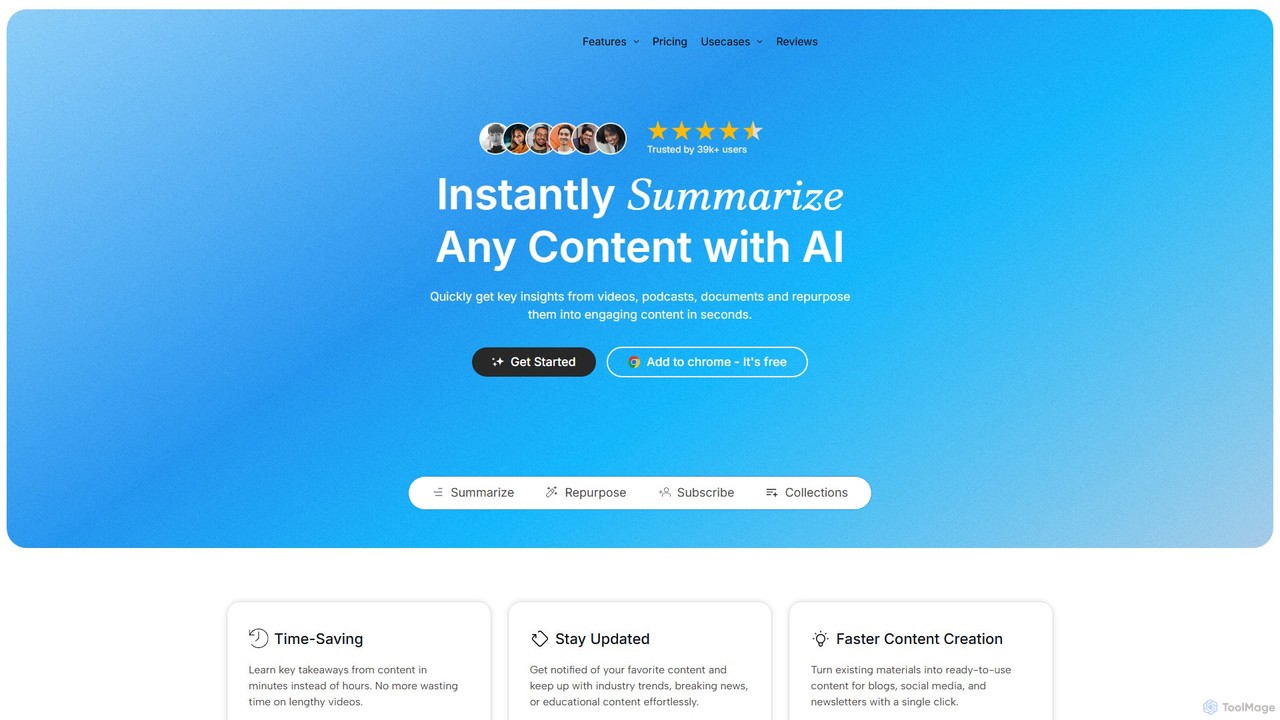
TubeOnAI is an all-in-one AI-powered platform that instantly summarizes diverse content like YouTube videos, podcasts, web articles, and documents (PDFs, Google Docs). It also excels at repurposing this content into various formats such as blog posts, social media threads, and video scripts, significantly boosting productivity for creators, marketers, and students.

Repurposing
Visits 119.5KFavorites 164Likes 157
AI Bookstore
Free

AI Bookstore

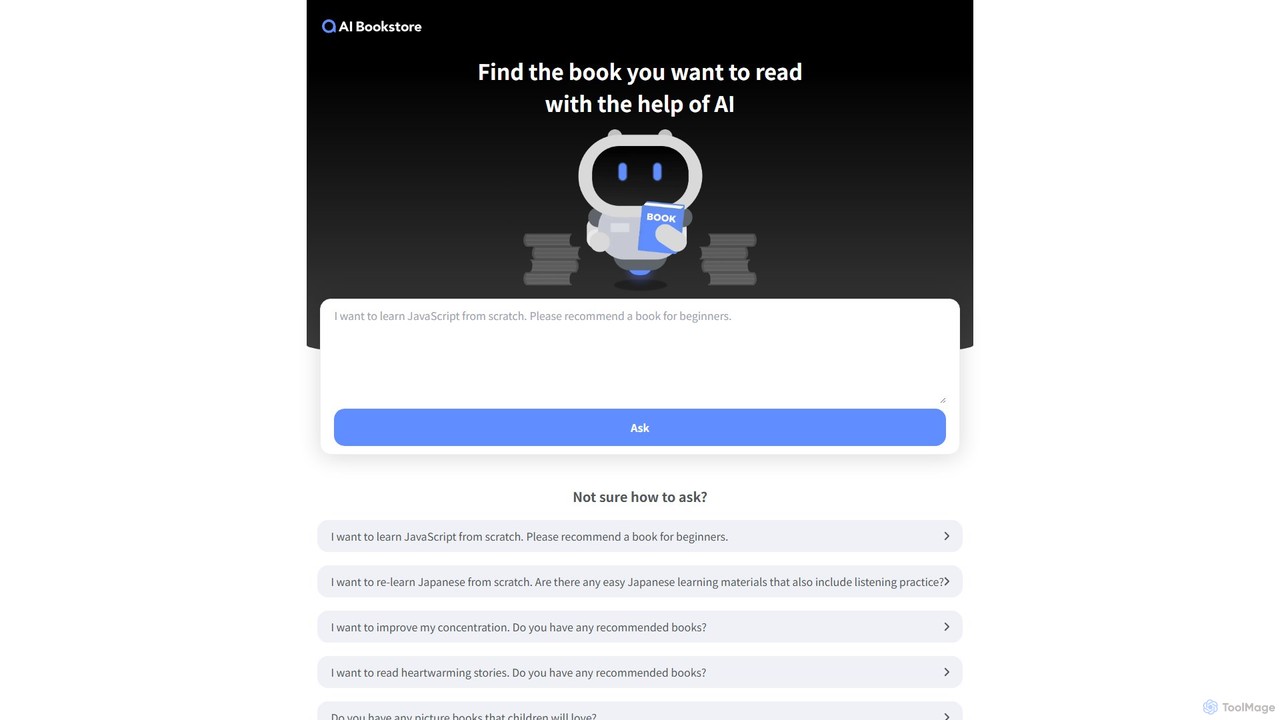
AI Bookstore is an AI-powered recommendation engine that helps you discover your next read. Simply ask for book suggestions in natural language, specifying your interests, skill level, or mood. The AI provides a curated list of relevant books with descriptions and links to view on Amazon, making book discovery intuitive and personalized.

Research
Visits 5.9KFavorites 127Likes 130
iBrief
Freemium

iBrief

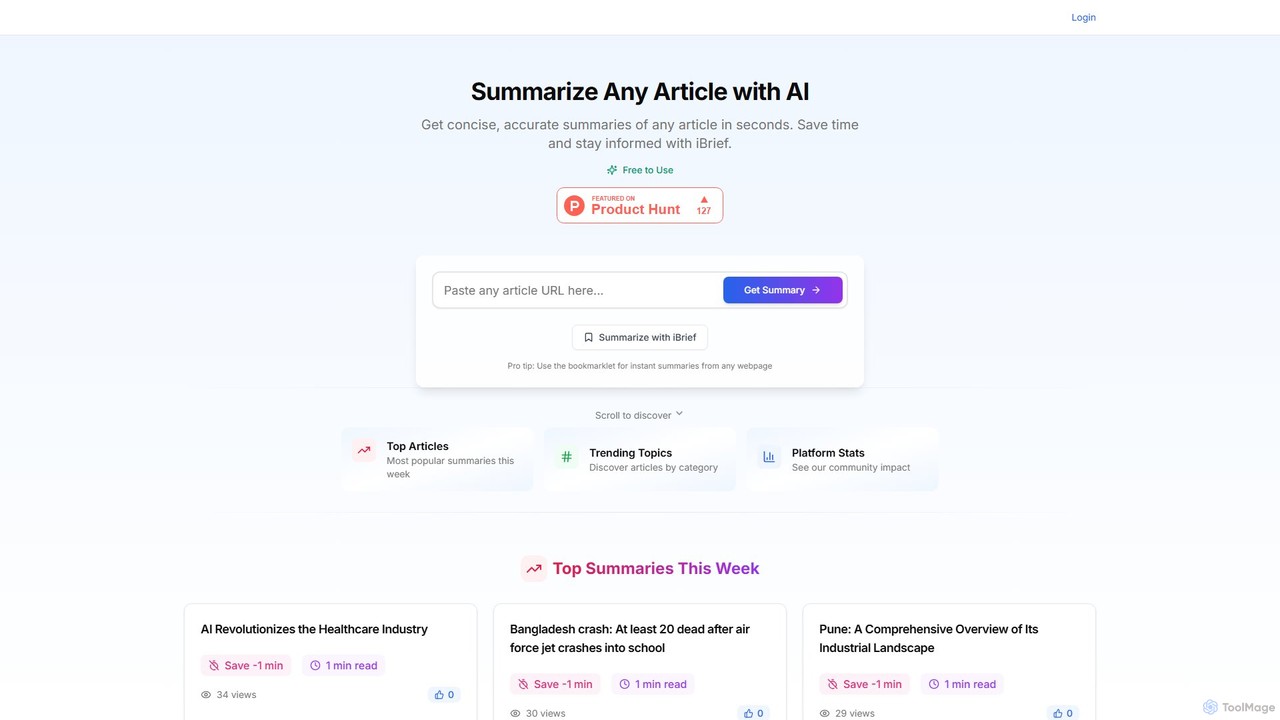
iBrief is an AI-powered tool that generates concise and accurate summaries of any online article in seconds. It helps users save significant reading time, stay informed on various topics, and overcome information overload. With a simple interface and a convenient browser bookmarklet, iBrief makes absorbing information fast and efficient.

Research
Visits 5.9KFavorites 123Likes 125
Wordtune
Freemium

Wordtune

Wordtune is an AI-powered writing companion and paraphrasing tool that helps you rewrite, rephrase, and improve your text. It offers features like tone adjustment, text shortening/expansion, summarization, and translation into English, ensuring your writing is clear, compelling, and authentic across various platforms.

Email Assistant
Visits 561.3KFavorites 137Likes 142
Readable
Freemium

Readable

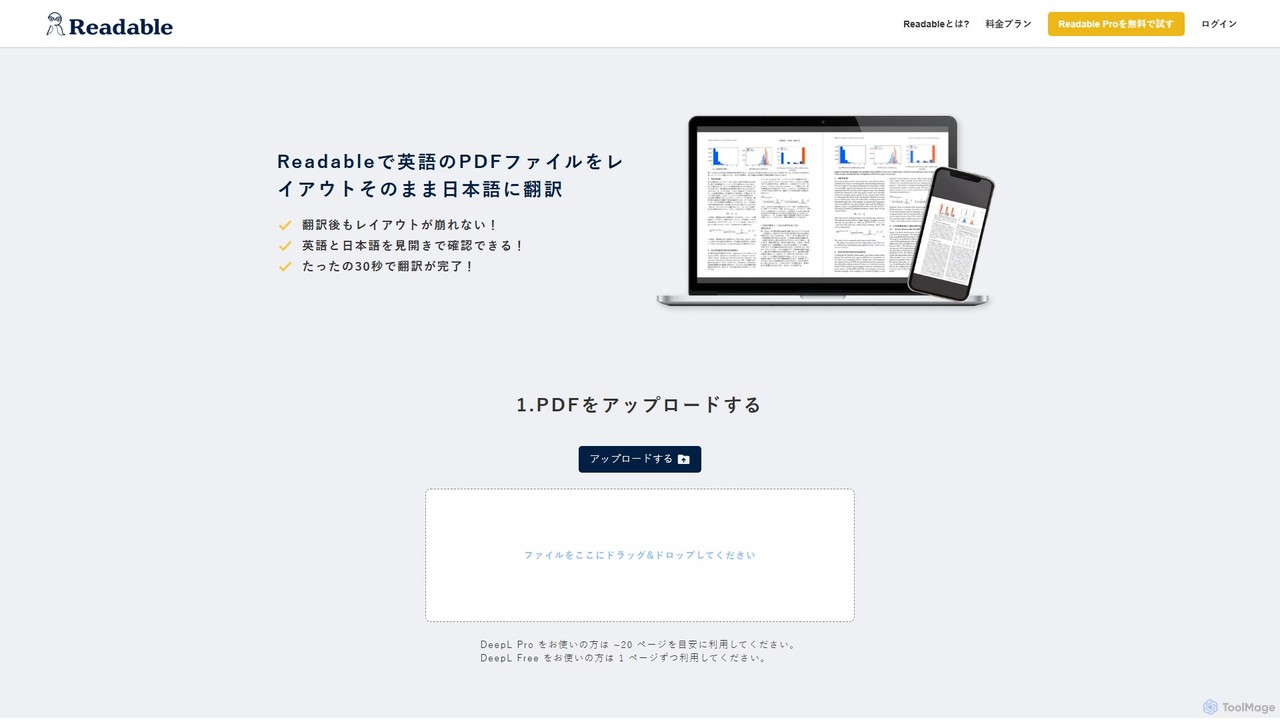
Readable is an AI-powered tool that instantly translates PDF documents while perfectly preserving the original layout. It supports over 200 languages, leveraging advanced translation engines like DeepL and ChatGPT. Ideal for researchers, professionals, and students who need accurate and fast document translation without reformatting.

Analysis
Visits 92.6KFavorites 129Likes 137
BLUF
Freemium

BLUF

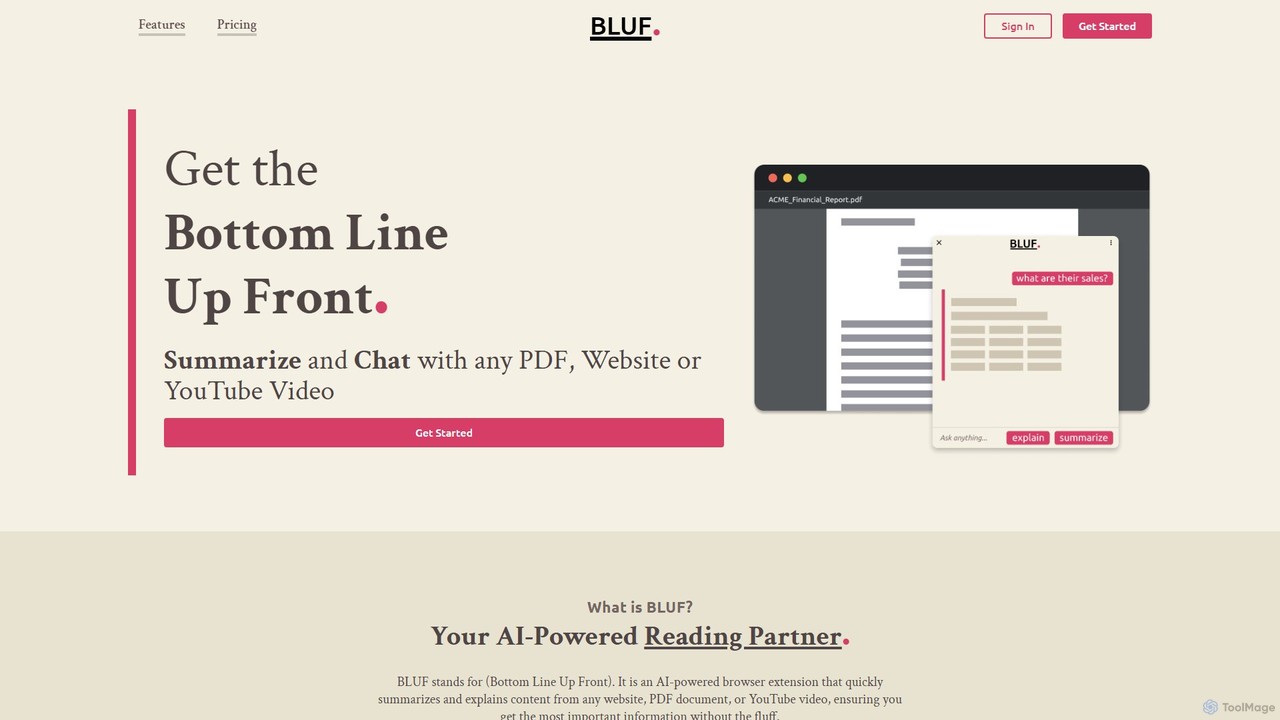
BLUF is an AI-powered browser extension that instantly summarizes and explains content from any website, PDF, or YouTube video. Get the main points, understand complex topics, and ask follow-up questions to save time and boost your comprehension.

Reading Assistant
Visits 12.5KFavorites 131Likes 125

Playnode
Freemium

Playnode

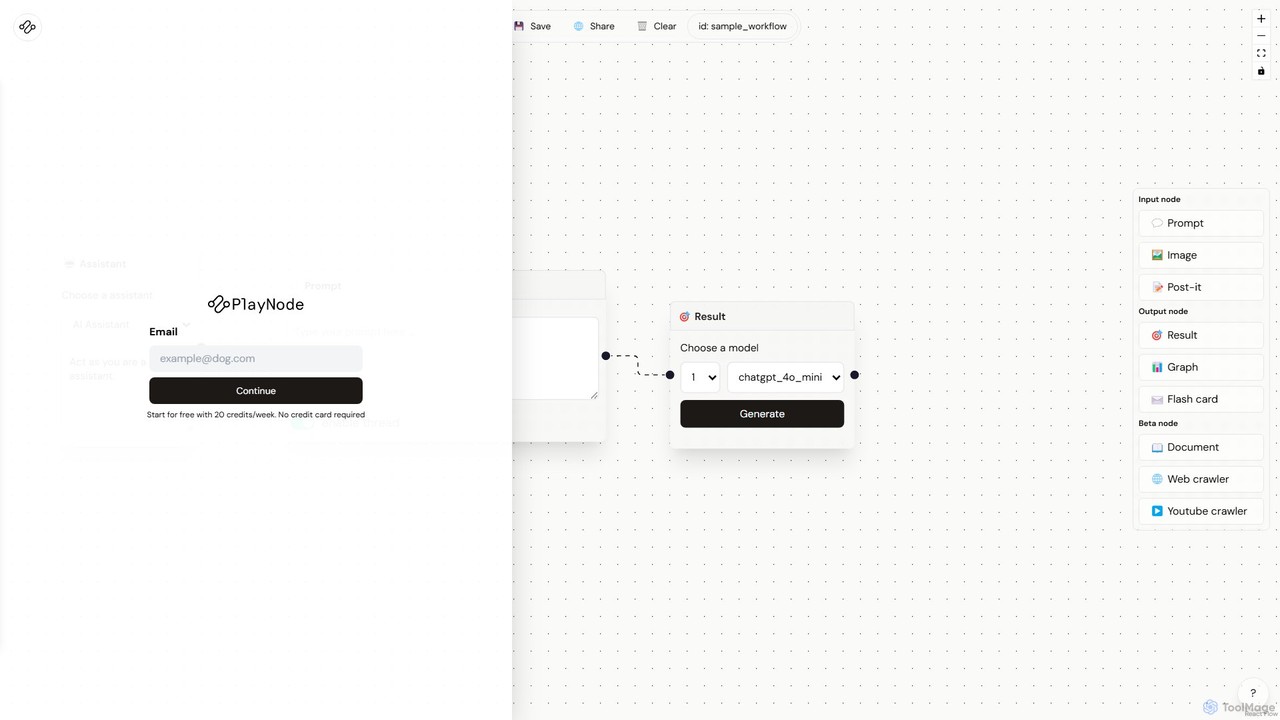
Playnode is a visual, node-based platform for building and automating custom AI workflows. It allows users to connect various AI models (like GPT and Claude) and data sources (text, images, web pages) through an intuitive drag-and-drop interface. Create powerful automations for content creation, research, and data analysis without writing any code. Ideal for both technical and non-technical users.

No Code & Low Code
Visits 5.9KFavorites 158Likes 168
Briefy
Freemium

Briefy

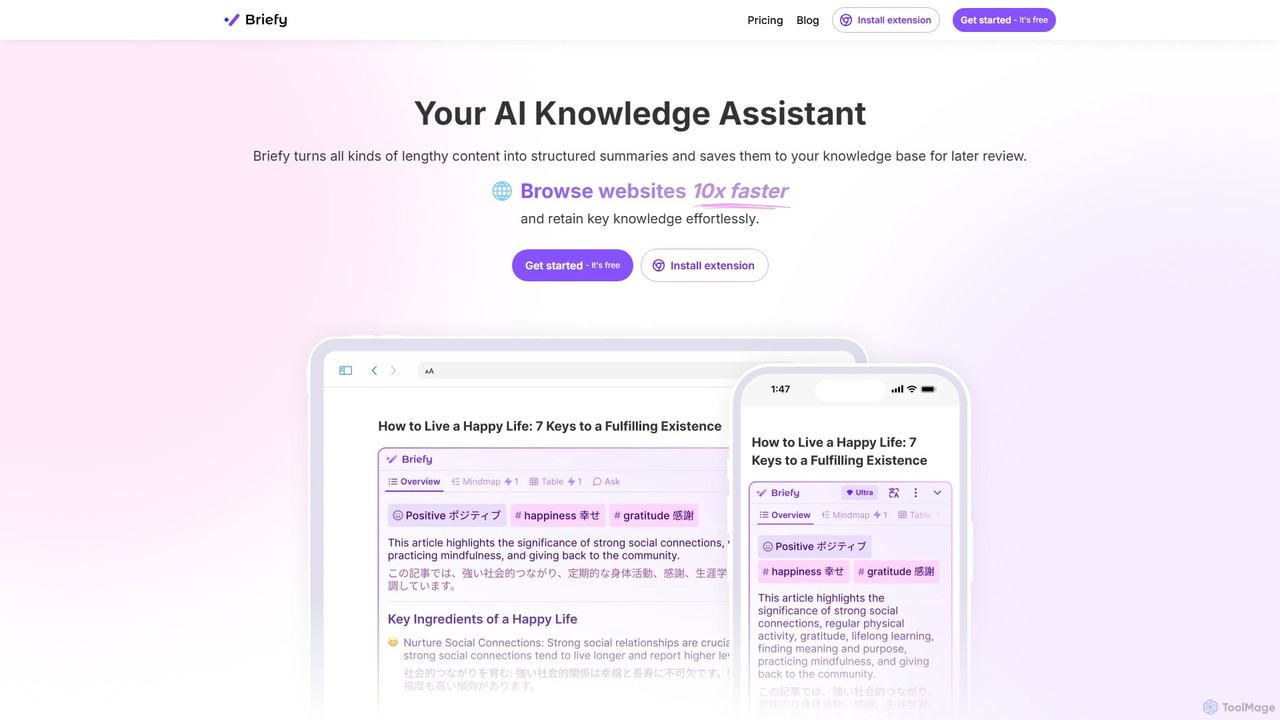
Briefy is an AI-powered knowledge assistant that transforms lengthy content like articles, videos, and PDFs into structured summaries. It helps you conduct research 10x faster, retain key knowledge, and build a personal, searchable knowledge base for later review and interaction.

Research
Visits 31.7KFavorites 113Likes 98
Doc2X
Freemium

Doc2X

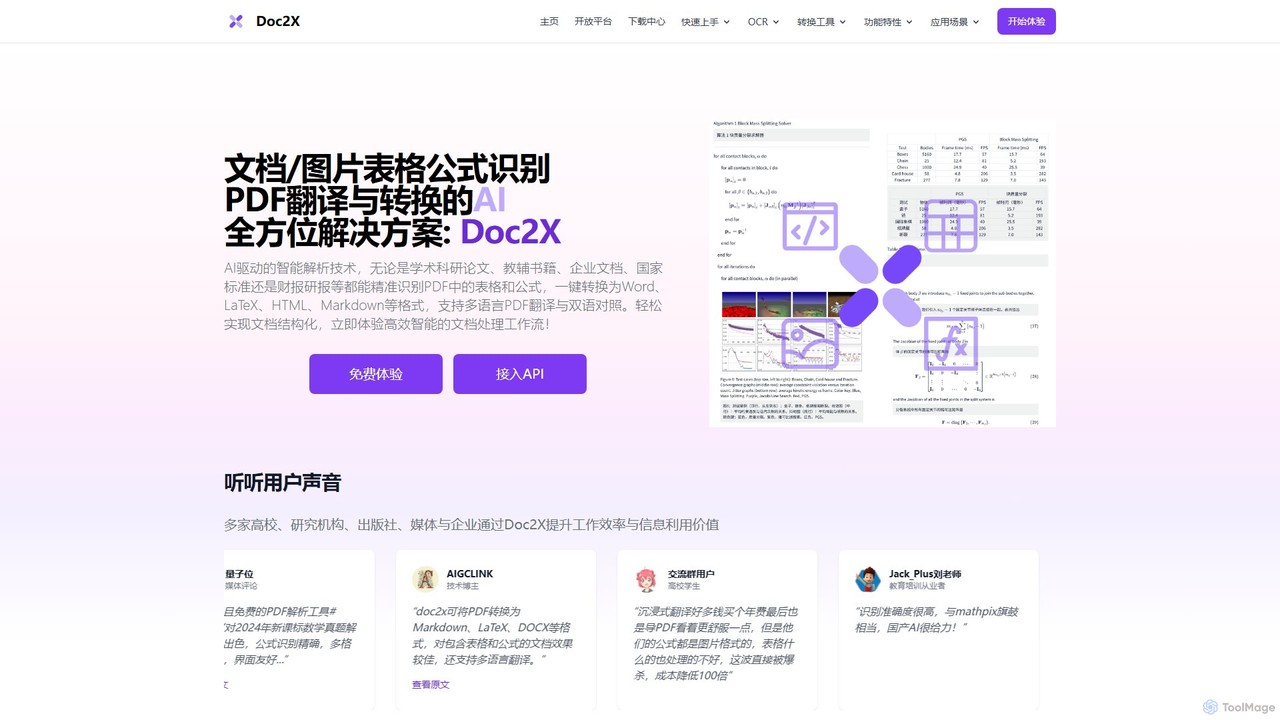
Doc2X is an AI-powered document intelligence platform for recognizing and converting formulas, tables, and text from PDFs and images into editable formats like Word, LaTeX, and Markdown. It features advanced translation, ChatPDF, and a powerful API for academic and professional workflows.

Api
Visits 57.8KFavorites 155Likes 155
Prompt Perfect
Freemium

Prompt Perfect

Prompt Perfect is an AI-powered suite, featuring a Chrome Extension and a GPT, designed to optimize your prompts for superior results across major AI platforms like ChatGPT, Gemini, and Claude. It refines, enhances, and manages your prompts to unlock more precise, creative, and effective AI-generated content, boosting productivity for writers, researchers, and professionals.

Research
Visits 100.9KFavorites 114Likes 137
Emdash
Free

Emdash

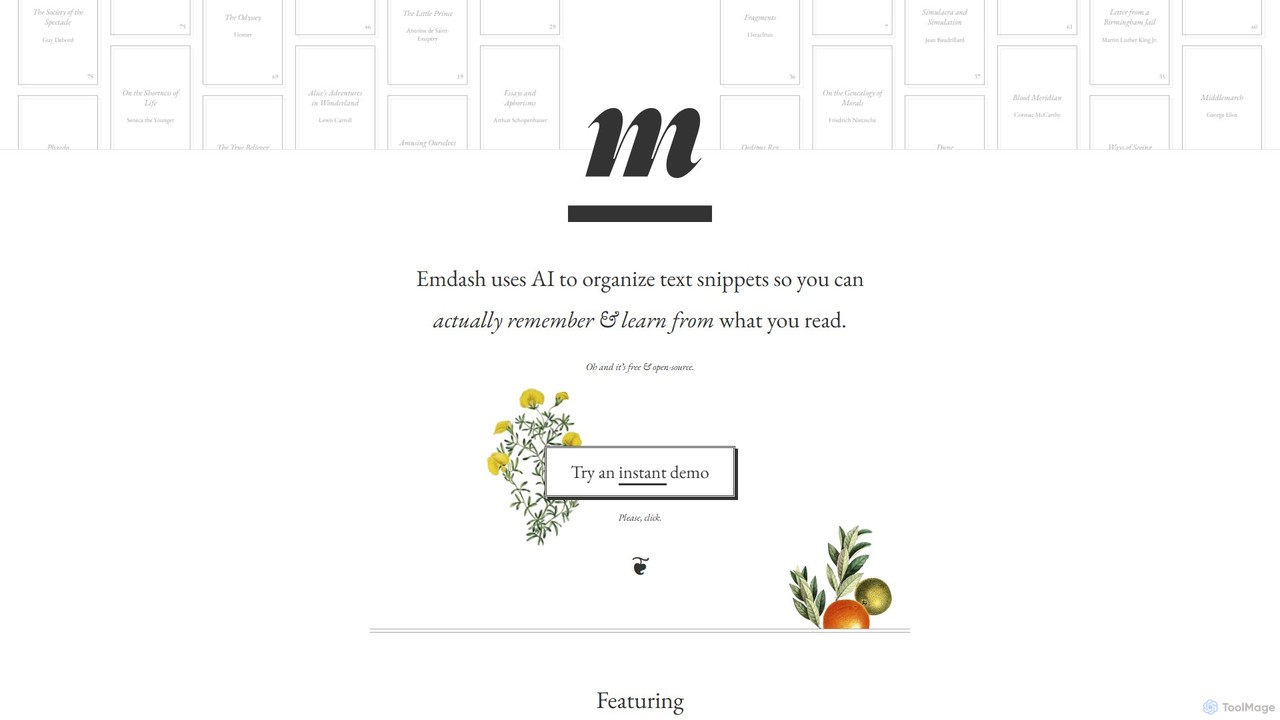
Emdash is a free, open-source AI tool designed for readers to organize, analyze, and learn from their book highlights. It uses on-device AI to find conceptual connections between passages, offers powerful semantic search, and allows users to tag, rate, and annotate their snippets. With flexible import/export options (including Kindle), Emdash helps you turn passive reading into active learning without compromising your privacy.

Research
Visits 7.2KFavorites 133Likes 137
anysummary
Freemium

anysummary

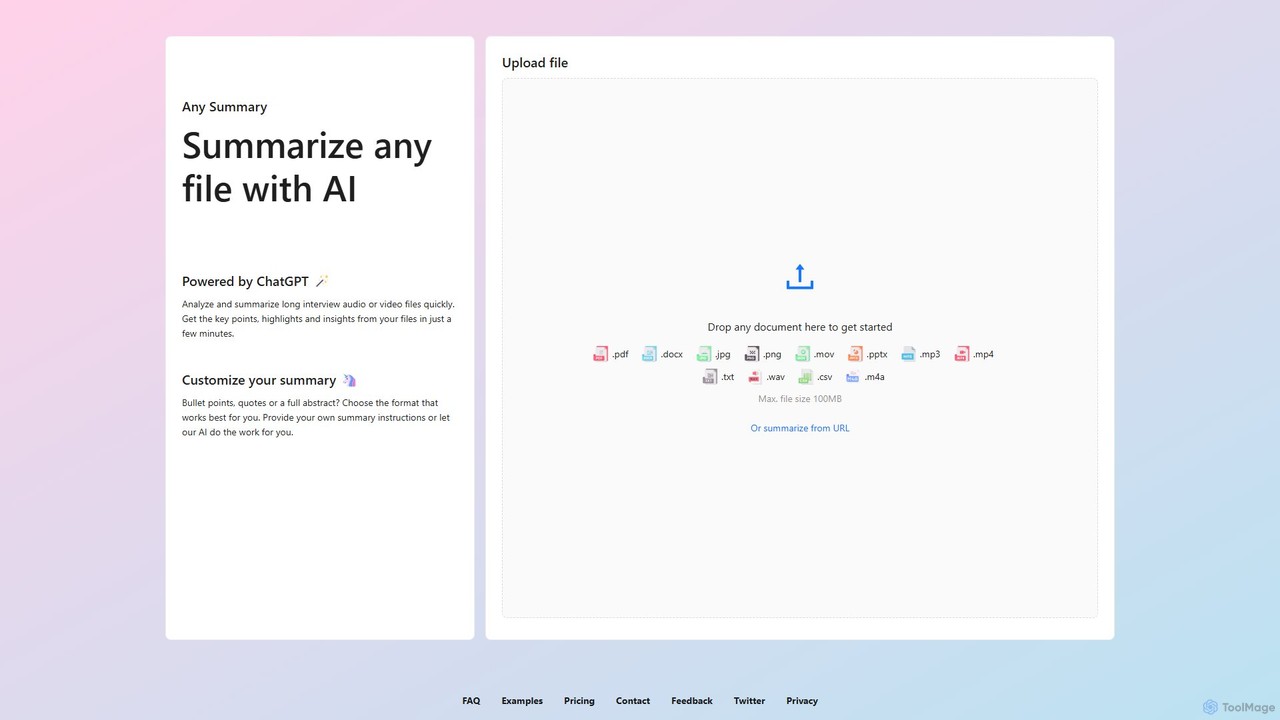
An AI-powered tool that summarizes any file or URL. Upload documents, audio, video, or images, and get concise summaries, key points, and insights in minutes. Customize output formats like bullet points or abstracts to fit your needs. Powered by ChatGPT.

Transcription
Visits 7.4KFavorites 143Likes 130
GPT Splitter
Free

GPT Splitter

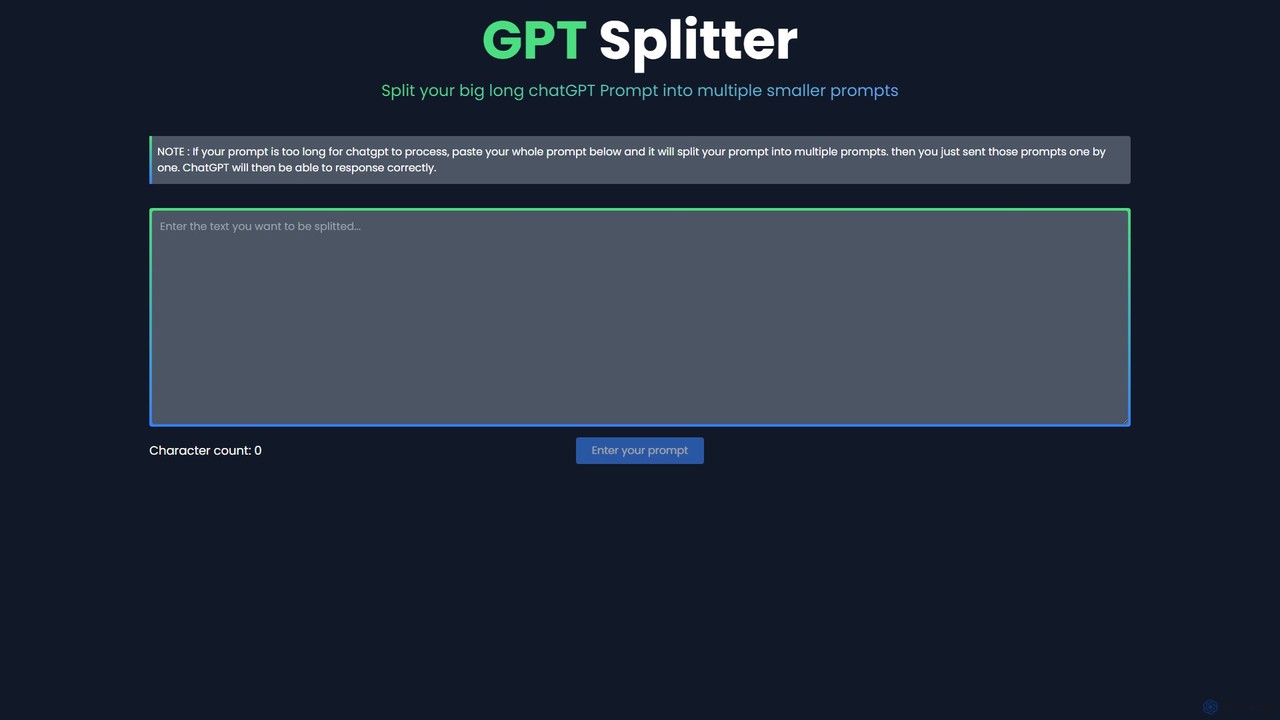
A free web-based tool that automatically splits long text or prompts into smaller, manageable chunks to overcome the character limits of large language models like ChatGPT, ensuring complete context and better AI responses.

Utilities
Visits 5.9KFavorites 132Likes 144
chrome_ai
Freemium

chrome_ai

An all-in-one AI assistant integrated into your Chrome browser. Summarize web pages and YouTube videos, enhance your writing, explain complex topics, and chat with advanced AI models without leaving your current tab. Boost your productivity with seamless AI power.

Chrome Extensions
Visits 6KFavorites 120Likes 125
Sourcely
Freemium

Sourcely

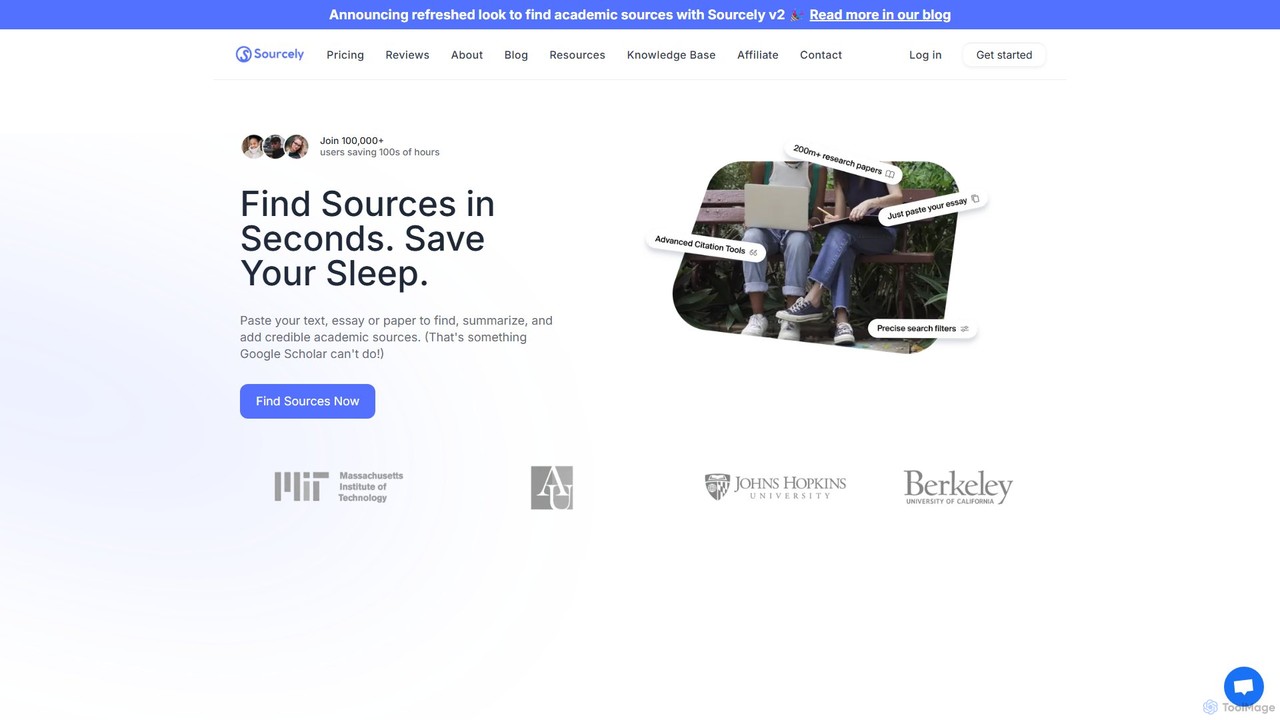
Sourcely is an AI-powered academic research assistant for students and researchers. It streamlines finding, summarizing, and citing credible sources. By pasting your text, essay, or paper, Sourcely automatically discovers relevant academic articles from a database of over 200 million, saving countless hours and improving your work's quality.

Literature Review
Visits 167.7KFavorites 136Likes 141
Coral AI
Freemium

Coral AI

Coral AI is an intelligent assistant that transforms your documents, audio, and video files into interactive resources. Upload your files to summarize content, ask specific questions, extract key information, and transcribe media in seconds. It provides precise, citable answers, making it an essential tool for students, researchers, and professionals to enhance productivity and understanding.

Transcription
Visits 31.7KFavorites 130Likes 130

About Research

Research AI tools are a category of AI-powered applications designed to assist and automate various stages of the research process. These tools leverage advanced algorithms like natural language processing and machine learning to streamline tasks such as literature review, data analysis, and content synthesis. They play a crucial role within the broader education and academic sectors, enabling researchers, students, and professionals to accelerate discovery, enhance accuracy, and generate deeper insights from vast amounts of information.

Core Features

  • Automated Literature Review: Quickly search, summarize, and extract key information from academic papers, reports, and databases.
  • Advanced Data Analysis: Process large datasets, identify patterns, generate visualizations, and assist in statistical interpretation.
  • Hypothesis Generation: Suggest potential research questions, identify knowledge gaps, and aid in experimental design.
  • Academic Writing Assistance: Support the drafting of research proposals, reports, abstracts, and refine academic language for clarity and coherence.
  • Citation & Reference Management: Automate bibliography creation, citation formatting, and detect potential plagiarism.

Applicable Scenarios

Research AI tools are indispensable for academics conducting scholarly studies, market analysts identifying consumer trends, scientists accelerating experimental data interpretation, and students preparing theses or dissertations. They are also vital for policy analysts synthesizing complex reports to inform evidence-based decision-making.

How to Choose

When selecting a Research AI tool, consider its data handling capabilities, ensuring it supports your specific data types and volumes. Evaluate its integration with existing research platforms and reference managers. Assess the accuracy and transparency of its AI models, especially for critical analysis. Finally, factor in the user interface, ethical considerations like data privacy, and the level of customization offered to meet unique research needs.

Featured tool rankings

Research use cases

1

Accelerating Academic Literature Reviews

Academic researchers often spend countless hours sifting through vast amounts of scholarly articles. Research AI tools can automate this process by quickly scanning, summarizing, and extracting key findings, methodologies, and citations from hundreds of papers. This allows researchers to identify relevant literature, pinpoint knowledge gaps, and synthesize information much faster, significantly reducing the time spent on initial literature review phases and enabling them to focus on deeper analysis and experimentation.

2

Automating Market Trend Analysis

Market analysts need to constantly monitor consumer behavior, industry reports, and social media trends to identify emerging opportunities or threats. Research AI tools can ingest and process massive volumes of unstructured data from various sources, identifying subtle patterns, sentiment shifts, and nascent trends that human analysts might miss. This enables businesses to make data-driven decisions, refine product strategies, and stay ahead of the competition by understanding market dynamics in real-time.

3

Streamlining Scientific Data Interpretation

Scientists often work with complex, high-dimensional datasets generated from experiments, simulations, or observations. Research AI tools can assist in the interpretation of this data by performing advanced statistical analysis, identifying correlations, anomalies, and hidden patterns. They can generate insightful visualizations and even suggest potential hypotheses based on the data, significantly accelerating the discovery process in fields like biology, chemistry, and physics, allowing researchers to move from raw data to actionable insights more efficiently.

4

Drafting Research Proposals & Grants

Securing funding for research often depends on well-structured and compelling proposals. Research AI tools can assist academics and grant writers in drafting these critical documents by providing templates, suggesting relevant literature, and refining the language for clarity, conciseness, and impact. They can help ensure all required sections are covered, improve the logical flow of arguments, and even check for consistency in terminology, increasing the likelihood of successful grant applications and project approvals.

5

Enhancing Student Essay & Thesis Writing

Students, from undergraduates to doctoral candidates, can leverage Research AI tools to improve their academic writing. These tools can assist with topic exploration, outlining, structuring arguments, and even checking for grammatical errors and stylistic inconsistencies. By providing intelligent feedback and suggestions, AI helps students refine their research papers, essays, and theses, ensuring clarity, coherence, and adherence to academic standards, ultimately leading to higher quality submissions and better learning outcomes.

6

Identifying Policy Gaps & Recommendations

Policy analysts are tasked with synthesizing vast amounts of government reports, public data, and expert opinions to formulate effective policies. Research AI tools can significantly aid this process by rapidly analyzing complex policy documents, identifying inconsistencies, gaps in existing regulations, and potential impacts of proposed changes. They can also generate data-driven recommendations, helping analysts to build stronger cases for policy adjustments and contribute to more informed, evidence-based governance.

Research FAQ

What are AI Research Tools?

AI Research Tools are software applications that use artificial intelligence, such as natural language processing and machine learning, to automate and enhance various aspects of the research process. They are designed to assist researchers, students, and professionals in tasks like literature review, data analysis, hypothesis generation, and academic writing. These tools aim to improve efficiency, accuracy, and the depth of insights derived from research, making complex information more manageable and accessible.

How do AI Research Tools differ from traditional research methods?

AI Research Tools primarily differ from traditional methods in their ability to automate and scale tasks. While traditional research relies heavily on manual effort for data collection, analysis, and synthesis, AI tools can process vast datasets, identify patterns, and generate summaries at speeds and scales impossible for humans. This automation leads to significant time savings, increased accuracy in data processing, and the potential to uncover insights from complex data that might otherwise be overlooked, thereby augmenting human research capabilities rather than replacing them.

What are the key benefits of using AI in research?

The key benefits of using AI in research include significantly increased efficiency, enhanced accuracy, and the ability to derive deeper insights. AI tools can automate repetitive tasks like data extraction and summarization, freeing up researchers' time. They reduce human error in data processing and analysis, leading to more reliable results. Furthermore, AI can identify complex patterns and correlations in large datasets that might be invisible to human observation, fostering new discoveries and more comprehensive understanding across various scientific and academic disciplines.

What should I consider when choosing an AI Research Tool?

When choosing an AI Research Tool, several factors are crucial. First, assess its compatibility with your specific research needs, including the types of data you work with and the scale of your projects. Second, evaluate the accuracy and transparency of its AI models, especially for critical analysis. Third, consider its integration capabilities with existing research platforms, reference managers, and data analysis software. Fourth, prioritize data security and privacy features, ensuring compliance with ethical guidelines. Finally, a user-friendly interface and responsive customer support are important for a smooth research workflow.

Can AI Research Tools help with data analysis and interpretation?

Yes, AI Research Tools are highly effective in assisting with data analysis and interpretation. They can process large, complex datasets, identify hidden patterns, correlations, and anomalies that might be missed by manual review. Many tools offer advanced statistical analysis capabilities, generate insightful visualizations, and can even help formulate hypotheses based on the data. This significantly speeds up the process of extracting meaningful insights, allowing researchers to focus on the implications of their findings rather than the mechanics of data crunching.