ToolMage
Sign in

Best 222 Healthcare AI tools

Popular Healthcare AI tools include Heidi Health, Benchling, Weave, Freed, Carepatron, Stepful, Neural4D, Upheal, Athelas, and Abridge, helping you work more efficiently.

Furhat Robotics
Paid

Furhat Robotics

Furhat Robotics provides the world's most advanced social robotics and conversational AI platform. It features a physically present robot with an expressive, back-projected face, designed for natural human-robot interaction. The platform is used globally in research, education, healthcare, and enterprise applications to create socially aware and engaging experiences.

Virtual Assistant
Visits 14.4KFavorites 114Likes 110
Keragon
Freemium

Keragon

Keragon is the #1 no-code automation platform specifically designed for the healthcare industry. It enables healthcare organizations to connect all their software and build HIPAA-compliant workflows without writing any code. With over 300 healthcare integrations and an AI-powered visual editor, Keragon helps automate tasks like patient intake, appointment scheduling, and billing, saving time and improving operational efficiency.

No Code
Visits 35.1KFavorites 137Likes 140
Clinicminds
Paid

Clinicminds

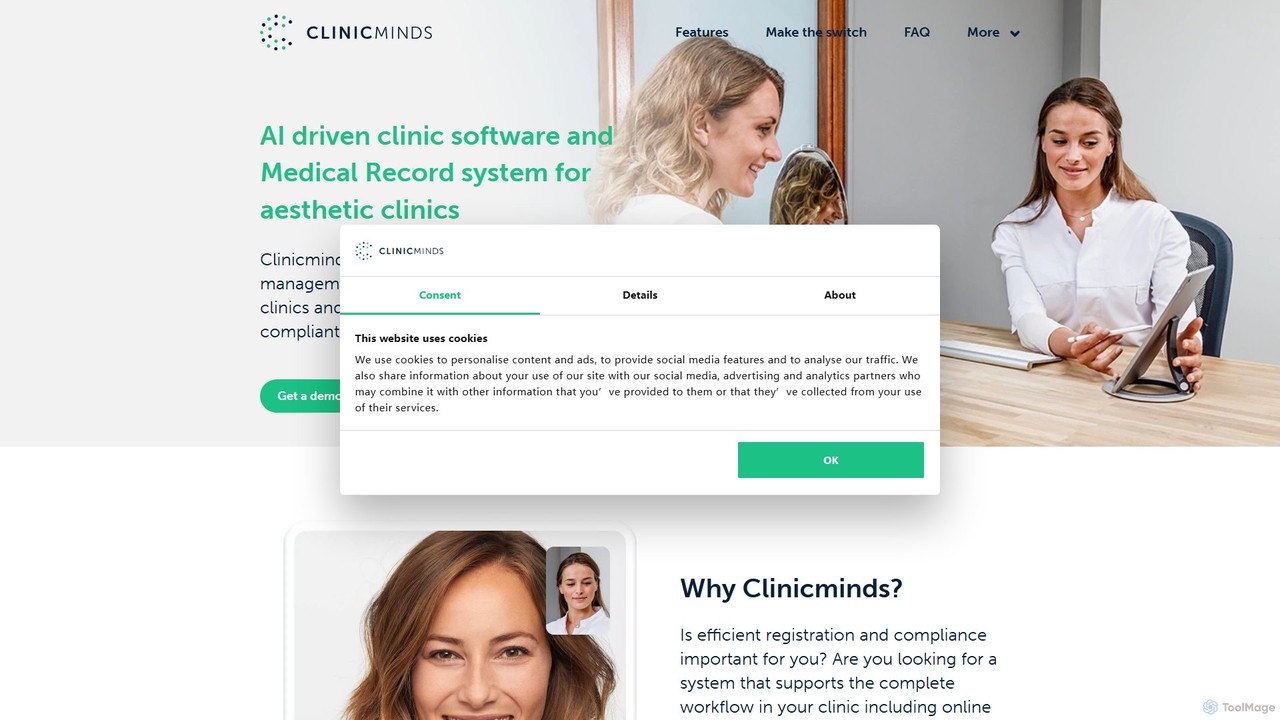
Clinicminds is an all-in-one practice management software designed for aesthetic clinics. It streamlines operations with features like electronic medical records (EMR), online appointment scheduling, digital consent forms, invoicing, and powerful analytics, helping clinics go paperless and grow their business efficiently.

Crm
Visits 209.8KFavorites 143Likes 151
brighterway
Paid

brighterway

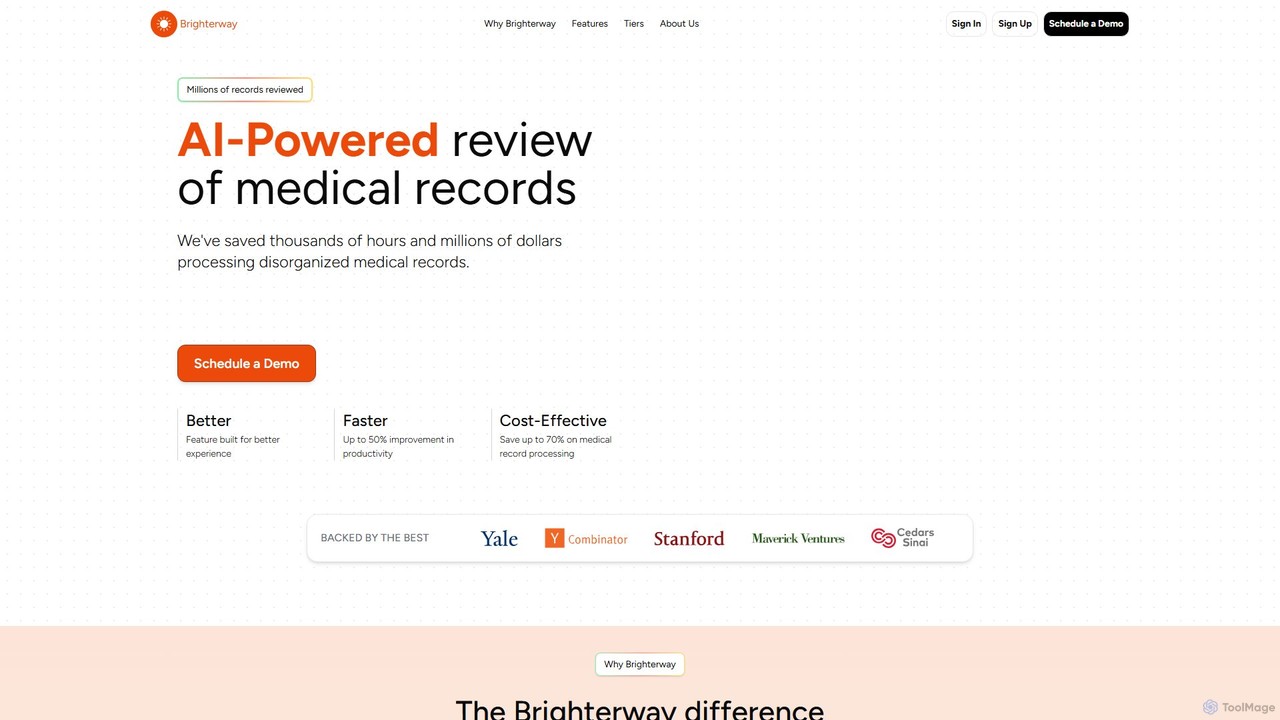
Brighterway is an AI-powered platform designed for the medical and legal industries to streamline the review of complex medical records. It automates the sorting and summarization of disorganized documents, significantly improving productivity and reducing costs. The platform is fine-tuned by MDs and AI researchers to ensure clinical accuracy and relevance, offering customizable solutions and expert support to enhance decision-making.

Data Processing
Visits 7.1KFavorites 135Likes 161
akidolabs
Paid

akidolabs

Akido Labs develops Scope AI, an advanced artificial intelligence platform designed to revolutionize healthcare operations. By optimizing scheduling, predicting patient needs, and coordinating care, it aims to make exceptional healthcare universally accessible. The platform empowers providers to increase capacity for in-person visits, reduce wait times, and deliver more proactive, human-centric care, ultimately building a more efficient and equitable healthcare system.

Operations Management
Visits 19.4KFavorites 152Likes 142
Ginkgo Bioworks

Ginkgo Bioworks

Ginkgo Bioworks is a leading synthetic biology company that utilizes AI, automation, and a vast biological codebase to program cells. They engineer custom microorganisms for partners in pharmaceuticals, agriculture, and industrial manufacturing, accelerating biological R&D and enabling the sustainable production of novel products.

Sustainable Farming
Visits 75.6KFavorites 123Likes 114
mpilo
Freemium

mpilo

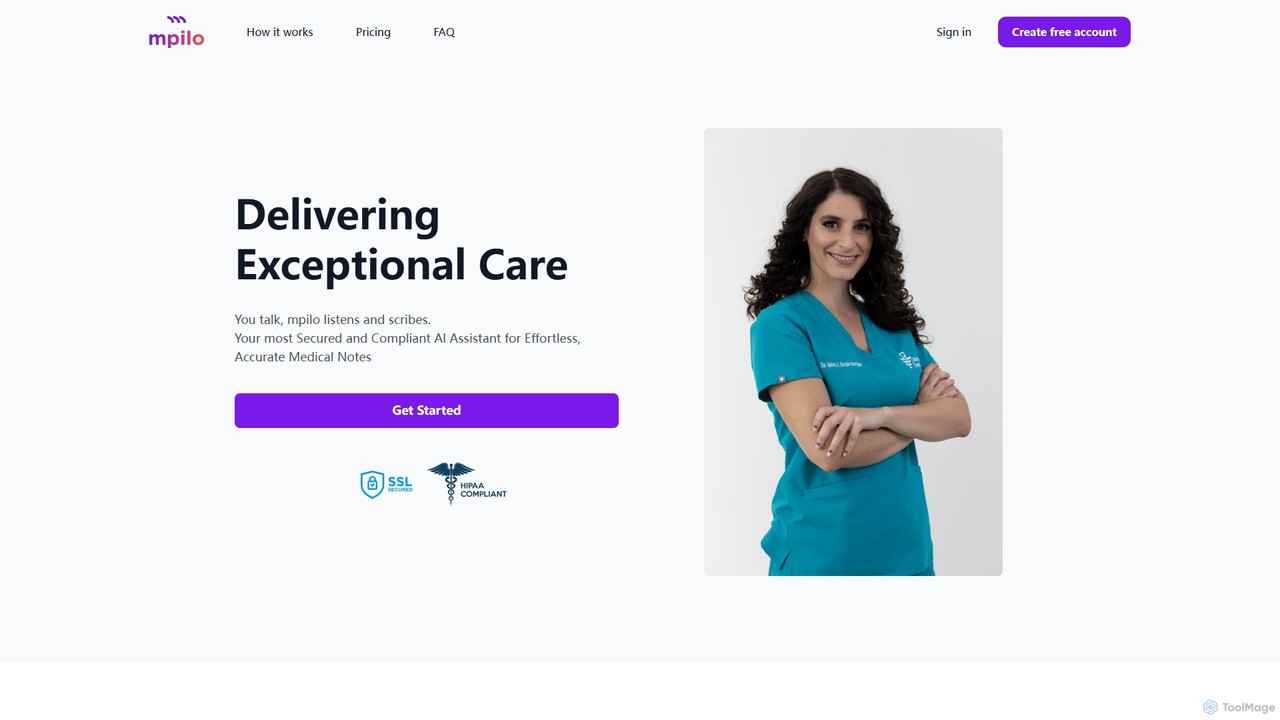
mpilo is an AI-powered medical assistant for healthcare professionals. It listens to patient consultations and automatically generates accurate, HIPAA-compliant clinical notes like SOAP notes. By automating documentation, mpilo reduces administrative workload, minimizes burnout, and allows clinicians to focus more on patient care. It's secure and adaptable to various medical specialties, learning your unique documentation style for seamless workflow integration.

Clinical Assistant
Visits 5.9KFavorites 140Likes 146
bihilo
Paid

bihilo

Bihilo is a specialized educational and consulting platform for the MedTech and Life Sciences industry. It provides expert-led training for individuals seeking to enter the sector and offers customized B2B services to enhance the performance of corporate sales and marketing teams.

Consulting
Visits 6.6KFavorites 155Likes 158
Vocca
Paid

Vocca

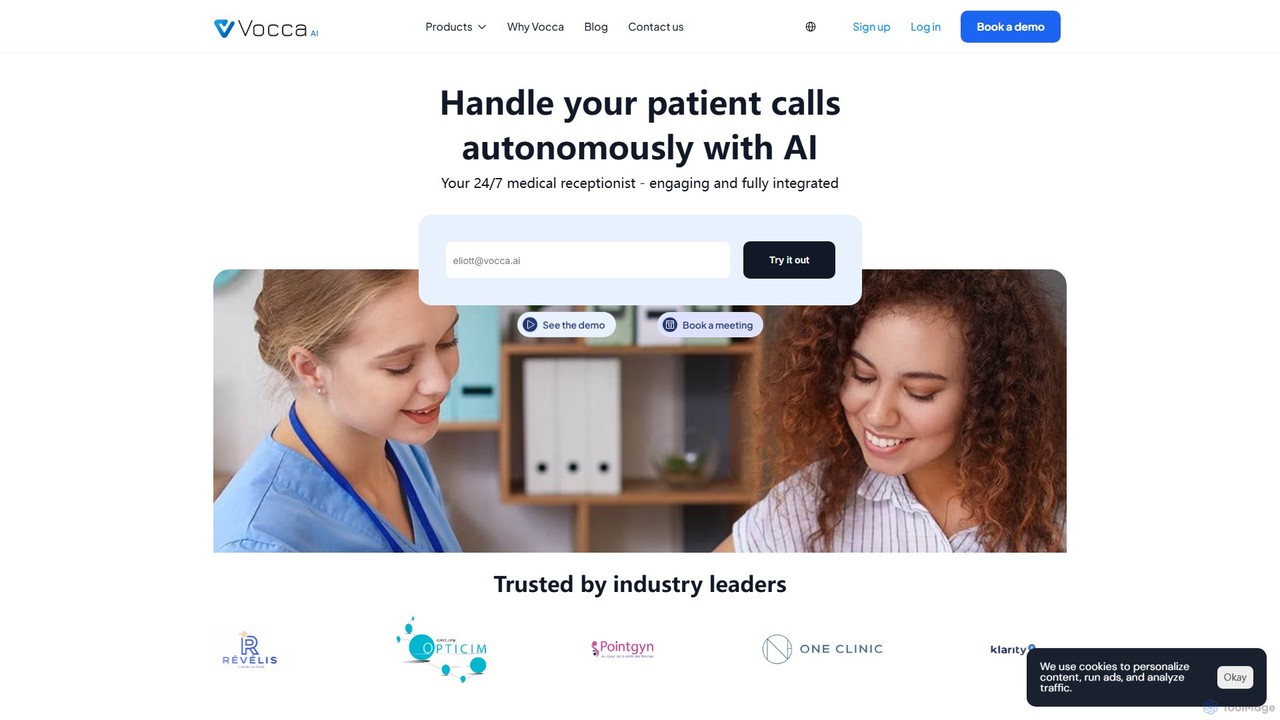
Vocca is an AI-powered call center and virtual receptionist designed specifically for the healthcare industry. It automates patient communications by handling inbound and outbound calls 24/7, scheduling appointments, sending reminders, and answering common questions. This allows medical staff to focus on patient care, reduce administrative workload, and improve clinic efficiency.

Voice Assistant
Visits 6.5KFavorites 117Likes 127
Scribeberry
Freemium

Scribeberry

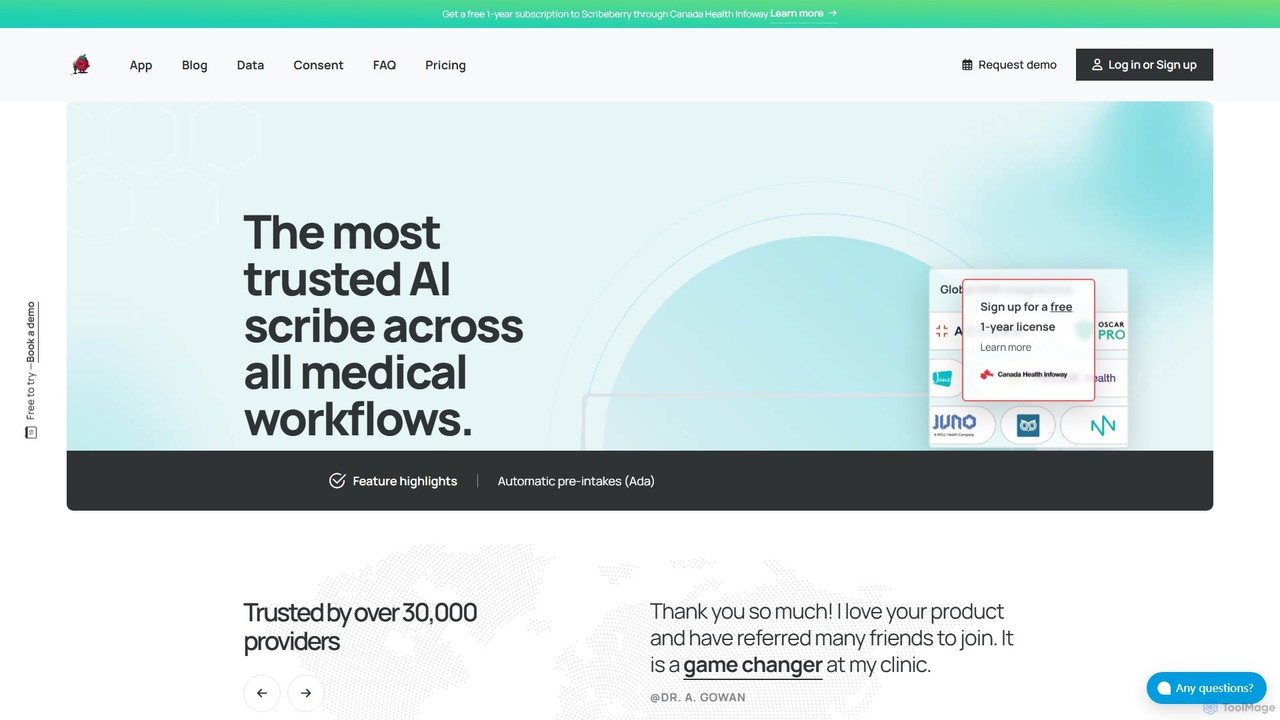
Scribeberry is an advanced AI-powered medical scribe designed for clinicians. It automates clinical documentation by listening to patient encounters, generating structured notes, and integrating seamlessly with EMRs. This saves healthcare providers hours daily, reduces burnout, and allows for greater focus on patient care.

Virtual Scribe
Visits 73.5KFavorites 131Likes 133
ICDcodes.ai
Free

ICDcodes.ai

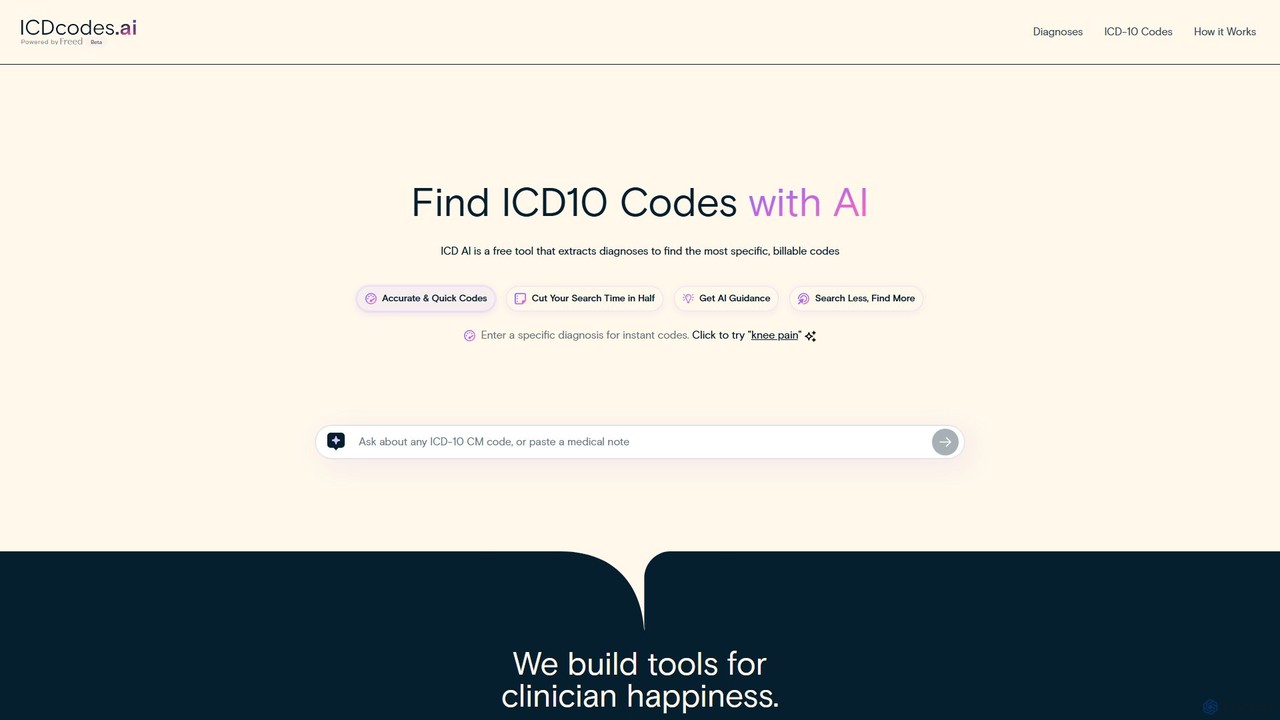
ICDcodes.ai is a free, AI-powered tool designed for healthcare professionals to quickly and accurately find ICD-10-CM diagnosis codes. By entering a diagnosis, symptoms, or pasting a clinical note, users can instantly receive specific, billable code suggestions, significantly reducing search time and improving coding accuracy.

Clinical Documentation
Visits 106.9KFavorites 126Likes 114
Freed
Freemium

Freed

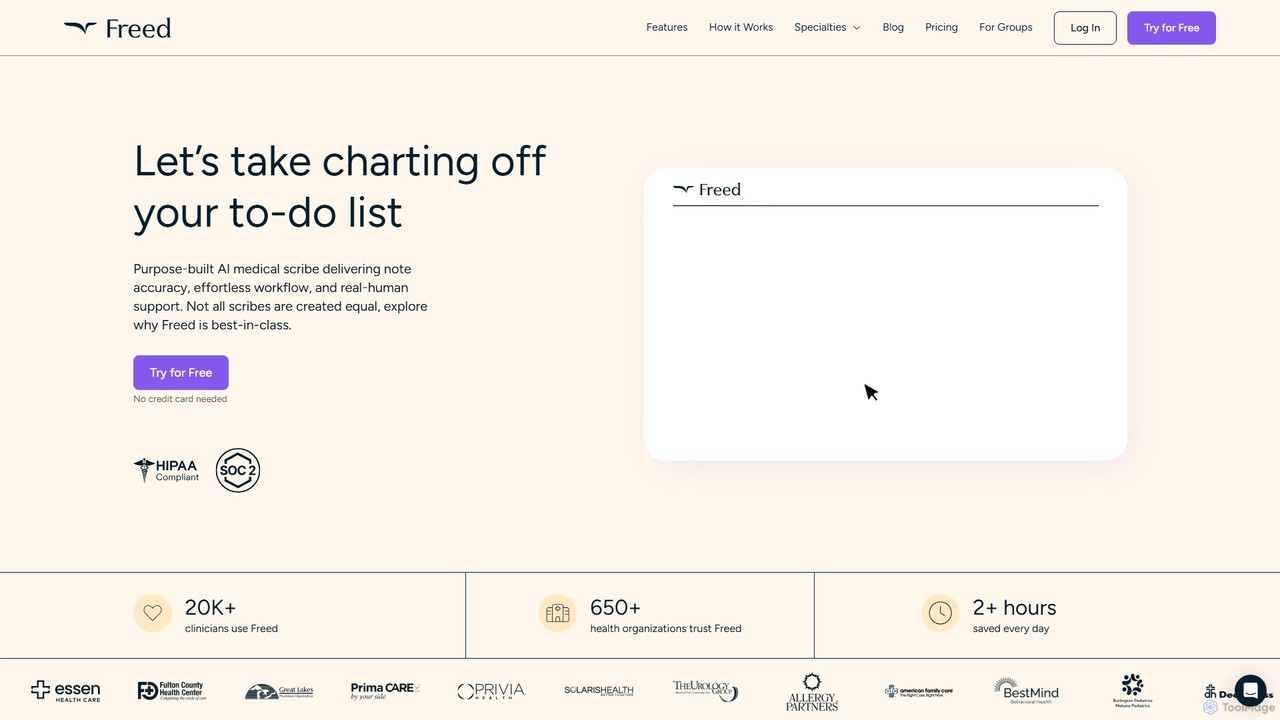
Freed is an AI-powered medical scribe designed for clinicians to eliminate charting fatigue. It securely records patient visits, transcribes the conversation, and automatically generates accurate, EHR-ready clinical notes. This allows healthcare professionals to focus on patient care, save hours on documentation, and improve their work-life balance.

Clinical Documentation
Visits 950.9KFavorites 158Likes 144
Feathery
Freemium

Feathery

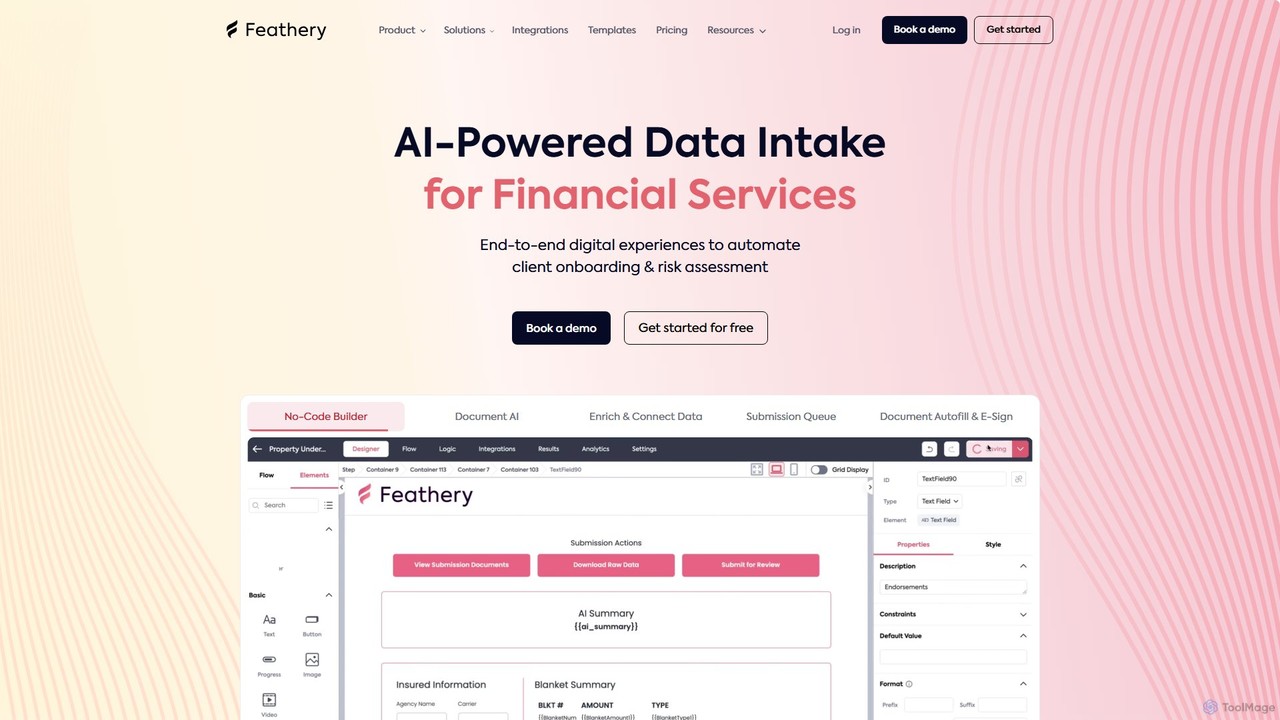
Feathery is an AI-powered platform for building complex data intake workflows, forms, and automating document processing. It offers a no-code builder, document AI, and enterprise-grade security, designed for regulated industries like insurance, finance, and healthcare.

Workflow Automation
Visits 99.5KFavorites 122Likes 127
Medicodio

Medicodio

Medicodio is an AI-powered medical coding assistant designed to enhance revenue cycle management. It utilizes advanced AI, ML, and NLP to analyze patient records, suggest accurate medical codes, and accelerate the coding process. By combining automation with expert human verification, Medicodio increases coding accuracy by up to 85% and speed by 45%, significantly reducing claim denials and coder burnout.

Revenue Cycle Management
Visits 7.8KFavorites 154Likes 151
Lunit

Lunit

Lunit is a medical AI company dedicated to conquering cancer. It provides AI-powered solutions for cancer diagnostics and therapeutics, helping clinicians detect early-stage cancer with greater accuracy and predict patient response to treatment. Its products analyze medical images and tissue data to improve clinical outcomes.

Predictive Analytics
Visits 44.4KFavorites 98Likes 110
Metriport
Paid

Metriport

Metriport is an open-source universal API for healthcare data, enabling developers and providers to access comprehensive patient medical records in seconds. It features a no-code dashboard, AI-powered record summaries, and seamless EHR integrations, all built on a secure, HIPAA-compliant, and transparent platform.

Api
Visits 20.8KFavorites 132Likes 119
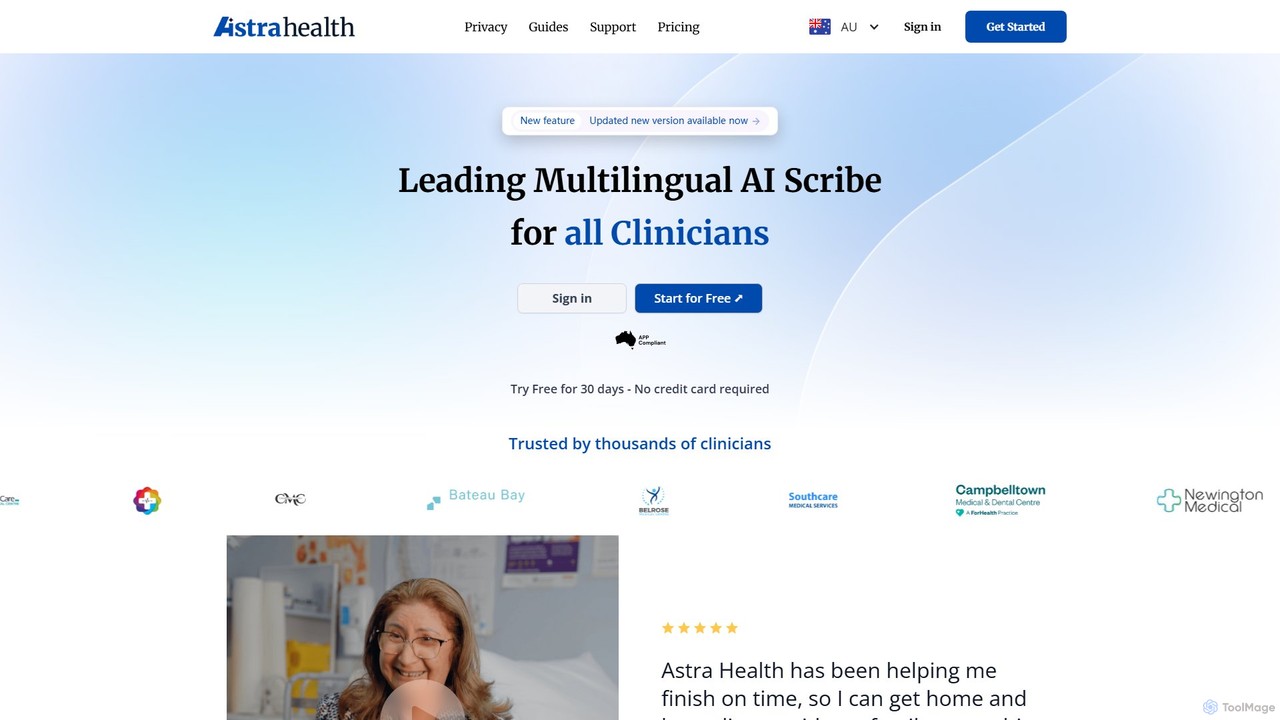
Astra Health AI
Freemium

Astra Health AI

Astra Health AI is an advanced, multilingual AI medical scribe designed for clinicians. It automates clinical documentation by transcribing patient consultations in real-time and instantly generating structured notes. This allows healthcare professionals to save hours on administrative tasks, focus more on patient interaction, and improve the quality of their medical records. It supports over 35 languages and prioritizes data security and privacy.

Clinical Assistance
Visits 11.5KFavorites 139Likes 137
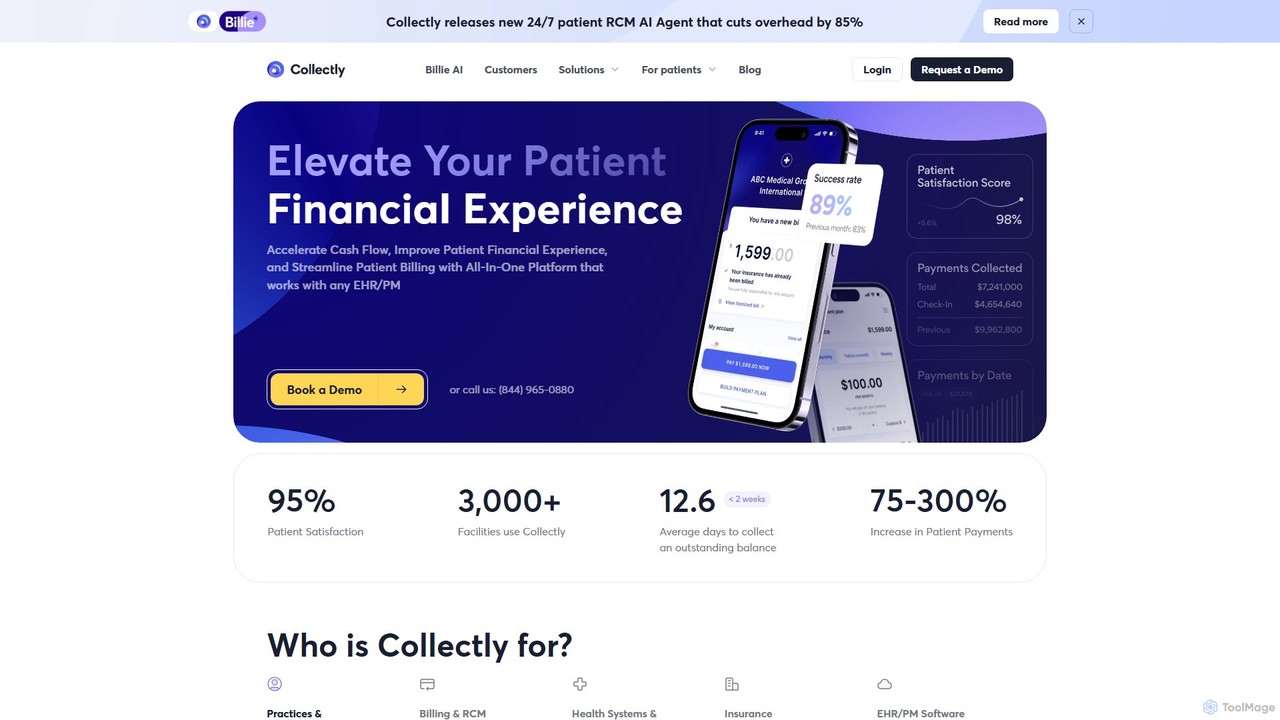
Collectly
Paid

Collectly

Collectly is an AI-powered, all-in-one platform designed to revolutionize the patient financial experience for healthcare providers. It streamlines billing, accelerates cash flow, and enhances patient satisfaction through automated digital check-ins, payment processing, and post-service billing. Its core feature, Billie, is a 24/7 AI agent that handles patient inquiries, resolves disputes, and processes payments, significantly reducing staff workload and improving revenue cycle management (RCM).

Ai Chatbots
Visits 68KFavorites 119Likes 132
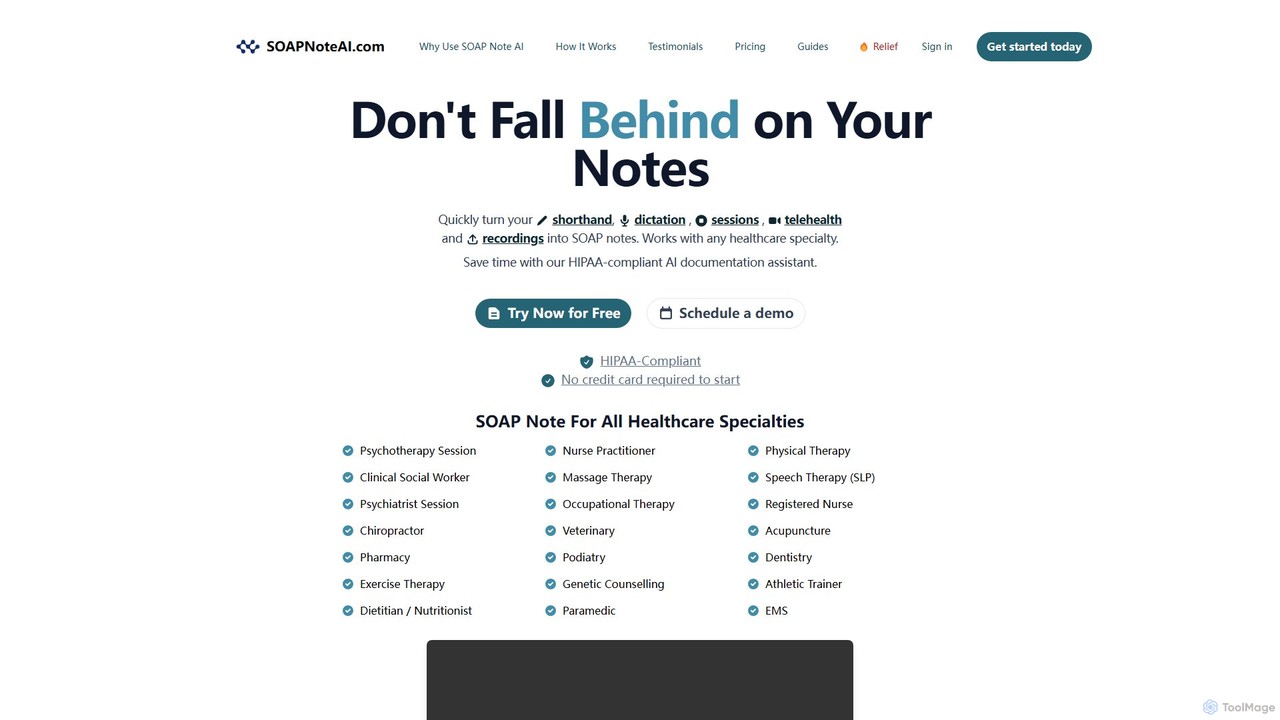
SOAPNoteAI
Freemium

SOAPNoteAI

A HIPAA-compliant AI assistant for healthcare professionals that quickly generates detailed SOAP notes from shorthand, dictation, or session recordings. It supports numerous specialties, saving clinicians hours on documentation, reducing burnout, and improving note quality.

Documentation
Visits 20.1KFavorites 117Likes 104
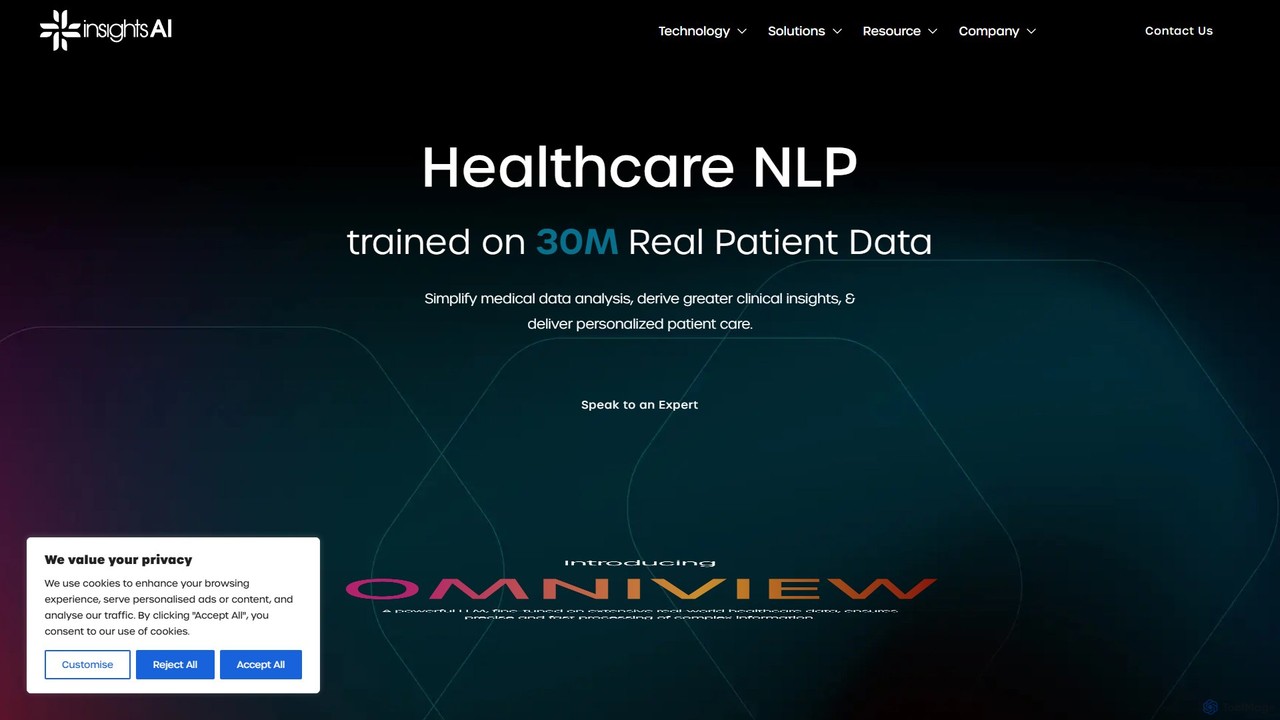
insightsaio
Paid

insightsaio

Insights AI offers a specialized healthcare NLP platform, Omniview, an LLM fine-tuned on 30 million real patient records. It provides high-precision APIs for medical data analysis, clinical insight extraction, data de-identification, and annotation. The platform ensures HIPAA compliance and data security with flexible on-premise or cloud deployment, designed to enhance clinical research and personalize patient care.

Natural Language Processing
Visits 6KFavorites 161Likes 149
witlingo
Paid

witlingo

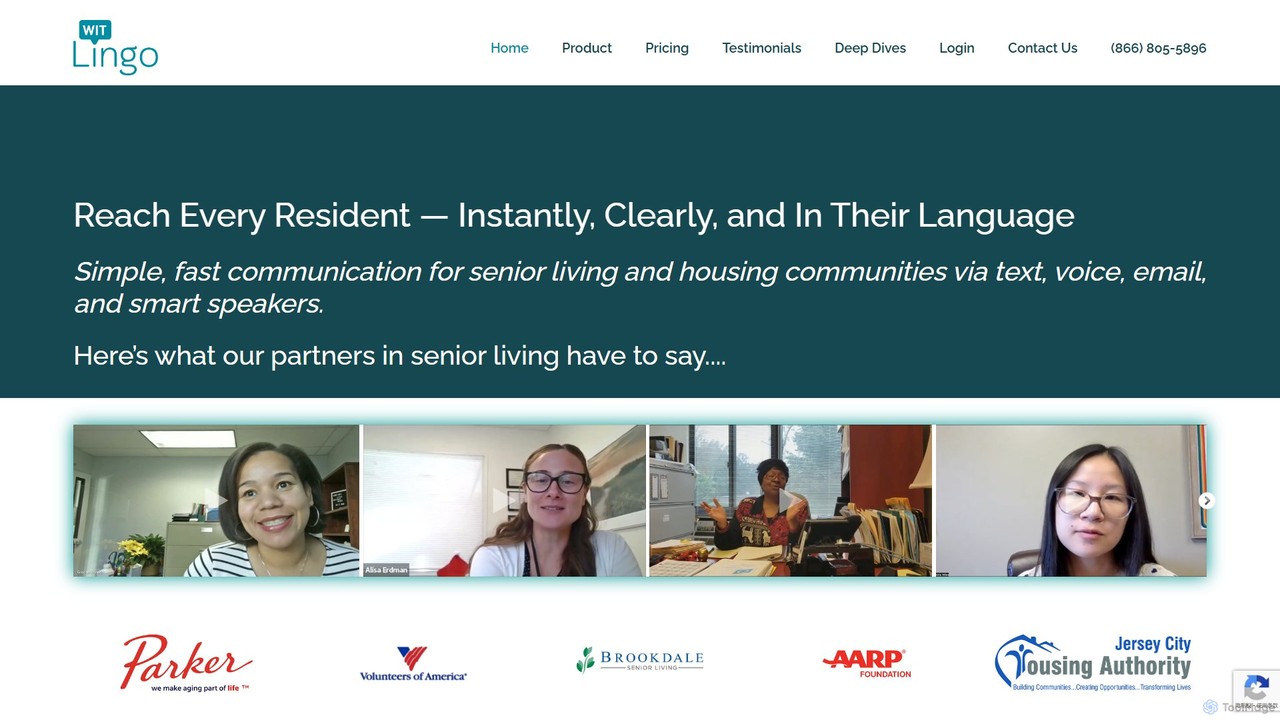
Witlingo is an AI-powered communication platform designed for community engagement, particularly in senior living and housing. It enables organizations to instantly send clear, multilingual notifications via text, voice, email, and smart speakers, ensuring every member is reached effectively.

Community Management
Visits 7.9KFavorites 144Likes 138
Pure Global
Freemium

Pure Global

Pure Global is an AI-powered platform offering regulatory intelligence and consulting for MedTech companies. It combines real-world expertise with AI to streamline global market access, providing real-time regulatory updates, product data analysis, and compliance solutions for over 30 markets worldwide, helping companies navigate complex regulations efficiently.

Market Intelligence
Visits 14.6KFavorites 169Likes 186
Clara Health
Paid

Clara Health

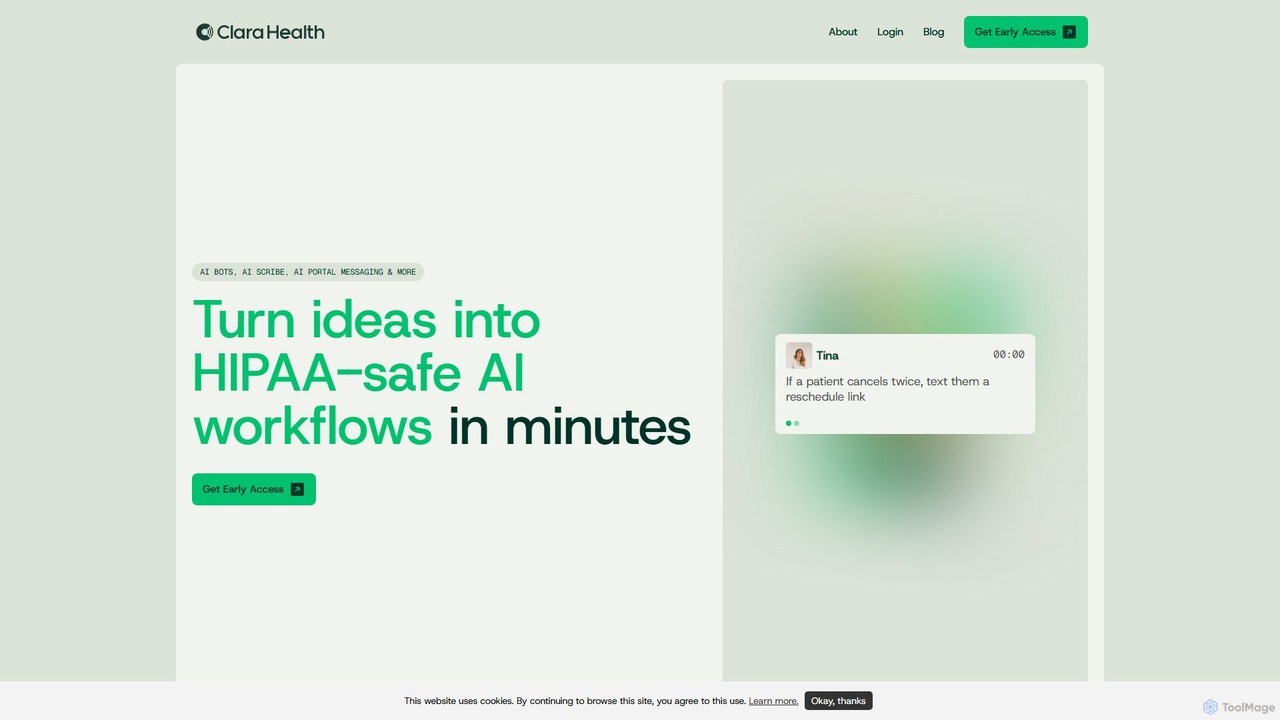
Clara Health is a no-code, HIPAA-compliant AI platform designed for healthcare teams. It enables providers to build and deploy custom AI workflows in minutes using a simple chat interface, automating tasks like patient scheduling, billing follow-ups, prior authorizations, and clinical documentation without needing any engineering resources.

Ai Chatbots
Visits 5.9KFavorites 131Likes 128
Axle Health
Paid

Axle Health

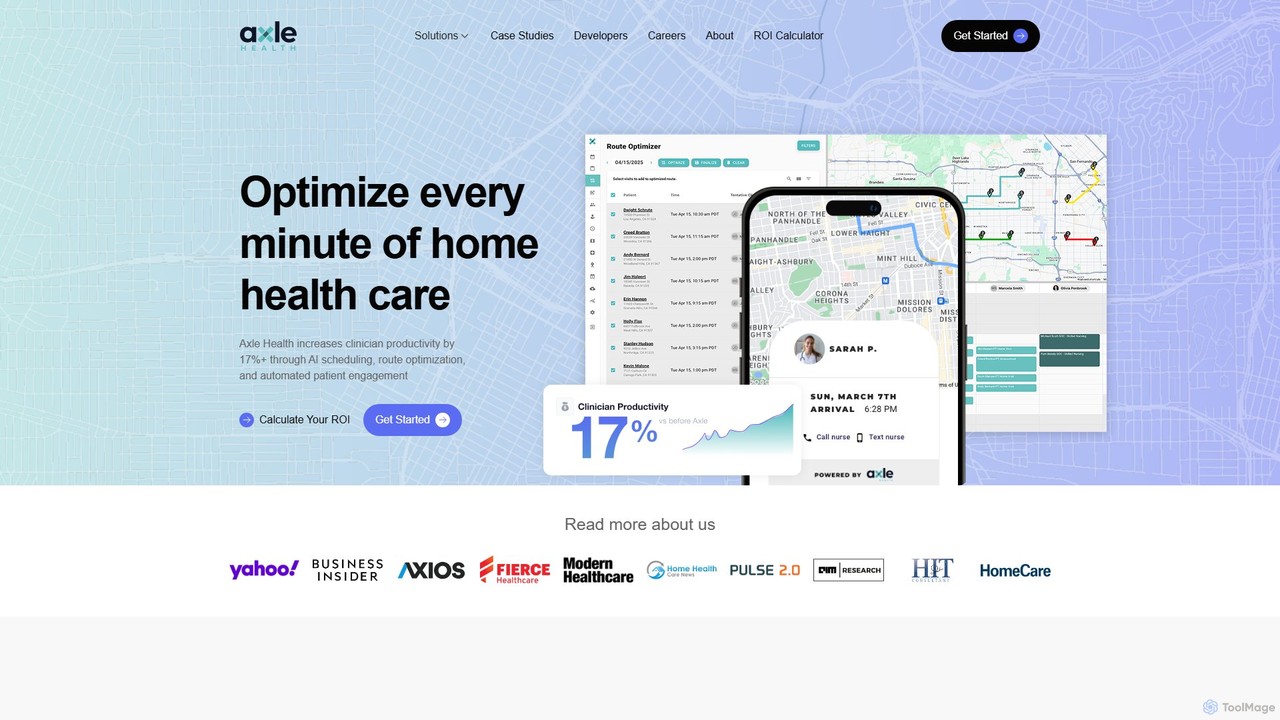
Axle Health is an AI-powered platform for home healthcare agencies, designed to optimize operations and increase efficiency. It leverages AI for intelligent scheduling, route optimization, and automated patient engagement, resulting in a 17%+ increase in clinician productivity, reduced drive time, and fewer missed appointments. The platform provides real-time visibility into field operations and seamlessly integrates with existing EMR systems.

Logistics
Visits 44.1KFavorites 118Likes 131

About Healthcare

AI Healthcare tools are a class of software that leverages artificial intelligence, particularly machine learning and natural language processing, to analyze complex medical data. These tools process vast datasets, including medical imaging, electronic health records (EHRs), and genomic sequences, to identify patterns and predict outcomes. They are designed to support clinical decision-making, streamline hospital operations, and accelerate biomedical research. By automating analysis and providing data-driven insights, these tools help improve diagnostic accuracy and personalize patient care.

Core Features

  • Medical Image Analysis: Automatically detects and highlights anomalies in X-rays, CT scans, and MRIs to assist radiologists and pathologists.
  • Predictive Analytics: Forecasts disease outbreaks, patient risk stratification, and potential adverse drug events using historical data.
  • Clinical Workflow Automation: Automates administrative tasks such as medical coding, patient data entry, and appointment scheduling.
  • Drug Discovery Acceleration: Analyzes biological data to identify potential drug candidates and predict their efficacy, shortening research cycles.
  • Personalized Treatment Planning: Recommends tailored treatment protocols based on an individual's genetic profile, lifestyle, and clinical history.

Use Cases

AI Healthcare tools are utilized across various medical settings. Hospitals and clinics use them for diagnostic support and operational efficiency. Pharmaceutical companies and research institutions apply them to accelerate drug discovery and clinical trials. Public health organizations also use predictive analytics for epidemiology and resource allocation.

How to Choose

When selecting an AI Healthcare tool, prioritize solutions with proven clinical validation and regulatory compliance (e.g., HIPAA, GDPR). Assess its integration capabilities with your existing Electronic Health Record (EHR) systems. Evaluate the model's accuracy, transparency, and the quality of the data it was trained on. Finally, ensure the provider offers robust data security measures and technical support.

Featured tool rankings

Healthcare use cases

1

Automated Medical Image Screening

A radiologist in a busy hospital uses an AI-powered diagnostic tool to analyze hundreds of chest X-rays daily. The tool automatically flags images with potential signs of pneumonia or lung nodules, prioritizing them for expert review. This system acts as a second reader, helping to reduce the risk of missed diagnoses due to fatigue and high workload. As a result, the radiology department can improve its diagnostic accuracy and significantly decrease the turnaround time for critical findings, leading to earlier patient treatment.

2

Predicting Patient Readmission Risk

A hospital care management team uses a predictive analytics platform to identify patients at high risk of readmission within 30 days of discharge. The AI model analyzes factors from the patient's electronic health record, such as diagnosis, length of stay, comorbidities, and past admissions. Based on the risk score, the team can allocate resources more effectively, providing high-risk patients with proactive follow-up calls, home health visits, or specialized care coordination to prevent complications and ensure a smoother recovery.

3

AI-Powered Clinical Documentation

A primary care physician uses an ambient clinical intelligence tool during patient consultations. The tool listens to the doctor-patient conversation, automatically transcribes it, and populates the relevant fields in the electronic health record (EHR) in real-time. It can distinguish between speakers, identify medical terms, and structure the notes correctly. This automation frees the physician from extensive note-taking, reducing administrative burden and burnout, and allowing them to focus more on direct patient interaction and care.

4

Accelerating Drug Discovery Research

A team of researchers at a pharmaceutical company uses an AI platform to analyze vast genomic and proteomic datasets. The goal is to identify novel biological targets for a new cancer therapy. The AI model sifts through millions of data points to find correlations that would be impossible for humans to detect, predicting which proteins are most likely to be effective drug targets. This significantly narrows down the number of candidates for laboratory testing, saving months or even years of research time and millions in R&D costs.

5

Personalized Cancer Treatment Planning

An oncologist uses an AI decision support system to create a personalized treatment plan for a patient with a rare form of cancer. The system analyzes the patient's genomic data, pathology reports, and medical history, comparing it against a vast database of clinical trials, research papers, and treatment outcomes from similar cases worldwide. It then suggests a ranked list of potential therapies, including targeted drugs and immunotherapies, that are most likely to be effective for this specific patient, empowering the oncologist to make a more informed decision.

6

Intelligent Triage for Virtual Health Assistants

A large healthcare provider implements an AI-powered chatbot on its patient portal. When a patient reports symptoms, the chatbot engages in a conversational triage process, asking targeted questions to assess the severity and nature of the issue. Based on the responses, it can recommend self-care measures for minor issues, schedule a telehealth appointment with a nurse or doctor for non-urgent cases, or advise immediate emergency care for critical symptoms. This automates the initial patient intake, ensuring patients are directed to the appropriate level of care efficiently.

Healthcare FAQ

What are AI Healthcare tools?

AI Healthcare tools are software applications that use artificial intelligence technologies like machine learning, natural language processing, and computer vision to analyze medical data. Their primary purpose is to assist healthcare professionals in diagnosing diseases, planning treatments, and managing clinical operations. Common examples include AI systems for reading medical scans, predicting patient outcomes, and automating administrative tasks in hospitals.

How do you choose a reliable AI Healthcare tool?

Choosing a reliable AI healthcare tool requires careful consideration of several factors. Look for the following:

  • Regulatory Compliance: Ensure the tool complies with data privacy and security regulations like HIPAA in the US or GDPR in Europe.
  • Clinical Validation: Check for evidence of effectiveness, such as peer-reviewed studies, clinical trial results, or clearance from regulatory bodies like the FDA.
  • Integration Capability: The tool should seamlessly integrate with your existing systems, especially Electronic Health Records (EHR).
  • Data Security: Verify that the provider has robust security protocols to protect sensitive patient information.
Will AI tools replace doctors and nurses?

No, AI tools are not intended to replace healthcare professionals like doctors and nurses. Instead, they are designed to be powerful assistants or augmentation tools. They excel at processing large amounts of data, identifying patterns, and automating repetitive tasks. This frees up clinicians to focus on what humans do best: complex decision-making, patient communication, empathy, and providing hands-on care. The goal is a human-AI collaboration that enhances the quality and efficiency of care.

What are the main benefits of using AI in healthcare?

The primary benefits of using AI in healthcare include:

  • Improved Accuracy: AI can detect subtle patterns in medical images and data that may be missed by the human eye, leading to earlier and more accurate diagnoses.
  • Enhanced Efficiency: Automating administrative and clinical tasks reduces workload, minimizes errors, and allows healthcare providers to see more patients.
  • Personalized Medicine: AI enables the analysis of a patient's unique genetic and clinical data to tailor treatments for better outcomes.
  • Accelerated Research: AI significantly speeds up the process of drug discovery and the analysis of clinical trial data, bringing new treatments to market faster.
What types of data do AI Healthcare tools use?

AI healthcare tools are trained on and analyze a wide variety of data types. These include structured data like lab results and vital signs, as well as unstructured data. Key examples are:

  • Medical Imaging: X-rays, CT scans, MRIs, and pathology slides.
  • Electronic Health Records (EHRs): Patient histories, physician notes, diagnoses, and medications.
  • Genomic Data: DNA and RNA sequences used for personalized medicine.
  • Clinical Trial Data: Information from research studies to find new treatments.
  • Real-world Data: Data from sources like wearable devices and patient registries.