Freemium
Popular Automation AI tools in Productivity include vocode, codegate, Telegram Messenger, Shopify, boundlessai, remove.bg, Jotform, Breeze Copilot, ClickUp Brain, and Manus 1.5, helping you work more efficiently.
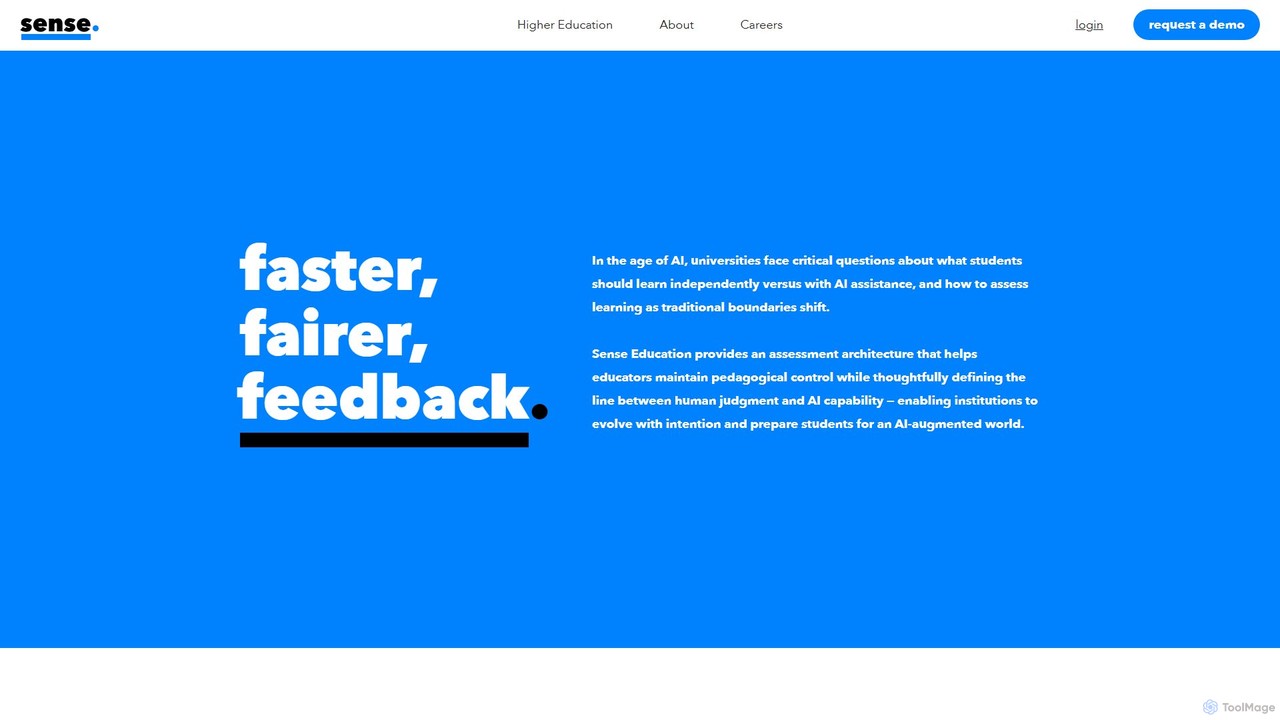
Sense is an AI-driven assessment and feedback platform designed for higher education. It empowers educators to provide personalized, high-quality feedback at scale, overcoming the challenges of large class sizes. By amplifying human expertise, Sense helps improve student outcomes and makes quality education more accessible.
Assessment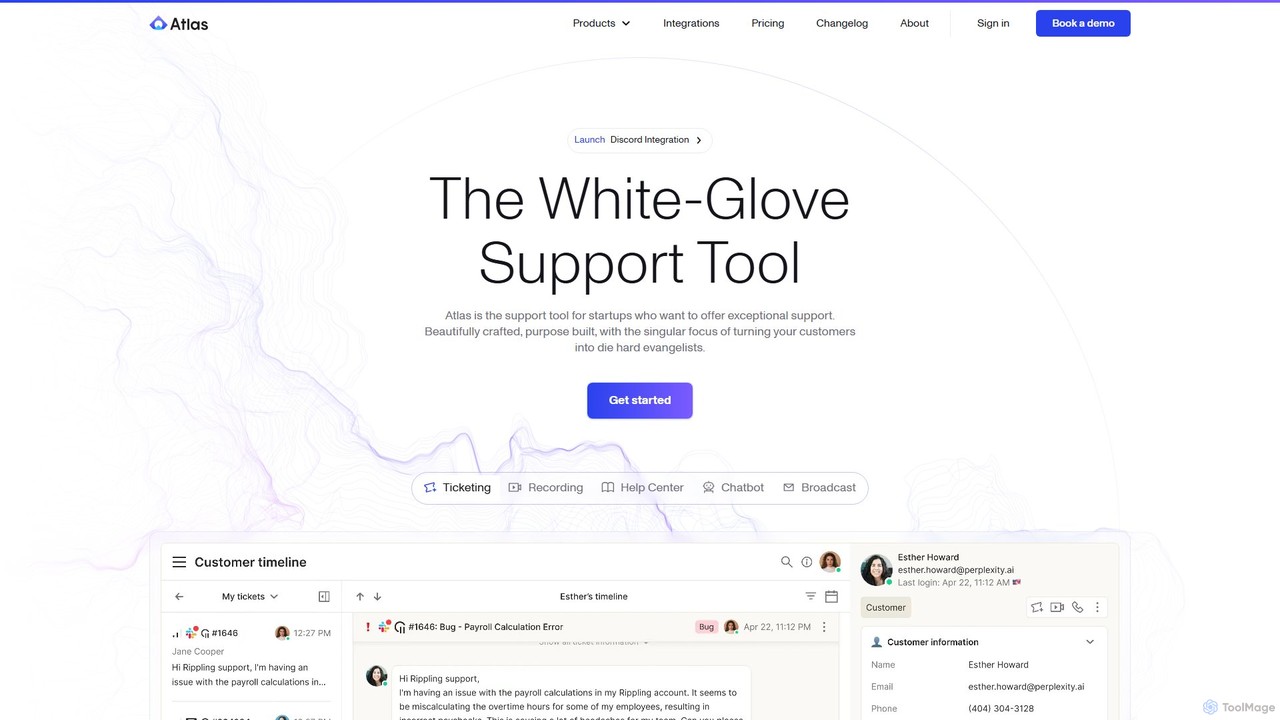
Atlas is an AI-powered customer support platform designed for startups to deliver exceptional, white-glove service. It unifies ticketing, an AI chatbot, a help center, session recordings, and omnichannel communication (Slack, email, chat, etc.) into a single, fast workspace. Atlas aims to transform customer support from a cost center into a powerful growth engine by creating die-hard customer evangelists.
Customer Relationship Management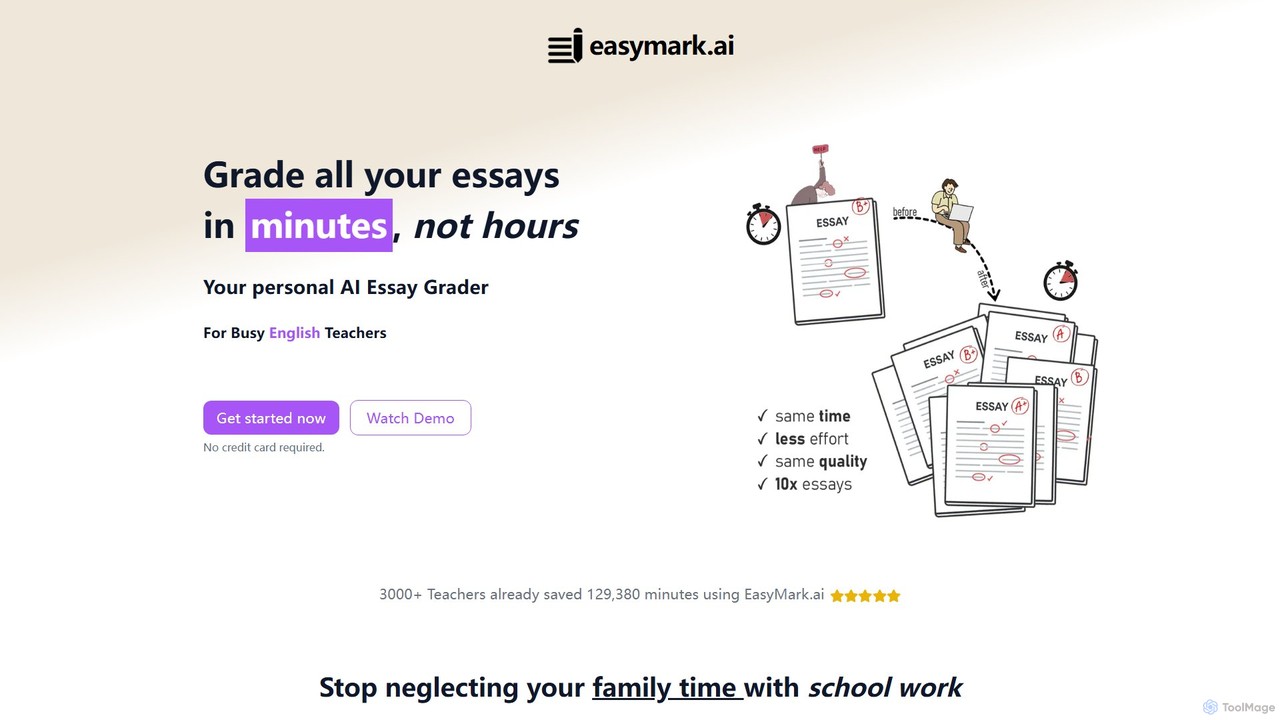
easymark is an AI-powered essay grader designed for busy English and ELA teachers. It dramatically reduces grading time, allowing educators to grade up to 10 times more essays. The tool provides personalized feedback, detailed error lists, and improvement suggestions based on custom rubrics, supporting various file formats like PDF and images.
Grading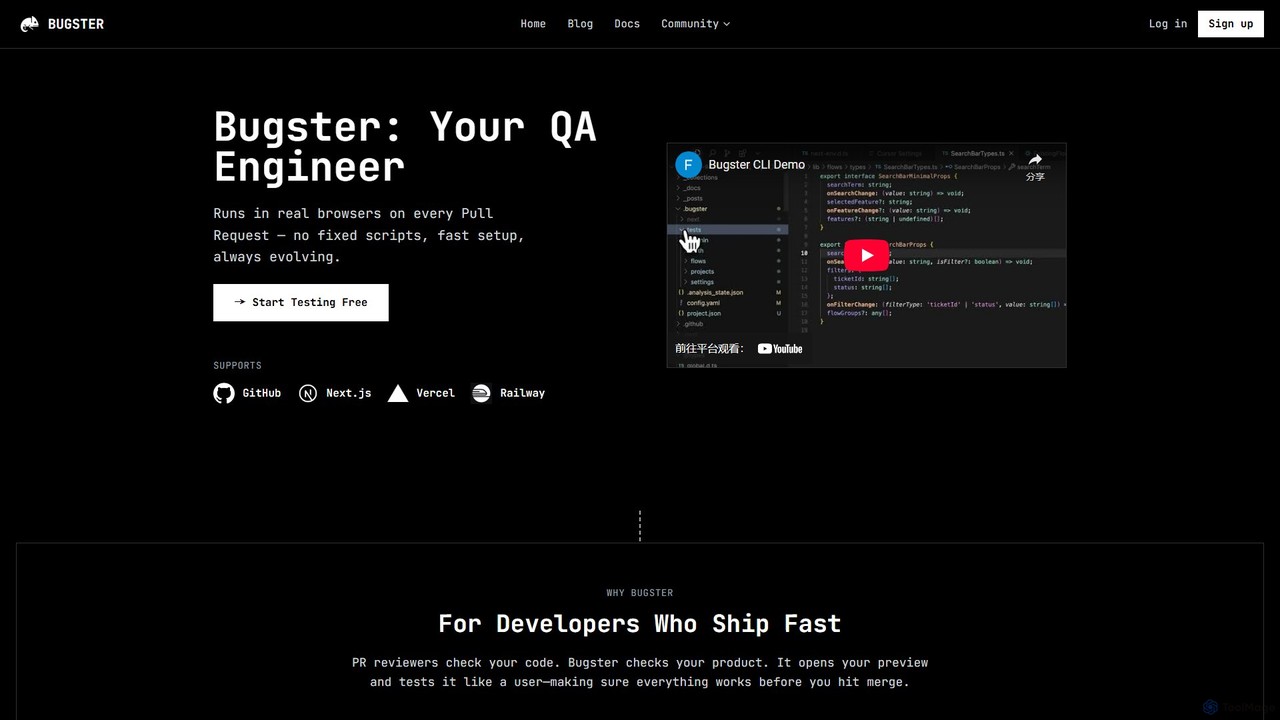
Bugster is an AI-powered QA engineer for developers that automates end-to-end testing. It runs on every pull request, simulating user interactions in real browsers to find bugs before they hit production. It offers automatic test generation, zero-effort maintenance, and seamless integration with GitHub and Vercel.
Code Quality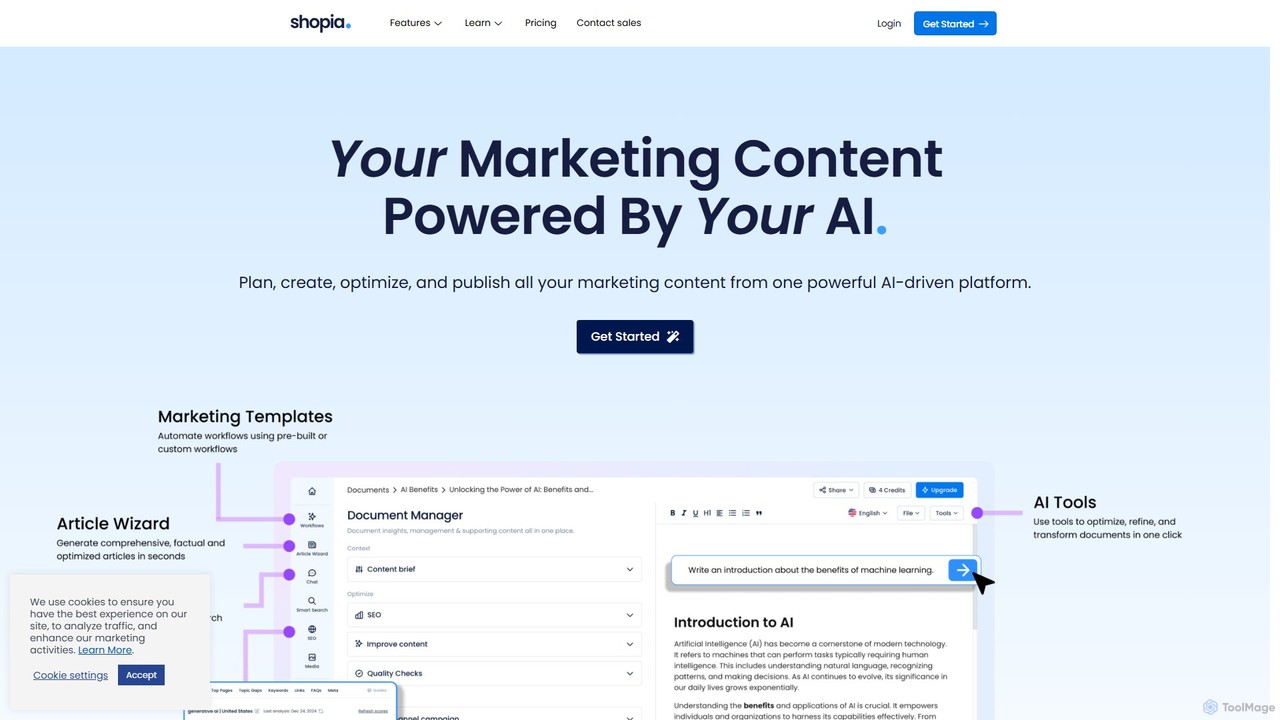
Shopia is an all-in-one AI workspace designed for marketing and sales teams. It enables users to plan, create, optimize, and publish marketing content from a single platform. By learning your company profile, brand voice, and knowledge base, Shopia generates personalized, SEO-optimized, and factual content, moving beyond generic AI outputs.
Ad Copy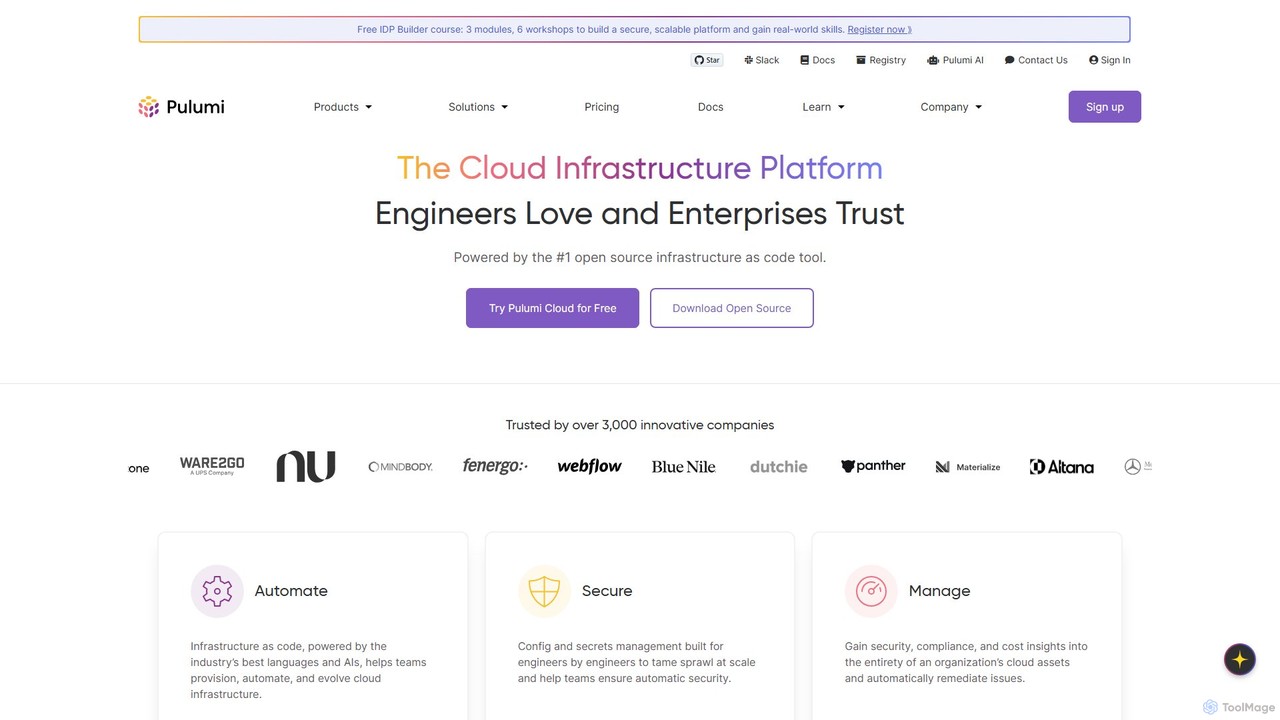
Pulumi is a universal Infrastructure as Code (IaC) platform that allows developers and infrastructure teams to build, deploy, and manage cloud infrastructure using familiar programming languages like Python, TypeScript, Go, and C#. It integrates AI to enhance security, compliance, and operational efficiency.
Management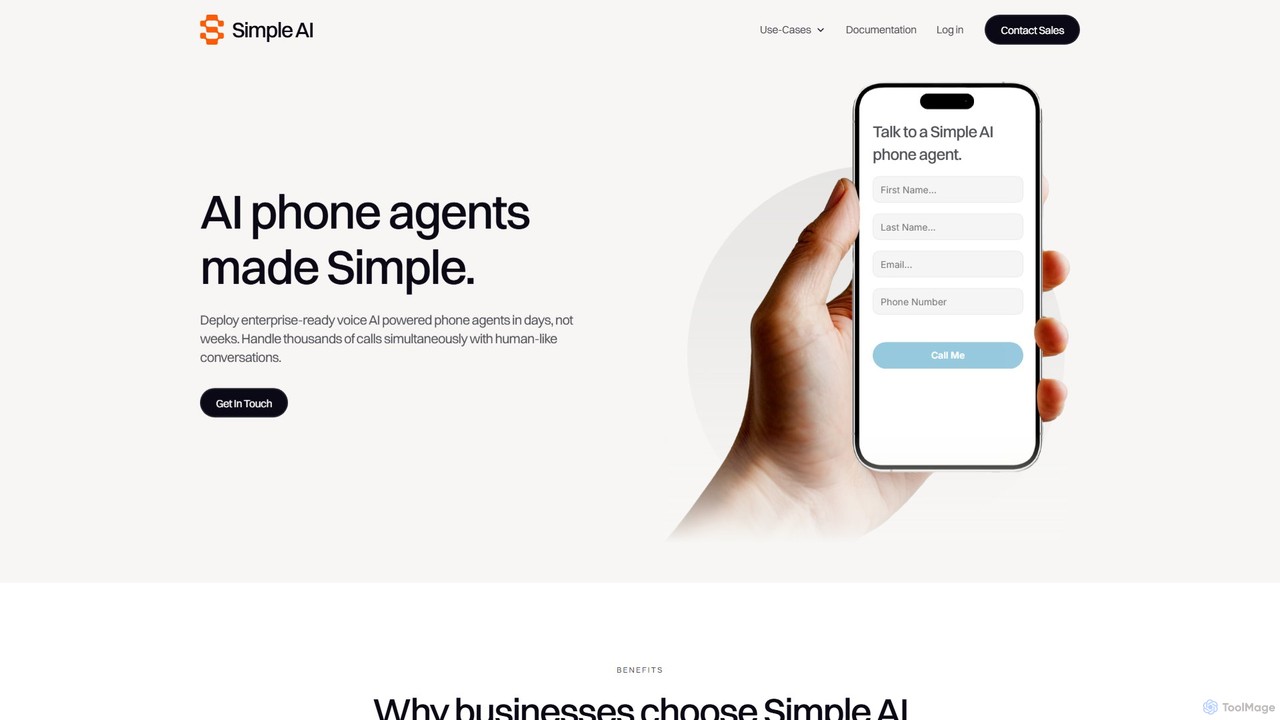
Simple AI provides enterprise-grade AI phone agents that handle thousands of calls simultaneously with human-like conversations. Deploy intelligent voice AI in days to automate customer support, sales outreach, and other business communications. The platform offers 24/7 availability, understands context, handles objections, and integrates seamlessly with your existing CRM and knowledge base, all while ensuring top-tier security with SOC 2 and HIPAA compliance.
Phone Systems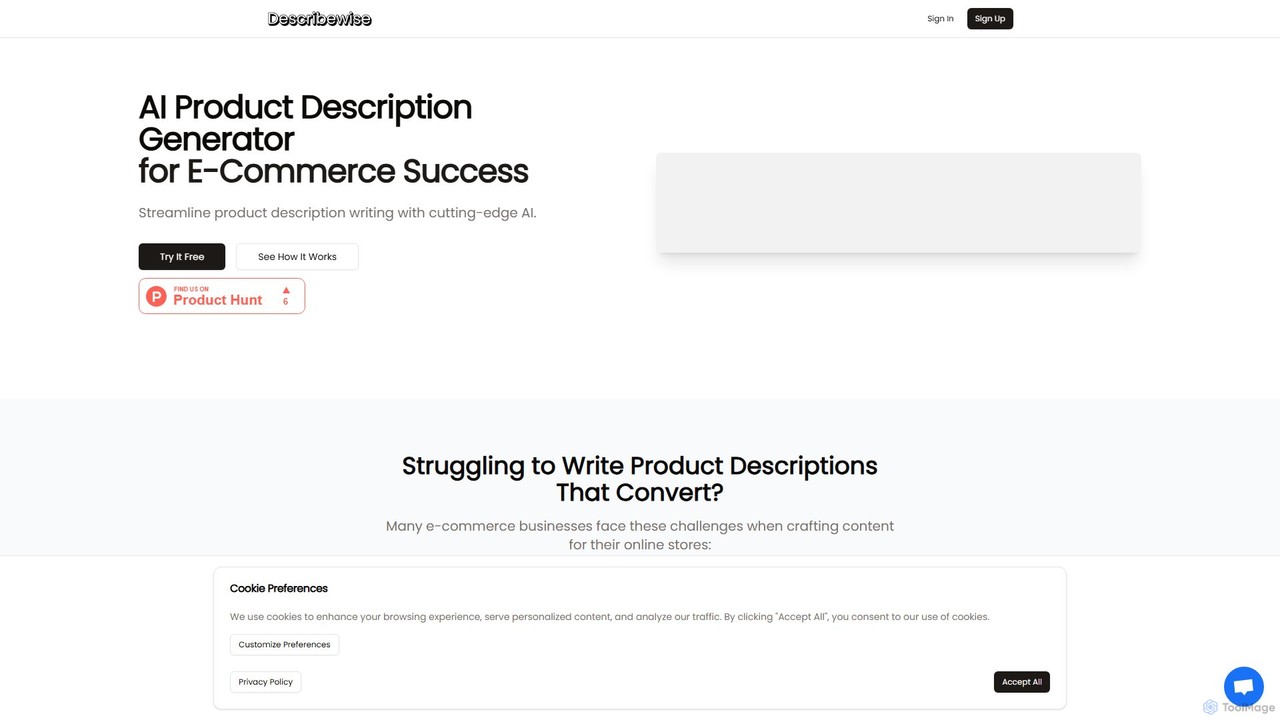
describewise is an AI-powered product description generator designed for e-commerce success. It streamlines content creation by producing unique, SEO-optimized, and brand-consistent descriptions in minutes. Simply upload a product image, set your preferences for tone, audience, and keywords, and let the AI do the writing.
Product Descriptions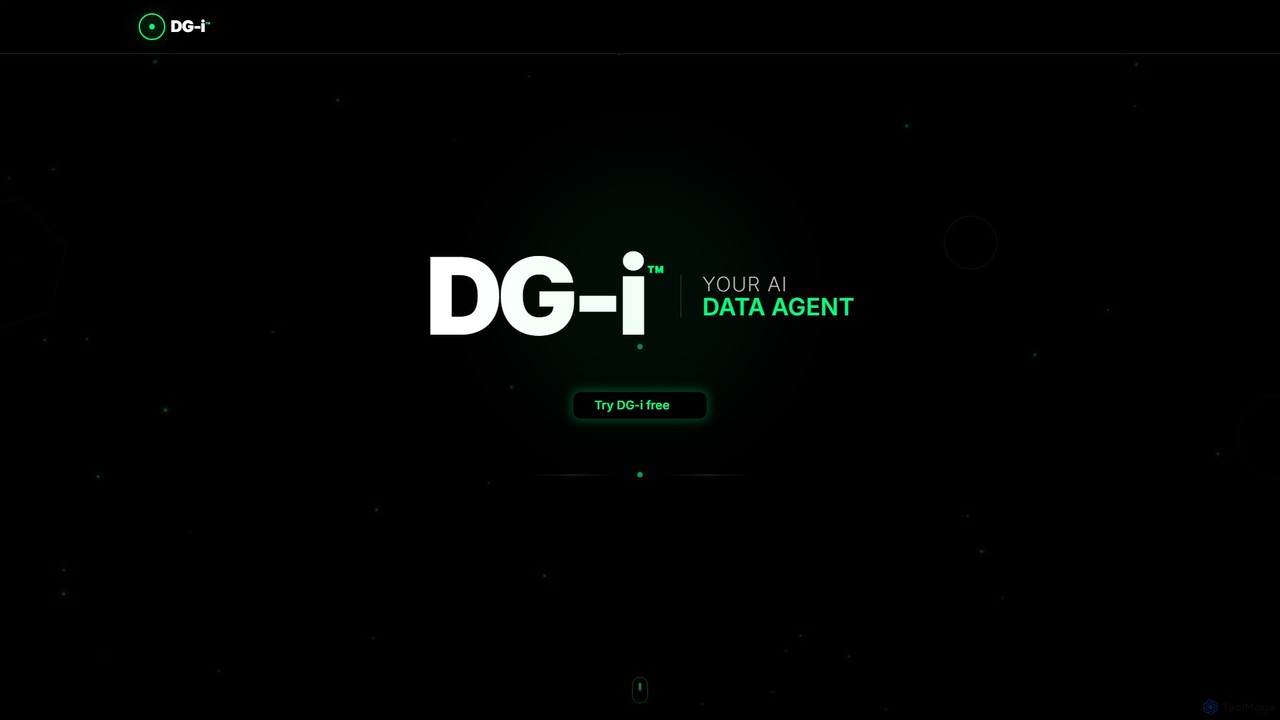
DG-i by Datagran is an advanced AI data agent that allows you to connect to any data source, analyze information using natural language, and automate complex data workflows. It prioritizes security with military-grade encryption and a zero-knowledge architecture, ensuring your data remains secure.
Data Science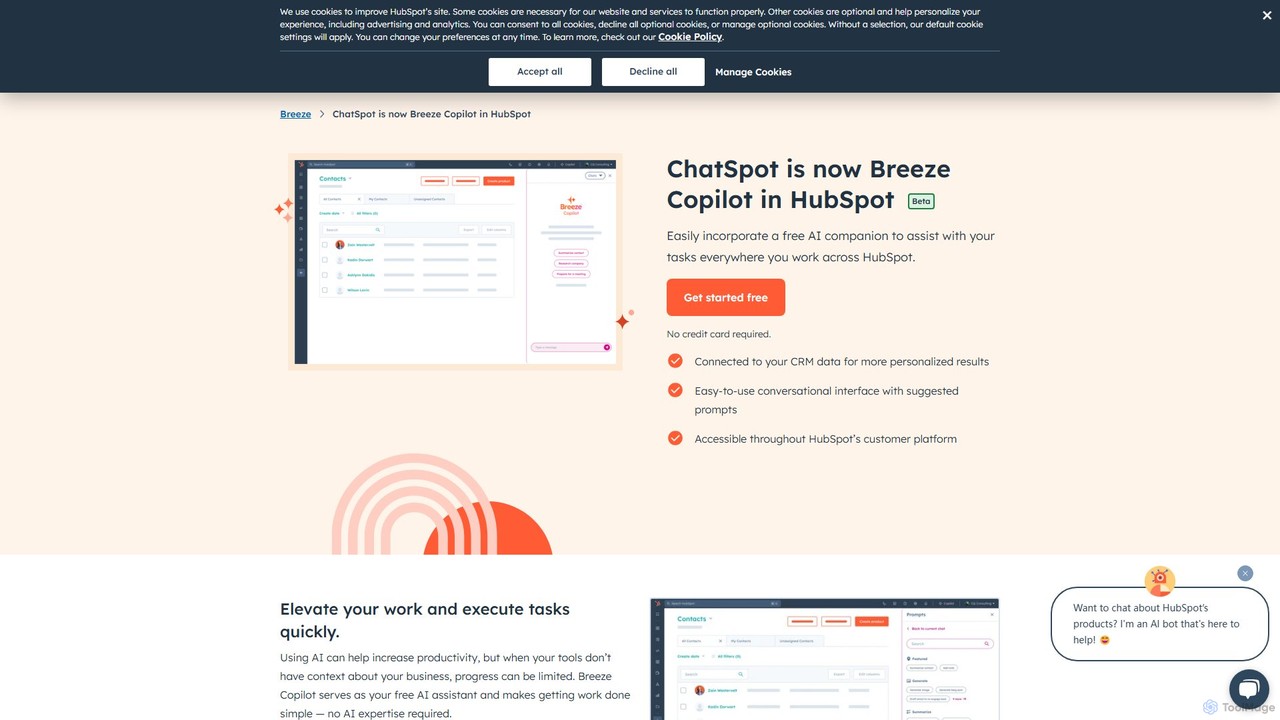
Breeze Copilot is a free AI assistant integrated directly into the HubSpot platform. It leverages your CRM data to provide personalized assistance across sales, marketing, and customer service. Boost productivity by using its conversational interface to research prospects, create content, summarize records, and streamline your daily tasks without needing any AI expertise.
Ai Assistant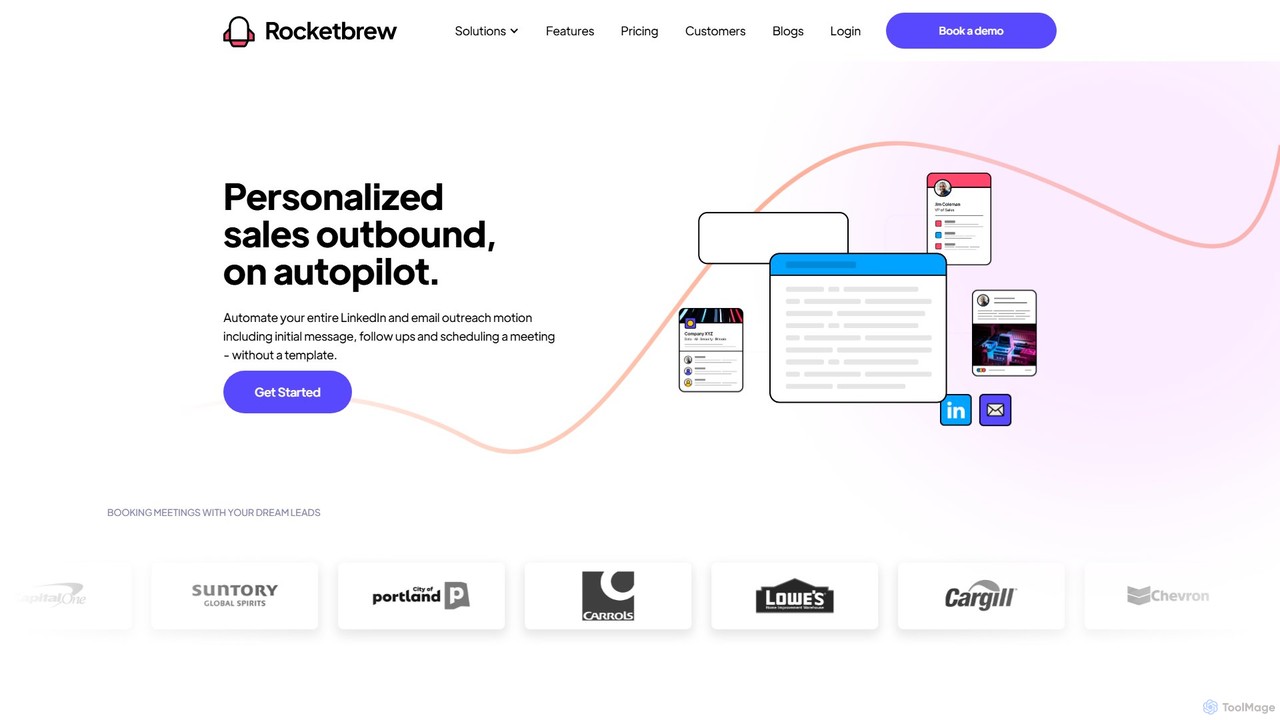
therocketbrew is an AI-powered outbound engine that automates the entire sales outreach process. It researches leads, crafts hyper-personalized messages for LinkedIn and email, manages conversations, and books meetings directly into your calendar, all without using templates.
Email Marketing
ReviewKit is an AI-powered platform for effortless online reputation management. It helps businesses boost their online presence by automating review collection, generating intelligent responses, and providing deep analytical insights. Take control of your brand's narrative across multiple platforms with a single, streamlined tool.
Reputation Management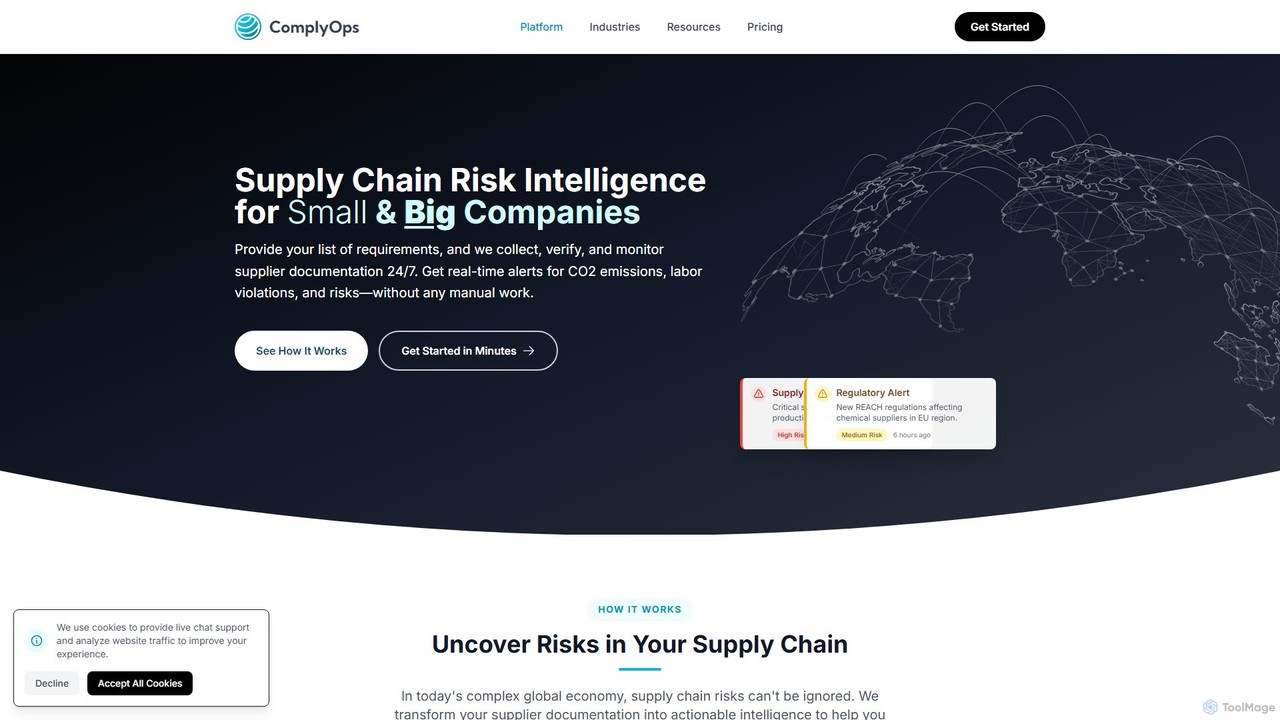
ComplyOps is an AI-powered platform for automated supplier compliance and risk intelligence. It transforms supply chain management by automating document collection, verifying compliance 24/7, and providing predictive insights to prevent disruptions. The platform offers complete visibility into Tier 1-3 suppliers, monitors ethical sourcing, and tracks CO2 emissions, helping businesses reduce risks and cut compliance costs.
Supply Chain Management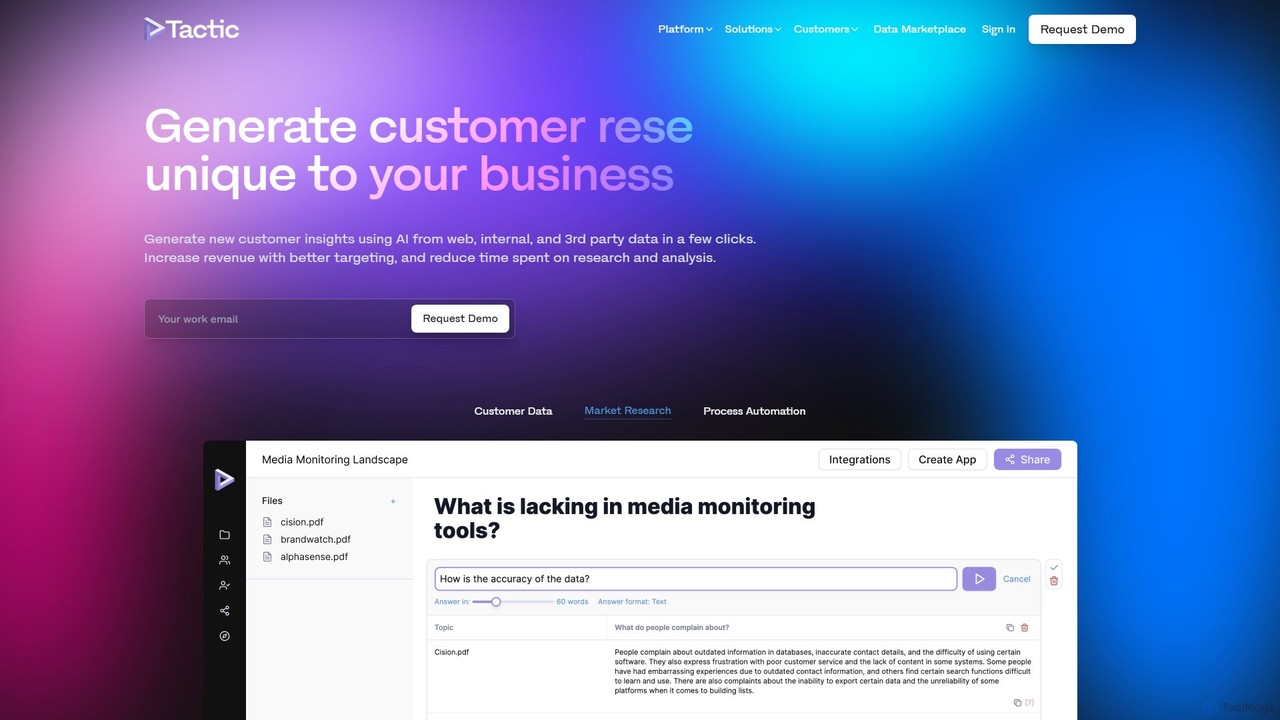
Tactic is an AI-powered Go-to-Market (GTM) intelligence platform that automates data collection and generates unique customer insights. It helps B2B sales and marketing teams to improve targeting, increase revenue, and reduce time spent on research by integrating web, internal, and third-party data sources.
Analytics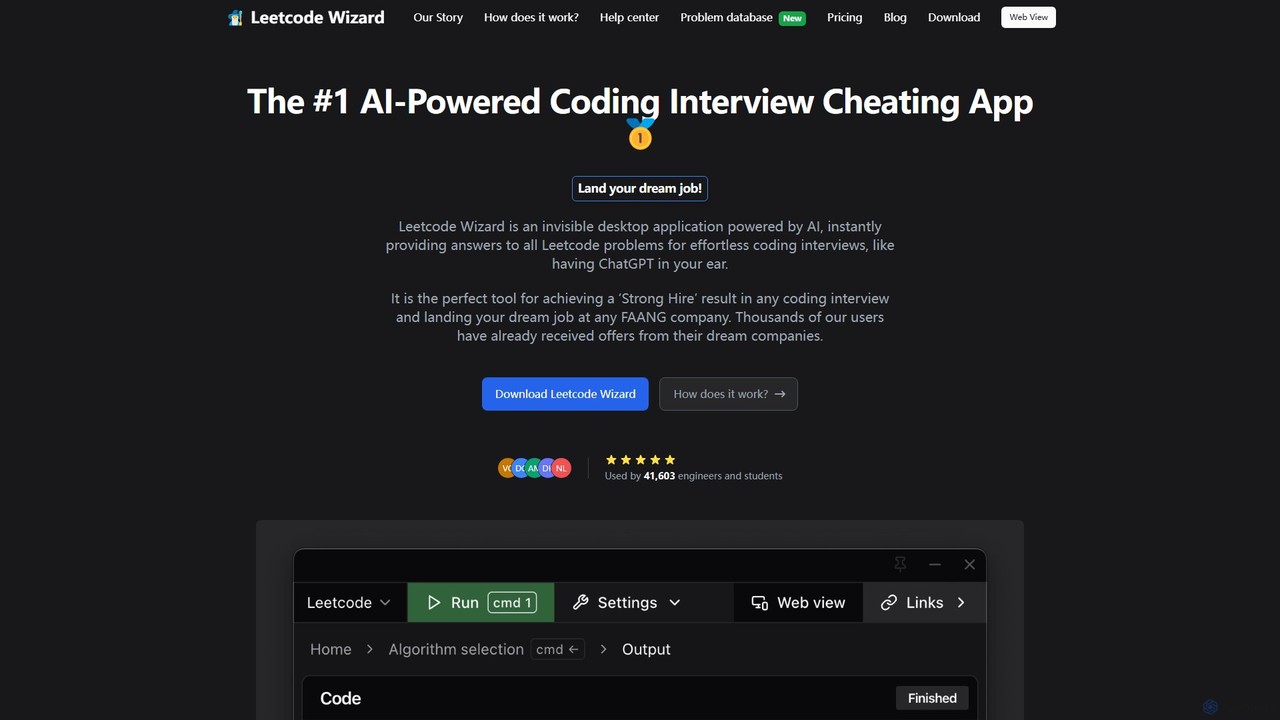
Leetcode Wizard is an AI-powered desktop application that provides real-time solutions to coding problems during technical interviews. It operates invisibly, controlled by hotkeys, to help engineers pass Leetcode-style challenges on platforms like HackerRank and CodeSignal. The tool generates humanized code, tests, and complexity analysis, acting as a discreet assistant to help you land your dream tech job.
Interview Preparation
Hatch is a conversational AI platform that deploys AI Customer Service Representatives (CSRs) across SMS, email, and voice channels. It automates lead qualification, appointment booking, and customer follow-ups to drive revenue and improve operational efficiency.
Conversational Ai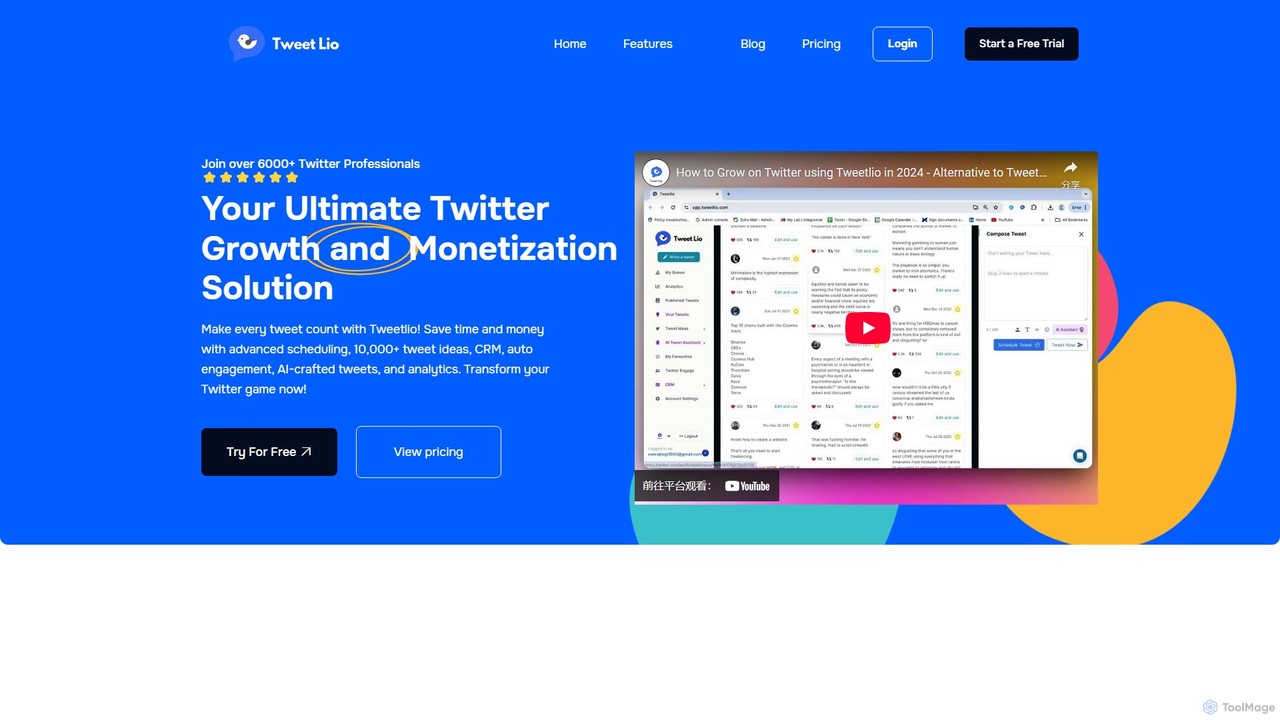
Tweetlio is an all-in-one AI-powered X (Twitter) management platform designed for growth and monetization. It combines advanced scheduling, AI content creation with GPT-4o, a vast library of viral tweet ideas, powerful analytics, and automation features like Auto DM and Auto Engage to help professionals and brands save time and maximize their Twitter impact.
Content Creation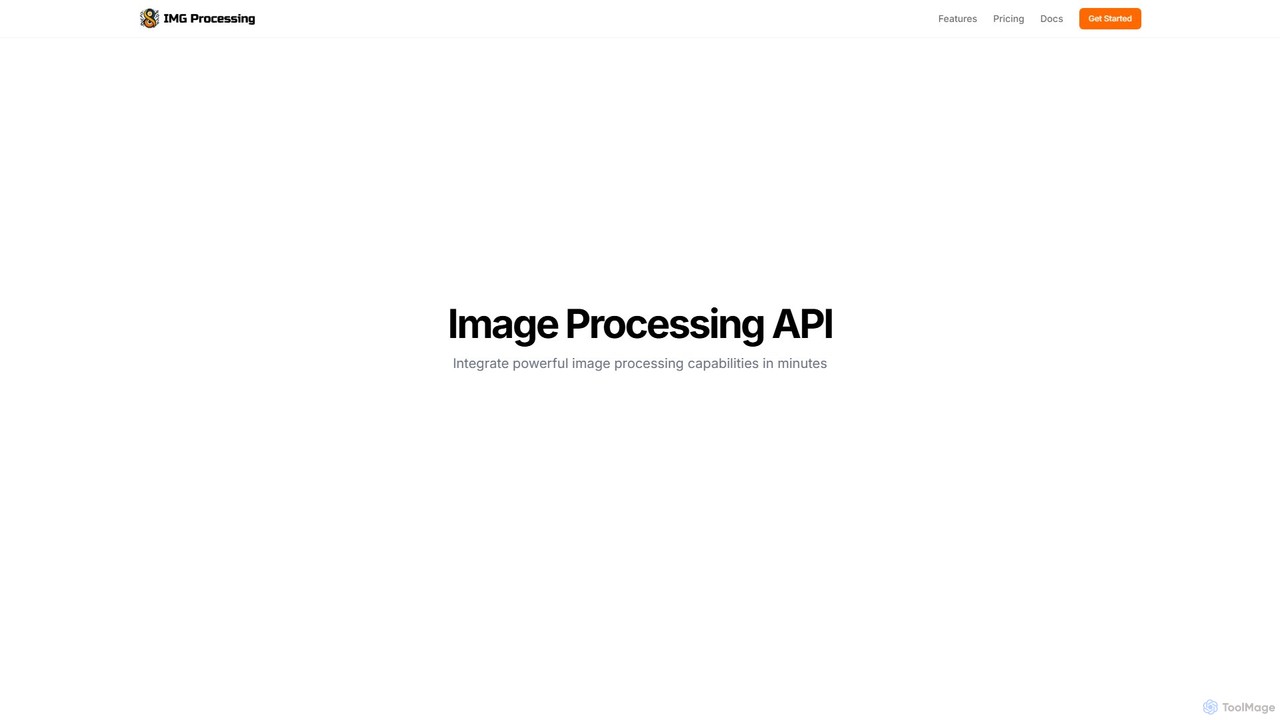
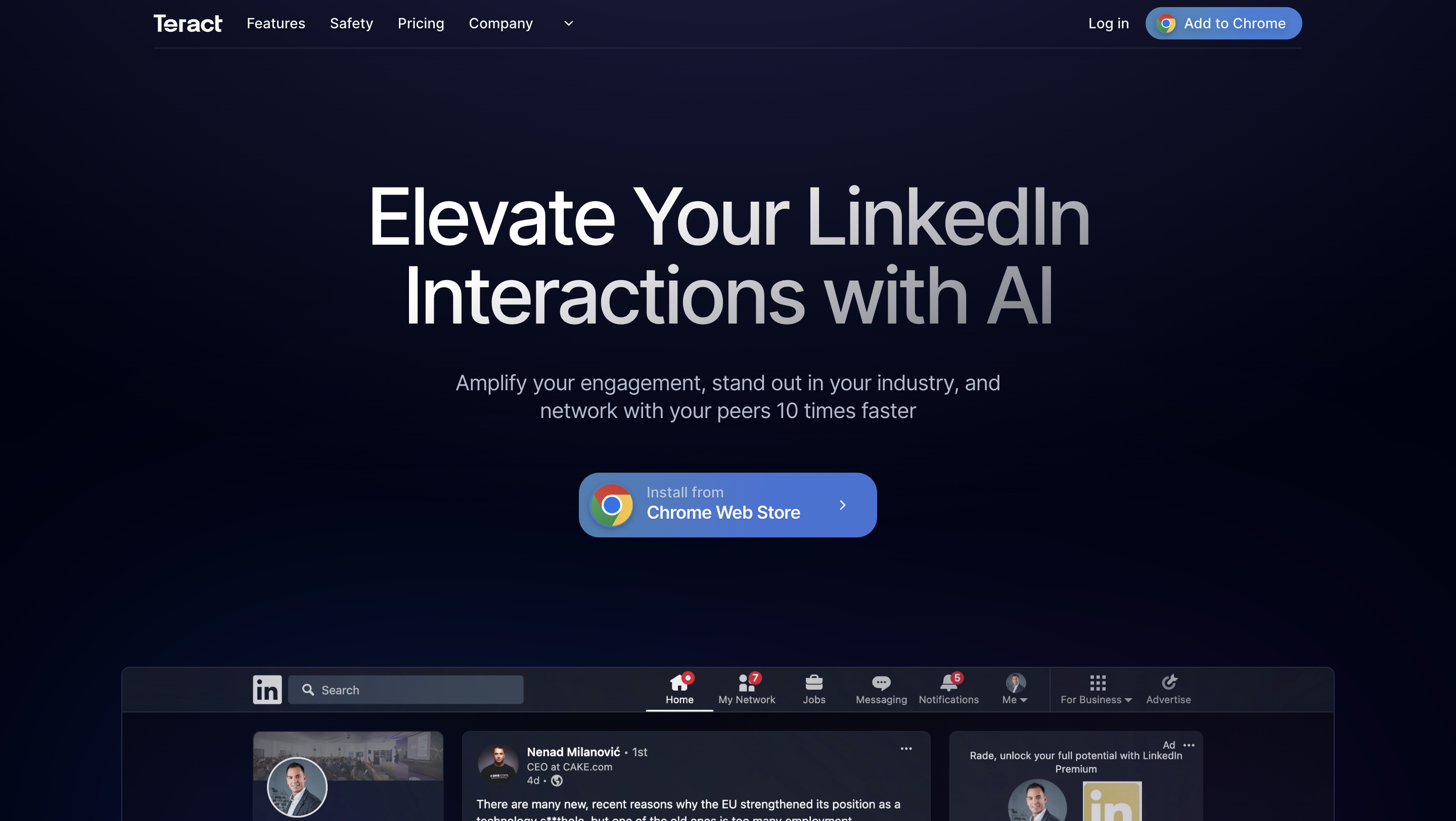
A powerful and developer-friendly Image Processing API that enables applications to perform complex image manipulations, including AI-powered background removal, transformations, adjustments, and watermarking. Integrate advanced image capabilities in minutes.
Api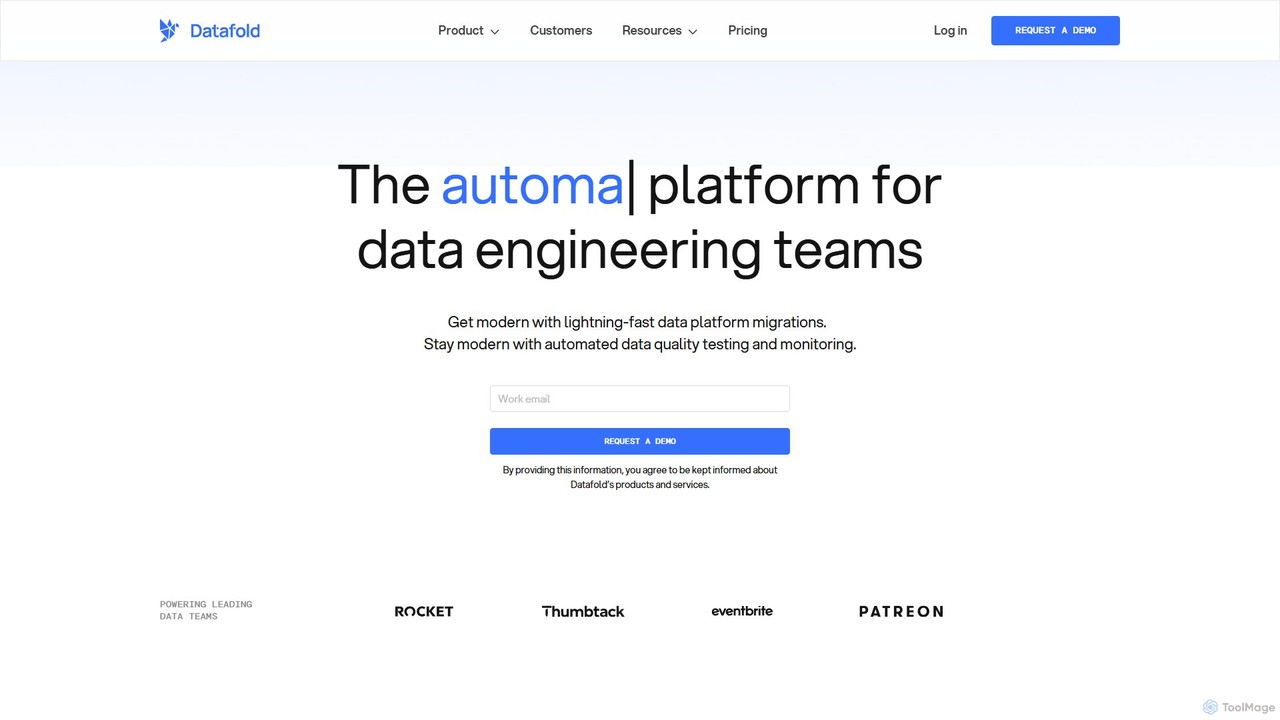
Datafold is an AI-powered platform for data engineering teams that automates data quality testing, monitoring, and migrations. It uses data diffing to compare datasets, enabling proactive issue detection in CI/CD and ensuring 100% parity during complex data migrations, accelerating timelines by up to 6x.
Analytics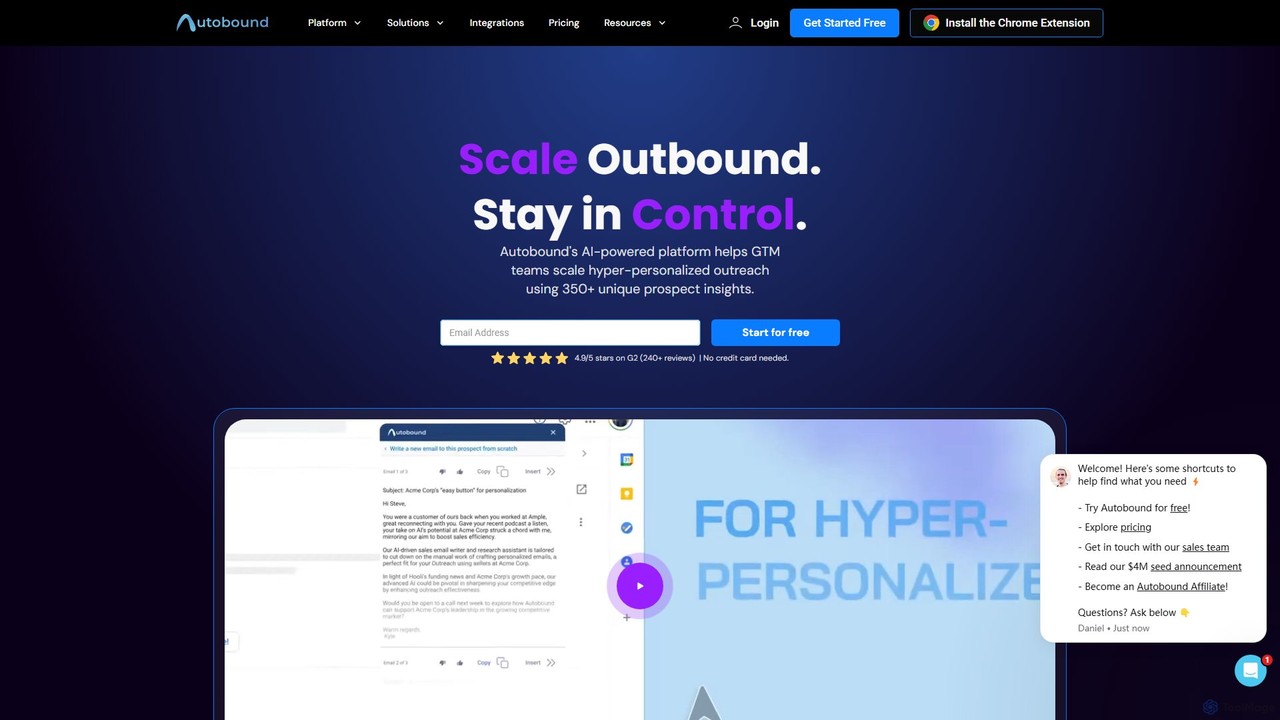
Autobound is an AI-powered outbound sales platform designed for GTM teams to scale hyper-personalized outreach. It leverages over 350 unique prospect insights from public data to generate relevant, brand-safe emails, significantly boosting reply rates and streamlining sales workflows.
Email Marketing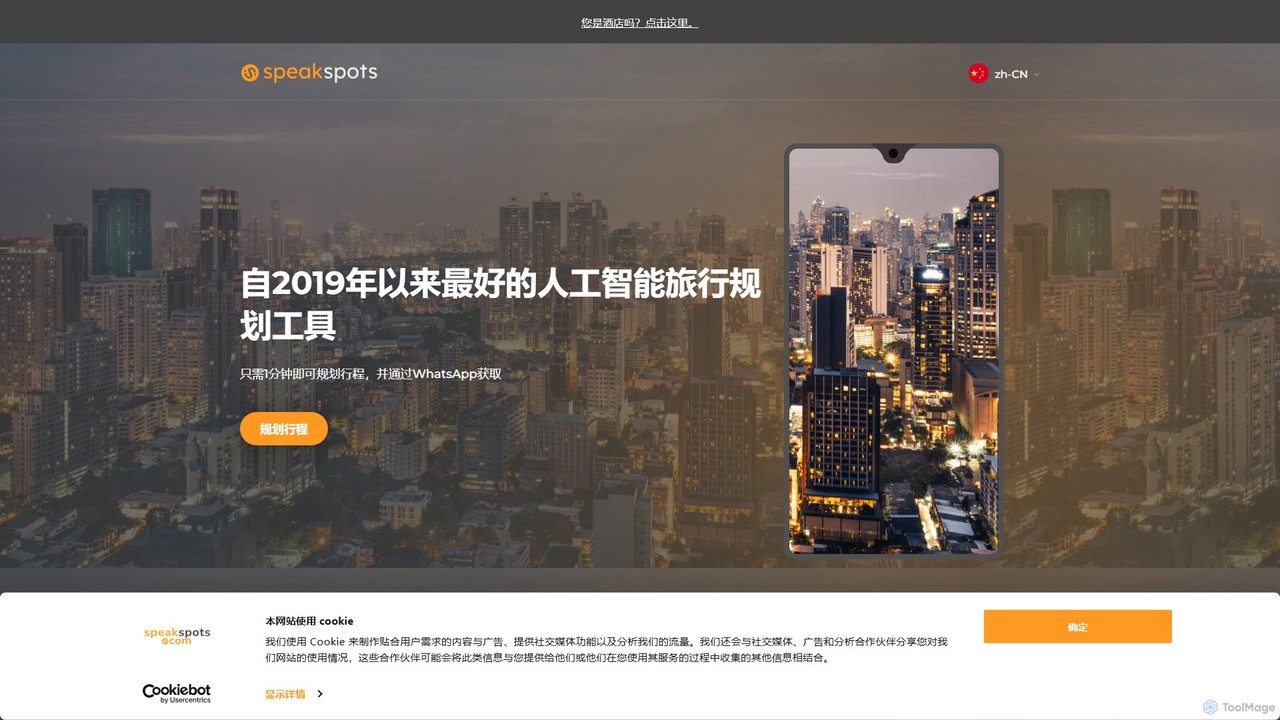
Speakspots is a dual-purpose AI assistant on WhatsApp, offering a free travel planner for individuals and an advanced guest service platform for hotels. It automates trip planning, enhances guest experiences, and boosts hotel revenue through intelligent chat.
Chatbot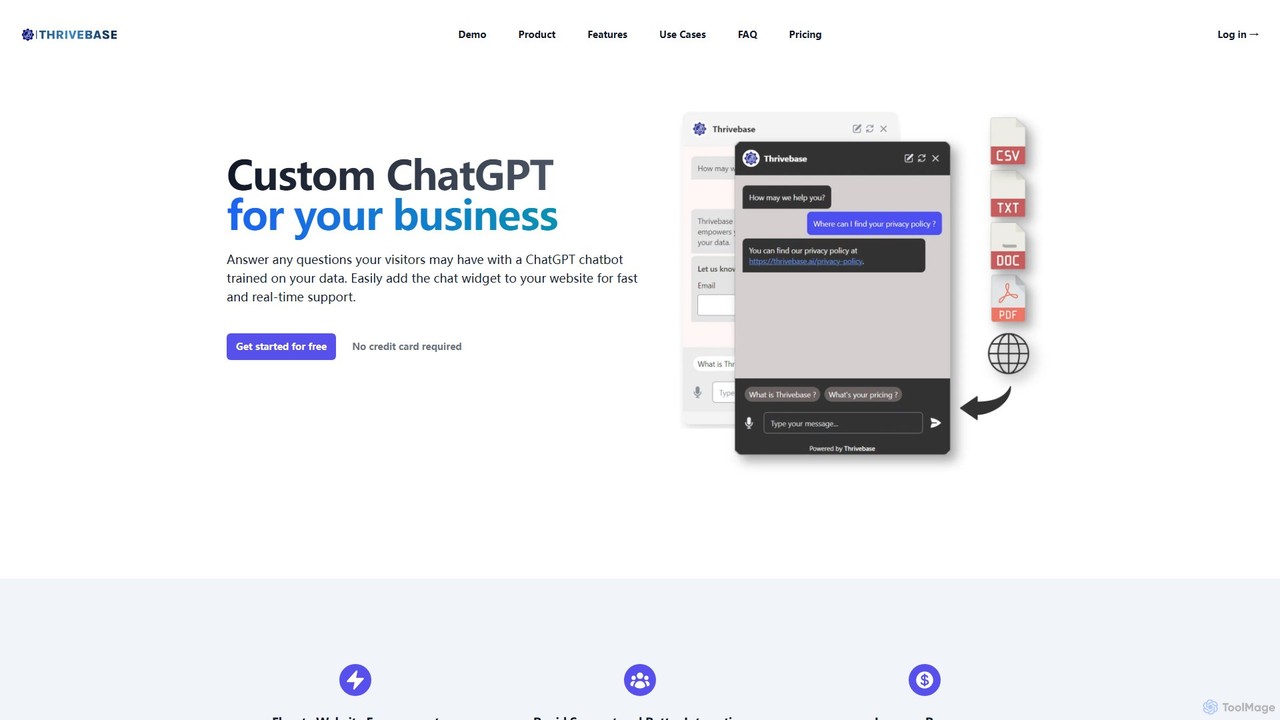
Thrivebase is a no-code platform that allows businesses to create custom AI chatbots trained on their own data. It automates customer support, enhances website engagement, captures leads, and provides instant, accurate responses 24/7, powered by models like GPT-4.
Chatbot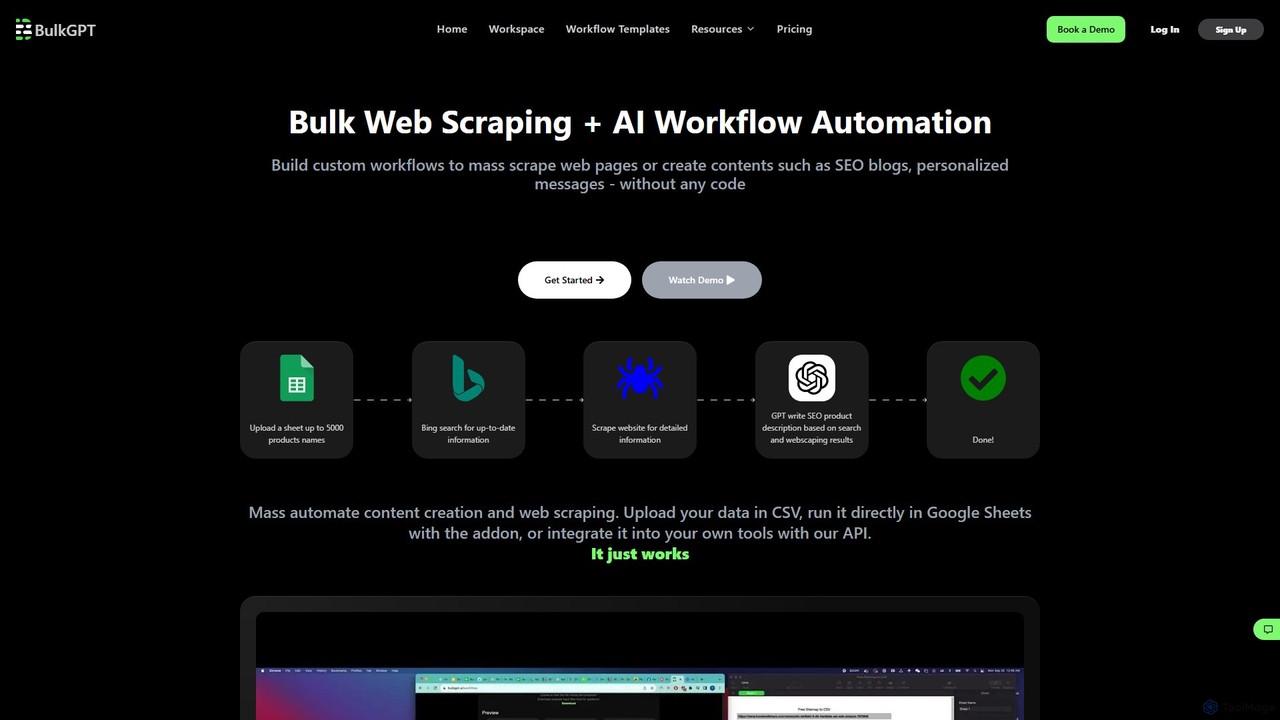
BulkGPT is a no-code platform for AI workflow automation, enabling users to perform bulk web scraping, mass content creation, and batch processing of AI tasks. It integrates with CSV, Google Sheets, and an API to streamline repetitive tasks for marketing, e-commerce, and data analysis without any coding knowledge.
Web ScrapingAI Automation tools are a class of software that uses artificial intelligence to execute repetitive tasks and streamline complex workflows without direct human intervention. These tools leverage technologies like machine learning (ML) and natural language processing (NLP) to understand data, make decisions, and interact with other digital systems. Their primary purpose is to enhance productivity by reducing manual effort, minimizing errors, and freeing up human teams to focus on strategic initiatives. Unlike traditional automation, AI-powered platforms can handle unstructured data and adapt to variations in processes.
AI Automation tools are widely used across various departments. Marketing teams automate lead nurturing campaigns and social media posting. Finance departments use them for invoice processing and expense report approvals. In customer support, they are used to route tickets and send automated responses, significantly improving response times and operational efficiency.
When selecting an AI Automation tool, first evaluate its integration library to ensure it supports the apps you use. Consider the complexity of its AI capabilities—do you need simple data extraction or advanced predictive analytics? Assess the user interface; a no-code platform is better for business users, while a low-code option offers more flexibility for developers. Finally, review the scalability and pricing model to ensure it aligns with your business growth.
A social media manager for a growing e-commerce brand needs to maintain a consistent posting schedule across multiple platforms like Instagram, Facebook, and Twitter. Instead of manually uploading and scheduling each post, they use an AI automation tool. They set up a workflow that triggers whenever a new product is added to their website's blog. The tool automatically pulls the product image and description, uses an AI writing assistant to generate several engaging caption variations, and then schedules them to be posted at optimal times on each platform over the next week. This saves hours of manual work and ensures a steady stream of content.
A SaaS company's customer success team needs to ensure every new user has a smooth onboarding experience. They use an automation platform to connect their payment gateway (e.g., Stripe) with their CRM and email marketing tool. When a new customer subscribes, a workflow is initiated:
An accounting department processes hundreds of invoices and receipts monthly. This manual data entry is time-consuming and prone to errors. By implementing an AI automation tool with Optical Character Recognition (OCR), the process is transformed. Staff simply scan or email the documents to a designated inbox. The AI tool automatically:
A marketing team wants to personalize communication with new leads who download an e-book from their website. They set up an automation that triggers upon form submission. The lead's contact information is added to their CRM and they are entered into a specific nurturing sequence. The sequence starts with an email delivering the e-book, followed by a series of emails over two weeks that provide related content, case studies, and finally, an invitation to a product demo. The automation uses conditional logic: if a lead clicks on a specific case study, they are tagged with that interest and might receive more targeted content, making the nurturing process highly relevant and effective.
An IT department in a large company receives hundreds of support requests daily via email. Manually reading, categorizing, and assigning these tickets is a bottleneck. They deploy an AI automation tool that monitors the support inbox. Using Natural Language Processing (NLP), the tool analyzes the content of each email to determine the issue's category (e.g., 'Password Reset', 'Hardware Failure', 'Software Access') and urgency. Based on predefined rules, it automatically creates a ticket in their help desk system (like Jira or Zendesk) and assigns it to the appropriate specialist or team. This ensures faster response times and a more balanced workload for the IT staff.
An operations manager struggles with data inconsistencies between their CRM (Salesforce) and ERP (NetSuite) systems. Sales updates in the CRM don't always reflect in the ERP, leading to billing errors. They implement an automation platform to act as a bridge. A workflow is created to monitor for 'Closed-Won' opportunities in Salesforce. When this occurs, the automation tool instantly retrieves the customer and deal information and uses it to create a corresponding sales order in NetSuite. This two-way sync ensures that both sales and finance teams are always working with the most up-to-date, accurate information, eliminating manual data reconciliation.
AI Automation tools are software platforms that use artificial intelligence technologies like machine learning (ML) and natural language processing (NLP) to perform tasks and manage workflows that traditionally require human intelligence. Unlike simple rule-based automation, they can interpret unstructured data, adapt to new situations, and make complex decisions. Common applications include automating data entry from documents, routing customer support tickets based on email content, and managing multi-step marketing campaigns.
To choose the right tool, consider these factors:
The key difference lies in intelligence and adaptability. Traditional RPA is rule-based and excels at automating structured, repetitive tasks by mimicking human actions on a user interface (like clicks and keystrokes). It struggles with variation. AI Automation, often seen as an evolution of RPA, incorporates cognitive abilities. It can process unstructured data (like text in an email), understand context, learn from experience, and make decisions. In essence, RPA automates tasks, while AI Automation automates entire processes that involve judgment and interpretation.
AI Automation tools can handle a wide spectrum of tasks, from simple to complex. Examples include:
A wide range of users can benefit from AI Automation. In a business context, roles like marketing operations managers, sales representatives, finance controllers, and IT administrators use these tools to streamline departmental workflows and eliminate repetitive tasks. Small business owners and entrepreneurs can automate core business processes without a large team. Even individuals can use them for personal productivity, such as managing personal finances, organizing files, or automating social media activity, thereby saving time for more important activities.