ToolMage
Sign in

Best 296 Data Analysis AI tools for Productivity

Popular Data Analysis AI tools in Productivity include Alchemer, Tableau, Ansy.ai, HEROZ, SurveySparrow, Amplitude, Fiscal.ai, TrendSpider, EarningsHub, and danelfin, helping you work more efficiently.

Rayscape

Rayscape

An AI-powered radiology platform designed to assist medical professionals in analyzing chest X-rays (CXR) and lung CT scans. It enhances diagnostic accuracy and efficiency by automatically detecting up to 148 pathologies, including lung nodules and tuberculosis, and seamlessly integrating into existing clinical workflows.

Diagnostics
Visits 12.2KFavorites 117Likes 110
Moontower
Freemium

Moontower

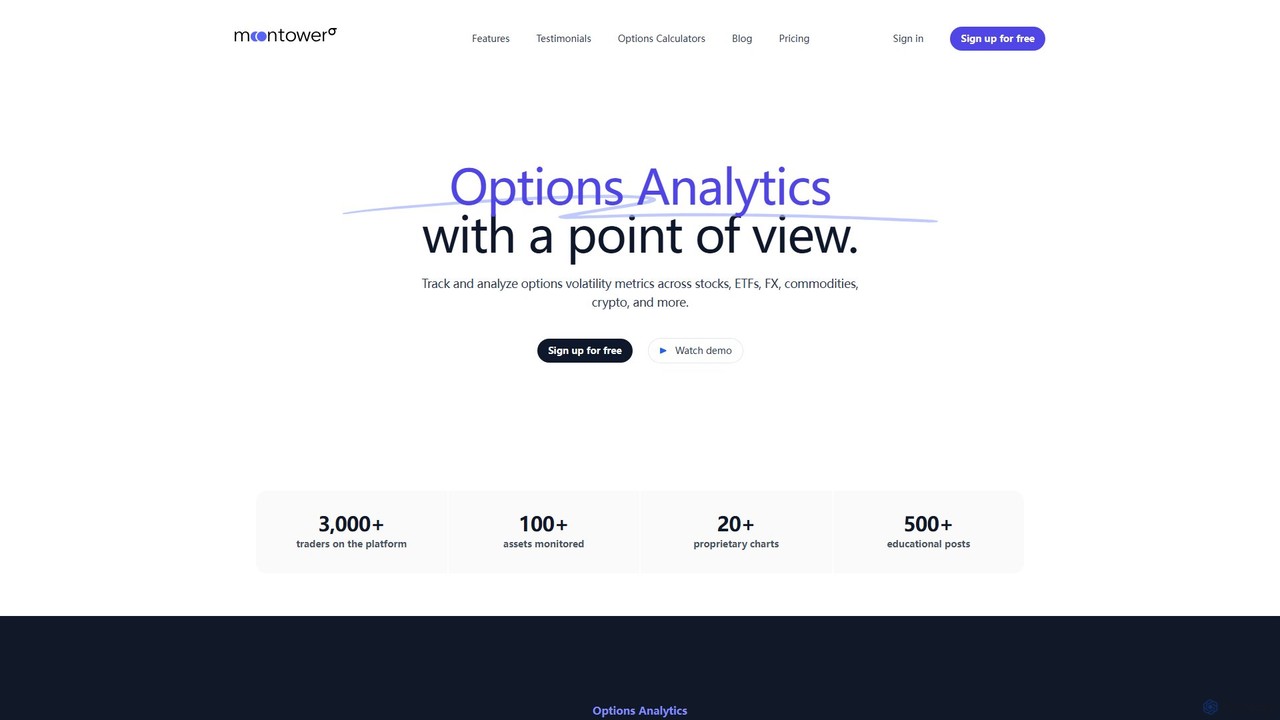
Moontower is an advanced options analytics platform designed for both retail and professional traders. It provides proprietary charts, volatility metrics, and an AI-powered Copilot to track and analyze stocks, ETFs, FX, crypto, and more. The platform aims to make institutional-grade tools and insights accessible to everyone, helping users trade options with a professional's perspective.

Cryptocurrency
Visits 19KFavorites 142Likes 158
Eloquence
Freemium

Eloquence

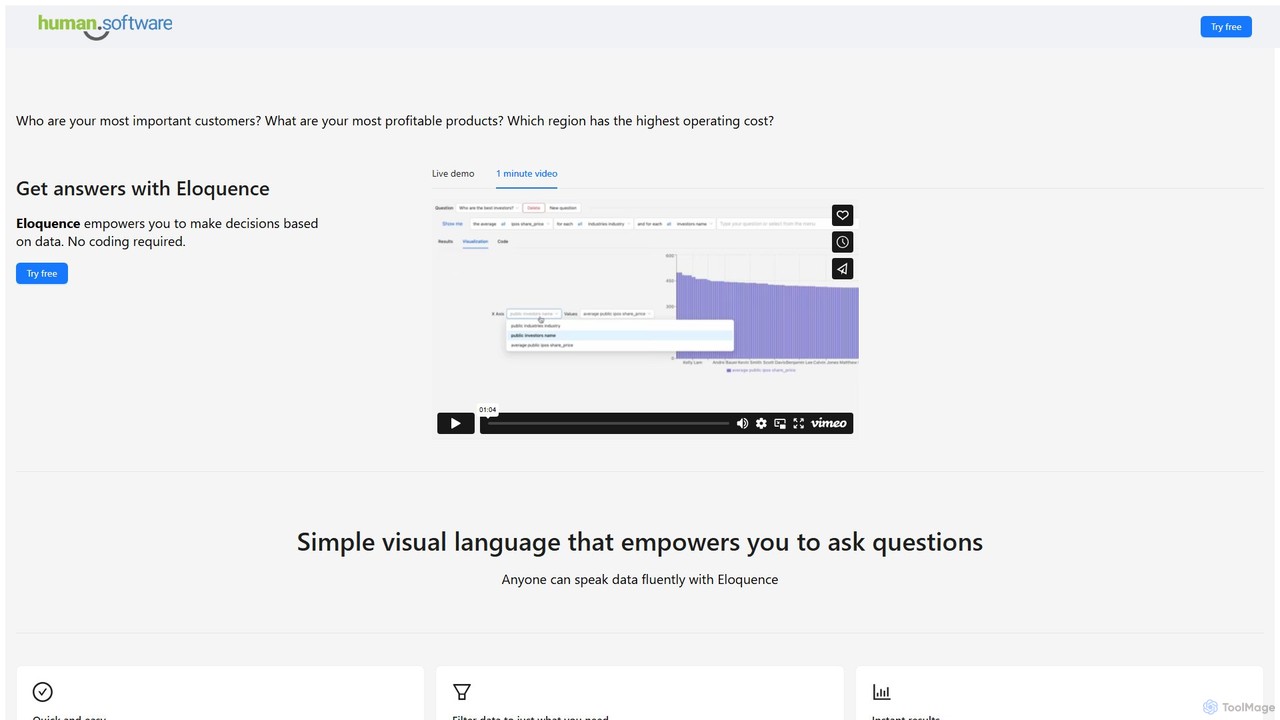
Eloquence is a no-code business intelligence platform that empowers anyone to query databases using structured natural language. Connect your data, ask complex questions without writing code, and get instant answers to make data-driven decisions. It prioritizes security with robust encryption and a strict no-data-saved policy.

Business Intelligence
Visits 6.3KFavorites 111Likes 110

Leeway
Freemium

Leeway

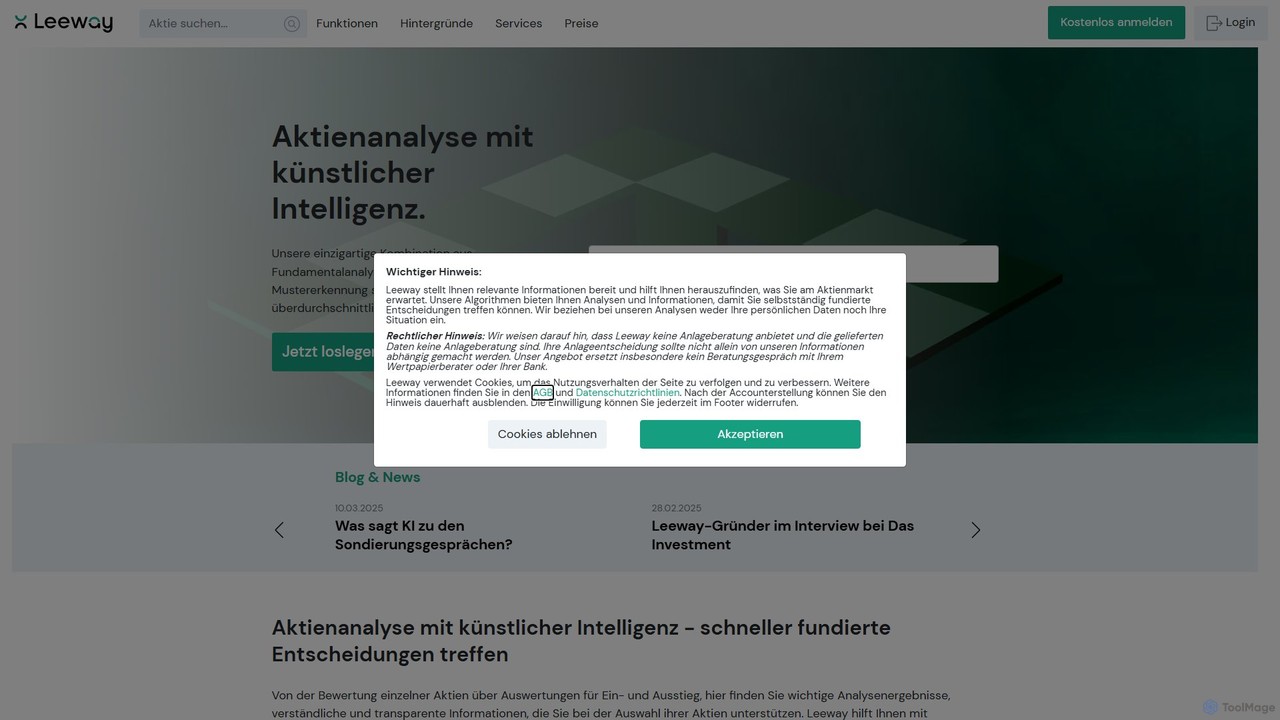
Leeway is an AI-powered stock analysis platform designed for private investors. It simplifies investment decisions by providing clear, data-driven insights. The tool analyzes over 25,000 global stocks using a proprietary "Market-Fit Score" based on 18 fundamental metrics. It also offers market sentiment analysis, crash warnings, and portfolio diversification support, helping users of all experience levels to invest more confidently and strategically.

Investing
Visits 9.3KFavorites 183Likes 163
Daydream
Paid

Daydream

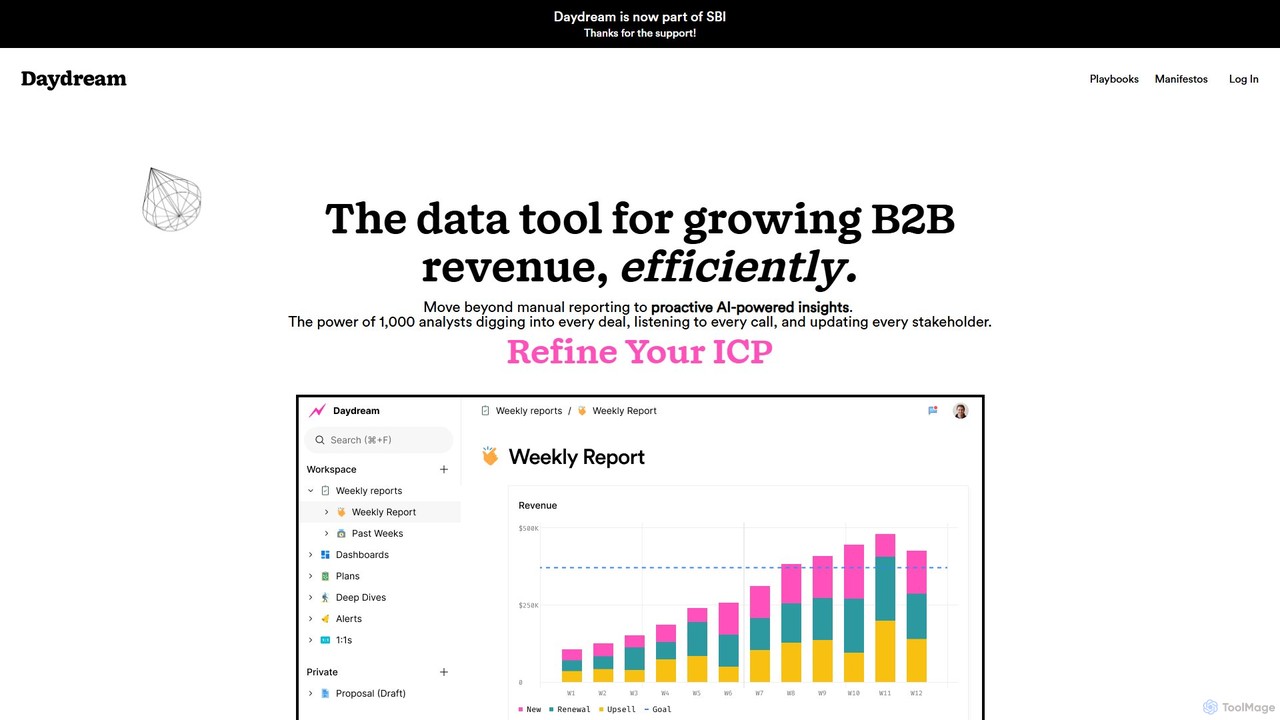
Daydream is an AI-powered revenue intelligence platform designed for B2B companies. It unifies data from sales, marketing, and finance to provide proactive insights, automate reporting, and foster cross-functional collaboration. Move beyond manual dashboards to a collaborative workspace that helps teams hit ambitious revenue goals efficiently.

Business Intelligence
Visits 7.5KFavorites 133Likes 132
Tresl
Freemium

Tresl

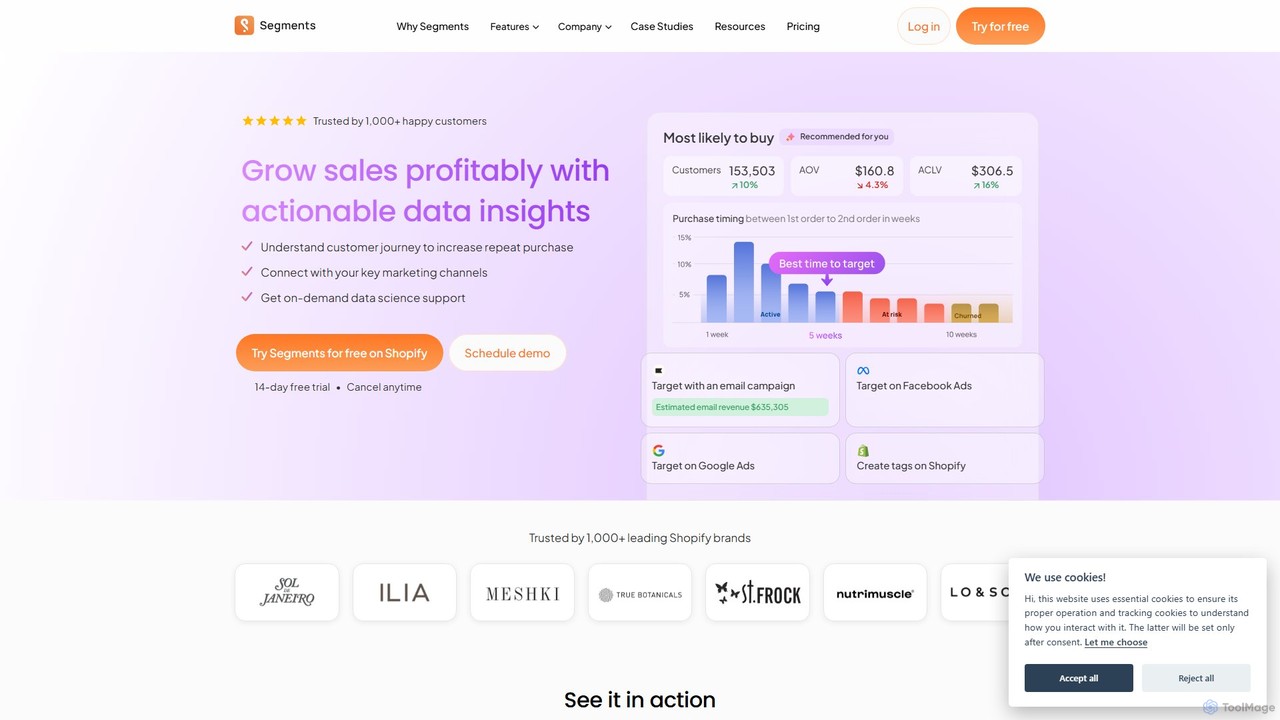
Tresl is an AI-powered customer segmentation and analytics platform for Shopify stores. It uses natural language processing (SegmentsGPT & ReportGPT) to help marketers create hyper-targeted customer segments, uncover deep insights, and sync audiences across marketing channels like Klaviyo, Meta, and Google to boost retention and ROI.

Analytics
Visits 10.5KFavorites 118Likes 115
FindMyOdds.com
Free

FindMyOdds.com

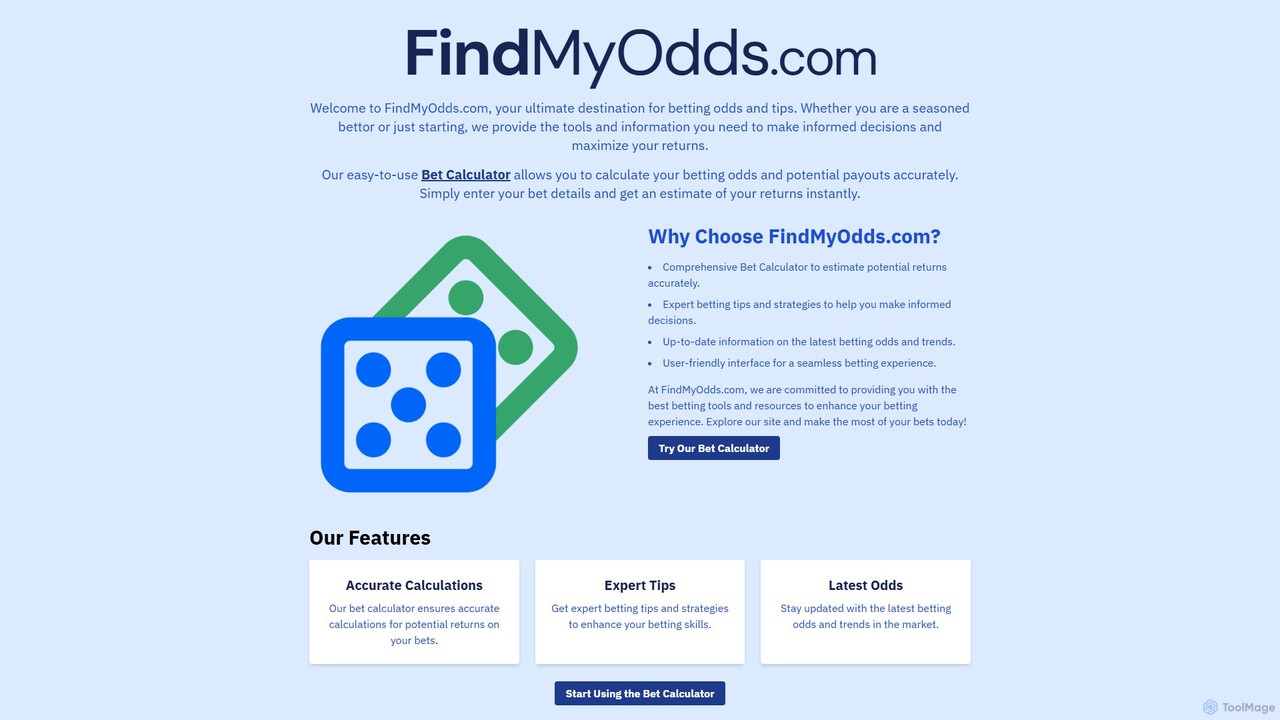
FindMyOdds.com is a free, AI-powered platform offering a comprehensive suite of tools for sports bettors. It features an accurate bet calculator, expert betting tips, and up-to-date odds comparison. Ideal for both beginners and seasoned bettors, it helps users make informed, data-driven decisions to maximize potential returns.

Calculators
Visits 5.5KFavorites 149Likes 135
Candlestick
Paid

Candlestick

Candlestick is an AI-powered investment platform designed to help investors make smarter, data-driven decisions. As an SEC-registered investment advisor, it provides AI-generated stock recommendations, in-depth market analysis, and portfolio management tools. The platform leverages advanced algorithms to analyze market data, identify trends, and offer actionable insights for both novice and experienced investors.

Investing
Visits 8.7KFavorites 146Likes 153
ThoughtSpot
Freemium

ThoughtSpot

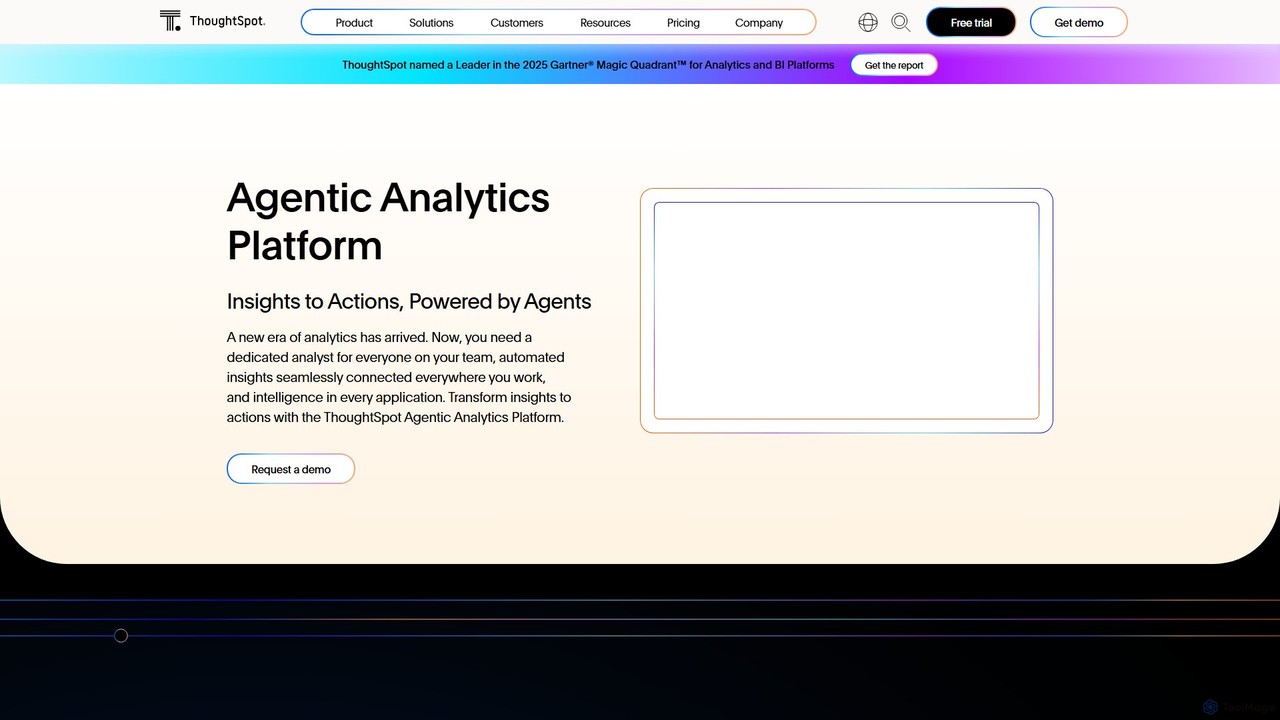
ThoughtSpot is an AI-powered Agentic Analytics platform that enables anyone to get granular, data-driven insights using natural language search. It features AI agents, interactive dashboards, and embedded analytics to democratize data and accelerate decision-making across enterprises.

Business Intelligence
Visits 392.5KFavorites 137Likes 122
Commabot
Freemium

Commabot

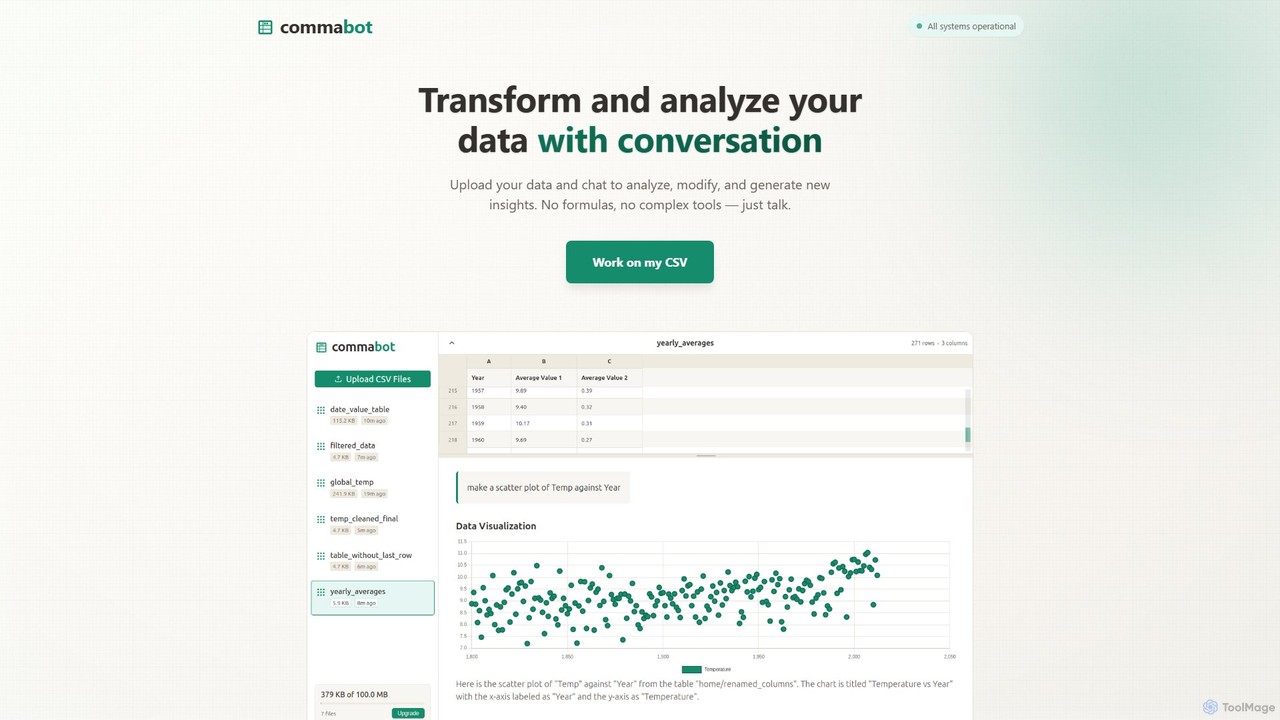
Commabot is an AI-powered platform for data analysis and contact list management. Upload CSV files and use natural language to clean, transform, and analyze data. It features specialized workflows to prepare contact lists for CRMs like HubSpot and Salesforce, automating tedious data prep and eliminating the need for complex formulas.

Automation
Visits 5.4KFavorites 153Likes 139
getaftercare
Freemium

getaftercare

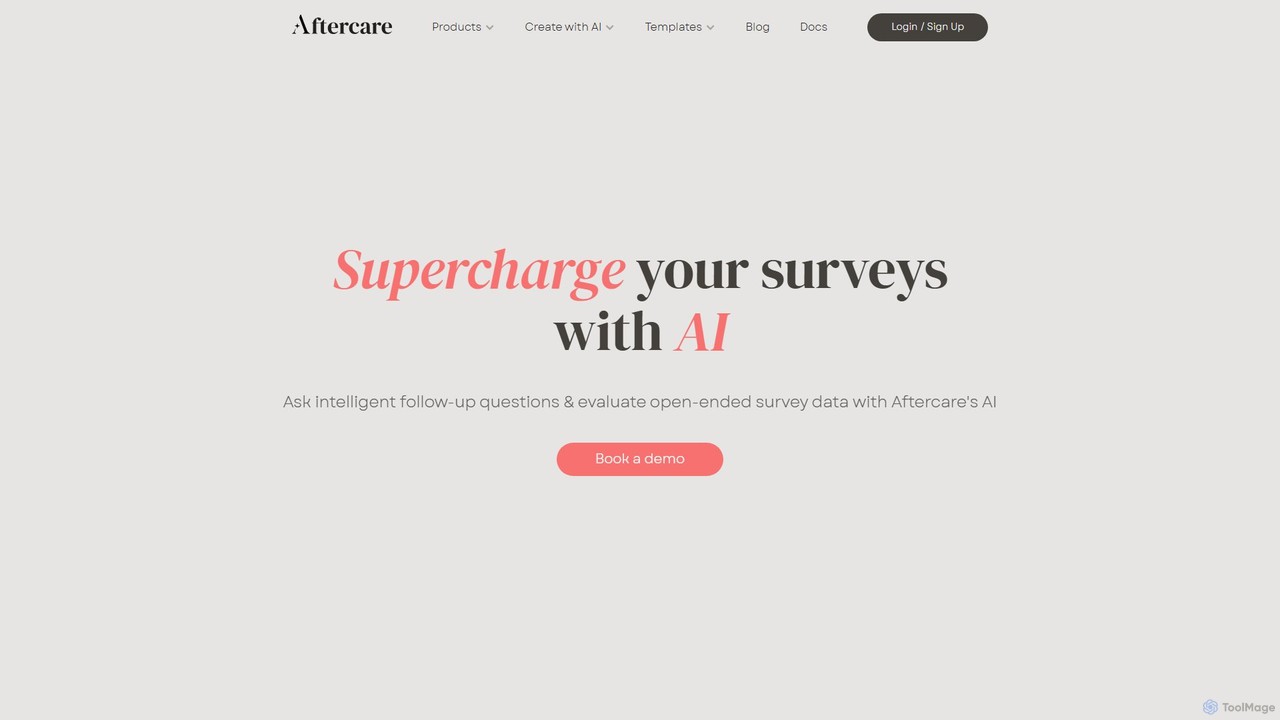
getaftercare is an AI-powered survey platform that supercharges your research by asking intelligent follow-up questions to open-ended responses. It helps you gather deeper, more nuanced insights, automatically flags data quality issues, and streamlines qualitative data analysis with AI-powered coding and categorization. Ideal for market researchers, product teams, and businesses seeking to truly understand their audience.

Customer Feedback
Visits 8.3KFavorites 108Likes 119
Captide
Paid

Captide

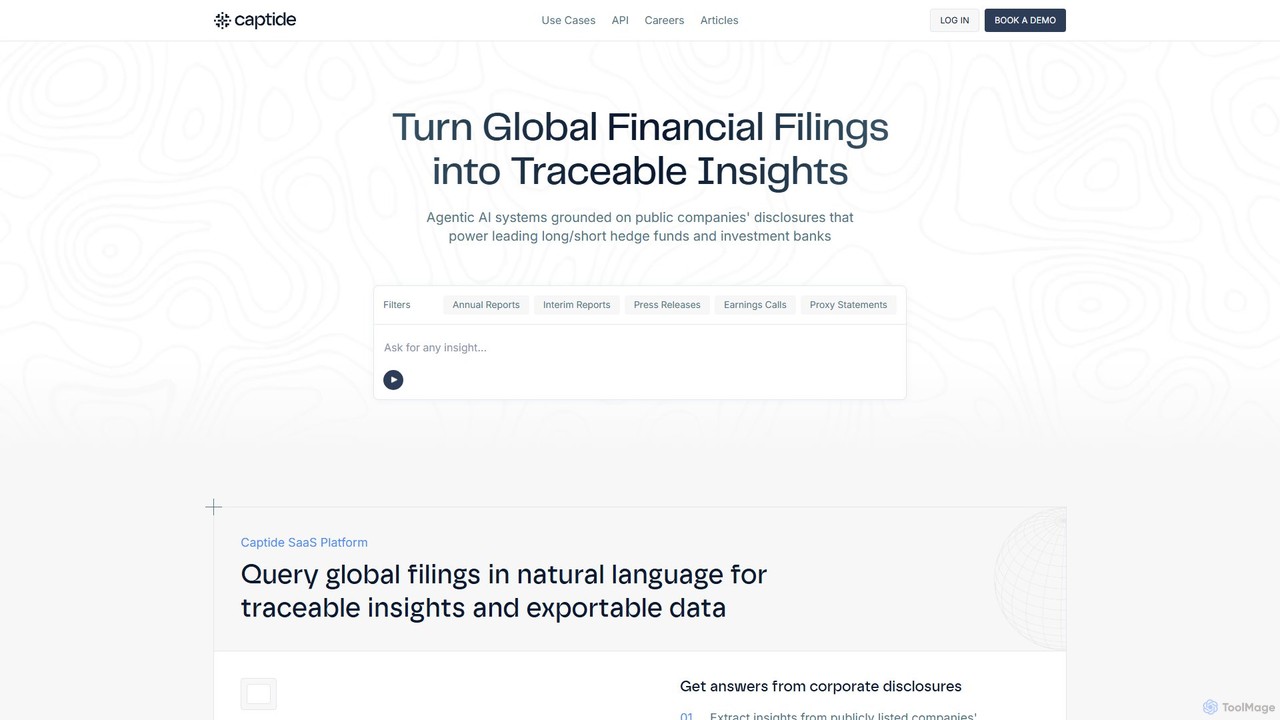
Captide is an AI-powered platform for financial professionals that transforms global financial filings into actionable, traceable insights. Using natural language queries, it automates data extraction, comparative analysis, and research workflows, enabling hedge funds, investment banks, and asset managers to make faster, data-driven decisions.

Api
Visits 9.3KFavorites 125Likes 136
insyte
Freemium

insyte

insyte is an AI-powered business intelligence platform that transforms complex data into clear, actionable insights. Ask questions in natural language, create interactive dashboards, and uncover hidden trends to drive business growth without needing a data scientist.

Business Intelligence
Visits 5.6KFavorites 142Likes 129
Cynthia AI
Freemium

Cynthia AI

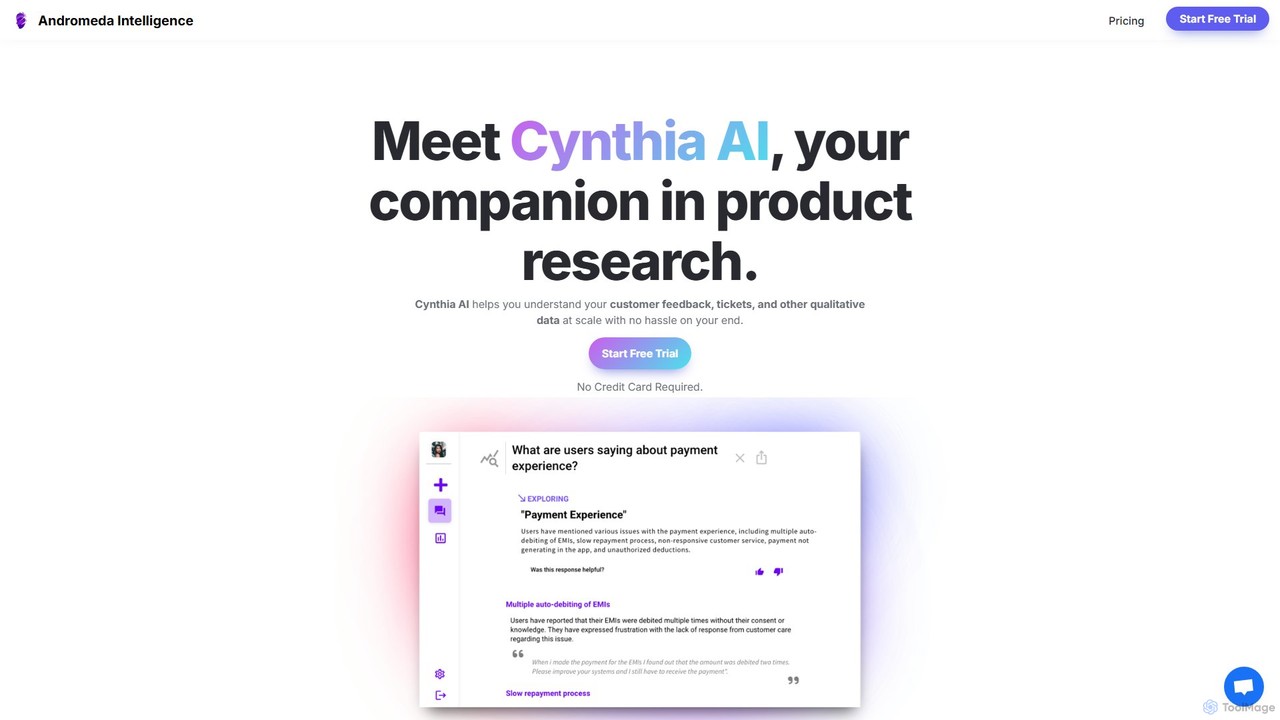
Cynthia AI is a product research platform that analyzes customer feedback from various sources like Zendesk, app stores, and social media. It uses natural language queries, automated reporting, and multilingual sentiment analysis to help product teams uncover hidden opportunities, track trends, and make data-driven decisions with speed and transparency.

Customer Support
Visits 5.4KFavorites 139Likes 146
SEO Utils
Paid

SEO Utils

SEO Utils is a comprehensive desktop SEO application for macOS, Windows, and Linux. It offers a suite of essential tools for keyword research, rank tracking, backlink analysis, and content generation. With a one-time payment model, it provides unlimited keyword clustering and local AI features, ensuring privacy and cost-effectiveness for SEO professionals and marketers.

Content Marketing
Visits 24.8KFavorites 112Likes 116
Scremer
Freemium

Scremer

Scremer is an AI-powered platform that empowers individuals to share their customer experiences, while providing businesses with actionable insights and a unique Assurance Score™ to improve service and manage reputation.

Feedback Management
Visits 5.4KFavorites 114Likes 104
axcent
Paid

axcent

axcent is an AI-powered business intelligence and sales acceleration platform. It integrates disparate data sources to provide predictive insights, automate lead scoring, and streamline sales workflows, helping businesses make smarter decisions and grow faster.

Business Intelligence
Visits 5.4KFavorites 109Likes 102
Dvina
Freemium

Dvina

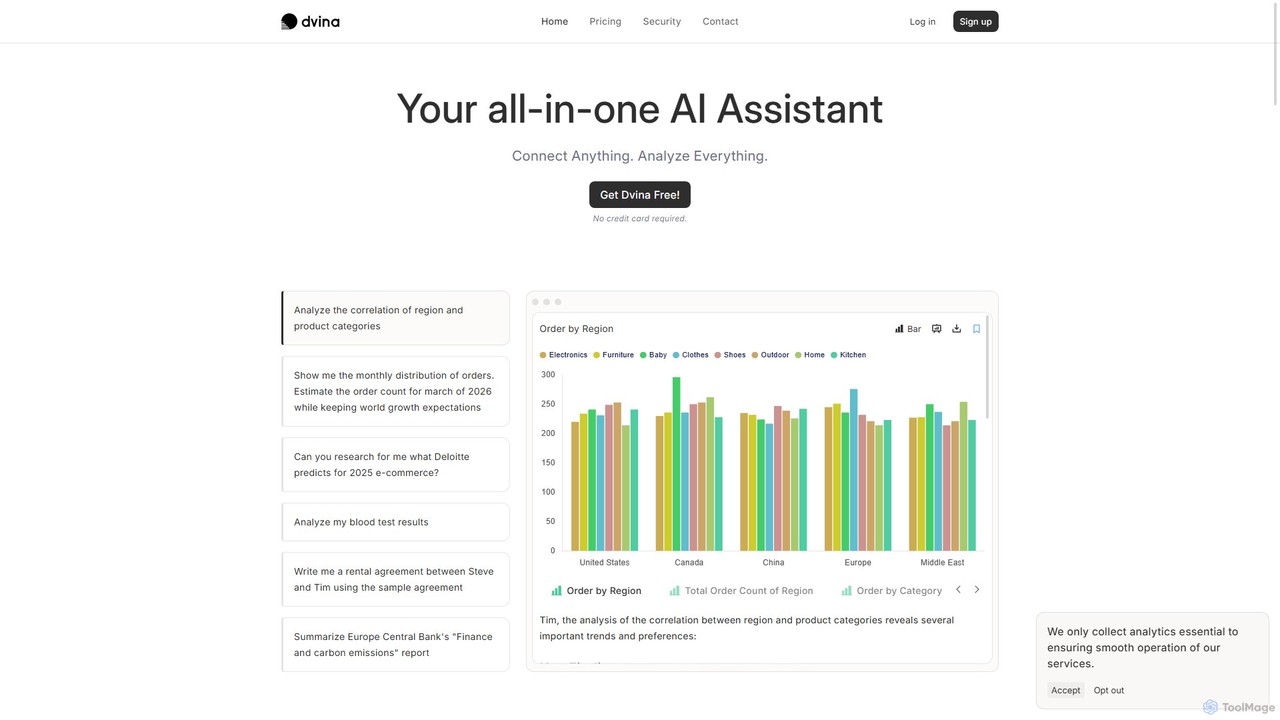
Dvina is an all-in-one AI assistant that transforms how you interact with data. Connect to various sources like files, databases, and apps, and use natural language to perform complex data analysis, generate reports, get forecasts, and automate tasks without writing any code.

Business Intelligence
Visits 5.5KFavorites 149Likes 167
unitQ
Paid

unitQ

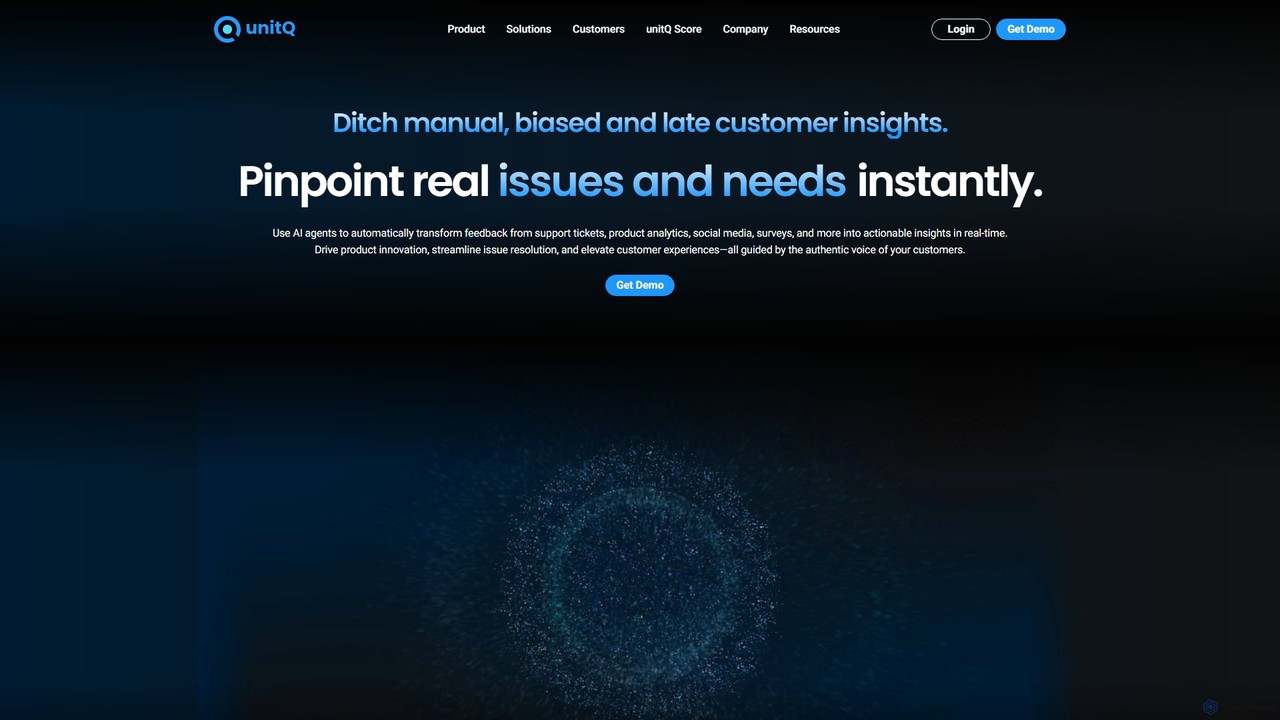
unitQ is a real-time AI customer insights platform that uses AI agents to automatically aggregate and analyze customer feedback from all channels. It transforms support tickets, social media, surveys, and reviews into actionable insights to drive product innovation, streamline issue resolution, and enhance customer experience.

Business Intelligence
Visits 14.4KFavorites 135Likes 131
CommentScope
Freemium

CommentScope

CommentScope is an AI-powered tool designed for YouTube creators to analyze video comments. It uncovers audience sentiment, identifies emerging trends, and extracts valuable pain points, helping creators generate viral content ideas and refine their content strategy with data-driven insights.

Audience Analysis
Visits 5.6KFavorites 131Likes 136
datarc
Paid

datarc

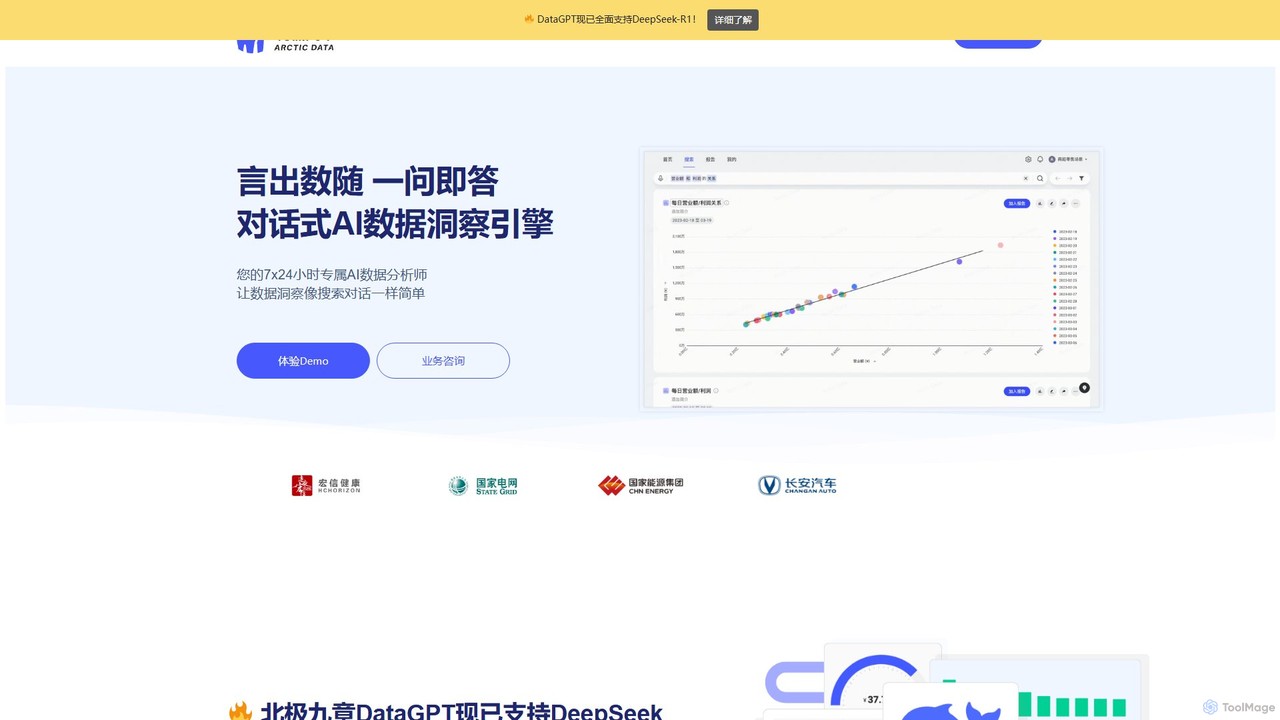
datarc is an enterprise-grade AI data insight engine, also known as DataGPT, that enables users to analyze big data using natural language. Through a conversational interface, it integrates large language models with proprietary expert systems to deliver accurate, reliable, and deep data insights without requiring technical expertise. It's designed for various industries to democratize data analysis and accelerate data-driven decision-making.

Business Intelligence
Visits 5.5KFavorites 105Likes 116
ChatCSV
Freemium

ChatCSV

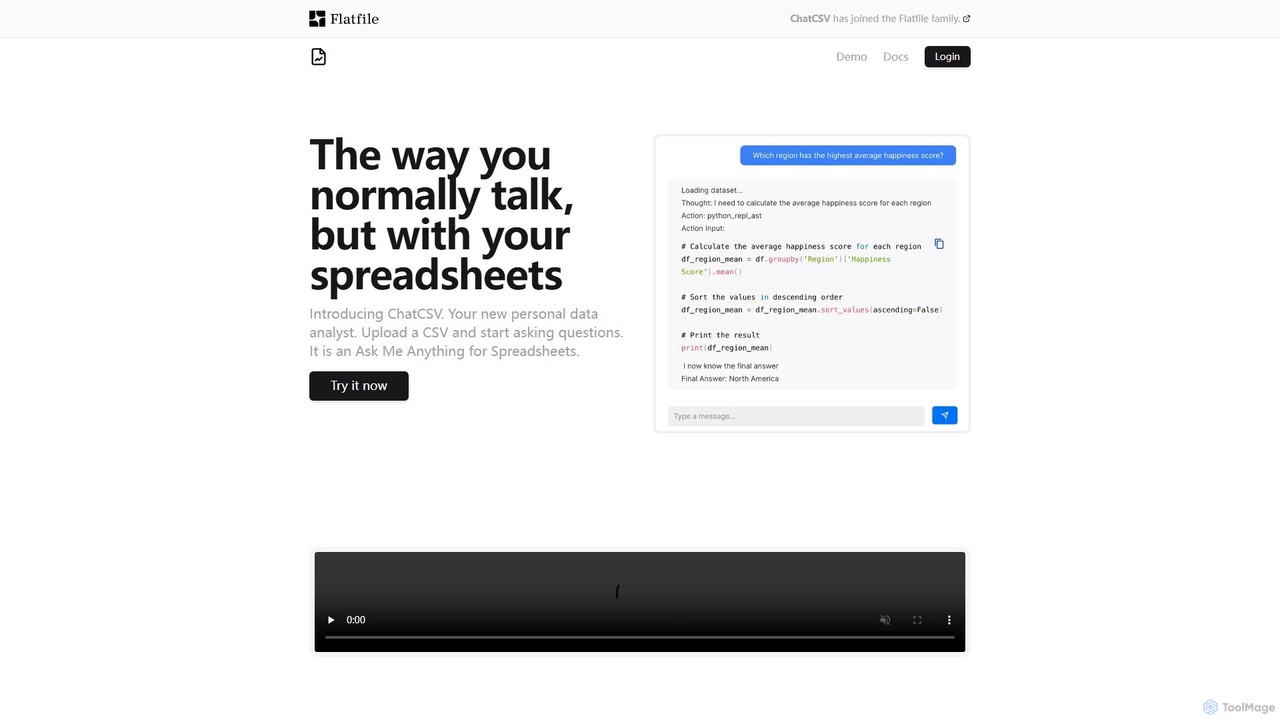
ChatCSV is an AI-powered data analyst that allows you to interact with your CSV files using natural language. Upload your spreadsheet and ask questions to get instant insights, analysis, and data visualizations without writing any code or complex formulas.

Business Intelligence
Visits 10.3KFavorites 137Likes 137
BYOB
Freemium

BYOB

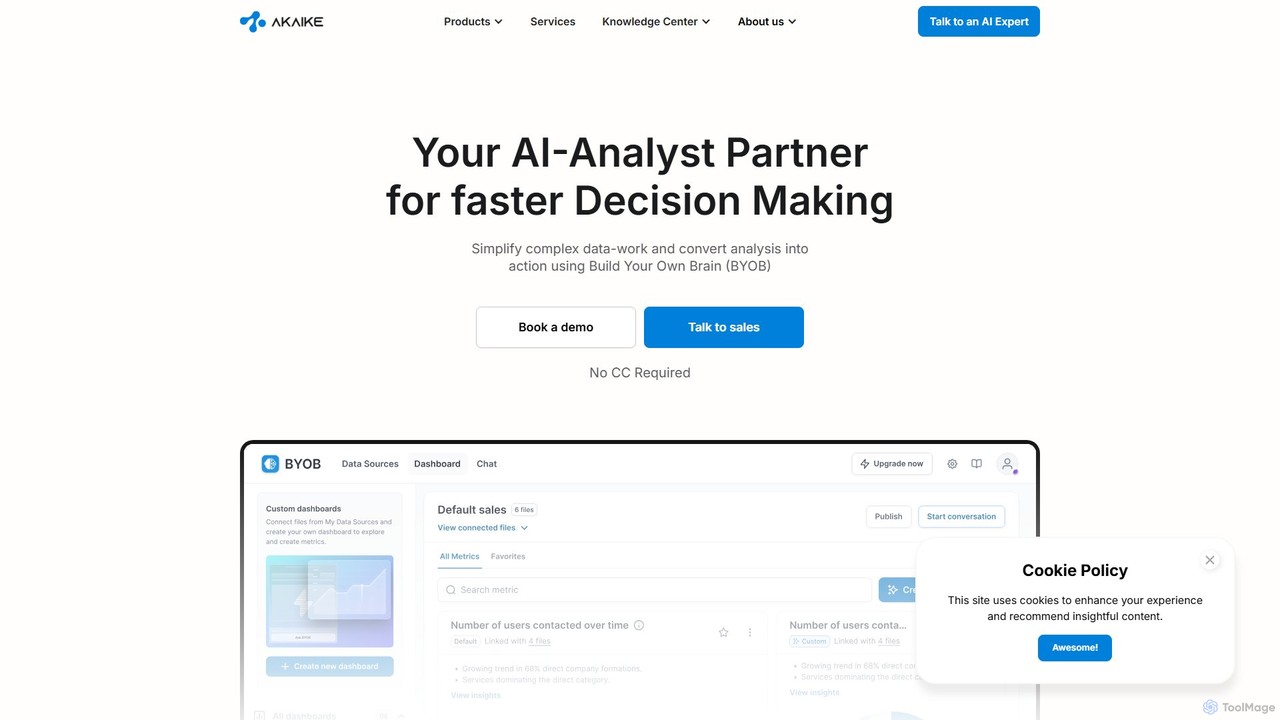
BYOB (Build Your Own Brain) by Akaike is an enterprise-grade AI analyst platform that transforms complex data into actionable insights. It connects to multiple data sources, both structured and unstructured, allowing teams to make faster, data-driven decisions through a conversational chat interface. BYOB provides proactive analytics and seamlessly integrates into existing workflows, empowering departments like finance, marketing, and sales without needing to expand the data team.

Business Intelligence
Visits 8KFavorites 110Likes 105
altindex
Freemium

altindex

AltIndex is an AI-powered investment intelligence platform that utilizes alternative data to provide a competitive edge. It analyzes sources like social media sentiment, web traffic, job postings, and app downloads to deliver unique AI stock picks, real-time alerts, and comprehensive market insights, helping investors make more informed decisions.

Market Research
Visits 111.2KFavorites 141Likes 133

About Data Analysis

AI Data Analysis tools are a specialized category of productivity software that use machine learning and natural language processing to automate the interpretation of complex datasets. These tools go beyond traditional spreadsheets by automatically cleaning data, identifying patterns, and generating predictive models. Their primary value lies in transforming raw data into actionable insights, enabling users without deep statistical knowledge to make informed, data-driven decisions quickly. They excel at uncovering hidden correlations and forecasting future trends with high accuracy.

Core Features

  • Natural Language Querying: Ask questions about your data in plain English, eliminating the need for complex code or formulas.
  • Automated Insight Generation: The AI automatically detects significant trends, anomalies, and correlations in your data and presents them as simple summaries.
  • Predictive Modeling & Forecasting: Build and deploy models to forecast future outcomes, such as sales revenue, customer churn, or inventory demand.
  • Automated Data Preparation: Automatically cleans, formats, and enriches raw data, saving significant time and reducing human error.
  • Interactive Visualizations: Generate dynamic charts, graphs, and dashboards that allow for intuitive exploration of data.

Use Cases

These tools are widely used across various departments. Marketing teams use them to analyze campaign performance and customer behavior. Financial analysts leverage them for forecasting and anomaly detection. Operations managers apply them to optimize supply chains and production processes. Essentially, any role that relies on data for decision-making can benefit.

How to Choose

When selecting an AI Data Analysis tool, consider the types of data sources you need to connect to (e.g., databases, SaaS apps, spreadsheets). Evaluate the user interface: is it a no-code platform for business users or does it require some technical expertise? Also, assess the depth of its analytical capabilities—whether you need simple descriptive analytics or more advanced predictive and prescriptive insights. Finally, consider scalability and pricing models.

Featured tool rankings

Data Analysis use cases

1

Analyze Marketing Campaign ROI

A marketing manager for an e-commerce brand needs to understand the effectiveness of various digital advertising campaigns. Instead of manually exporting data from Google Ads, Facebook, and email platforms into a spreadsheet, they connect these sources to an AI Data Analysis tool. The tool automatically unifies the data, calculates the return on investment (ROI) for each channel, and uses natural language to summarize key findings, such as 'The summer campaign on Instagram generated the highest conversion rate among users aged 25-34.' This allows the manager to reallocate budget to high-performing channels in minutes rather than days.

2

Forecast Future Sales Trends

A sales director for a retail company wants to prepare for the upcoming holiday season. They upload three years of historical sales data into an AI analysis tool. The tool automatically identifies seasonality, growth trends, and the impact of past promotions. It then generates a forecast predicting sales volume for specific product categories over the next quarter. The director can ask follow-up questions like, 'What if we offer a 20% discount on electronics?' and the model updates the forecast instantly. This data-driven approach helps in optimizing inventory levels and setting realistic sales targets for the team.

3

Identify Causes of Customer Churn

A product manager at a SaaS company notices a slight increase in customer churn. To understand why, they feed customer usage data, support ticket history, and subscription information into an AI analysis platform. The AI model analyzes the data to find common patterns among customers who churned. It might reveal insights like, 'Customers who do not use Feature X within the first 14 days are 70% more likely to churn,' or 'A high number of support tickets related to billing issues is a strong predictor of churn.' These specific, actionable insights allow the product team to improve onboarding and address critical issues proactively.

4

Optimize Supply Chain Logistics

An operations manager for a manufacturing company uses an AI data tool to analyze their supply chain. By integrating data from shipping carriers, warehouse inventory systems, and production schedules, the tool builds a complete picture of the logistics network. It identifies bottlenecks, predicts potential delays based on weather or traffic data, and suggests more efficient shipping routes. For example, it might highlight that a specific distribution center is consistently understocked on Tuesdays, allowing the manager to adjust delivery schedules. This leads to reduced shipping costs, faster delivery times, and minimized production downtime.

5

Detect Financial Anomalies and Fraud

An accounting firm needs to audit a large volume of financial transactions for a client. Manually checking every entry is impractical. They use an AI Data Analysis tool to process the entire transaction log. The AI is trained to recognize normal spending patterns and immediately flags deviations, such as unusually large payments to a new vendor, duplicate invoices, or transactions occurring at odd hours. The system provides a prioritized list of suspicious activities for human auditors to investigate, significantly increasing the efficiency and accuracy of the audit process and helping to uncover potential fraud that might otherwise be missed.

6

Analyze Customer Feedback at Scale

A product team receives thousands of customer reviews, survey responses, and support chats each month. It's impossible for a person to read and categorize them all. They use an AI Data Analysis tool with text analysis capabilities. The tool processes all the unstructured text, performs sentiment analysis (positive, negative, neutral), and identifies recurring themes or topics. It generates a dashboard showing that 'slow performance' is the most common negative topic this month, while 'new user interface' is receiving positive feedback. This allows the team to quickly prioritize bug fixes and feature improvements based on quantitative feedback data.

Data Analysis FAQ

What are AI Data Analysis tools?

AI Data Analysis tools are applications that use artificial intelligence, particularly machine learning, to automate the process of cleaning, analyzing, and interpreting data. Unlike traditional business intelligence (BI) tools that require users to manually explore data, AI tools can automatically surface key insights, identify trends, and build predictive models. They often feature natural language interfaces, allowing non-technical users to ask complex questions and receive easy-to-understand answers, charts, and summaries. Their goal is to make data science accessible to a broader audience within an organization.

How to choose the right AI Data Analysis tool?

Choosing the right tool depends on your specific needs. Consider the following factors:

  • Data Connectivity: Ensure the tool can easily connect to your data sources, whether they are databases, cloud applications like Salesforce, or simple CSV files.
  • User Skill Level: Select a tool that matches your team's expertise. Some are no-code platforms designed for business analysts, while others offer more advanced features for data scientists who can use SQL or Python.
  • Analysis Type: Determine if you need descriptive analysis (what happened), diagnostic analysis (why it happened), or predictive/prescriptive analysis (what will happen and what to do).
  • Scalability and Performance: Consider the volume of data you will be analyzing. The tool should be able to handle your current and future data needs without significant performance degradation.
What's the difference between AI Data Analysis and traditional BI tools?

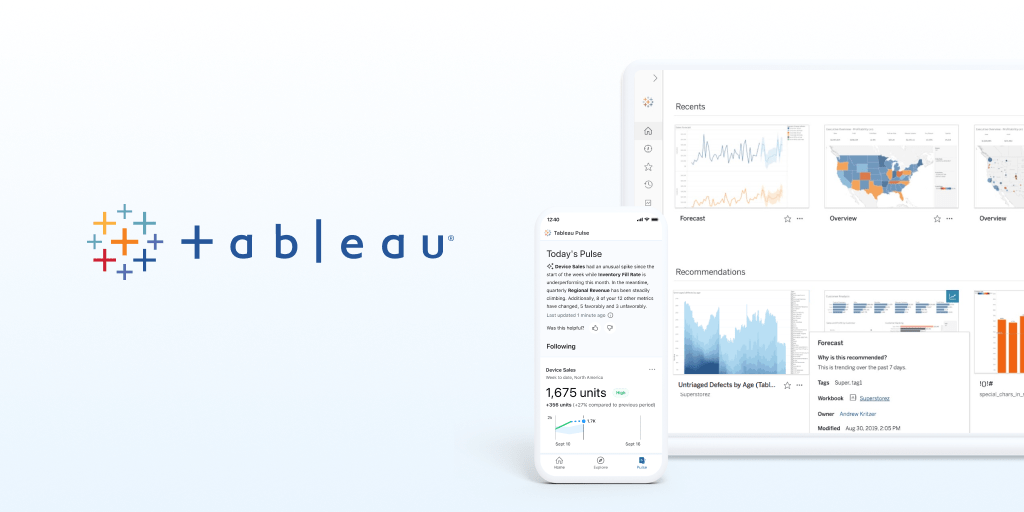
The primary difference lies in automation and intelligence. Traditional Business Intelligence (BI) tools, like Tableau or Power BI, are excellent for data visualization and exploration but require the user to ask the right questions and manually build dashboards. AI Data Analysis tools augment this process. They can automatically discover insights, suggest relevant visualizations, and perform predictive analytics without explicit instruction. While BI tools answer 'what happened?', AI tools aim to also answer 'why did it happen?' and 'what will happen next?'. Many modern platforms now blend features of both.

Do I need coding skills to use AI Data Analysis tools?

Not necessarily. A major trend in this category is the development of no-code and low-code platforms. Many leading AI Data Analysis tools are designed specifically for business users, marketers, and analysts who do not have a background in programming. They use drag-and-drop interfaces and natural language queries to make analysis accessible. However, some platforms also offer advanced capabilities for data scientists, providing integrations with languages like Python and R for custom modeling and deeper analysis. So, there are tools available for every skill level.

What kind of data can these tools analyze?

Modern AI Data Analysis tools are versatile and can handle a wide variety of data types. This includes:

  • Structured Data: This is highly organized data typically found in spreadsheets and relational databases, such as sales figures, customer lists, and financial records.
  • Unstructured Data: This includes data without a predefined format, such as text from customer reviews, social media posts, emails, and support tickets. Many tools use Natural Language Processing (NLP) to extract insights from this type of data.
  • Time-Series Data: Data points indexed in time order, like stock prices, website traffic over time, or sensor readings, which are crucial for forecasting.

The best tools can often join and analyze data from multiple sources and formats simultaneously.