Productivity Best in category 10 results Devops AI Tool

Popular AI tools in the Devops field of Productivity include AppSanctuary、Snyk、goteleport、Sauce Labs、Apex.AI、equixly、K8Studio、Aquilax、Convox、Prodvana, etc., helping you quickly improve efficiency.

Aquilax

Aquilax

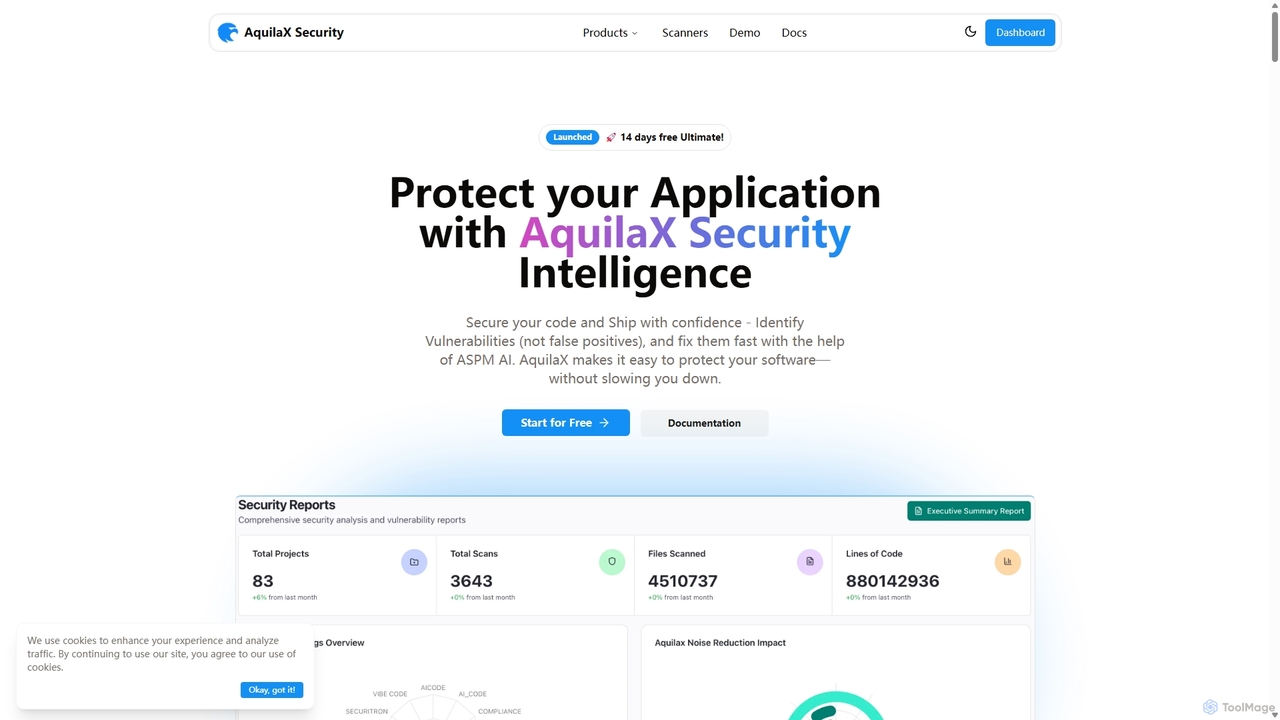
AquilaX is an AI-powered DevSecOps platform designed to secure software throughout the development lifecycle. It integrates seamlessly into …

8.7K
Prodvana

Prodvana

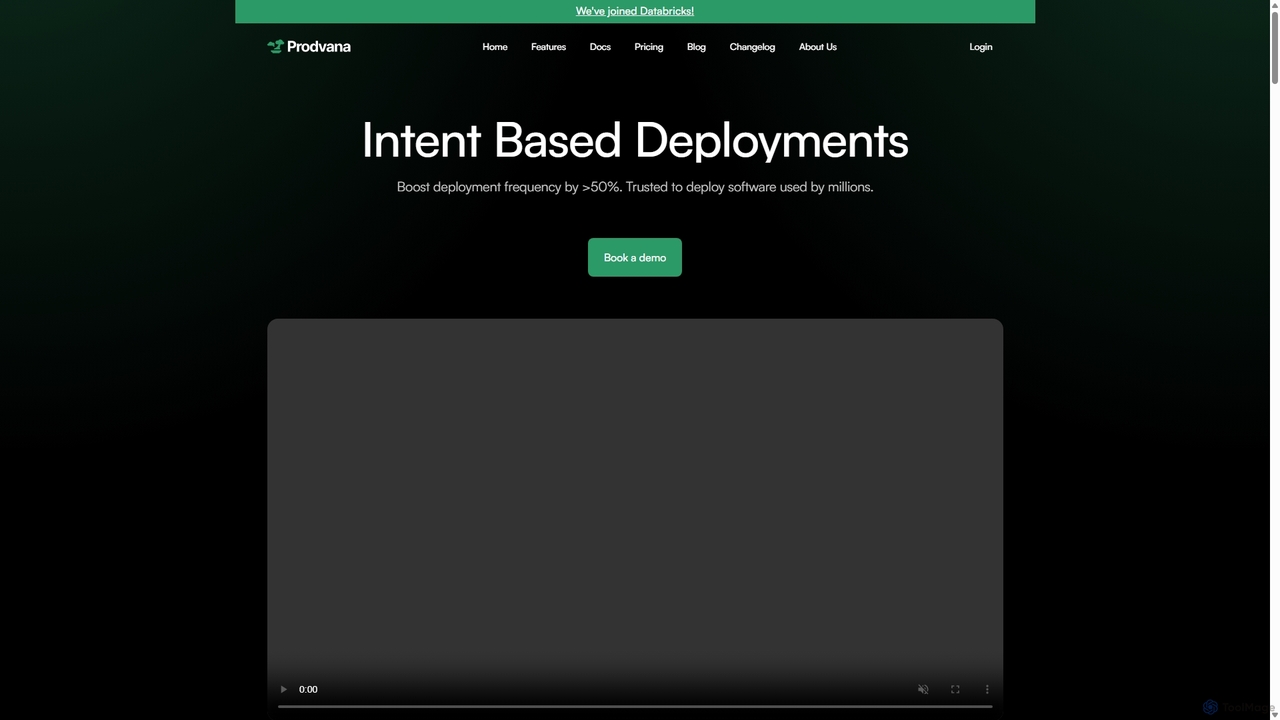
Prodvana is an intelligent, intent-based deployment platform designed for modern software delivery. It helps engineering teams accelerate deployment …

2.3K
Convox

Convox

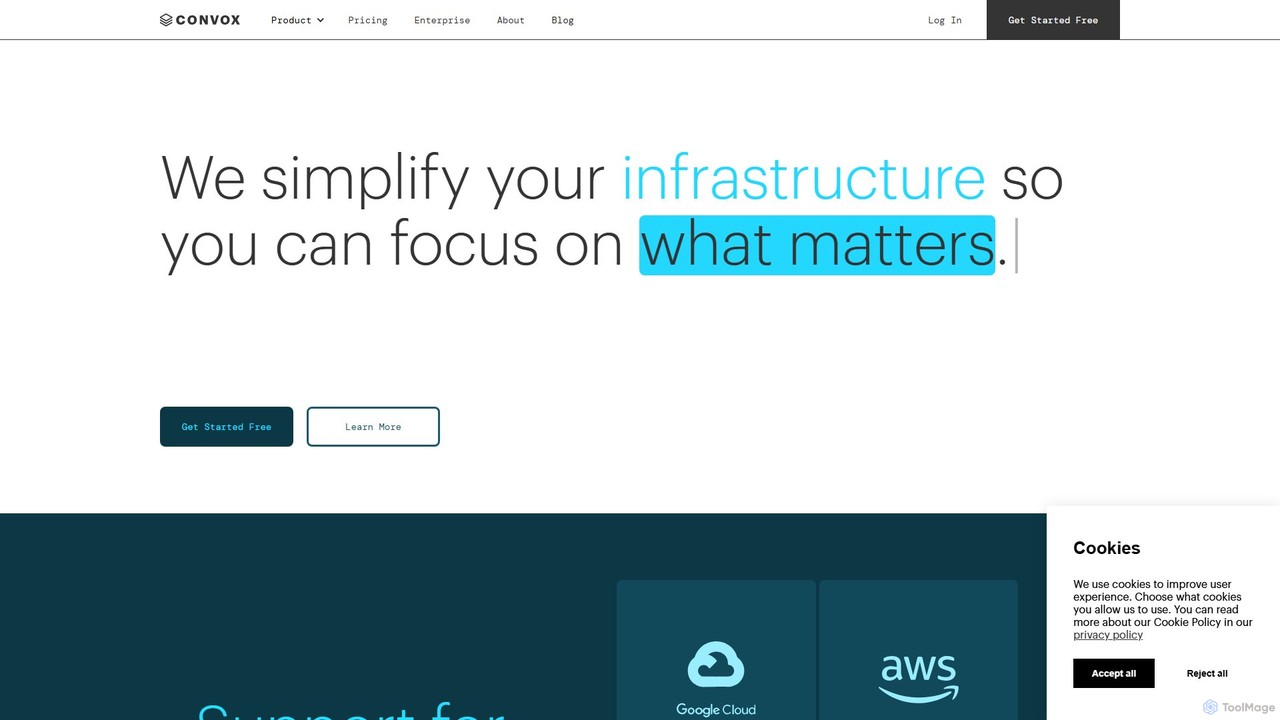
Convox is a Platform as a Service (PaaS) that automates cloud infrastructure management. It simplifies application deployment, scaling, …

6.6K
Apex.AI

Apex.AI

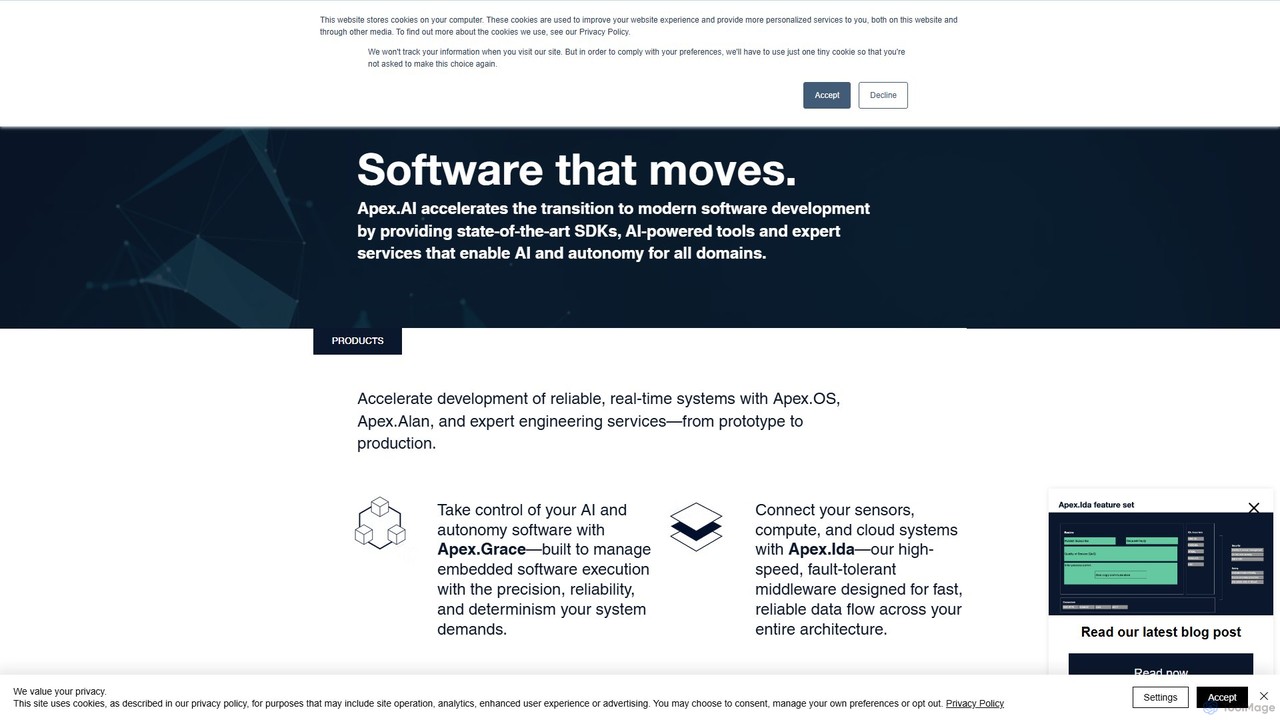
Apex.AI provides a comprehensive software development kit (SDK) and toolchain for building safe, certified, and reliable autonomous systems. …

49.5K
Sauce Labs

Sauce Labs

Sauce Labs is an AI-powered, all-in-one platform for continuous software quality testing. It enables DevOps teams to accelerate …

224.8K
K8Studio

K8Studio

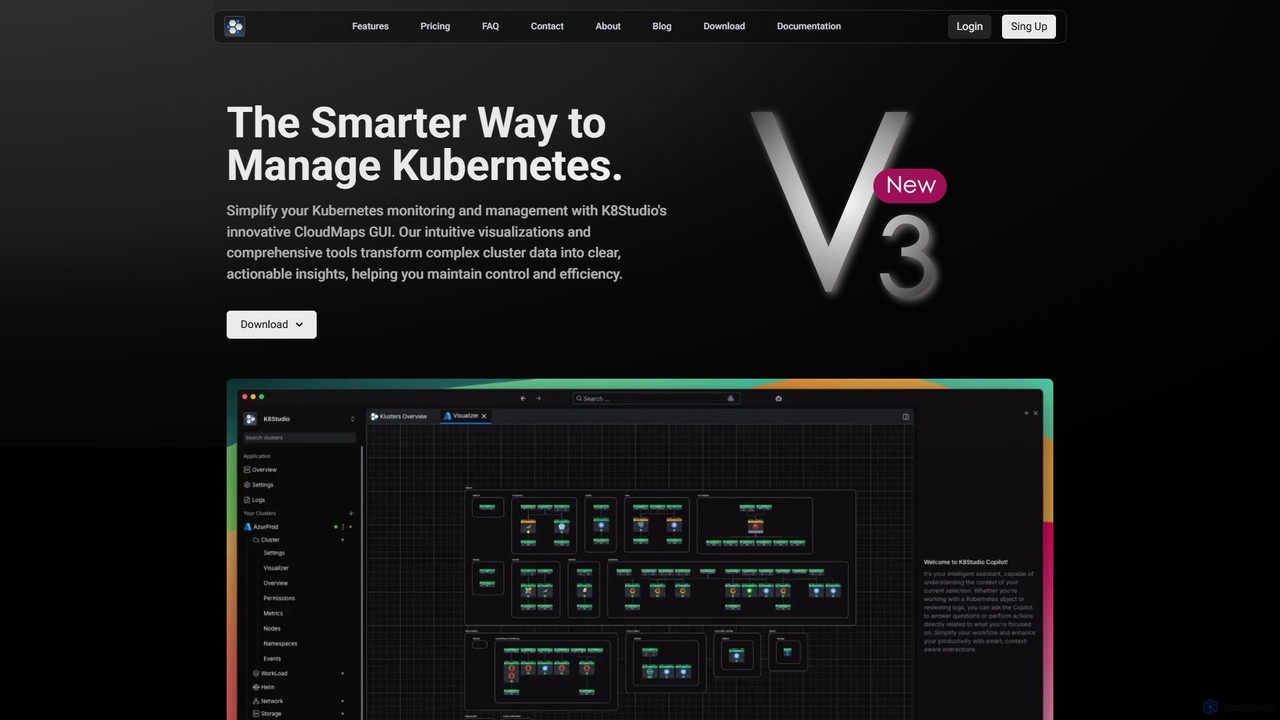
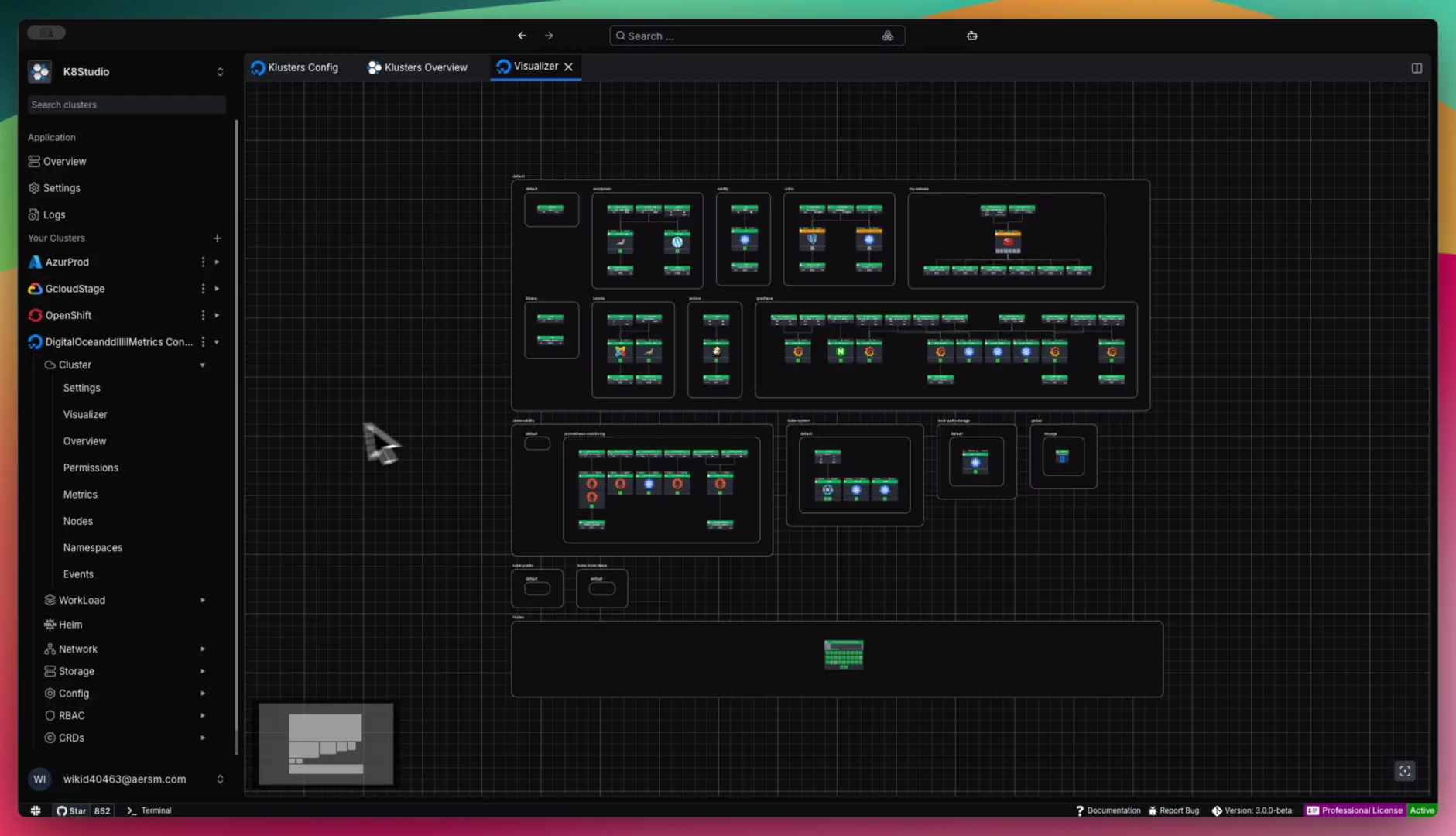
K8Studio is an advanced Kubernetes UI designed for DevOps, DevSecOps, and SRE teams. It simplifies cluster management with …

9.7K
equixly

equixly

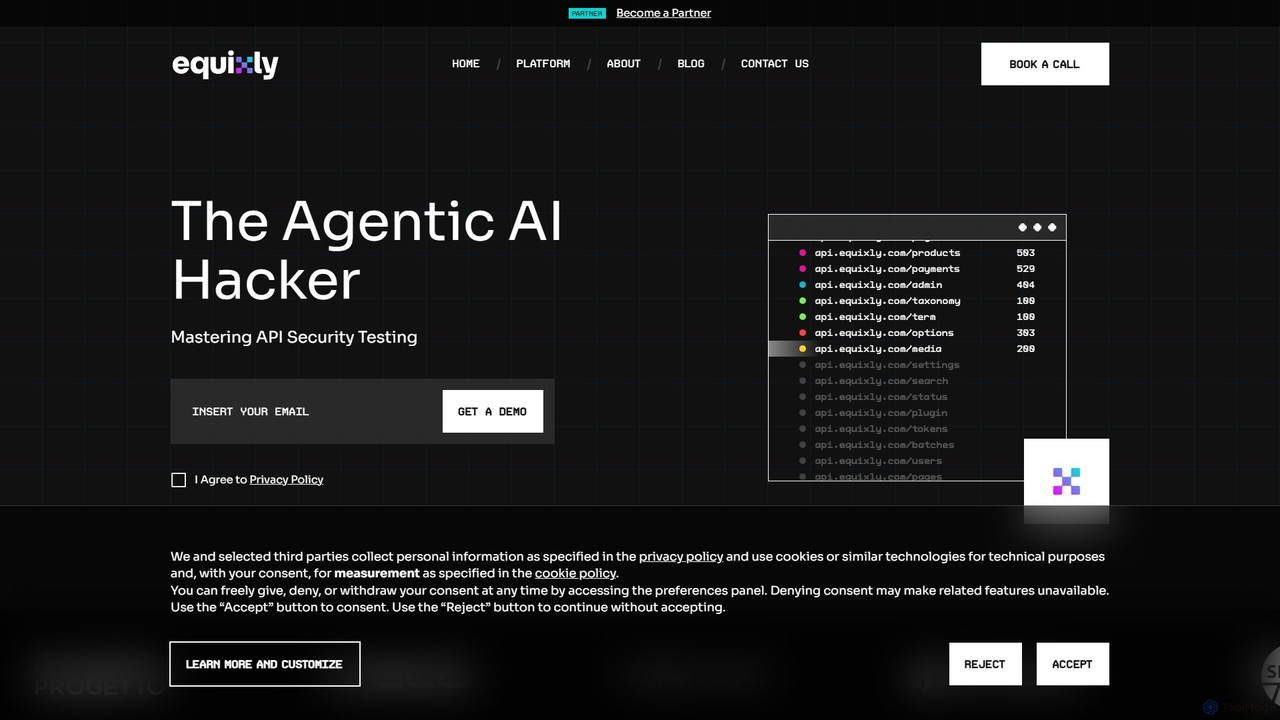
Equixly is an agentic AI hacker platform designed for mastering API security. It automates penetration testing by mapping …

21.2K
goteleport

goteleport

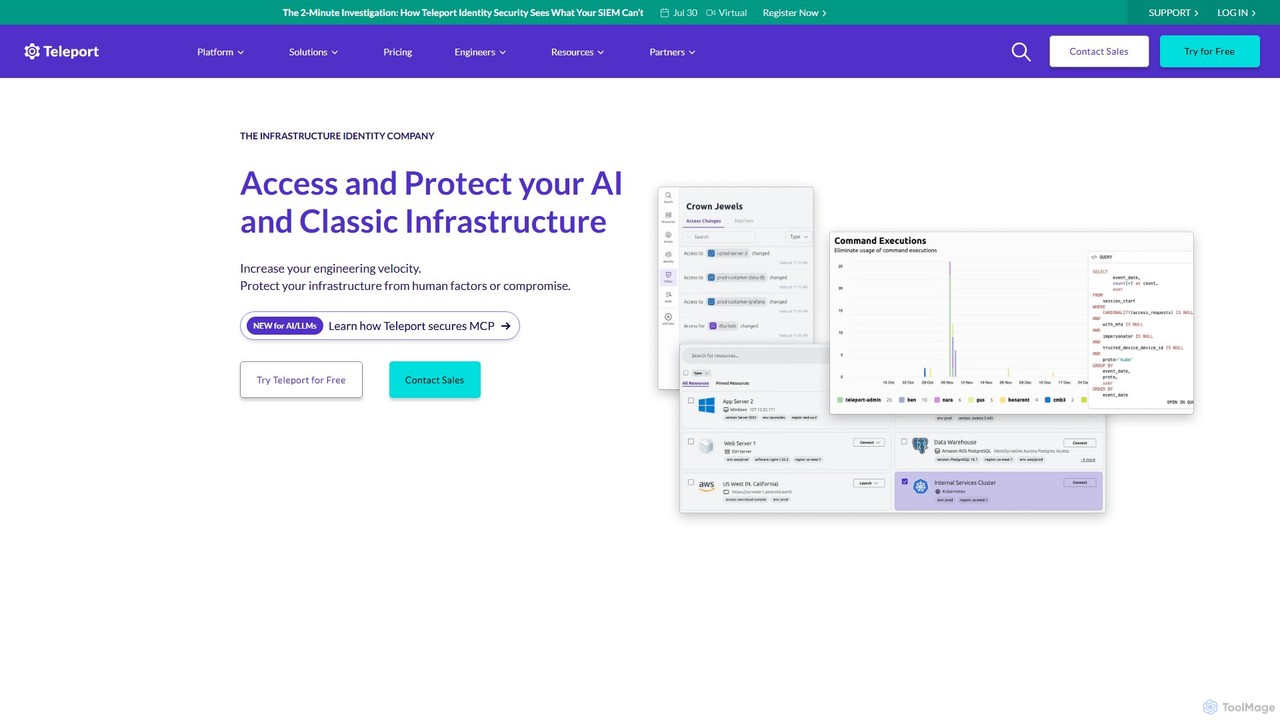
goteleport is an identity-native infrastructure access platform that provides secure, zero-trust access to servers, applications, and data. It …

253.4K
AppSanctuary

AppSanctuary

AppSanctuary is an AI-powered application security platform that automates vulnerability scanning, compliance checks, and threat detection. It helps …

6.4M
Snyk

Snyk

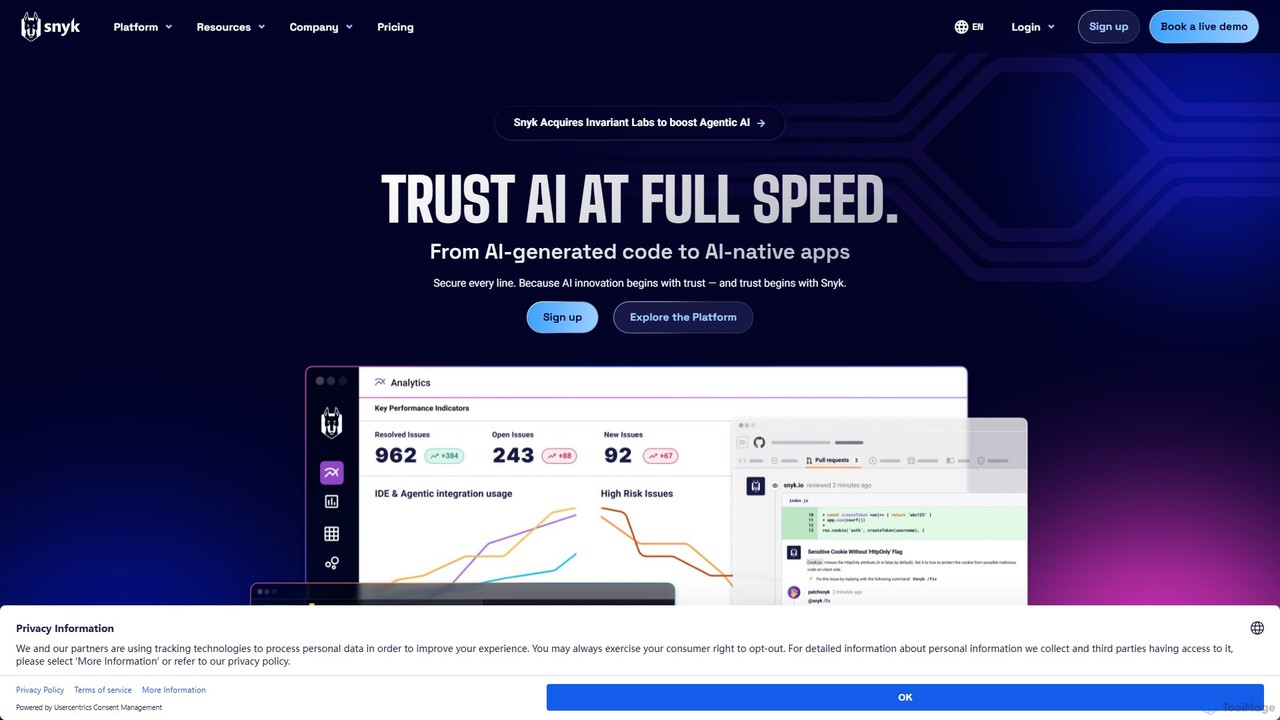
Snyk is an AI-powered developer security platform that helps businesses build software securely. It proactively finds and fixes …

1.2M

About Devops

AI DevOps tools are a class of software that uses artificial intelligence to automate and optimize the entire software development lifecycle. These tools apply machine learning models to CI/CD pipelines, system monitoring, and security analysis to predict failures, identify performance bottlenecks, and detect vulnerabilities proactively. By providing intelligent automation and data-driven insights, AI DevOps tools help teams accelerate release velocity, enhance system reliability, and improve code quality. They are essential for modern software engineering, enabling a more efficient, secure, and resilient development process within the broader scope of productivity enhancement.

Core Features

  • Intelligent CI/CD Orchestration: Automatically optimizes build, testing, and deployment workflows based on historical data.
  • AIOps Monitoring & Anomaly Detection: Uses machine learning to monitor system health, predict issues, and identify root causes in real-time.
  • Automated Code Review & Security Scanning: Analyzes code for quality, bugs, and security vulnerabilities with AI-powered suggestions.
  • Predictive Failure Analysis: Forecasts potential system failures or performance degradation before they impact users.
  • Automated Test Generation: Creates relevant test cases automatically by analyzing code changes and user behavior.

Use Cases

AI DevOps tools are primarily used by software development teams, Site Reliability Engineers (SREs), and IT operations professionals in technology companies. They are crucial in environments with complex microservices architectures, large-scale cloud deployments, and a need for rapid, continuous delivery. For instance, an e-commerce platform can use these tools to predict traffic spikes and scale resources automatically, while a financial services company can use them for enhanced security scanning in their CI/CD pipeline.

How to Choose

When selecting an AI DevOps tool, first evaluate its integration capabilities with your existing toolchain (e.g., Jenkins, GitHub, Kubernetes). Second, assess the scope of its AI features—whether it focuses on AIOps, DevSecOps, or the full lifecycle. Consider the model's transparency and customizability to fit your specific operational patterns. Finally, review the data requirements and the technical expertise needed to manage and interpret the AI-driven insights effectively.

DevopsUse Cases

1

Automating CI/CD Pipeline Optimization

A DevOps team managing a complex application with dozens of microservices uses an AI tool to optimize their CI/CD pipeline. The tool analyzes historical build and test data to predict which tests are most likely to fail for a given code change. It then intelligently reorders the test suite to run these high-risk tests first. This provides developers with feedback in minutes instead of hours, significantly reducing the feedback loop and accelerating the time to merge new features.

2

Proactive Anomaly Detection in Production

A Site Reliability Engineering (SRE) team for a global SaaS platform employs an AIOps tool for monitoring. The tool establishes a baseline of normal system behavior by analyzing millions of metrics in real-time. When it detects a subtle deviation, such as a slight increase in API latency correlated with a minor rise in memory usage, it automatically creates an alert with contextual data. This allows the SRE team to investigate and resolve potential issues before they escalate into a major outage, improving overall service uptime and reliability.

3

AI-Powered Code Security Scanning (DevSecOps)

A financial technology company integrates an AI-powered security tool into their GitHub pull request workflow to enforce DevSecOps practices. When a developer submits new code, the tool automatically scans it. Unlike traditional static analysis tools, it uses a trained model to identify complex vulnerability patterns, such as insecure data handling or potential injection flaws that span multiple files. It provides direct, actionable feedback to the developer within the pull request, including code suggestions, reducing the burden on the security team and catching critical issues early in the development cycle.

4

Intelligent Incident Root Cause Analysis

After a production incident, an IT Operations team uses an AI DevOps tool to accelerate root cause analysis. The tool ingests and correlates data from multiple sources, including logs, metrics, and deployment events. It uses machine learning to identify the most probable cause, such as a recent code deployment that introduced a memory leak. Instead of engineers spending hours manually sifting through data, the tool presents a concise summary and a timeline of events leading to the incident, reducing Mean Time to Resolution (MTTR) and preventing similar issues in the future.

5

Automated Test Case Generation

A quality assurance (QA) team working on a mobile banking app uses an AI tool to improve test coverage. The tool analyzes the application's code and user interaction data to automatically generate meaningful end-to-end test cases that cover common user journeys and edge cases. This frees up QA engineers from the repetitive task of writing basic tests, allowing them to focus on more complex exploratory testing and performance analysis. The result is higher test coverage and faster detection of regressions with less manual effort.

6

Optimizing Cloud Resource Allocation

A company running its services on a public cloud uses an AI DevOps tool to manage costs and performance. The tool continuously analyzes workload patterns and resource utilization (CPU, memory, network). Based on its predictive models, it recommends or automatically applies changes, such as right-sizing virtual machine instances, scaling down services during off-peak hours, or purchasing reserved instances for stable workloads. This intelligent optimization helps the company reduce its cloud spending by 20-30% without compromising application performance or availability.

DevopsFrequently Asked Questions