ToolMage
Sign in

Best 32 No Code Platform for Productivity

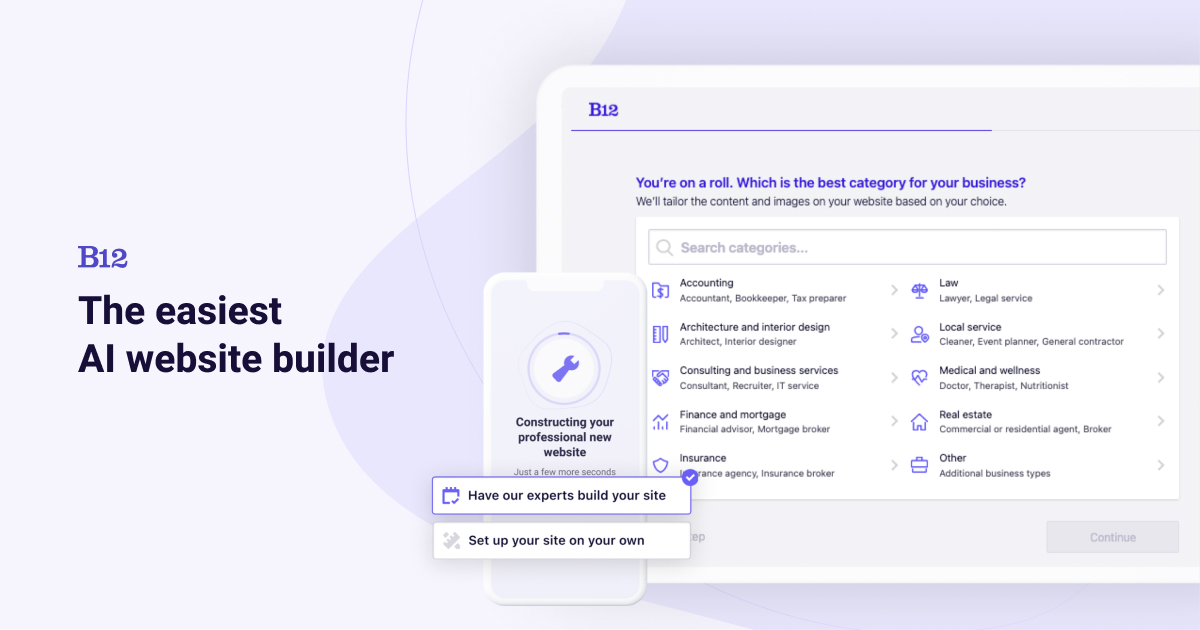
Popular No Code Platform in Productivity include Ultralytics, b12, Plug&Pay, Weblium, Pixpa, Landingi, Stacker, Grapesjs, WotNot, and MyShell AI, helping you work more efficiently.

Grapesjs
Freemium

Grapesjs

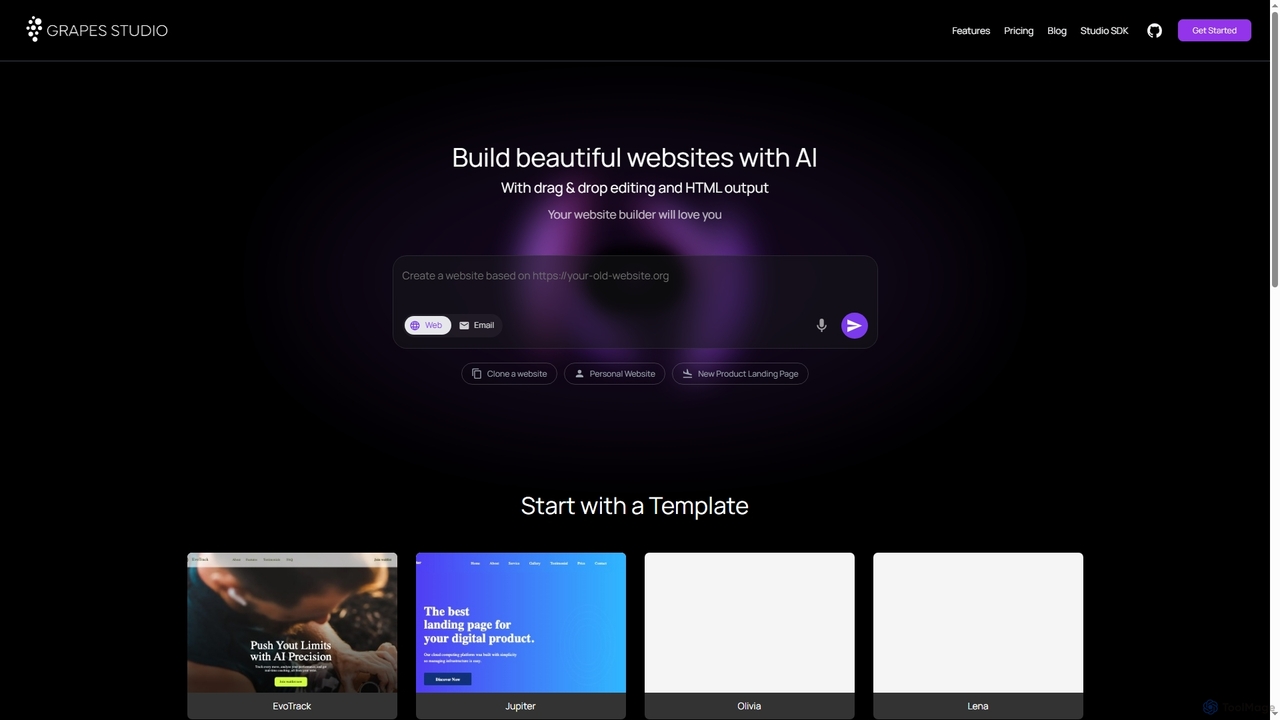
GrapesJS is a free, open-source web builder framework for creating responsive websites and templates. It features an intuitive drag-and-drop editor, AI-powered site generation, and full HTML/CSS code export, making it ideal for developers and designers.

Website Builder
Visits 87.7KFavorites 150Likes 142
BuildMyStores
Freemium

BuildMyStores

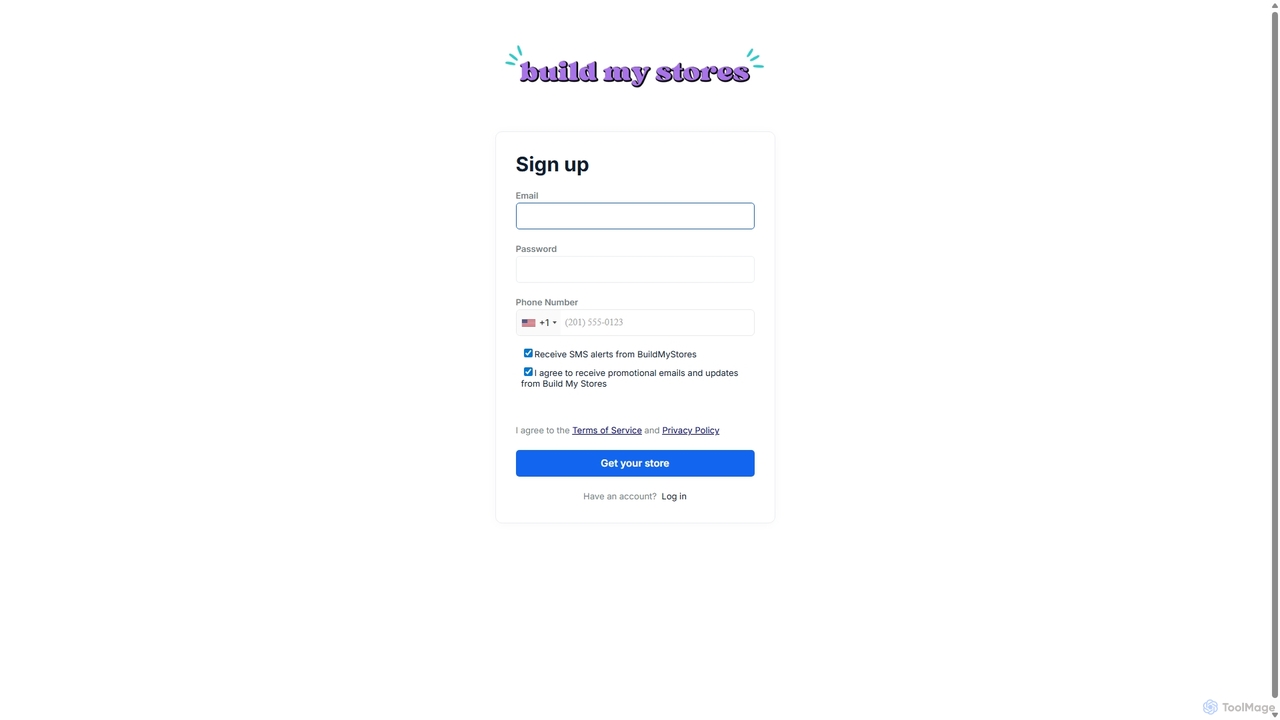
BuildMyStores is an AI-powered e-commerce platform that enables entrepreneurs and businesses to create professional online stores in minutes. It leverages artificial intelligence to automate store design, generate compelling product descriptions, create marketing content, and optimize for sales, requiring no coding or design skills.

Startup Tools
Visits 6.5KFavorites 137Likes 149
Arsturn
Freemium

Arsturn

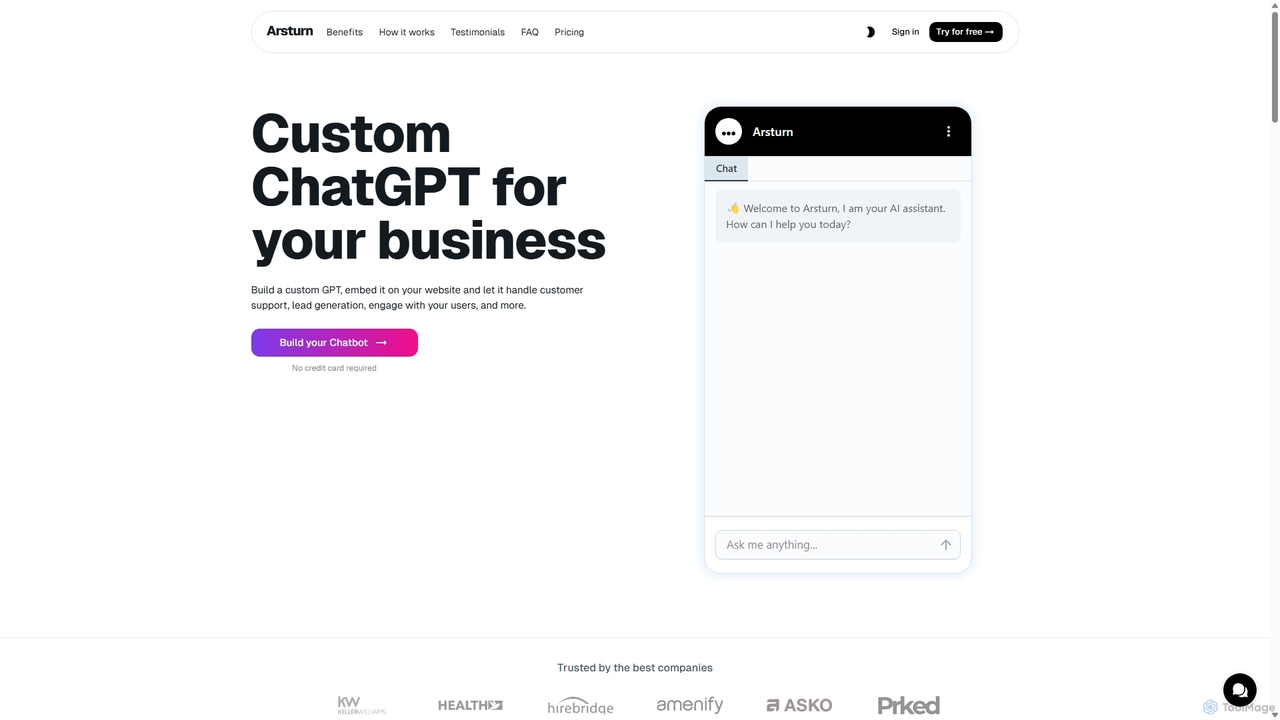
Arsturn is a no-code AI chatbot builder that allows you to create custom ChatGPT-powered chatbots for your website. Train the chatbot on your own data—files, URLs, or text—to provide instant, accurate answers, boost user engagement, and increase conversions. It offers full customization, insightful analytics, and seamless integration.

Chatbots
Visits 6.3KFavorites 182Likes 180
EmbedAI
Freemium

EmbedAI

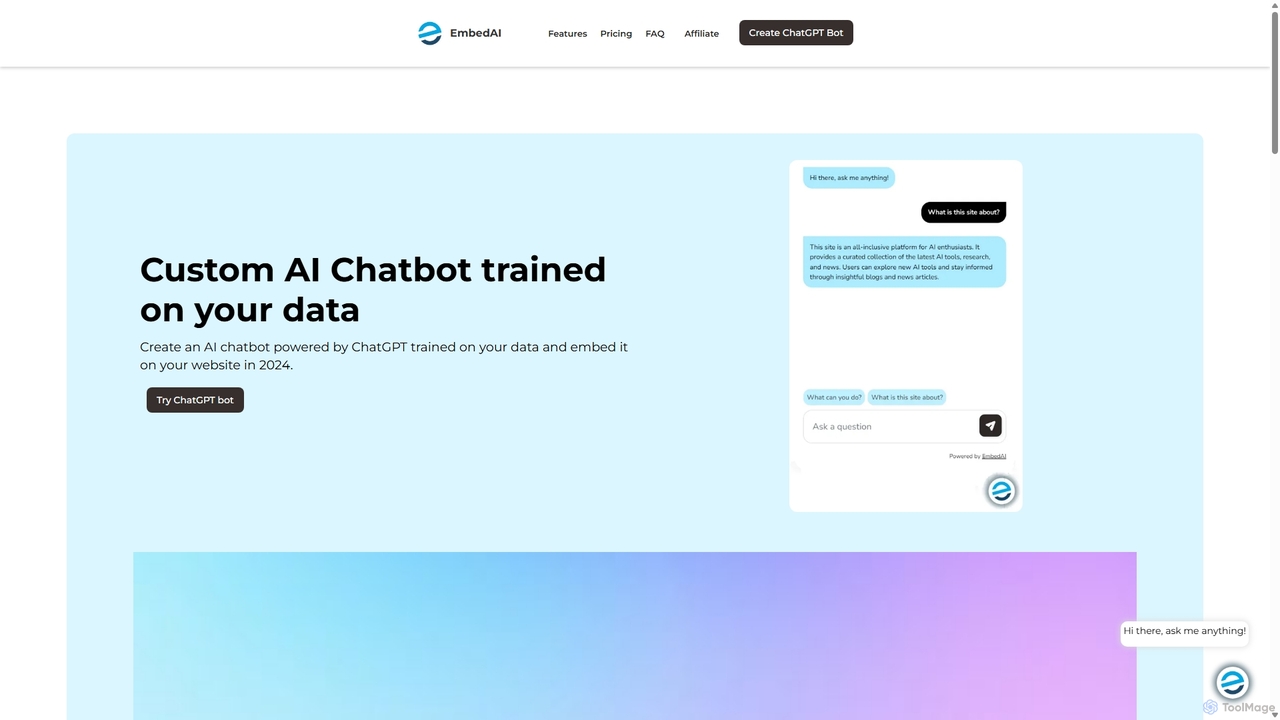
EmbedAI is an AI chatbot builder that allows you to create custom ChatGPT & Gemini-powered chatbots trained on your own data. Easily upload files, link websites, or use YouTube videos to train your bot. Customize its appearance and embed it on your website to automate customer support, enhance user engagement, and provide instant answers in over 100 languages.

Chatbots
Visits 6.4KFavorites 146Likes 150
WebWhiz
Paid

WebWhiz

WebWhiz is an AI-powered platform that transforms your website content into an intelligent, interactive chatbot in just a few clicks. It automatically crawls your site to build a custom knowledge base, allowing you to provide instant, accurate answers to visitor questions 24/7. This enhances user engagement, automates customer support, and helps convert visitors into customers without any coding required.

Chatbots
Visits 6.3KFavorites 139Likes 135
Plug&Pay
Freemium

Plug&Pay

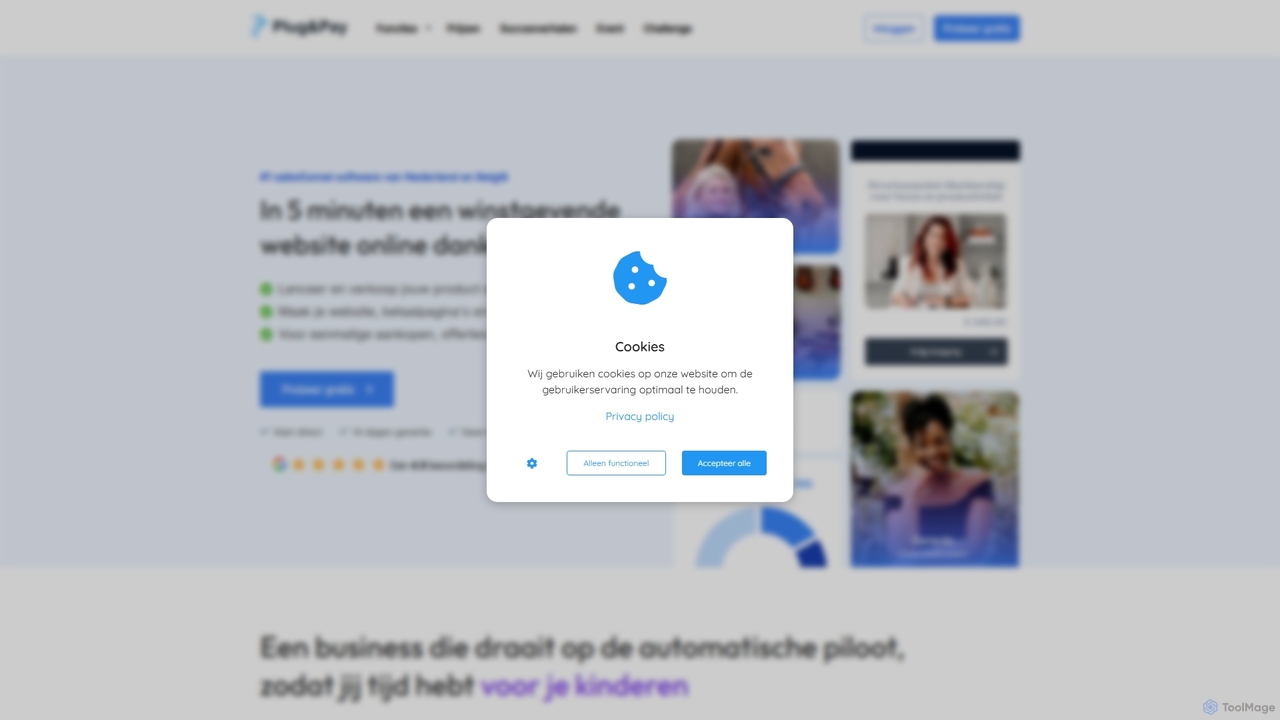
Plug&Pay is an AI-powered sales funnel and e-commerce platform designed for entrepreneurs, coaches, and creators. It enables users to build profitable websites, high-converting landing pages, and seamless payment systems in minutes, without any technical expertise. The platform integrates AI for content creation, sales optimization, and complete business automation, helping users sell digital products, coaching, physical goods, and subscriptions effortlessly.

Website Builder
Visits 330.5KFavorites 182Likes 200
ChatBotKit Apps
Freemium

ChatBotKit Apps

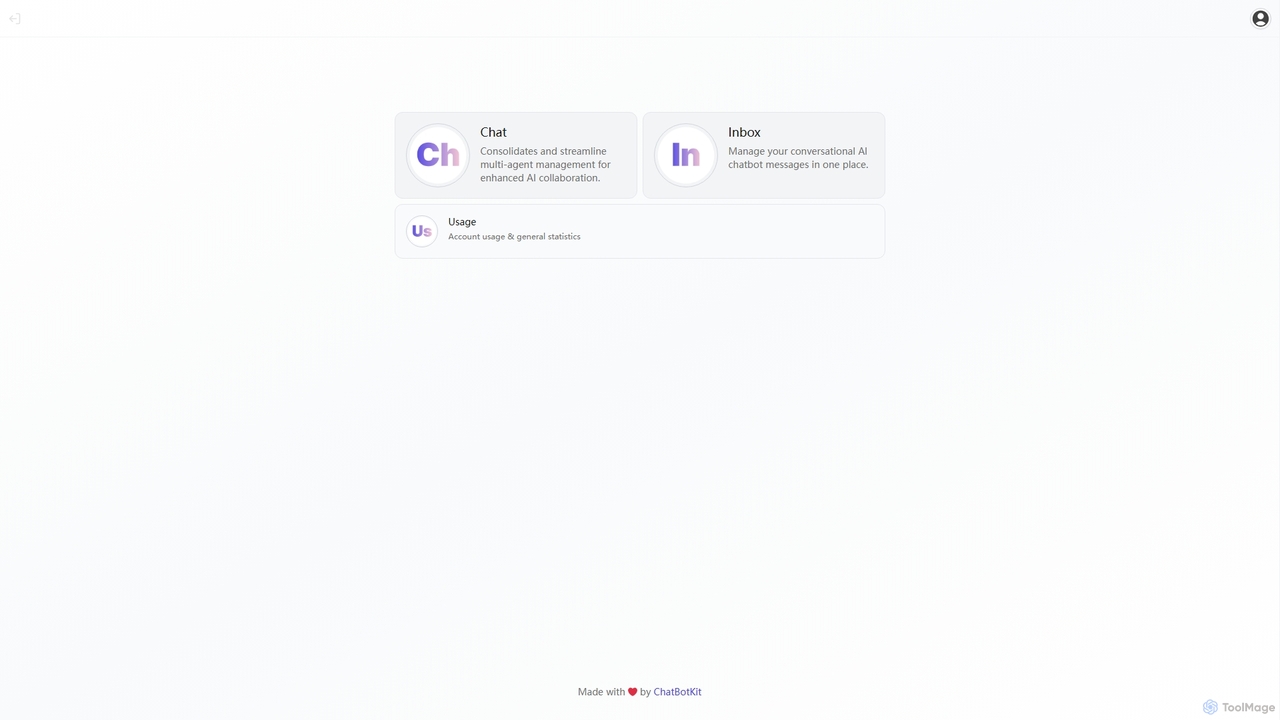
ChatBotKit Apps is a comprehensive suite of tools designed to build, manage, and analyze advanced AI chatbots. It provides a centralized dashboard featuring a unified inbox for all conversations, multi-agent management for complex collaboration, and detailed usage analytics. This platform empowers businesses to streamline customer support, enhance lead generation, and automate communication workflows efficiently.

Chatbot
Visits 6.3KFavorites 142Likes 133
MyShell AI
Freemium

MyShell AI

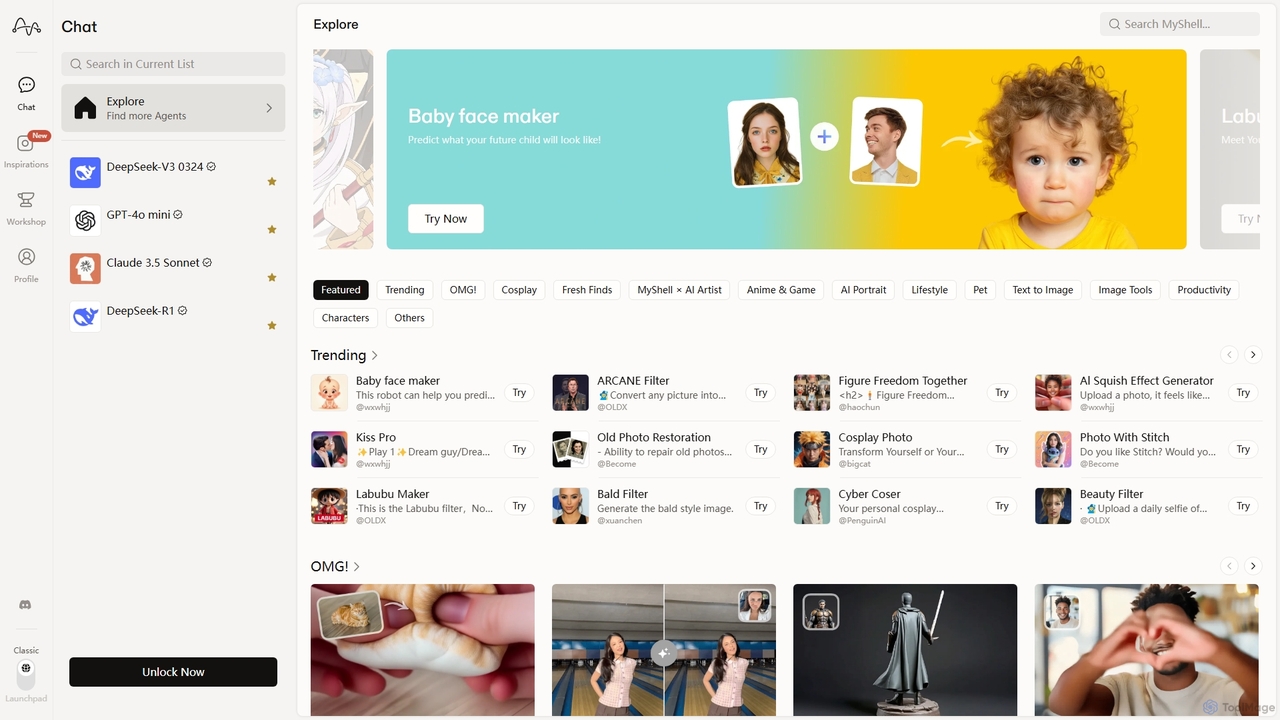
MyShell AI is a versatile platform for discovering, creating, and sharing AI-native applications. It offers a vast library of AI agents for image generation, style transfer, face swapping, and character chat, as well as productivity tools. Users can also leverage its no-code builder to create and monetize their own AI apps, making it a comprehensive ecosystem for both AI consumers and creators.

Ai Chatbot
Visits 75.1KFavorites 144Likes 154
Dropchat
Freemium

Dropchat

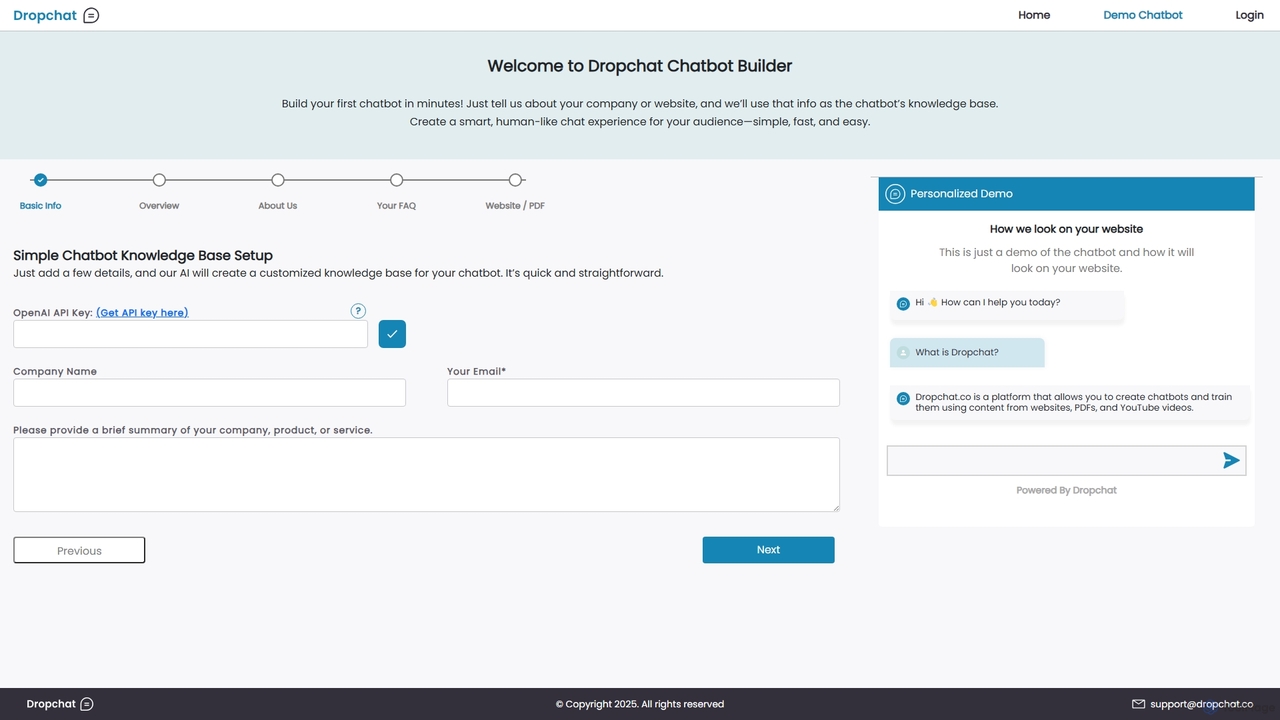
Dropchat is an AI-powered platform that allows you to build custom chatbots in minutes. Train your chatbot using your own data, such as websites, PDFs, and YouTube videos, to provide instant customer support, generate leads, and enhance user engagement without any coding knowledge.

Chatbots
Visits 6.3KFavorites 113Likes 131
UChat
Freemium

UChat

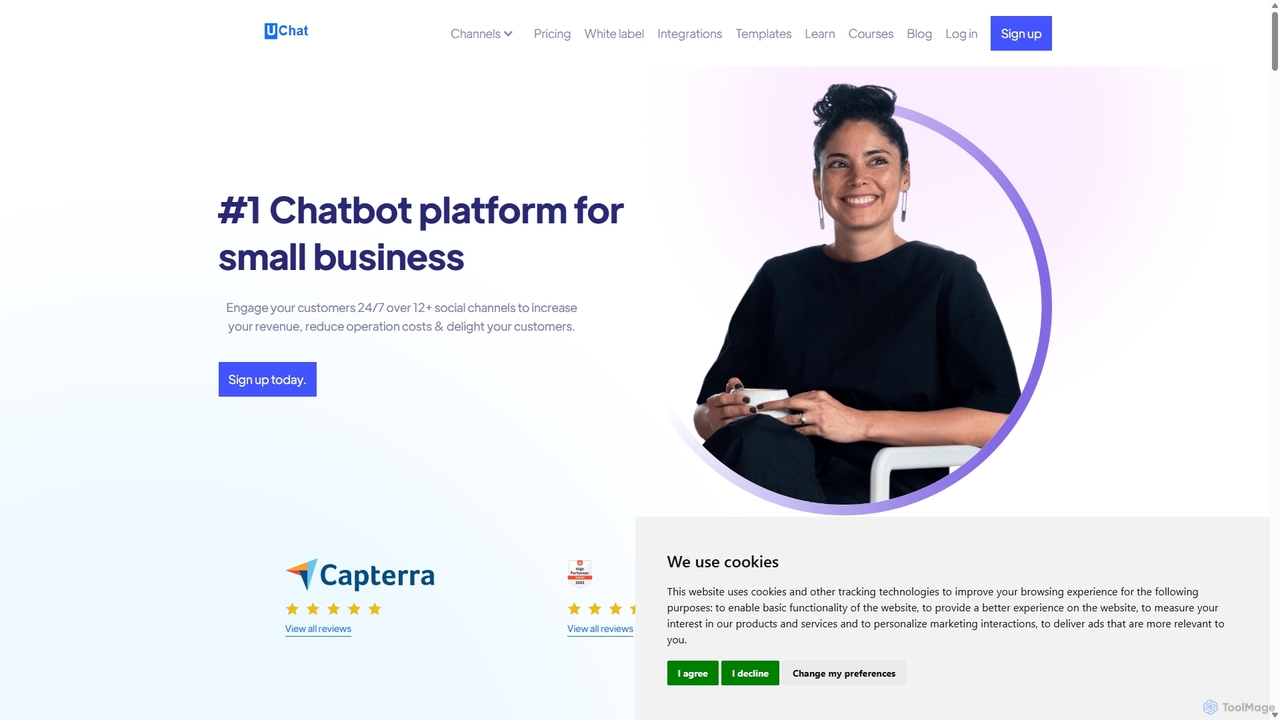
UChat is a powerful no-code, omni-channel chatbot platform designed for businesses to automate customer engagement and sales. It features a visual drag-and-drop flow builder, AI integration with ChatGPT and Dialogflow, and support for over 12 social channels like WhatsApp, Instagram, and Facebook Messenger. UChat helps businesses increase revenue, reduce operational costs, and provide 24/7 customer support without any coding knowledge.

Chatbot Builder
Visits 57.7KFavorites 134Likes 152
GPT-4 Vision Chatbot
Paid

GPT-4 Vision Chatbot

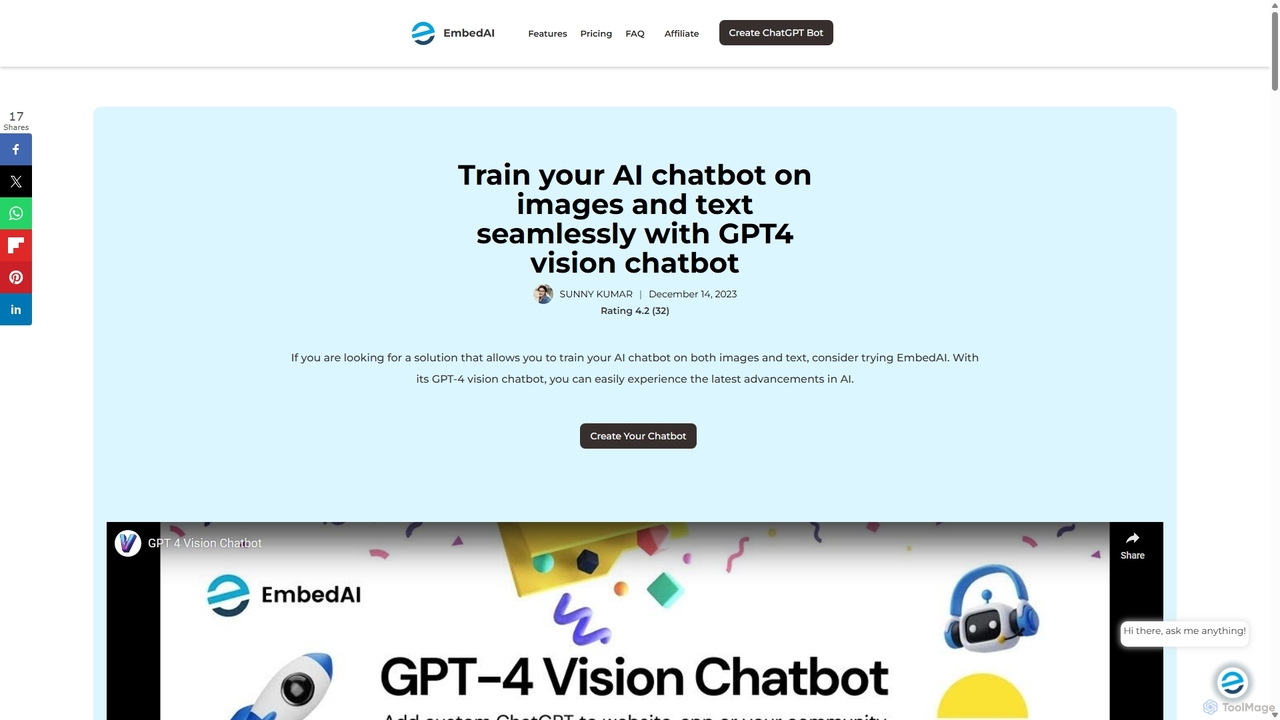
A no-code platform for building advanced AI chatbots powered by GPT-4 with Vision. Train your chatbot on text, documents, websites, and images to create a multimodal, interactive experience for users. Ideal for customer support, education, and enhanced user engagement.

Chatbot Builder
Visits 6.3KFavorites 167Likes 167
TextIt
Freemium

TextIt

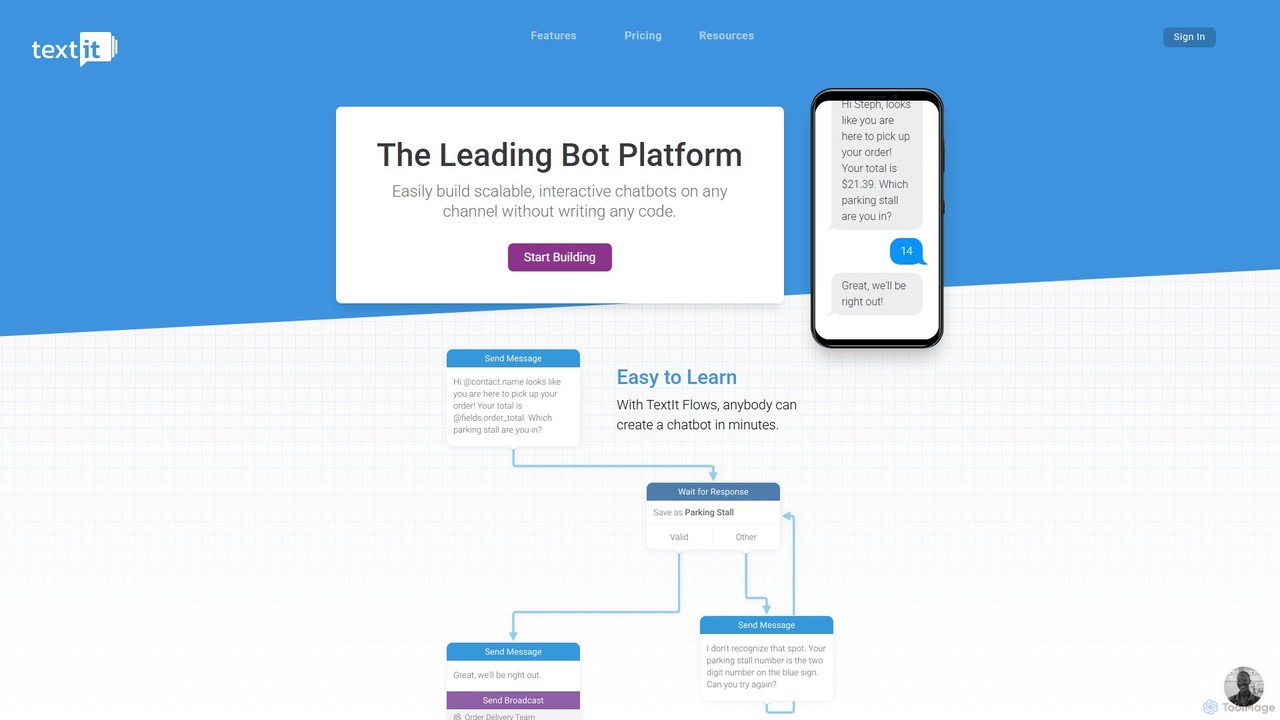
TextIt is a leading no-code platform for building, launching, and scaling interactive chatbots across any channel, including SMS, WhatsApp, Facebook Messenger, and voice. It empowers organizations to create complex, automated messaging flows and campaigns with a simple visual builder, recently enhanced with AI capabilities from models like ChatGPT.

Chatbot
Visits 13.6KFavorites 144Likes 146
Landingi
Freemium

Landingi

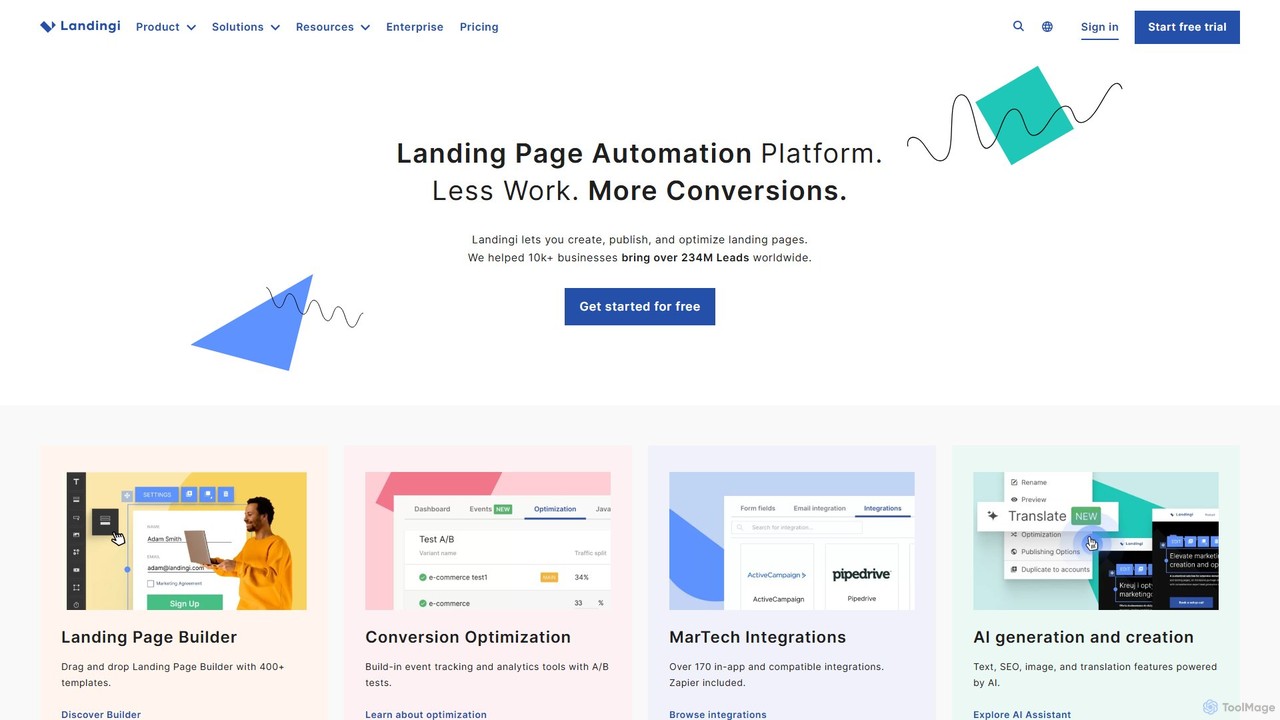
Landingi is an AI-powered, no-code landing page automation platform for digital marketers. It features a drag-and-drop builder, 400+ templates, A/B testing, and an AI Assistant for content, SEO, and image creation. It helps businesses create, publish, and optimize high-converting landing pages with minimal effort to boost leads and sales.

Landing Page Builder
Visits 142KFavorites 129Likes 131
Enterbox
Freemium

Enterbox

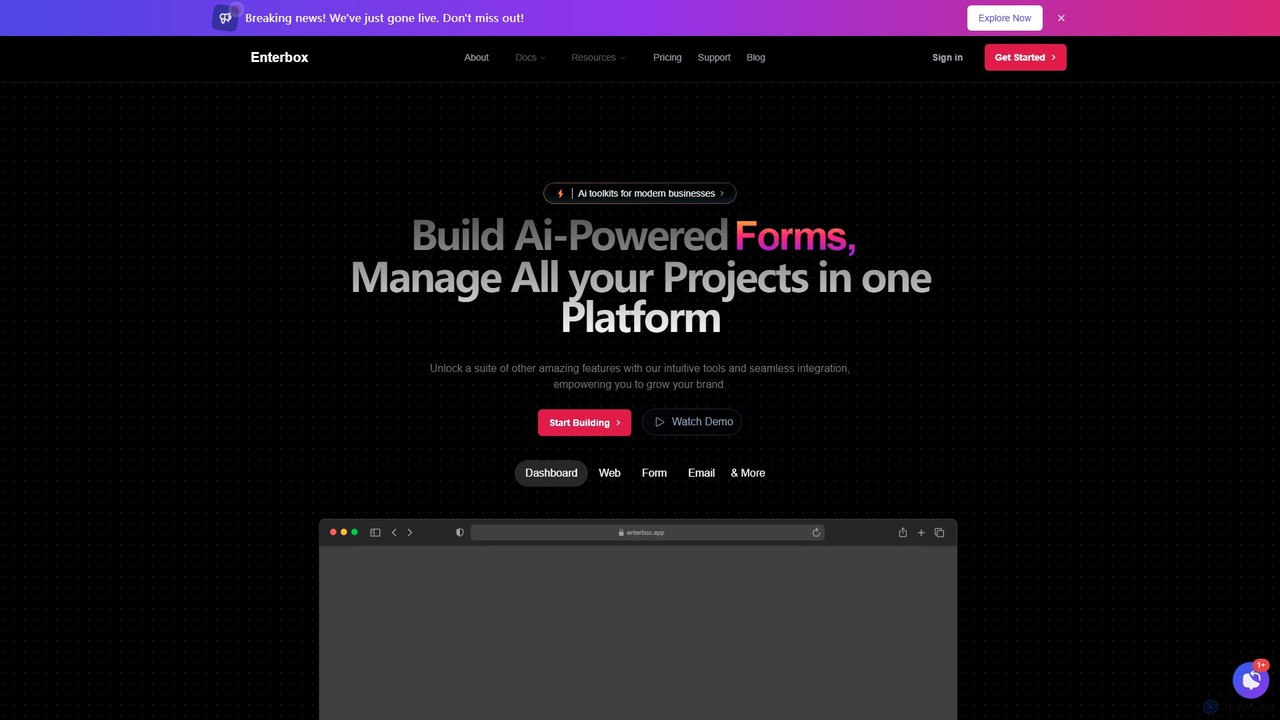
Enterbox is an all-in-one, AI-powered toolkit for modern businesses. It integrates a no-code website builder, email marketing automation, CRM, project management, and analytics into a single platform. Leverage AI for market research and data-driven strategies to build your online presence, engage customers, and streamline operations without writing any code. It's designed to help businesses of all sizes create, manage, and scale their digital presence efficiently.

Crm
Visits 6.4KFavorites 178Likes 157
WotNot
Freemium

WotNot

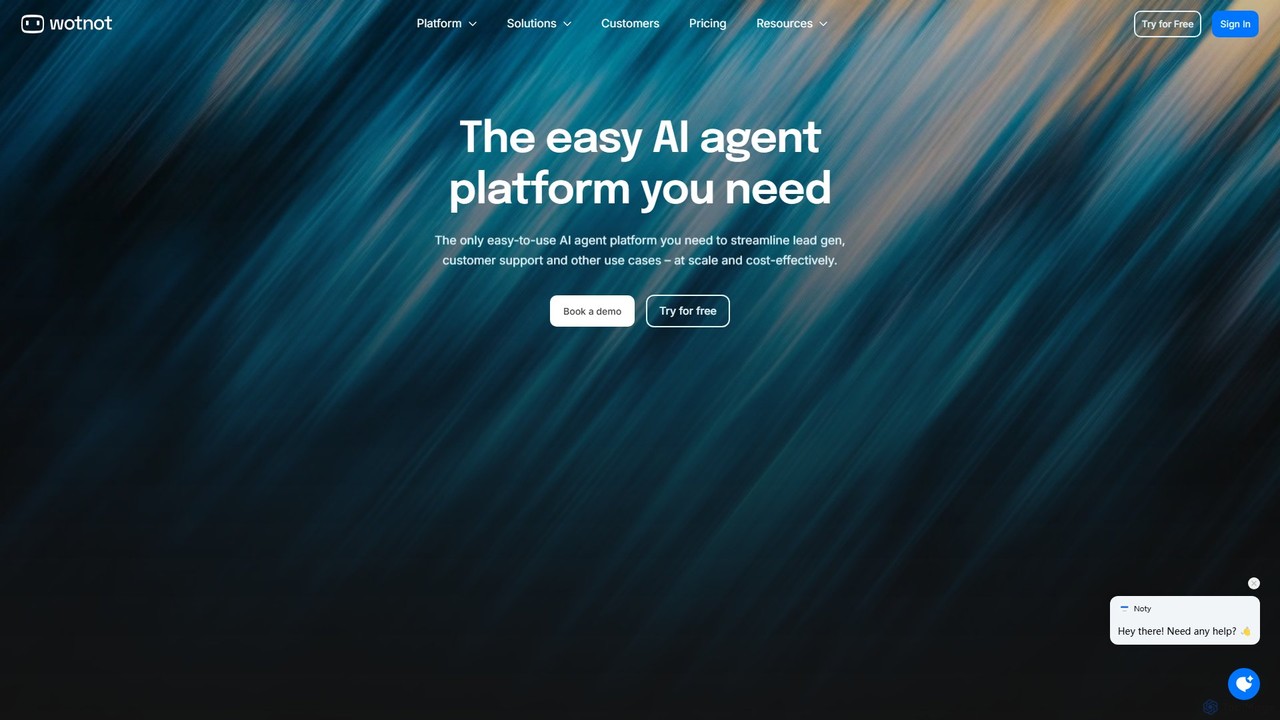
WotNot is a user-friendly, no-code AI agent and chatbot platform designed to streamline business communications. It helps automate lead generation, customer support, and product recommendations at scale, offering powerful integrations and enterprise-grade security.

Chatbot
Visits 81KFavorites 151Likes 163
Weblium
Freemium

Weblium

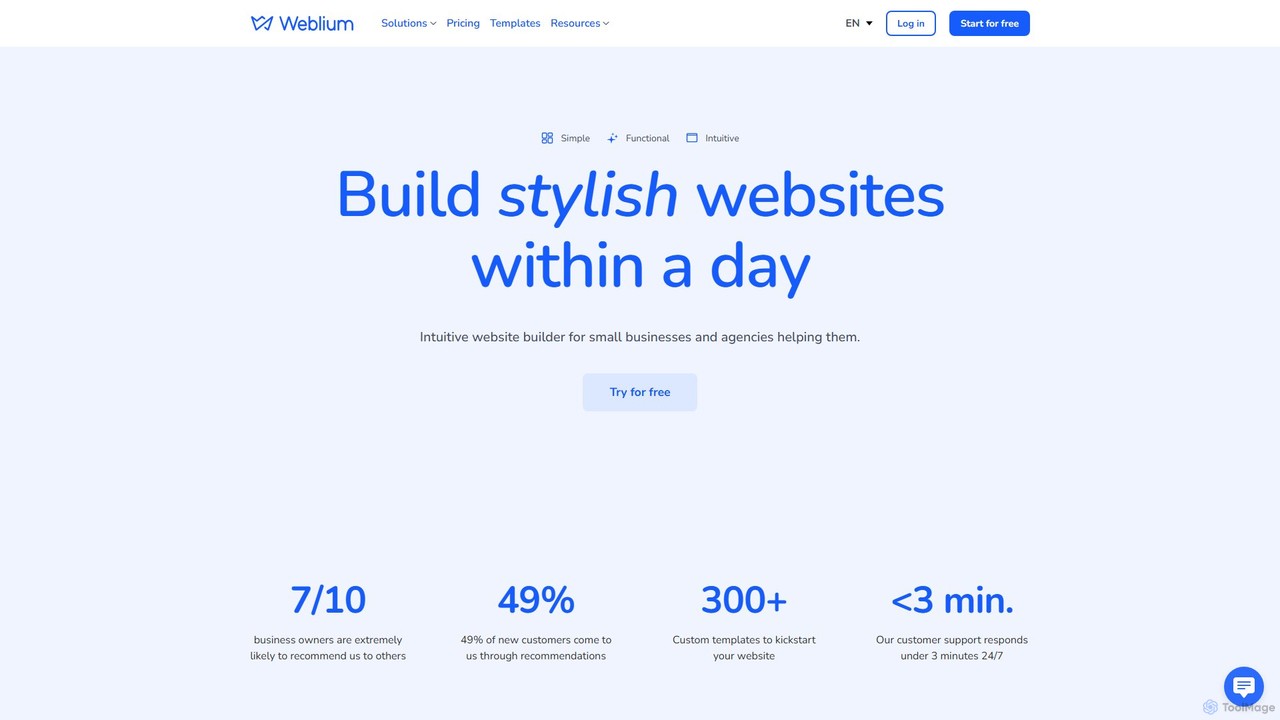
Weblium is an AI-powered, no-code website builder that enables users to create professional websites and online stores with ease. It features an intuitive editor, over 300 templates, an integrated AI writer (ChatGPT), e-commerce functionality, and marketing tools. Ideal for small businesses, freelancers, and agencies, Weblium offers a complete solution with free hosting, an SSL certificate, and 24/7 human support.

Store Builder
Visits 322.9KFavorites 150Likes 154
Showfer.ai
Freemium

Showfer.ai

Showfer.ai is an AI platform that enables brands to create and deploy custom, interactive AI mascots. These mascots act as brand ambassadors, enhancing website engagement, automating customer support, and generating leads with a unique personality and visual identity.

Chatbots
Visits 7KFavorites 110Likes 115
MagicPod
Freemium

MagicPod

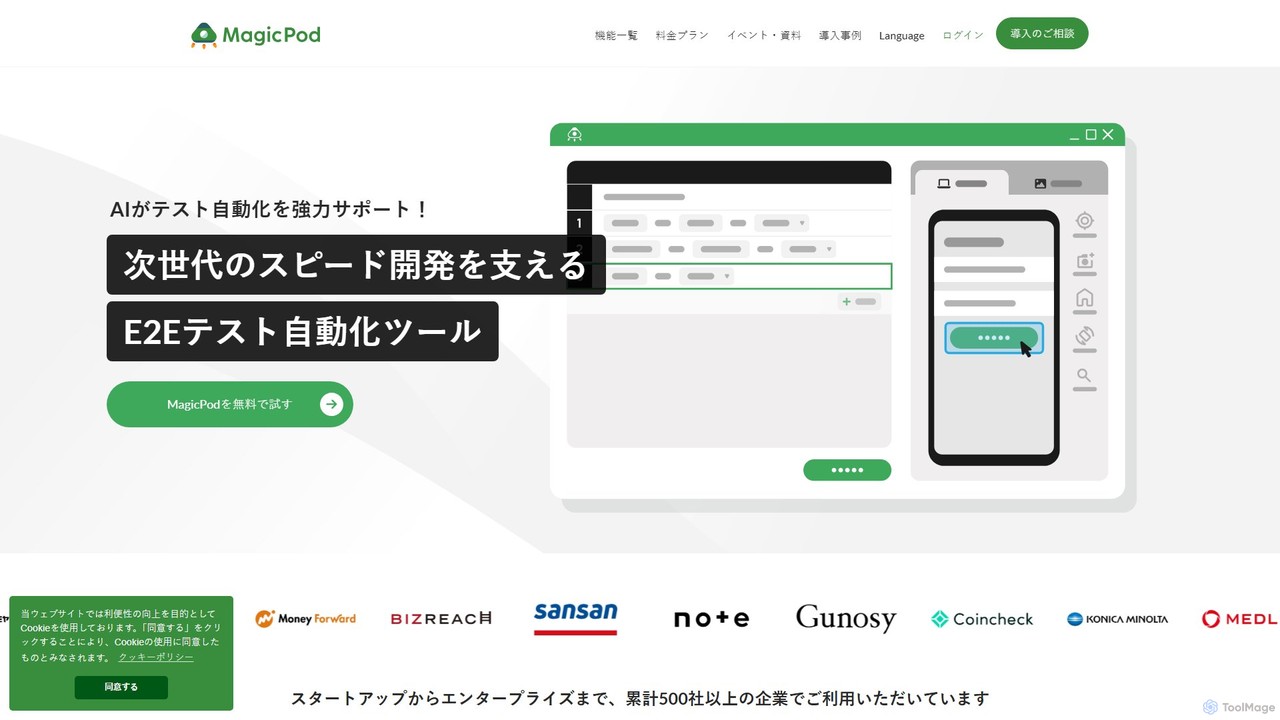
MagicPod is an AI-powered, no-code test automation platform for web and mobile applications. It enables teams to easily create, execute, and maintain automated tests, accelerating release cycles and improving software quality without requiring programming skills.

Code Assistant
Visits 44.9KFavorites 181Likes 162
Pixpa
Paid

Pixpa

Pixpa is an all-in-one, no-code website builder designed for creative professionals. It enables photographers, artists, and designers to create stunning online portfolios, launch e-commerce stores, set up client galleries, and publish blogs. By integrating user-friendly design tools with powerful business features, Pixpa provides a comprehensive platform to showcase work, attract clients, and grow a creative business online.

Digital Products
Visits 197.3KFavorites 141Likes 140
Stacker
Freemium

Stacker

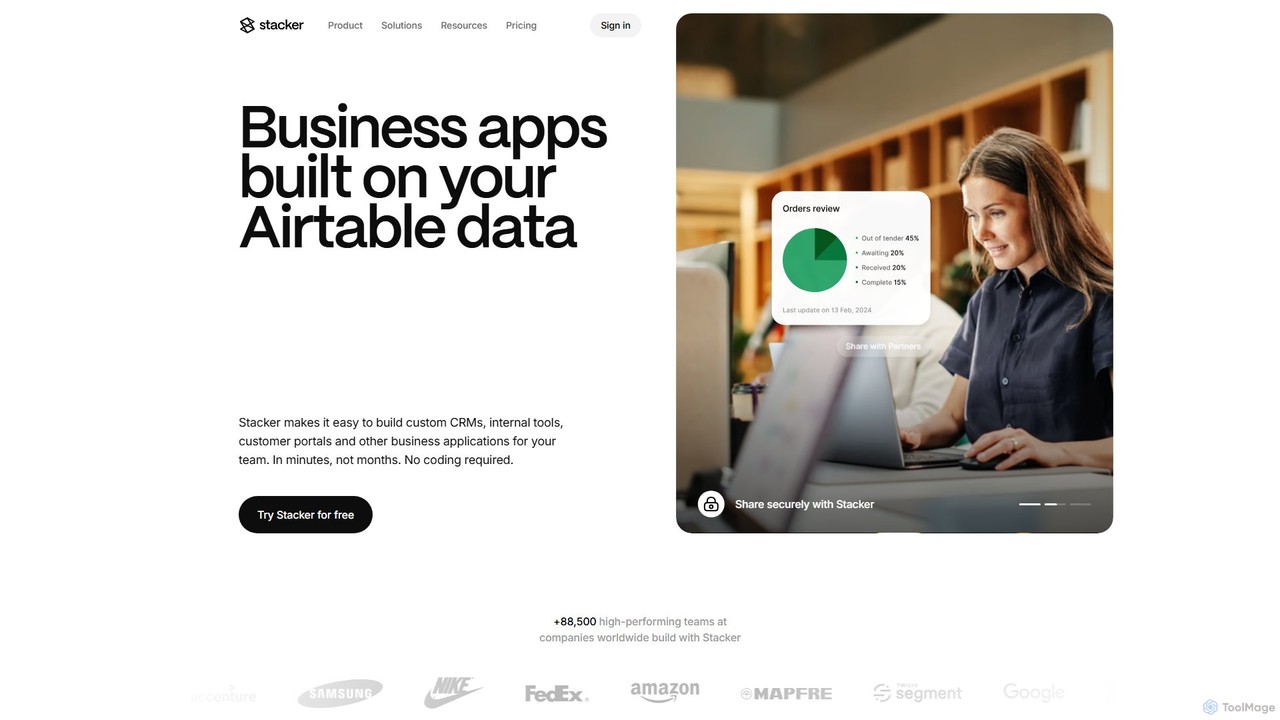
Stacker is a no-code platform that allows you to build custom business applications, such as CRMs, internal tools, and customer portals, directly from your data in Airtable or Google Sheets. Empower your team with software that perfectly fits your unique workflows, without writing a single line of code.

Crm
Visits 99.6KFavorites 145Likes 144
finbots.ai
Paid

finbots.ai

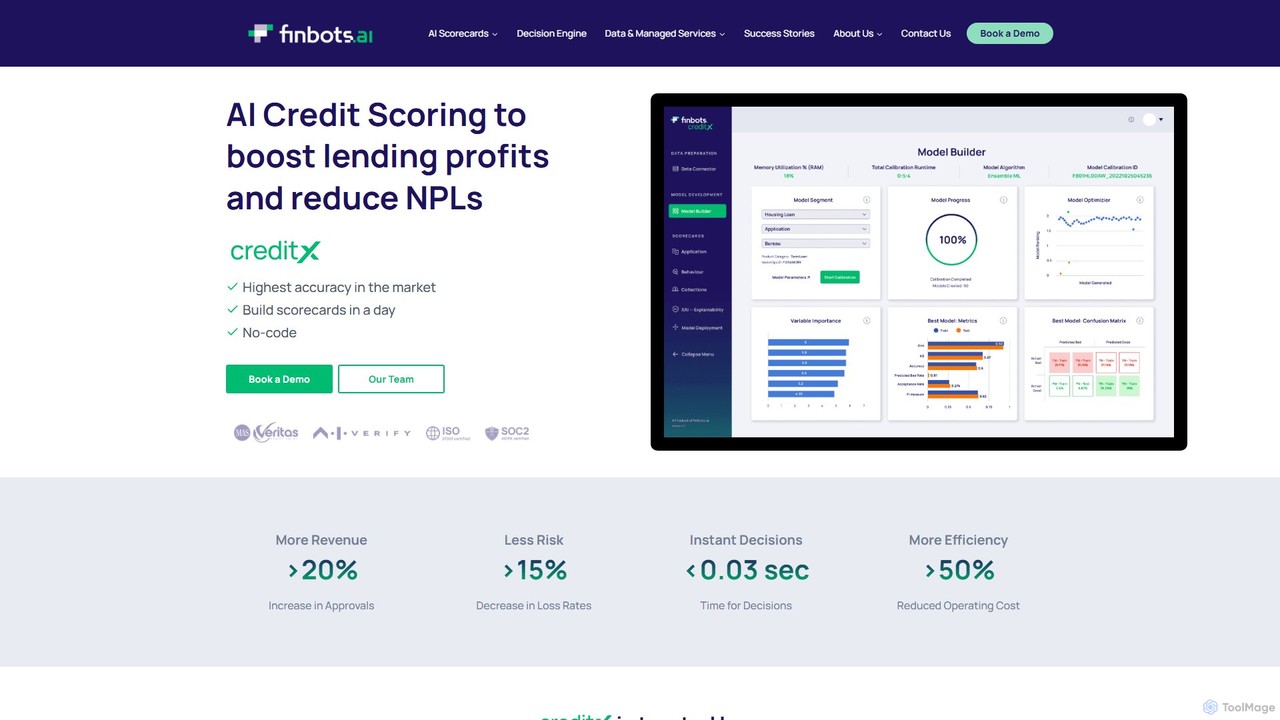
finbots.ai is an AI-powered credit risk management platform for lenders. Its core product, creditX, is a no-code SaaS solution that enables banks, fintechs, and financial institutions to rapidly build, validate, and deploy high-accuracy credit scorecards. It significantly reduces risk, increases loan approvals, and enhances operational efficiency.

Data Analytics
Visits 7.4KFavorites 145Likes 134
humleyai
Freemium

humleyai

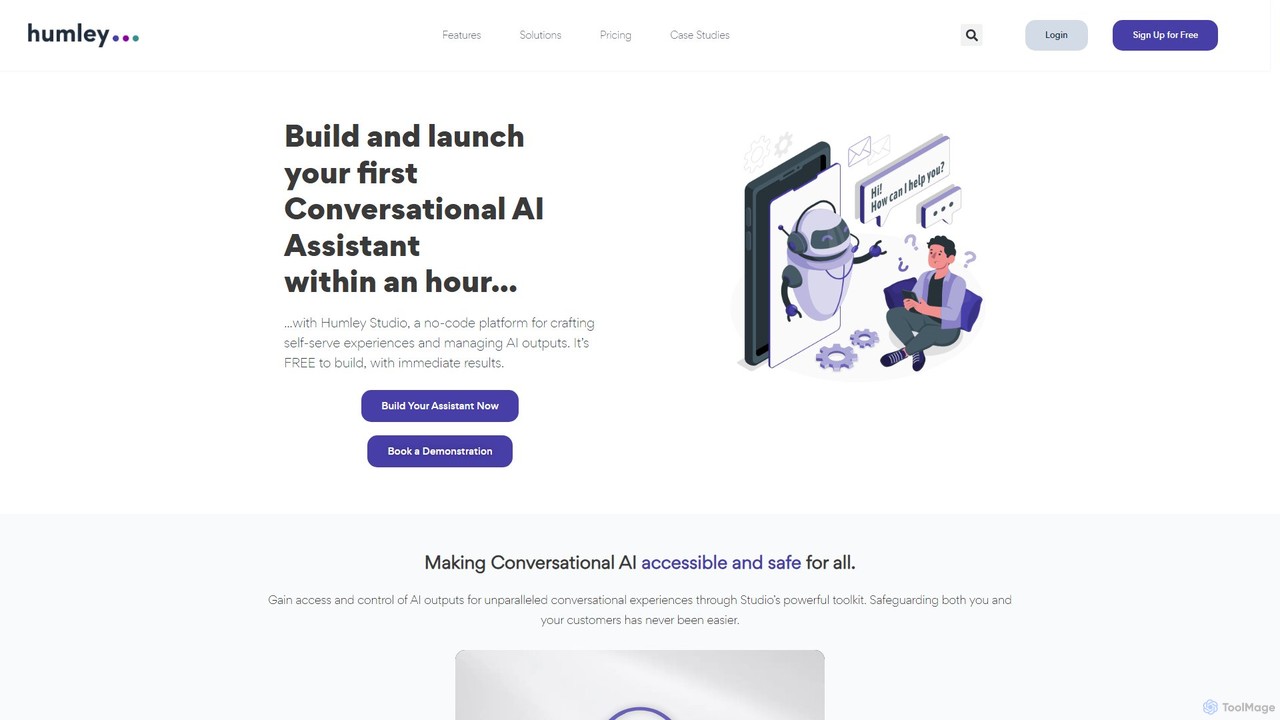
HumleyAI is a no-code platform for building and deploying advanced conversational AI assistants. Powered by models like GPT, it allows businesses to create, manage, and optimize chatbots in under an hour to enhance customer service, improve operational efficiency, and provide 24/7 self-serve experiences across multiple channels.

Automation
Visits 6.6KFavorites 155Likes 157
Ultralytics
Freemium

Ultralytics

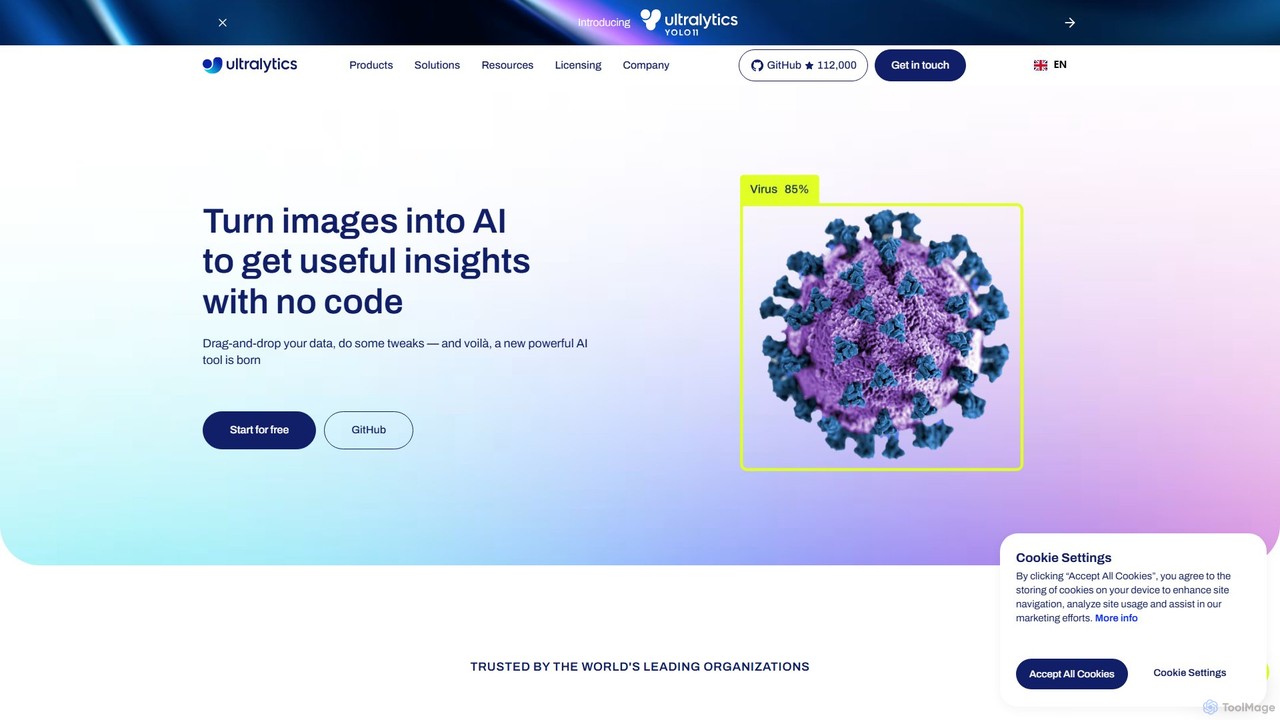
Ultralytics is a leading Vision AI company, creators of the world-renowned YOLO (You Only Look Once) models. They provide a comprehensive ecosystem, including the open-source YOLOv8 framework and the Ultralytics HUB, a no-code platform for training and deploying AI models.

Machine Learning
Visits 1.1MFavorites 127Likes 134
Kleap
Freemium

Kleap

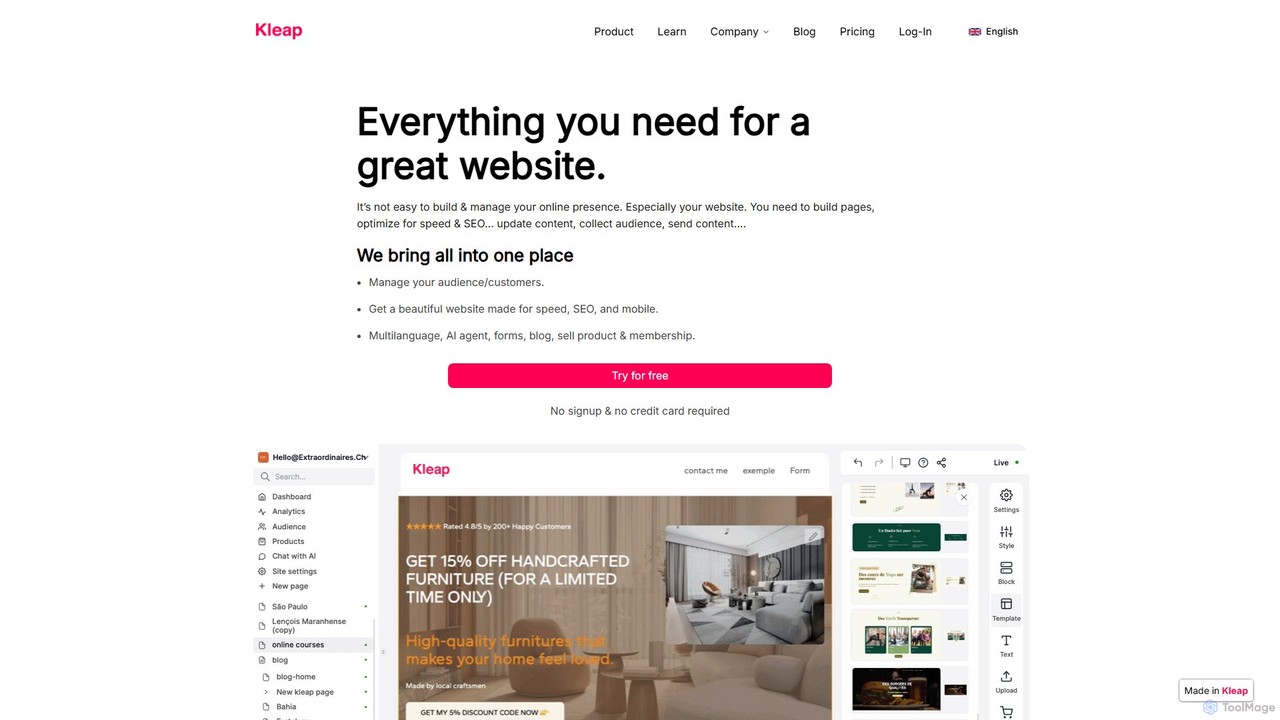
Kleap is an all-in-one AI website builder designed for creating ultra-fast, mobile-first, and SEO-optimized websites. It integrates e-commerce, memberships, blogging, and forms into a single, easy-to-use platform. Replace multiple tools like WordPress, Mailchimp, and Gumroad with one streamlined solution, allowing you to build and manage your entire online presence from any device, including your phone.

Store Builder
Visits 58.6KFavorites 126Likes 109

About No Code Platform

No-Code Platforms are development environments that enable users to create applications and automate workflows using visual interfaces instead of traditional programming. These tools leverage drag-and-drop components, pre-built templates, and logic builders to abstract away complex code. This approach empowers business users, entrepreneurs, and designers to build, test, and deploy custom software solutions independently. As a key part of the Productivity ecosystem, they dramatically accelerate development cycles and reduce reliance on specialized IT resources.

Core Features

  • Visual Application Builder: Design user interfaces and application logic with drag-and-drop controls.
  • Integrated Database: Manage and store application data directly within the platform without external setup.
  • Third-Party Integrations: Connect seamlessly with hundreds of external services and APIs like Stripe, Google Sheets, and Salesforce.
  • Workflow Automation: Create complex, multi-step automated processes triggered by specific events or schedules.
  • One-Click Deployment: Publish web and mobile applications to the public with a single click.

Use Cases

No-Code Platforms are widely used by operations managers to build internal tools, marketers to create interactive landing pages and automate lead nurturing, and entrepreneurs to rapidly prototype and launch Minimum Viable Products (MVPs). They are ideal for creating customer portals, project management dashboards, and simple e-commerce sites.

How to Choose

When selecting a No-Code Platform, evaluate its scalability to ensure it can support future growth. Assess the breadth of its integration library to confirm it connects with your existing tools. Consider the platform's template variety, pricing structure (per user vs. per workflow), and the overall ease of use for non-technical team members.

Featured tool rankings

No Code Platform use cases

1

Build a Custom Internal Tool

An operations manager needs a custom dashboard to track project statuses and resource allocation, but the IT department has a six-month backlog. Using a no-code platform, the manager designs a visual interface with forms for data entry and dashboards that display real-time analytics. They connect it to their team's shared calendar and Slack, creating automated notifications for deadlines. The entire tool is built and deployed in under a week, providing immediate visibility into team productivity without writing a single line of code.

2

Launch a Minimum Viable Product (MVP)

A startup founder wants to validate a new business idea for a niche marketplace without a large upfront investment in development. They use a no-code platform to build a functional MVP. This includes user registration, profile creation, product listing pages, and a simple checkout process integrated with a payment gateway. This allows them to launch quickly, gather real user feedback, and demonstrate traction to potential investors before committing to a full custom-coded application.

3

Automate a Marketing & Sales Funnel

A marketing team aims to streamline their lead management process. They use a no-code platform to connect their website's contact form directly to their CRM. They build a workflow that automatically segments new leads based on form inputs, adds them to a specific email marketing sequence, and assigns a follow-up task to a sales representative in their project management tool. This automation eliminates manual data entry, reduces lead response time, and ensures a consistent follow-up process.

4

Create a Customer-Facing Portal

A consulting firm wants to provide clients with a secure portal to access project documents, view progress reports, and communicate with their team. Instead of a complex custom build, they use a no-code platform to create a password-protected web app. The portal features a document repository, a task tracker linked to an internal database, and a messaging feature. This enhances the client experience and centralizes communication, all built and managed by the business team.

5

Develop a Simple Mobile App

A local community organization needs a simple mobile app for an upcoming festival to display event schedules, maps, and vendor information. Using a no-code mobile app builder, they design the app's layout, populate the content through a simple spreadsheet-like database, and enable push notifications for important announcements. They are able to publish the app to both iOS and Android app stores in a fraction of the time and cost of traditional mobile development.

6

Digitize Manual Business Processes

A small manufacturing company relies on paper forms and spreadsheets for inventory management and order tracking, leading to errors and delays. The business owner uses a no-code platform to build a simple application for employees to update inventory levels via their phones. The app automatically calculates stock levels, sends low-stock alerts, and generates daily order reports. This digitization improves accuracy, saves hours of manual work, and provides a real-time view of the business operations.

No Code Platform FAQ

What is a No-Code Platform?

A No-Code Platform is a software development tool that allows individuals, even those without technical skills, to build applications through a graphical user interface. Instead of writing code, users assemble applications using pre-built, drag-and-drop components and visual workflow editors. These platforms are designed to create everything from simple websites and mobile apps to complex business process automations and internal tools, significantly speeding up the development process.

How do I choose the right No-Code Platform?

To choose the right No-Code Platform, consider these factors:

  • Project Type: Is your goal to build a web app, mobile app, internal tool, or automation? Different platforms specialize in different areas.
  • Scalability: Evaluate if the platform can handle your expected user load and data volume as you grow.
  • Integrations: Ensure it can connect with the essential third-party services your business relies on, such as CRMs, payment gateways, or marketing tools.
  • Pricing: Compare pricing models—some charge per user, per app, or based on usage (e.g., workflow runs)—to find one that fits your budget.
What's the difference between No-Code and Low-Code platforms?

The primary difference lies in the target user and the need for coding. No-Code platforms are designed for business users and non-developers, requiring zero coding knowledge. They use purely visual interfaces. Low-Code platforms are aimed at developers and IT professionals to accelerate development. They offer visual tools but also allow for custom code to be added for more complex logic, extended functionality, and deeper integrations, providing greater flexibility at the cost of a higher technical barrier.

Who can benefit from using No-Code Platforms?

A wide range of users can benefit from No-Code Platforms. Business owners and entrepreneurs can quickly build MVPs and internal tools without hiring developers. Marketing and sales teams can create landing pages and automate workflows. Operations managers can digitize manual processes and build custom dashboards. Essentially, anyone with a clear idea for an application or a process to improve, but who lacks coding skills, can leverage these tools to bring their vision to life.

Are there limitations to what No-Code Platforms can build?

Yes, while powerful, No-Code Platforms have limitations. They may struggle with applications requiring highly complex, custom algorithms, heavy computational processing, or very specific hardware integrations. Performance at a massive scale (millions of users) can also be a concern for some platforms. While you can build a wide variety of standard business applications, projects that require deep customization beyond the platform's provided components might be better suited for low-code or traditional development.