ToolMage
Sign in

Best 278 No Code AI tools for Productivity

Popular No Code AI tools in Productivity include Lobe, Wix, nifty_nft, WordPress, Framer, Jimdo, Elementor, Bookmark, LandingPro, and RapidAPI, helping you work more efficiently.

MyBot.Chat
Freemium

MyBot.Chat

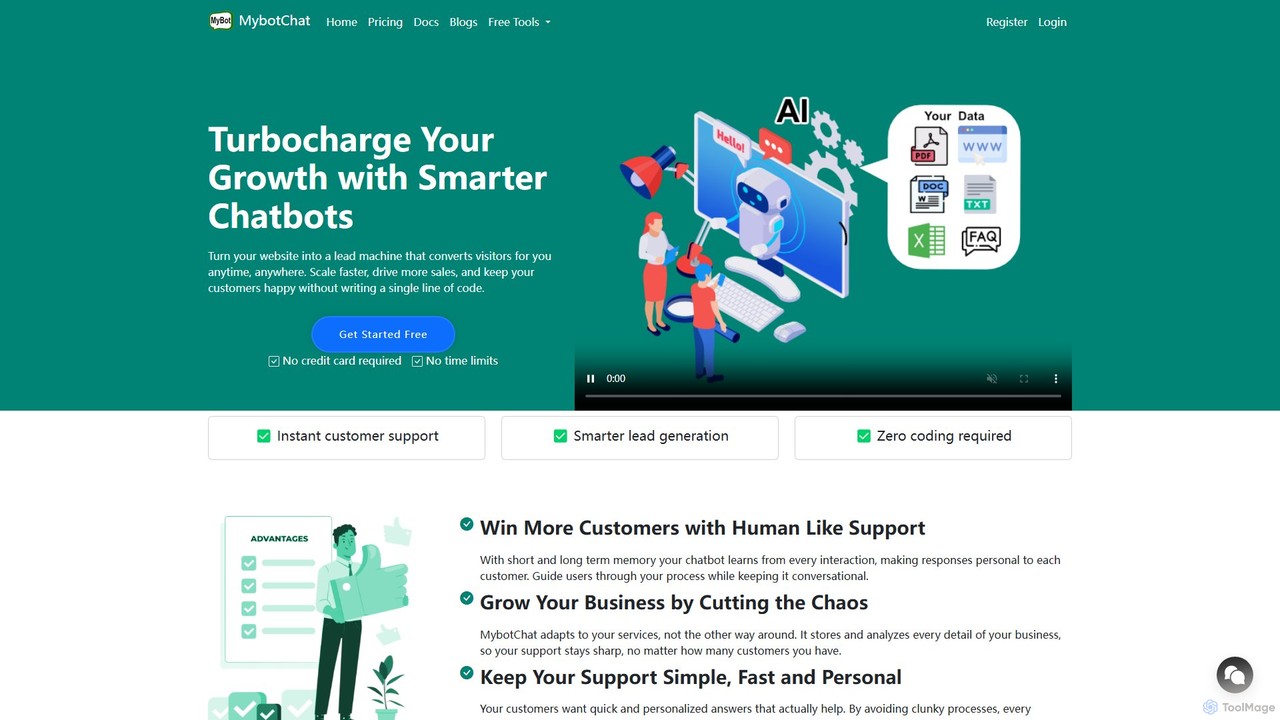
MyBot.Chat is a no-code platform that allows you to build custom AI chatbots from your website content, PDFs, documents, and text. It enhances customer support, automates lead generation, and provides personalized user experiences 24/7. Powered by top AI models like GPT-4o and Llama 3, it offers human-like conversations with short and long-term memory.

Chatbot
Visits 8.9KFavorites 157Likes 167

branchbob
Freemium

branchbob

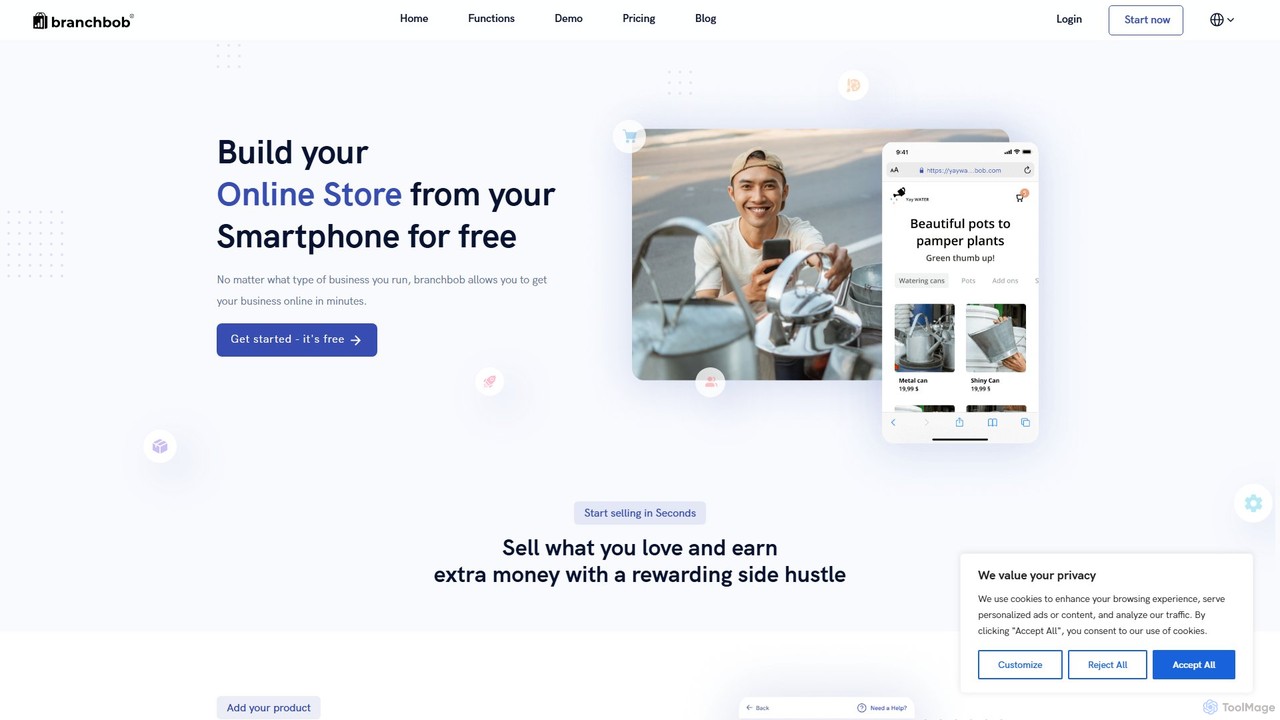
branchbob is a user-friendly, cloud-based eCommerce platform that allows entrepreneurs and businesses to create a professional online store for free. It features an intuitive builder, customizable themes, and integrated tools for product management, payment processing, and marketing, making it ideal for startups and small to medium-sized businesses.

Sales
Visits 9.4KFavorites 104Likes 116
BrowserAct
Freemium

BrowserAct

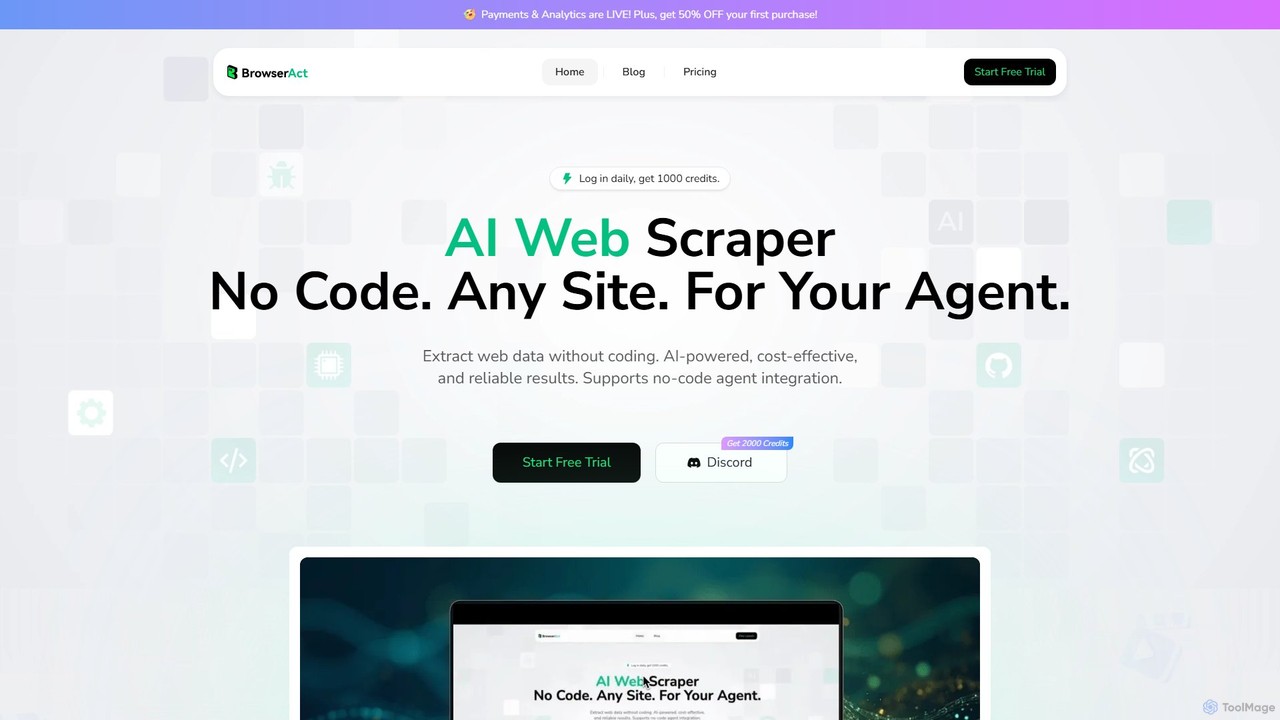
BrowserAct is an AI-powered, no-code web scraper that allows users to extract data from any website using natural language commands. It's designed for easy integration with AI agents, automating data collection for market research, lead generation, and content monitoring without writing a single line of code.

Web Scraping
Visits 122.4KFavorites 125Likes 127
Elegant Themes
Paid

Elegant Themes

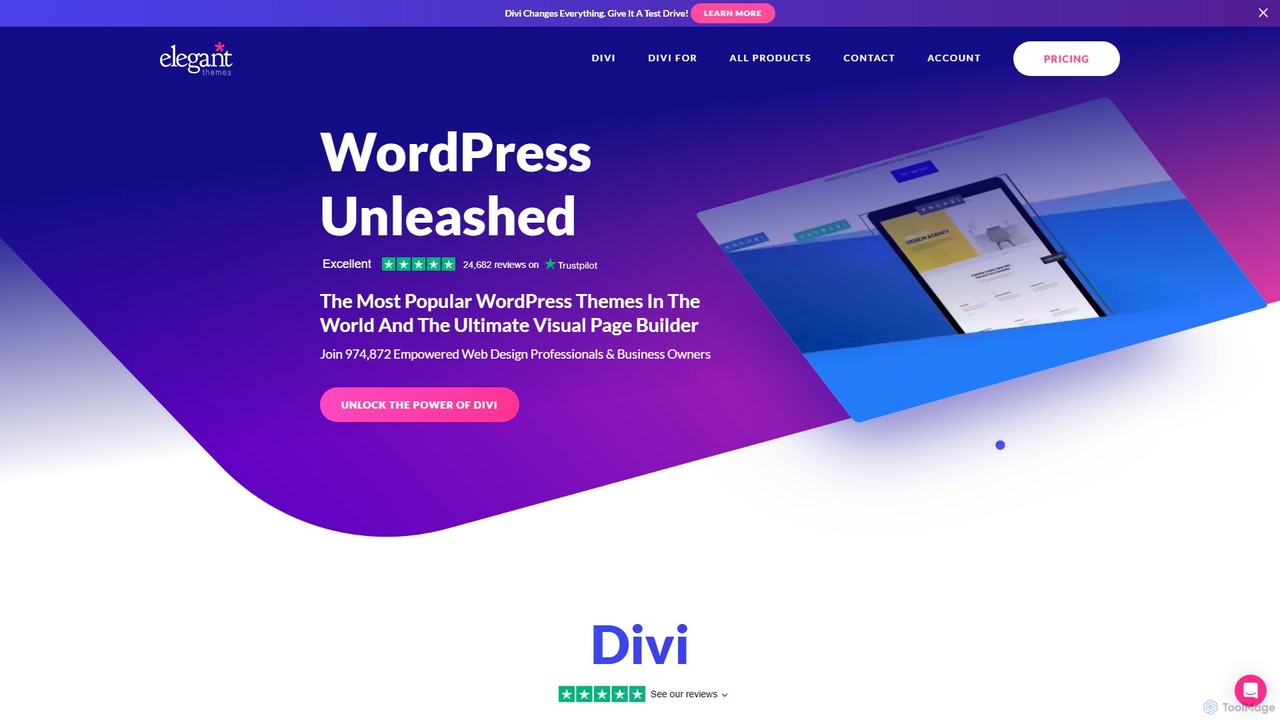
Elegant Themes is a leading WordPress development company, renowned for its flagship product, Divi. Divi is a powerful visual page builder and theme framework that allows users of all skill levels to create stunning, professional websites without coding. It includes a suite of marketing tools, e-commerce integration, and the innovative Divi AI to streamline the web design process.

Lead Generation
Visits 837.9KFavorites 128Likes 123
Chatling
Freemium

Chatling

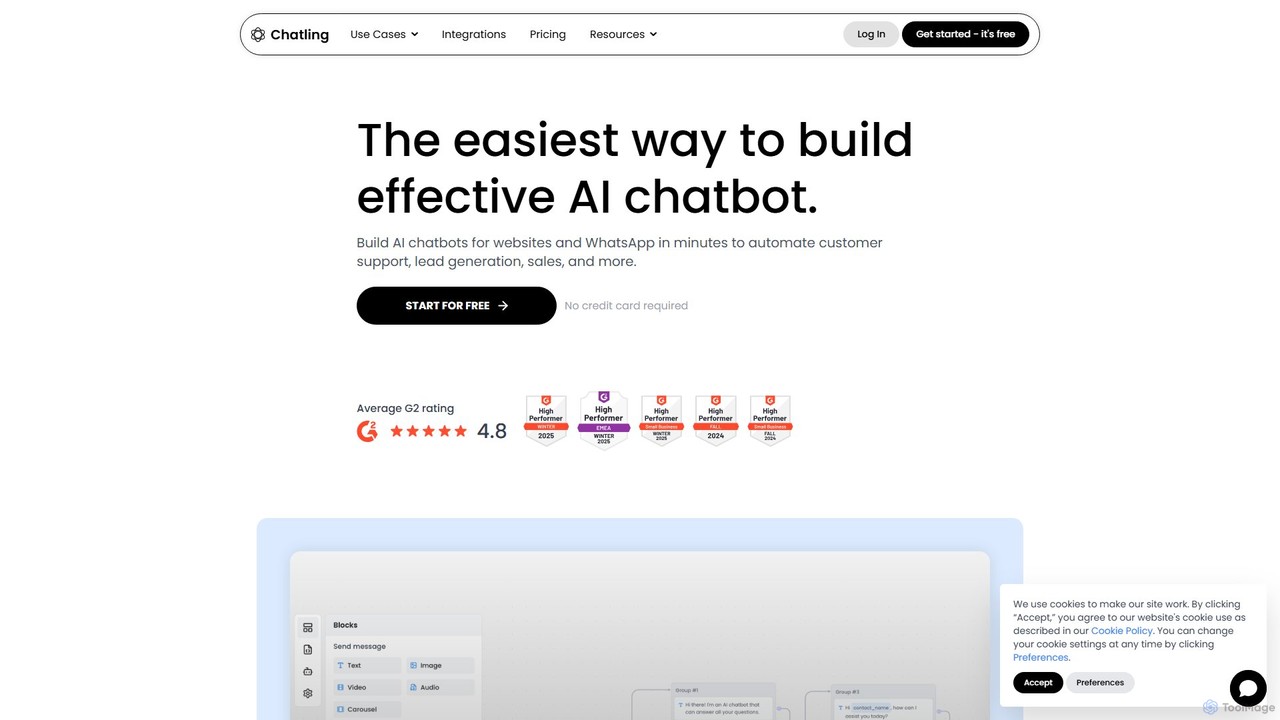
Chatling is a no-code platform that allows you to build a custom AI chatbot trained on your own data. Instantly answer visitor questions, generate leads, and improve customer support 24/7. Simply provide a link to your website or upload files, and Chatling will create a ChatGPT-like chatbot that can be embedded on your site in minutes.

Chatbots
Visits 67KFavorites 137Likes 142
OpenAssistantGPT
Freemium

OpenAssistantGPT

OpenAssistantGPT is an open-source, no-code platform for building and deploying custom AI chatbots. Powered by OpenAI's Assistant API (including GPT-4o), it allows you to train a chatbot on your website content or documents, embed it seamlessly, and automate customer support, lead generation, and internal knowledge management.

Chatbot
Visits 26.1KFavorites 158Likes 166
Soloist
Free

Soloist

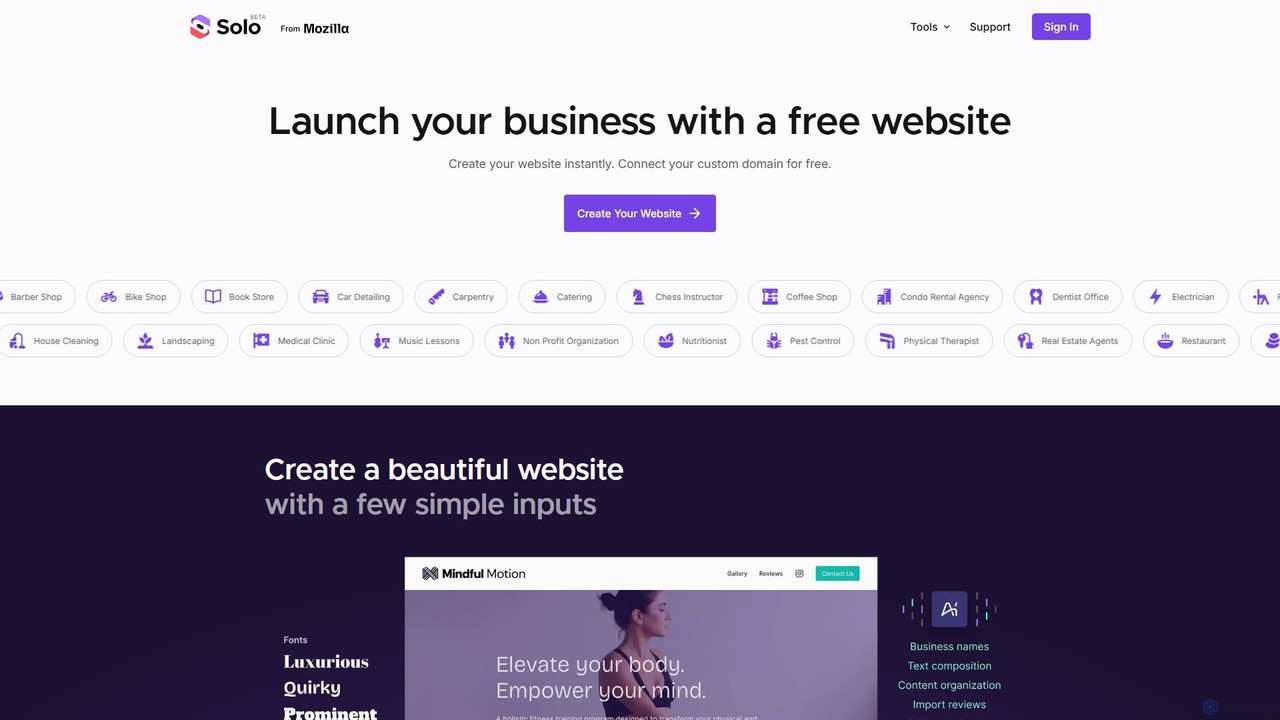
Soloist is a free AI-powered website builder that enables users to instantly create professional, mobile-responsive websites without any coding. It offers free custom domain connection and hosting, making it ideal for small businesses, freelancers, and solo entrepreneurs to establish an online presence quickly and affordably.

Landing Page Builder
Visits 153.4KFavorites 165Likes 153
domsy.io
Freemium

domsy.io

domsy.io is an AI-powered prototyping companion that transforms your ideas into functional, browser-native software prototypes instantly. Build, edit, and share web projects using natural language, with no complex setup required. It's designed for rapid iteration and seamless collaboration.

Web Design
Visits 5.3KFavorites 122Likes 115
EntryPoint AI
Freemium

EntryPoint AI

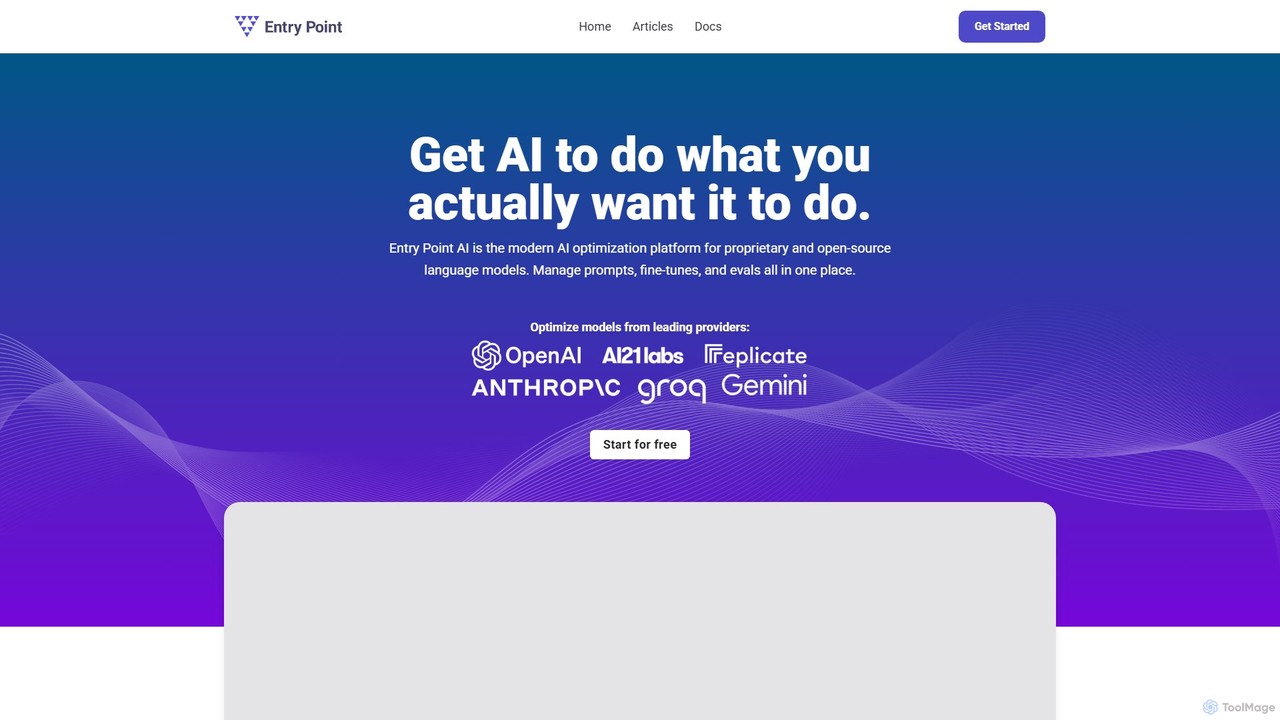
EntryPoint AI is a no-code platform designed to simplify the fine-tuning of large language models (LLMs). It enables users to manage datasets, train, evaluate, and deploy custom AI models from providers like OpenAI without writing any code. The platform helps improve model quality, speed, and predictability for specific business tasks, making advanced AI customization accessible to teams of any size.

Data Management
Visits 10.5KFavorites 125Likes 120
Certainly
Paid

Certainly

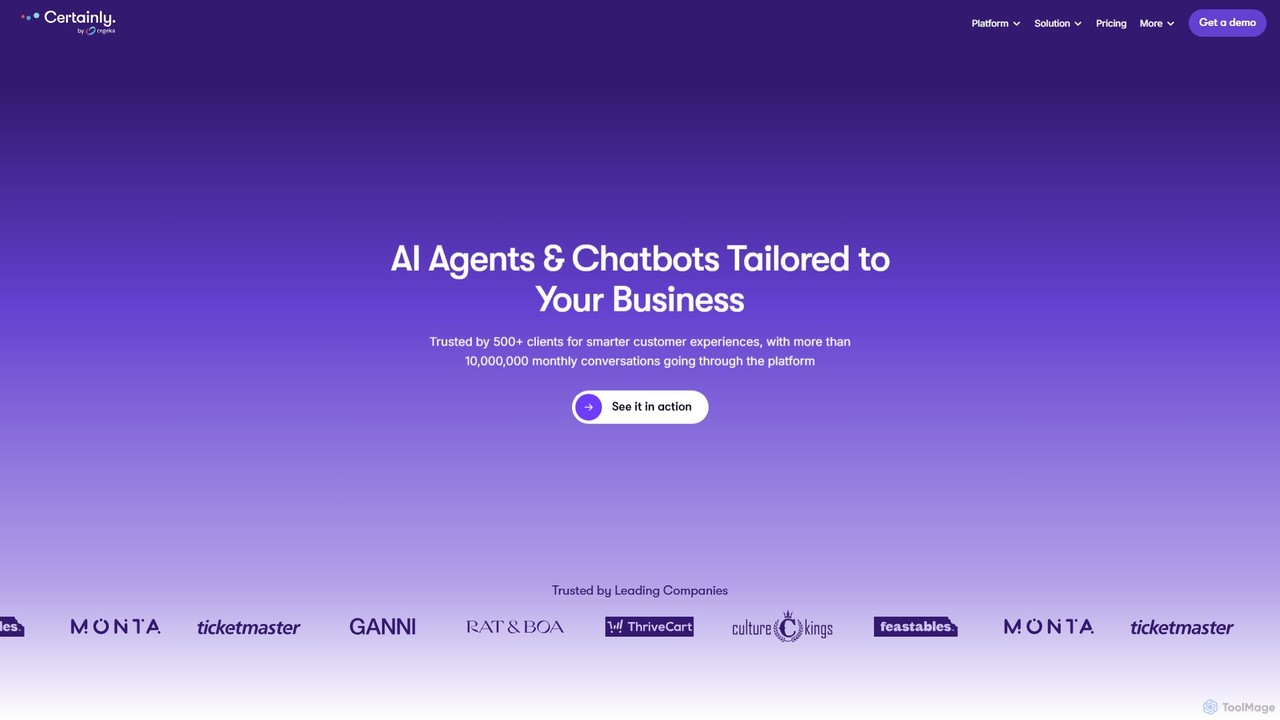
Certainly is an all-in-one conversational AI platform that builds custom AI agents and chatbots for customer support, e-commerce, and marketing. It automates responses, personalizes customer journeys, and integrates with existing software to boost efficiency, increase sales, and improve customer satisfaction.

Chatbot
Visits 22.3KFavorites 156Likes 141
ChatWebpage
Freemium

ChatWebpage

ChatWebpage is an AI-powered platform that allows businesses to create a custom chatbot in minutes. Simply by providing a website URL, the AI analyzes your content to build a knowledgeable chatbot capable of answering customer service questions 24/7. It supports multiple languages, file uploads for enhanced training, and offers seamless integration, making it an ideal solution for improving customer engagement and operational efficiency without any coding required.

Chatbot
Visits 5.4KFavorites 140Likes 148
Chatwith
Freemium

Chatwith

Chatwith is a no-code platform for creating custom AI chatbots trained on your own data, such as websites, documents, and videos. It instantly answers customer queries 24/7, integrates with over 5000 apps to perform actions, and supports 95+ languages. Fully customizable and easy to embed, it helps businesses boost sales, improve support, and generate leads without any coding required.

Chatbot
Visits 25.4KFavorites 119Likes 107
ChatMaxima
Freemium

ChatMaxima

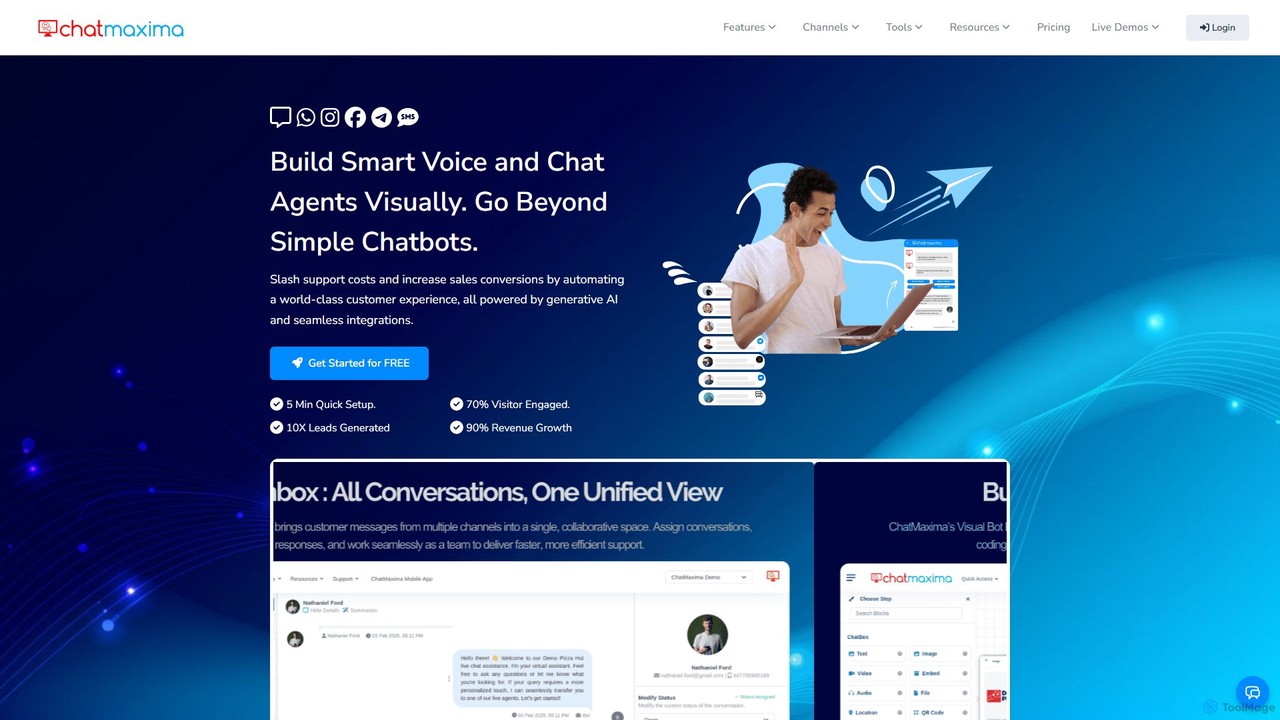
ChatMaxima is an AI-powered conversational platform for building smart voice and chat agents without code. It automates customer support, lead generation, and sales across multiple channels like WhatsApp, Instagram, and websites, featuring a drag-and-drop builder, seamless CRM integrations, and advanced analytics to boost engagement and conversions.

Chatbots
Visits 44.4KFavorites 144Likes 137
Atlancer.ai
Freemium

Atlancer.ai

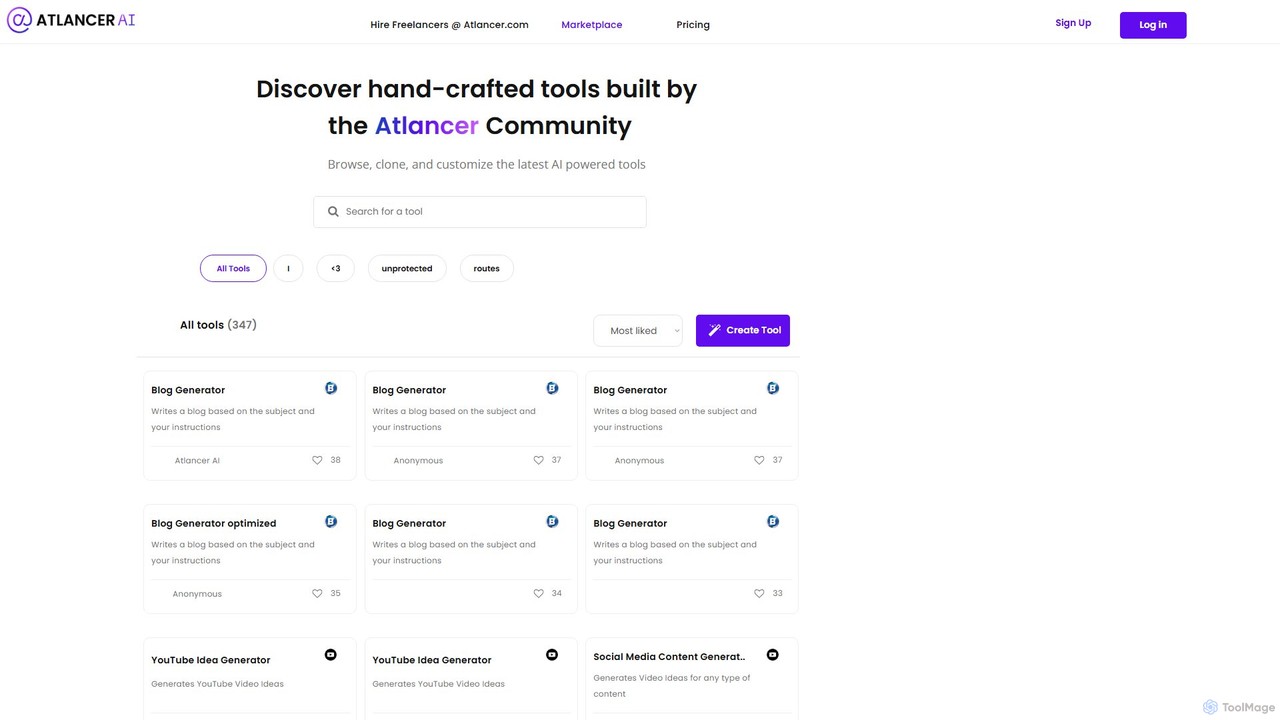
Atlancer.ai is a community-driven platform offering a marketplace of customizable AI tools. Users can browse, use, and even clone and modify hundreds of specialized AI applications for tasks like content creation, marketing, and idea generation, fostering a collaborative environment for AI innovation.

Api Platforms
Visits 5.8KFavorites 135Likes 138
QueryX
Freemium

QueryX

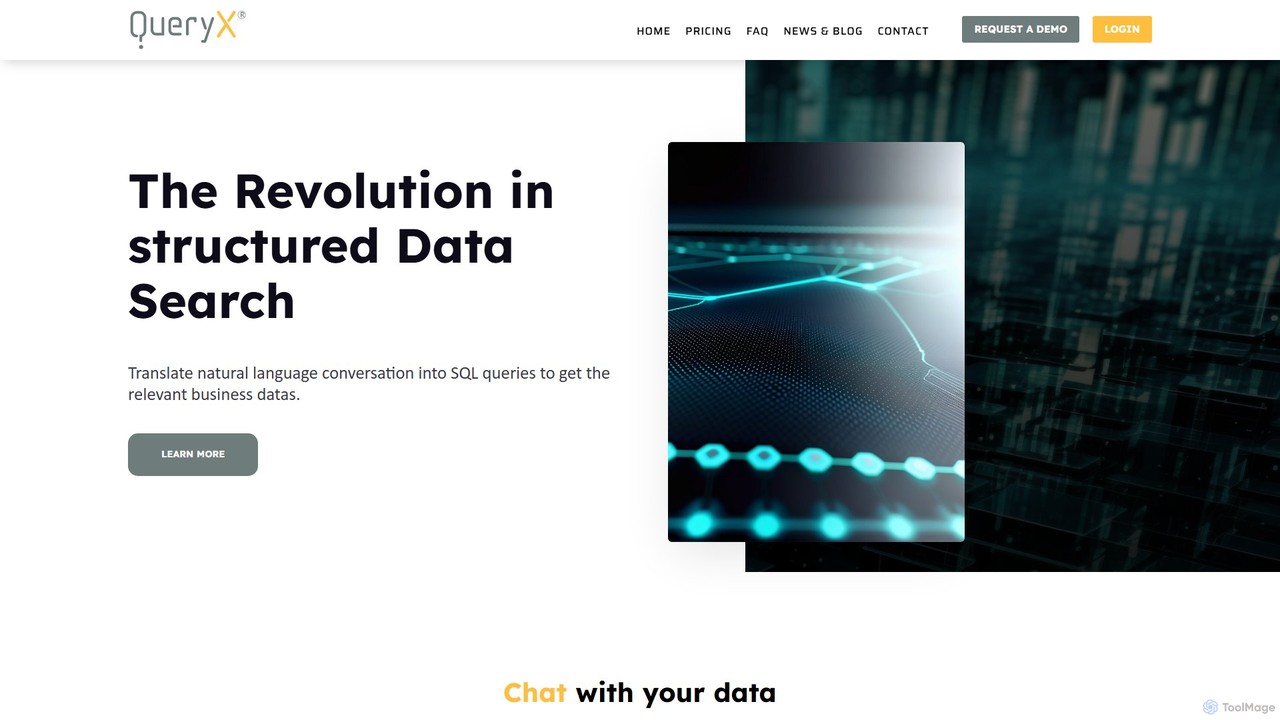
QueryX is an AI-powered platform that translates natural language conversations, including voice commands, into complex SQL queries. It enables both technical and non-technical users to interact with structured databases effortlessly, accelerating data analysis and decision-making while ensuring data confidentiality and high accuracy.

Business Intelligence
Visits 5.3KFavorites 110Likes 113
Devi
Freemium

Devi

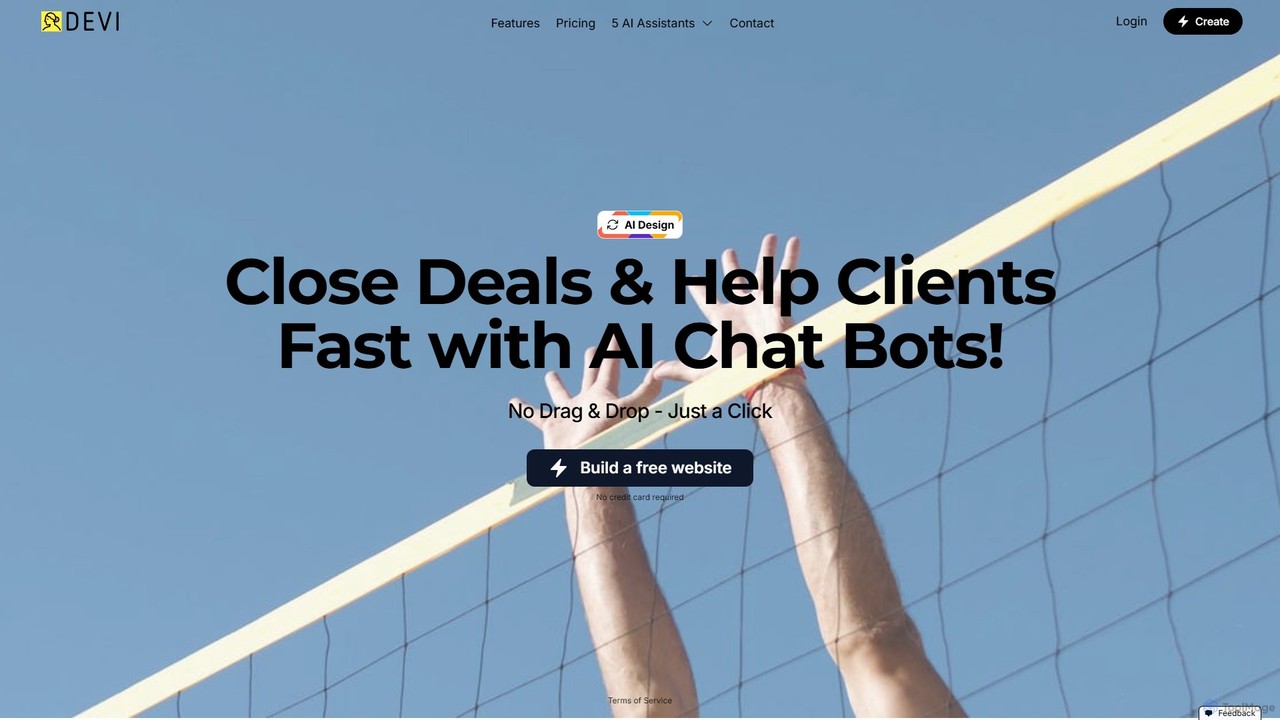
Devi is an AI-powered website builder that creates stunning websites and landing pages in just 10 seconds. It eliminates complex drag-and-drop editors, allowing users to generate a complete site with a single click. Features include AI-driven design and copywriting, an integrated sales and support chatbot, A/B testing, and automatic multilingual translation, making it ideal for businesses and marketers seeking speed and efficiency.

Chatbot
Visits 5.6KFavorites 136Likes 138
VirtualSpirits
Freemium

VirtualSpirits

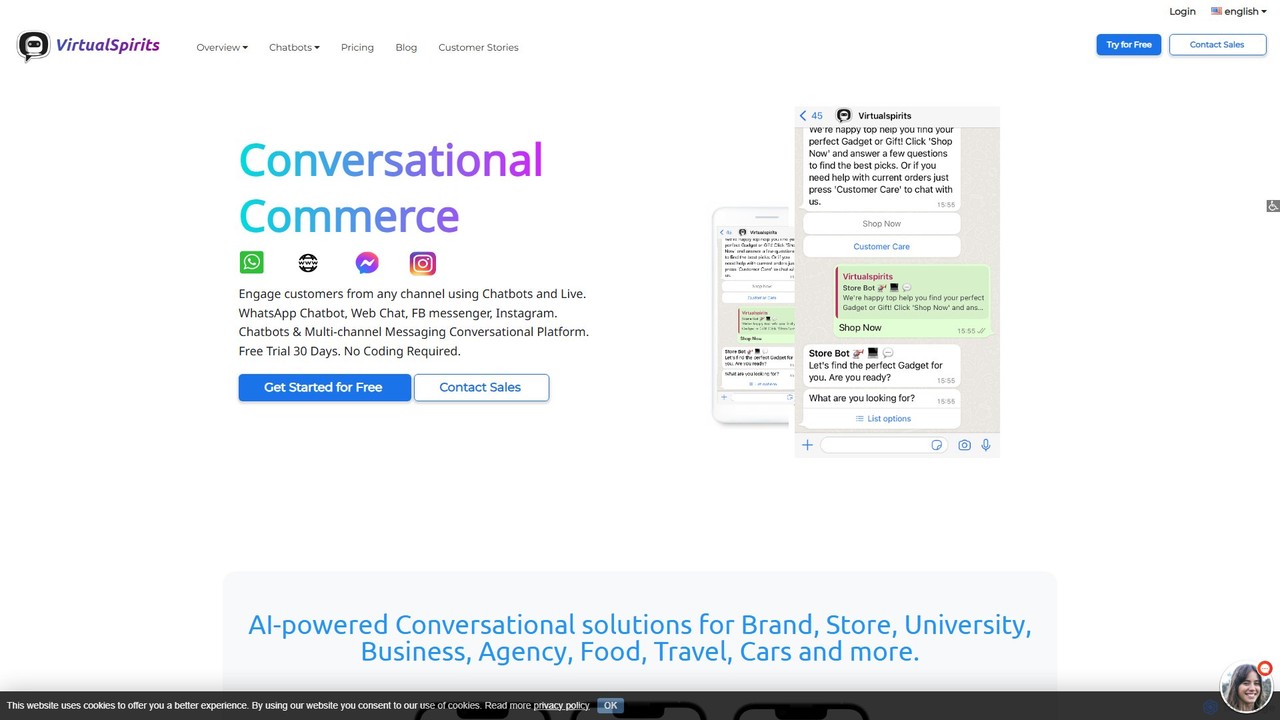
VirtualSpirits is an AI-powered conversational platform that enables businesses to build and deploy no-code chatbots across multiple channels, including websites, WhatsApp, Facebook Messenger, and Instagram. It's designed to enhance customer engagement, generate leads, and provide 24/7 automated support, seamlessly integrating with live chat and existing CRM systems.

Chatbots
Visits 7.5KFavorites 131Likes 118
vizGPT
Freemium

vizGPT

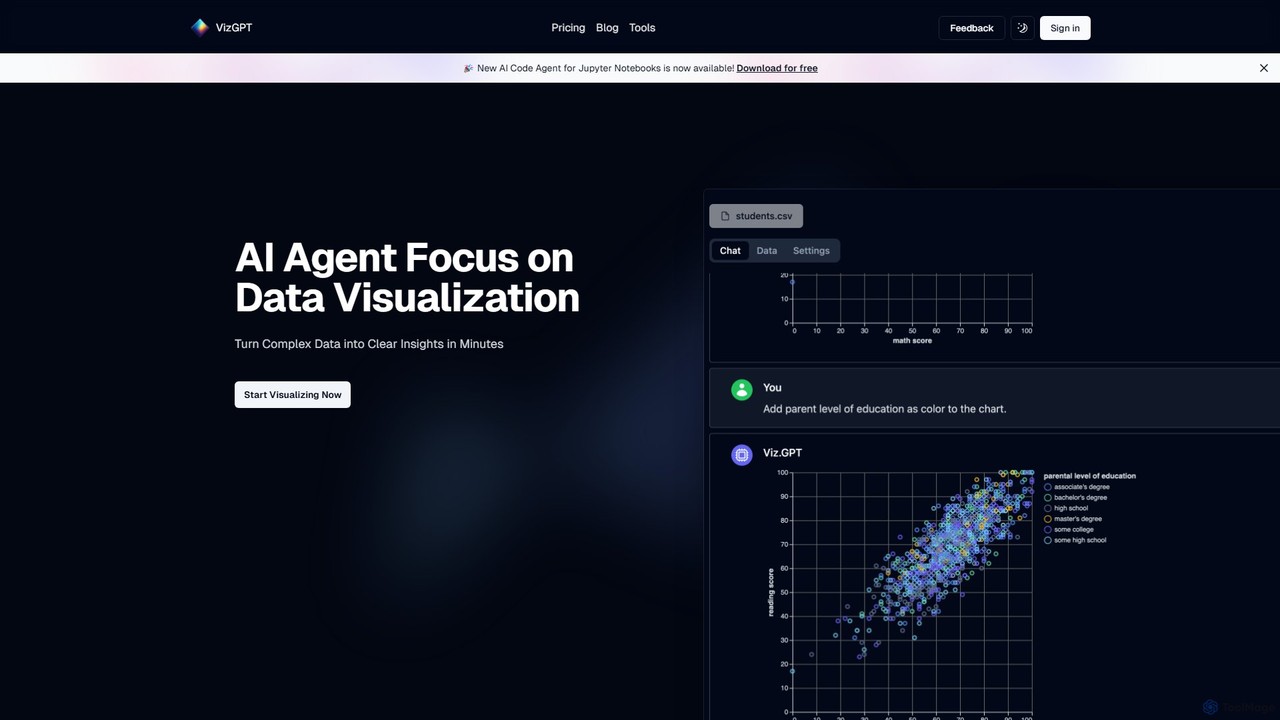
vizGPT is an AI-powered data visualization tool that transforms complex data into clear insights using natural language. Simply ask questions in plain English to generate charts and graphs instantly, without any coding. It supports various data sources and offers both a conversational interface and a no-code drag-and-drop editor, making data analysis accessible to everyone.

Jupyter
Visits 51KFavorites 127Likes 123
Webdone
Paid

Webdone

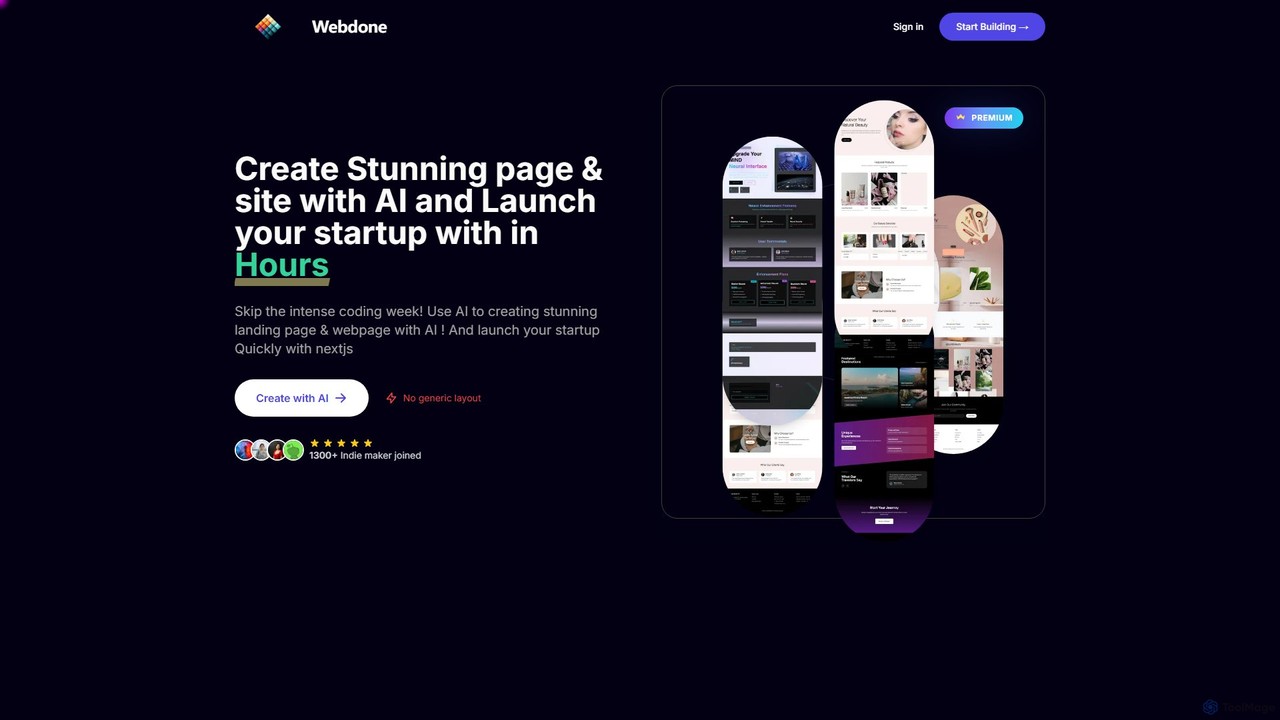
Webdone is an AI-powered platform for rapidly creating unique, high-performance landing pages and websites. It generates custom designs from text prompts, avoiding generic templates. It also offers a Next.js boilerplate with pre-configured authentication, payments, and database, enabling startups and developers to launch full-stack applications in hours.

Boilerplate
Visits 7.3KFavorites 112Likes 118
Divi Supreme
Freemium

Divi Supreme

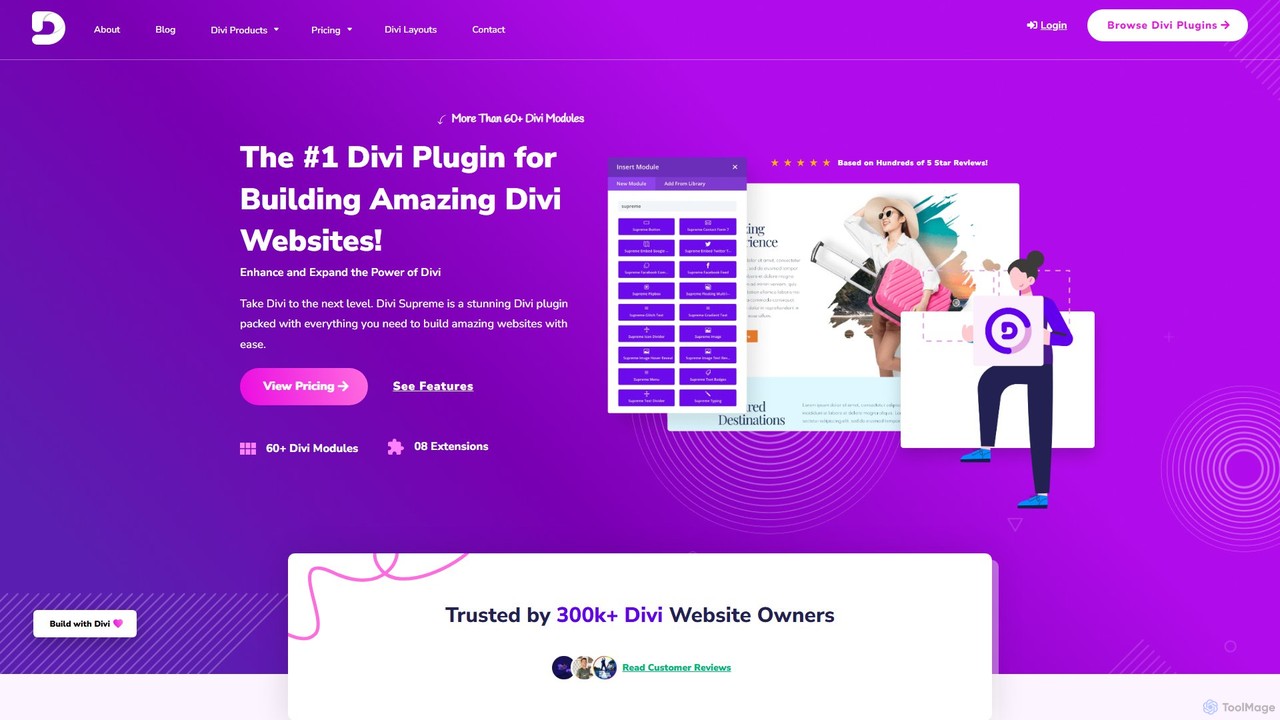
Divi Supreme is a powerful WordPress plugin that supercharges the Divi theme with over 60 creative modules and 8+ unique extensions. Trusted by 300,000+ users, it enables agencies, freelancers, and website owners to build stunning, professional websites with ease and without any coding. Features include advanced carousels, Lottie animations, popups, and an integrated AI writer, making it an essential toolkit for any Divi user.

Web Design
Visits 35.4KFavorites 141Likes 156
StoreLauncher
Free

StoreLauncher

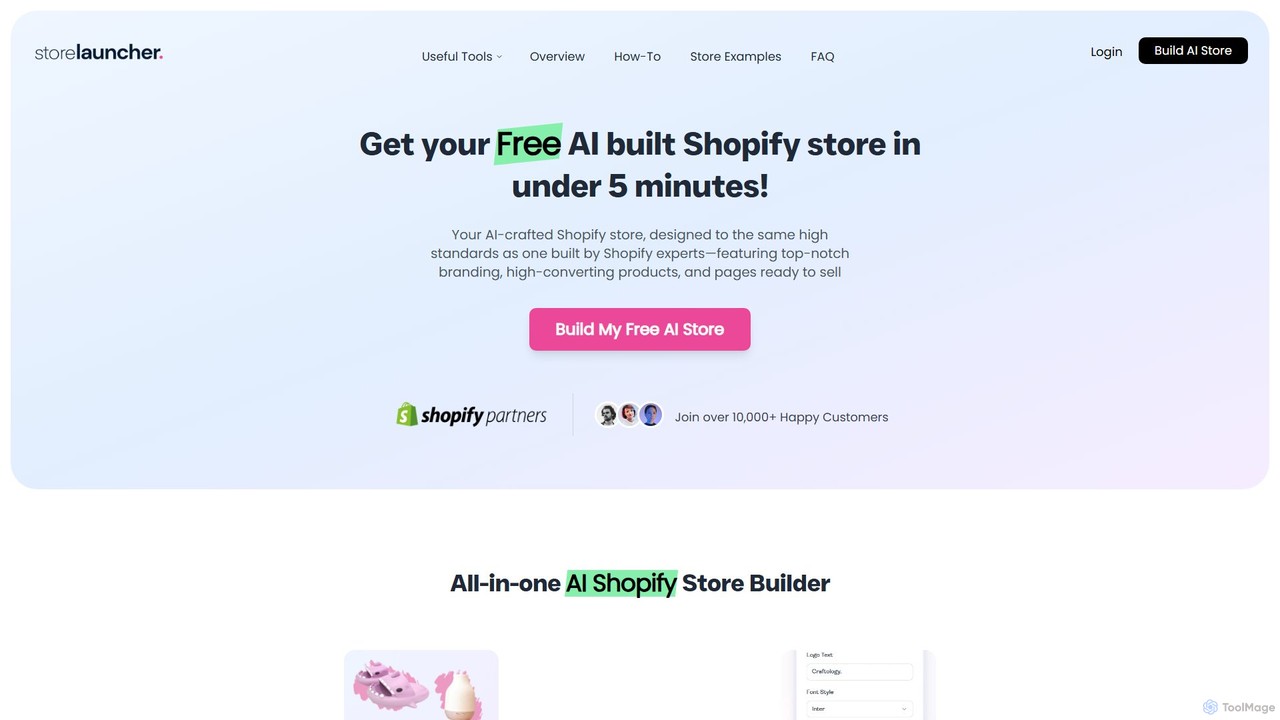
StoreLauncher is a free AI-powered tool that builds a complete, professional Shopify store in under 5 minutes. It automatically handles everything from logo creation and page design to curating high-converting products for your chosen niche. Ideal for entrepreneurs and dropshippers who want to launch an e-commerce business quickly and without any upfront costs or technical skills.

Store Builder
Visits 5.4KFavorites 151Likes 152
FindWise
Freemium

FindWise

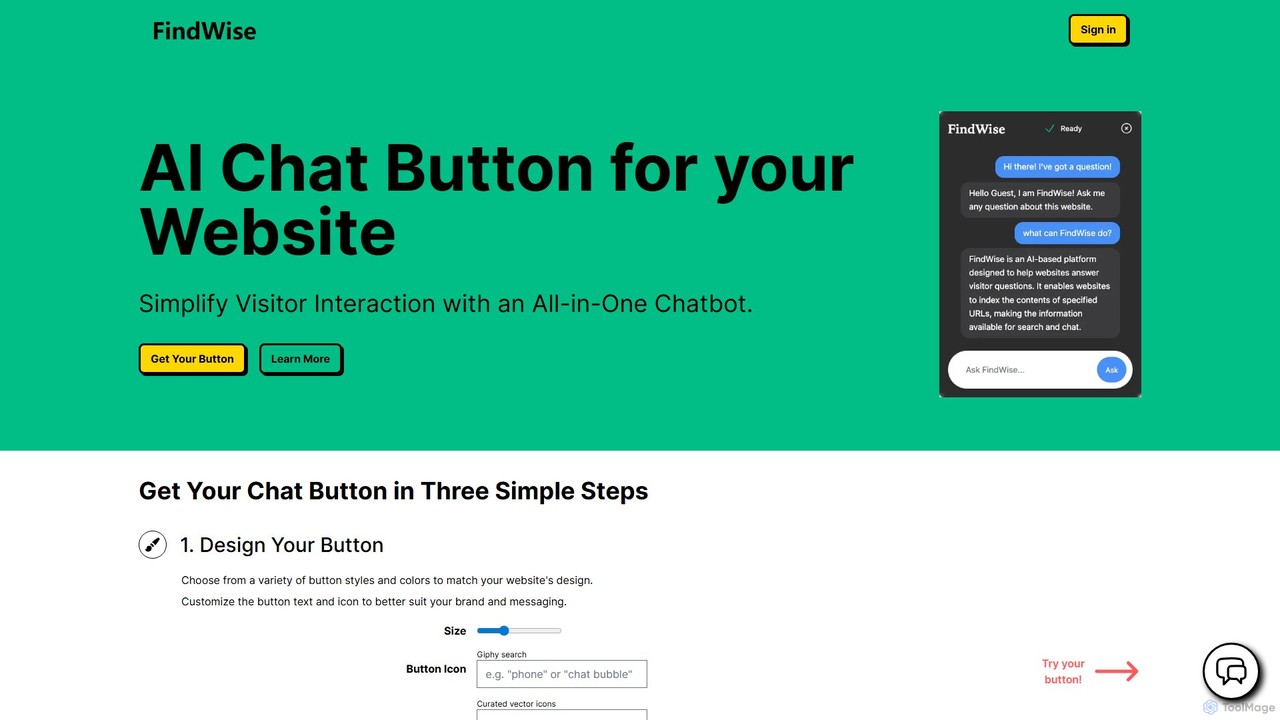
FindWise is an AI platform that allows you to add a customizable AI chat button to your website. It trains a chatbot on your site's content, enabling it to provide instant, context-aware answers to visitor questions, enhancing user engagement and reducing support workload without any coding required.

Chatbot
Visits 7KFavorites 139Likes 140
Bookmark
Freemium

Bookmark

Bookmark is an AI-powered website builder that uses its design assistant, AiDA, to create professional, fully-functional websites in minutes. Users answer a few questions, and AiDA generates a unique website with relevant content and images, which can then be customized with a drag-and-drop editor.

Store Builder
Visits 3.5MFavorites 105Likes 122
resolveai
Freemium

resolveai

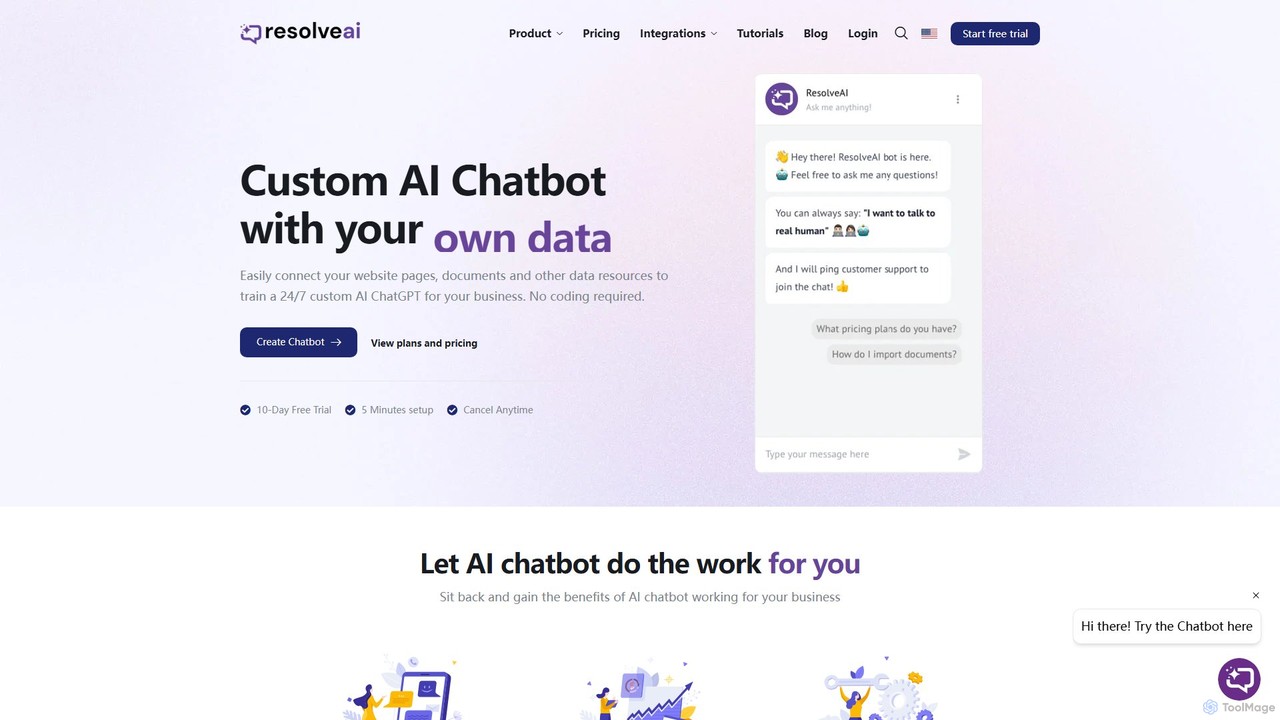
resolveai is a no-code platform that enables businesses to create custom AI chatbots trained on their own data. Easily connect website pages, documents, and other resources to build a 24/7 AI assistant that reflects your brand's persona. It enhances customer engagement, automates support, and increases conversion rates. Key features include integrations with popular platforms like WhatsApp and Slack, a booking assistant, and human chat takeover, all with a simple 5-minute setup.

Chatbot
Visits 12.6KFavorites 124Likes 143

About No Code

No-Code tools are platforms that enable users to build applications, websites, and automated workflows using visual interfaces instead of traditional programming. These tools operate on the principle of abstracting away code complexity, offering drag-and-drop editors, pre-built components, and logic builders. This approach significantly lowers the technical barrier, empowering business users, marketers, and entrepreneurs to create functional digital solutions independently. The primary value of No-Code platforms lies in accelerating development cycles and democratizing software creation.

Core Features

  • Visual Drag-and-Drop Builder: Intuitively construct user interfaces and application logic by arranging visual elements.
  • Workflow Automation: Design and automate multi-step processes and data flows between different applications and services.
  • Pre-built Templates and Components: Start projects quickly with ready-to-use templates for common applications like CRMs, project managers, or websites.
  • Integrated Database: Visually manage and structure data within the platform without needing a separate database setup.
  • API Integration Connectors: Easily connect to third-party services and data sources through pre-configured visual connectors.

Use Cases

No-Code tools are widely adopted by non-technical professionals to solve business problems. For instance, marketing teams build custom landing pages for campaigns, operations managers create internal tools for inventory tracking, and HR departments automate employee onboarding workflows. Entrepreneurs also use them to rapidly develop and test Minimum Viable Products (MVPs) without hiring a development team.

How to Choose

When selecting a No-Code tool, first consider its primary function—whether it's for building web apps, mobile apps, or automating workflows. Evaluate its scalability to ensure it can handle your expected user traffic and data volume. Assess the platform's integration ecosystem to confirm it connects with your existing software stack. Finally, compare pricing models, which can be based on users, features, or usage volume, to find one that aligns with your budget and growth plans.

Featured tool rankings

No Code use cases

1

Build a Custom Internal CRM

A small business owner needs to manage customer relationships, track sales leads, and monitor communication history. Instead of paying for an expensive, off-the-shelf CRM with too many features, they use a No-Code platform. Using a drag-and-drop interface, they create a simple application with databases for contacts, deals, and interactions. They build forms for new lead entry and set up automated email notifications for follow-ups. This custom solution is built in a few days, perfectly matches their workflow, and costs significantly less than a commercial CRM subscription.

2

Launch a Marketing Campaign Landing Page

A marketing manager needs to quickly create a landing page for a new product launch. The development team has a long backlog, and time is critical. Using a No-Code website builder, the manager selects a template, customizes the branding, adds product information, and embeds a lead capture form. The entire page is designed, tested for mobile responsiveness, and published within hours, not weeks. This agility allows the marketing team to react to market opportunities instantly without being dependent on technical resources, accelerating their campaign launch and lead generation efforts.

3

Automate Lead Nurturing Workflows

A sales team captures leads from various sources like web forms and events. Manually following up with each lead is time-consuming and prone to errors. Using a No-Code automation platform, a sales operations manager connects their web form, email marketing tool, and CRM. They design a visual workflow: when a new lead is submitted, the contact is automatically added to the CRM, a welcome email is sent, and a task is created for a sales representative to follow up after three days. This automation ensures every lead is nurtured promptly and consistently, improving conversion rates and freeing up the sales team to focus on closing deals.

4

Develop a Minimum Viable Product (MVP)

An entrepreneur has an idea for a new mobile app but lacks the coding skills and funding to hire developers. To validate the concept with real users, they use a No-Code app builder. They visually design the app's screens, configure the user authentication, connect to a simple database for content, and implement core features like user profiles and submissions. Within two weeks, they have a functional MVP ready to be tested by early adopters. This approach allows them to gather crucial user feedback and demonstrate traction to potential investors at a fraction of the time and cost of traditional development.

5

Create a Client Portal for an Agency

A design agency needs a centralized place to share project updates, files, and feedback with clients. Building a custom portal from scratch would be expensive. Instead, the agency uses a No-Code platform to build a secure client portal. They create a system where each client has a unique login to a personalized dashboard. This dashboard displays project timelines, links to shared files (e.g., Google Drive), and a comment section for feedback. The portal improves client communication, organizes project assets, and presents a more professional image, all without writing a single line of code.

6

Automate Social Media Content Scheduling

A content creator manages multiple social media accounts and needs to post consistently. Manually uploading content to each platform daily is repetitive and inefficient. They use a No-Code automation tool to connect a content database (like Airtable or Google Sheets) to their social media profiles. They set up a workflow that triggers daily: it fetches the next scheduled post from the database, including text and image links, and automatically publishes it to Twitter, LinkedIn, and Facebook. This 'set it and forget it' system saves hours each week, ensures a consistent posting schedule, and allows the creator to focus on creating high-quality content rather than on administrative tasks.

No Code FAQ

What are No-Code tools?

No-Code tools are software platforms that allow individuals, even those without any programming knowledge, to create applications, websites, and automations through visual interfaces. Instead of writing code, users manipulate pre-built blocks, templates, and logic through a drag-and-drop editor. The primary goal is to empower non-technical users to build their own digital solutions, significantly reducing development time and costs. They are commonly used for building internal tools, simple mobile apps, landing pages, and automating business processes.

What is the difference between No-Code and Low-Code?

The primary difference lies in the target user and the degree of coding required. No-Code platforms are designed for non-technical users (like marketers or business analysts) and use a purely visual, drag-and-drop approach, requiring no programming at all. Low-Code platforms are aimed at developers or IT professionals to accelerate development. They offer visual tools for most tasks but also allow or require custom code for more complex logic, integrations, or customizations. In short, No-Code is about empowerment for non-developers, while Low-Code is about efficiency for developers.

How do I choose the right No-Code platform?

Choosing the right No-Code platform depends on your specific needs. Consider these factors:

  • Purpose: What do you want to build? Platforms specialize in different areas, such as web applications (Bubble), internal tools (Retool), mobile apps (Adalo), or automation (Zapier).
  • Scalability: Assess the platform's ability to handle growth in users and data. Check their performance limits and infrastructure.
  • Integrations: Ensure the platform can connect with the other tools and services you already use, like CRMs, payment gateways, or marketing software.
  • Learning Curve and Support: Evaluate how intuitive the interface is and what level of community and official support is available to help you learn.
  • Pricing: Compare pricing models (per user, per app, usage-based) to find a plan that fits your budget now and as you scale.
Who are No-Code tools for?

No-Code tools are designed for a wide range of users, primarily those without a technical background. Key user groups include:

  • Entrepreneurs and Startup Founders: To quickly build and test MVPs (Minimum Viable Products) without high initial investment.
  • Business Professionals: Operations managers, HR specialists, and project managers who create custom internal tools and automate workflows to improve efficiency.
  • Marketers: To build landing pages, manage campaigns, and automate marketing funnels without relying on developers.
  • Small Business Owners: To create their own websites, e-commerce stores, or customer management systems.
  • Designers and Creatives: To build interactive prototypes and functional websites that bring their designs to life.
Are No-Code applications scalable?

Yes, many modern No-Code platforms are designed to be scalable. They often run on robust cloud infrastructure like AWS or Google Cloud, allowing them to handle significant user traffic and data loads. However, the degree of scalability varies between platforms. For simple internal tools or websites with moderate traffic, most No-Code solutions are more than sufficient. For enterprise-grade applications with millions of users or complex data processing needs, it's crucial to carefully evaluate a platform's specific performance limitations, database capabilities, and pricing tiers for scaling. Some platforms may offer dedicated hosting plans or the ability to export code for greater control at very high scales.