ToolMage
Sign in

Best 48 Ai Development AI tools

Popular Ai Development AI tools include DefinedCrowd, Mercor, Playment, Nebius, Salad, Wirestock, Clore.ai, Xano, Sapien, and GreenNode, helping you work more efficiently.

Failspot
Free

Failspot

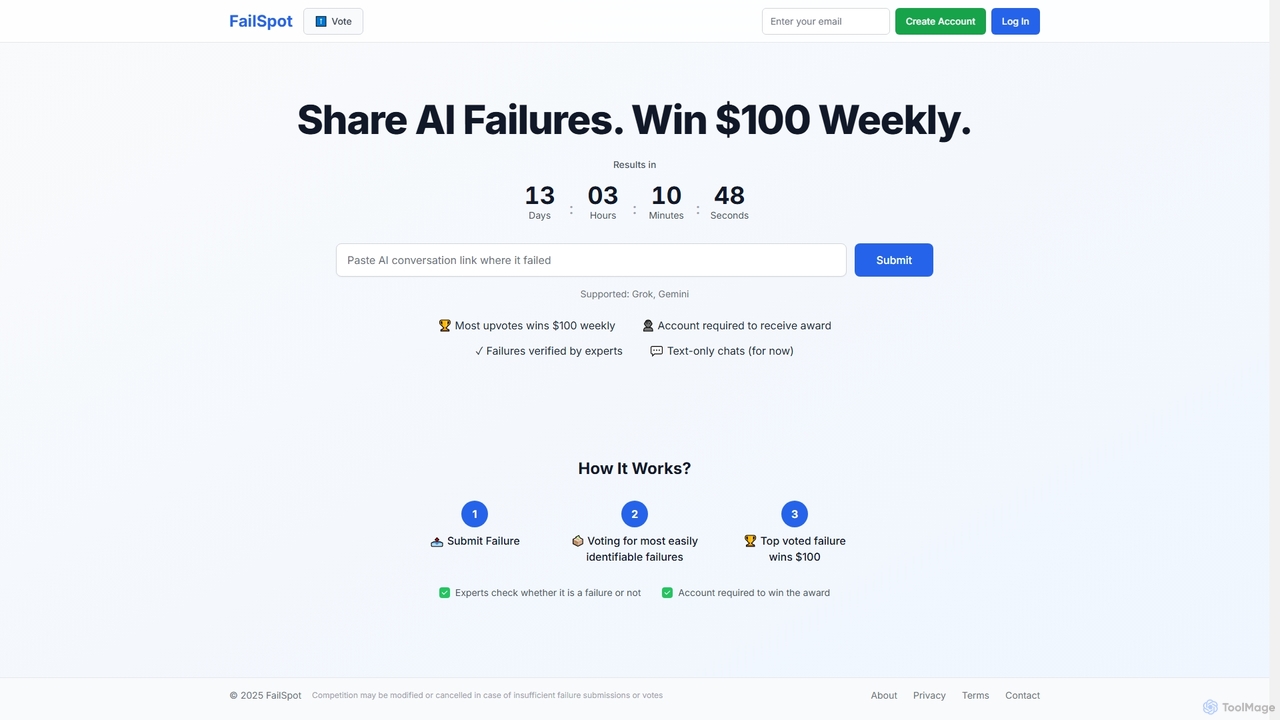
Failspot is a community platform where users submit and vote on AI model failures, with experts verifying submissions. The most upvoted failure wins a weekly $100 prize, fostering a collaborative environment for identifying and understanding AI limitations, particularly for models like Grok and Gemini.

Quality Assurance
Visits 6KFavorites 113Likes 138
PloyD

PloyD

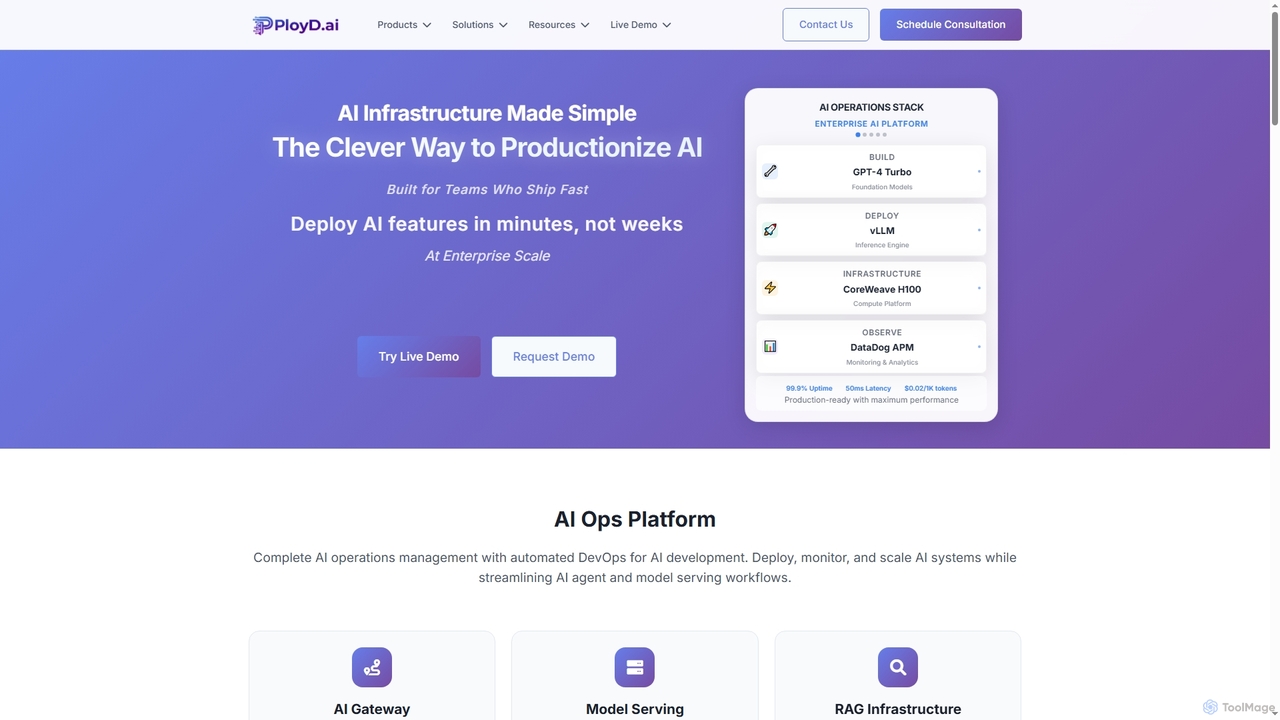
PloyD is an enterprise AI operations platform designed to streamline the productionization of AI models and applications. It tackles common challenges like developer velocity bottlenecks, infrastructure complexity, team efficiency, and security compliance, enabling organizations to deploy, manage, and scale AI solutions with confidence and speed.

Rag Systems
Visits 5.6KFavorites 133Likes 156
Flutch
Freemium

Flutch

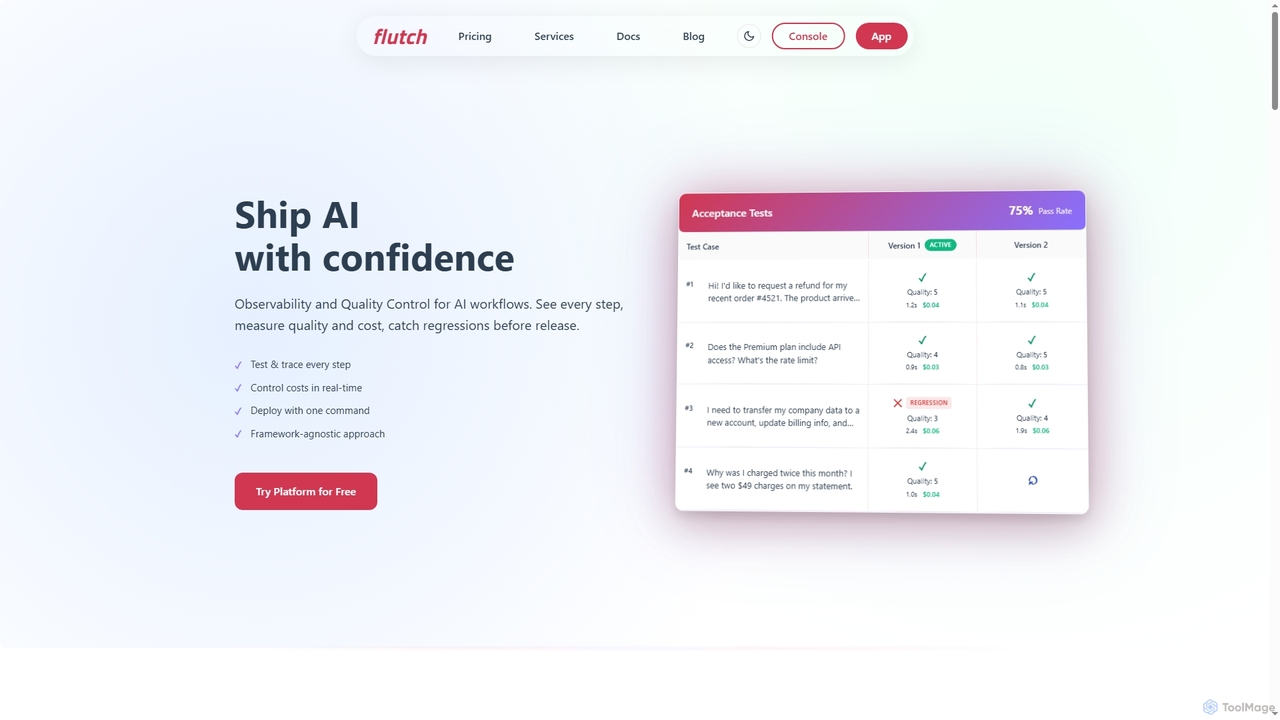
Flutch is a comprehensive platform for developing, deploying, and managing custom AI agents with a strong focus on observability, quality control, and cost management. It empowers developers to build reliable AI workflows, test agents rigorously, monitor performance in real-time, and integrate seamlessly into existing systems, ensuring AI solutions are shipped with confidence and operate efficiently.

Agent Management
Visits 5.4KFavorites 118Likes 118
Twigg
Freemium

Twigg

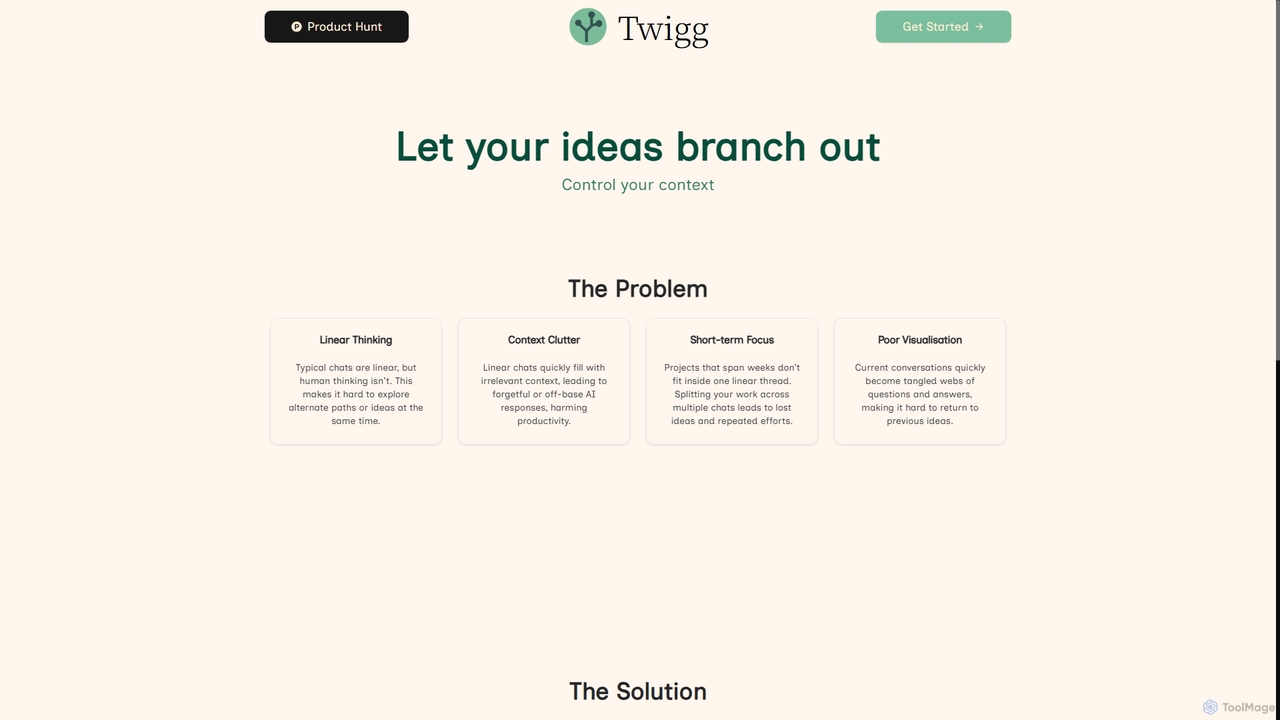
Twigg is an innovative AI chat interface that transforms linear conversations into interactive, branching idea trees. It helps users manage context, explore tangents, and visualize complex projects, making long-term collaboration with LLMs more efficient and intuitive.

Context Management
Visits 7.2KFavorites 182Likes 173
Gabber
Paid

Gabber

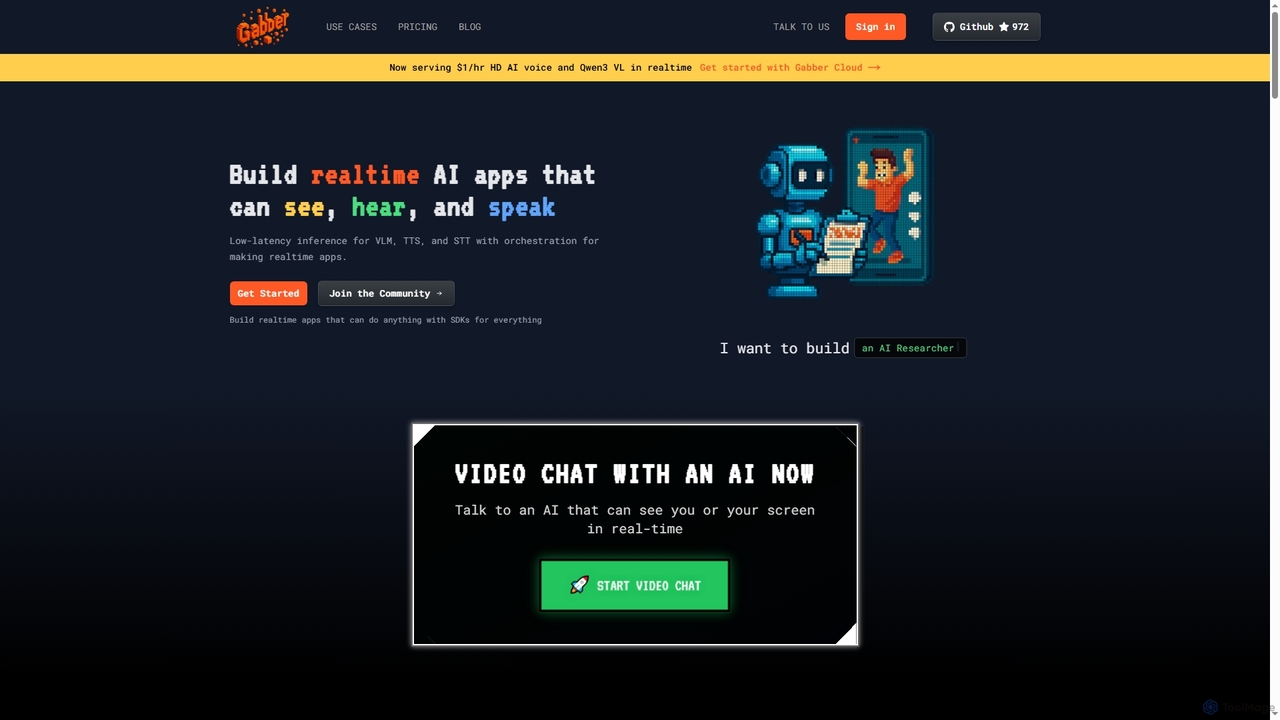
Gabber is a powerful platform for building real-time, multimodal AI applications that can see, hear, and speak. It offers low-latency inference for Vision Language Models (VLM), Text-to-Speech (TTS), and Speech-to-Text (STT), coupled with a graph-based orchestration system for rapid development and deployment.

Conversational Ai
Visits 8.1KFavorites 144Likes 154
Xano
Freemium

Xano

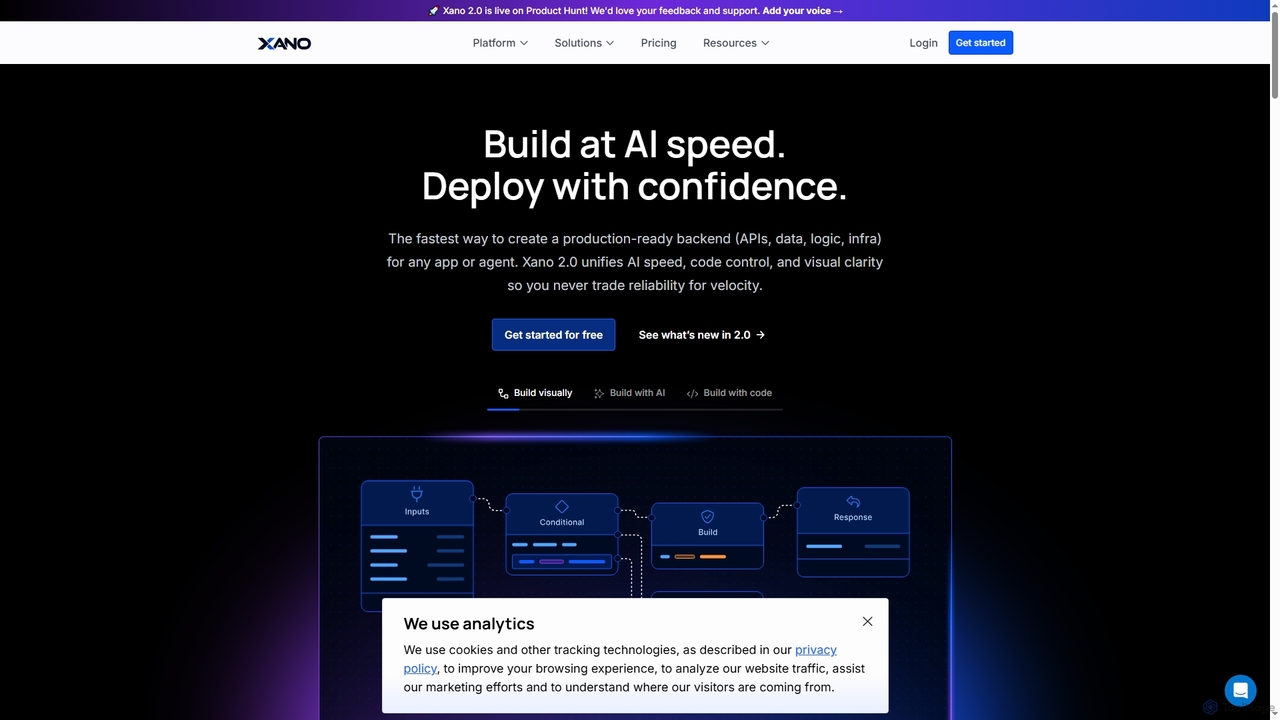
Xano is a scalable no-code backend platform that empowers developers and teams to build production-ready applications and AI agents at speed. It provides a unified solution for APIs, a managed Postgres database, visual logic, and auto-scaling infrastructure, eliminating the need for complex DevOps.

Agent Building
Visits 177.5KFavorites 152Likes 166
Serpex
Freemium

Serpex

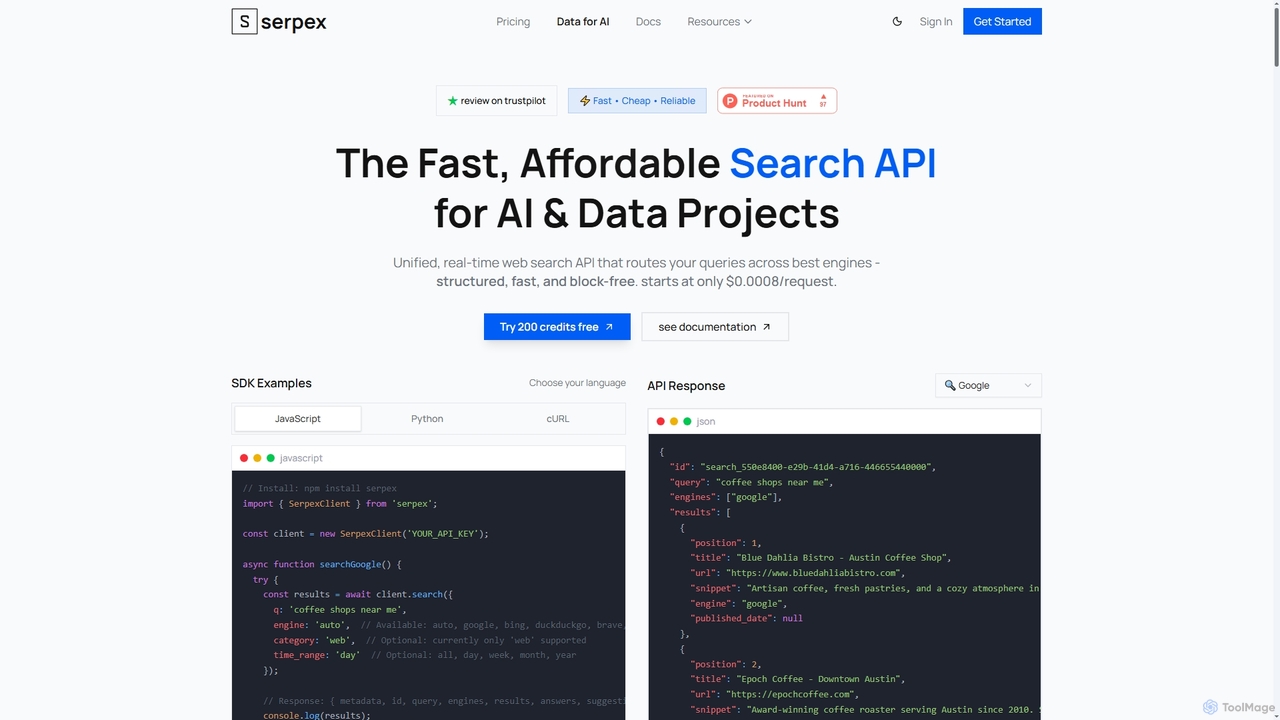
Serpex is a fast, affordable, and reliable search API designed for AI and data projects. It provides real-time, structured web search results from multiple major search engines, overcoming common challenges like CAPTCHAs and geo-blocks.

Data Source
Visits 10.3KFavorites 120Likes 123
Metorial
Freemium

Metorial

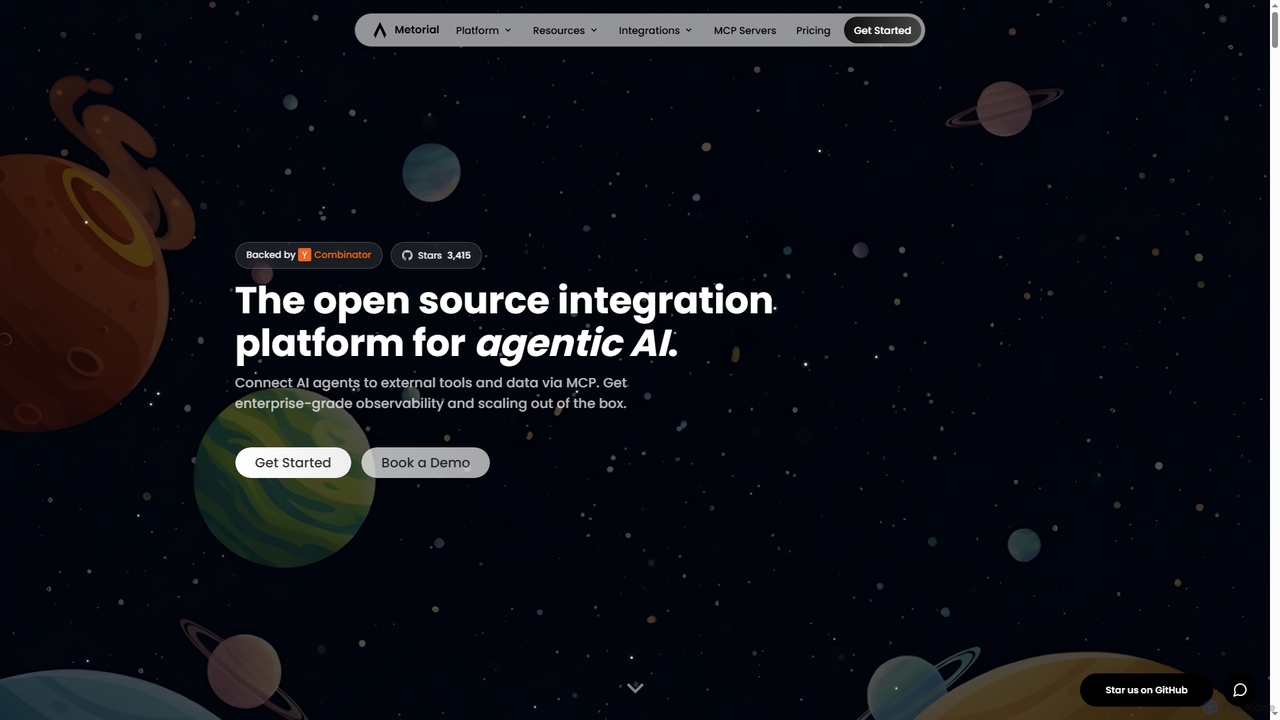
Metorial is an integration platform for AI agents, enabling developers to quickly build, deploy, and monitor powerful agentic AI applications. It provides seamless connections to hundreds of tools, data sources, and APIs via its serverless Model Context Protocol (MCP) platform, offering robust SDKs, observability, and enterprise-grade security for scalable AI solutions.

Agentic Ai
Visits 13.2KFavorites 132Likes 140
Amarsia
Freemium

Amarsia

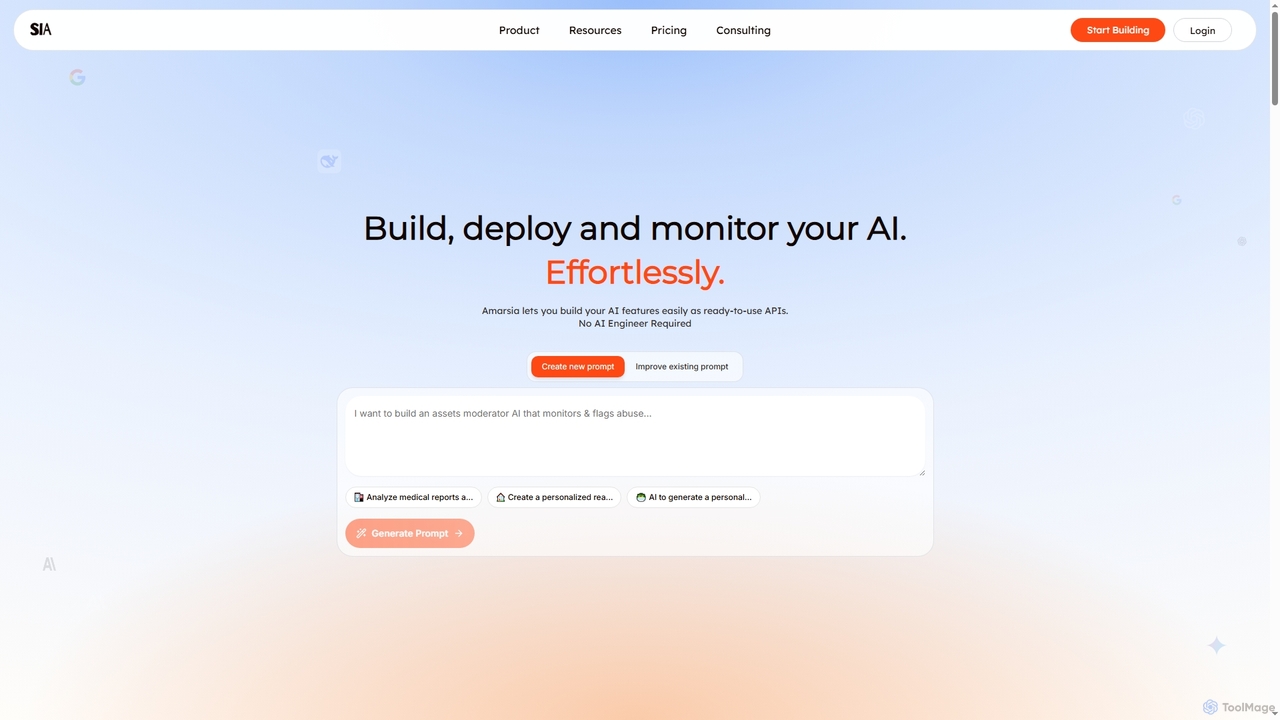
Amarsia is an intuitive platform designed to help teams effortlessly build, deploy, and monitor custom AI features as ready-to-use APIs. It eliminates the need for extensive coding or AI engineering expertise, enabling rapid development of intelligent workflows, knowledge bases, and multimodal AI solutions with built-in version control and performance monitoring.

Workflow Automation
Visits 5.4KFavorites 176Likes 159
Citronetic

Citronetic

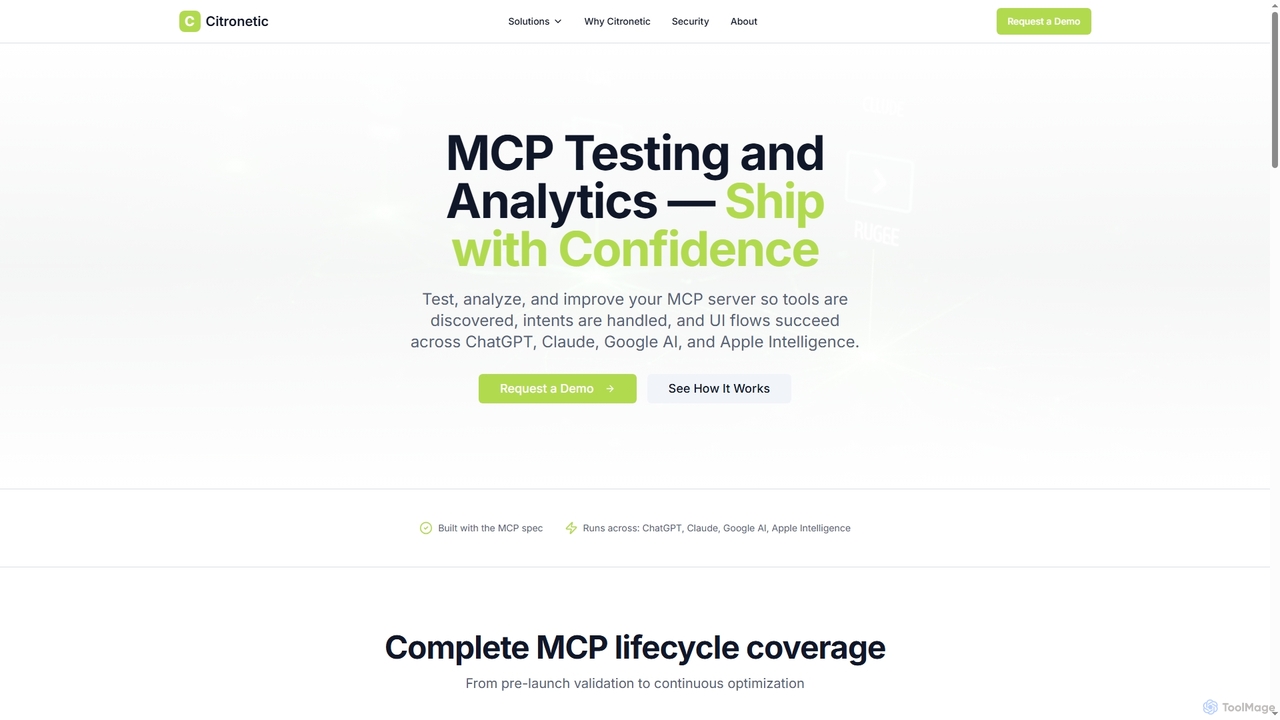
Citronetic is a specialized SaaS platform for MCP (Multi-modal Conversational Platform) testing and analytics, ensuring robust tool discovery, intent handling, and UI flow success across leading LLM platforms like ChatGPT, Claude, Google AI, and Apple Intelligence.

Llm Optimization
Visits 6.1KFavorites 119Likes 128
Datalis
Freemium

Datalis

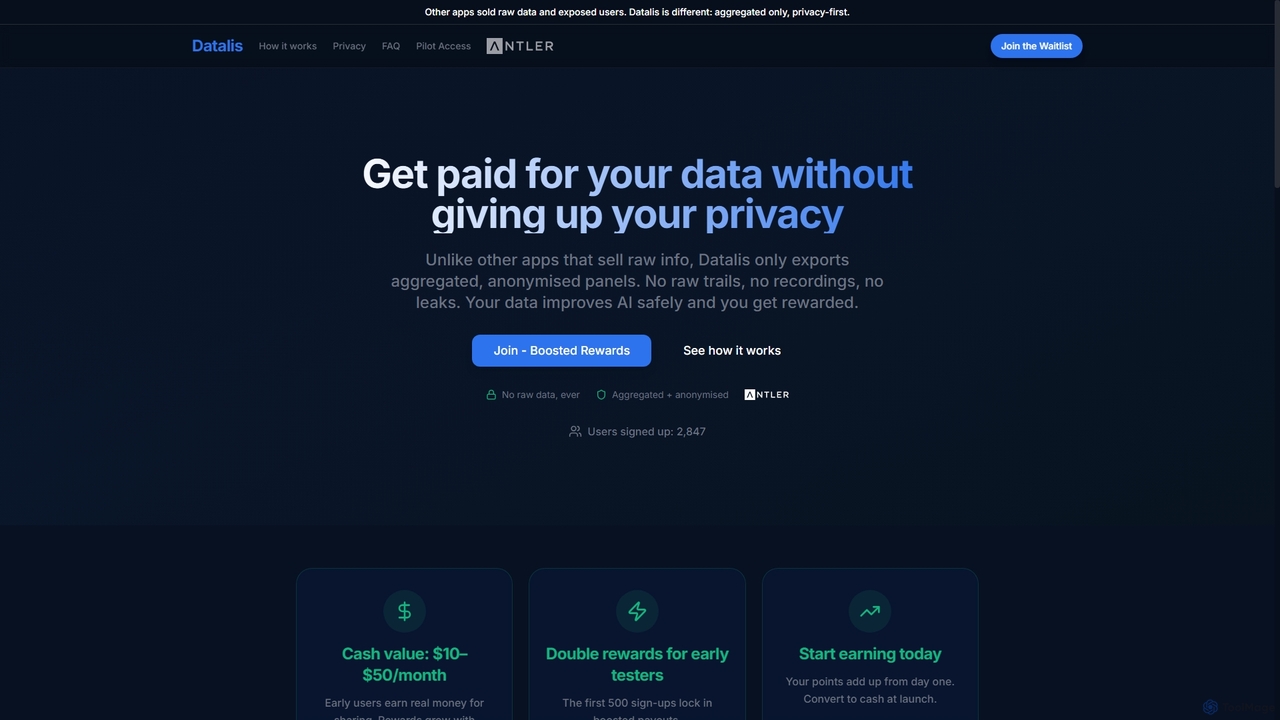
Datalis is a privacy-first platform that allows users to get paid for their data safely. It provides AI developers with aggregated, anonymized, and consent-verified datasets to test for bias and improve model fairness, ensuring user privacy is never compromised.

Ethical Ai
Visits 5.5KFavorites 129Likes 135
Cols AI
Paid

Cols AI

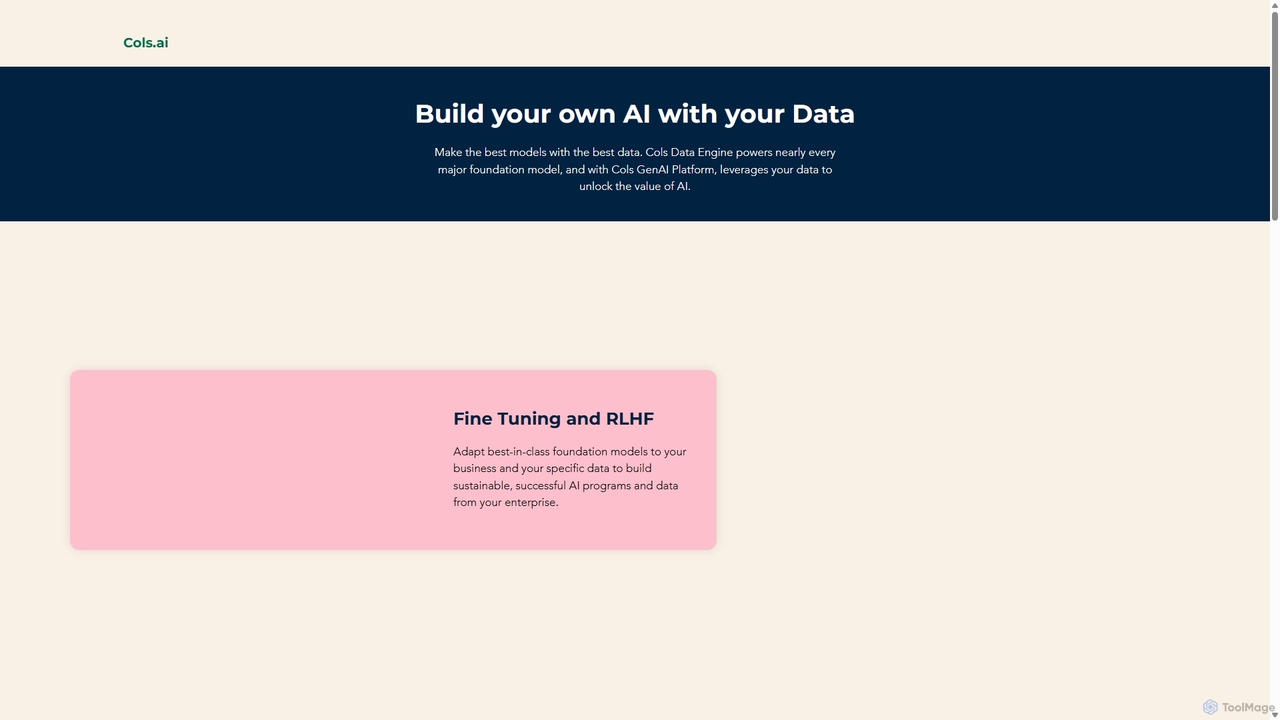
Cols AI is an enterprise-grade GenAI platform for building and deploying custom AI voice agents. It leverages a powerful data engine and fine-tuning capabilities to create highly personalized, context-aware voice bots for customer support, sales, and operational automation, trained on your own business data.

Model Fine Tuning
Visits 9.4KFavorites 107Likes 98
DefinedCrowd
Paid

DefinedCrowd

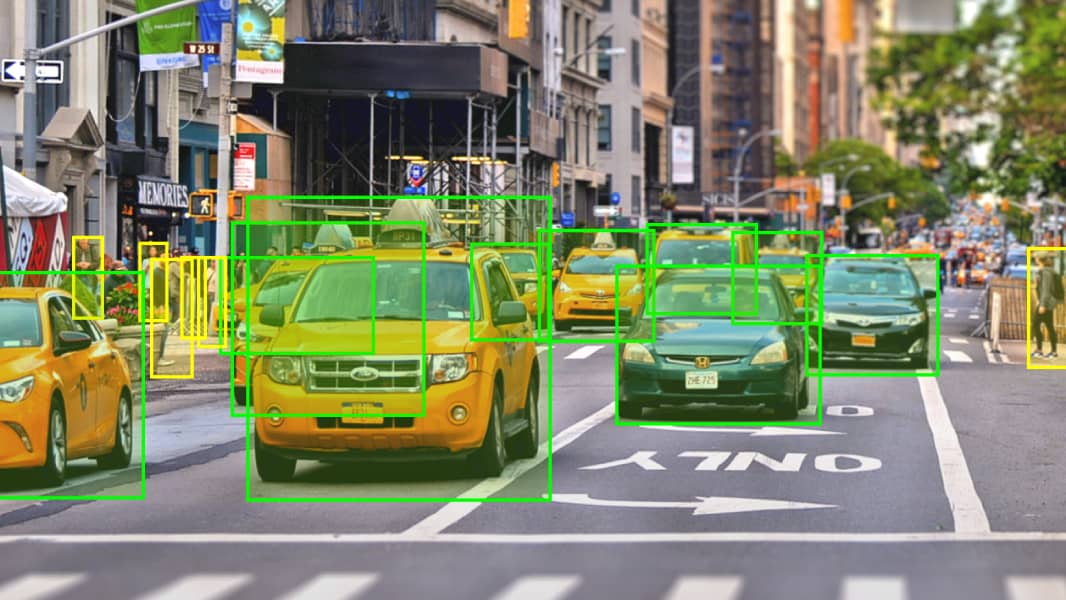
DefinedCrowd is a leading provider of high-quality AI training data. It leverages a global crowd to collect, annotate, and enrich data for machine learning models, specializing in speech, NLP, and computer vision. It offers a fully managed service to help companies build robust and unbiased AI applications at scale.

Machine Learning
Visits 1.9BFavorites 102Likes 99
Vana
Freemium

Vana

Vana is a decentralized, open network for user-owned data. It empowers individuals to take control of their digital footprint, contribute it to community-governed Data Collectives, and earn rewards. Vana aims to create a transparent and equitable data economy to power the next generation of AI with ethically sourced, high-quality data.

Data Management
Visits 14.6KFavorites 107Likes 127
Cirrascale Cloud Services
Paid

Cirrascale Cloud Services

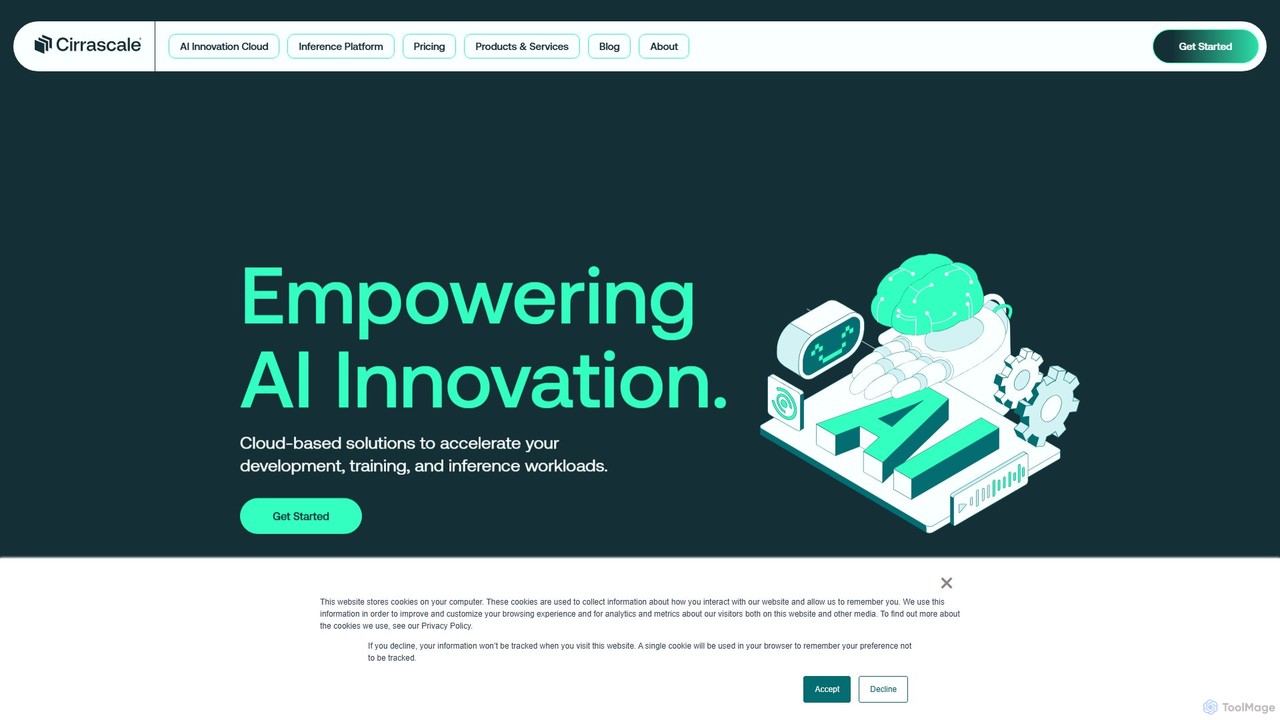
Cirrascale provides high-performance, dedicated GPU cloud services tailored for large-scale AI, deep learning, and High-Performance Computing (HPC). It offers access to the latest NVIDIA GPU hardware and scalable infrastructure, enabling organizations to train massive models and run complex computational workloads efficiently.

Model Training
Visits 21.3KFavorites 131Likes 130
Clore.ai
Paid

Clore.ai

Clore.ai is a decentralized GPU marketplace providing on-demand access to a global network of high-performance computing resources. It connects users needing GPU power for tasks like AI training, 3D rendering, and scientific simulations with hardware owners looking to monetize their idle servers. The platform features a flexible rental market, its own cryptocurrency (CLORE) for transactions, and a unique Proof-of-Holding system for enhanced rewards and discounts, creating a comprehensive ecosystem for high-performance computing.

Model Training
Visits 198.6KFavorites 117Likes 112
Salad
Paid

Salad

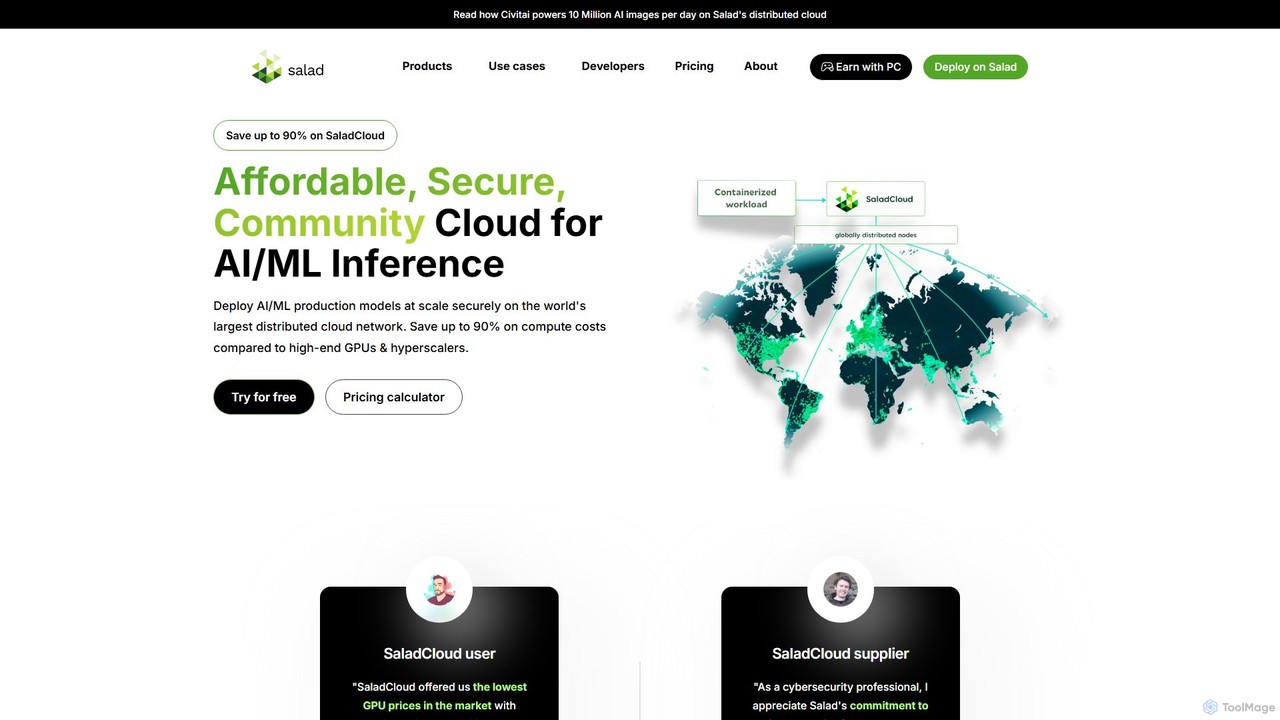
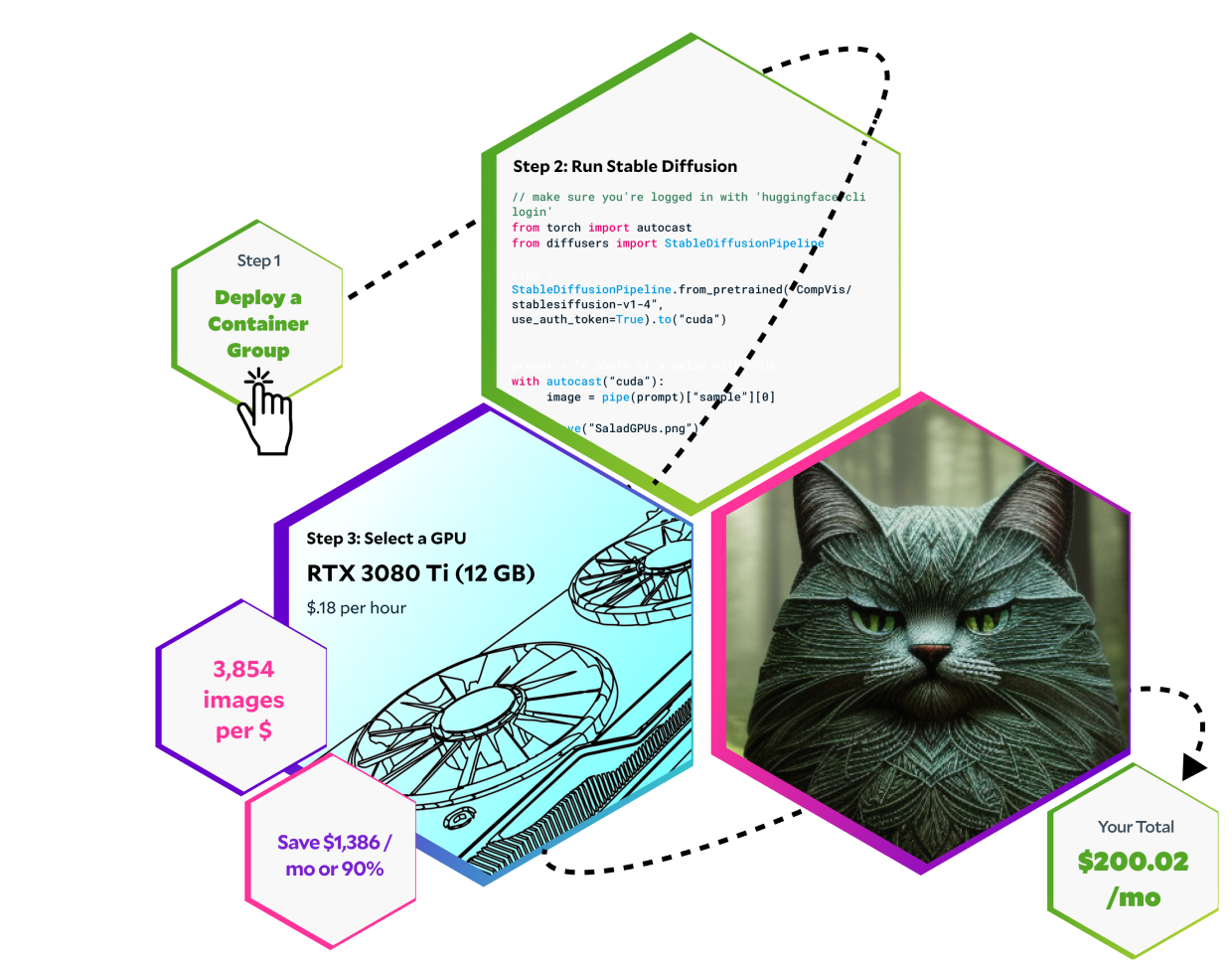
Salad is a distributed GPU cloud platform that harnesses unused computing power from a global network of consumer PCs. It offers businesses highly affordable and scalable on-demand GPU resources for AI/ML workloads, model training, and inference, reducing compute costs by up to 90% compared to traditional cloud providers.

Model Deployment
Visits 619.4KFavorites 135Likes 132
Sapien
Paid

Sapien

Sapien is a decentralized data foundry that provides enterprise-grade AI training data. It leverages a global network of human contributors to deliver high-quality, specialized data for complex AI systems, including 3D/4D annotation, expert reasoning, and large-scale data collection.

Training Data
Visits 68.3KFavorites 136Likes 139
GreenNode
Paid

GreenNode

GreenNode is a one-stop AI cloud infrastructure provider, offering high-performance NVIDIA GPU solutions for startups and enterprises. It provides instant access to cutting-edge resources like H100 GPUs, scalable infrastructure, and expert AI Lab support. Focused on cost-effectiveness and performance, GreenNode helps accelerate model training, fine-tuning, and inference, with a strong presence in Southeast Asia.

Model Training
Visits 23.6KFavorites 108Likes 137
Mercor
Freemium

Mercor

Mercor is an AI-powered platform that connects elite global talent with remote job opportunities. It uses AI to vet and match candidates, while also providing companies with essential human data for training and evaluating advanced AI models through Reinforcement Learning with Human Feedback (RLHF).

Data Labeling
Visits 9MFavorites 132Likes 154
Playment
Paid

Playment

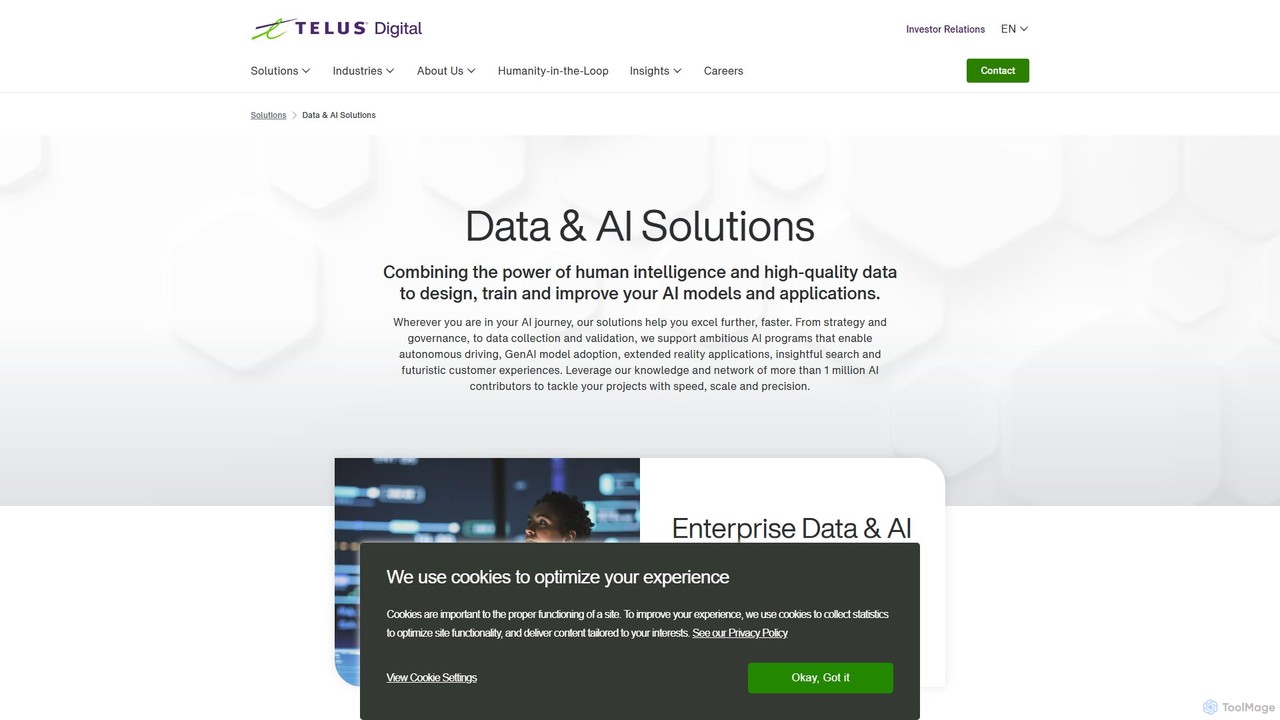
Playment is an enterprise-grade data solutions platform, now part of TELUS International. It specializes in providing high-quality, human-annotated data for training and validating AI and machine learning models. Leveraging a global community of over one million contributors, Playment offers services like data collection, annotation, and validation for computer vision, NLP, and generative AI, ensuring speed, scale, and precision for ambitious AI projects.

Model Training
Visits 936.2KFavorites 153Likes 141
Nebius
Paid

Nebius

Nebius is a high-performance cloud platform specifically engineered for AI and machine learning. It provides access to the latest NVIDIA GPUs, scalable clusters with InfiniBand networking, and fully managed services like Kubernetes and Slurm, enabling seamless AI model training, fine-tuning, and inference at any scale.

Machine Learning
Visits 683.2KFavorites 111Likes 109
MeshChain
Paid

MeshChain

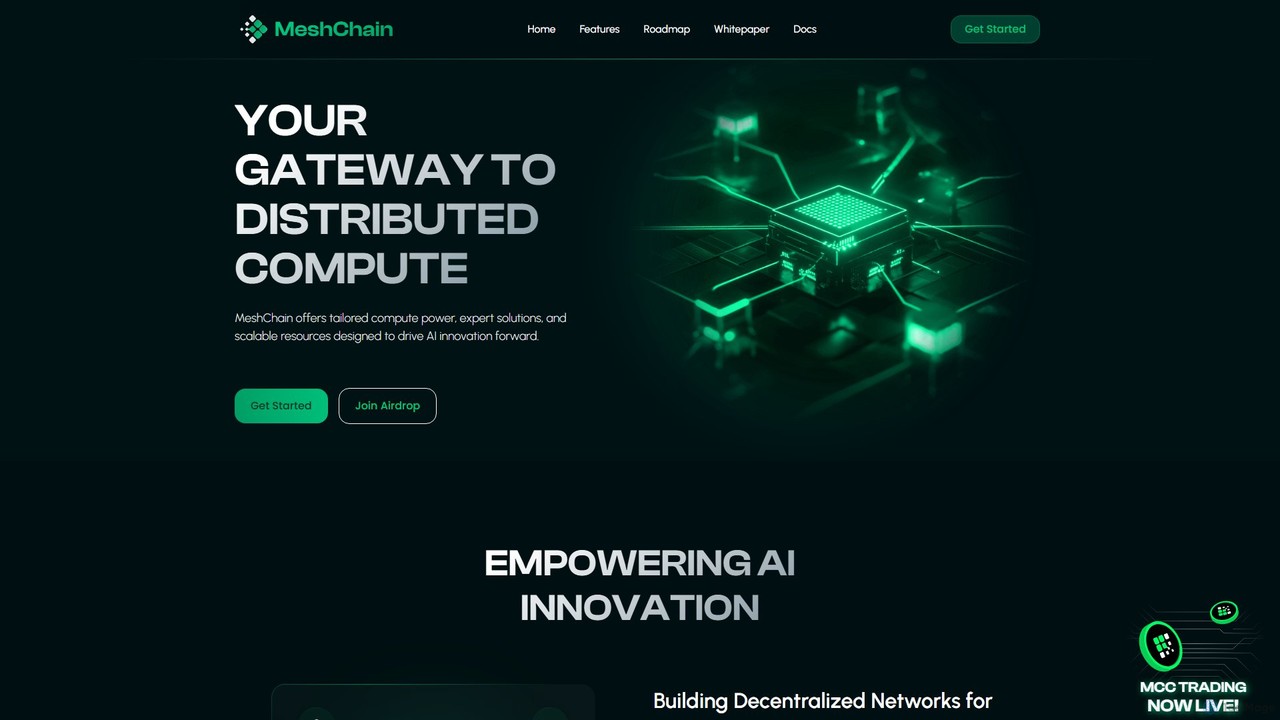
MeshChain is a decentralized compute network that provides scalable and cost-effective resources for AI training, inference, and gaming rendering. By leveraging a global network of distributed nodes, it significantly reduces infrastructure costs and accelerates computational tasks, making advanced technology more accessible to developers, businesses, and gamers.

Model Training
Visits 5.5KFavorites 126Likes 136
maketafi
Paid

maketafi

Tafi is a leading provider of enterprise-grade 3D character datasets for AI training, simulation, and content creation. It offers scalable, topology-consistent, and parametrically generated 3D characters, complete with rich metadata, to power advanced AI models in robotics, gaming, XR, and multimodal learning.

3D Model Generation
Visits 6.6KFavorites 162Likes 158

About Ai Development

AI Development tools are platforms, libraries, and frameworks designed for building, training, and deploying machine learning models. These tools provide the foundational infrastructure for creating custom AI solutions, from data preparation and model experimentation to production deployment and lifecycle management. They empower developers and data scientists to translate complex algorithms into practical applications, accelerating the entire AI development workflow. By offering pre-built components, automated processes (MLOps), and scalable computing resources, they make sophisticated AI creation more accessible and efficient.

Core Features

  • Model Training & Experimentation: Provides environments and frameworks (like TensorFlow, PyTorch) to build, train, and track the performance of various machine learning models.
  • MLOps & Lifecycle Management: Automates the entire machine learning lifecycle, including data versioning, continuous integration/continuous deployment (CI/CD) pipelines, and model monitoring.
  • Data Preparation & Labeling: Offers integrated toolsets for cleaning, transforming, and annotating large datasets to create high-quality training data.
  • Deployment & Inference Services: Enables seamless deployment of trained models as scalable API endpoints for real-time or batch predictions.
  • Pre-trained Models & APIs: Grants access to powerful, pre-trained models for tasks like computer vision or natural language processing, which can be fine-tuned or integrated directly.

Applicable Scenarios

AI Development tools are primarily used by machine learning engineers, data scientists, AI researchers, and software developers. They are essential in industries like tech, finance, healthcare, and e-commerce for creating custom solutions such as fraud detection systems, medical image analysis algorithms, personalized recommendation engines, and natural language understanding applications.

How to Choose

When selecting an AI Development tool, consider the project's complexity; simple tasks may only require pre-built APIs, while custom solutions need comprehensive platforms. Evaluate your team's skillset, as tools range from low-code interfaces to code-intensive frameworks. Assess scalability requirements for data processing and model inference. Finally, check for seamless integration with your existing data infrastructure and cloud services.

Featured tool rankings

Ai Development use cases

1

Build a Custom Image Classifier for E-commerce

An ML engineer at a retail tech company needs to create a system that automatically categorizes new product images. Using an AI development platform, they upload a labeled dataset of thousands of product photos. The platform provides a managed environment to train a computer vision model, allowing the engineer to experiment with different architectures and hyperparameters. After achieving high accuracy, the model is deployed as a scalable API endpoint. This new service automatically tags hundreds of new images daily, reducing manual classification work by over 90% and ensuring consistency in the product catalog.

2

Automate Customer Support Ticket Routing

A software developer at a SaaS company is tasked with improving support efficiency. They use an AI development toolkit that includes pre-trained NLP models. By fine-tuning a text classification model with historical support tickets, they build a service that understands the content of new incoming tickets. The service automatically identifies the topic (e.g., 'billing issue', 'technical bug', 'feature request') and assigns a priority level. Integrated into their helpdesk system, this AI-powered router directs tickets to the correct department instantly, reducing first-response time by 40% and improving customer satisfaction.

3

Develop a Predictive Sales Forecasting Model

A data scientist at an e-commerce company uses a cloud-based AI development platform to create a sales forecast model. They connect the platform to various data sources, including historical sales data, marketing campaign information, and web traffic logs. The platform's data preparation tools help clean and feature-engineer the data. They then use an automated machine learning (AutoML) feature to train and evaluate dozens of models simultaneously. The top-performing model is deployed as a batch prediction job that runs weekly, providing the business team with accurate forecasts to optimize inventory and marketing spend.

4

Implement an MLOps Pipeline for Fraud Detection

An MLOps engineer at a fintech company is responsible for maintaining a real-time fraud detection model. They use an AI development platform with strong MLOps capabilities to build a fully automated pipeline. This pipeline automatically triggers a retraining job whenever significant data drift is detected in production traffic. After retraining, the new model is automatically evaluated against a baseline. If it performs better, it is canary-deployed to a small percentage of traffic. The platform provides dashboards to monitor the new model's performance, ensuring a safe and continuous update process without manual intervention.

5

Fine-tune a Large Language Model (LLM) for a Specific Domain

An AI researcher at a legal tech startup needs to create a chatbot that understands complex legal terminology. Instead of building a model from scratch, they select a powerful, pre-trained Large Language Model (LLM) available through an AI development platform. They prepare a dataset of proprietary legal documents and Q&A pairs. Using the platform's tools, they fine-tune the base LLM on this specific data. The process is managed and computationally intensive, but the platform handles the infrastructure. The resulting model demonstrates a deep understanding of legal jargon, enabling the startup to offer a highly specialized and accurate legal assistant chatbot.

6

Create a No-Code Churn Prediction App

A business analyst in a marketing team wants to identify customers at risk of churning, but has no coding skills. They use a no-code AI development platform that allows users to build models through a visual interface. The analyst uploads a CSV file with customer data, including usage patterns, subscription details, and support interactions. Following a guided workflow, they select 'churn' as the target variable to predict. The platform automatically processes the data, trains several models, and presents the most accurate one. The analyst can then use this model within the platform to score new customers and identify at-risk accounts for proactive engagement.

Ai Development FAQ

What are AI Development tools?

AI Development tools are a broad category of software platforms, libraries, and services used to build, train, and deploy machine learning and artificial intelligence models. Unlike pre-built AI applications (like a chatbot you can use immediately), these are the tools for creating new, custom AI solutions from the ground up. They cover the entire AI lifecycle, including data preparation, model experimentation, training on powerful hardware, deployment, and ongoing monitoring (a practice known as MLOps).

How to choose the right AI Development platform?

Choosing the right platform depends on several key factors. First, assess your project's scope: do you need to build a complex model from scratch or just fine-tune an existing one? Second, consider your team's expertise; platforms range from code-first frameworks like TensorFlow for experts, to low-code/no-code platforms for business users. Third, evaluate scalability and cost, especially for data storage and model training computation. Finally, check for integrations with your existing technology stack, such as data warehouses and deployment environments.

What's the difference between AI Development platforms and pre-built AI tools?

The key difference is 'build' versus 'use'. AI Development platforms are like a workshop with all the raw materials and machinery (code libraries, computing power, MLOps pipelines) needed to construct a custom AI model. They are for developers and data scientists. Pre-built AI tools, on the other hand, are finished products that have already been built using those development platforms. Examples include AI writing assistants, image generators, or transcription services. They are designed for end-users to solve a specific task without needing to know how the underlying AI was built.

What are the key stages in the AI development lifecycle?

The AI development lifecycle, often managed through MLOps practices, typically includes several key stages:

  • Data Ingestion & Preparation: Collecting, cleaning, and labeling raw data to create a usable dataset.
  • Model Training & Experimentation: Writing code, building model architectures, and training them on the prepared data while tracking different versions and results.
  • Model Evaluation: Testing the trained model's performance against unseen data to ensure accuracy and reliability.
  • Model Deployment: Packaging the model and deploying it into a production environment where it can serve predictions via an API.
  • Monitoring & Retraining: Continuously monitoring the model's performance in the real world and retraining it with new data to prevent performance degradation.