ToolMage
Sign in

Best 91 Game Development AI tools for Gaming

Popular Game Development AI tools in Gaming include Kingdom, Astrocade, Rosebud AI, 3D AI Studio, Customuse, Sloyd, Decart, World Labs, Pixelicious, and TextureLab, helping you work more efficiently.

SagaLabs
Freemium

SagaLabs

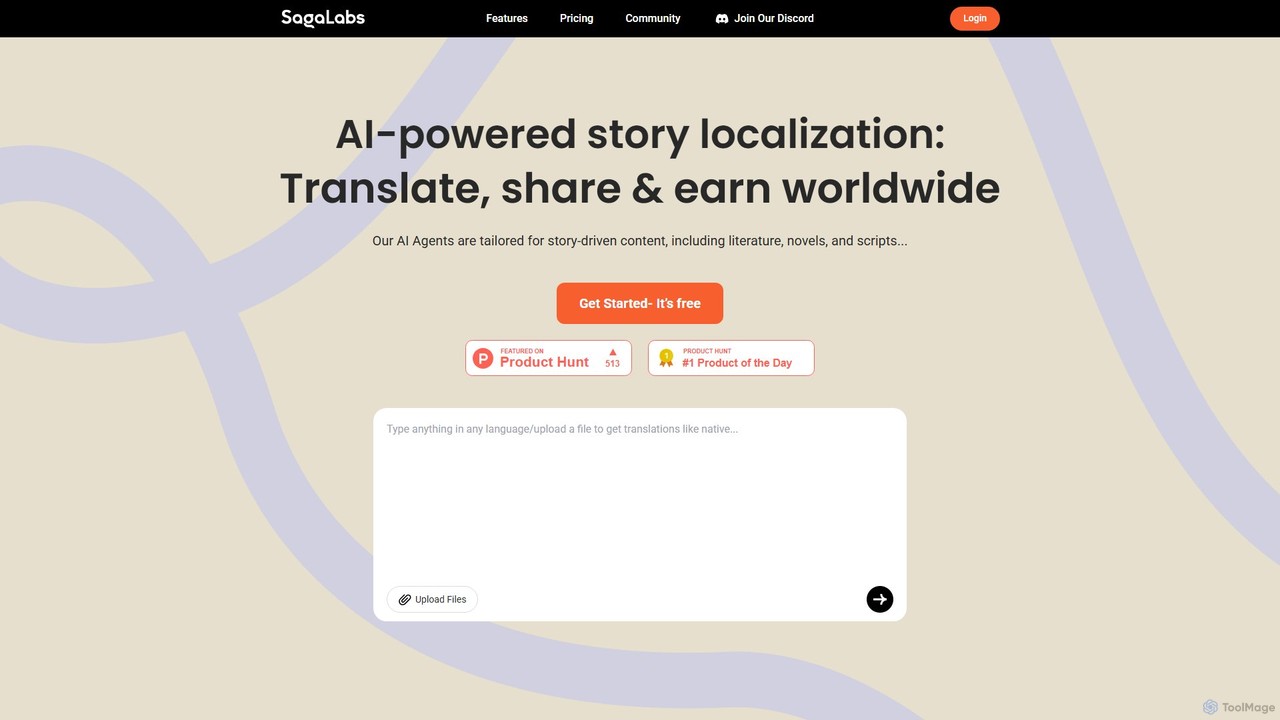
SagaLabs is an AI-powered translation and localization platform specifically designed for story-driven content. It helps authors, game developers, and creators translate novels, scripts, and other narratives into over 200 languages, preserving emotional nuance and cultural context to unlock global audiences and monetization opportunities.

Game Development
Visits 6.5KFavorites 155Likes 139
SteosVoice
Freemium

SteosVoice

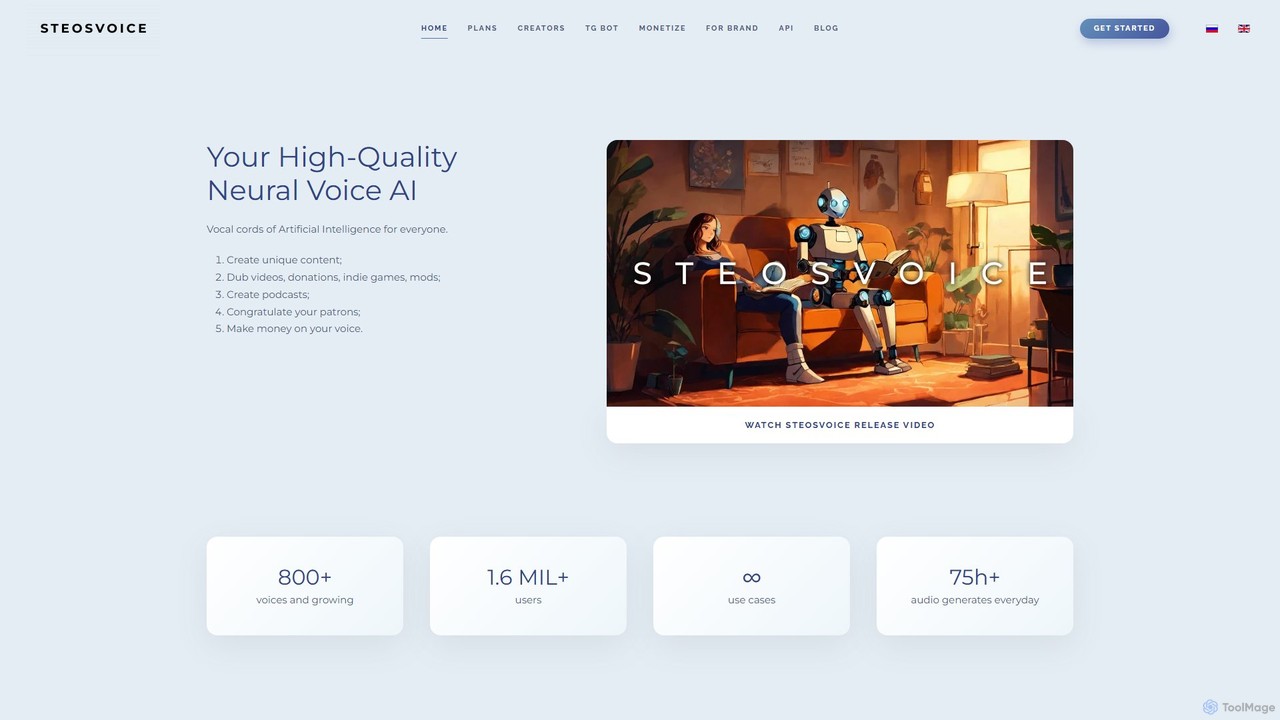
SteosVoice (formerly CyberVoice) is a high-quality neural voice AI platform that generates realistic speech from text. With over 800 voices, it serves content creators, businesses, and game developers for dubbing, podcasts, audio articles, and more. It offers both a free Telegram bot for quick tasks and comprehensive paid plans for commercial use.

Text To Speech
Visits 47.9KFavorites 169Likes 154
Uthana
Freemium

Uthana

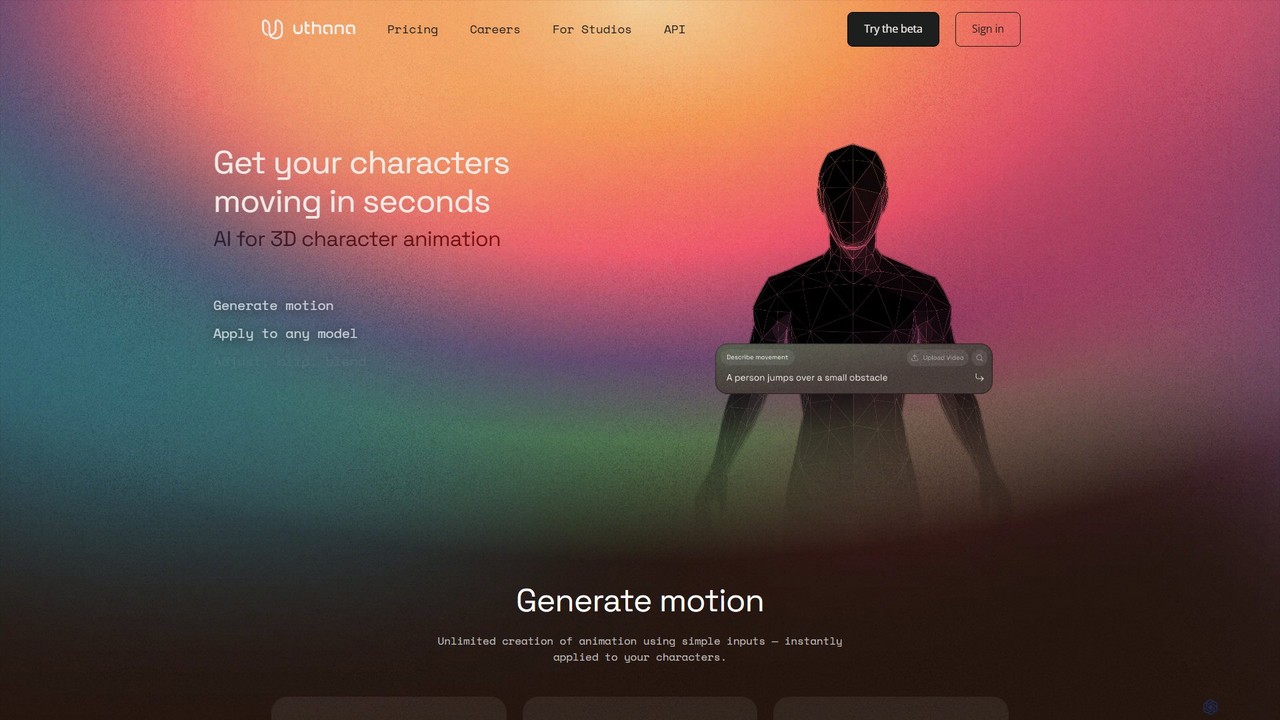
Uthana is a generative AI platform for creating high-quality 3D character animations. It empowers game developers, animators, and creators to generate complex motions from simple inputs. The platform offers a generous free plan, API access for studio integration, and custom model training, all built upon ethically sourced, professional motion capture data.

3D Animation
Visits 41.5KFavorites 142Likes 126
Metos
Freemium

Metos

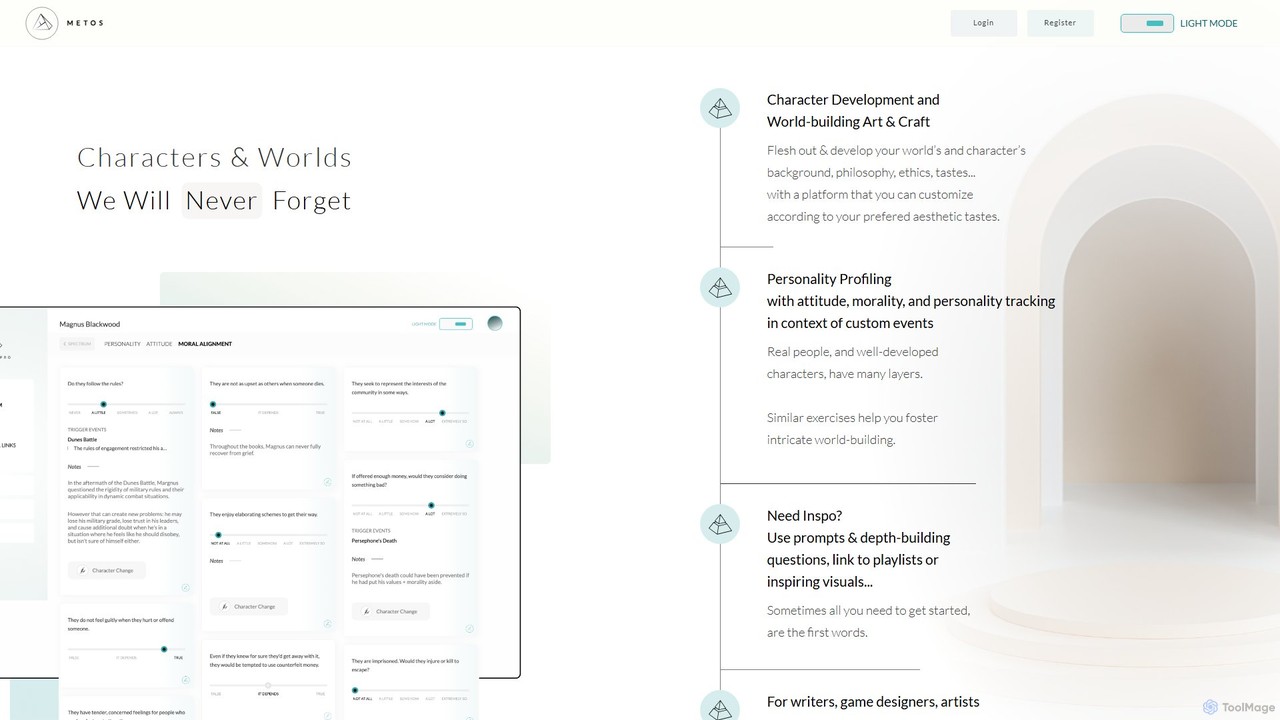
Metos is a comprehensive software platform designed for writers, game designers, and creators to build unforgettable characters and intricate worlds. It provides tools for in-depth personality profiling, dynamic world-building, interactive timelines, and custom language creation, helping you flesh out every detail of your narrative universe with structure and inspiration.

Storytelling
Visits 14.6KFavorites 169Likes 149
Replica Studios

Replica Studios

Replica Studios was a pioneering AI voice generation platform that provided ethically-sourced, high-quality synthetic voices for creative projects. It was widely used by game developers, animators, and content creators to produce expressive and natural-sounding dialogue. Please note: The Replica Studios service has been officially discontinued as of 2025.

Voice Synthesis
Visits 11.5KFavorites 128Likes 138
Ai Sound Effect Generator
Freemium

Ai Sound Effect Generator

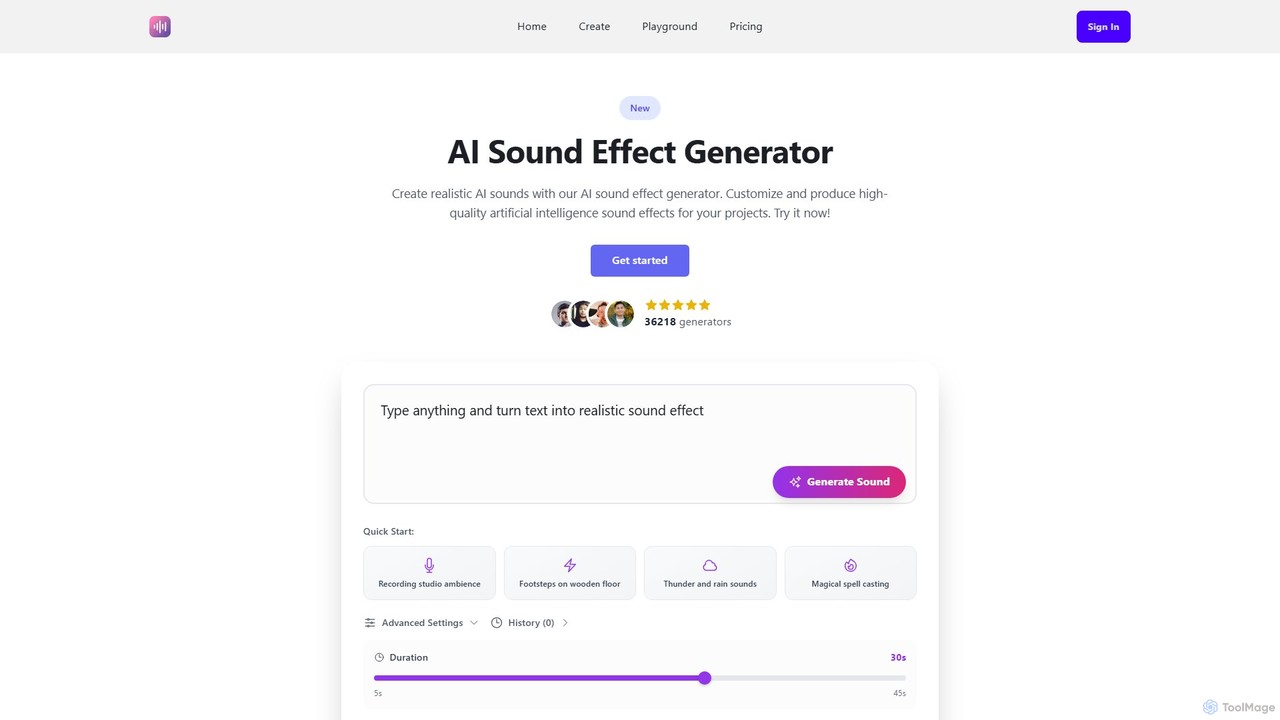
An AI-powered tool that generates high-quality, royalty-free sound effects from simple text prompts. Ideal for filmmakers, game developers, podcasters, and content creators, it transforms ideas into unique audio in seconds, offering customizable duration and a wide range of sound options.

Sound Effects
Visits 23KFavorites 157Likes 158
Sloyd
Freemium

Sloyd

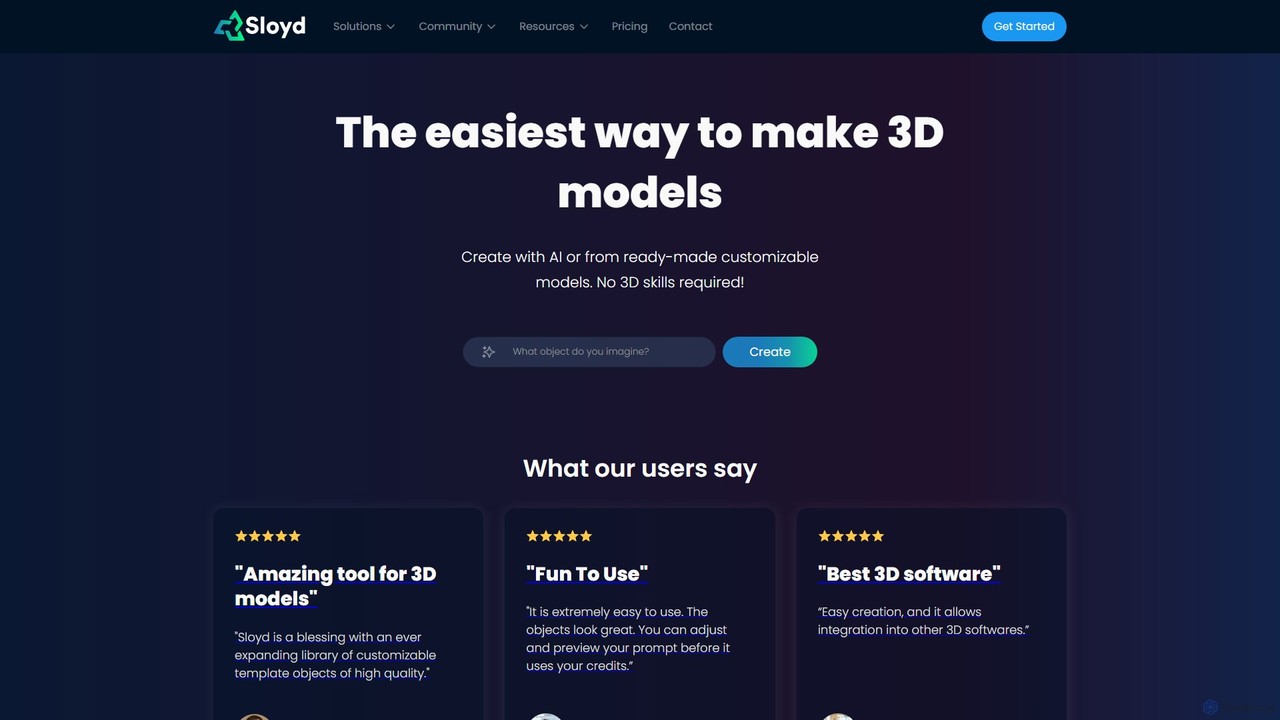
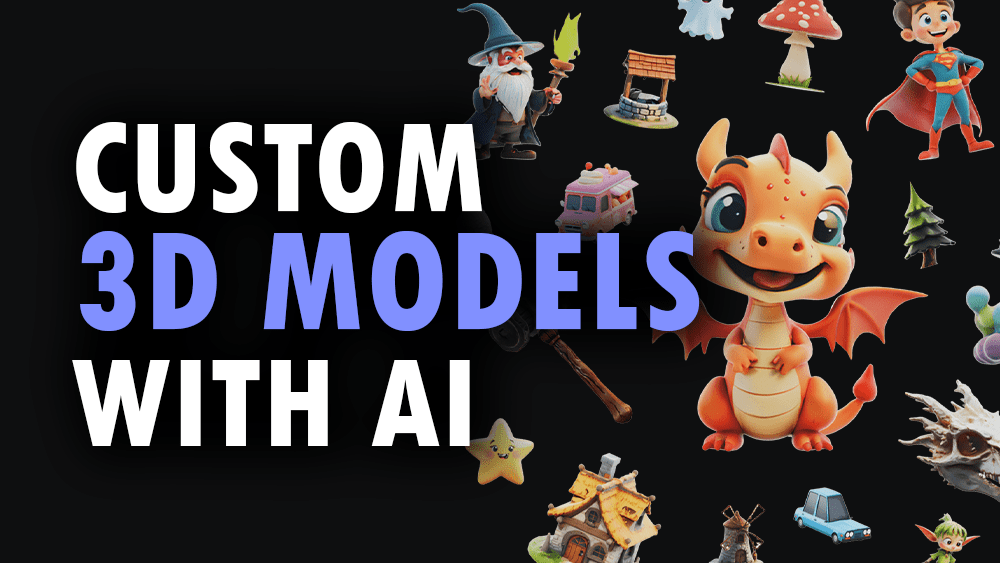
Sloyd is an AI-powered 3D model generator that makes 3D creation effortless. Generate models from text prompts or images, or customize from a vast library of parametric templates. No 3D skills are required, making it perfect for game developers, designers, and hobbyists.

Generator
Visits 445.8KFavorites 98Likes 116
Getgud.io
Freemium

Getgud.io

Getgud.io is an AI-powered game observability platform designed for developers and esports teams. It analyzes in-match player behavior to detect cheaters, reduce toxicity, and enhance gameplay. The platform provides comprehensive tools for game analytics, player retention campaigns, and performance review, all through a single, server-side integration.

Data Analysis
Visits 12KFavorites 125Likes 139
Customuse
Freemium

Customuse

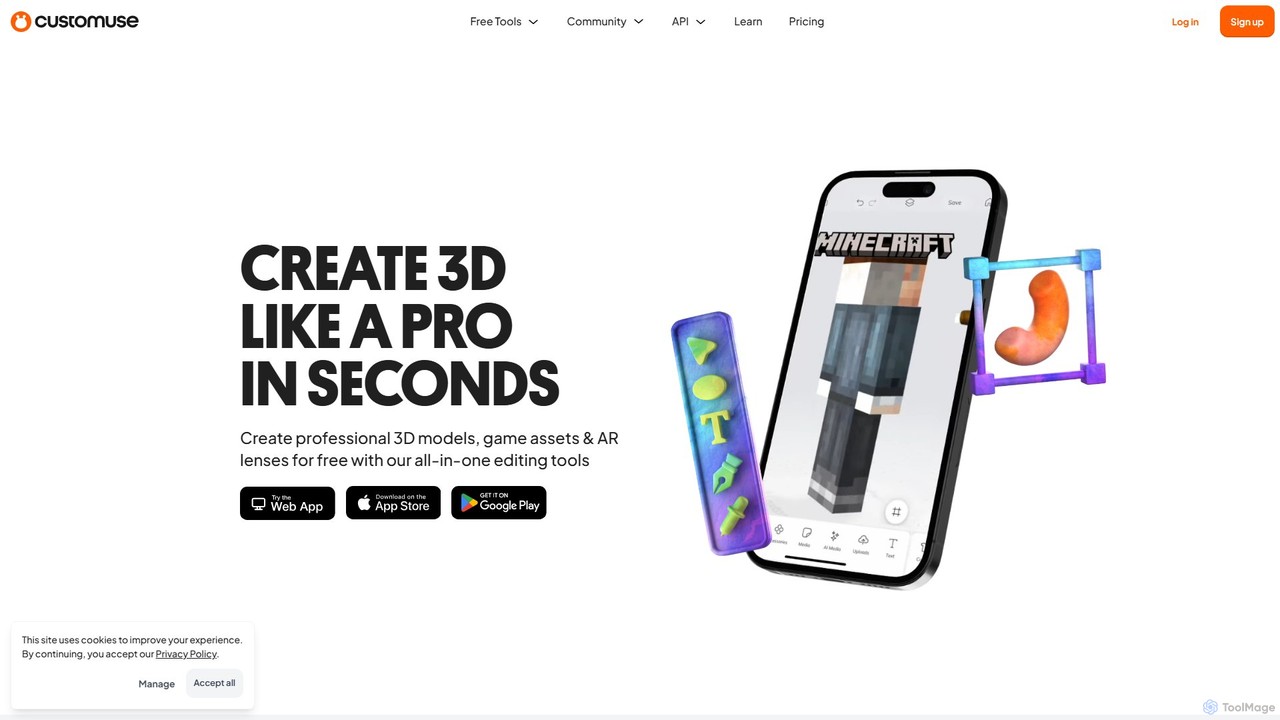
Customuse is an all-in-one AI-powered design studio for creating professional 3D models, game assets, and AR filters. It simplifies 3D creation for platforms like Roblox, Minecraft, Zepeto, Snapchat, and TikTok, using an intuitive editor, extensive templates, and powerful AI tools. Available on both desktop and mobile, it empowers creators of all skill levels to design, monetize, and share their digital creations effortlessly.

Modeling
Visits 532.2KFavorites 111Likes 118
MetaBrix
Freemium

MetaBrix

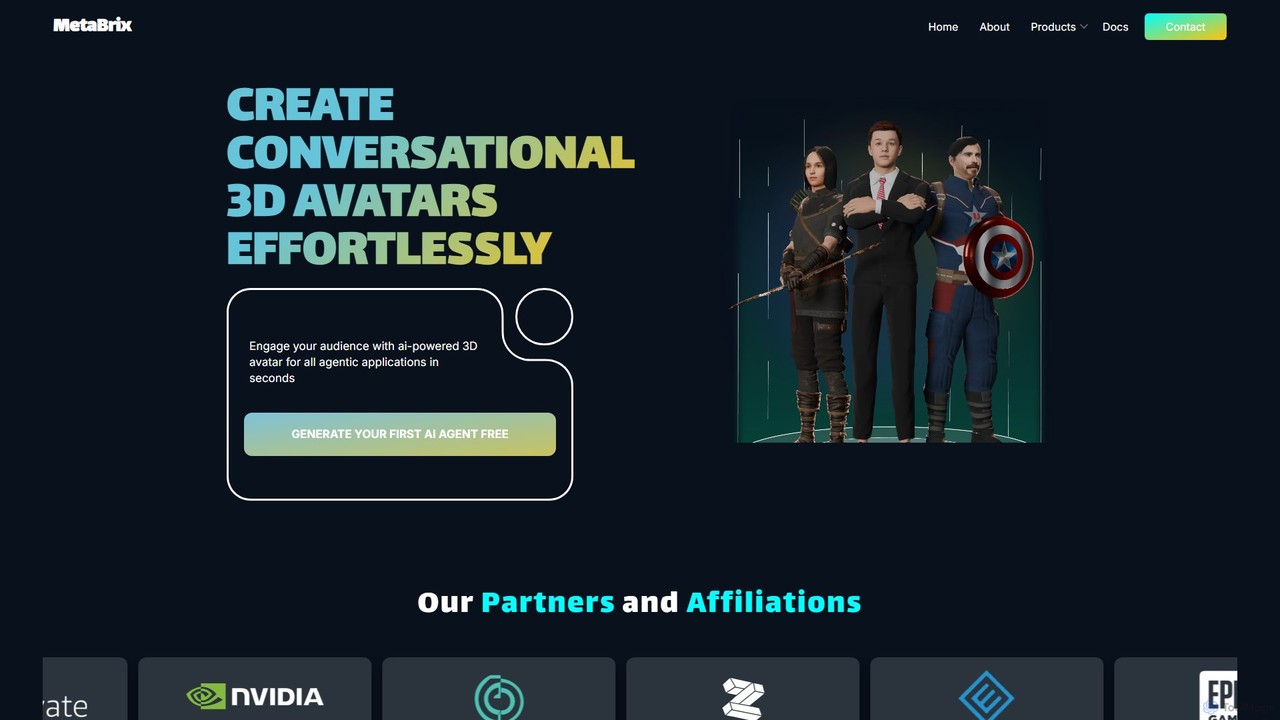
MetaBrix is a Gen-AI powered platform for effortlessly creating conversational 3D avatars. It enables users to generate fully-rigged, emotionally expressive characters from text or images in seconds. Designed for gaming, healthcare, and enterprise applications, it offers seamless integration with major engines like Unity and Unreal via API and SDK.

Character Generation
Visits 6.1KFavorites 137Likes 130
Herewe
Freemium

Herewe

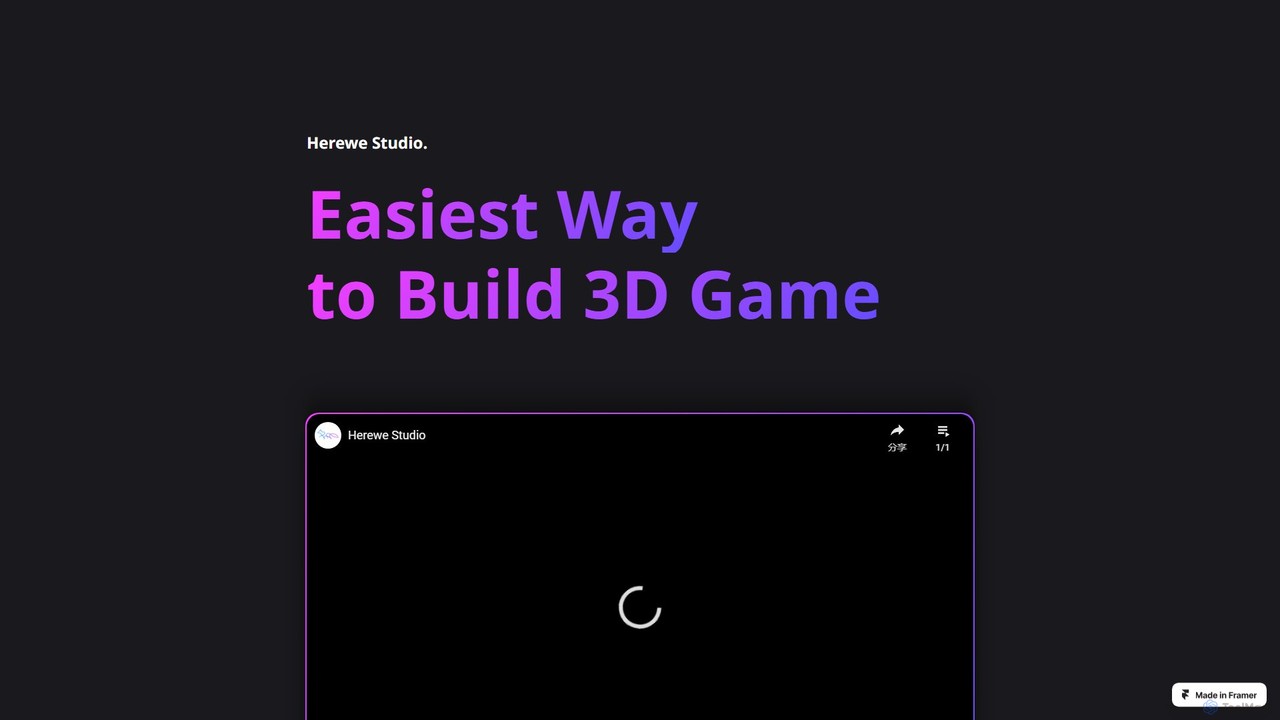
Herewe is a web-based, AI-powered platform for easily creating 3D games and metaverse experiences. With its intuitive 3D studio, Text-to-3D generator, and a rich ecosystem of assets and third-party extensions, users can build and share immersive virtual worlds without needing advanced coding or design skills. It's an all-in-one solution for game developers, creators, and communities.

3D Modeling
Visits 5.8KFavorites 114Likes 116
gensfx
Freemium

gensfx

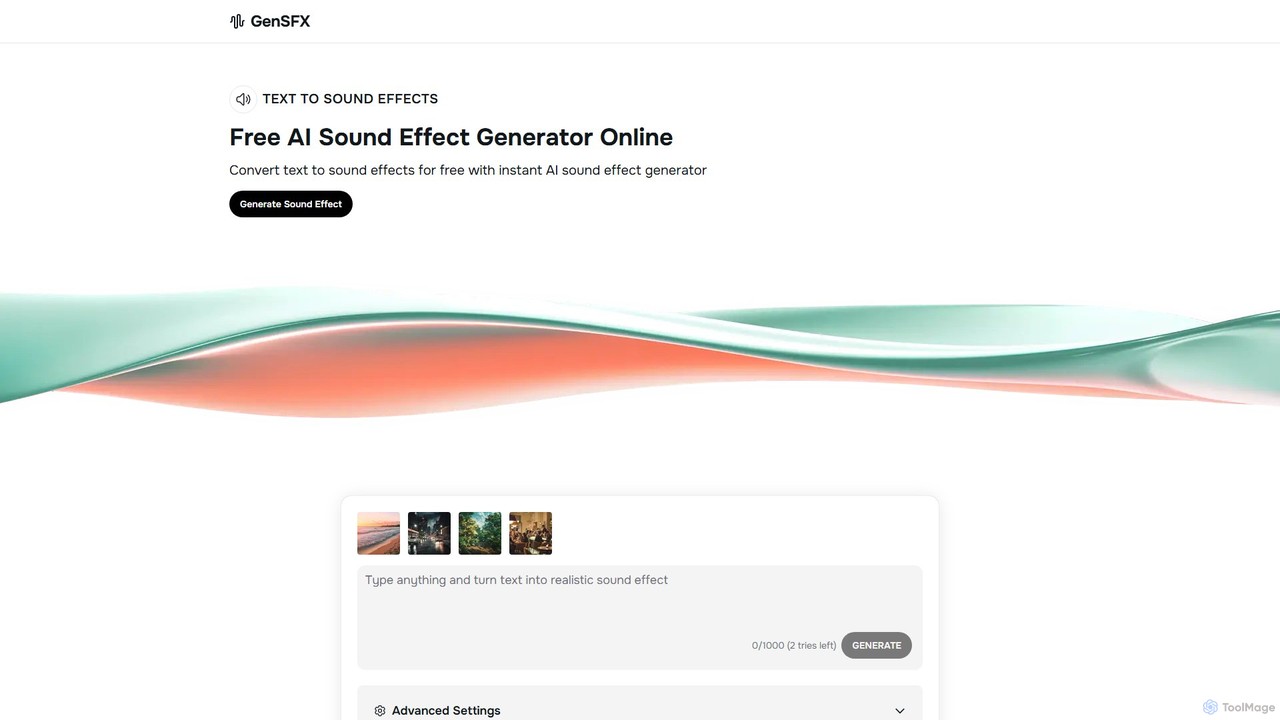
gensfx is a free AI-powered sound effect generator that transforms text descriptions into high-quality, unique audio files. Ideal for content creators, game developers, and filmmakers, it allows for instant creation, customization, and download of royalty-free sound effects, eliminating the need for extensive sound libraries.

Sound Generation
Visits 47.4KFavorites 118Likes 126
Masterpiece X
Freemium

Masterpiece X

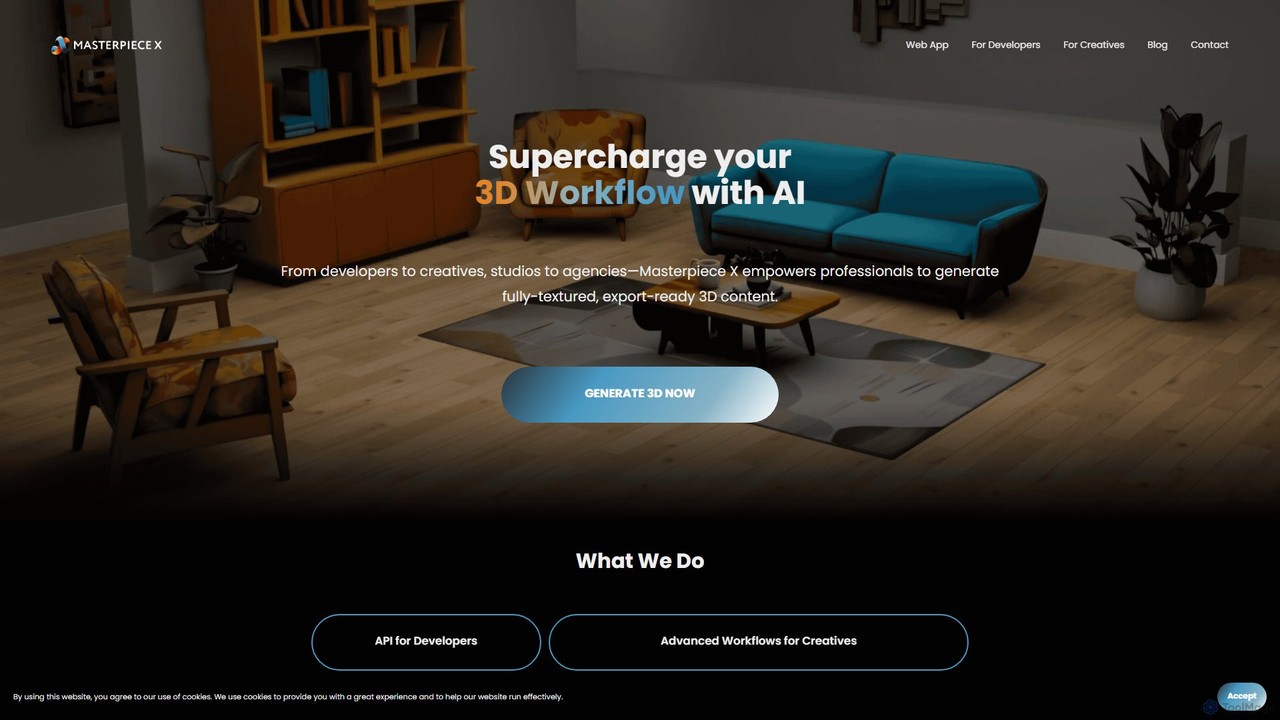
Masterpiece X is an advanced AI-powered 3D creation platform designed for professionals and creatives. It enables users to generate fully-textured, animated, and export-ready 3D models from simple text prompts or images, significantly accelerating workflows in game development, concept art, and metaverse creation.

3D Modeling
Visits 24.2KFavorites 117Likes 136
nunu.ai
Paid

nunu.ai

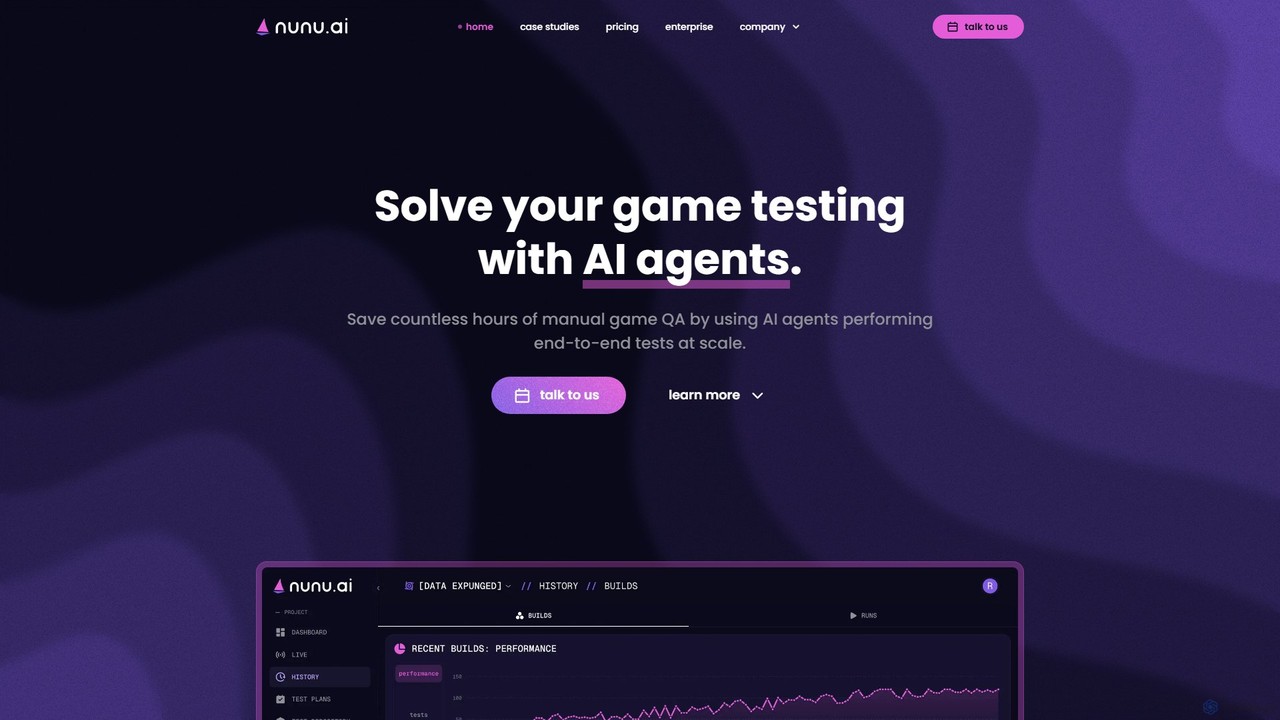
nunu.ai is an AI-powered platform that automates game testing using intelligent agents. These agents play games like humans, performing end-to-end QA tests at scale. It allows developers to write test cases in plain English, saving significant time and reducing manual QA costs by up to 50%.

Testing
Visits 18.2KFavorites 106Likes 112
Ready Player Me
Freemium

Ready Player Me

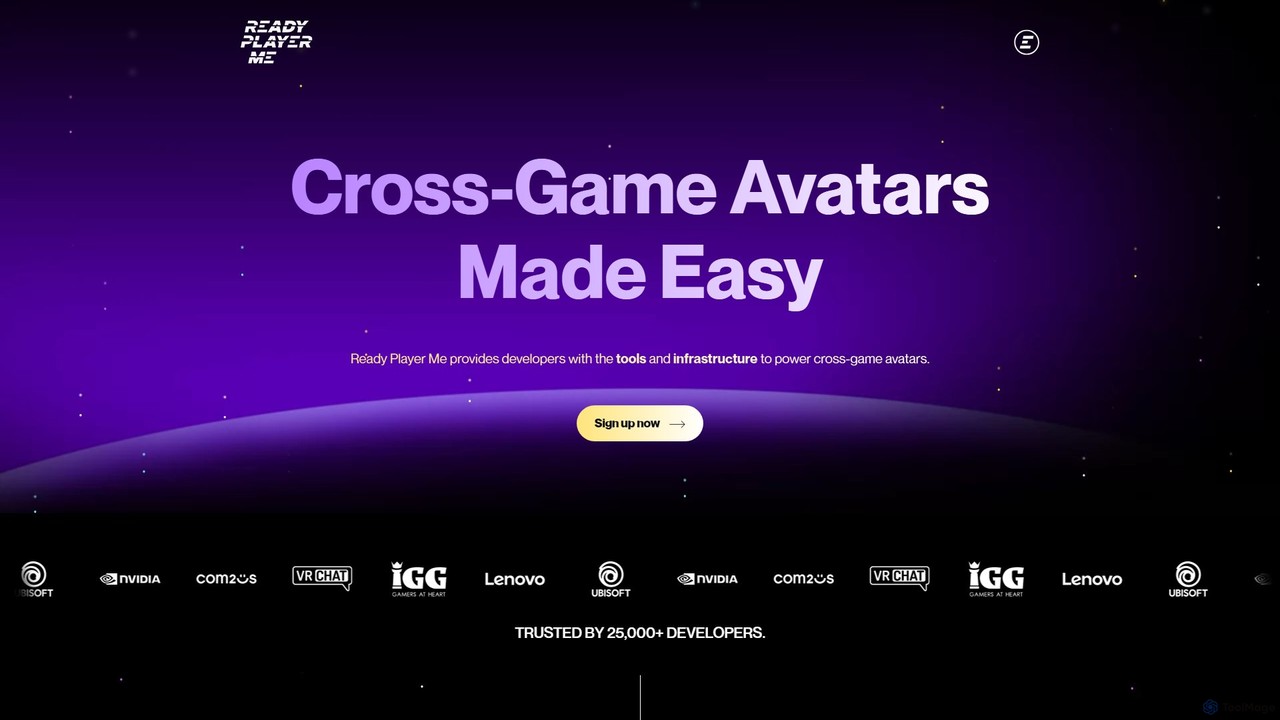
Ready Player Me is a cross-game avatar platform for developers, providing SDKs and tools to integrate a highly customizable 3D avatar system into games and metaverse applications. It leverages AI for avatar creation and offers monetization opportunities through a shared cosmetic economy.

3D Generation
Visits 44KFavorites 119Likes 128
dappslap
Freemium

dappslap

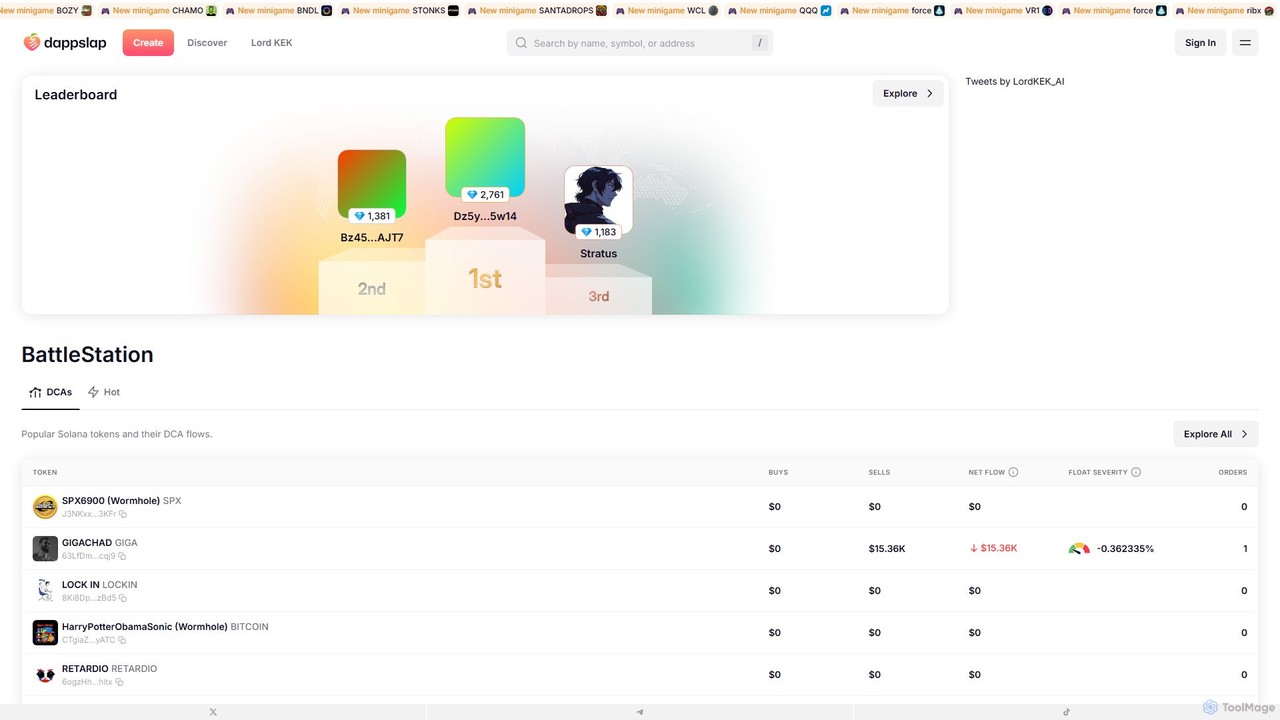
dappslap is an AI-powered platform on the Solana blockchain that enables users to create dApps, minigames, and tokens without writing any code. Led by the AI agent 'Lord KEK', it streamlines Web3 development, allowing for rapid deployment and community engagement through gamified features.

No Code
Visits 5.8KFavorites 148Likes 149
Story Machine
Freemium

Story Machine

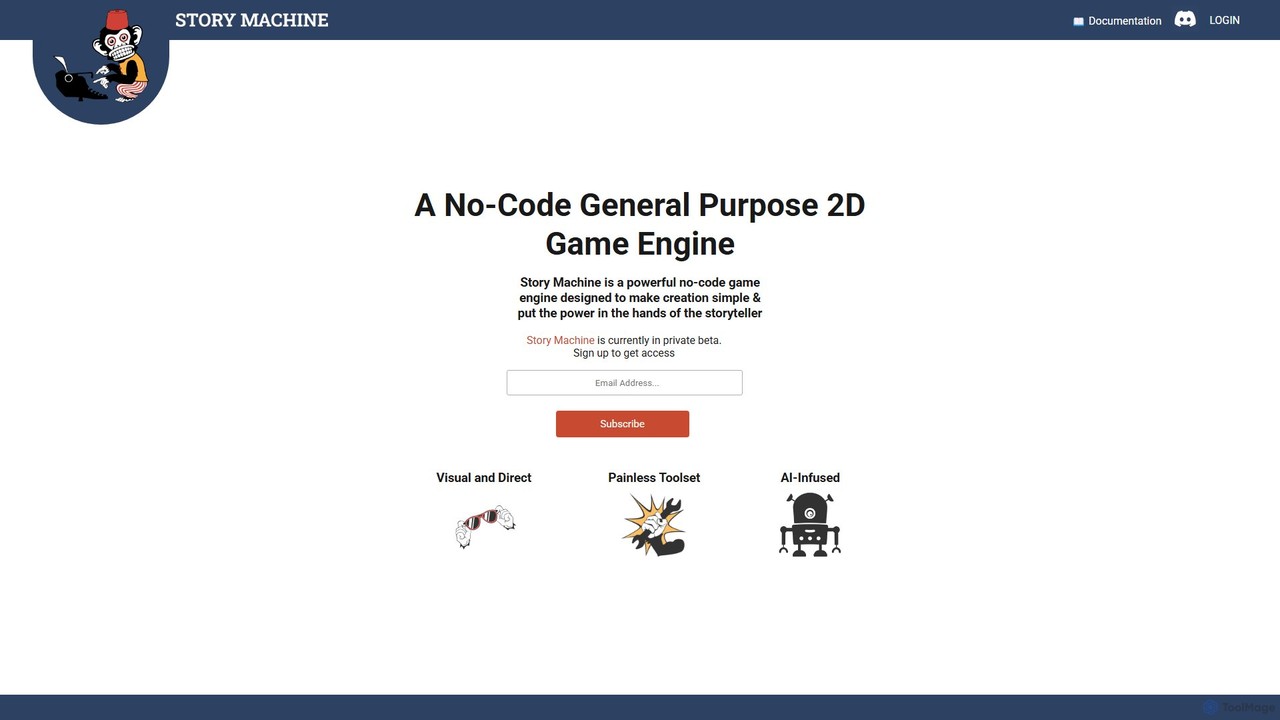
Story Machine is a powerful no-code 2D game engine designed for storytellers. It features a visual drag-and-drop interface, an integrated AI art generator for creating characters and backgrounds from prompts, and a streamlined toolset. This allows anyone to build interactive 2D adventure games and visual novels without writing a single line of code, focusing purely on creativity and narrative.

Image Generation
Visits 6.2KFavorites 158Likes 149
RPGGO
Freemium

RPGGO

RPGGO is an AI-powered, no-code platform for creating and playing text-based RPGs. It leverages a sophisticated AI game engine to generate dynamic narratives, intelligent NPCs with memory, and real-time visuals and audio, making game development accessible to everyone.

Image Generation
Visits 19.8KFavorites 142Likes 123
maketafi
Paid

maketafi

Tafi is a leading provider of enterprise-grade 3D character datasets for AI training, simulation, and content creation. It offers scalable, topology-consistent, and parametrically generated 3D characters, complete with rich metadata, to power advanced AI models in robotics, gaming, XR, and multimodal learning.

3D Model Generation
Visits 6.8KFavorites 164Likes 158

About Game Development

AI Game Development tools are a class of software that leverages artificial intelligence to assist, automate, and enhance various stages of the game creation process. These tools utilize machine learning models, particularly generative AI and procedural generation algorithms, to create assets, code, and game logic. They empower developers to build more complex and dynamic worlds, accelerate production timelines, and reduce repetitive manual tasks. This allows teams of all sizes, from indie studios to AAA developers, to focus more on creativity and innovation.

Core Features

  • AI Asset Generation: Creates game-ready assets like textures, 3D models, character sprites, and sound effects from text or image prompts.
  • Procedural Content Generation (PCG): Automatically generates vast and unique game environments, levels, quests, and item distributions.
  • Intelligent NPC Behavior: Develops sophisticated and adaptive behaviors for non-player characters (NPCs), making them more realistic and challenging.
  • Code & Script Assistance: Generates boilerplate code, debugs scripts, and suggests optimizations for game logic in engines like Unity or Unreal.
  • Automated Playtesting: Deploys AI agents to test games, identify bugs, analyze gameplay balance, and discover exploits.

Use Cases

These tools are widely used by game designers, programmers, artists, and quality assurance (QA) teams. Indie developers use them to create ambitious projects with limited resources, while large studios employ them to scale content production for massive open-world games. They are integral for prototyping new game mechanics, populating virtual worlds with unique content, and ensuring game stability through automated testing.

How to Choose

When selecting an AI Game Development tool, consider its integration with your chosen game engine (e.g., Unity, Unreal Engine). Evaluate the quality and stylistic control offered for asset generation. Assess the tool's performance impact on your game and the complexity of its learning curve. Finally, review the pricing model, whether it's subscription-based, pay-per-use, or a one-time purchase, to ensure it aligns with your project's budget.

Featured tool rankings

Game Development use cases

1

Rapid Prototyping of Game Worlds

An indie game developer working on a new open-world RPG needs to create a large, varied map quickly. Instead of manually sculpting terrain and placing every object, they use an AI Procedural Content Generation (PCG) tool. By setting parameters like biome type, elevation, and density of features, the tool generates multiple complete world layouts in minutes. This allows the developer to test different world designs, iterate on gameplay flow, and establish the game's scale and feel early in development, saving hundreds of hours of manual labor.

2

Generating Diverse In-Game Assets

A 3D artist for a fantasy game needs to create hundreds of unique item icons, textures, and character concept art. Using an AI asset generator, they can input text prompts like 'ornate elven sword icon, magical glow, detailed filigree' to produce dozens of variations instantly. This process is used for creating seamless textures for environments (e.g., 'mossy cobblestone path') and for brainstorming character designs. The AI acts as a creative partner, providing a vast library of visual ideas that the artist can then refine and integrate into the game engine, drastically speeding up the asset creation pipeline.

3

Creating Intelligent NPC Behaviors

A game designer wants to create enemies that feel smart and unpredictable, rather than following simple, repetitive paths. They use an AI behavior tool that allows them to define high-level goals for NPCs, such as 'patrol the area,' 'seek cover when under fire,' and 'flank the player.' The AI then generates a complex behavior tree that enables the NPC to make dynamic decisions based on the current game state. This results in more engaging combat encounters where enemies react realistically to the player's actions, improving the overall gameplay experience.

4

Automating Dialogue Generation for RPGs

A narrative designer for a large-scale RPG is tasked with writing dialogue for hundreds of background NPCs to make the world feel alive. Manually writing unique lines for every character is unfeasible. They use an AI dialogue generation tool, providing it with character personas (e.g., 'grumpy blacksmith,' 'cheerful baker') and context. The AI generates a large volume of appropriate, in-character dialogue lines. The writer then curates, edits, and refines the best outputs, populating the game's cities and towns with varied and believable conversations in a fraction of the time.

5

AI-Powered Game Testing and Balancing

A Quality Assurance (QA) team for a competitive multiplayer game needs to ensure the game is balanced and free of critical bugs before launch. They deploy an army of AI agents that can play the game 24/7. These agents explore every corner of the map, test all character abilities and weapon combinations, and report crashes and bugs automatically. By analyzing data from thousands of AI-played matches, the team can quickly identify overpowered strategies or weapons, fine-tune game balance, and fix exploits that human testers might take weeks to discover.

6

Generating Game-Ready Code Snippets

A programmer is building a new game in the Unity engine and needs to implement a standard inventory system. Instead of writing the entire system from scratch, they use an AI coding assistant integrated into their development environment. They provide a prompt like 'Create a Cscript for a grid-based inventory system in Unity with item stacking'. The AI generates a complete, well-commented script that handles adding, removing, and stacking items. The programmer can then review, customize, and integrate this code into their project, significantly reducing development time for common game features.

Game Development FAQ

What are AI Game Development tools?

AI Game Development tools are specialized software that use artificial intelligence to streamline and enhance the game creation process. They don't replace game developers, but rather act as powerful assistants. Key functions include generating game assets (textures, models), creating dynamic NPC behaviors, automating level design through procedural generation, assisting with code writing, and conducting automated QA testing to find bugs and balance issues.

How do I choose the right AI Game Development tool?

Choosing the right tool depends on your specific needs. Consider the following factors:

  • Engine Integration: Does it work seamlessly with your game engine (e.g., Unity, Unreal Engine, Godot)? Look for official plugins or well-documented APIs.
  • Task Specificity: What do you need it for? Choose a tool specialized in asset generation, NPC behavior, level design, or coding assistance based on your primary bottleneck.
  • Ease of Use: Evaluate the learning curve. Some tools are intuitive for artists and designers, while others may require programming knowledge.
  • Cost and Licensing: Understand the pricing model (subscription, per-asset fee, etc.) and ensure the license allows for commercial use if you plan to sell your game.
What's the difference between AI Game Development tools and traditional game engines?

Traditional game engines like Unity and Unreal Engine provide the foundational framework for building a game—rendering graphics, handling physics, and managing inputs. AI Game Development tools are not replacements for these engines. Instead, they are specialized add-ons, plugins, or standalone applications that integrate with engines to perform specific, AI-driven tasks. Think of a game engine as the workshop, and AI tools as advanced, automated machinery within that workshop that helps you build parts faster and better.

Can AI replace game developers?

No, AI is unlikely to replace game developers. Instead, it is becoming a powerful collaborative tool. AI excels at handling repetitive, time-consuming tasks like generating asset variations or finding bugs, which frees up human developers to focus on higher-level creative challenges. The vision, design, storytelling, and complex problem-solving that define a great game still require human creativity, intuition, and direction. AI tools augment human capabilities, they do not replace them.

What are the main benefits of using AI in game development?

The primary benefits of integrating AI into the game development workflow are increased efficiency and enhanced creativity. Key advantages include:

  • Accelerated Production: Automating tasks like asset creation and testing significantly shortens development cycles.
  • Reduced Costs: Less time spent on manual labor translates to lower production costs, making game development more accessible.
  • Enhanced Game Worlds: AI can generate vast, complex, and non-repetitive environments and characters that would be difficult to create manually.
  • Improved Player Experience: Smarter NPCs and dynamic content lead to more engaging, unpredictable, and replayable games.