ToolMage
Sign in

Best 91 Game Development AI tools for Gaming

Popular Game Development AI tools in Gaming include Kingdom, Astrocade, Rosebud AI, 3D AI Studio, Customuse, Sloyd, Decart, World Labs, Pixelicious, and TextureLab, helping you work more efficiently.

AIE Labs
Freemium

AIE Labs

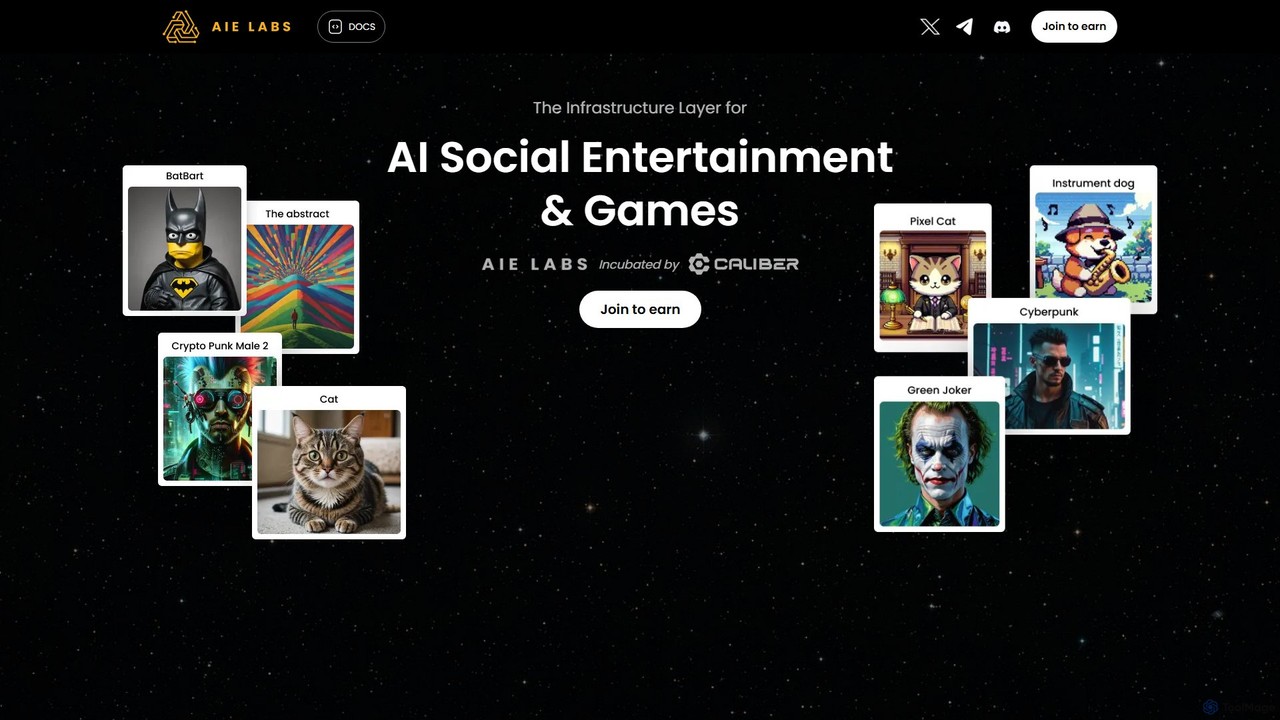
AIE Labs is a decentralized infrastructure for AI-powered social entertainment and gaming. It offers tools like Genesis AI for art creation and monetization, and RizzAI for creating interactive virtual companions. Built on a Web3 foundation, it features a user-friendly, chain-abstracted wallet and a "Join to Earn" model, empowering creators and users in a decentralized digital economy.

Image Generation
Visits 5.8KFavorites 146Likes 150
in3d
Freemium

in3d

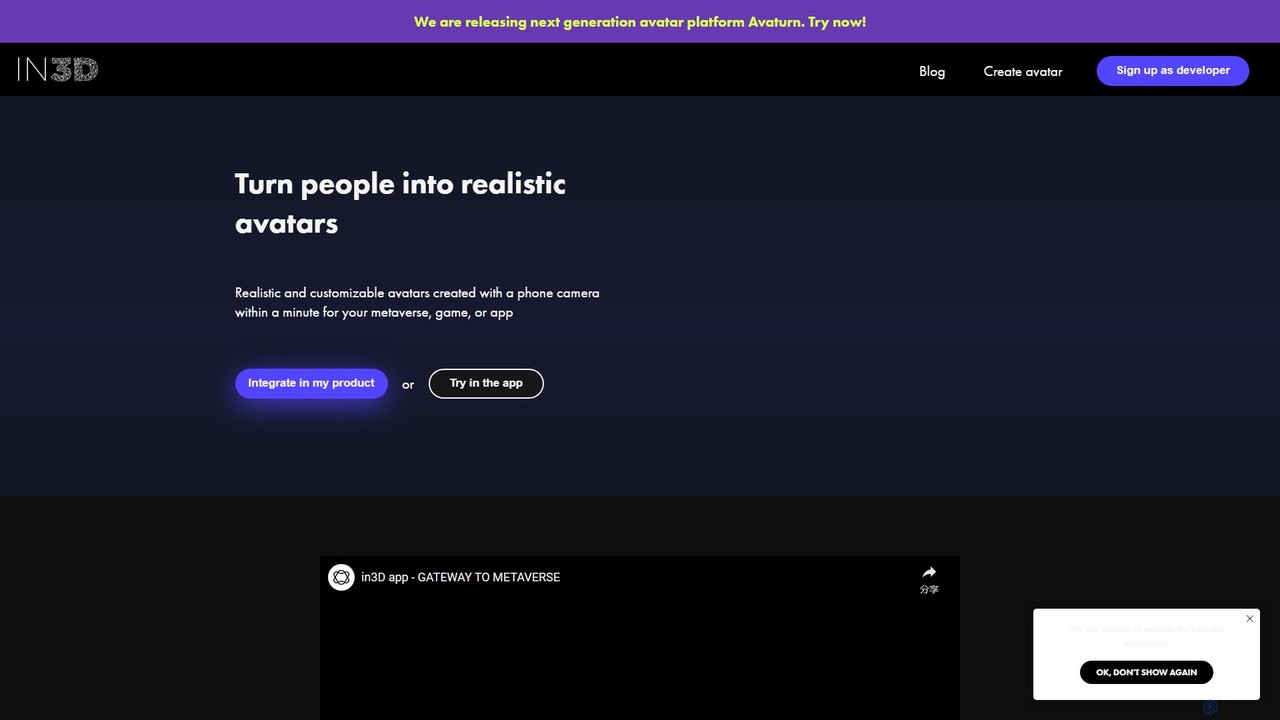
in3d is an AI-powered platform that enables users to create realistic, customizable 3D avatars from a simple phone camera scan in under a minute. It provides SDKs for easy integration into games, metaverses, and applications on Unity, Unreal Engine, and the web.

Avatar Generation
Visits 13.6KFavorites 121Likes 130
Game Generator
Freemium

Game Generator

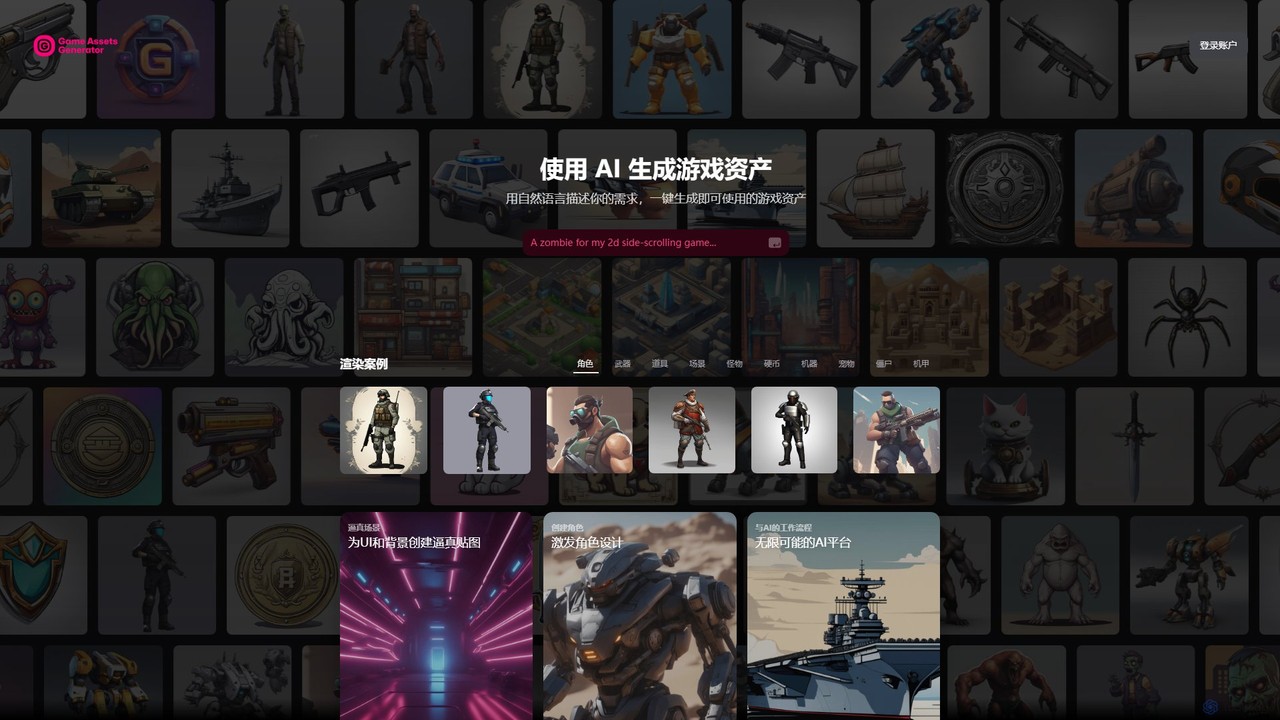
An AI-powered tool for game developers to generate high-quality, royalty-free 2D game assets from simple text descriptions. It streamlines the creation of characters, props, and environments, making it ideal for indie developers and small teams to accelerate their workflow and bring their creative visions to life without needing extensive art resources.

Asset Creation
Visits 5.9KFavorites 124Likes 127
TextureLab
Freemium

TextureLab

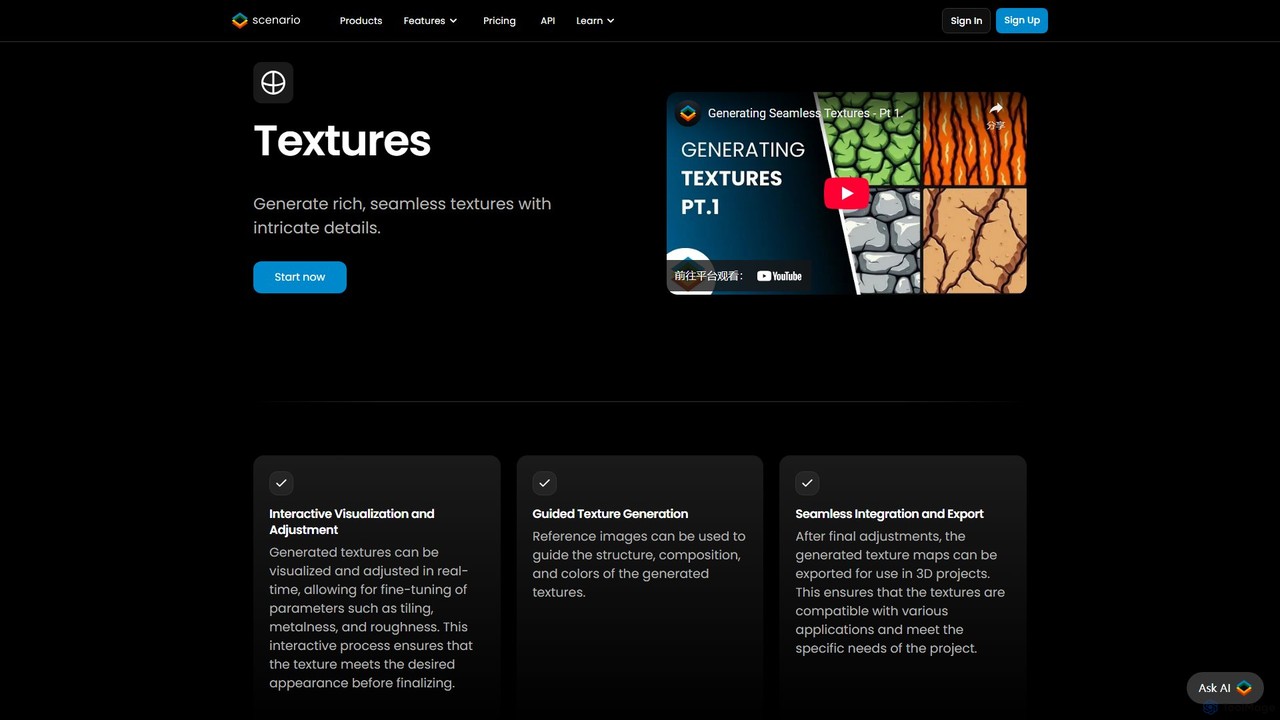
TextureLab is an AI-powered texture generation tool by Scenario, designed for game developers, 3D artists, and architects. It creates high-quality, seamless PBR materials from text or image prompts. Users can generate diverse textures and train custom AI models to maintain a consistent art style across projects, significantly accelerating creative workflows.

Generative Art
Visits 311.8KFavorites 116Likes 115
Supertone
Freemium

Supertone

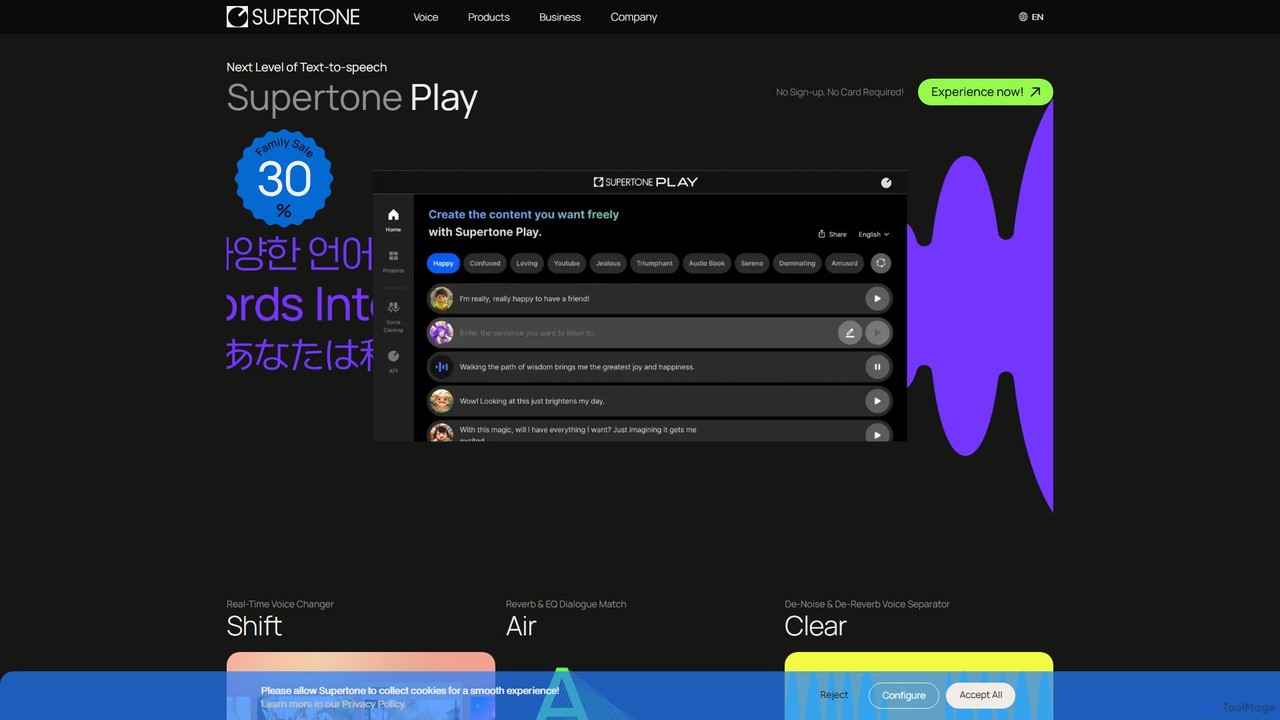
Supertone is an advanced AI voice technology suite offering hyper-realistic text-to-speech, real-time voice changing, ethical voice cloning, and powerful audio cleanup tools. It's designed for content creators, developers, and businesses to create, transform, and perfect vocal content with unparalleled quality and expressiveness.

Audio Editing
Visits 176.1KFavorites 123Likes 116
3daily
Freemium

3daily

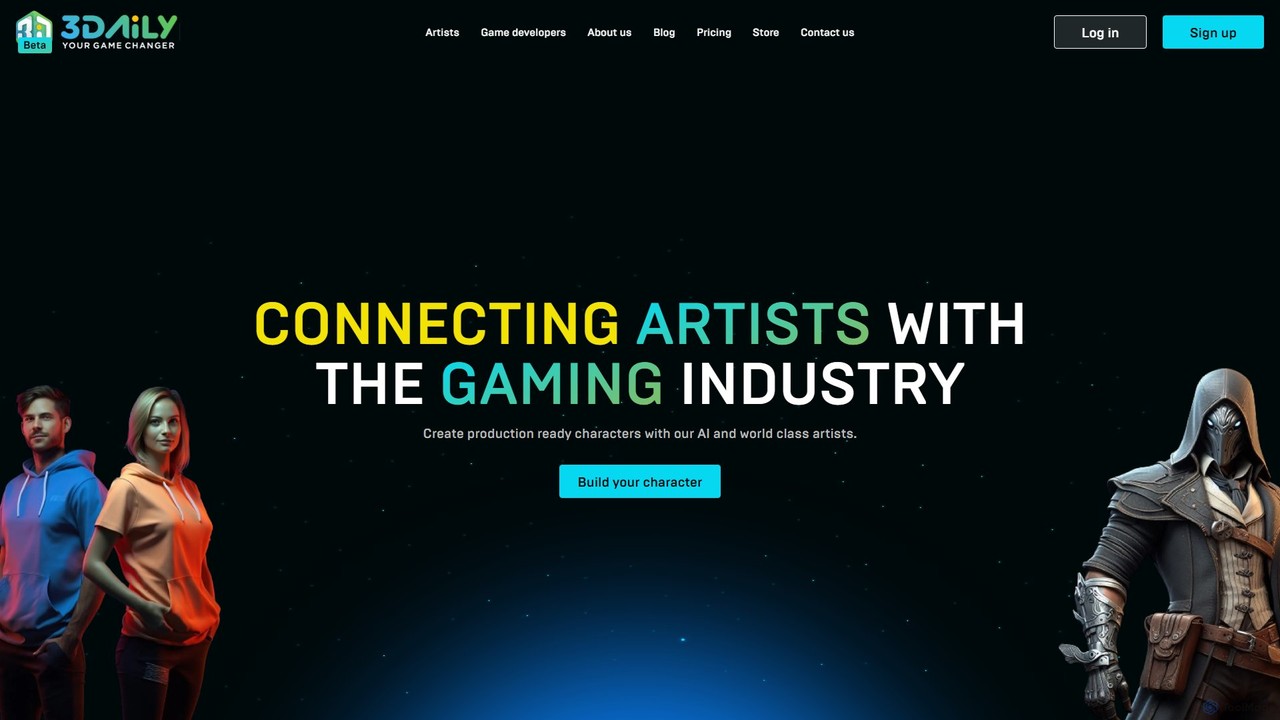
3daily is an AI-powered platform for creating production-ready 3D models, especially game characters. It combines generative AI with artist creativity, offering a character editor, an asset marketplace, and custom orders. Generate high-quality, game-ready meshes for gaming, animation, VTubing, and the metaverse.

Generator
Visits 7.5KFavorites 119Likes 124
ecrett music
Freemium

ecrett music

ecrett music is an AI-powered platform that enables creators to generate unique, royalty-free music effortlessly. By selecting a scene, mood, and genre, users can instantly create custom tracks for videos, games, podcasts, and ads. The intuitive interface allows for easy customization of instruments and song structure without any musical knowledge. With affordable plans and a commercial-use license, ecrett music simplifies the process of finding the perfect soundtrack for any project.

Music Generation
Visits 10.8KFavorites 144Likes 136
GameGen-X
Paid

GameGen-X

GameGen-X is a revolutionary AI-powered platform designed for game developers. It utilizes a diffusion transformer model to generate entire open-world games, including dynamic environments, characters, and events, from simple text prompts. This tool dramatically accelerates the game development process.

3D
Visits 5.7KFavorites 151Likes 154
Pixelfy
Freemium

Pixelfy

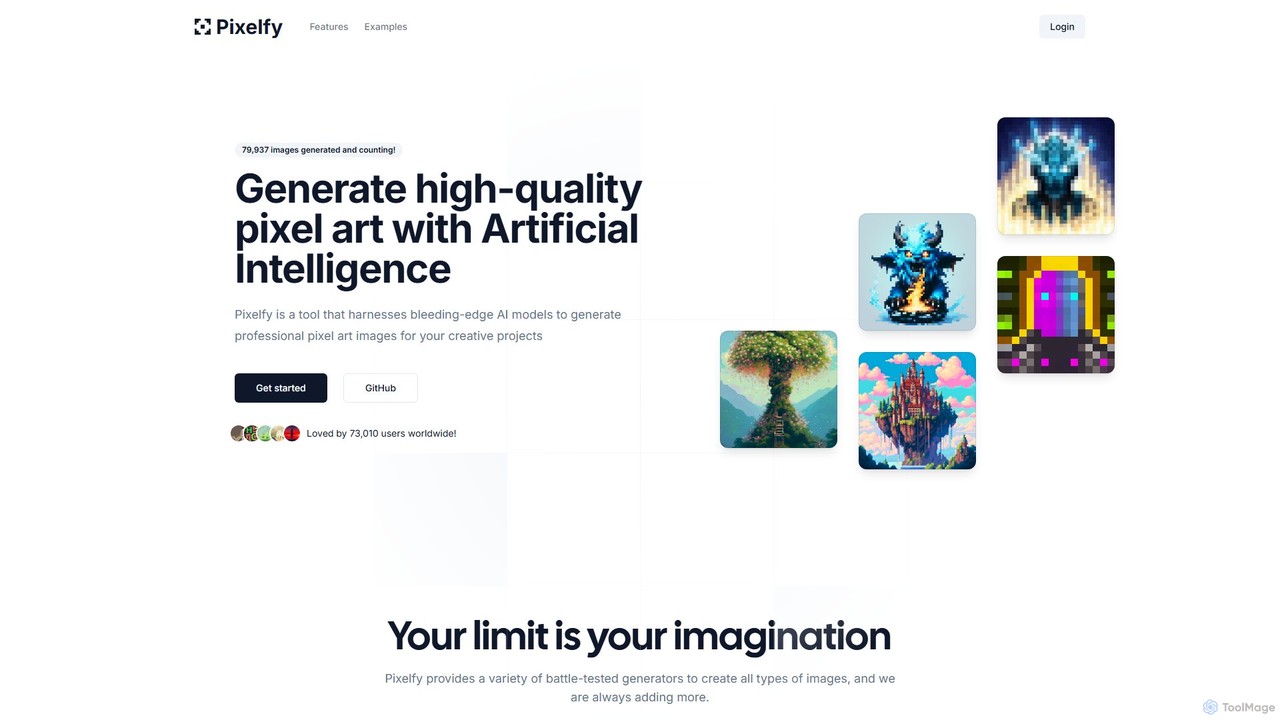
Pixelfy is an open-source AI tool that generates high-quality, professional pixel art. It features an AI-powered prompt builder, multiple grid sizes, advanced tuning options, and a wide variety of styles. Ideal for game developers, artists, and hobbyists to create unique sprites, backgrounds, and assets with ease.

Graphics
Visits 11.1KFavorites 143Likes 151
Hexagram

Hexagram

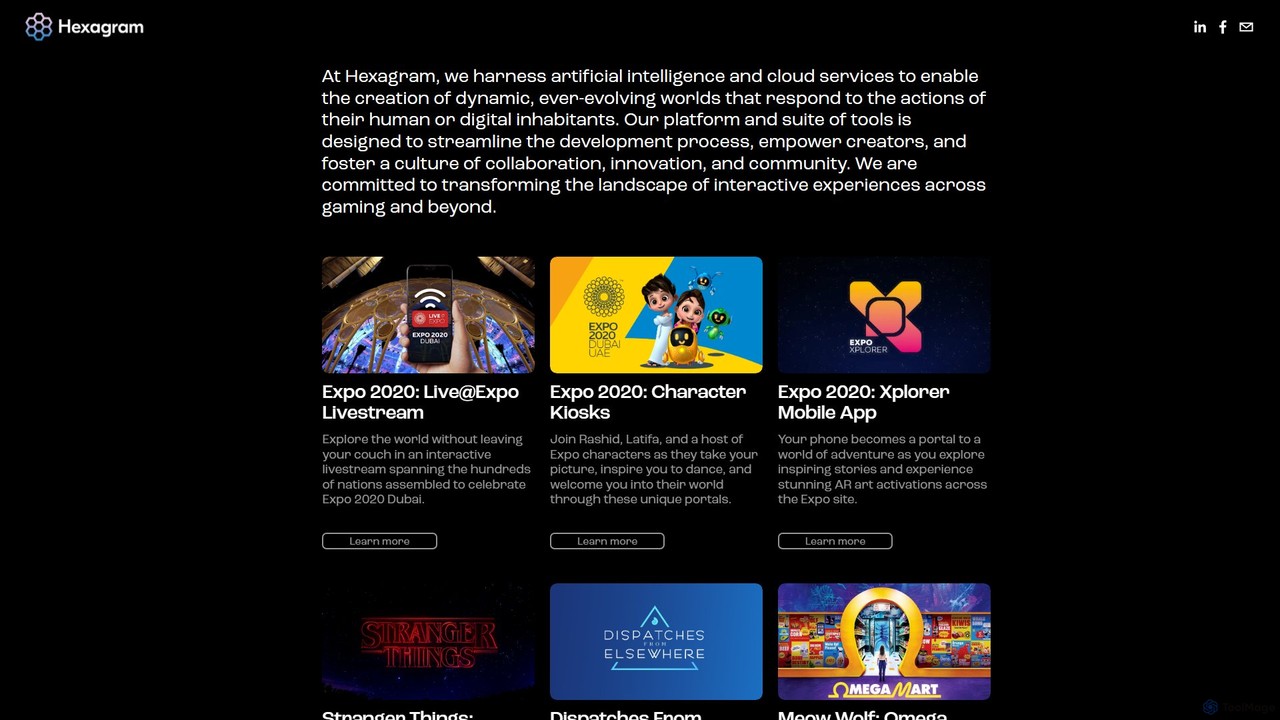
Hexagram is a creative technology platform that uses AI and cloud services to build dynamic, interactive worlds and transmedia experiences. It specializes in creating immersive narratives for gaming, experiential marketing, and large-scale events, blending digital and physical realities.

Ar Development
Visits 7.4KFavorites 111Likes 128
PlayGenieAI
Freemium

PlayGenieAI

PlayGenieAI is an AI-powered creative suite for game developers, narrative designers, and storytellers. It generates high-quality game concepts, character backstories, quests, dialogue, and world-building lore, helping to overcome creative blocks and accelerate the development process.

Game Development
Visits 5.7KFavorites 144Likes 134
Storio
Free

Storio

Storio (formerly HeartByte) is a free, all-in-one AI platform for fiction writers and game creators. It functions as an AI writing co-pilot to accelerate story creation by 10x and includes a powerful tool to transform novels into immersive, interactive visual games with no coding required. Create, publish, and share your stories and games within a vibrant community.

Image Generation
Visits 40.4KFavorites 137Likes 141
Masterpiece Studio
Freemium

Masterpiece Studio

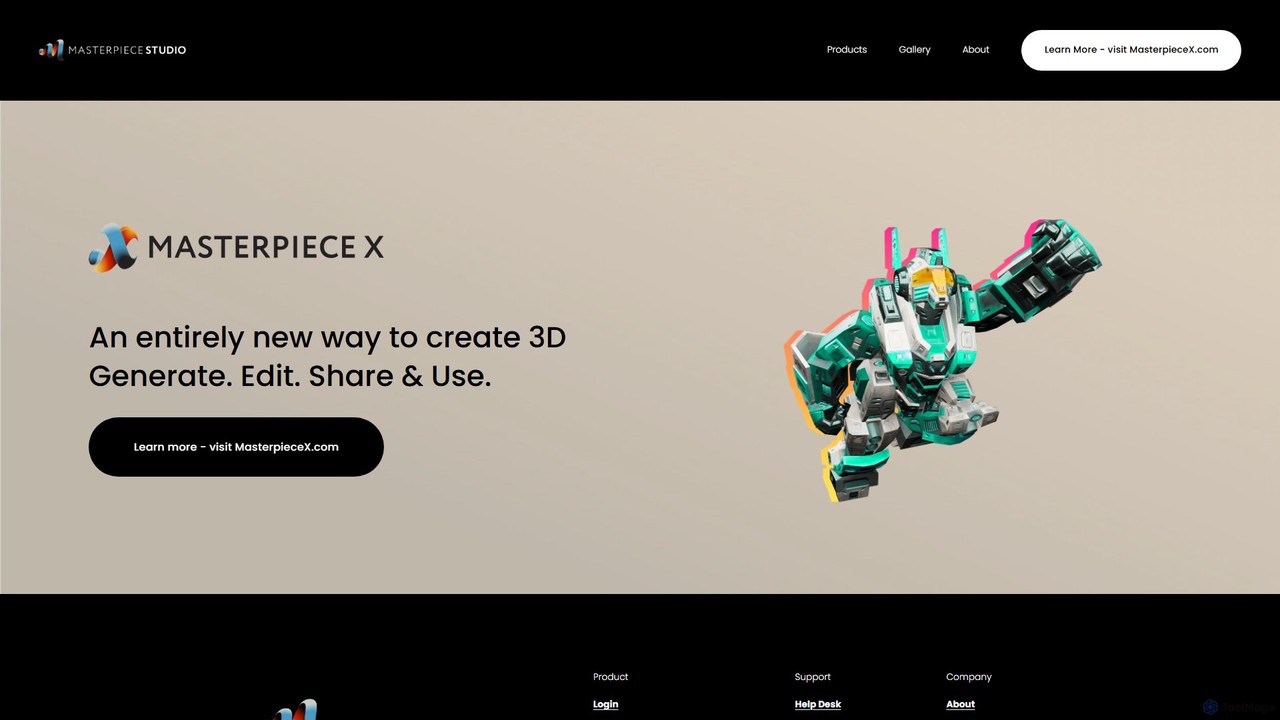
Masterpiece Studio is an AI-powered 3D creation platform that simplifies the entire workflow from generation to editing and sharing. It's designed for creators of all levels, enabling them to produce high-quality 3D models, characters, and animations effortlessly for games, VR/AR, and other digital media.

3D Modeling
Visits 8.1KFavorites 134Likes 141
DeepMotion
Freemium

DeepMotion

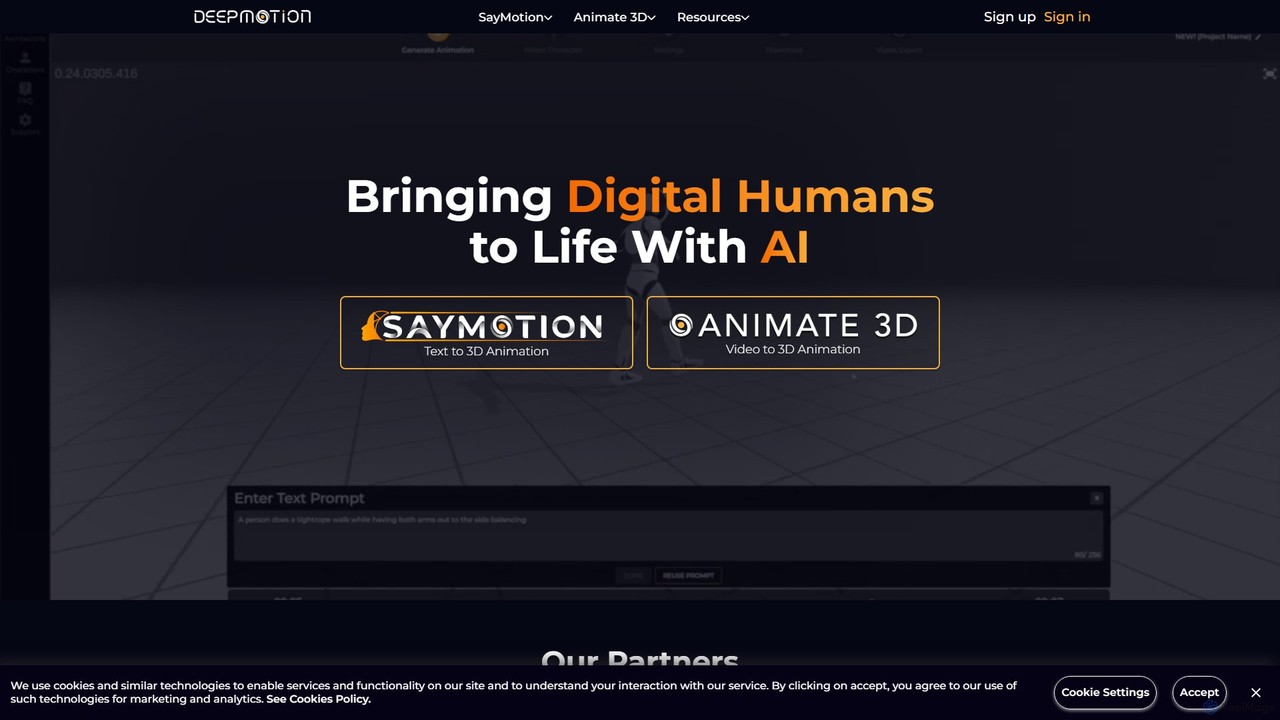
DeepMotion is an AI-powered platform for generating 3D animations. It offers two core products: Animate 3D, which converts 2D video footage into 3D animations, and SayMotion, a generative AI that creates animations from text prompts. It's designed for game developers, animators, and content creators, eliminating the need for traditional motion capture hardware.

3D Animation
Visits 273.6KFavorites 137Likes 136
QuickMagic
Freemium

QuickMagic

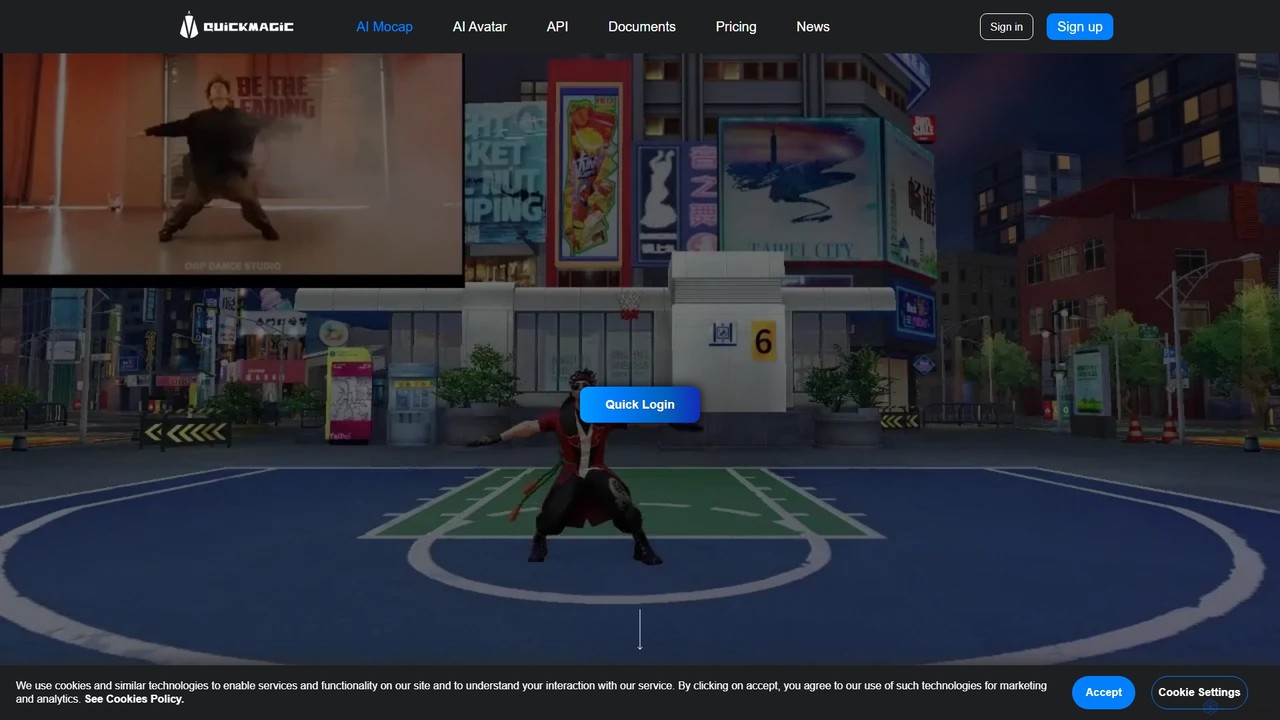
QuickMagic is an AI-powered motion capture tool that converts single-camera videos into high-quality 3D animations. It's designed for animators, game developers, and content creators to generate realistic character movements quickly and easily, supporting major 3D software and formats.

Motion Capture
Visits 150.9KFavorites 123Likes 119
Alter AI
Freemium

Alter AI

Alter AI is a powerful developer platform that generates realistic and customizable 3D avatars from a single 2D photo. It provides SDKs and APIs to seamlessly integrate cross-platform avatars into games, metaverses, and applications.

Avatar Generation
Visits 5.7KFavorites 137Likes 125
Cascadeur
Freemium

Cascadeur

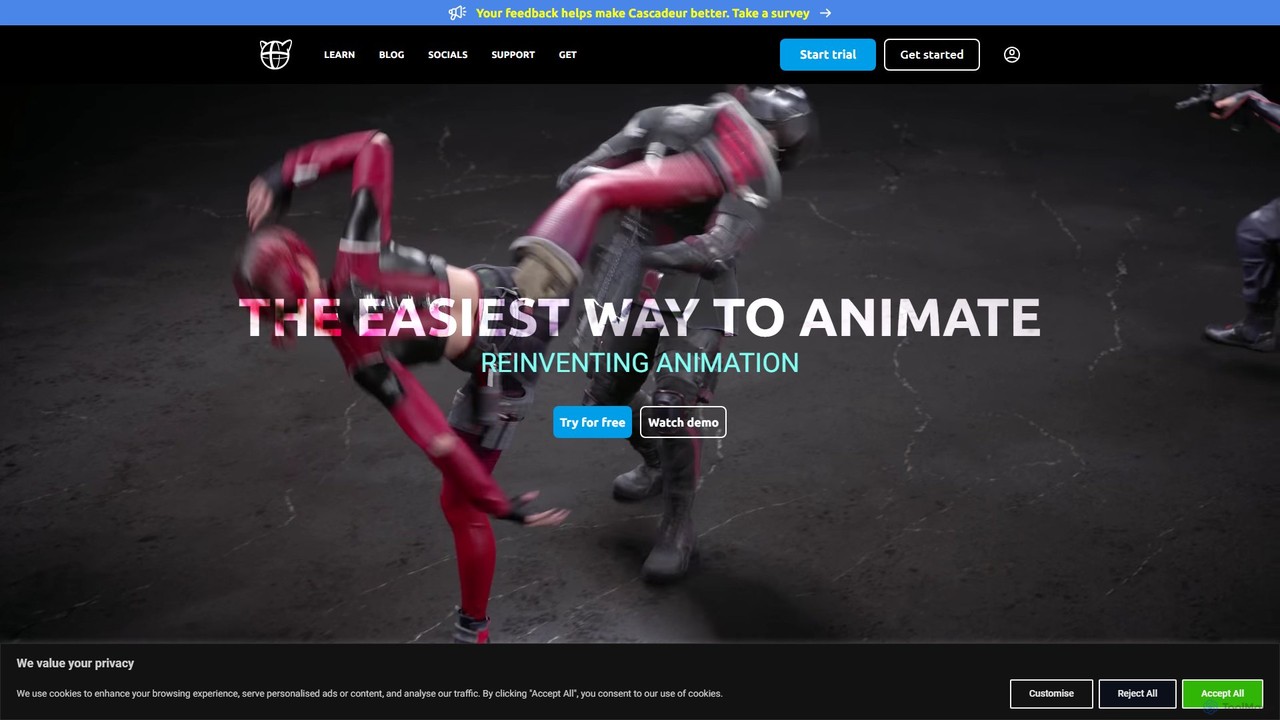
Cascadeur is an AI-assisted 3D animation software that leverages physics and deep learning tools to create realistic keyframe animations for characters and creatures. It simplifies and accelerates the animation process, making it ideal for game developers, animators, and VFX artists.

Character Design
Visits 231KFavorites 142Likes 142
Pixela.ai
Free

Pixela.ai

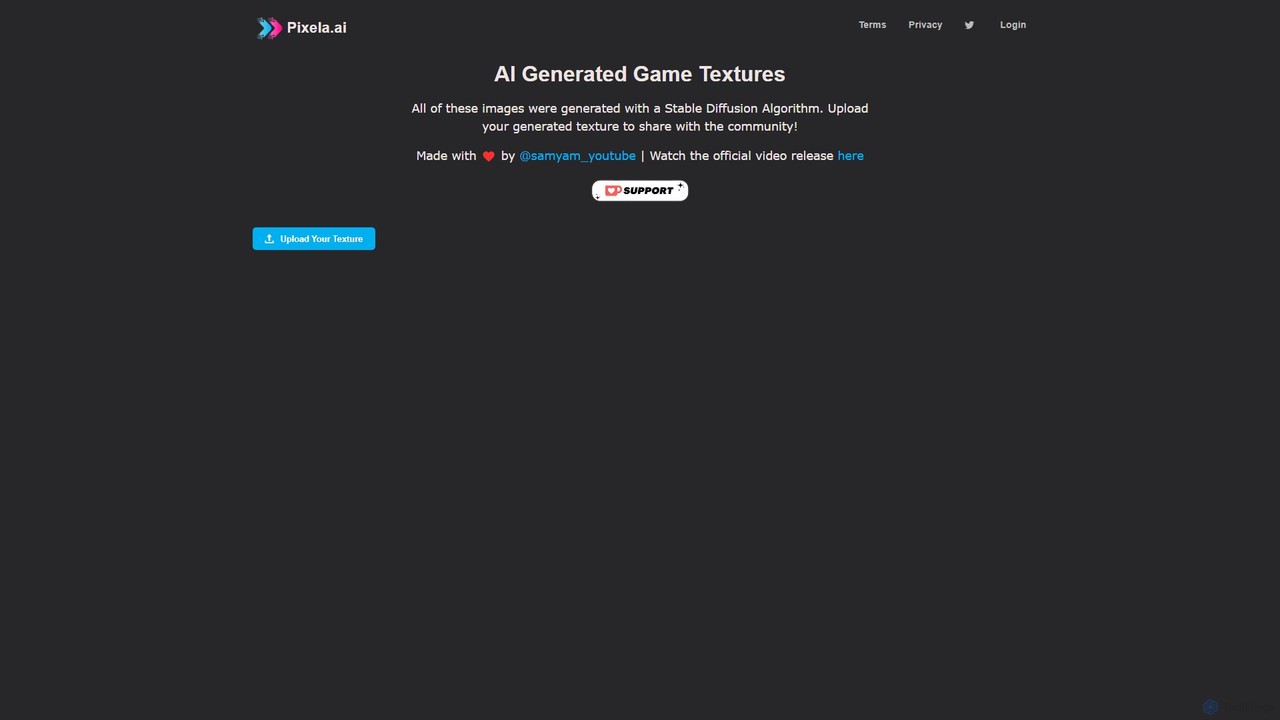
Pixela.ai is an AI-powered platform specializing in generating high-quality, seamless game textures using a Stable Diffusion algorithm. It offers a vast library of community-generated textures and allows users to create their own unique assets from text prompts. Ideal for game developers, 3D artists, and designers looking to accelerate their workflow.

3D
Visits 12.3KFavorites 128Likes 124
TileMaker
Free

TileMaker

TileMaker is a free, open-source AI tool that generates unique, seamless, and tileable textures from simple text prompts. Powered by Material Diffusion, it's perfect for game developers, designers, and artists looking to create custom materials quickly and efficiently for their projects.

Generative Art
Visits 6KFavorites 153Likes 156
Rosebud AI
Freemium

Rosebud AI

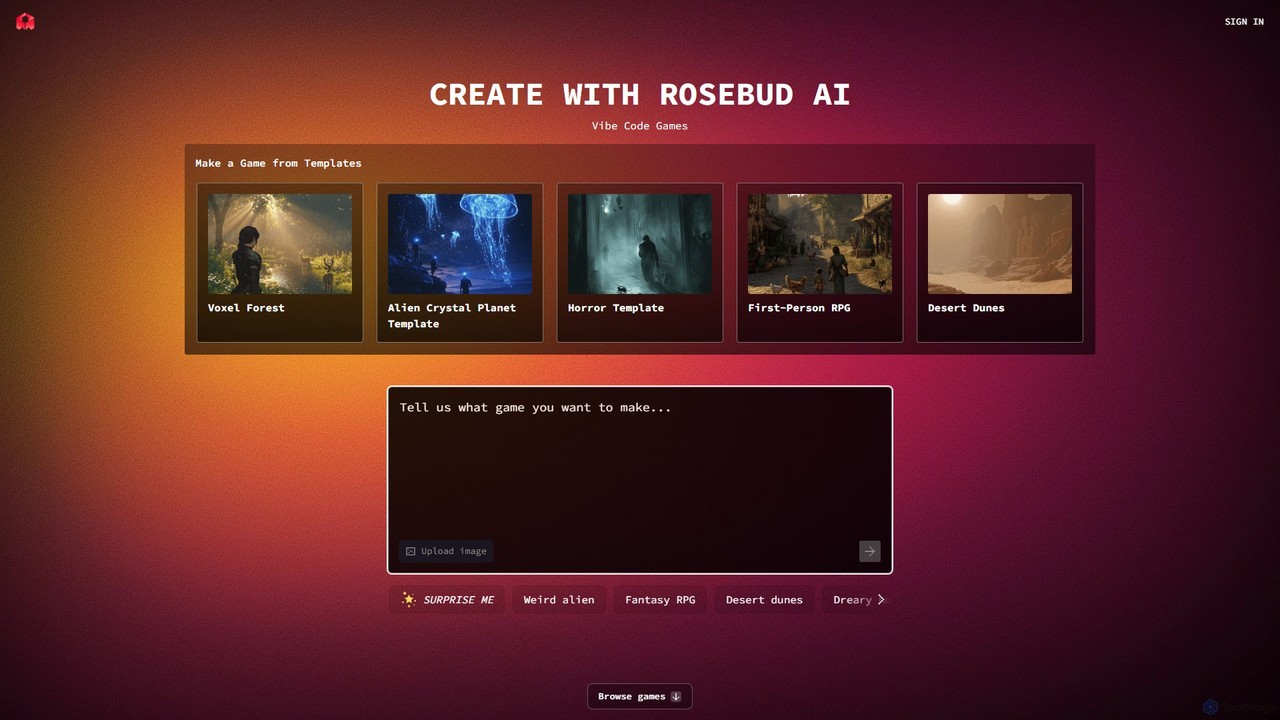
Rosebud AI is a revolutionary web-based platform that empowers users to create 2D and 3D games, interactive worlds, and simple applications using natural language. Through its unique "Vibe Coding" feature, you can describe game mechanics, assets, and environments, and the AI will generate them for you, no coding or downloads required.

3D
Visits 703.1KFavorites 157Likes 136
Tempest AI
Freemium

Tempest AI

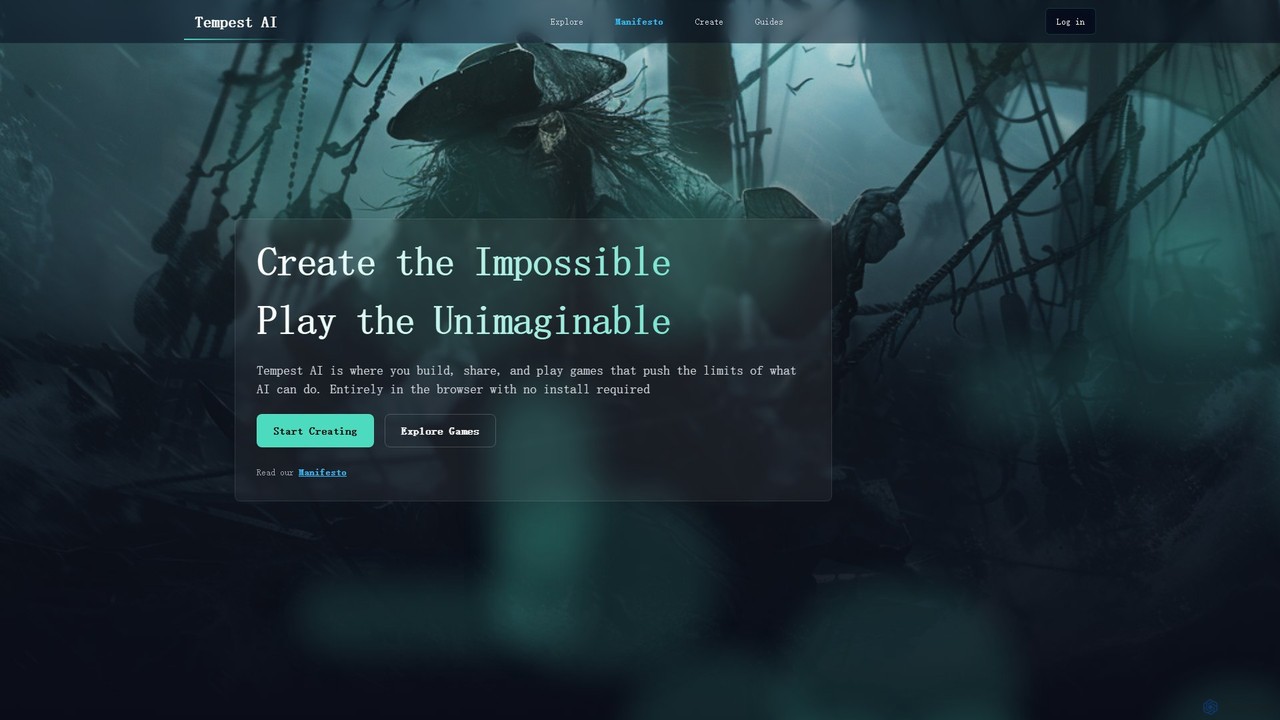
Tempest AI is a revolutionary browser-based game creation engine that empowers creators to build, share, and play dynamic games with AI at their core. It features a no-code visual scripting interface, an advanced Entity-Component-System (ECS) architecture, and powerful AI tools for generating content, narratives, and intelligent NPCs. It's designed to enable solo developers and small teams to create complex, emergent worlds that were previously unimaginable, all without needing to write extensive code or install any software.

Game Engine
Visits 5.8KFavorites 138Likes 130
gginsights
Freemium

gginsights

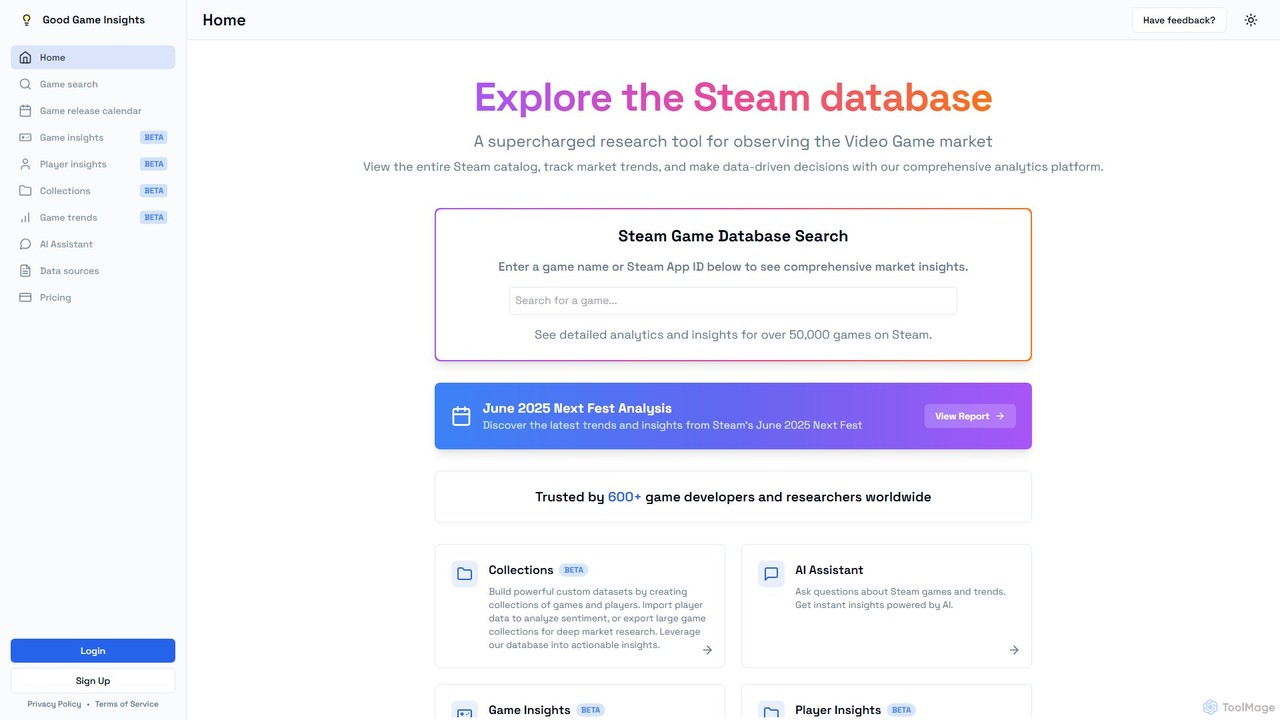
gginsights is an AI-powered analytics platform for Steam game market research. It provides developers and publishers with comprehensive data on over 50,000 games, player behavior, and market trends. Leverage its AI assistant, detailed insights, and downloadable datasets to make data-driven decisions.

Analytics
Visits 8.5KFavorites 119Likes 132
sitebrew
Freemium

sitebrew

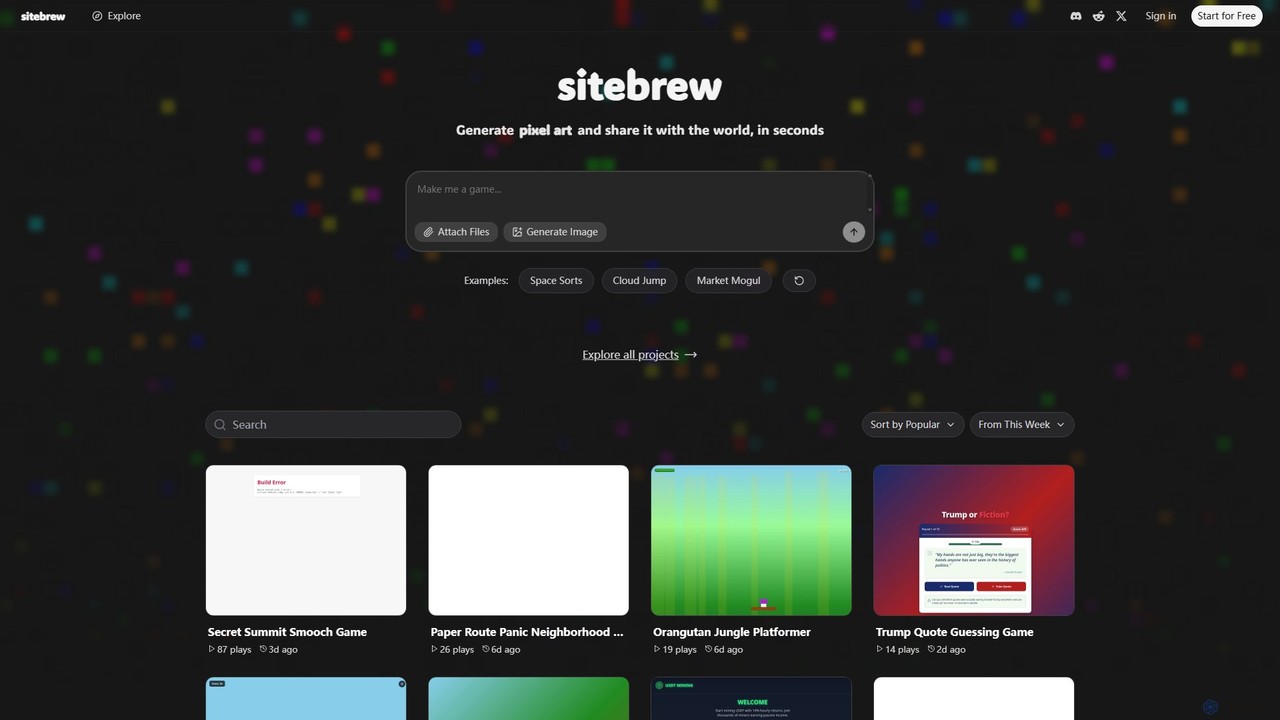
sitebrew is an AI-powered platform that allows users to create and share interactive games and puzzles in seconds. Simply describe your game idea in a chat, and the AI will generate a playable version. Explore a gallery of community-created games and remix them to make them your own.

Generators
Visits 5.7KFavorites 152Likes 164
Kinetix
Freemium

Kinetix

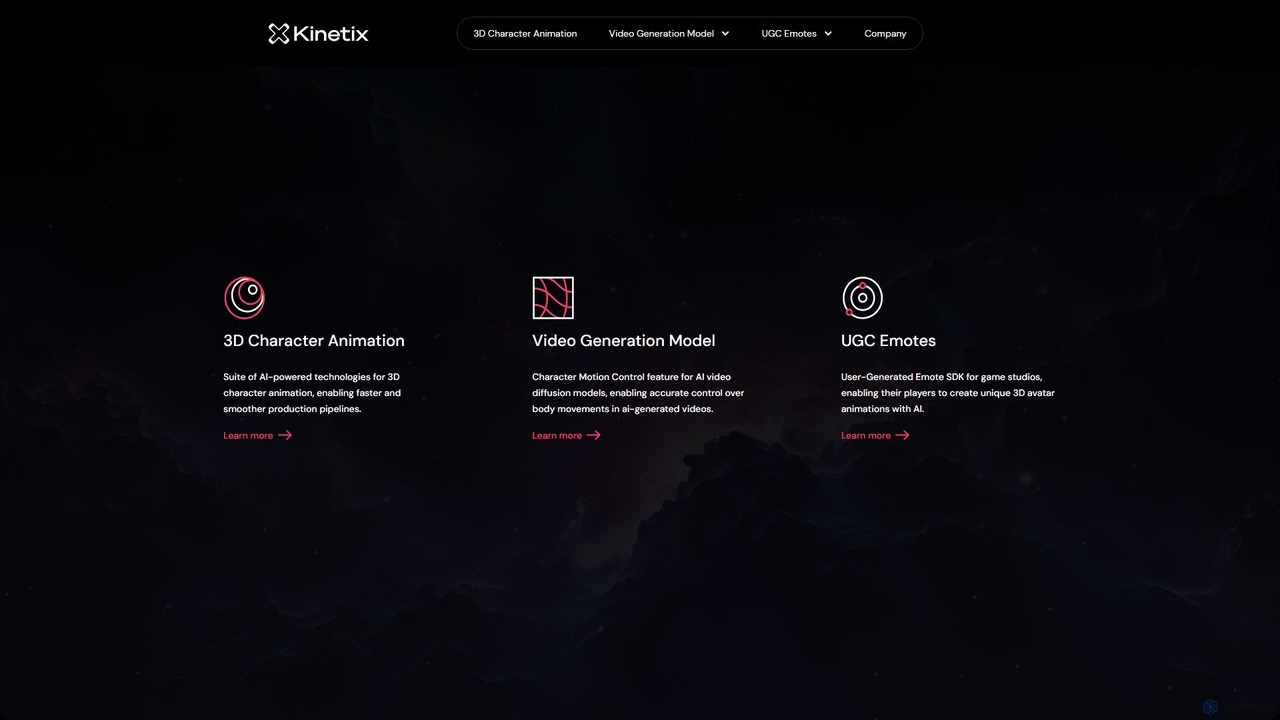
Kinetix is an AI-powered platform for 3D character animation, specializing in a User-Generated Emote SDK for games and a Character Motion Control feature for AI video models. It enables players to create custom 3D animations from videos and gives creators precise control over character movements in AI-generated videos, streamlining animation production.

Metaverse
Visits 25.7KFavorites 163Likes 155

About Game Development

AI Game Development tools are a class of software that leverages artificial intelligence to assist, automate, and enhance various stages of the game creation process. These tools utilize machine learning models, particularly generative AI and procedural generation algorithms, to create assets, code, and game logic. They empower developers to build more complex and dynamic worlds, accelerate production timelines, and reduce repetitive manual tasks. This allows teams of all sizes, from indie studios to AAA developers, to focus more on creativity and innovation.

Core Features

  • AI Asset Generation: Creates game-ready assets like textures, 3D models, character sprites, and sound effects from text or image prompts.
  • Procedural Content Generation (PCG): Automatically generates vast and unique game environments, levels, quests, and item distributions.
  • Intelligent NPC Behavior: Develops sophisticated and adaptive behaviors for non-player characters (NPCs), making them more realistic and challenging.
  • Code & Script Assistance: Generates boilerplate code, debugs scripts, and suggests optimizations for game logic in engines like Unity or Unreal.
  • Automated Playtesting: Deploys AI agents to test games, identify bugs, analyze gameplay balance, and discover exploits.

Use Cases

These tools are widely used by game designers, programmers, artists, and quality assurance (QA) teams. Indie developers use them to create ambitious projects with limited resources, while large studios employ them to scale content production for massive open-world games. They are integral for prototyping new game mechanics, populating virtual worlds with unique content, and ensuring game stability through automated testing.

How to Choose

When selecting an AI Game Development tool, consider its integration with your chosen game engine (e.g., Unity, Unreal Engine). Evaluate the quality and stylistic control offered for asset generation. Assess the tool's performance impact on your game and the complexity of its learning curve. Finally, review the pricing model, whether it's subscription-based, pay-per-use, or a one-time purchase, to ensure it aligns with your project's budget.

Featured tool rankings

Game Development use cases

1

Rapid Prototyping of Game Worlds

An indie game developer working on a new open-world RPG needs to create a large, varied map quickly. Instead of manually sculpting terrain and placing every object, they use an AI Procedural Content Generation (PCG) tool. By setting parameters like biome type, elevation, and density of features, the tool generates multiple complete world layouts in minutes. This allows the developer to test different world designs, iterate on gameplay flow, and establish the game's scale and feel early in development, saving hundreds of hours of manual labor.

2

Generating Diverse In-Game Assets

A 3D artist for a fantasy game needs to create hundreds of unique item icons, textures, and character concept art. Using an AI asset generator, they can input text prompts like 'ornate elven sword icon, magical glow, detailed filigree' to produce dozens of variations instantly. This process is used for creating seamless textures for environments (e.g., 'mossy cobblestone path') and for brainstorming character designs. The AI acts as a creative partner, providing a vast library of visual ideas that the artist can then refine and integrate into the game engine, drastically speeding up the asset creation pipeline.

3

Creating Intelligent NPC Behaviors

A game designer wants to create enemies that feel smart and unpredictable, rather than following simple, repetitive paths. They use an AI behavior tool that allows them to define high-level goals for NPCs, such as 'patrol the area,' 'seek cover when under fire,' and 'flank the player.' The AI then generates a complex behavior tree that enables the NPC to make dynamic decisions based on the current game state. This results in more engaging combat encounters where enemies react realistically to the player's actions, improving the overall gameplay experience.

4

Automating Dialogue Generation for RPGs

A narrative designer for a large-scale RPG is tasked with writing dialogue for hundreds of background NPCs to make the world feel alive. Manually writing unique lines for every character is unfeasible. They use an AI dialogue generation tool, providing it with character personas (e.g., 'grumpy blacksmith,' 'cheerful baker') and context. The AI generates a large volume of appropriate, in-character dialogue lines. The writer then curates, edits, and refines the best outputs, populating the game's cities and towns with varied and believable conversations in a fraction of the time.

5

AI-Powered Game Testing and Balancing

A Quality Assurance (QA) team for a competitive multiplayer game needs to ensure the game is balanced and free of critical bugs before launch. They deploy an army of AI agents that can play the game 24/7. These agents explore every corner of the map, test all character abilities and weapon combinations, and report crashes and bugs automatically. By analyzing data from thousands of AI-played matches, the team can quickly identify overpowered strategies or weapons, fine-tune game balance, and fix exploits that human testers might take weeks to discover.

6

Generating Game-Ready Code Snippets

A programmer is building a new game in the Unity engine and needs to implement a standard inventory system. Instead of writing the entire system from scratch, they use an AI coding assistant integrated into their development environment. They provide a prompt like 'Create a Cscript for a grid-based inventory system in Unity with item stacking'. The AI generates a complete, well-commented script that handles adding, removing, and stacking items. The programmer can then review, customize, and integrate this code into their project, significantly reducing development time for common game features.

Game Development FAQ

What are AI Game Development tools?

AI Game Development tools are specialized software that use artificial intelligence to streamline and enhance the game creation process. They don't replace game developers, but rather act as powerful assistants. Key functions include generating game assets (textures, models), creating dynamic NPC behaviors, automating level design through procedural generation, assisting with code writing, and conducting automated QA testing to find bugs and balance issues.

How do I choose the right AI Game Development tool?

Choosing the right tool depends on your specific needs. Consider the following factors:

  • Engine Integration: Does it work seamlessly with your game engine (e.g., Unity, Unreal Engine, Godot)? Look for official plugins or well-documented APIs.
  • Task Specificity: What do you need it for? Choose a tool specialized in asset generation, NPC behavior, level design, or coding assistance based on your primary bottleneck.
  • Ease of Use: Evaluate the learning curve. Some tools are intuitive for artists and designers, while others may require programming knowledge.
  • Cost and Licensing: Understand the pricing model (subscription, per-asset fee, etc.) and ensure the license allows for commercial use if you plan to sell your game.
What's the difference between AI Game Development tools and traditional game engines?

Traditional game engines like Unity and Unreal Engine provide the foundational framework for building a game—rendering graphics, handling physics, and managing inputs. AI Game Development tools are not replacements for these engines. Instead, they are specialized add-ons, plugins, or standalone applications that integrate with engines to perform specific, AI-driven tasks. Think of a game engine as the workshop, and AI tools as advanced, automated machinery within that workshop that helps you build parts faster and better.

Can AI replace game developers?

No, AI is unlikely to replace game developers. Instead, it is becoming a powerful collaborative tool. AI excels at handling repetitive, time-consuming tasks like generating asset variations or finding bugs, which frees up human developers to focus on higher-level creative challenges. The vision, design, storytelling, and complex problem-solving that define a great game still require human creativity, intuition, and direction. AI tools augment human capabilities, they do not replace them.

What are the main benefits of using AI in game development?

The primary benefits of integrating AI into the game development workflow are increased efficiency and enhanced creativity. Key advantages include:

  • Accelerated Production: Automating tasks like asset creation and testing significantly shortens development cycles.
  • Reduced Costs: Less time spent on manual labor translates to lower production costs, making game development more accessible.
  • Enhanced Game Worlds: AI can generate vast, complex, and non-repetitive environments and characters that would be difficult to create manually.
  • Improved Player Experience: Smarter NPCs and dynamic content lead to more engaging, unpredictable, and replayable games.