AI Music tools are AI-powered applications that leverage artificial intelligence to assist in the creation, production, and manipulation of music. These tools utilize machine learning algorithms, deep learning, and neural networks to generate melodies, harmonies, rhythms, and even full compositions, as well as enhance audio quality and automate complex production tasks. They empower musicians, producers, content creators, and hobbyists to explore new creative avenues, streamline workflows, and achieve professional-sounding results with unprecedented ease.
Core Features
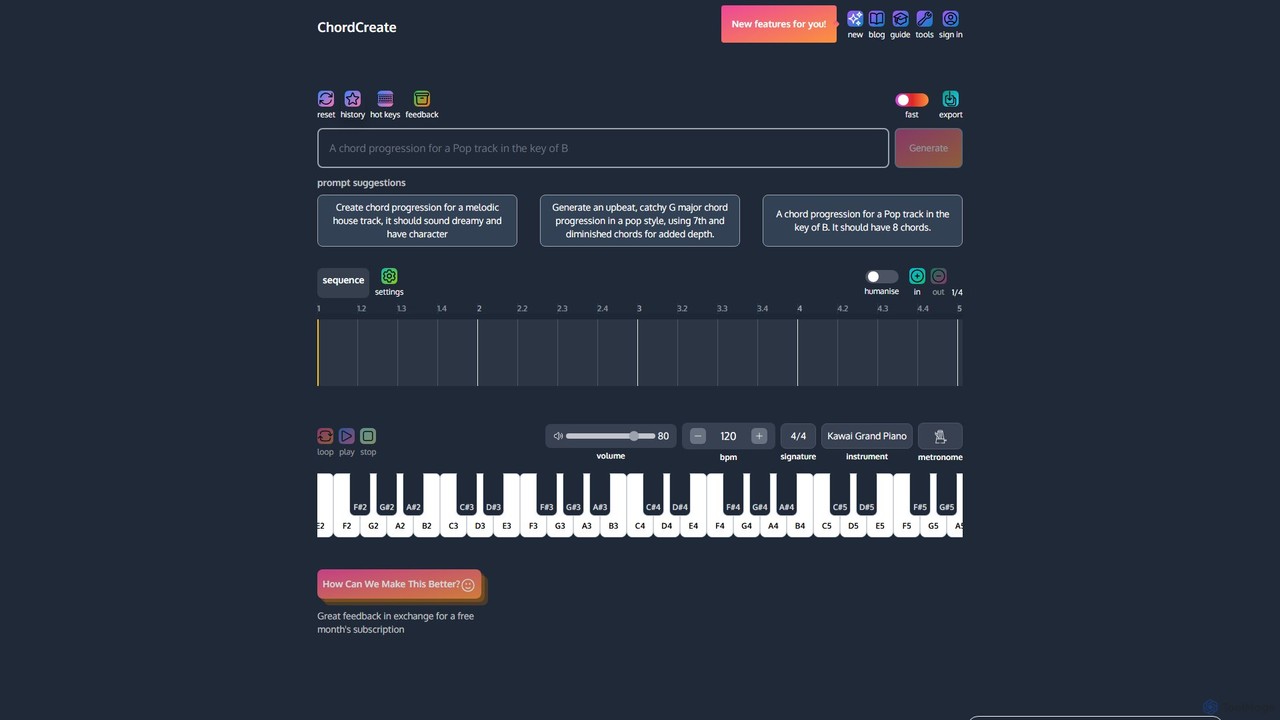
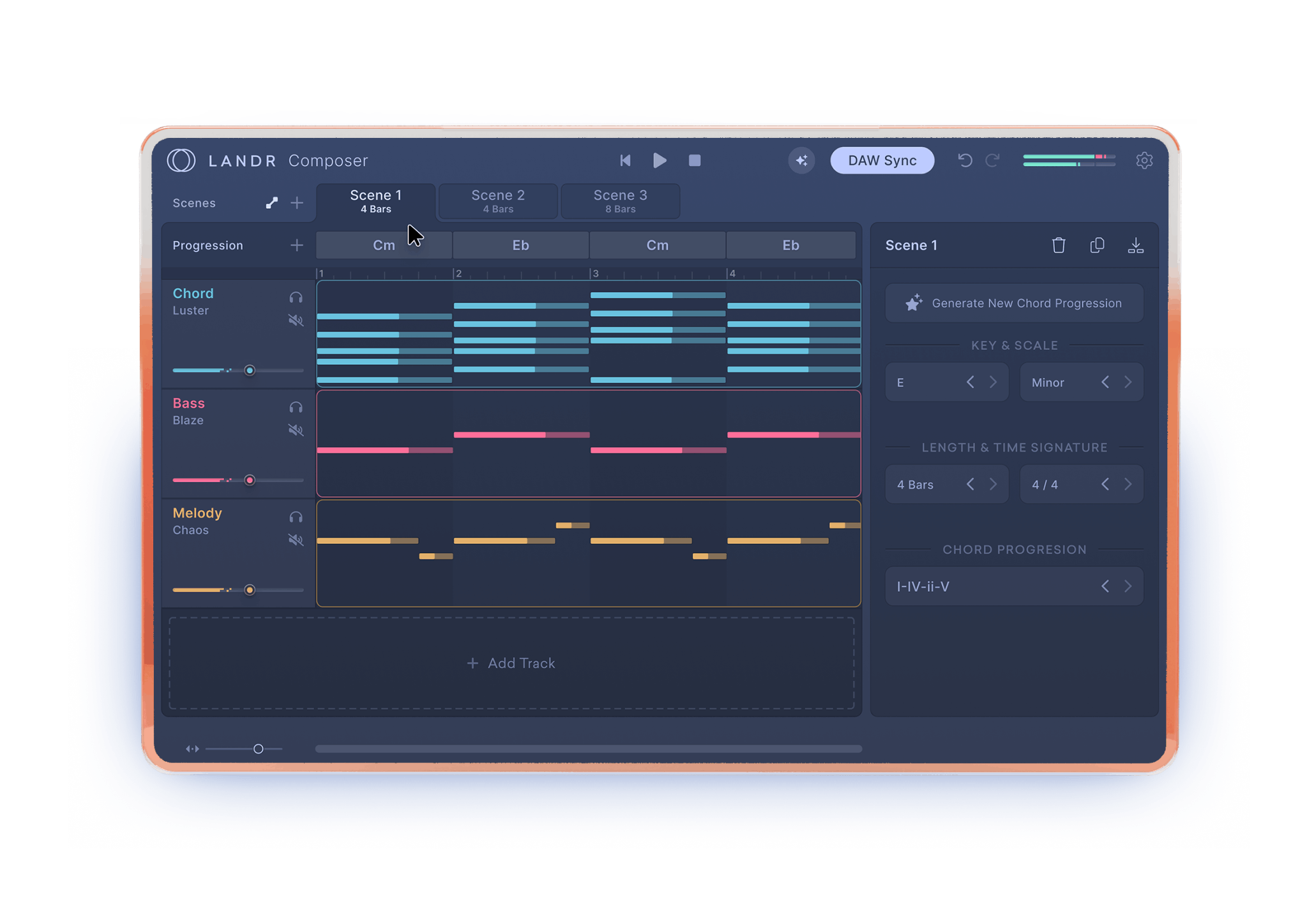
- Generative Composition: Automatically creates original melodies, harmonies, and rhythms based on user input or stylistic preferences.
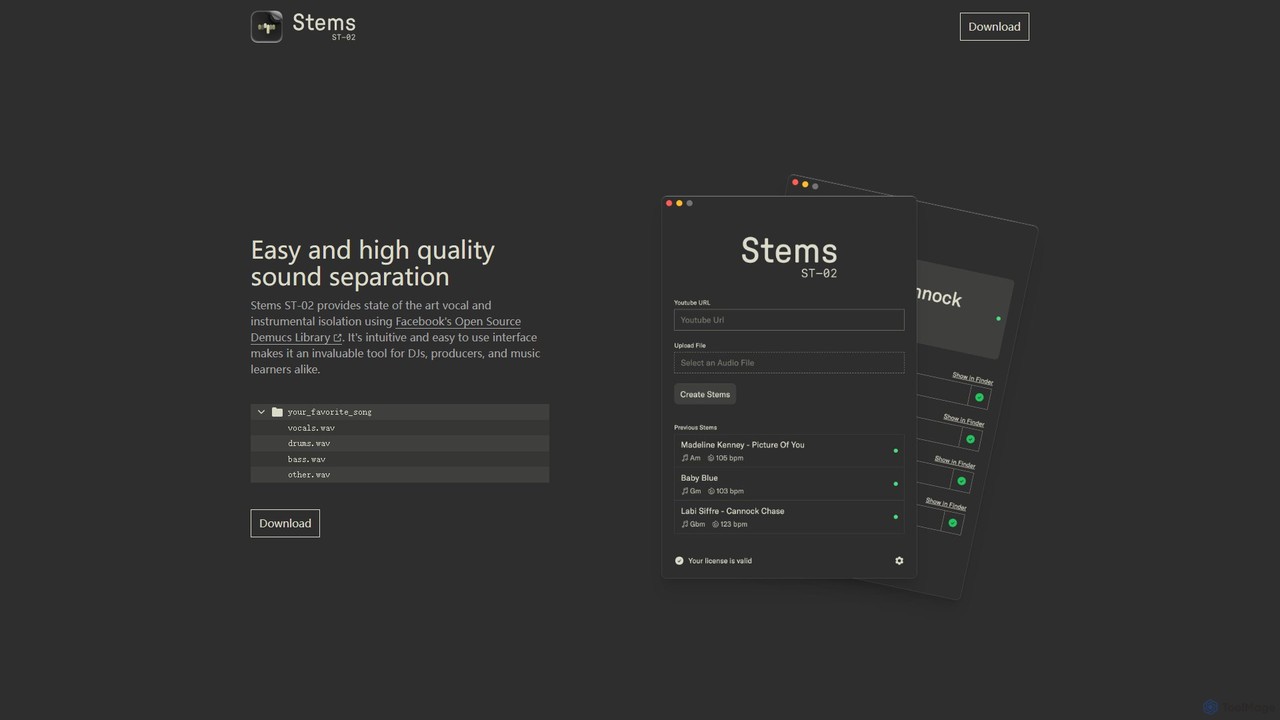
- Audio Enhancement: Improves sound quality through AI-driven noise reduction, vocal isolation, and intelligent equalization.
- Mixing & Mastering Automation: Intelligently balances tracks, applies effects, and optimizes audio for various playback environments.
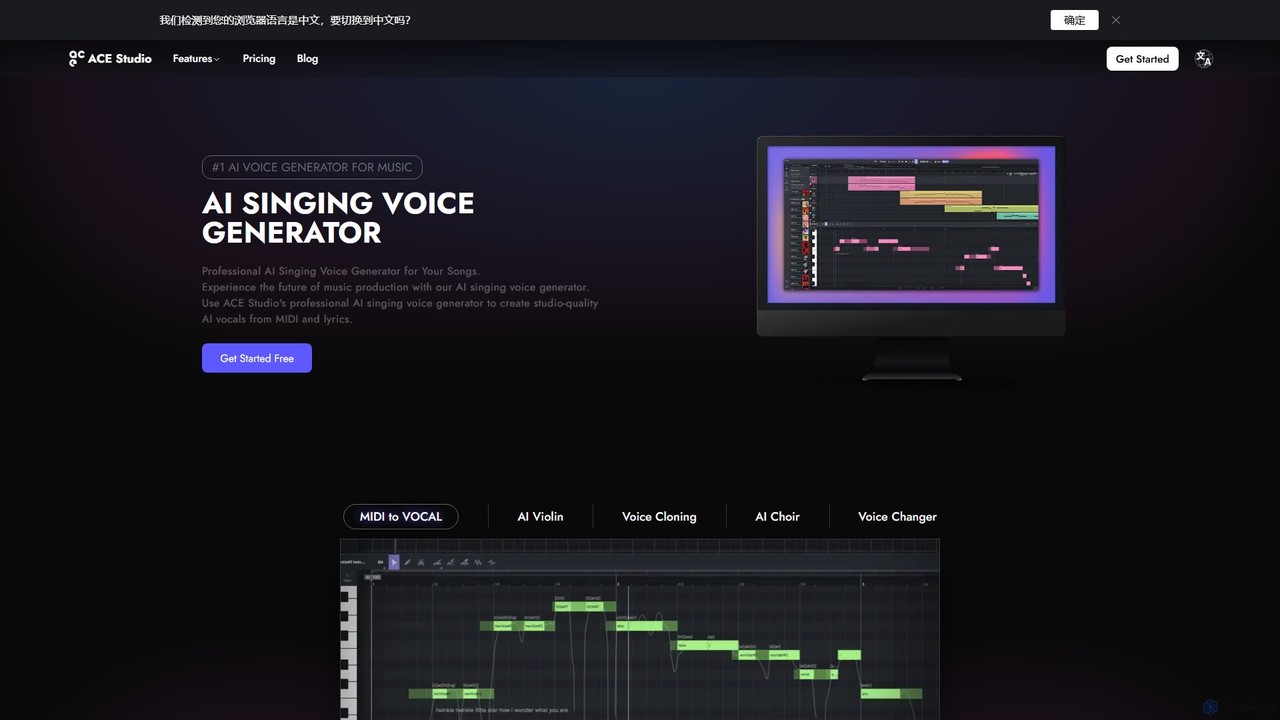
- Virtual Instruments & Vocals: Synthesizes realistic instrument sounds and human-like singing voices with customizable parameters.
Use Cases
These tools are widely adopted by independent artists for self-production, content creators needing royalty-free background music, and professional studios for rapid prototyping and sound design. They also serve educators demonstrating music theory concepts and game developers crafting dynamic soundtracks.
How to Choose
When selecting an AI Music tool, consider its generative capabilities (e.g., melody, harmony, full track), the range of virtual instruments and sounds available, its integration with existing Digital Audio Workstations (DAWs), and the level of control it offers over AI-generated outputs. Evaluate the pricing model, ease of use, and the community support for learning and troubleshooting.