ToolMage
Sign in

Best 437 Security AI tools

Popular Security AI tools include DuckDuckGo, Brave, Opera, Cloudflare, Securly, Truecaller, Feedly, Kaspersky, AppSanctuary, and Broadcom, helping you work more efficiently.

Niyantri Security

Niyantri Security

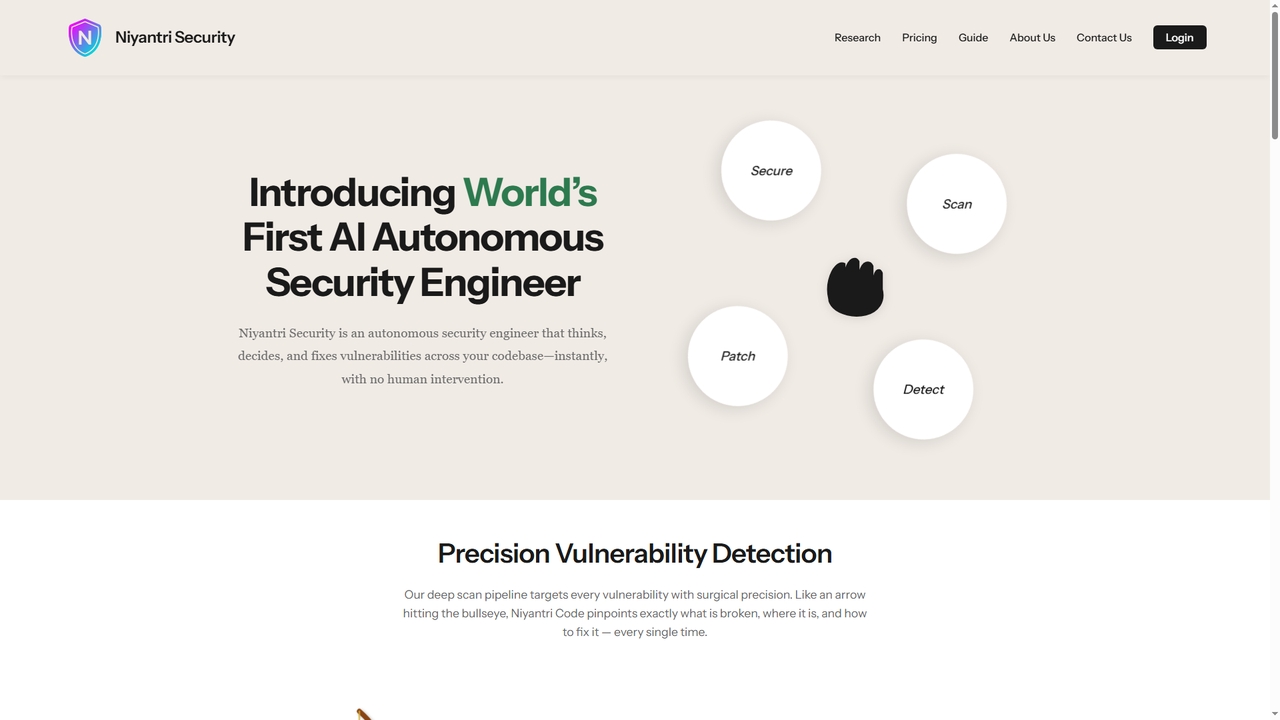
Niyantri Security is an AI-powered autonomous security engineer designed to automatically detect and fix vulnerabilities in your codebase. It performs deep, multi-phase scans to identify security flaws with context, provides surgical auto-fixes, and seamlessly integrates into development workflows via GitHub or direct file upload.

Automation
Visits 6.4KFavorites 38Likes 36

CipherClaw

CipherClaw

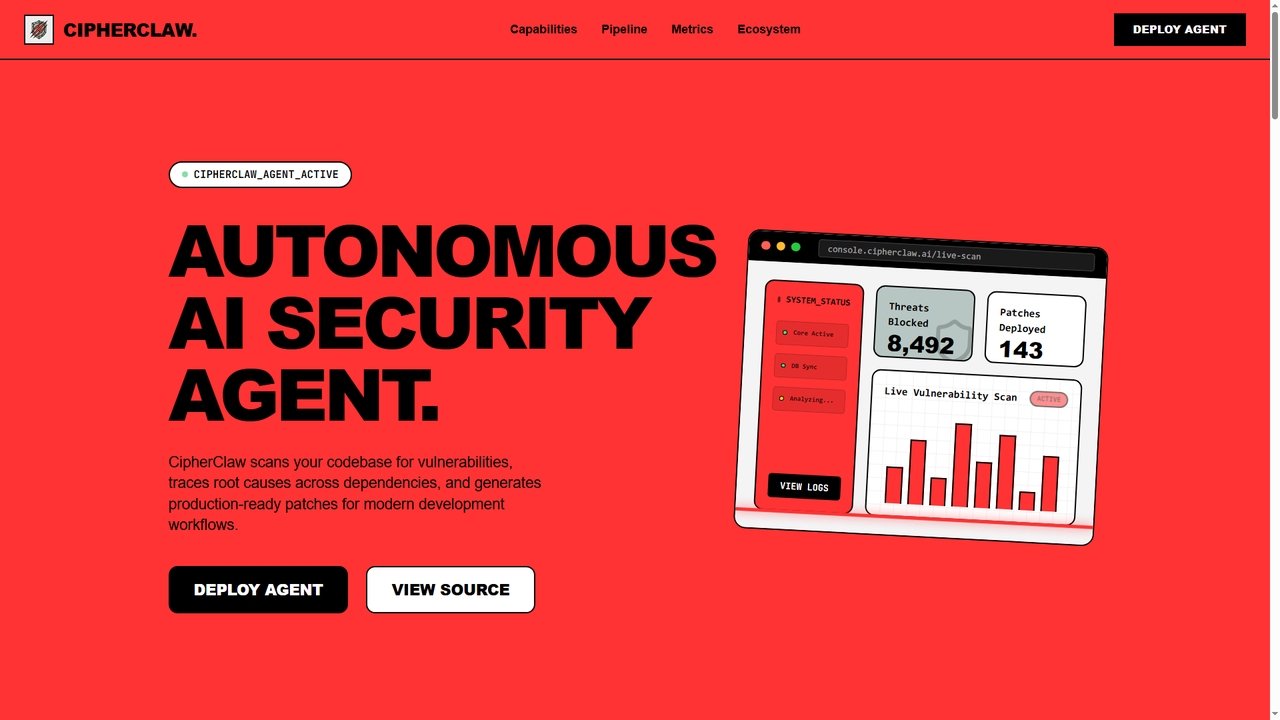
CipherClaw is an autonomous AI security agent that proactively scans your codebase for vulnerabilities, performs root cause analysis across dependencies using advanced causal graph and abstract geometric analysis, and autonomously generates and deploys production-ready patches. Designed for modern, AI-generated development workflows, it integrates seamlessly with ecosystems like OpenClaw, NVIDIA Nemo Claw, Lovable, and n8n.

Code Generation
Visits 6.5KFavorites 22Likes 31
HashCam

HashCam

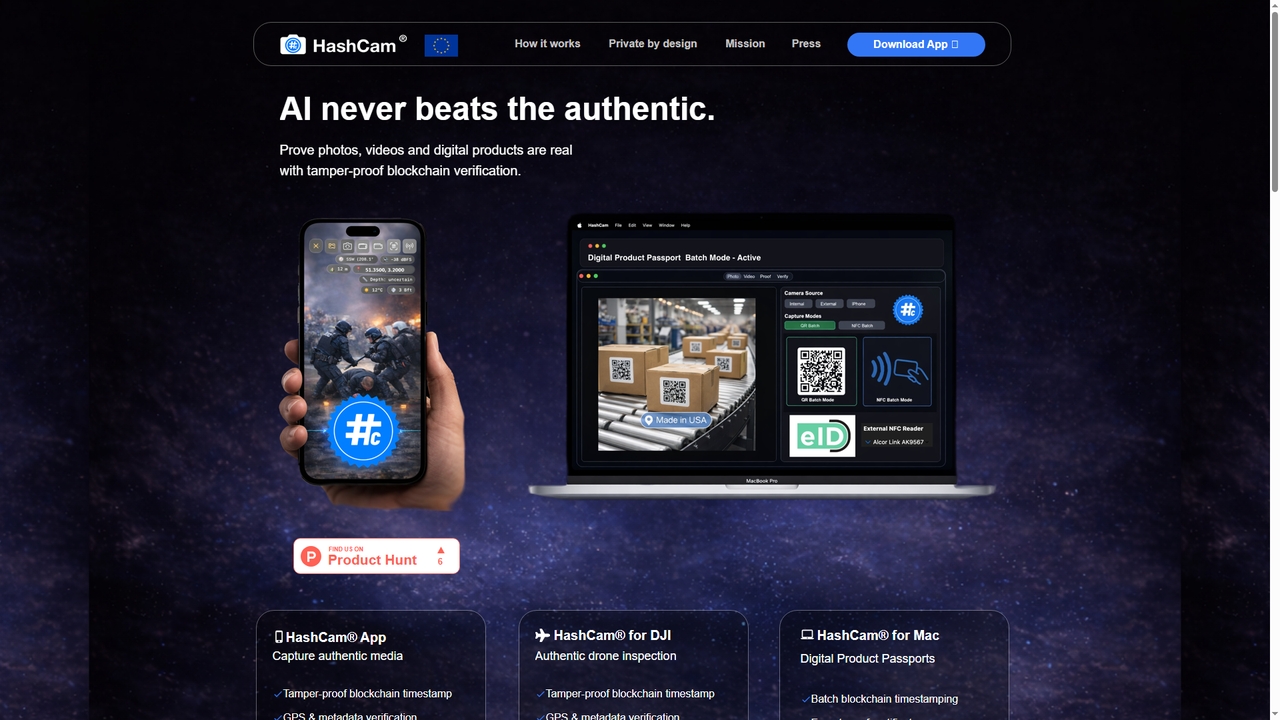
HashCam is a blockchain-based verification tool that provides tamper-proof authenticity proof for photos, videos, and digital products. By capturing media directly on the device with embedded GPS, metadata, and an immutable blockchain timestamp, it solves the trust deficit in the age of AI-generated content. It offers solutions for mobile (iOS), drone (DJI), and desktop (Mac) workflows, ensuring privacy by design without cloud uploads.

Documentation
Visits 6.5KFavorites 38Likes 39
Verdic
Freemium

Verdic

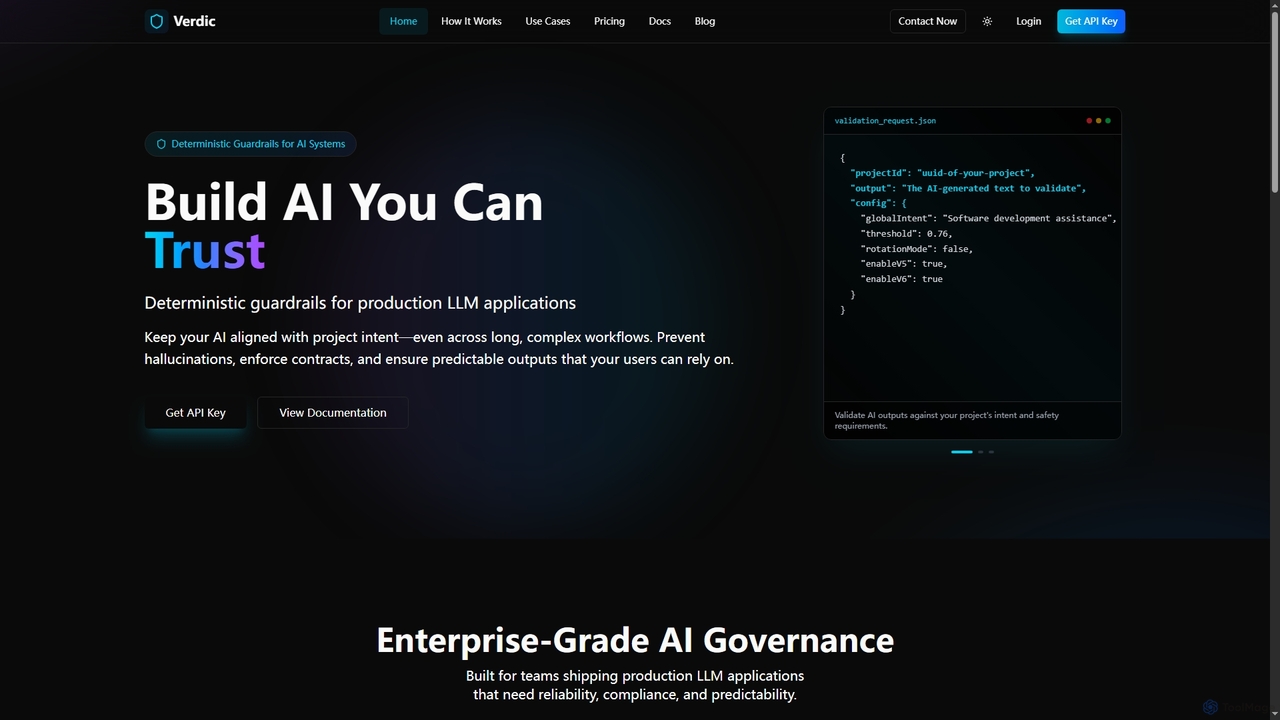
Verdic provides trust infrastructure and deterministic guardrails for production LLM applications, ensuring AI outputs are predictable, safe, and compliant. It prevents hallucinations, enforces contracts, and validates AI-generated content against defined project intent and safety requirements, crucial for reliable deployment in sensitive industries.

Llm Guardrails
Visits 6.4KFavorites 54Likes 57
Guardrail Layer
Freemium

Guardrail Layer

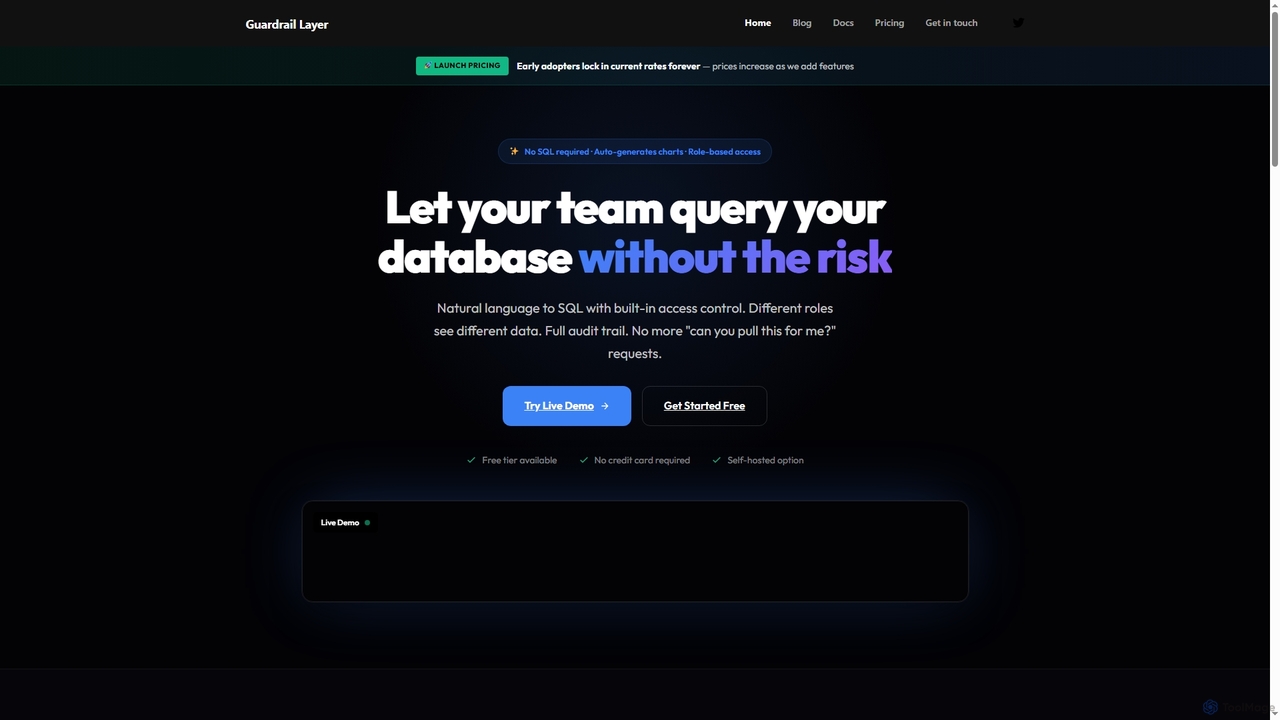
Guardrail Layer enables safe, natural language interaction with your databases, providing robust role-based access control, automatic PII redaction, and comprehensive audit trails. It empowers teams to query data in plain English without SQL, preventing unauthorized access and ensuring data security in production environments while leveraging AI capabilities.

3D
Visits 6.4KFavorites 39Likes 33
Moderator
Freemium

Moderator

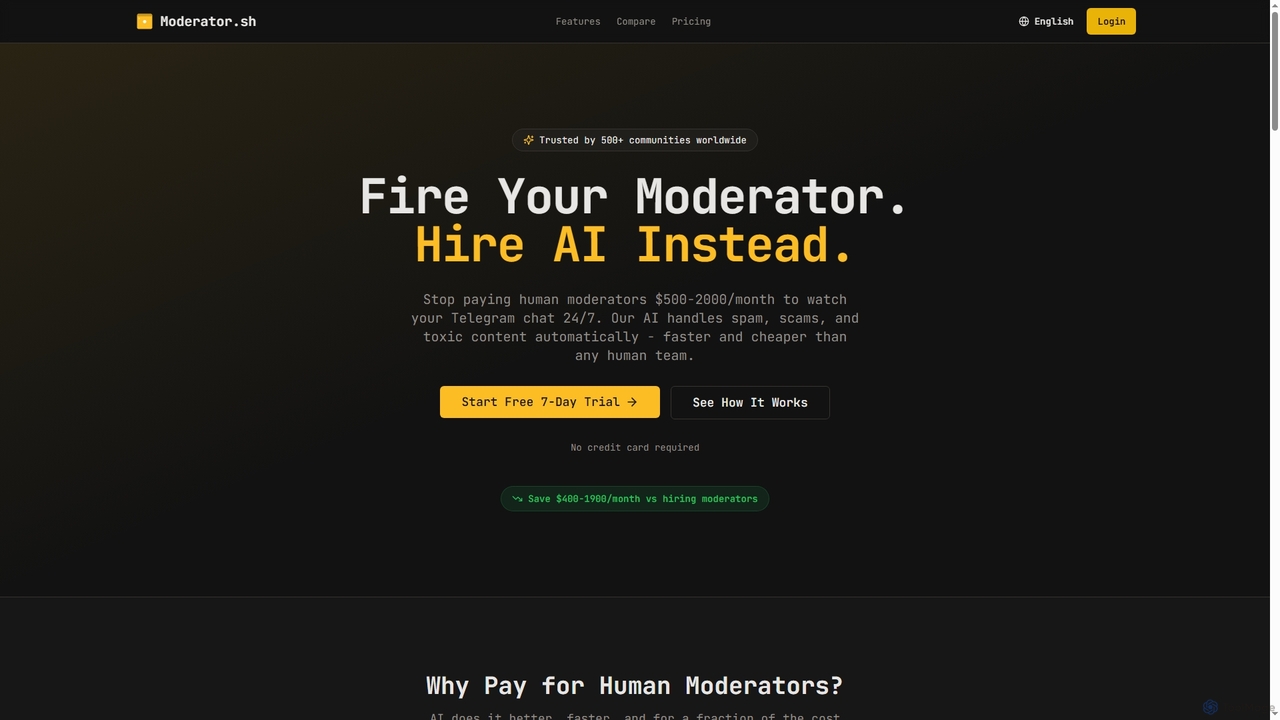
Moderator is an AI-powered Telegram moderation bot designed to automate the detection and removal of spam, scams, and toxic content in communities. It offers 24/7, instant protection, significantly reducing the need for human moderators and saving costs. Trusted by over 500 communities, it ensures consistent and scalable content filtering.

Moderation
Visits 6.4KFavorites 51Likes 54
DocTransfer
Freemium

DocTransfer

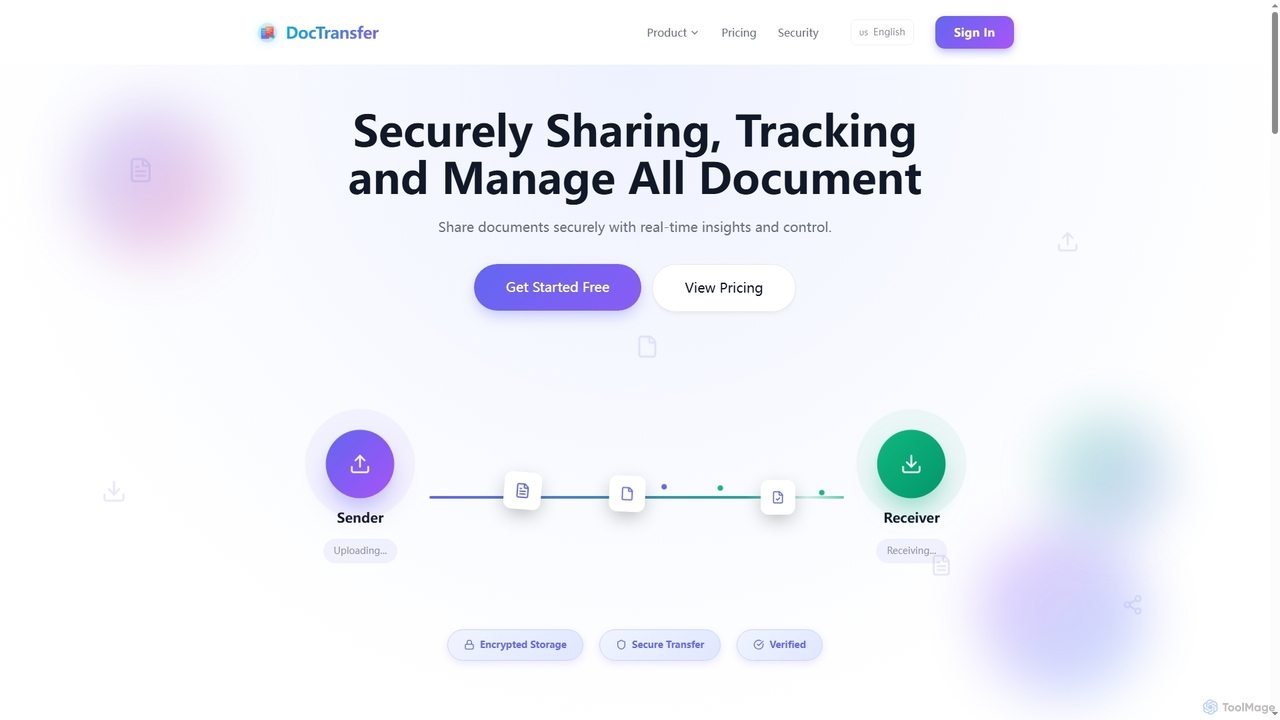
DocTransfer is a secure document sharing and analytics platform designed for professionals and teams. It enables encrypted file transfer, real-time tracking of engagement, and robust access controls, ensuring confidentiality and compliance for sensitive information.

Analytics
Visits 6.5KFavorites 54Likes 55
ThreatCluster
Free

ThreatCluster

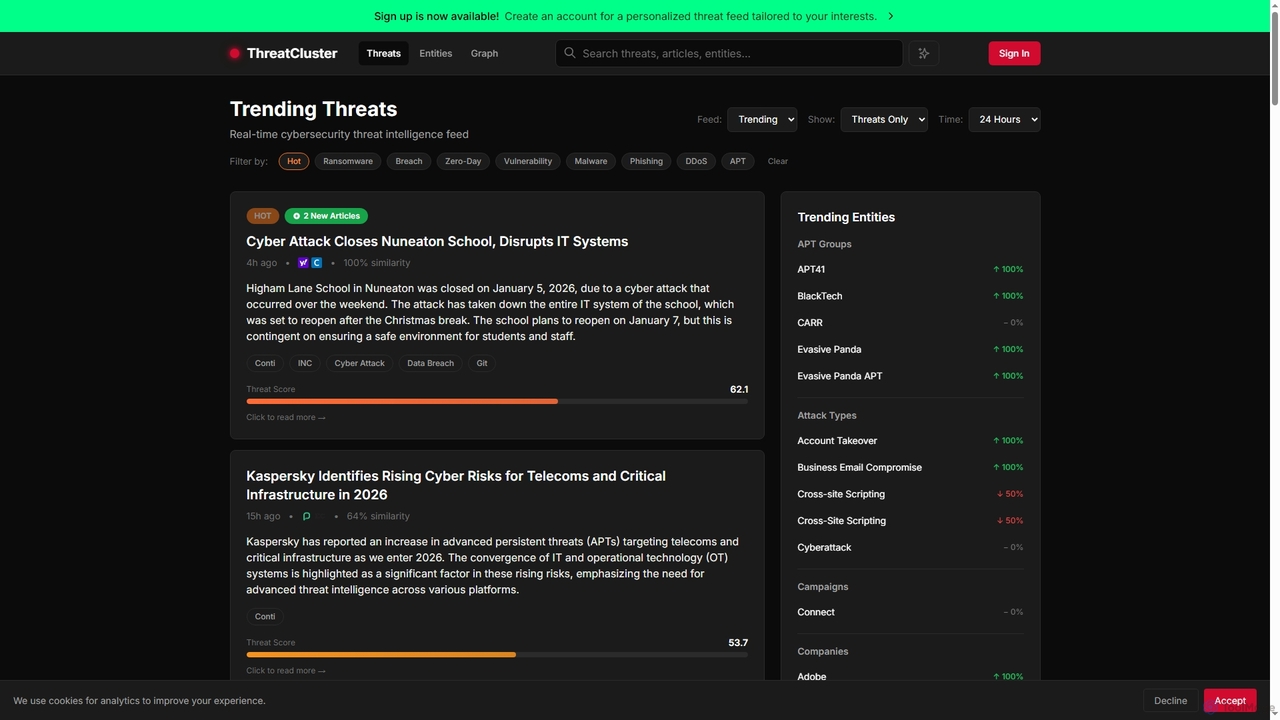
ThreatCluster is a real-time cybersecurity threat intelligence platform that aggregates, clusters, and scores threats from over 1000 sources daily, providing a focused, actionable feed without information overload.

Threat Intelligence
Visits 10.7KFavorites 38Likes 37
Cronos
Free

Cronos

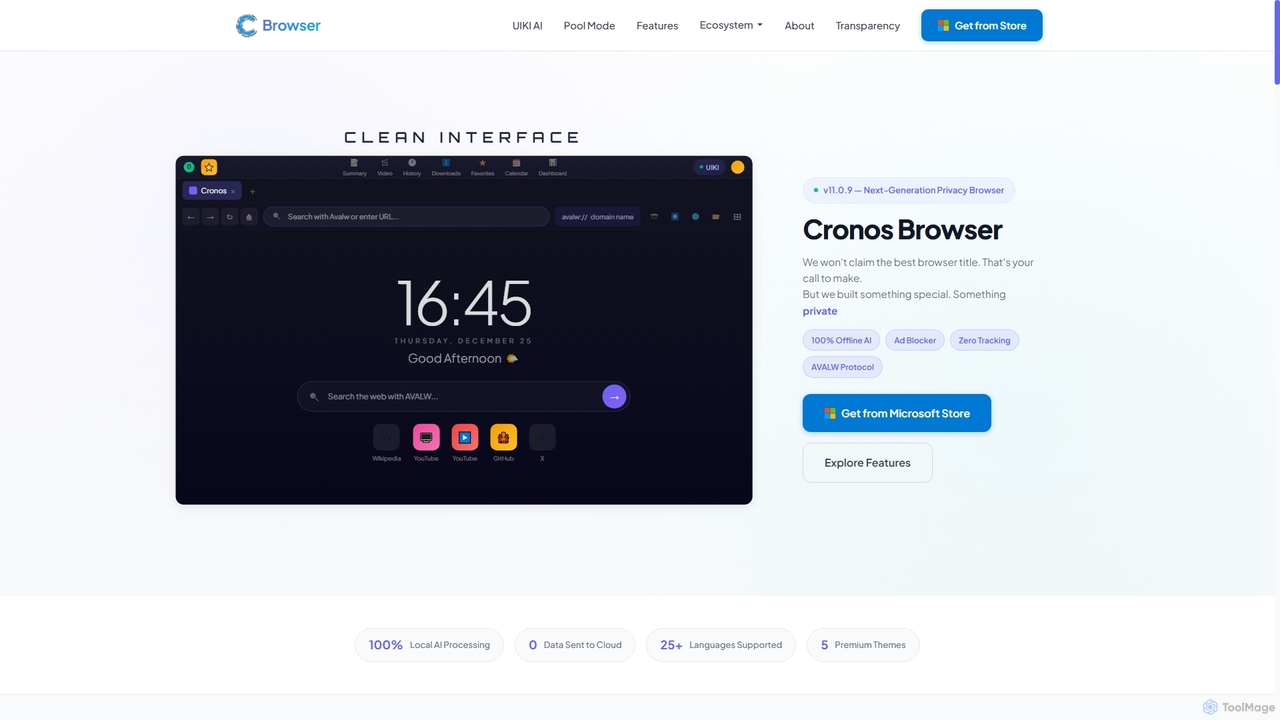
Cronos is a privacy-first web browser integrating 100% local AI, offering unparalleled data protection and enhanced performance. It features an offline AI assistant, a decentralized network, built-in ad blocking, and advanced security protocols, ensuring your browsing experience is fast, secure, and completely private without cloud data transmission.

Privacy Browser
Visits 6.5KFavorites 62Likes 59
Veri
Freemium

Veri

Veri is an AI-powered phishing and scam detection tool that provides a crucial second opinion before users click on suspicious links. It offers a browser extension for automatic safety checks and deep AI inspections for comprehensive online threat analysis, ensuring a safer browsing and email experience.

Phishing Detection
Visits 6.5KFavorites 54Likes 49
Onedollaragent
Paid

Onedollaragent

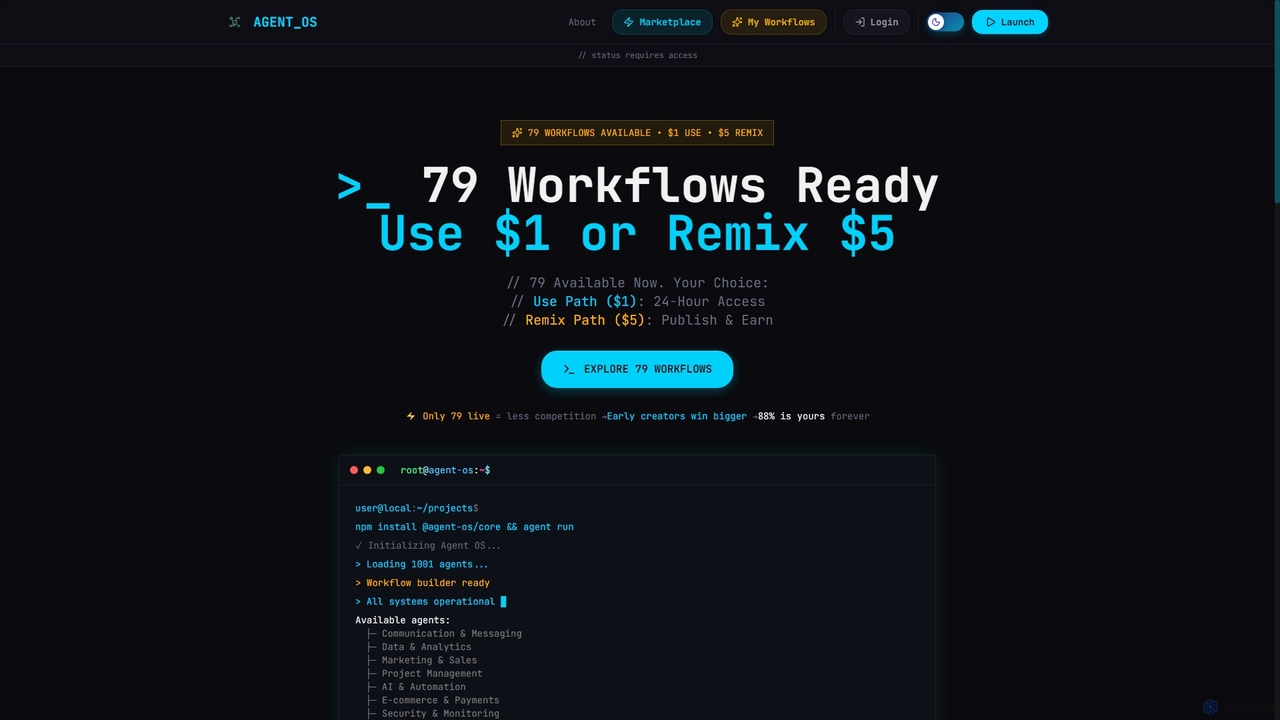
Onedollaragent is an AI workflow automation platform offering n8n-based agents for rent or ownership. Users can access existing workflows for $1 for 24 hours or remix them for $5 to publish on the marketplace and earn 88% of sales. It covers areas like communication, data, marketing, project management, and intelligent automation.

3D
Visits 6.3KFavorites 36Likes 44
SecVibe

SecVibe

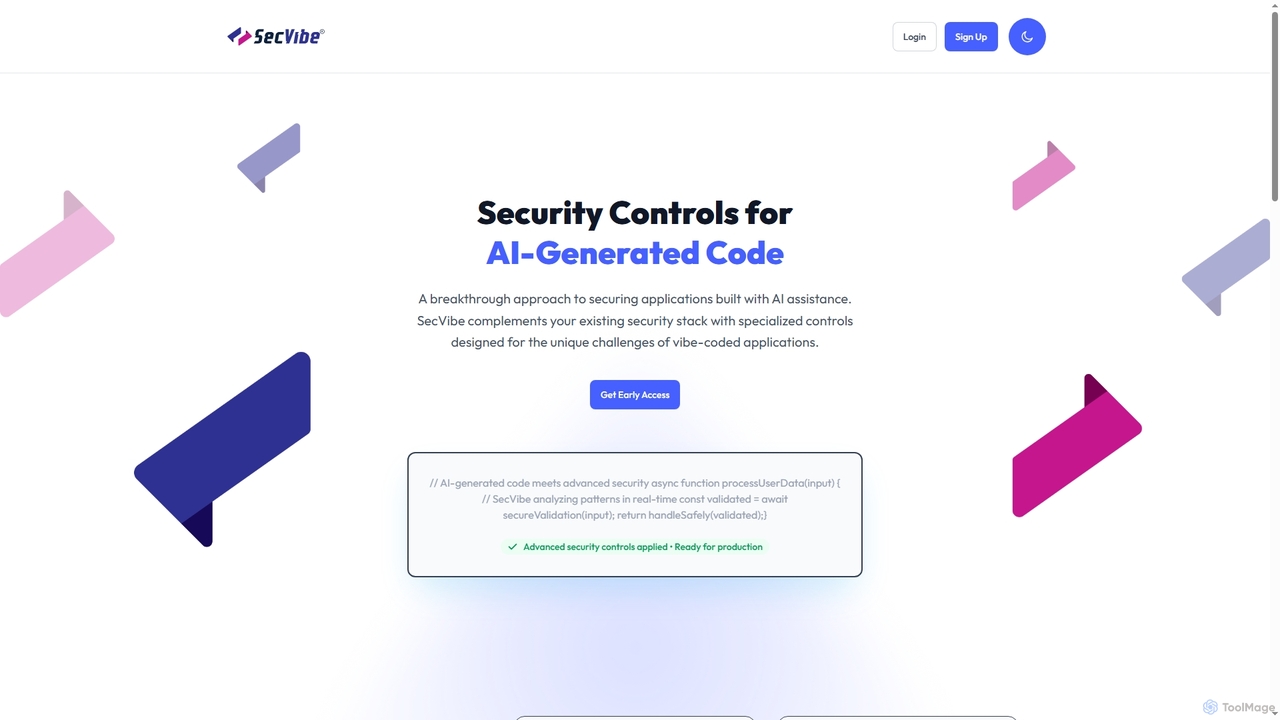
SecVibe is a cutting-edge security platform designed to protect applications built with AI-generated code. It offers specialized controls, real-time analysis, and context-aware mechanisms to identify and mitigate unique security vulnerabilities often missed by traditional tools. SecVibe seamlessly integrates with existing security stacks, enhancing overall application security for modern, AI-assisted development workflows without compromising speed.

Code Analysis
Visits 6.5KFavorites 57Likes 43
Autofix
Freemium

Autofix

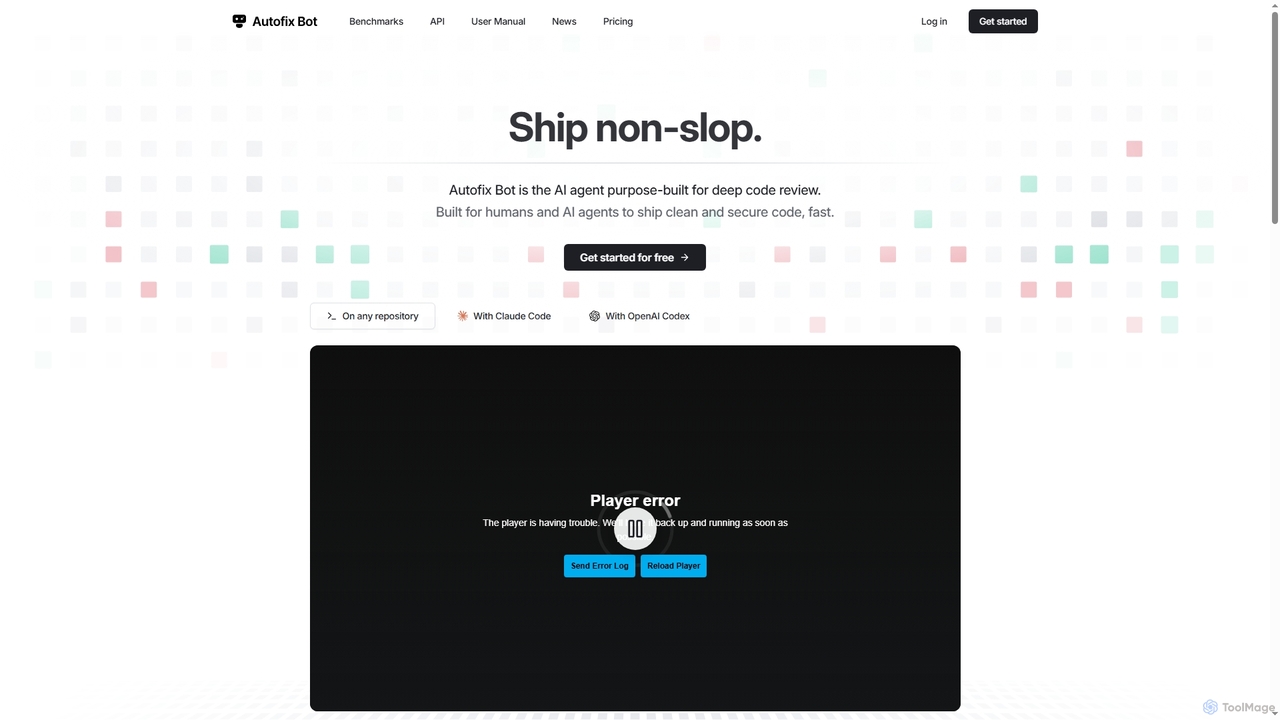
Autofix is an AI agent purpose-built for deep code review, identifying security vulnerabilities, hardcoded secrets, and code quality issues. It generates verified patches to help development teams ship clean and secure code faster.

Static Analysis
Visits 6.5KFavorites 83Likes 78
ObsidianOne
Paid

ObsidianOne

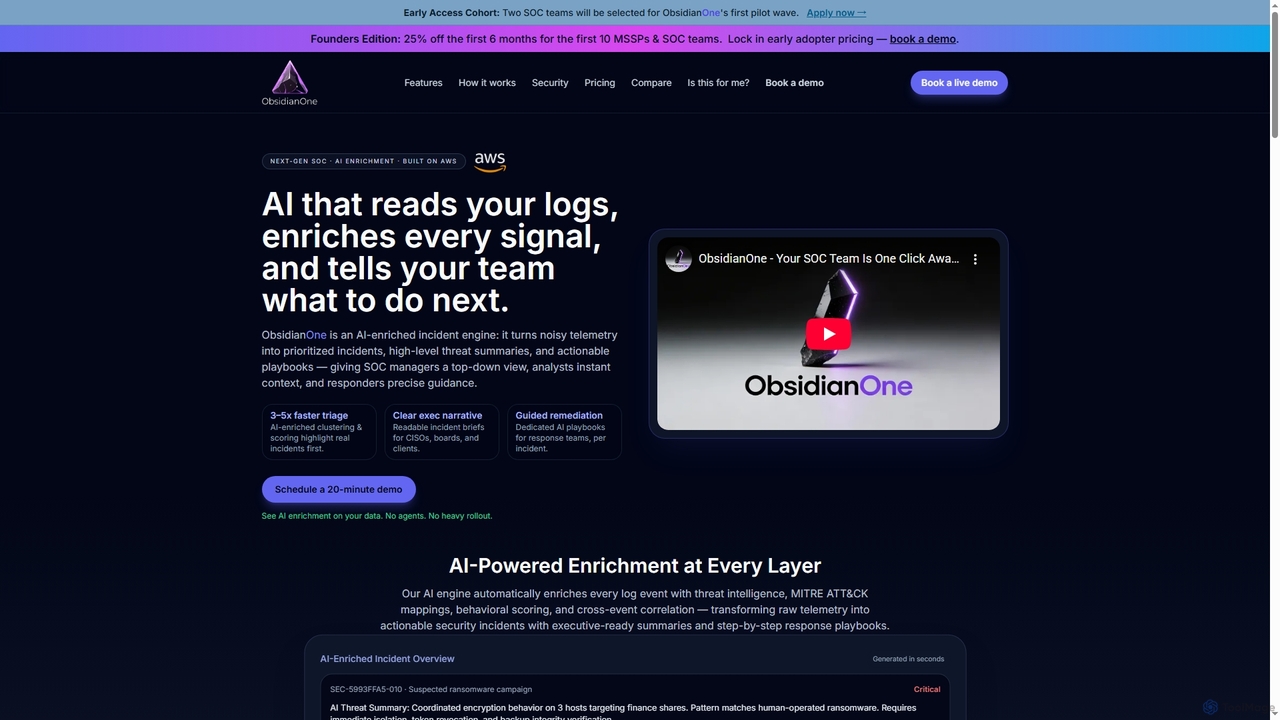
ObsidianOne is an AI-powered incident engine designed for next-generation Security Operations Centers (SOCs). It transforms noisy security telemetry into prioritized incidents, high-level threat summaries, and actionable playbooks, enabling SOC teams and MSSPs to achieve 3-5x faster triage and guided remediation.

Compliance Reporting
Visits 6.4KFavorites 81Likes 76
Agentfield
Free

Agentfield

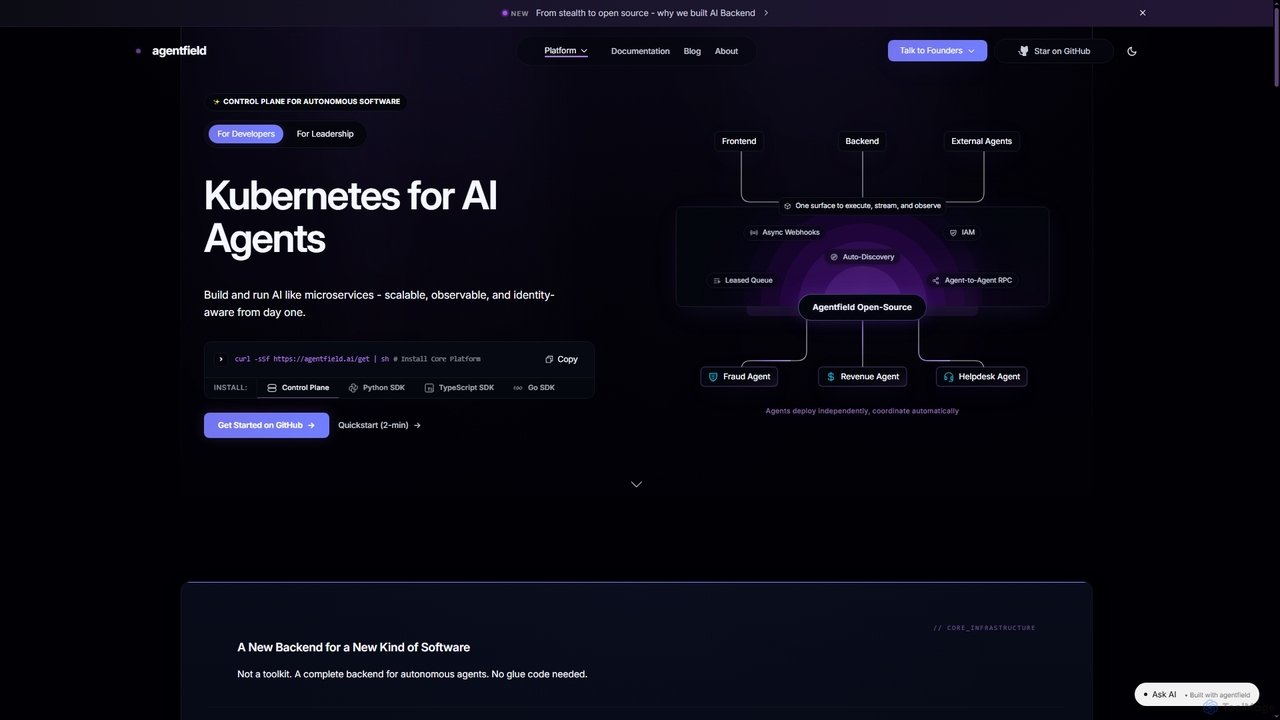
Agentfield is an open-source control plane designed for building and running autonomous AI agents as scalable, observable, and identity-aware microservices. It provides Kubernetes-like orchestration, cryptographic identity management, and production-ready infrastructure to bridge the gap between AI prototypes and robust, trustworthy production deployments.

Orchestration
Visits 25.4KFavorites 82Likes 80
Realcoderz

Realcoderz

Realcoderz offers AI-powered workforce automation solutions, including advanced attendance tracking, comprehensive HRMS with LMS, and intelligent CCTV surveillance. Trusted by diverse industries, it streamlines operations, enhances security, and optimizes talent management through hardware-agnostic, flexible deployment options.

Recruitment
Visits 6.4KFavorites 94Likes 85
Ward
Free

Ward

Ward is a personal AI security guard for Chrome that protects you from online threats like phishing and scams. This open-source extension provides real-time scanning, AI-powered threat detection, and visual warnings, all while ensuring your privacy with no third-party data sharing.

Chrome Extensions
Visits 8KFavorites 79Likes 103
BeyondGuard

BeyondGuard

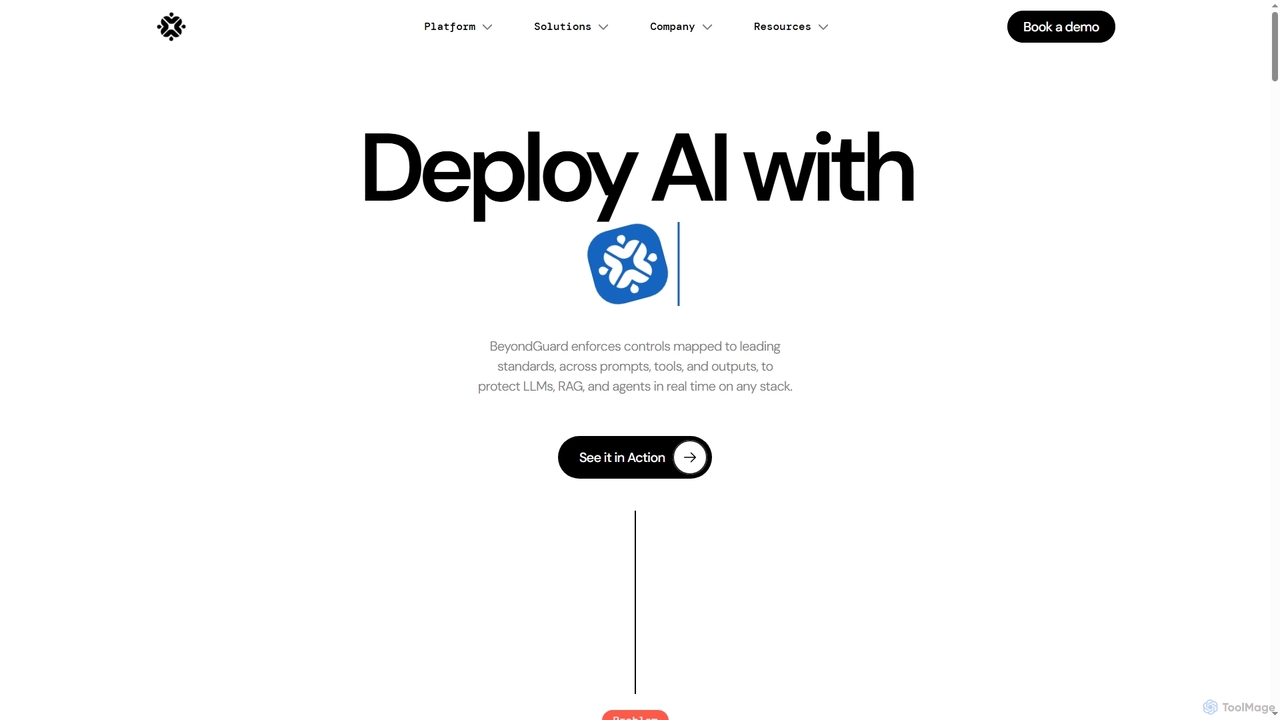
BeyondGuard is an enterprise AI security platform providing real-time threat blocking, low-code policy control, and unified risk visibility for LLMs, RAG, and AI agents. It protects against prompt injection, data leakage, jailbreaks, and unauthorized tool use, ensuring compliant and safe AI deployment across any stack.

Data Governance
Visits 8.1KFavorites 129Likes 139
PrismMeta

PrismMeta

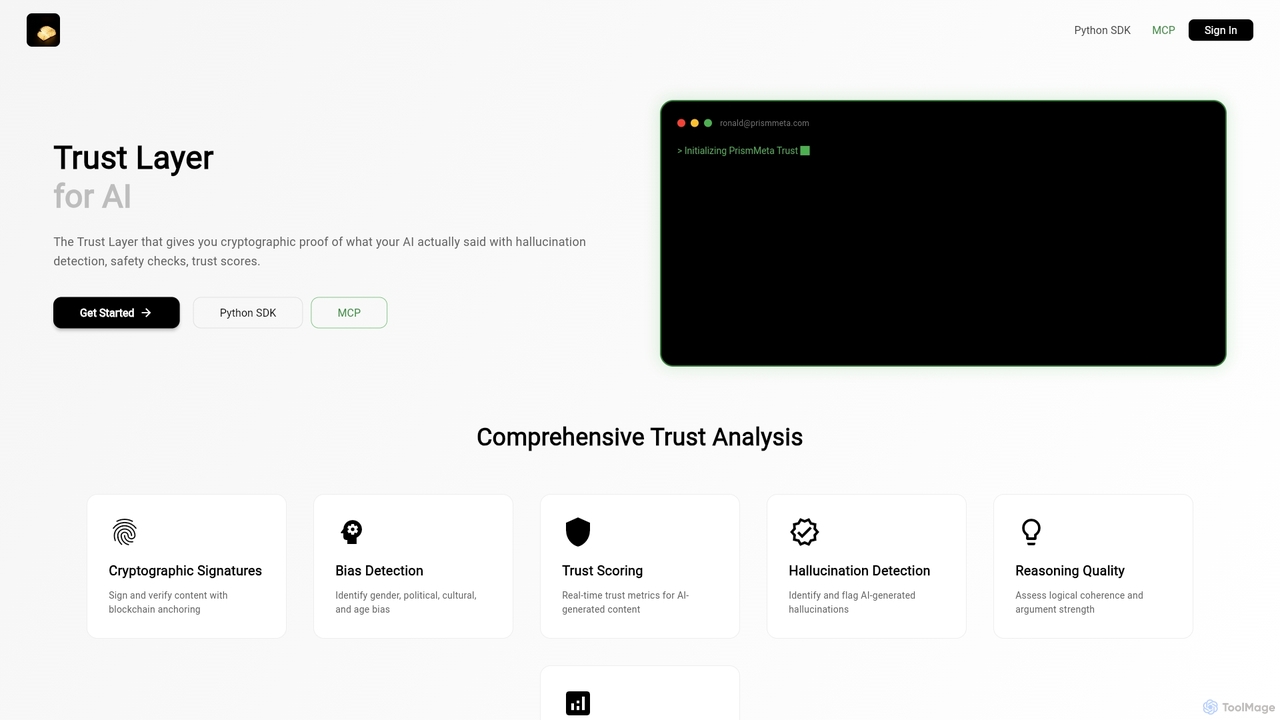
PrismMeta is a foundational 'Trust Layer for AI' designed to enhance the transparency, security, and compliance of artificial intelligence systems. It empowers organizations to build and maintain responsible AI operations by ensuring data integrity and ethical governance.

Governance
Visits 6.4KFavorites 107Likes 99
ThriftyAI
Freemium

ThriftyAI

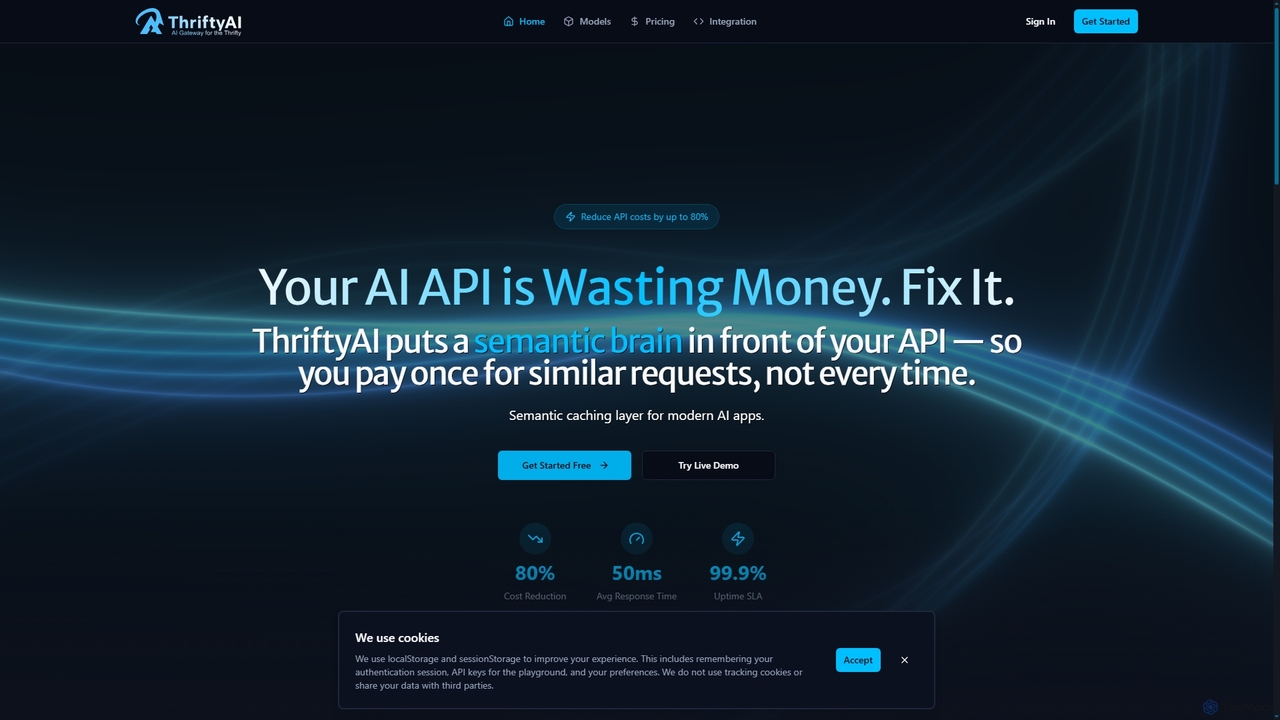
ThriftyAI is an advanced AI gateway and semantic caching layer designed to significantly reduce AI API costs by up to 80% and accelerate response times. It intelligently caches similar requests, masks sensitive data, and provides robust safety features, making it ideal for modern AI applications seeking efficiency and enterprise-grade security.

Gateway
Visits 6.5KFavorites 90Likes 98
Fellow
Freemium

Fellow

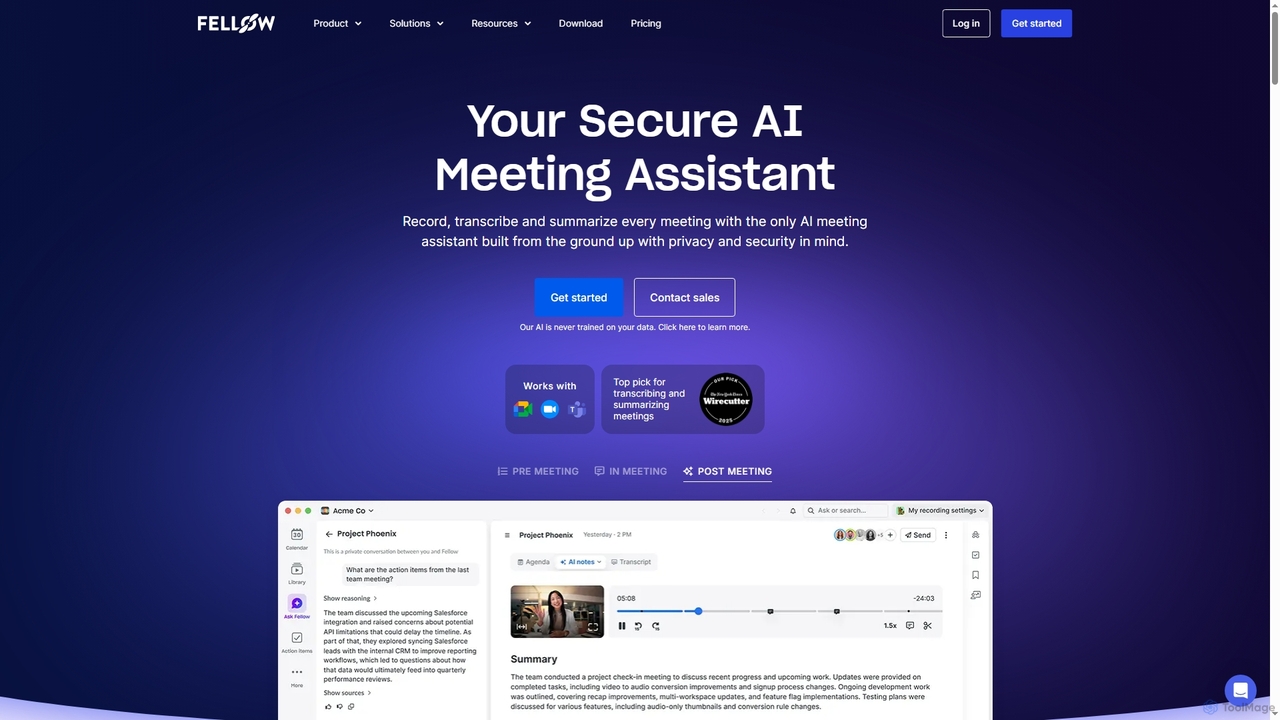
Fellow is a secure AI meeting assistant designed for teams and enterprises. It automatically records, transcribes, and summarizes meetings from Zoom, Google Meet, and Microsoft Teams. With a strong focus on privacy, Fellow ensures your data is never used for training AI models. It features an AI chatbot for querying meeting insights, CRM automation, and deep integrations with over 50 tools, centralizing your entire meeting workflow.

Collaboration
Visits 193.6KFavorites 97Likes 92
Cirtus AI

Cirtus AI

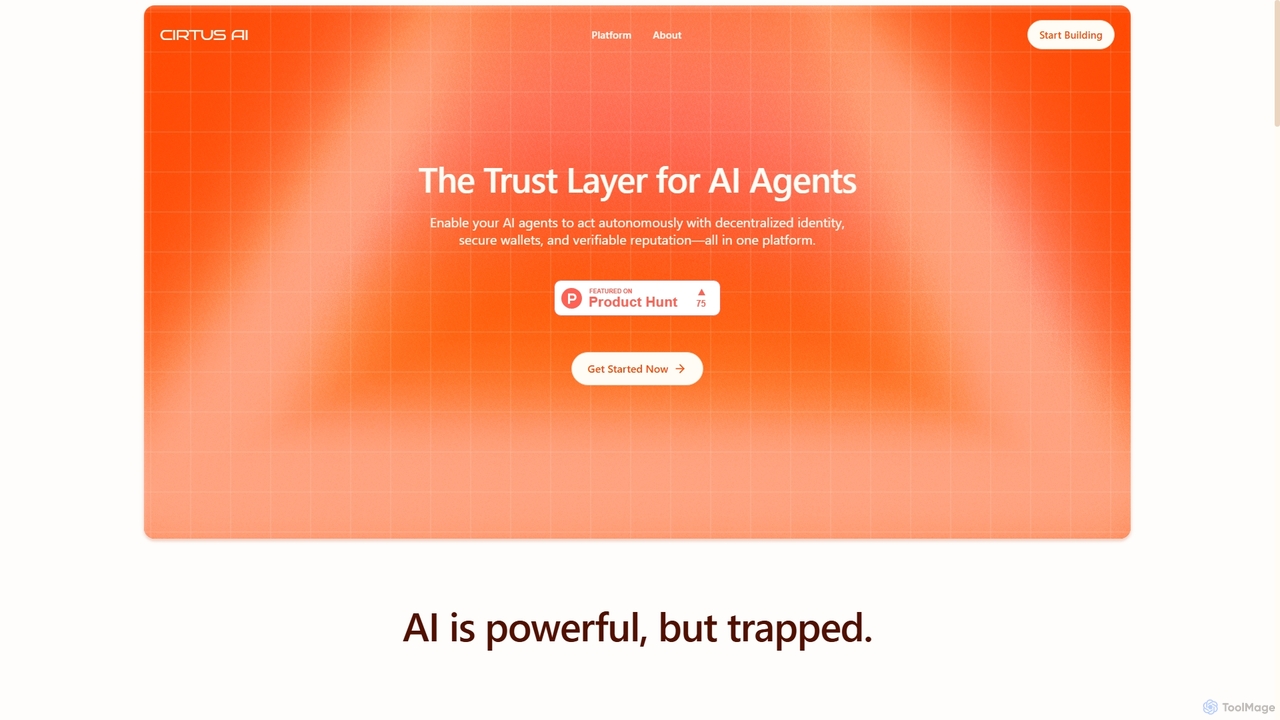
Cirtus AI is the trust layer for autonomous AI agents, providing decentralized identity, secure isolated wallets, and verifiable on-chain reputation. It empowers AI agents to act autonomously and securely, mitigating risks associated with direct access to sensitive assets and data, fostering a new era of trusted AI interactions.

Agent Frameworks
Visits 6.4KFavorites 99Likes 100
Traxintel
Paid

Traxintel

Traxintel is a private OSINT search engine for finding people online. It conducts deep scans of the internet to uncover public activities, posts, photos, and usernames. The service emphasizes privacy with encrypted, anonymous searches and ensures accuracy through a 24-hour search process verified by human analysts.

Analytics
Visits 6.4KFavorites 82Likes 91
Greyhound
Freemium

Greyhound

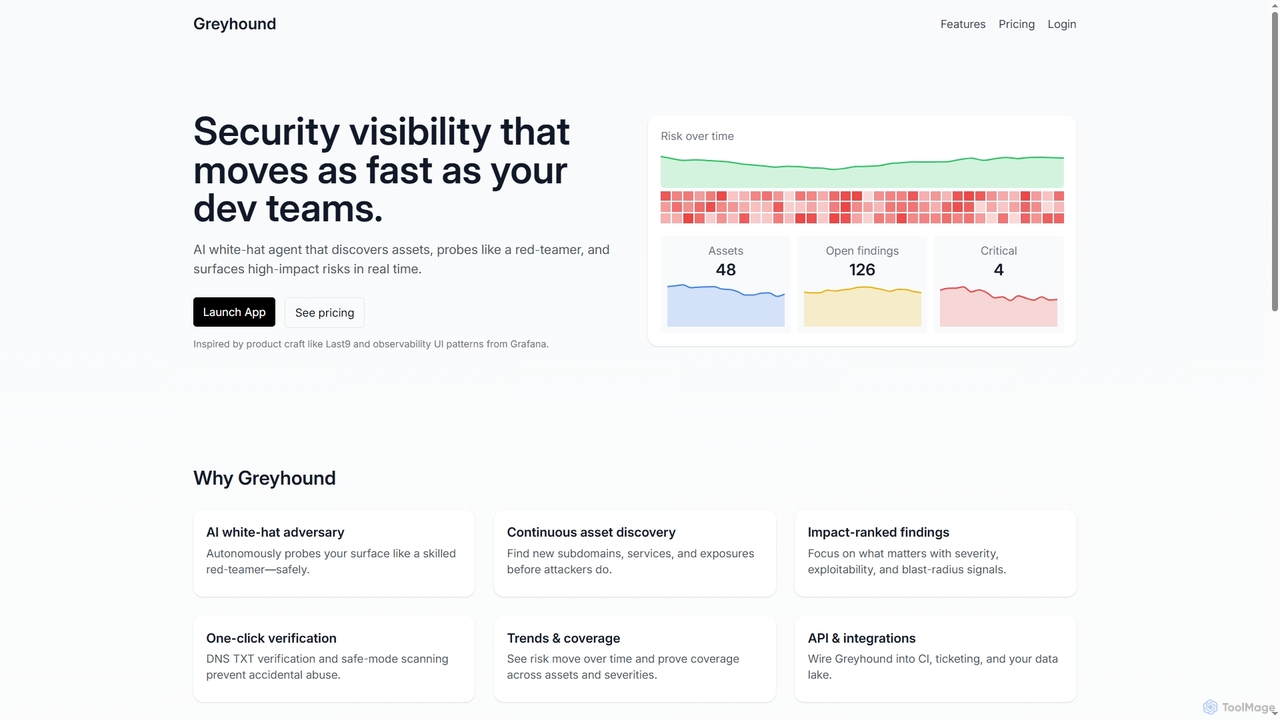
Greyhound is an AI-powered security platform that provides continuous scanning for web and cloud assets. It emulates a skilled attacker to autonomously discover assets, identify vulnerabilities, and provide impact-ranked findings with clear remediation steps, helping teams focus on critical risks.

Cloud Security
Visits 6.4KFavorites 132Likes 120

About Security

AI Security tools are a class of solutions that leverage artificial intelligence and machine learning to proactively detect, predict, and respond to cybersecurity threats. These tools analyze vast amounts of data from networks, endpoints, and applications to identify anomalous patterns, malicious activities, and potential vulnerabilities that traditional signature-based systems often miss. Their primary value lies in automating threat hunting, accelerating incident response, and adapting to new, evolving attack vectors in real-time. This enables organizations to enhance their defensive posture, protect critical assets, and reduce the risk of data breaches and operational disruptions.

Core Features

  • Threat Detection and Prediction: Uses machine learning models to identify malware, phishing, ransomware, and zero-day exploits by analyzing behavioral patterns.
  • Automated Incident Response: Automatically contains threats by isolating infected devices, blocking malicious IP addresses, or terminating suspicious processes.
  • Behavioral Analytics (UEBA): Monitors user and entity behavior to detect insider threats, compromised accounts, and lateral movement within a network.
  • Vulnerability Management: Employs AI to scan systems, prioritize vulnerabilities based on exploitability and potential impact, and suggest remediation steps.
  • Fraud Prevention: Analyzes transaction data and user interactions in real-time to identify and block fraudulent activities like account takeovers or payment fraud.

Use Cases

AI Security tools are critical for organizations across various sectors, particularly finance, healthcare, e-commerce, and government, where sensitive data protection is paramount. Security Operations Center (SOC) analysts use them to reduce alert fatigue and focus on high-priority threats. IT administrators deploy these tools to secure cloud infrastructure and endpoints, while compliance teams rely on them to enforce security policies and generate audit reports.

How to Choose

When selecting an AI Security tool, consider its threat coverage and whether it addresses your specific risks (e.g., cloud, network, email). Evaluate its integration capabilities with your existing security stack, such as SIEM and SOAR platforms. Assess the level of automation and the tool's false positive rate to ensure it enhances rather than burdens your security team. Finally, consider its scalability to handle your organization's data volume and growth.

Featured tool rankings

Security use cases

1

Automated Phishing Attack Detection

An IT security team in a large corporation uses an AI Security tool to protect against phishing attacks. The AI continuously scans all incoming emails, analyzing not just sender reputation and keywords, but also the linguistic patterns, link destinations, and attachment structures. When an email mimicking a legitimate invoice but containing a malicious link is detected, the system automatically quarantines it and alerts the security team. This process prevents employees from ever interacting with the threat, reducing the risk of credential theft and malware infection across the organization without manual intervention.

2

Real-time Fraud Prevention for E-commerce

An online retail platform integrates an AI-powered fraud detection tool to secure its payment gateway. The system analyzes hundreds of data points for each transaction in real-time, including device fingerprint, IP location, purchase history, and mouse movement patterns. If a transaction exhibits behavior indicative of fraud—such as a user attempting multiple credit cards rapidly or using a proxy server—the AI flags it as high-risk. It can then automatically decline the transaction or route it for manual review, significantly reducing chargeback losses while maintaining a smooth checkout experience for legitimate customers.

3

Identifying Insider Threats with Behavioral Analytics

A financial institution deploys a User and Entity Behavior Analytics (UEBA) tool to monitor internal network activity. The AI establishes a baseline of normal behavior for each employee, learning their typical work hours, data access patterns, and application usage. One day, the system detects an accountant downloading large volumes of sensitive client files late at night, a significant deviation from their established baseline. The AI immediately flags this activity as a potential insider threat and generates a high-priority alert for the security team to investigate, enabling rapid intervention before a data breach occurs.

4

AI-Powered Network Intrusion Detection

A cloud service provider uses an AI-driven Network Detection and Response (NDR) system to protect its infrastructure. Unlike traditional firewalls that rely on predefined rules, the AI model continuously learns the normal flow of traffic within the network. When it detects a sophisticated, low-and-slow attack pattern, such as data being exfiltrated in small, encrypted packets over an extended period, it recognizes this anomaly. The system automatically blocks the communication channel and provides security analysts with a detailed timeline of the attack, helping them understand the threat and strengthen defenses against similar future attempts.

5

Smart Vulnerability Prioritization for DevOps

A software development company integrates an AI-powered security tool into its CI/CD pipeline. As developers commit new code, the tool automatically scans for vulnerabilities. Instead of just generating a long list of potential issues, the AI analyzes the context of each vulnerability. It considers factors like whether the vulnerable code is actually reachable in production, its potential business impact, and if an exploit is publicly available. This allows the DevOps team to focus on fixing the 10 most critical vulnerabilities first, rather than being overwhelmed by hundreds of low-risk findings, accelerating development cycles securely.

6

Securing IoT Device Networks against Botnets

A company managing a large fleet of industrial IoT sensors uses an AI security platform to prevent them from being compromised and used in a botnet. The AI first learns the normal communication patterns of each sensor—what data it sends, to which servers, and at what frequency. When a group of sensors is infected with malware and starts attempting to connect to an unknown command-and-control server, the AI detects this anomalous behavior instantly. It automatically isolates the affected sensors from the network to prevent the attack from spreading and alerts the operations team to remediate the devices.

Security FAQ

What are AI Security tools?

AI Security tools are advanced cybersecurity solutions that use artificial intelligence (AI) and machine learning (ML) to identify, predict, and prevent cyber threats. Unlike traditional security systems that rely on known threat signatures, AI tools analyze vast datasets and network behavior to detect novel attacks, anomalies, and suspicious patterns in real-time. Key functions include automated threat detection, behavioral analysis (UEBA), and intelligent incident response. They are designed to enhance security operations by reducing manual effort and improving the speed and accuracy of threat mitigation.

How to choose the right AI Security tool?

Choosing the right AI Security tool requires evaluating several key factors. First, define your primary security needs: are you focused on endpoint protection, network security, cloud infrastructure, or fraud detection? Next, assess the tool's integration capabilities with your existing security stack (e.g., SIEM, SOAR, firewalls). Consider the level of automation and customization it offers, as well as its reported false positive rate. Finally, evaluate the vendor's reputation, support services, and the tool's scalability to ensure it can grow with your organization's needs.

What is the main advantage of AI Security over traditional security?

The main advantage of AI Security is its proactive and adaptive nature. Traditional security systems are primarily reactive, relying on databases of known malware signatures and predefined rules, making them vulnerable to new, or 'zero-day', attacks. AI Security, in contrast, learns from data to establish a baseline of normal activity and can identify deviations that signal a potential threat, even if it has never been seen before. This allows for the detection of more sophisticated attacks, reduces false positives, and automates responses, enabling security teams to handle threats more efficiently and effectively.

What are the key functions of AI Security platforms?

AI Security platforms typically offer a suite of integrated functions to provide comprehensive protection. Key functions include:

  • Threat Intelligence: Aggregating and analyzing threat data from global sources to predict emerging attacks.
  • Network Detection and Response (NDR): Monitoring network traffic for suspicious patterns and anomalies that indicate a compromise.
  • Endpoint Detection and Response (EDR): Protecting individual devices like laptops and servers by analyzing process behavior to stop malware and ransomware.
  • User and Entity Behavior Analytics (UEBA): Baselining normal user activity to detect insider threats or compromised accounts.
  • Security Orchestration, Automation, and Response (SOAR): Automating routine security tasks and incident response workflows to speed up remediation.

Who should use AI Security tools?

AI Security tools are beneficial for a wide range of organizations, but they are particularly crucial for those handling sensitive data or facing a high volume of threats. This includes:

  • Enterprises: Large companies with complex IT environments use AI to manage security at scale and protect valuable intellectual property.
  • Financial Institutions: Banks and fintech companies rely on AI for real-time fraud detection and to comply with strict regulations.
  • Healthcare Organizations: Hospitals and clinics use AI to protect sensitive patient data (PHI) from ransomware and other attacks.
  • E-commerce Platforms: Online retailers use AI to prevent payment fraud, account takeovers, and protect customer information.
  • Government Agencies: Public sector entities deploy AI to defend critical infrastructure and national security interests.