ToolMage
Sign in
Charm
Code Assistant · 63.1K monthly visits

Charm is an ecosystem of open-source tools and libraries designed to make the command-line interface (CLI) glamorous and powerful. It provides developers with applications for AI-powered coding (Crush, Mods), beautiful terminal UIs (Bubble Tea), markdown rendering (Glow), and self-hosted Git servers (Soft Serve). Charm empowers developers to build, style, and enhance their terminal workflows with modern, elegant, and highly functional tools.


VS
Lumo
Code Assistant · 5K monthly visits

Lumo is an open-source, AI-powered terminal assistant that allows users to interact with the command line using natural language. It translates plain English into executable commands, automates complex tasks, monitors system health, and supports multiple AI models including Gemini, OpenAI, and Ollama for local inference.

Charm vs Lumo: pricing, features, traffic, and use cases

Compare Charm and Lumo across positioning, pricing, traffic, and user feedback using structured factual data.

Updated Aug 20, 2026

Product overview

Charm Product overview

Charm is an ecosystem of open-source tools and libraries designed to make the command-line interface (CLI) glamorous and powerful. It provides developers with applications for AI-powered coding (Crush, Mods), beautiful terminal UIs (Bubble Tea), markdown rendering (Glow), and self-hosted Git servers (Soft Serve). Charm empowers developers to build, style, and enhance their terminal workflows with modern, elegant, and highly functional tools.
Preview

Lumo Product overview

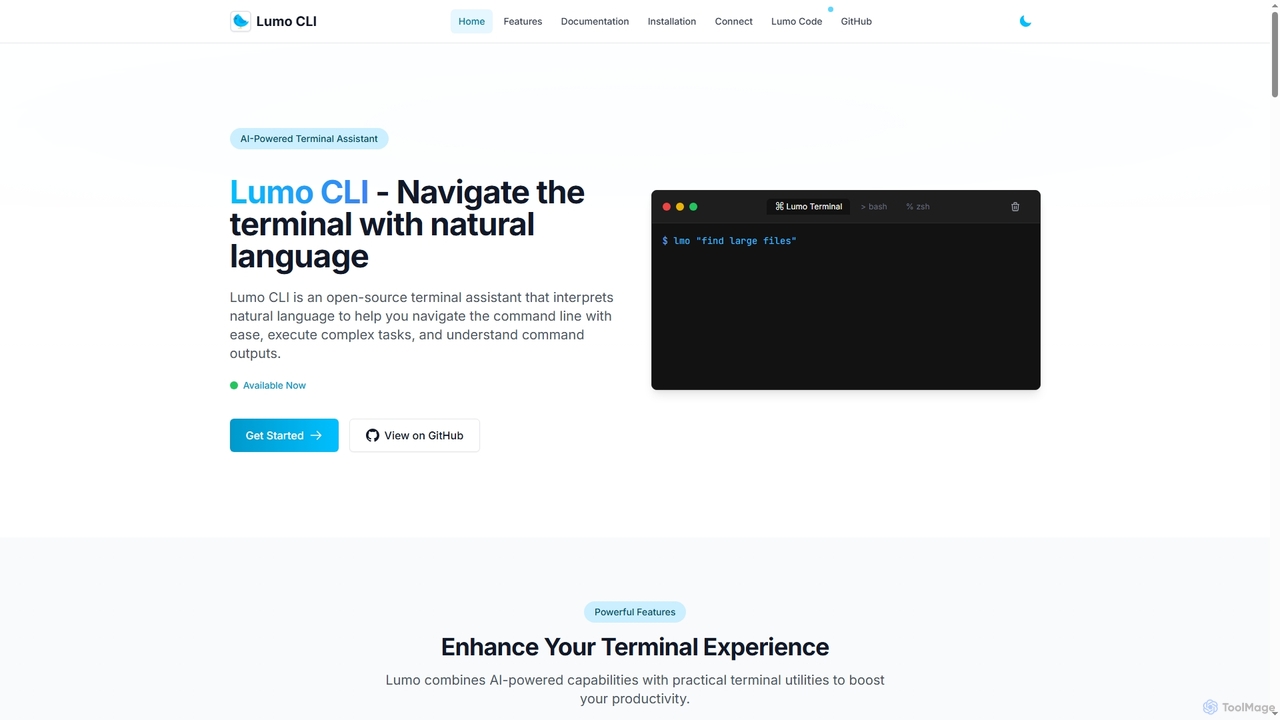
Lumo is an open-source, AI-powered terminal assistant that allows users to interact with the command line using natural language. It translates plain English into executable commands, automates complex tasks, monitors system health, and supports multiple AI models including Gemini, OpenAI, and Ollama for local inference.

Preview

Detailed feature comparison

FeatureCharmLumo
Primary categoryCode AssistantCode Assistant
Added2025-08-092025-12-09
PricingFreeFree
Official websitecharm.landgetlumo.dev
Product typeAppApp
Performance data
User ratingNot verifiedNot verified
Comments00
Monthly visits63.1K5K
Monthly growth-14.8%Not verified
Favorites12578
DetailsView detailsView details

Charm vs Lumo monthly traffic

Compare Charm and Lumo by monthly reach, traffic trend, visit depth, top regions, and acquisition sources.

How to interpret the traffic data

In the Charm vs Lumo monthly traffic comparison, Charm currently shows 63.1K visits and Lumo shows 5K; Charm has about 12.6 times the visible traffic of Lumo, an absolute difference of about 58.1K visits. This reflects visible reach, not feature quality or paid users.

Only Charm has complete third-party traffic details; Lumo uses visits recorded inside ToolMage. These scopes cannot estimate market share directly, and on-site views should not be treated as the product’s total website traffic.

Charm monthly traffic:

Latest traffic

Monthly visits
63.1K
Avg. visit duration
0:34
Pages per visit
1.98
Bounce rate
41.12%
Data updated 2026-06-15

Monthly traffic trend

  • 2025/9: 54.1K Monthly visits
  • 2026/1: 73.7K Monthly visits
  • 2026/2: 60.6K Monthly visits
  • 2026/3: 96.2K Monthly visits
  • 2026/4: 74K Monthly visits
  • 2026/5: 63.1K Monthly visits

Top regions

Top 5 countries/regions
Country/regionPercentageTraffic
🇺🇸United States44.4%28K
🇩🇪Germany22.91%14.5K
🇻🇳Vietnam12.56%7.9K
🇹🇼Taiwan10.72%6.8K
🇮🇳India9.41%5.9K

Traffic sources

Source typePercentageTraffic
Direct68.68%43.3K
Referral28.66%18.1K
Email2.66%1.7K

Search keywords

bubble tea v2charmcharm clicrush cligo charm

Lumo monthly traffic:

Latest traffic

Monthly visits
5K
Traffic-based selection guidance: The current traffic scope is not sufficient for a reliable product ranking. Treat monthly visits as a market-interest signal, then decide using taxonomy, use cases, pricing, and a like-for-like trial rather than reading exposure as product capability.

Usage comparison

Compare the core capabilities of Charm and Lumo

Charm Core features

Command Line
Code Assistant
Coding

Lumo Core features

Command Line
Code Assistant
Automation

Use cases

Charm Use cases

AI assistant
cli
command line
developer tools
open source
terminal
code generation
git server
go
golang
markdown
tui

Lumo Use cases

AI assistant
cli
command line
developer tools
open source
terminal
automation
gemini
natural language processing
Ollama
OpenAI
system administration

Best suited roles

Charm Best suited roles

No verified data available

Lumo Best suited roles

Cybersecurity Analyst
Data Scientist
DevOps Engineer
IT Support Specialist
Software Developer
System Administrator

Charm vs Lumo:In-depth comparison and selection guidance

First decide whether the products solve the same kind of need

This in-depth Charm vs Lumo comparison uses only the product records, taxonomy, audience, traffic, and community signals available on this page. Charm is primarily listed under “Code Assistant”, while Lumo is primarily listed under “Code Assistant”, so the first decision is whether your actual task matches their recorded scope.

The structured fields currently show these decision-relevant differences: Primary category (Charm: Code Assistant; Lumo: Code Assistant); Monthly visits (Charm: 63.1K; Lumo: 5K); Favorites (Charm: 125; Lumo: 78); Website (Charm: charm.land; Lumo: getlumo.dev); Added (Charm: 2025-08-09; Lumo: 2025-12-09). These facts are more useful for selection than brand visibility alone.

What market visibility and monthly traffic mean

In the Charm vs Lumo monthly traffic comparison, Charm currently shows 63.1K visits and Lumo shows 5K; Charm has about 12.6 times the visible traffic of Lumo, an absolute difference of about 58.1K visits. This reflects visible reach, not feature quality or paid users.

Only Charm has complete third-party traffic details; Lumo uses visits recorded inside ToolMage. These scopes cannot estimate market share directly, and on-site views should not be treated as the product’s total website traffic.

The current traffic scope is not sufficient for a reliable product ranking. Treat monthly visits as a market-interest signal, then decide using taxonomy, use cases, pricing, and a like-for-like trial rather than reading exposure as product capability.

Product positioning, use cases, and roles

Charm and Lumo currently overlap in shared categories: Command Line; shared tags: AI assistant, cli, command line, developer tools, open source, and terminal. This can place both on the same shortlist, but it does not prove equal implementation, depth, or cost.

Charm's unique categories/tags are Code Assistant, Coding, code generation, git server, go, golang, markdown, and tui; Lumo's are Code Assistant, Automation, automation, gemini, natural language processing, Ollama, OpenAI, and system administration. These unique fields are the strongest differentiators: validate the product whose recorded scope matches the task instead of following traffic alone.

What ratings, comments, and favorites can tell you

Charm has no verified rating, 0 comments, 125 favorites, and 106 likes;Lumo has no verified rating, 0 comments, 78 favorites, and 82 likes。

Neither product has enough rating or comment samples for a credible reputation ranking.

Selection guidance by actual need

When to evaluate Charm first

Put Charm on the priority trial list when the task aligns with “Code Assistant” and especially Code Assistant, Coding, code generation, git server, go, and golang. This follows recorded positioning and does not imply unlisted capabilities are absent.

Charm also currently records: pricing is free, product type is app, 63.1K verified monthly visits, no verified user rating. Verify any hard requirement around price, platform, or reach before trial, and do not let sparse review data substitute for testing.

When to evaluate Lumo first

Put Lumo on the priority trial list when the task aligns with “Code Assistant” and especially Code Assistant, Automation, automation, gemini, natural language processing, and Ollama, or the users include Cybersecurity Analyst, Data Scientist, DevOps Engineer, and IT Support Specialist. This follows recorded positioning and does not imply unlisted capabilities are absent.

Lumo also currently records: pricing is free, product type is app, 5K on-site monthly views, no verified user rating. Verify any hard requirement around price, platform, or reach before trial, and do not let sparse review data substitute for testing.

How to validate the recommendation before deciding

The available data describes positioning, public visibility, and community signals, but it cannot prove output quality, speed, integration effort, privacy, or long-term cost in your workflow. Before deciding, run the same representative tasks in Charm and Lumo, then record completion time, accuracy, manual corrections, and the real paid threshold. A like-for-like trial turns this comparison into a defensible adoption decision.

Comparison FAQ

How should I choose between Charm and Lumo?
Compare positioning, pricing, taxonomy, and traffic maturity, then verify the latest details on each official website.
Where does this comparison data come from?
The factual baseline is derived from product, taxonomy, traffic, and community data. Reviewed editorial conclusions show their source and verification date.
What do unknown fields mean?
Unknown means there is not enough reliable evidence; the page does not fill gaps with assumptions.

Related AI tools

butterfish
Freemium

butterfish

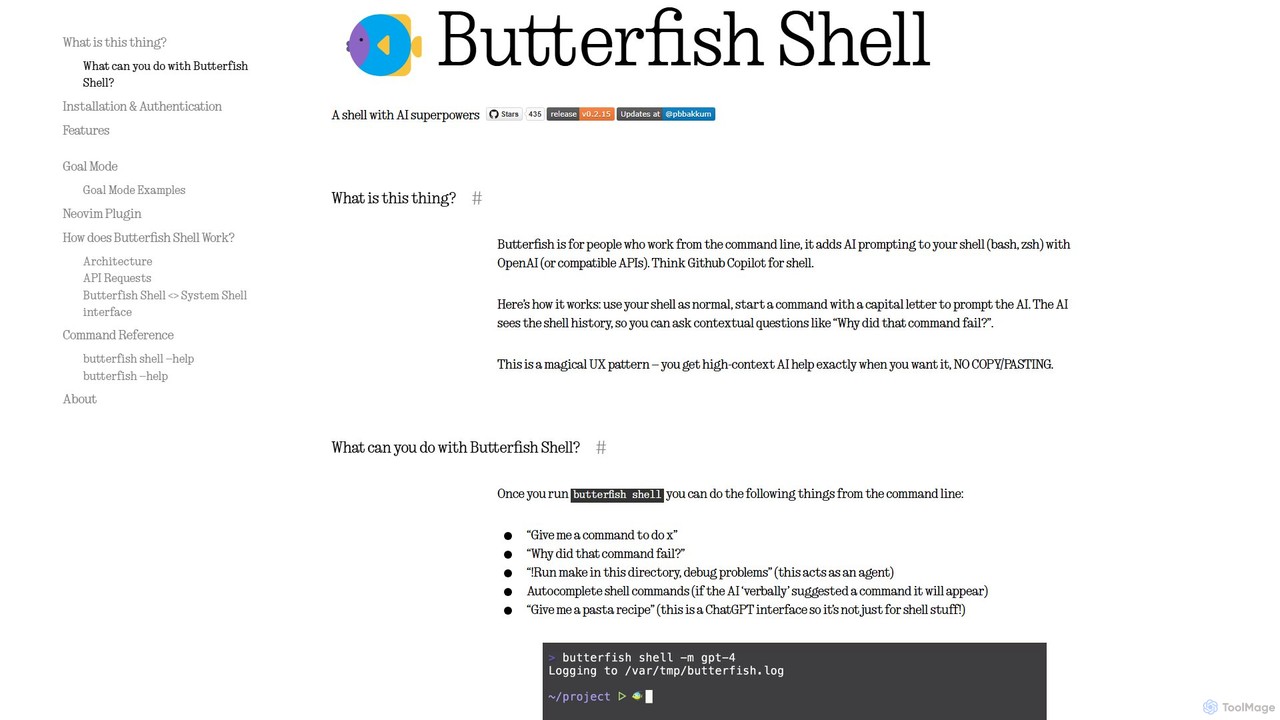
butterfish is an open-source CLI tool that supercharges your shell (bash, zsh) with AI capabilities. Acting like GitHub Copilot for the command line, it allows you to generate commands, debug errors, and automate tasks using natural language prompts directly in your terminal. It maintains context from your shell history, providing highly relevant assistance and boosting productivity for developers and sysadmins.

Code Assistant
Visits 4.2KFavorites 123Likes 131
Kel
Freemium

Kel

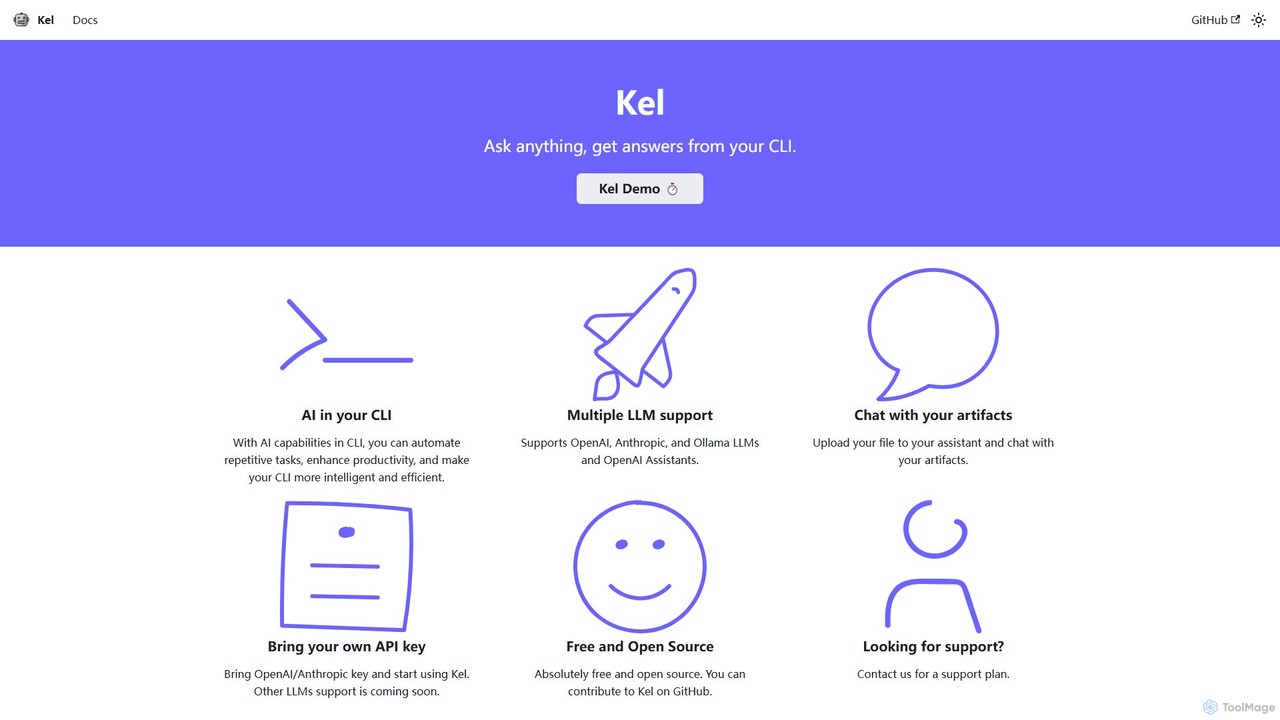
Kel is a free, open-source AI assistant for your command-line interface (CLI). It integrates with multiple LLMs like OpenAI, Anthropic, and Ollama to help developers and sysadmins automate tasks, generate commands, and even chat with documents directly from the terminal.

Code Assistant
Visits 4.2KFavorites 135Likes 106
Komandi
Paid

Komandi

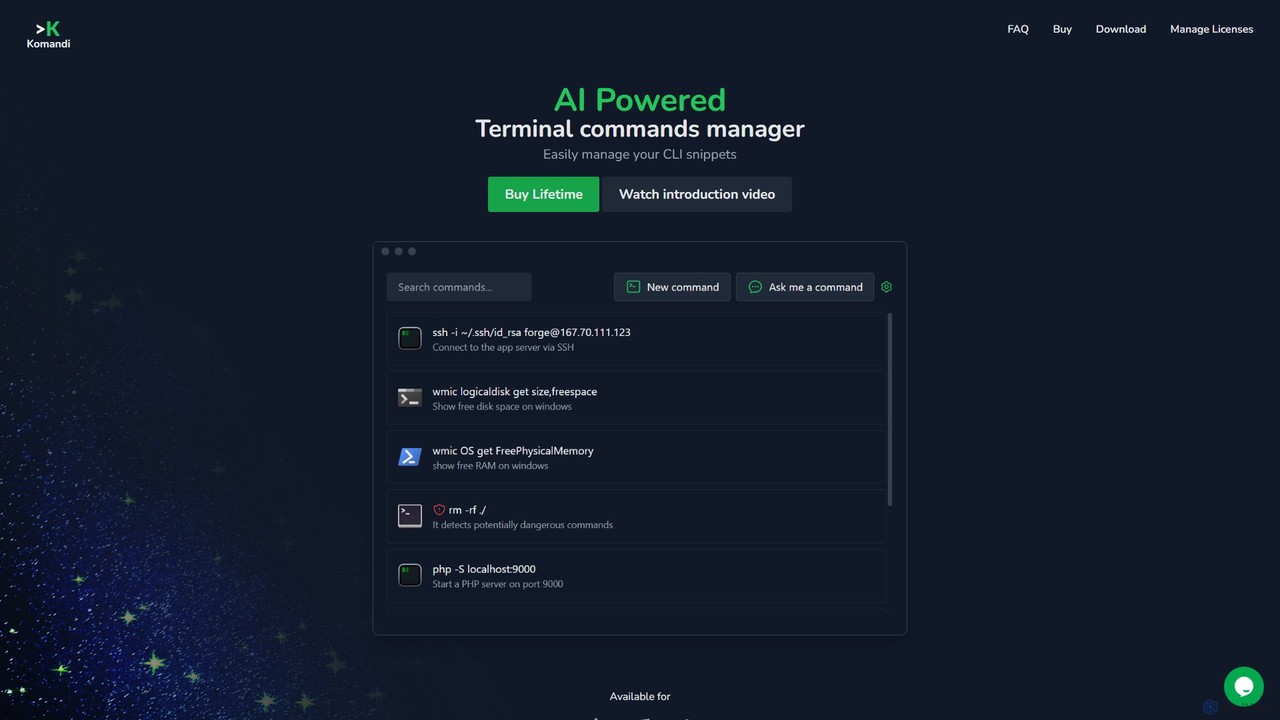
Komandi is an AI-powered CLI/terminal command manager for developers and sysadmins. It simplifies command-line operations by allowing you to manage snippets, generate complex commands from natural language, and execute them safely. It supports macOS, Windows, and Linux, streamlining your workflow by organizing frequently used commands and detecting potentially dangerous ones before execution.

Code Assistant
Visits 4.6KFavorites 163Likes 152
ShellMate
Free

ShellMate

ShellMate is an open-source, AI-powered command-line productivity tool designed for developers and system administrators. Powered by OpenAI, it acts as your terminal's best friend, allowing you to use natural language to find commands, get predictive suggestions based on your history, and receive context-aware help without ever leaving your console. Simply use the `sm` shortcut to boost your command-line efficiency and reduce time spent searching for syntax.

Code Assistant
Visits 4.6KFavorites 160Likes 147
gptcli
Free

gptcli

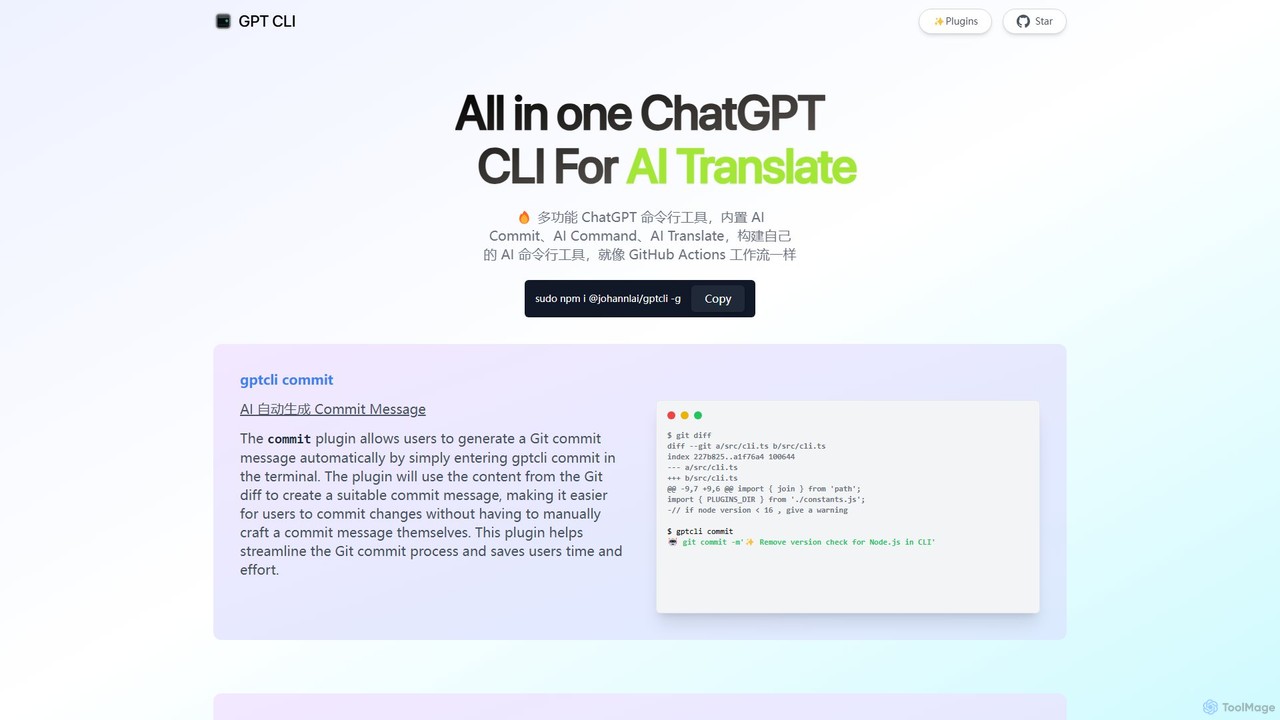
gptcli is a versatile, open-source command-line tool that integrates ChatGPT directly into your terminal. It streamlines developer workflows with features like AI-powered Git commits, natural language to shell command translation, and in-terminal chat. With its extensible plugin system, you can build your own custom AI CLI tools, making it the ultimate productivity enhancer for anyone who works extensively with the command line.

Code Assistant
Visits 7.5KFavorites 122Likes 120
Dallecli
Freemium

Dallecli

A powerful command-line interface (CLI) tool for interacting with OpenAI's DALL-E models. Generate, edit, and manage AI images directly from your terminal, perfect for developers, scripters, and automating creative workflows.

Command Line Interface
Visits 4.2KFavorites 108Likes 110
Fig
Freemium

Fig

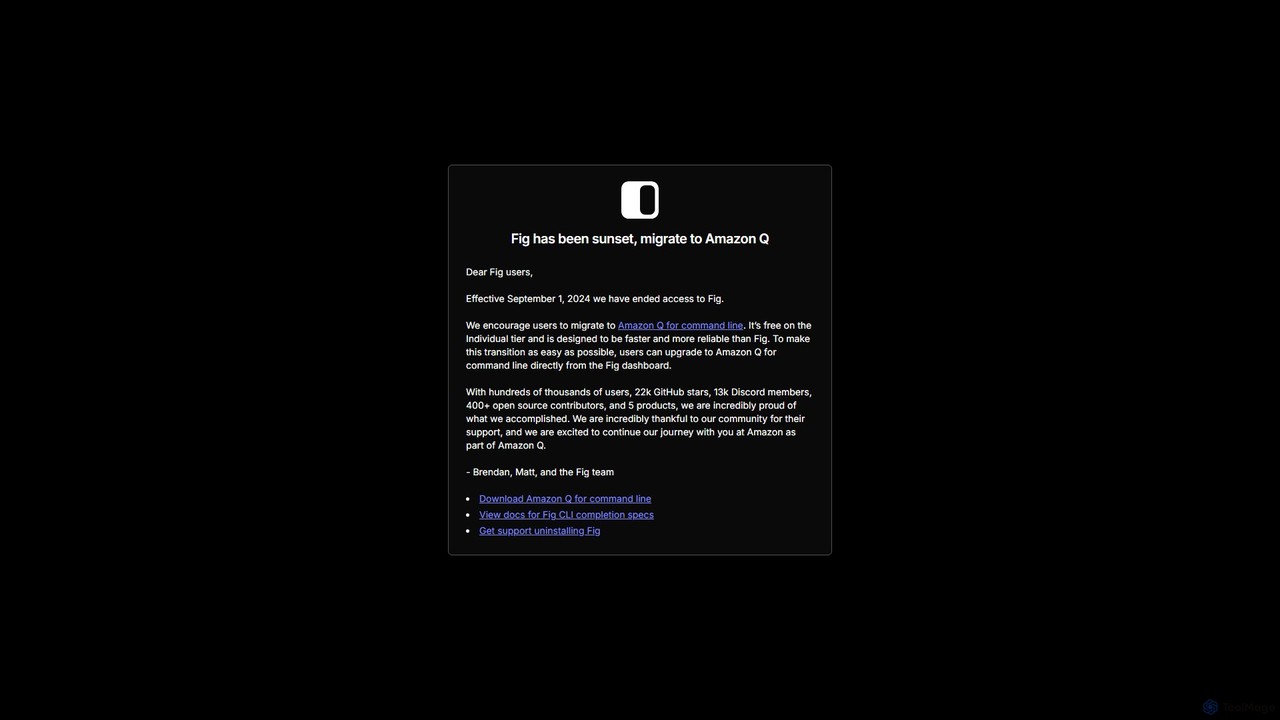
Fig was a popular open-source tool that added IDE-style visual autocomplete to the command line. It has been acquired by AWS and is now sunset, with users encouraged to migrate to its successor, Amazon Q for command line, which is free for individuals.

Terminal
Visits 52.3KFavorites 130Likes 131
AiTerm
Freemium

AiTerm

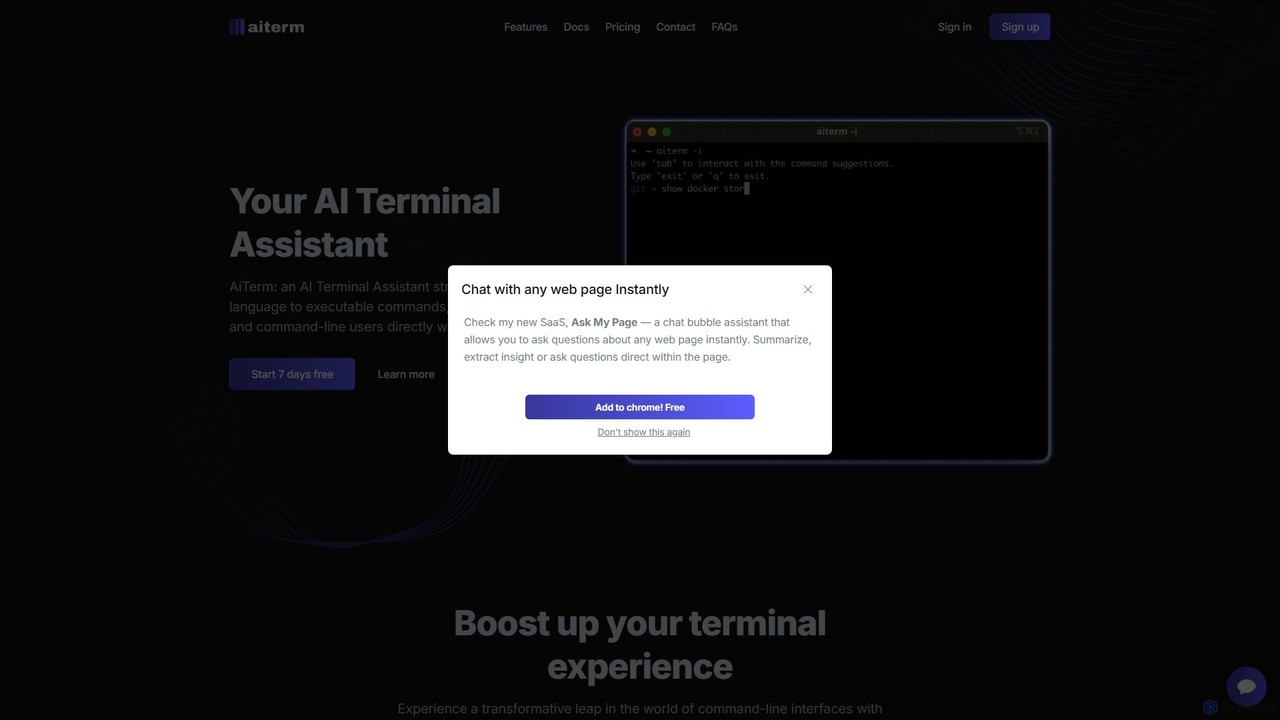
AiTerm is an AI-powered terminal assistant that translates natural language into executable shell commands. It streamlines workflows for developers and command-line users with features like IDE-style autocompletion, command suggestions, and workflow management, all directly within the terminal.

Code Assistant
Visits 4.5KFavorites 109Likes 105
BashSenpai
Freemium

BashSenpai

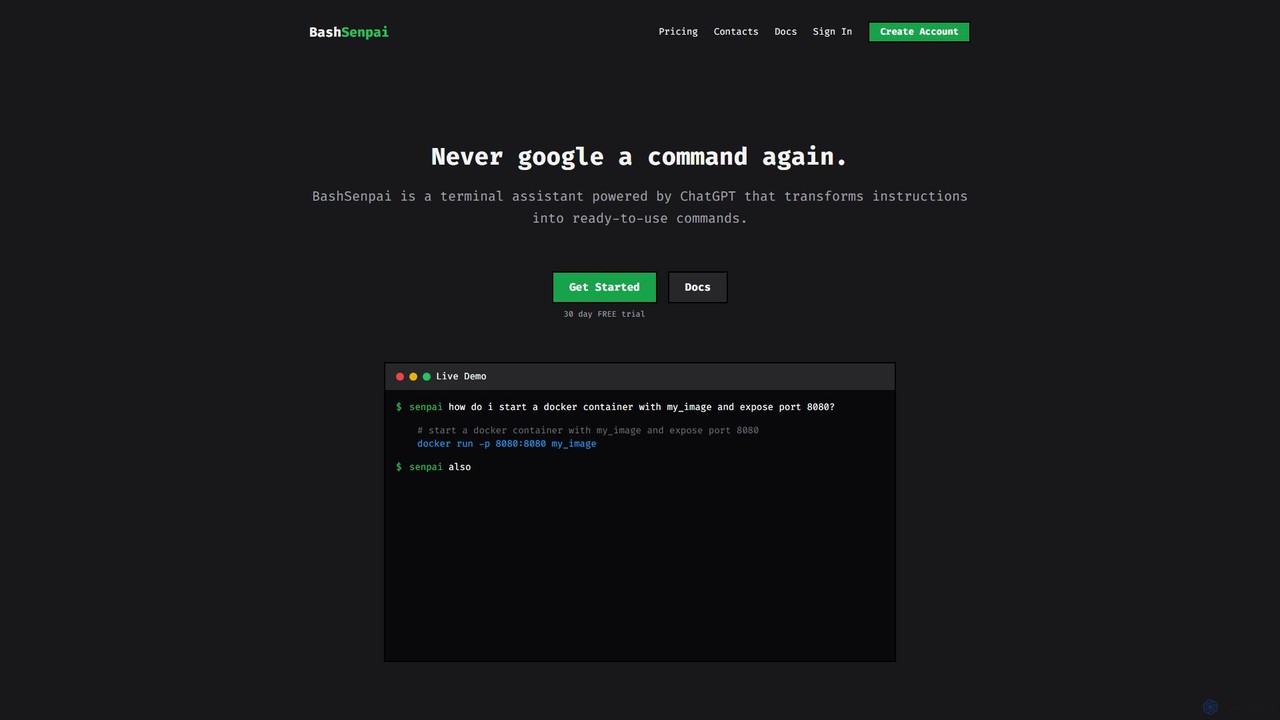
BashSenpai is a ChatGPT-powered terminal assistant that transforms natural language instructions into ready-to-use shell commands. It operates directly within your terminal, providing context-aware, accurate commands for developers and system administrators, eliminating the need to search online.

Code Assistant
Visits 4.2KFavorites 115Likes 120
Oh-heck
Freemium

Oh-heck

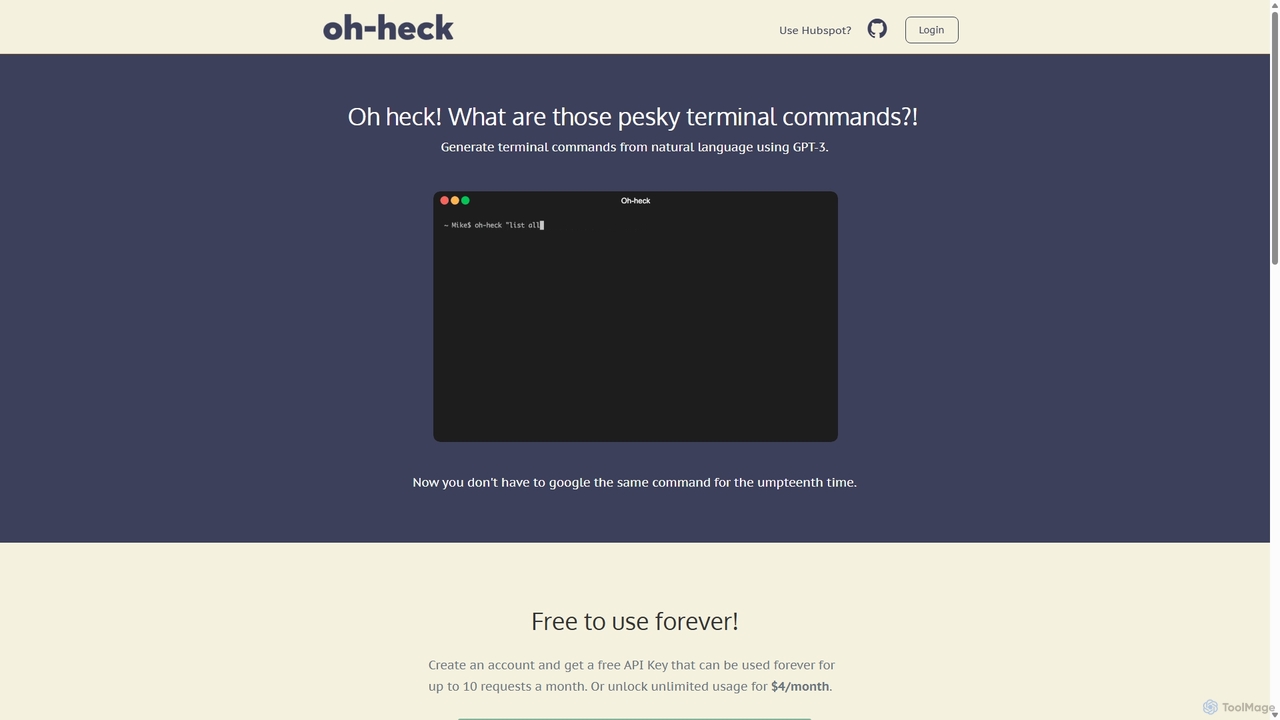
Oh-heck is a suite of AI-powered productivity tools that convert natural language into terminal commands and generate professional emails directly within your CRM. Powered by GPT-3, it's designed to save time for developers, sales teams, and support agents by simplifying complex and repetitive tasks.

Command Line
Visits 4.2KFavorites 93Likes 89
Aider
Free

Aider

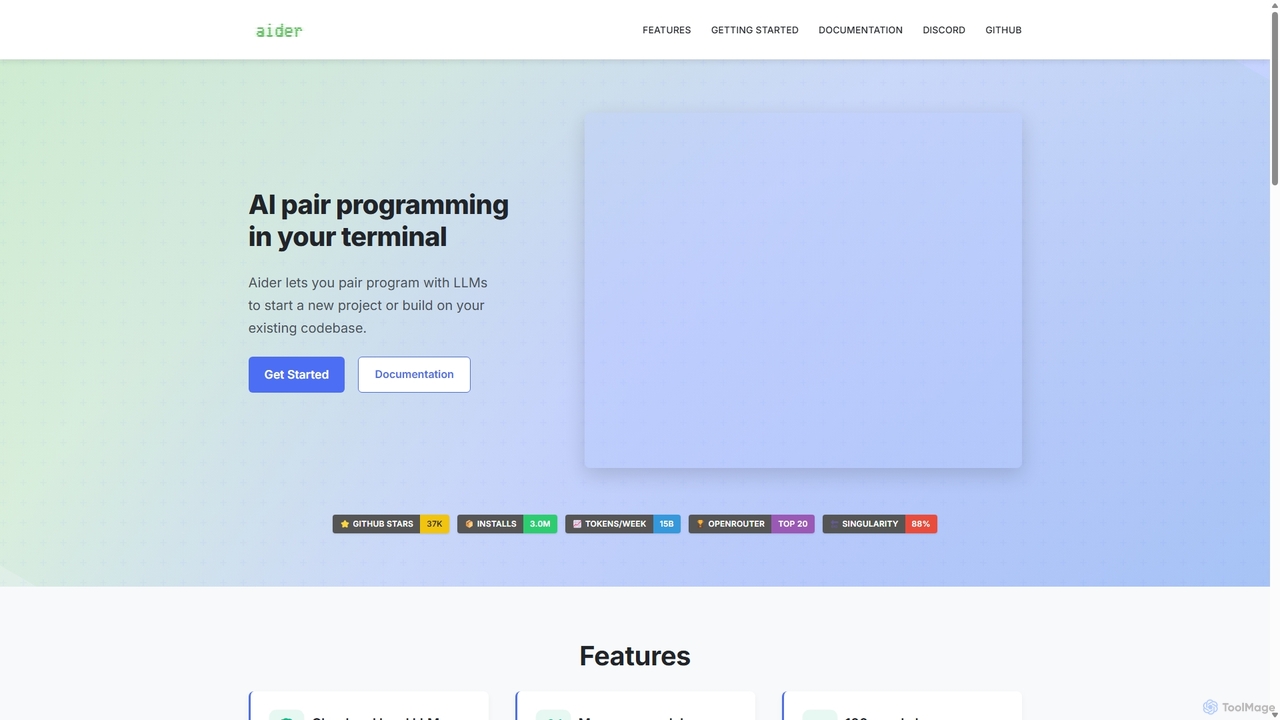
Aider is an AI-powered pair programmer that operates directly in your terminal. It intelligently maps your entire codebase, providing full project context for complex tasks. Seamlessly integrated with Git, it automates commits and allows you to manage AI-driven changes with familiar tools. Aider supports over 100 programming languages, connects to leading cloud and local LLMs, and even accepts voice and image inputs, making it a versatile and powerful assistant for any developer seeking to accelerate their workflow and improve code quality.

Programming
Visits 483KFavorites 158Likes 154
Savvy
Freemium

Savvy

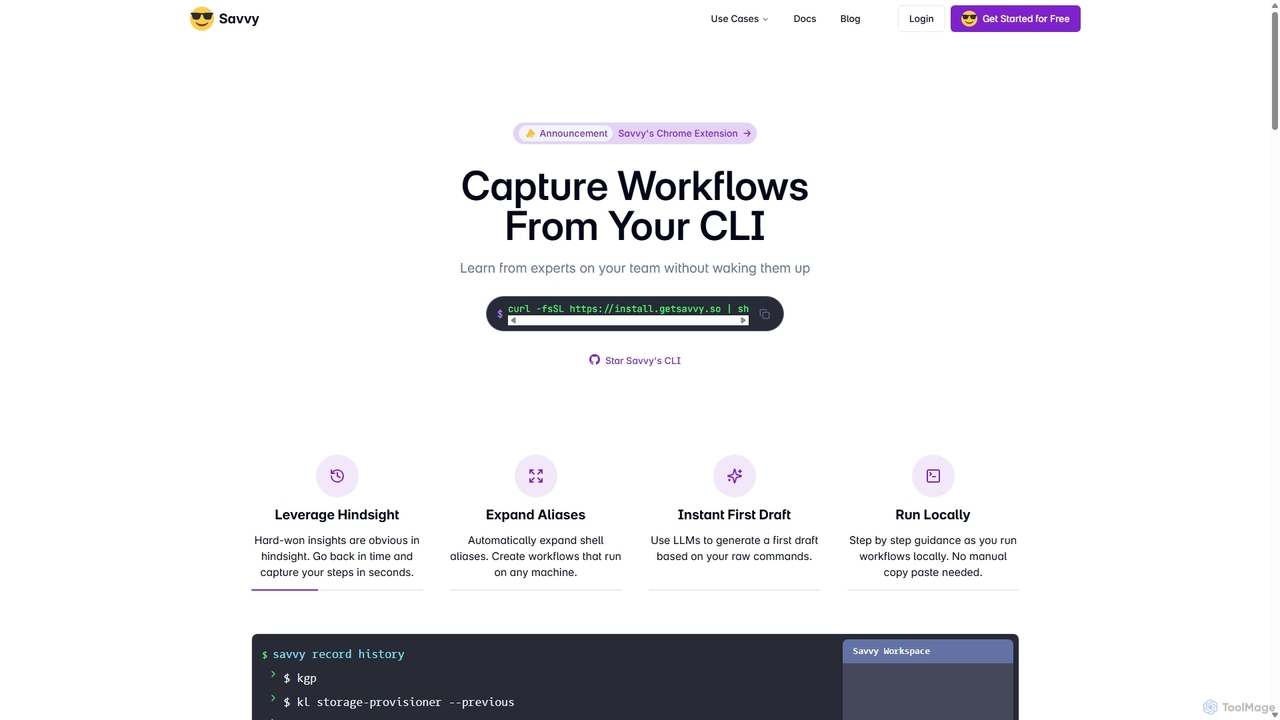
Savvy is an AI-powered tool for developers that captures Command Line Interface (CLI) actions to create shareable, step-by-step workflows. It helps teams document tribal knowledge, accelerate new hire onboarding, and resolve incidents faster by turning complex command sequences into easy-to-follow guides. With features like sensitive data redaction and AI-generated documentation, Savvy enhances productivity and collaboration for technical teams.

Command Line
Visits 7.4KFavorites 120Likes 127
Waveterm
Free

Waveterm

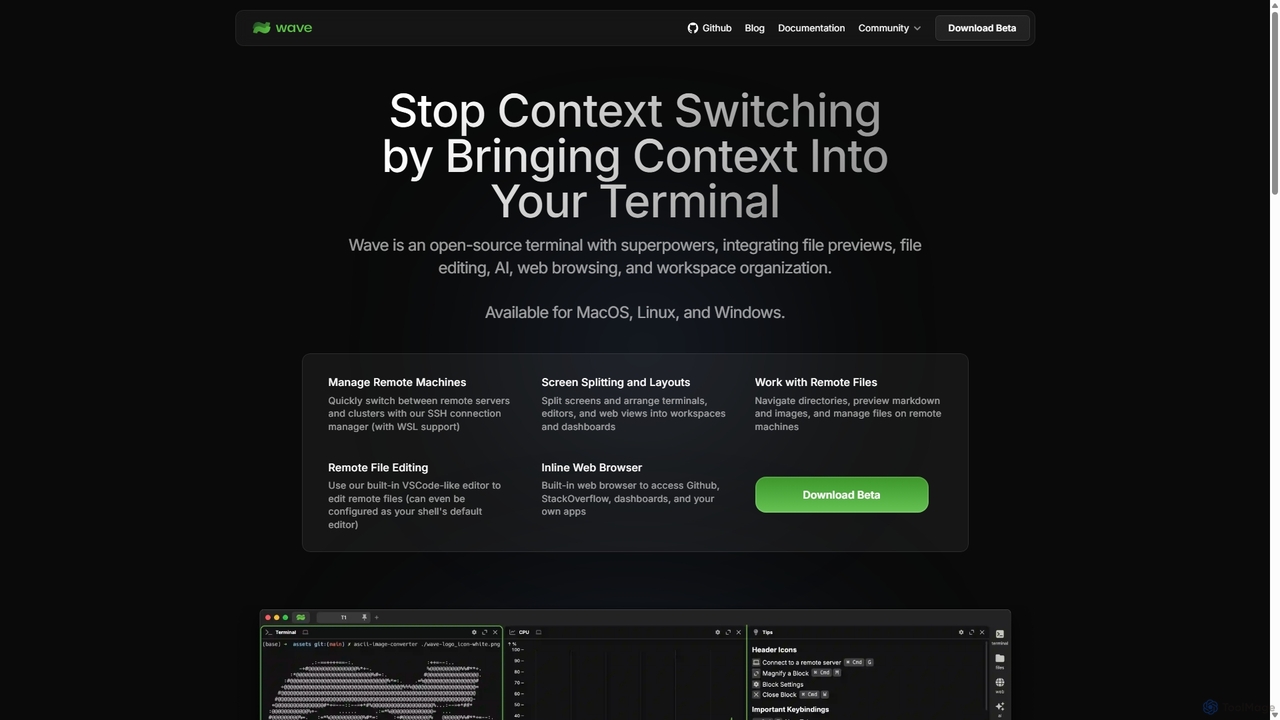
Waveterm is an open-source, modern terminal designed for developers and DevOps engineers. It enhances the command-line experience by integrating AI-powered assistance, a VSCode-like editor, inline file previews, a web browser, and customizable dashboards. This all-in-one workspace reduces context switching and boosts productivity across macOS, Windows, and Linux.

Code Assistant
Visits 134KFavorites 165Likes 165
Snailer
Paid

Snailer

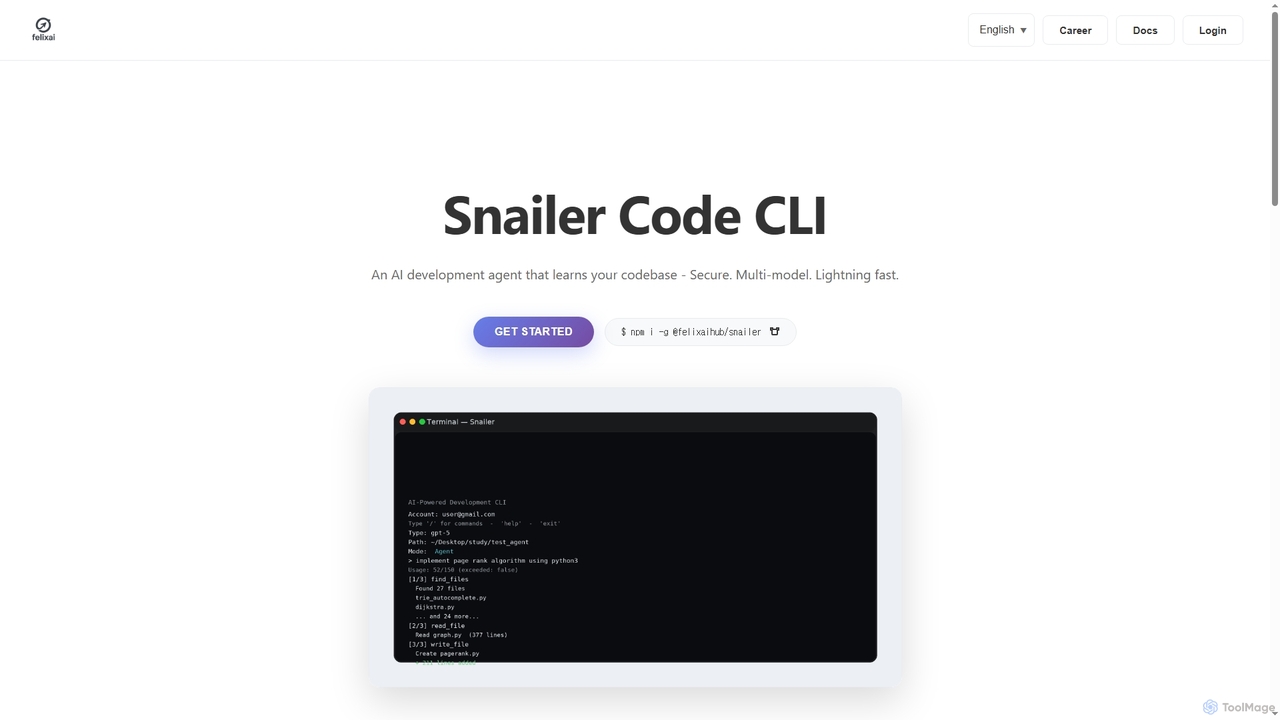
Snailer is a multi-model AI coding agent that operates within your command-line interface (CLI) and integrates with popular IDEs. It understands your codebase, allowing you to describe tasks in plain English to generate, propose, and execute code edits securely and efficiently.

Code Assistant
Visits 4.5KFavorites 116Likes 100
Raycast
Freemium

Raycast

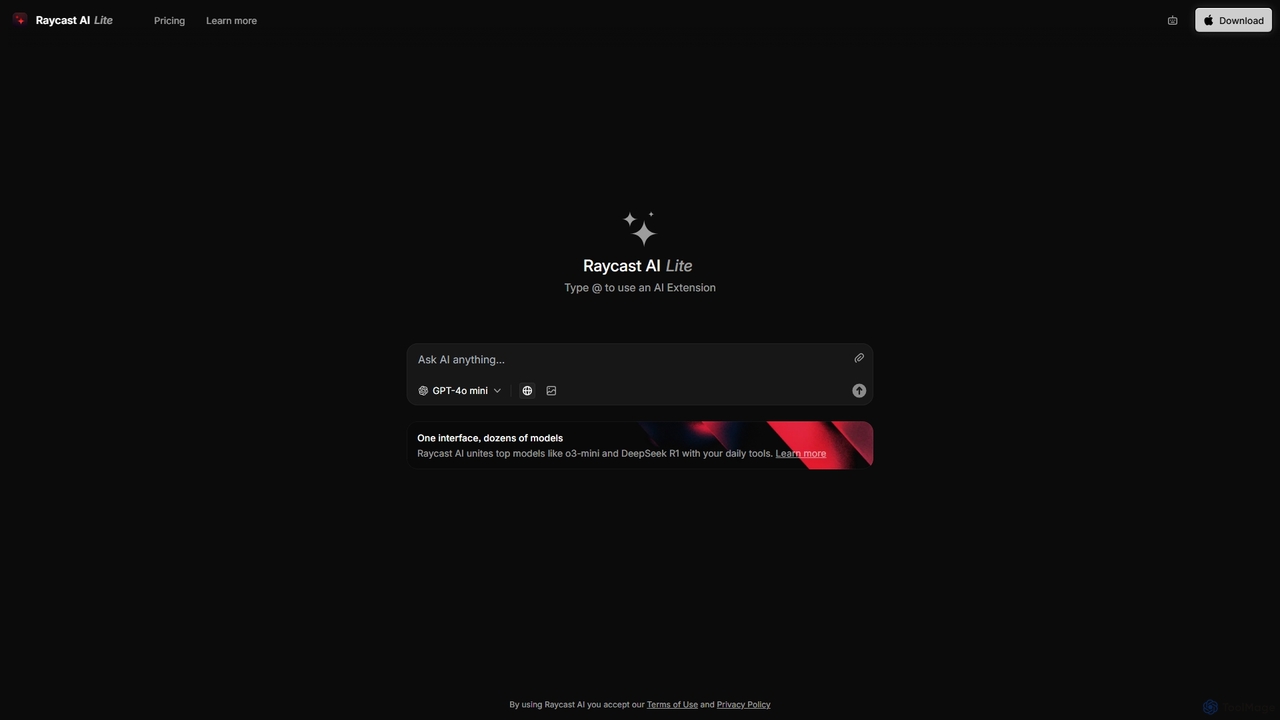
Raycast is a blazingly fast, extensible launcher for macOS that supercharges your productivity. It acts as a central command bar to control your tools, with integrated AI, an extensive extension store, and powerful built-in features like window management and clipboard history. It's designed to reduce context switching and keep you in the flow.

Personal Assistant
Visits 30KFavorites 99Likes 109