ToolMage
Sign in

Best 66 Accessibility AI tools

Popular Accessibility AI tools include wisprflow, Even Realities, ElevenReader, Peech, Dictation.io, Dictanote, Ava, CoeFont, Image to Prompt, and Be My Eyes, helping you work more efficiently.

MindEcho
Freemium

MindEcho

MindEcho is an advanced AI-powered communication tool for individuals with speech impairments. It provides a voice through high-quality text-to-speech and personalized voice cloning. By transforming text into natural-sounding speech, MindEcho empowers users to communicate effectively, regain independence, and preserve their unique vocal identity.

Speech Synthesis
Visits 5.6KFavorites 146Likes 140
Line 21 Live Captions
Paid

Line 21 Live Captions

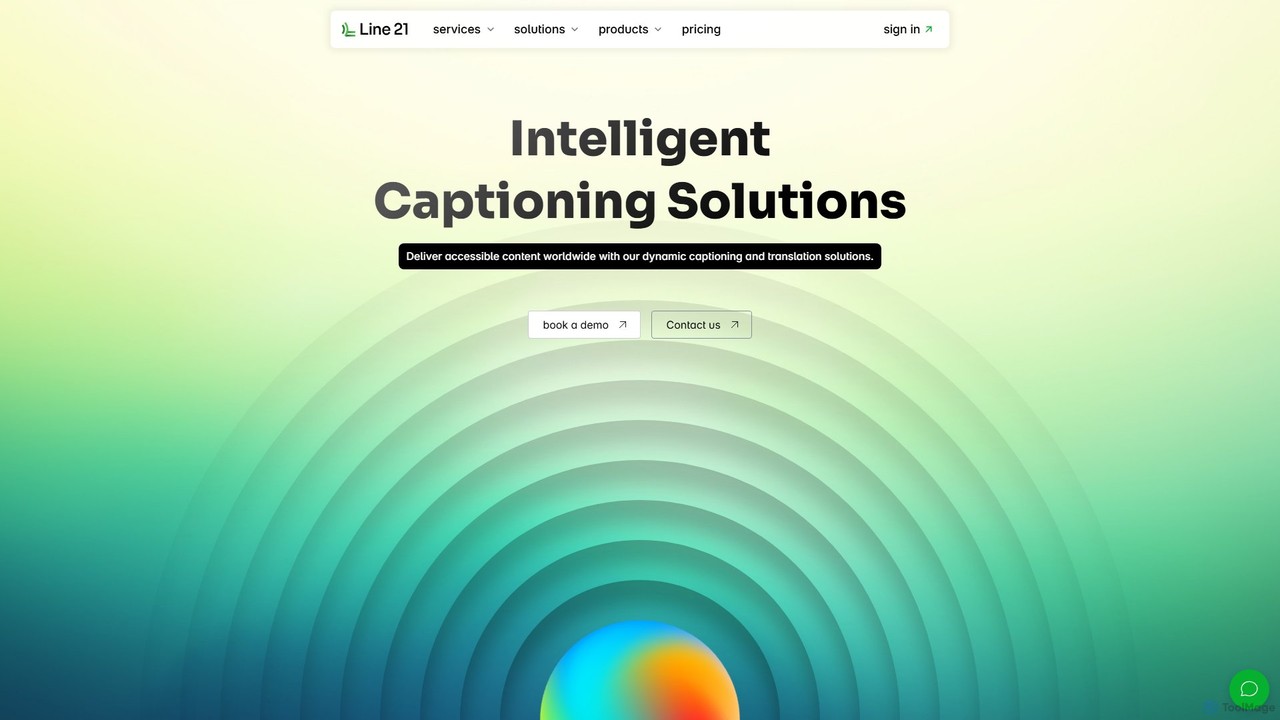
Line 21 is an intelligent captioning solution that combines professional human captioners with advanced AI technology. It offers real-time captioning, live translation in over 120 languages, AI-powered proofreading, and automatic speech recognition (ASR). Designed for live events, broadcasts, and meetings, it ensures fast, accurate, and accessible content delivery to global audiences across platforms like YouTube, Zoom, and Teams.

Live Translation
Visits 5.6KFavorites 139Likes 140

EyeGestures
Freemium

EyeGestures

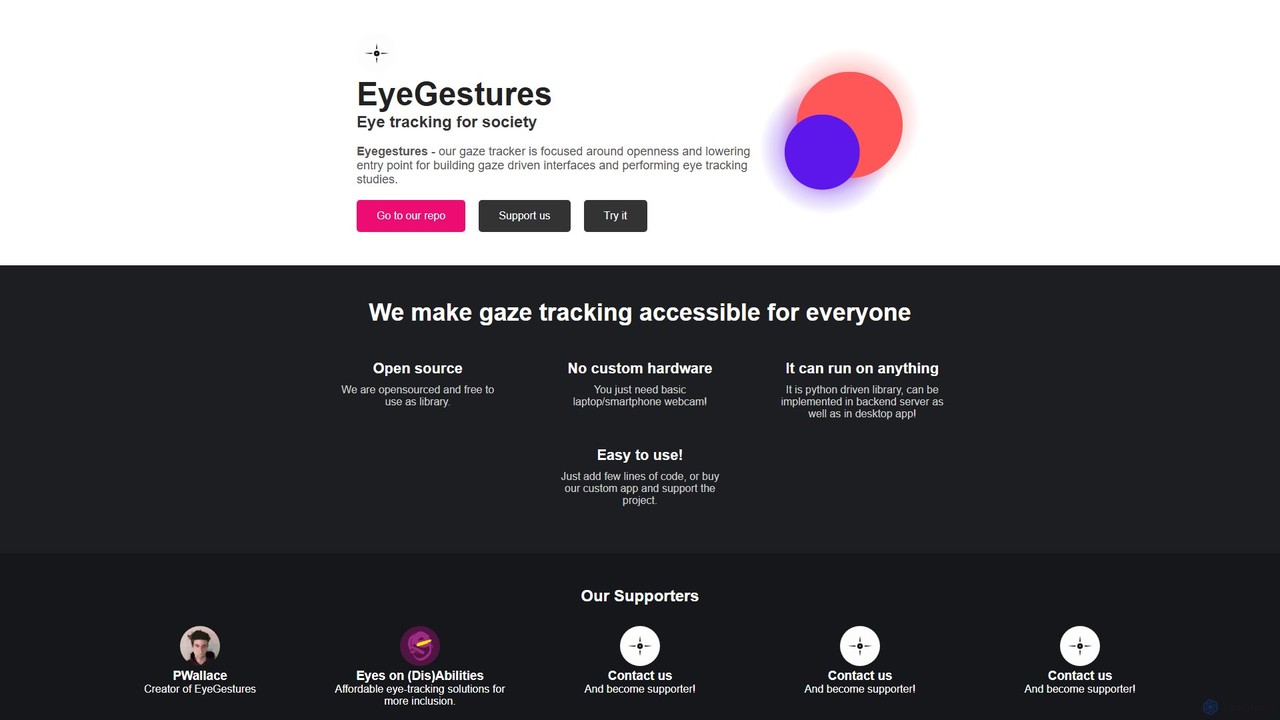
EyeGestures is an open-source gaze tracking library that makes eye control accessible to everyone. It uses a standard webcam on a laptop or smartphone, eliminating the need for specialized hardware. Built with Python and JavaScript, it allows developers to easily integrate hands-free control into web, desktop, and server-side applications.

Assistive Technology
Visits 6.8KFavorites 118Likes 125
WebWhisper
Free

WebWhisper

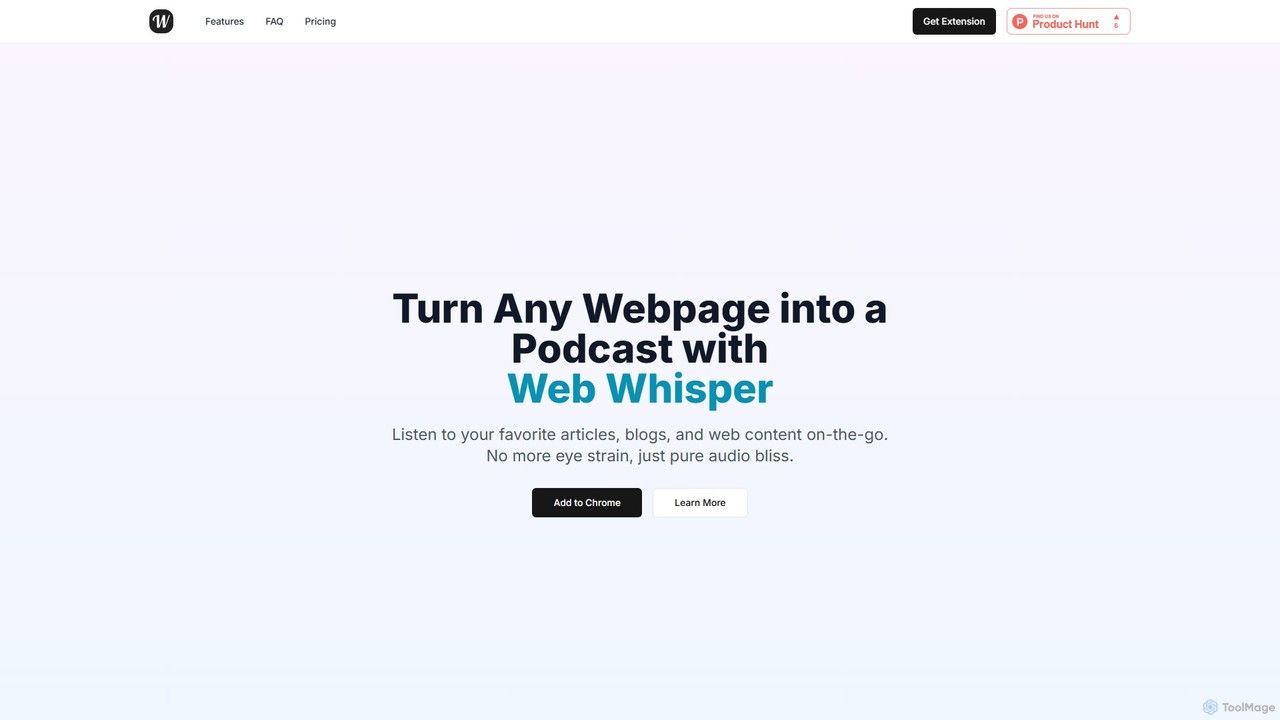
WebWhisper is a free Chrome extension that instantly converts any webpage, article, or blog post into a high-quality audio podcast. It allows you to listen to web content on the go, create playlists for later, and even access them offline. With natural-sounding AI voices and automatic language detection, it transforms your reading experience into an effortless listening one, reducing eye strain and boosting productivity.

Screen Reader
Visits 6.6KFavorites 131Likes 159
AnyToSpeech
Freemium

AnyToSpeech

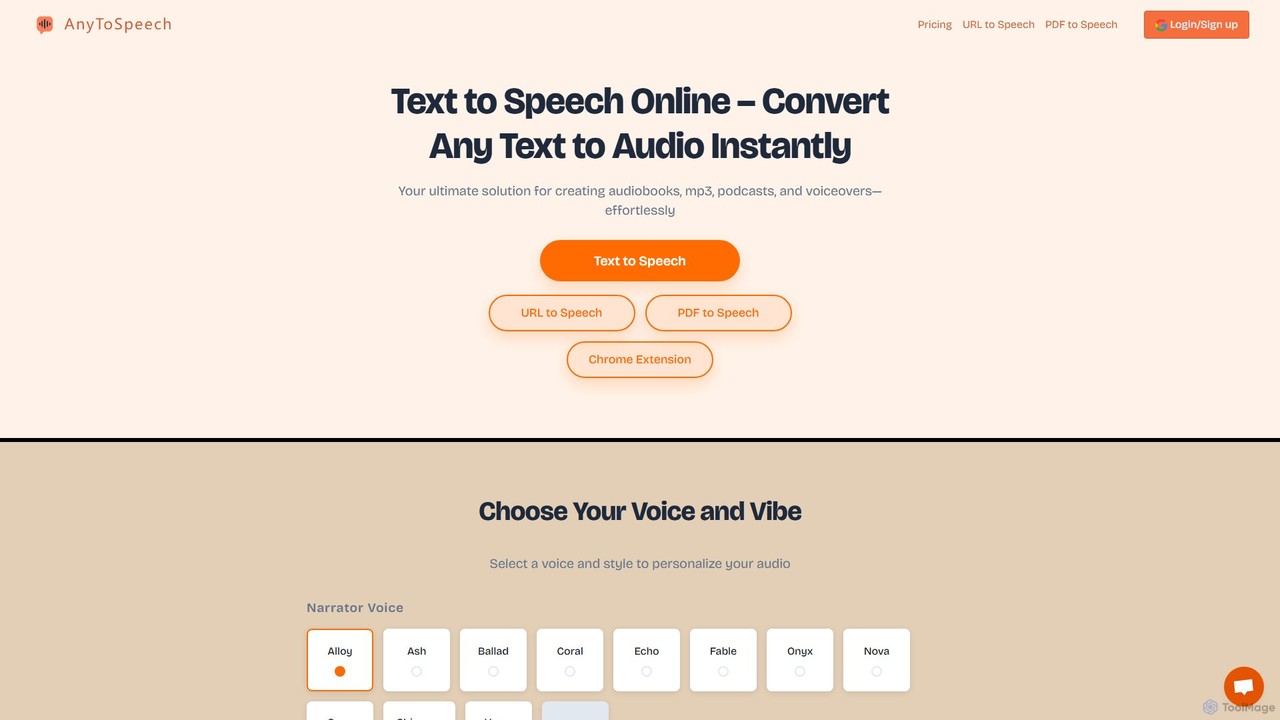
AnyToSpeech is an advanced AI text-to-speech converter that instantly transforms text, documents (PDF, DOCX, TXT), and even entire web pages into natural-sounding audio. It offers a wide range of high-quality AI voices and styles, allowing users to create MP3 files for audiobooks, e-learning materials, voiceovers, and more. It features flexible pricing with both one-time purchase and subscription options, and a generous free trial that requires no registration.

Assistive Technology
Visits 131.6KFavorites 138Likes 136
signs_ai
Free

signs_ai

signs_ai is a community-driven AI project by NVIDIA to create a comprehensive American Sign Language (ASL) dataset. By contributing short video recordings of signs, you can help train AI models to better understand ASL, fostering greater communication accessibility for the Deaf and Hard of Hearing community. This initiative focuses on building a diverse and unbiased dataset to power the next generation of assistive technologies.

Communication
Visits 10.3KFavorites 132Likes 132
Lugs.ai
Freemium

Lugs.ai

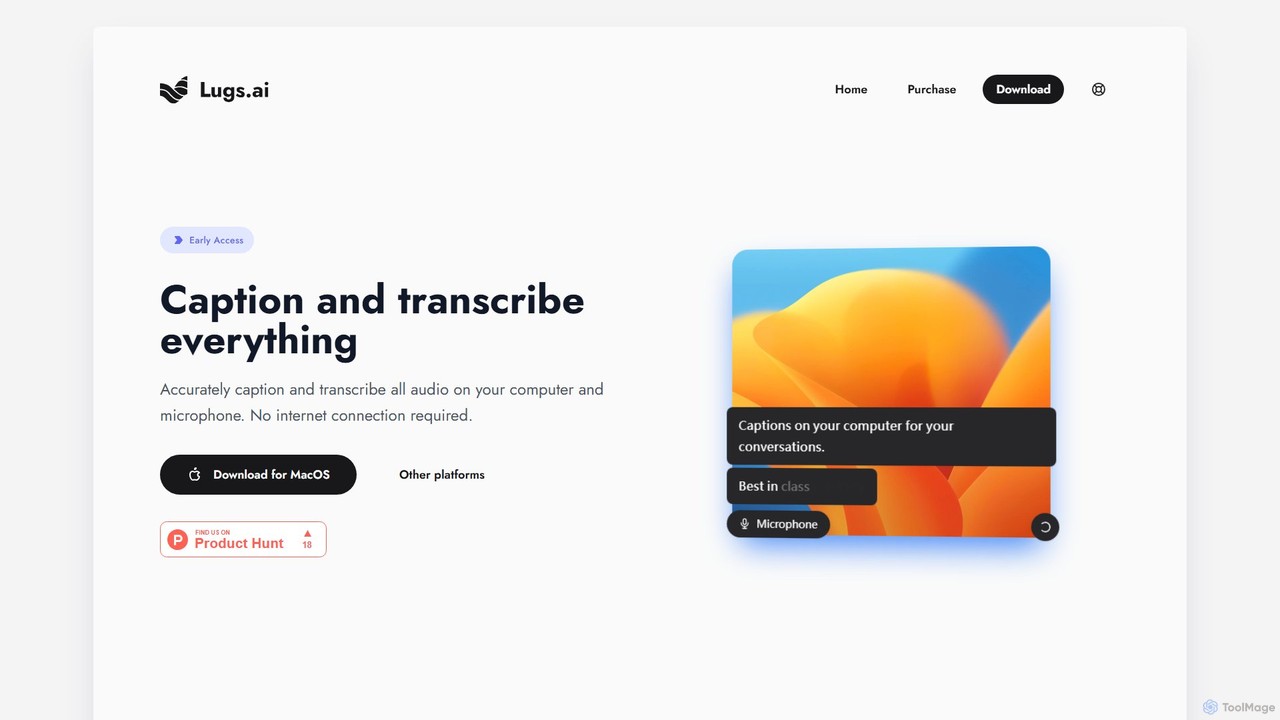
Lugs.ai is a macOS desktop application providing real-time, highly accurate transcription and captioning for all computer and microphone audio. It operates completely offline, ensuring user privacy. Designed by the hearing-impaired, it offers best-in-class accuracy for meetings, conversations, and enhancing accessibility.

Hearingimpairment
Visits 6.1KFavorites 108Likes 95
GPT Reader
Free

GPT Reader

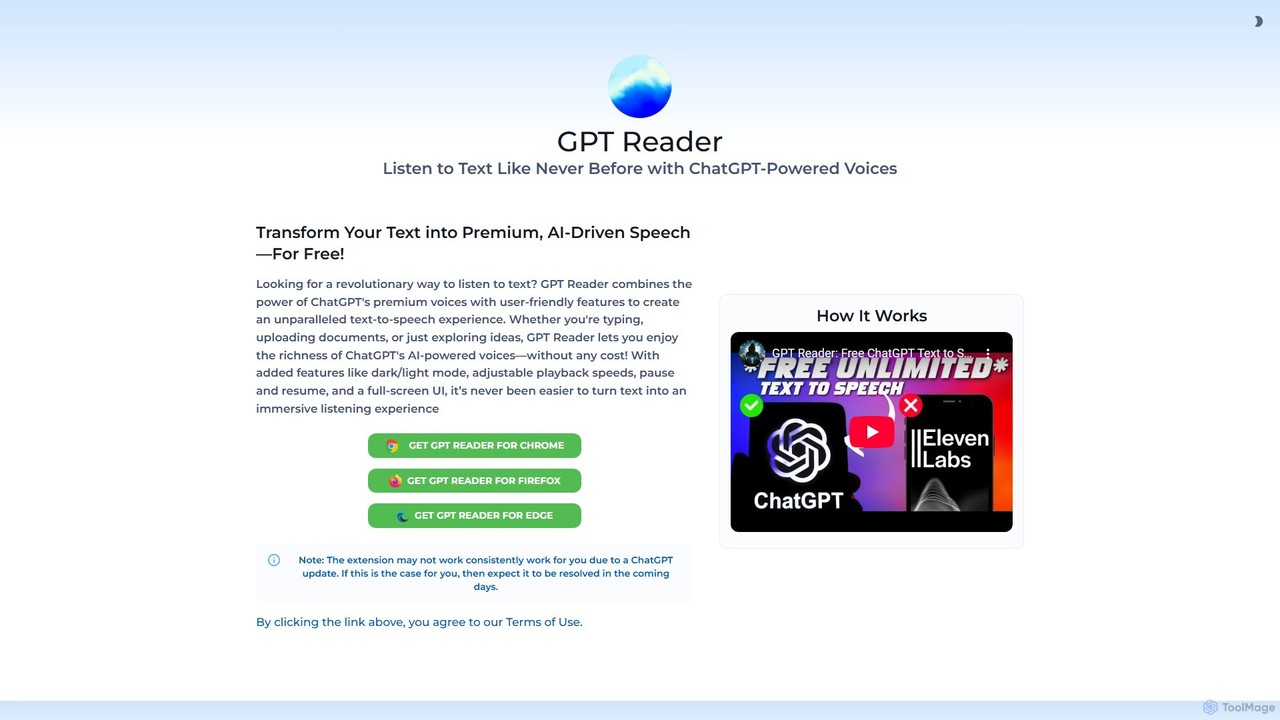
A free text-to-speech browser extension that uses premium, natural-sounding voices from ChatGPT. Convert articles, documents, and any selected text into high-quality audio for enhanced productivity and accessibility.

Screen Reader
Visits 50.3KFavorites 130Likes 139
Be My Eyes
Free

Be My Eyes

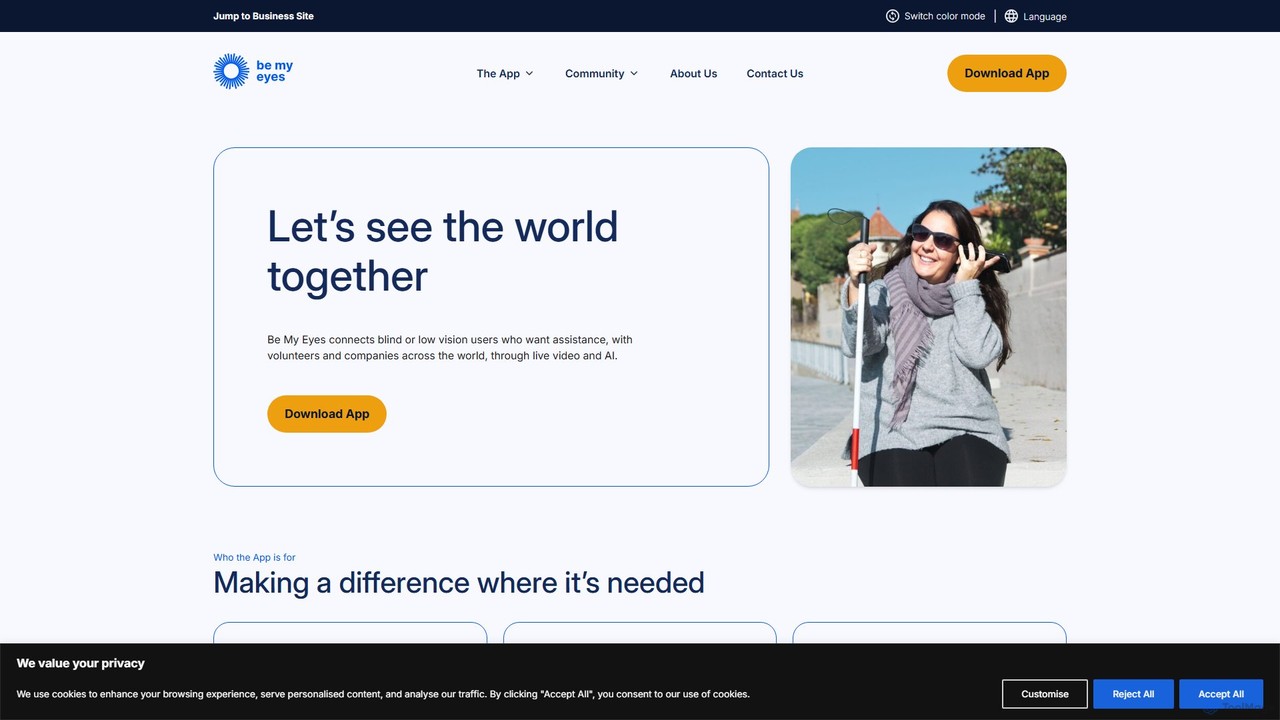
Be My Eyes is a free mobile app that connects blind and low-vision individuals with sighted volunteers and advanced AI for visual assistance. Through live video calls or AI-powered image descriptions, users get help with tasks like reading labels, navigating new places, and identifying objects, fostering greater independence.

Visual Assistance
Visits 200.4KFavorites 138Likes 142
Sign AI

Sign AI

Sign AI is developing the world's most accurate large multimodal model for American Sign Language (ASL). It aims to provide real-time, bi-directional interpretation, enhance accessibility for the Deaf community, and ensure ASL is fully represented in the AI revolution, with development led by Deaf experts.

Sign Language
Visits 5.5KFavorites 112Likes 98
Dictanote
Freemium

Dictanote

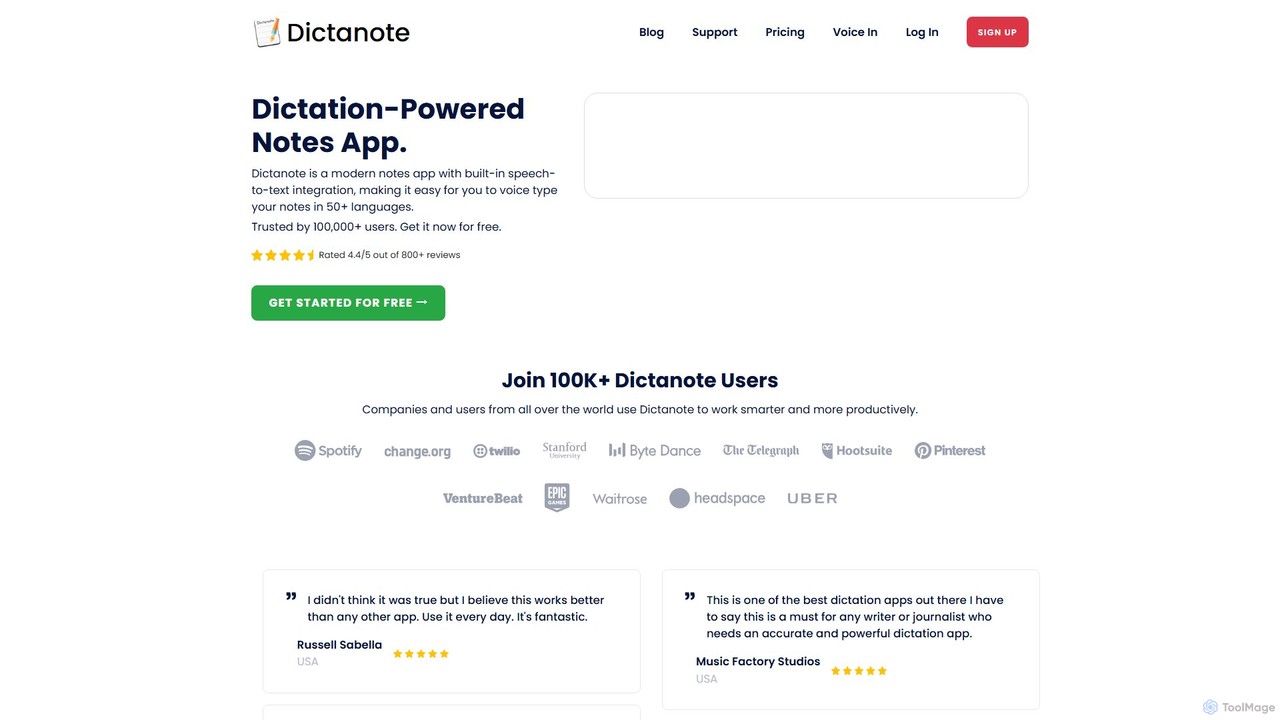
Dictanote is an AI-powered note-taking and transcription tool that converts your voice into text with high accuracy. It features a smart note editor, a Chrome extension for dictation on any site, and an AI assistant, AudioScribe, to summarize and rewrite your voice notes.

Speech To Text
Visits 275.1KFavorites 118Likes 129
describepicture
Freemium

describepicture

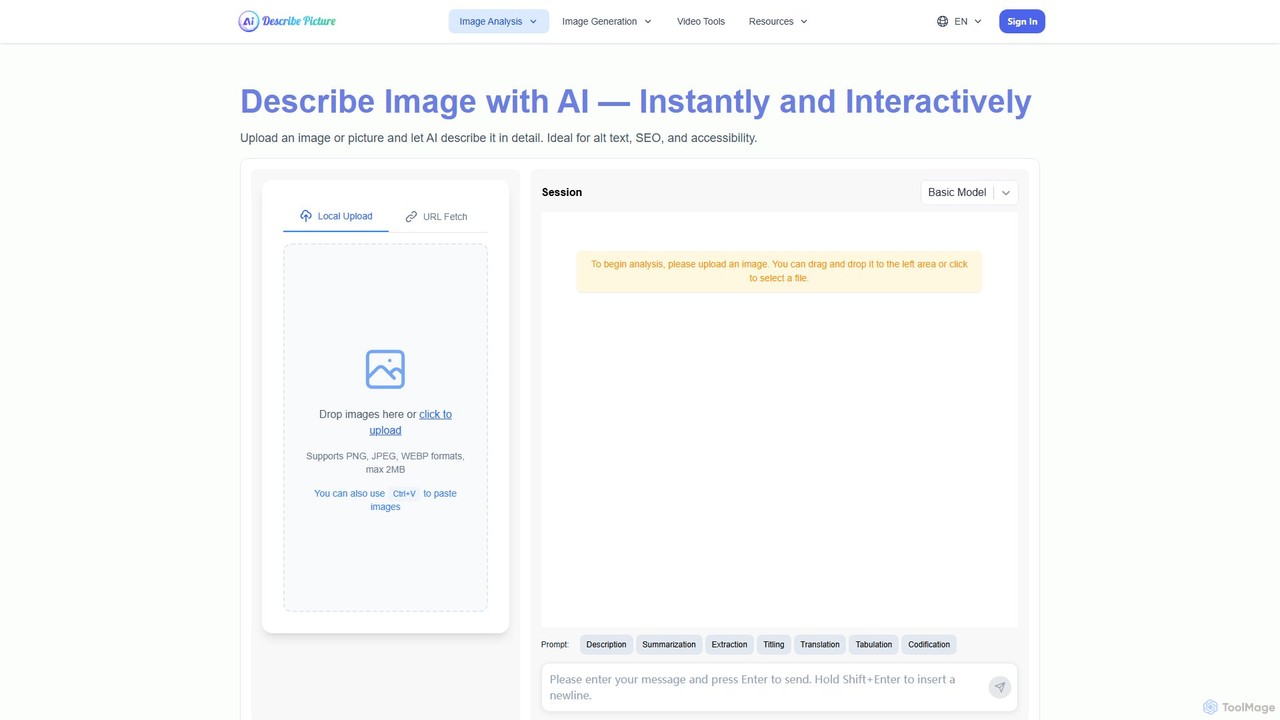
describepicture is a versatile AI platform that instantly generates detailed descriptions for images and videos. It excels at creating alt text for SEO and accessibility, extracting text from images (OCR), converting web screenshots into code (HTML/CSS/JS), and transforming image content into Markdown. It's an all-in-one tool for content creators, developers, and marketers to enhance productivity and make digital content more inclusive.

Screen Readers
Visits 42.1KFavorites 124Likes 128
Newton Eyes
Free

Newton Eyes

Newton Eyes is a free, AI-powered mobile app designed as a vision companion for visually challenged individuals. It uses your phone's camera and voice commands to provide detailed audio descriptions of surroundings, objects, and text, fostering greater independence and interaction with the world.

Visual Assistance
Visits 6.1KFavorites 111Likes 104
readit
Freemium

readit

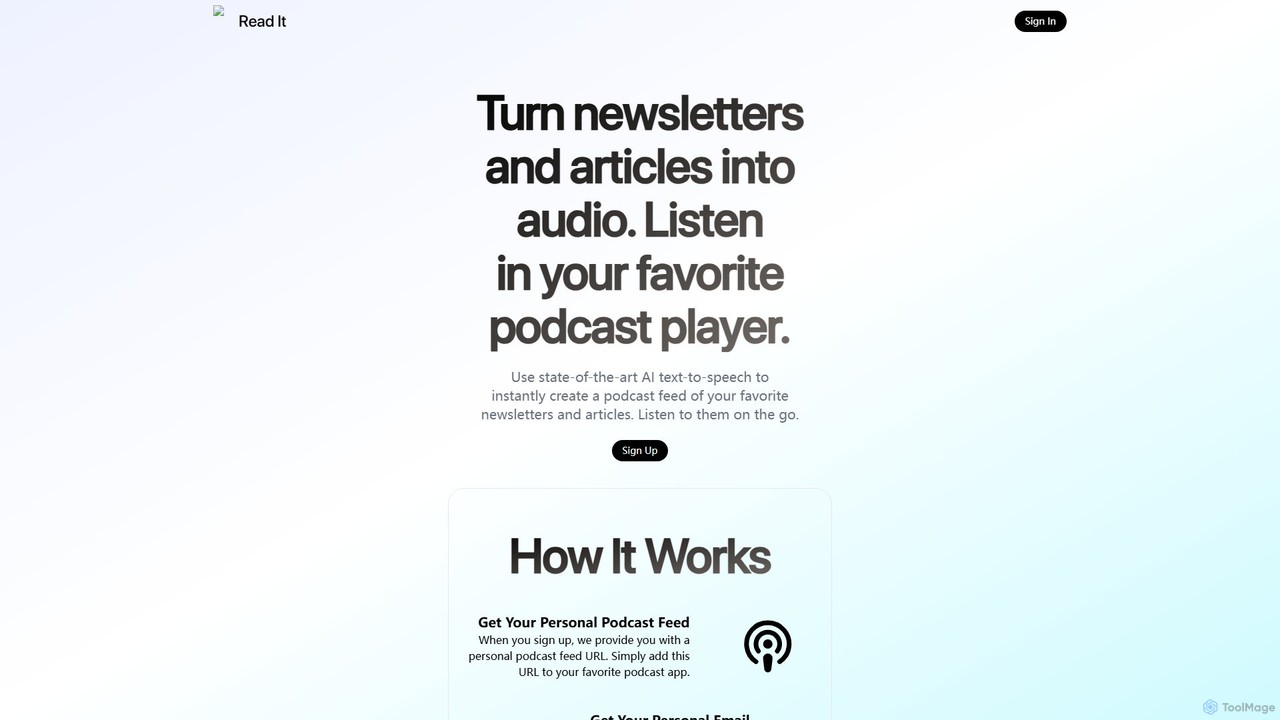
readit transforms your favorite newsletters and web articles into a personal podcast. Using advanced AI text-to-speech, it converts written content into high-quality audio. Simply forward emails or use the browser bookmarklet to add content, and listen in your preferred podcast app. Perfect for catching up on your reading list while commuting, exercising, or multitasking.

Reading Aid
Visits 5.5KFavorites 112Likes 115
Speak4Me
Freemium

Speak4Me

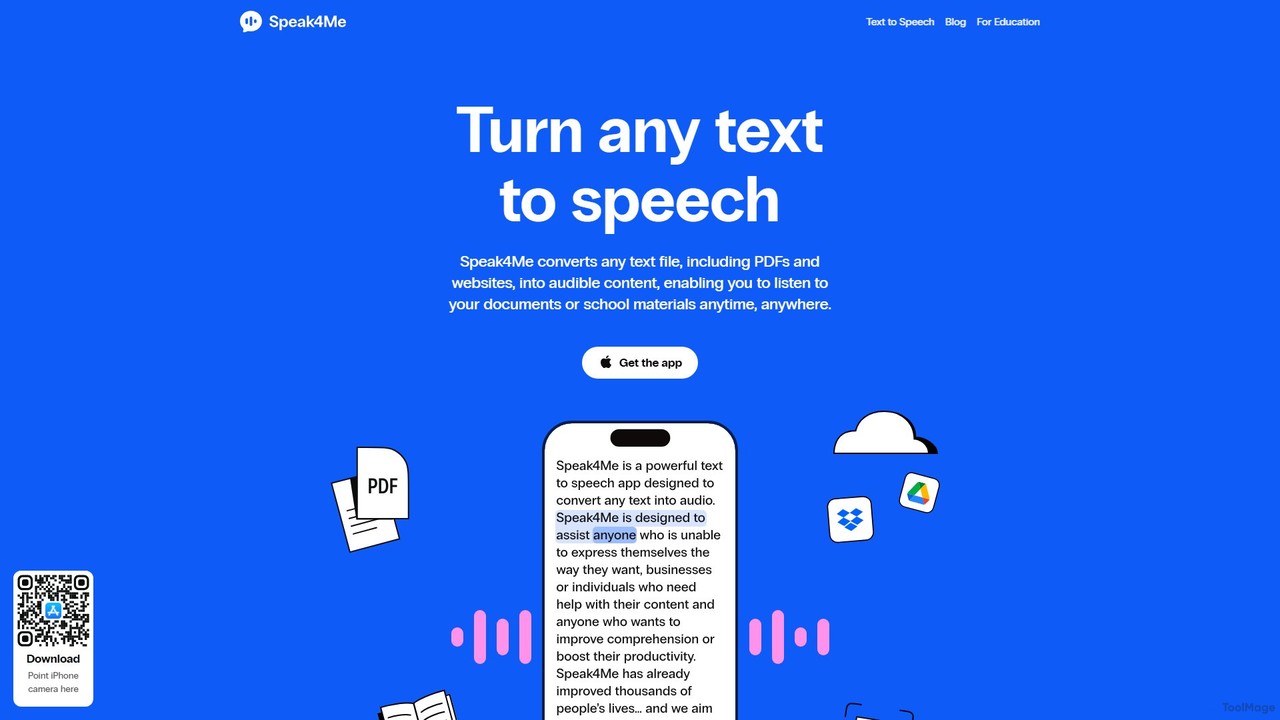
Speak4Me is an advanced text-to-speech iOS app that converts any text from documents, websites, or scanned pages into natural-sounding audio. It features AI-powered chat for summarizing and querying documents, seamless cloud integration, and robust accessibility tools for users with dyslexia or ADHD. Listen to content on the go, increase productivity, and enhance your reading and learning experience.

Assistive Technology
Visits 12.2KFavorites 139Likes 150
Audeus
Freemium

Audeus

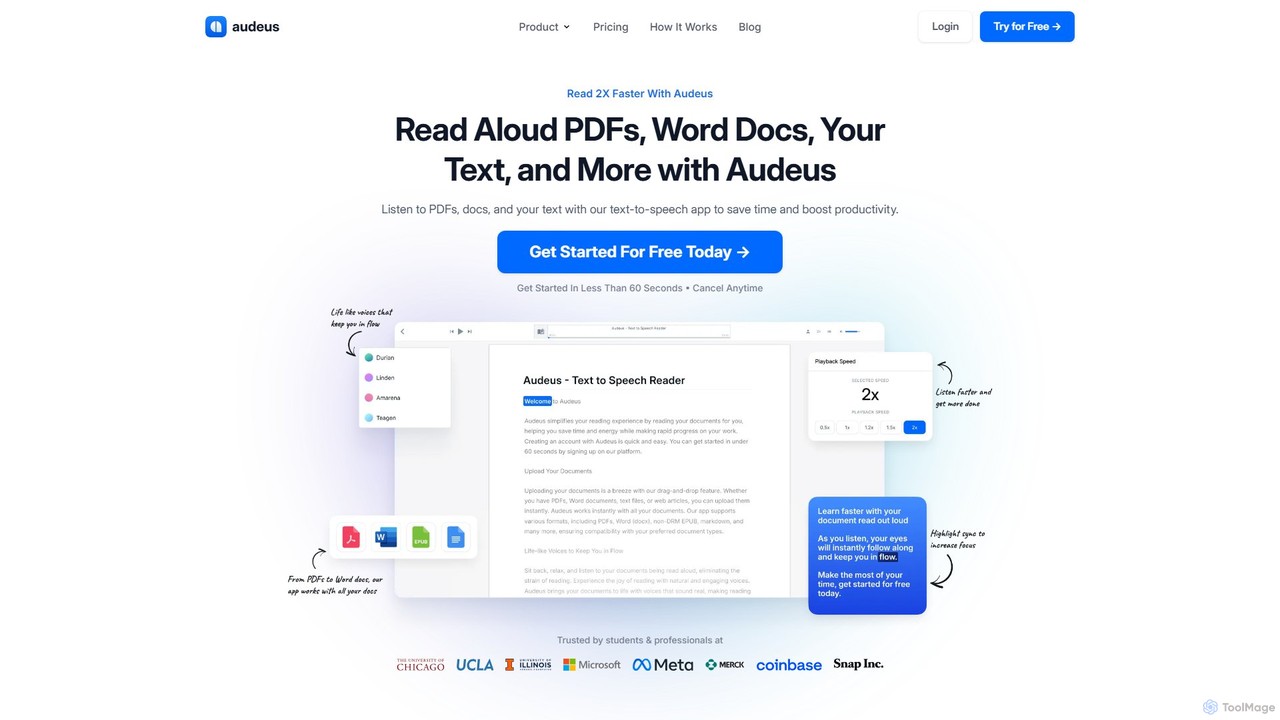
Audeus is an advanced AI-powered text-to-speech (TTS) reader that transforms documents, web articles, and text into natural-sounding audio. It's designed for students, professionals, and anyone looking to increase productivity, improve focus, and absorb information more effectively. By listening and reading simultaneously with synced highlighting, users can double their reading speed, reduce eye strain, and enhance comprehension. It supports various formats like PDF, Word, and EPUB, and works seamlessly across devices.

Text To Speech
Visits 59.4KFavorites 172Likes 158
Renamify
Freemium

Renamify

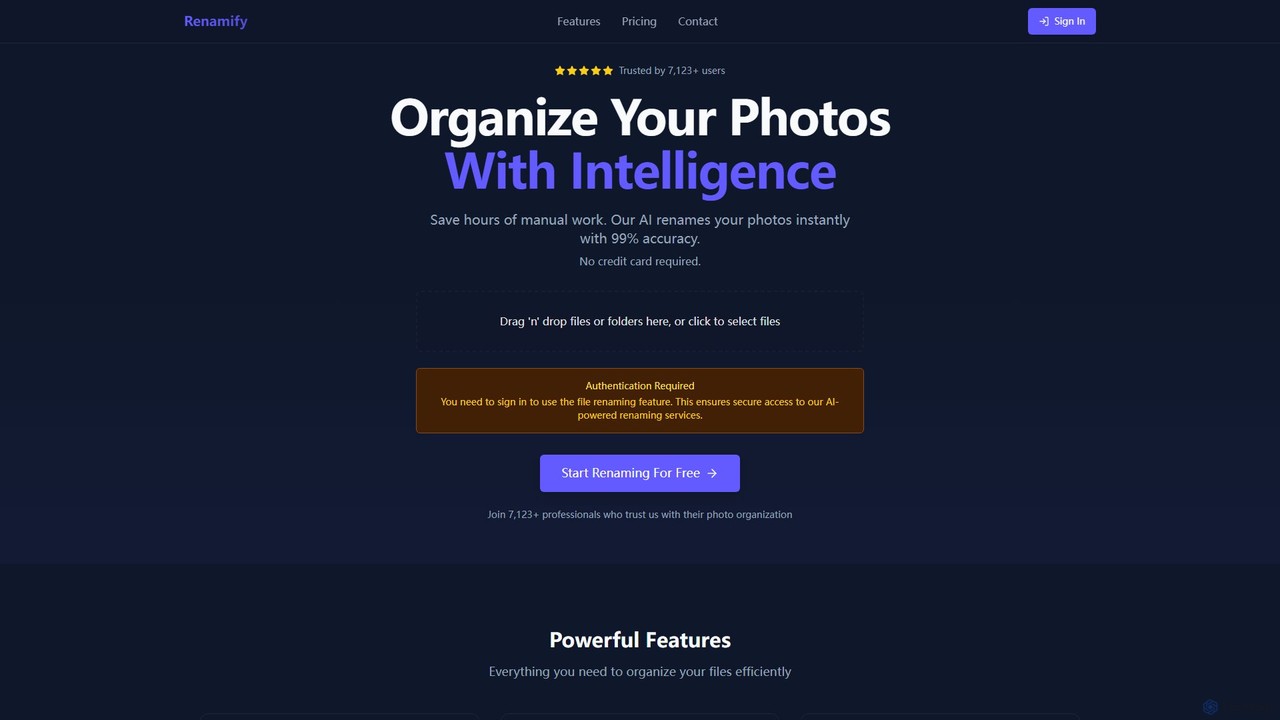
Renamify is an AI-powered tool that simplifies bulk file renaming. It intelligently analyzes the content of your files, especially photos, to suggest meaningful and descriptive names, saving hours of manual work. It also focuses on enhancing web accessibility for visually impaired users.

Screen Reader Tools
Visits 15.7KFavorites 153Likes 147
Dictation.io
Free

Dictation.io

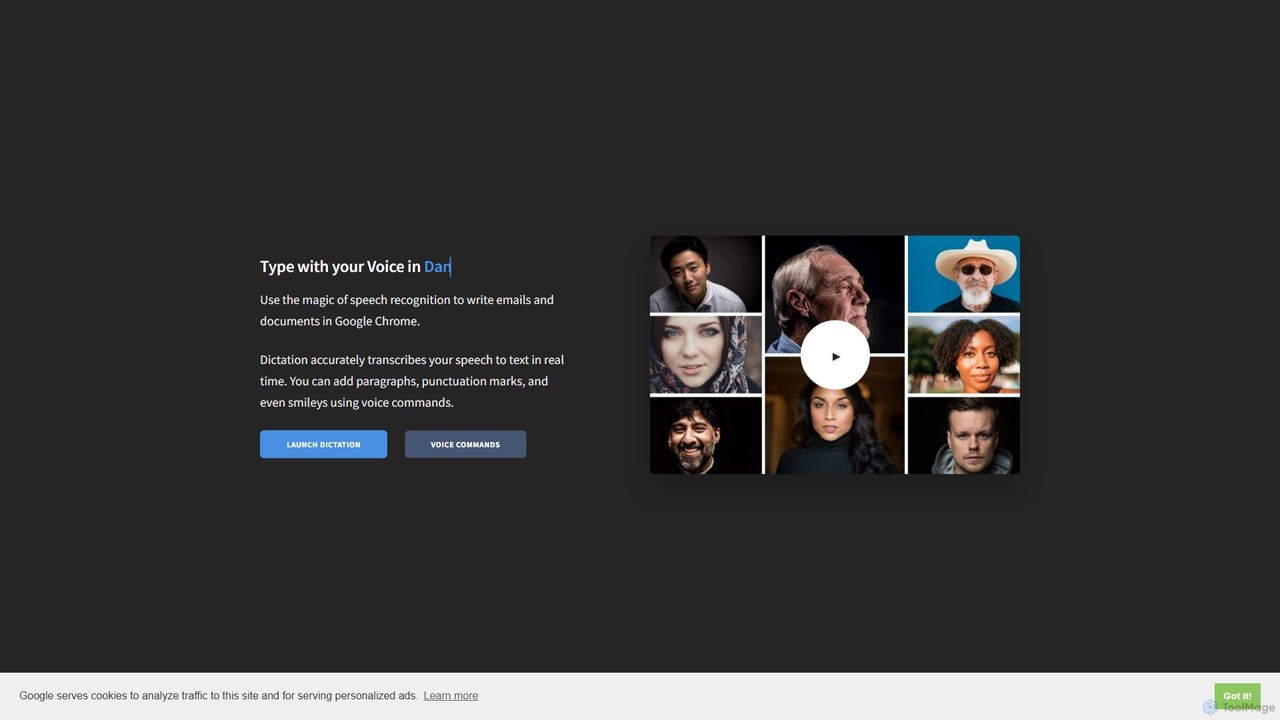
Dictation.io is a free, web-based speech-to-text application that allows you to type with your voice in over 100 languages. It uses Google's speech recognition for fast, real-time transcription directly in your Chrome browser, with no data stored online, ensuring privacy.

Speech To Text
Visits 406.7KFavorites 143Likes 171

About Accessibility

Accessibility AI tools are a category of AI-powered solutions designed to make digital content, products, and services usable by people with diverse abilities. These tools leverage artificial intelligence, machine learning, and natural language processing to automate and enhance various aspects of digital accessibility. Their primary goal is to remove barriers, ensuring that websites, applications, and digital media are inclusive and navigable for everyone, regardless of their physical or cognitive capabilities.

Core Features

  • Automated Captioning & Transcription: AI automatically generates accurate captions and transcripts for audio and video content, benefiting individuals with hearing impairments.
  • Screen Reader Optimization: Tools analyze website structure and content to ensure compatibility and optimal navigation for screen reader users.
  • Content Simplification: AI algorithms can simplify complex text, making it more understandable for users with cognitive disabilities or learning differences.
  • Color Contrast & Readability Analysis: AI assesses visual elements for sufficient color contrast and text readability, crucial for users with visual impairments.
  • Voice Control & Navigation: Enables users to interact with digital interfaces using voice commands, assisting those with motor disabilities.

Applicable Scenarios

Accessibility AI tools are vital for organizations committed to inclusive design and compliance. Web developers use them to audit and fix accessibility issues in code. Content creators employ them to automatically generate accessible media. Businesses integrate these tools into their platforms to ensure their digital offerings are usable by all customers, enhancing user experience and expanding market reach.

How to Choose

When selecting an Accessibility AI tool, consider its compliance standards (e.g., WCAG, ADA), the range of disabilities it addresses, and its integration capabilities with existing platforms. Evaluate the accuracy of its AI-driven features, such as captioning or content simplification, and assess its ease of use for both developers and end-users. Scalability and pricing models should also align with your organizational needs and budget.

Featured tool rankings

Accessibility use cases

1

Automating Video Captioning for Online Courses

An e-learning platform uses AI accessibility tools to automatically generate accurate captions and transcripts for all its video lectures. This ensures that students with hearing impairments or those who prefer reading can fully engage with the course material, significantly reducing manual transcription time and costs.

2

Enhancing Website Navigation for Visually Impaired Users

A government agency employs AI-powered screen reader optimization tools to analyze its public website. The AI identifies and suggests improvements for image alt-text, heading structures, and link descriptions, making the site seamlessly navigable for users relying on screen readers to access critical information and services.

3

Simplifying Legal Documents for Broader Comprehension

A legal tech company utilizes AI content simplification tools to rephrase complex legal jargon into plain language. This allows individuals with cognitive disabilities, non-native speakers, or those with lower literacy levels to understand important contracts and terms of service, promoting greater transparency and access to justice.

4

Ensuring Color Contrast Compliance for E-commerce Sites

An online retailer integrates AI color contrast analysis into its design workflow. Before launching new product pages or marketing campaigns, the AI automatically checks all visual elements, including text, buttons, and graphics, against WCAG guidelines, guaranteeing optimal readability for customers with various visual impairments.

5

Enabling Voice-Controlled Interaction for Banking Apps

A mobile banking application incorporates AI-driven voice control features. Users with motor disabilities can perform transactions, check balances, and manage accounts using only voice commands, providing them with independent and secure access to essential financial services without needing to physically interact with the screen.

6

Real-time Sign Language Translation for Public Events

An event organizer deploys AI tools that can interpret spoken language in real-time and translate it into sign language avatars or text displays. This ensures that deaf and hard-of-hearing attendees at conferences or public gatherings can fully participate and understand presentations, fostering a more inclusive environment.

Accessibility FAQ

What are Accessibility AI tools?

Accessibility AI tools are software solutions that use artificial intelligence to improve the usability of digital content and services for people with disabilities. They automate tasks like captioning, optimize interfaces for screen readers, and simplify complex information, making digital experiences more inclusive and compliant with accessibility standards.

How do Accessibility AI tools benefit businesses?

Businesses benefit from Accessibility AI tools by expanding their customer base, improving brand reputation, and ensuring legal compliance (e.g., ADA, WCAG). These tools help create more inclusive digital products, reduce manual accessibility efforts, and enhance overall user experience for a wider audience, leading to increased engagement and loyalty.

What are the key features to look for in an Accessibility AI tool?

When choosing an Accessibility AI tool, look for features such as automated captioning and transcription, screen reader optimization, content simplification, and color contrast analysis. Also, consider its ability to integrate with your existing platforms, its compliance with international accessibility standards, and the accuracy and reliability of its AI algorithms.

Can Accessibility AI tools fully replace human accessibility experts?

While Accessibility AI tools significantly automate and enhance many aspects of digital accessibility, they generally cannot fully replace human accessibility experts. AI excels at identifying common issues and automating repetitive tasks, but human experts are crucial for nuanced interpretation, complex problem-solving, user testing with diverse individuals, and ensuring a truly empathetic and comprehensive inclusive design.

What types of disabilities do Accessibility AI tools address?

Accessibility AI tools are designed to address a wide range of disabilities. This includes visual impairments (e.g., through screen reader optimization, color contrast analysis), auditory impairments (e.g., automated captioning, transcription), cognitive disabilities (e.g., content simplification), and motor impairments (e.g., voice control, alternative navigation methods).