Freemium
CoChat
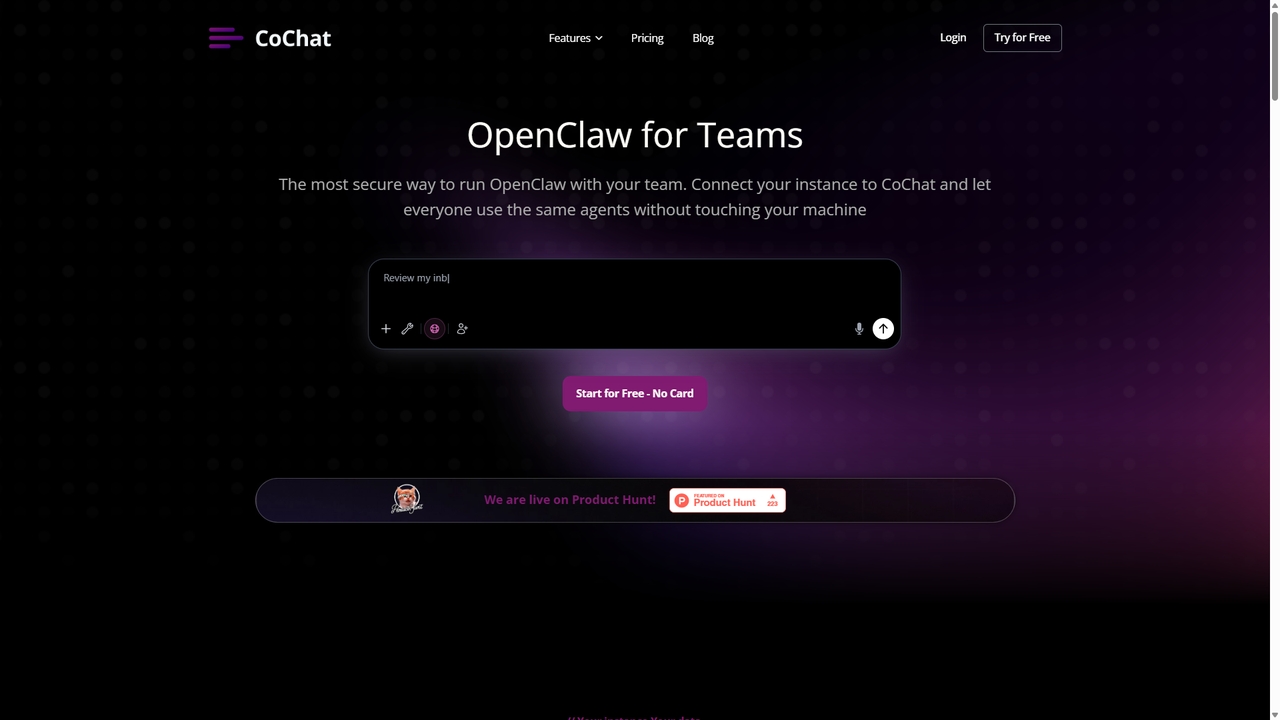
CoChat is a secure team workspace for shared AI chats, autonomous agents, model comparison, and tool integrations connected to your OpenClaw or KiloClaw instance.
Workflow AutomationVisits 102.3KFavorites 14Likes 12
Popular Code Assistant in Development include CoChat, DeepSource, Codegen, Cosine, img2html, XAML.io, GitLoop, Pythagora, Engine, and haddock, helping you work more efficiently.
CoChat is a secure team workspace for shared AI chats, autonomous agents, model comparison, and tool integrations connected to your OpenClaw or KiloClaw instance.
Workflow Automation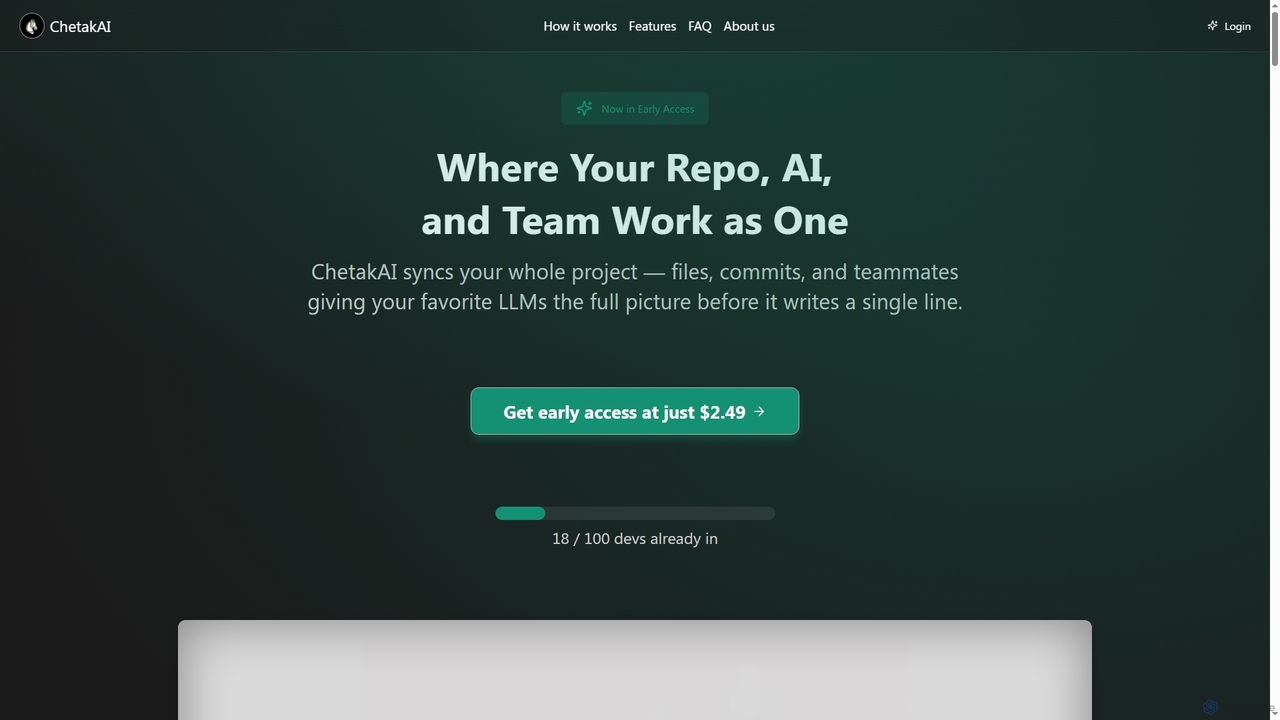
ChetakAI is an AI-powered development platform that unifies your code, AI, and team into a single, context-aware workspace. It syncs your entire project, including files, commits, and team activity, to provide large language models with a complete understanding before generating any code, enhancing collaboration and productivity.
Team Development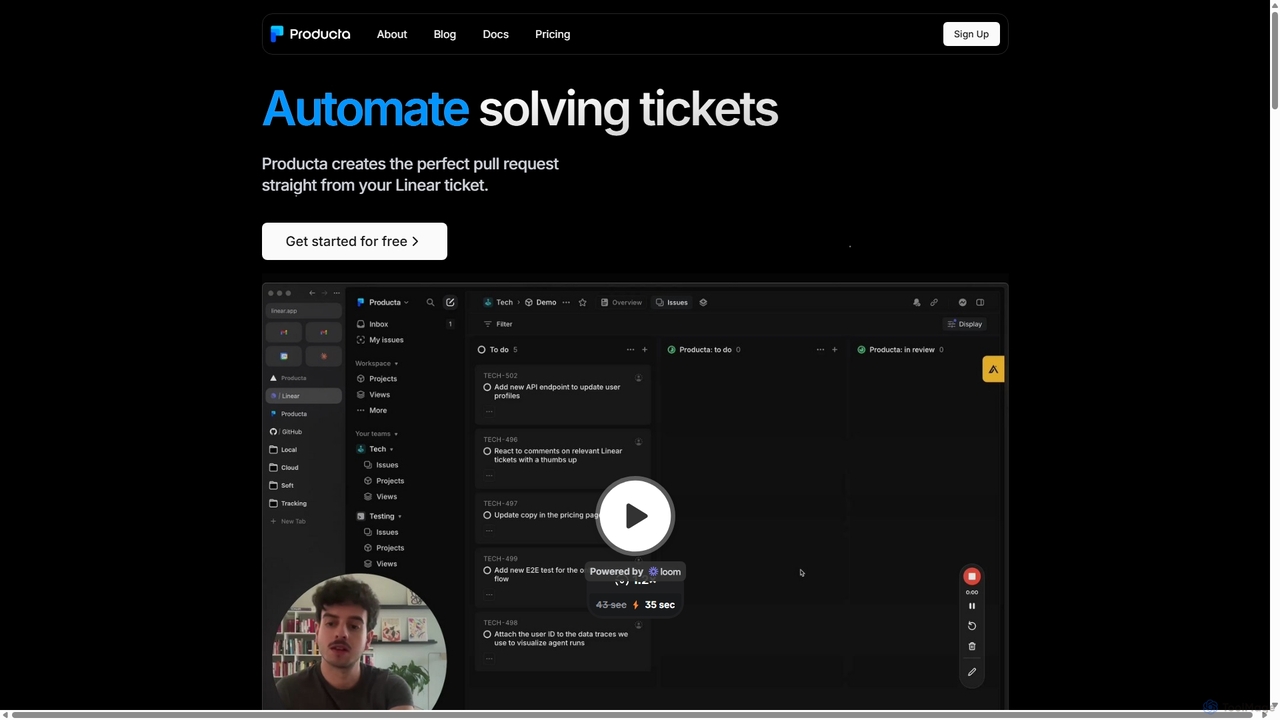
Producta is an AI-powered software development assistant that automates the entire workflow from a Linear ticket to a GitHub pull request. It intelligently clarifies tasks, generates, tests, and refines code, integrating seamlessly into your existing development process to accelerate bug fixes and feature implementation.
Automation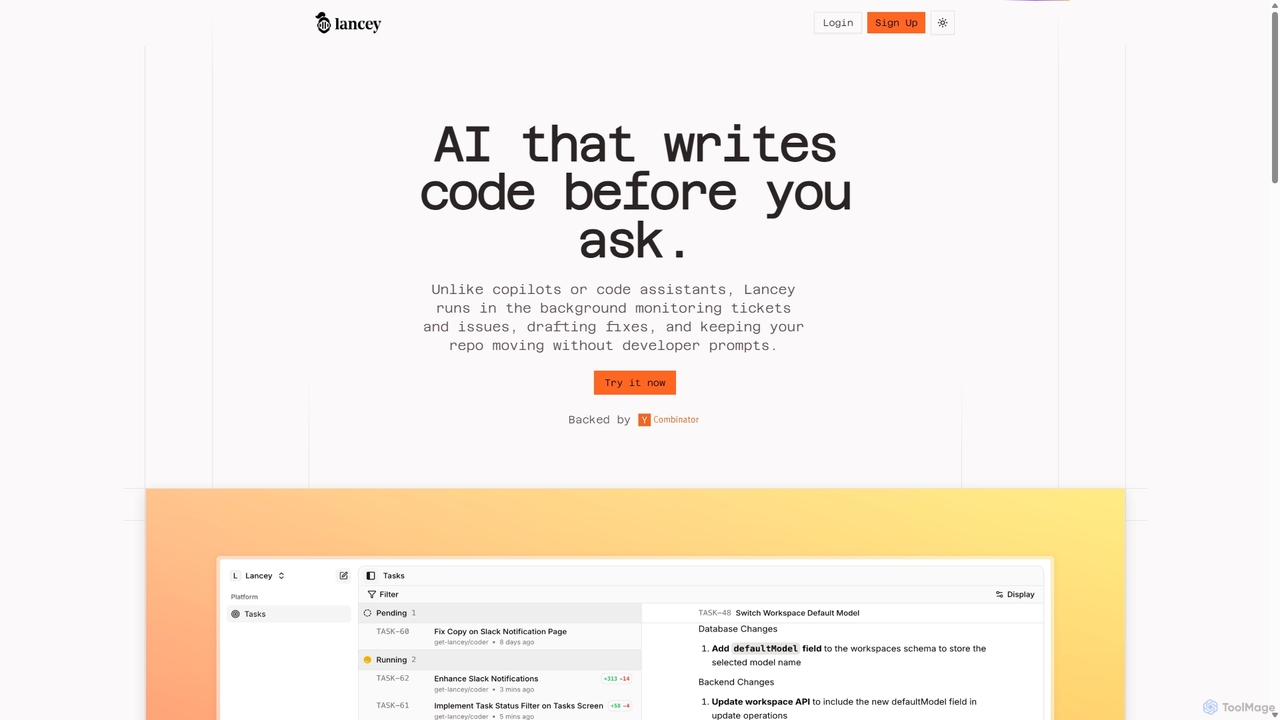
Lancey is an asynchronous AI agent that automates software development by monitoring support channels and issue trackers. It proactively identifies bugs, drafts code fixes, and generates ready-to-review pull requests, significantly reducing bug resolution time and freeing up developers to focus on new features.
Issue Tracking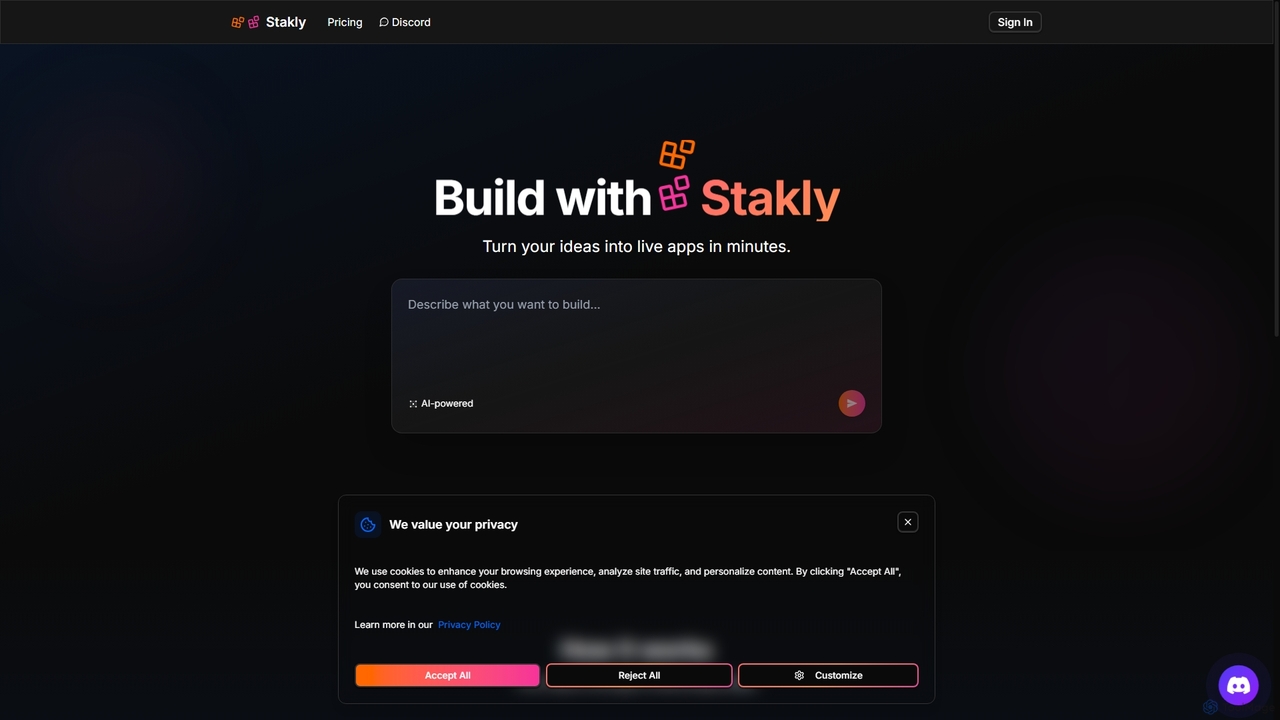
Stakly is an AI-powered development platform that transforms natural language prompts into production-ready, full-stack web applications in minutes. Describe your idea, and the AI generates clean code, which you can deploy with one click or export to own completely. It supports modern frameworks like React, Next.js, and Python, making it ideal for rapid prototyping and development.
Code Assistant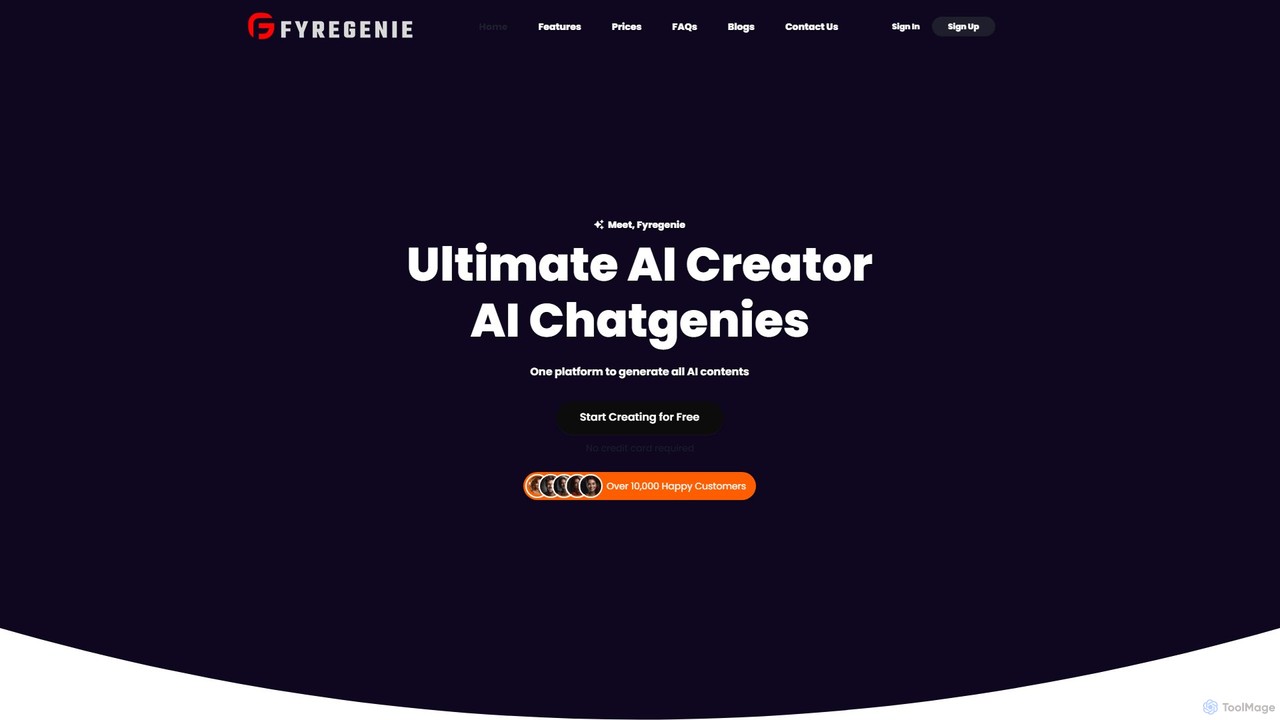
Fyregenie is an all-in-one AI creation platform that generates high-quality content, images, voiceovers, and code. Featuring over 70 templates and specialized AI chatbots, it streamlines workflows for marketers, bloggers, developers, and businesses. Create everything from articles and ad copy to text-to-speech audio and AI-generated images in minutes.
Text To Speech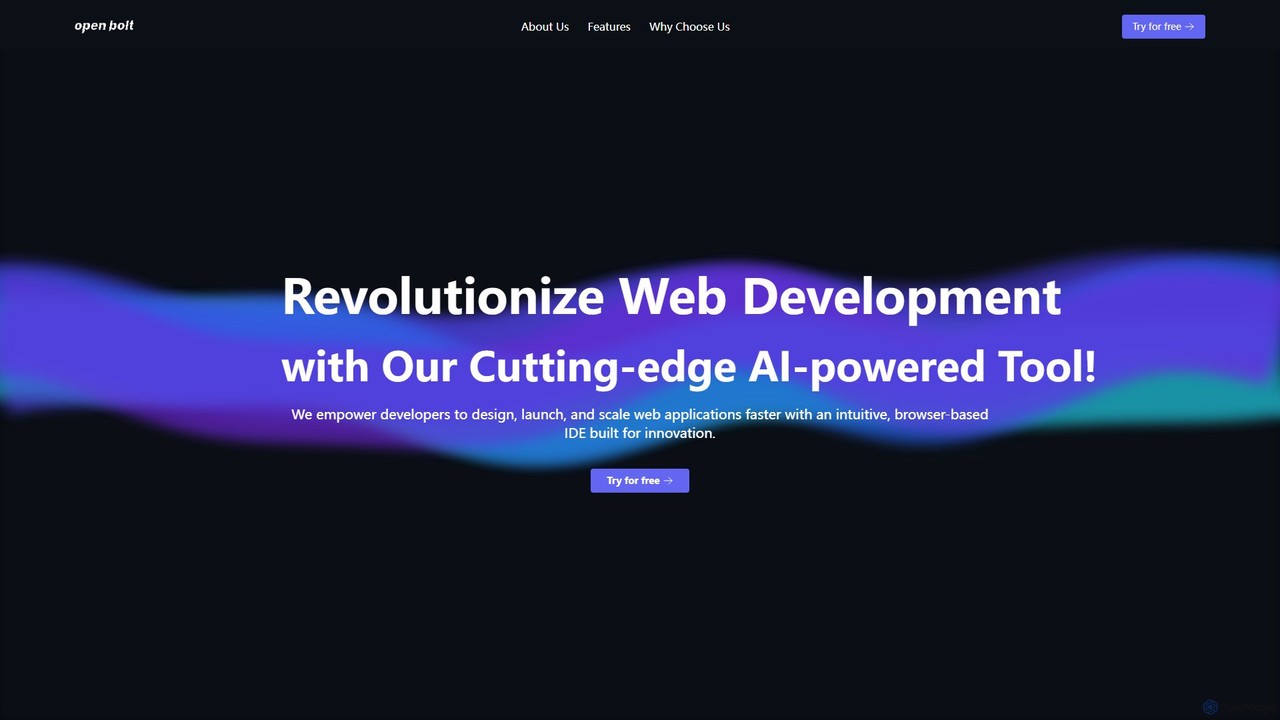
Openbolt.dev is an AI-powered, browser-based IDE designed to accelerate full-stack web development. It enables developers to design, build, and deploy applications using natural language prompts, instant project scaffolding for popular frameworks, and real-time deployment, all within a single, unified platform.
Code Assistant
Pythagora is the world's first all-in-one AI development platform that enables users to build, debug, and deploy full-stack applications from simple text prompts. It acts as an AI software engineer, handling everything from architecture design to code generation and infrastructure setup, significantly accelerating the development lifecycle.
Low Code No Code
Metabob is an AI-powered code review tool that utilizes Graph Neural Networks (GNNs) to analyze, debug, and refactor complex and legacy codebases. It excels at detecting hard-to-find runtime errors, understanding code logic across the entire project, and providing actionable recommendations to improve code quality and reduce technical debt.
Code Assistant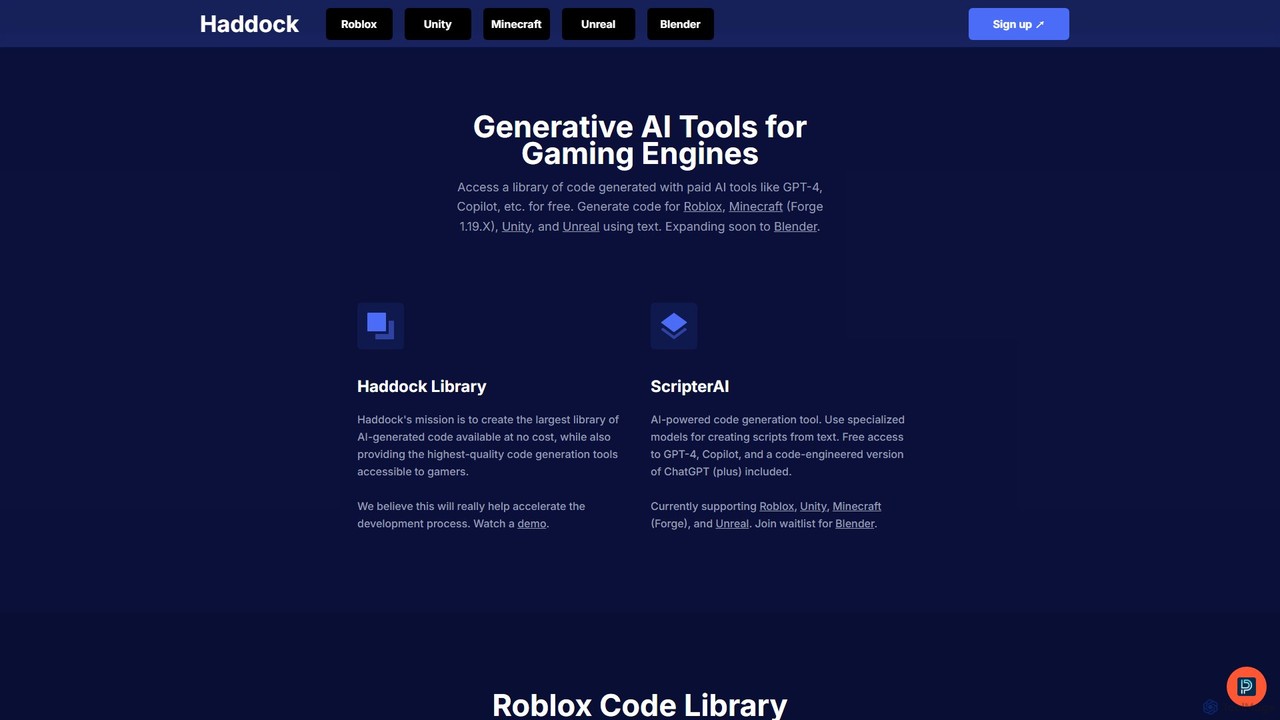
Haddock is a generative AI platform designed to accelerate game development. It offers a vast, free library of AI-generated code for engines like Roblox, Unity, Unreal, and Minecraft. With its ScripterAI tool, developers can generate high-quality, engine-specific scripts from simple text prompts, leveraging models like GPT-4 and Copilot to streamline prototyping, learning, and overall development workflows.
Code Assistant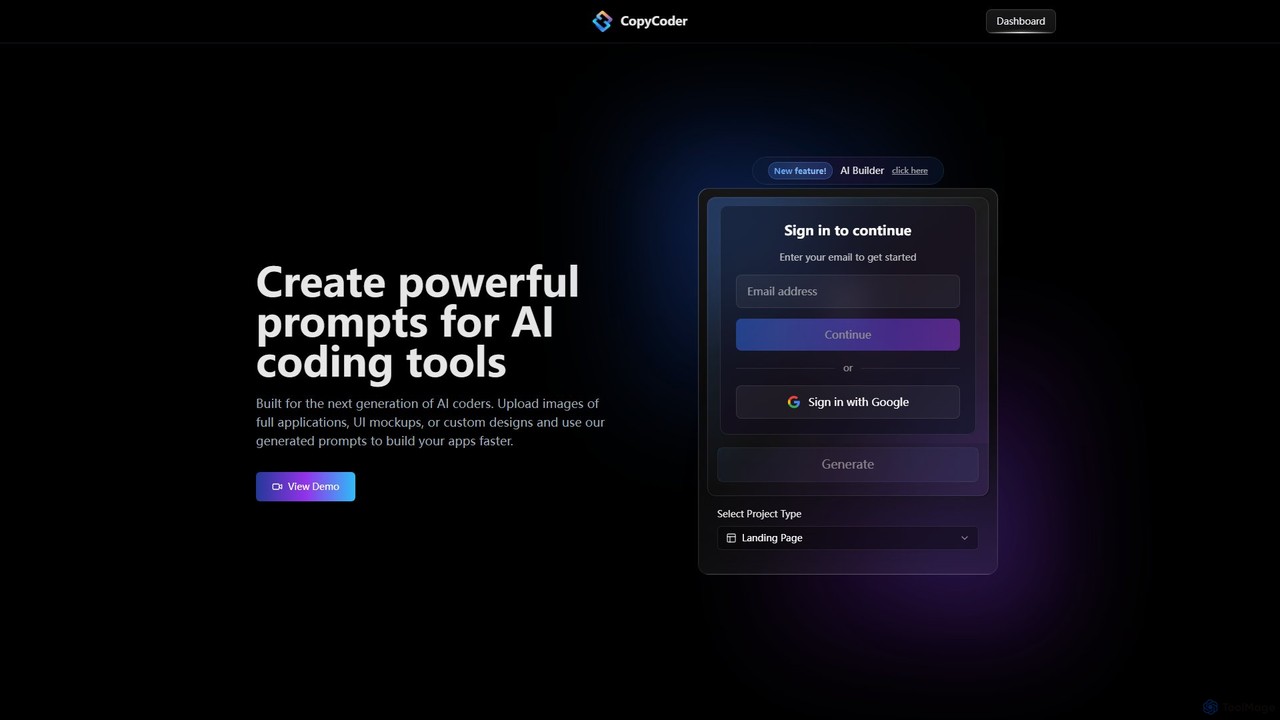
CopyCoder is an AI-powered tool designed for developers that converts UI designs, mockups, and images into powerful, structured prompts for AI coding assistants like Cursor. It streamlines the development process by bridging the gap between visual design and code generation, enabling faster app building.
Design To Code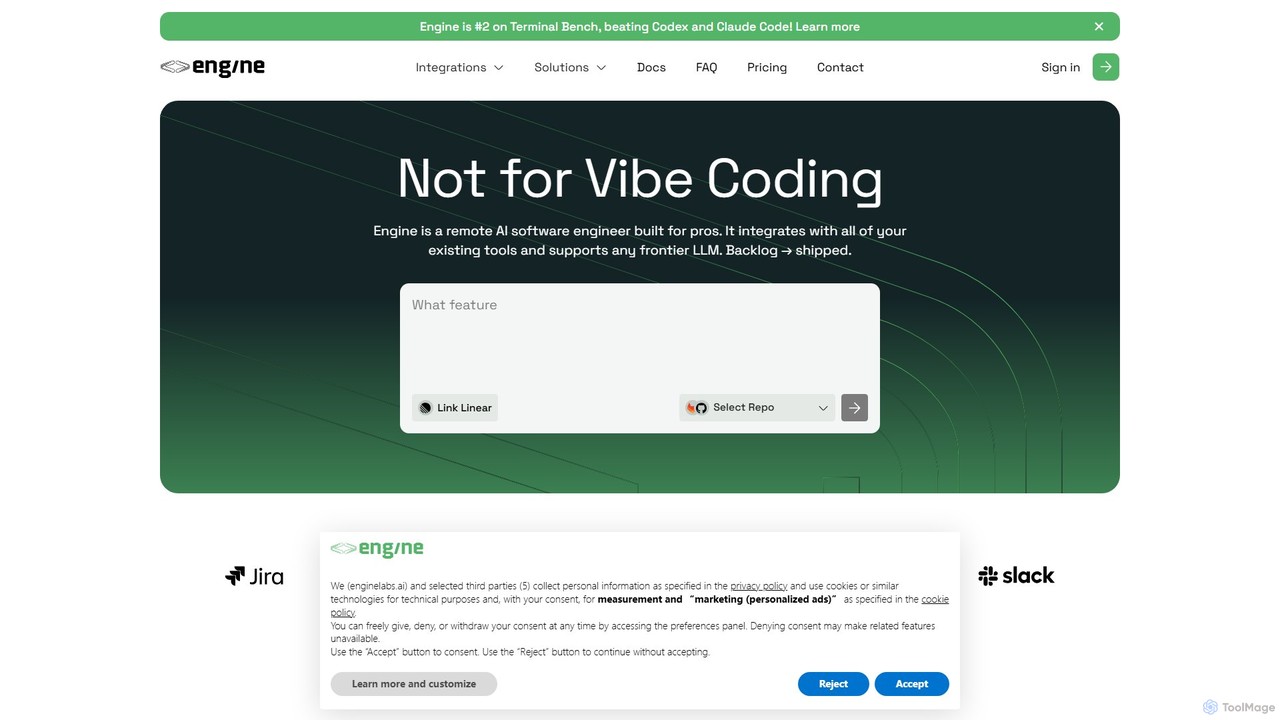
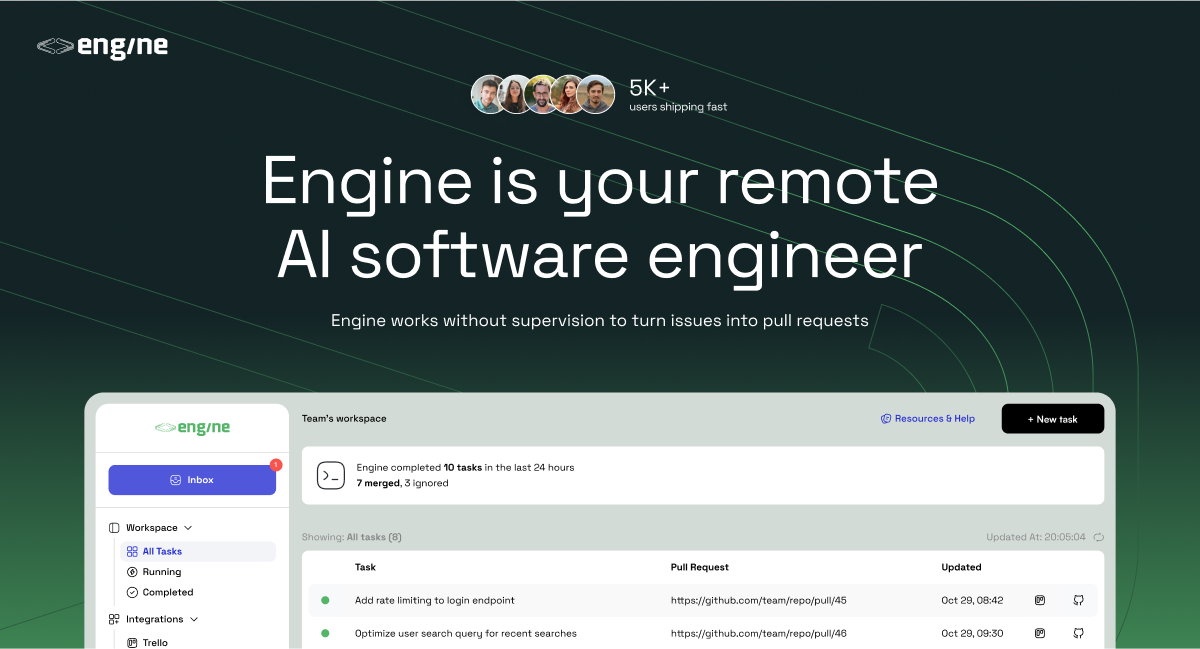
Engine is an AI software engineer designed for professional development teams. It integrates with your existing tools like GitHub and Linear to autonomously fix bugs, ship features, and clear your backlog by creating and managing pull requests, effectively acting as a remote AI team member.
Version Control
An AI-powered copilot for XAML developers. It accelerates UI development by converting natural language, sketches, and design files into clean, production-ready XAML code for .NET MAUI, WPF, and UWP. It also offers code optimization and debugging assistance.
Design To Code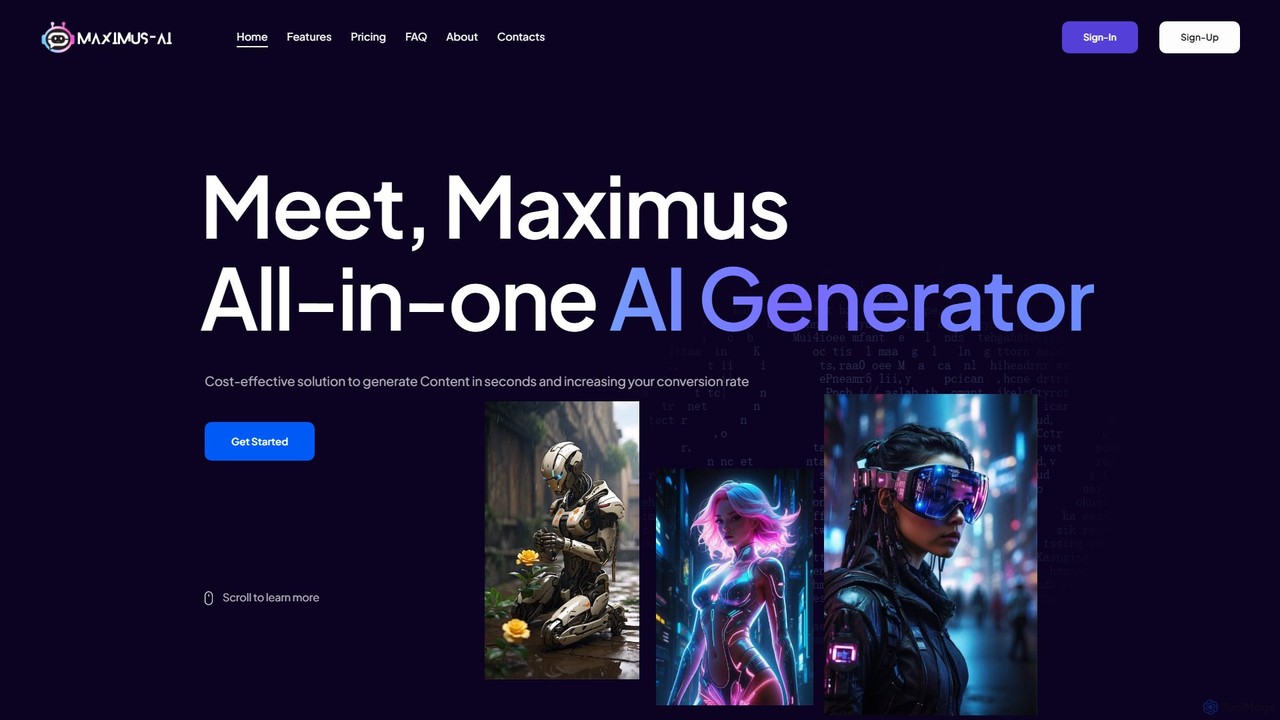
An all-in-one AI content generation platform powered by leading models like GPT-4, DALL-E, and Stable Diffusion. It enables users to create high-quality text, images, code, and voiceovers. Designed for marketers, developers, and creators, it streamlines workflows with a vast library of templates, SEO features, and customization options to boost productivity and creativity.
Image Generation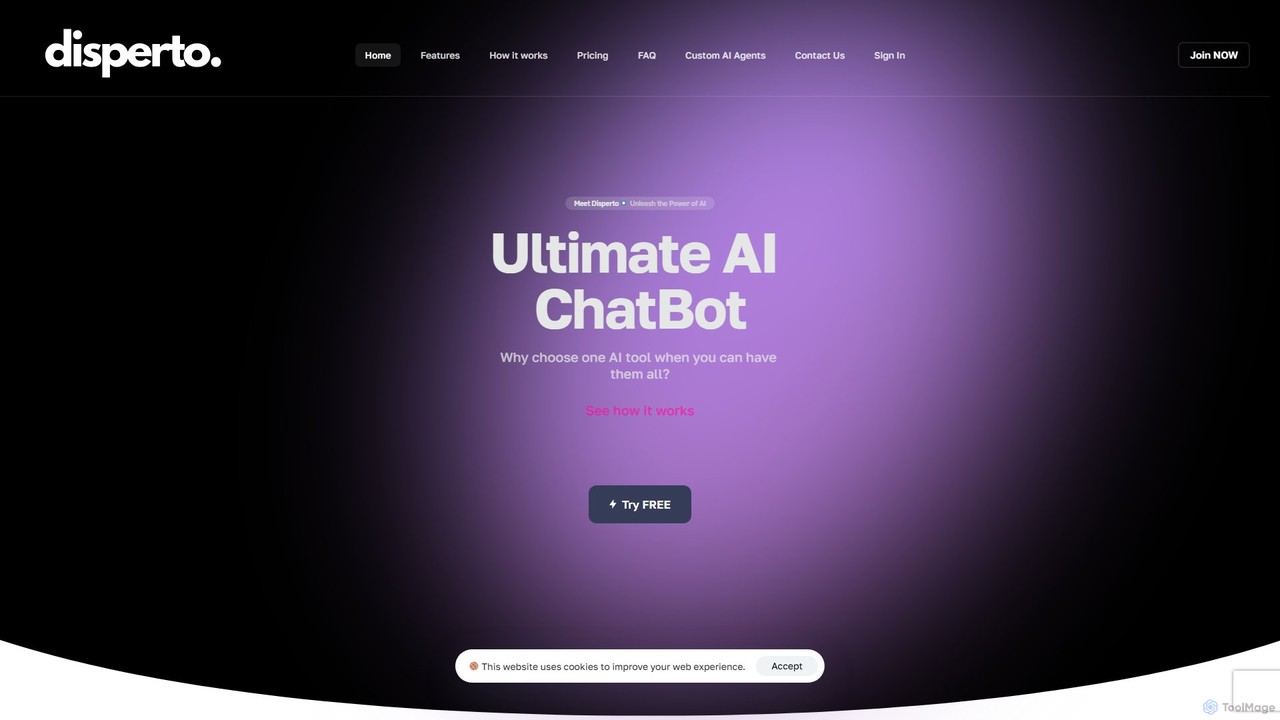
Disperto is an all-in-one AI platform designed to streamline content creation and business automation. It offers a comprehensive suite of tools including an AI writer, image generator, voiceover, code assistant, and a customizable chatbot. Additionally, Disperto provides a service to build bespoke AI agents tailored to specific business needs, from client support to sales automation.
Writing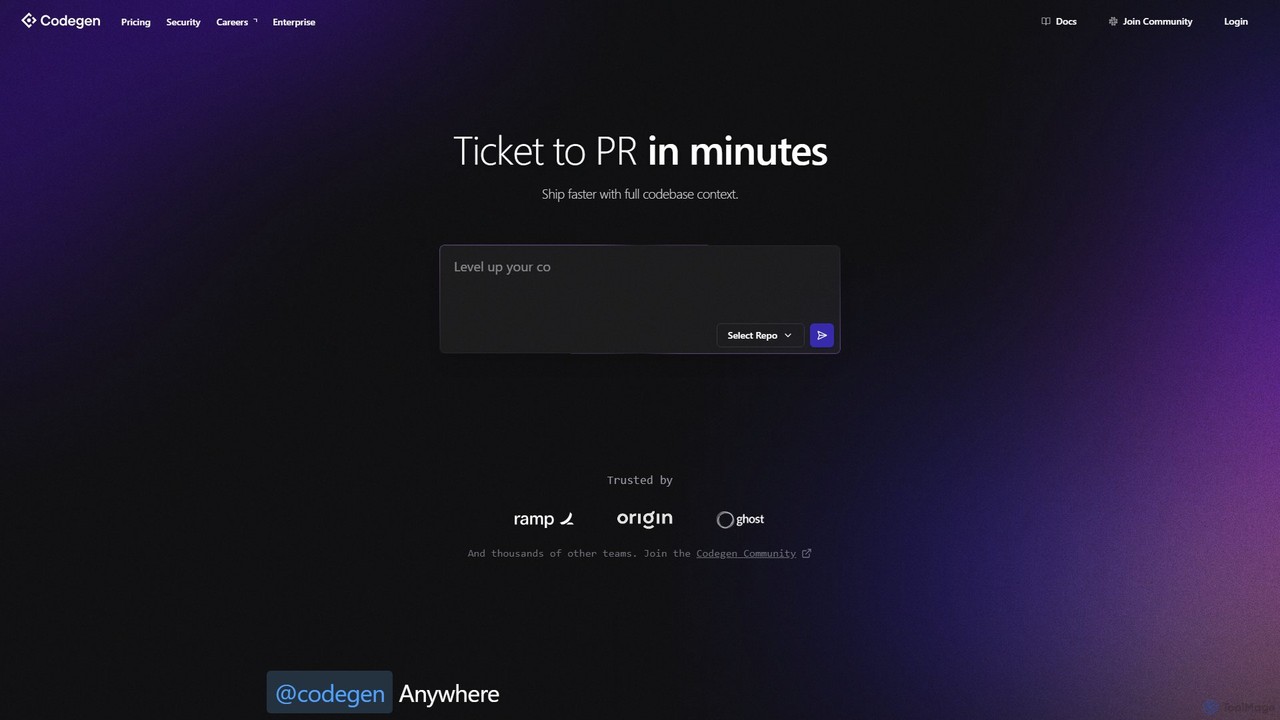
Codegen is an AI software engineering agent that accelerates development by transforming tickets into pull requests in minutes. It integrates with your existing tools like GitHub, Slack, and JIRA, using full codebase context to automate coding, fix bugs, and review code, effectively 10x-ing your team's productivity.
Version Control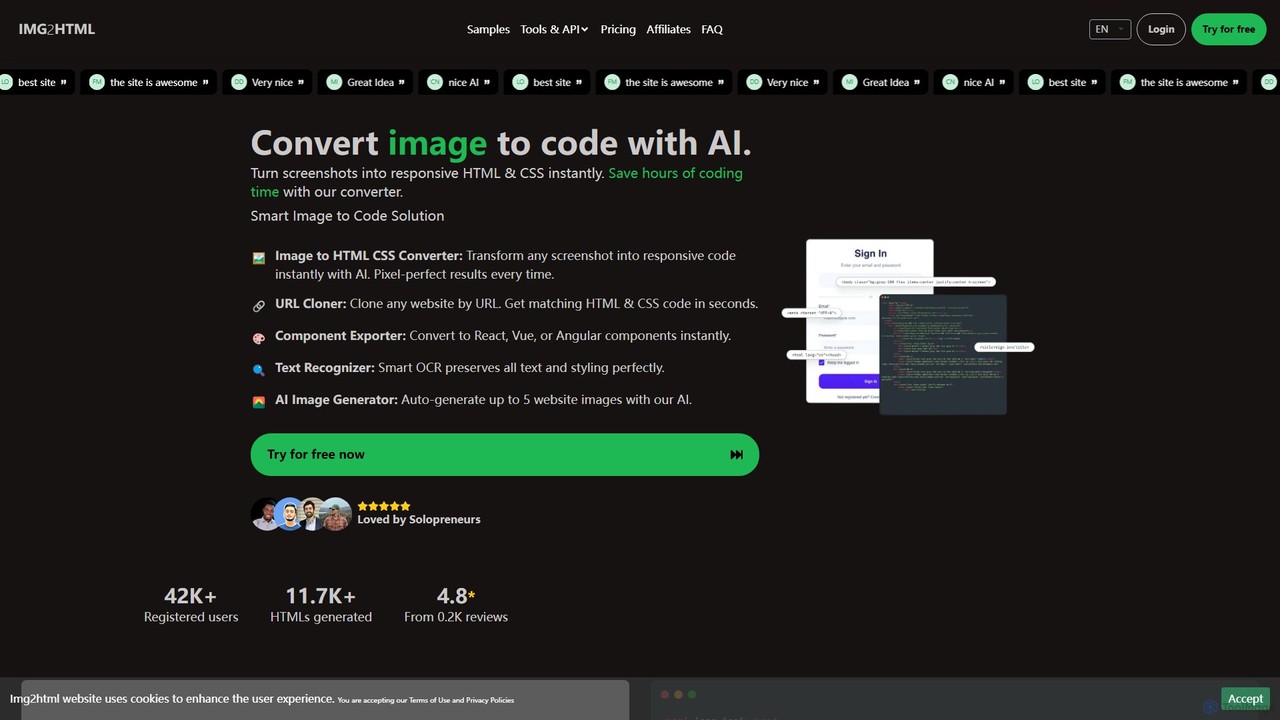
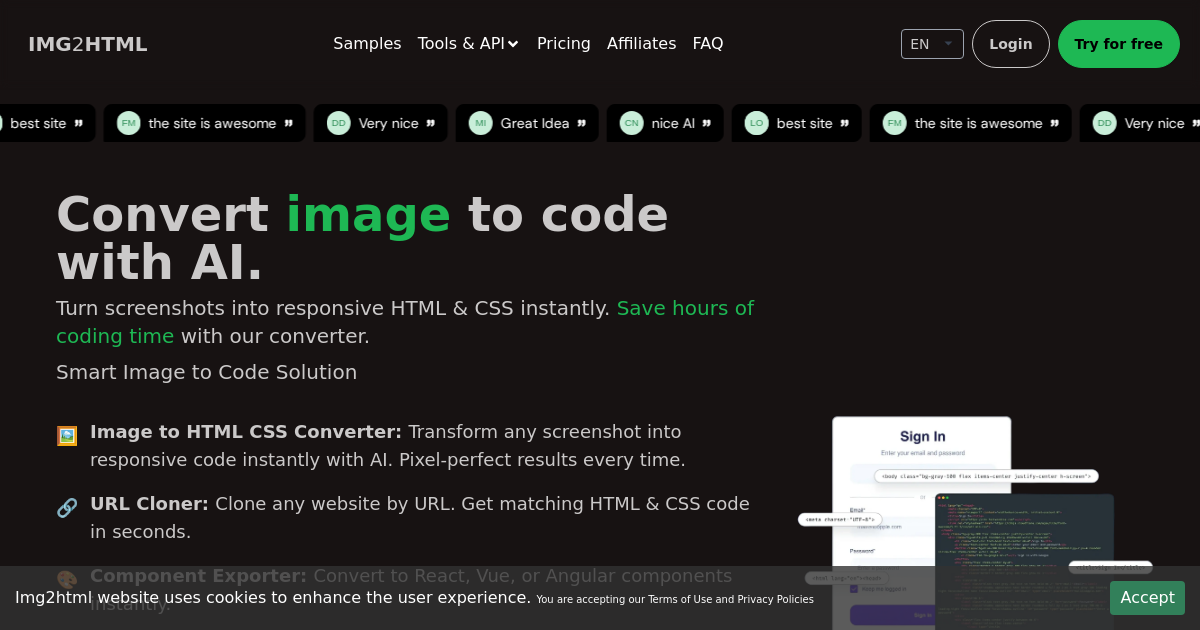
img2html is an AI-powered tool that instantly converts images, screenshots, and design mockups into clean, responsive HTML, CSS, and modern framework code like React, Vue, and Angular. It streamlines the front-end development workflow, saving developers hours of manual coding.
Design To Code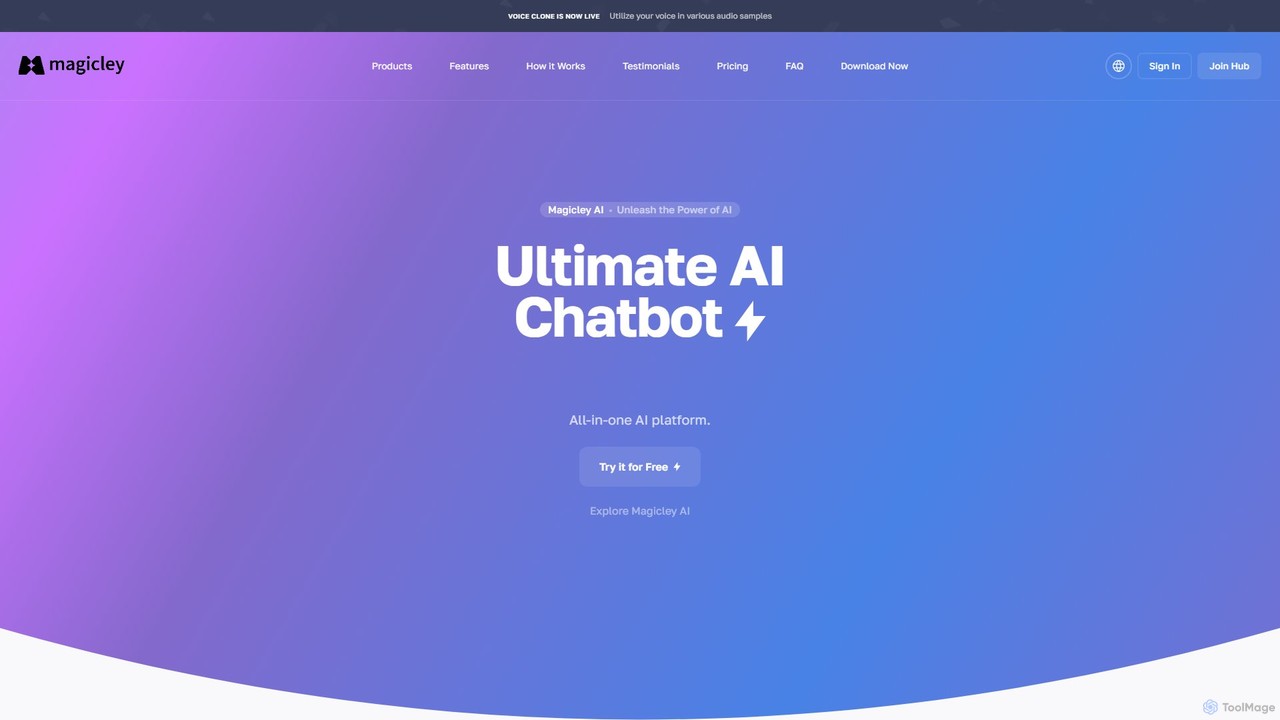
Magicley is a comprehensive All-in-One AI platform offering a vast suite of tools for content creation, marketing, business, and development. It features over 100 templates for generating articles, social media posts, ad copy, and code. Key functionalities include an AI article wizard, voiceover generation in 30+ languages, custom no-code chatbot builders, and AI-powered image and video creation. It's designed to streamline workflows, boost productivity, and enhance creativity for individuals and businesses alike.
Chatbots
Turbo Generate is an all-in-one AI platform for creating text, images, audio, and code with a single click. It offers over 100 specialized templates to streamline content creation for marketing, business, development, and academic purposes, significantly boosting productivity and creativity.
Code Assistant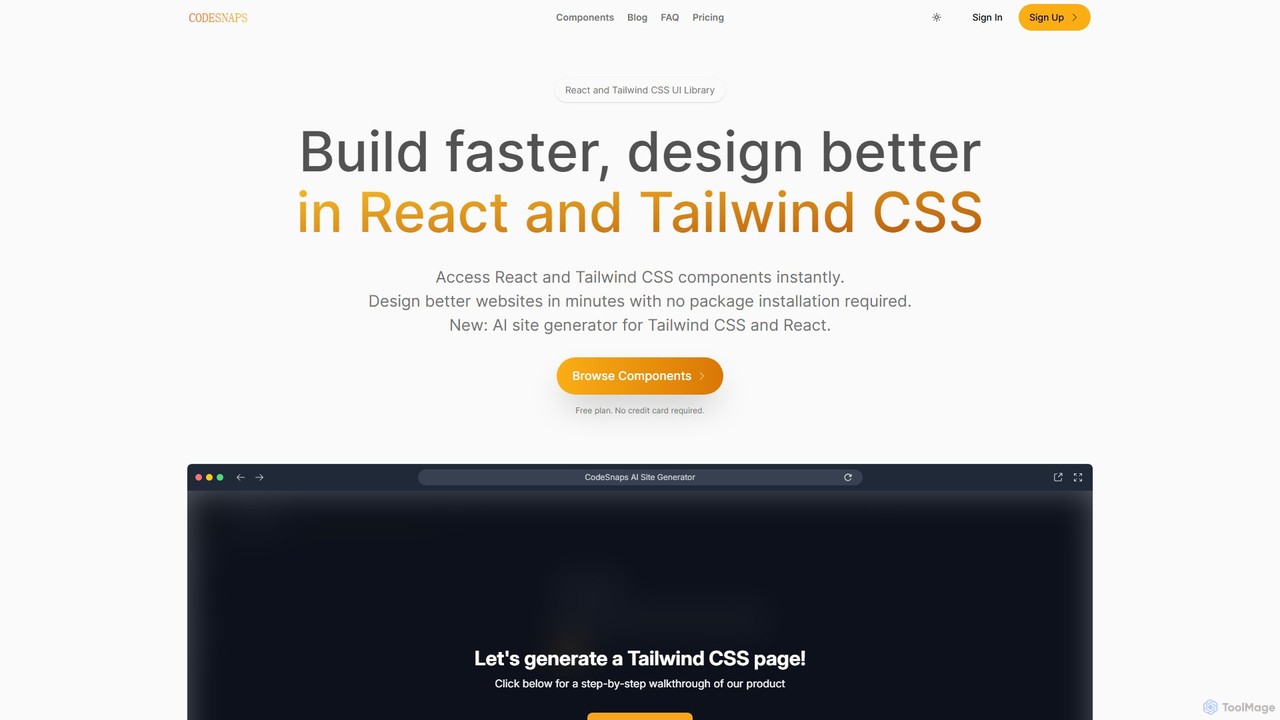
CodeSnaps is an AI-powered UI library for React and Tailwind CSS. It helps developers build websites and MVPs faster with a vast collection of production-ready components and an innovative AI site generator. Simply describe your site, and the AI will generate the structure and code, which you can then customize and download.
Ui Ux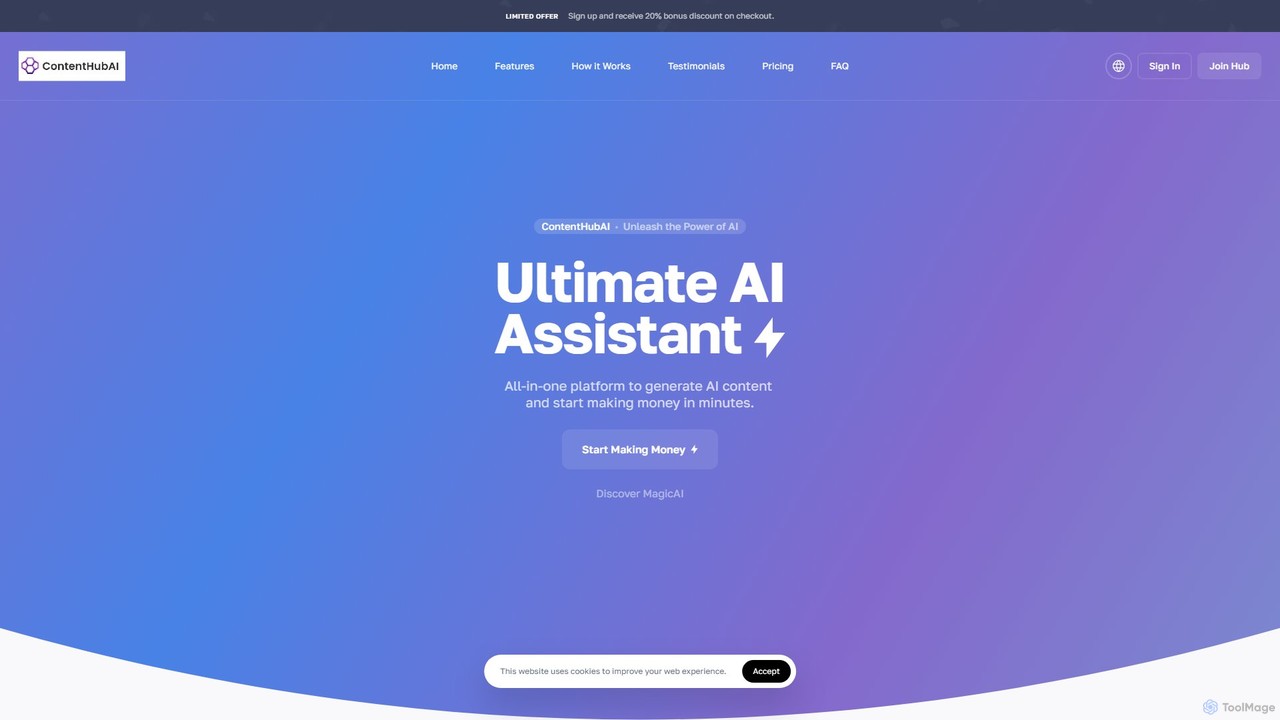
ContentHubAI is a comprehensive, all-in-one AI platform offering a vast suite of tools for content creation. It generates text, images, code, and audio, catering to marketers, writers, and businesses. Features include over 100 templates, an article wizard, AI vision, file analysis, and custom generator creation to streamline workflows and boost productivity.
Generative Ai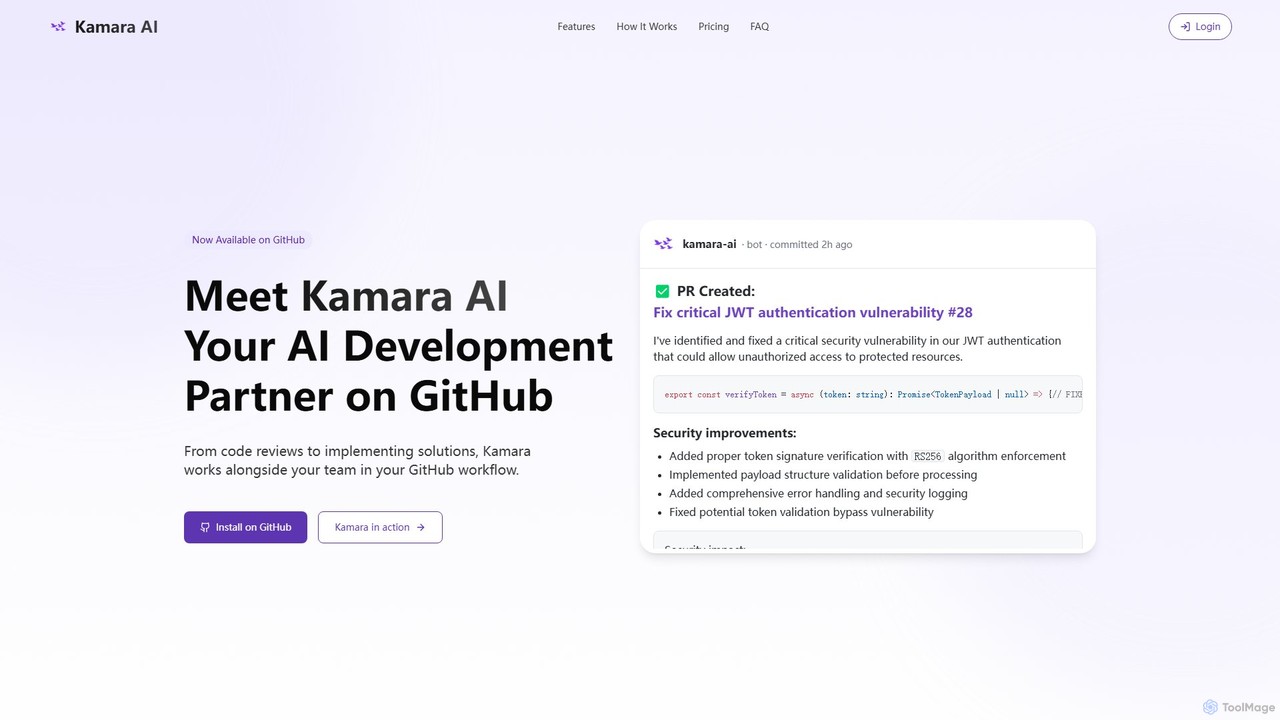
Kamara AI is an intelligent development partner that integrates directly into your GitHub workflow. It acts as an AI team member, providing full-context code analysis, automated code reviews, AI-implemented pull requests from issue descriptions, and self-updating documentation. Kamara helps teams accelerate development, improve code quality, and preserve institutional knowledge seamlessly.
Code Review
reactgpt is an AI-powered code assistant specifically designed for the React ecosystem. It accelerates frontend development by generating high-quality React components, hooks, and functions from natural language prompts. The tool helps developers write cleaner code, debug faster, and streamline their workflow, from rapid prototyping to production-ready applications. It's the ultimate productivity tool for any React developer.
Code Assistant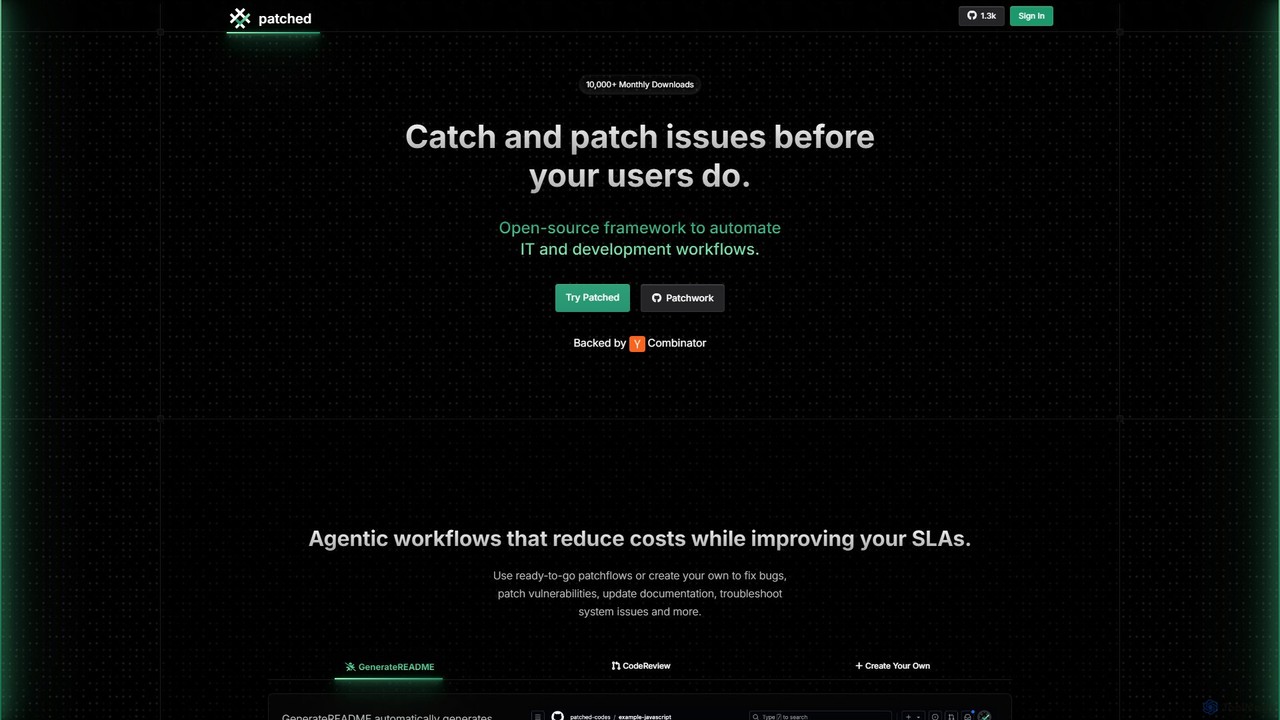
Patched is an open-source framework designed to automate IT and development workflows. It leverages AI to proactively catch and fix issues like bugs and vulnerabilities before they impact users. The platform allows for creating custom, agentic workflows to streamline tasks such as code review, documentation generation, and dependency updates.
Code AssistantCode Assistants are AI-powered tools that leverage artificial intelligence to help developers write, optimize, and manage code. They typically utilize large language models (LLMs) and machine learning algorithms to understand code context and programming intent. These tools aim to significantly boost development efficiency, reduce errors, and accelerate the software development lifecycle. By automating repetitive tasks and offering intelligent suggestions, Code Assistants empower developers to focus on more complex problem-solving.
Code Assistants are invaluable for software engineers, web developers, data scientists, and students. They are used in daily coding tasks for rapid prototyping, learning new languages or frameworks by providing real-time guidance, and assisting in the understanding and refactoring of legacy codebases. These tools streamline development workflows across various programming environments.
When selecting a Code Assistant, consider its compatibility with your preferred programming languages and frameworks, and its seamless integration capabilities with your existing IDEs (e.g., VS Code, IntelliJ). Evaluate the accuracy and reliability of its generated code and suggestions, and scrutinize its data privacy and security policies. Finally, assess the pricing model and the level of customization offered to ensure it aligns with your team's needs and budget.
A web developer frequently needs to set up new API endpoints or database models. Using a Code Assistant, they can input a simple description like "create a REST API endpoint for users with CRUD operations" and the tool generates the basic structure, including routes, controllers, and model definitions, saving hours of repetitive typing and ensuring consistency across projects.
A software engineer working on a complex application needs to implement a specific algorithm. As they type, the Code Assistant provides intelligent, context-aware suggestions for function calls, variable names, and even entire code blocks, significantly speeding up the coding process and reducing syntax errors, especially in unfamiliar libraries.
A junior developer encounters a cryptic error message during testing. Instead of spending hours debugging manually, they can ask the Code Assistant to analyze the error log and the surrounding code. The assistant quickly pinpoints the likely source of the bug, explains the error, and suggests potential solutions, accelerating the debugging cycle.
A team lead wants to ensure consistent code quality across a large codebase. They use a Code Assistant to perform automated code reviews, which identify potential security vulnerabilities, performance bottlenecks, and deviations from coding standards. The assistant then suggests refactoring options, helping the team maintain a clean and robust codebase.
A quality assurance engineer needs to write comprehensive unit tests for a new module. By feeding the module's code to a Code Assistant, the tool automatically generates a suite of test cases covering various scenarios, including edge cases. This drastically reduces the manual effort in test creation, allowing for more thorough testing in less time.
A student or experienced developer is learning a new language like Rust or a framework like React. They can use a Code Assistant to get instant explanations of unfamiliar syntax, generate small example programs, or even translate code snippets from a known language, making the learning curve much smoother and more interactive.
Code Assistants are artificial intelligence tools designed to aid developers in various coding tasks. They leverage advanced machine learning models, often large language models (LLMs), to understand natural language prompts and code context. Their primary purpose is to enhance productivity, improve code quality, and simplify complex development processes by automating or assisting with coding, debugging, and optimization.
When selecting a Code Assistant, consider several factors: first, ensure it supports your primary programming languages and development environments (IDEs). Second, evaluate its accuracy and the relevance of its suggestions. Third, assess its integration capabilities with your existing workflow. Fourth, examine its data privacy and security measures, especially for proprietary code. Finally, compare pricing models and community support.
Code Assistants offer a wide range of functionalities. These include generating code snippets, functions, or entire files from natural language descriptions; providing intelligent, context-aware code auto-completion; assisting with debugging by identifying errors and suggesting fixes; performing code reviews to improve quality; and automatically generating unit tests. Some also help with documentation and refactoring.
Traditional IDE suggestions are primarily based on syntax rules, predefined libraries, and basic pattern matching. Code Assistants, however, utilize advanced AI and large language models (LLMs) to understand the semantic meaning and broader context of your code and project. This allows them to generate more complex, creative, and contextually relevant code, offer deeper insights for debugging, and perform more sophisticated refactoring suggestions than rule-based systems.
Using Code Assistants offers numerous benefits for development work. They significantly boost productivity by automating repetitive coding tasks and providing rapid code generation. They help reduce errors and improve code quality through intelligent suggestions and automated reviews. Developers can also learn new technologies faster with real-time guidance. Ultimately, Code Assistants allow developers to focus more on architectural design and complex problem-solving rather than mundane coding.