ToolMage
Sign in

Best 222 Healthcare AI tools

Popular Healthcare AI tools include Heidi Health, Benchling, Weave, Freed, Carepatron, Stepful, Neural4D, Upheal, Athelas, and Abridge, helping you work more efficiently.

QuData
Paid

QuData

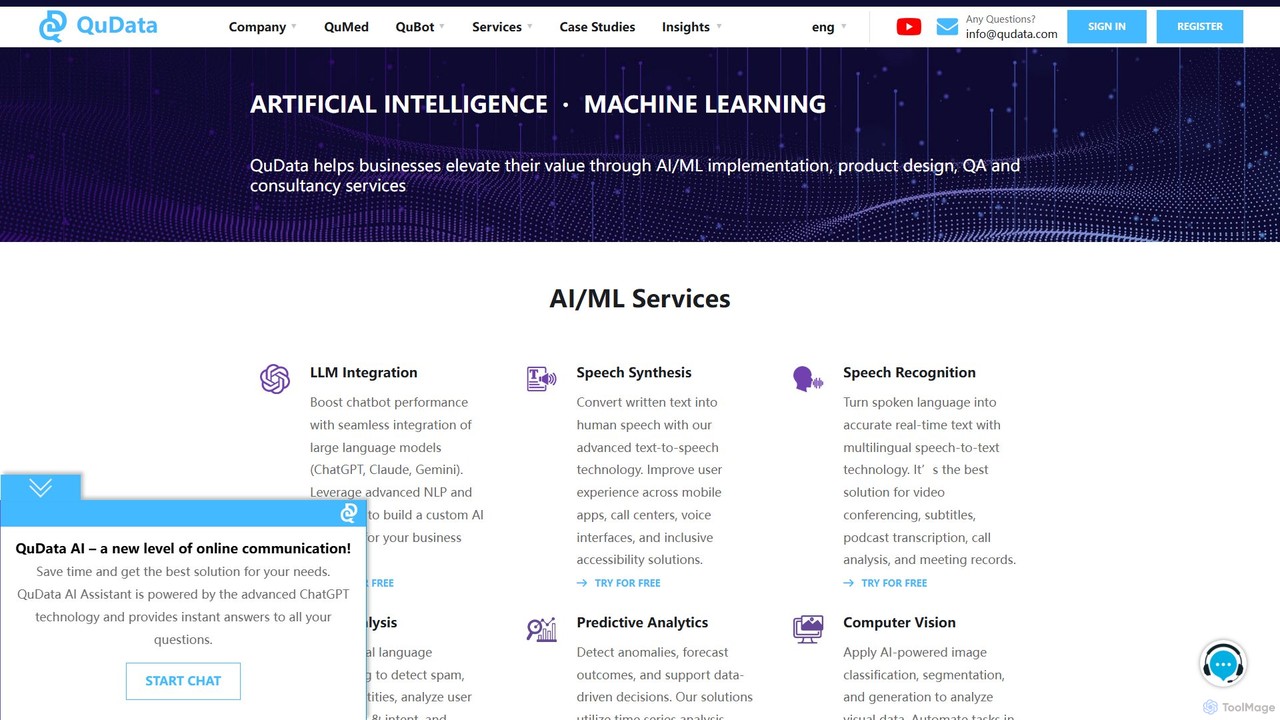
QuData is a specialized AI and Machine Learning solutions provider that helps businesses with custom development, implementation, and consultancy. They offer a wide range of services, including LLM integration for advanced chatbots like their QuBot platform, computer vision, predictive analytics, speech synthesis, and big data processing, delivering tailored solutions to meet specific industry needs.

Chatbots
Visits 113.1KFavorites 116Likes 128
Carepatron
Freemium

Carepatron

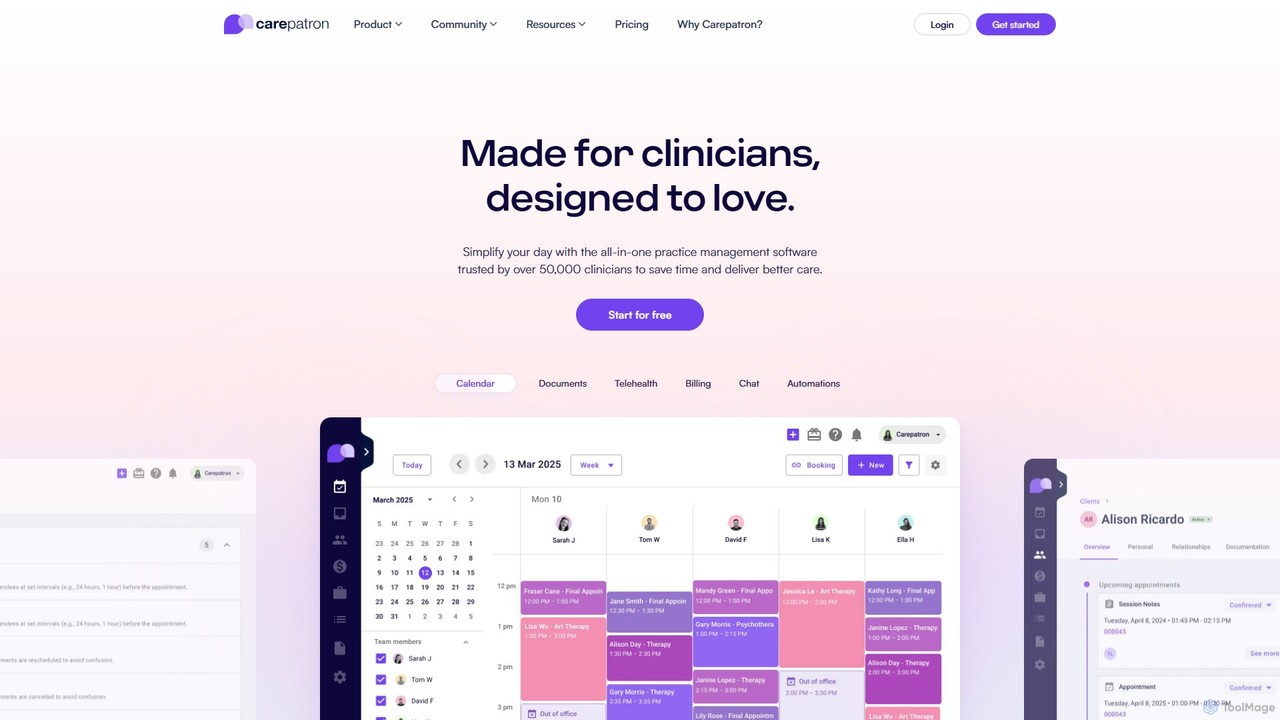
Carepatron is an all-in-one, AI-powered practice management software designed for healthcare clinicians. Trusted by over 50,000 practitioners, it simplifies daily workflows with tools for scheduling, telehealth, billing, clinical documentation, and secure client communication. By automating administrative tasks and centralizing patient information, Carepatron helps clinicians save time, reduce administrative burden, and deliver better, more collaborative patient care. Its modern, intuitive interface makes it a preferred choice for various health and wellness professionals.

Crm
Visits 793.4KFavorites 135Likes 138
deid
Freemium

deid

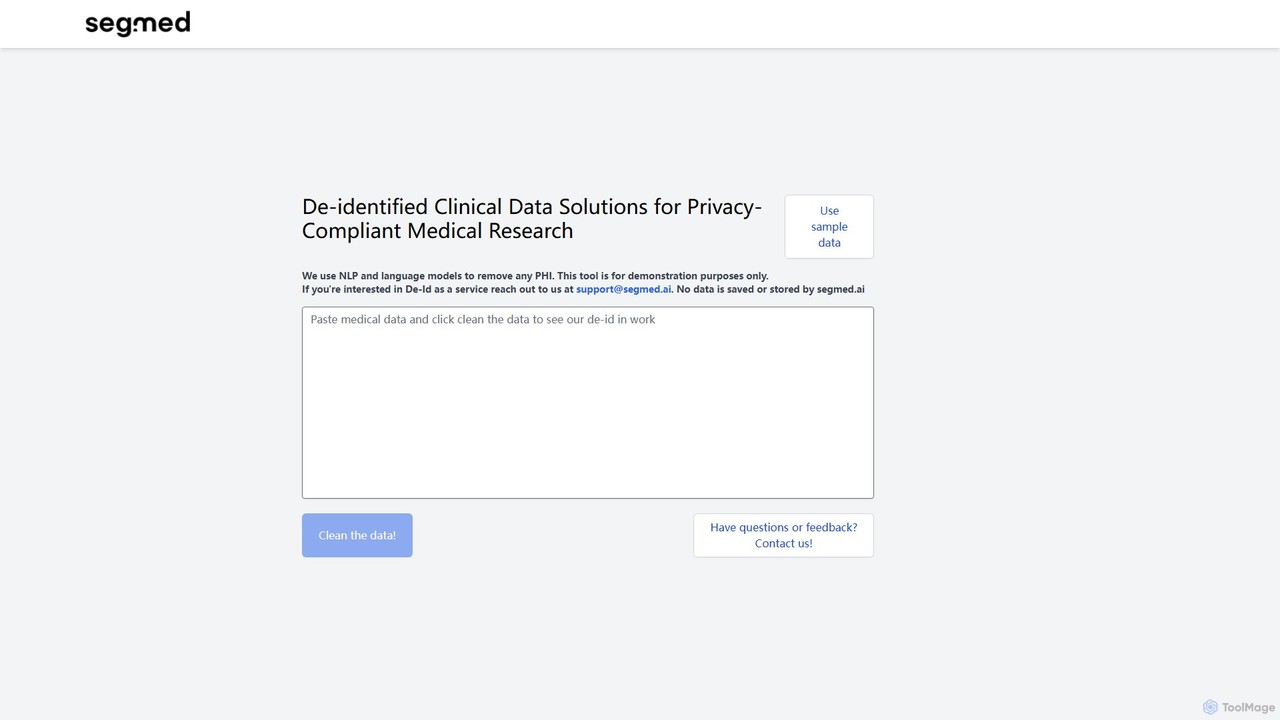
An AI-powered tool by Segmed for the de-identification of medical data. It uses NLP and language models to automatically detect and remove Protected Health Information (PHI) from clinical texts, ensuring privacy and compliance for medical research and data sharing.

Privacy
Visits 5.9KFavorites 169Likes 135
Corti
Paid

Corti

Corti is a specialized AI platform for healthcare, offering foundation models and APIs designed to understand complex medical conversations. It helps providers streamline workflows, automate documentation, and improve patient care through ambient AI and advanced speech recognition, with a strong focus on data privacy and sovereign cloud deployment.

Api
Visits 32.3KFavorites 145Likes 124
Kibu
Paid

Kibu

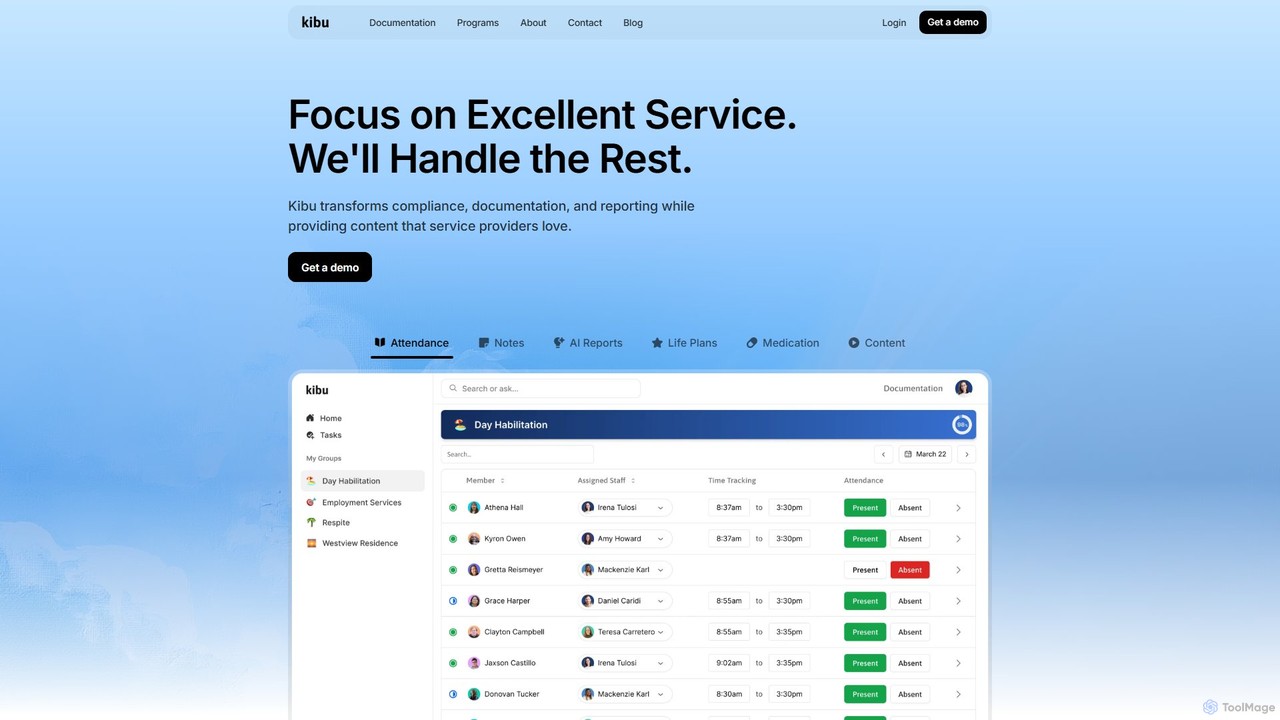
Kibu is an AI-powered, HIPAA-compliant platform designed for disability service providers. It streamlines operations by simplifying documentation, ensuring regulatory compliance, and managing member care. Featuring AI-assisted service notes, built-in translation, and real-time reporting, Kibu empowers Direct Support Professionals (DSPs) to focus on delivering excellent service while automating administrative tasks. It's a unified, mobile-ready solution for modern care organizations.

Compliance
Visits 84KFavorites 136Likes 131
fighthealthinsurance
Freemium

fighthealthinsurance

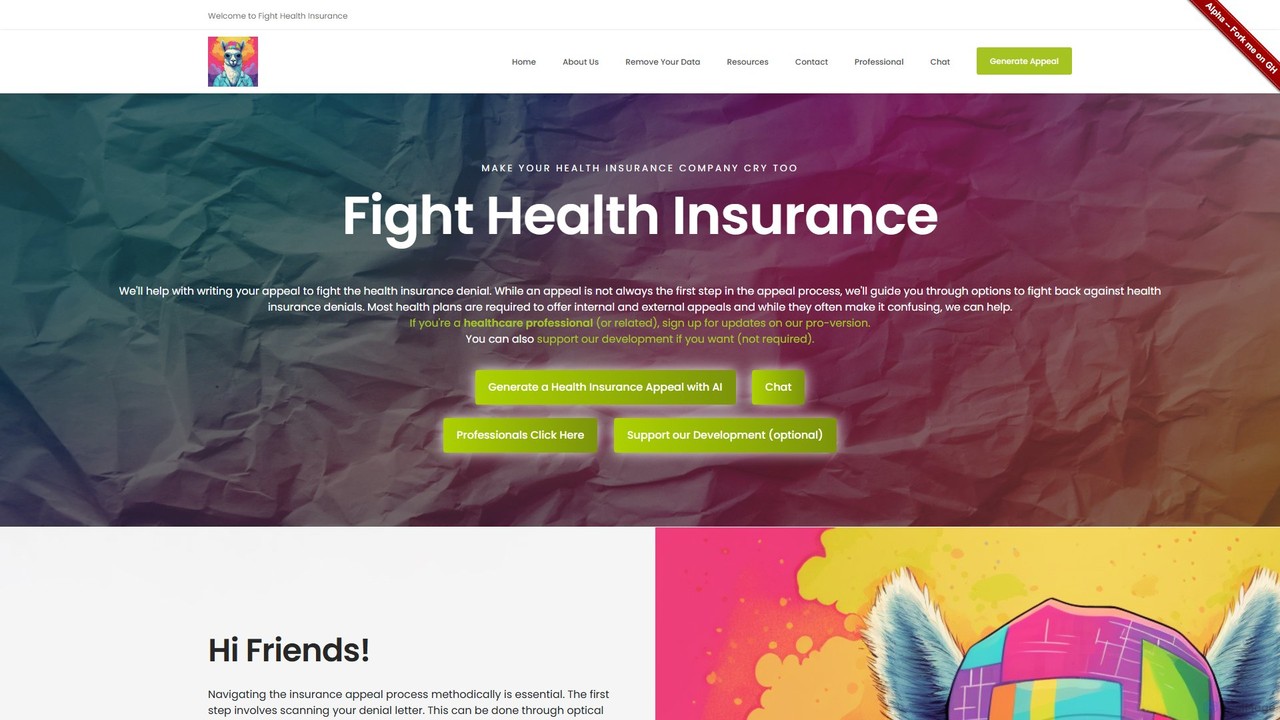
An AI-powered tool designed to help individuals in the U.S. fight health insurance denials. It simplifies the appeal process by using OCR to scan denial letters and generative AI to automatically draft comprehensive and effective appeal letters, empowering patients to secure the coverage they deserve.

Patient Advocacy
Visits 15KFavorites 120Likes 122
Toothy
Paid

Toothy

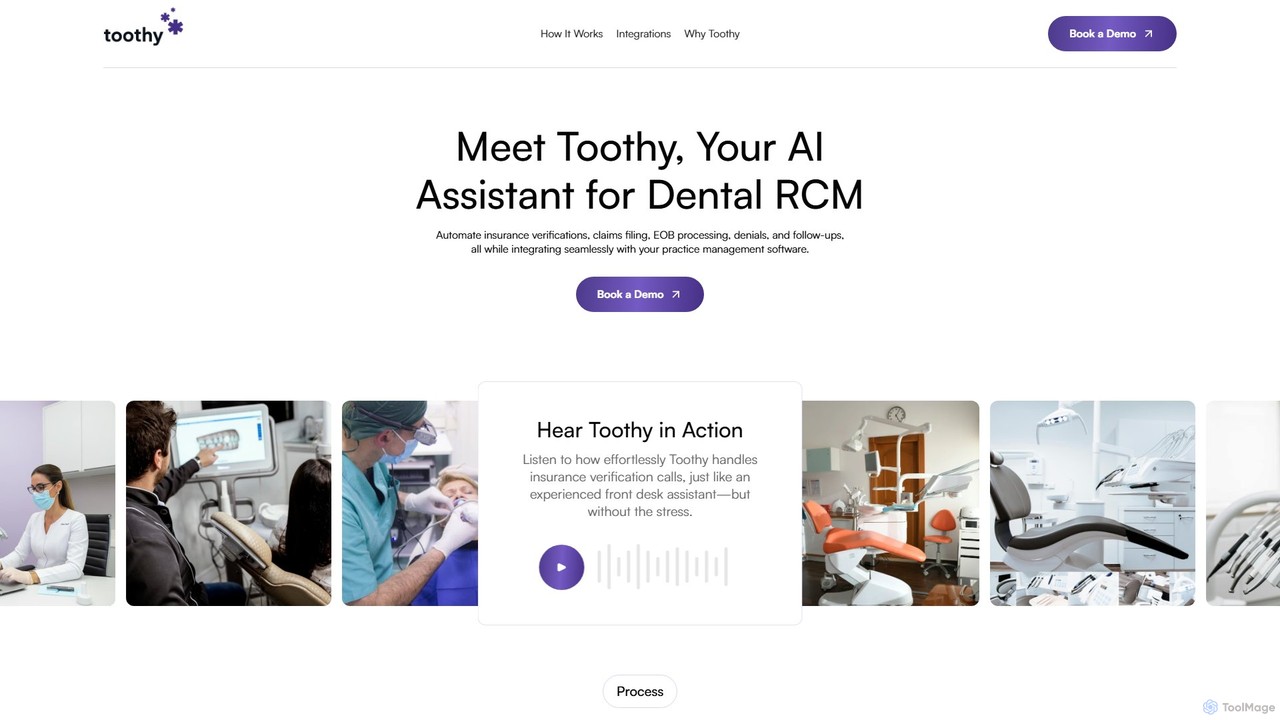
Toothy is an AI assistant for dental practices that automates Revenue Cycle Management (RCM). It handles insurance verifications, claims filing, EOB processing, and denials by integrating directly with your practice management software to accelerate cash flow and reduce administrative workload.

Billing
Visits 11.6KFavorites 137Likes 139
AIDA by DAWN AI STUDY
Freemium

AIDA by DAWN AI STUDY

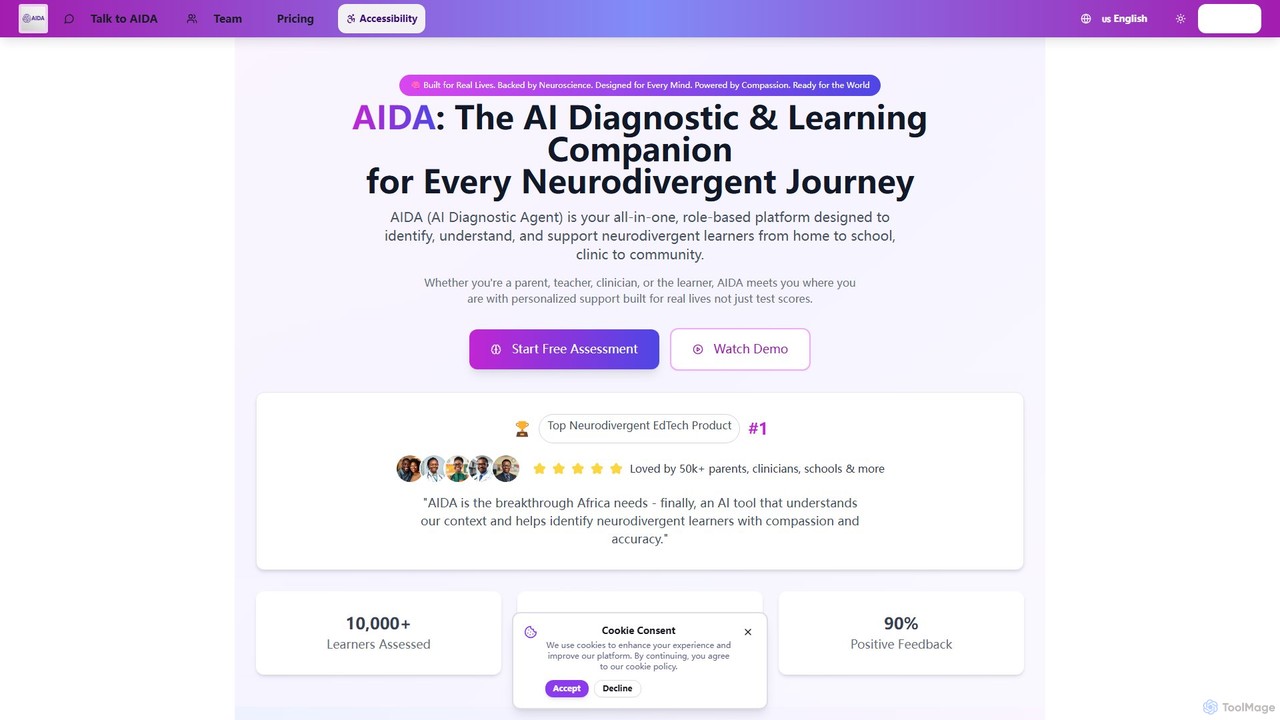
AIDA is Africa's first AI-powered diagnostic and learning companion for neurodivergent learners. It provides parents, teachers, and clinicians with tools to identify, understand, and support conditions like ADHD, Autism, and Dyslexia. Through AI-driven assessments and personalized "Mind Maps," AIDA offers a compassionate, culturally-aware approach to inclusive education, helping every child thrive.

Special Education
Visits 8KFavorites 111Likes 112
floatz
Paid

floatz

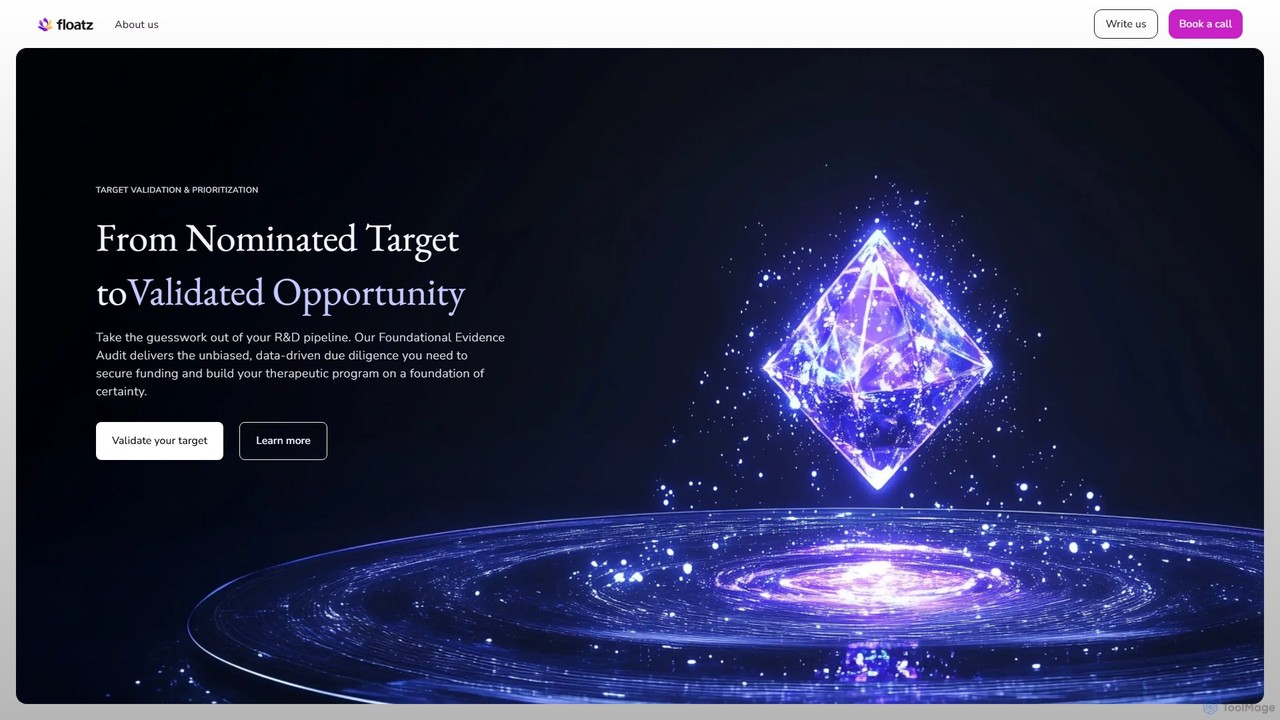
floatz is an AI-powered platform for the biotech and pharmaceutical industries, specializing in target validation and prioritization. It provides a "Foundational Evidence Audit" to de-risk R&D pipelines, using computational due diligence to assess the biological relevance and commercial viability of therapeutic targets, helping companies secure funding and make confident investment decisions.

Biotechnology
Visits 5.9KFavorites 180Likes 182
Unlearn
Paid

Unlearn

Unlearn is an AI-powered platform that accelerates clinical trials by creating 'Digital Twins' of patients. By leveraging machine learning models trained on vast historical data, it generates prognostic forecasts for each trial participant. This allows pharmaceutical and biotech companies to design smaller, faster, and more powerful studies, optimize trial design, and make more informed decisions, ultimately fast-tracking the development of new therapies.

Predictive Modeling
Visits 33.3KFavorites 130Likes 135
ScribVet
Freemium

ScribVet

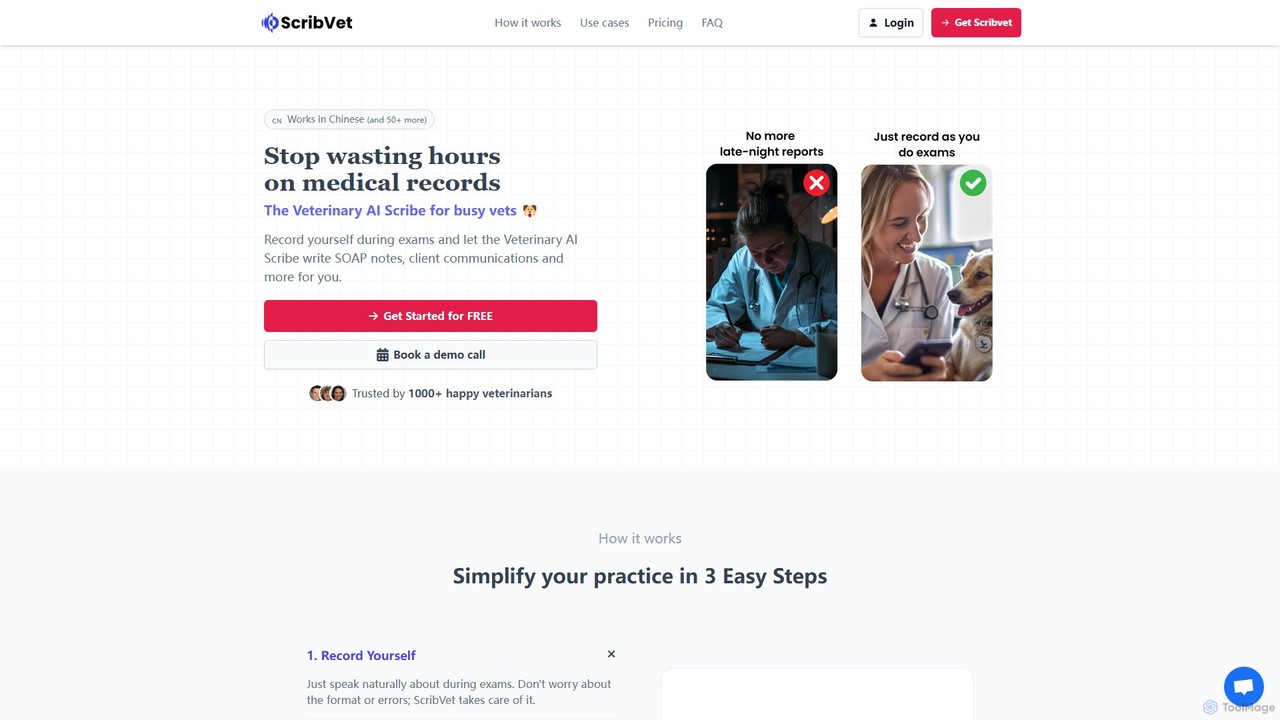
ScribVet is an AI-powered veterinary scribe designed for busy veterinarians. It records exam audio and automatically transcribes it into structured SOAP notes, client communications, and other essential documents. By automating paperwork, it helps vets save hours, reduce administrative burnout, and improve work-life balance. It supports over 50 languages and offers customizable templates to fit any practice's needs.

Documentation
Visits 8KFavorites 136Likes 152
audeering
Paid

audeering

audeering is a leading Voice AI technology platform that enables machines to understand human emotion and expression through advanced voice analysis. By detecting over 7,000 acoustic parameters, it provides deep insights for applications in automotive, healthcare, robotics, market research, and gaming, fostering a new era of empathetic human-machine interaction.

Voice Analysis
Visits 16.3KFavorites 150Likes 157
kamihome
Freemium

kamihome

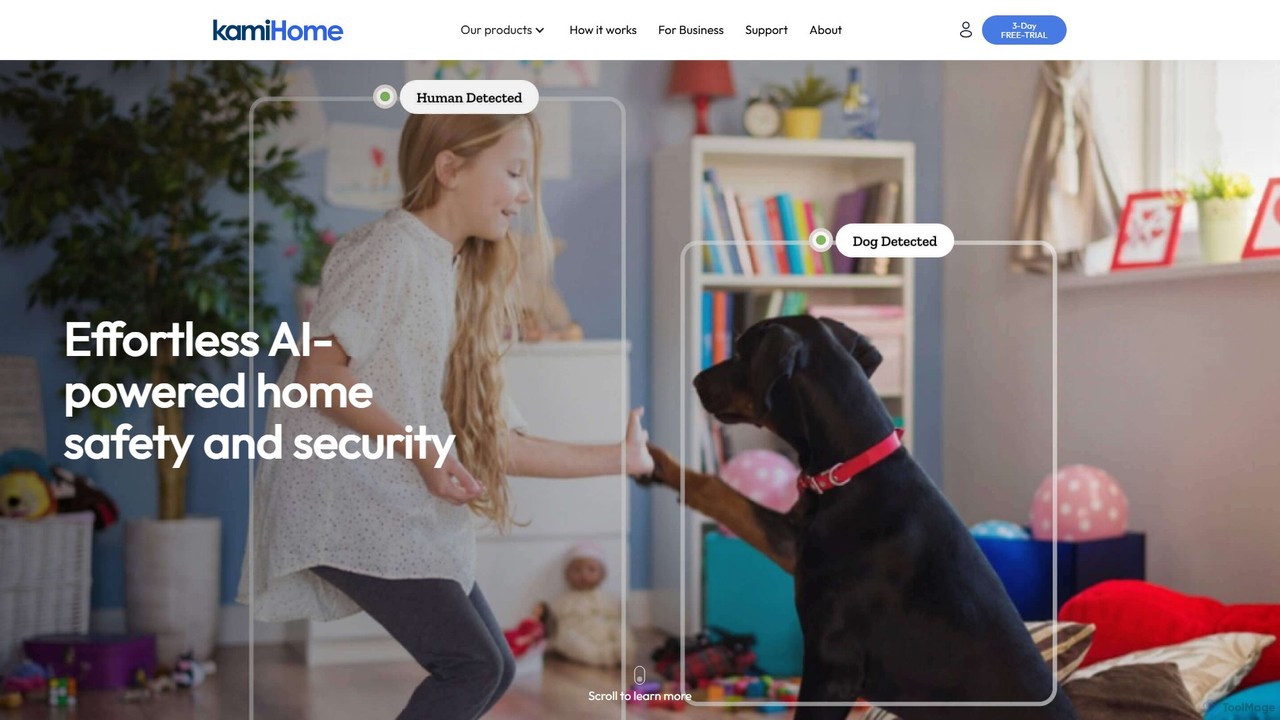
Kami Home is an AI-powered home security platform that acts as a co-pilot for your safety. It offers smart security cameras and subscription services like secure cloud storage, 24/7 professional monitoring with emergency dispatch, and a specialized AI fall detection system for senior care. Through its mobile app, users can receive intelligent alerts for people, vehicles, or falls, view live feeds, and manage their security from anywhere, ensuring peace of mind for homeowners, renters, and caregivers alike.

Elder Care
Visits 65.7KFavorites 125Likes 130
PipeBio
Paid

PipeBio

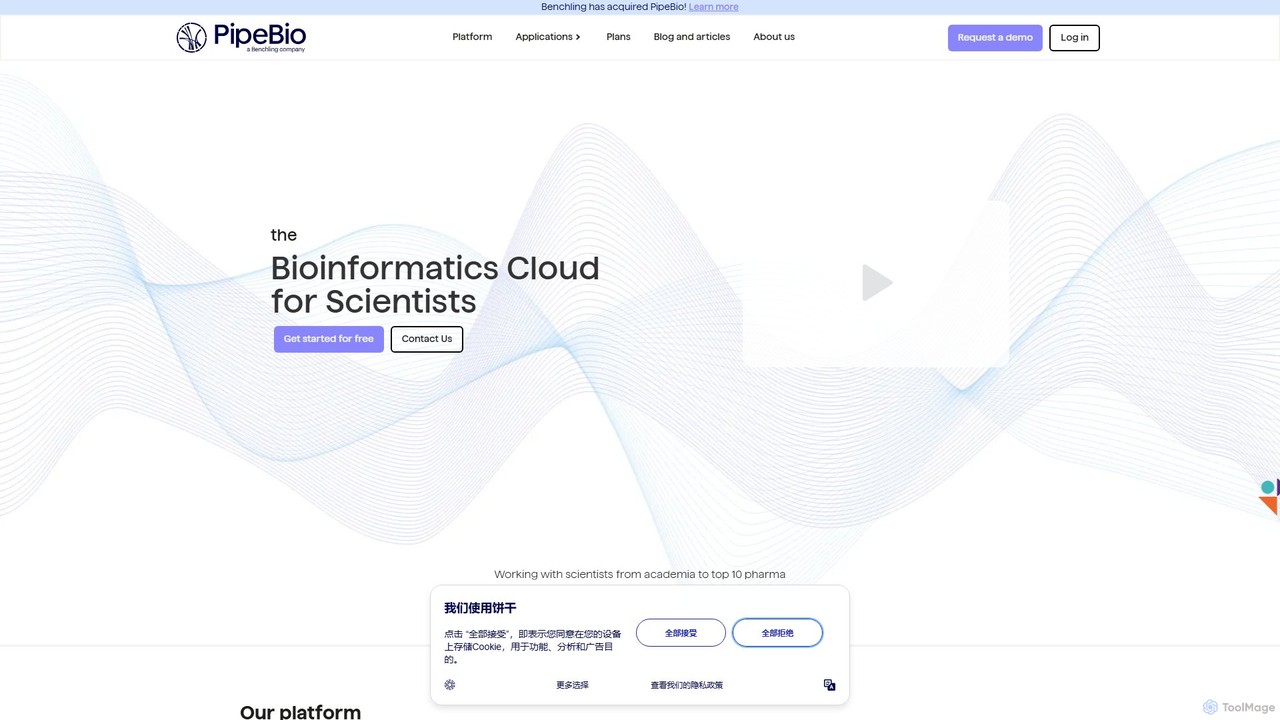
PipeBio is a specialized, cloud-based bioinformatics platform designed for antibody, TCR, and peptide discovery. It enables researchers to analyze, visualize, and manage large-scale sequence data, integrating seamlessly with functional assay results to accelerate biologics development. Acquired by Benchling, it offers an end-to-end solution for modern drug discovery.

Drug Discovery
Visits 12.8KFavorites 145Likes 145
Neural Consult
Freemium

Neural Consult

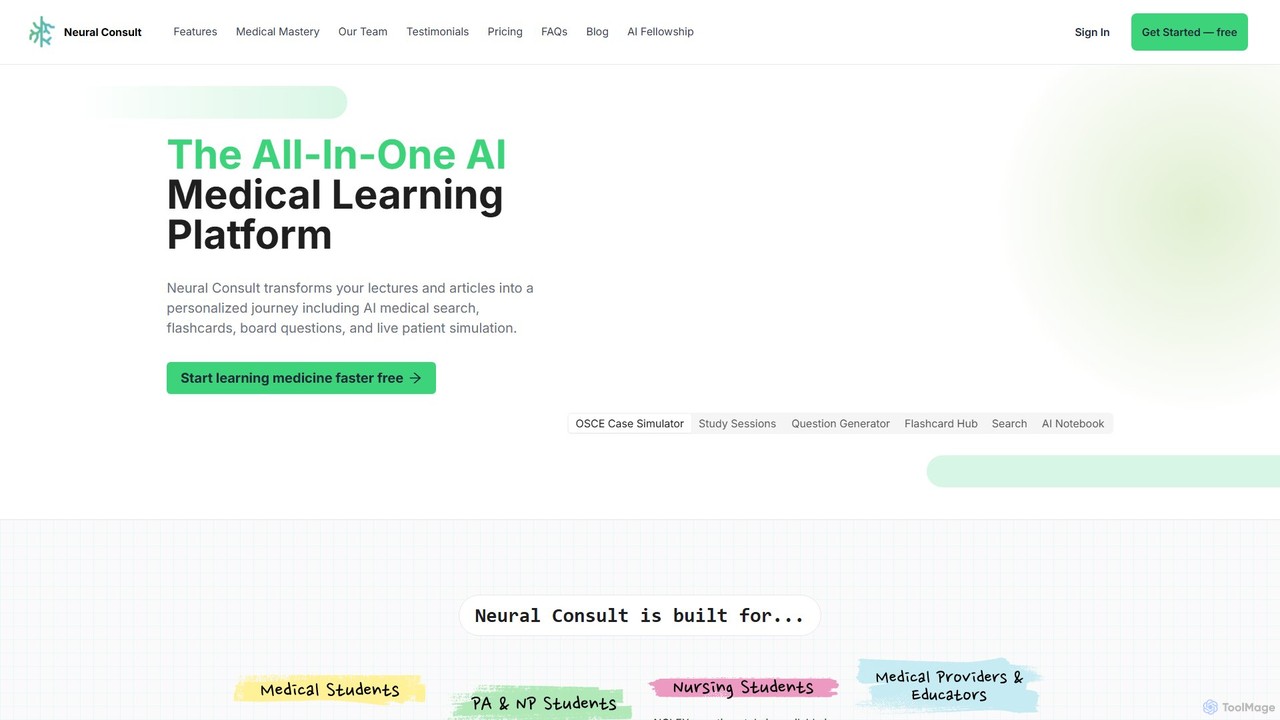
Neural Consult is an all-in-one AI medical learning platform for medical, PA, and nursing students. It transforms your lectures and articles into personalized study materials, including AI-powered medical search, flashcards, board-style questions (USMLE, PANCE, NCLEX), and live patient simulations to accelerate learning and improve clinical reasoning.

Medical
Visits 231.1KFavorites 126Likes 119
Synthflow AI
Paid

Synthflow AI

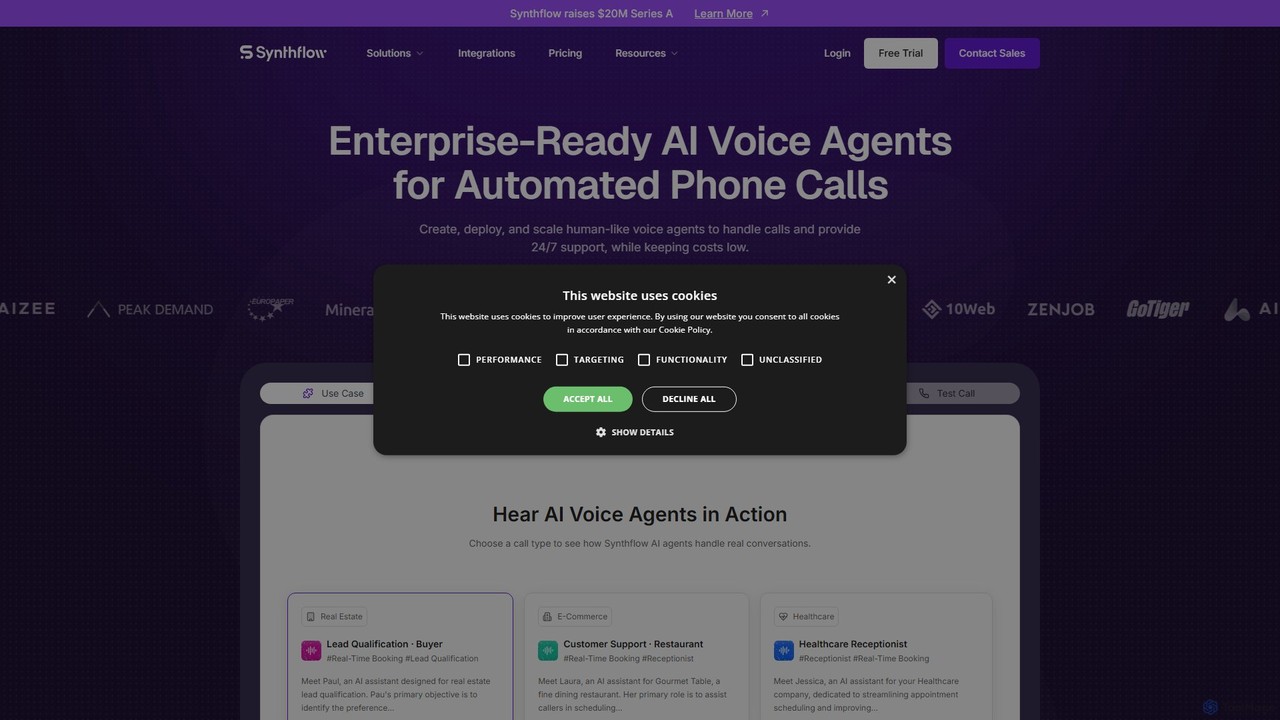
Synthflow AI is an enterprise-grade platform for creating and deploying human-like AI voice agents to automate phone calls. It offers a no-code visual builder, low-latency conversations in over 30 languages, and seamless integrations with CRM and telephony systems. Ideal for sales, customer support, and appointment scheduling, it helps businesses scale operations, reduce costs, and enhance customer experience 24/7.

Voicebot
Visits 131.3KFavorites 116Likes 129
shifthealth
Paid

shifthealth

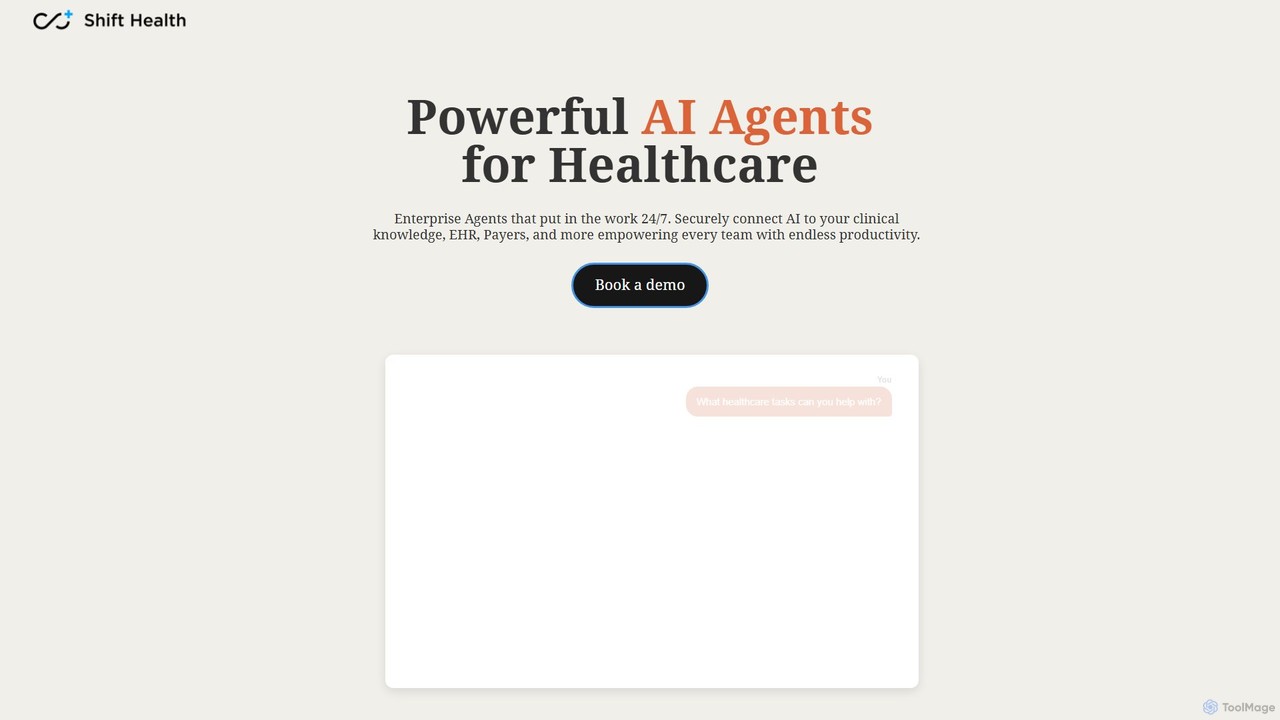
shifthealth is an agentic AI platform for healthcare enterprises, deploying powerful AI agents that work 24/7 to automate clinical and administrative tasks. It securely integrates with EHRs and other systems to boost productivity, reduce costs, and streamline operations like patient services and billing.

Chatbot
Visits 30.8KFavorites 155Likes 152
Hippocratic AI
Paid

Hippocratic AI

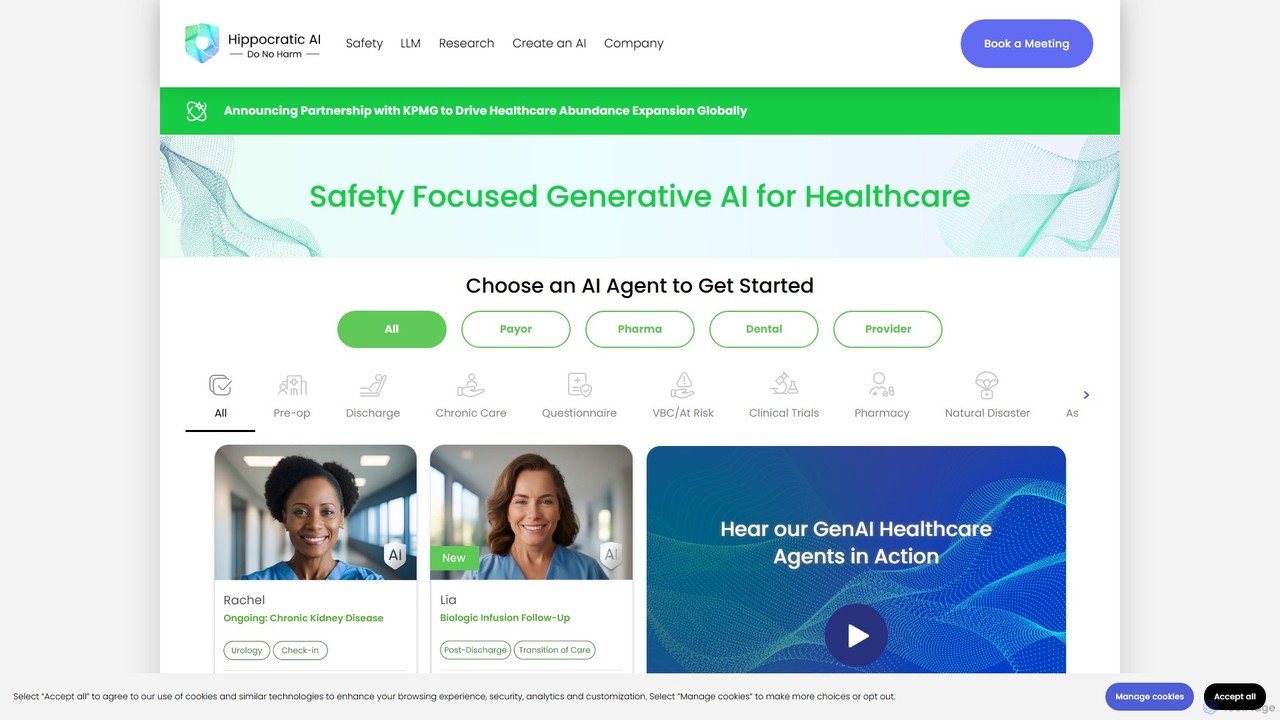
Hippocratic AI is a safety-focused generative AI platform for healthcare. It provides empathetic AI agents to automate non-diagnostic, patient-facing tasks, aiming to address the global shortage of healthcare workers by offering scalable, low-risk communication and care management solutions.

Virtual Assistant
Visits 76.4KFavorites 118Likes 121
Verse Medical

Verse Medical

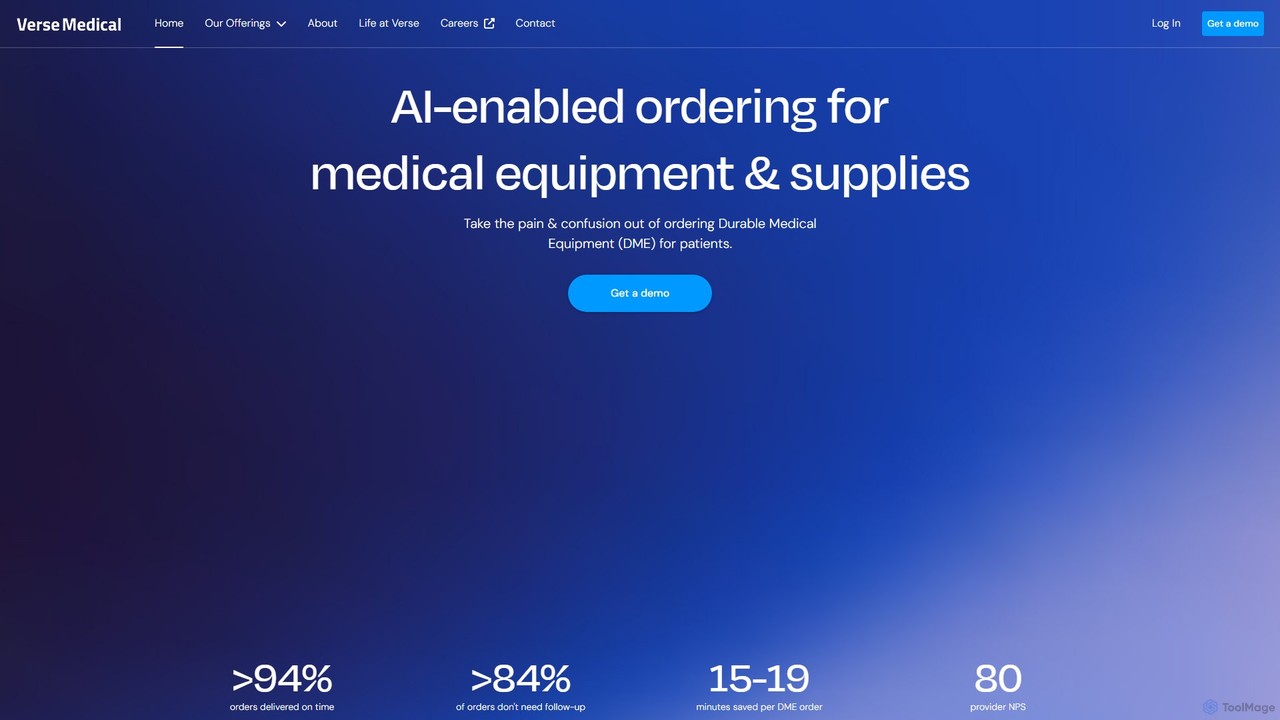
Verse Medical is an AI-powered platform that streamlines the ordering, delivery, and management of Durable Medical Equipment (DME). It connects providers, payors, and patients, using AI to automate documentation, validate medical necessity, and provide real-time tracking, significantly reducing administrative burdens and ensuring timely patient care.

Supply Chain Management
Visits 61.4KFavorites 134Likes 152
Hey Revia
Paid

Hey Revia

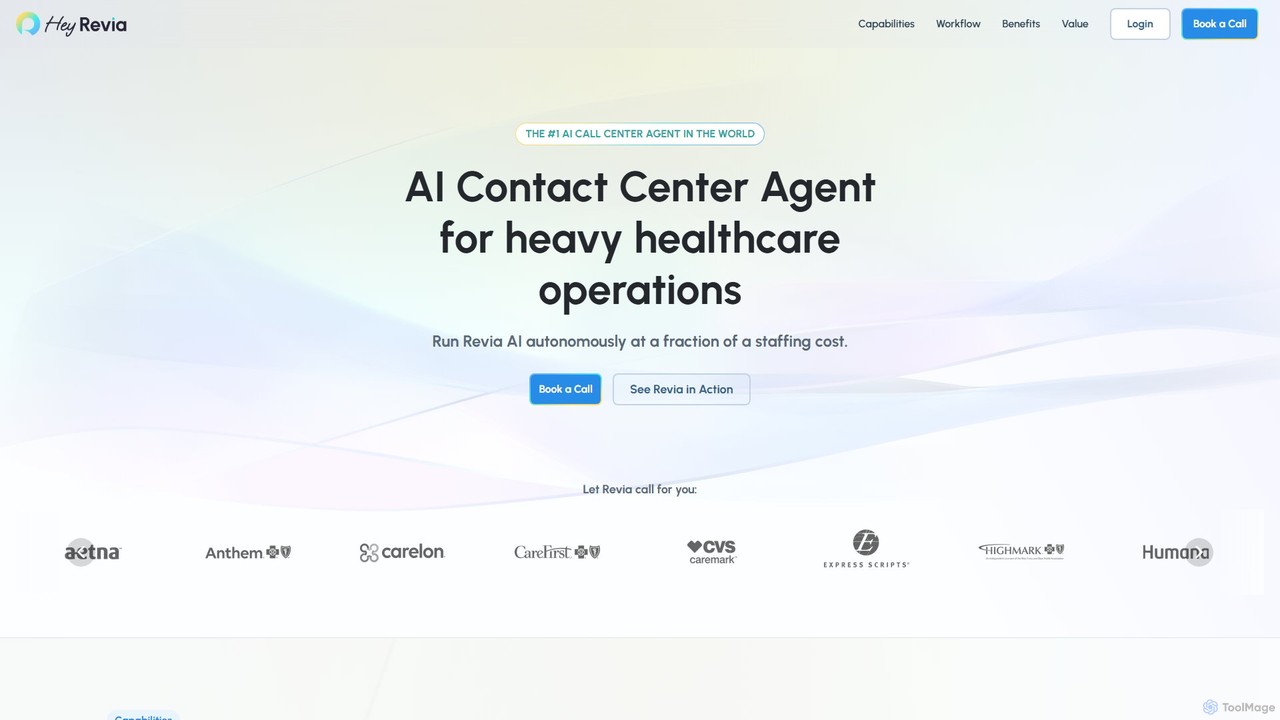
Hey Revia is an advanced AI contact center agent designed to automate complex communication workflows, particularly in the healthcare industry. It autonomously handles calls, emails, and SMS for tasks like insurance verification, prior authorizations, and billing inquiries. By converting SOPs into automated processes, Revia significantly boosts productivity, reduces operational costs, and offers 24/7 scalability, outperforming traditional call centers.

Voice Agents
Visits 5.9KFavorites 148Likes 142
Kliniki
Freemium

Kliniki

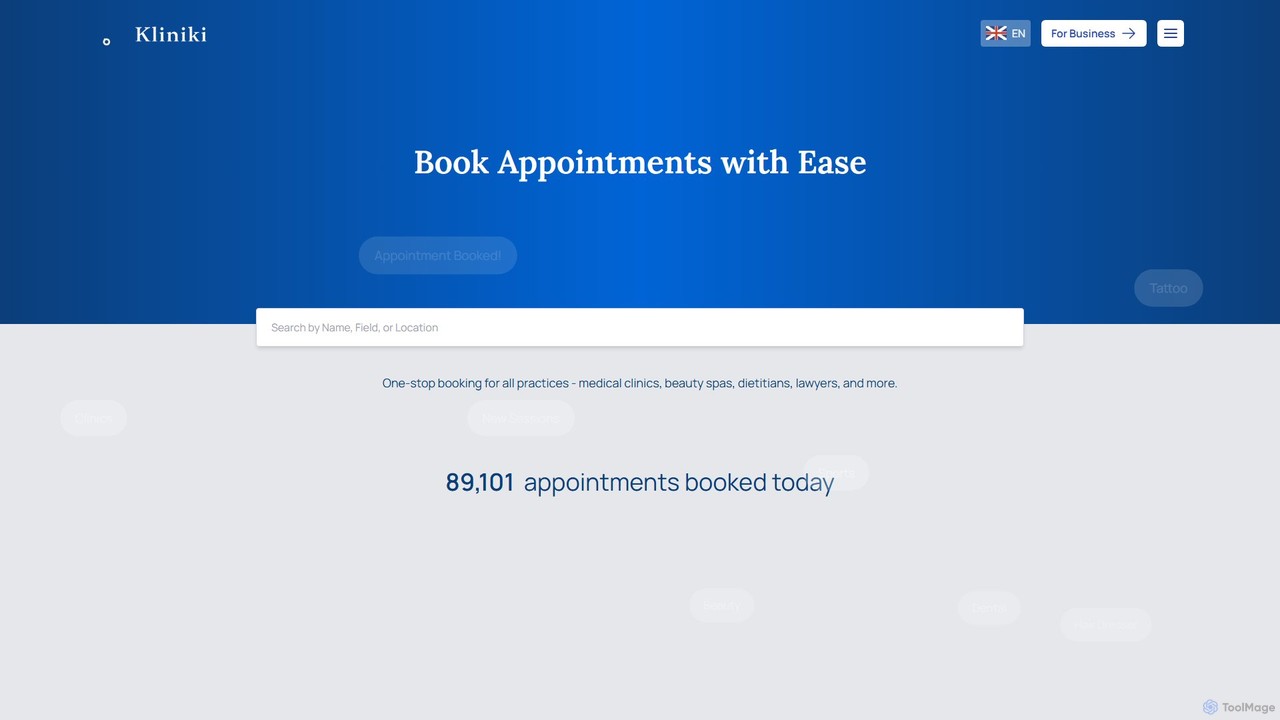
Kliniki is an all-in-one, cloud-based management platform designed for medical clinics, beauty salons, tattoo shops, and various professional practices. It streamlines operations through automation, patient management, online booking, and integrated accounting, saving time and helping businesses grow by improving the client experience.

Practice Management
Visits 8.8KFavorites 146Likes 147
mikopharm
Freemium

mikopharm

mikopharm is an AI-powered platform designed to accelerate pharmaceutical research and drug discovery. It leverages machine learning to analyze vast datasets, predict drug efficacy and toxicity, and optimize clinical trial design, helping researchers make faster, data-driven decisions.

Predictive Modeling
Visits 5.9KFavorites 135Likes 139
Formisoft
Freemium

Formisoft

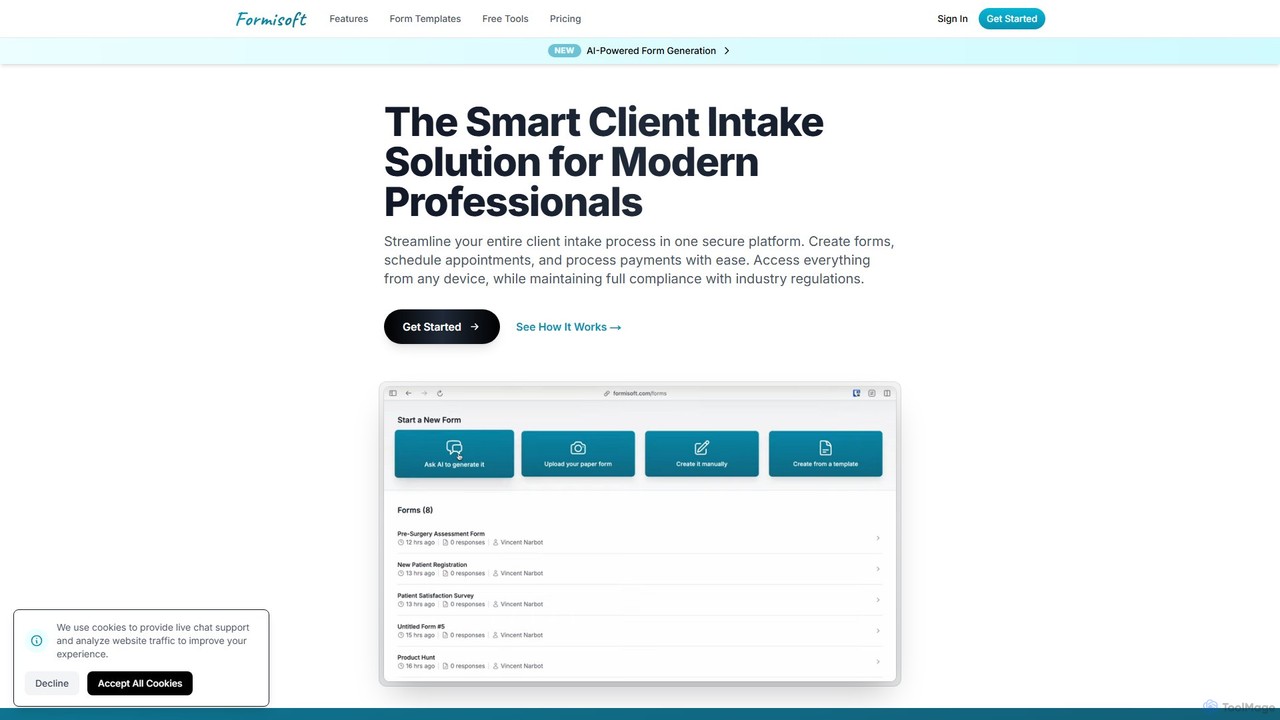
Formisoft is an AI-powered, secure client intake platform for modern professionals. It streamlines form creation, appointment scheduling, and payment processing in one compliant solution. Digitize paper forms, build dynamic forms with AI, and enhance the client experience with mobile-friendly, easy-to-use interfaces.

Client Management
Visits 8KFavorites 132Likes 147
Enzyme
Paid

Enzyme

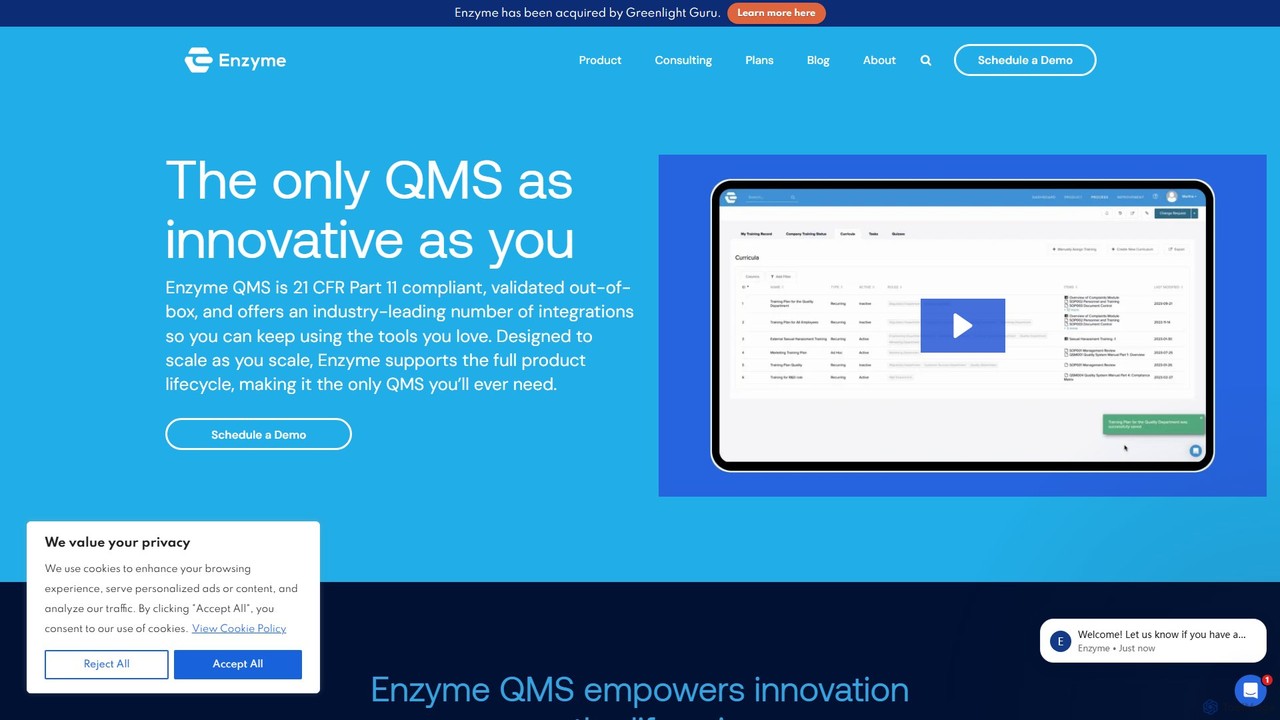
Enzyme is a comprehensive electronic Quality Management System (eQMS) designed for innovative companies, especially in regulated industries like medical devices and biotech. It streamlines quality processes from pre-market to post-market, offering modules for document control, risk management, training, audits, and more, ensuring compliance and operational efficiency.

Quality Management
Visits 9.6KFavorites 90Likes 84

About Healthcare

AI Healthcare tools are a class of software that leverages artificial intelligence, particularly machine learning and natural language processing, to analyze complex medical data. These tools process vast datasets, including medical imaging, electronic health records (EHRs), and genomic sequences, to identify patterns and predict outcomes. They are designed to support clinical decision-making, streamline hospital operations, and accelerate biomedical research. By automating analysis and providing data-driven insights, these tools help improve diagnostic accuracy and personalize patient care.

Core Features

  • Medical Image Analysis: Automatically detects and highlights anomalies in X-rays, CT scans, and MRIs to assist radiologists and pathologists.
  • Predictive Analytics: Forecasts disease outbreaks, patient risk stratification, and potential adverse drug events using historical data.
  • Clinical Workflow Automation: Automates administrative tasks such as medical coding, patient data entry, and appointment scheduling.
  • Drug Discovery Acceleration: Analyzes biological data to identify potential drug candidates and predict their efficacy, shortening research cycles.
  • Personalized Treatment Planning: Recommends tailored treatment protocols based on an individual's genetic profile, lifestyle, and clinical history.

Use Cases

AI Healthcare tools are utilized across various medical settings. Hospitals and clinics use them for diagnostic support and operational efficiency. Pharmaceutical companies and research institutions apply them to accelerate drug discovery and clinical trials. Public health organizations also use predictive analytics for epidemiology and resource allocation.

How to Choose

When selecting an AI Healthcare tool, prioritize solutions with proven clinical validation and regulatory compliance (e.g., HIPAA, GDPR). Assess its integration capabilities with your existing Electronic Health Record (EHR) systems. Evaluate the model's accuracy, transparency, and the quality of the data it was trained on. Finally, ensure the provider offers robust data security measures and technical support.

Featured tool rankings

Healthcare use cases

1

Automated Medical Image Screening

A radiologist in a busy hospital uses an AI-powered diagnostic tool to analyze hundreds of chest X-rays daily. The tool automatically flags images with potential signs of pneumonia or lung nodules, prioritizing them for expert review. This system acts as a second reader, helping to reduce the risk of missed diagnoses due to fatigue and high workload. As a result, the radiology department can improve its diagnostic accuracy and significantly decrease the turnaround time for critical findings, leading to earlier patient treatment.

2

Predicting Patient Readmission Risk

A hospital care management team uses a predictive analytics platform to identify patients at high risk of readmission within 30 days of discharge. The AI model analyzes factors from the patient's electronic health record, such as diagnosis, length of stay, comorbidities, and past admissions. Based on the risk score, the team can allocate resources more effectively, providing high-risk patients with proactive follow-up calls, home health visits, or specialized care coordination to prevent complications and ensure a smoother recovery.

3

AI-Powered Clinical Documentation

A primary care physician uses an ambient clinical intelligence tool during patient consultations. The tool listens to the doctor-patient conversation, automatically transcribes it, and populates the relevant fields in the electronic health record (EHR) in real-time. It can distinguish between speakers, identify medical terms, and structure the notes correctly. This automation frees the physician from extensive note-taking, reducing administrative burden and burnout, and allowing them to focus more on direct patient interaction and care.

4

Accelerating Drug Discovery Research

A team of researchers at a pharmaceutical company uses an AI platform to analyze vast genomic and proteomic datasets. The goal is to identify novel biological targets for a new cancer therapy. The AI model sifts through millions of data points to find correlations that would be impossible for humans to detect, predicting which proteins are most likely to be effective drug targets. This significantly narrows down the number of candidates for laboratory testing, saving months or even years of research time and millions in R&D costs.

5

Personalized Cancer Treatment Planning

An oncologist uses an AI decision support system to create a personalized treatment plan for a patient with a rare form of cancer. The system analyzes the patient's genomic data, pathology reports, and medical history, comparing it against a vast database of clinical trials, research papers, and treatment outcomes from similar cases worldwide. It then suggests a ranked list of potential therapies, including targeted drugs and immunotherapies, that are most likely to be effective for this specific patient, empowering the oncologist to make a more informed decision.

6

Intelligent Triage for Virtual Health Assistants

A large healthcare provider implements an AI-powered chatbot on its patient portal. When a patient reports symptoms, the chatbot engages in a conversational triage process, asking targeted questions to assess the severity and nature of the issue. Based on the responses, it can recommend self-care measures for minor issues, schedule a telehealth appointment with a nurse or doctor for non-urgent cases, or advise immediate emergency care for critical symptoms. This automates the initial patient intake, ensuring patients are directed to the appropriate level of care efficiently.

Healthcare FAQ

What are AI Healthcare tools?

AI Healthcare tools are software applications that use artificial intelligence technologies like machine learning, natural language processing, and computer vision to analyze medical data. Their primary purpose is to assist healthcare professionals in diagnosing diseases, planning treatments, and managing clinical operations. Common examples include AI systems for reading medical scans, predicting patient outcomes, and automating administrative tasks in hospitals.

How do you choose a reliable AI Healthcare tool?

Choosing a reliable AI healthcare tool requires careful consideration of several factors. Look for the following:

  • Regulatory Compliance: Ensure the tool complies with data privacy and security regulations like HIPAA in the US or GDPR in Europe.
  • Clinical Validation: Check for evidence of effectiveness, such as peer-reviewed studies, clinical trial results, or clearance from regulatory bodies like the FDA.
  • Integration Capability: The tool should seamlessly integrate with your existing systems, especially Electronic Health Records (EHR).
  • Data Security: Verify that the provider has robust security protocols to protect sensitive patient information.
Will AI tools replace doctors and nurses?

No, AI tools are not intended to replace healthcare professionals like doctors and nurses. Instead, they are designed to be powerful assistants or augmentation tools. They excel at processing large amounts of data, identifying patterns, and automating repetitive tasks. This frees up clinicians to focus on what humans do best: complex decision-making, patient communication, empathy, and providing hands-on care. The goal is a human-AI collaboration that enhances the quality and efficiency of care.

What are the main benefits of using AI in healthcare?

The primary benefits of using AI in healthcare include:

  • Improved Accuracy: AI can detect subtle patterns in medical images and data that may be missed by the human eye, leading to earlier and more accurate diagnoses.
  • Enhanced Efficiency: Automating administrative and clinical tasks reduces workload, minimizes errors, and allows healthcare providers to see more patients.
  • Personalized Medicine: AI enables the analysis of a patient's unique genetic and clinical data to tailor treatments for better outcomes.
  • Accelerated Research: AI significantly speeds up the process of drug discovery and the analysis of clinical trial data, bringing new treatments to market faster.
What types of data do AI Healthcare tools use?

AI healthcare tools are trained on and analyze a wide variety of data types. These include structured data like lab results and vital signs, as well as unstructured data. Key examples are:

  • Medical Imaging: X-rays, CT scans, MRIs, and pathology slides.
  • Electronic Health Records (EHRs): Patient histories, physician notes, diagnoses, and medications.
  • Genomic Data: DNA and RNA sequences used for personalized medicine.
  • Clinical Trial Data: Information from research studies to find new treatments.
  • Real-world Data: Data from sources like wearable devices and patient registries.