Productivity Best in category 21 results Operations Management AI Tool

Popular AI tools in the Operations Management field of Productivity include Stayflexi、Zip、Stable、Salvy、Ambient.ai、Odeko、moradauno、DrillerDB、Pidge, etc., helping you quickly improve efficiency.

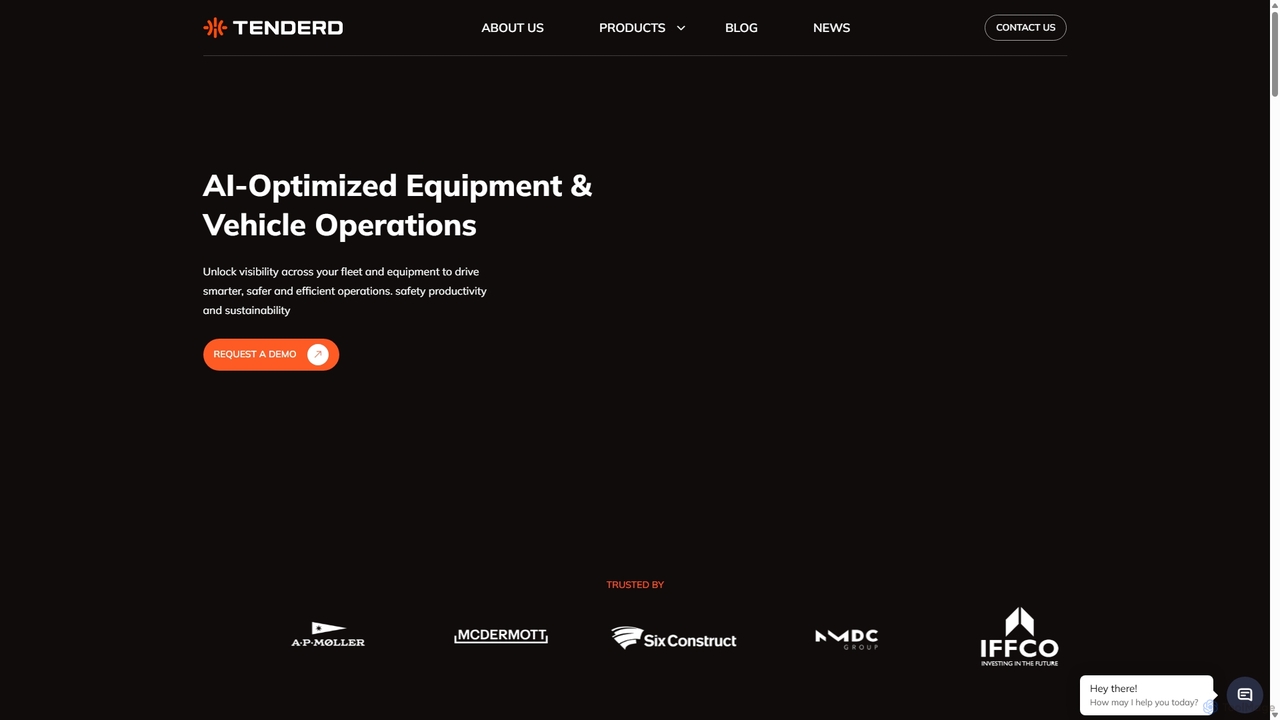
Tenderd

Tenderd

Tenderd is an AI-powered platform for heavy equipment and fleet management. It provides total operational visibility, helping industries …

4.9K
FacilityBot

FacilityBot

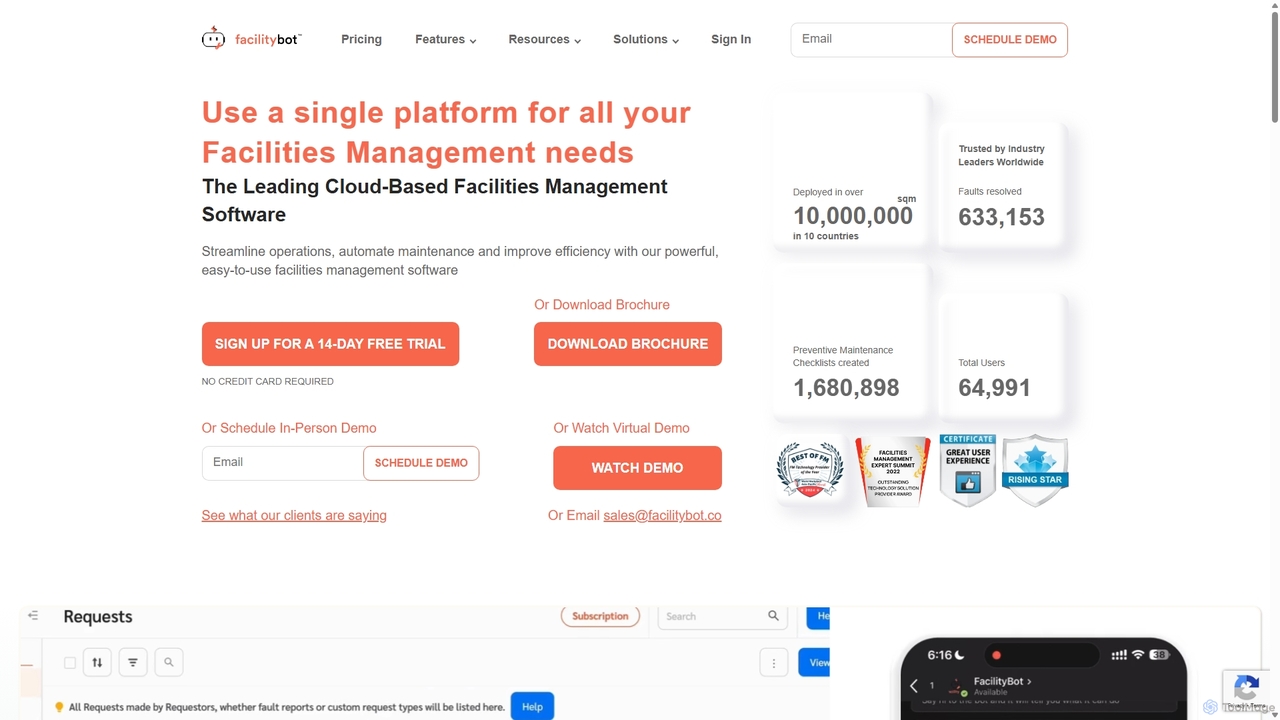
FacilityBot is an award-winning, AI-powered CMMS and facilities management software. It streamlines operations via a chatbot on familiar …

15.6K
Stayflexi

Stayflexi

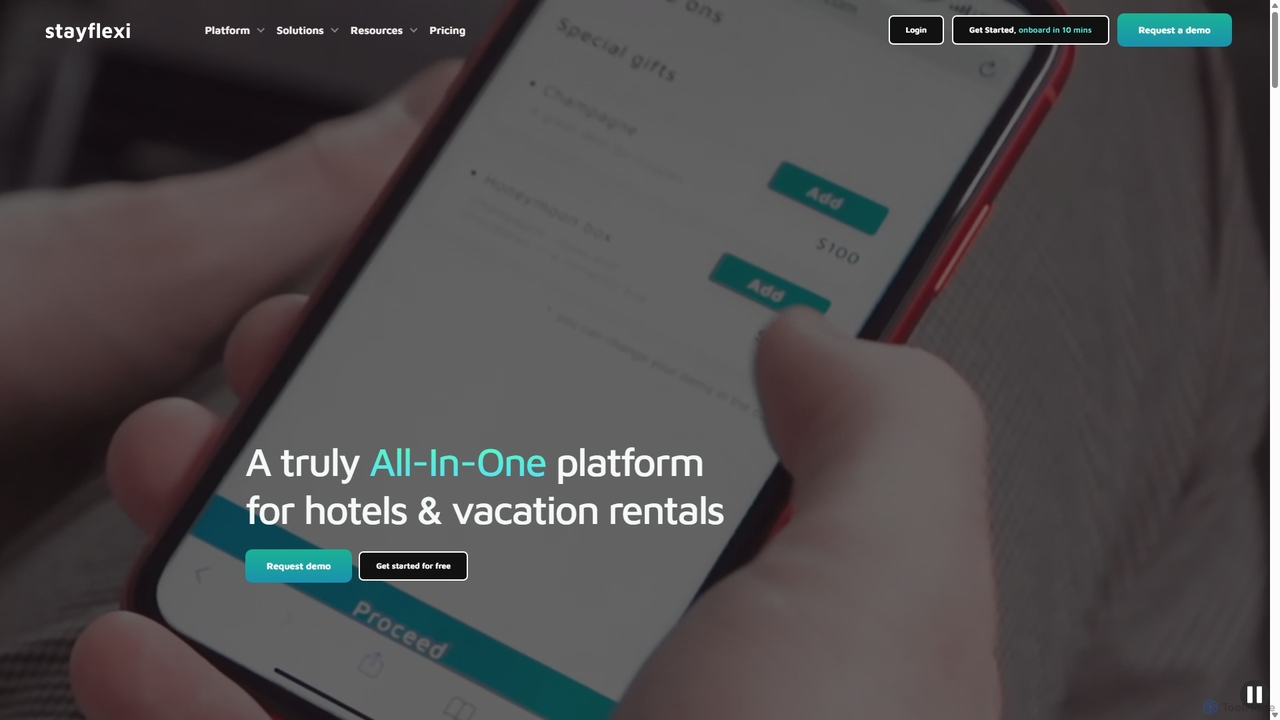
Stayflexi is an all-in-one, AI-powered platform for hotels and vacation rentals. It streamlines operations by combining a Property …

876.6K
Zip

Zip

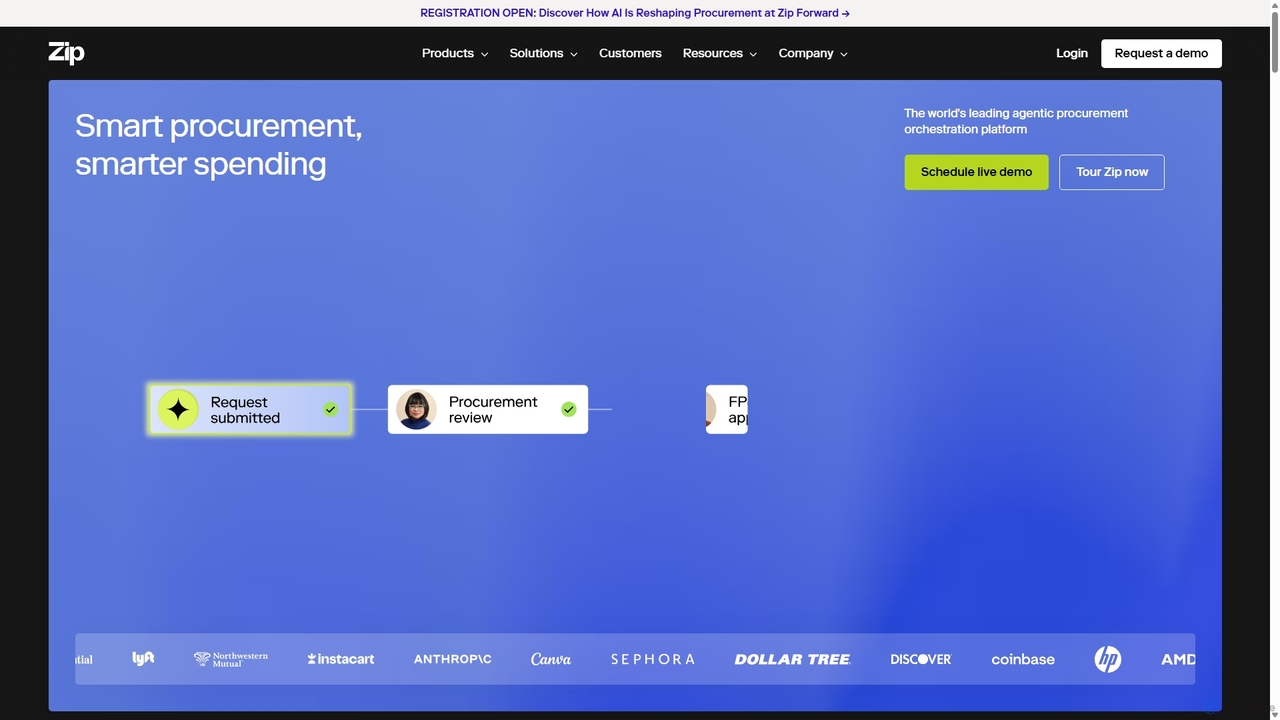
Zip is the world's leading agentic procurement orchestration platform, powered by AI. It provides a unified solution for …

283.1K
Rockeye

Rockeye

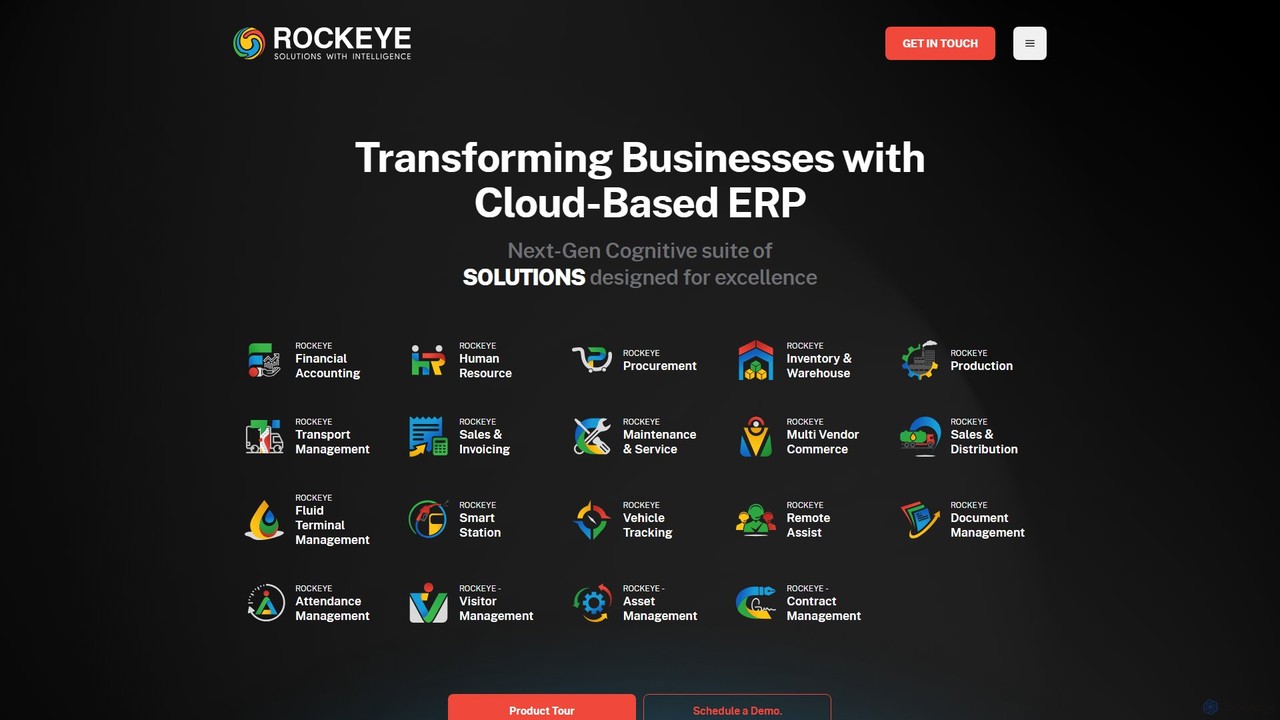
Rockeye is a powerful, cloud-based ERP suite that leverages AI and automation to transform business operations. It offers …

7.7K
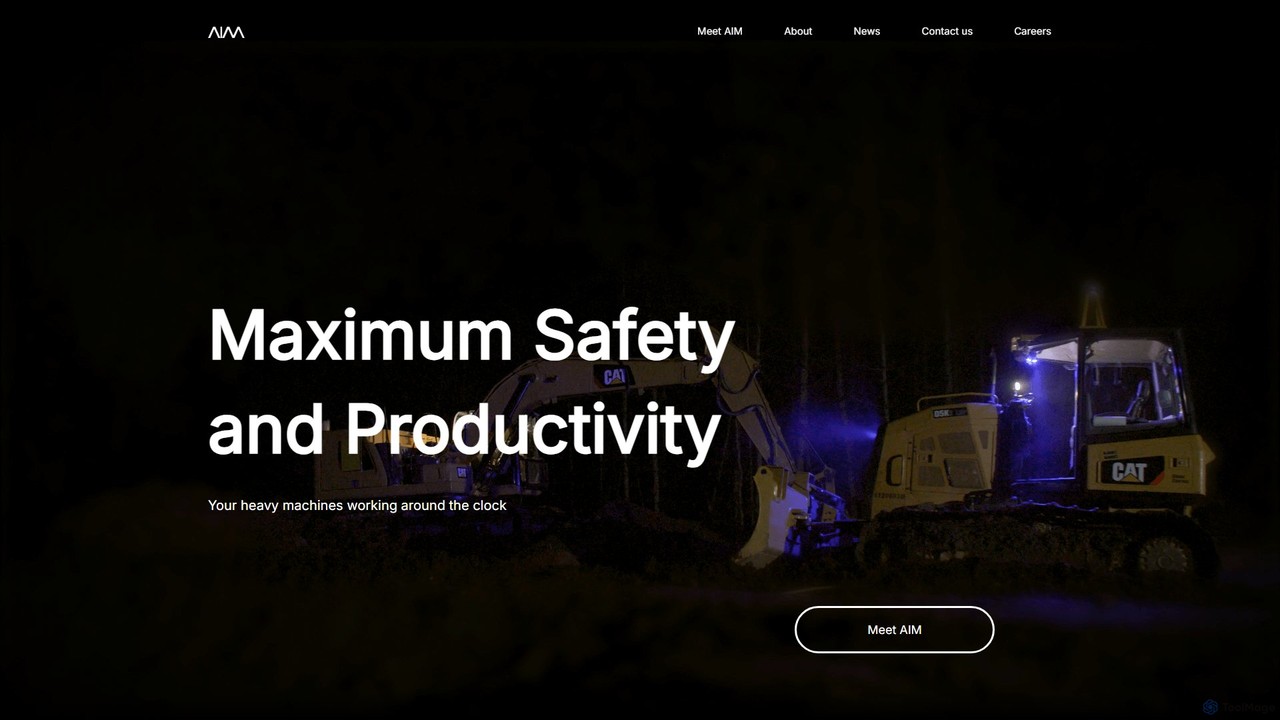
AIM Intelligent Machines

AIM Intelligent Machines

AIM Intelligent Machines provides an AI-powered technology platform that retrofits heavy equipment for autonomous operation in mining and …

11.0K
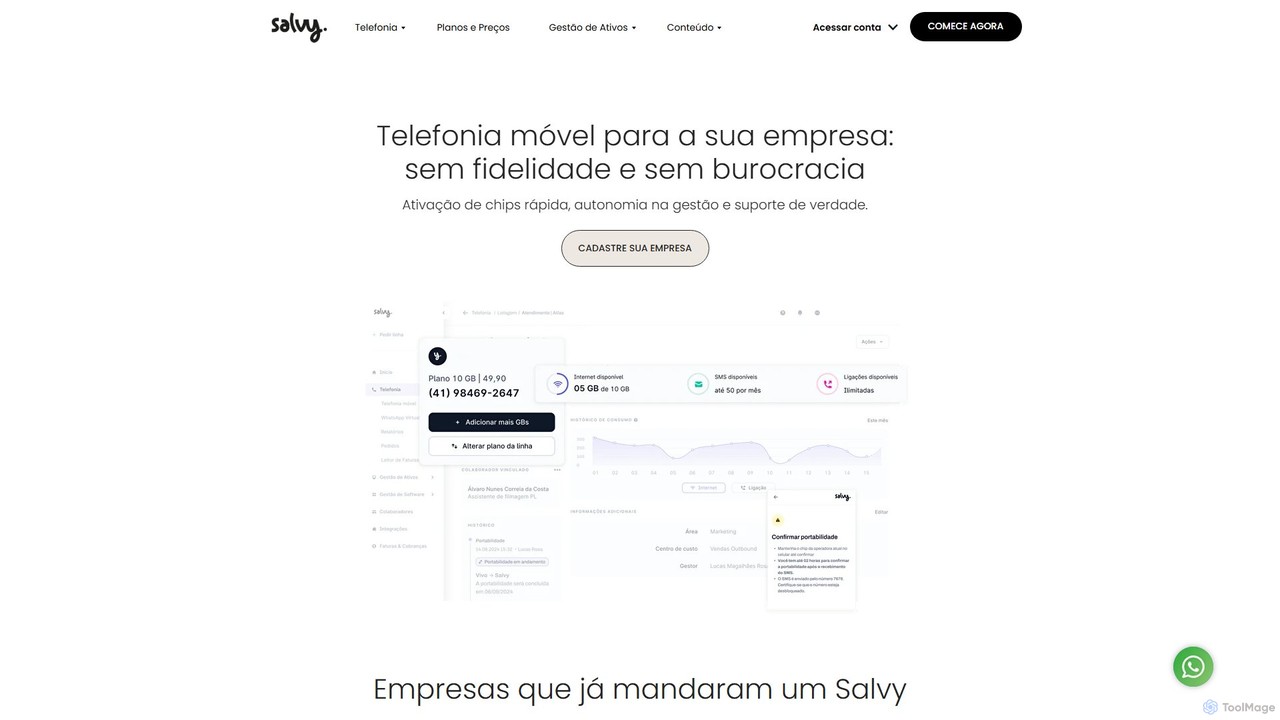
Salvy

Salvy

Salvy is a Brazilian B2B mobile telephony platform that uses AI to simplify corporate phone line management. It …

74.1K
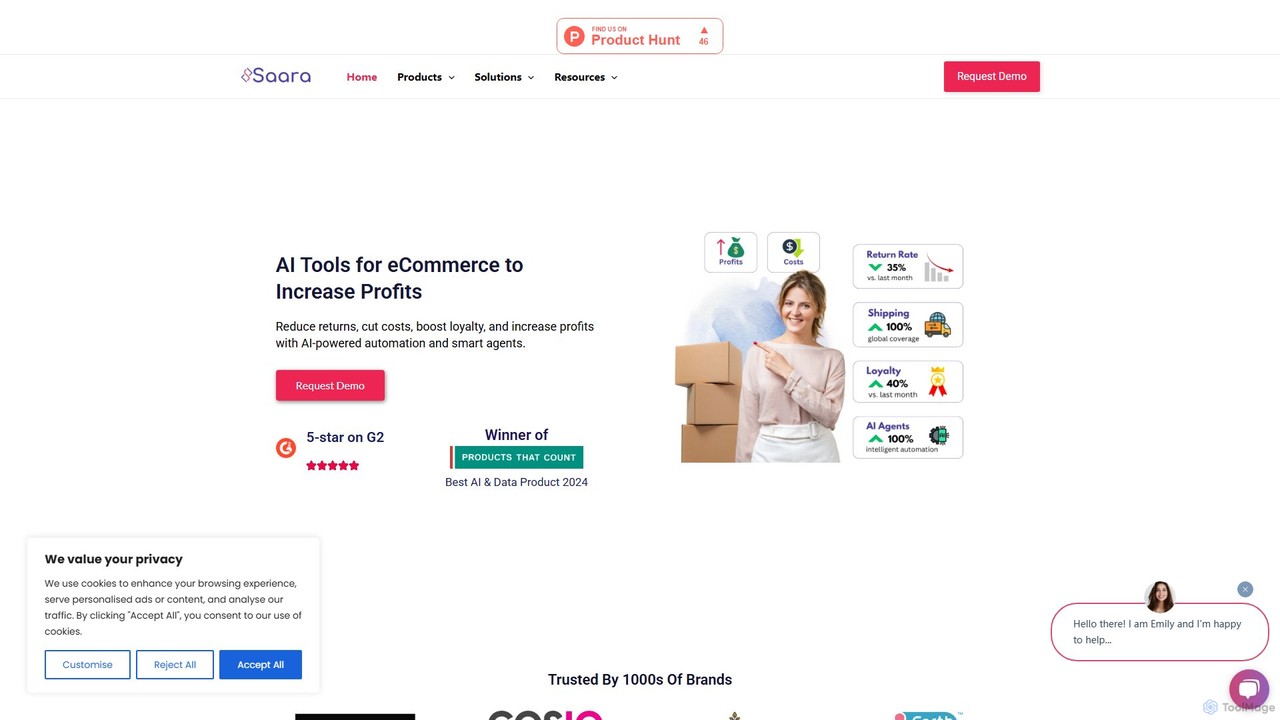
Saara

Saara

Saara is an AI-powered platform for eCommerce businesses designed to maximize profits by reducing returns, cutting operational costs, …

14.6K
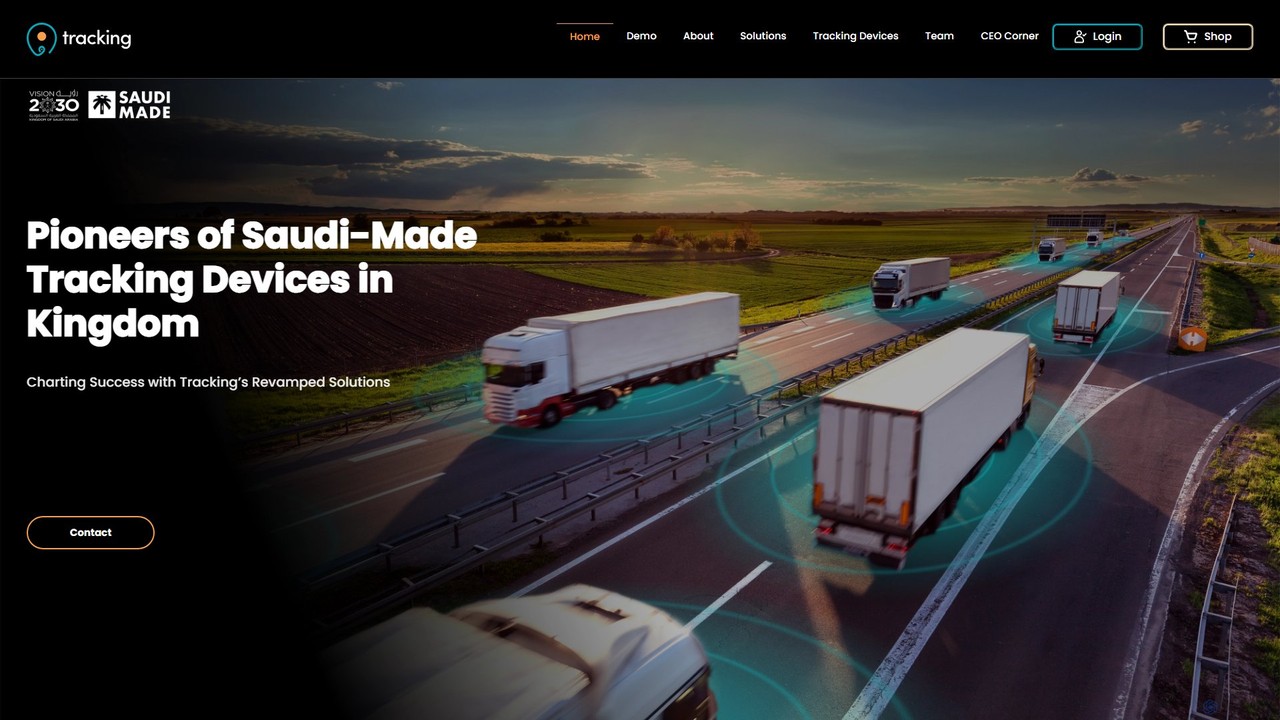
Tracking

Tracking

Tracking is a specialized B2B technology provider based in Saudi Arabia, offering comprehensive GPS tracking and fleet management …

6.0K
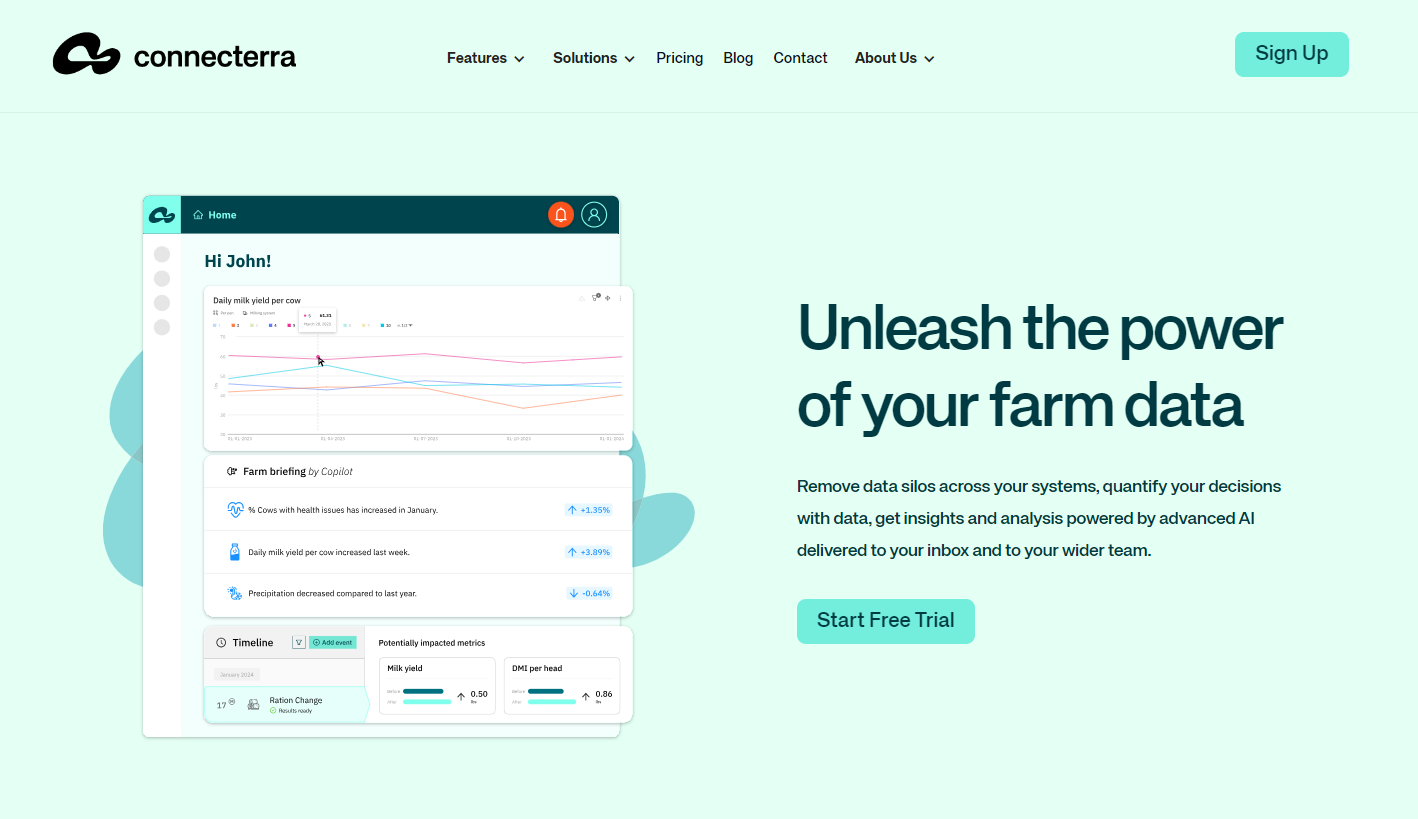
Connecterra

Connecterra

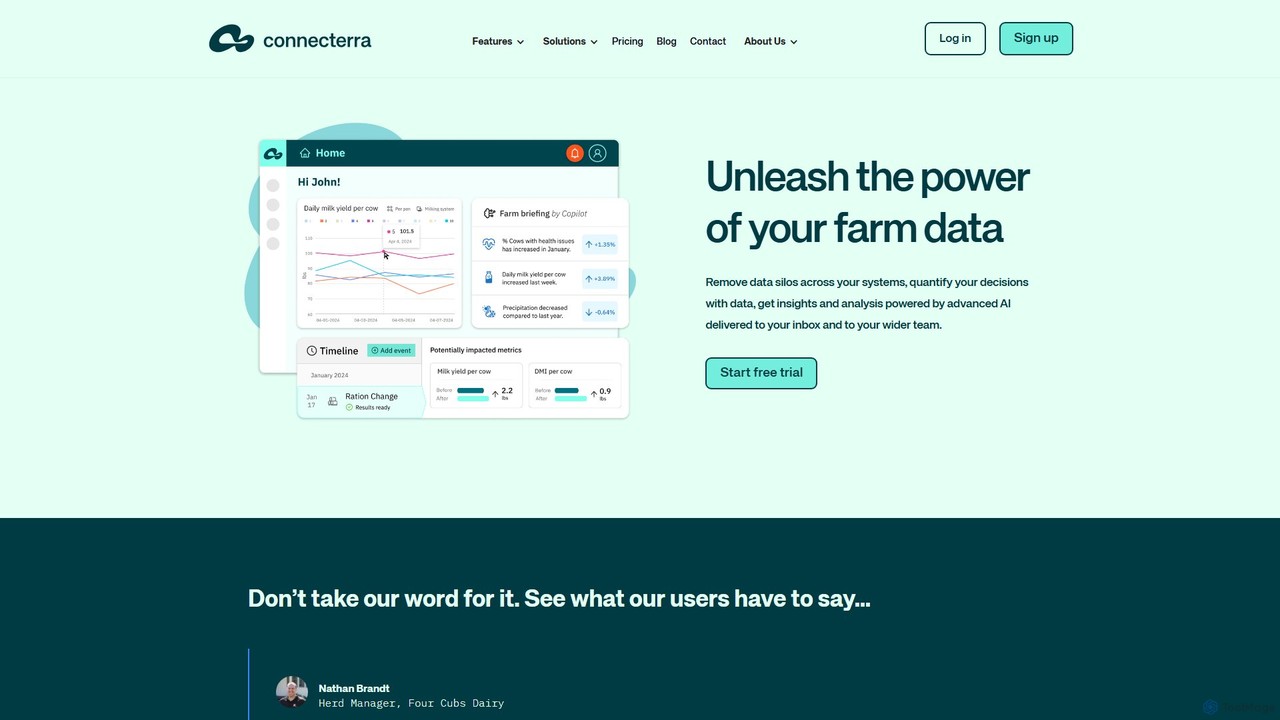
Connecterra is an AI-powered data platform for the dairy industry. It integrates data from various farm systems, providing …

3.4K
Pidge

Pidge

Pidge is an AI-powered logistics intelligence platform designed to streamline and optimize last-mile delivery for businesses. It offers …

18.9K
BlueCargo

BlueCargo

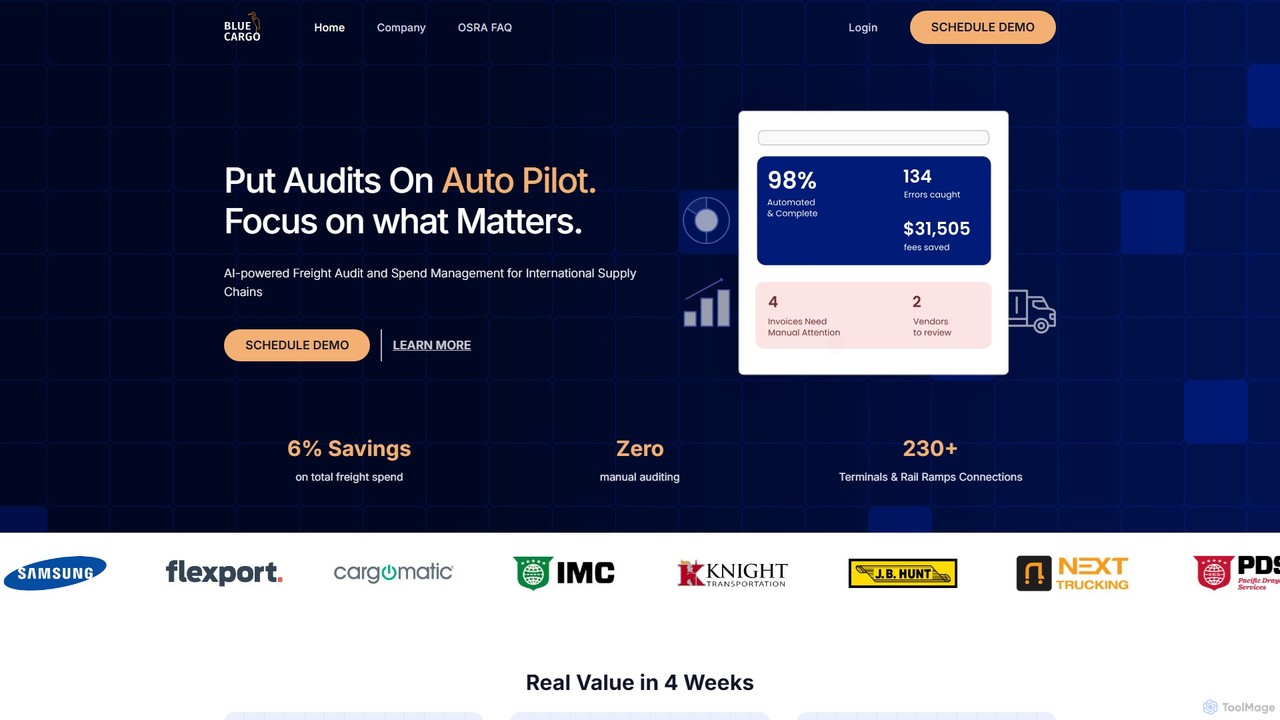
BlueCargo is an AI-powered SaaS platform for the logistics industry, designed to help carriers, shippers, and freight forwarders …

14.4K
Tangle

Tangle

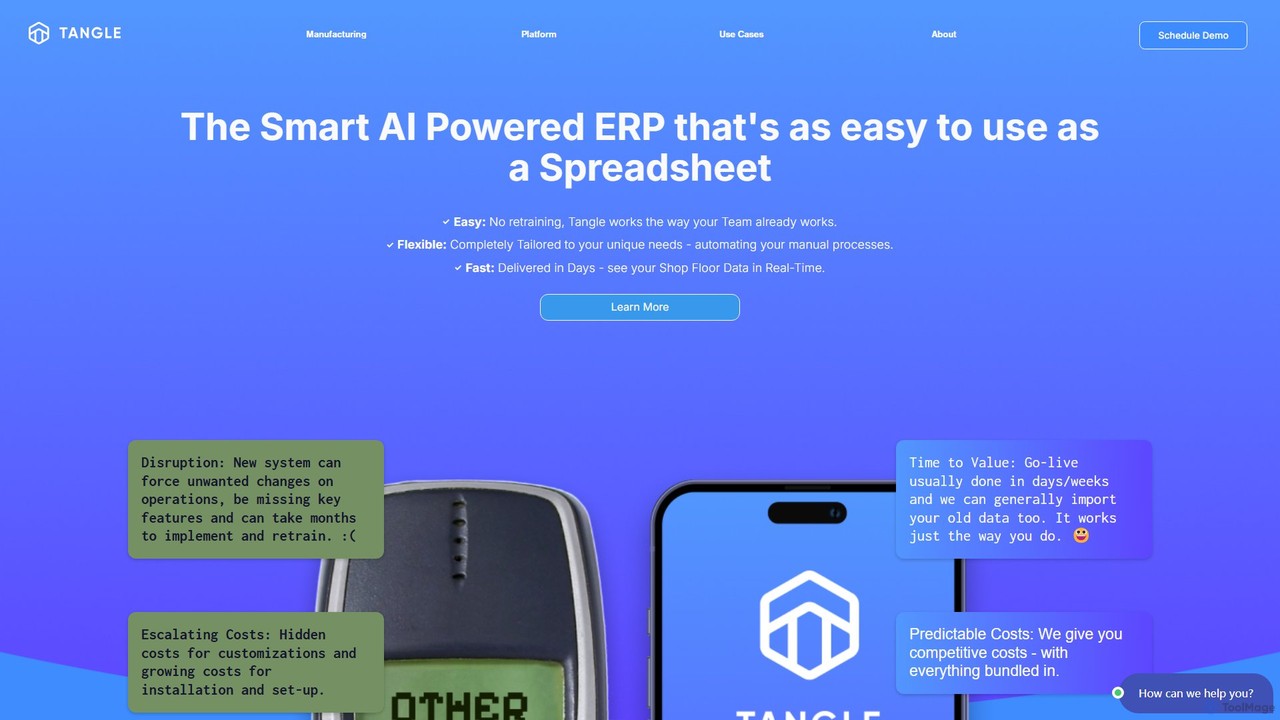
Tangle is an AI-powered Manufacturing ERP platform designed to be as flexible and easy to use as a …

6.0K
Ambient.ai

Ambient.ai

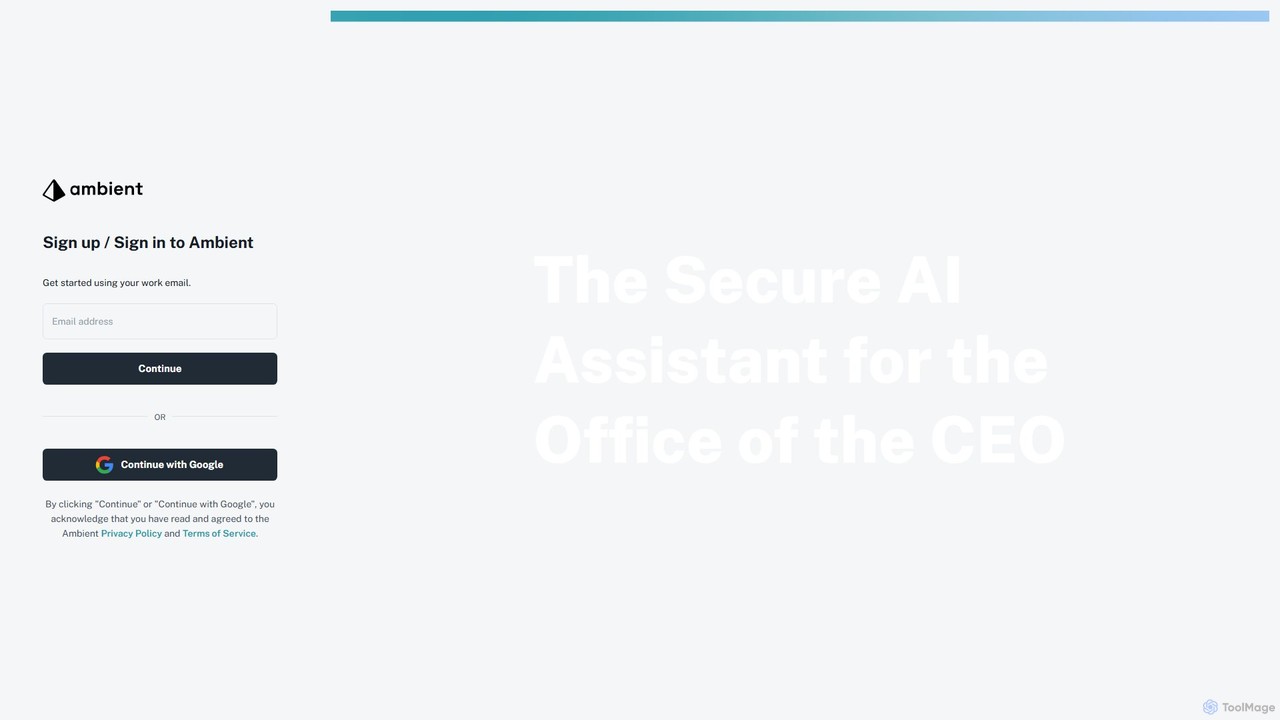
Ambient.ai is an AI-powered physical security platform that uses computer vision to transform existing security cameras into a …

73.9K
Stayflexi

Stayflexi

Stayflexi is an all-in-one, cloud-based platform for hotels and vacation rentals, designed to automate operations and maximize revenue. …

198.2K
Odeko

Odeko

Odeko is an AI-powered, all-in-one operations platform for cafes and coffee shops. It simplifies supply chain management by …

41.1K
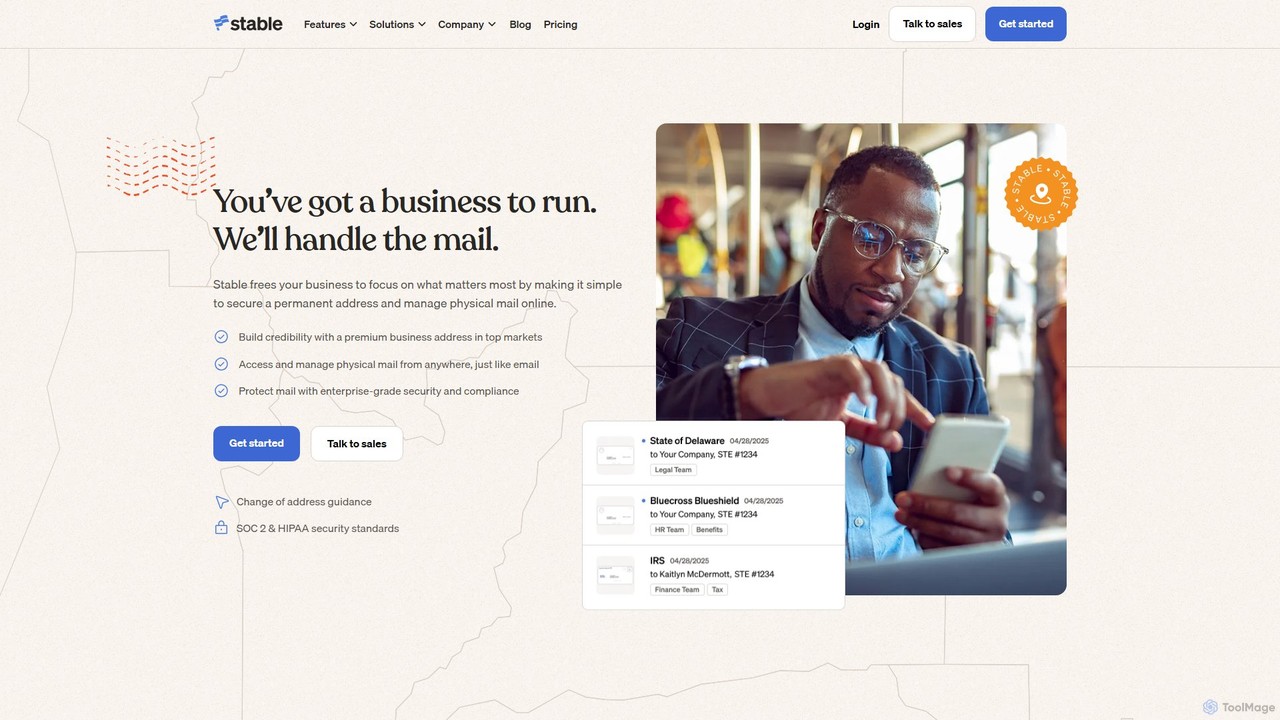
Stable

Stable

Stable provides an AI-powered virtual address and mailbox for businesses. It digitizes physical mail, automates workflows, and enables …

154.1K
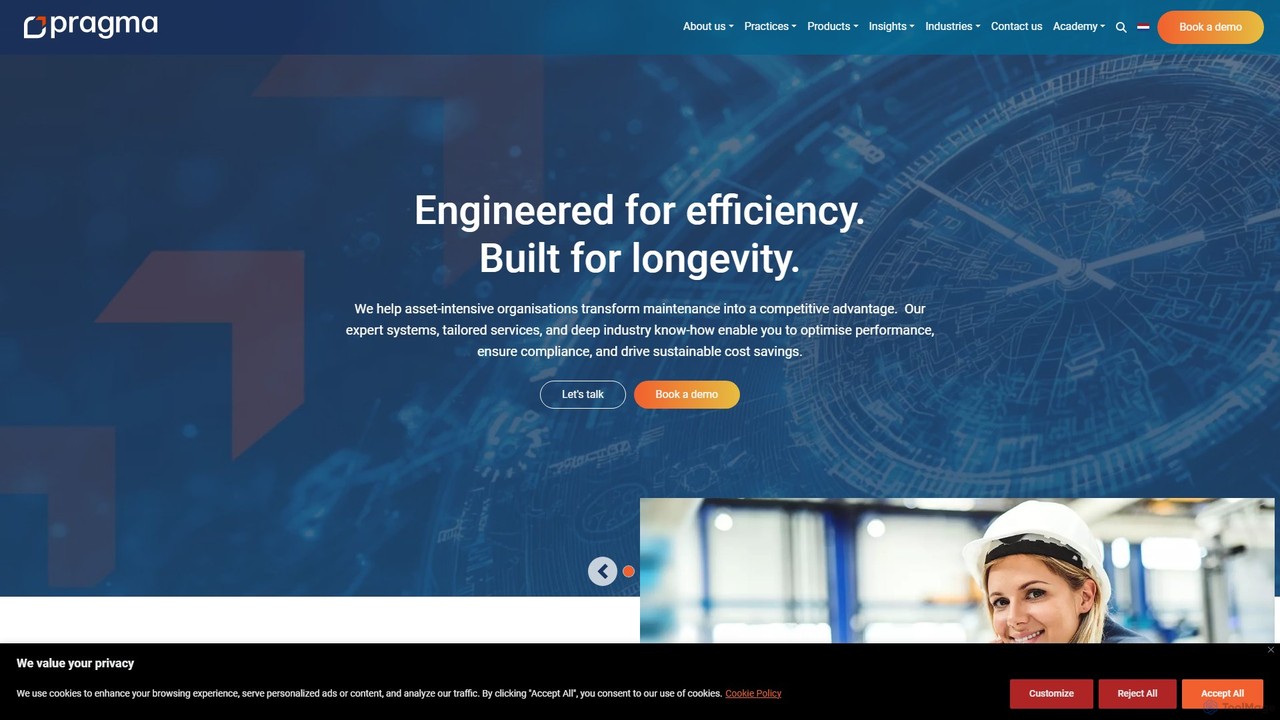
Pragma

Pragma

Pragma is an AI-powered Enterprise Asset Management (EAM) platform designed to optimize the entire lifecycle of physical assets. …

15.4K
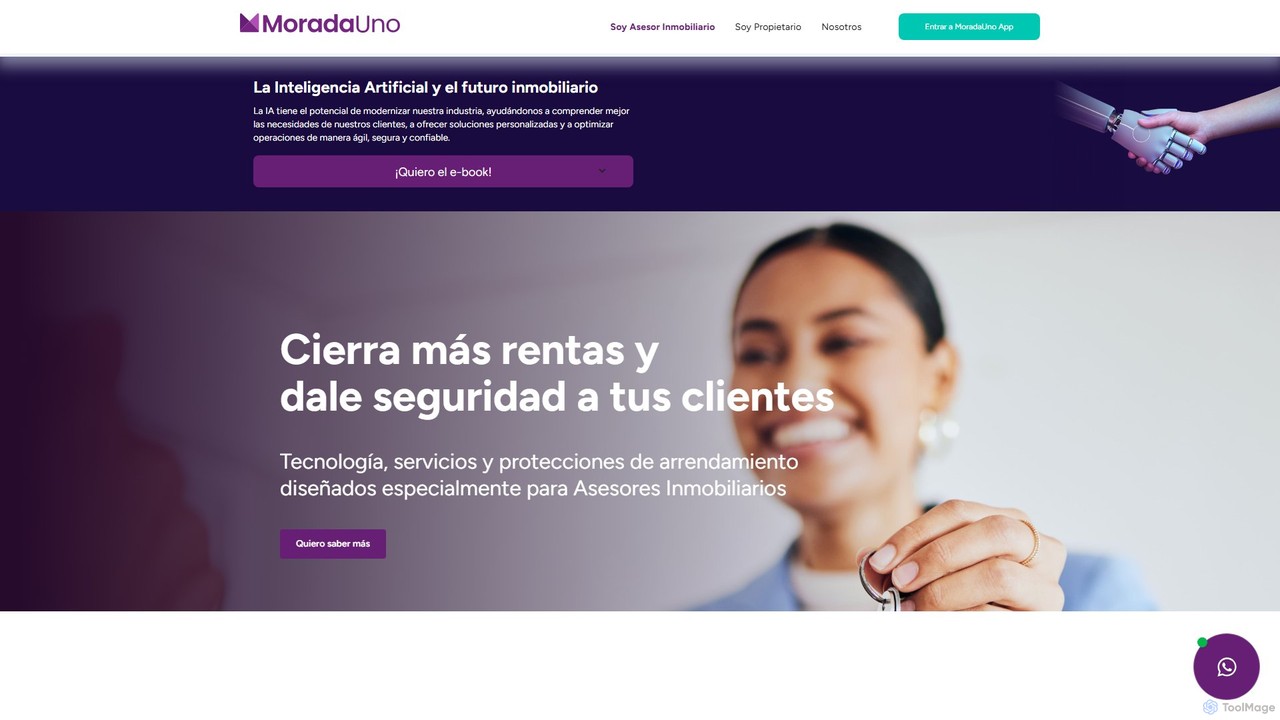
moradauno

moradauno

Moradauno is a PropTech platform for the Mexican real estate market, offering AI-powered rental protection, tenant screening, and …

31.7K
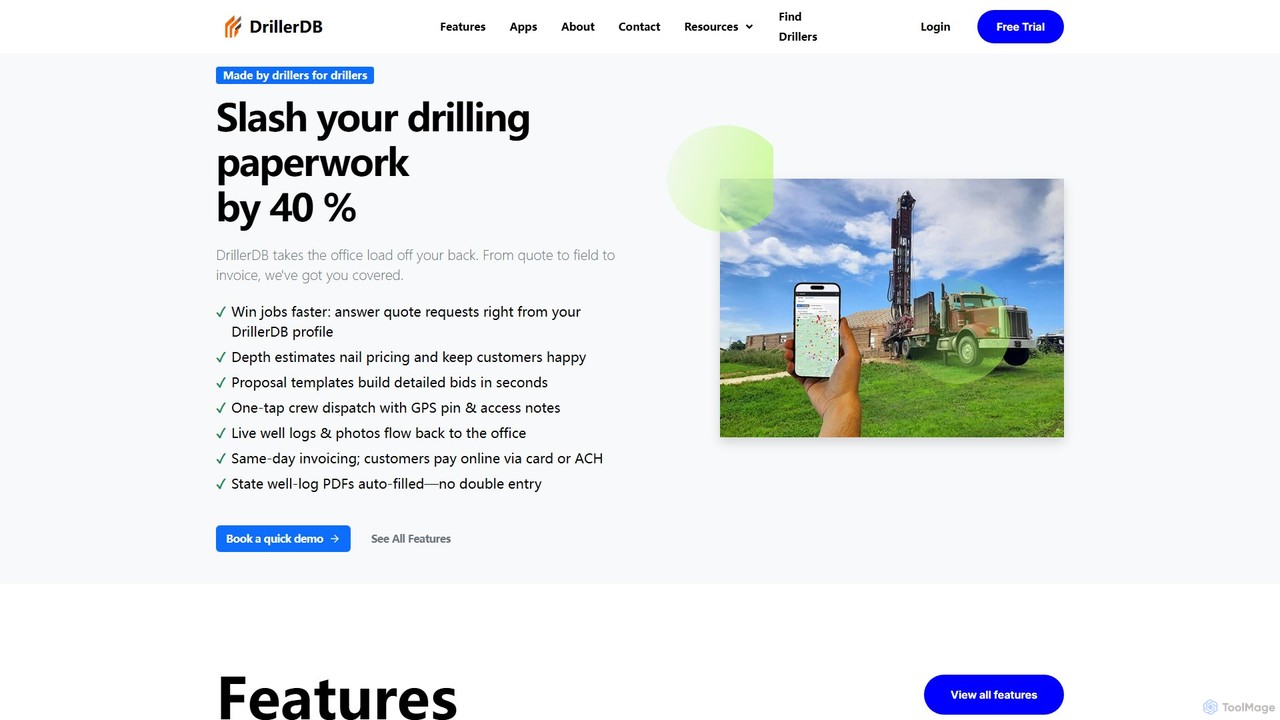
DrillerDB

DrillerDB

DrillerDB is a comprehensive software solution designed specifically for American water well drillers. It streamlines project management, from …

27.1K
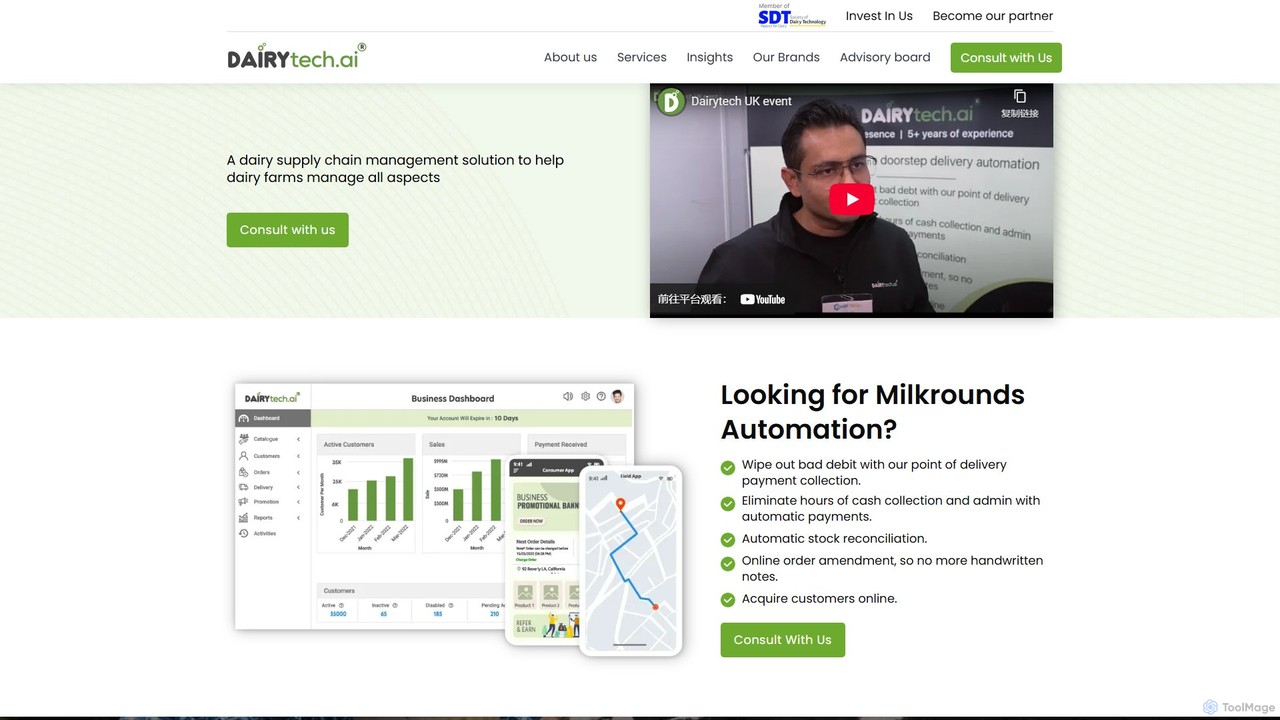
dairytech.ai

dairytech.ai

Dairytech.ai is an AI-powered, end-to-end supply chain management platform for the dairy industry. It provides smart solutions for …

2.8K

About Operations Management

AI Operations Management tools are a specialized category of productivity software designed to optimize and automate core business processes. They leverage machine learning and data analytics to streamline workflows, manage resources, and monitor performance in real-time. These tools help organizations improve efficiency, reduce operational costs, and enhance service quality by providing data-driven insights and predictive capabilities. Unlike general project management tools, they focus on the repeatable, systemic processes that form the backbone of a business, from supply chain to service delivery.

Core Features

  • Process Automation: Automates repetitive tasks such as order processing, inventory updates, and report generation.
  • Predictive Analytics: Forecasts demand, identifies potential bottlenecks, and predicts maintenance needs using historical data.
  • Resource Optimization: Intelligently allocates staff, equipment, and materials to maximize efficiency and minimize waste.
  • Real-time Monitoring: Provides live dashboards to track key performance indicators (KPIs) and overall operational health.
  • Supply Chain Management: Optimizes logistics, tracks shipments, and manages supplier performance through data analysis.

Use Cases

These tools are essential for industries like manufacturing, logistics, retail, and large-scale service providers. Operations managers, supply chain coordinators, and production planners use them to gain visibility and control over complex systems, enabling proactive rather than reactive management.

How to Choose

When selecting a tool, consider its integration capabilities with your existing ERP and CRM systems. Evaluate the scope of its automation features to ensure they match your specific workflows. Also, assess the depth of its analytics and reporting functions and the platform's scalability to support future business growth.

Operations ManagementUse Cases

1

Automating E-commerce Inventory and Replenishment

An e-commerce operations manager uses an AI tool to monitor stock levels across multiple warehouses in real-time. The system analyzes historical sales data, seasonality, and current trends to predict future demand accurately. It then automatically generates purchase orders when stock falls below a dynamic threshold, preventing stockouts during peak seasons and reducing overstocking costs. This data-driven approach improves capital efficiency and ensures customer satisfaction.

2

Optimizing Logistics and Delivery Routes

A logistics company implements an AI operations tool to plan daily delivery routes for its fleet. The AI considers real-time traffic data, delivery time windows, vehicle capacity, and fuel costs to calculate the most efficient routes. This dynamic routing reduces fuel consumption by up to 20%, shortens delivery times, and increases the number of successful deliveries per driver, significantly improving overall operational efficiency and customer service.

3

Predictive Maintenance for Manufacturing Equipment

A factory floor manager uses an AI system connected to sensors on production machinery. The AI continuously analyzes data on vibration, temperature, and output to predict potential equipment failures before they occur. It automatically schedules maintenance during planned downtime, providing technicians with detailed diagnostics. This prevents costly unplanned shutdowns, extends the lifespan of machinery, and maintains consistent production quality.

4

AI-Powered Staff Scheduling for Retail Chains

A regional manager for a retail chain uses an AI tool to create weekly staff schedules for multiple stores. The system analyzes historical foot traffic data, sales forecasts, and employee availability and skill sets. It generates optimized schedules that ensure adequate coverage during peak hours while minimizing labor costs during quieter periods. This leads to improved customer service, reduced employee burnout, and better adherence to labor budgets.

5

Automating Quality Control on Production Lines

A quality assurance specialist deploys an AI-powered visual inspection system on a manufacturing assembly line. High-speed cameras capture images of each product, and the AI model, trained on thousands of examples, instantly identifies defects or inconsistencies invisible to the human eye. Defective items are automatically flagged and rerouted for review, increasing defect detection rates to over 99% and ensuring consistent product quality without slowing down production.

6

Streamlining Field Service Dispatch and Management

A service operations manager for a utility company uses an AI platform to manage field technicians. When a service request is received, the system automatically identifies the nearest available technician with the right skills and equipment. It dispatches the job, provides the technician with all necessary information and optimal routing, and tracks progress in real-time. This automation improves response times, increases first-time fix rates, and enhances overall customer satisfaction.

Operations ManagementFrequently Asked Questions