KarmaBox
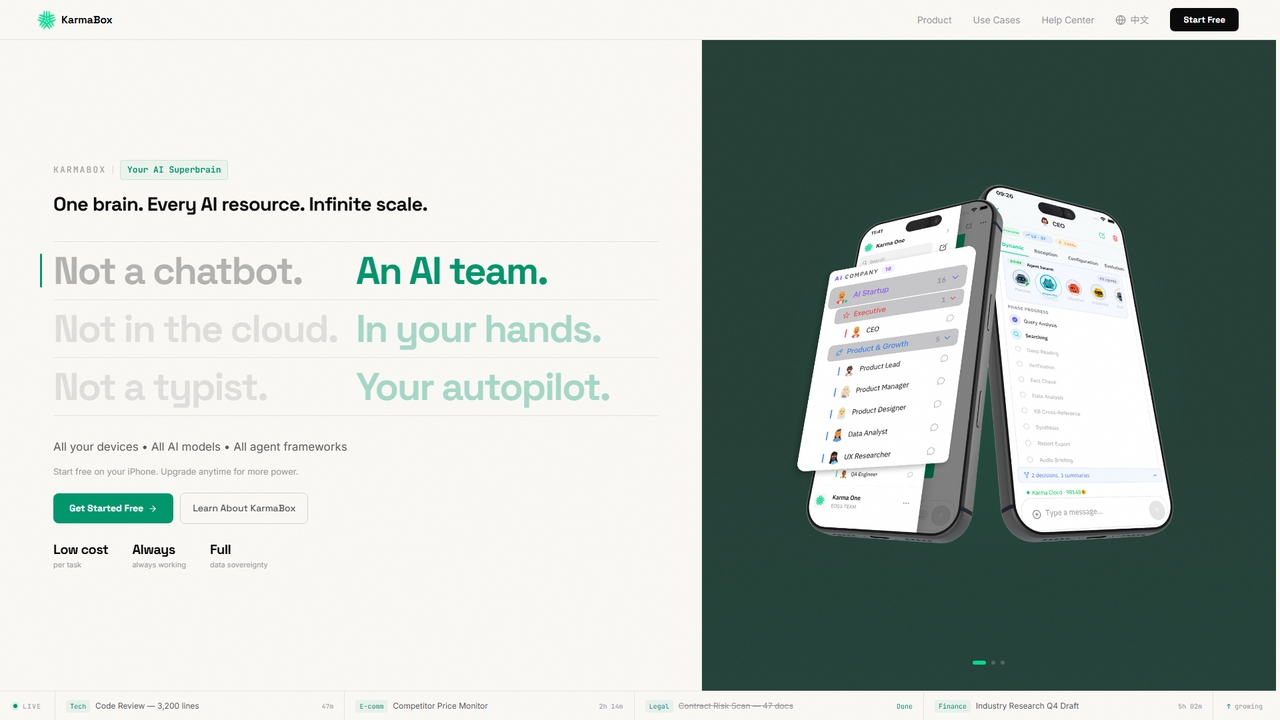
KarmaBox is a sovereign AI foundry app that unifies all AI tools, models, and agents into one private, always-on superbrain on your iPhone, enabling parallel task execution and persistent memory.
Workflow AutomationPopular Automation AI tools include AiSensy, Figure, Circleback, Sigmabrowser, Faceless.so, Otio, Jace AI, SheetAI, Rtrvr, and Superjoin, helping you work more efficiently.

KarmaBox is a sovereign AI foundry app that unifies all AI tools, models, and agents into one private, always-on superbrain on your iPhone, enabling parallel task execution and persistent memory.
Workflow Automation
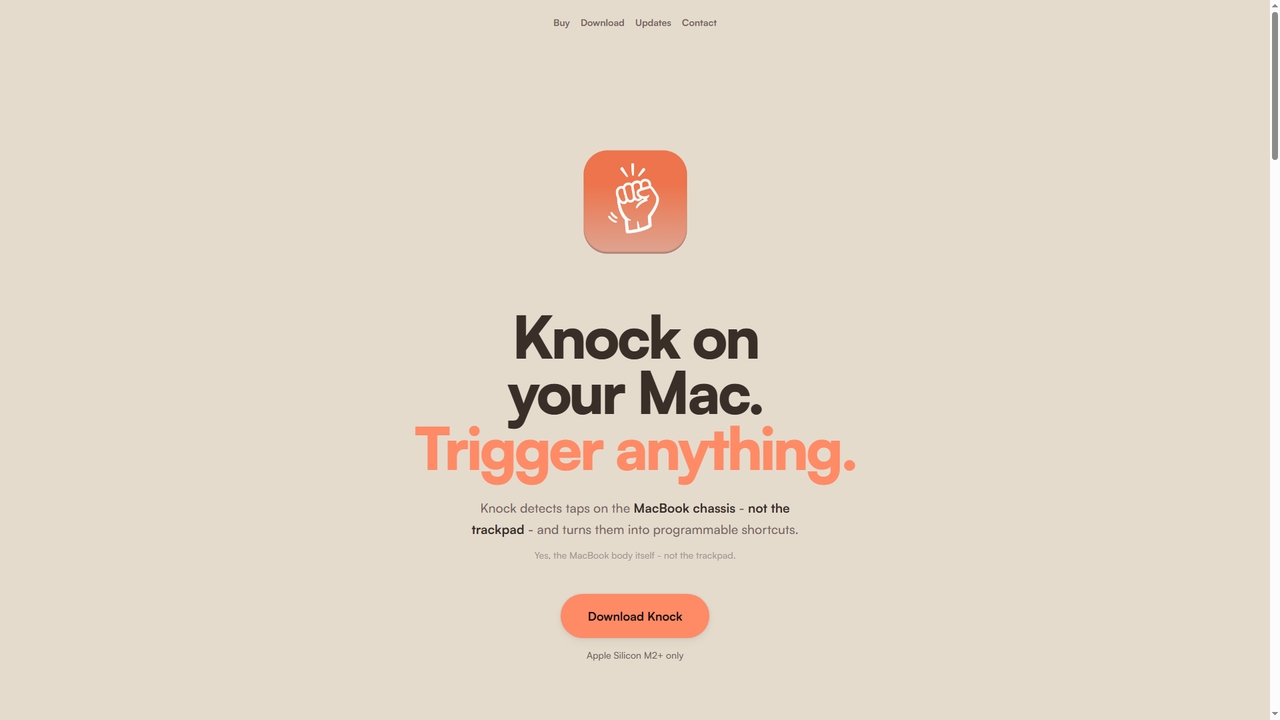
Knock is a macOS utility that transforms your MacBook into a gesture-sensitive interface. By detecting taps on the laptop's chassis using the built-in accelerometer, Knock allows you to trigger custom shortcuts, launch applications, run scripts, or control system functions—all without touching the keyboard or trackpad. It's designed to boost productivity for Apple Silicon Mac users.
Mac
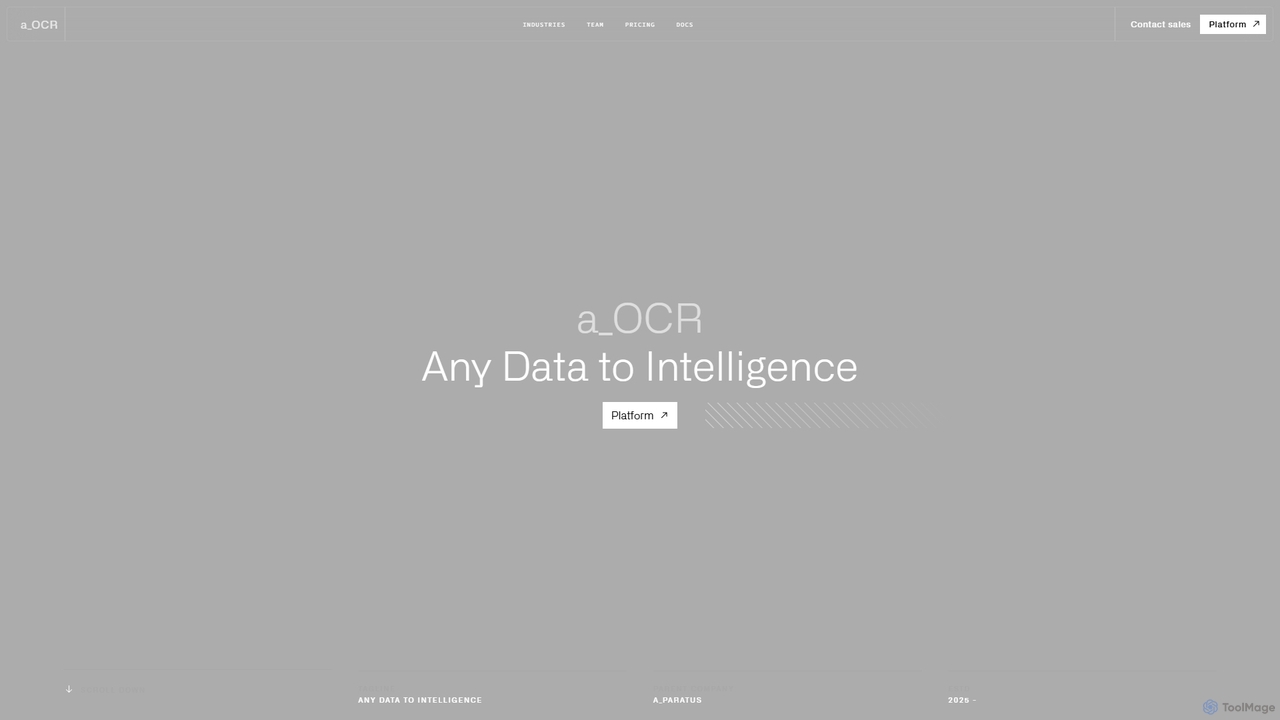
Aocr is an AI-powered OCR platform that transforms unstructured documents into machine-actionable, analytics-ready data. It excels in understanding layouts, context, and entities, offering features like multi-language support, handwritten text recognition, smart classification, and advanced table processing for various industries.
Workflow Automation
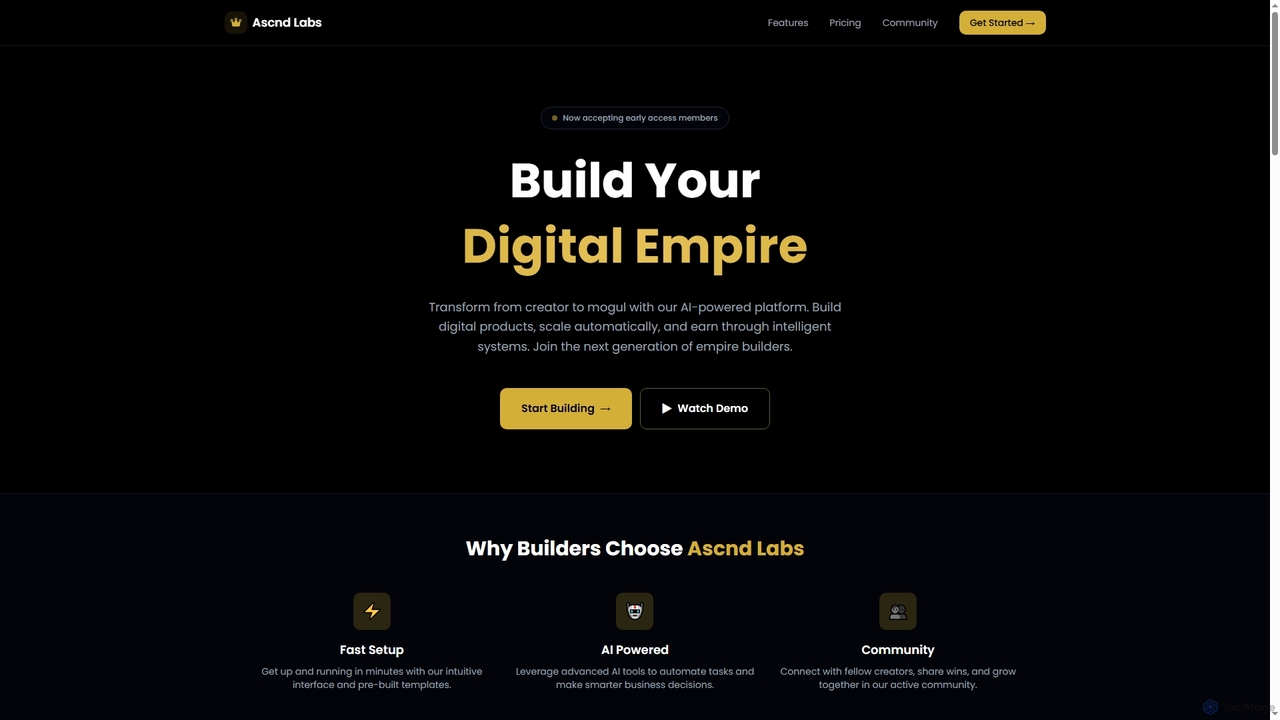
Ascend AI is an AI-powered platform for creators and entrepreneurs to build, launch, and scale digital products and businesses without coding. It automates tasks, optimizes marketing, and facilitates affiliate network management, helping users transform ideas into a digital empire efficiently.
3D
WPIntellichat offers advanced Agentic and Generative AI solutions designed to drive business growth. It transforms enterprise data and workflows into actionable intelligence, enabling faster decision-making, smarter execution, and confident scaling for businesses seeking measurable outcomes and a competitive edge.
Agentic Ai
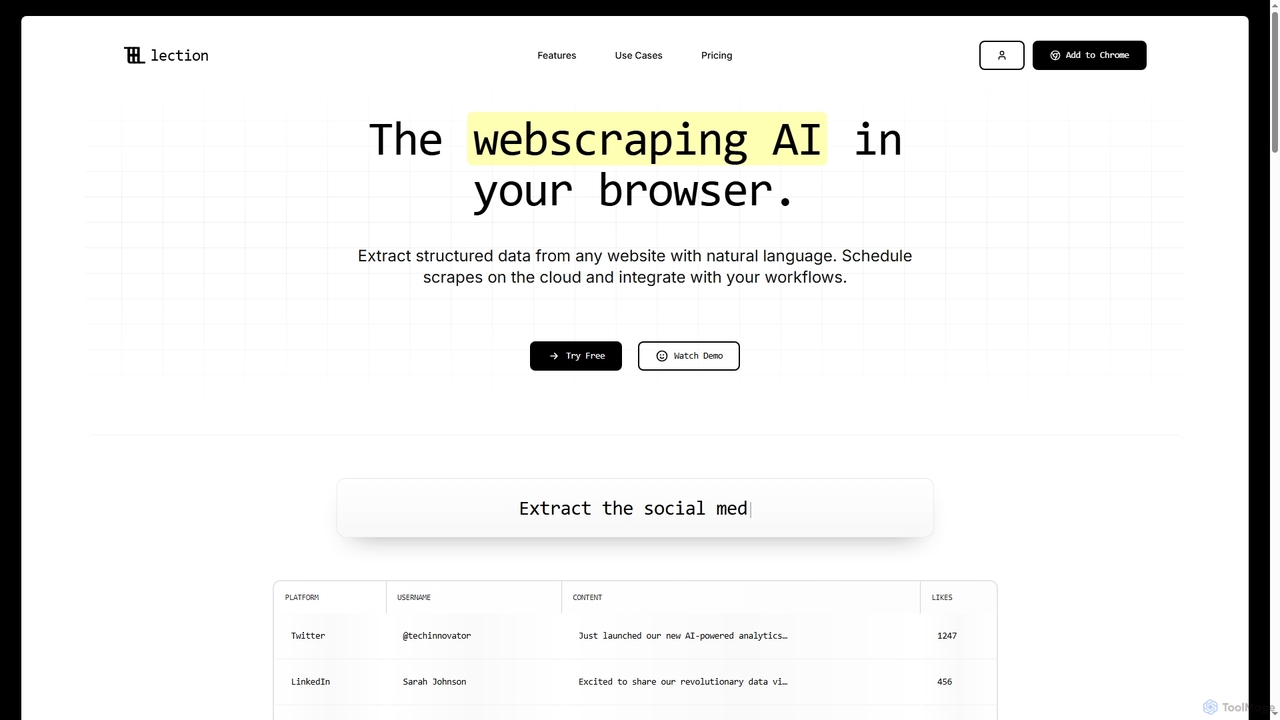
Lection is an AI-powered web scraping agent that allows users to extract structured data from any website using natural language. It automates data collection, integrates with popular workflows, and provides clean, validated data without requiring any coding expertise.
3D
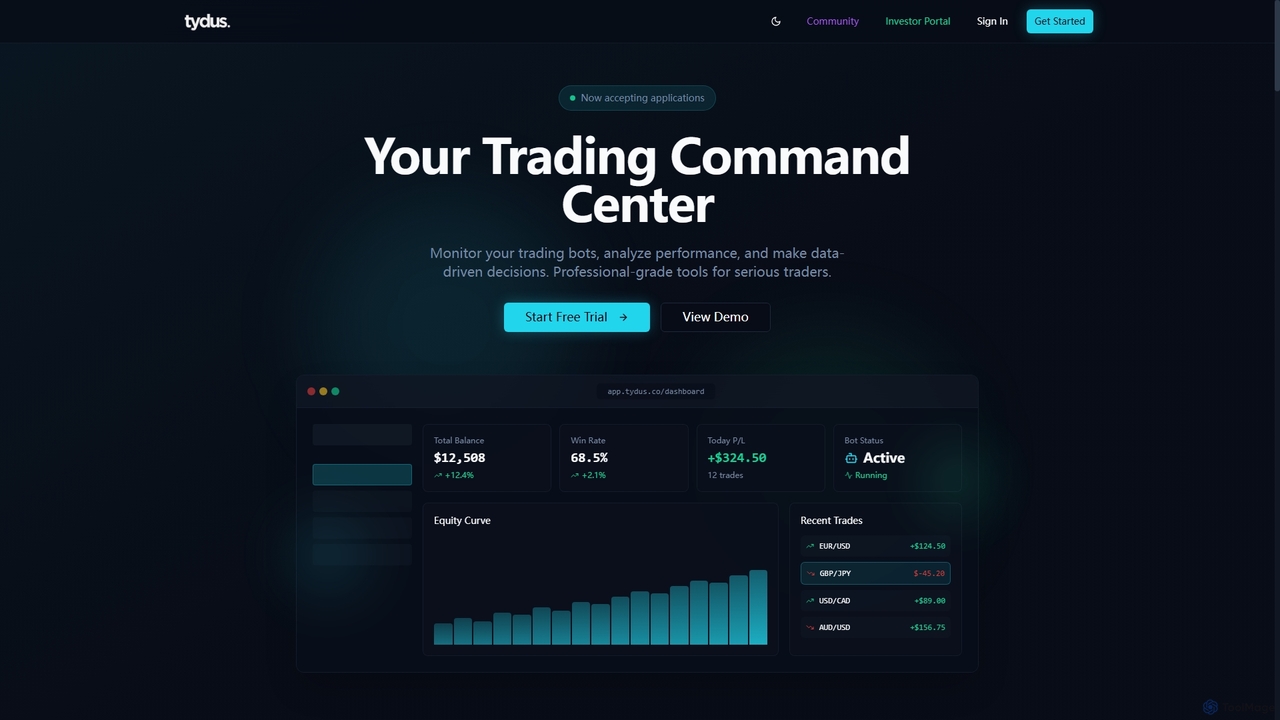
Tydus is a professional-grade platform for serious traders and accredited investors. It offers comprehensive tools for monitoring trading bots, advanced performance analytics, AI-powered trading signals, strategy backtesting, and a collaborative strategy hub. Additionally, it provides an exclusive portal for accredited investors to access curated institutional-grade investment opportunities across various asset classes.
Financial Data Analysis
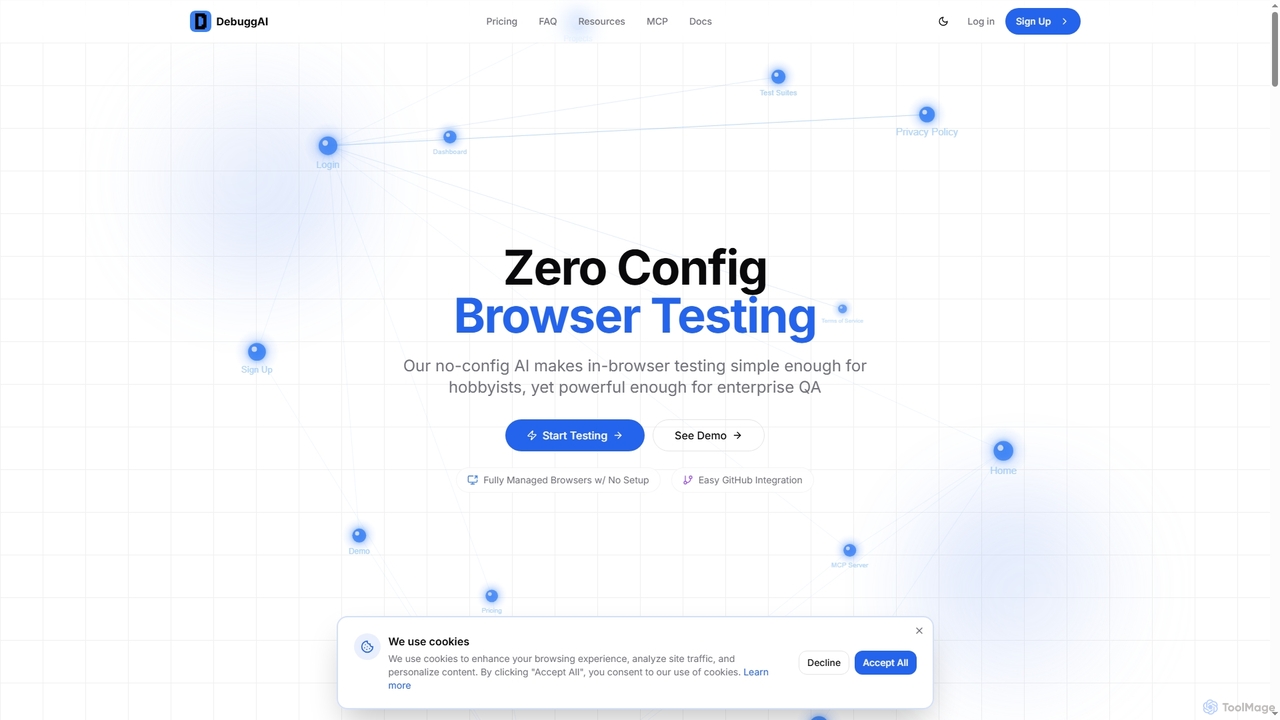
Debugg is an AI-powered platform that provides automated browser testing for every GitHub Pull Request. It offers zero-configuration, fully managed end-to-end testing, integrating seamlessly with your repository to deliver inline results and actionable insights directly in your PR comments, streamlining your development workflow.
Quality Assurance
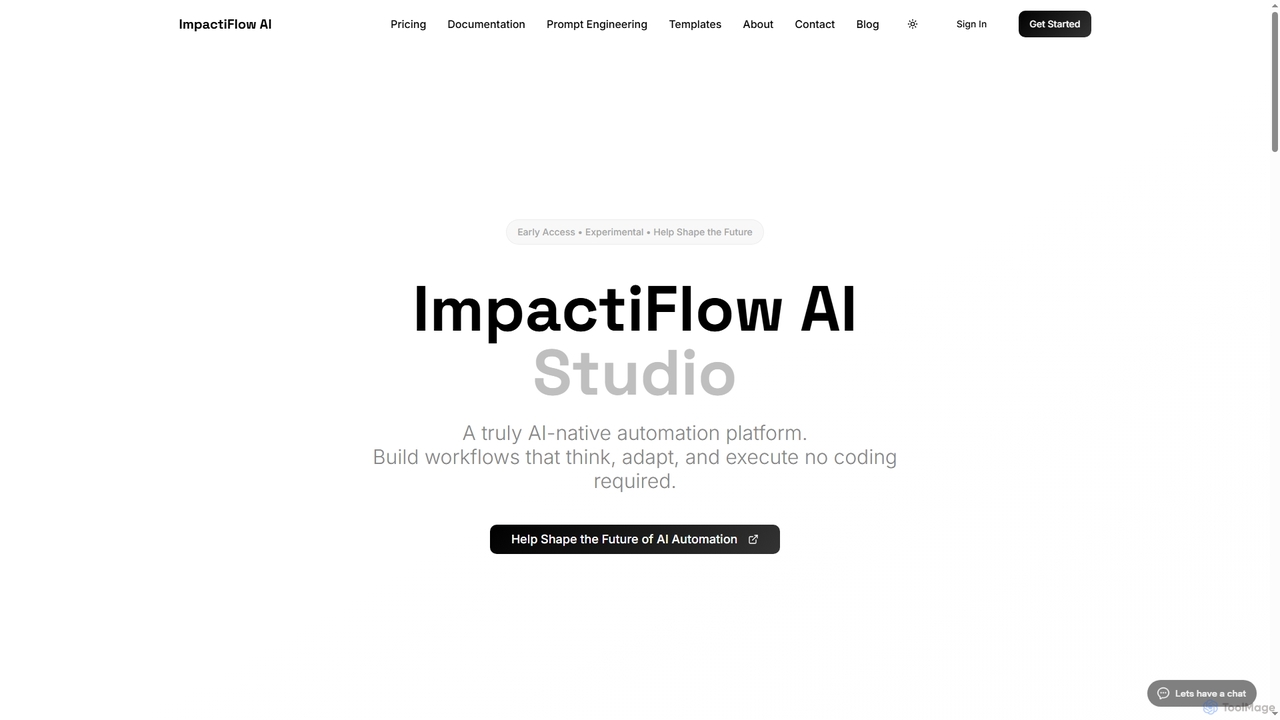
Flow is an AI-native, agentic automation platform designed to build intelligent workflows that think, adapt, and execute without requiring any coding. It empowers teams to streamline repetitive tasks and focus on strategic work.
Workflow Automation
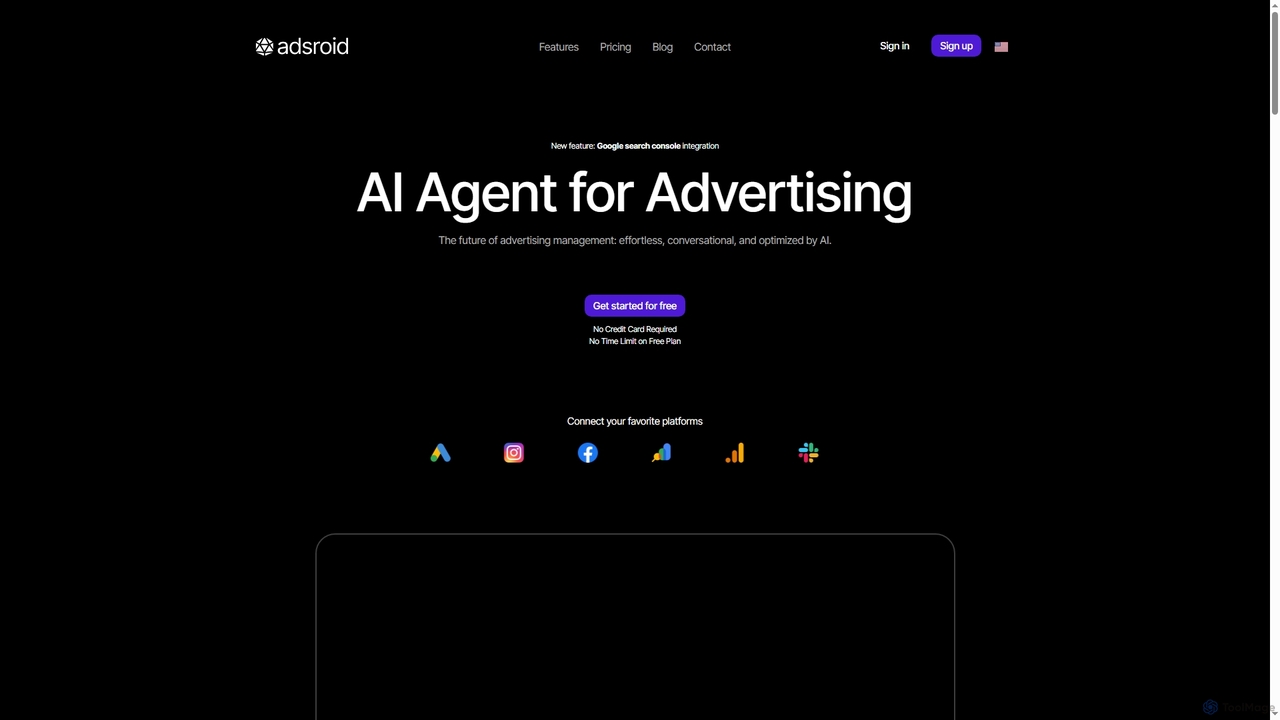
Adsroid is an AI-powered conversational agent designed to simplify and optimize advertising campaign management across platforms like Google Ads and Meta Ads. It provides instant, expert-level recommendations, real-time insights, and automated optimizations through a user-friendly chat interface, helping freelancers, agencies, and teams enhance ad performance and save time.
Campaign Management
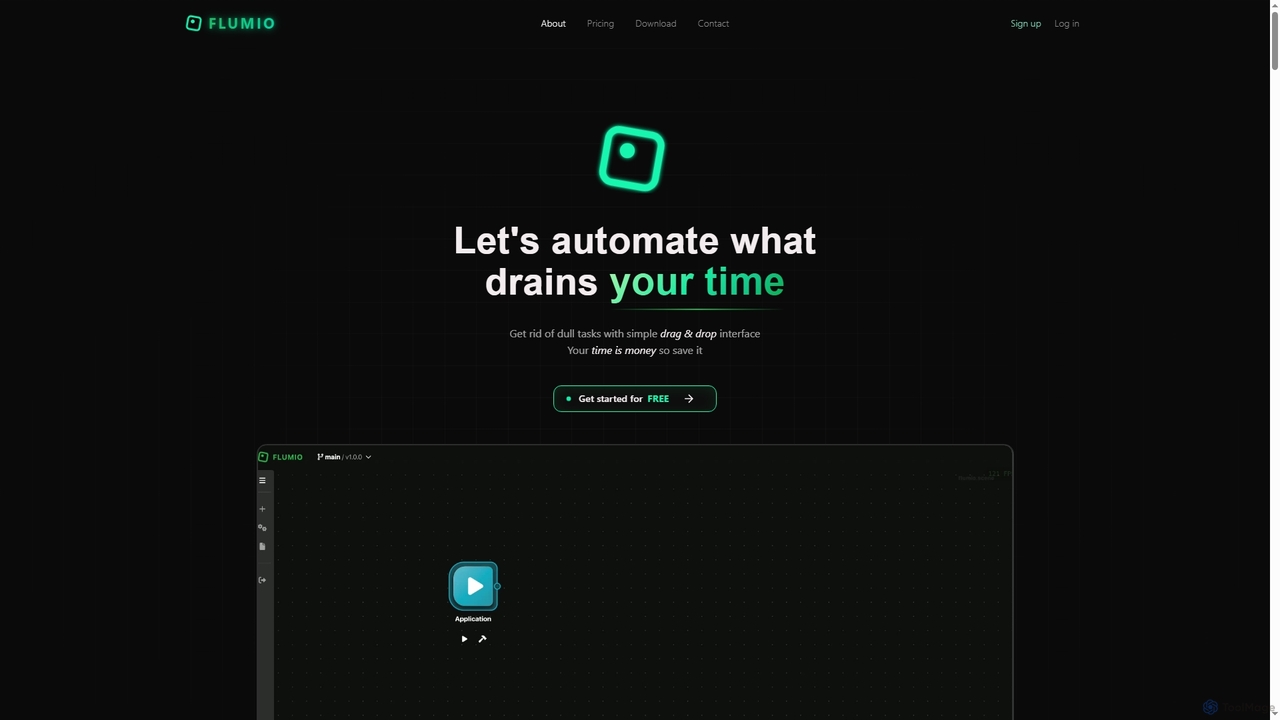
Flumio is a modern no-code/low-code AI automation platform designed to streamline workflows and eliminate repetitive tasks. It features a simple drag-and-drop interface for building powerful automations, integrating with over a hundred popular services, and supporting team collaboration. Flumio empowers users to connect apps, APIs, and AI agents to move data, trigger actions, and react in real time, saving valuable time and resources.
Ai Workflow
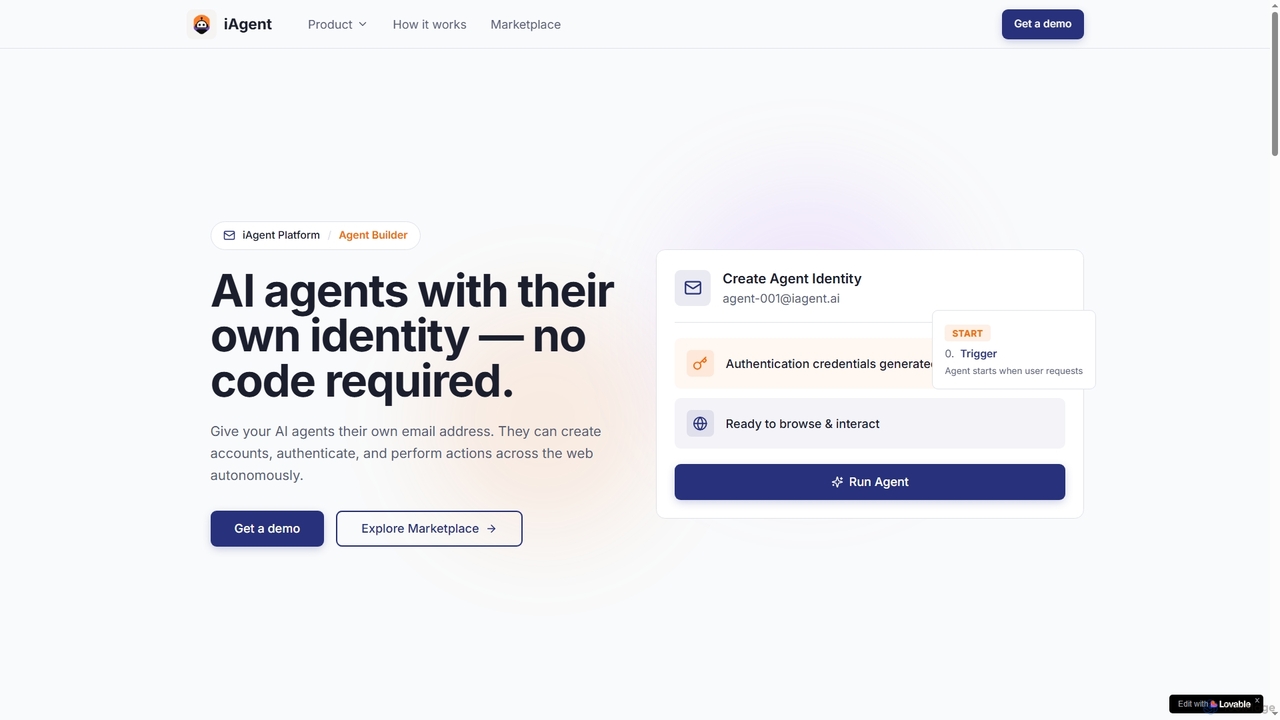
iAgent is a no-code platform that empowers users to create autonomous AI agents with unique digital identities. These agents can perform web actions, authenticate, and manage accounts using their own email addresses, streamlining complex workflows and enabling automated tasks across the internet.
Ai Agents
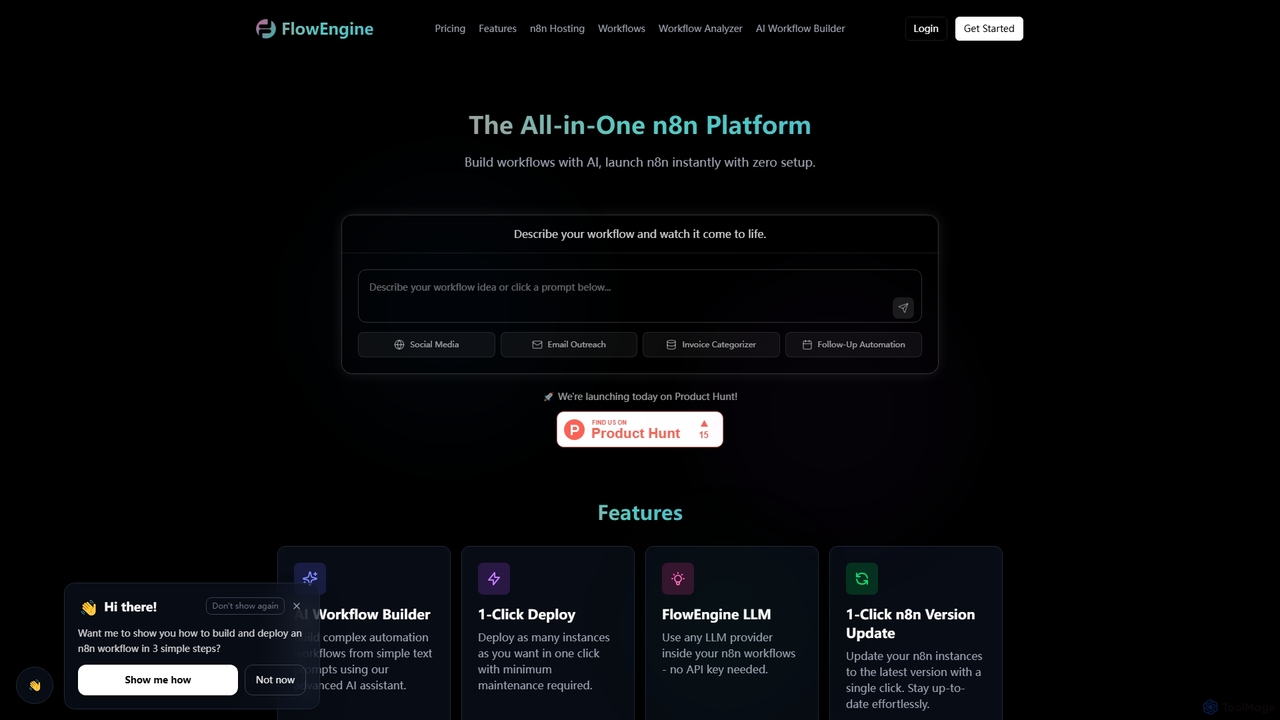
FlowEngine is an all-in-one n8n hosting platform that simplifies workflow automation with AI. It allows users to build complex automation workflows from simple text prompts, deploy n8n instances instantly with zero setup, and manage them with ease. It integrates over 100 pre-loaded LLMs and offers managed hosting, ensuring security and reliability for all your automation needs.
Ai Workflow Generation
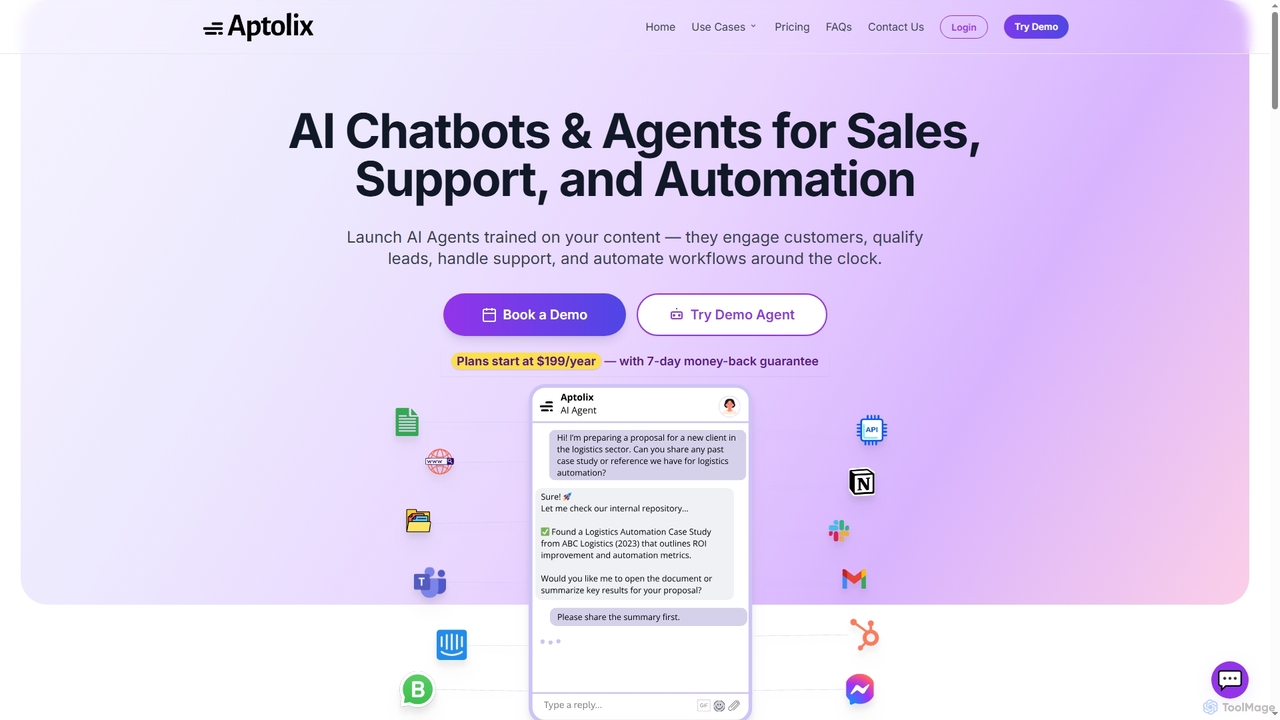
Aptolix is an AI chatbot platform designed for websites, enhancing sales, support, and automation. It allows businesses to deploy AI agents trained on their content to engage customers, qualify leads, handle support, and automate workflows 24/7.
Workflow Automation
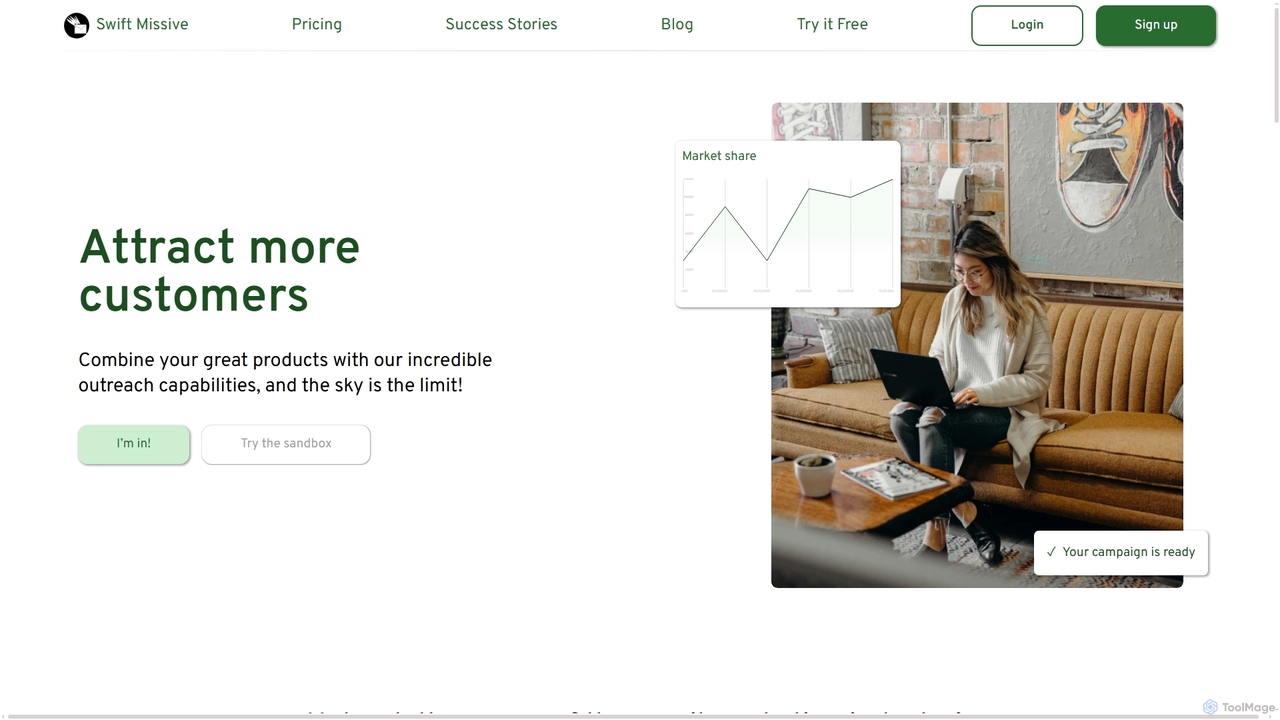
Swift Missive is an AI-powered email marketing platform designed for efficiency and cost-effectiveness. It features a unique pay-as-you-go model, charging for emails sent rather than contact storage. Key features include an AI Agent, A/B testing, advanced segmentation, and timezone-aware campaigns to maximize engagement and ROI.
Marketing Automation
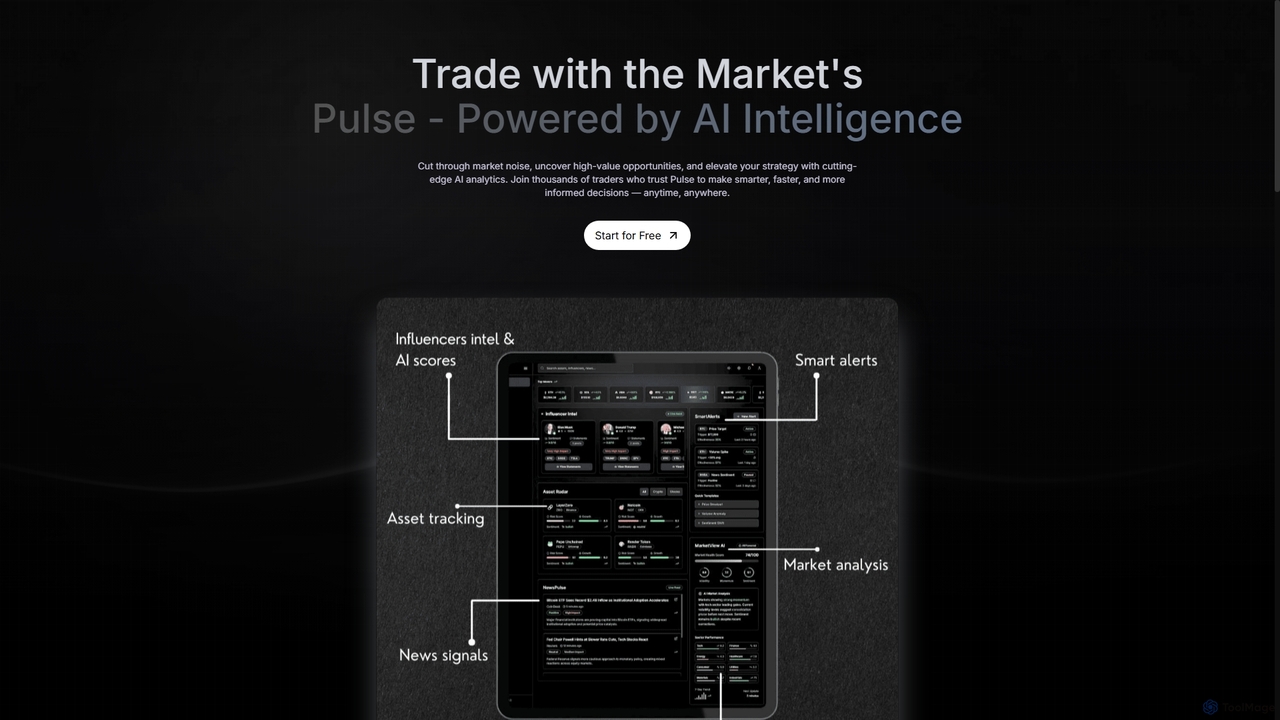
Pulse is an AI-powered market intelligence platform designed for traders and investors. It cuts through market noise, uncovers high-value opportunities, and elevates trading strategies with real-time analytics, sentiment analysis, risk scoring, and predictive insights.
Alerts
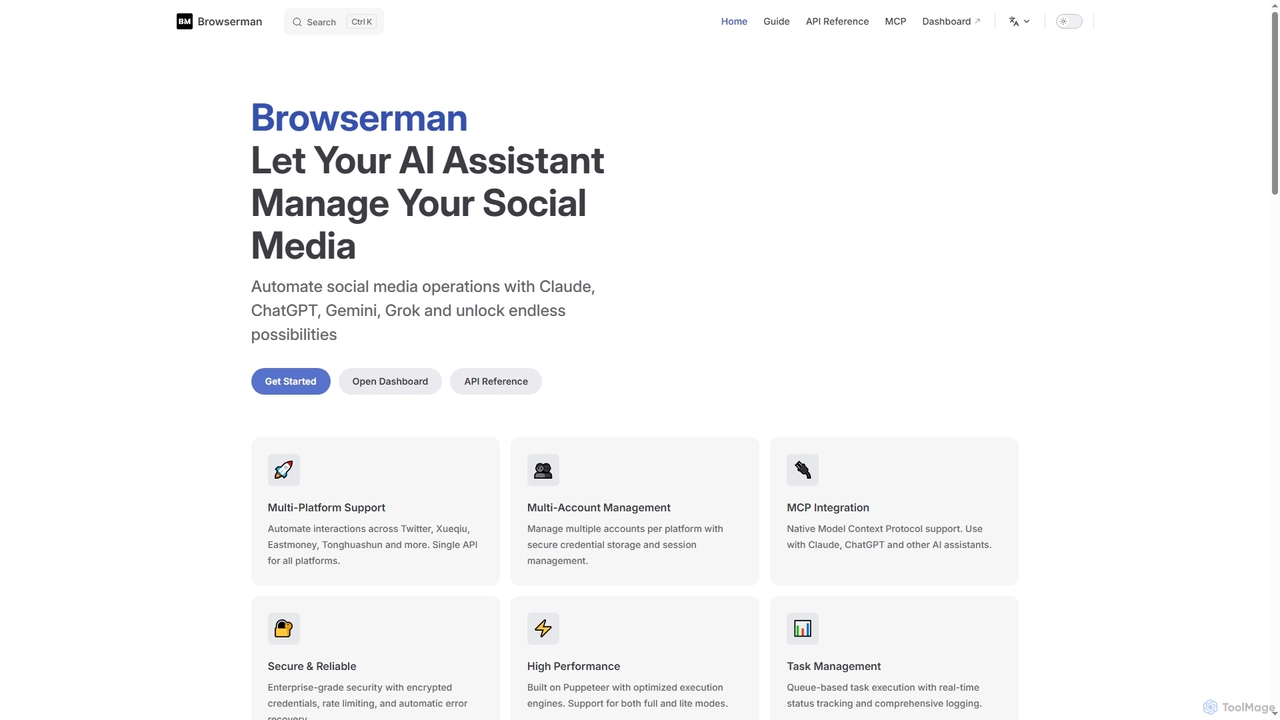
Browserman is an advanced browser automation platform designed to empower AI assistants like Claude, ChatGPT, Gemini, and Grok to manage social media operations. It offers multi-platform and multi-account support, a robust REST API, and native Model Context Protocol (MCP) integration for seamless, scalable, and secure automation workflows.
Integration
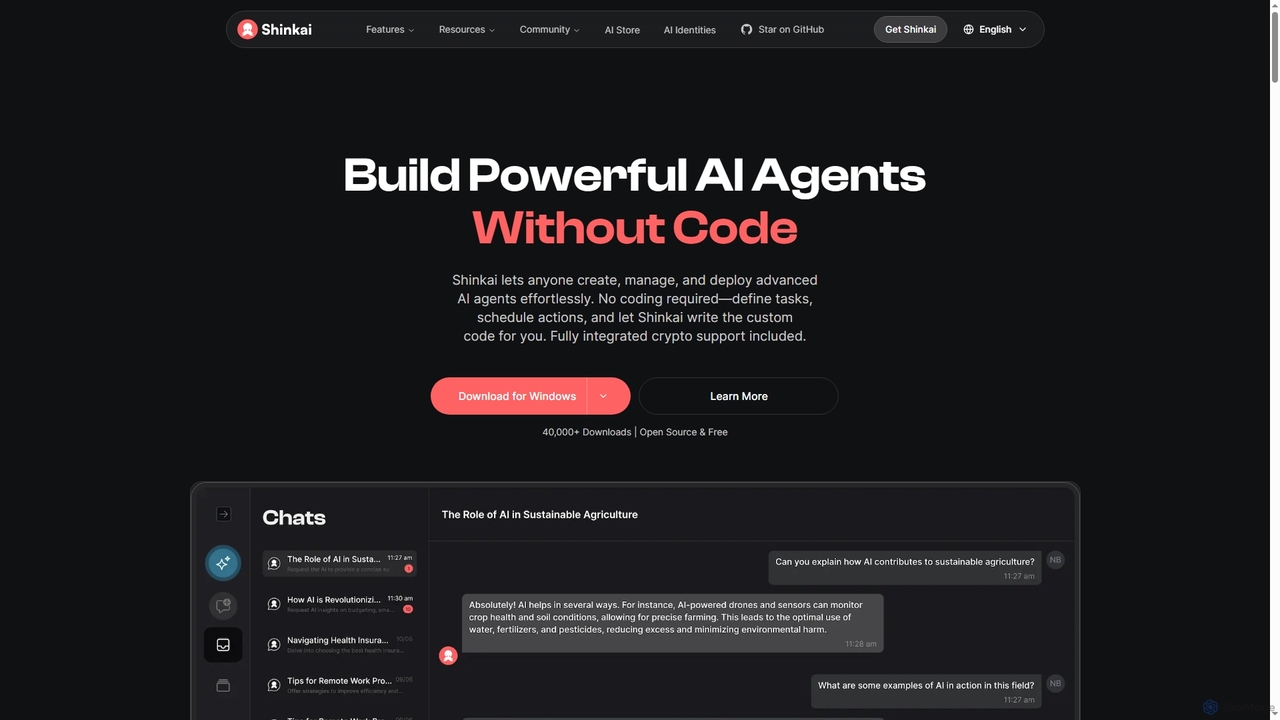
Shinkai is an open-source, no-code platform that empowers users to create, manage, and deploy powerful AI agents locally. It supports both cloud and local AI models, offers integrated crypto functionalities, and enables secure, decentralized peer-to-peer interactions, making advanced AI automation accessible to everyone.
Ai Agents
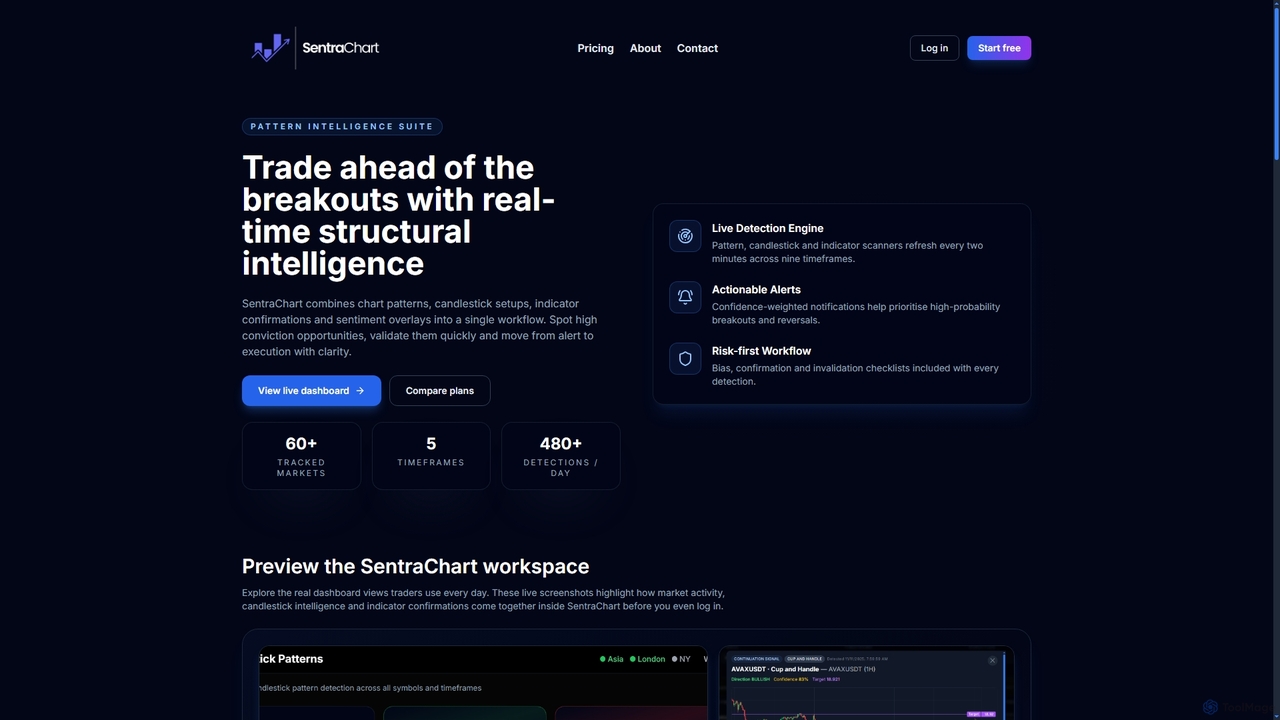
SentraChart is an advanced AI-assisted platform for cryptocurrency traders, offering real-time chart pattern scanning, candlestick intelligence, and indicator confirmations. It provides actionable alerts and a risk-first workflow to help traders identify high-probability breakouts and reversals, streamlining the discovery-to-execution process for crypto markets.
Market Analysis
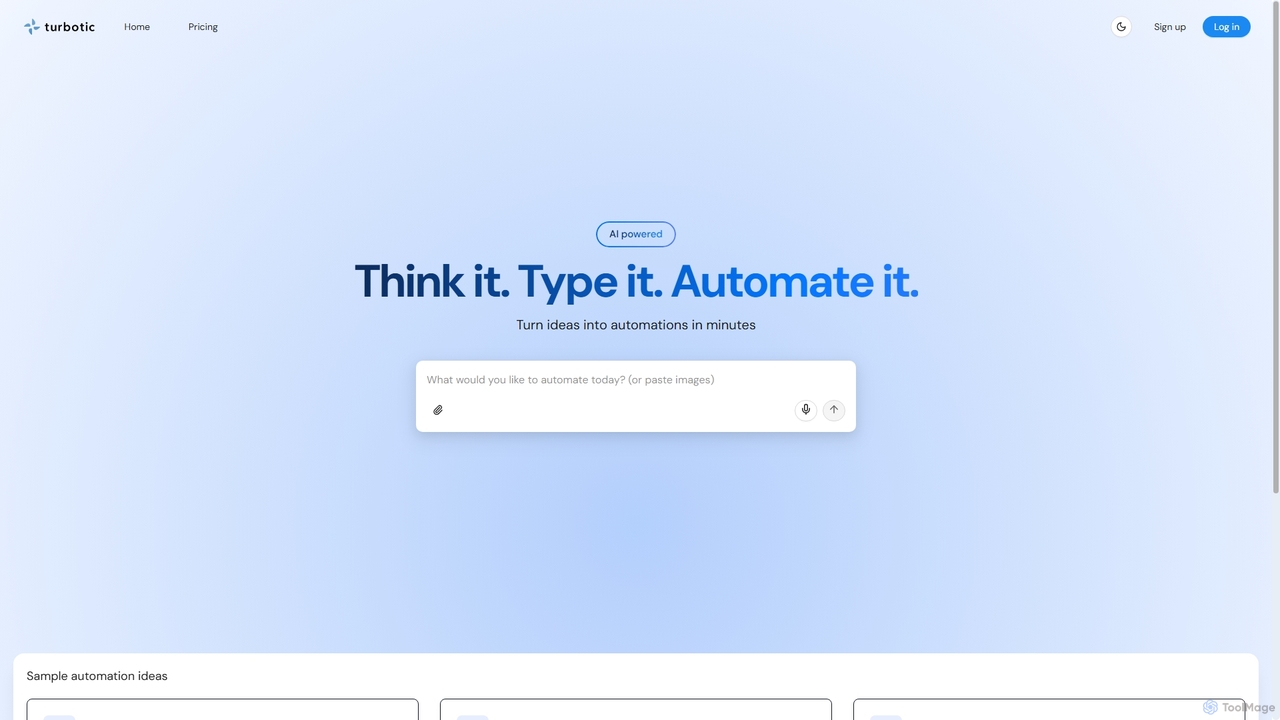
Automation AI is an AI-powered platform that transforms ideas into automated workflows in minutes. It integrates with over 1000 applications and leverages advanced AI models like OpenAI, Claude, and GPT-4 to streamline tasks across reporting, customer operations, sales, marketing, and data integration.
Workflow Automation
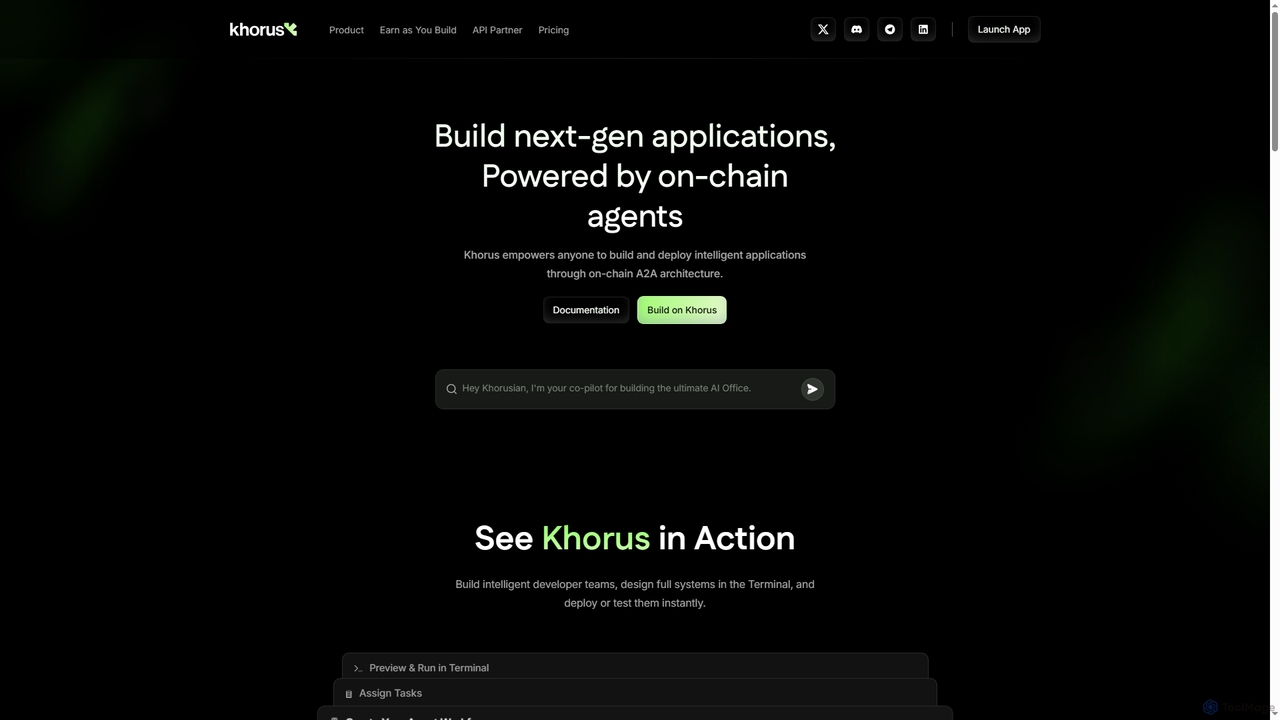
Khorus is a universal communication layer for intelligent systems, empowering developers to build and deploy next-gen AI applications through an on-chain Agent-to-Agent (A2A) architecture. It facilitates real-time collaboration, task delegation, and autonomous execution among AI agents and robotics, fostering a decentralized agent economy and marketplace for scalable modules and workflows.
Agent Orchestration
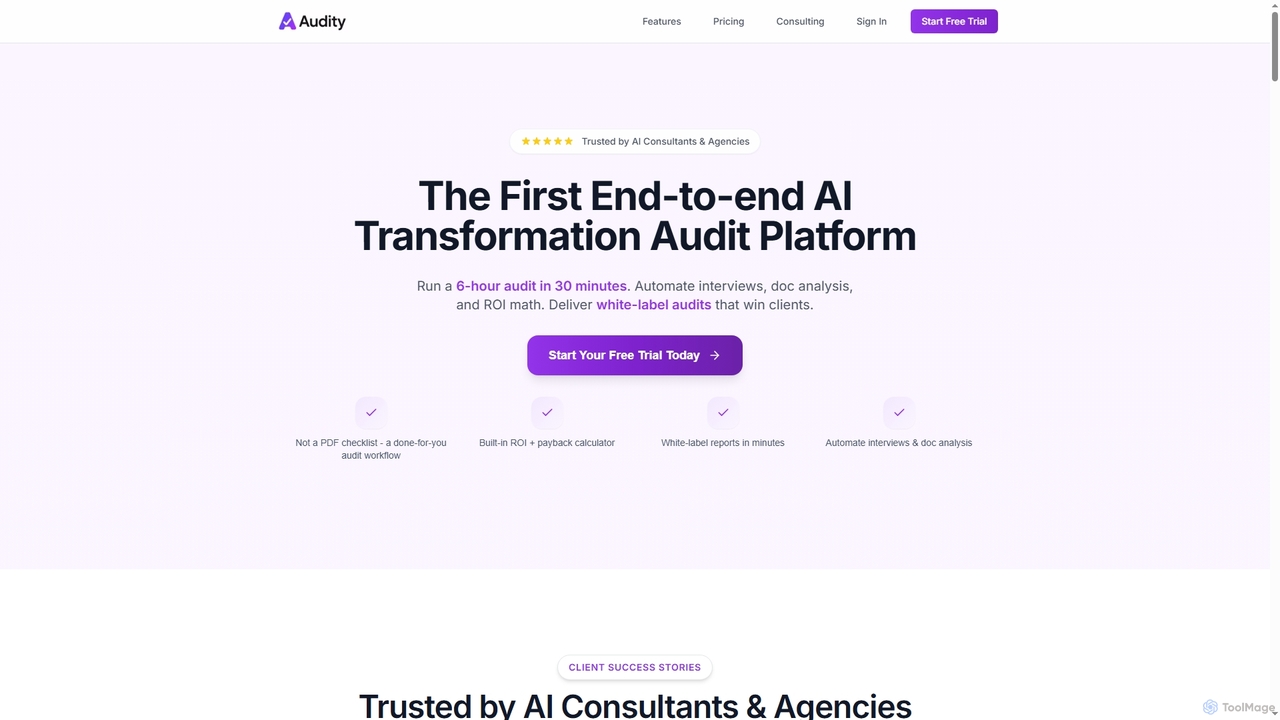
Audity is an AI-powered platform for business transformation consultants and automation agencies. It automates comprehensive business audits, quantifies ROI, and generates professional, white-labeled deliverables in minutes, streamlining lead qualification and accelerating deal closures.
Reporting
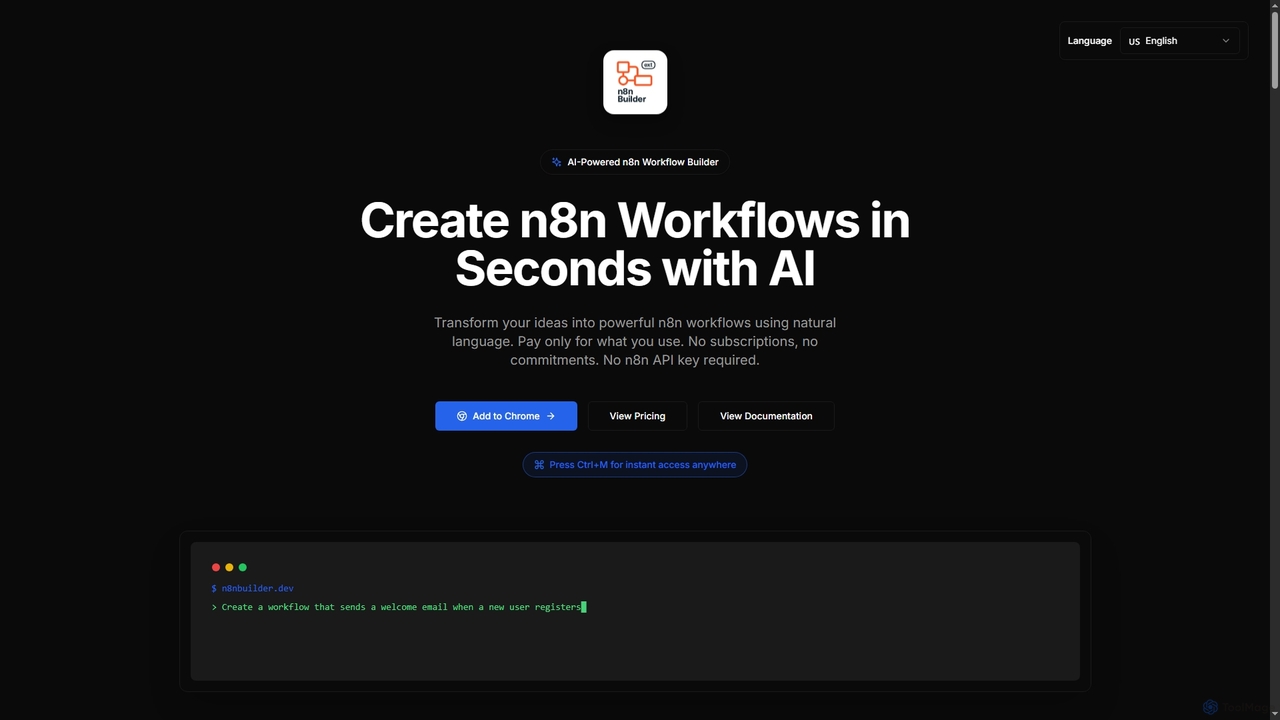
n8n Builder is an AI-powered Chrome extension that transforms natural language descriptions into ready-to-import n8n workflows in seconds. It accelerates automation for freelancers, developers, and teams with features like API reference research, instant export, and flexible workflow enhancement modes, all on a transparent pay-as-you-go model.
Workflow Automation
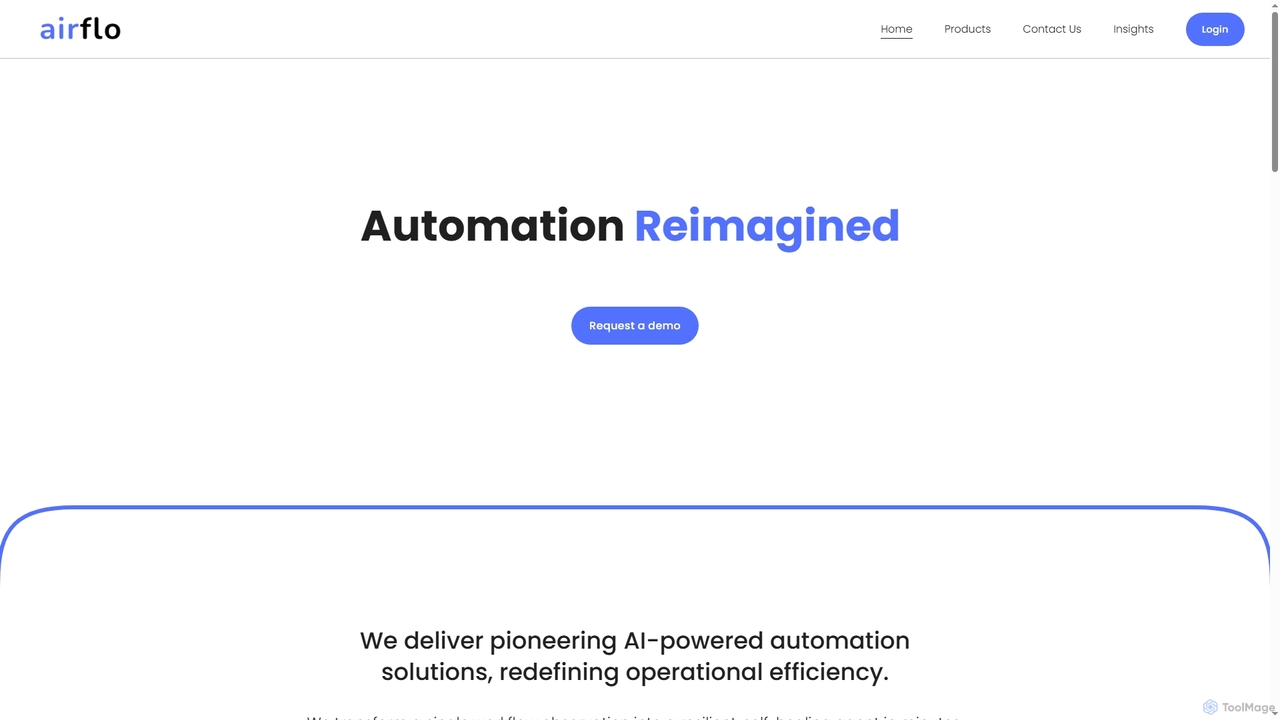
Airflo is a pioneering AI-powered automation platform that transforms single workflow observations into resilient, self-healing agents in minutes. Utilizing proprietary Small Action Models (SAMs), it understands steps, intent, and context to create adaptive automation that works across cloud, ERP, and legacy systems with zero code, APIs, or training data, significantly enhancing operational efficiency.
Machine Learning ApplicationsAI Automation tools are platforms designed to execute repetitive tasks and orchestrate complex workflows across various applications without manual intervention. These tools leverage APIs and AI logic to connect different software, enabling data to move and actions to be triggered based on predefined rules. They are essential for streamlining business processes, reducing human error, and freeing up teams to focus on more strategic work. Many platforms offer a visual, no-code or low-code interface, making automation accessible to non-developers.
AI Automation tools are widely used across departments like marketing, sales, IT, and HR. For instance, a marketing team can automate social media posting whenever a new blog is published. A sales team can automatically sync new leads from a web form to their CRM and trigger a welcome email sequence. IT departments use them to route support tickets and manage user provisioning.
When selecting an AI Automation tool, first evaluate its integration library to ensure it supports the apps you use. Consider the complexity of workflows you need to build; some tools excel at simple linear tasks, while others support complex conditional logic. Assess the user interface—whether you need a simple no-code builder or a more advanced platform. Finally, compare pricing models, which are often based on the number of tasks or active workflows.
A content marketer needs to ensure every new blog post gets maximum visibility. Instead of manually creating and scheduling posts for each platform, they use an automation tool. The workflow is triggered when a new item appears in the blog's RSS feed. The tool then automatically takes the post's title and link, uses an AI writing integration to generate a concise summary for Twitter and a longer one for LinkedIn, and schedules them to be published at optimal engagement times. This saves several hours per week and ensures consistent content promotion.
A sales team receives leads from various sources, including website forms, webinars, and social media. To prevent leads from falling through the cracks, they set up an automation. When a new lead is submitted via a form, the tool instantly adds them to the CRM, assigns them to a sales representative based on territory, and sends a personalized welcome email. The workflow can also include a delay, and if the lead hasn't been contacted after 24 hours, it sends a notification to the sales manager. This ensures rapid response times and accountability.
An IT department handles numerous support requests daily via email. To manage the queue efficiently, they use an automation tool to parse incoming emails. The tool identifies keywords in the subject line or body (e.g., 'password reset', 'VPN issue', 'new hardware'). Based on these keywords, it automatically creates a ticket in their helpdesk system, assigns it to the appropriate specialist (e.g., network team, hardware support), and sets a priority level. This eliminates the manual triage process, reduces response times, and ensures requests are handled by the correct expert from the start.
An HR manager is responsible for onboarding new hires, a process involving many repetitive administrative tasks. They build an automation workflow that triggers when a candidate is marked as 'Hired' in the applicant tracking system (ATS). The workflow automatically creates user accounts in Google Workspace and Slack, sends a welcome email with first-day information, adds the new hire to relevant calendars for orientation meetings, and creates a task for the IT department to prepare their equipment. This ensures a smooth, consistent, and error-free onboarding experience for every new employee.
A business uses a CRM to manage sales, an email marketing platform for newsletters, and a billing system for payments. Keeping customer information consistent across these systems is a major challenge. An automation tool is used to create a two-way sync. When a customer's contact details are updated in the CRM, the automation instantly updates the corresponding record in the email marketing platform and billing system. Conversely, if a customer unsubscribes from an email list, their marketing preference is updated in the CRM. This ensures data integrity and a single source of truth for customer information.
A project manager needs to provide weekly progress reports to stakeholders. This used to involve manually pulling data from a project management tool, a time-tracking app, and a budget spreadsheet, then compiling it into an email. Now, an automation runs every Friday afternoon. It fetches the number of completed tasks, total hours logged, and budget spent from the respective applications. It then formats this data into a clean summary and posts it to a dedicated Slack channel for all stakeholders to see. This process ensures timely, accurate, and effortless reporting.
AI Automation tools are software platforms that allow you to connect different applications and services to automate repetitive tasks and workflows. They operate on a system of triggers and actions, where a specific event in one app (the trigger) initiates a predefined action in another. For example, receiving a new email attachment in Gmail (trigger) could automatically save that file to Dropbox (action). These tools are designed to streamline processes without requiring any coding knowledge.
Choosing the right tool depends on your specific needs. Consider these factors:
While both automate tasks, they operate at different levels. AI Automation tools (like Zapier or Make) primarily work by connecting applications through their APIs. They are ideal for cloud-based workflows. Robotic Process Automation (RPA) tools, on the other hand, typically automate tasks by mimicking human actions on a user interface, such as mouse clicks and keyboard entries. RPA is often used to automate processes on legacy systems or desktop applications that do not have APIs.
A wide variety of digital tasks can be automated, especially those that are repetitive and rule-based. Common examples include:
No, for the most part. The vast majority of popular AI Automation platforms are designed with no-code or low-code interfaces. They use visual builders where you can drag and drop apps and define logic without writing a single line of code. This makes automation accessible to marketers, business owners, and other non-technical professionals. However, some platforms do offer advanced features for developers who want to write custom scripts or connect to custom APIs for more complex scenarios.