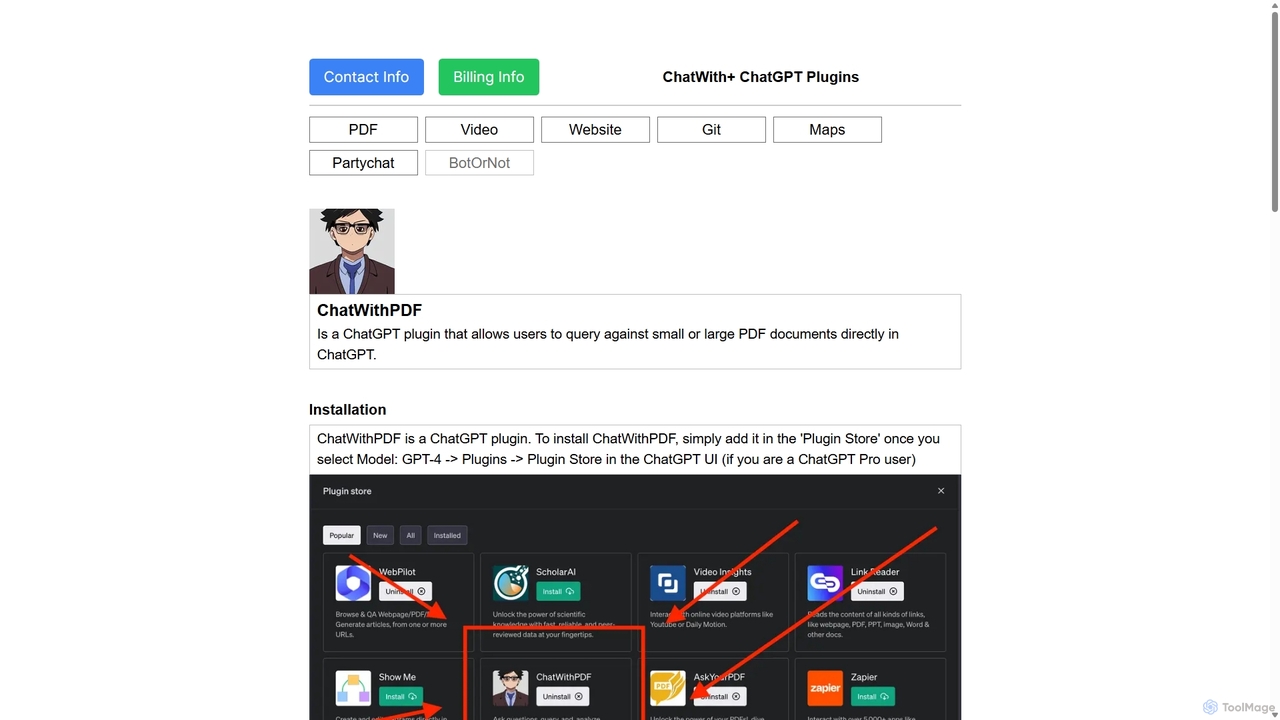
ChatWithPDF
A powerful ChatGPT plugin that allows you to have interactive conversations with any PDF document. Simply provide a …
A powerful ChatGPT plugin that allows you to have interactive conversations with any PDF document. Simply provide a public URL to a PDF, and you can ask questions, request summaries, and extract specific information directly within the ChatGPT interface. Ideal for students, researchers, and professionals.
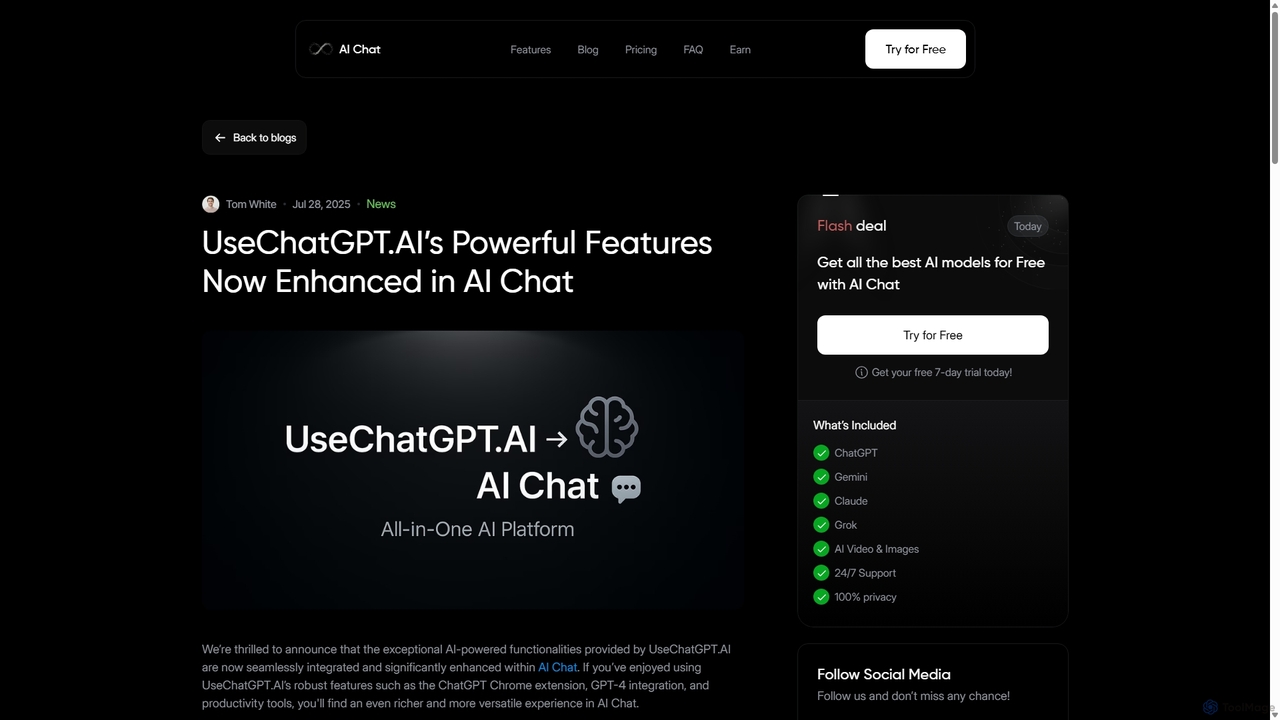
UseChatGPT.AI
UseChatGPT.AI is a powerful free Chrome extension that integrates GPT-4 directly into your browser. It enhances productivity by …
UseChatGPT.AI is a powerful free Chrome extension that integrates GPT-4 directly into your browser. It enhances productivity by allowing you to instantly write, rewrite, summarize, translate, and explain text on any website without switching tabs. Its features are now enhanced within the new AI Chat platform.
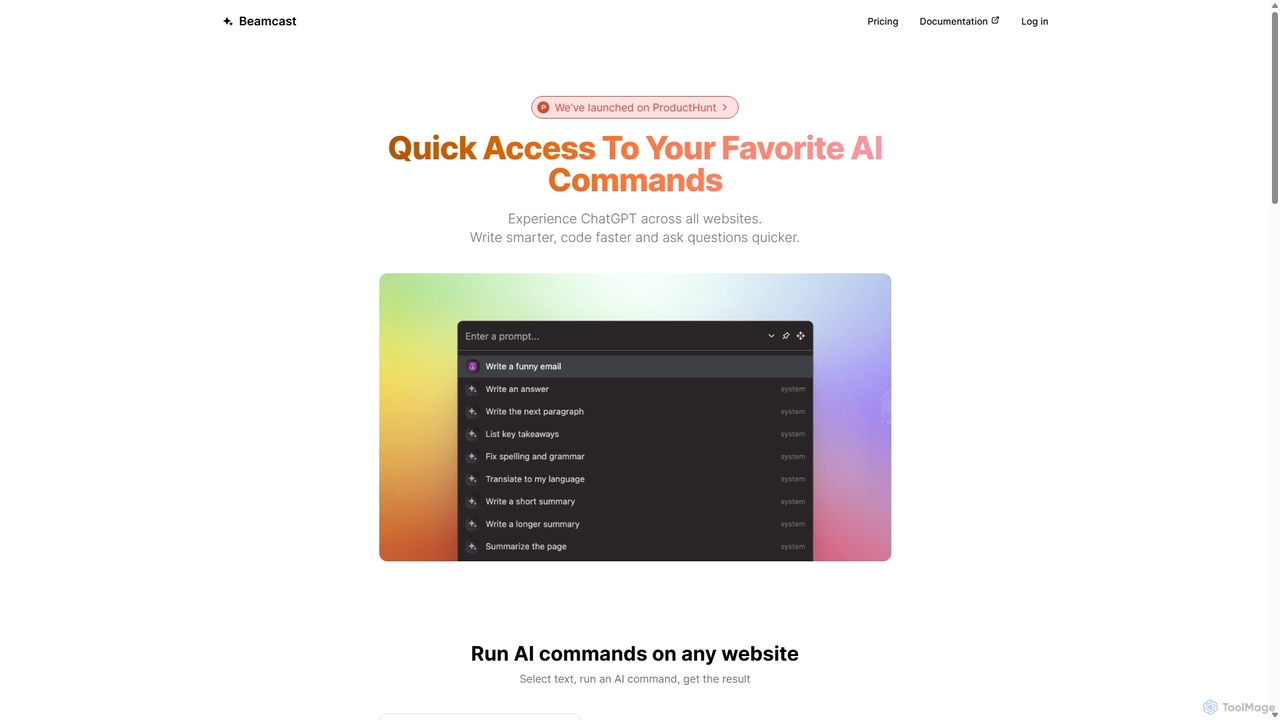
Beamcast
A browser extension that puts ChatGPT and Gemini at your fingertips. Select text on any website to run …
A browser extension that puts ChatGPT and Gemini at your fingertips. Select text on any website to run built-in or custom AI commands for writing, coding, and quick answers, streamlining your workflow and boosting productivity without ever leaving the page.
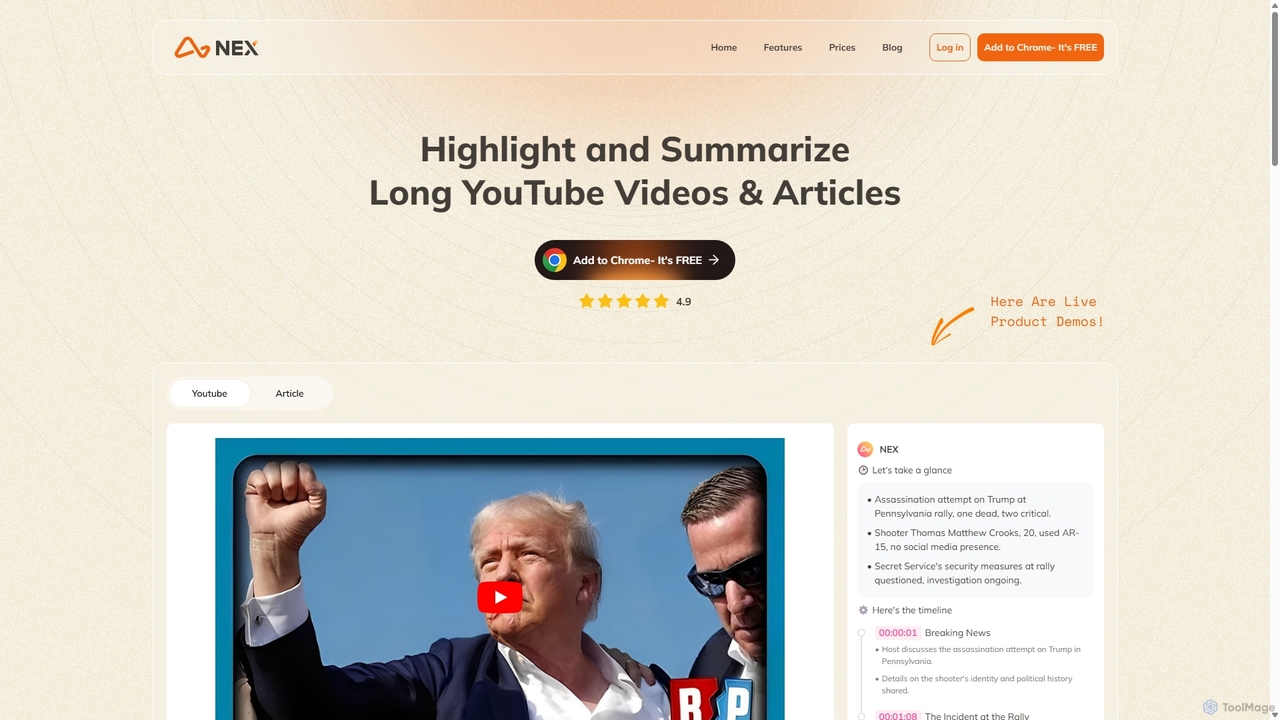
Nex
Nex is an AI Knowledge Copilot, a Chrome extension that summarizes long YouTube videos and articles. It extracts …
Nex is an AI Knowledge Copilot, a Chrome extension that summarizes long YouTube videos and articles. It extracts key takeaways, creates interactive timelines for videos, and highlights essential text, helping you absorb information up to 10x faster and build a personal knowledge base.
Chippy
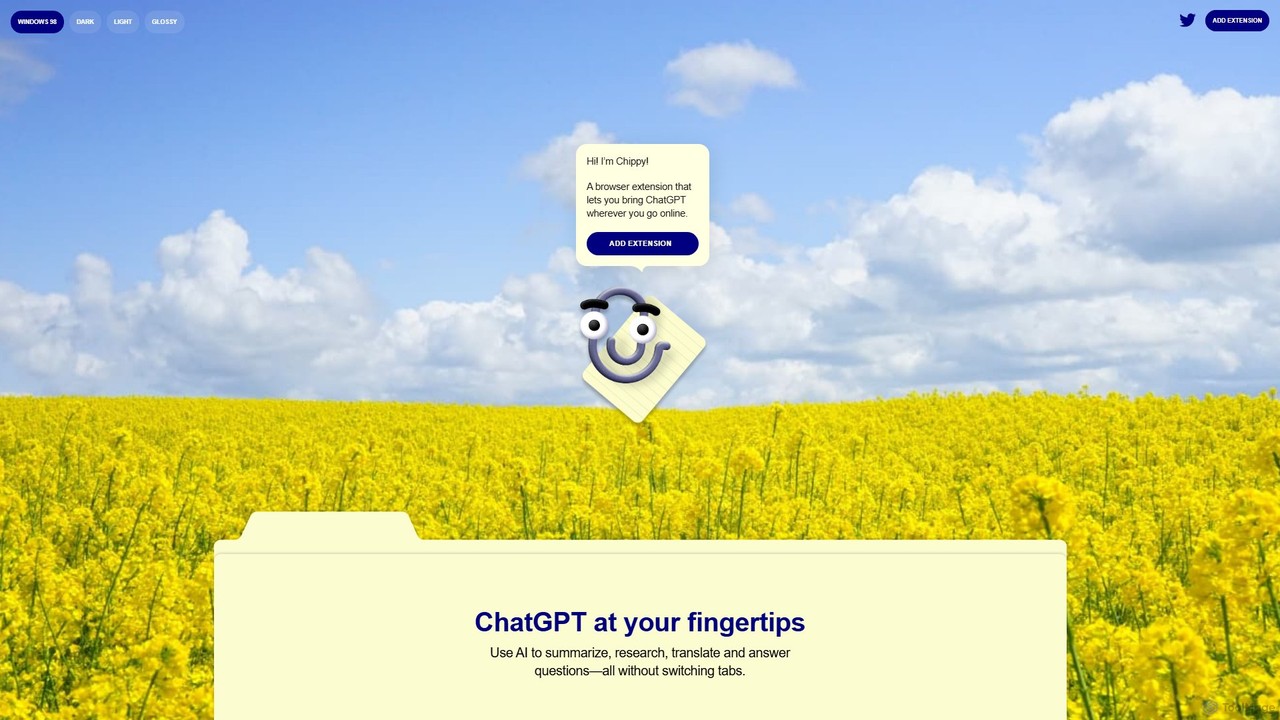
Chippy is a smart ChatGPT-powered Chrome extension that acts as your AI assistant across the web. Seamlessly summarize …
Chippy is a smart ChatGPT-powered Chrome extension that acts as your AI assistant across the web. Seamlessly summarize articles, translate text, research topics, and draft emails without ever leaving your current tab. It offers context-aware answers by focusing on the page you're viewing, overcoming ChatGPT's knowledge limitations. With a generous free tier and a focus on user privacy, Chippy enhances your browsing productivity by putting the power of AI at your fingertips.
Summary Box
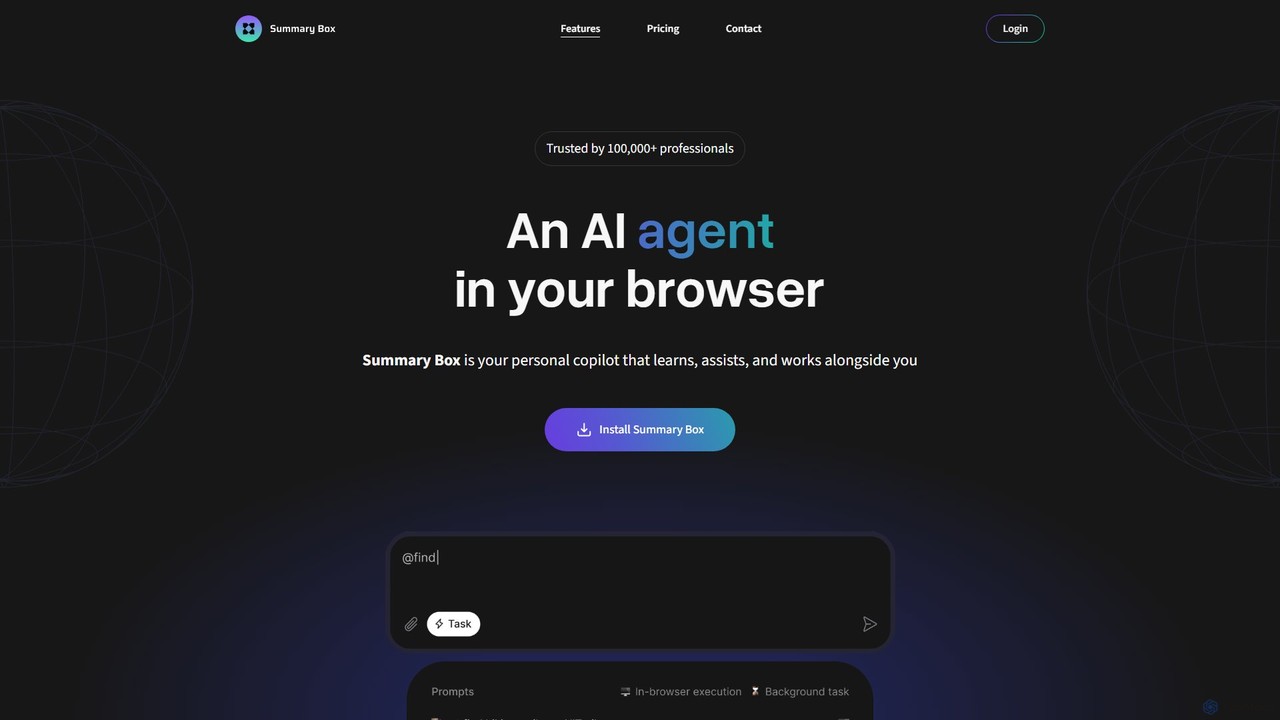
Summary Box is an AI-powered browser extension that acts as your personal copilot for the web. It generates …
Summary Box is an AI-powered browser extension that acts as your personal copilot for the web. It generates high-quality, abstractive summaries of articles, PDFs, Google Docs, YouTube videos, and even audio. It's designed to save you time, enhance comprehension, and boost productivity by distilling long content into concise, key points.
Glarity
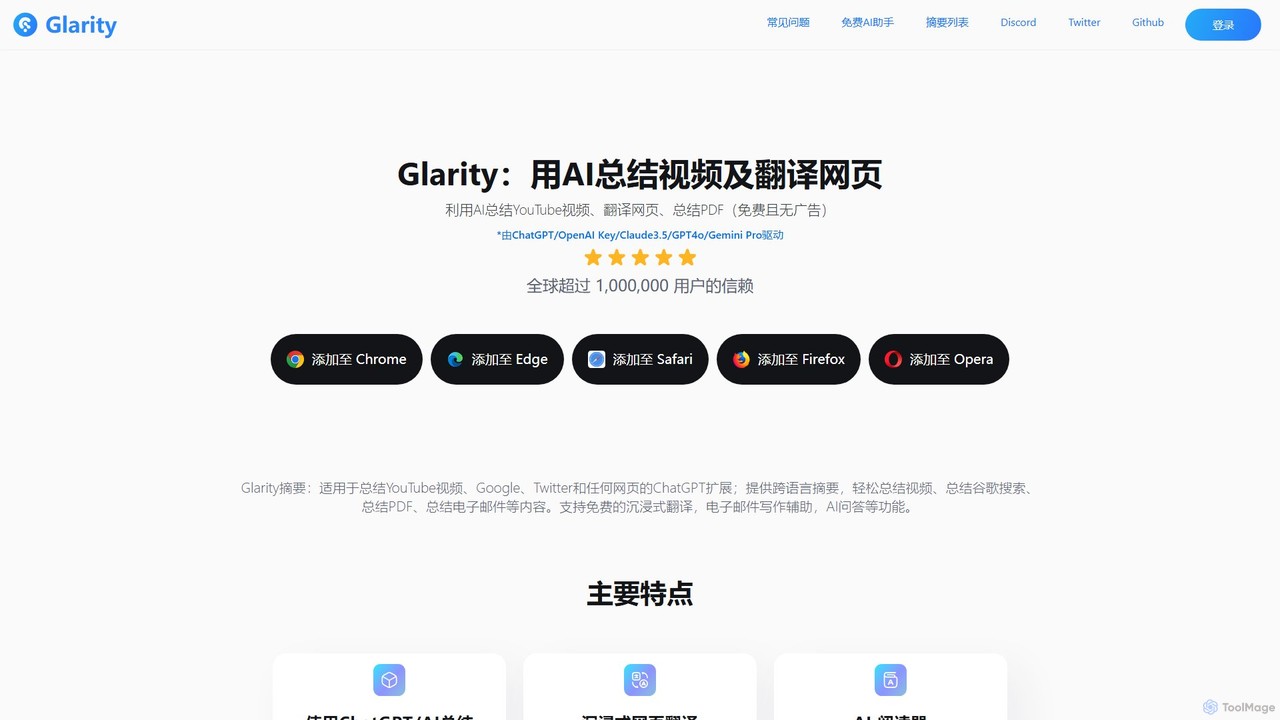
Glarity is a powerful AI browser extension that summarizes YouTube videos, Google searches, webpages, and PDFs. It also …
Glarity is a powerful AI browser extension that summarizes YouTube videos, Google searches, webpages, and PDFs. It also offers immersive webpage translation, AI-powered reading and writing assistance, and direct chat with documents. Powered by leading models like ChatGPT, Claude 3.5, and Gemini, it's a comprehensive tool for enhancing productivity and overcoming language barriers.
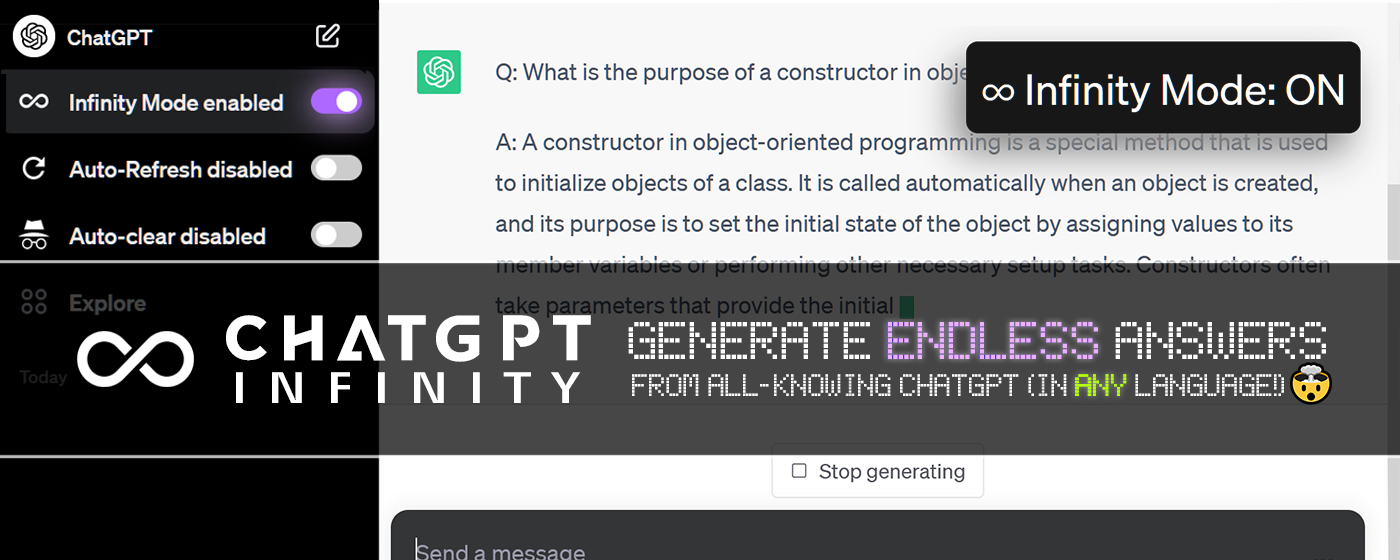
chatgpt-infinity
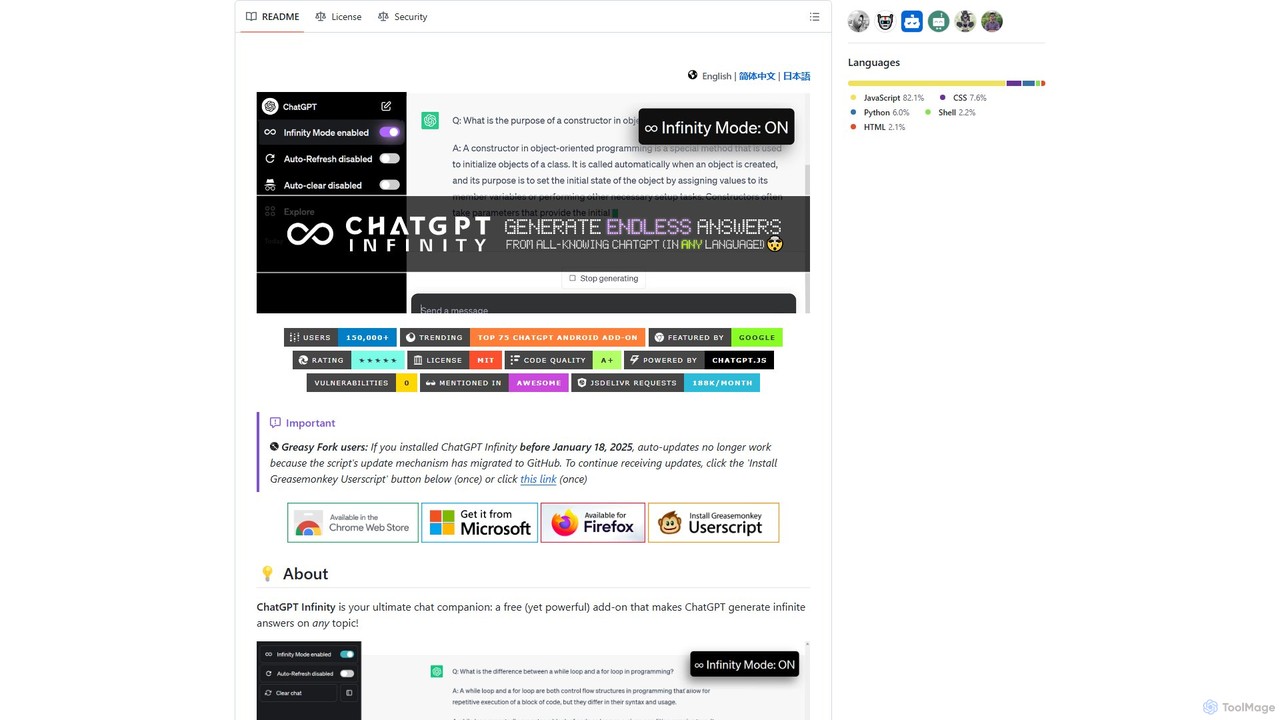
ChatGPT Infinity is a powerful browser extension that enables ChatGPT to generate endless, continuous answers on any topic …
ChatGPT Infinity is a powerful browser extension that enables ChatGPT to generate endless, continuous answers on any topic you choose. It offers features like customizable topics, multilingual output, adjustable response speed, and auto-scrolling for a seamless, in-depth exploration experience. Ideal for researchers, writers, and learners.

getmax.ai
getmax.ai is an AI-powered browser extension that acts as your copilot for the web. It seamlessly integrates into …
getmax.ai is an AI-powered browser extension that acts as your copilot for the web. It seamlessly integrates into your workflow, allowing you to summarize content, write emails, generate articles, and get instant answers from advanced AI models like GPT-4 and Claude, all without leaving your current tab.
Smatr-AI
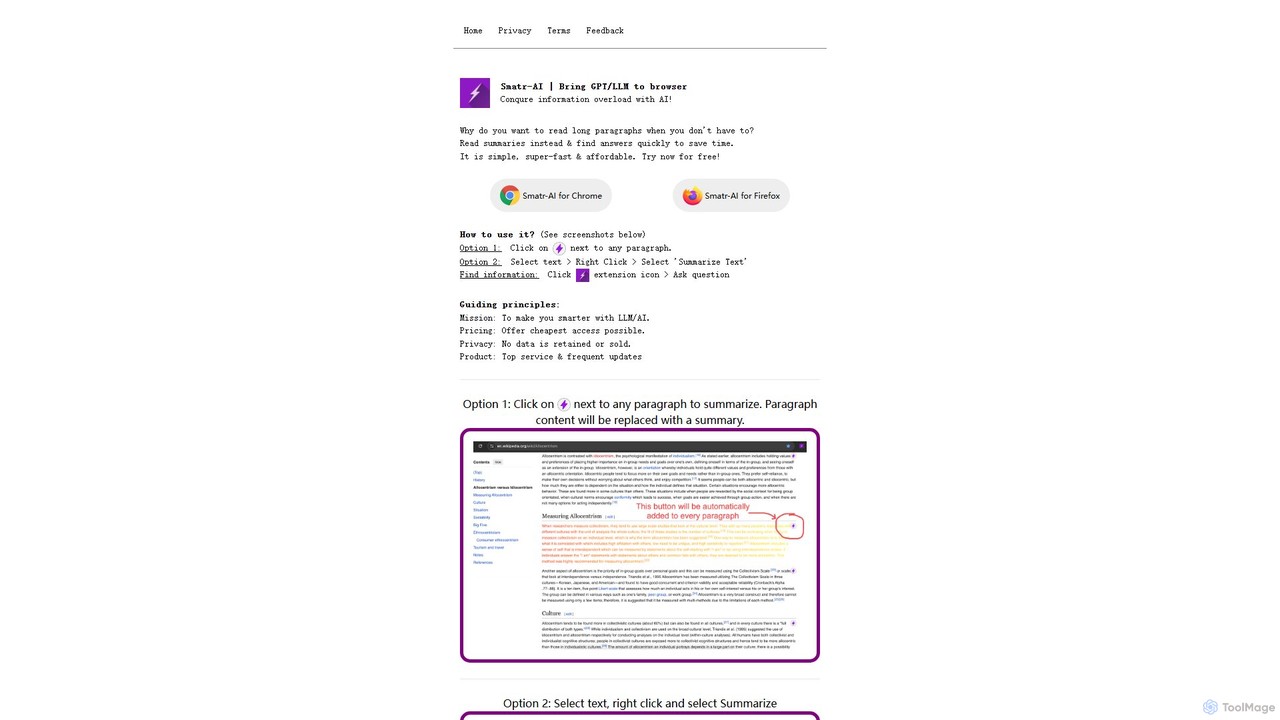
Smatr-AI is a browser extension for Chrome and Firefox that uses GPT/LLM technology to summarize web pages and …
Smatr-AI is a browser extension for Chrome and Firefox that uses GPT/LLM technology to summarize web pages and text. It helps users quickly understand long articles, find answers within the text, and overcome information overload, boosting reading productivity.
groqsummarizer
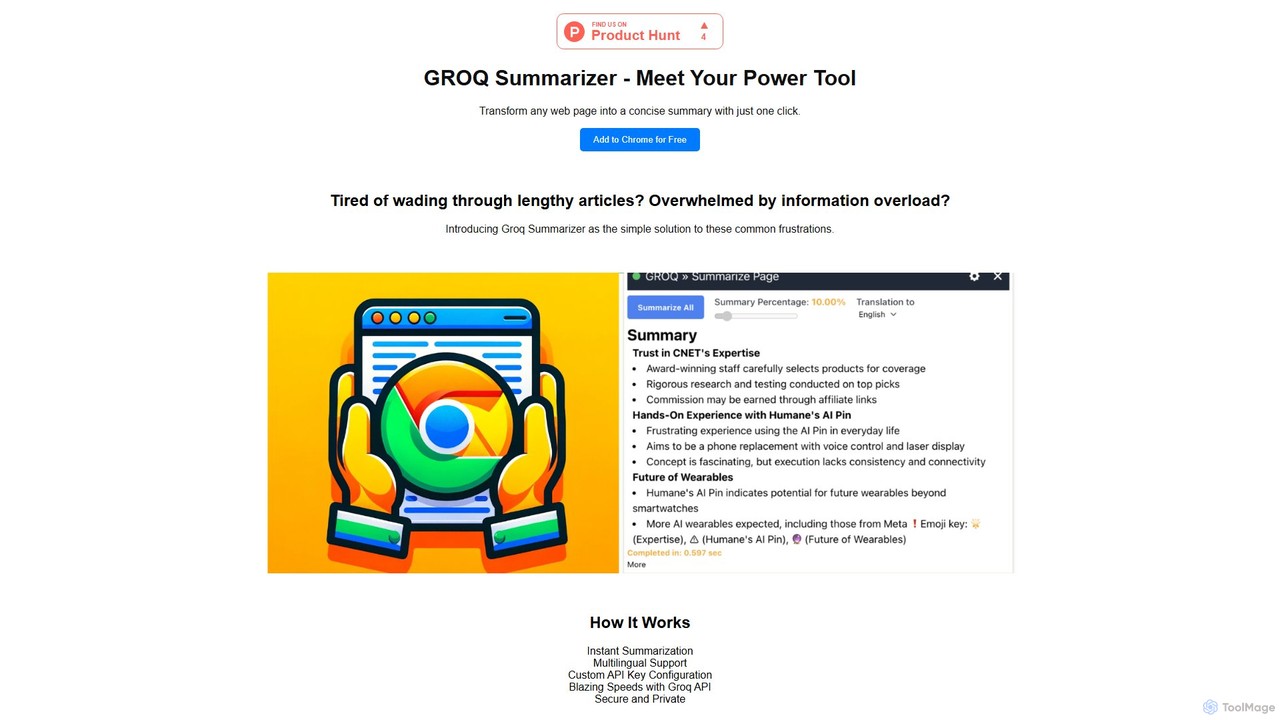
A lightning-fast Chrome extension that summarizes web pages and articles in seconds. Powered by the Groq API, it …
A lightning-fast Chrome extension that summarizes web pages and articles in seconds. Powered by the Groq API, it offers instant, multilingual summaries, allowing you to quickly grasp key information and overcome information overload. It operates on a Bring-Your-Own-Key (BYOK) model for enhanced privacy and control.
askone.ai
askone.ai is an AI-powered browser extension that seamlessly integrates Large Language Models (LLMs) into your web browsing. It …
askone.ai is an AI-powered browser extension that seamlessly integrates Large Language Models (LLMs) into your web browsing. It acts as a versatile assistant, allowing you to instantly summarize articles, extract keywords, translate text, generate questions, and engage in contextual chats directly on any webpage. With flexible options to use your own API keys or its unified service, askone.ai enhances productivity and comprehension by putting the power of AI at your fingertips.

Recap
Recap is a free, open-source Chrome extension that uses ChatGPT to intelligently summarize web content. Its unique "Smart …
Recap is a free, open-source Chrome extension that uses ChatGPT to intelligently summarize web content. Its unique "Smart Split" feature breaks down long articles into manageable passages, allowing users to summarize entire pages, specific sections, or selected text with high precision.
UseChatGPT.AI
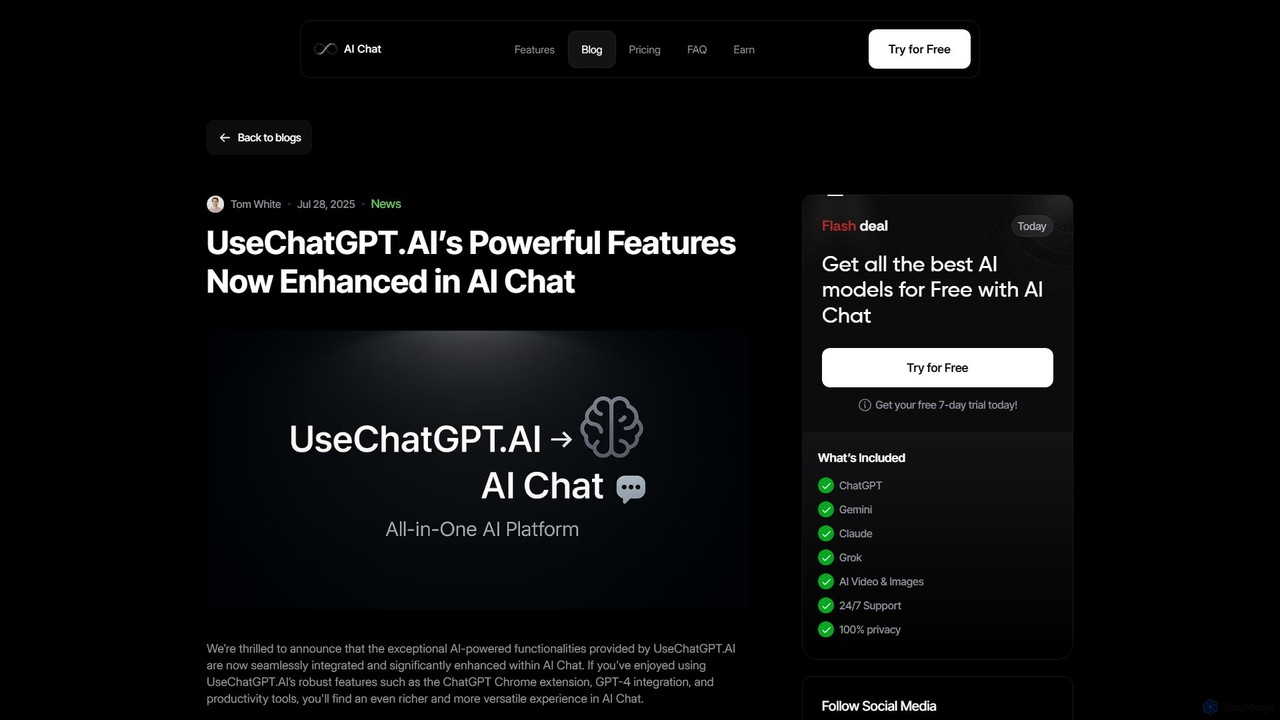
UseChatGPT.AI is a powerful free Chrome extension that integrates GPT-4 into your browser. It boosts productivity by allowing …
UseChatGPT.AI is a powerful free Chrome extension that integrates GPT-4 into your browser. It boosts productivity by allowing you to instantly rewrite, summarize, translate, and explain text on any webpage. With seamless context menu integration and customizable shortcuts, it acts as your all-in-one AI assistant for reading and writing. Its features are now enhanced and integrated into the AI Chat platform.
Gist AI
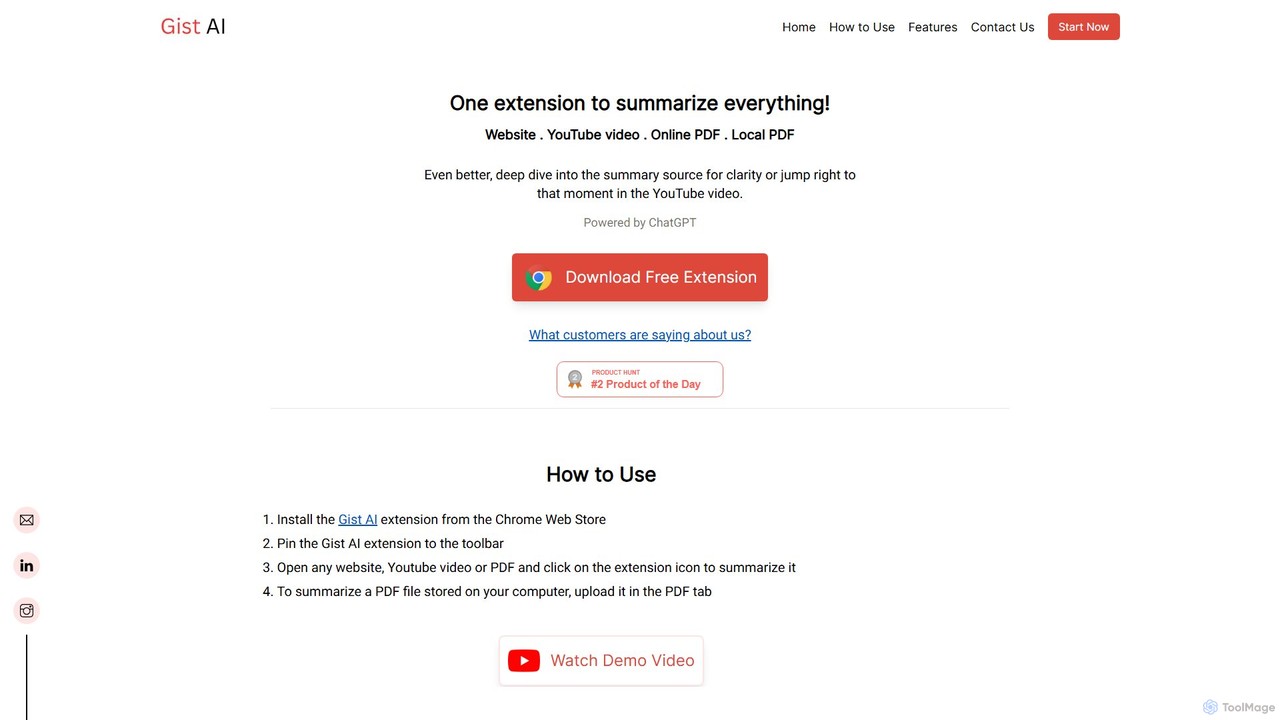
Gist AI is a free, ChatGPT-powered Chrome extension that instantly summarizes websites, YouTube videos, and both online and …
Gist AI is a free, ChatGPT-powered Chrome extension that instantly summarizes websites, YouTube videos, and both online and local PDFs. It helps you save time, improve comprehension, and quickly access the most important information from long-form content with a single click.
SummerEyes
SummerEyes is an AI-powered browser extension that summarizes any online text in a single click. It helps users …
SummerEyes is an AI-powered browser extension that summarizes any online text in a single click. It helps users quickly grasp the main points of articles, emails, and reports, significantly boosting reading speed and productivity. By integrating directly into your browser, it eliminates the need for copy-pasting, offering a seamless way to combat information overload.
Ask Gene
Ask Gene is a free AI-powered Chrome extension that acts as your personal internet assistant. Powered by GPT-4o …
Ask Gene is a free AI-powered Chrome extension that acts as your personal internet assistant. Powered by GPT-4o and DeepSeek, it allows you to summarize webpages and PDFs, chat with AI without leaving your tab, explain complex text, translate, and assist with writing, all seamlessly integrated into your browser.
Browser Buddy
Browser Buddy is a powerful Chrome extension that integrates ChatGPT directly into your browser. It acts as a …
Browser Buddy is a powerful Chrome extension that integrates ChatGPT directly into your browser. It acts as a persistent AI sidebar, allowing you to chat with websites and PDFs, access your conversation history, and leverage AI's power on any tab. Enhance your productivity with contextual interactions, all while ensuring your data remains private and stored locally.

SnapGPT AI
SnapGPT AI is a powerful browser extension that integrates GPT's capabilities directly into your workflow. Instantly summarize articles, …
SnapGPT AI is a powerful browser extension that integrates GPT's capabilities directly into your workflow. Instantly summarize articles, rewrite sentences, compose emails, or get explanations for complex topics on any webpage with a simple right-click or keyboard shortcut. Boost your productivity and streamline your online tasks.
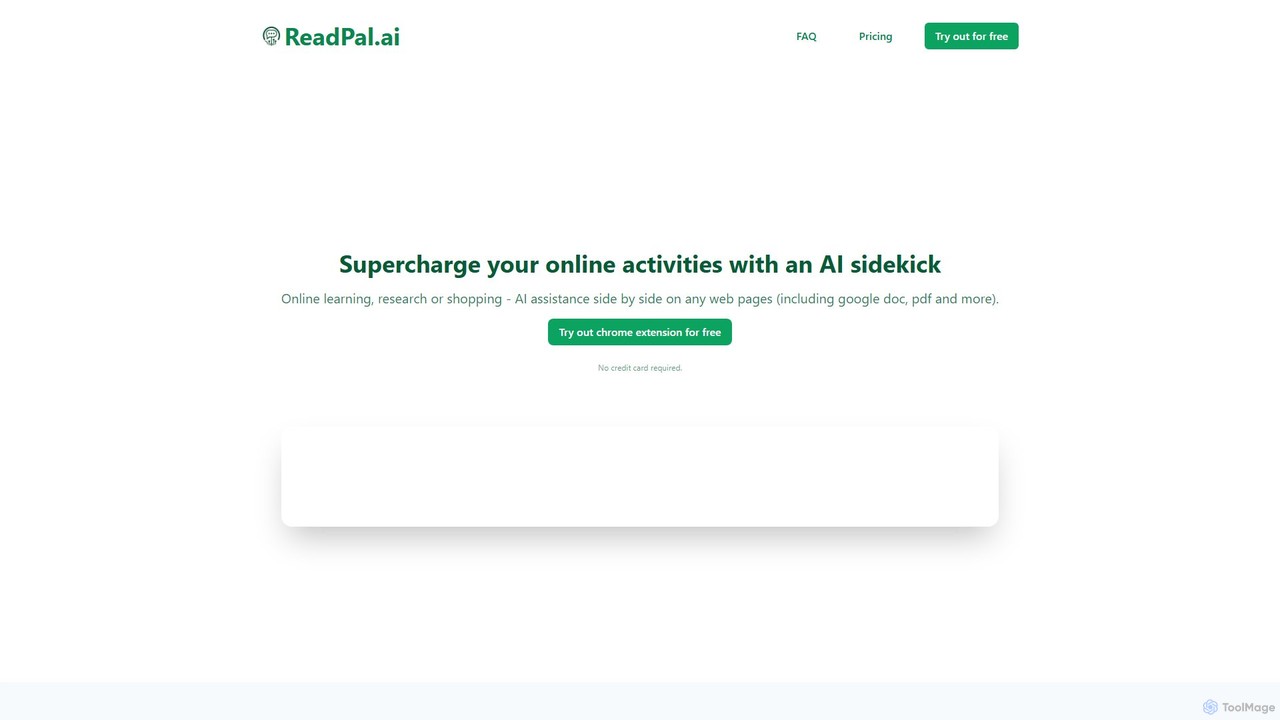
ReadPal.ai
ReadPal.ai is an AI-powered Chrome extension that acts as your personal reading assistant. It seamlessly integrates into your …
ReadPal.ai is an AI-powered Chrome extension that acts as your personal reading assistant. It seamlessly integrates into your browser to provide instant summaries, explanations, and insights on any webpage, including PDFs and Google Docs. Enhance your productivity and comprehension while learning, researching, or shopping online.
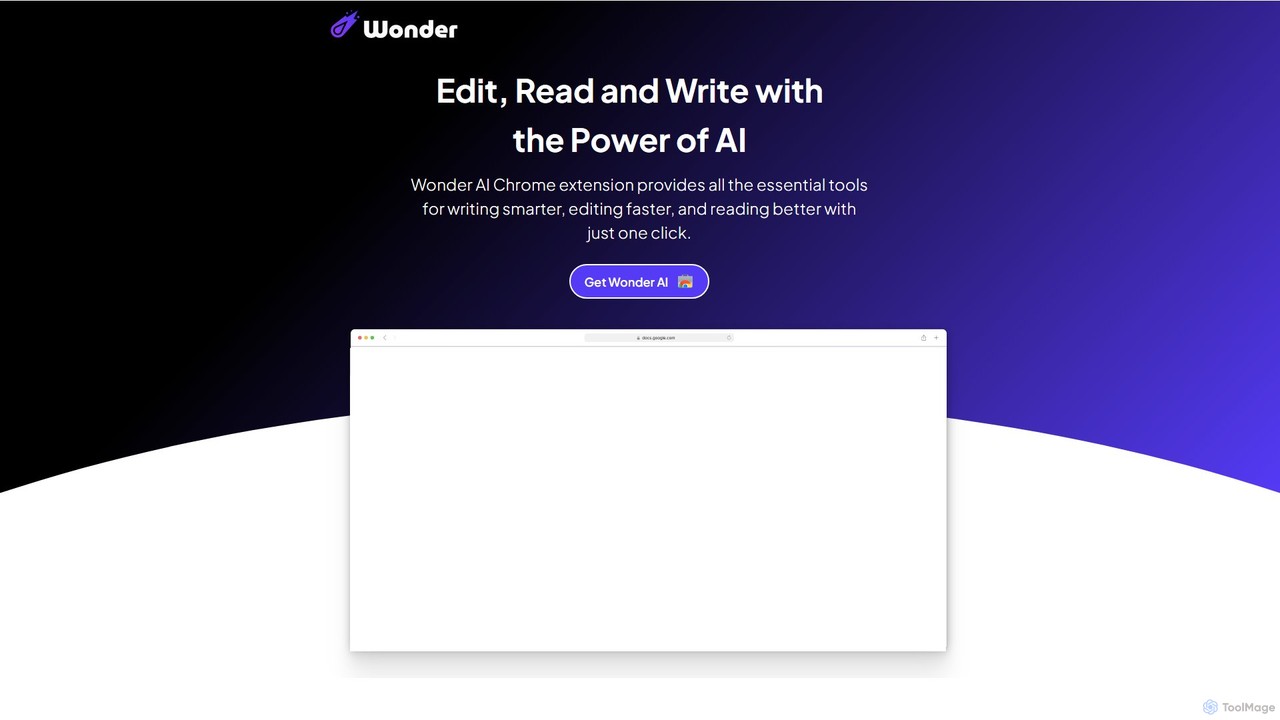
Wonder AI
Wonder AI is a powerful Chrome extension that enhances your writing, editing, and reading. It integrates directly into …
Wonder AI is a powerful Chrome extension that enhances your writing, editing, and reading. It integrates directly into your browser, offering one-click tools to rewrite text, check grammar, summarize articles, explain complex concepts, and translate content, boosting your daily productivity and communication skills.
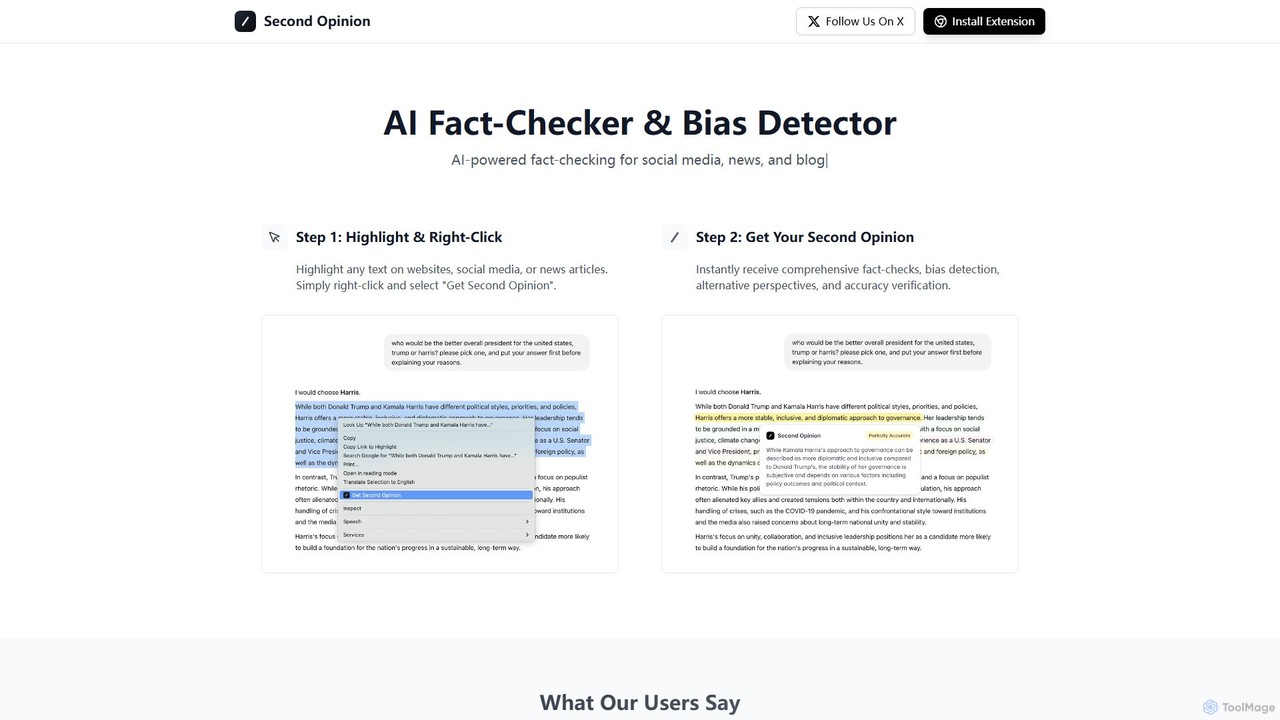
Second Opinion
Second Opinion is an AI-powered Chrome extension that serves as a real-time fact-checker and bias detector. By highlighting …
Second Opinion is an AI-powered Chrome extension that serves as a real-time fact-checker and bias detector. By highlighting any text online, users can instantly get an analysis of its accuracy, potential biases, and alternative perspectives, powered by Grok AI.
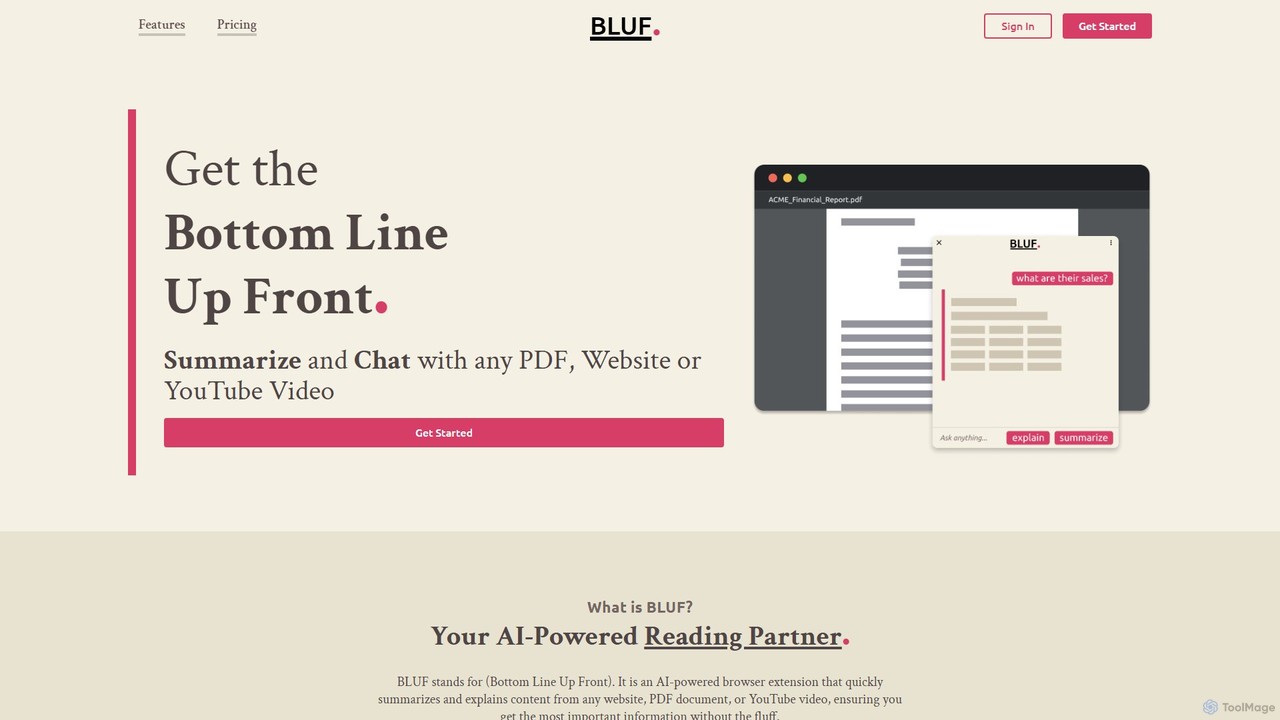
BLUF
BLUF is an AI-powered browser extension that instantly summarizes and explains content from any website, PDF, or YouTube …
BLUF is an AI-powered browser extension that instantly summarizes and explains content from any website, PDF, or YouTube video. Get the main points, understand complex topics, and ask follow-up questions to save time and boost your comprehension.
chrome_ai
An all-in-one AI assistant integrated into your Chrome browser. Summarize web pages and YouTube videos, enhance your writing, …
An all-in-one AI assistant integrated into your Chrome browser. Summarize web pages and YouTube videos, enhance your writing, explain complex topics, and chat with advanced AI models without leaving your current tab. Boost your productivity with seamless AI power.
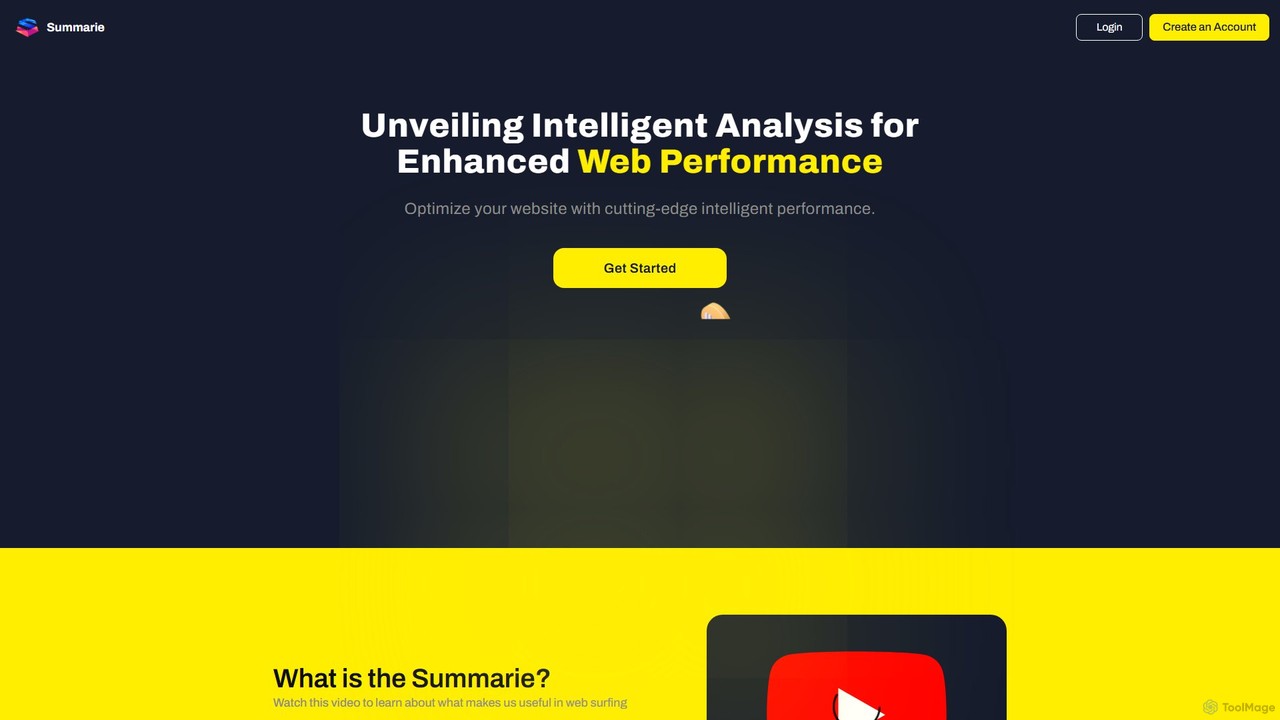
Summarie
Summarie is an AI-powered browser extension that analyzes and summarizes web pages and PDF documents. It provides quick, …
Summarie is an AI-powered browser extension that analyzes and summarizes web pages and PDF documents. It provides quick, concise summaries to save time, enhances comprehension by highlighting key points, and features an interactive chat for dynamic content analysis.
About Research
Research AI tools are a category of AI-powered applications designed to assist and automate various stages of the research process. These tools leverage advanced algorithms like natural language processing and machine learning to streamline tasks such as literature review, data analysis, and content synthesis. They play a crucial role within the broader education and academic sectors, enabling researchers, students, and professionals to accelerate discovery, enhance accuracy, and generate deeper insights from vast amounts of information.
Core Features
- Automated Literature Review: Quickly search, summarize, and extract key information from academic papers, reports, and databases.
- Advanced Data Analysis: Process large datasets, identify patterns, generate visualizations, and assist in statistical interpretation.
- Hypothesis Generation: Suggest potential research questions, identify knowledge gaps, and aid in experimental design.
- Academic Writing Assistance: Support the drafting of research proposals, reports, abstracts, and refine academic language for clarity and coherence.
- Citation & Reference Management: Automate bibliography creation, citation formatting, and detect potential plagiarism.
Applicable Scenarios
Research AI tools are indispensable for academics conducting scholarly studies, market analysts identifying consumer trends, scientists accelerating experimental data interpretation, and students preparing theses or dissertations. They are also vital for policy analysts synthesizing complex reports to inform evidence-based decision-making.
How to Choose
When selecting a Research AI tool, consider its data handling capabilities, ensuring it supports your specific data types and volumes. Evaluate its integration with existing research platforms and reference managers. Assess the accuracy and transparency of its AI models, especially for critical analysis. Finally, factor in the user interface, ethical considerations like data privacy, and the level of customization offered to meet unique research needs.
Featured Tool Leaderboard
Most Popular
Sorted by highest monthly traffic







Most Interactive
Sorted by lowest bounce rate








Highest User Engagement
Sorted by Average Visit Duration








Top Free Tools
Free and sorted by traffic
ResearchUse Cases
Accelerating Academic Literature Reviews
Academic researchers often spend countless hours sifting through vast amounts of scholarly articles. Research AI tools can automate this process by quickly scanning, summarizing, and extracting key findings, methodologies, and citations from hundreds of papers. This allows researchers to identify relevant literature, pinpoint knowledge gaps, and synthesize information much faster, significantly reducing the time spent on initial literature review phases and enabling them to focus on deeper analysis and experimentation.
Automating Market Trend Analysis
Market analysts need to constantly monitor consumer behavior, industry reports, and social media trends to identify emerging opportunities or threats. Research AI tools can ingest and process massive volumes of unstructured data from various sources, identifying subtle patterns, sentiment shifts, and nascent trends that human analysts might miss. This enables businesses to make data-driven decisions, refine product strategies, and stay ahead of the competition by understanding market dynamics in real-time.
Streamlining Scientific Data Interpretation
Scientists often work with complex, high-dimensional datasets generated from experiments, simulations, or observations. Research AI tools can assist in the interpretation of this data by performing advanced statistical analysis, identifying correlations, anomalies, and hidden patterns. They can generate insightful visualizations and even suggest potential hypotheses based on the data, significantly accelerating the discovery process in fields like biology, chemistry, and physics, allowing researchers to move from raw data to actionable insights more efficiently.
Drafting Research Proposals & Grants
Securing funding for research often depends on well-structured and compelling proposals. Research AI tools can assist academics and grant writers in drafting these critical documents by providing templates, suggesting relevant literature, and refining the language for clarity, conciseness, and impact. They can help ensure all required sections are covered, improve the logical flow of arguments, and even check for consistency in terminology, increasing the likelihood of successful grant applications and project approvals.
Enhancing Student Essay & Thesis Writing
Students, from undergraduates to doctoral candidates, can leverage Research AI tools to improve their academic writing. These tools can assist with topic exploration, outlining, structuring arguments, and even checking for grammatical errors and stylistic inconsistencies. By providing intelligent feedback and suggestions, AI helps students refine their research papers, essays, and theses, ensuring clarity, coherence, and adherence to academic standards, ultimately leading to higher quality submissions and better learning outcomes.
Identifying Policy Gaps & Recommendations
Policy analysts are tasked with synthesizing vast amounts of government reports, public data, and expert opinions to formulate effective policies. Research AI tools can significantly aid this process by rapidly analyzing complex policy documents, identifying inconsistencies, gaps in existing regulations, and potential impacts of proposed changes. They can also generate data-driven recommendations, helping analysts to build stronger cases for policy adjustments and contribute to more informed, evidence-based governance.