Best of the Year 26 results Engineering AI Tools

Popular AI tools in the Engineering field include Flux、Zoo、Leo AI、Rescale、SnapMagic、Quilter、DraftAid、CalcForge、Ohm、Navier AI, etc., helping you quickly improve efficiency.

AIConstruct Hub

AIConstruct Hub

AIConstruct Hub is the ultimate directory for discovering, comparing, and adopting the best AI tools and platforms transforming …

2.2K
Enginuity Labs

Enginuity Labs

Enginuity Labs offers an AI-powered engineering design studio, integrating intelligent agents into CAD, PCB, and simulation workflows. It …

2.3K
CTOx AI

CTOx AI

CTOx AI is a technical decision engine designed for founders, CTOs, and engineering teams, providing structured, actionable architectural …

2.4K
BuildSync

BuildSync

BuildSync is an AI-powered construction submittal review software designed to automate the verification of project compliance and generation …

4.8K
Mathify

Mathify

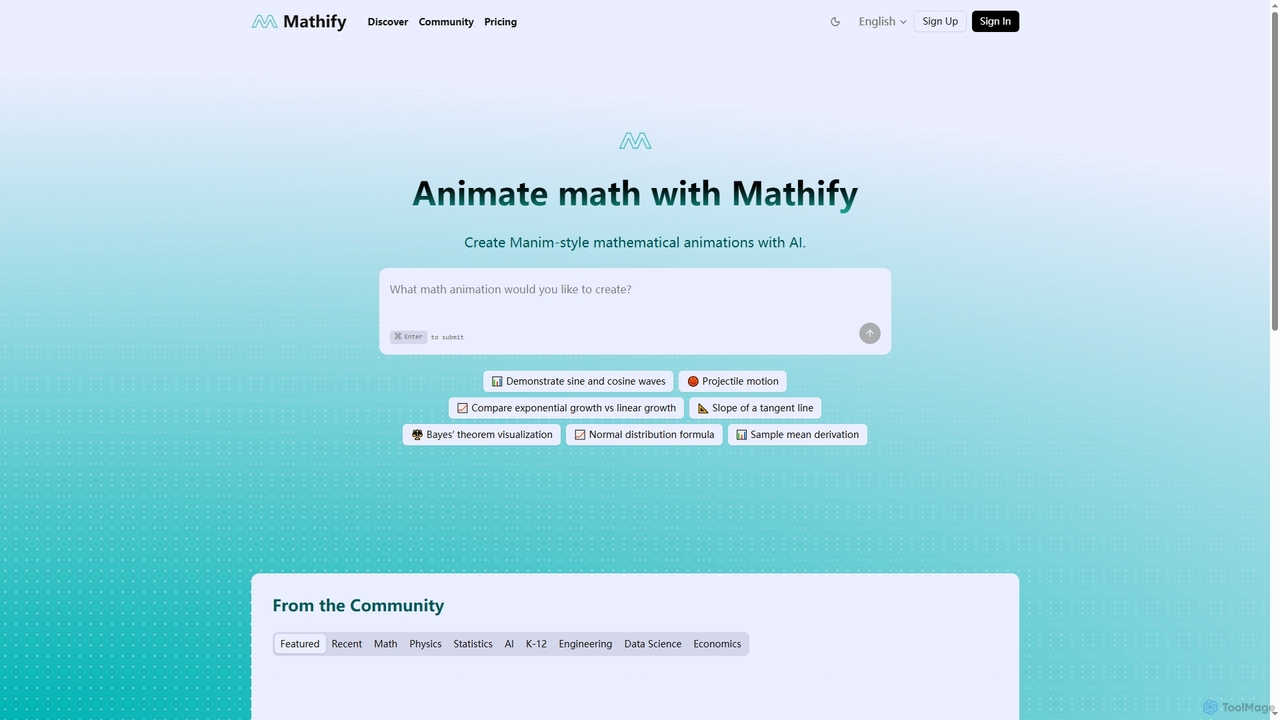
Mathify is an AI-powered tool that simplifies the creation of Manim-style mathematical animations. It enables users to visualize …

3.4K
Vecteur

Vecteur

Vecteur is an AI-powered platform revolutionizing space systems engineering, enabling users to design, simulate, and deploy satellite constellations …

2.3K
Zoo

Zoo

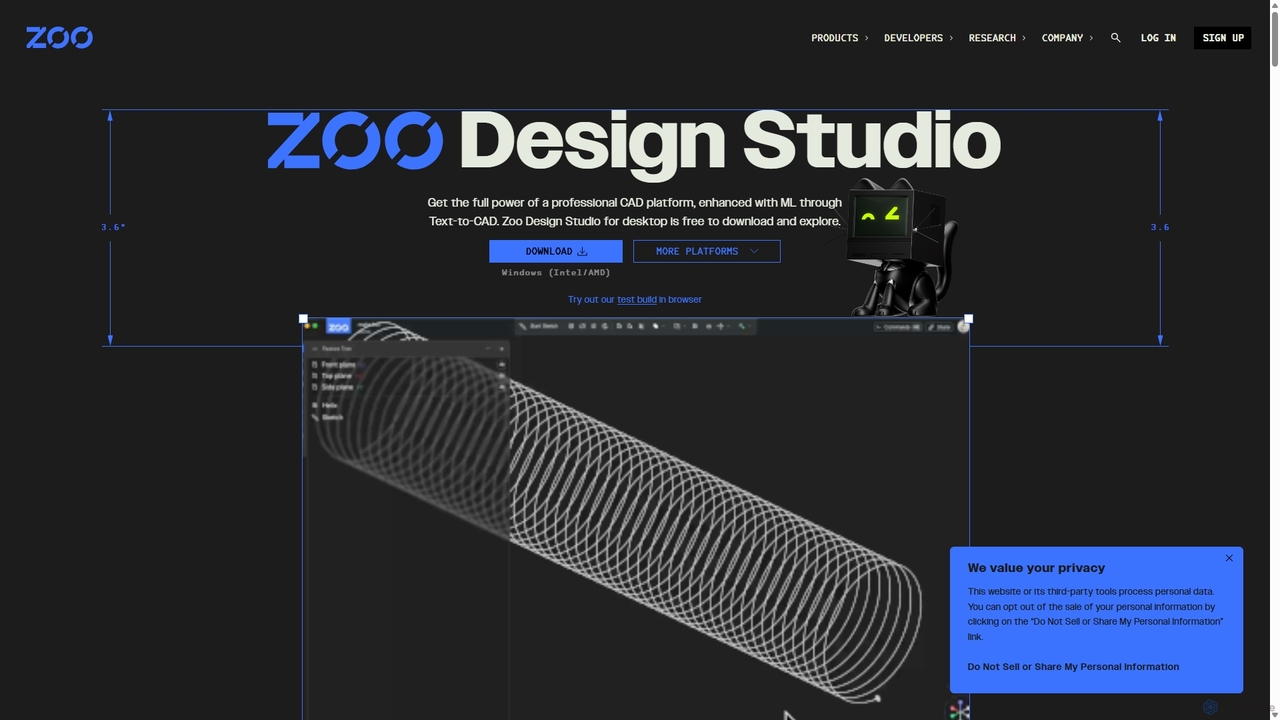
Zoo is a next-generation, AI-powered CAD platform featuring Text-to-CAD technology. It combines traditional 3D modeling with machine learning …

267.1K
SnapMagic

SnapMagic

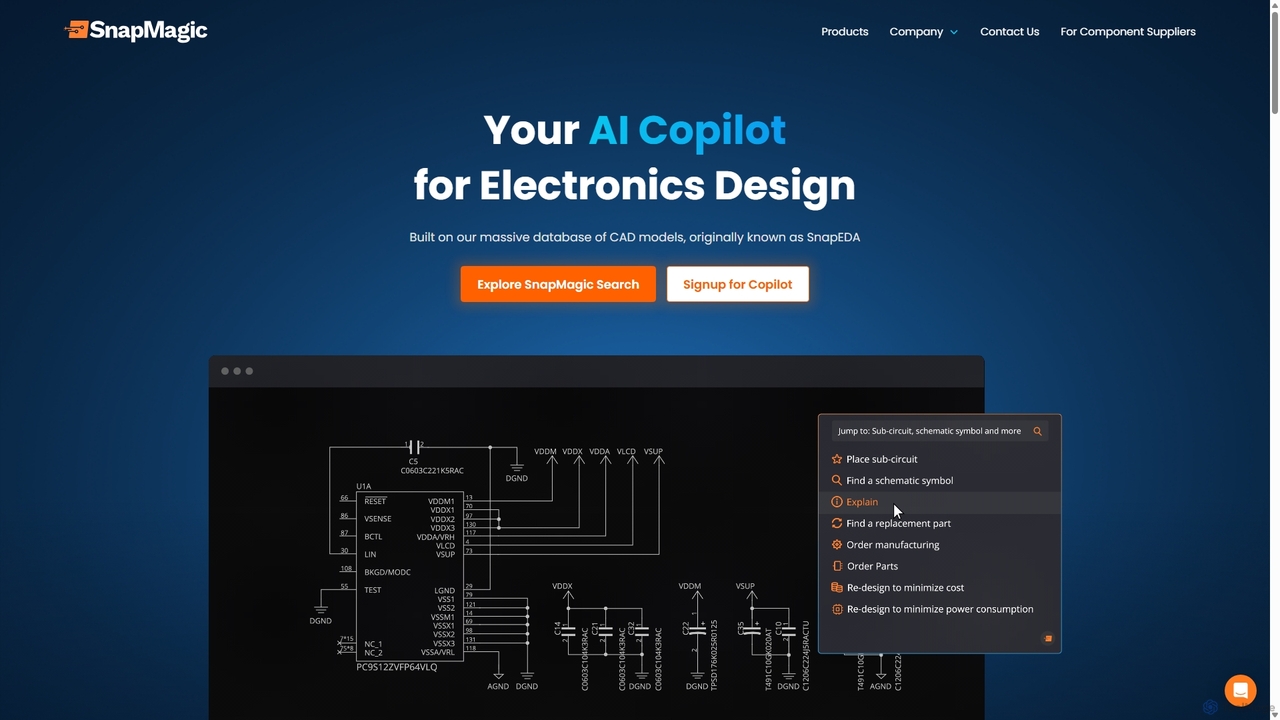
SnapMagic is an AI copilot for electronics design, automating and accelerating the circuit board creation process. It uses …

67.9K
Make-Print

Make-Print

An AI-powered platform designed for 3D printing and prototyping. It integrates project management with a Kanban board, a …

2.5K
Navier AI

Navier AI

Navier AI deploys an autonomous AI agent that functions like a senior engineer, automating complete Computational Fluid Dynamics …

9.6K
Elodin

Elodin

Elodin is an advanced aerospace platform offering GPU-accelerated simulation software and AI-capable hardware to design, test, and deploy …

3.7K
Ohm

Ohm

Ohm is a specialized AI agent designed for battery R&D and engineering teams. It provides instant, trusted answers …

13.3K
Rescale

Rescale

Rescale is a cloud-based High Performance Computing (HPC) platform designed to accelerate engineering and scientific R&D. It provides …

101.3K
Flux

Flux

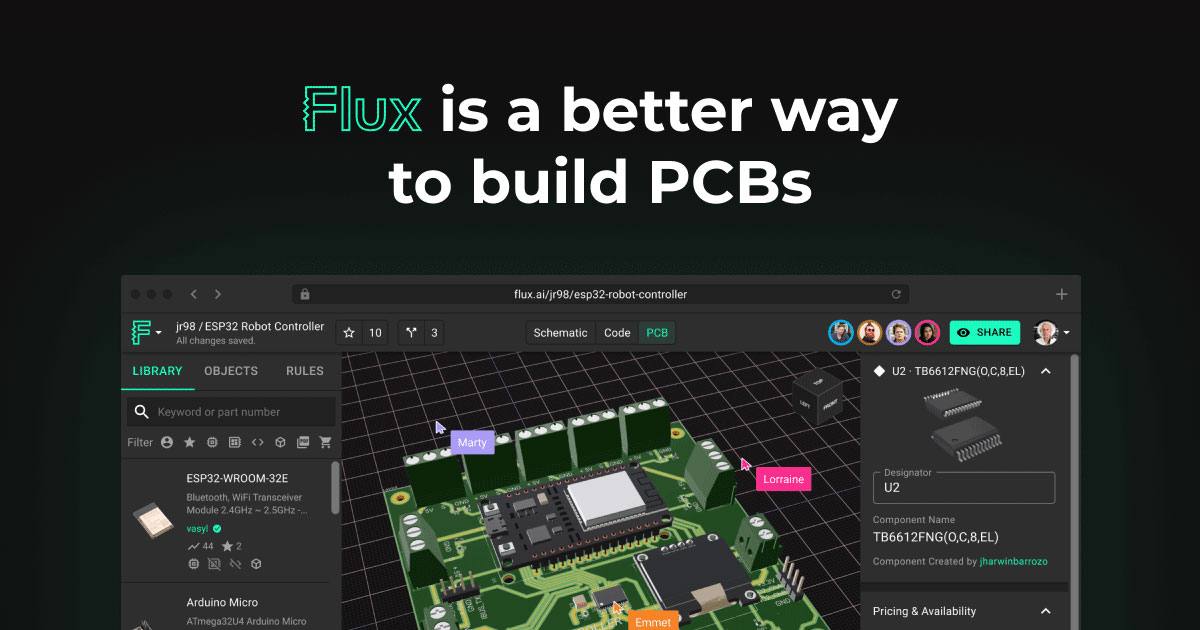
Flux is a modern, browser-based electronics design tool that leverages AI to revolutionize PCB creation. Its AI Copilot …

719.7K
Quilter

Quilter

Quilter is a physics-based AI platform that automates PCB layout, transforming the design process from weeks to hours. …

64.2K
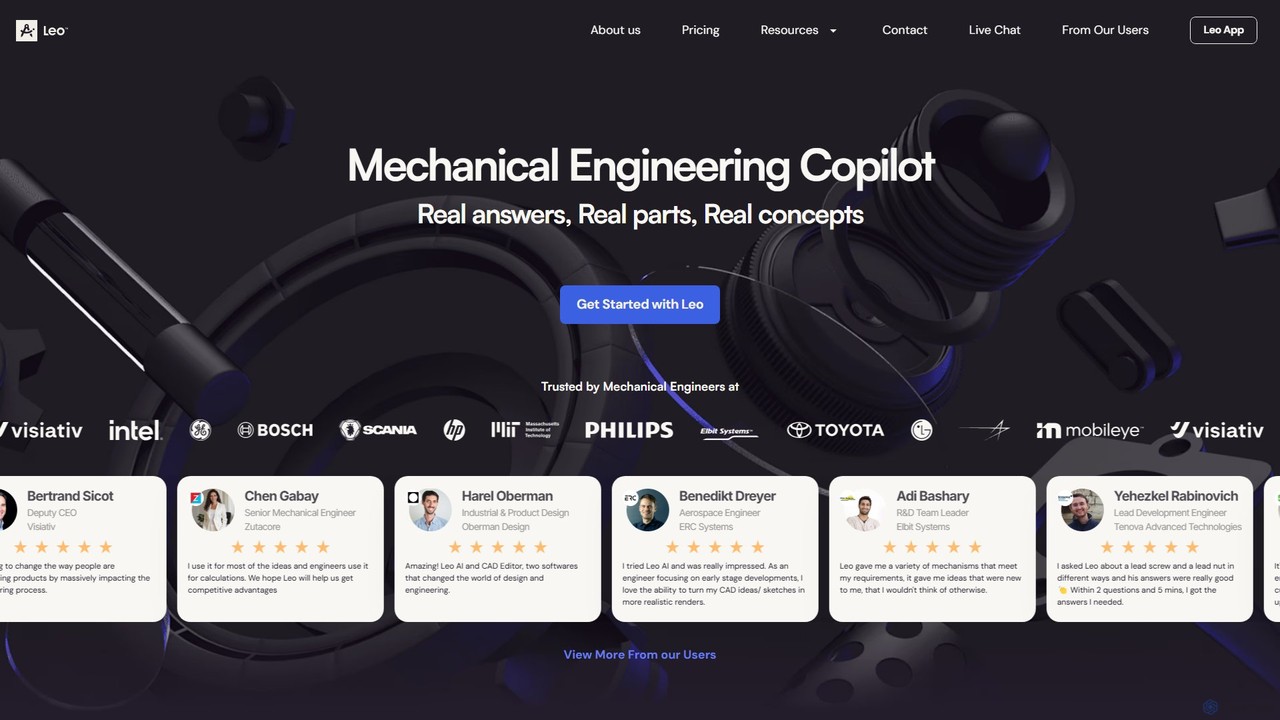
Leo AI

Leo AI

Leo AI is an AI-powered engineering design copilot specifically for mechanical engineers. It accelerates product design by answering …

106.0K
Saphira

Saphira

Saphira is a Y Combinator-backed AI platform that automates product safety certification and compliance. It helps engineering teams …

7.8K
kabeltec

kabeltec

Kabeltec is a global manufacturer and supplier of specialized industrial and electrical cables. Originating from Germany, it provides …

3.8K
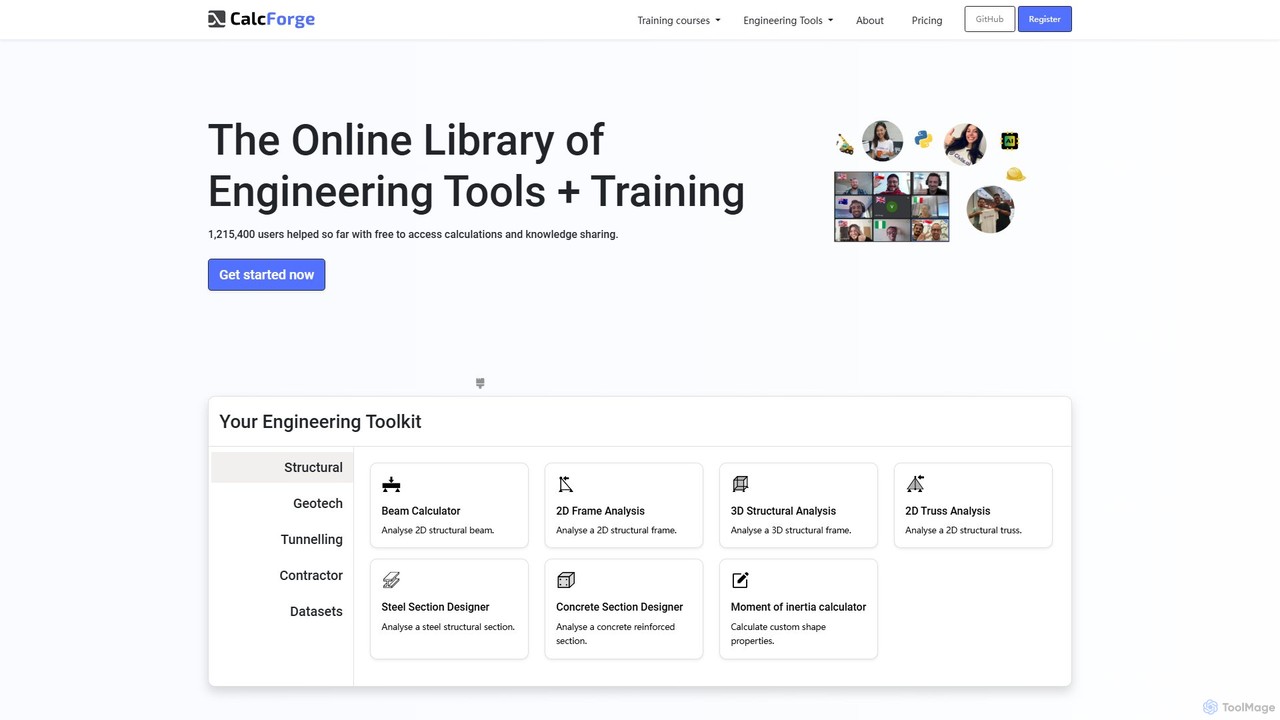
CalcForge

CalcForge

CalcForge is an open-source, community-driven platform offering a library of engineering calculators for civil, structural, mechanical, and electrical …

27.8K
acufore

acufore

Acufore is a comprehensive engineering solutions provider that leverages AI, data science, and machine learning for end-to-end product …

3.6K
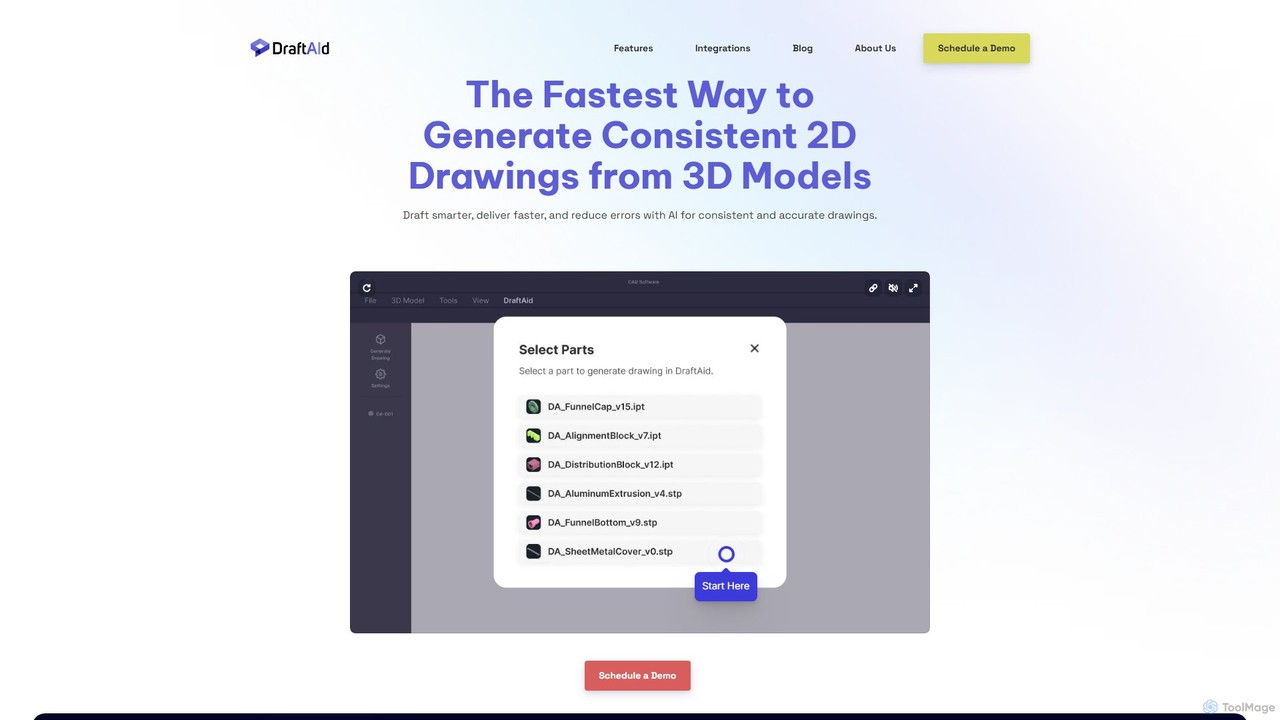
DraftAid

DraftAid

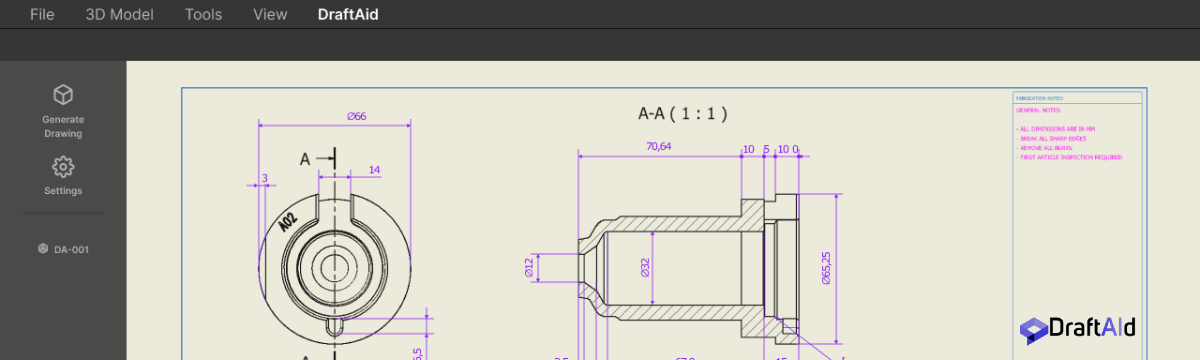
DraftAid is an AI-powered tool that automates the creation of 2D manufacturing drawings from 3D CAD models. It …

49.7K
Standard Wizard

Standard Wizard

An AI-powered search engine designed for engineers to instantly find and access relevant technical and engineering standards. It …

2.3K
gNucleus

gNucleus

gNucleus is a generative AI platform that transforms text, images, and data into fully editable, parametric 3D CAD …

2.4K
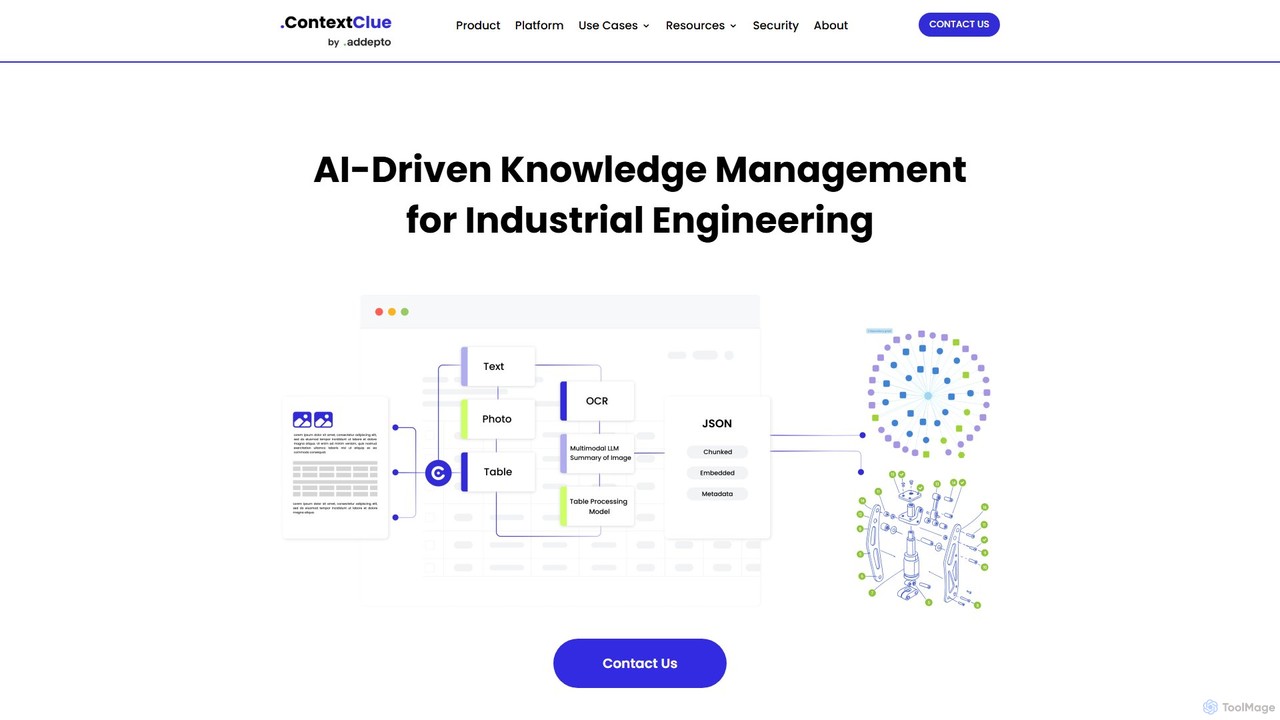
Context Clue

Context Clue

Context Clue is an AI-driven knowledge management platform for industrial engineering teams. It transforms complex data from CAD …

5.5K
PRIZ Guru

PRIZ Guru

PRIZ Guru is an AI-powered innovation platform for engineering teams. It combines systematic problem-solving methodologies like TRIZ with …

3.9K
Photonium

Photonium

Photonium is an AI-powered platform that revolutionizes optical system design by automating the optomechanical workflow. It enables engineers …

2.2K

About Engineering

AI Engineering tools are a class of software that leverages artificial intelligence and machine learning to solve complex technical challenges. These tools utilize algorithms for simulation, optimization, predictive analysis, and generative design to augment traditional engineering workflows. They empower engineers to accelerate design cycles, enhance product performance, and automate repetitive analytical tasks across disciplines like mechanical, civil, and electrical engineering. This data-driven approach enables the exploration of vast design spaces and the discovery of innovative solutions that are often beyond human intuition.

Core Features

  • Generative Design: Automatically generates and optimizes complex designs based on user-defined constraints such as materials, weight, and manufacturing methods.
  • Predictive Maintenance: Analyzes sensor data from equipment to forecast potential failures, enabling proactive maintenance and reducing downtime.
  • Accelerated Simulation: Uses AI models to drastically speed up complex simulations like Finite Element Analysis (FEA) or Computational Fluid Dynamics (CFD).
  • Automated Code & Formula Generation: Assists in writing, debugging, and optimizing code for engineering applications or solving complex mathematical equations.
  • Anomaly Detection: Processes large datasets from manufacturing or structural monitoring to identify defects, deviations, or potential safety issues.

Use Cases

These tools are widely adopted in advanced manufacturing for optimizing production lines, in aerospace for designing lightweight and durable components, and in civil engineering for monitoring the structural health of bridges and buildings. They are also crucial in software engineering for code analysis and in electrical engineering for optimizing circuit layouts.

How to Choose

When selecting an AI Engineering tool, consider its specialization for your specific discipline (e.g., mechanical vs. software). Evaluate its integration capabilities with your existing CAD, CAE, or PLM software. Assess the accuracy and validation methods of its AI models, and consider the computational requirements—whether it's cloud-based or needs powerful on-premise hardware. Finally, ensure it meets your organization's data security standards for handling proprietary designs.

EngineeringUse Cases

1

Generative Design for Automotive Components

An automotive engineer is tasked with reducing the weight of a vehicle's suspension bracket without compromising strength. Using an AI Engineering tool, they input key parameters: material properties (e.g., aluminum alloy), load cases, connection points, and a target weight reduction of 20%. The AI algorithm then generates hundreds of topologically optimized design variations, each meeting the structural requirements. The engineer can then review the most promising, organically-shaped designs, run a final validation simulation, and select a model that is both lighter and stronger than the original human-designed part, ready for 3D printing or CNC machining.

2

Predictive Maintenance for Wind Turbines

An operations manager for a wind farm uses an AI platform to ensure maximum uptime. The platform continuously analyzes data from sensors on each turbine, including vibration, temperature, and rotational speed. The AI model, trained on historical failure data, identifies subtle patterns that precede gearbox or blade failures. When the system detects a high probability of failure for a specific turbine within the next 30 days, it automatically generates a maintenance alert with a detailed diagnosis. This allows the maintenance team to schedule repairs proactively during low-wind periods, preventing catastrophic failures and costly downtime.

3

Automated Code Refactoring for Software Engineering

A software development team is working on a large, legacy codebase that is difficult to maintain. They use an AI-powered engineering tool specialized in code analysis. The tool scans the entire repository, identifies complex, inefficient, or redundant code blocks ('code smells'), and suggests specific refactoring solutions. For example, it might recommend breaking down a large function into smaller, more manageable units or replacing an inefficient algorithm with a more performant one. The developers can review, approve, and automatically apply these changes, significantly improving code quality, readability, and performance with a fraction of the manual effort.

4

AI-Accelerated CFD Simulation for Aerospace

An aerospace engineer needs to analyze the aerodynamic properties of a new aircraft wing design across various flight conditions. Traditional Computational Fluid Dynamics (CFD) simulations would take days or weeks to complete. By using an AI-accelerated simulation tool, the engineer can obtain accurate results in a matter of hours. The AI model, trained on thousands of previous CFD simulations, acts as a surrogate model that rapidly predicts fluid dynamics. This allows the engineer to iterate on designs much faster, explore a wider range of parameters, and identify the optimal aerodynamic profile with significantly reduced computational cost and time.

5

Structural Health Monitoring for Civil Engineering

A civil engineering firm is responsible for maintaining a critical bridge. They install a network of sensors (strain gauges, accelerometers) and connect them to an AI monitoring platform. The AI continuously analyzes the incoming data streams, establishing a baseline of the bridge's normal structural behavior. When it detects anomalies—such as unusual vibration patterns after a minor earthquake or gradual changes indicating material fatigue—it alerts the engineers. The system provides insights into the location and potential severity of the issue, allowing for targeted inspections and preventative repairs before the damage becomes critical, ensuring public safety.

6

Optimizing PCB Layout in Electrical Engineering

An electrical engineer is designing a complex Printed Circuit Board (PCB) for a new consumer electronic device. The layout is critical for performance and avoiding signal interference. Using an AI-powered Electronic Design Automation (EDA) tool, the engineer defines the components and the required connections. The AI then explores thousands of possible routing paths and component placements, optimizing for multiple objectives simultaneously: minimizing board size, reducing signal delay, managing heat dissipation, and ensuring manufacturability. The result is a highly optimized PCB layout achieved in a fraction of the time it would take through manual trial and error.

EngineeringFrequently Asked Questions