AI Game Development tools are a class of software that leverages artificial intelligence to assist, automate, and enhance various stages of the game creation process. These tools utilize machine learning models, particularly generative AI and procedural generation algorithms, to create assets, code, and game logic. They empower developers to build more complex and dynamic worlds, accelerate production timelines, and reduce repetitive manual tasks. This allows teams of all sizes, from indie studios to AAA developers, to focus more on creativity and innovation.
Core Features
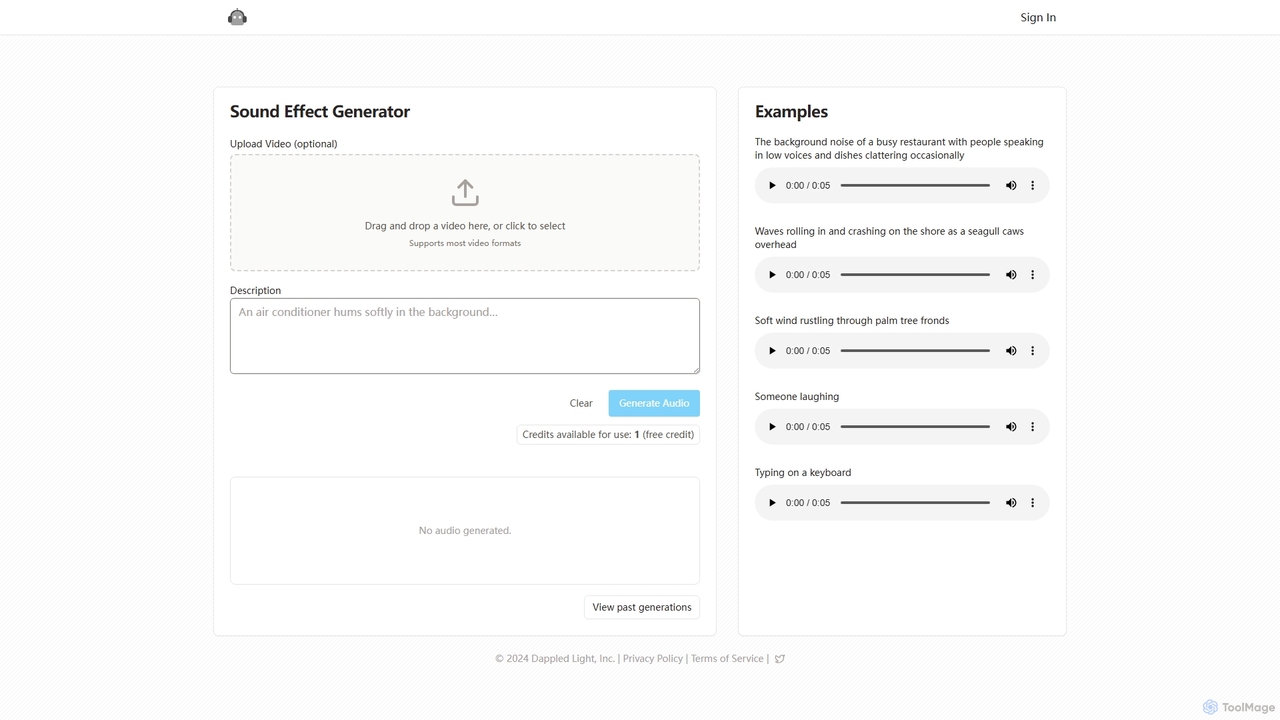
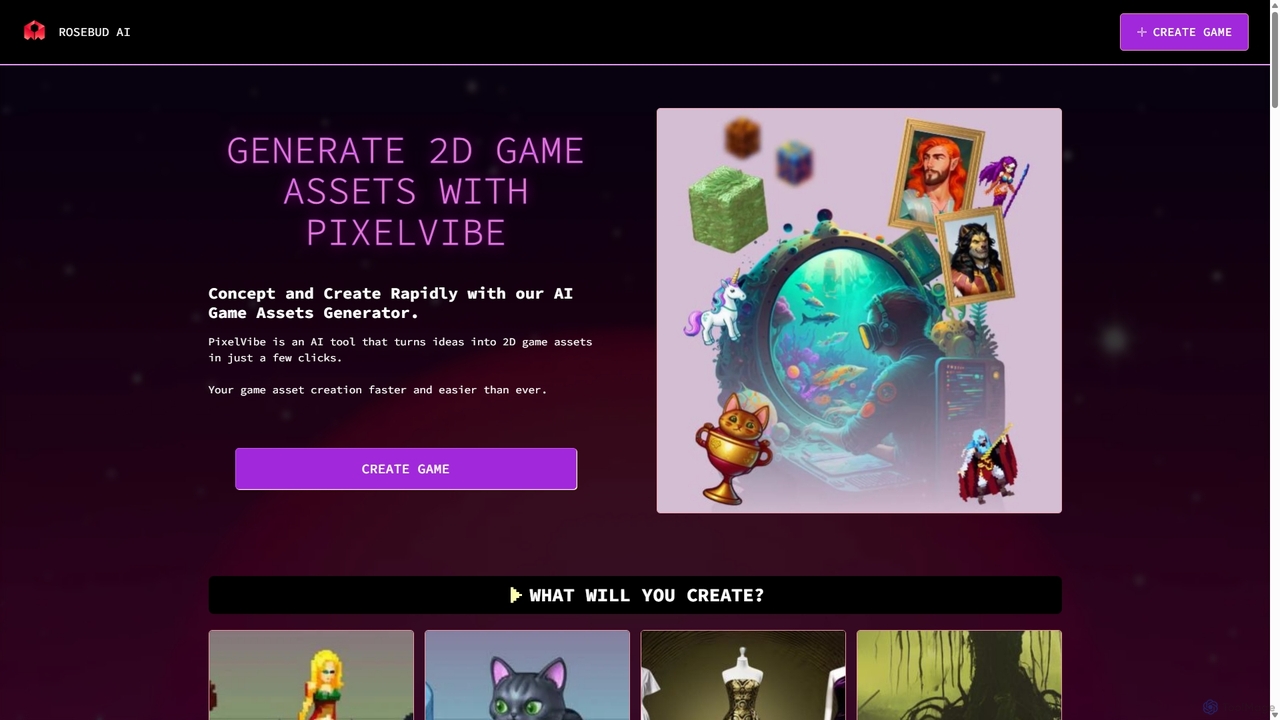
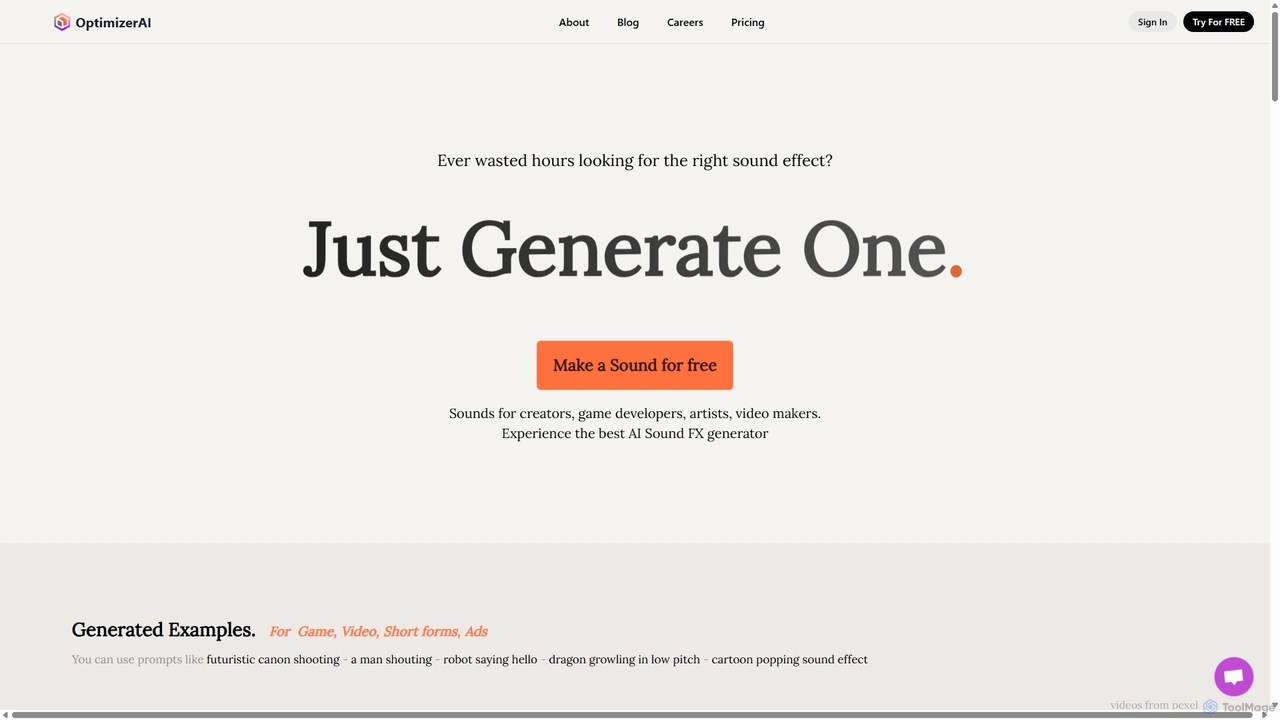
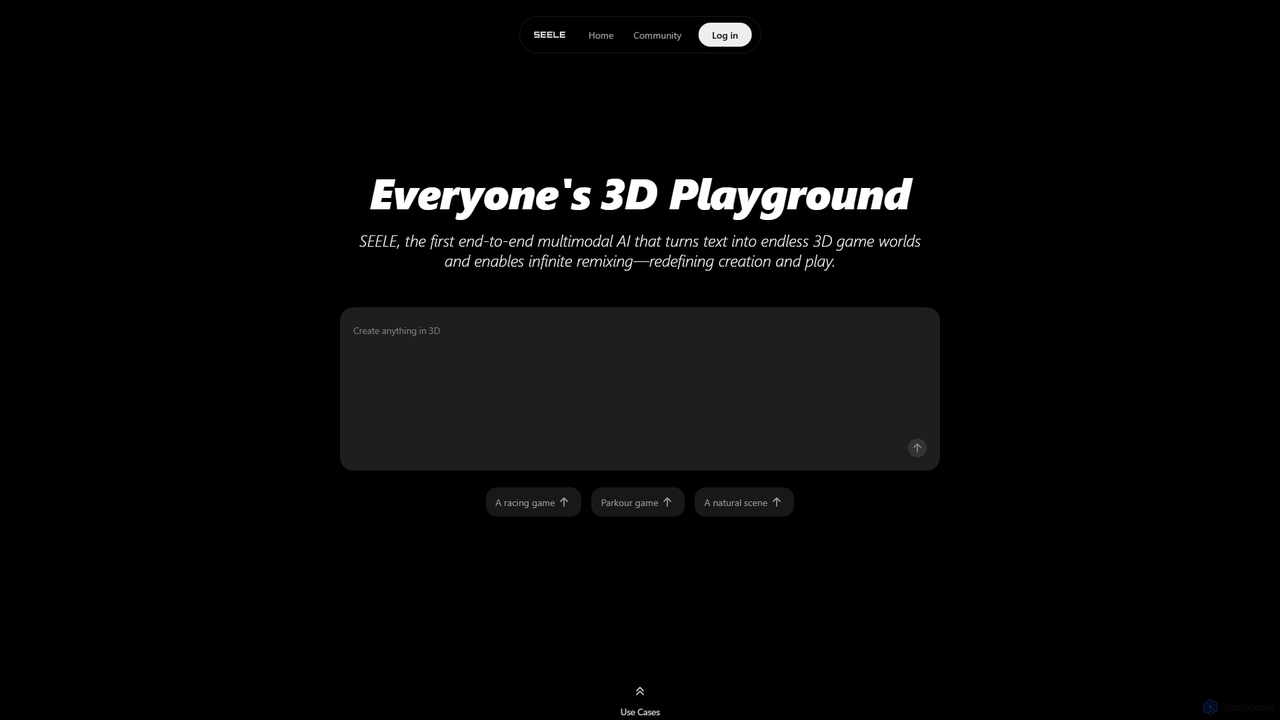
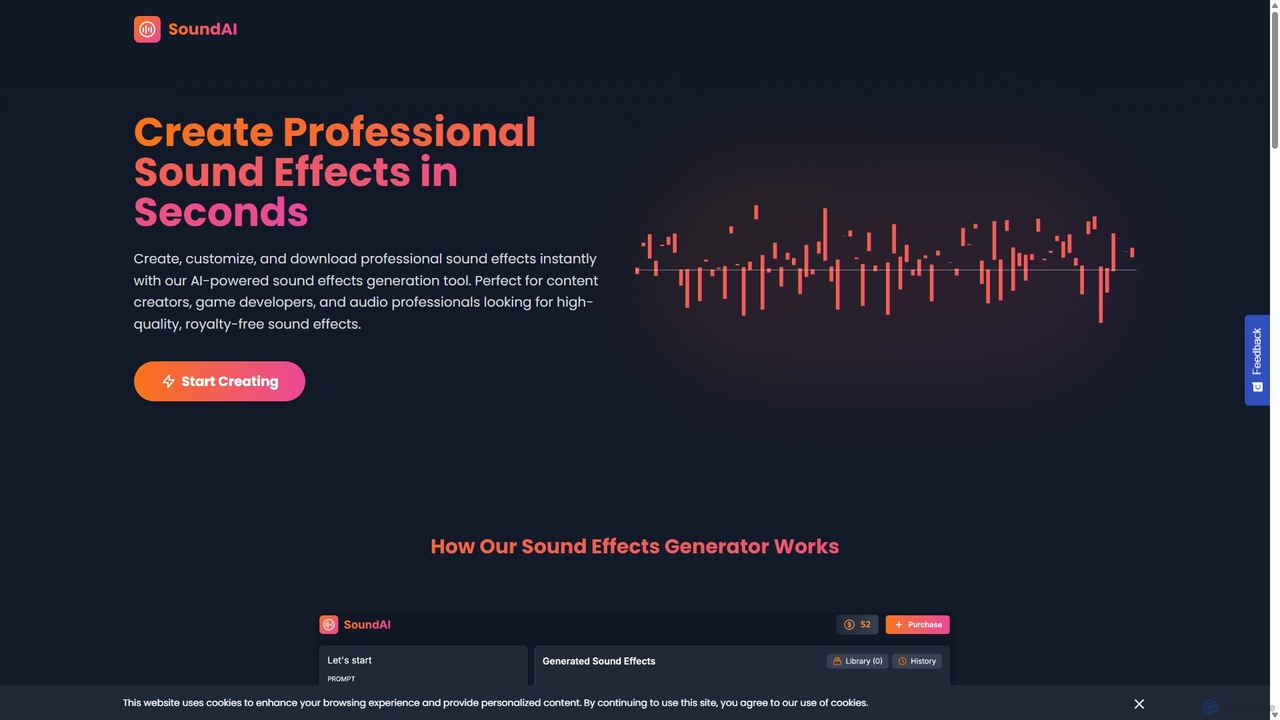
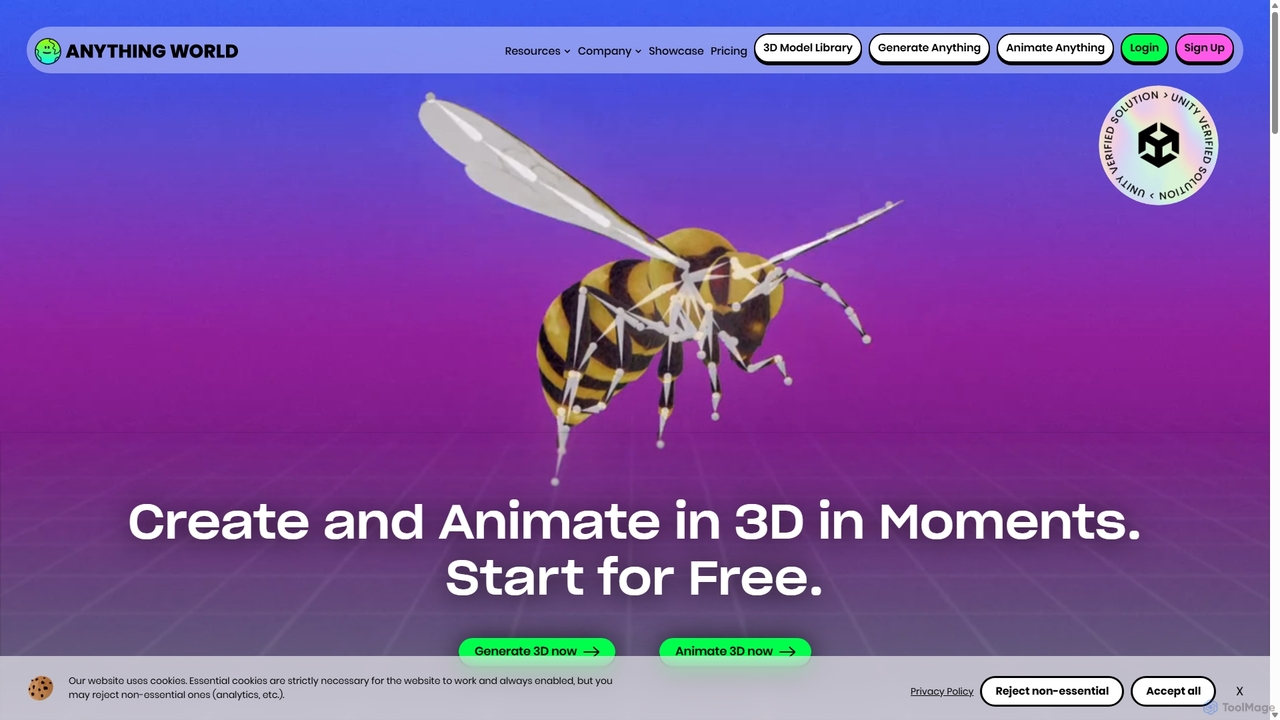
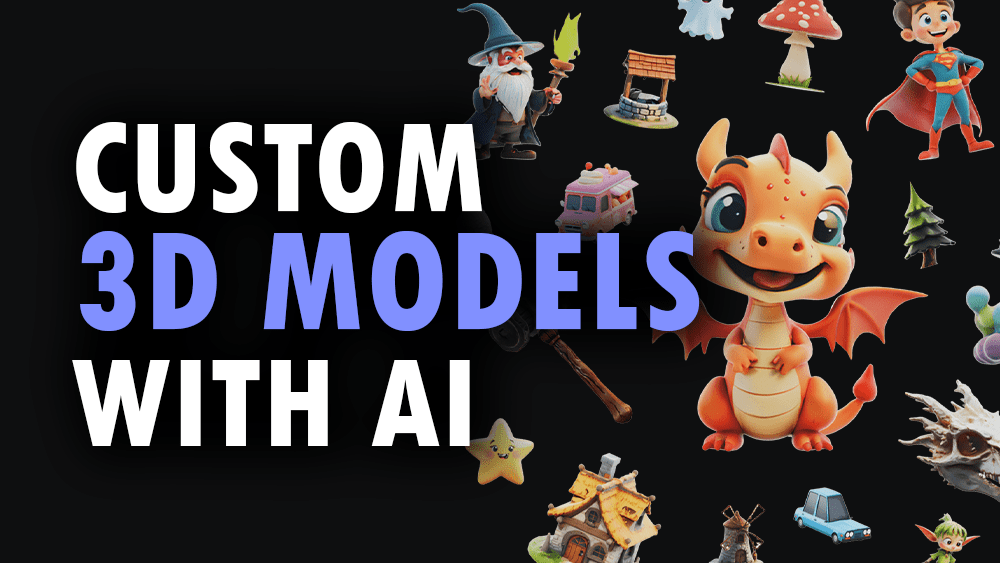
- AI Asset Generation: Creates game-ready assets like textures, 3D models, character sprites, and sound effects from text or image prompts.
- Procedural Content Generation (PCG): Automatically generates vast and unique game environments, levels, quests, and item distributions.
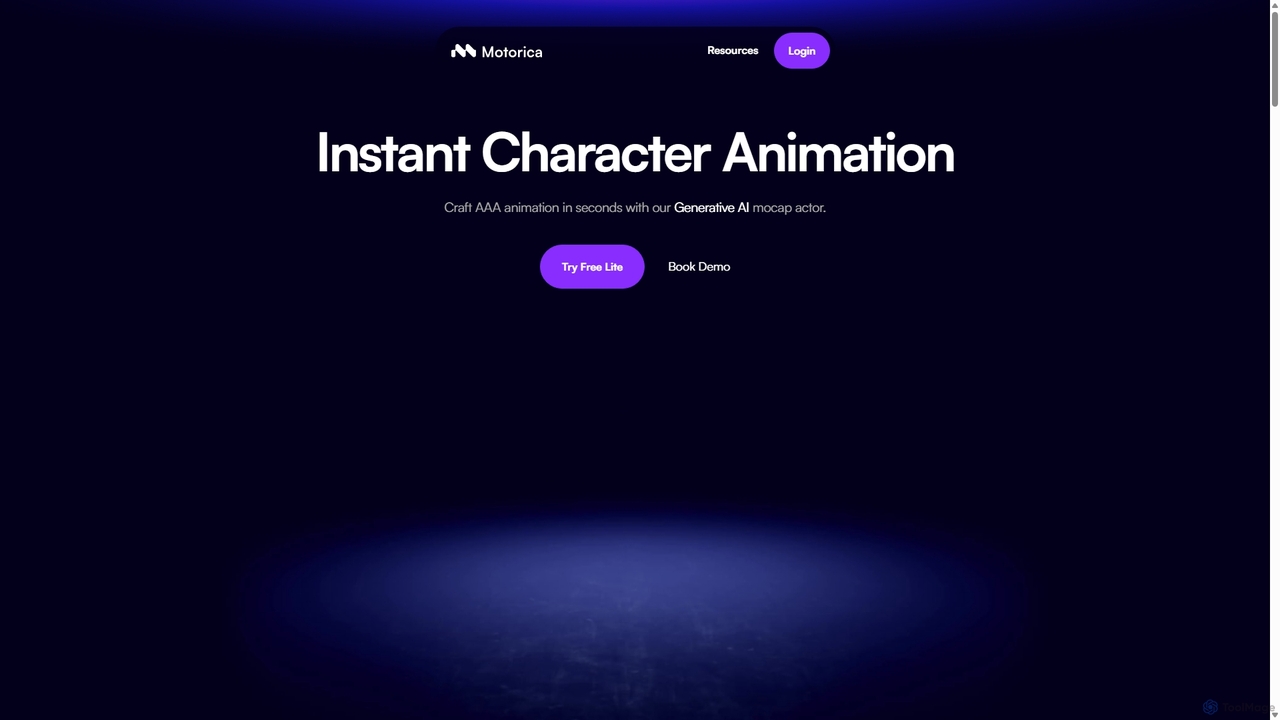
- Intelligent NPC Behavior: Develops sophisticated and adaptive behaviors for non-player characters (NPCs), making them more realistic and challenging.
- Code & Script Assistance: Generates boilerplate code, debugs scripts, and suggests optimizations for game logic in engines like Unity or Unreal.
- Automated Playtesting: Deploys AI agents to test games, identify bugs, analyze gameplay balance, and discover exploits.
Use Cases
These tools are widely used by game designers, programmers, artists, and quality assurance (QA) teams. Indie developers use them to create ambitious projects with limited resources, while large studios employ them to scale content production for massive open-world games. They are integral for prototyping new game mechanics, populating virtual worlds with unique content, and ensuring game stability through automated testing.
How to Choose
When selecting an AI Game Development tool, consider its integration with your chosen game engine (e.g., Unity, Unreal Engine). Evaluate the quality and stylistic control offered for asset generation. Assess the tool's performance impact on your game and the complexity of its learning curve. Finally, review the pricing model, whether it's subscription-based, pay-per-use, or a one-time purchase, to ensure it aligns with your project's budget.