ToolMage
Sign in

Best 328 Research AI tools

Popular Research AI tools include Baidu, Papers with Code, Perplexity, Kimi, NVIDIA, Grok, Prolific, Genspark, Feedly, and OpenEvidence, helping you work more efficiently.

Petal
Freemium

Petal

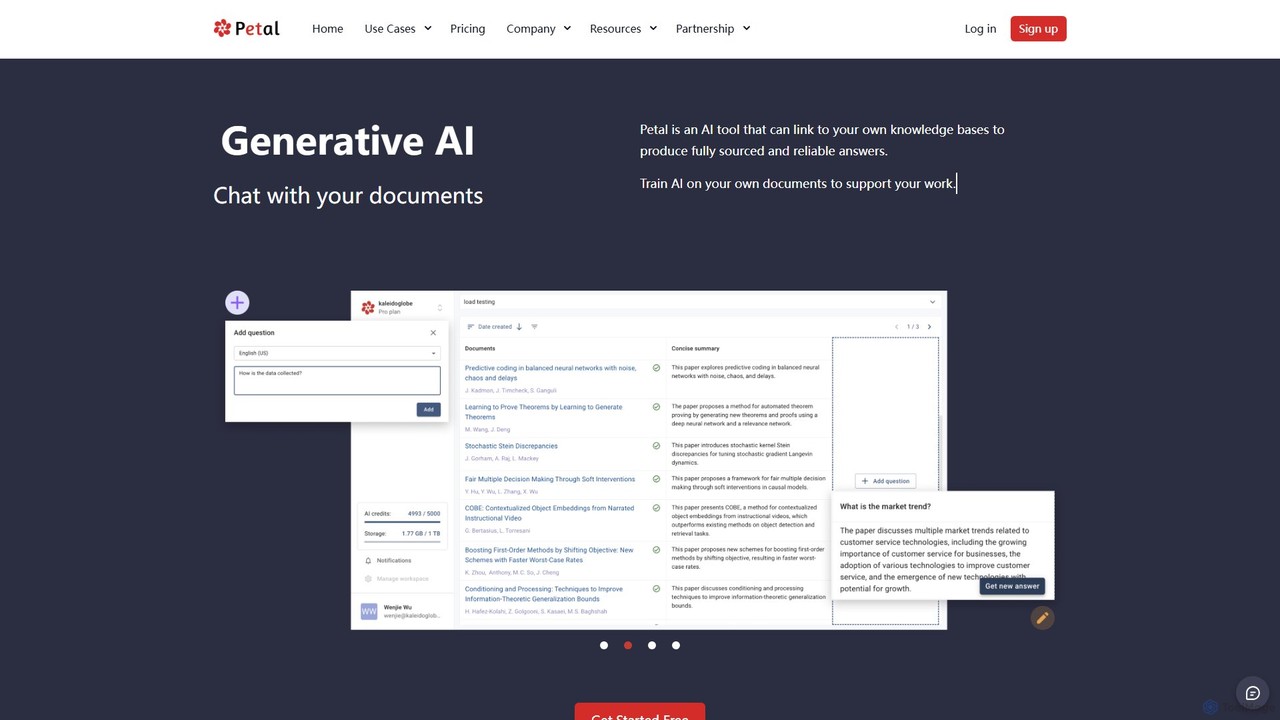
Petal is an AI-powered document analysis platform that transforms your documents into an interactive knowledge base. Chat with your research papers, reports, and books to get instant, sourced answers. Ideal for researchers, academics, and students, it features a reference manager, collaboration tools, and a secure cloud drive.

Chat
Visits 29.7KFavorites 152Likes 153
Paxton
Paid

Paxton

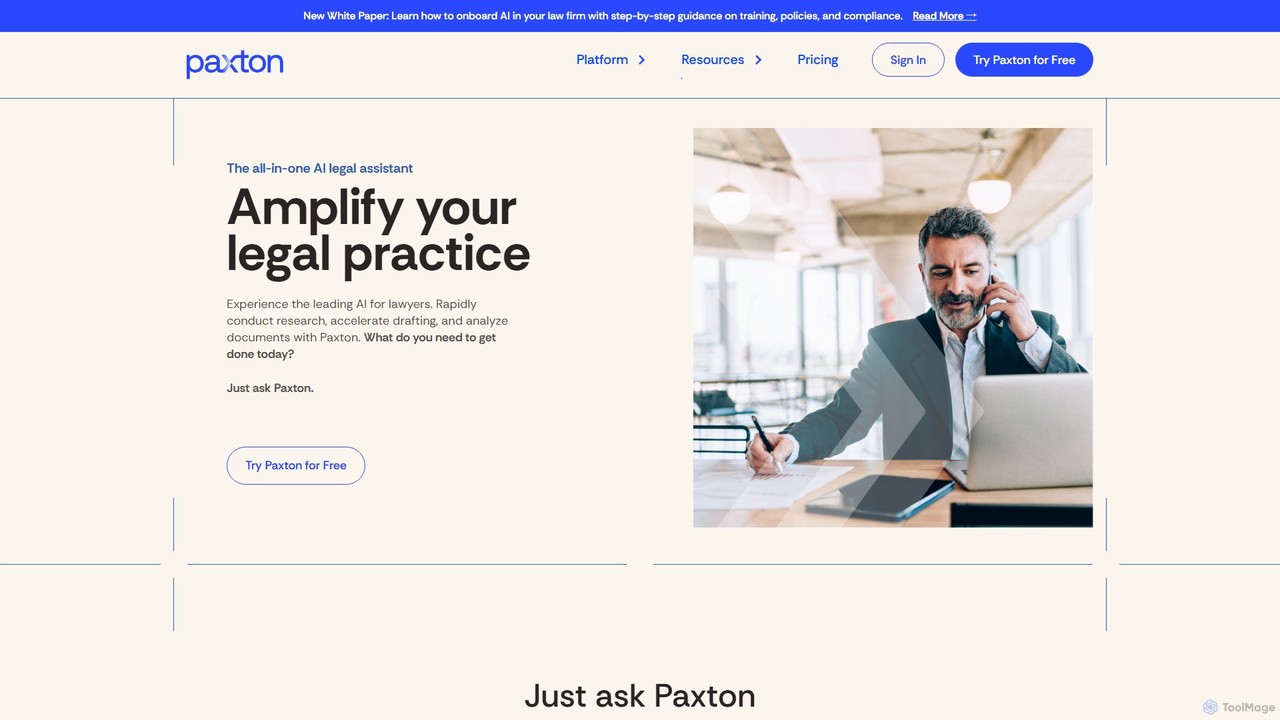
Paxton is an all-in-one AI legal assistant designed to streamline legal workflows. It automates document drafting, provides in-depth document analysis, and conducts contextual legal research, catering to various legal fields like personal injury, family, and corporate law. It serves as a powerful tool for legal professionals to enhance efficiency and accuracy.

Legal Tech
Visits 87.5KFavorites 152Likes 162
Centre for the Governance of AI
Free

Centre for the Governance of AI

The Centre for the Governance of AI (GovAI) is a leading non-profit research organization dedicated to navigating the challenges of advanced AI. It produces in-depth research, policy analysis, and guidance for governments, tech companies, and civil society to ensure responsible AI development and mitigate potential risks. GovAI focuses on security threats, international governance, and the societal impacts of AI, fostering a global community dedicated to shaping a safe and beneficial AI future.

Knowledge Base
Visits 76.1KFavorites 110Likes 119
Deuz AI
Freemium

Deuz AI

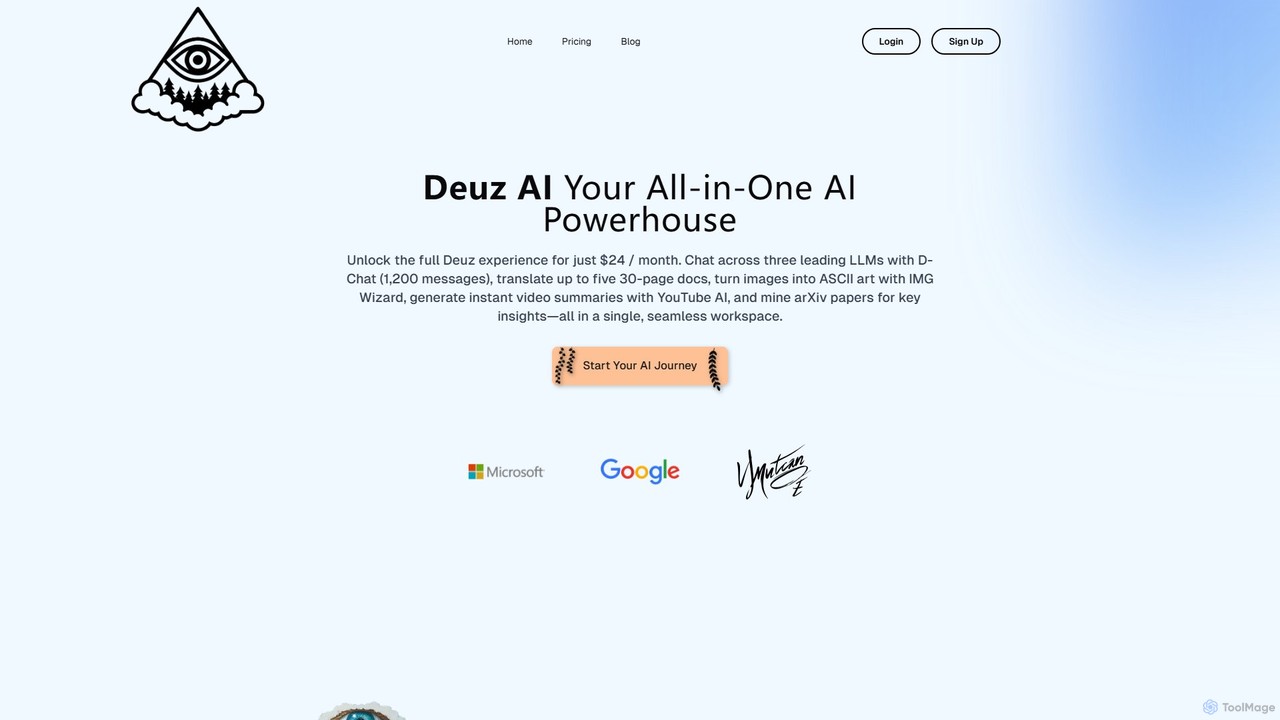
Deuz AI is an all-in-one AI powerhouse that integrates multiple tools into a single workspace. It features a multi-LLM chat, document translation, YouTube video summarization, arXiv paper analysis, and creative tools. It's designed for professionals, researchers, and creators seeking a versatile and efficient AI assistant to streamline their workflow.

Translation
Visits 5.7KFavorites 175Likes 148
Doclime
Freemium

Doclime

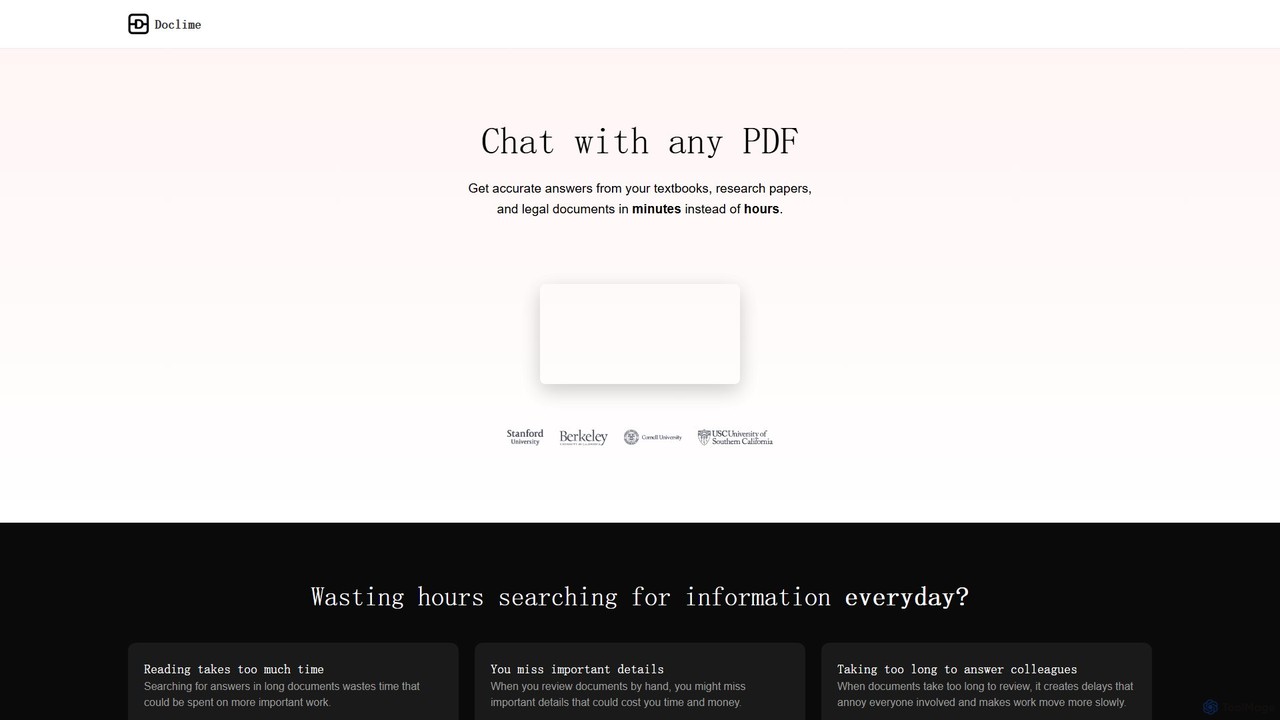
Doclime is an AI-powered document assistant that lets you chat with your PDFs. Upload any document, ask questions in plain English, and get instant, accurate answers with citations. It's designed to help students, researchers, and professionals quickly extract information and insights from dense materials.

Study
Visits 5.7KFavorites 139Likes 149
AIModels.fyi
Freemium

AIModels.fyi

AIModels.fyi is a specialized AI research assistant designed for professionals to track, summarize, and discover the latest AI papers, models, and tools. It cuts through the noise with curated digests and focused alerts, ensuring you never miss a critical breakthrough in the fast-paced world of AI.

Model Discovery
Visits 71.4KFavorites 130Likes 128
Sakana AI

Sakana AI

A Tokyo-based AI research lab founded by industry pioneers, developing novel foundational models inspired by nature. Sakana AI focuses on creating advanced AI agents and solutions for complex optimization problems, catering to enterprise and public sector needs.

Enterprise Solutions
Visits 236.9KFavorites 97Likes 95
Grok
Paid

Grok

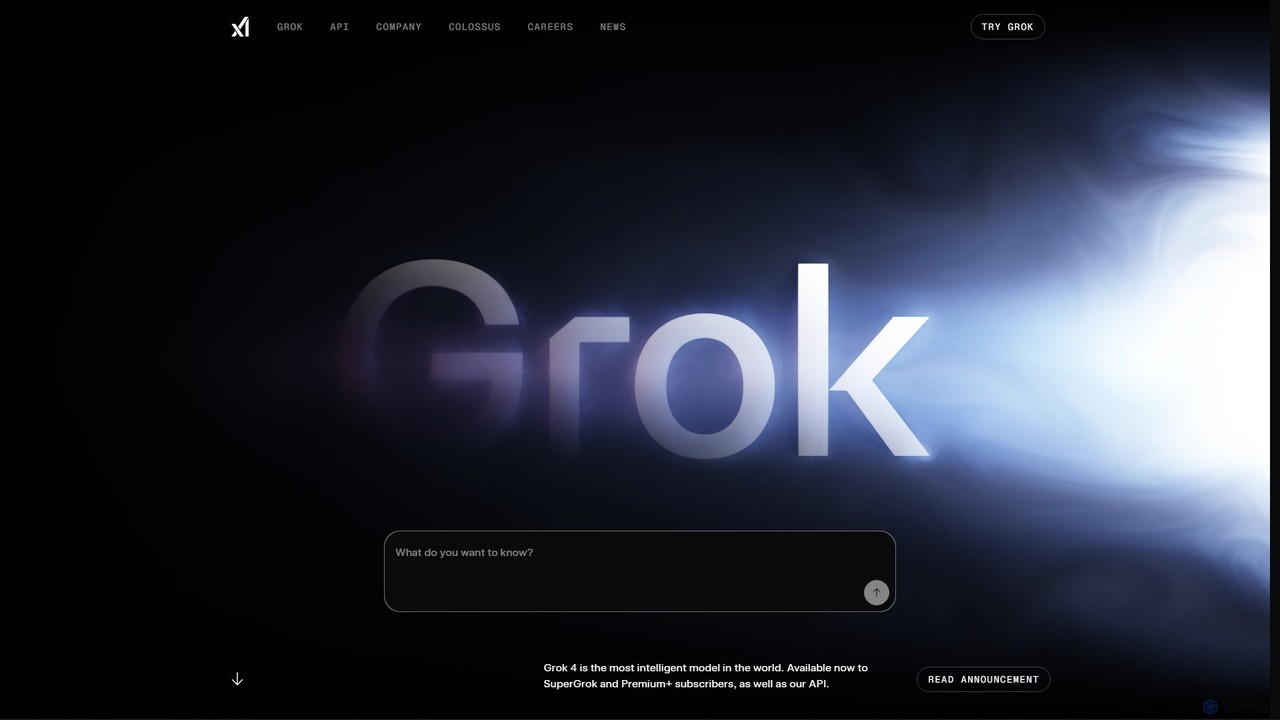
Grok is a conversational AI from xAI, designed to answer questions with wit and a rebellious streak. It uniquely features real-time access to information from the X platform, providing up-to-the-minute insights. Grok assists with research, coding, and content creation, offering a less-filtered perspective compared to other LLMs. It is accessible via X Premium+ subscriptions, dedicated plans, and an API for developers.

Api
Visits 33.1MFavorites 117Likes 117
AI ChatDocs
Freemium

AI ChatDocs

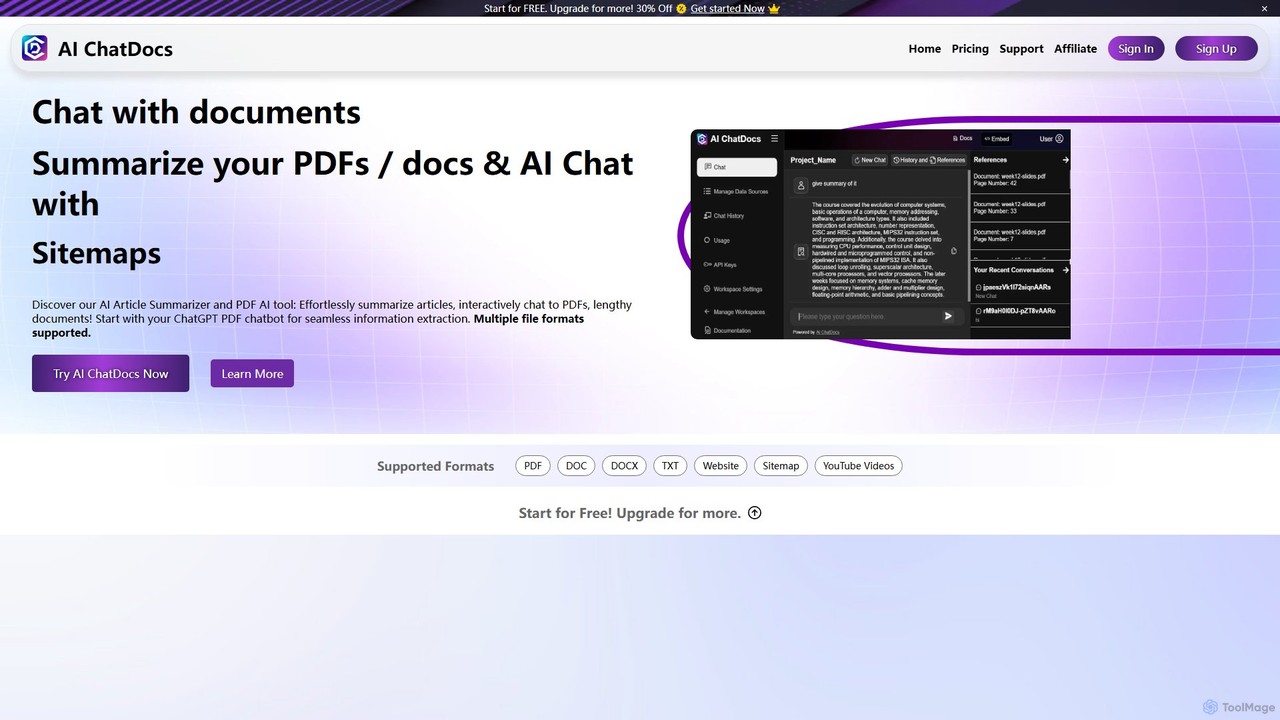
AI ChatDocs is a GPT-4 powered platform that allows you to chat interactively with your documents, websites, and YouTube videos. Instantly summarize long files, extract key insights, and get accurate answers from PDFs, DOCX, and more, streamlining research and analysis for professionals and academics.

Study
Visits 8.7KFavorites 121Likes 130
Bayuegua
Paid

Bayuegua

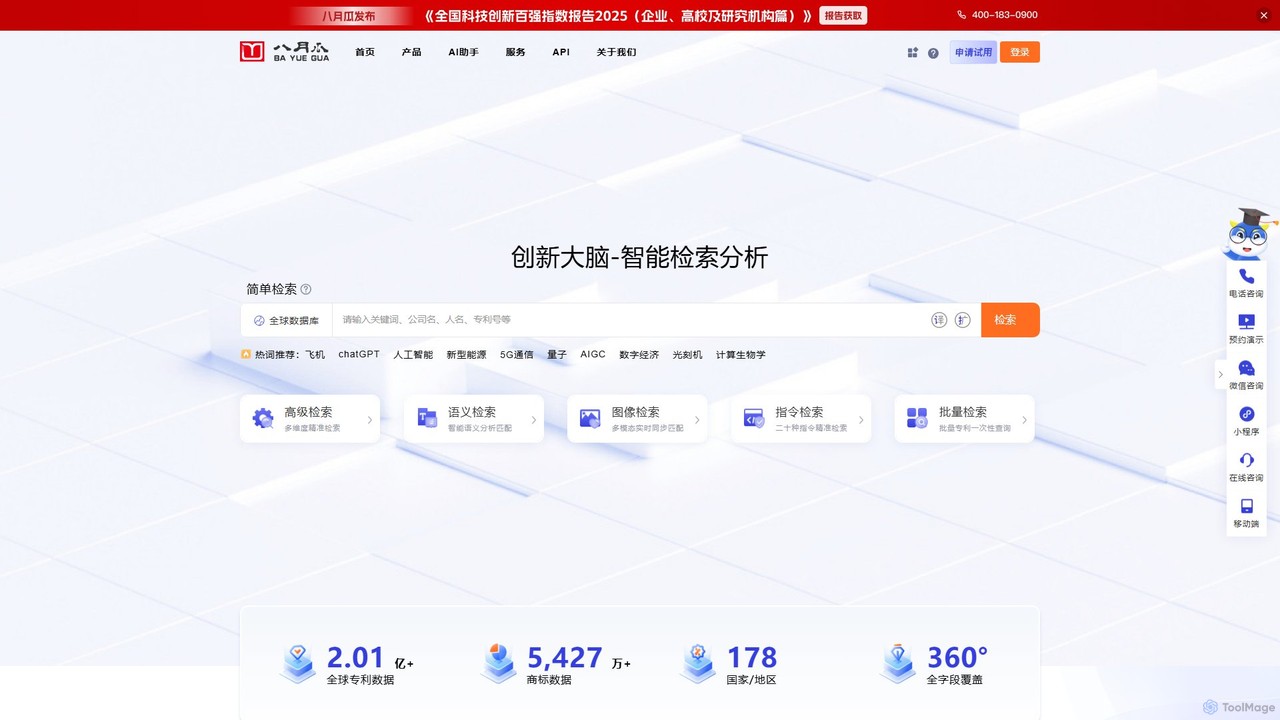
Bayuegua is an AI-powered global patent and intellectual property (IP) analysis platform. It leverages advanced technologies like semantic search, multi-modal image search, and knowledge graphs to provide precise and comprehensive patent retrieval and analysis. With access to over 200 million patents from 178 countries, it helps innovators, researchers, and enterprises to assess novelty, track competitors, and make informed strategic decisions.

Intellectual Property
Visits 13.9KFavorites 174Likes 180
Markwise
Freemium

Markwise

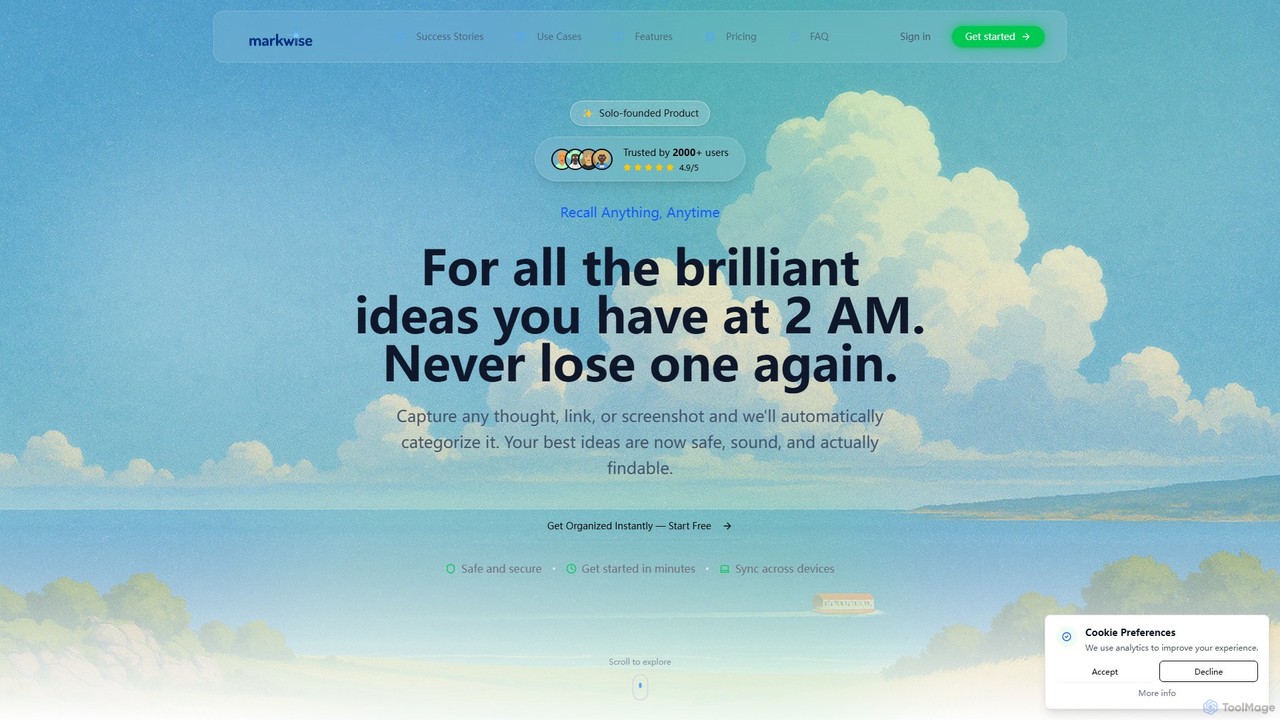
Markwise is an AI-powered knowledge manager that helps you save, organize, and recall bookmarks, notes, and ideas. It automatically categorizes and summarizes your content, allowing you to build a personal, searchable knowledge base. With features like semantic search, project-based Spaces, and a browser extension, it streamlines research and boosts productivity for professionals, students, and creatives.

Bookmarking
Visits 9KFavorites 128Likes 131
PortableDocs
Freemium

PortableDocs

PortableDocs is an AI-powered platform that allows you to chat with your PDF documents. Instantly get summaries, ask complex questions, and extract key information in seconds. It also offers a suite of free tools to encrypt, merge, and remove pages from your PDFs, streamlining your entire document workflow.

Study
Visits 6.9KFavorites 153Likes 141
MyReport by alaba a.i.
Freemium

MyReport by alaba a.i.

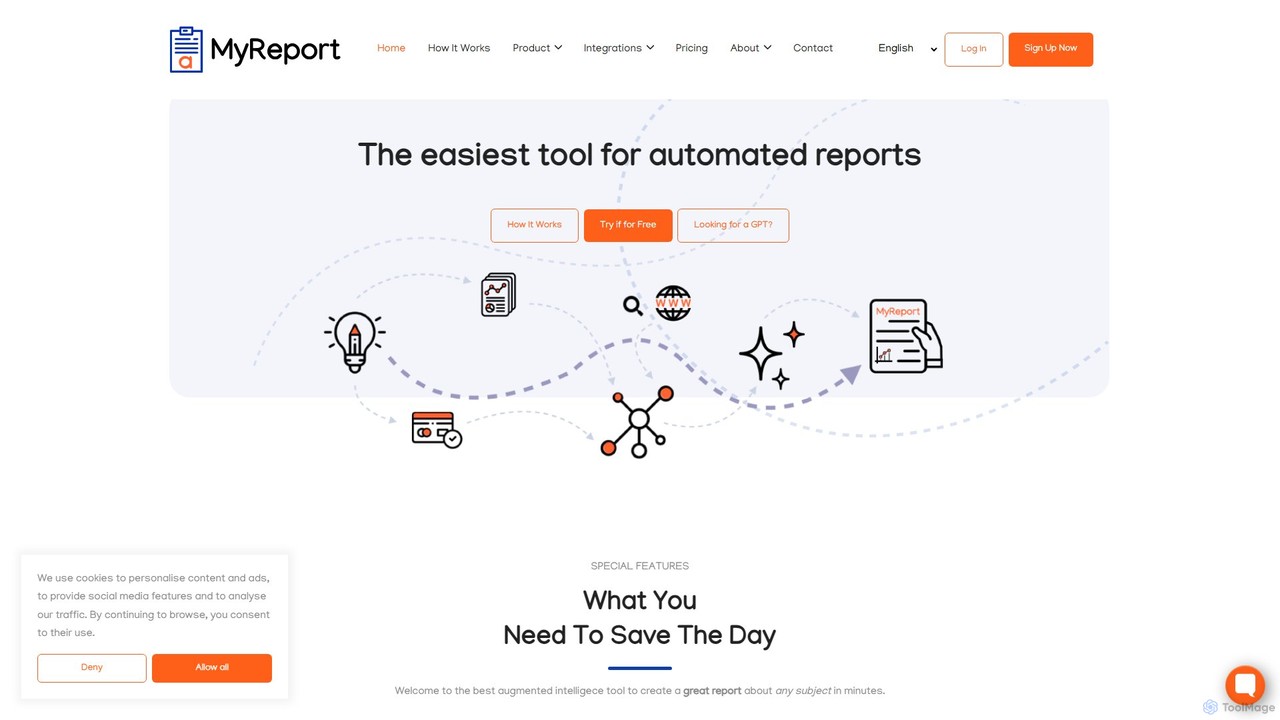
MyReport is an AI-powered tool that automates the creation of comprehensive, well-structured reports on any subject in minutes. Simply provide a topic, and it scours the web or your private documents to generate a complete report with images, graphs, tables, and proper citations, saving you hours of research and writing.

Student Tools
Visits 12.5KFavorites 132Likes 136
thepaperlens
Paid

thepaperlens

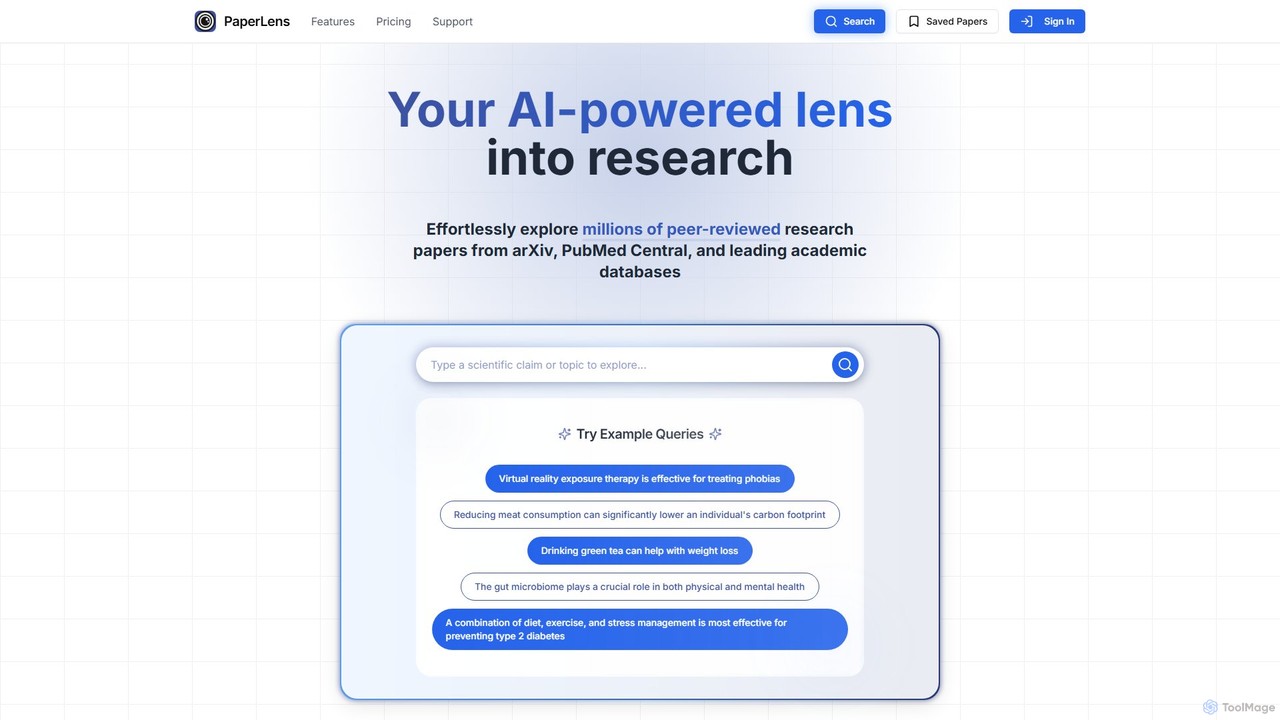
ThePaperLens is an AI-powered research platform that simplifies literature reviews. Using advanced RAG technology, it provides precise semantic search across millions of papers from databases like arXiv and PubMed Central. Features include an interactive AI research assistant chatbot for summaries and insights, smart filtering, and paper-saving capabilities. It's designed for students, academics, and professionals to accelerate their research process and uncover key information efficiently.

Academic
Visits 6.1KFavorites 143Likes 143
AskDocs
Freemium

AskDocs

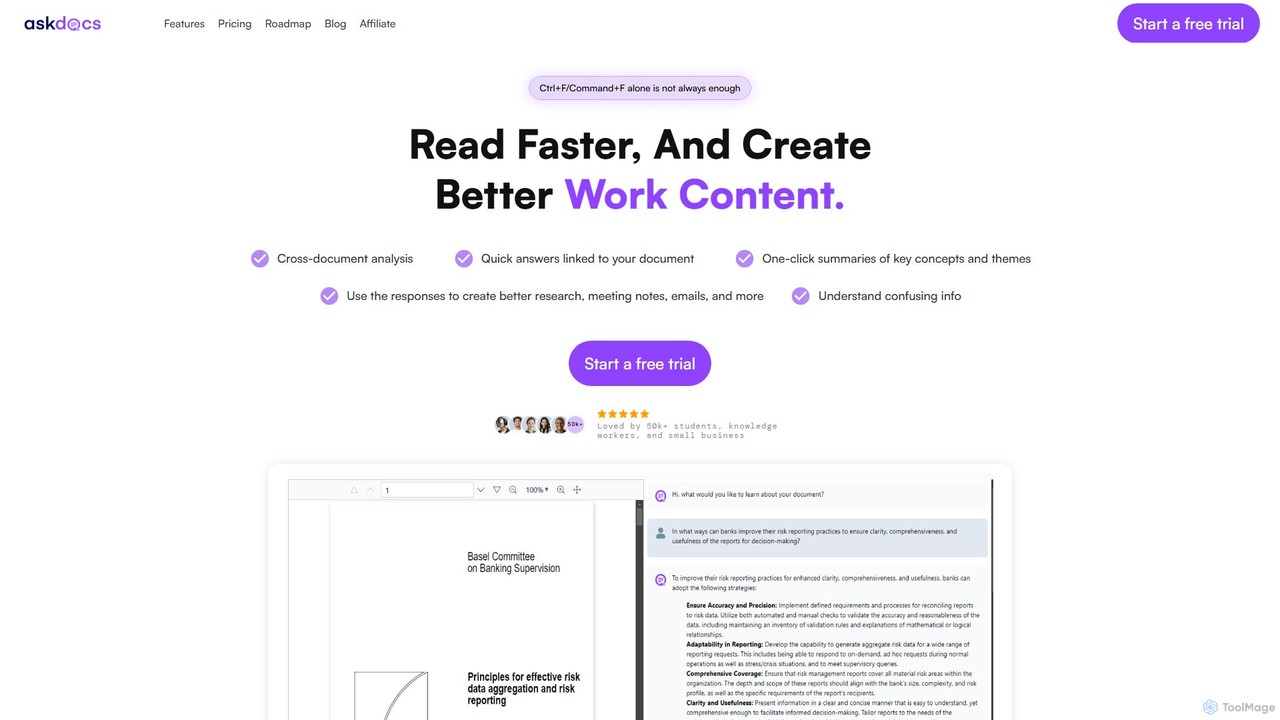
AskDocs is an AI-powered document assistant designed to help you quickly read, understand, and extract information from your files. Chat with single or multiple documents (PDF, DOCX, CSV, etc.), get instant summaries, and receive answers with precise source citations. It's an ideal tool for students, researchers, and professionals looking to accelerate their research and analysis workflows.

Data Analysis
Visits 5.7KFavorites 139Likes 158
pdfbff
Freemium

pdfbff

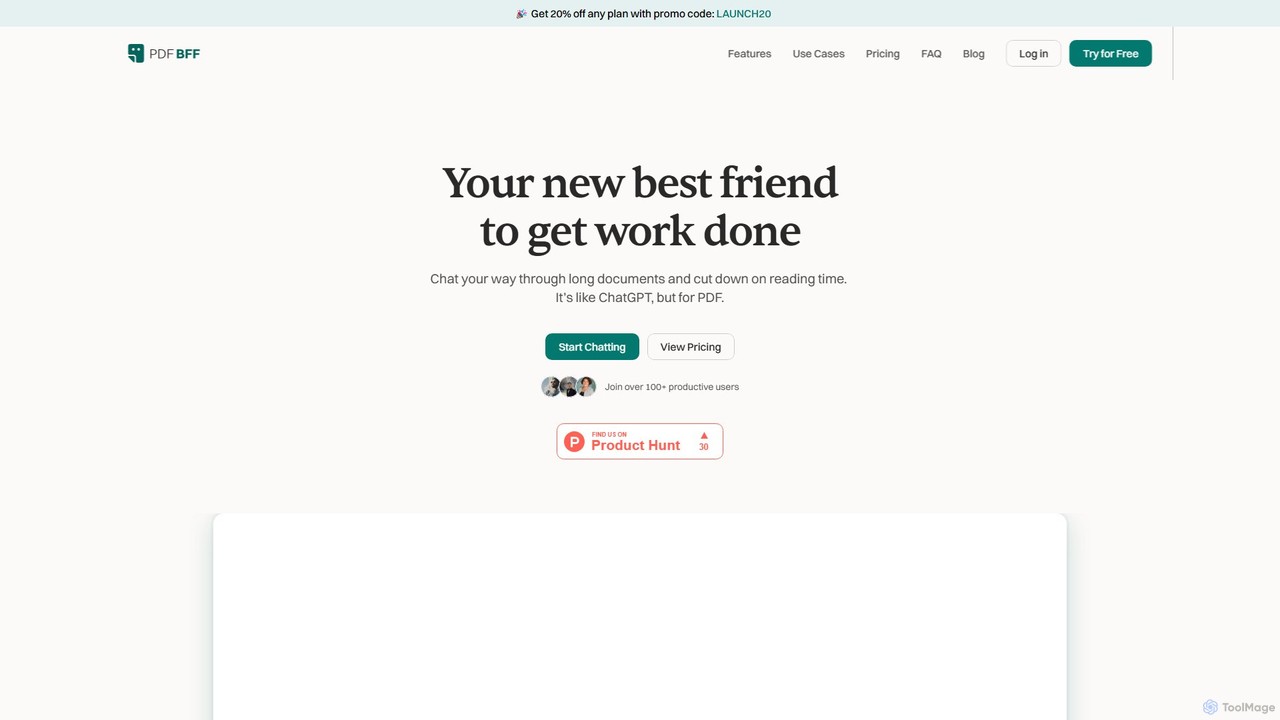
pdfbff is an AI chat tool, like ChatGPT, designed for your PDF documents. Interact with files by asking questions, get instant summaries, and extract key insights in any language. It helps students, researchers, and professionals save time, understand complex information, and streamline their workflow with features like automatic citations and document highlights.

Study
Visits 5.7KFavorites 126Likes 144

About Research

AI Research tools are a class of platforms that leverage artificial intelligence to automate and accelerate the process of information discovery, analysis, and synthesis. These tools utilize Natural Language Processing (NLP) and machine learning to scan, understand, and connect vast amounts of text-based data from scientific papers, reports, and web sources. They empower users to quickly identify key insights, uncover trends, and map out knowledge domains. This significantly reduces the time spent on manual data collection and literature reviews, allowing for a deeper focus on interpretation and innovation.

Core Features

  • Automated Literature Search: Systematically discovers relevant articles, papers, and documents across numerous academic and public databases.
  • Intelligent Summarization: Generates concise, coherent summaries of single or multiple documents, extracting key findings and arguments.
  • Trend & Gap Analysis: Identifies emerging topics, research gaps, and influential authors within a specific field of study.
  • Knowledge Synthesis: Connects disparate pieces of information to build conceptual maps and reveal hidden relationships.
  • Data Extraction: Automatically pulls structured data, such as methodologies, results, or metrics, from unstructured text.

Use Cases

These tools are widely used by academic researchers, PhD students, and scientists to conduct comprehensive literature reviews and stay current with new publications. In the corporate world, market analysts and R&D teams use them for competitive intelligence, patent analysis, and identifying technological trends. Legal professionals and policy analysts also leverage them to quickly process case law and regulatory documents.

How to Choose

When selecting an AI Research tool, consider the breadth and depth of its data sources—does it cover the journals and databases relevant to your field? Evaluate its analytical capabilities, such as summarization quality, trend visualization, and data extraction accuracy. Also, assess its integration with reference managers like Zotero or Mendeley and its overall user-friendliness for formulating complex queries and interpreting results.

Featured tool rankings

Research use cases

1

Accelerating Academic Literature Reviews

A PhD student in biotechnology is starting a new research project. Instead of spending weeks manually searching databases like PubMed and Google Scholar, they use an AI research tool. They input their core research questions and keywords. The tool scans thousands of relevant papers, identifies seminal works, analyzes citation networks, and generates a thematic summary of the current state of research. This process reduces the initial review time from over a month to just a few days, allowing the student to quickly identify a novel research gap and formulate a strong hypothesis.

2

Conducting Market & Competitor Analysis

A market analyst at a tech firm needs to prepare a report on emerging trends in the AI industry. They use an AI research tool to monitor thousands of sources, including industry reports, news articles, company blogs, and financial filings. The tool automatically extracts key information about new product launches, funding rounds, and strategic partnerships. It synthesizes this data into a visual dashboard showing competitor momentum and market shifts. This provides the analyst with real-time, data-driven insights, enabling them to produce a comprehensive competitive landscape analysis in a fraction of the time it would take manually.

3

Patent Landscaping for R&D Strategy

An R&D manager at a pharmaceutical company wants to identify 'white space' for new drug development. They use an AI research tool to analyze tens of thousands of patents in a specific therapeutic area. The tool maps the patent landscape, identifying densely populated areas of innovation and less-explored territories. It also highlights key inventors and assignee companies, revealing potential collaboration partners or acquisition targets. By visualizing complex patent data, the manager can make more informed strategic decisions about where to invest R&D resources to maximize innovation and avoid patent infringement.

4

Automating Systematic Reviews in Medicine

A clinical research team is conducting a systematic review, a process that requires screening thousands of study abstracts against strict inclusion and exclusion criteria. This is traditionally a time-consuming and error-prone task. By using an AI research tool, they can automate the initial screening phase. The AI is trained on the criteria and then rapidly classifies abstracts as 'relevant', 'irrelevant', or 'maybe'. This allows the human researchers to focus their efforts on reviewing the most promising papers, ensuring consistency, reducing bias, and completing the systematic review months ahead of schedule.

5

Generating Novel Research Hypotheses

A researcher in materials science is exploring new avenues for developing sustainable polymers. They feed an AI research tool with a vast dataset comprising existing research papers, chemical property databases, and experimental results. The AI analyzes this multi-modal data to identify non-obvious correlations between different molecular structures and desired properties like biodegradability. Based on these patterns, the tool generates a list of novel, testable hypotheses, suggesting unexplored chemical combinations that could lead to a breakthrough. This augments the researcher's creativity and directs experimental work towards more promising paths.

6

Streamlining Legal and Policy Research

A legal associate is tasked with finding precedents for a complex corporate litigation case. Using an AI research tool specialized in legal documents, they can search across millions of court filings, case laws, and statutes in natural language. The tool not only finds relevant documents but also summarizes key arguments, identifies similar cases, and highlights passages that are most pertinent to their current case. This allows the associate to build a stronger legal strategy in hours instead of days, significantly improving productivity and the quality of their legal groundwork.

Research FAQ

What are AI Research tools?

AI Research tools are software applications that use artificial intelligence, particularly Natural Language Processing (NLP) and machine learning, to automate and enhance the research process. Instead of just finding documents like a search engine, they analyze the content within them to extract key information, identify trends, generate summaries, and reveal connections across vast datasets. Their primary goal is to accelerate information discovery and synthesis, allowing researchers to focus on analysis and insight generation.

How do I choose the right AI Research tool?

Choosing the right tool depends on your specific needs. Consider these factors:

  • Data Sources: Ensure the tool covers the databases, journals, or web sources crucial for your field (e.g., PubMed for medicine, arXiv for physics, legal databases for law).
  • Analytical Features: Do you need simple summarization, or more advanced features like trend analysis, citation mapping, or hypothesis generation?
  • User Interface: Is the platform intuitive? Can you easily refine searches, visualize data, and export results?
  • Integration: Check if it integrates with your existing workflow, such as reference managers (Zotero, Mendeley) or data analysis software.
  • Pricing Model: Evaluate if the cost aligns with your budget and usage frequency, considering free trials versus subscription plans.
How do AI Research tools differ from Google Scholar?

Google Scholar is a powerful search engine for finding academic literature, but its function largely stops at discovery. AI Research tools go a step further. While they also find documents, their core value lies in analysis and synthesis. They read and understand the content of the papers to provide summaries, identify themes, visualize connections between studies, and extract specific data points. In short, Google Scholar helps you find what to read, while AI Research tools help you understand what you've found, much faster.

Can AI tools replace human researchers?

No, AI research tools are designed to augment, not replace, human researchers. They excel at handling large-scale, repetitive tasks like data collection, screening, and initial analysis, which frees up significant time for humans. However, critical thinking, nuanced interpretation, creativity in formulating hypotheses, and ethical judgment remain uniquely human skills. The most effective research workflow combines the computational power of AI with the intellectual depth of a human expert.

Who can benefit from using AI Research tools?

A wide range of professionals can benefit from these tools. Key users include:

  • Academics and Students: For literature reviews, thesis research, and staying updated in their field.
  • Corporate R&D Teams: For patent analysis, technology scouting, and identifying innovation opportunities.
  • Market Analysts: For competitive intelligence, trend analysis, and industry monitoring.
  • Legal Professionals: For case law research, precedent discovery, and regulatory analysis.
  • Journalists and Policy Makers: For evidence-based reporting and policy development by quickly synthesizing large volumes of information.