ToolMage
Sign in

Best 70 Cloud Computing AI tools

Popular Cloud Computing AI tools include AWS, Groq, Ansible Collaborative, Spaceship, CircleCI, Together AI, Firebase Studio, Lightning AI, SiliconFlow, and novita.ai, helping you work more efficiently.

DevBlogs

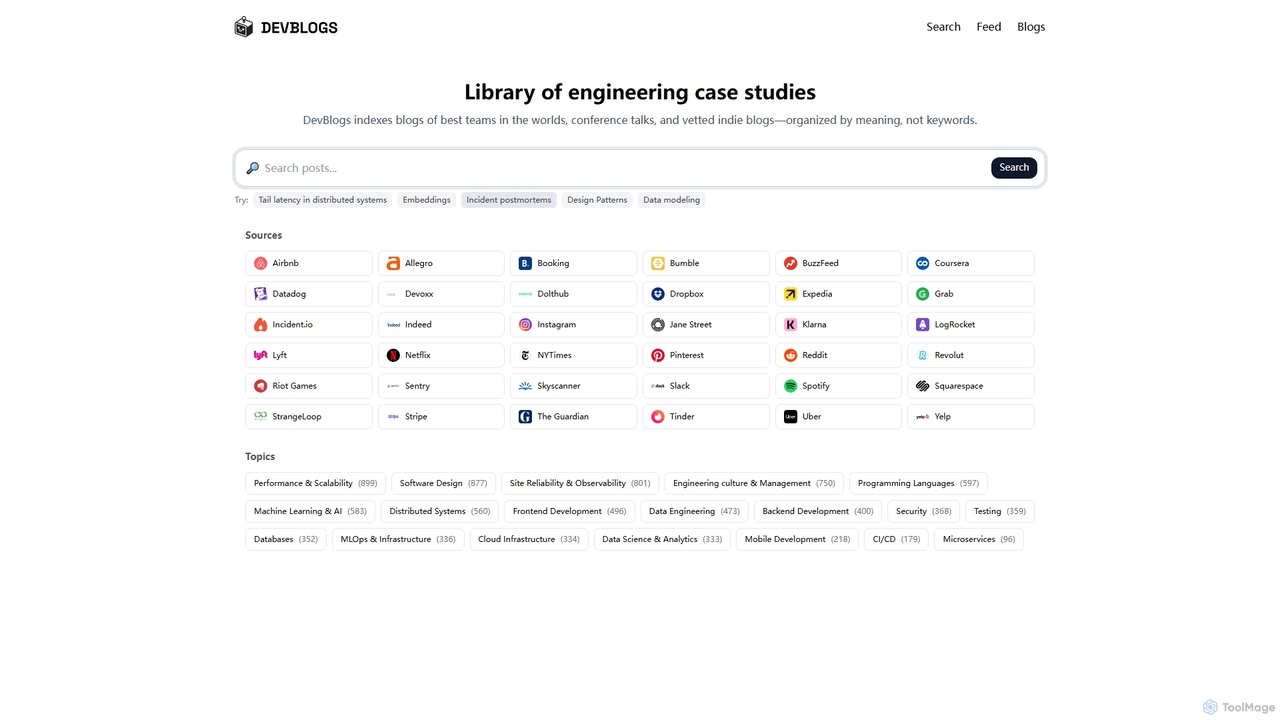
DevBlogs

DevBlogs is a curated library indexing engineering case studies, tech blogs, and conference talks from leading global teams. It organizes content by meaning and specific technical topics, providing a valuable resource for developers and engineers to discover insights and best practices.

Infrastructure
Visits 4.2KFavorites 114Likes 119
Rivestack
Paid

Rivestack

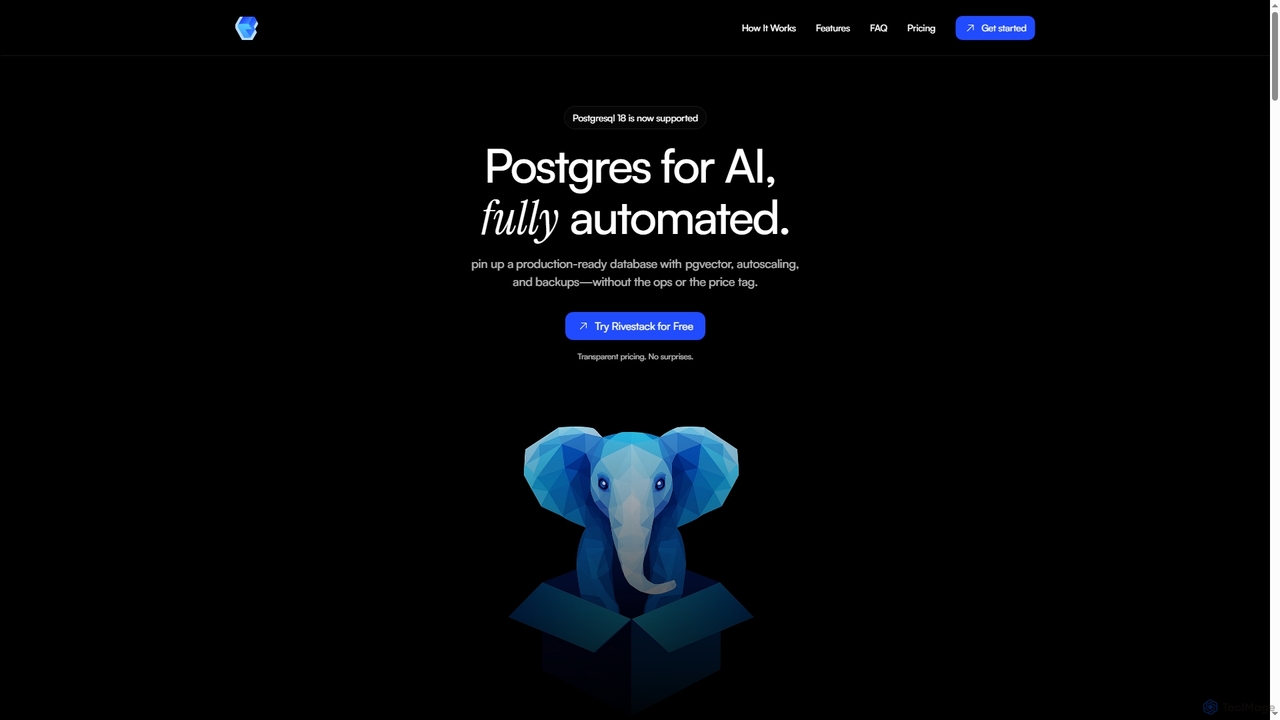
An EU-hosted, managed PostgreSQL database service optimized for AI applications. It provides fully automated deployment with pgvector for vector search, autoscaling, backups, and transparent pricing, enabling developers to launch production-ready databases in minutes.

Vector Database
Visits 6.7KFavorites 96Likes 96
GenieEngage
Paid

GenieEngage

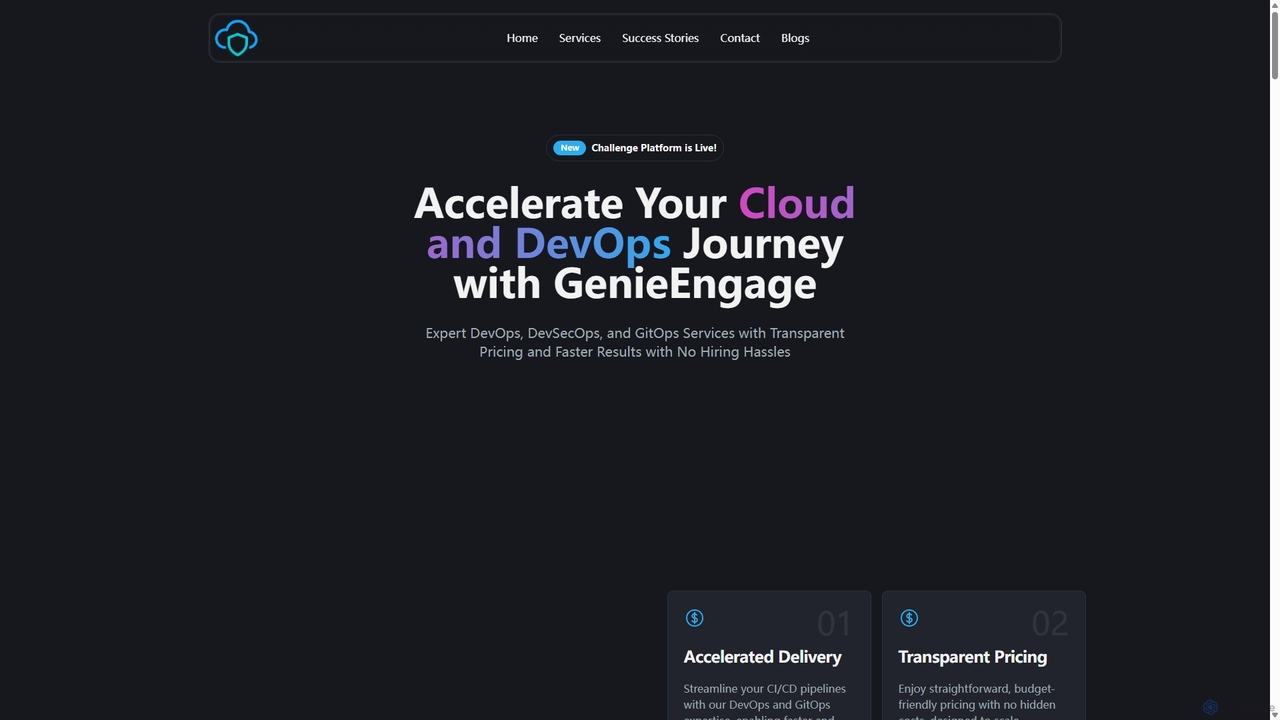
GenieEngage is a DevOps-as-a-Service partner providing expert solutions in DevOps, DevSecOps, and GitOps. It helps businesses accelerate software delivery, enhance security, and scale infrastructure on clouds like AWS, Azure, and GCP, offering a full team of experts as a cost-effective alternative to in-house hiring.

Infrastructure Management
Visits 4.3KFavorites 129Likes 130
Avian
Paid

Avian

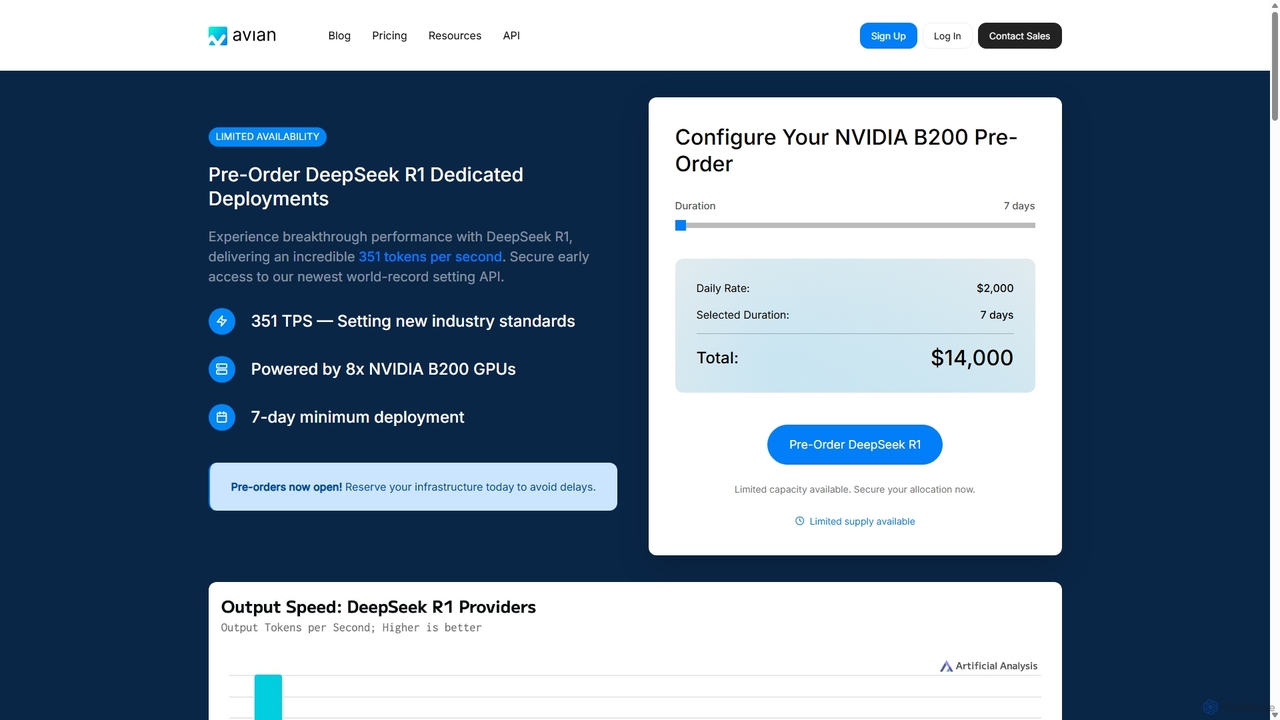
Avian is a high-performance AI inference platform offering world-record speeds for large language models (LLMs). It provides both a serverless API for popular models and dedicated GPU deployments for custom models from HuggingFace. Designed for scalability and production workloads, Avian delivers 3-10x faster inference speeds than the industry average, with enterprise-grade security and competitive pricing.

Model Deployment
Visits 12.6KFavorites 97Likes 91
Release.ai
Freemium

Release.ai

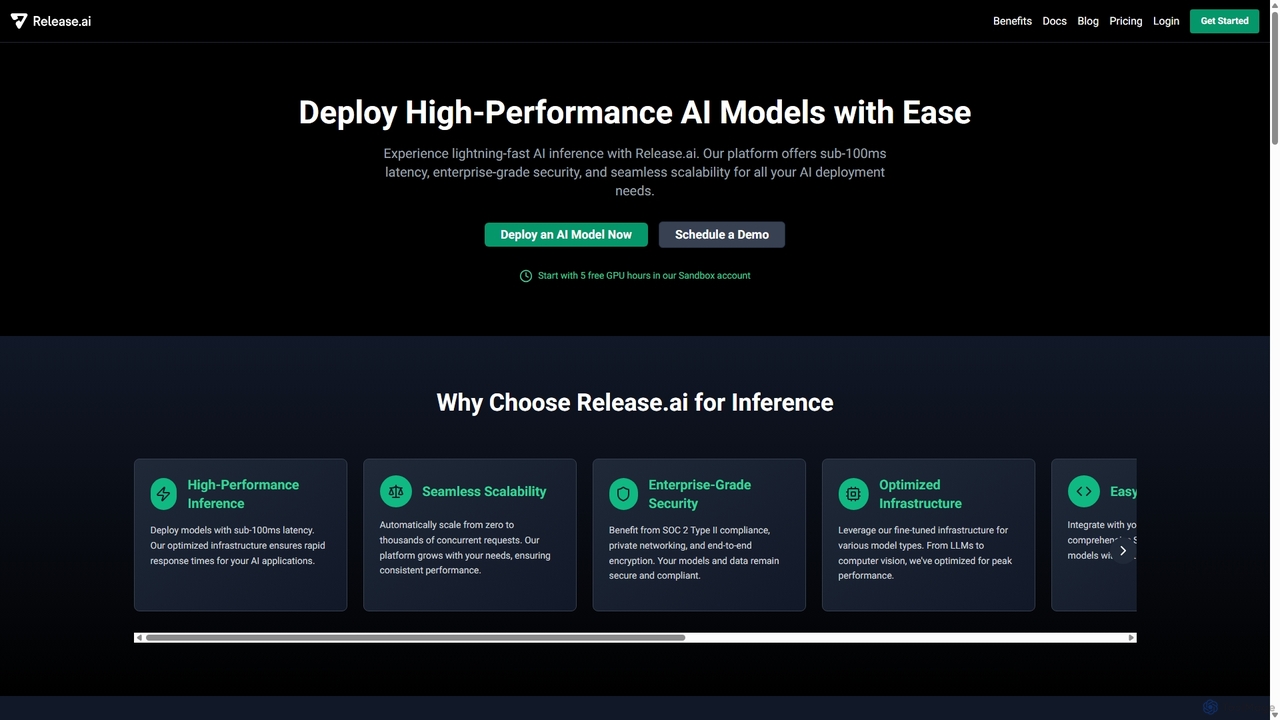
Release.ai is an enterprise-grade platform for developers to easily deploy, manage, and scale high-performance AI models. It offers sub-100ms inference latency, seamless auto-scaling, robust security, and a vast library of pre-optimized models, enabling rapid integration into any development workflow with just a few lines of code.

Platform As A Service (Paas)
Visits 6.8KFavorites 146Likes 154
Prodvana
Paid

Prodvana

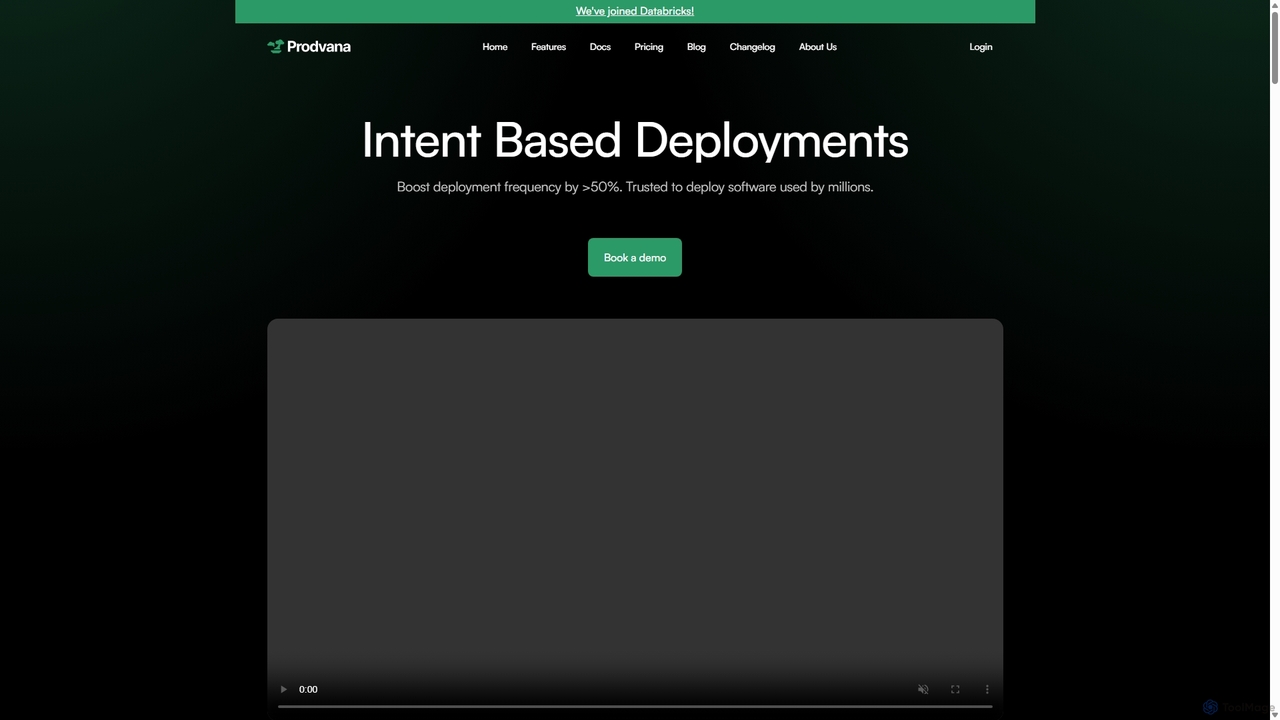
Prodvana is an intelligent, intent-based deployment platform designed for modern software delivery. It helps engineering teams accelerate deployment frequency, enhance reliability, and reduce operational overhead by automating release paths, providing pre-deployment insights, and seamlessly integrating with existing infrastructure like Kubernetes, Terraform, and serverless providers.

Infrastructure Management
Visits 4.3KFavorites 93Likes 86
SiliconFlow
Freemium

SiliconFlow

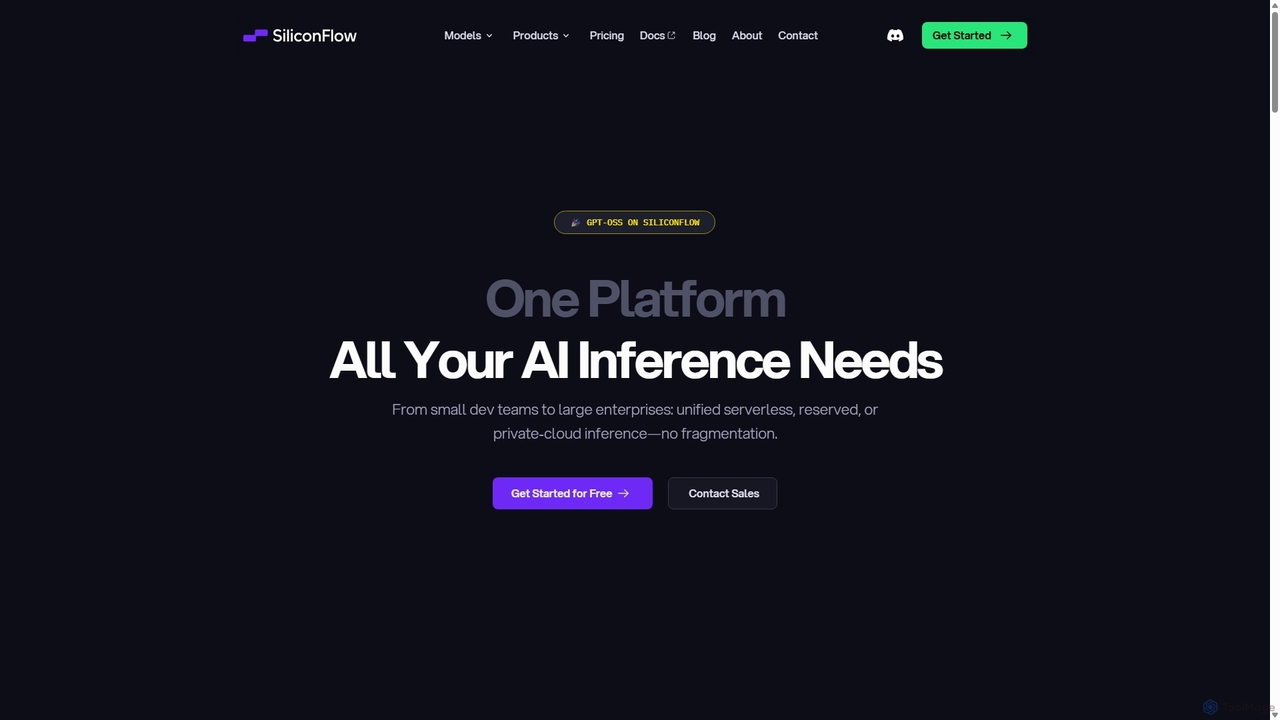
SiliconFlow is a unified AI infrastructure platform designed for high-performance inference of Large Language Models (LLMs) and multimodal models. It provides developers and enterprises with scalable, cost-effective, and flexible deployment options, including serverless APIs, reserved GPUs, and fine-tuning capabilities, all accessible through a single, OpenAI-compatible API.

Ai & Machine Learning
Visits 438.6KFavorites 153Likes 149
Vagon
Paid

Vagon

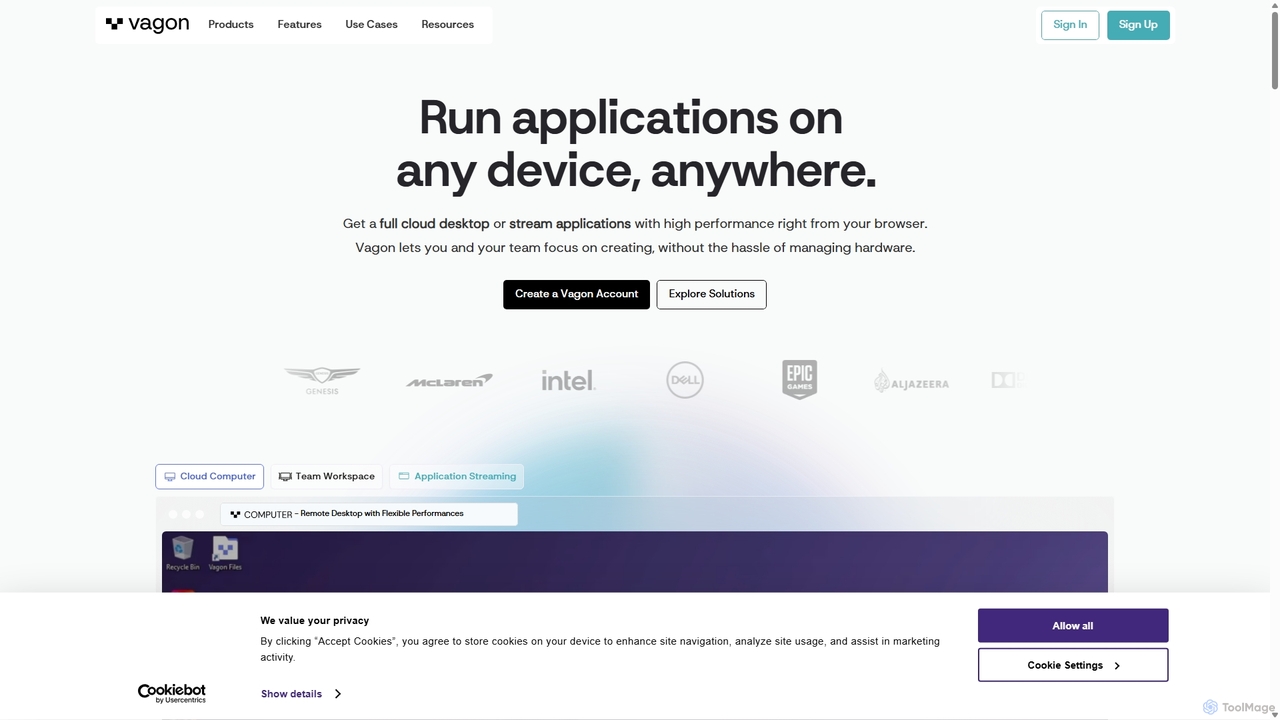
Vagon is a high-performance cloud computing platform that provides users with powerful virtual desktops accessible from any device. It's designed for professionals like creatives, engineers, and developers to run demanding applications such as 3D rendering, video editing, and game development without needing expensive local hardware. Vagon offers scalable GPU, CPU, and storage options with a flexible pay-as-you-go model, enabling seamless remote work and collaboration.

Virtual Desktops
Visits 318.1KFavorites 125Likes 114
Convox
Freemium

Convox

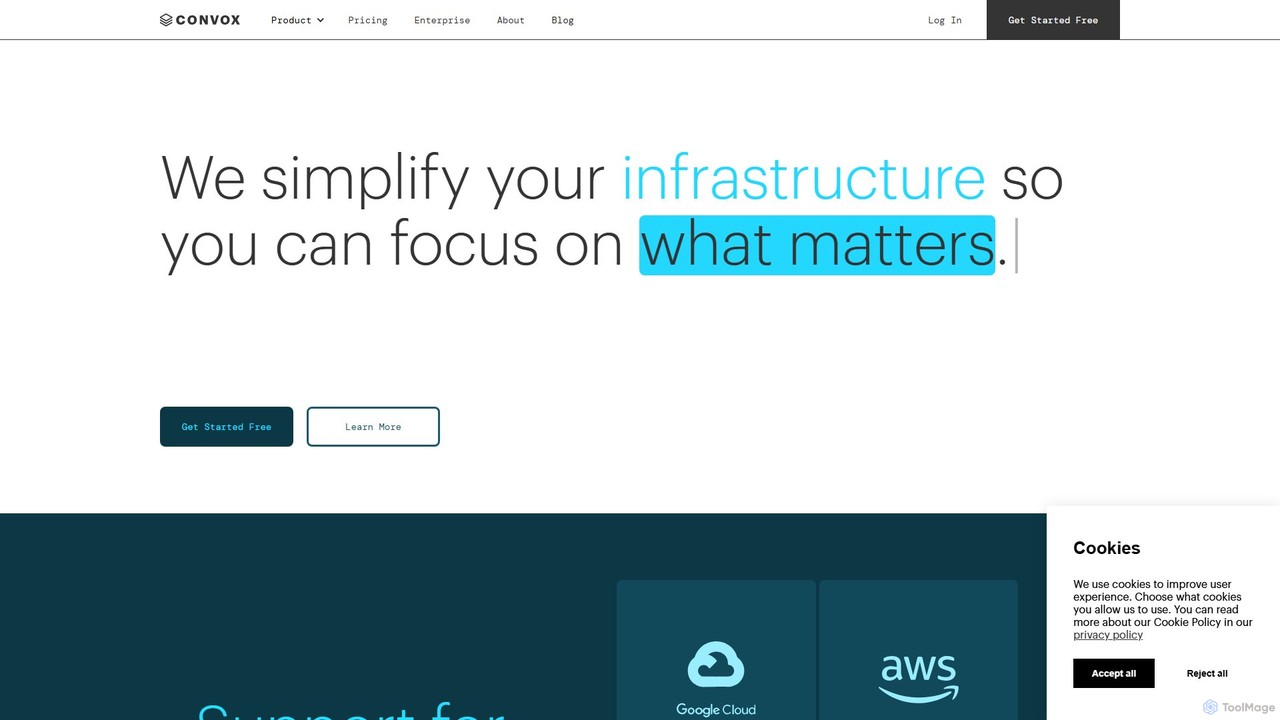
Convox is a Platform as a Service (PaaS) that automates cloud infrastructure management. It simplifies application deployment, scaling, monitoring, and CI/CD on major cloud providers like AWS and GCP, allowing development teams to focus on writing code instead of managing complex operations.

Paas
Visits 8.9KFavorites 119Likes 104
Milk Infrastructure
Paid

Milk Infrastructure

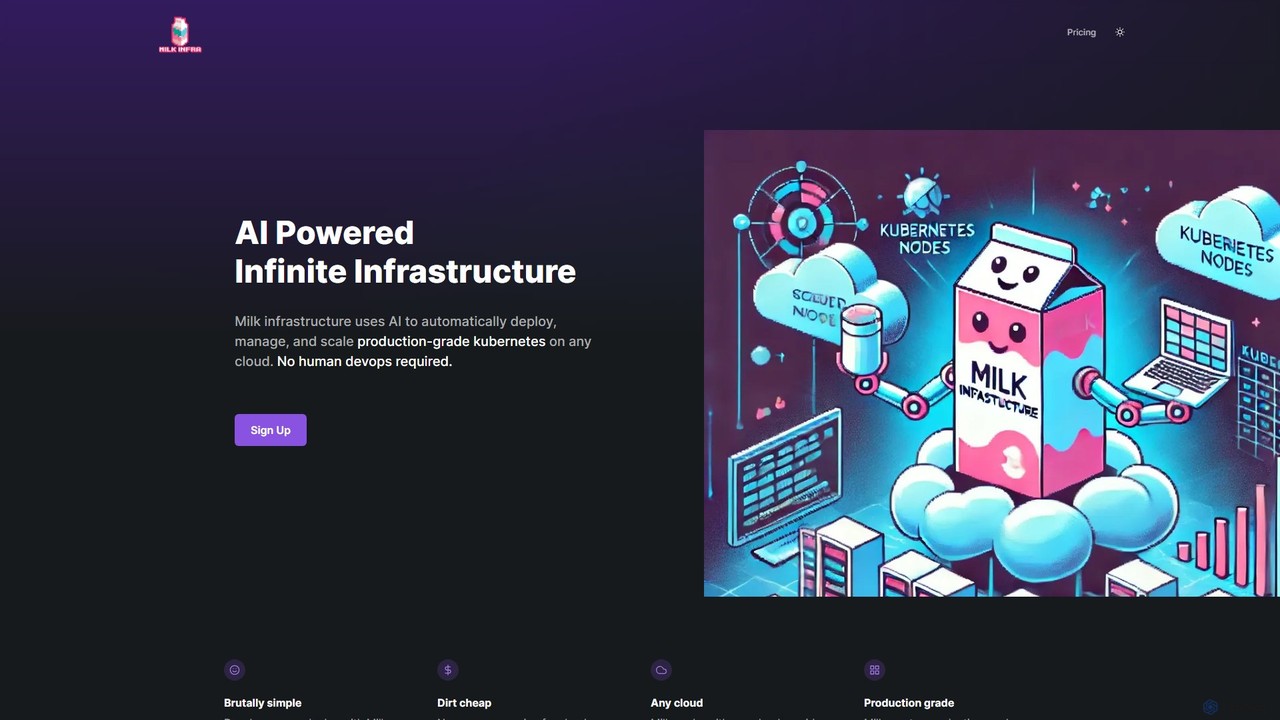
Milk Infrastructure is an AI-powered platform that automates the deployment, management, and scaling of production-grade Kubernetes clusters on any cloud. It eliminates the need for human DevOps, allowing developers to deploy applications effortlessly via GitHub. With features like dynamic scaling, built-in CI/CD, and an Infrastructure as Code approach, it offers a cost-effective and simple solution for modern application hosting.

Infrastructure Management
Visits 4.4KFavorites 132Likes 140
Plural
Freemium

Plural

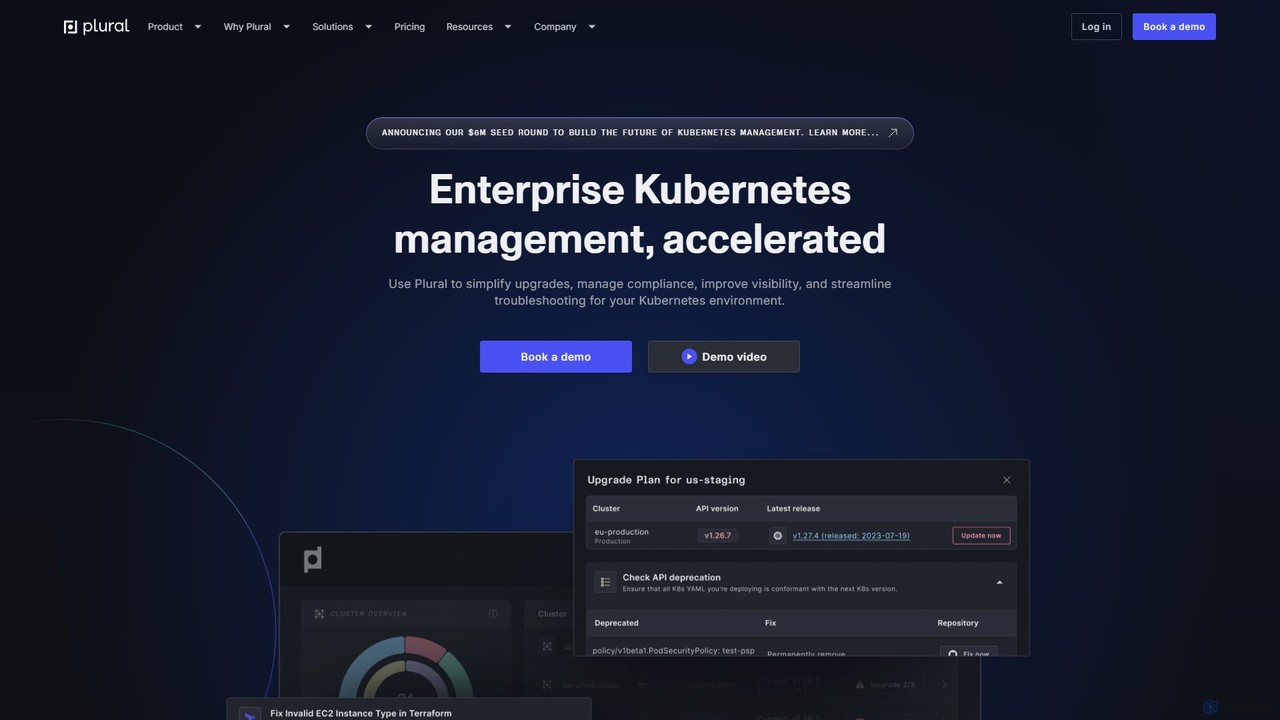
Plural is an AI-powered enterprise Kubernetes management platform designed to accelerate and simplify operations. It provides multi-cloud visibility, automates complex upgrades, offers AI-driven troubleshooting, and ensures robust security and compliance. Ideal for DevOps and platform engineering teams, Plural reduces operational costs and enhances developer velocity.

Multi Cloud Management
Visits 60.7KFavorites 93Likes 101
Pipekit
Paid

Pipekit

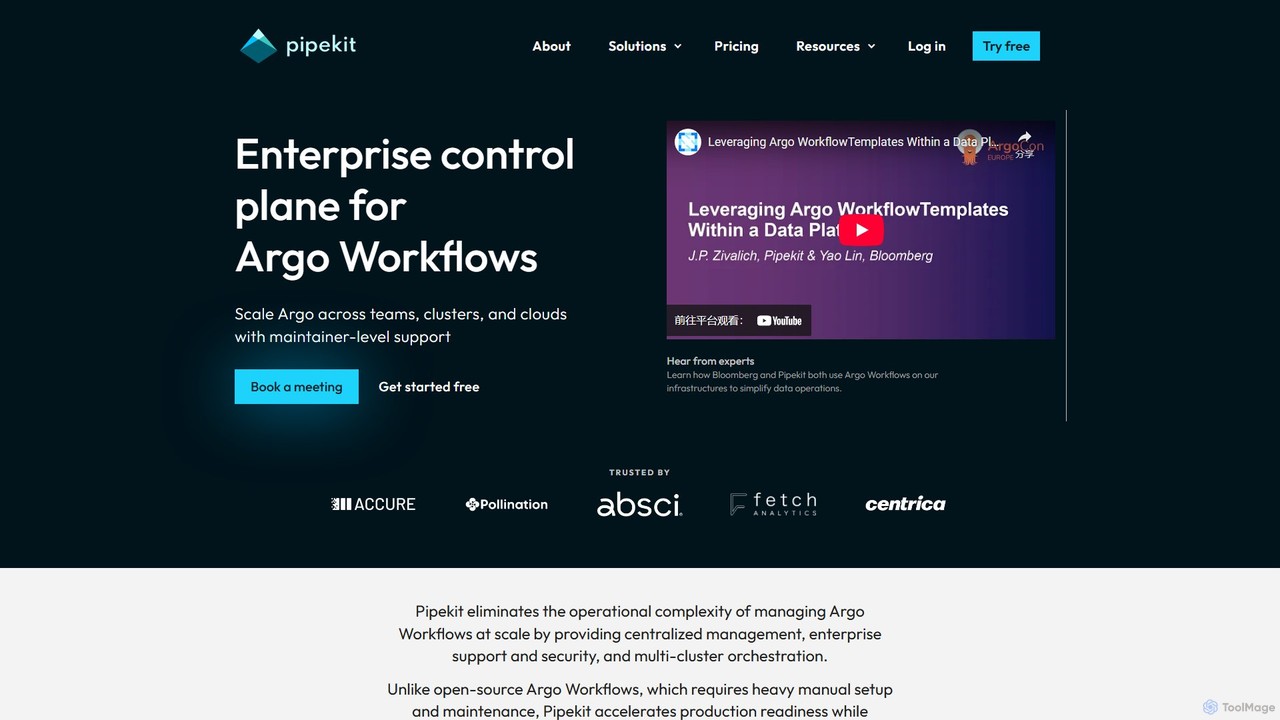
Pipekit is an enterprise-grade control plane and support service for Argo Workflows. It empowers platform and data teams to run, monitor, and govern large-scale data, MLOps, and CI/CD pipelines on Kubernetes across multiple clusters and clouds.

Orchestration
Visits 10.2KFavorites 160Likes 154
c/ua
Freemium

c/ua

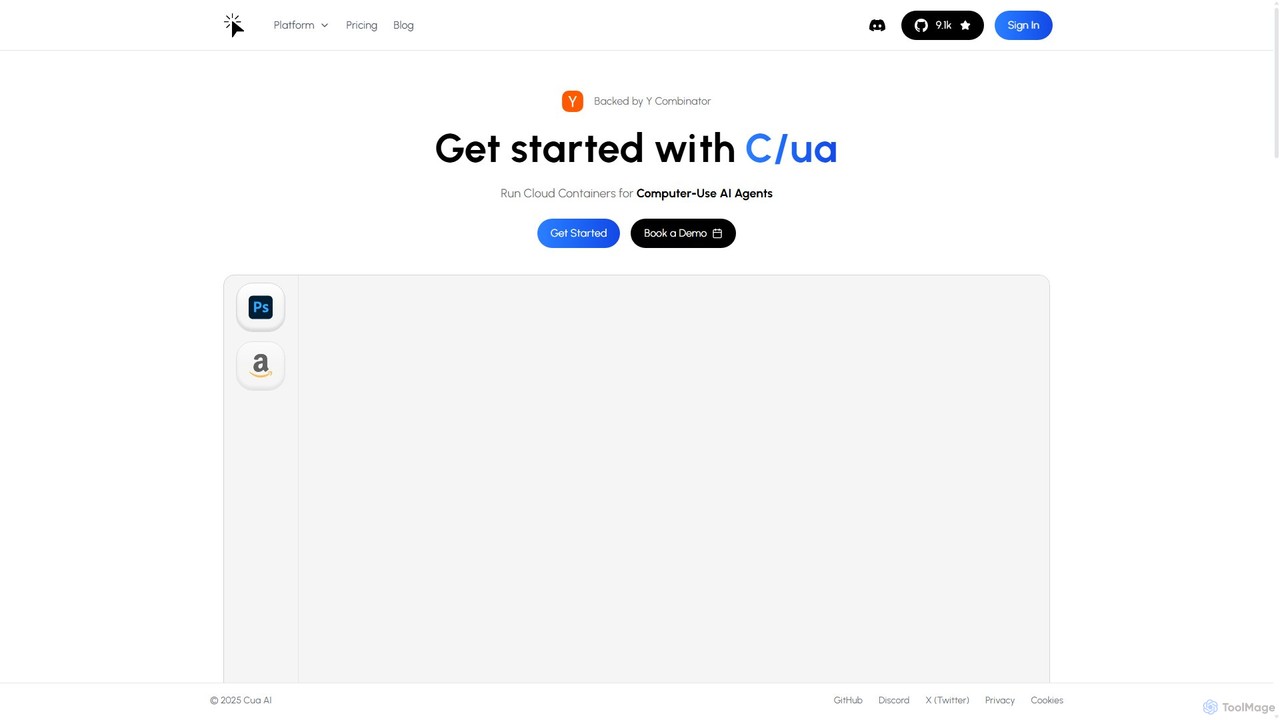
c/ua is a Y Combinator-backed platform providing secure, isolated cloud containers for running Computer-Use AI Agents. It simplifies infrastructure, allowing developers to deploy and manage agentic RPA workflows across macOS, Linux, and Windows with support for multiple LLM providers.

Robotic Process Automation
Visits 4.3KFavorites 127Likes 124
NetMind
Freemium

NetMind

NetMind is an AI optimization platform designed to make large-scale AI models more efficient and accessible. It provides a suite of tools for model compression, inference acceleration, and distributed training, enabling developers to run complex models on standard hardware. By significantly reducing computational costs and latency, NetMind helps businesses deploy powerful AI solutions sustainably and cost-effectively, from the cloud to edge devices.

Mlops
Visits 12.8KFavorites 139Likes 127
FuriosaAI

FuriosaAI

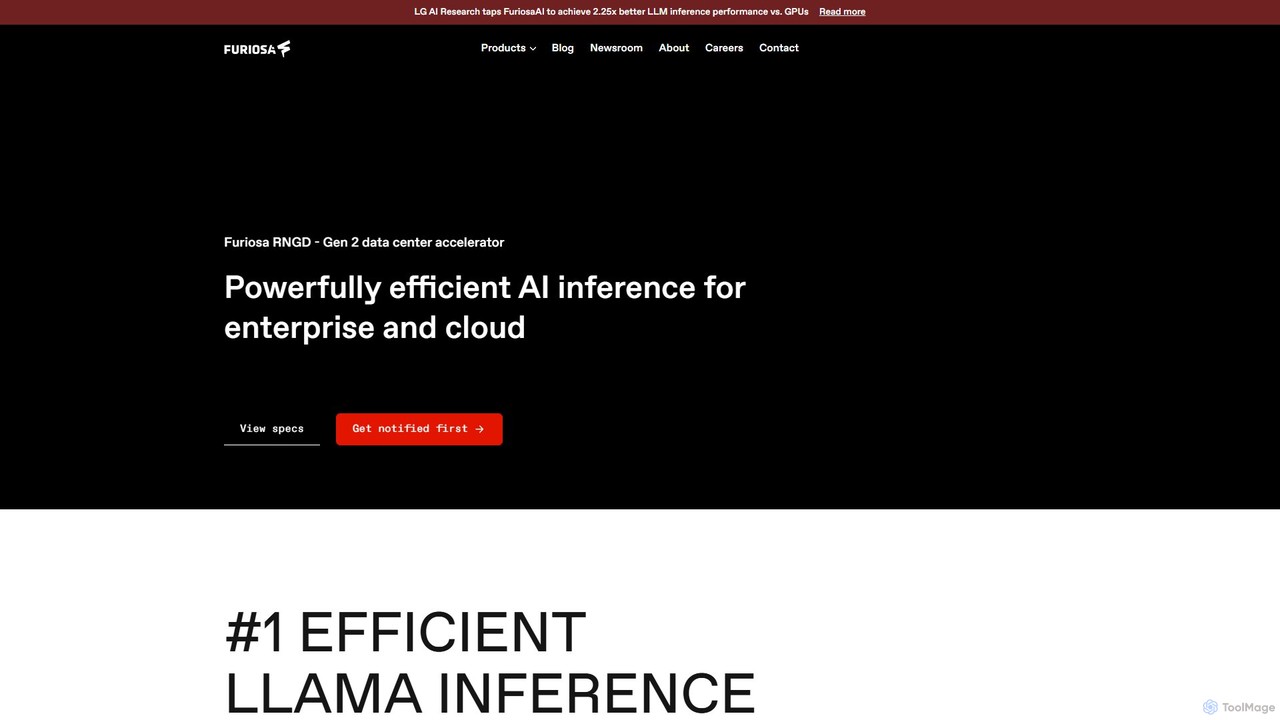
FuriosaAI develops high-performance, power-efficient AI accelerators for data centers. Its flagship product, RNGD, is designed for demanding AI inference tasks, particularly for large language models (LLMs). Featuring the innovative Tensor Contraction Processor (TCP) architecture, RNGD delivers exceptional performance at a very low 180W power consumption, significantly reducing the total cost of ownership and environmental impact for enterprise and cloud AI deployments.

Infrastructure
Visits 36.6KFavorites 149Likes 150
Groq
Freemium

Groq

Groq is a revolutionary AI inference platform providing developers with unparalleled speed and cost-efficiency. Powered by its custom-built Language Processing Unit (LPU), Groq delivers real-time performance for large language models (LLMs), speech recognition, and text-to-speech applications. It offers a developer-friendly API, enabling seamless integration for building next-generation, low-latency AI solutions at scale.

Ai Services
Visits 3.6MFavorites 131Likes 140
Rescale
Paid

Rescale

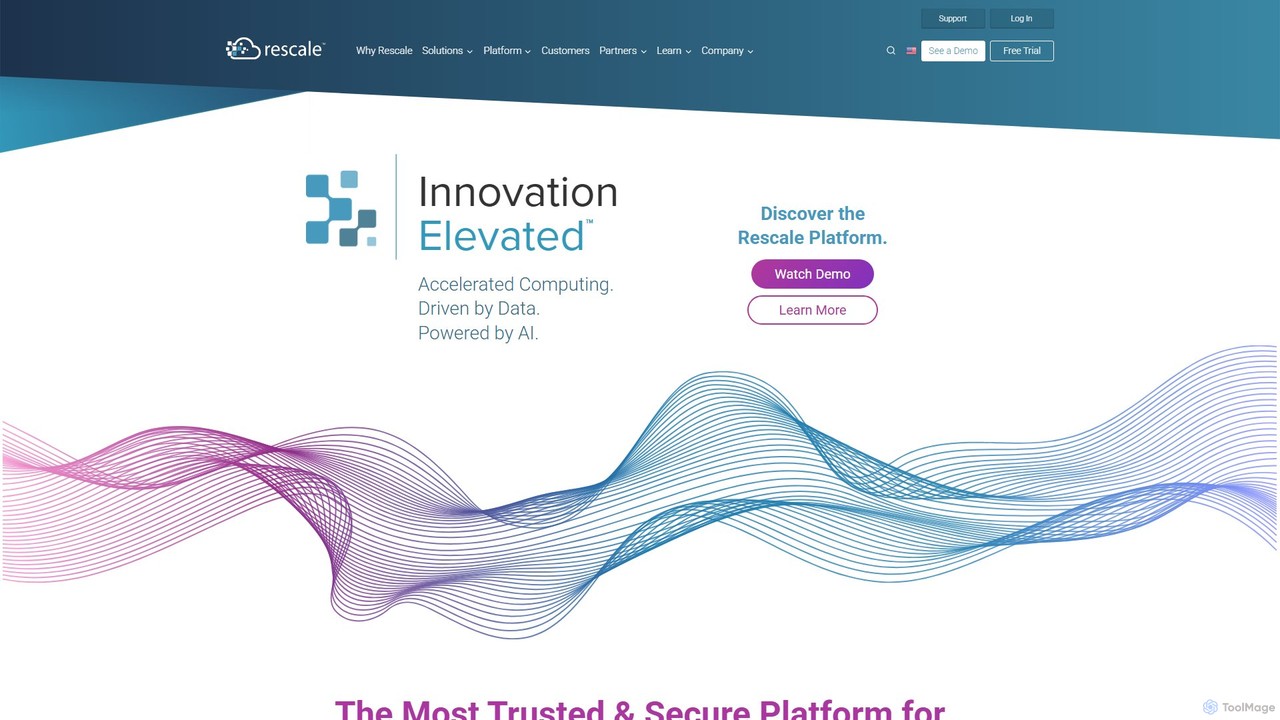
Rescale is a cloud-based High Performance Computing (HPC) platform designed to accelerate engineering and scientific R&D. It provides on-demand access to a multi-cloud infrastructure, a vast catalog of simulation and AI software, and a unified environment for managing complex workflows, data, and security. It empowers organizations in aerospace, automotive, life sciences, and more to innovate faster and more efficiently.

High Performance Computing (Hpc)
Visits 121.2KFavorites 127Likes 116
cloudnein
Freemium

cloudnein

cloudnein is an AI-powered cloud management platform designed to optimize costs, enhance security, and automate operations for AWS, GCP, and Azure. It provides intelligent recommendations and proactive insights to help businesses manage their cloud infrastructure efficiently and securely.

Management
Visits 4.2KFavorites 125Likes 152
Ansible Collaborative
Freemium

Ansible Collaborative

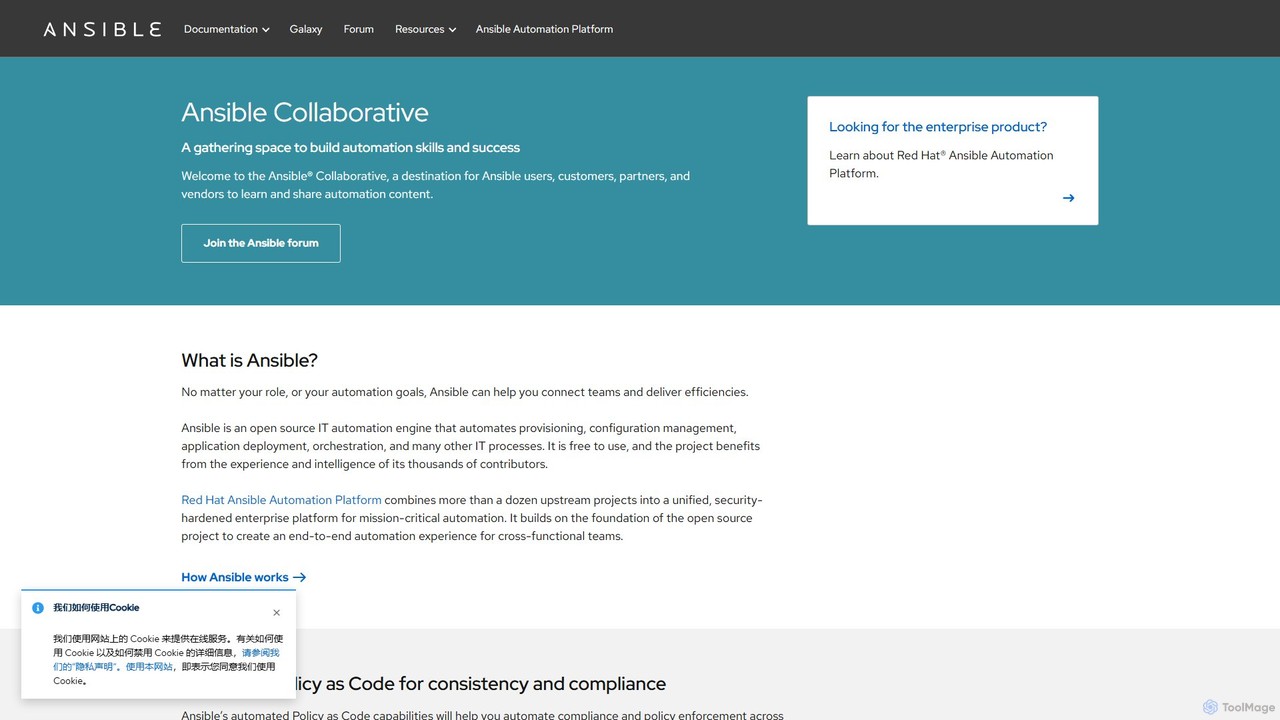
Ansible Collaborative is a central hub for the Ansible open-source community, providing resources for IT automation. It offers documentation, forums, and access to Ansible Galaxy for pre-built content. Users can learn to automate provisioning, configuration management, and application deployment. While the core Ansible project is free, it serves as the foundation for the enterprise-grade Red Hat Ansible Automation Platform, which adds advanced features like generative AI and event-driven automation.

Infrastructure As Code
Visits 3.5MFavorites 122Likes 116
Project IDX
Freemium

Project IDX

Project IDX, now evolving into Firebase Studio, is a cloud-based, AI-powered workspace for full-stack, multi-platform application development. It offers a pre-configured environment with AI code assistance, integrated multi-platform previews, and seamless Firebase integration. Ideal for developers looking to build, test, and deploy web and mobile apps faster, without local setup complexities.

Paas
Visits 204.8KFavorites 139Likes 136
Signadot
Freemium

Signadot

Signadot is a Kubernetes-native microservices testing platform designed for high-velocity engineering teams. It unifies local testing, preview environments, and AI-powered contract testing (SmartTests) into a single solution. By creating lightweight, isolated 'Sandboxes' in seconds, it helps teams accelerate development cycles, reduce infrastructure costs, and improve release quality without duplicating entire environments.

Kubernetes
Visits 21.1KFavorites 126Likes 121
AIaC by Firefly
Free

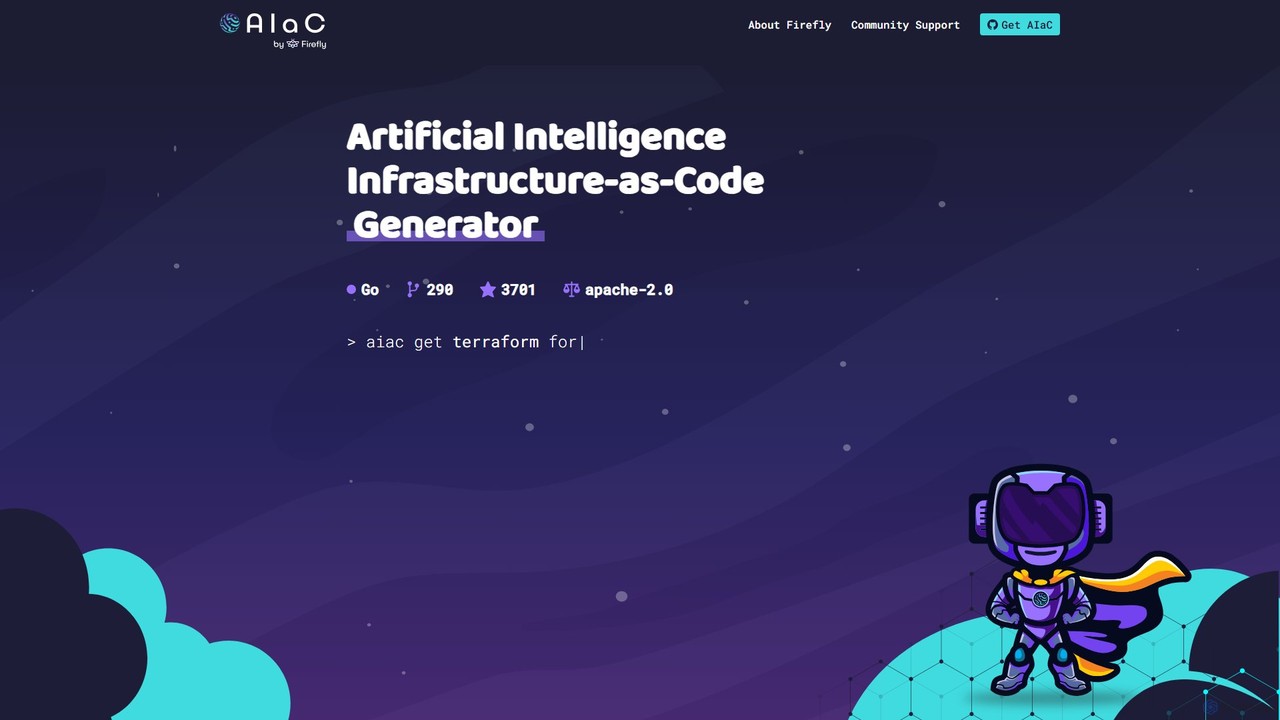
AIaC by Firefly

AIaC by Firefly is a free, open-source CLI tool that uses AI to generate Infrastructure-as-Code (IaC) from natural language prompts. It helps developers and DevOps engineers quickly create configuration code for various cloud platforms and IaC frameworks like Terraform, Pulumi, and CloudFormation, significantly speeding up development and reducing syntax errors.

Devops
Visits 4.3KFavorites 118Likes 140
Pulumi
Freemium

Pulumi

Pulumi is a universal Infrastructure as Code (IaC) platform that allows developers and infrastructure teams to build, deploy, and manage cloud infrastructure using familiar programming languages like Python, TypeScript, Go, and C#. It integrates AI to enhance security, compliance, and operational efficiency.

Management
Visits 186.2KFavorites 128Likes 134
Neural Vault
Freemium

Neural Vault

Neural Vault is a secure, centralized platform for AI developers and MLOps teams to store, version, manage, and deploy machine learning models. It streamlines the model lifecycle, enhances collaboration, and ensures the security and reproducibility of AI projects.

Storage
Visits 4.3KFavorites 126Likes 123

About Cloud Computing

Cloud Computing refers to the on-demand delivery of computing services—including servers, storage, databases, networking, software, and analytics—over the Internet. This model allows organizations to consume computing resources as a utility, paying only for what they use, rather than owning and maintaining physical data centers. It provides unparalleled flexibility, scalability, and cost-efficiency, enabling businesses to innovate faster and operate globally.

Core Features

  • Infrastructure as a Service (IaaS): Provides virtualized computing resources over the internet, including virtual machines, storage, and networks.
  • Platform as a Service (PaaS): Offers a complete development and deployment environment in the cloud, with resources for application development, testing, and hosting.
  • Software as a Service (SaaS): Delivers ready-to-use applications over the internet, managed entirely by a third-party vendor.
  • Scalability & Elasticity: Automatically adjusts computing resources up or down based on demand, ensuring optimal performance and cost.
  • Global Accessibility: Resources and applications can be accessed from anywhere with an internet connection, facilitating remote work and global operations.

Use Cases

Cloud computing is widely adopted across various sectors for diverse needs. Businesses leverage it for hosting websites and web applications, ensuring high availability and performance even during traffic spikes. It also supports big data analytics, allowing organizations to process and analyze vast datasets to extract valuable insights for strategic decision-making. Furthermore, it provides robust infrastructure for disaster recovery and backup solutions, safeguarding critical data and ensuring business continuity.

How to Choose

Selecting the right cloud computing solution involves evaluating several key factors. Consider your specific workload requirements, such as processing power, storage needs, and network bandwidth. Assess the level of control and management you require, choosing between IaaS, PaaS, or SaaS models. Evaluate security features, compliance certifications, and data residency options to meet regulatory demands. Finally, compare pricing models, support services, and vendor lock-in risks to ensure long-term cost-effectiveness and flexibility.

Featured tool rankings

Cloud Computing use cases

1

Hosting Web Applications and Websites

Developers and businesses utilize cloud computing to host scalable web applications and dynamic websites. By leveraging cloud servers and databases, they can ensure high availability, rapid deployment, and automatic scaling to handle varying user traffic, reducing infrastructure management overhead.

2

Big Data Analytics and Machine Learning

Data scientists and analysts employ cloud platforms for processing and analyzing massive datasets. Cloud computing provides elastic compute power and specialized services (like managed Hadoop or Spark clusters, GPU instances) to run complex machine learning models and extract insights efficiently, without large upfront hardware investments.

3

Disaster Recovery and Data Backup

Enterprises implement cloud-based solutions for robust disaster recovery and data backup strategies. Critical data and applications are replicated to secure, geographically dispersed cloud data centers, ensuring business continuity and rapid recovery in case of local outages or data loss events.

4

Software Development and Testing Environments

Development teams use cloud computing to provision on-demand development, testing, and staging environments. This enables rapid iteration, parallel development, and consistent environments across teams, accelerating the software development lifecycle and reducing hardware procurement delays.

5

Internet of Things (IoT) Data Ingestion and Processing

Organizations managing IoT devices rely on cloud computing to ingest, store, and process vast streams of data generated by sensors and connected devices. Cloud platforms offer scalable messaging queues, data lakes, and real-time analytics services to derive actionable insights from IoT data.

6

Enterprise Resource Planning (ERP) and Customer Relationship Management (CRM) Hosting

Businesses migrate their core ERP and CRM systems to the cloud to enhance accessibility, reduce maintenance costs, and improve scalability. Cloud hosting ensures these critical business applications are always available, performant, and securely managed by cloud providers, allowing companies to focus on their core operations.

Cloud Computing FAQ

What is Cloud Computing?

Cloud Computing is the on-demand delivery of computing services—including servers, storage, databases, networking, software, and analytics—over the Internet. Instead of owning and maintaining physical computing infrastructure, you can access these resources from a cloud provider like AWS, Azure, or Google Cloud, paying only for what you use. This model offers significant benefits in terms of flexibility, scalability, and cost-efficiency for businesses and individuals.

How does Cloud Computing work?

Cloud computing works by pooling vast amounts of computing resources (servers, storage, network) in large data centers owned by cloud providers. When you use cloud services, you access these virtualized resources over the internet. The provider manages the underlying physical infrastructure, while you consume services like virtual machines (IaaS), development platforms (PaaS), or ready-to-use applications (SaaS) on demand. This abstraction allows users to focus on their applications and data, not the hardware.

What are the main types of Cloud Computing services?

The three main types of Cloud Computing services are Infrastructure as a Service (IaaS), Platform as a Service (PaaS), and Software as a Service (SaaS). IaaS provides fundamental computing resources like virtual machines and storage. PaaS offers a complete environment for developing, running, and managing applications. SaaS delivers fully functional applications over the internet, ready for end-users. Each type offers different levels of management and flexibility.
What are the benefits of using Cloud Computing?

The benefits of Cloud Computing include significant cost savings by eliminating the need for large upfront hardware investments and reducing operational expenses. It offers immense scalability and elasticity, allowing resources to be adjusted instantly based on demand. Cloud services also provide enhanced reliability, global accessibility, and robust security measures managed by expert providers, enabling businesses to focus on innovation rather than infrastructure maintenance.

Is Cloud Computing secure?

Cloud computing can be highly secure, often more so than on-premises solutions, due to the extensive security investments made by major cloud providers. They employ advanced security technologies, strict compliance standards, and dedicated security teams. However, security is a shared responsibility: providers secure the "cloud itself," while users are responsible for securing their data and applications "in the cloud," including proper configuration, access management, and data encryption.