ToolMage
Sign in

Best 98 Machine Learning AI tools for Developer Tools

Popular Machine Learning AI tools in Developer Tools include Hugging Face, Kaggle, Ollama, Google DeepMind, Supervised.co, Runpod, HEROZ, Replicate, Appen, and Labelbox, helping you work more efficiently.

leapai
Freemium

leapai

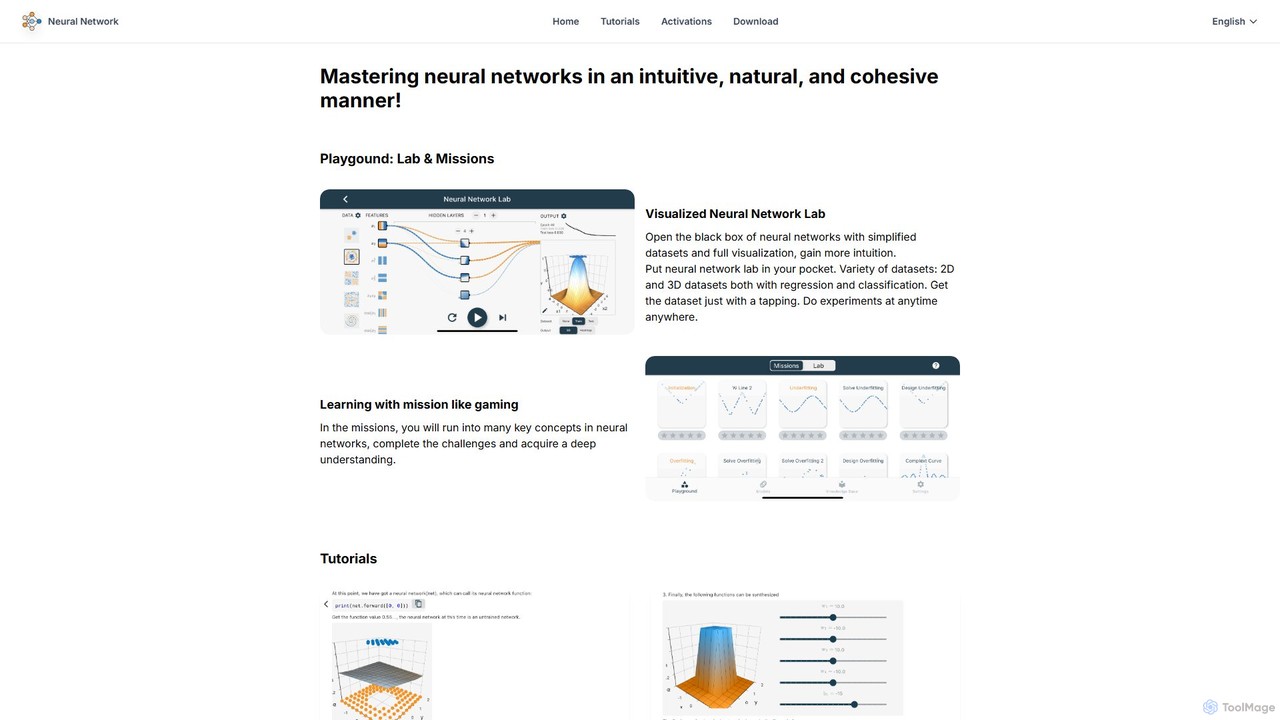
An interactive educational platform for mastering neural networks and deep learning. leapai uses visual labs, gamified missions, and a drag-and-drop model editor to make complex AI concepts intuitive and accessible for students, developers, and enthusiasts.

Machine Learning
Visits 5.7KFavorites 92Likes 92
deepchecks
Freemium

deepchecks

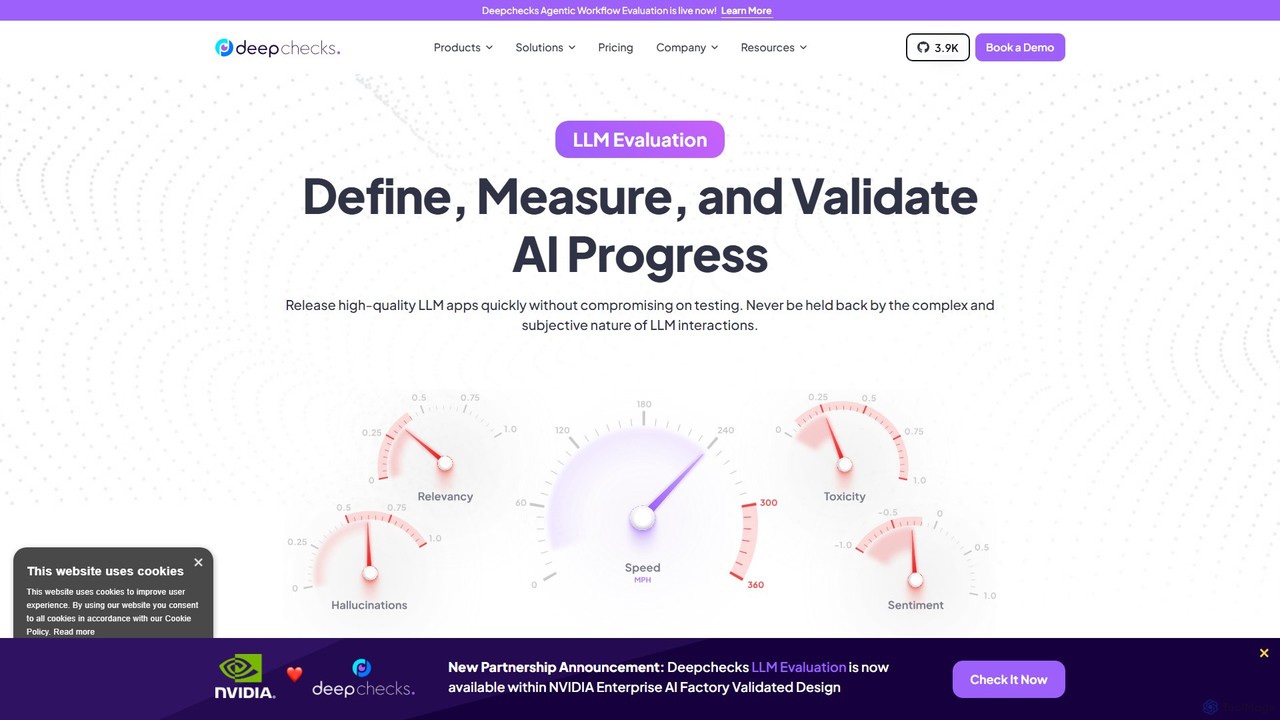
Deepchecks is an end-to-end platform for evaluating, validating, and monitoring LLM-based applications. It helps AI teams define, measure, and validate AI progress, ensuring the release of high-quality, reliable applications by streamlining testing from development through CI/CD to production.

Analytics
Visits 83.4KFavorites 134Likes 123
Labelbox
Freemium

Labelbox

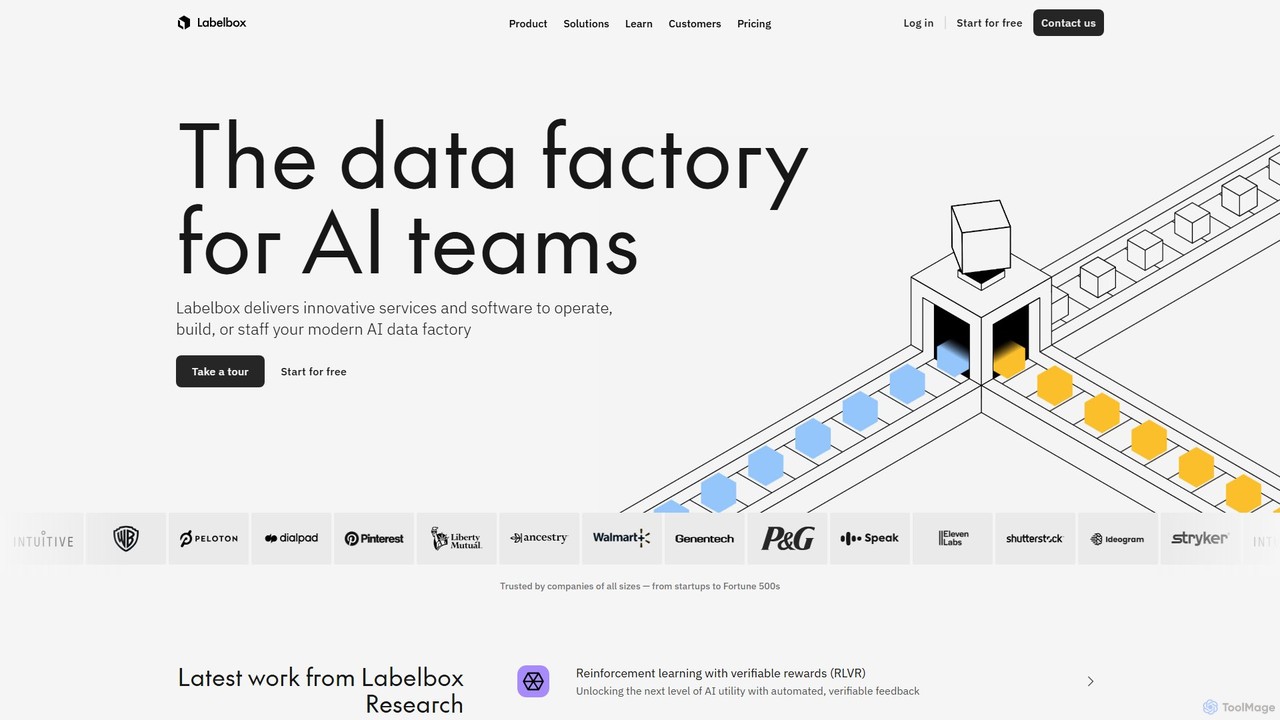
Labelbox is a comprehensive data-centric AI platform, or "Data Factory," designed for AI teams. It provides integrated software, expert services, and a talent marketplace to create, manage, and evaluate high-quality training data for advanced AI models, including LLMs and multimodal systems.

Labeling
Visits 1.1MFavorites 96Likes 104
Captum
Free

Captum

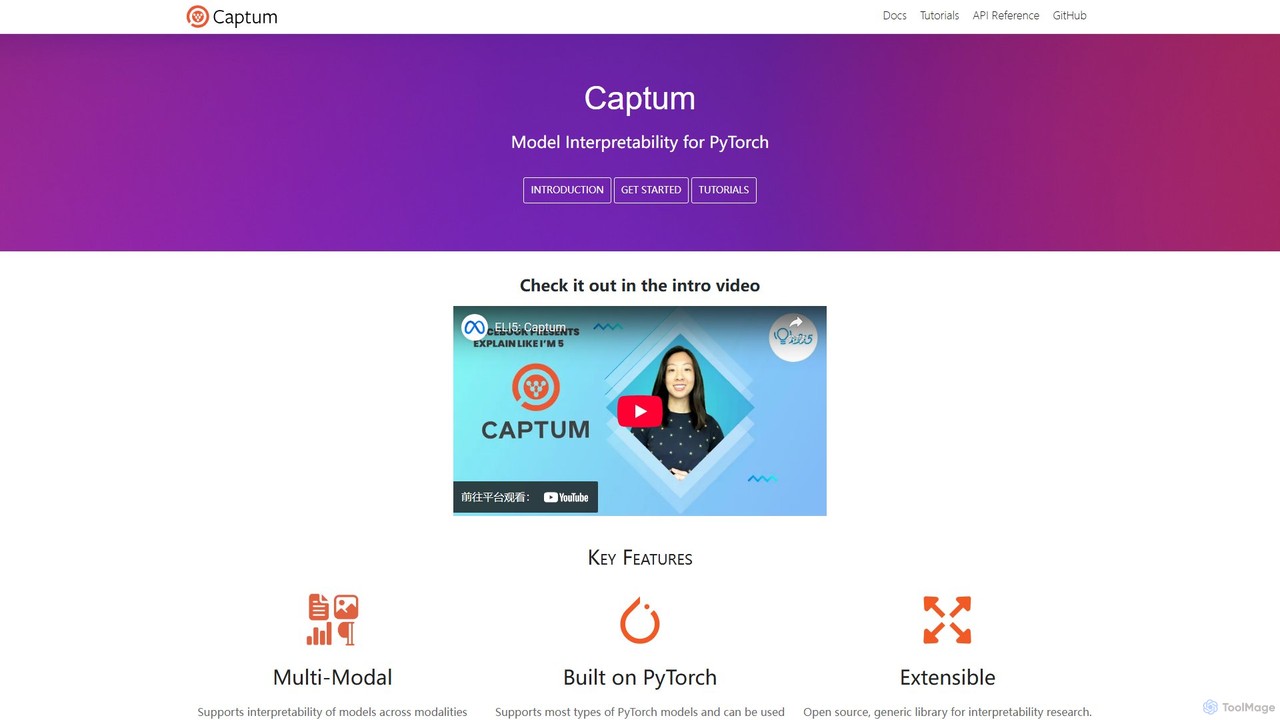
Captum is an open-source model interpretability and explainability library for PyTorch. It provides state-of-the-art algorithms to help developers and researchers understand which features influence a model's predictions. Supporting multi-modal data like text, vision, and more, Captum makes it easy to debug models, improve transparency, and benchmark new interpretability techniques within the PyTorch ecosystem.

Model Explainability
Visits 19.7KFavorites 77Likes 78
Matrices
Paid

Matrices

A specialized platform offering realistic Reinforcement Learning (RL) environments for training Large Language Model (LLM) agents. It enables developers and researchers to build, test, and deploy autonomous agents capable of performing complex tasks on computers, from web navigation to software operation.

Training Platform
Visits 8.6KFavorites 116Likes 119
Innovatiana
Paid

Innovatiana

Innovatiana is a specialized service providing high-quality, ethically-sourced training data for AI models. They offer custom dataset creation and data labeling for computer vision, NLP, generative AI, and document processing. By employing dedicated, trained teams instead of crowdsourcing, Innovatiana ensures superior data accuracy, security, and responsible AI development, helping companies build more robust and unbiased models.

Dataset Creation
Visits 65.7KFavorites 132Likes 125
Cerebrium
Freemium

Cerebrium

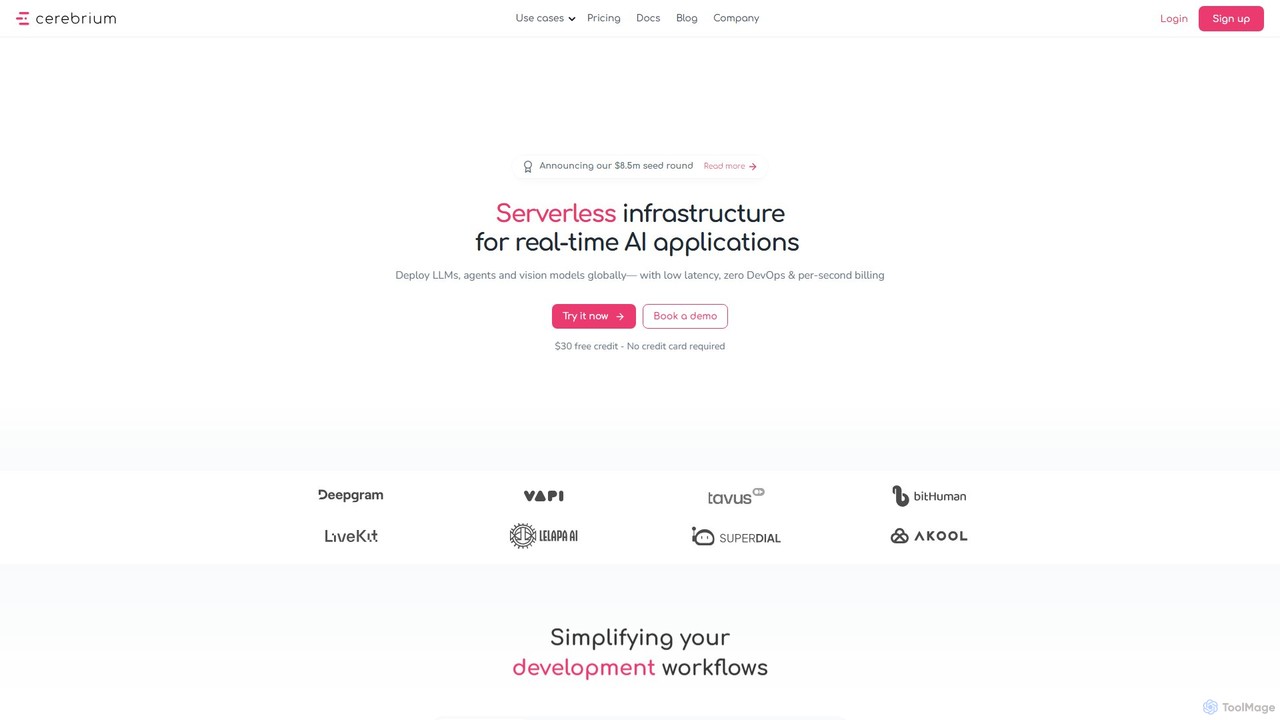
Cerebrium is a serverless AI infrastructure platform designed for developers to deploy, manage, and scale machine learning models with ease. It abstracts away complex infrastructure, offering features like auto-scaling, fast cold starts, and pay-per-use GPU access, enabling teams to build high-performance AI applications without managing servers.

Serverless
Visits 46.9KFavorites 141Likes 143
Fluidstack
Paid

Fluidstack

Fluidstack is a leading AI cloud platform providing high-performance, dedicated GPU clusters for training and serving frontier AI models. It offers rapid deployment of thousands of GPUs, fully managed services with 24/7 expert support, and transparent pricing with zero egress fees, empowering AI teams to scale without infrastructure friction.

Enterprise Solutions
Visits 106.8KFavorites 106Likes 103
OpenPipe
Freemium

OpenPipe

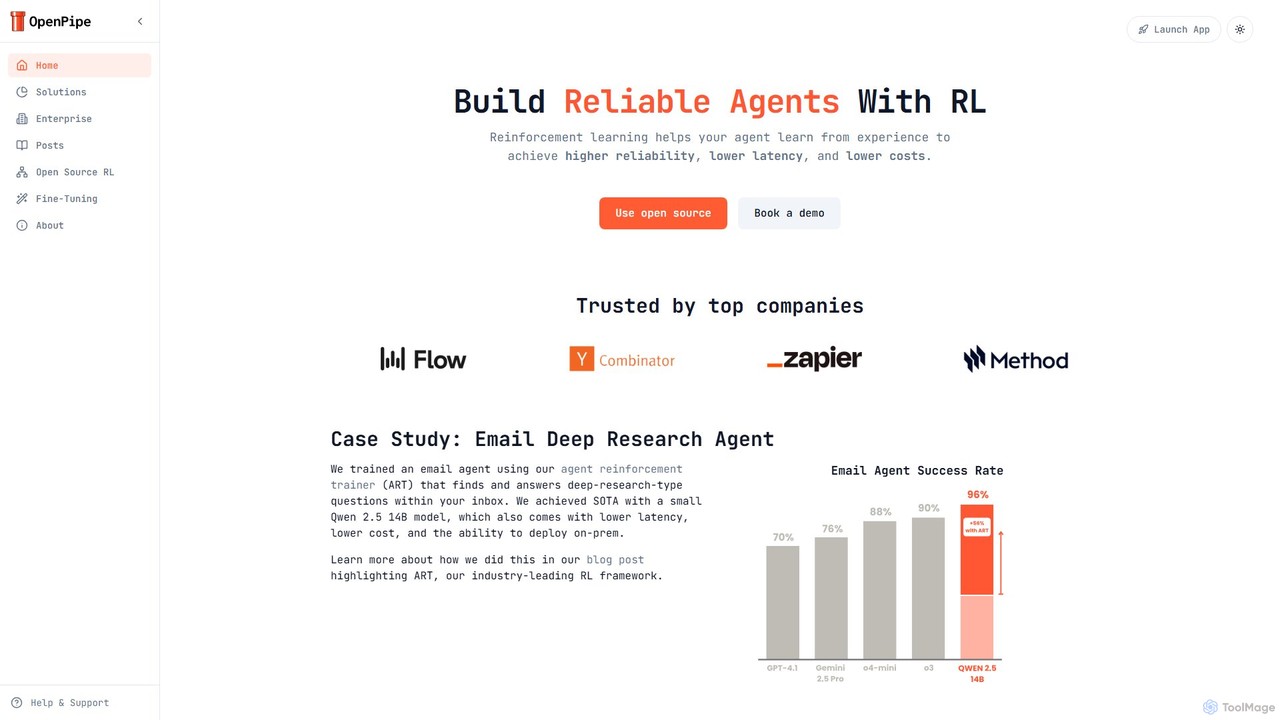
OpenPipe is an enterprise-grade platform for building highly reliable AI agents using Reinforcement Learning (RL) and fine-tuning. It enables developers to create specialized, cost-effective, and low-latency models that outperform large general-purpose APIs. Features include an open-source framework, on-prem deployment, and continuous optimization.

Enterprise Solutions
Visits 16.7KFavorites 149Likes 141
Metatext
Freemium

Metatext

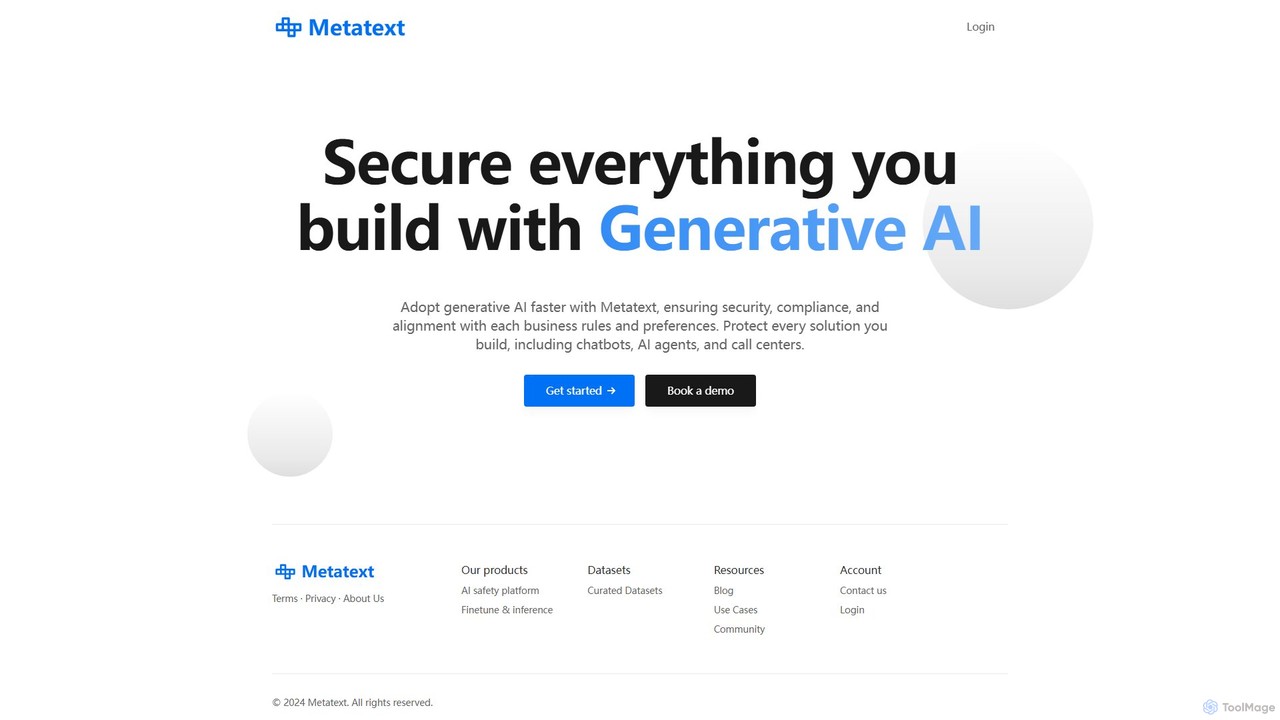
Metatext is an AI safety and no-code NLP platform that enables businesses to securely build and deploy custom text analysis models. It allows users without machine learning expertise to train models for tasks like text classification, sentiment analysis, and intent detection using their own data. The platform focuses on ensuring security, compliance, and alignment with business rules for all generative AI applications, providing scalable API deployment for easy integration.

Text Analysis
Visits 5KFavorites 138Likes 161
Datature
Freemium

Datature

Datature is an end-to-end Vision AI platform designed for developers and enterprises. It streamlines the entire machine learning lifecycle, from collaborative data annotation and no-code model training to flexible deployment. The platform empowers teams to build, fine-tune, and deploy production-ready computer vision models for diverse applications across industries like healthcare, retail, and manufacturing.

Machine Learning
Visits 47.2KFavorites 147Likes 143
LAION
Free

LAION

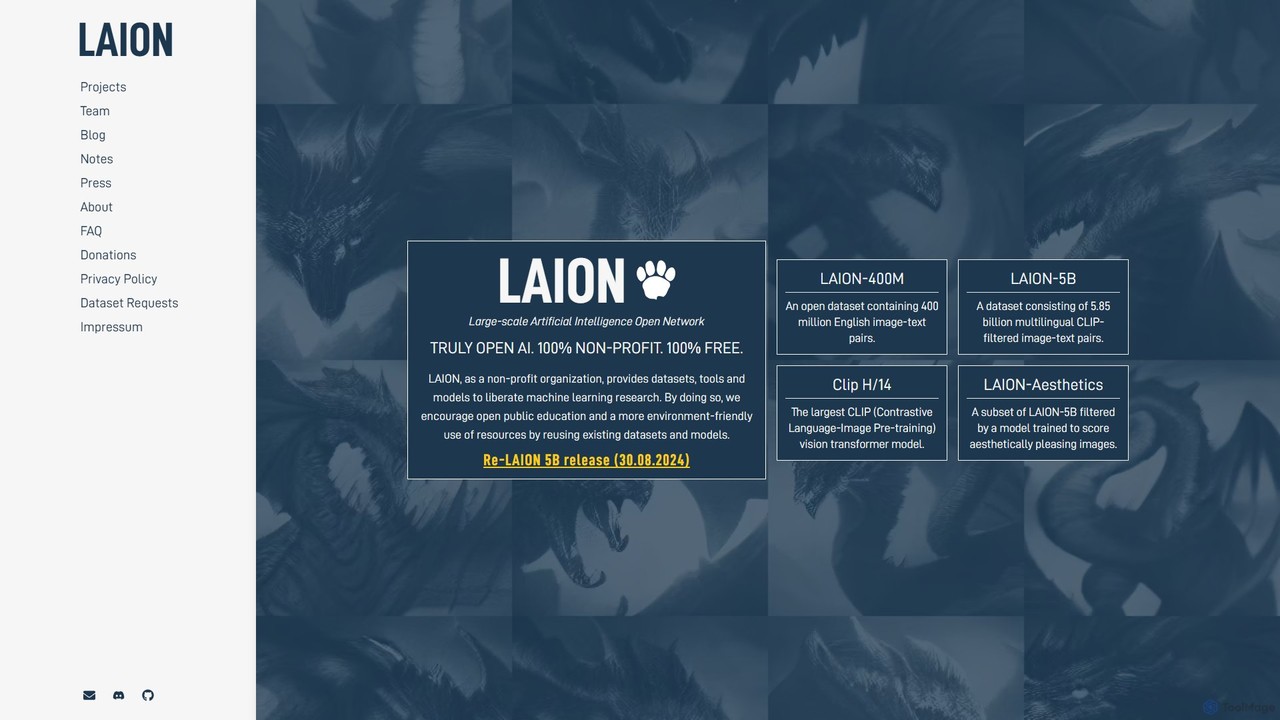
LAION (Large-scale Artificial Intelligence Open Network) is a non-profit organization dedicated to democratizing AI research. It provides massive, open-source datasets, pre-trained models, and tools to the public, fostering open research, education, and resource-efficient development in machine learning.

Datasets
Visits 35.9KFavorites 124Likes 112
balise
Freemium

balise

Balise is an AI-powered data annotation platform designed to streamline the creation of high-quality training data for machine learning models. It offers a collaborative environment with intelligent tools for labeling images, text, video, and audio, accelerating the development cycle for computer vision and NLP projects.

Annotation
Visits 4.6KFavorites 138Likes 128
airtrain.ai
Freemium

airtrain.ai

airtrain.ai is a no-code platform that empowers users to train, deploy, and manage custom AI models on their own data. It simplifies the entire machine learning workflow, enabling businesses and developers to build bespoke models for tasks like image recognition, text classification, and predictive analysis without extensive coding expertise.

Model Training
Visits 7.3KFavorites 161Likes 170
UBIAI
Freemium

UBIAI

UBIAI is an end-to-end platform for building, fine-tuning, and deploying custom Large Language Models (LLMs). It integrates advanced data annotation, including OCR, with a streamlined fine-tuning process for over 20+ top-tier models. Ideal for enterprises and startups seeking to create domain-specific, accurate, and reliable AI solutions for tasks like document analysis, chatbots, and more.

Data Labeling
Visits 14.3KFavorites 152Likes 142
Nyckel
Freemium

Nyckel

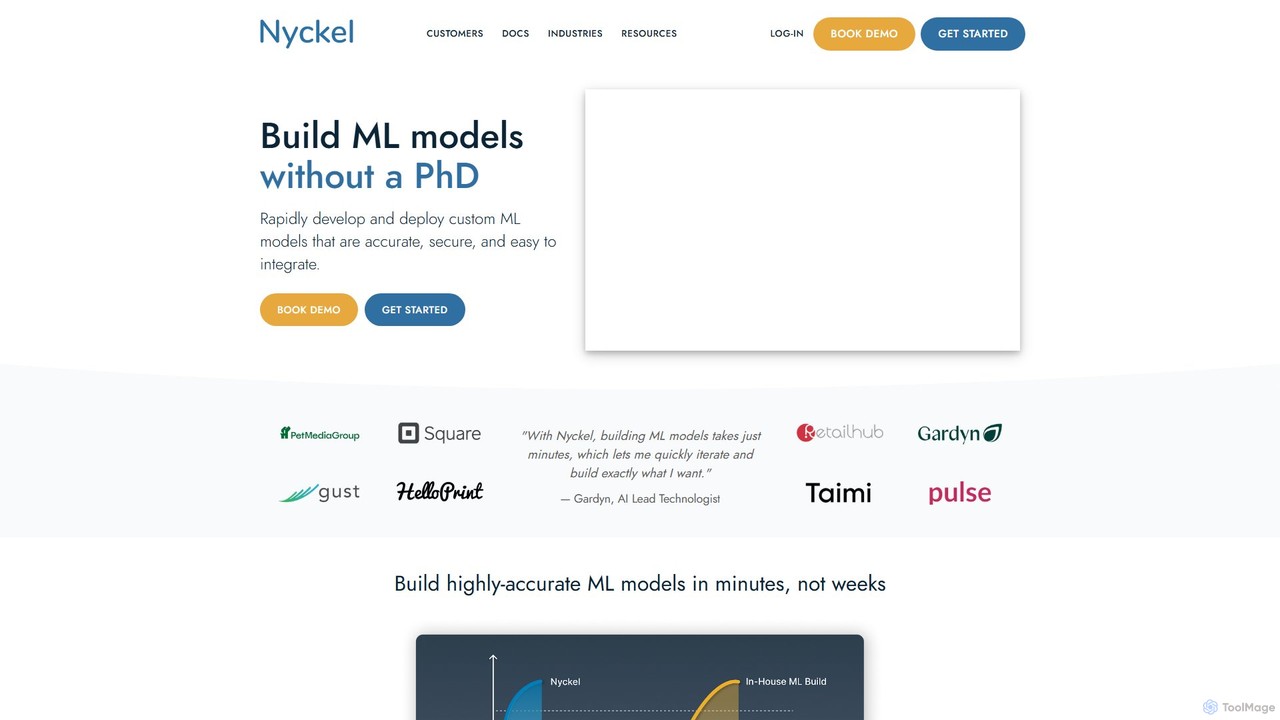
Nyckel is an AutoML platform that enables developers and businesses to rapidly build, train, and deploy high-accuracy custom machine learning models for image, text, and multimodal classification, search, and detection. It simplifies the entire ML lifecycle, requiring no specialized expertise (like a PhD), and provides a secure, scalable, and easy-to-integrate API.

Data Analysis
Visits 215.7KFavorites 139Likes 128
Ludwig
Free

Ludwig

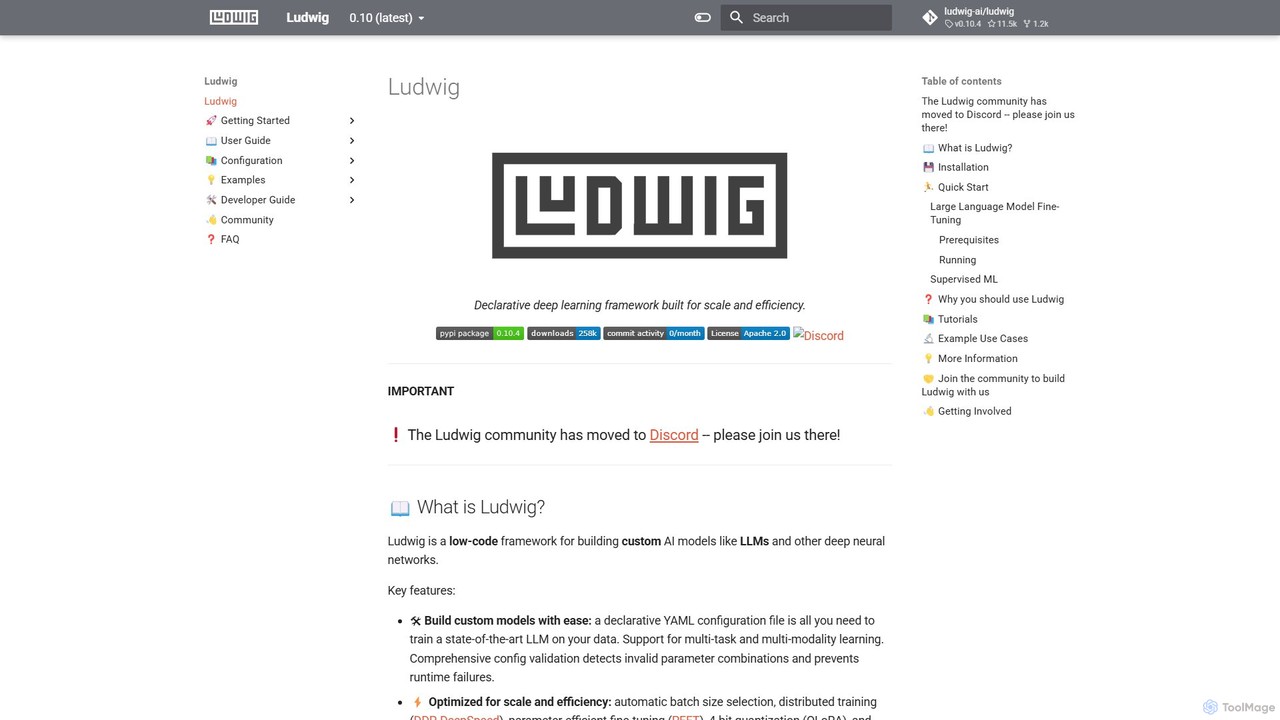
Ludwig is a low-code, open-source deep learning framework that simplifies building and training custom AI models. Using declarative YAML configurations, users can easily create complex models, including LLMs, for multi-modal and multi-task learning without extensive boilerplate code. It's designed for scalability, production-readiness, and integrates with popular tools like HuggingFace and MLFlow.

Model Training
Visits 11.7KFavorites 91Likes 100
hyperficient
Free

hyperficient

hyperficient is an open-source AI tool for developers and ML engineers that automates the search for the most efficient fine-tuning strategies for neural networks. It significantly reduces computational costs, GPU time, and manual effort, enabling optimal model performance on limited resources.

Libraries
Visits 4.5KFavorites 110Likes 115
Neuton.AI
Freemium

Neuton.AI

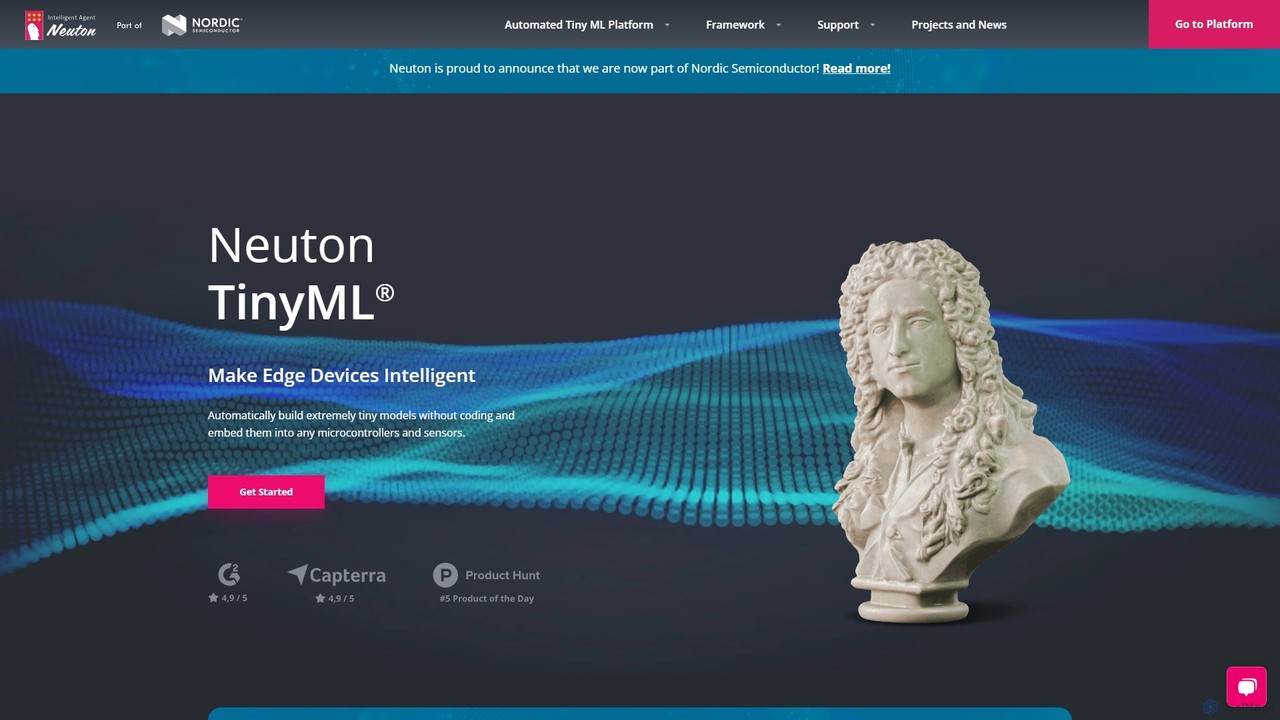
Neuton.AI is a no-code AutoML platform designed to create ultra-compact and efficient machine learning models (TinyML) for edge and IoT devices. It empowers developers to build and deploy AI on resource-constrained hardware like MCUs and sensors without deep technical expertise.

Machine Learning
Visits 6.5KFavorites 137Likes 145
GPT-2 Output Detector
Free

GPT-2 Output Detector

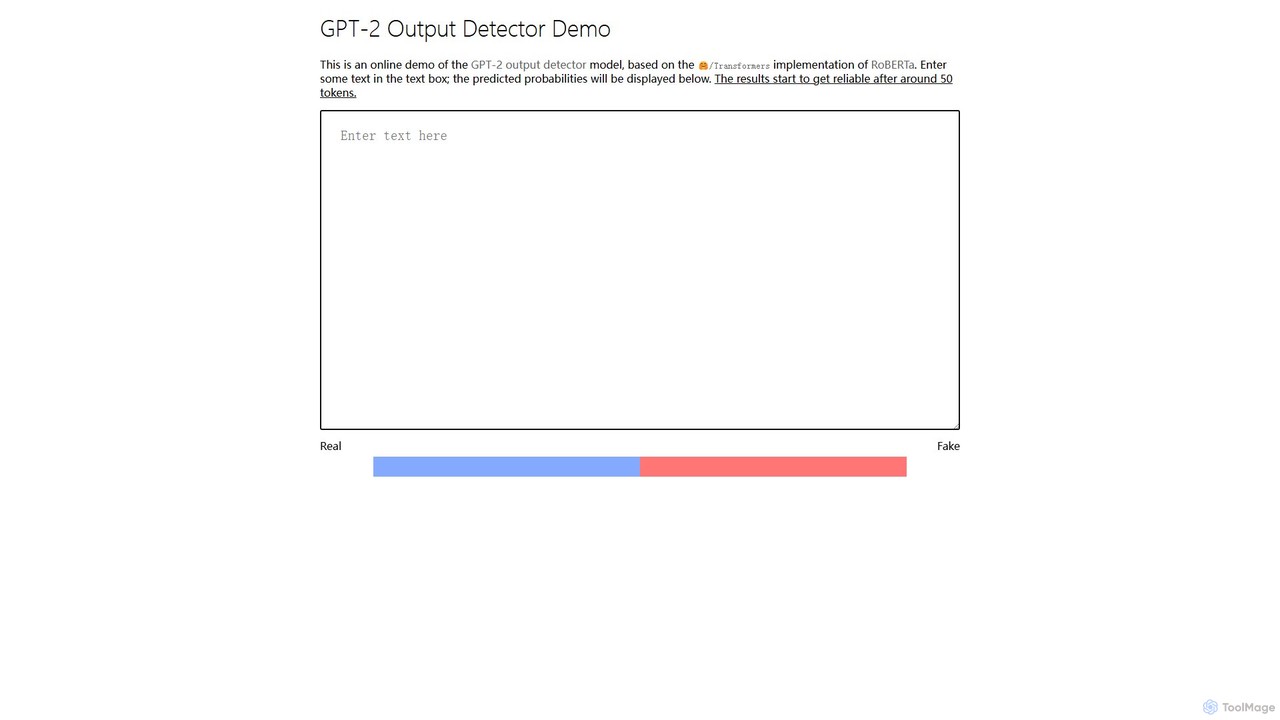
A free online tool to detect AI-generated text, specifically from the GPT-2 model. Based on the RoBERTa architecture and hosted on Hugging Face, it provides a probability score indicating whether a given text is human-written or AI-generated. Ideal for educators, writers, and researchers.

Machine Learning
Visits 7.3KFavorites 124Likes 114
Unsloth
Freemium

Unsloth

Unsloth is a high-performance open-source library designed to dramatically accelerate the fine-tuning of Large Language Models (LLMs). It enables training up to 30x faster while using up to 90% less memory, making advanced AI model customization accessible on standard hardware.

Machine Learning
Visits 1.1MFavorites 96Likes 116
PixtaAI
Paid

PixtaAI

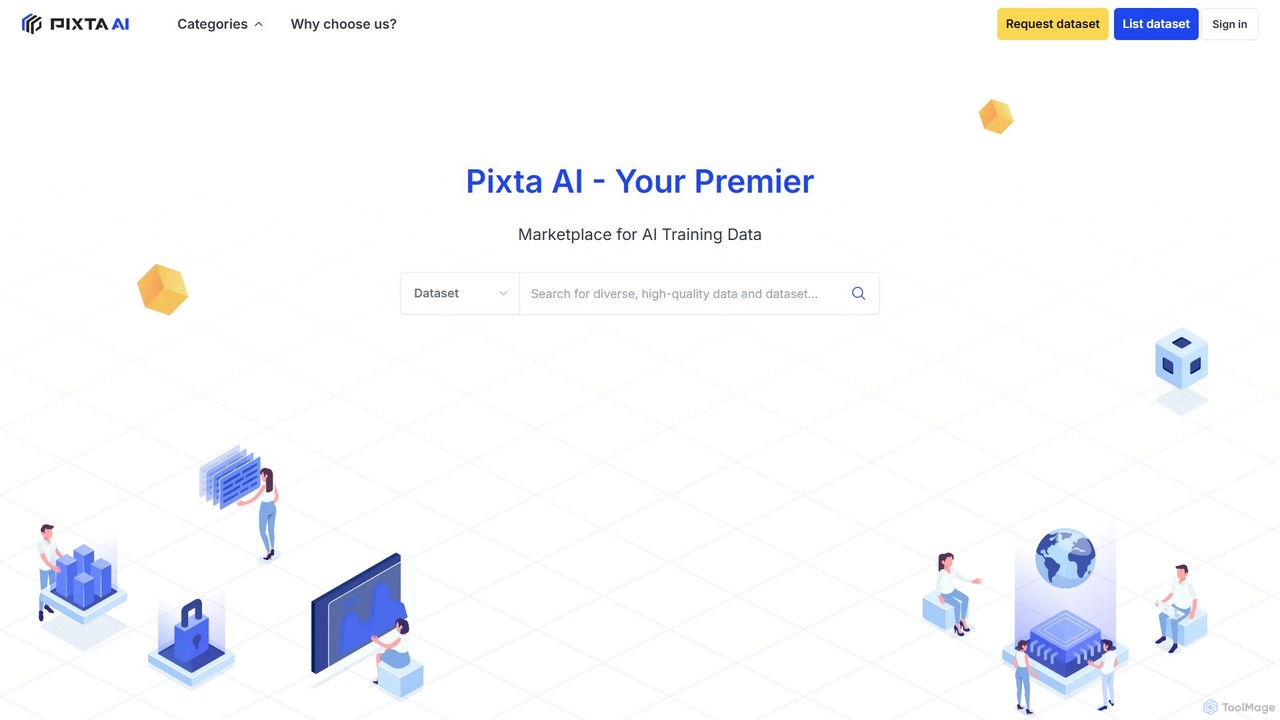
PixtaAI is a premier marketplace for high-quality AI training data. It connects AI developers and companies with top data providers, offering a diverse range of datasets including images, videos, audio, and text. The platform facilitates the discovery, purchase, and custom sourcing of annotated data to power machine learning models across various industries.

Dataset Marketplace
Visits 6.5KFavorites 175Likes 169
PromptArt
Free

PromptArt

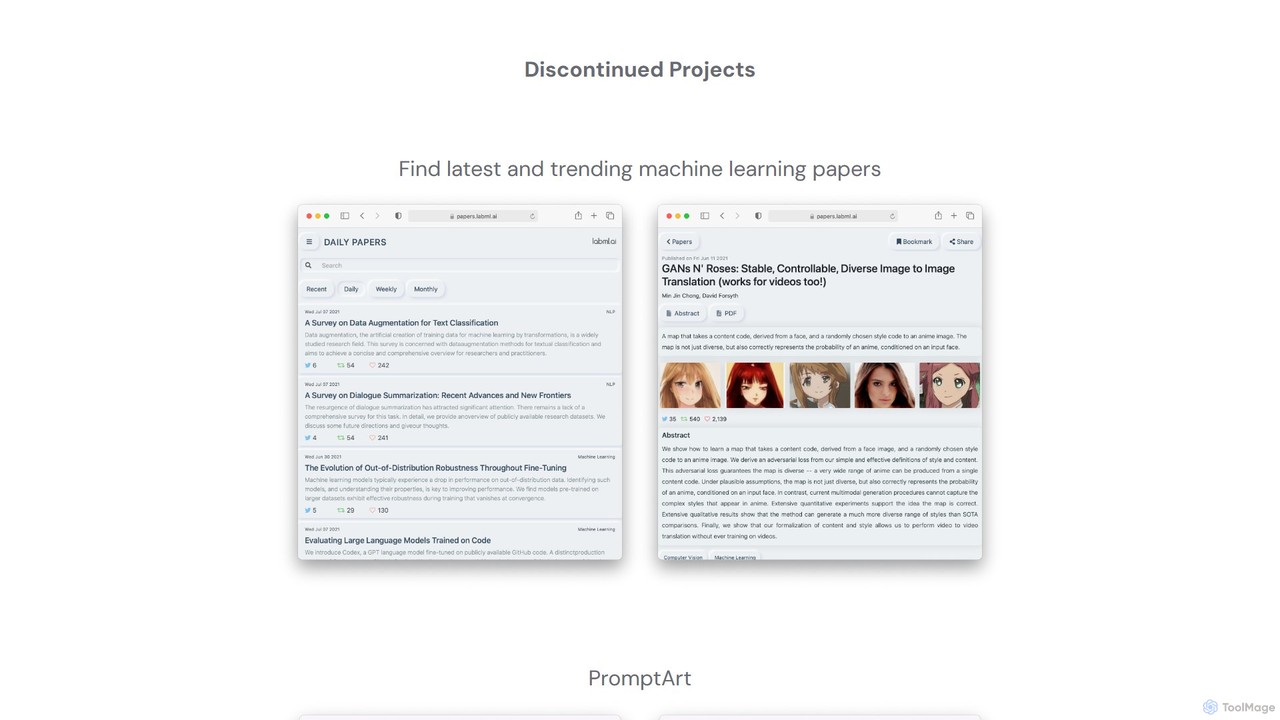
PromptArt is an AI-powered art generation tool from the research lab labml.ai. It enables users to transform text descriptions into unique and visually compelling images. Designed for both artists and machine learning researchers, it provides a platform to experiment with generative models, fine-tune parameters, and explore the creative potential of AI.

Creative Tools
Visits 30.5KFavorites 111Likes 97
Runpod
Paid

Runpod

Runpod is a cloud platform designed for AI and machine learning, offering scalable GPU compute for deploying, training, and running AI models. It provides serverless GPUs, pre-built templates, and cost-effective pricing to simplify the entire AI development workflow, from idea to production.

Machine Learning
Visits 2.3MFavorites 102Likes 114

About Machine Learning

Machine Learning tools are a specialized category within developer tools that empower systems to learn from data, identify complex patterns, and make intelligent predictions or decisions without explicit programming. These tools leverage advanced algorithms and statistical models to automate data analysis, build predictive models, and enable adaptive behaviors. They are crucial for developers aiming to integrate intelligence into applications, automate complex processes, and derive actionable insights from vast datasets.

Core Features

  • Data Preprocessing & Feature Engineering: Tools for cleaning, transforming, and selecting relevant features from raw data to optimize model performance.
  • Model Training & Optimization: Platforms to build, train, and fine-tune various machine learning models (e.g., supervised, unsupervised, reinforcement learning) using diverse algorithms.
  • Model Evaluation & Validation: Capabilities to assess model accuracy, robustness, and generalization using metrics like precision, recall, F1-score, and cross-validation techniques.
  • Model Deployment & Monitoring: Features for deploying trained models into production environments and continuously monitoring their performance and drift over time.

Use Cases

Machine Learning tools are widely adopted across industries for tasks requiring data-driven intelligence. They enable developers to build applications for predictive analytics in finance, create personalized recommendation systems for e-commerce, and develop sophisticated natural language processing solutions for customer service automation.

How to Choose

Selecting the right Machine Learning tool involves evaluating several factors: the range of supported algorithms and frameworks, scalability for handling large datasets, integration capabilities with existing data pipelines and development environments, and the level of abstraction or control offered to developers. Consider also the community support, documentation, and pricing model.

Featured tool rankings

Machine Learning use cases

1

Building Predictive Models for Business Forecasting

Data scientists and business analysts utilize Machine Learning tools to develop models that forecast key business metrics like sales, customer churn, or stock prices. By feeding historical data into algorithms, they can identify trends and predict future outcomes, enabling proactive decision-making and strategic planning for enterprises.

2

Developing Personalized Recommendation Engines

E-commerce platforms and streaming services leverage Machine Learning tools to create highly personalized recommendation systems. By analyzing user behavior, preferences, and historical interactions, these tools suggest relevant products, content, or services, significantly enhancing user experience and driving engagement and sales.

3

Automating Anomaly Detection in Cybersecurity

Cybersecurity professionals employ Machine Learning tools to detect unusual patterns in network traffic, user behavior, or system logs that may indicate security breaches or fraudulent activities. These tools can identify deviations from normal baselines in real-time, allowing for rapid response and mitigation of potential threats, significantly enhancing an organization's security posture.

4

Creating Intelligent Chatbots and NLP Applications

Developers utilize Machine Learning tools to build sophisticated natural language processing (NLP) applications, including intelligent chatbots, sentiment analysis engines, and language translation services. These tools enable machines to understand, interpret, and generate human language, revolutionizing customer service, content analysis, and communication platforms.

5

Implementing Computer Vision for Quality Control

Manufacturing and healthcare industries deploy Machine Learning tools for computer vision applications in quality control. By training models on images or video feeds, these tools can automatically detect defects in products, identify anomalies in medical scans, or monitor assembly lines, significantly improving efficiency and accuracy while reducing human error.

6

Optimizing Resource Allocation and Scheduling

Logistics, energy, and urban planning sectors leverage Machine Learning tools to optimize complex resource allocation and scheduling problems. By analyzing vast amounts of data on demand, supply, constraints, and historical patterns, these tools can generate highly efficient schedules for deliveries, energy grids, or public transport, leading to significant cost savings and improved service levels.

Machine Learning FAQ

What are Machine Learning tools?

Machine Learning tools are software platforms and libraries that enable developers to build, train, and deploy models that learn from data. They typically feature capabilities for data preprocessing, algorithm selection, model evaluation, and deployment. These tools are used to create intelligent applications that can make predictions, classify data, or automate decision-making based on learned patterns.

How do Machine Learning tools differ from traditional programming?

Traditional programming relies on explicit, rule-based instructions to solve problems, where a developer defines every step. Machine Learning tools, conversely, enable systems to learn patterns and rules directly from data, without being explicitly programmed for each scenario. This data-driven approach allows ML models to adapt to new information and handle complex, dynamic problems that are difficult to define with fixed rules, such as image recognition or natural language understanding.

What are the essential components of a Machine Learning workflow?

A typical Machine Learning workflow involves several key stages. It begins with data collection and preprocessing, where raw data is cleaned and transformed. Next is feature engineering, selecting relevant variables. Then, model selection and training involves choosing an algorithm and fitting it to the data. This is followed by model evaluation and validation to assess performance. Finally, the trained model is moved to deployment and monitoring for real-world application and continuous oversight.

How can developers choose the best Machine Learning platform?

Developers should consider several factors when choosing an ML platform. Evaluate the range of supported algorithms and frameworks (e.g., TensorFlow, PyTorch), ensuring they align with project needs. Assess scalability and performance for handling data volume and processing speed. Look for robust integration capabilities with existing data infrastructure and development tools. Consider the ease of use, documentation, community support, and the cost model (open-source vs. commercial, cloud vs. on-premise) to find the best fit for their specific requirements and budget.

What are some common applications of Machine Learning in enterprise?

In enterprise settings, Machine Learning tools are applied across various functions. Common applications include fraud detection in finance, where models identify suspicious transactions; customer churn prediction in marketing, helping businesses retain clients; predictive maintenance in manufacturing, forecasting equipment failures; and supply chain optimization, improving logistics efficiency. These applications drive significant operational improvements and strategic advantages.