Freemium
Popular Testing AI tools in Developer Tools include Amplitude, BrowserStack, MOWA.ai, This Person Does Not Exist, Qase, Pulse Labs, LambdaTest, VWO, Katalon, and Greptile, helping you work more efficiently.

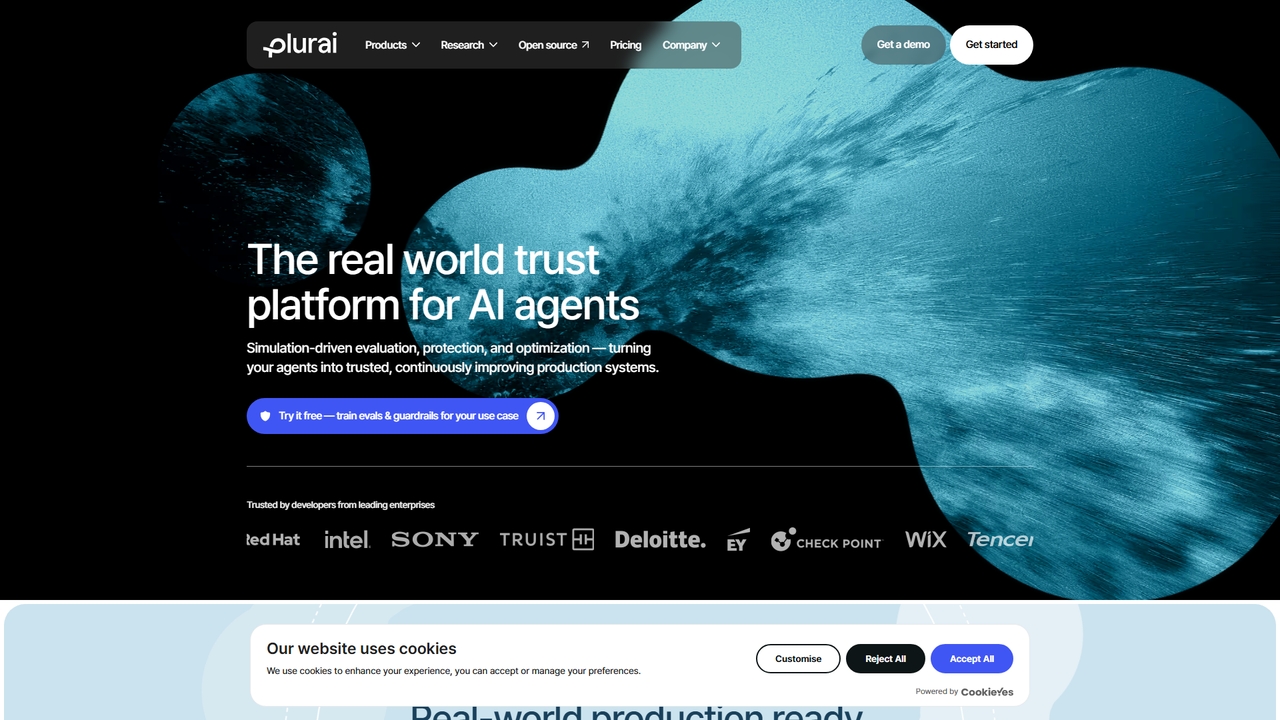
SentinelQA is an AI-powered test intelligence platform designed to help developers and QA engineers fix CI/CD failures faster. It analyzes test runs to automatically identify flaky tests, detect regressions, and provide clear AI-generated summaries and actionable insights.
Testing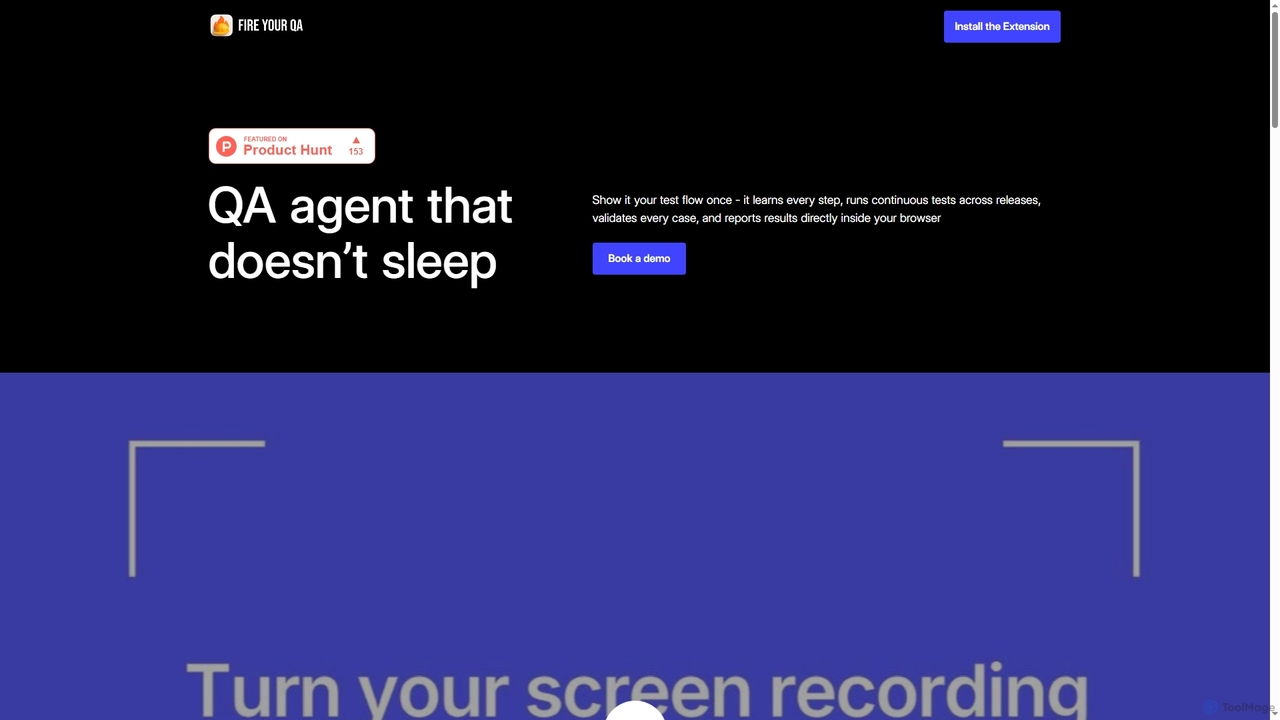
Fireyourqa is an AI-powered QA agent that automates web application testing. By installing a browser extension, users can record testing workflows once. The AI then learns these processes, autonomously runs continuous tests, validates all cases, and reports results directly in the browser, saving significant time and resources.
Code Assistant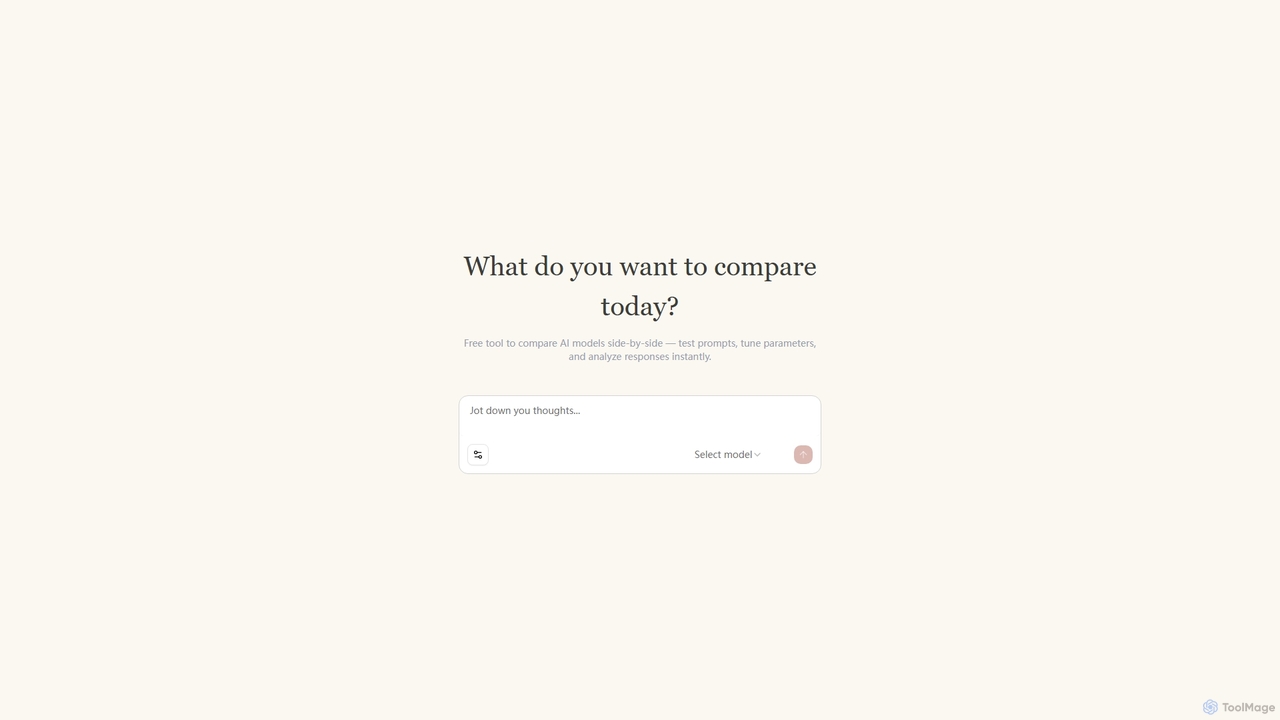
A free tool for developers and researchers to compare Large Language Models (LLMs) side-by-side. Test prompts, tune parameters, and instantly analyze responses to find the optimal model for any task.
Model Comparison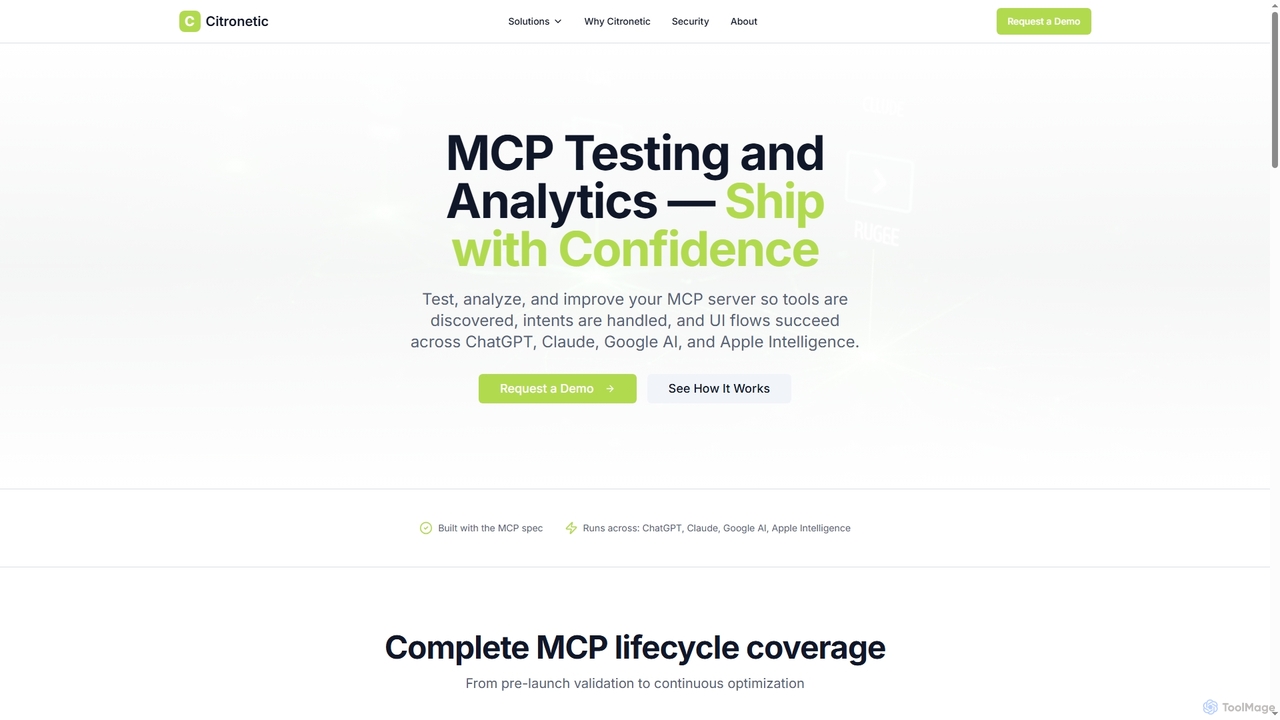
Citronetic is a specialized SaaS platform for MCP (Multi-modal Conversational Platform) testing and analytics, ensuring robust tool discovery, intent handling, and UI flow success across leading LLM platforms like ChatGPT, Claude, Google AI, and Apple Intelligence.
Llm Optimization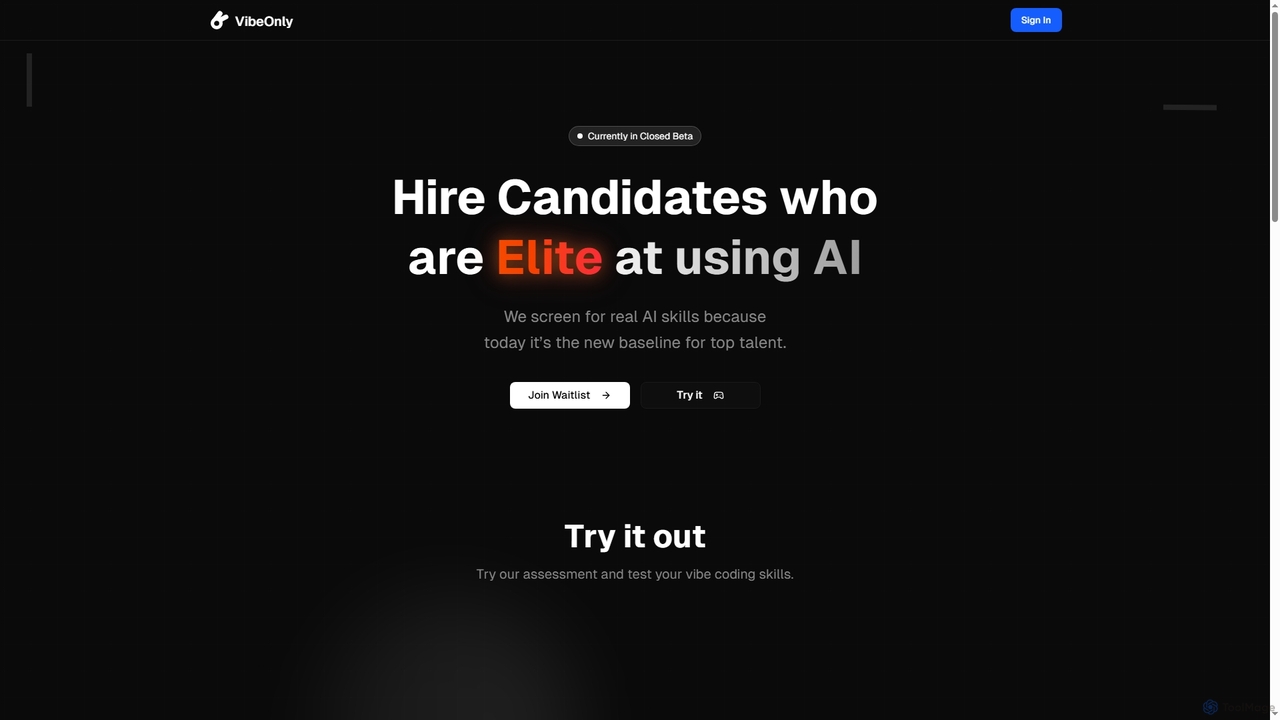
Vibeonly is an AI skill assessment platform for hiring elite, AI-native talent. It evaluates candidates' practical ability to use AI for critical thinking and problem-solving through real-world coding challenges, providing companies with an "AI Fluency Score" to identify top performers.
Testing
AIGRADE offers independent evaluation, scoring, and certification for AI systems, focusing on reliability, transparency, and trust. Aligned with ISO/IEC 23894, it provides a third-party, SOC2-friendly audit process to help businesses build trustworthy and compliant AI.
Compliance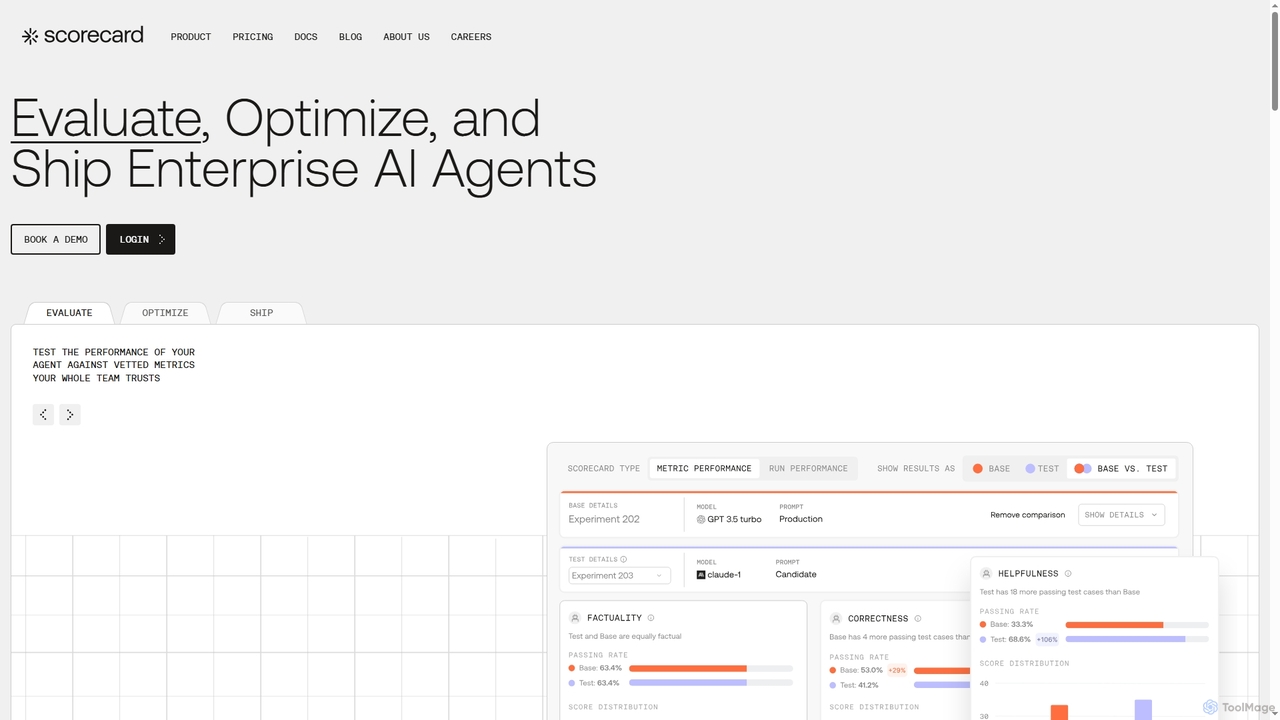
Scorecard is an end-to-end platform for evaluating, optimizing, and deploying enterprise AI agents. It helps teams replace subjective testing with structured evaluations, providing tools for continuous monitoring, prompt management, and performance metrics to build trustworthy and reliable AI applications with confidence.
Evaluation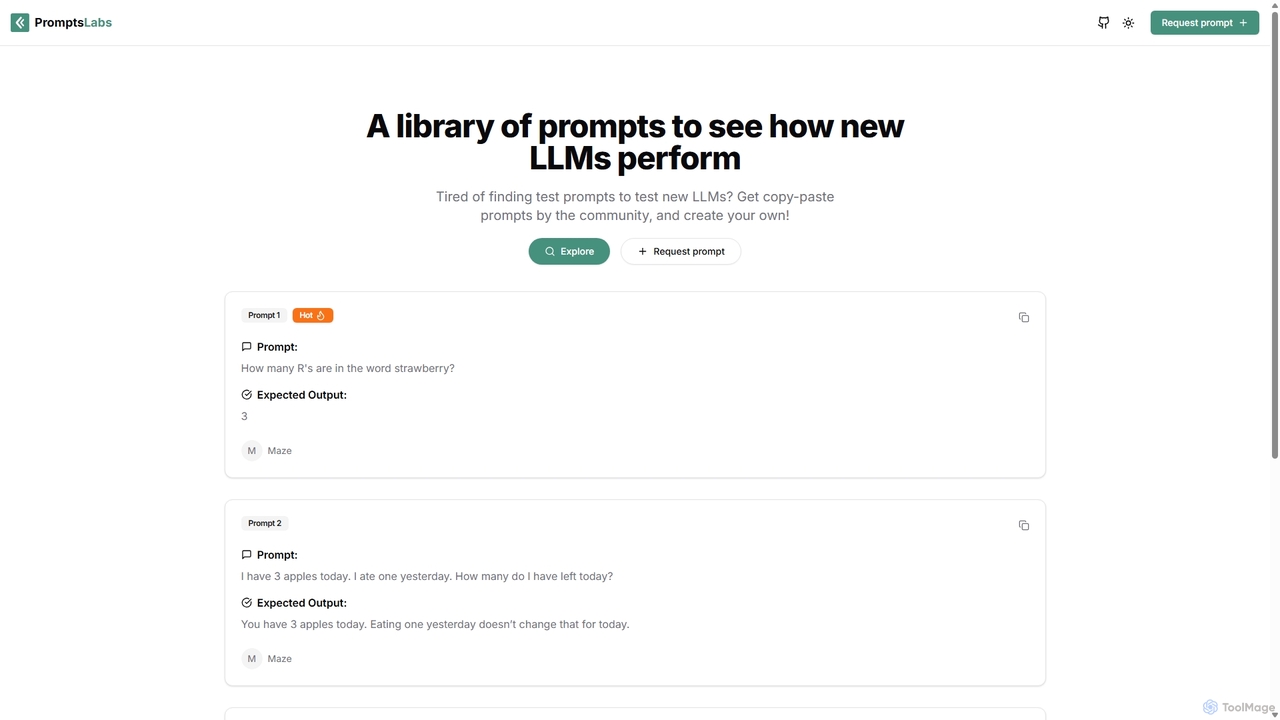
PromptsLabs is a community-driven library of prompts designed for testing and evaluating the performance of new Large Language Models (LLMs). It provides a standardized collection of copy-paste prompts with expected outputs, helping developers and researchers benchmark models on tasks like logic, reasoning, and math.
Prompt Engineering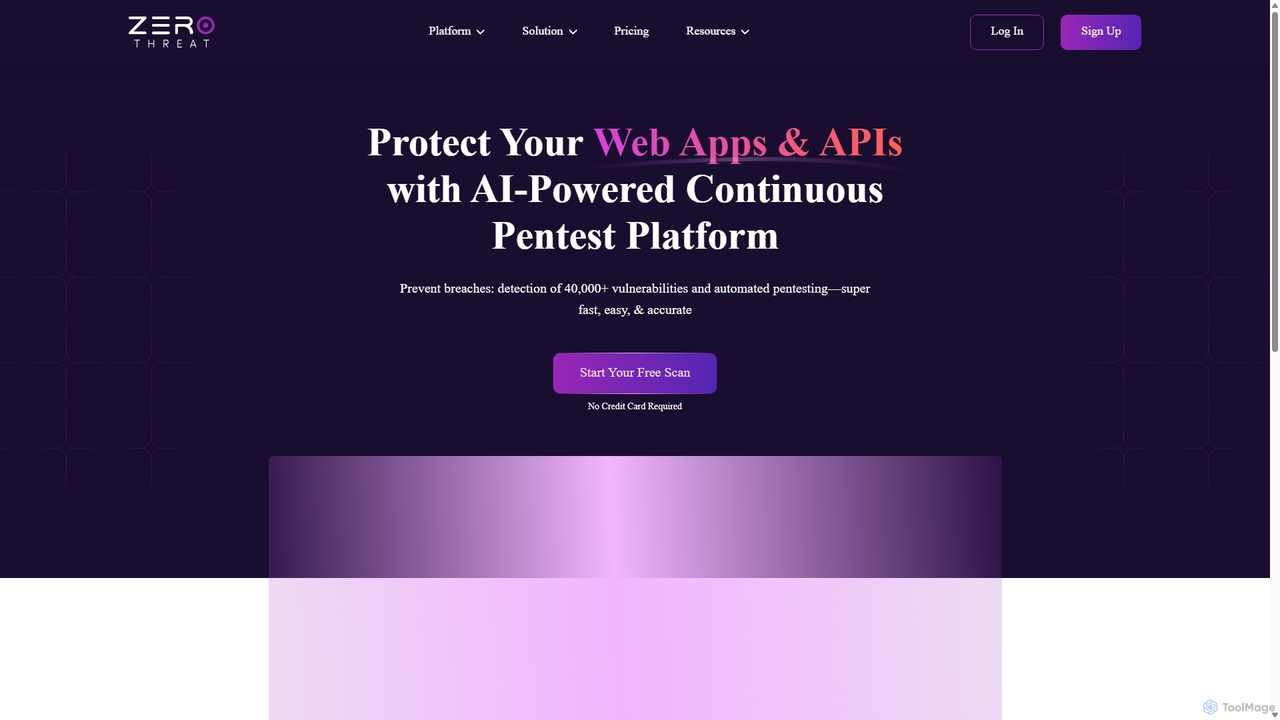
ZeroThreat is an AI-powered continuous penetration testing and DAST platform designed to secure web applications and APIs. It automates the detection of over 40,000 vulnerabilities, including OWASP Top 10 and CVEs, providing fast, accurate, and actionable security insights for developers and security teams.
Testing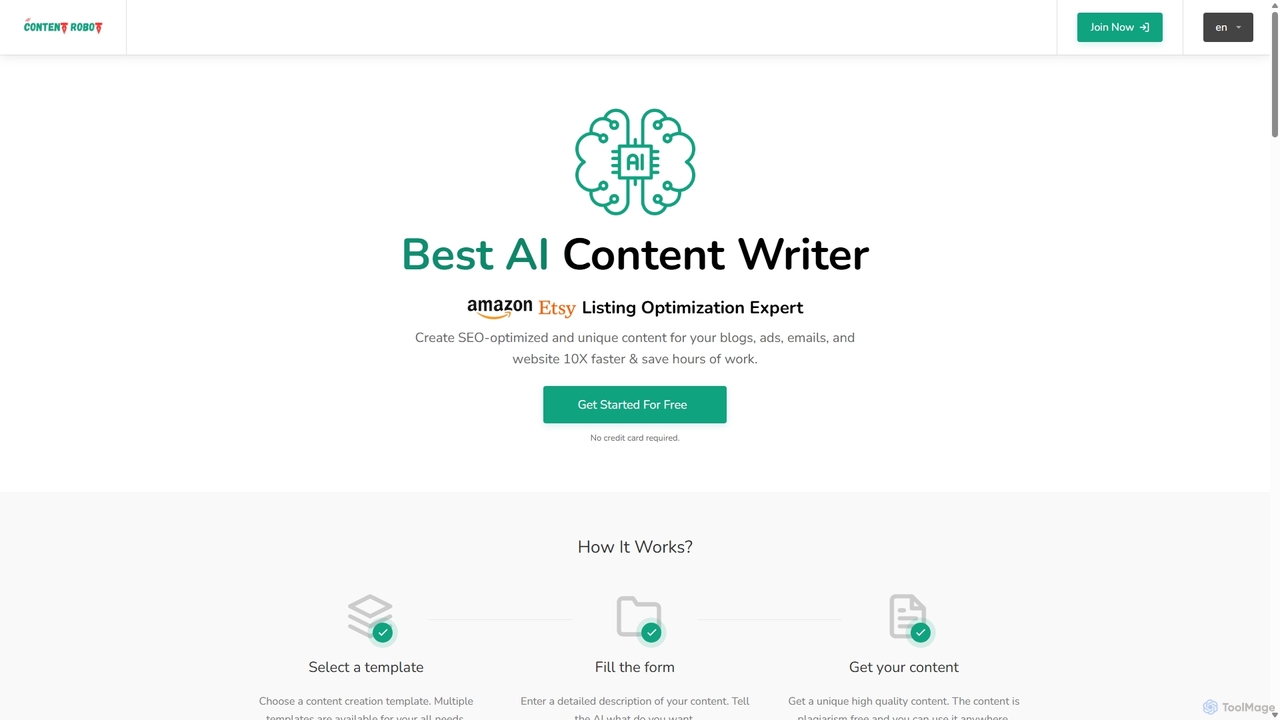
Content Robot is a versatile AI-powered content and image generator designed to accelerate content creation by 10x. It offers over 70 templates for various needs, including SEO-optimized blog posts, social media content, ad copy, and specialized tools for Etsy/Amazon sellers and QA software testers. It also features an AI image generator, AI chat, and code generation capabilities, making it a comprehensive solution for marketers, e-commerce professionals, and developers.
Testing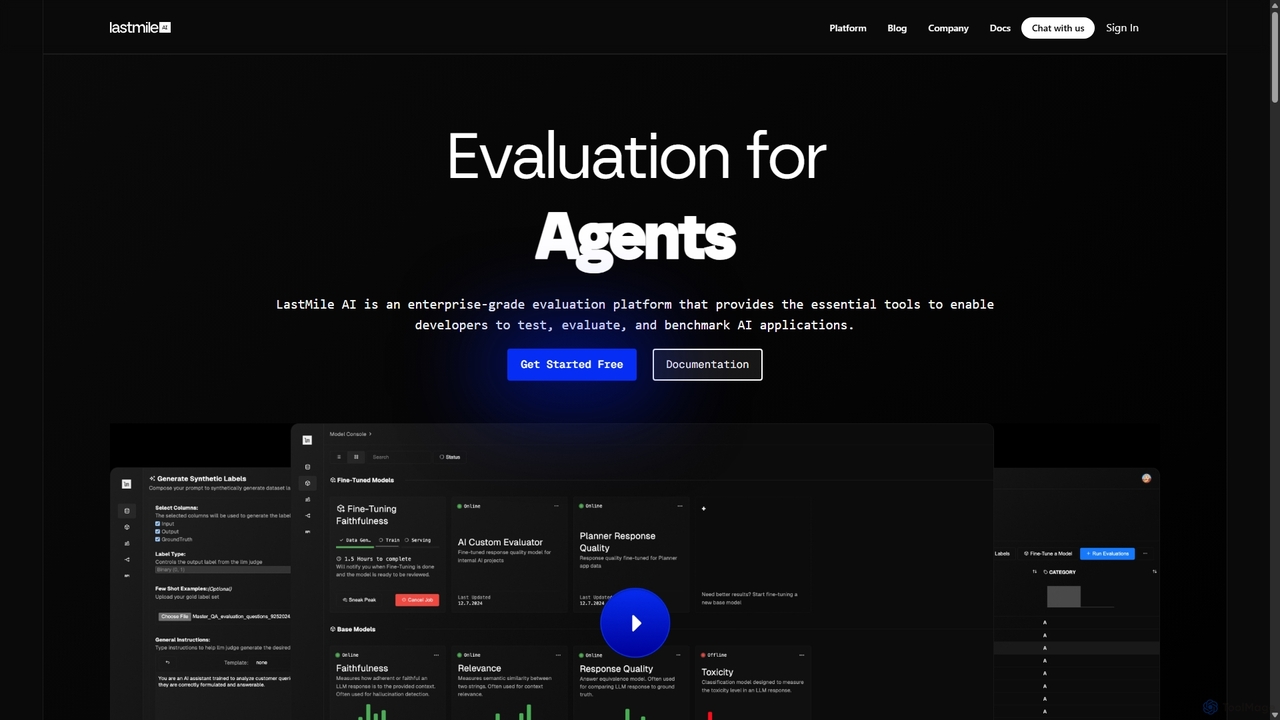
LastMile AI is an enterprise-grade developer platform for testing, evaluating, and monitoring generative AI applications. It provides tools like AutoEval for custom evaluator fine-tuning, synthetic data generation, and real-time monitoring to ensure AI systems are reliable and production-ready.
Model Evaluation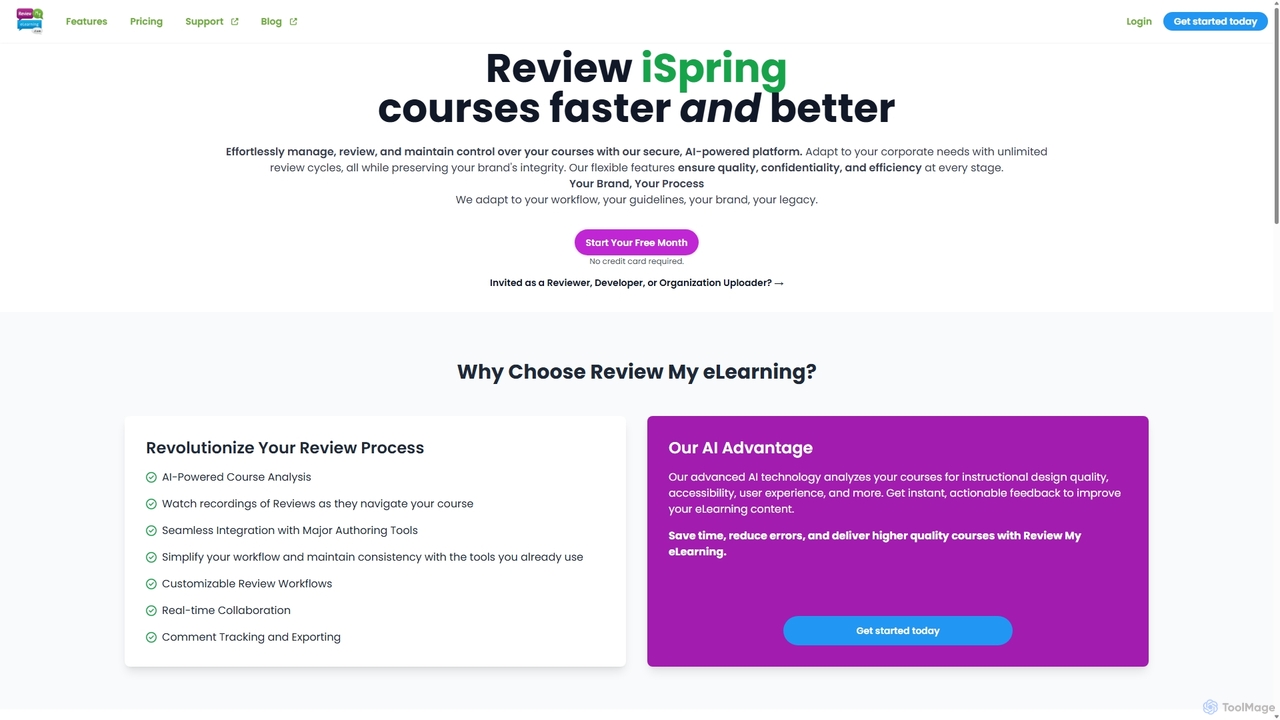
An AI-powered platform designed to streamline the review and collaboration process for eLearning courses. It offers centralized feedback, real-time collaboration, AI-driven course analysis, and user interaction replays to help instructional designers and developers create higher-quality content faster. It supports courses from all major authoring tools.
Project Management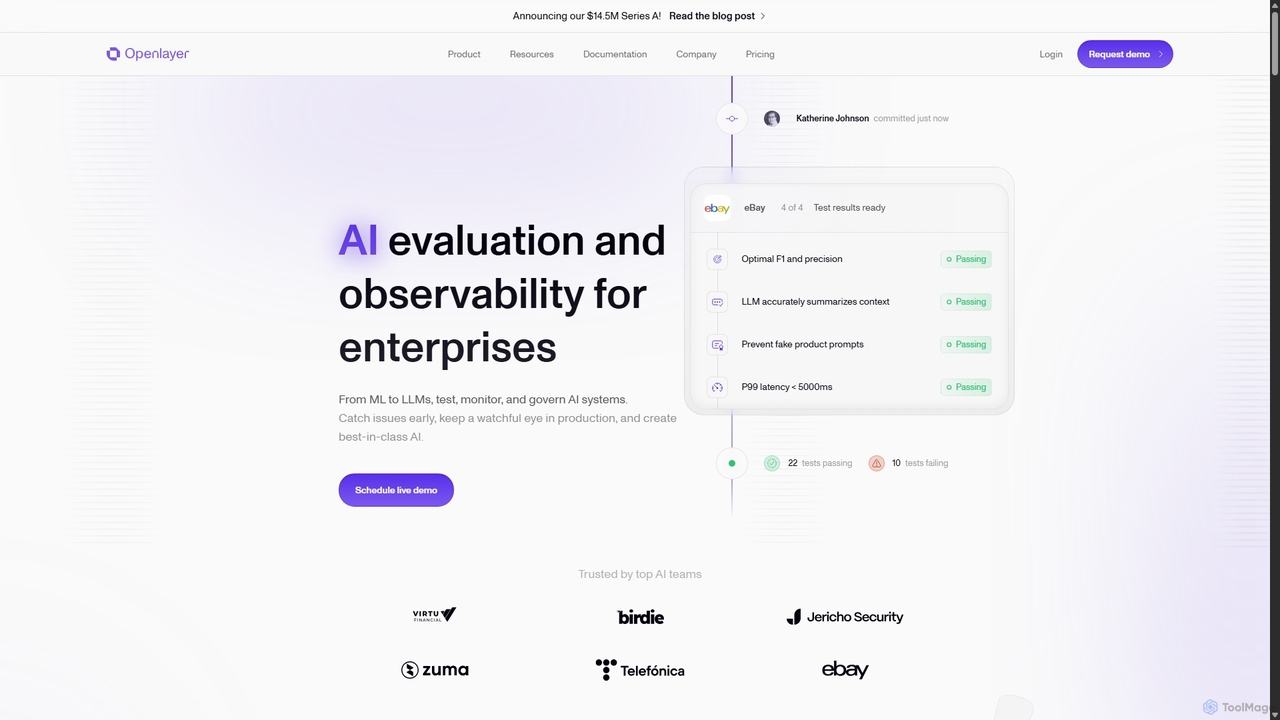
Openlayer is an enterprise-grade platform for AI evaluation and observability. It empowers teams to test, monitor, and govern both traditional machine learning models and large language models (LLMs) throughout their entire lifecycle, from development to production, ensuring reliability and compliance.
Analytics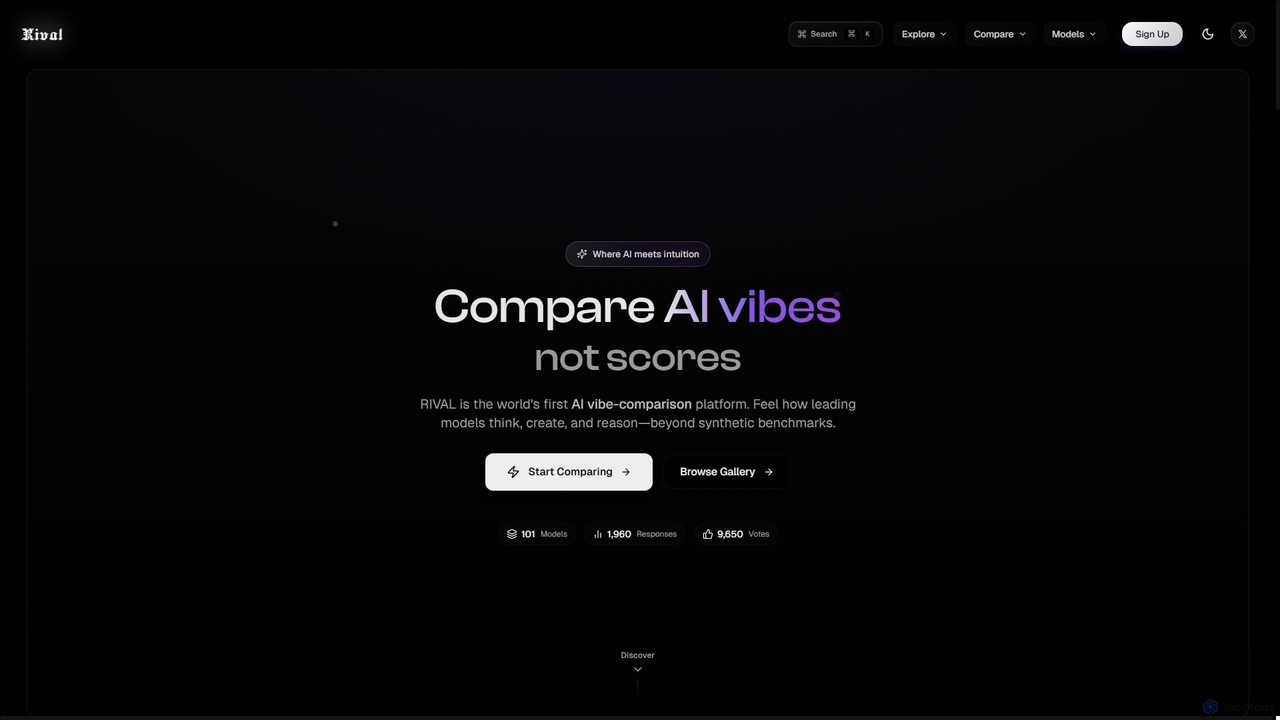
Rival is a unique AI model comparison platform that focuses on "vibe" rather than just benchmarks. It allows users to intuitively compare leading models like GPT, Gemini, and Claude through side-by-side duels, response galleries, and historical evolution tracking. Discover the distinct personalities, creative styles, and reasoning approaches of different AIs to find the perfect model for your specific task, moving beyond quantitative scores to a qualitative, hands-on experience.
Testing
Qabuddy is an AI-powered assistant for software quality assurance. It automates tedious testing tasks like test case generation, script writing, and bug reporting. It helps QA teams, developers, and product managers accelerate their testing cycles, improve test coverage, and release higher-quality software faster. By leveraging AI, Qabuddy acts as an intelligent partner in the development lifecycle.
Code Assistant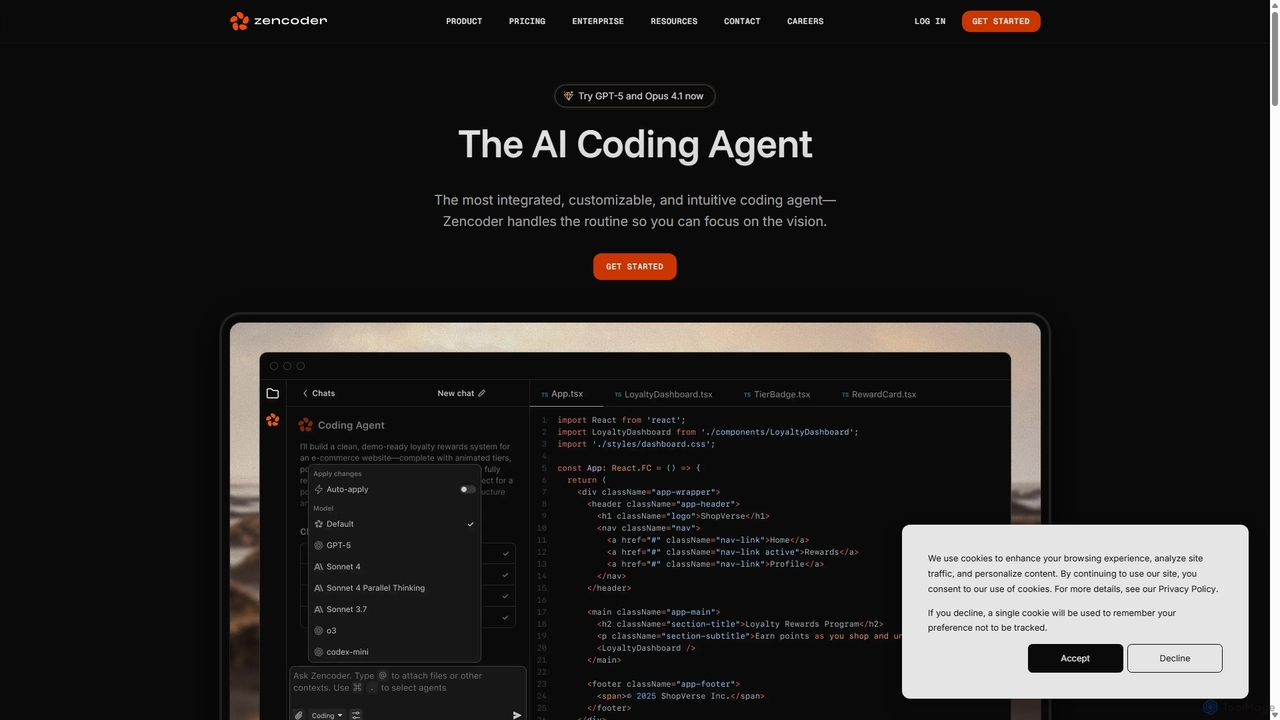
Zencoder is an advanced AI coding agent designed to automate routine development tasks. It deeply integrates into your workflow, understanding your entire codebase to implement features, write tests, fix bugs, and refactor code autonomously. With customizable 'Zen Agents' and seamless integration with VS Code, JetBrains, and over 100 developer tools, Zencoder empowers engineering teams to focus on innovation and ship products faster.
Code Assistant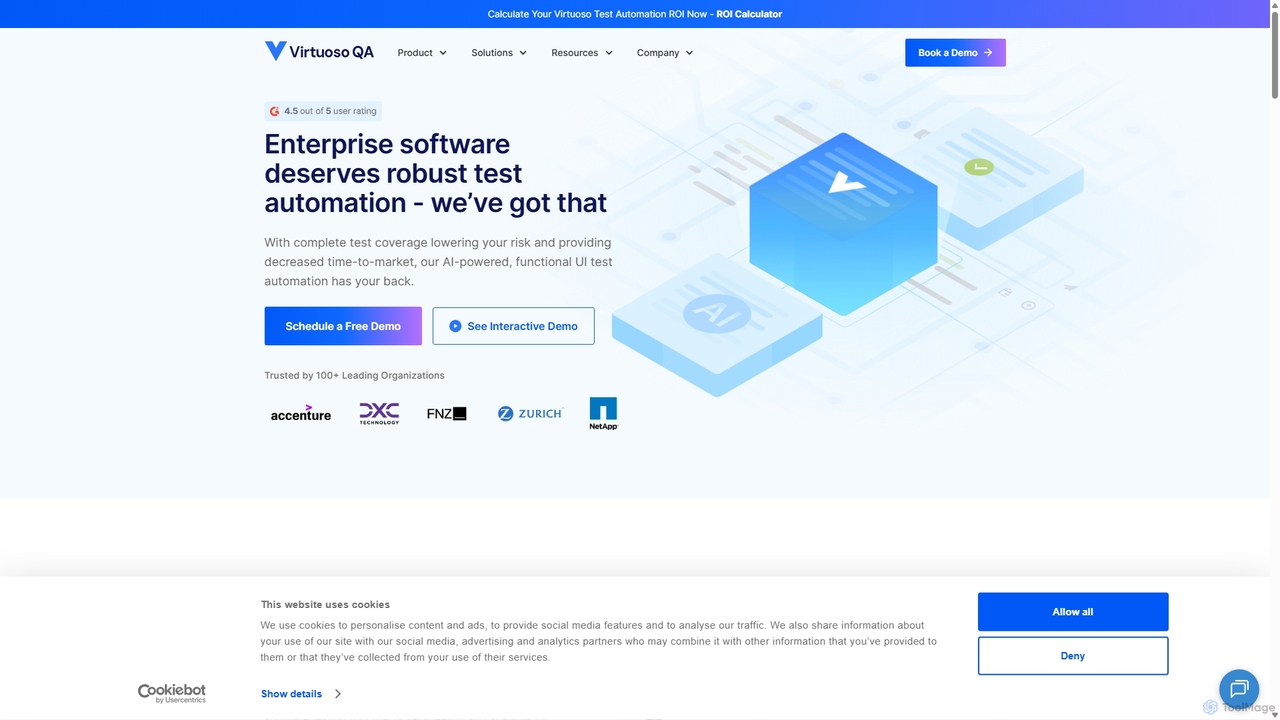
Virtuoso is an AI-powered test automation platform for enterprises, enabling teams to write self-healing, functional UI and end-to-end tests in plain English. It combines Natural Language Programming (NLP) and Generative AI to accelerate software delivery, reduce test maintenance costs, and improve overall quality.
Testing
Devgen is an AI-powered coding assistant designed to accelerate the software development lifecycle. It helps developers write better code faster by providing intelligent code generation, completion, refactoring, and automated testing, directly within their IDE.
Code Assistant
A groundbreaking AI tool that generates hyper-realistic, high-resolution human faces with every page refresh. Powered by NVIDIA's StyleGAN, it showcases the power of Generative Adversarial Networks (GANs) by creating entirely new, fictional individuals. This free tool is perfect for designers, developers, and creatives needing royalty-free, privacy-safe avatars and placeholder images.
Prototyping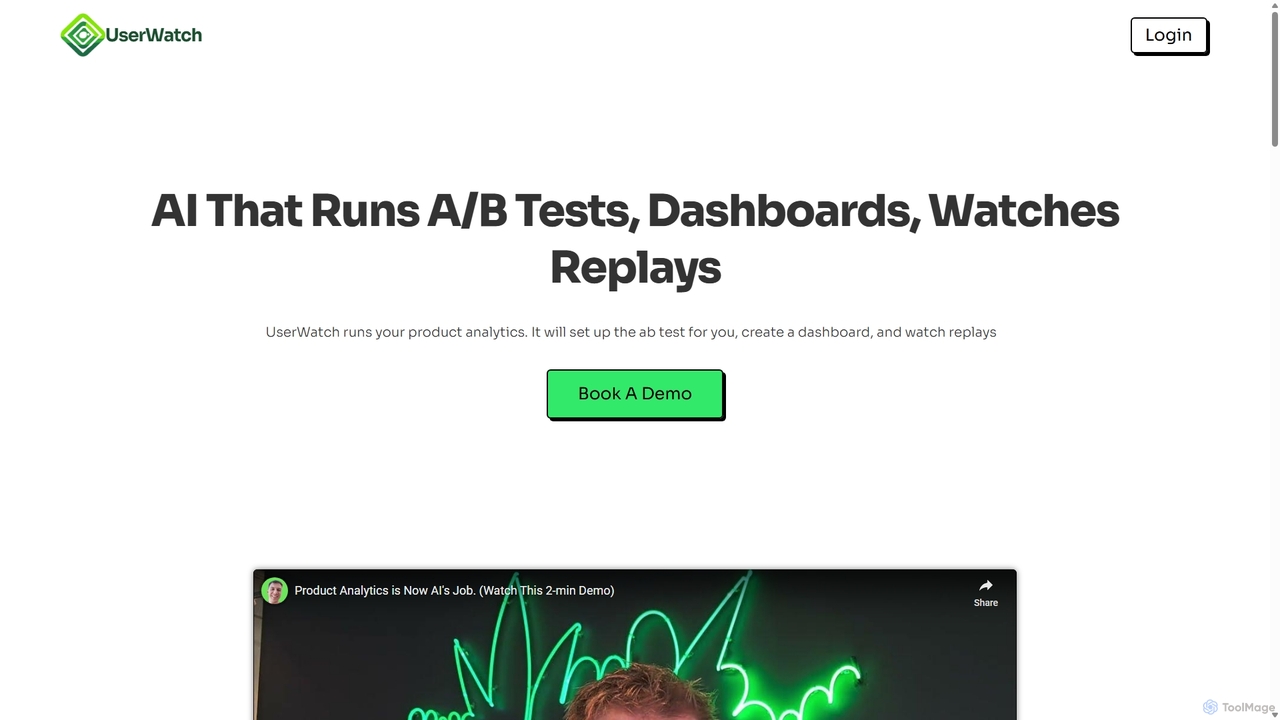
UserWatch is an AI-powered product analyst that automates complex analytics tasks. It runs A/B tests, creates dashboards, and analyzes session replays using simple prompts. This tool helps product teams identify user friction, get actionable UX insights, and directly link improvements to revenue impact, saving hours of manual work.
User Behavior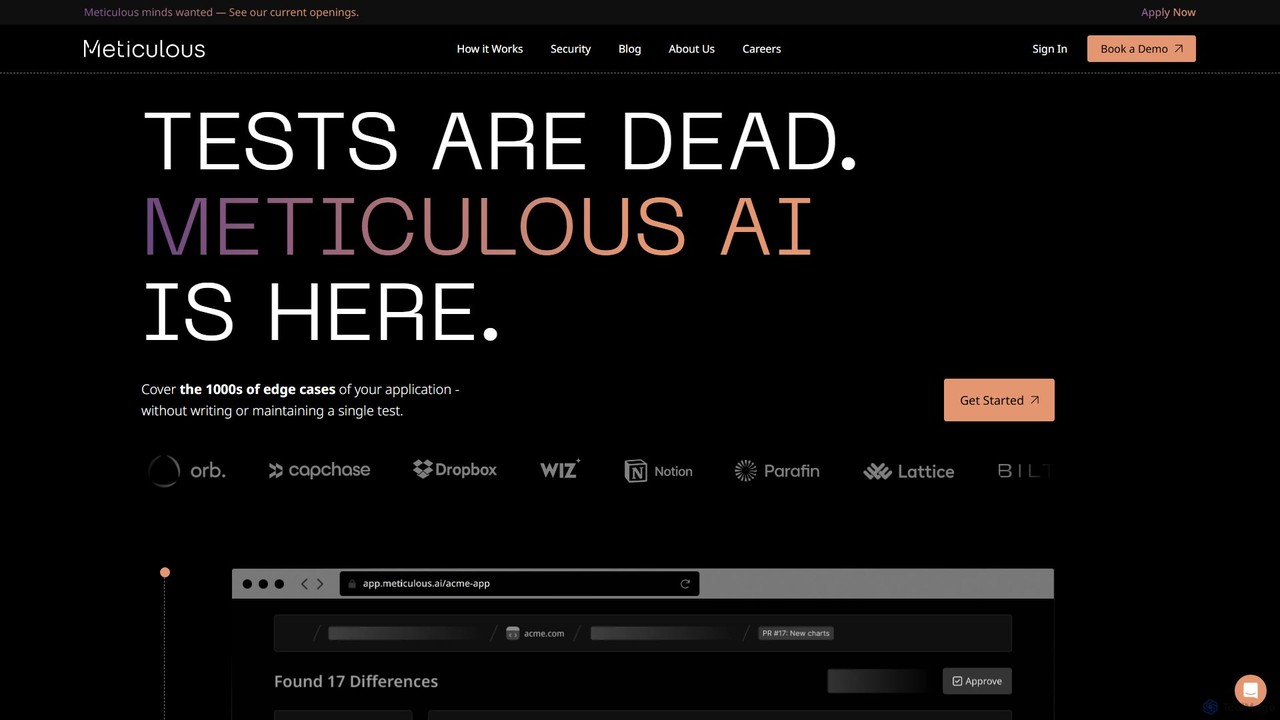
Meticulous is an AI-powered tool that revolutionizes front-end testing. It automatically generates and maintains visual end-to-end tests by recording user interactions, eliminating the need for manual test scripting. This helps development teams catch regressions, cover edge cases, and ship code faster with confidence, without the hassle of flaky or high-maintenance tests.
Code Quality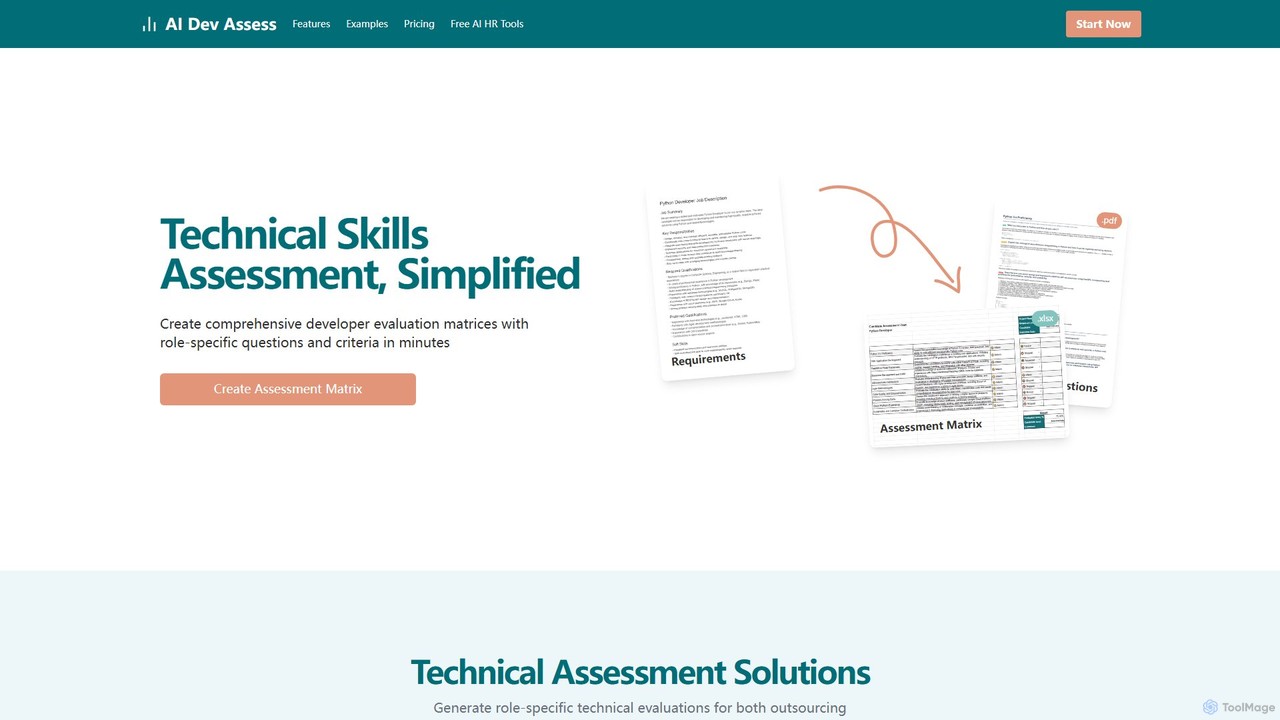
aidevassess is an AI-powered platform that simplifies technical hiring by generating comprehensive developer evaluation matrices and role-specific interview questions from a job description. It streamlines the assessment process for hiring managers and outsourcing teams, saving hours of preparation time.
Testing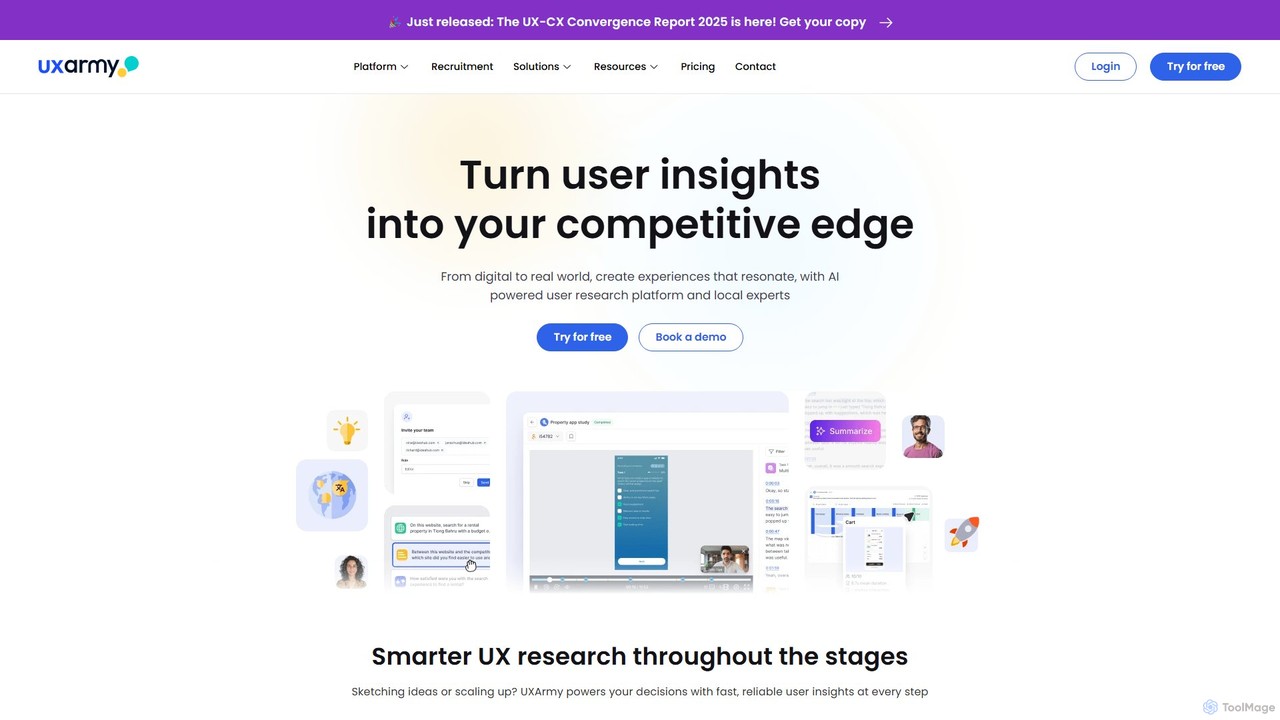
UXArmy is an AI-powered, all-in-one user research platform for remote usability testing and user insights. It enables teams to conduct unmoderated tests, moderated interviews, card sorting, and tree testing. With a global participant panel and AI-driven analysis, it helps businesses turn user feedback into a competitive advantage by creating better digital experiences.
TestingAI Testing tools are a specialized category of developer tools that leverage artificial intelligence and machine learning to automate and enhance the software testing process. These tools go beyond traditional script-based automation by intelligently creating, executing, and maintaining tests. They significantly accelerate release cycles, improve test coverage, and reduce the manual effort required to fix broken tests. A key feature is their ability to perform self-healing, where tests automatically adapt to changes in the application's user interface.
AI Testing tools are primarily used by Agile and DevOps teams working in fast-paced development environments. They are particularly valuable for testing large-scale web applications, complex enterprise software, and mobile apps that undergo frequent updates. Roles like QA Automation Engineers, SDETs (Software Development Engineer in Test), and developers benefit from reduced test maintenance and faster feedback loops.
When selecting an AI Testing tool, consider its integration capabilities with your existing CI/CD pipeline (e.g., Jenkins, GitHub Actions). Evaluate its support for the platforms you target, such as web, mobile (iOS/Android), and APIs. Assess the robustness of its self-healing capabilities and the accuracy of its visual testing engine. Also, consider the tool's ease of use, especially for team members with limited coding skills, and its reporting and analytics features for tracking quality metrics.
A QA engineer for a large e-commerce platform needs to ensure that new code deployments don't introduce visual defects on critical pages like the checkout or product listings. Using an AI Testing tool, they can automate visual regression testing. The tool captures baseline screenshots of key pages and, during each CI/CD run, automatically compares new versions against these baselines. It uses computer vision to flag even minor unintended changes, such as misaligned buttons, incorrect fonts, or color shifts, which traditional functional tests would miss. This process reduces manual testing time by hours and catches critical UI bugs before they impact customers.
A DevOps team manages a web application with weekly updates, which frequently causes traditional test scripts to break due to changes in element locators. By implementing an AI Testing tool, they create end-to-end tests that are self-healing. When a developer changes a button's ID or refactors a component, the AI doesn't rely solely on the old locator. It analyzes other attributes (like text, position, and structure) to correctly identify the element and adapt the test step automatically. This drastically reduces test maintenance overhead, prevents the CI/CD pipeline from being blocked by flaky tests, and allows the team to release new features with higher confidence and speed.
A mobile development team needs to test their new app on dozens of different iOS and Android devices with varying screen sizes and OS versions. Manually testing on each device is slow and impractical. An AI Testing tool can automate this process. A developer or QA tester can record a single test flow on one device, and the AI can intelligently execute that same test across a fleet of real or virtual devices. It automatically handles differences in screen resolution and UI layout, ensuring that features work consistently everywhere. The tool provides a consolidated report with screenshots and logs from all devices, allowing the team to quickly identify and fix device-specific bugs.
A backend developer is building a complex microservices architecture and needs to ensure all API endpoints are thoroughly tested. Manually writing tests for hundreds of endpoints is time-consuming. An AI Testing tool can analyze an API specification file (like OpenAPI or Swagger). Based on the specification, it automatically generates a comprehensive suite of test cases, including tests for valid inputs, edge cases, and potential security vulnerabilities. It can also generate mock data and validate response schemas, status codes, and headers. This automates a significant portion of backend testing, allowing developers to focus on business logic rather than boilerplate test code.
A startup with a small QA team is struggling to achieve high test coverage for their rapidly evolving product. They use an AI Testing tool's autonomous exploration feature. They provide the tool with a starting URL and some basic credentials. The AI then acts like a new user, systematically navigating the application, clicking buttons, filling forms, and discovering different user paths. As it explores, it automatically generates test scripts for the paths it discovers, identifying potential crashes or errors along the way. This helps the team quickly build a regression suite that covers parts of the application they might have missed, significantly improving overall product quality without a large investment in manual testing resources.
A front-end developer is tasked with ensuring their web application complies with WCAG (Web Content Accessibility Guidelines). Manually checking for accessibility issues is tedious and error-prone. They integrate an AI Testing tool into their workflow. The tool automatically scans the application during test runs to identify common accessibility problems, such as missing alt text for images, low-contrast text, improper heading structures, and missing ARIA labels. It provides a detailed report with the exact location of each issue and suggests remediation steps. This allows the developer to proactively fix accessibility bugs as part of their regular development cycle, making the application more inclusive for users with disabilities.
AI Testing tools are advanced software applications that use artificial intelligence and machine learning to improve and automate the process of software quality assurance. Unlike traditional automation tools that rely on pre-written scripts, AI testing tools can autonomously generate test cases, visually inspect user interfaces for defects, and automatically adapt to application changes. Their primary goal is to make testing faster, more comprehensive, and less brittle by reducing the manual effort needed for test creation and maintenance.
The key difference lies in intelligence and adaptability. Traditional tools like Selenium execute explicit, pre-written scripts. If a UI element changes, the script breaks and requires manual updates. AI Testing tools operate differently:
In essence, traditional tools follow instructions, while AI tools can make intelligent decisions to create and maintain tests more efficiently.
Choosing the right AI Testing tool depends on your specific needs. Consider these key factors:
AI Testing tools are beneficial for a wide range of roles within a software development lifecycle. Key users include:
Incorporating AI into software testing offers several significant benefits that address the limitations of traditional methods. The primary advantages include: