ToolMage
Sign in

Best 360 Knowledge Management AI tools for Productivity

Popular Knowledge Management AI tools in Productivity include Notion, Feishu, Britannica, Glean, Wikiwand, Glasp, FlowUs, Zhida, YouMind, and CSDN SO, helping you work more efficiently.

Visspot
Freemium

Visspot

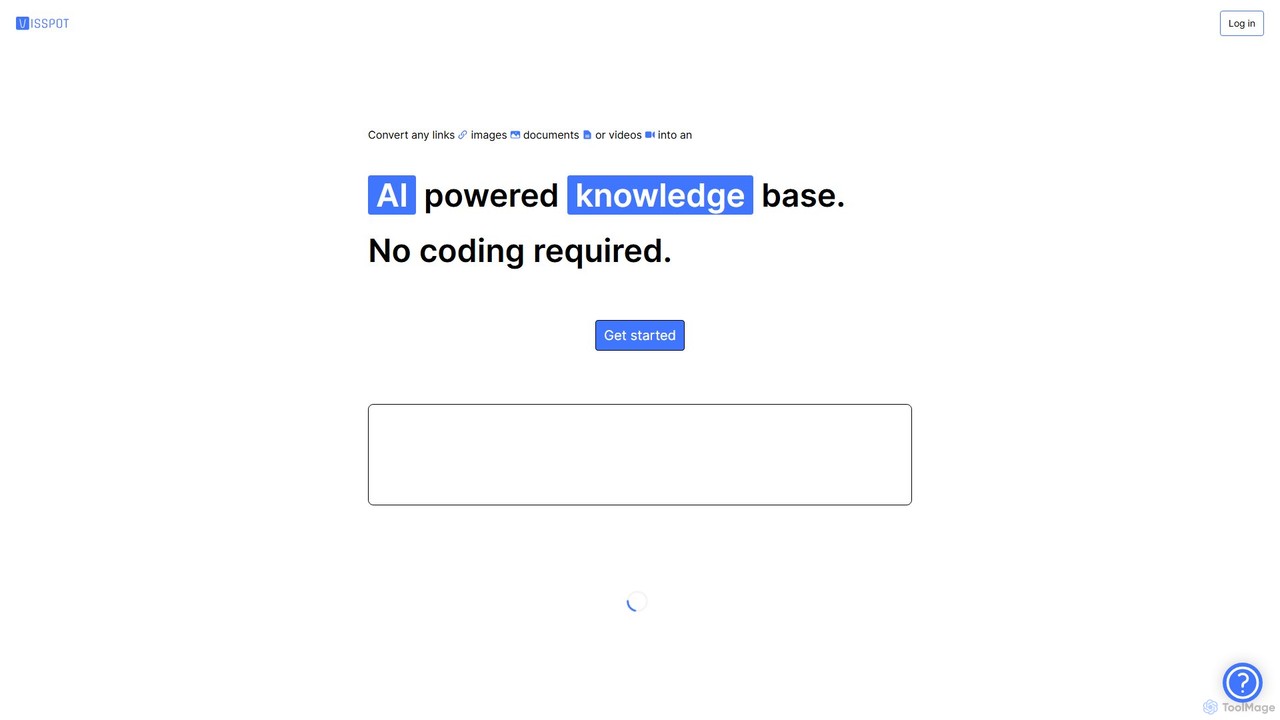
Visspot is a no-code AI platform that transforms various content types—including links, images, documents, and videos—into an intelligent, interactive knowledge base. Ask questions in natural language and get instant, accurate answers from your own data, streamlining information access and team collaboration.

Document Management
Visits 6.4KFavorites 137Likes 128
Memgrain
Freemium

Memgrain

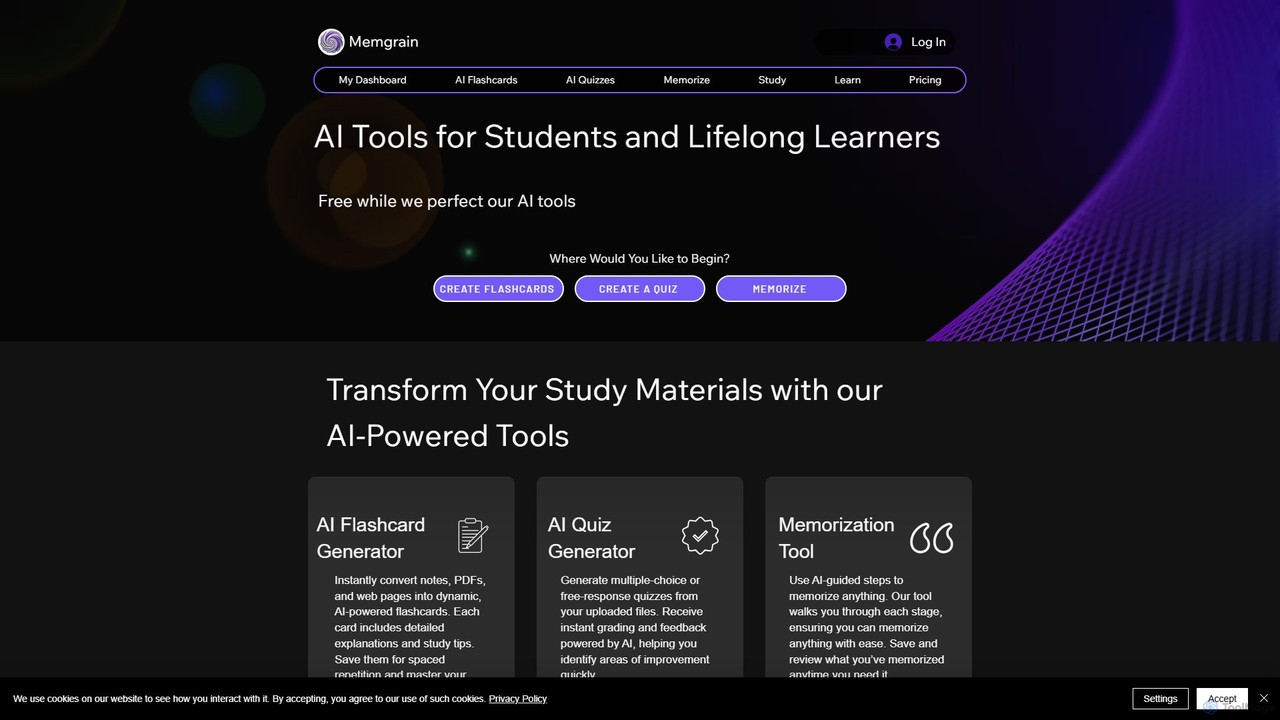
Memgrain is an AI-powered learning platform designed for students and lifelong learners. It transforms your study materials—like notes, PDFs, and web pages—into dynamic flashcards and quizzes. By leveraging a spaced repetition system, Memgrain helps you combat the forgetting curve, enhance long-term memory retention, and master any subject with greater efficiency and confidence.

Study Tools
Visits 20.1KFavorites 187Likes 185
Uncoop
Freemium

Uncoop

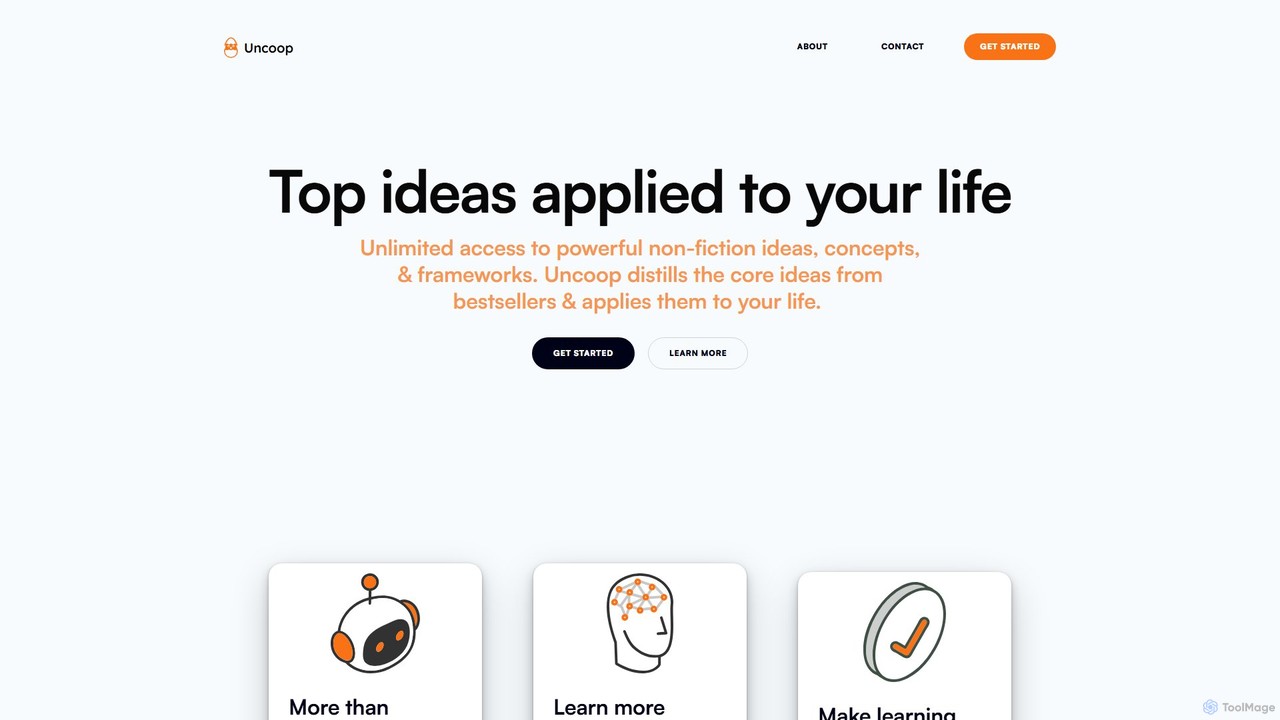
Uncoop is an AI-powered platform that distills key ideas from non-fiction bestsellers and applies them directly to your life. It moves beyond simple summaries to provide personalized, actionable insights for personal growth, habit formation, and achieving your goals.

Personal Development
Visits 6.5KFavorites 135Likes 141
DailyWiser
Freemium

DailyWiser

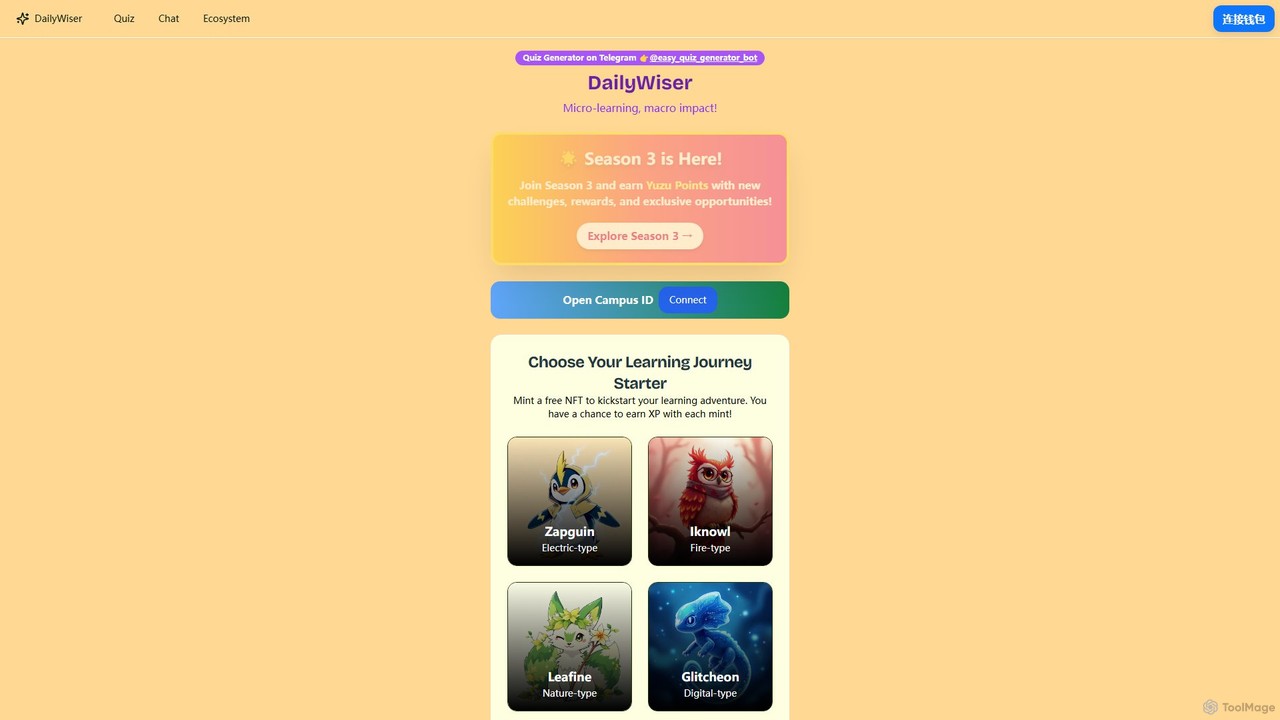
DailyWiser is a gamified, learn-to-earn platform on the Open Campus EDU Chain. It incentivizes learning through daily quizzes, challenges, and NFT minting. Users can earn points and convert them into crypto rewards ($EDU), making education an engaging and profitable journey into Web3 and other diverse subjects.

Gamified Learning
Visits 6.6KFavorites 143Likes 126
IngestAI
Paid

IngestAI

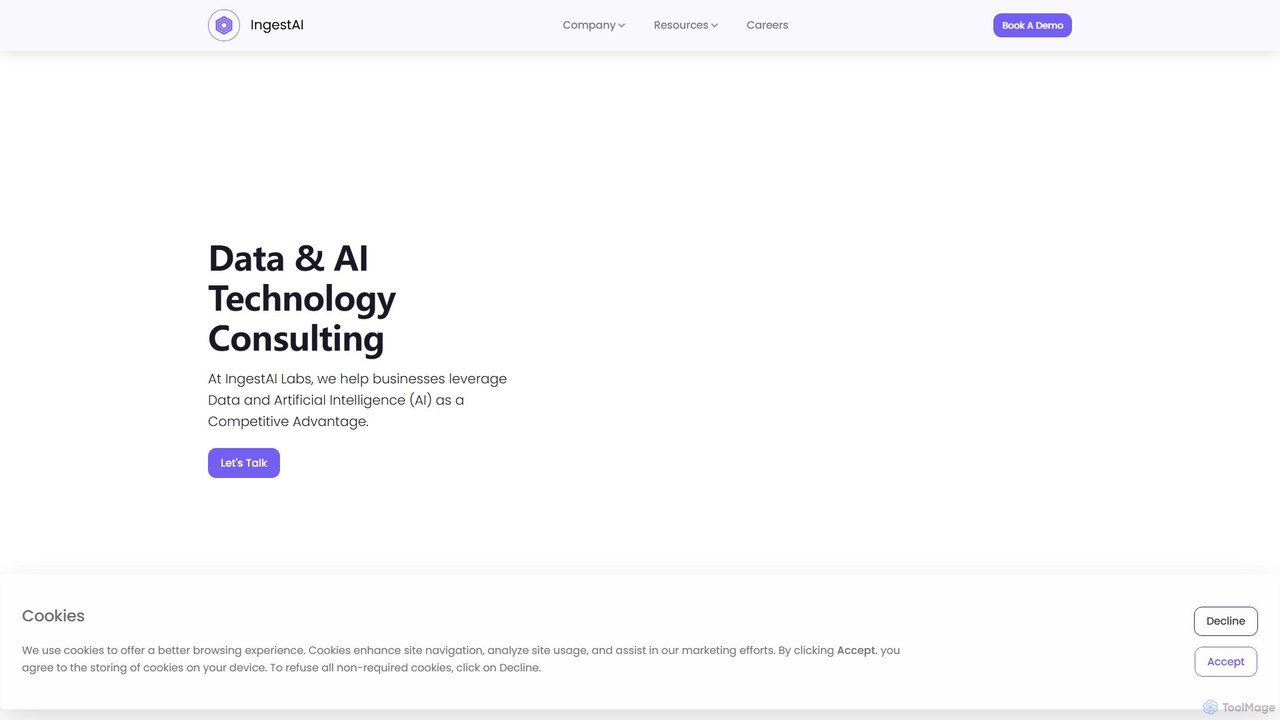
IngestAI is a no-code AI platform for businesses to build custom AI applications, chatbots, and internal tools trained on their proprietary data. It transforms company knowledge into a competitive advantage, enabling rapid development and deployment of highly accurate AI solutions.

Internal Tools
Visits 7.2KFavorites 155Likes 159
Flash Notes
Freemium

Flash Notes

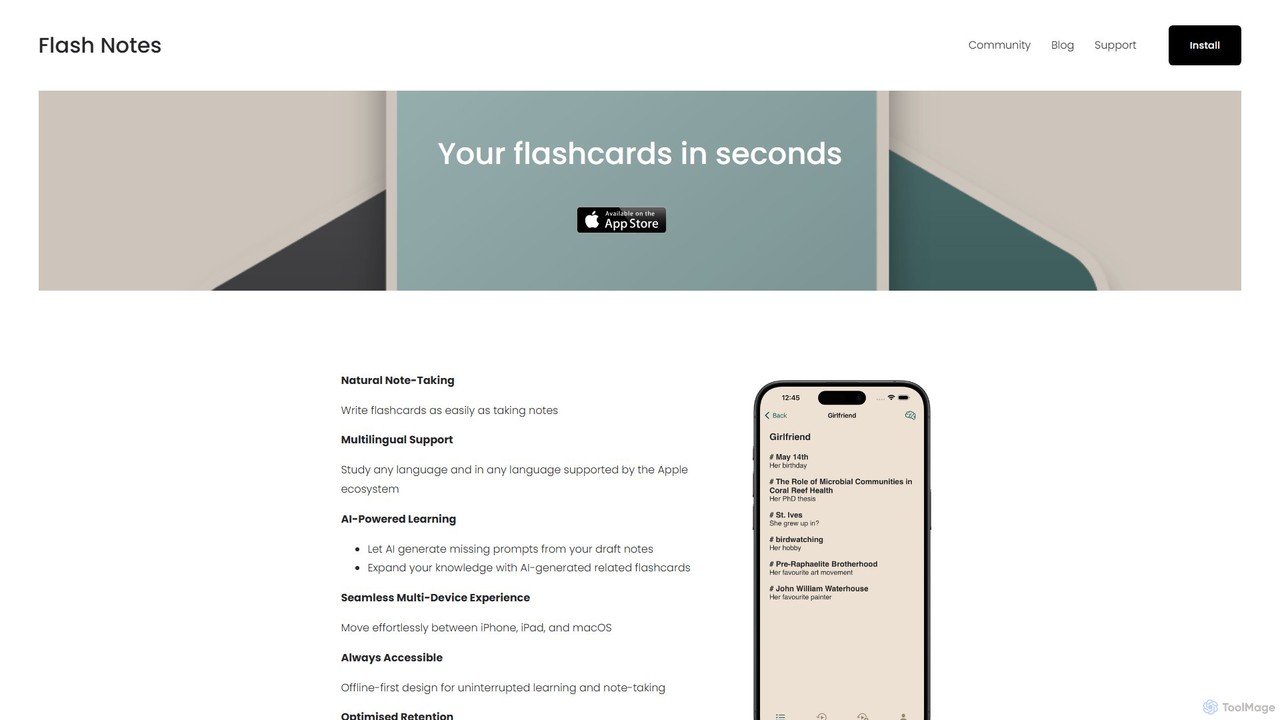
Flash Notes is an AI-powered learning app for the Apple ecosystem that turns your notes into flashcards in seconds. It uses AI to generate prompts and related cards, supports spaced repetition for optimal memory retention, and syncs seamlessly across iPhone, iPad, and macOS.

Study Tools
Visits 7.4KFavorites 137Likes 134
Deta Surf
Free

Deta Surf

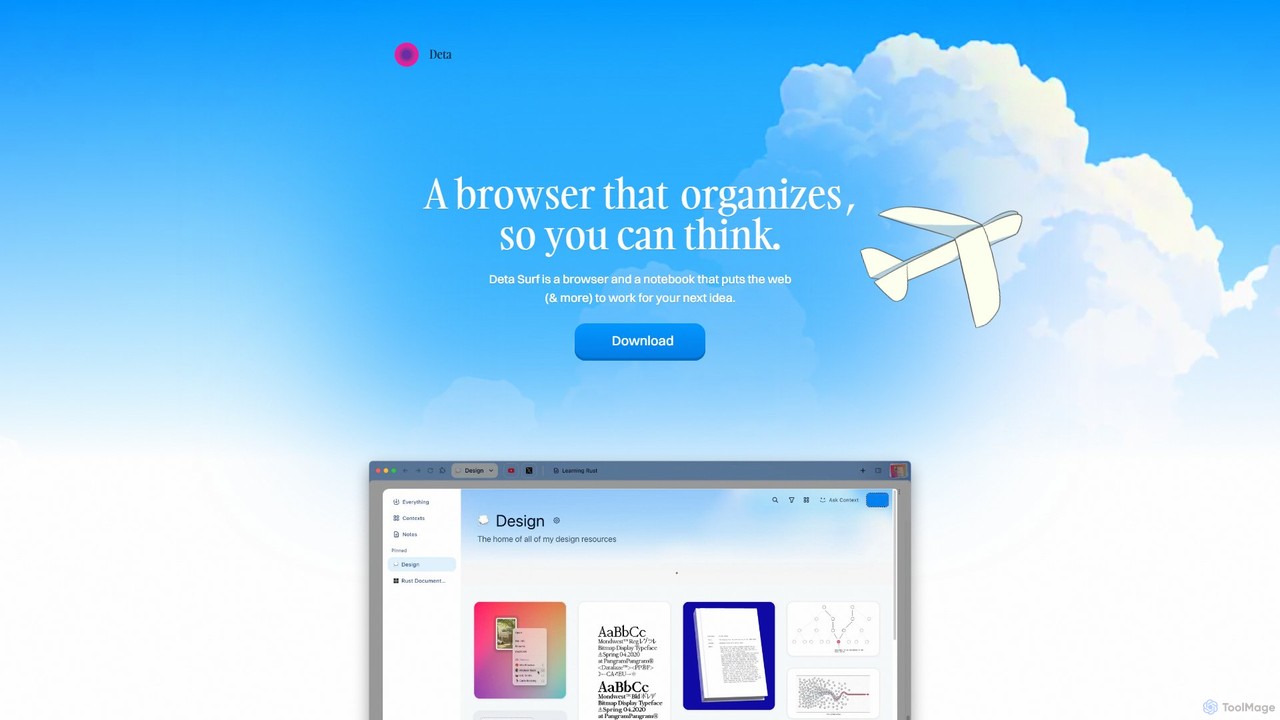
Deta Surf is an intelligent browser and notebook that organizes your web experience. It uses AI to help you collect, remember, and synthesize information, all while keeping your data private and local on your device. It's designed to reduce context switching and enhance your thinking and creativity.

Browser
Visits 23KFavorites 139Likes 150
Ayraa
Freemium

Ayraa

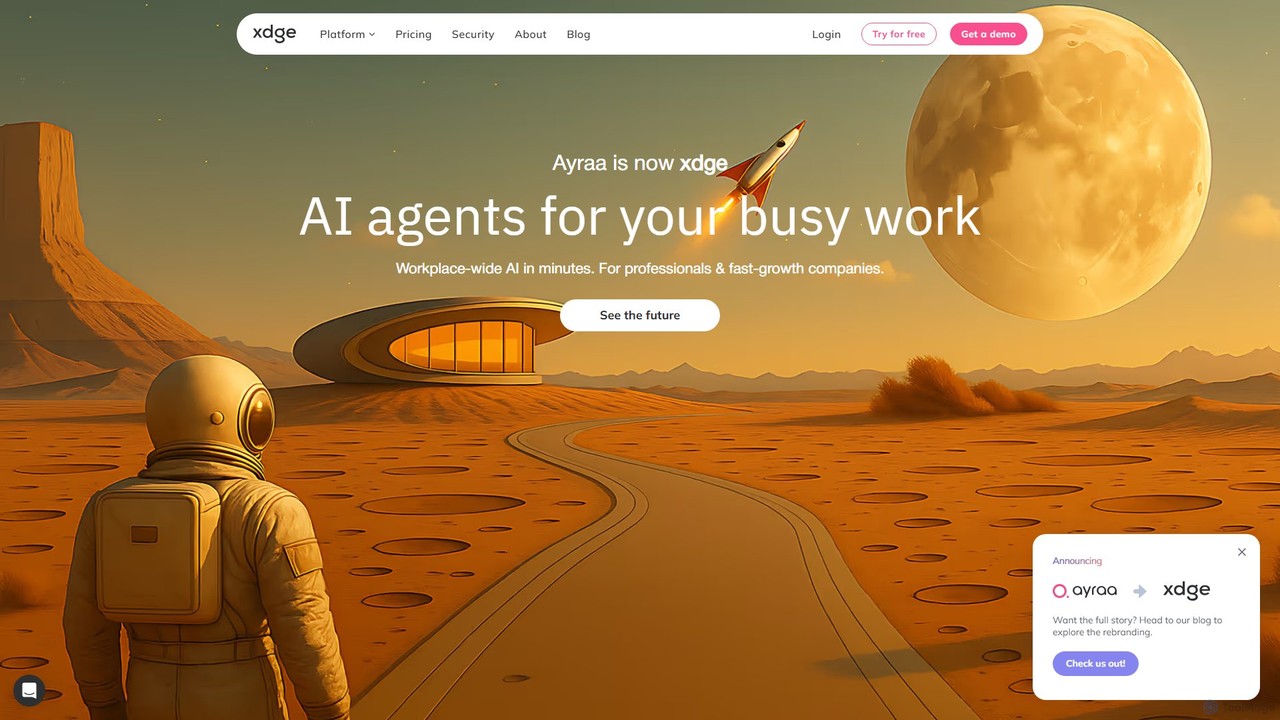
Ayraa is an AI-powered knowledge assistant for workspaces. It integrates with tools like Slack and your browser to centralize information, providing instant answers, summaries, and insights. It acts as a unified search engine for all your company's knowledge, boosting team productivity and collaboration.

Collaboration
Visits 7.3KFavorites 147Likes 155
AskLeaf AI
Freemium

AskLeaf AI

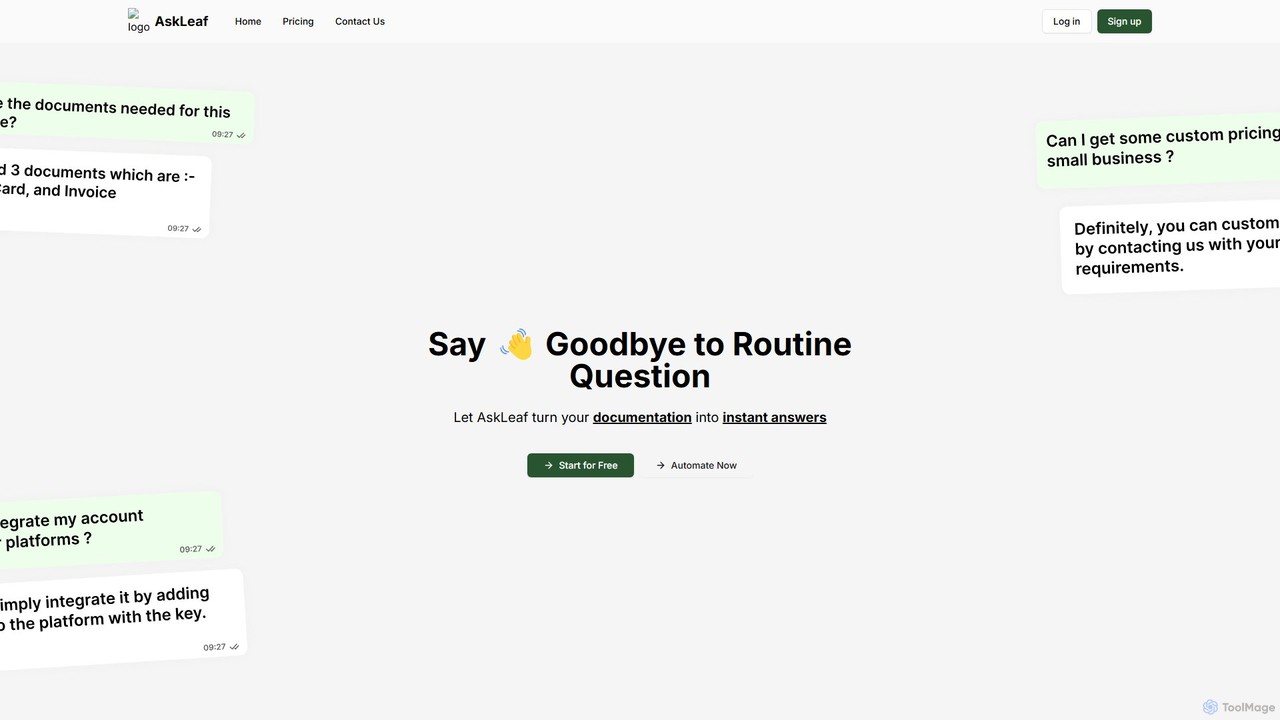
AskLeaf AI is a powerful platform that transforms your company's documentation into an intelligent, 24/7 AI chatbot. Easily upload your knowledge base, FAQs, and product manuals to create a custom chatbot that provides instant, accurate answers to customer queries. This enhances user engagement, automates lead generation, and significantly reduces support costs, all while improving overall customer satisfaction. It's a no-code solution for businesses looking to scale their customer support and sales efforts efficiently.

Chatbot
Visits 5.7KFavorites 123Likes 137
Tutor AI
Freemium

Tutor AI

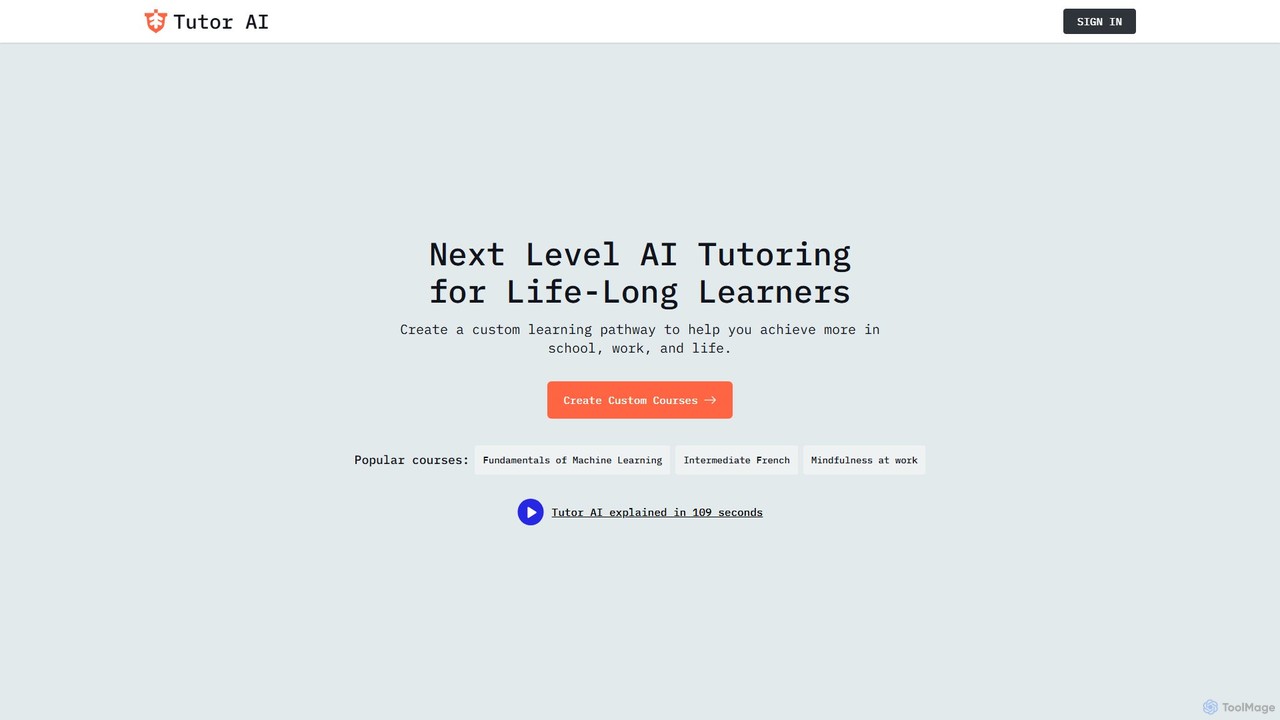
Tutor AI is a personal AI tutor that creates custom learning pathways and on-demand courses on any subject. It's designed for students, professionals, and lifelong learners to master new skills and knowledge in a personalized, interactive, and ethical way.

Personalized Learning
Visits 107.5KFavorites 141Likes 150
CustomGPT.ai
Freemium

CustomGPT.ai

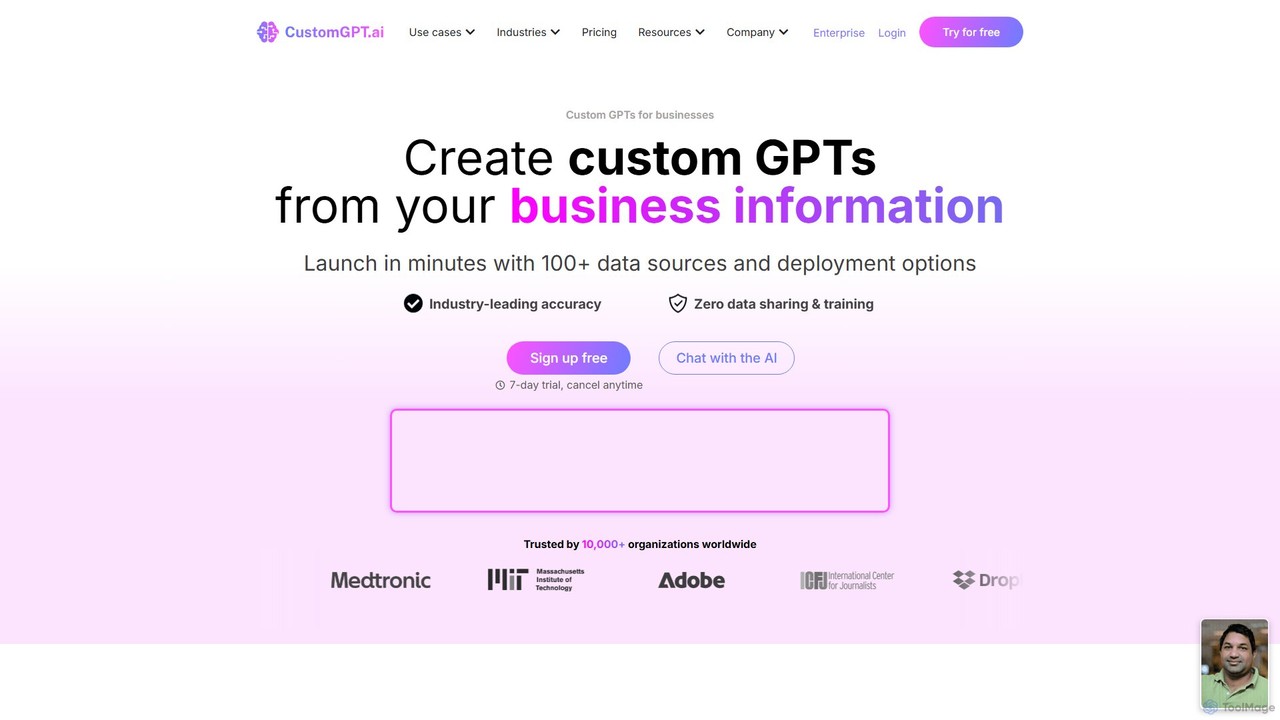
CustomGPT.ai is a no-code platform that enables businesses to create secure, custom AI chatbots trained exclusively on their own content. It supports over 100 data sources, ensures high accuracy by preventing hallucinations, and allows for easy deployment on websites or integration via API. Ideal for customer support, internal knowledge management, and sales enablement, it helps organizations automate processes and enhance user engagement without requiring technical expertise.

Custom Chatbot
Visits 123.4KFavorites 118Likes 95
EnhanceDocs

EnhanceDocs

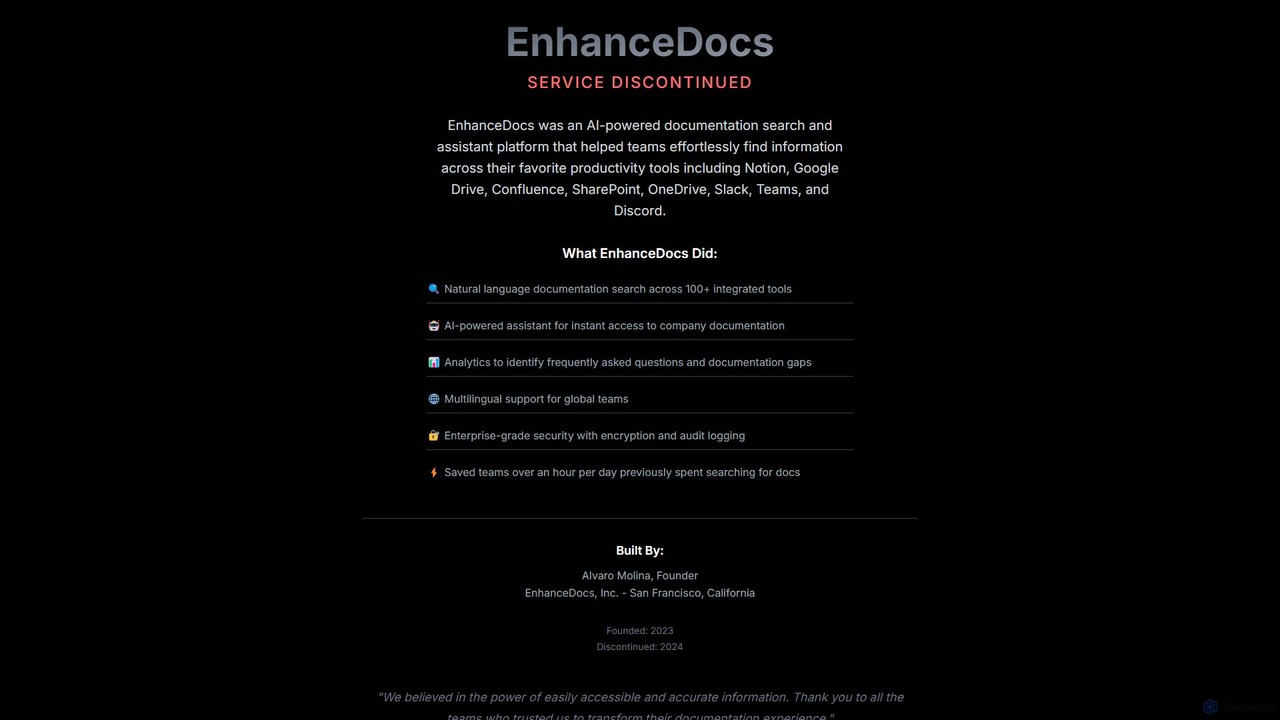
EnhanceDocs was an AI-powered documentation search and assistant platform. It unified knowledge from over 100 tools like Notion, Google Drive, and Slack, allowing teams to find information instantly using natural language. (Note: This service has been discontinued).

Enterprise Search
Visits 6.3KFavorites 102Likes 115
Lazy
Freemium

Lazy

Lazy is a universal capture tool designed to eliminate context switching. It allows you to instantly clip information from any app, website, or document using a simple shortcut. With AI-powered features like summarization and voice input, Lazy helps you build a centralized knowledge base without interrupting your workflow.

Bookmarking
Visits 21KFavorites 133Likes 127
DenserRetriever

DenserRetriever

DenserRetriever is a next-generation, AI-powered retrieval platform for developers and enterprises. It specializes in high-performance semantic search using dense vector embeddings to build advanced RAG applications, sophisticated Q&A systems, and intelligent knowledge bases. It provides robust APIs to integrate superior information retrieval capabilities, ensuring more accurate and contextually relevant results.

Customer Support
Visits 5.7KFavorites 133Likes 132
IllumiChat
Paid

IllumiChat

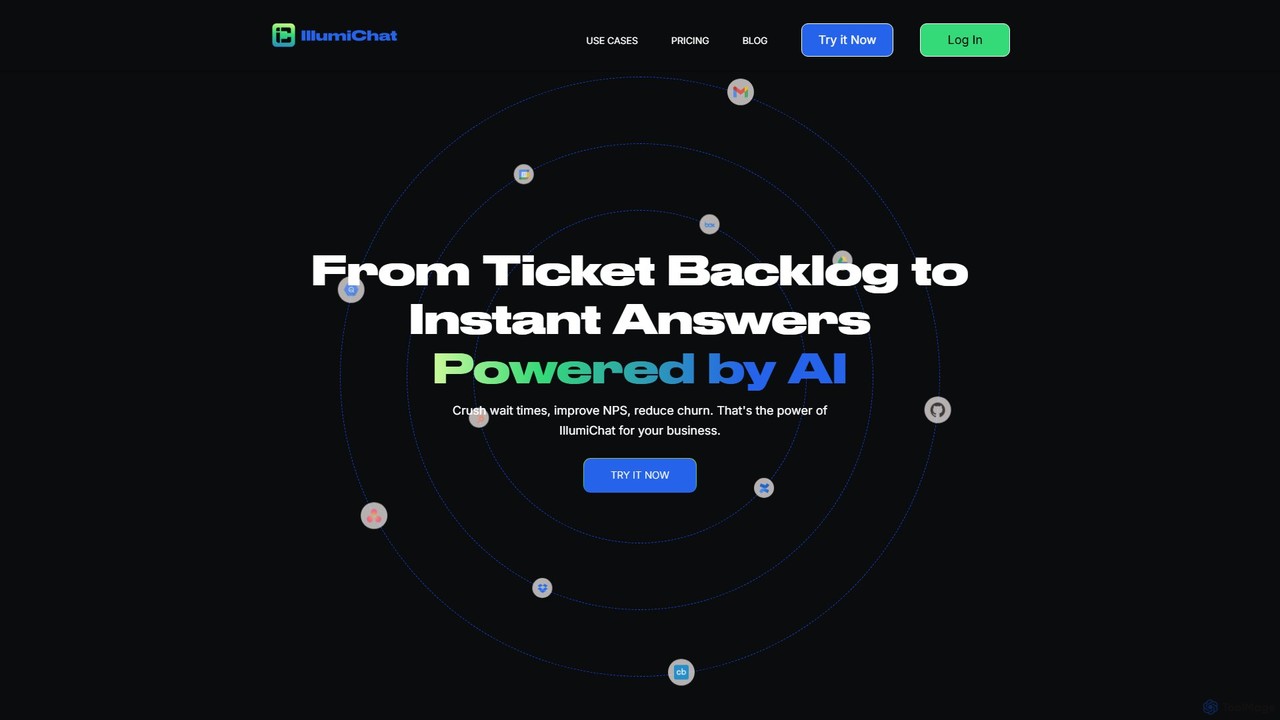
IllumiChat is an enterprise-grade AI platform for creating custom, secure chatbots. It integrates with your existing data sources to provide tailored AI assistance for customer support and internal teams, ensuring complete data privacy and security without training on your proprietary information.

Chatbot
Visits 6.4KFavorites 172Likes 150
Kahana

Kahana

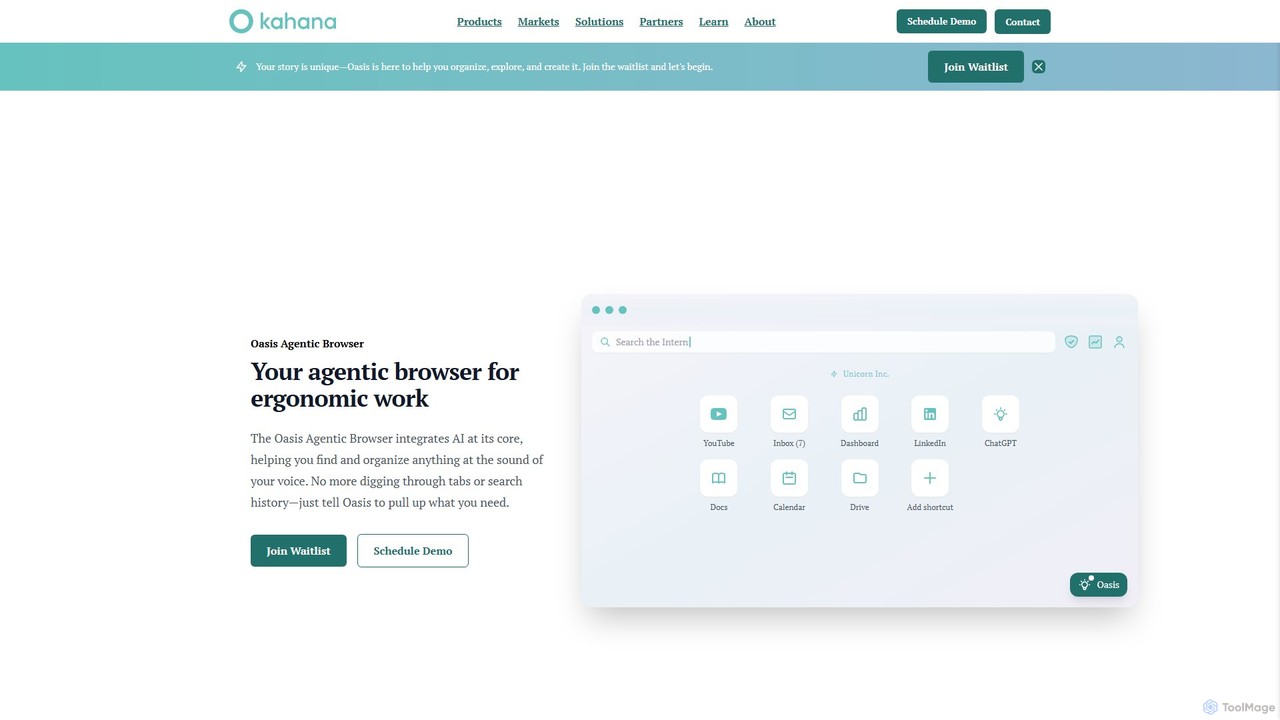
Kahana is an AI-powered agentic browser designed to enhance productivity, organization, and security. It replaces the chaos of modern browsing with an intelligent, voice-controlled workspace. Automate workflows, organize ideas into focused hubs, and collaborate securely, all within a browser that acts as your personal productivity companion.

Browser
Visits 23.9KFavorites 158Likes 160
sereda.ai
Paid

sereda.ai

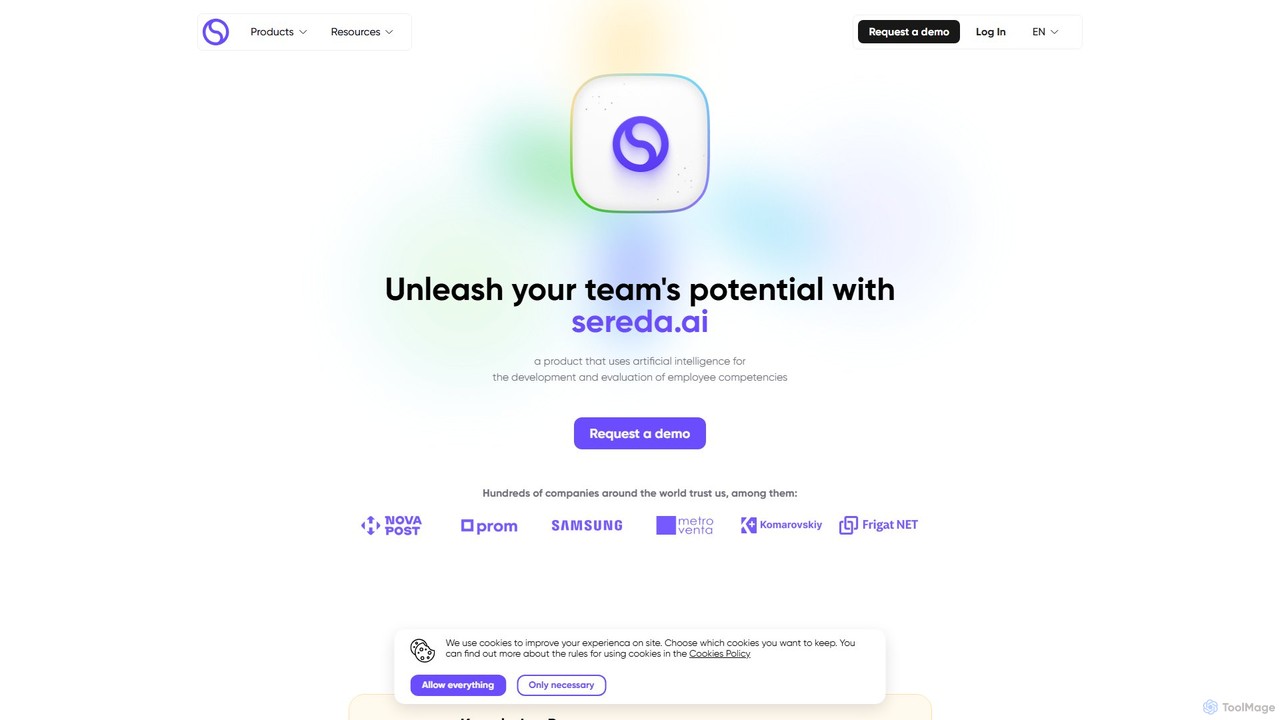
sereda.ai is an AI-powered platform designed to enhance team potential through comprehensive employee competency development and evaluation. It integrates a smart knowledge base, performance reviews, employee surveys, and learning modules into a single, automated system for modern HR management.

Analytics
Visits 6.1KFavorites 137Likes 146
InFAQ
Freemium

InFAQ

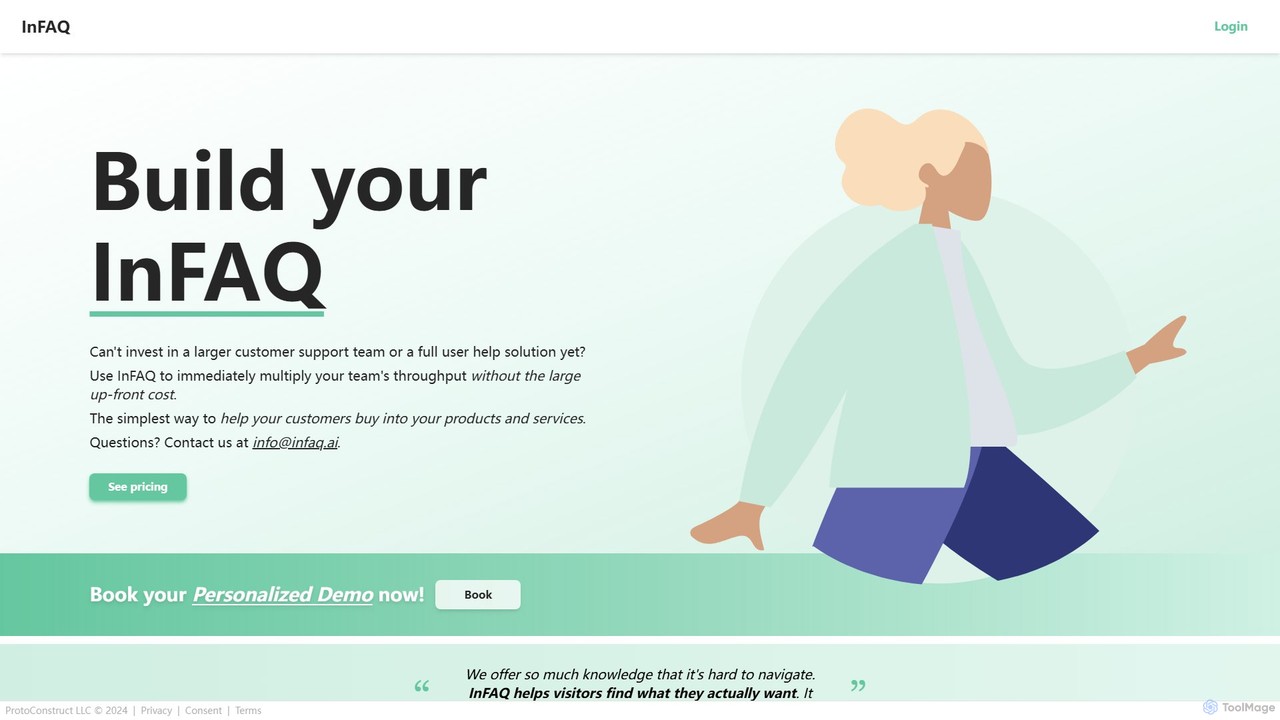
InFAQ is an AI-powered platform that automatically creates intelligent FAQ chatbots and knowledge bases from your existing content. It helps businesses reduce support tickets, provide 24/7 customer assistance, and improve user engagement by instantly answering questions based on documents, websites, or other data sources.

Chatbot
Visits 5.7KFavorites 138Likes 131
AnyGen
Paid

AnyGen

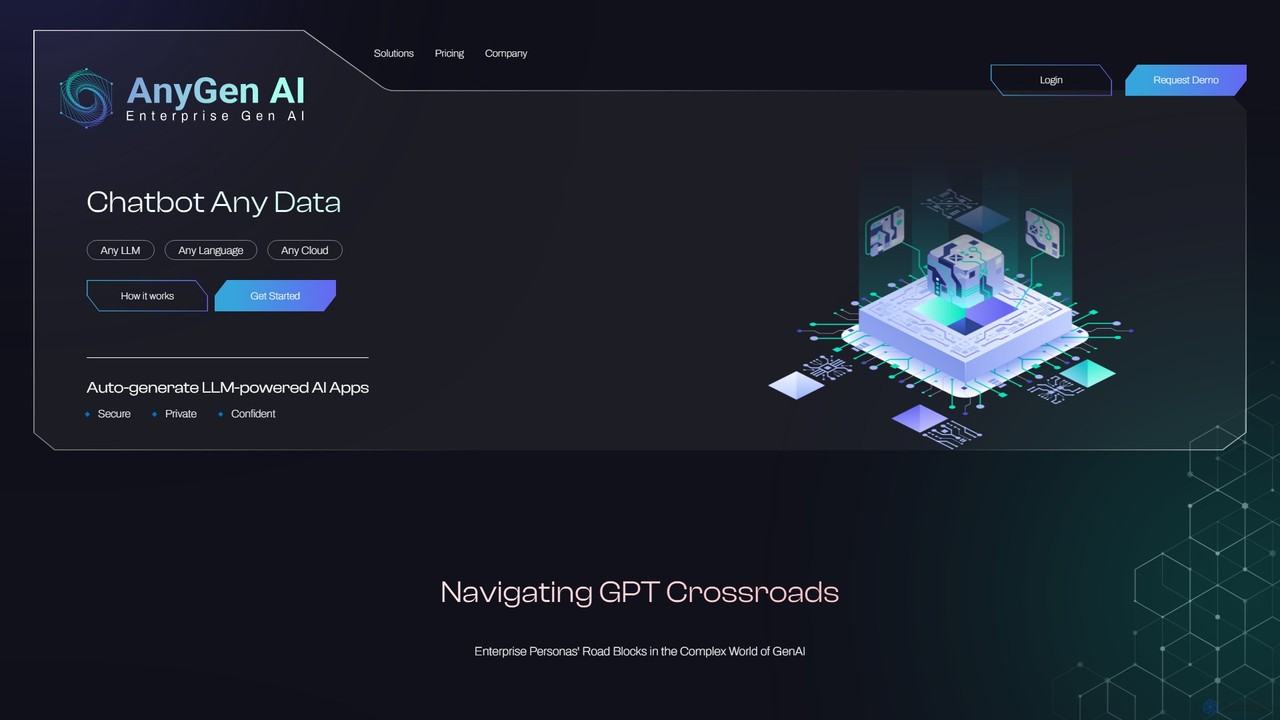
AnyGen is an enterprise-grade, no-code platform for building secure, custom AI chatbots and applications using your own data. It supports any LLM, any cloud, and any language, enabling rapid innovation with a focus on security and privacy.

Custom Chatbot
Visits 6.9KFavorites 136Likes 128

TunedChat
Paid

TunedChat

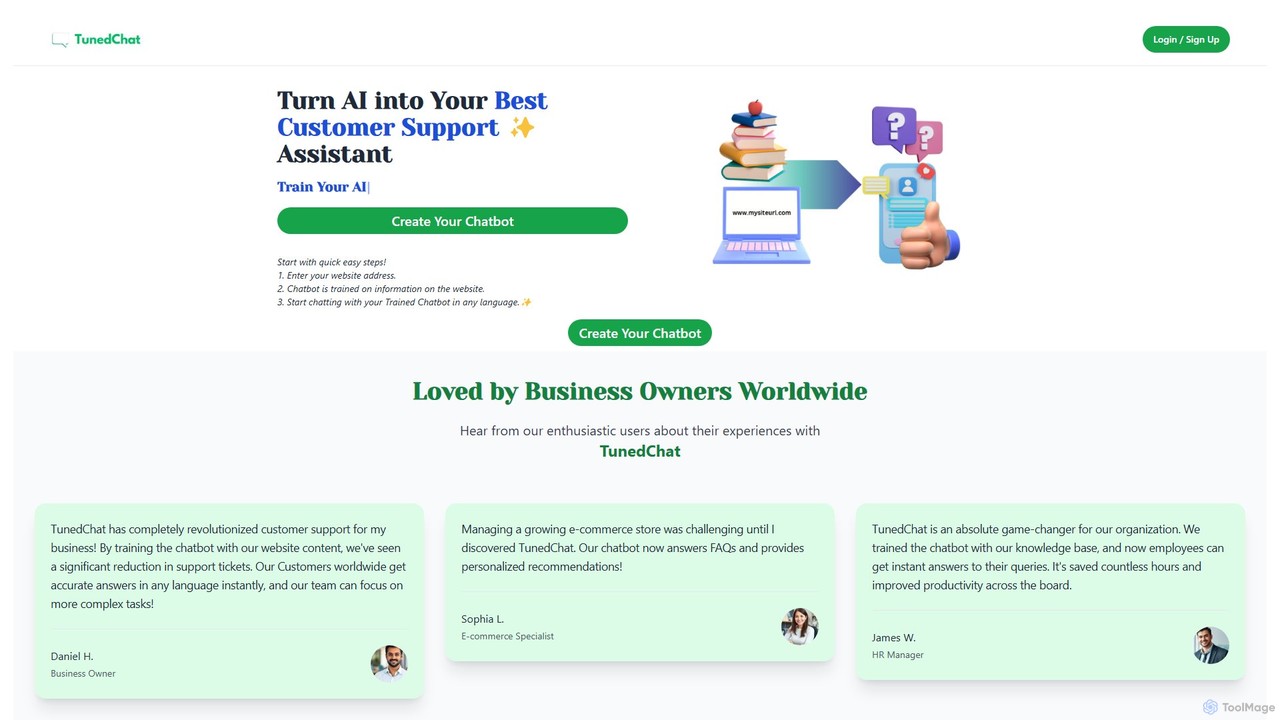
TunedChat is a no-code AI platform that allows you to create a custom chatbot trained on your own data. Simply provide a website URL or upload documents, and TunedChat will build an intelligent assistant to handle customer support, answer FAQs, and manage internal knowledge. It supports over 90 languages, making it ideal for global businesses.

Chatbot
Visits 5.8KFavorites 151Likes 136
MyMemo
Freemium

MyMemo

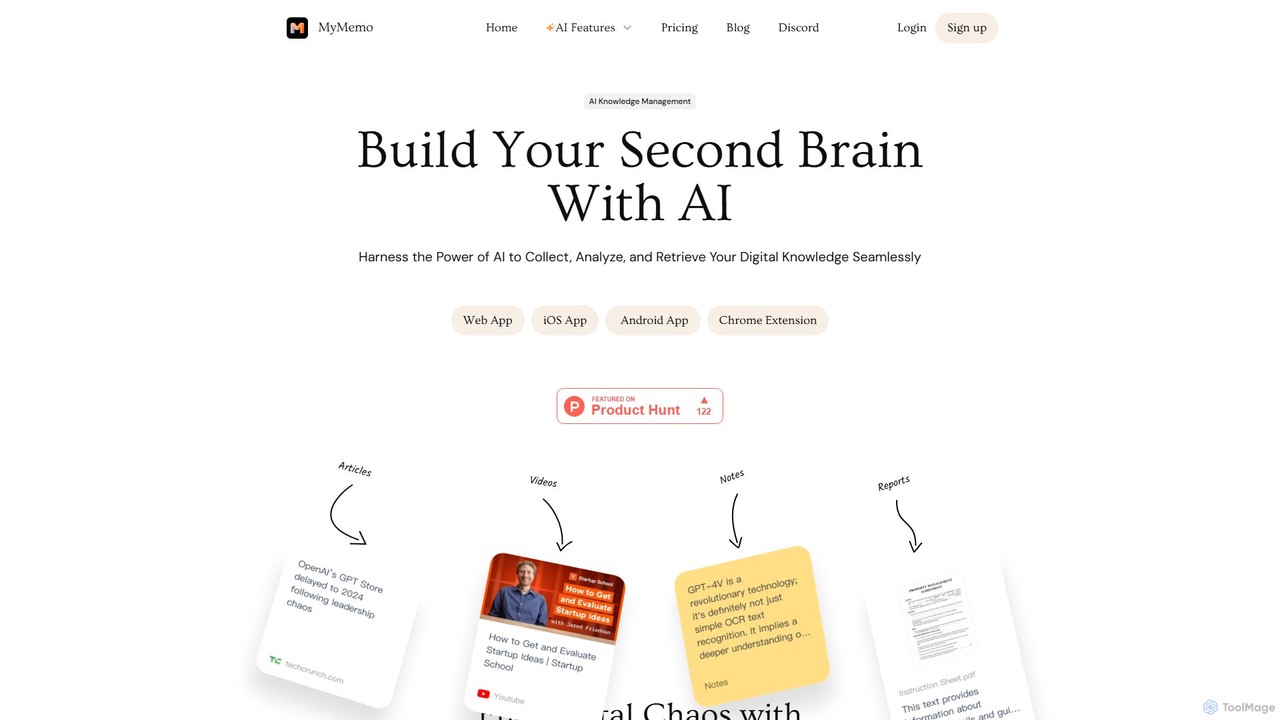
MyMemo is an AI-powered knowledge management tool that acts as your 'second brain'. It helps you effortlessly collect, analyze, and retrieve digital knowledge from various sources like articles, videos, and notes, transforming scattered information into an intelligent, searchable personal database.

Knowledge Management
Visits 30.9KFavorites 168Likes 150
Intellichat
Freemium

Intellichat

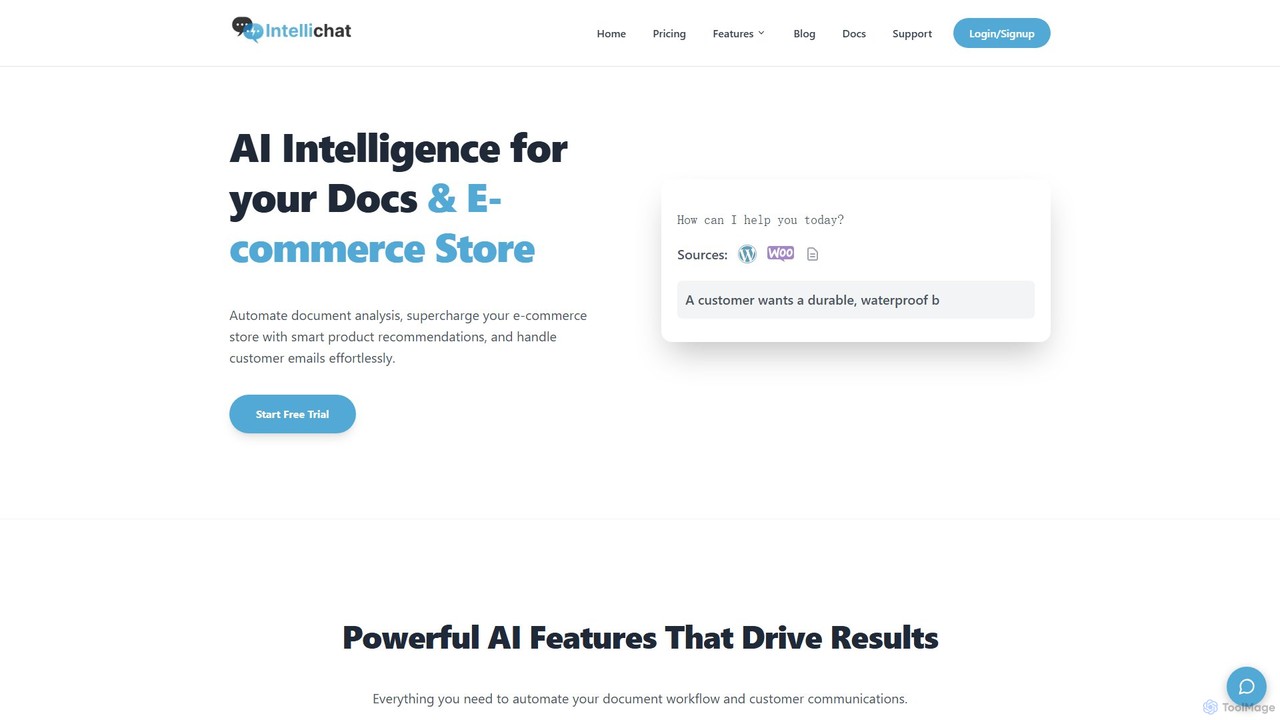
Intellichat is an AI-powered chatbot platform designed to automate customer support and engagement for websites, e-commerce stores, and email. It creates a custom knowledge base from your documents, website content, and WooCommerce product catalog, enabling it to provide instant, accurate answers, smart product recommendations, and automated email responses.

Chatbots
Visits 6.8KFavorites 126Likes 141
Zep
Freemium

Zep

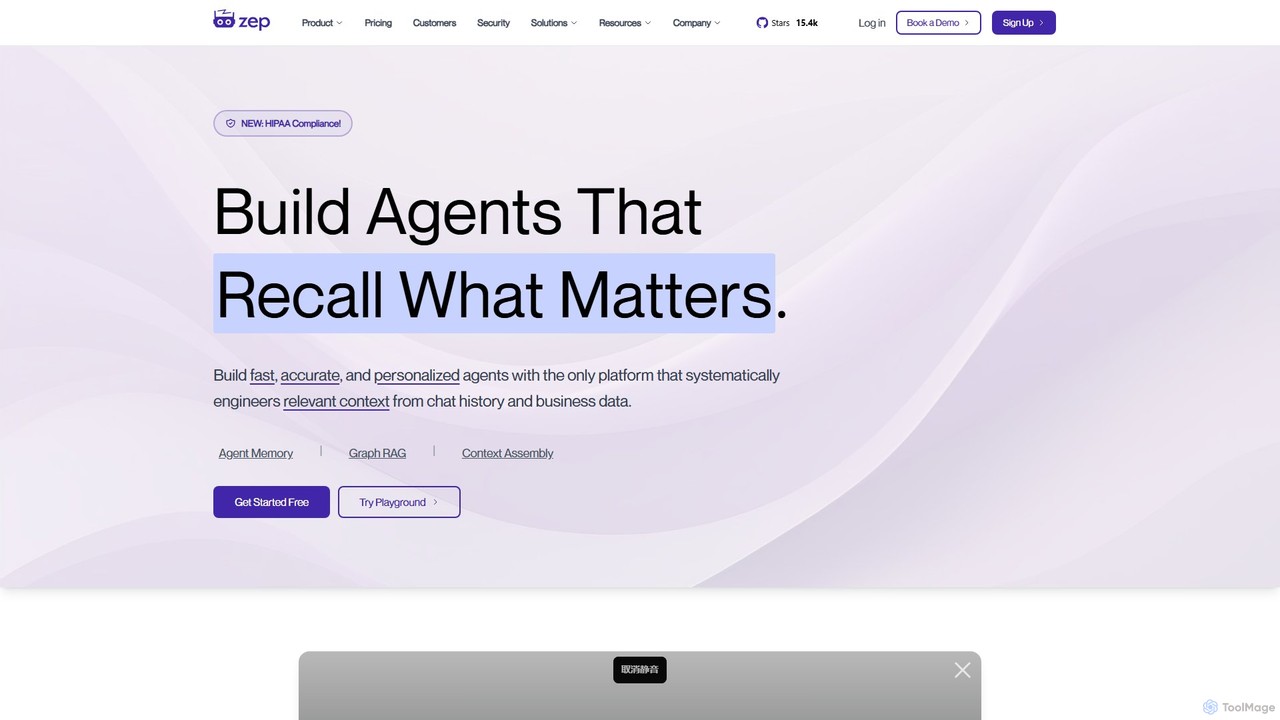
Zep is a context engineering platform for developers building AI agents. It provides long-term memory and advanced Graph RAG capabilities, enabling agents to recall user preferences, conversation history, and dynamic business data. By automatically constructing temporal knowledge graphs, Zep delivers relevant, token-efficient context to LLMs, resulting in faster, more accurate, and highly personalized AI interactions.

Agent Builder
Visits 109.8KFavorites 155Likes 144
ChatBees
Freemium

ChatBees

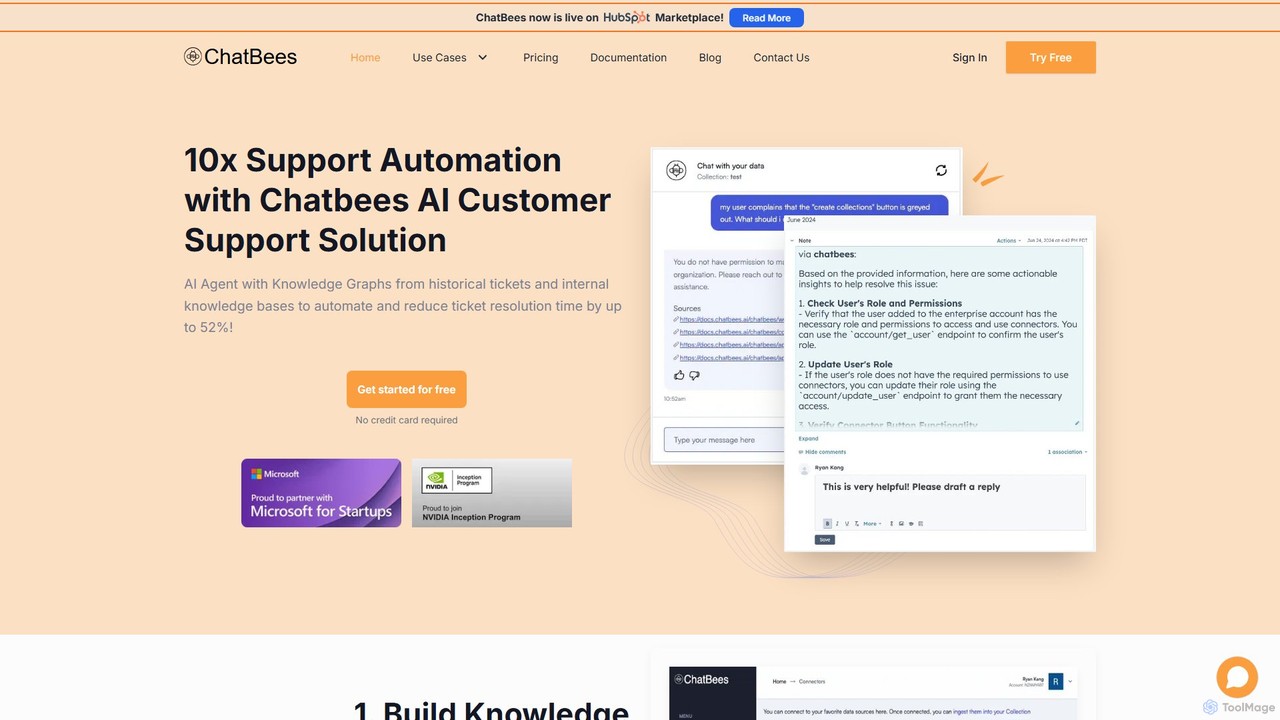
ChatBees is an AI customer support solution that automates ticket resolution. It builds knowledge graphs from historical tickets and internal documents (Notion, Confluence, etc.) to train a private AI. This AI agent analyzes new tickets, provides actionable insights, and acts as a copilot for support staff, reducing resolution time by up to 52%.

Crm
Visits 7.5KFavorites 118Likes 133

About Knowledge Management

AI Knowledge Management tools are a specialized category of productivity software that uses artificial intelligence to capture, organize, and retrieve information. These tools leverage technologies like Natural Language Processing (NLP) and semantic search to understand the context and meaning within documents, notes, and conversations. They transform scattered company data into a centralized, intelligent, and queryable 'second brain'. This allows teams to find accurate answers quickly, uncover hidden insights, and make better-informed decisions without manually sifting through countless files.

Core Features

  • Semantic Search: Find information based on conceptual meaning and intent, not just exact keywords.
  • Automated Content Organization: AI automatically tags, categorizes, and links related pieces of information from various sources.
  • Information Synthesis: Generate summaries, key takeaways, or answers from multiple documents in response to a query.
  • Conversational Q&A: Ask questions in natural language and receive direct answers sourced from the knowledge base.
  • Knowledge Graph Visualization: Map out and display the relationships between different concepts, people, and projects.

Use Cases

These tools are particularly valuable for medium to large enterprises, research teams, customer support departments, and product development groups. For instance, a support team can instantly find solutions to complex customer issues, while an R&D team can accelerate innovation by synthesizing findings from numerous research papers and internal reports.

How to Choose

When selecting an AI Knowledge Management tool, consider its integration capabilities with your existing platforms (like Slack, Google Drive, Notion). Evaluate the security protocols and access control features to protect sensitive data. Assess the quality and speed of its search and synthesis engine, and consider the user interface's ease of use for non-technical team members.

Featured tool rankings

Knowledge Management use cases

1

Building a Corporate 'Second Brain'

An operations manager at a fast-growing tech company centralizes all internal documentation, including project plans from Notion, meeting notes from Google Docs, and key discussions from Slack channels. The AI knowledge management tool ingests and indexes all this unstructured data. Now, any employee can ask questions like, 'What were the key decisions from the Q3 product sync?' and receive a synthesized answer with links to the source documents. This reduces repetitive questions by 70% and ensures a single source of truth across the organization.

2

Accelerating New Employee Onboarding

A human resources department uses an AI knowledge base to streamline the onboarding process. They upload all training materials, company policies, and departmental guides. New hires are encouraged to ask the system questions like 'How do I request PTO?' or 'What is our process for code reviews?'. The system provides instant, accurate answers, freeing up HR staff and team mentors from answering basic queries. This approach helps new employees become productive 30% faster and feel more self-sufficient from day one.

3

Streamlining Customer Support Resolutions

A customer support team for a SaaS product connects their knowledge management tool to their help desk articles, technical documentation, and past support tickets. When a complex customer query arrives, an agent types the issue into the knowledge base. The AI instantly surfaces relevant troubleshooting steps, links to specific API documentation, and even finds similar resolved tickets from the past. This allows agents to resolve complex issues in under 5 minutes, a task that previously took over 20 minutes of manual searching, improving customer satisfaction scores by 15%.

4

Enhancing Market Research and Analysis

A market research analyst uploads dozens of industry reports, competitor analyses, and customer survey results into their AI knowledge hub. Instead of reading hundreds of pages, they can ask high-level questions like, 'What are the top three trends in the renewable energy sector according to these reports?' The tool synthesizes information from all documents to provide a concise, evidence-backed summary. This allows the analyst to produce comprehensive competitive landscape reports in a single day, a process that used to take a full week.

5

Personal Knowledge Management for Researchers

A PhD student uses an AI knowledge tool to manage hundreds of academic papers, lecture notes, and research data. The tool automatically identifies key themes and connections between different papers. The student can ask, 'Which authors discuss the theory of cognitive dissonance in relation to social media?' and instantly get a list of relevant sources and summaries. The knowledge graph feature helps visualize the evolution of research in their field, sparking new ideas for their thesis and saving countless hours of manual organization.

6

Preserving Institutional Knowledge

A large engineering firm faces the challenge of experienced engineers retiring and taking valuable knowledge with them. They implement an AI knowledge management system where senior engineers document their project experiences, design rationales, and lessons learned. The system structures this information, making it easily searchable for junior engineers. When a new project faces a familiar challenge, a young engineer can query the system for 'best practices for seismic retrofitting in concrete structures' and access decades of institutional wisdom, preventing costly mistakes and preserving the firm's competitive edge.

Knowledge Management FAQ

What are AI Knowledge Management tools?

AI Knowledge Management tools are advanced software systems that use artificial intelligence to help organizations and individuals capture, organize, and access information more effectively. Unlike traditional storage systems like folders or basic wikis, they use technologies like semantic search and NLP to understand the content's meaning. This allows users to ask questions in natural language and get synthesized answers from across all connected data sources, turning scattered information into an accessible and intelligent knowledge base.

How do AI Knowledge Management tools differ from note-taking apps like Notion or Evernote?

While note-taking apps are excellent for capturing and structuring personal or team information, AI Knowledge Management tools go a step further. The key difference lies in intelligence and retrieval.

  • Intelligence: AI tools actively analyze and connect information automatically, creating knowledge graphs and surfacing insights you might miss. Note-taking apps rely on manual organization (folders, tags).
  • Retrieval: AI tools use semantic search to find answers based on meaning, not just keywords. You can ask complex questions, and they synthesize answers from multiple sources. Note-taking apps offer basic keyword search within pages.
In essence, note-taking apps are for storage and organization, while AI knowledge tools are for discovery and synthesis.

How to choose the right AI Knowledge Management tool?

Selecting the right tool depends on your specific needs. Consider these key factors:

  • Integrations: Does it connect seamlessly with the tools your team already uses, such as Google Drive, Slack, Notion, or Jira?
  • Security and Permissions: Does it offer robust access controls to ensure that sensitive information is only visible to authorized personnel?
  • Search Quality: Test the tool with your own documents. How relevant and accurate are the search results and synthesized answers?
  • User Experience: Is the interface intuitive for all team members, not just technical users? A tool is only effective if people use it.
  • Scalability: Can the tool handle your current volume of data and scale as your organization grows?

Who can benefit from using AI Knowledge Management tools?

A wide range of users can benefit. For businesses, it's invaluable for customer support teams, R&D departments, HR for onboarding, and any team that relies on a large body of shared information. It helps preserve institutional knowledge when employees leave. For individuals, researchers, writers, and students can use these tools to manage vast amounts of information, connect ideas, and accelerate their research and writing processes. Essentially, anyone looking to turn information overload into actionable insights can find value in these tools.

Is my data secure with AI Knowledge Management tools?

Security is a critical consideration for reputable AI Knowledge Management providers. Most leading tools offer robust security features, including:

  • End-to-end encryption: Data is encrypted both in transit and at rest.
  • Access controls: Administrators can define granular permissions, ensuring users only see the information they are authorized to access.
  • Compliance certifications: Many providers comply with industry standards like SOC 2 and GDPR, demonstrating their commitment to data security and privacy.
However, it is always essential to review the specific security policies and compliance certifications of any tool you are considering to ensure they meet your organization's requirements.