ToolMage
Sign in

Best 82 Infrastructure AI tools

Popular Infrastructure AI tools include Cloudflare, Google Cloud, OctoAI, Supabase, Ollama, Hewlett Packard Enterprise (HPE), Broadcom, DigitalOcean, NVIDIA Build, and Runpod, helping you work more efficiently.

Not Diamond
Freemium

Not Diamond

Not Diamond is an intelligent multi-model infrastructure for developers. It uses predictive model routing and automatic prompt adaptation to help teams accelerate development, improve AI accuracy, and optimize costs by dynamically selecting the best large language model (LLM) for any given task.

Llm Orchestration
Visits 70.4KFavorites 124Likes 126

Supabase
Freemium

Supabase

Supabase is an open-source Firebase alternative, providing a complete backend solution built on Postgres. It offers a suite of tools including a database, authentication, instant APIs, edge functions, real-time subscriptions, storage, and vector embeddings to accelerate application development from prototype to production.

Backend
Visits 29.3MFavorites 142Likes 150
Hopsworks
Freemium

Hopsworks

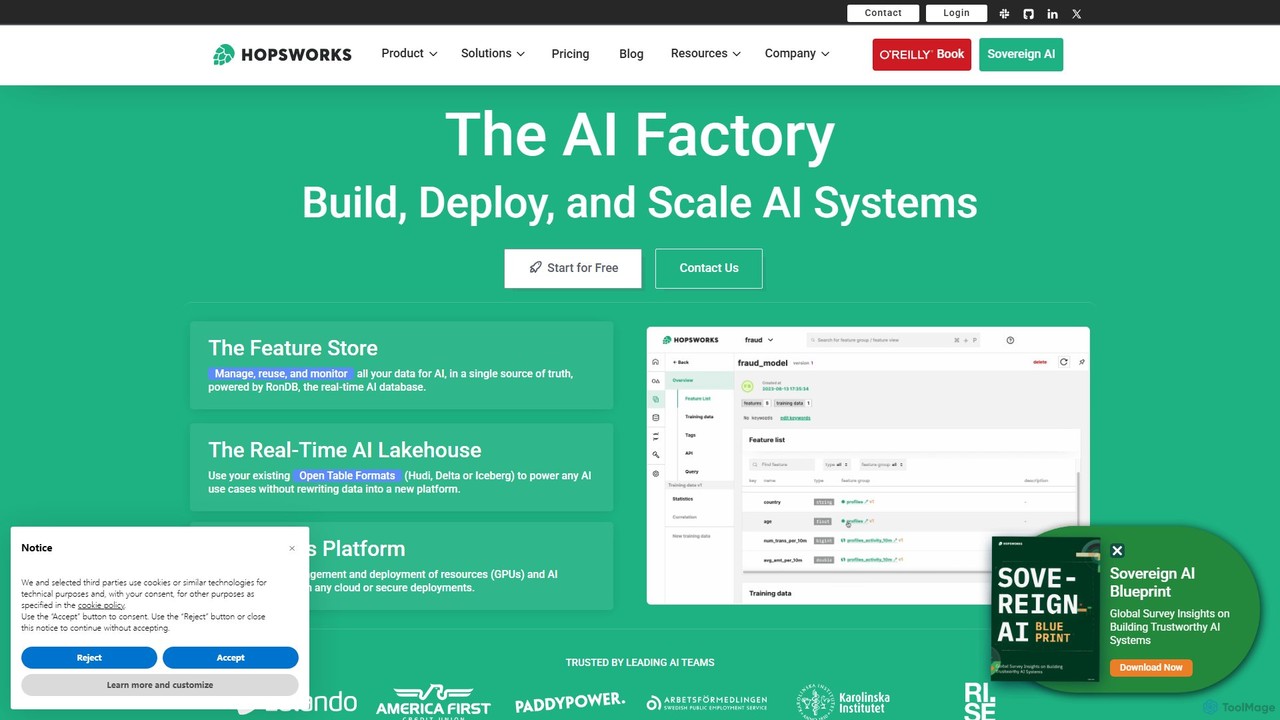
Hopsworks is a real-time AI Lakehouse and the industry's most advanced Feature Store. It's designed for MLOps, unifying data and compute to build and operate reliable, real-time AI systems. It supports any framework, cloud, or on-premises environment, enabling faster model development and significant cost reduction.

Database
Visits 42.3KFavorites 154Likes 152
Zeet
Freemium

Zeet

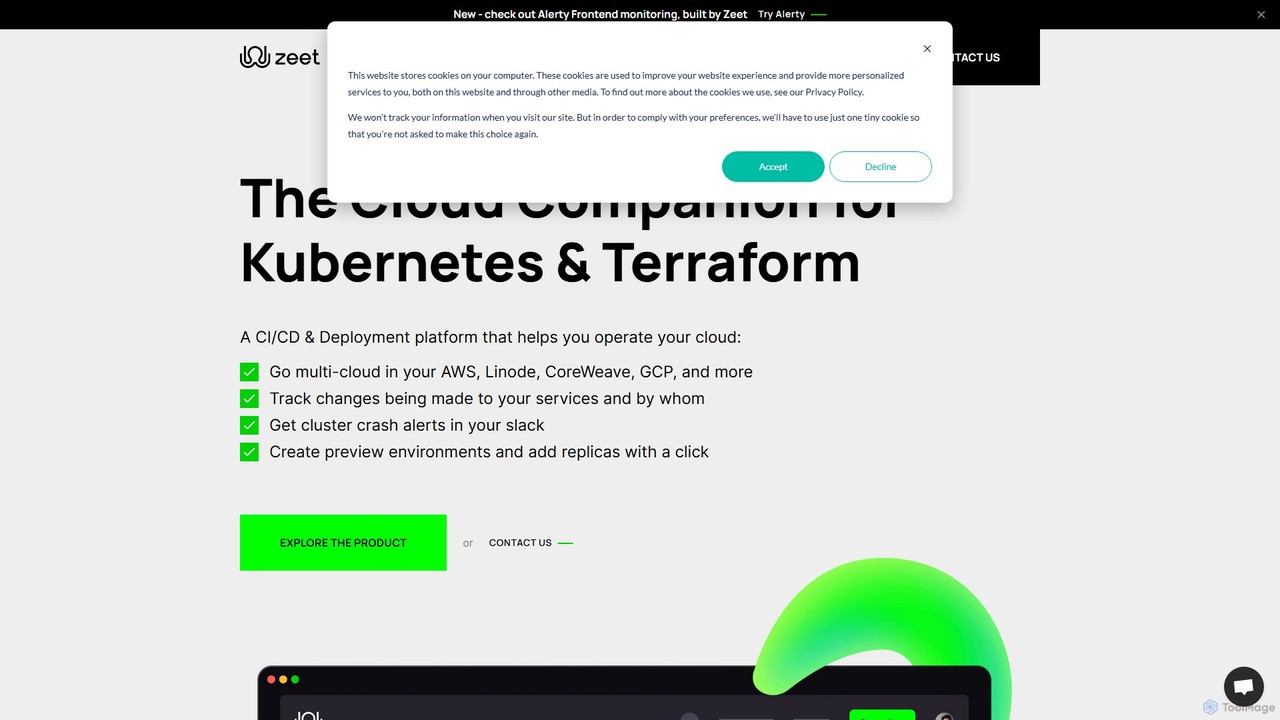
Zeet is a comprehensive DevOps and cloud operations platform designed to simplify the deployment and management of cloud services and infrastructure. It empowers developers, SREs, and DevOps teams by automating CI/CD, Kubernetes management, and multi-cloud operations, allowing them to focus on building applications rather than managing complex infrastructure.

Deployment
Visits 14.5KFavorites 157Likes 148
Cerebrium
Freemium

Cerebrium

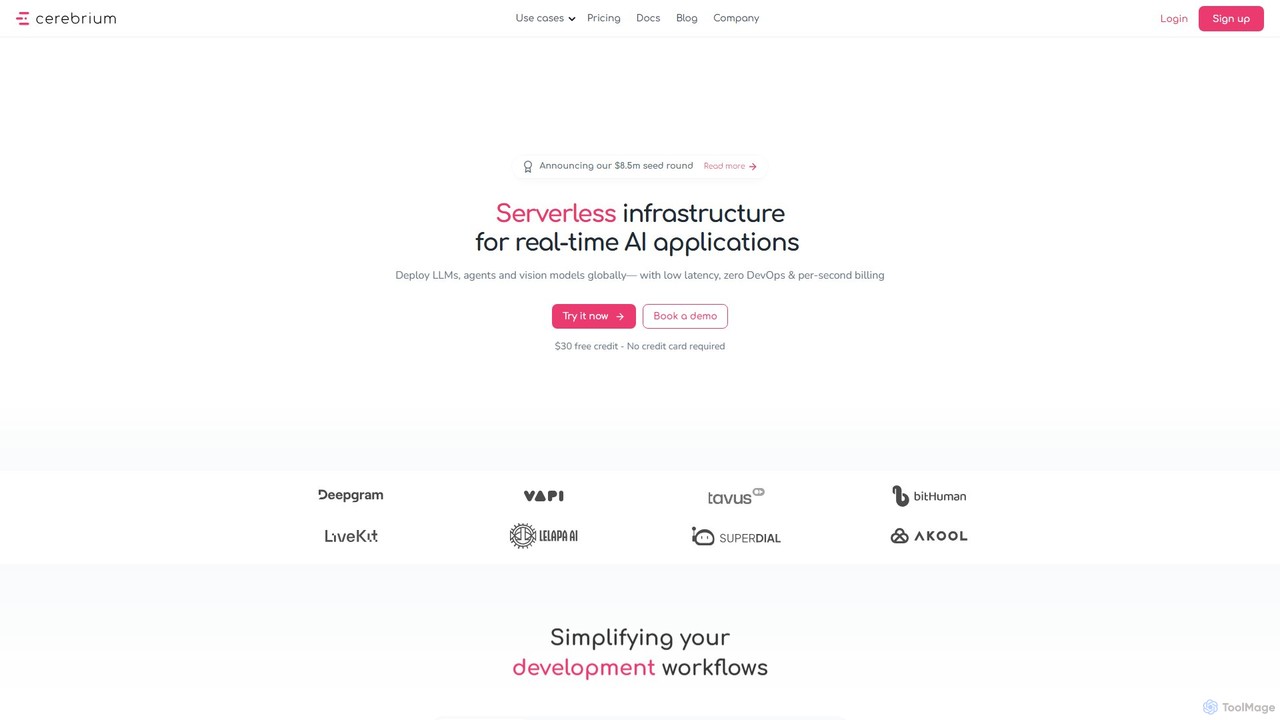
Cerebrium is a serverless AI infrastructure platform designed for developers to deploy, manage, and scale machine learning models with ease. It abstracts away complex infrastructure, offering features like auto-scaling, fast cold starts, and pay-per-use GPU access, enabling teams to build high-performance AI applications without managing servers.

Serverless
Visits 47.8KFavorites 148Likes 154
HIVE Digital Technologies
Paid

HIVE Digital Technologies

HIVE Digital Technologies is a global leader in building and operating cutting-edge, green energy-powered data centers. It provides high-performance computing (HPC) and GPU cloud infrastructure for AI solutions, alongside its large-scale Bitcoin mining operations, focusing on sustainability and data sovereignty.

Hpc
Visits 35.8KFavorites 119Likes 128
Eventual
Freemium

Eventual

Eventual is building the future of data infrastructure with Daft, a high-performance, open-source query engine for multimodal data. It enables engineers to process petabyte-scale images, video, audio, and text with the simplicity of SQL, drastically accelerating AI and ML workflows without the need for deep distributed systems expertise.

Machine Learning
Visits 12.8KFavorites 133Likes 144
Ratio1
Paid

Ratio1

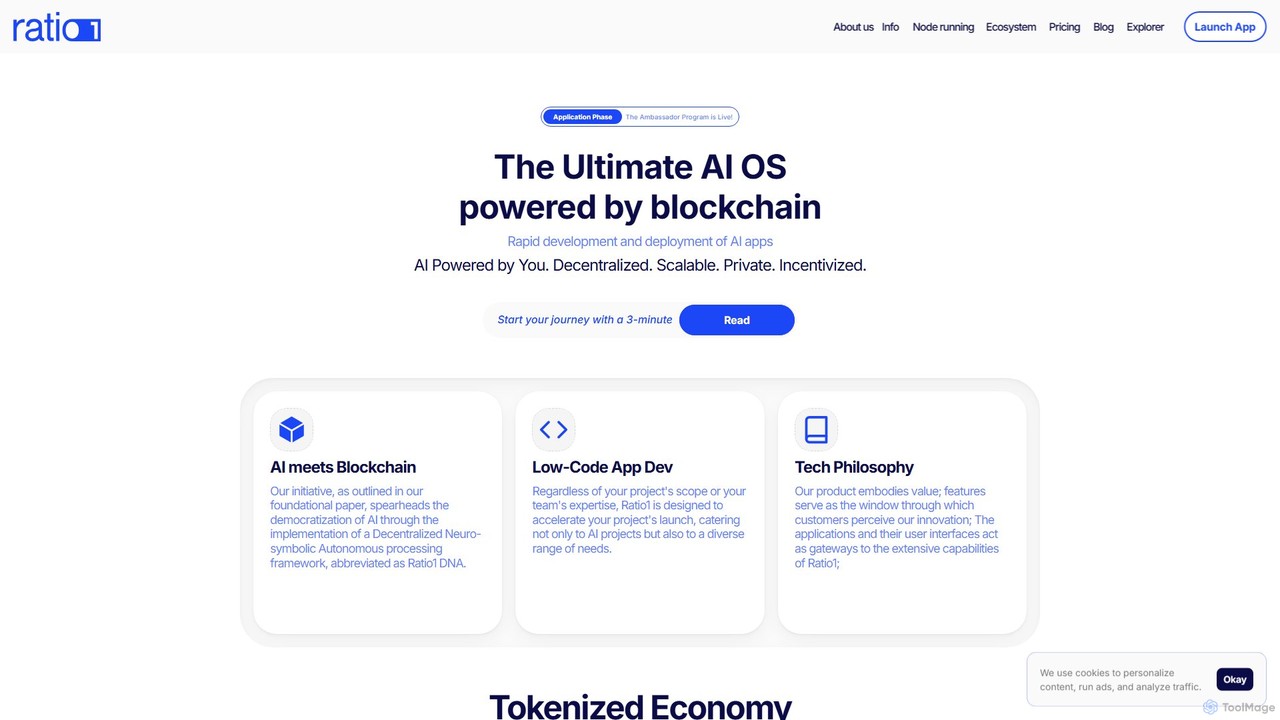
Ratio1 is a decentralized AI operating system powered by blockchain. It creates a global supercomputer by connecting idle devices, allowing users to monetize their hardware or access affordable, scalable GPU compute power for AI applications and development.

Gpu
Visits 5.7KFavorites 128Likes 140
OctoAI
Freemium

OctoAI

OctoAI is a high-performance compute platform for developers to run, tune, and scale generative AI models efficiently. It offers optimized, production-ready API endpoints for popular open-source models like Llama, Mixtral, and Stable Diffusion. By focusing on deep system optimizations, OctoAI provides faster inference speeds and lower costs, enabling businesses to build and deploy scalable AI applications without managing complex infrastructure.

Api
Visits 39MFavorites 157Likes 151
Grafbase
Freemium

Grafbase

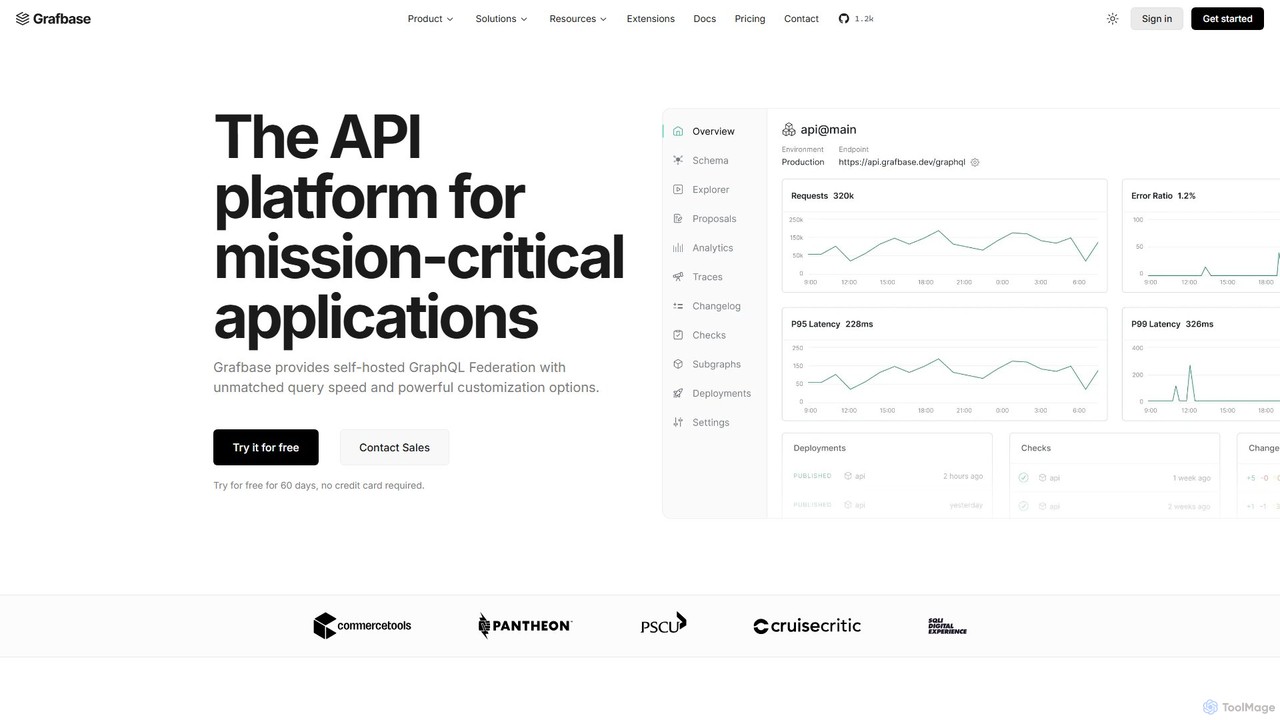
Grafbase is an enterprise-grade API platform for scaling GraphQL Federation. It provides a high-performance, self-hosted gateway built with Rust, offering unmatched speed and security. A key feature is its native support for the Model Context Protocol (MCP), enabling AI agents to query your APIs using natural language, making it a future-proof solution for building AI-powered applications.

Model Integration
Visits 9.2KFavorites 115Likes 116
Higress.AI
Freemium

Higress.AI

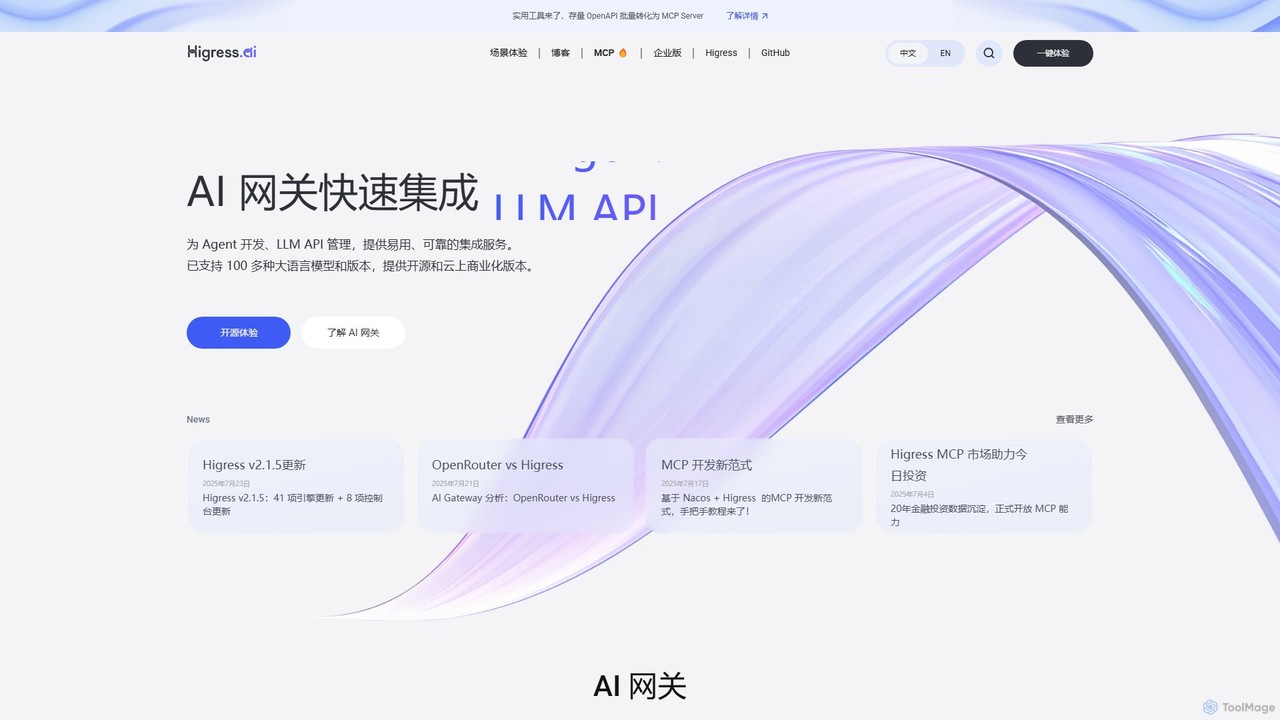
Higress.AI is an advanced, open-source AI Gateway designed for developers and enterprises. It simplifies the integration and management of Large Language Models (LLMs) and AI Agents by providing a unified API proxy for over 100 models. Key features include REST to MCP conversion, semantic caching, token-based rate limiting, and a robust plugin system, enabling secure, scalable, and observable AI application infrastructure.

Model Deployment
Visits 34.4KFavorites 102Likes 111
Fluidstack
Paid

Fluidstack

Fluidstack is a leading AI cloud platform providing high-performance, dedicated GPU clusters for training and serving frontier AI models. It offers rapid deployment of thousands of GPUs, fully managed services with 24/7 expert support, and transparent pricing with zero egress fees, empowering AI teams to scale without infrastructure friction.

Enterprise Solutions
Visits 107.7KFavorites 116Likes 114
Pave Robotics
Paid

Pave Robotics

Pave Robotics offers an autonomous robotic solution, Tracer, for asphalt crack sealing. It uses AI-powered sensing and perception to detect cracks, remove debris, and apply hot pour sealant with sub-millimeter precision, operating 24/7 to save time and labor costs while improving repair quality.

Smart City
Visits 8.3KFavorites 129Likes 157
Codesphere
Freemium

Codesphere

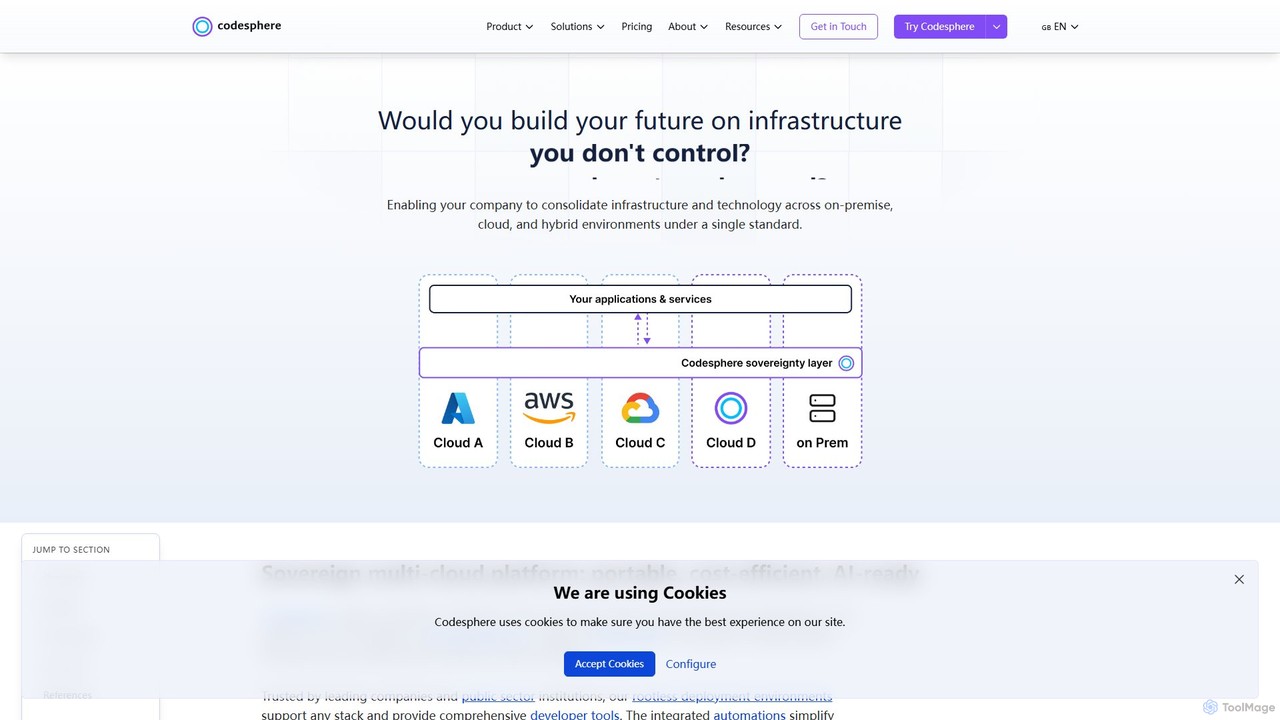
Codesphere is an all-in-one cloud IDE and DevOps platform that unifies development, deployment, and management. It offers a sovereign, multi-cloud solution designed to accelerate go-to-market, reduce costs, and simplify complex infrastructure without needing Kubernetes expertise. It's AI-ready and built for enterprise-grade security and scalability.

Cloud Ide
Visits 29.6KFavorites 126Likes 134
GreenNode
Paid

GreenNode

GreenNode is a one-stop AI cloud infrastructure provider, offering high-performance NVIDIA GPU solutions for startups and enterprises. It provides instant access to cutting-edge resources like H100 GPUs, scalable infrastructure, and expert AI Lab support. Focused on cost-effectiveness and performance, GreenNode helps accelerate model training, fine-tuning, and inference, with a strong presence in Southeast Asia.

Model Training
Visits 23.7KFavorites 108Likes 137
Cerebras
Freemium

Cerebras

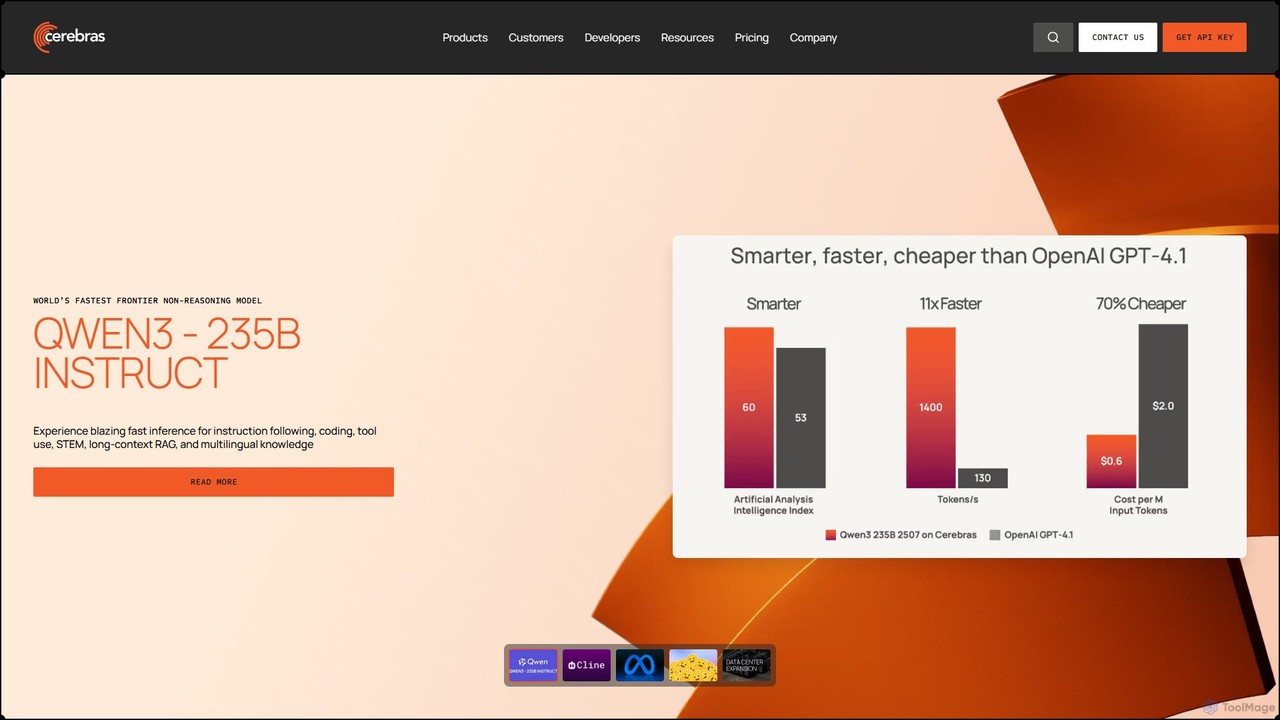
Cerebras provides the world's fastest AI inference and training platform, powered by its revolutionary Wafer Scale Engine (WSE). It offers unparalleled speed and low latency for the latest large language models like Llama 4 and Qwen3, enabling real-time AI applications for developers and enterprises through flexible cloud API and on-premises deployments.

Large Language Models
Visits 822.9KFavorites 121Likes 129
hypermink
Free

hypermink

HyperMink provides Inferenceable, a free, open-source, and self-hostable AI inference server. Built on Node.js and llama.cpp, it allows developers and businesses to run large language models locally, ensuring complete data privacy, control, and cost-effectiveness. Your AI, Your Rules.

Local Llm
Visits 6.2KFavorites 130Likes 117
Rekor
Paid

Rekor

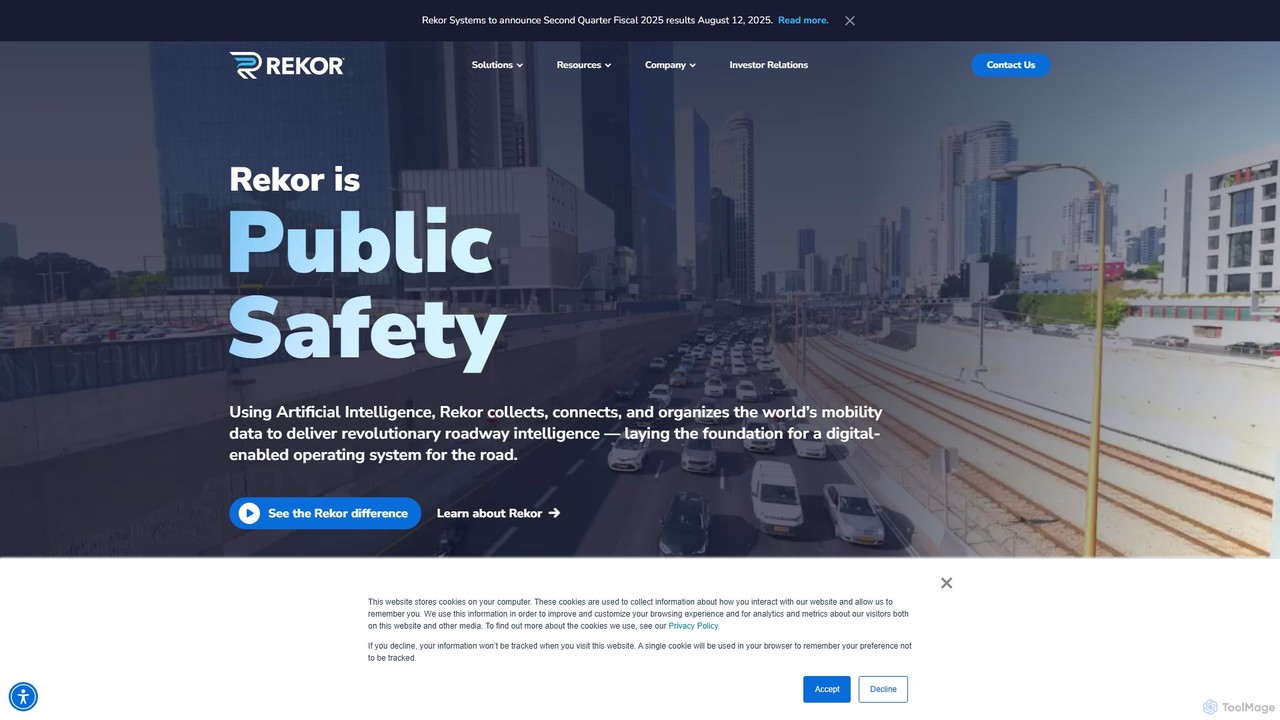
Rekor is an AI-powered roadway intelligence platform that collects, connects, and organizes global mobility data. It provides actionable insights for transportation, government, law enforcement, and commercial sectors to enhance safety, efficiency, and urban planning through advanced computer vision and machine learning.

Image Recognition
Visits 23.9KFavorites 127Likes 132
Unsloth
Freemium

Unsloth

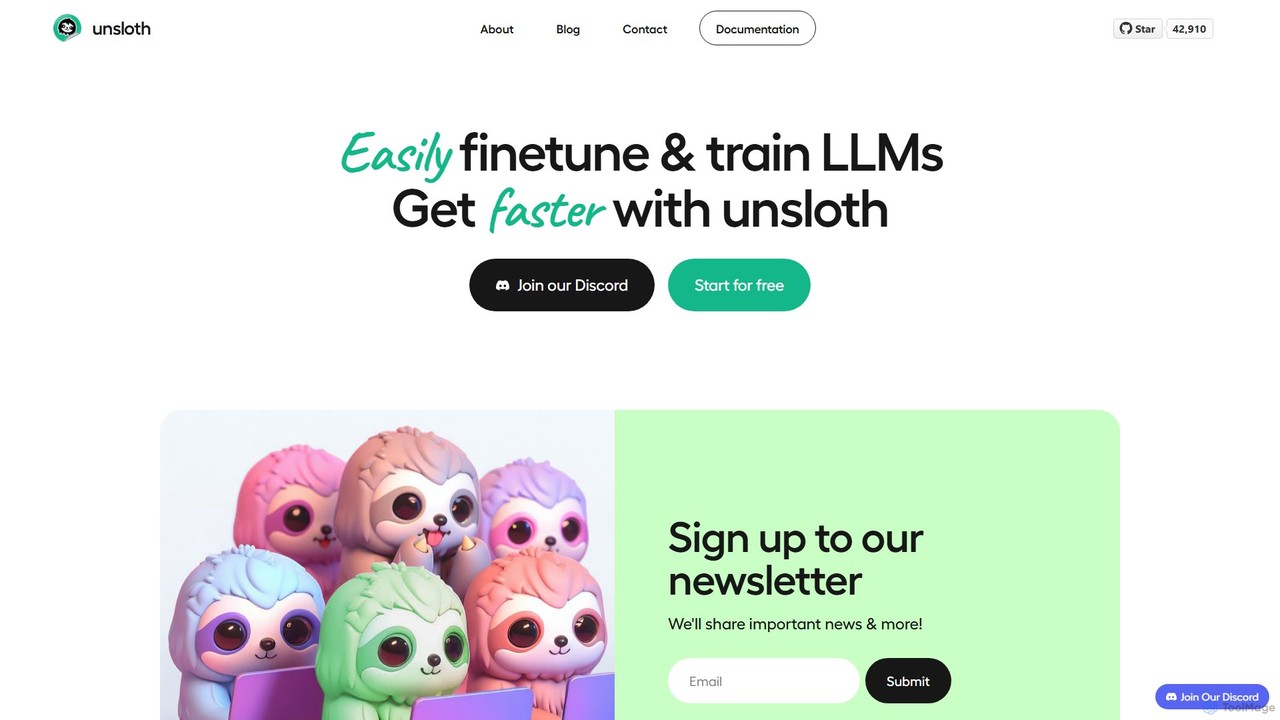
Unsloth is a high-performance open-source library designed to dramatically accelerate the fine-tuning of Large Language Models (LLMs). It enables training up to 30x faster while using up to 90% less memory, making advanced AI model customization accessible on standard hardware.

Machine Learning
Visits 1.1MFavorites 106Likes 132
GPUX
Paid

GPUX

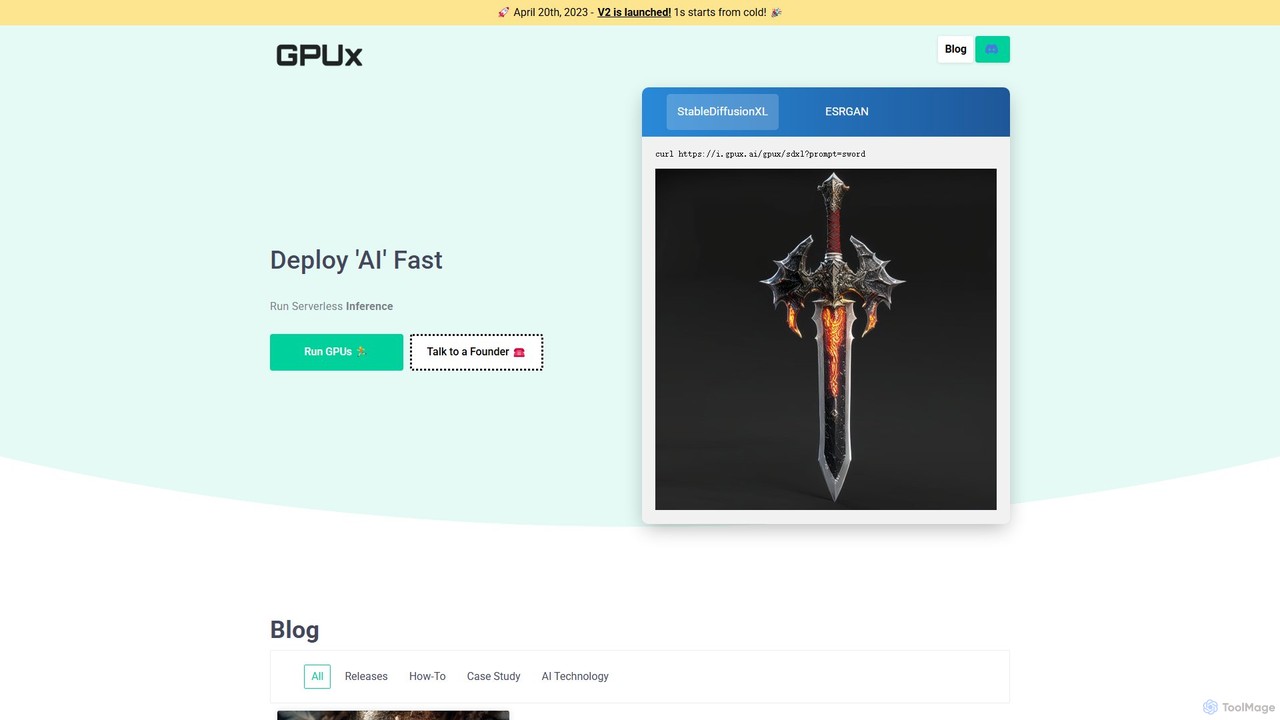
GPUX is a serverless, decentralized GPU cloud platform for fast and affordable AI model inference. It allows developers to run models via API and enables GPU owners to earn money by contributing their hardware to a P2P network.

Model Deployment
Visits 6.6KFavorites 128Likes 131
Runpod
Paid

Runpod

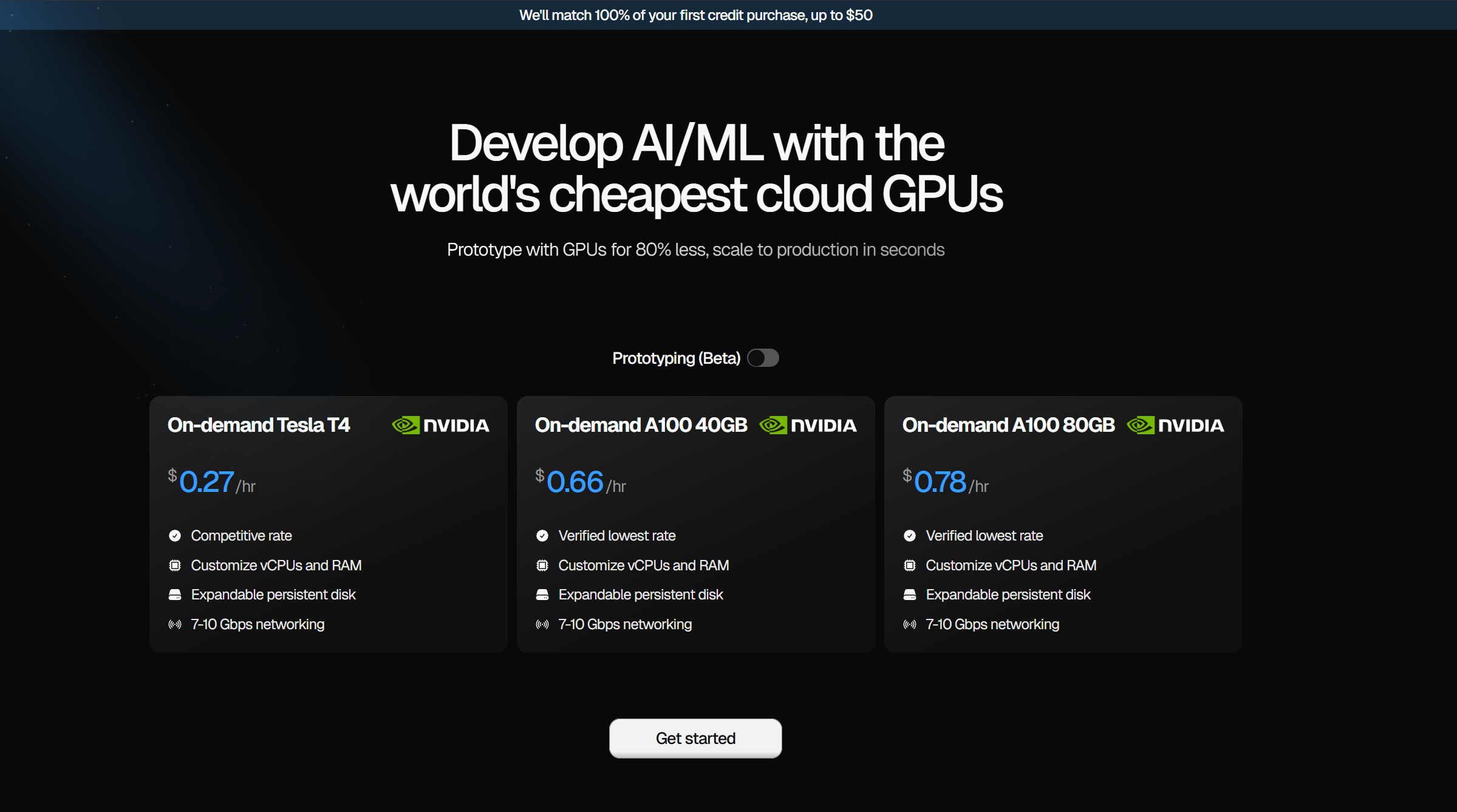
Runpod is a cloud platform designed for AI and machine learning, offering scalable GPU compute for deploying, training, and running AI models. It provides serverless GPUs, pre-built templates, and cost-effective pricing to simplify the entire AI development workflow, from idea to production.

Machine Learning
Visits 2.3MFavorites 114Likes 122
denvrdata
Freemium

denvrdata

Denvr Dataworks offers a high-performance AI cloud platform for training, inference, and data science. It provides vertically integrated infrastructure with on-demand and dedicated GPU compute services. Tailored for developers and startups, it features the Ascend Program, offering significant compute credits to accelerate AI innovation.

Model Training
Visits 7.1KFavorites 122Likes 107
Rivet
Freemium

Rivet

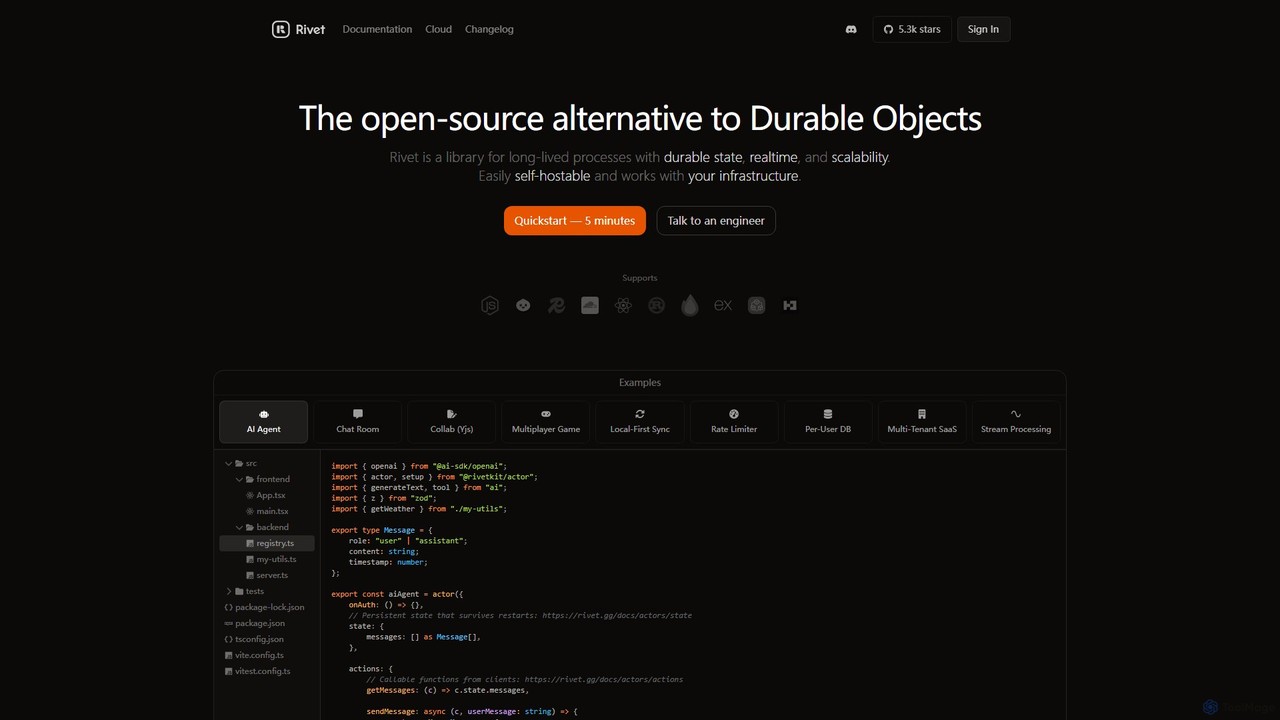
Rivet is an open-source library for developers building scalable, real-time applications with durable state. It provides long-lived, stateful compute "actors" that simplify complex tasks like creating AI agents, collaborative apps, and multiplayer games. With features like built-in real-time communication, fault tolerance, and edge deployment, Rivet offers a powerful, self-hostable alternative to services like Cloudflare Durable Objects.

Backend
Visits 5.6KFavorites 116Likes 129
Hatchet
Freemium

Hatchet

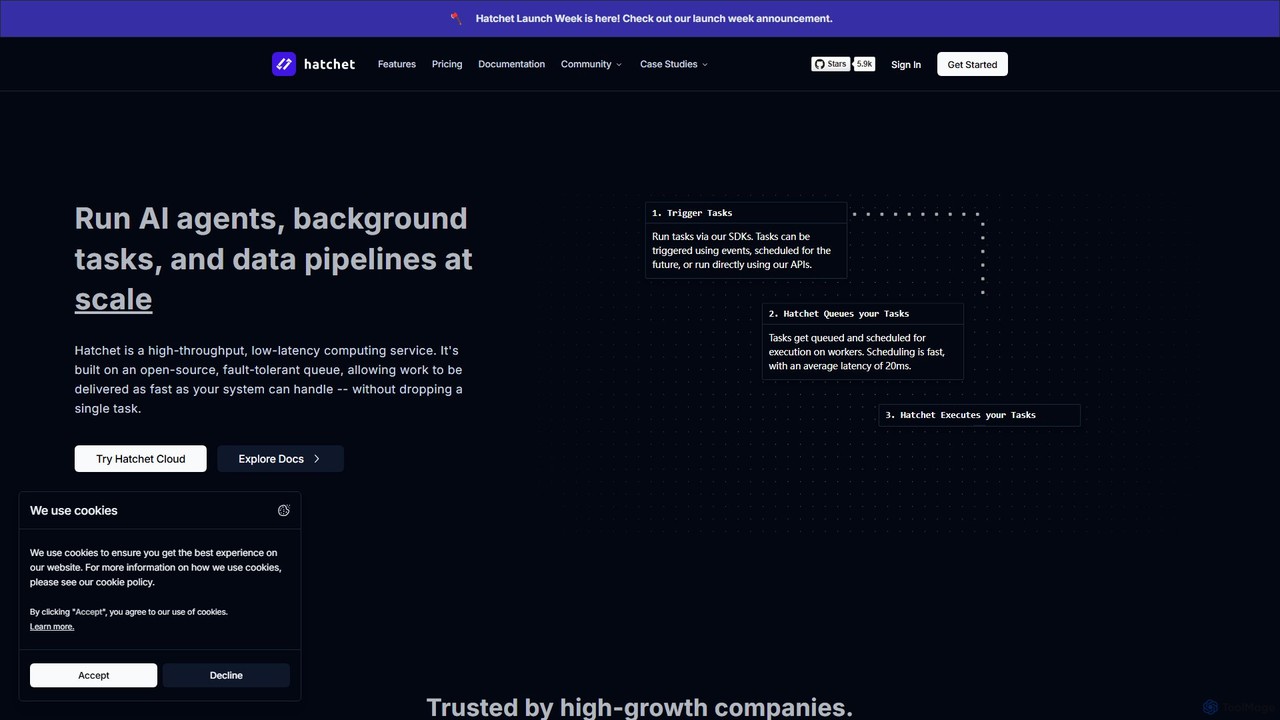
Hatchet is a distributed, fault-tolerant task queue designed to run AI agents, background tasks, and data pipelines at scale. It offers high-throughput, low-latency performance, ensuring no task is dropped. With SDKs for Python, Go, and TypeScript, developers can easily orchestrate complex workflows, schedule jobs, and monitor execution with built-in observability tools. It can be used as a managed cloud service or self-hosted.

Task Queuing
Visits 56.6KFavorites 110Likes 116

About Infrastructure

AI Infrastructure provides the foundational platforms, services, and hardware required to build, train, and deploy artificial intelligence models. These tools offer scalable computing resources, such as GPUs and TPUs, alongside specialized software for managing the entire machine learning lifecycle. They are essential for developers and organizations that need to handle large datasets and complex computations, enabling the creation of custom AI solutions at scale. This infrastructure abstracts away the complexity of managing hardware, allowing teams to focus on model development and innovation.

Core Features

  • Scalable Compute Resources: On-demand access to powerful GPUs and TPUs for accelerating model training and inference.
  • Model Deployment & Hosting: Managed services and APIs for deploying models into production environments with auto-scaling and monitoring.
  • MLOps Platforms: Integrated toolchains for automating and managing the end-to-end machine learning lifecycle, from data preparation to deployment.
  • Optimized Data Storage: High-performance storage solutions designed for large-scale datasets used in AI training.
  • Development Environments: Pre-configured environments with necessary frameworks and libraries for AI development.

Use Cases

AI Infrastructure is critical for technology companies, research institutions, and enterprises building proprietary AI capabilities. It's used for training large language models (LLMs), developing computer vision systems for industrial automation, and deploying real-time recommendation engines for e-commerce platforms. Data science teams rely on it to manage complex experiment tracking and model versioning.

How to Choose

When selecting AI Infrastructure, consider the specific computational needs, such as the type and number of GPUs required. Evaluate the platform's scalability and its ability to handle fluctuating workloads. Assess the comprehensiveness of its MLOps tools for streamlining your workflow. Finally, analyze the pricing model—pay-as-you-go, reserved instances, or serverless—to align with your budget and usage patterns.

Featured tool rankings

Infrastructure use cases

1

Training a Custom Large Language Model

A research lab or AI startup needs to train a large language model (LLM) on a proprietary dataset. They use an AI infrastructure provider to access a cluster of hundreds of high-performance GPUs. This allows them to conduct distributed training efficiently, reducing the training time from months to weeks. The platform's pre-configured environments and data storage solutions simplify the setup process, enabling researchers to focus on model architecture and experimentation rather than managing hardware.

2

Deploying a Real-Time Inference API

An e-commerce company wants to deploy a machine learning model for real-time product recommendations. They use a managed model hosting service from an AI infrastructure provider. This service provides a scalable API endpoint that automatically handles traffic spikes during sales events. The built-in monitoring tools allow their operations team to track latency and error rates, ensuring a smooth user experience. By using a managed service, the company avoids the complexity of setting up and maintaining its own serving infrastructure.

3

Managing an End-to-End MLOps Workflow

An enterprise data science team manages dozens of models in production. They adopt an MLOps platform to streamline their entire workflow. The platform provides tools for data versioning, experiment tracking, and model registry. This creates a reproducible and auditable trail for every model. Their CI/CD pipelines are integrated with the platform, automating the process of testing, validating, and deploying new model versions, which significantly reduces manual errors and accelerates time-to-market for new AI features.

4

Fine-Tuning a Foundation Model via API

A developer is building a specialized chatbot for the legal industry. Instead of training a model from scratch, they use a serverless API from an infrastructure provider to fine-tune a large foundation model. They upload a small, curated dataset of legal Q&As to the service. The platform handles the entire fine-tuning process on its managed infrastructure. Once complete, the developer gets access to a private API endpoint for their customized model, allowing for easy integration into their application without managing any servers.

5

Building a Scalable Data Processing Pipeline

A computer vision company needs to process millions of images to prepare them for model training. They use cloud storage and data processing services from an AI infrastructure provider. They build an automated pipeline that triggers processing jobs—like resizing and normalization—whenever new images are uploaded. This serverless approach allows them to process vast amounts of data in parallel without provisioning or managing servers, ensuring their datasets are always ready for the next training run.

6

Collaborative AI Development in a Secure Environment

A financial services company is developing a fraud detection model using sensitive customer data. They require a secure and collaborative environment. They use a specialized AI platform that provides isolated development environments (notebooks) with strict access controls. Data scientists can collaborate on model development without exposing raw data. The platform's built-in security features and compliance certifications ensure that all development activities adhere to industry regulations, enabling innovation while maintaining data privacy.

Infrastructure FAQ

What is AI Infrastructure?

AI Infrastructure refers to the complete set of hardware, software, and services required to develop, train, deploy, and manage AI models. It includes powerful computing resources like GPUs, specialized data storage, networking, and MLOps platforms. Essentially, it's the foundation upon which all AI applications are built, providing the necessary power and tools for the entire machine learning lifecycle.

How to choose the right AI Infrastructure?

Choosing the right AI infrastructure depends on several factors. First, assess your performance needs: what type of GPUs or accelerators do you require and in what quantity? Second, consider scalability and flexibility to handle future growth. Third, evaluate the MLOps capabilities to ensure they support your workflow. Finally, compare pricing models (e.g., pay-as-you-go vs. reserved instances) to find the most cost-effective solution for your usage patterns.

What is the difference between IaaS, PaaS, and Serverless for AI?

These terms describe different levels of service management in cloud computing for AI:

  • IaaS (Infrastructure as a Service): Provides raw computing resources like virtual machines with GPUs. You have maximum control but also manage the operating system and software.
  • PaaS (Platform as a Service): Offers a managed platform, such as a managed Kubernetes service or a dedicated AI platform like SageMaker. It abstracts away the underlying infrastructure, letting you focus on deploying applications and models.
  • Serverless: The highest level of abstraction. You only provide your code or model, and the platform handles all infrastructure management, scaling, and execution automatically, often through APIs.

What are the key components of AI Infrastructure?

The core components of AI infrastructure work together to support the machine learning lifecycle. They typically include:

  • Compute: High-performance processors, primarily GPUs and TPUs, for training and inference.
  • Storage: Fast, scalable storage systems to handle massive datasets.
  • Networking: High-bandwidth, low-latency networking to connect compute and storage resources.
  • MLOps Software: Platforms and tools for experiment tracking, model versioning, automated deployment (CI/CD), and monitoring.

Who needs dedicated AI Infrastructure?

Dedicated AI infrastructure is primarily for developers, data scientists, researchers, and organizations that are building, training, or deploying their own custom AI models. While end-users might interact with AI through SaaS applications, the creators of those applications rely on robust infrastructure. If your work involves handling large datasets, running complex training jobs, or serving models at scale, you need a specialized AI infrastructure solution.