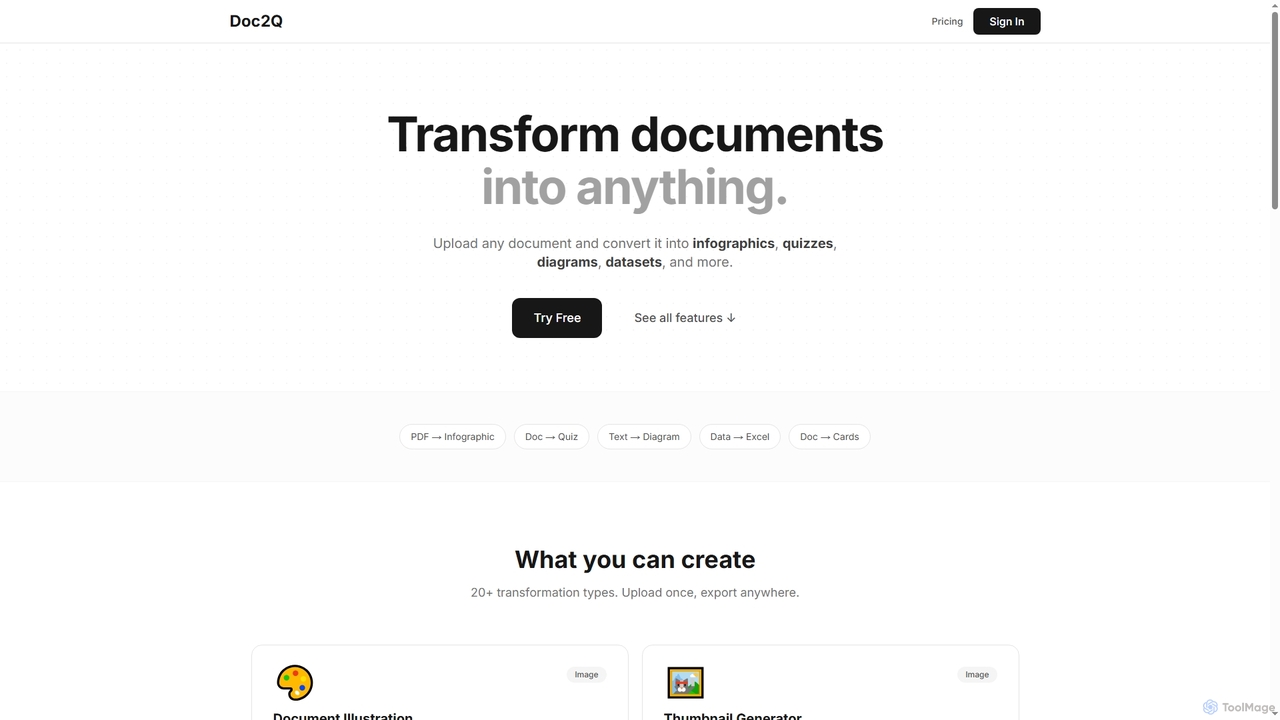
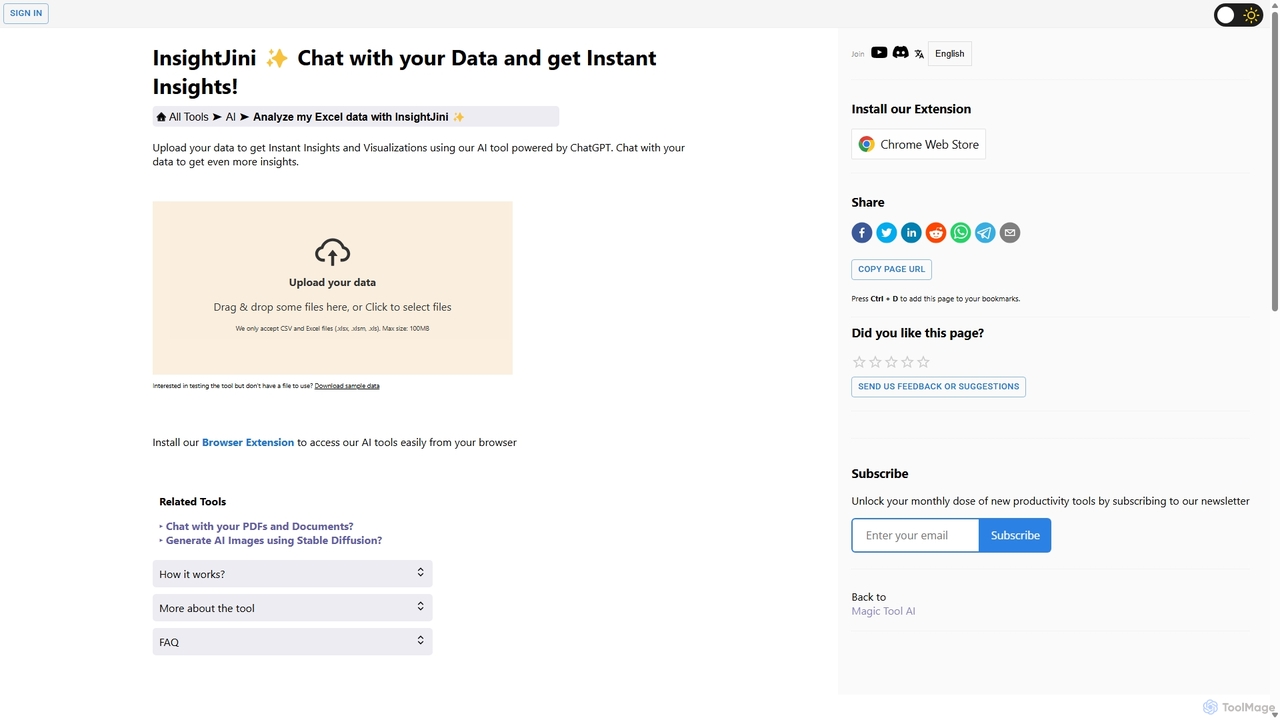
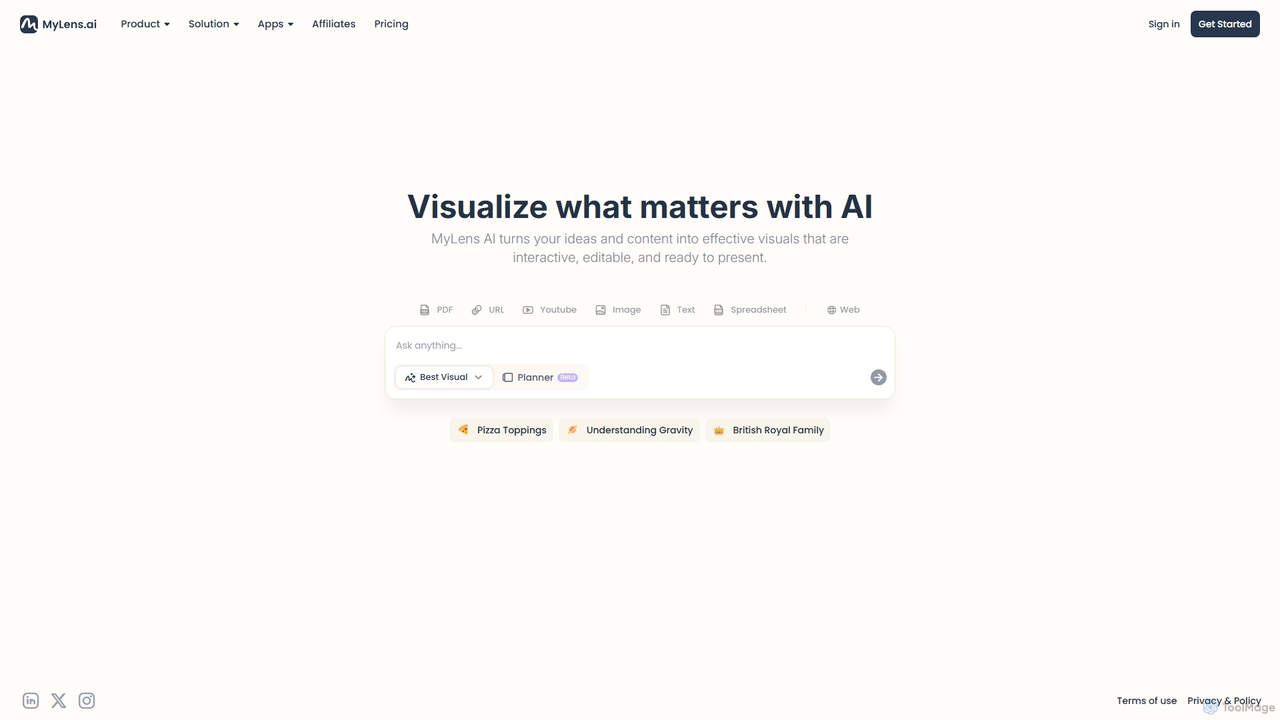
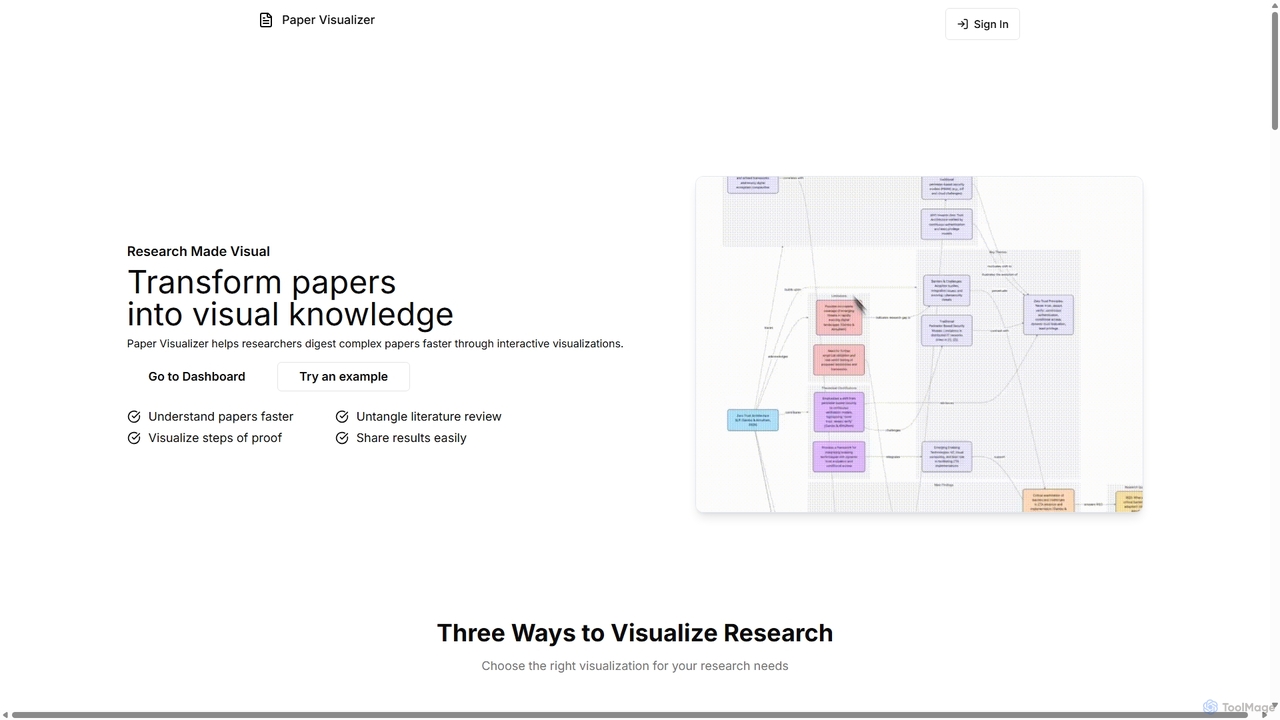
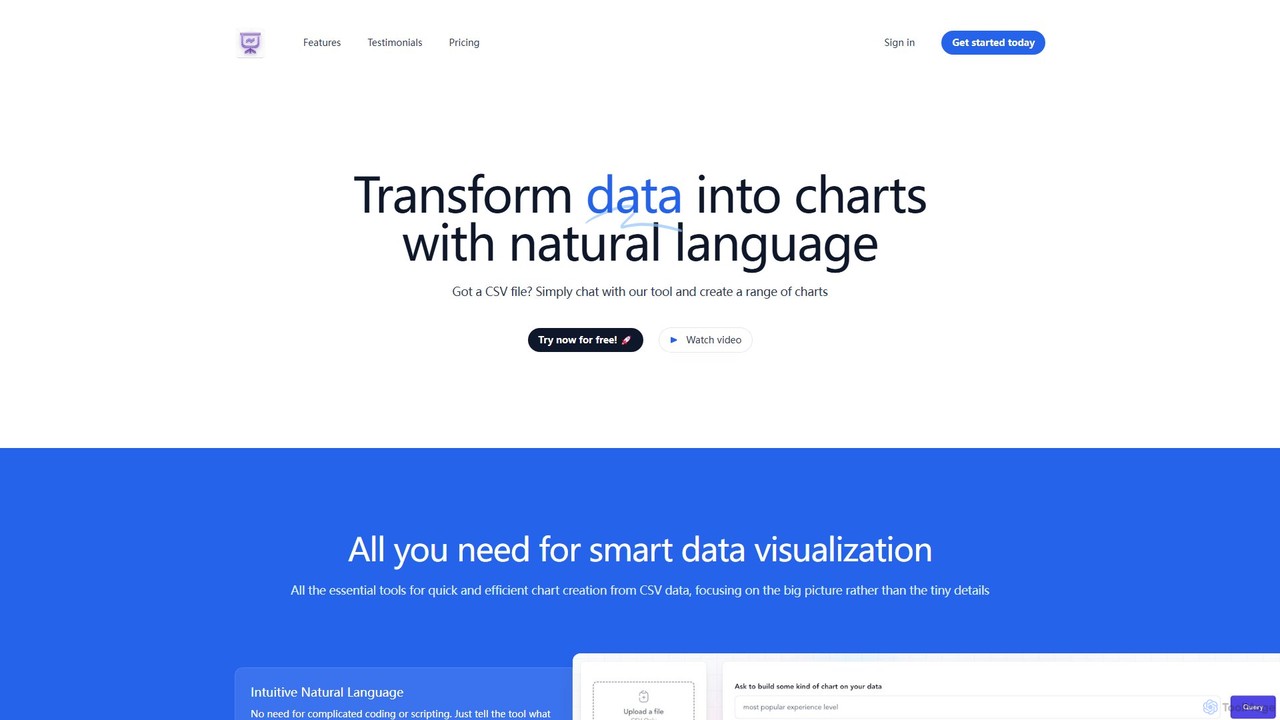
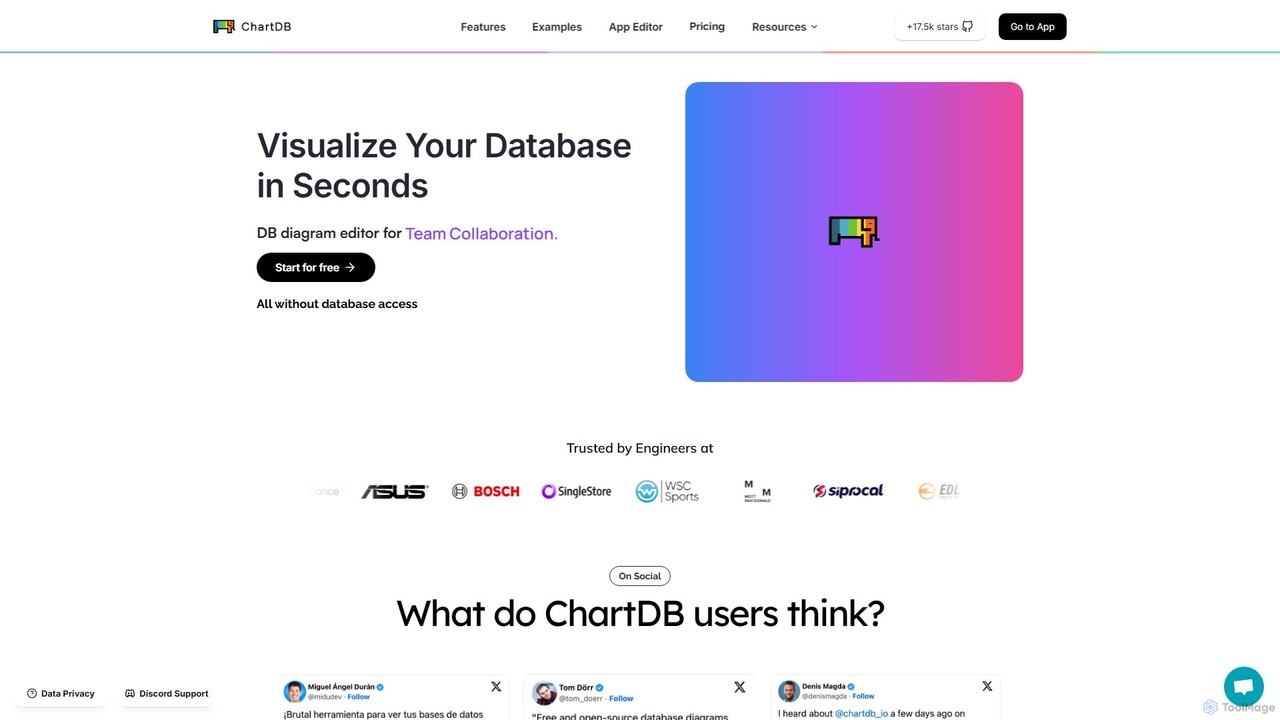
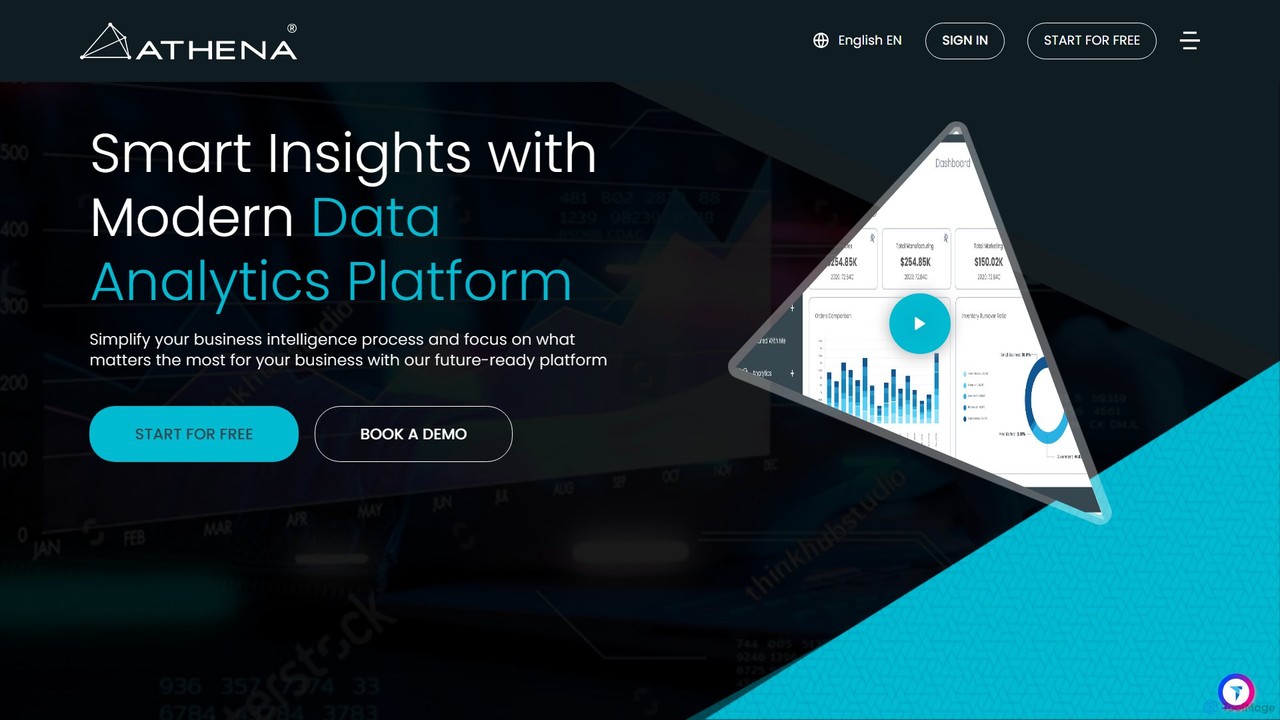
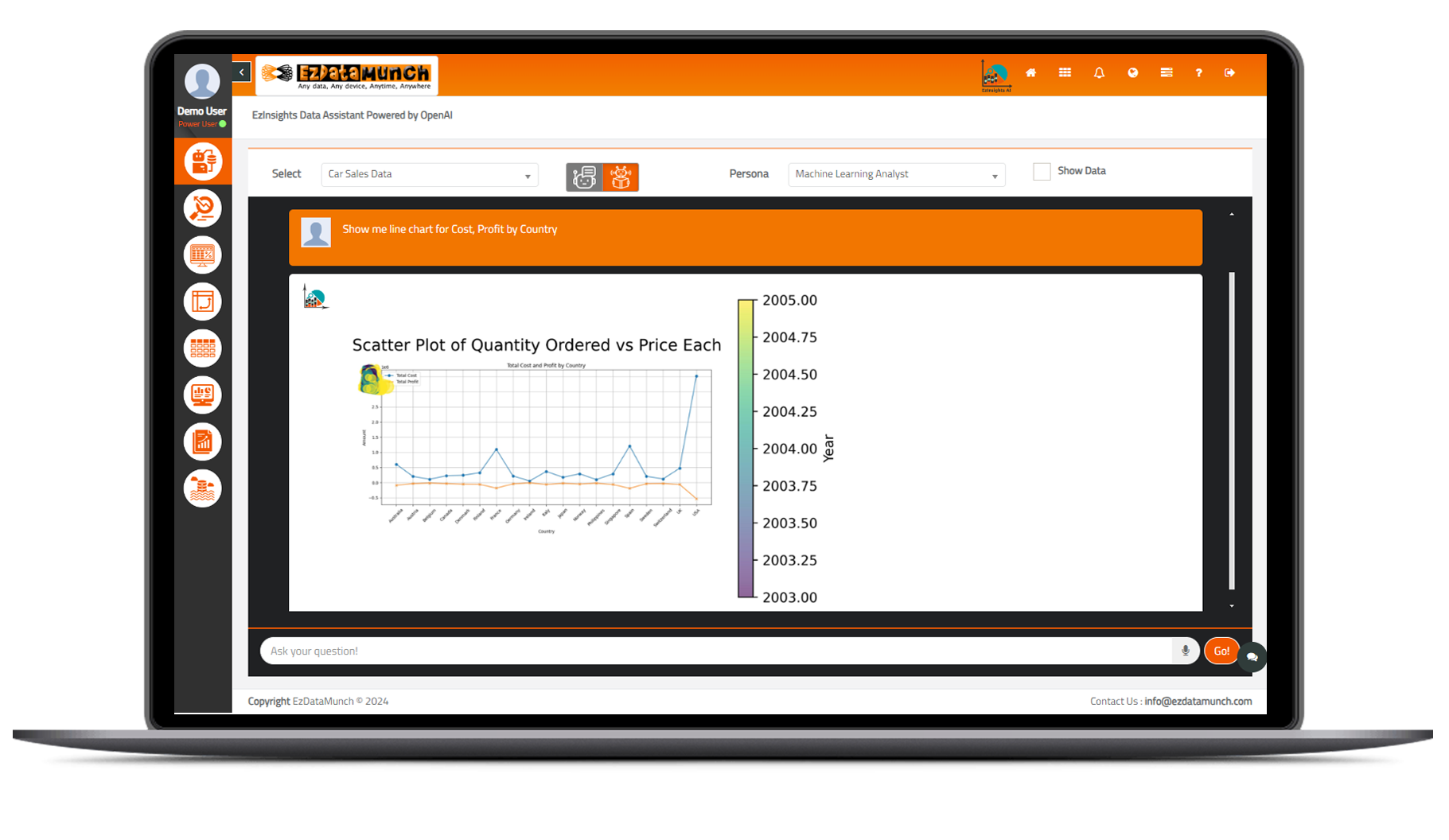
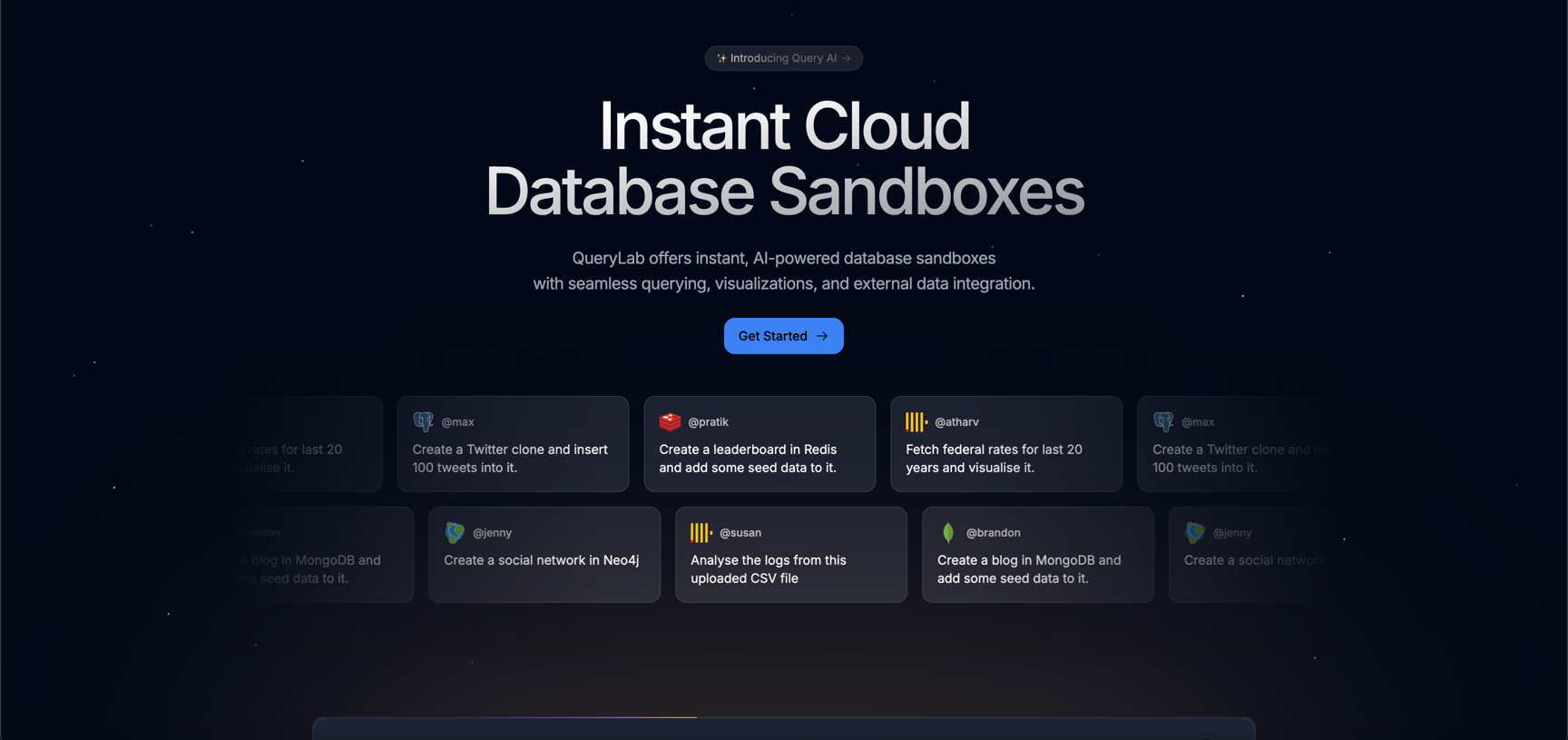
AI Visualization tools are a sophisticated category of AI-powered solutions specifically designed to transform complex, raw data into intuitive, interactive, and actionable visual representations. These advanced tools leverage cutting-edge artificial intelligence algorithms, including machine learning, deep learning, and natural language processing, to automate the entire data interpretation process. They intelligently suggest optimal chart types based on data characteristics, identify hidden patterns and anomalies, and even generate dynamic, customizable dashboards. The primary value of AI Visualization lies in its ability to empower users to quickly identify critical insights, understand underlying trends, and make more informed, data-driven decisions from vast and disparate datasets, significantly enhancing the efficiency and depth of data analysis.
Core Features
- Intelligent Chart Recommendation: AI algorithms analyze the structure and nature of your data to automatically suggest the most appropriate and effective visualization types, from bar charts to complex network graphs.
- Automated Data Insights: Beyond mere display, these tools proactively identify key trends, outliers, correlations, and anomalies within datasets, often providing natural language explanations for these discoveries.
- Natural Language Report Generation: Many advanced AI visualization platforms can translate complex visual findings into clear, concise, and easy-to-understand textual summaries and comprehensive reports.
- Interactive Dashboard Building: Users can rapidly create dynamic, customizable dashboards with drill-down capabilities, filters, and real-time updates, allowing for deep exploration of data.
- Real-time Data Integration: Seamlessly connects with a wide array of data sources, including databases, cloud platforms, APIs, and various file formats, ensuring visualizations are always based on the most current information.
Applicable Scenarios
AI Visualization tools are becoming indispensable across a multitude of professional domains. Business intelligence analysts utilize them to gain deep insights into market trends, sales performance, and customer behavior, transforming raw numbers into strategic advantages. Researchers in scientific and academic fields leverage these tools to explore and present complex experimental data, simulations, and statistical models in an intuitive manner. Marketing and communications professionals employ AI visualization to craft compelling data stories, illustrating campaign effectiveness, audience engagement, and brand sentiment. Furthermore, financial analysts use them to identify risk patterns and investment opportunities, while healthcare providers visualize patient data for improved diagnostics and treatment planning.
How to Choose
Selecting the ideal AI Visualization tool requires a careful evaluation of several critical factors to ensure it aligns with your specific needs. Firstly, assess its compatibility with your existing data infrastructure, including support for various databases, cloud services, and file formats. Secondly, examine the breadth and depth of visualization types offered, along with the flexibility for customization to meet unique reporting requirements. Thirdly, evaluate the sophistication of its AI capabilities, such as the accuracy of automated insights, chart recommendations, and natural language generation. User interface intuitiveness, ease of use, and the learning curve are also paramount for widespread adoption. Finally, consider collaboration features, sharing options, security protocols, and the pricing model to ensure it scales with your team and budget.