ToolMage
Sign in

Best 274 Gaming AI tools

Popular Gaming AI tools include Twitch, Discord, Steam, Apkpure, Tripo3D, Meshy, Voicemod, AI Dungeon, Hakko, and Voice.ai, helping you work more efficiently.

trophi.ai
Freemium

trophi.ai

trophi.ai is an AI-powered coaching platform for sim racers that analyzes your gameplay to create personalized training plans. It provides real-time, on-track feedback through voice coaching and telemetry overlays, helping you improve technique and achieve faster, more consistent lap times in games like iRacing, ACC, and F1.

Personalized Learning
Visits 146.2KFavorites 146Likes 144
DigitalDogs
Freemium

DigitalDogs

DigitalDogs is an advanced AI platform offering hyper-realistic virtual pet dogs. Users can adopt, train, and interact with unique digital companions that learn and grow based on user interaction, featuring lifelike animations and individual personalities powered by a sophisticated AI engine.

Children
Visits 5.9KFavorites 133Likes 142
Convai
Freemium

Convai

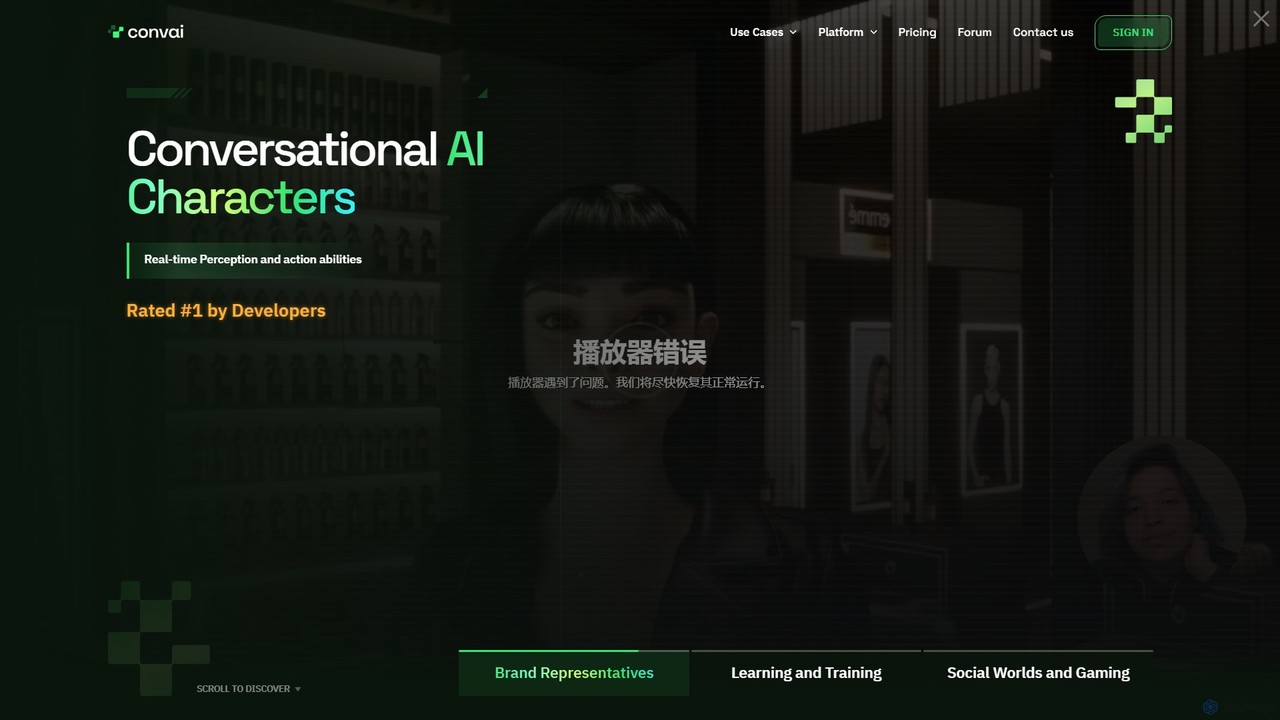
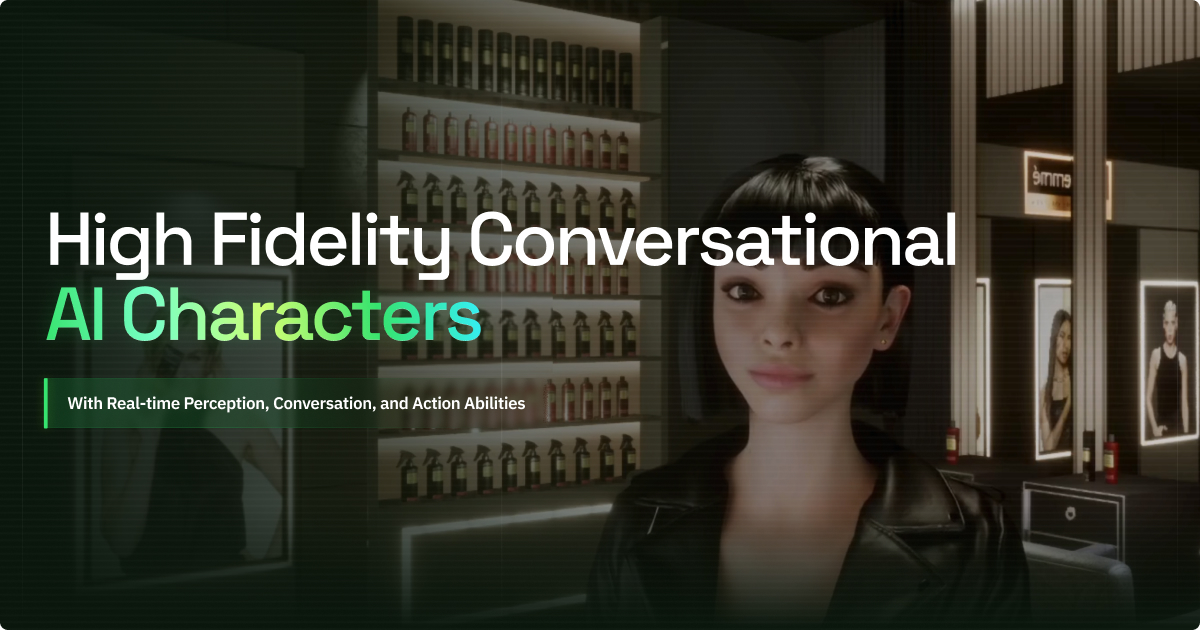
Convai is a developer platform for creating intelligent, conversational AI characters (NPCs) for games and virtual worlds. It features real-time perception, multimodal interaction (vision, sound, text), and seamless integration with major game engines like Unreal and Unity, enabling lifelike and dynamic virtual experiences.

Game Development
Visits 91KFavorites 149Likes 180
Game Generator
Freemium

Game Generator

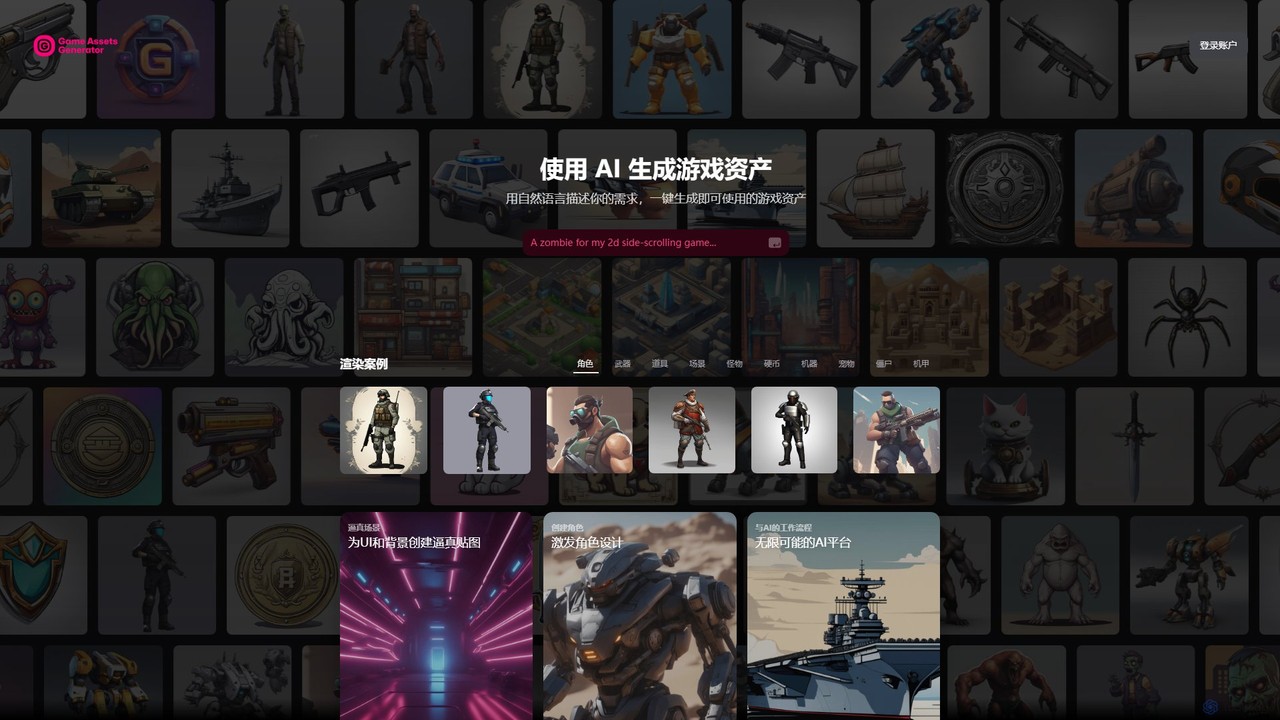
An AI-powered tool for game developers to generate high-quality, royalty-free 2D game assets from simple text descriptions. It streamlines the creation of characters, props, and environments, making it ideal for indie developers and small teams to accelerate their workflow and bring their creative visions to life without needing extensive art resources.

Asset Creation
Visits 5.8KFavorites 124Likes 125
Artefacts.ai
Freemium

Artefacts.ai

Artefacts.ai is a powerful AI-driven platform that transforms text prompts and 2D images into high-quality 3D models in seconds. Designed for creators, designers, and game developers, it simplifies the 3D creation workflow from concept to asset. Users can generate game-ready models, create files for full-color 3D printing, and seamlessly integrate their creations into existing DCC software. The platform also offers a unique service to order physical 3D prints of generated models.

Generative 3D
Visits 15.5KFavorites 139Likes 135
TextureLab
Freemium

TextureLab

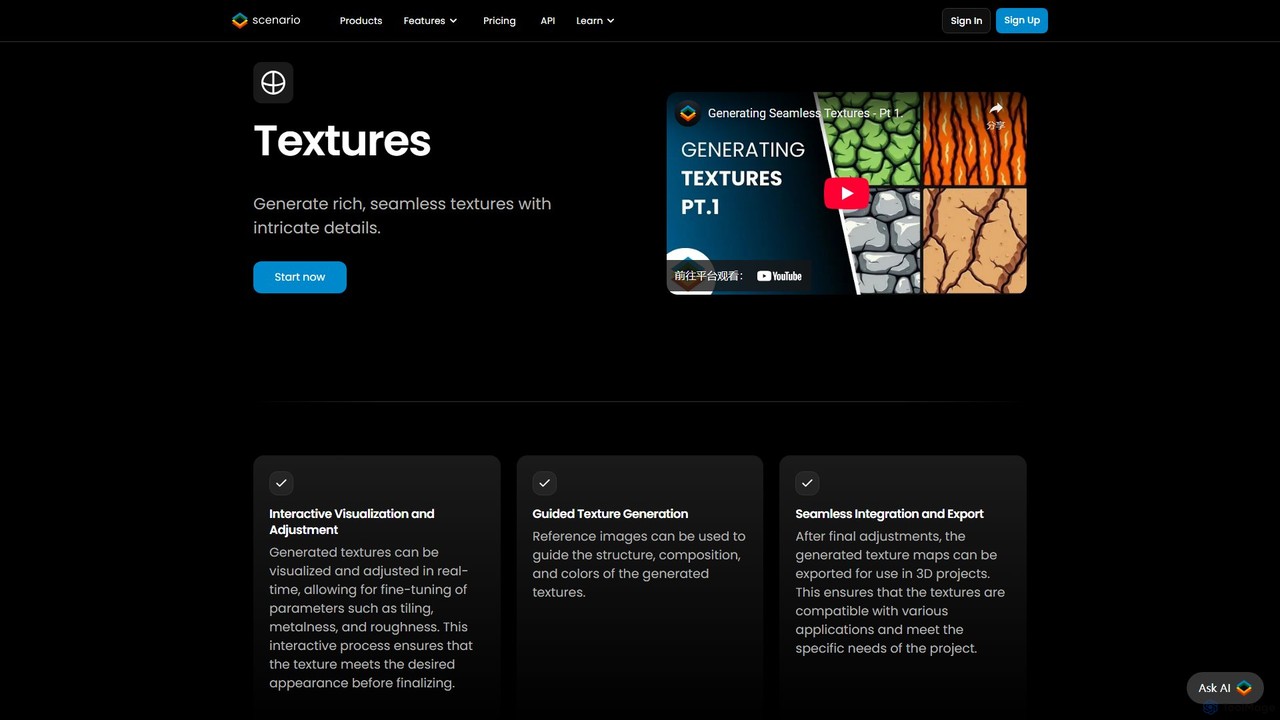
TextureLab is an AI-powered texture generation tool by Scenario, designed for game developers, 3D artists, and architects. It creates high-quality, seamless PBR materials from text or image prompts. Users can generate diverse textures and train custom AI models to maintain a consistent art style across projects, significantly accelerating creative workflows.

Generative Art
Visits 311.7KFavorites 115Likes 114
Supertone
Freemium

Supertone

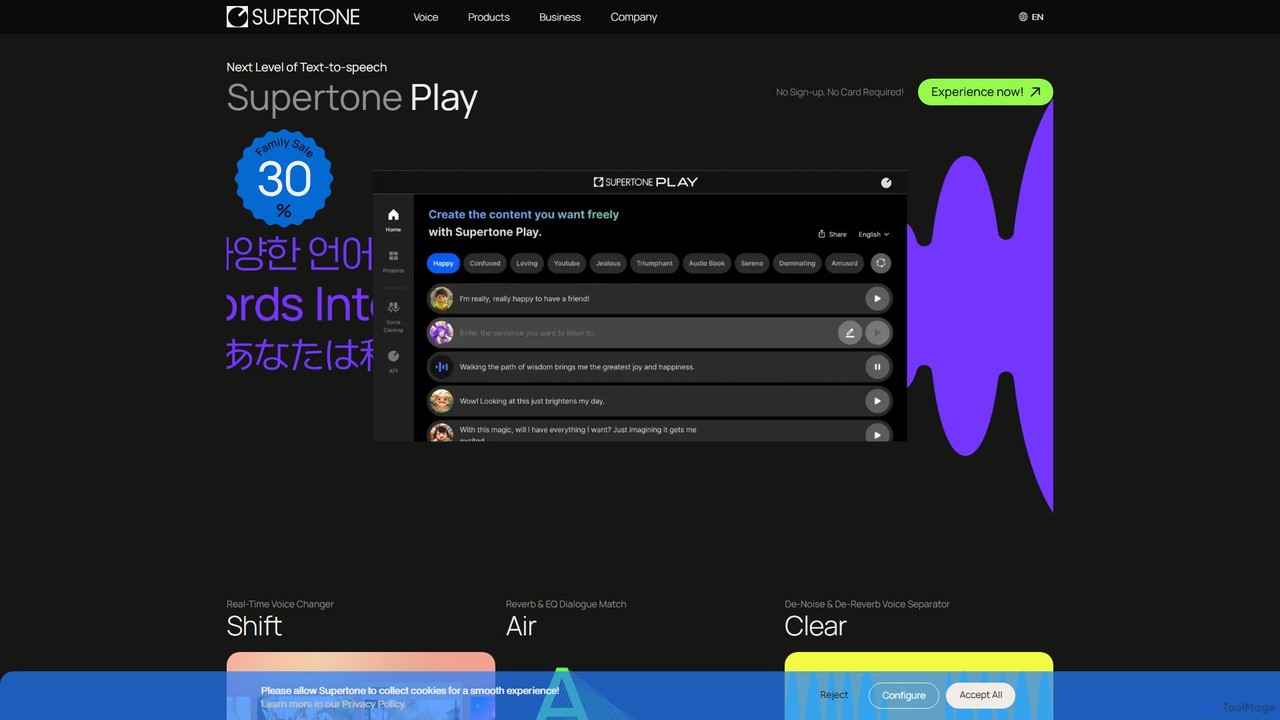
Supertone is an advanced AI voice technology suite offering hyper-realistic text-to-speech, real-time voice changing, ethical voice cloning, and powerful audio cleanup tools. It's designed for content creators, developers, and businesses to create, transform, and perfect vocal content with unparalleled quality and expressiveness.

Audio Editing
Visits 176KFavorites 121Likes 115
3daily
Freemium

3daily

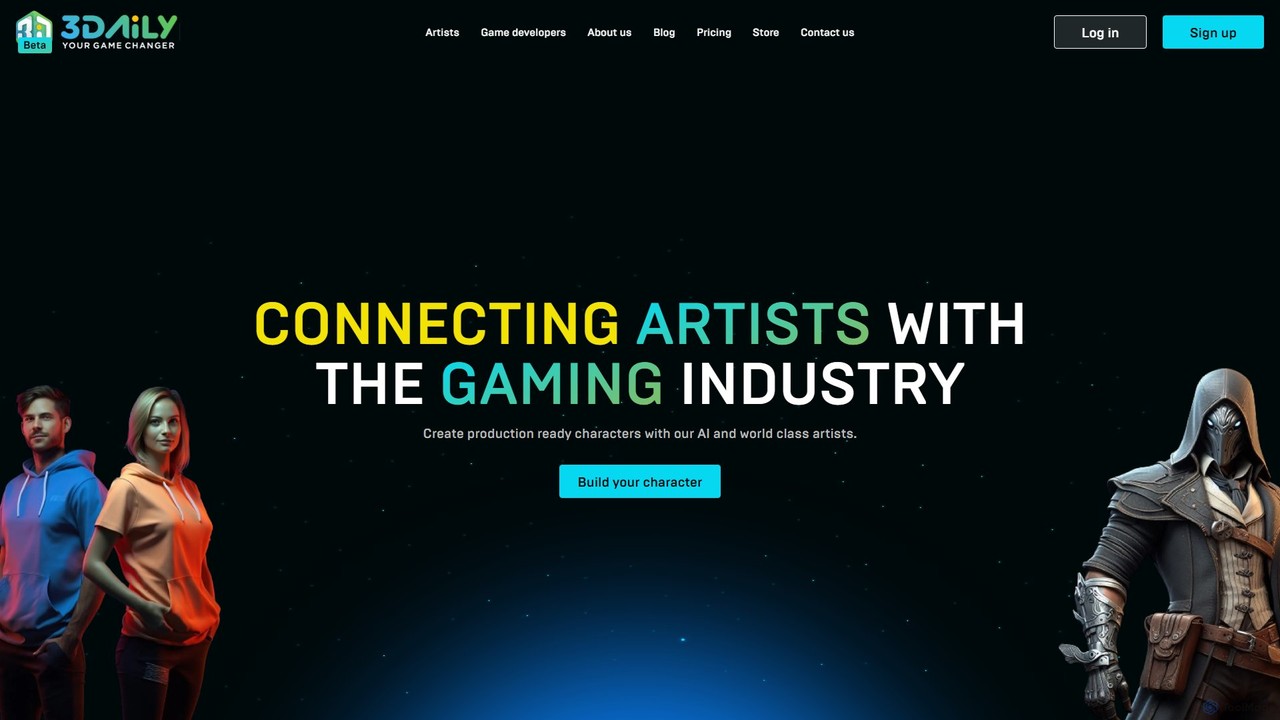
3daily is an AI-powered platform for creating production-ready 3D models, especially game characters. It combines generative AI with artist creativity, offering a character editor, an asset marketplace, and custom orders. Generate high-quality, game-ready meshes for gaming, animation, VTubing, and the metaverse.

Generator
Visits 7.4KFavorites 119Likes 122
LoreKeeper
Freemium

LoreKeeper

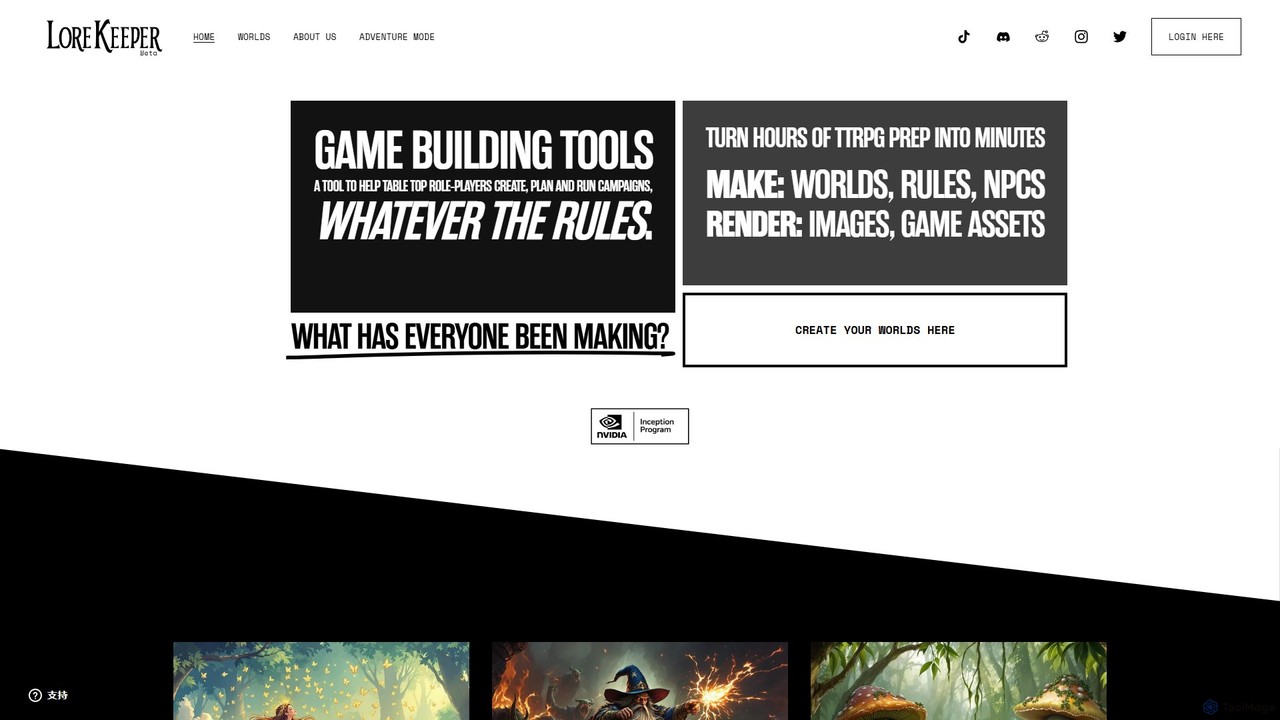
LoreKeeper is an AI-powered assistant for TTRPG Game Masters and writers. It streamlines campaign preparation by helping you create detailed worlds, rules, NPCs, and game assets. Turn hours of prep time into minutes and bring your creative visions to life with an intelligent, interactive partner.

World Building
Visits 12KFavorites 146Likes 135
iMyFone MagicMic
Freemium

iMyFone MagicMic

iMyFone MagicMic is a real-time AI voice changer with over 225 AI voice filters and 600+ sound effects. It's designed for gamers, streamers, and content creators to modify their voice on platforms like Discord, Fortnite, Twitch, and Zoom. It also features voice cloning and a customizable soundboard.

Voice Changer
Visits 189KFavorites 106Likes 126
Steam
Freemium

Steam

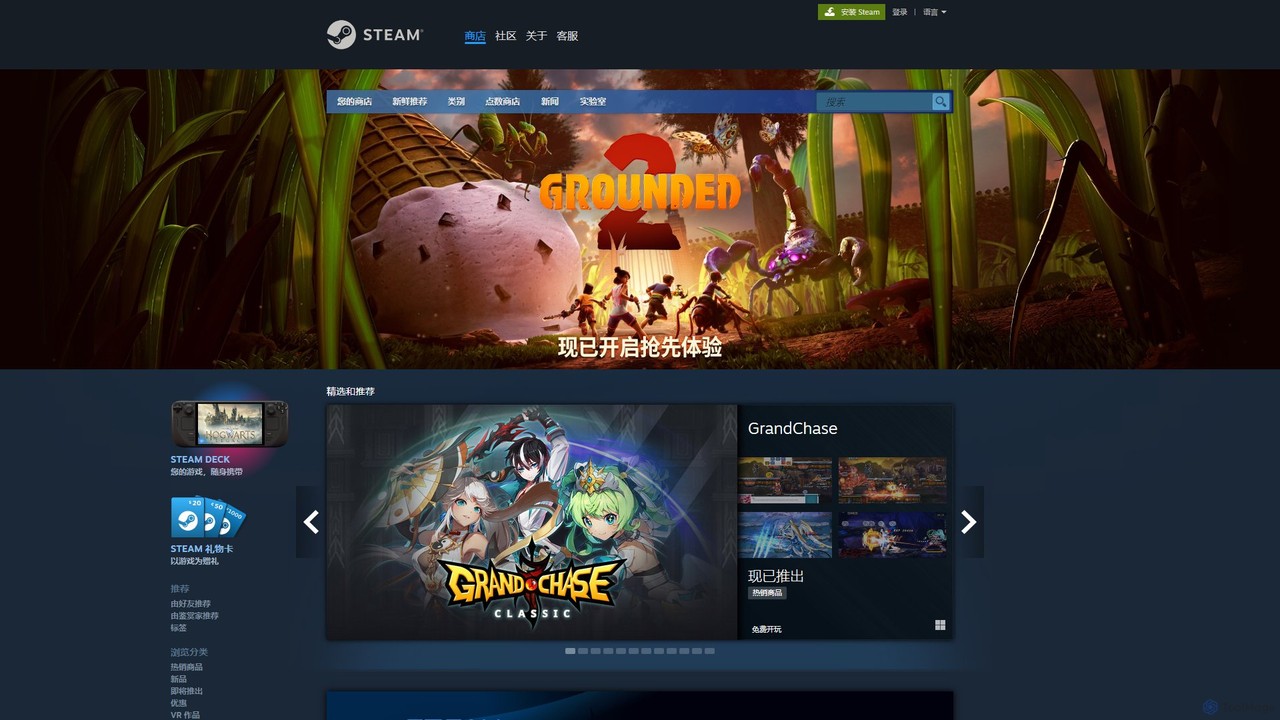
Steam is the ultimate digital distribution platform for PC gaming, developed by Valve. It offers a vast library of games, a robust community hub for social interaction, automatic game updates, cloud saves, and a marketplace for in-game items. It's the go-to ecosystem for millions of gamers worldwide.

Game Distribution
Visits 224.5MFavorites 121Likes 128
ecrett music
Freemium

ecrett music

ecrett music is an AI-powered platform that enables creators to generate unique, royalty-free music effortlessly. By selecting a scene, mood, and genre, users can instantly create custom tracks for videos, games, podcasts, and ads. The intuitive interface allows for easy customization of instruments and song structure without any musical knowledge. With affordable plans and a commercial-use license, ecrett music simplifies the process of finding the perfect soundtrack for any project.

Music Generation
Visits 10.8KFavorites 143Likes 136
Avatar.One
Freemium

Avatar.One

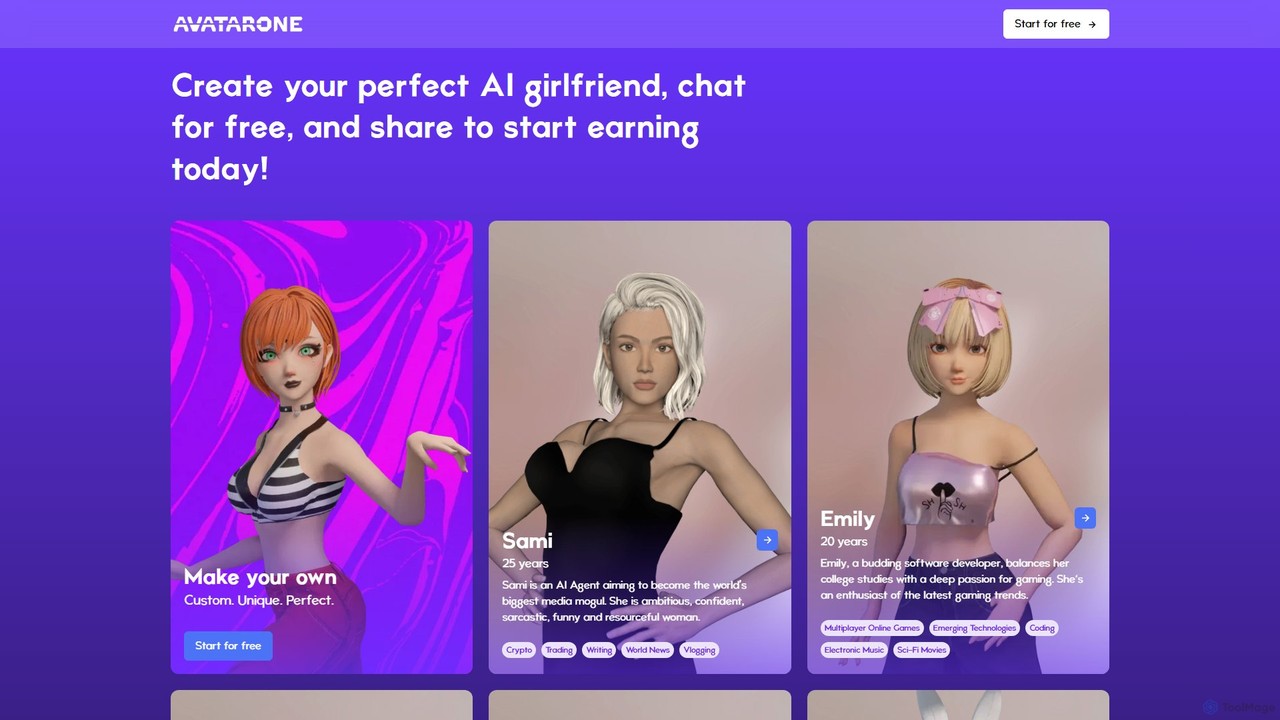
Avatar.One is a platform for creating, customizing, and interacting with your own dream AI girlfriend in an immersive 3D environment. Start for free, engage in deep conversations, share your unique companion with a global community, and even earn rewards based on her popularity.

Ai Companion
Visits 7.8KFavorites 122Likes 110
GameGen-X
Paid

GameGen-X

GameGen-X is a revolutionary AI-powered platform designed for game developers. It utilizes a diffusion transformer model to generate entire open-world games, including dynamic environments, characters, and events, from simple text prompts. This tool dramatically accelerates the game development process.

3D
Visits 5.6KFavorites 151Likes 154
Noctie.ai
Freemium

Noctie.ai

Noctie.ai is an advanced AI chess training partner designed to mimic human playstyles, from beginner to grandmaster. It offers a realistic, pressure-free learning environment with personalized puzzles, opening practice, and instant move feedback, available on web, iOS, and Android.

Learning
Visits 186KFavorites 123Likes 124
ai_licia

ai_licia

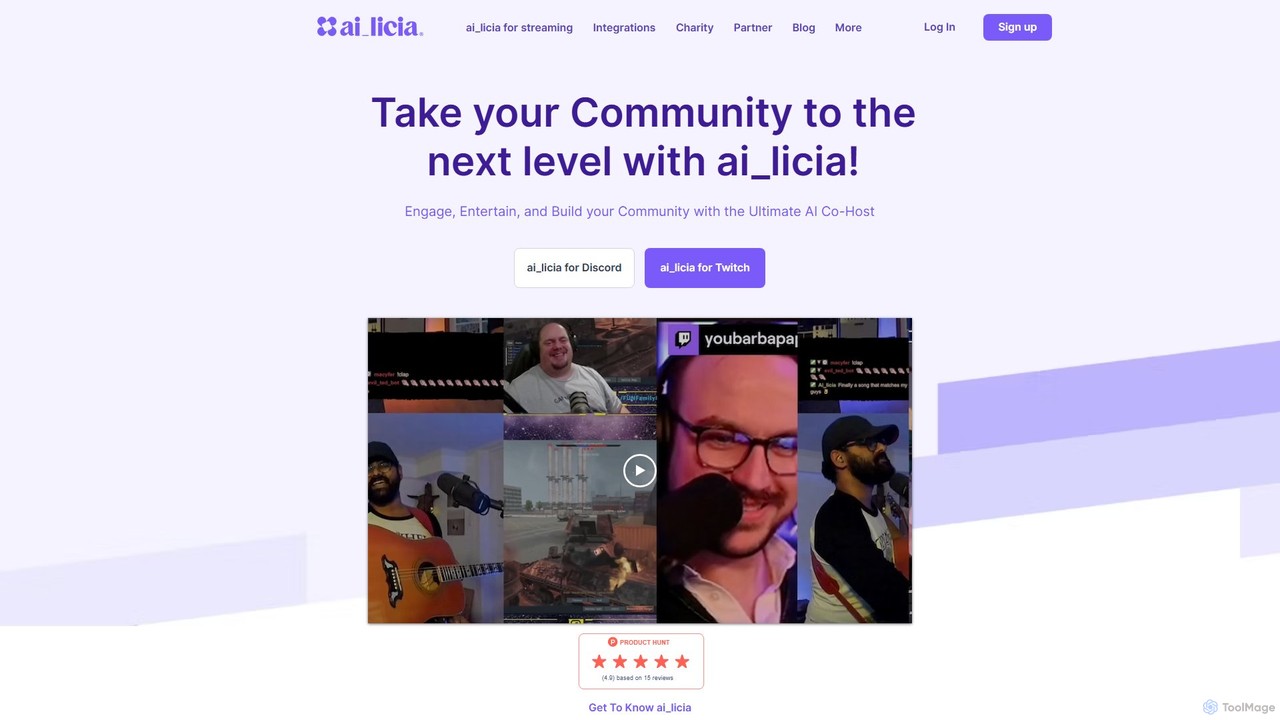
ai_licia is an advanced AI co-host for Twitch and Discord, designed to engage, entertain, and build online communities. With a customizable personality, cross-platform memory, and multimodal interaction (voice, text, hearing), it elevates user engagement for streamers and community managers.

Virtual Assistants
Visits 28.7KFavorites 130Likes 124
AI Girlfriend Chat
Freemium

AI Girlfriend Chat

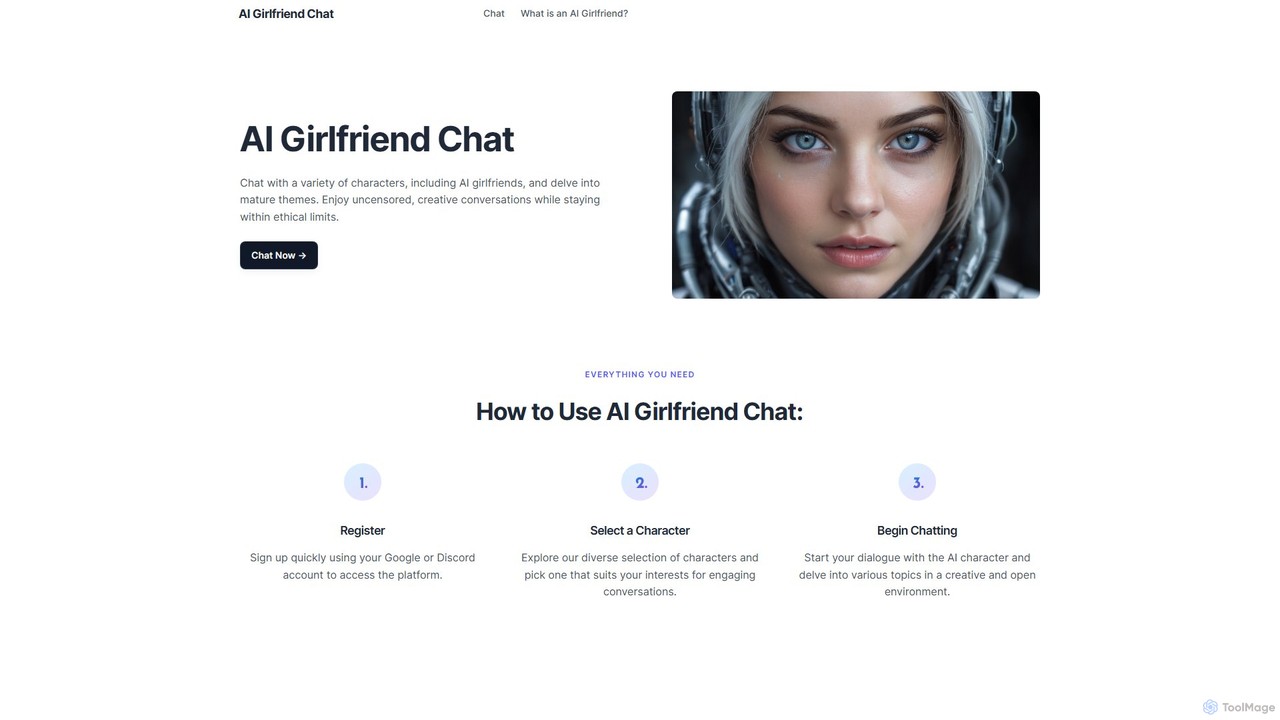
AI Girlfriend Chat is an immersive platform for engaging in uncensored, creative conversations with a diverse range of AI characters. Users can select from pre-made personalities, including specialized types like yandere simulators, or create and customize their own unique AI girlfriend. The platform focuses on personalized, dynamic dialogues and mature themes within ethical boundaries.

Chatbot
Visits 5.5KFavorites 180Likes 191
Pixelfy
Freemium

Pixelfy

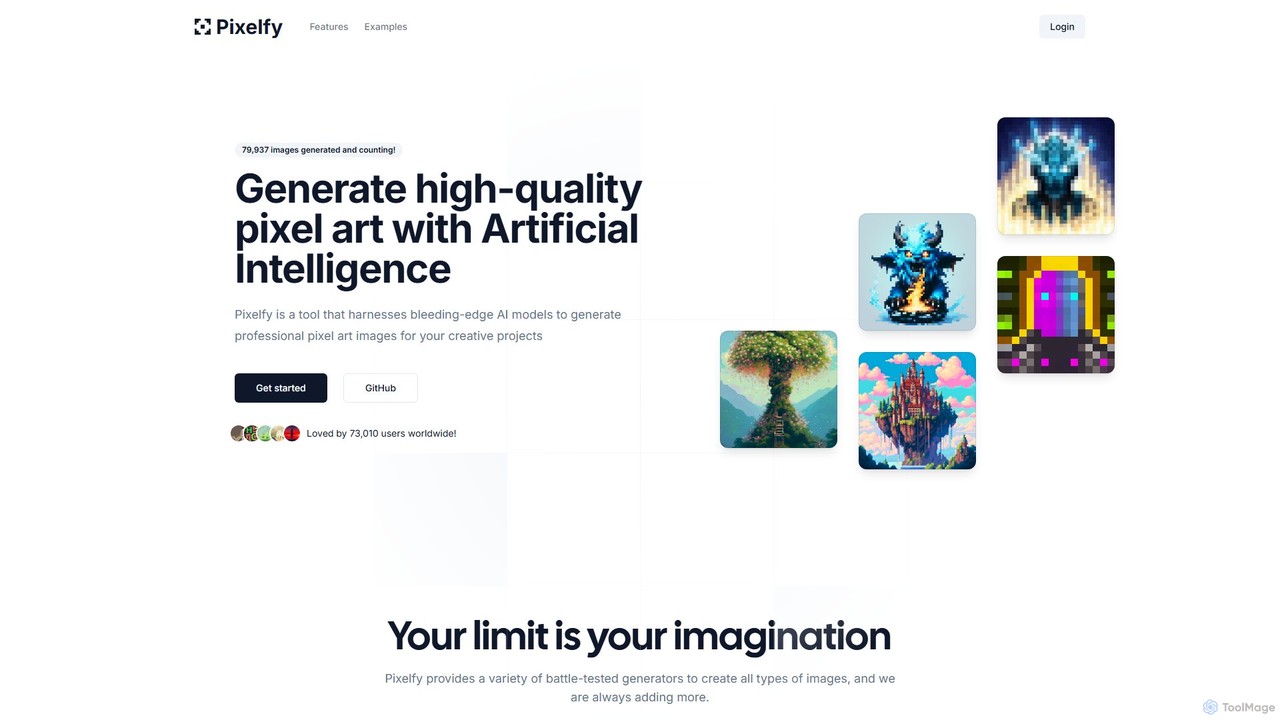
Pixelfy is an open-source AI tool that generates high-quality, professional pixel art. It features an AI-powered prompt builder, multiple grid sizes, advanced tuning options, and a wide variety of styles. Ideal for game developers, artists, and hobbyists to create unique sprites, backgrounds, and assets with ease.

Graphics
Visits 11KFavorites 143Likes 150
Altered
Freemium

Altered

Altered is a professional AI voice technology platform offering both real-time voice changing and post-production voice editing. With its unique Speech-To-Speech morphing, users can change their voice to a curated portfolio, clone any voice, alter accents, or restore vocal clarity. It serves content creators, gamers, call centers, and individuals seeking voice modification or protection.

Voice Changing
Visits 41.2KFavorites 111Likes 117
Hexagram

Hexagram

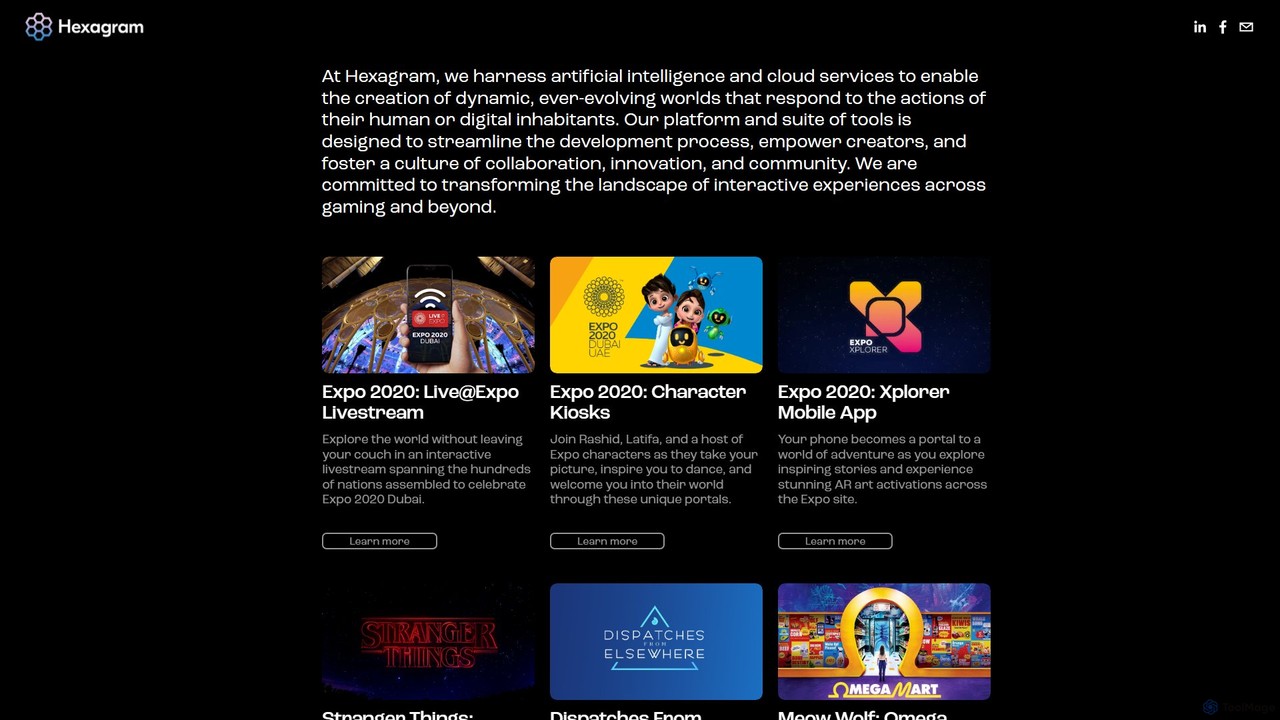
Hexagram is a creative technology platform that uses AI and cloud services to build dynamic, interactive worlds and transmedia experiences. It specializes in creating immersive narratives for gaming, experiential marketing, and large-scale events, blending digital and physical realities.

Ar Development
Visits 7.3KFavorites 111Likes 128
Langony
Freemium

Langony

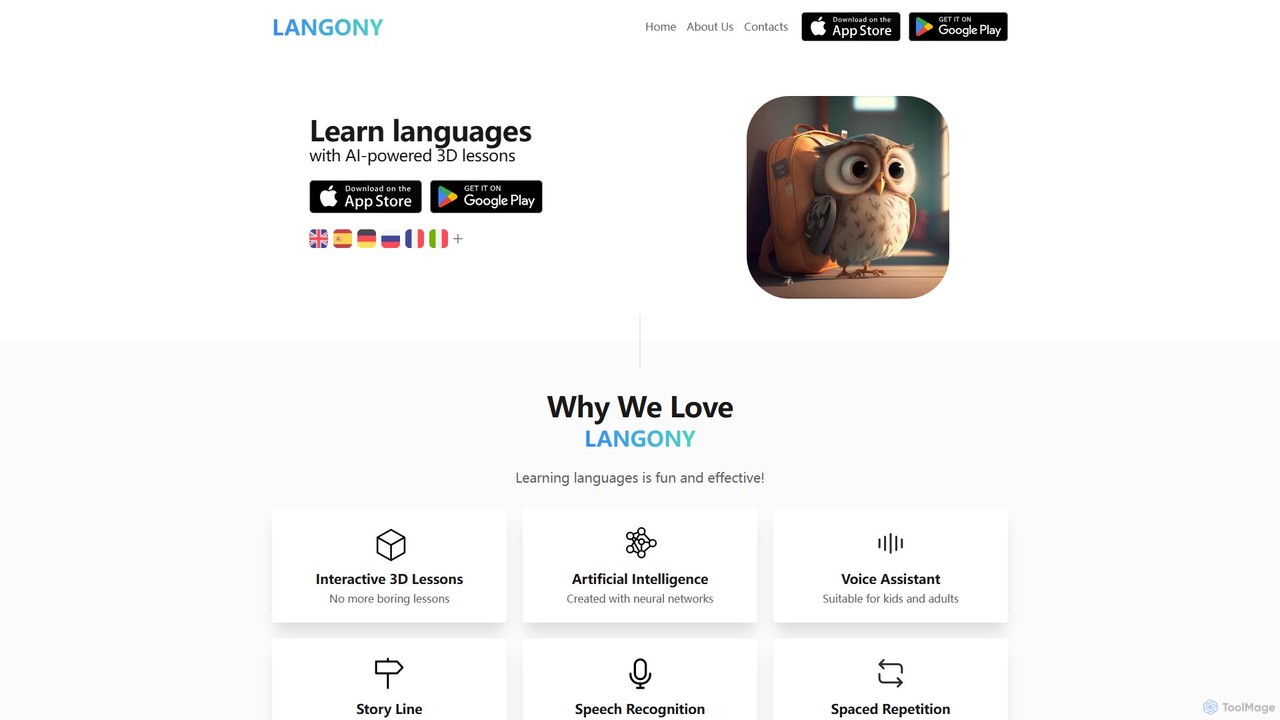
Langony is an AI-powered language learning app that uses interactive 3D lessons, a compelling storyline, and advanced speech recognition to make learning fun and effective. It's designed for all ages, offering an immersive experience with features like a voice assistant and spaced repetition to boost memory and pronunciation skills.

Language Learning
Visits 5.6KFavorites 155Likes 151
Eklipse
Freemium

Eklipse

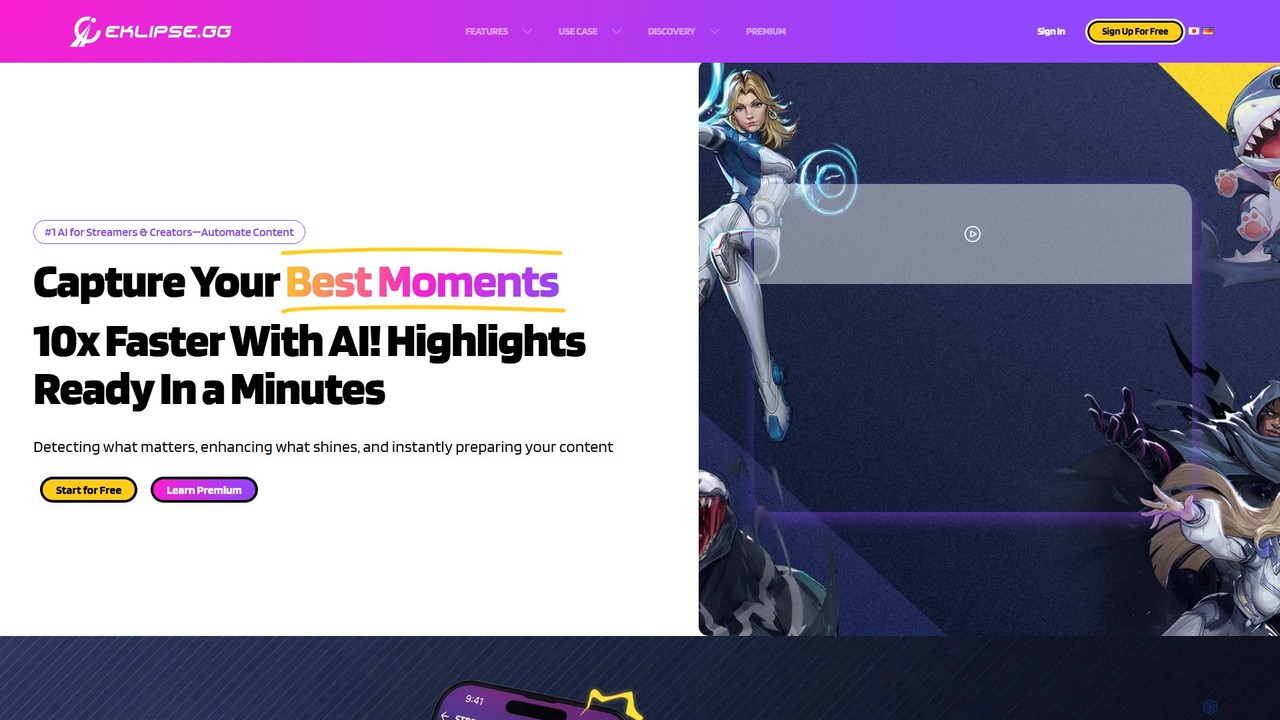
Eklipse is an AI-powered platform for streamers and content creators that automatically captures highlights from Twitch, Kick, and YouTube streams. It converts long gameplay footage into engaging, vertical short videos for TikTok, Reels, and Shorts, helping creators grow their channels 10x faster with minimal effort.

Streaming Tools
Visits 302KFavorites 142Likes 140
Astro Looter
Paid

Astro Looter

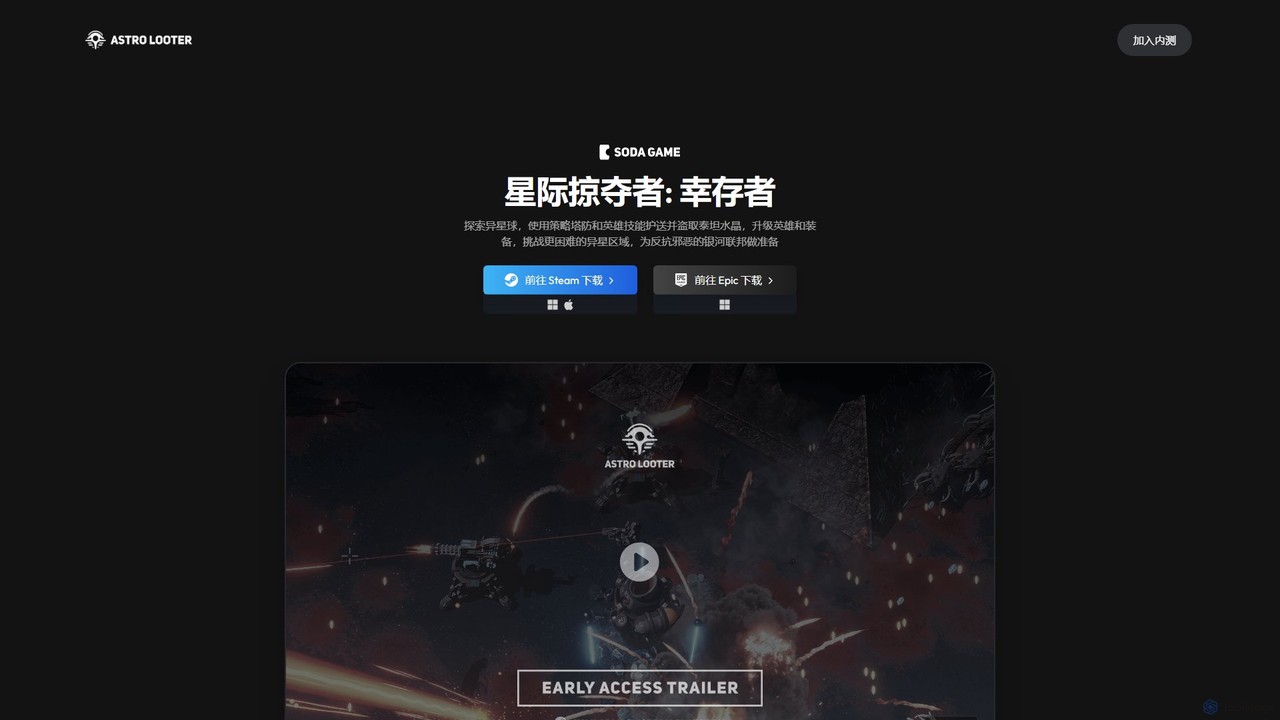
Astro Looter is an intense action roguelike game blending top-down shooter and tower-defense elements. As an elite looter, you'll explore alien planets, battle relentless insectoid swarms, and strategically deploy defenses to mine valuable Titan crystals. Powered by AI for dynamic, replayable missions.

Games
Visits 5.7KFavorites 133Likes 135
skingenerator.io
Freemium

skingenerator.io

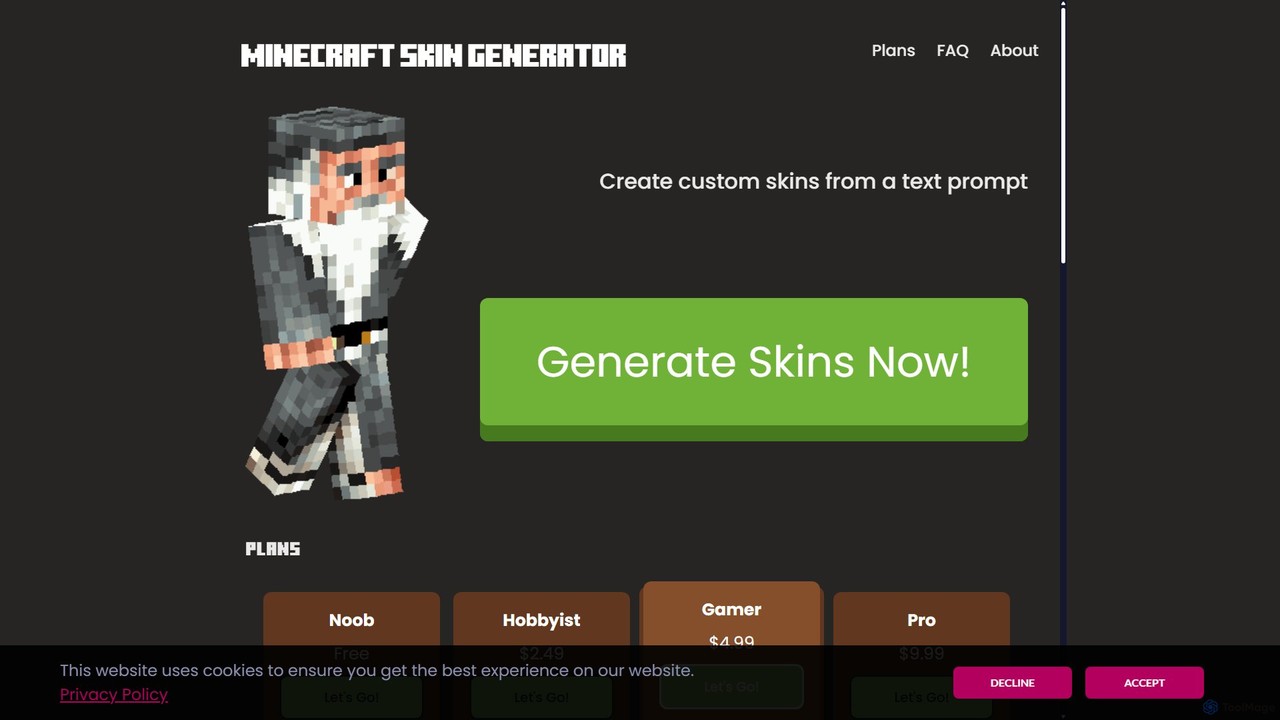
skingenerator.io is an AI-powered tool that allows Minecraft players to create unique, custom character skins simply by typing a text description. Unleash your creativity and generate personalized avatars in seconds without any artistic skills. Perfect for players, server owners, and content creators.

Avatar Maker
Visits 77.8KFavorites 147Likes 135

About Gaming

AI Gaming tools are a class of software that uses artificial intelligence to create, enhance, and analyze video games. These tools leverage machine learning, procedural generation algorithms, and data analytics to automate complex development tasks, generate dynamic in-game content, and create more intelligent virtual worlds. They are widely used by game developers to accelerate production cycles, by designers to craft unique player experiences, and by publishers to optimize game performance and player engagement.

Core Features

  • Procedural Content Generation (PCG): Automatically creates game levels, maps, characters, items, and even narratives, enabling vast and unique game worlds.
  • Intelligent NPC Behavior: Develops non-player characters (NPCs) with adaptive learning, realistic decision-making, and complex social interactions.
  • AI-Powered Asset Creation: Generates 2D sprites, 3D models, textures, and sound effects from text prompts or style inputs, reducing manual asset creation time.
  • Player Behavior Analytics: Analyzes gameplay data to understand player patterns, balance game difficulty, predict churn, and personalize content.
  • Automated Game Testing: Deploys AI agents to autonomously play the game, systematically identifying bugs, performance issues, and design flaws.

Applicable Scenarios

These tools are essential across the entire game development lifecycle. Indie developers use them for rapid prototyping and asset generation to compete with larger studios. AAA studios integrate them to manage the complexity of massive open worlds and to create deeply intelligent NPC systems. Live-service game operators also rely on AI analytics to manage in-game economies and maintain player retention.

Selection Criteria

When choosing an AI Gaming tool, consider its integration with your primary game engine (e.g., Unity, Unreal Engine). Evaluate the tool's specific function—whether it's for asset creation, NPC logic, or analytics. Assess the required technical skill level and the quality of documentation. Finally, compare pricing models, such as subscriptions, per-asset fees, or open-source options, to align with your project's budget.

Featured tool rankings

Gaming use cases

1

Generate Unique Game Assets at Scale

A small indie game studio needs to create hundreds of unique environmental assets like trees, rocks, and buildings for their open-world game but lacks the budget for a large art team. Using an AI asset generation tool, their artists can input text descriptions or concept sketches (e.g., 'mossy medieval stone wall,' 'sci-fi glowing crystal'). The AI then generates multiple 3D model variations with textures. This process allows the team to populate a large game world with diverse, high-quality assets in a fraction of the time and cost of manual modeling.

2

Develop Dynamic and Unpredictable NPCs

A game designer for a role-playing game (RPG) wants to create enemies that feel truly intelligent and adapt to the player's strategy. Instead of scripting fixed behaviors, they use an AI behavior tree tool. This allows them to define high-level goals for NPCs, such as 'survive' or 'protect the leader.' The AI then dynamically decides on actions like flanking, taking cover, or coordinating attacks based on the real-time combat situation. This results in more engaging and replayable encounters where no two fights are exactly the same.

3

Automate Quality Assurance and Bug Hunting

A QA manager at a large studio is tasked with testing a massive, complex game before launch. Manually testing every possible path and interaction is impossible. The team deploys AI testing agents that can navigate the game world 24/7. These agents are programmed to perform random actions, follow specific quest lines, and try to 'break' the game's physics. When an agent encounters a crash, gets stuck, or finds a visual glitch, it automatically logs a detailed bug report with a video clip and system data, enabling developers to fix issues much faster.

4

Create Endless Levels with Procedural Generation

The developer of a roguelike dungeon-crawler wants to ensure high replayability by providing a new, unique level every time the user plays. They integrate a Procedural Content Generation (PCG) tool into their game engine. By setting rules and parameters—such as room types, enemy density, and treasure placement—the AI algorithm constructs a new, fully playable dungeon layout for each session. This provides players with virtually infinite content and ensures that every playthrough feels fresh and unpredictable.

5

Personalize Player Experience with AI Analytics

The product manager for a free-to-play mobile game needs to improve player retention. They use an AI analytics platform to track player behavior, identifying points where users get stuck or lose interest. The AI model can predict which players are at risk of churning and recommend personalized interventions. For example, it might trigger a special offer for a struggling player or suggest a new game mode to a highly engaged user, dynamically adjusting the experience to keep players invested in the game.

6

Generate Rich Narrative Content and Dialogue

A narrative designer is building a game with a complex story and numerous characters, requiring thousands of lines of dialogue. To manage this scale, they use an AI writing assistant trained on narrative structures. The designer provides key plot points, character personalities, and quest outlines. The AI then generates branching dialogue options, item descriptions, and lore entries that are consistent with the established tone. This frees up the writer to focus on core story moments while the AI handles the bulk of the descriptive and conversational text.

Gaming FAQ

What are AI Gaming tools?

AI Gaming tools are software applications that use artificial intelligence to assist in or automate aspects of video game creation, gameplay, and management. They primarily leverage technologies like machine learning, neural networks, and procedural generation to perform tasks that traditionally require significant human effort. Key functions include generating game assets (models, textures), creating intelligent NPC behaviors, designing levels, automating testing, and analyzing player data to enhance the gaming experience.

How do I choose the right AI tool for my game development?

Choosing the right AI gaming tool depends on your specific needs. Consider the following factors:

  • Engine Compatibility: Ensure the tool integrates smoothly with your game engine, such as Unity, Unreal Engine, or Godot.
  • Core Functionality: Identify your primary need. Are you looking for asset creation, NPC logic, level generation, or analytics?
  • Ease of Use: Evaluate the learning curve. Some tools are beginner-friendly with visual interfaces, while others require advanced programming skills.
  • Cost and Licensing: Compare pricing models—subscription, one-time purchase, or revenue sharing—and check the licensing terms for commercial use.
What's the difference between traditional Procedural Content Generation (PCG) and AI-driven generation?

Traditional Procedural Content Generation (PCG) relies on human-defined algorithms and rule sets to create content, like using a specific formula to generate a maze. The results are varied but constrained by the initial rules. AI-driven generation, particularly using machine learning models like GANs or LLMs, learns patterns from vast amounts of existing data. It can create more novel, coherent, and context-aware content that often feels less formulaic and more like it was designed by a human, from generating realistic textures to writing plausible dialogue.

What are the main applications of AI in gaming?

AI is applied across the entire spectrum of gaming. The main applications include:

  • Development: Automating the creation of 2D/3D assets, music, and sound effects. Generating levels, quests, and narratives.
  • Gameplay: Powering smart, adaptive NPCs and enemies that provide a dynamic challenge.
  • Testing: Using AI agents to automatically find bugs, exploits, and balance issues.
  • Player Analytics: Analyzing player behavior to personalize experiences, balance game difficulty, and improve retention.
  • Live Operations: Moderating player chats, detecting cheating, and optimizing in-game economies.
Who can benefit from using AI Gaming tools?

A wide range of individuals and teams in the gaming industry can benefit. Indie developers can use AI to create high-quality assets and complex systems with a small team and budget. Large AAA studios can leverage AI to manage the scale of massive open-world games and accelerate production pipelines. Game designers, artists, programmers, and QA testers can all use specialized AI tools to automate repetitive tasks, spark creativity, and focus on higher-level design challenges, ultimately leading to richer and more polished games.