ToolMage
Sign in

Best 162 Code AI tools

Popular Code AI tools include Cursor, Kiro, Codeium, GitLab, DeepWiki, BetterBugs, GlobalGPT, Llama, Augment Code, and Vondy, helping you work more efficiently.

LocalizeBot
Paid

LocalizeBot

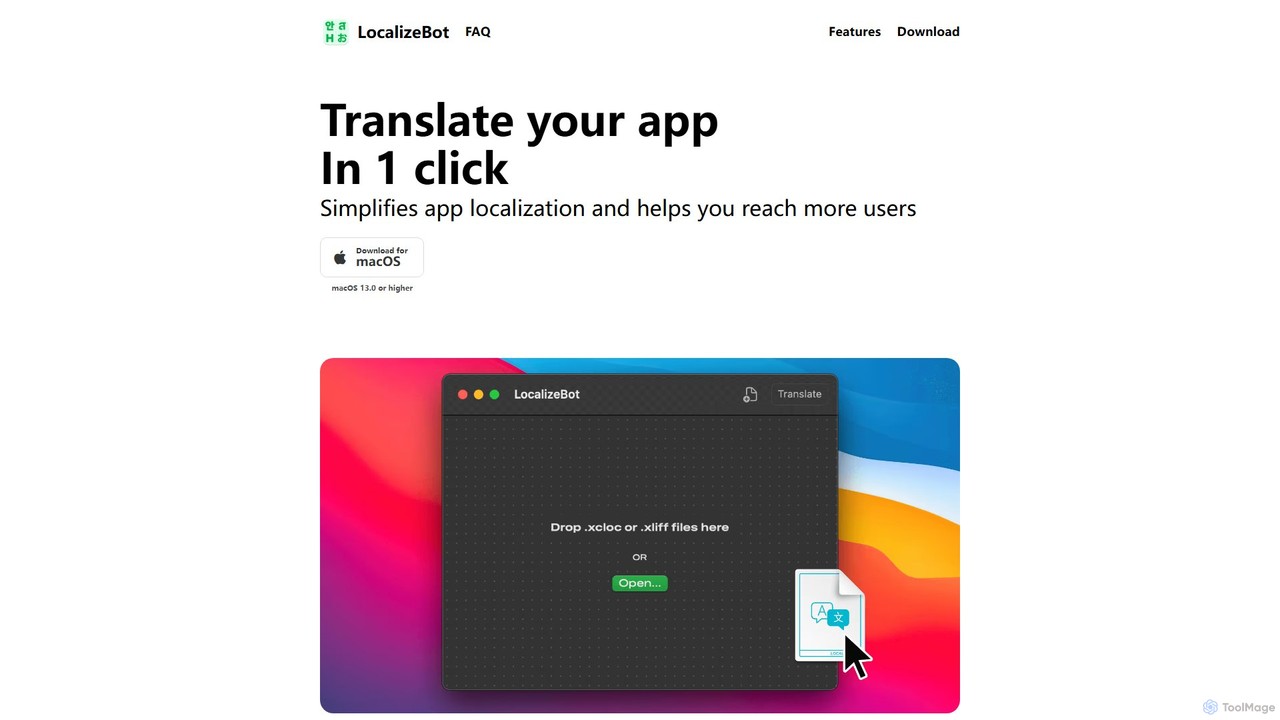
LocalizeBot is a dedicated macOS application that simplifies app localization for developers. With one-click AI-powered translation, it seamlessly integrates into the Xcode workflow, supporting .xliff and .xcloc files. It leverages OpenAI and Google Translate, enhanced with Apple-specific glossaries and contextual understanding to help you reach a global audience effortlessly.

Code Assistant
Visits 6.3KFavorites 155Likes 151
BetterBugs
Free

BetterBugs

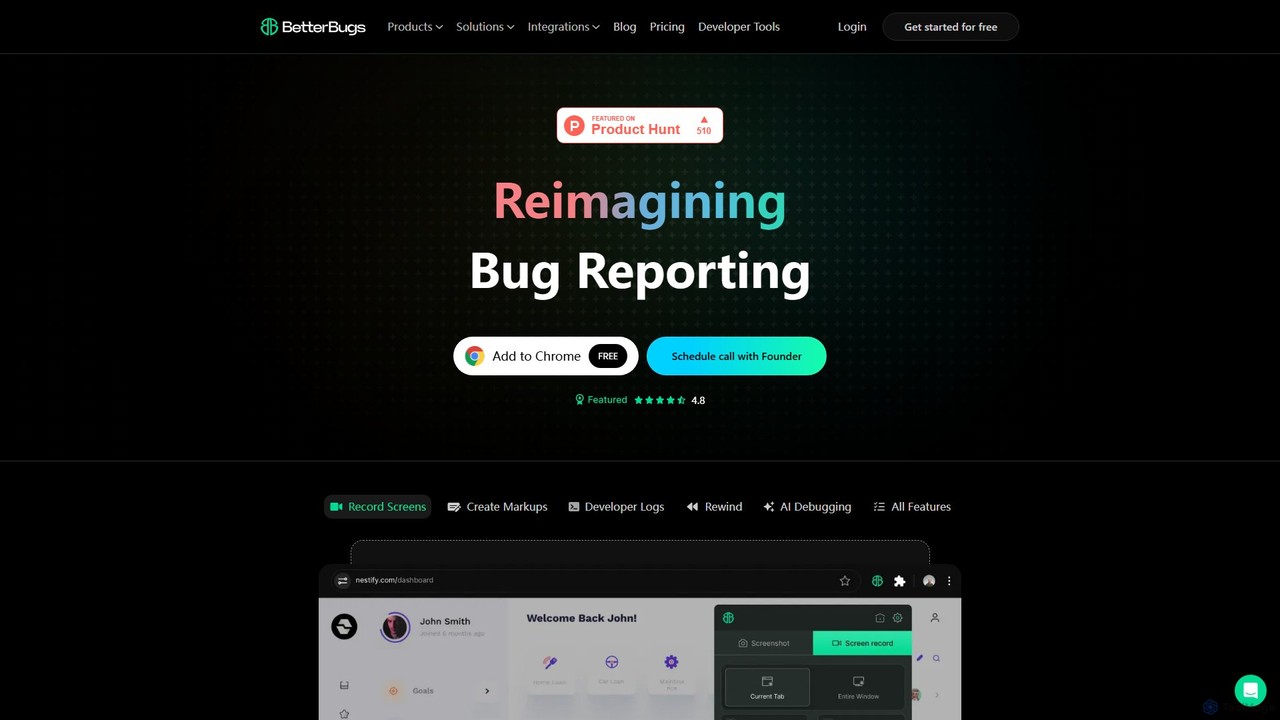
BetterBugs is an AI-powered bug reporting tool that helps development and QA teams capture precise, context-rich bug reports with a single click. It automatically includes screen recordings, annotations, and comprehensive developer logs (console logs, network requests) to streamline the debugging process and accelerate bug resolution.

Debugging
Visits 842KFavorites 157Likes 161
Dynobase
Freemium

Dynobase

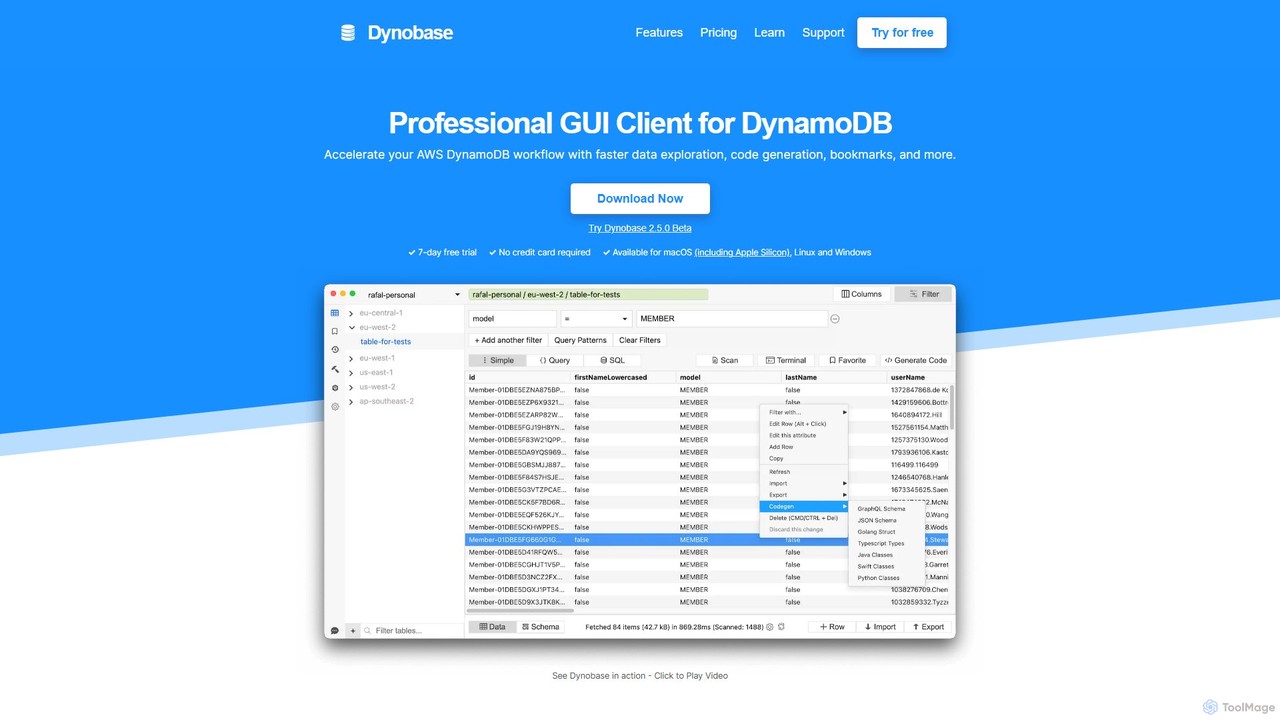
Dynobase is a professional GUI client for AWS DynamoDB, designed to accelerate development workflows. It features an intuitive interface for data exploration, a powerful query builder with SQL support, and an AI-powered code generator for multiple languages. With features like offline support, advanced filtering, and secure AWS integration, Dynobase simplifies DynamoDB management for developers on macOS, Windows, and Linux.

Code Generation
Visits 17.5KFavorites 171Likes 163
dbpilot
Freemium

dbpilot

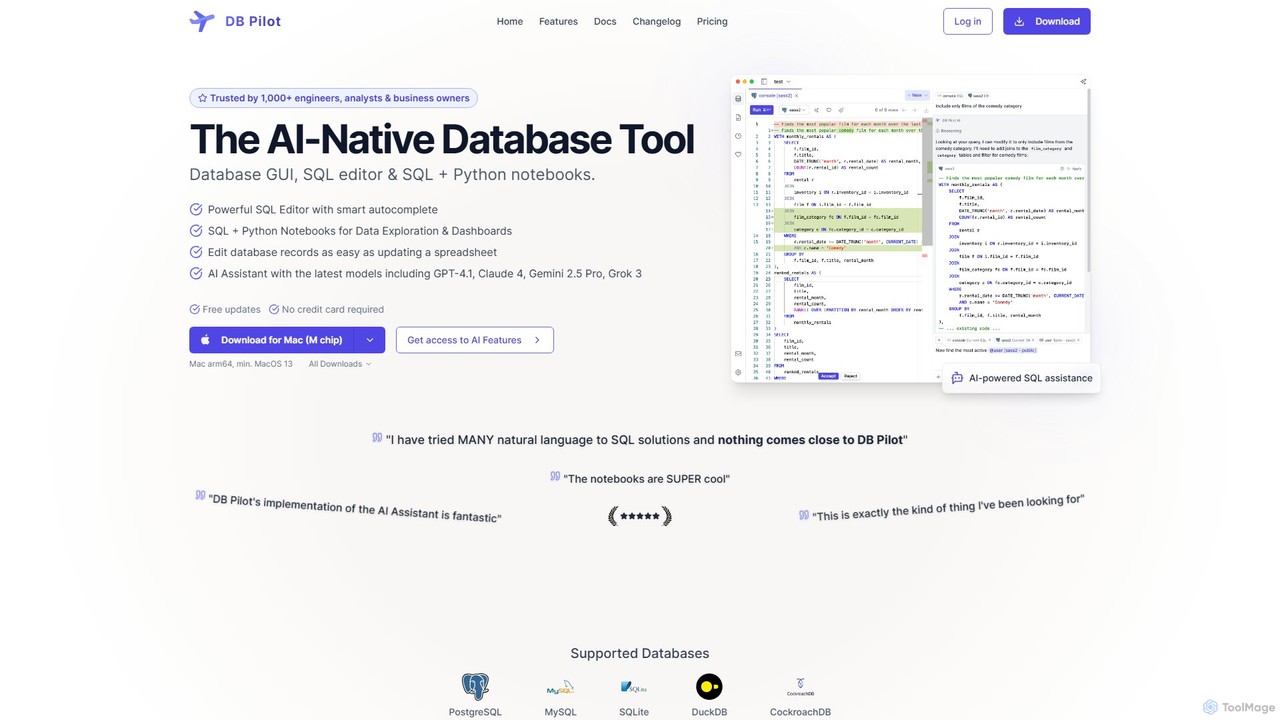
dbpilot is an AI-native database tool for engineers and analysts, featuring a powerful GUI, an intelligent SQL editor, and integrated SQL + Python notebooks. It leverages top AI models like GPT-4 and Claude to generate, debug, and explain queries, streamlining data exploration and dashboard creation in a secure, local-first environment.

Sql
Visits 7.7KFavorites 104Likes 124
Neurahub
Freemium

Neurahub

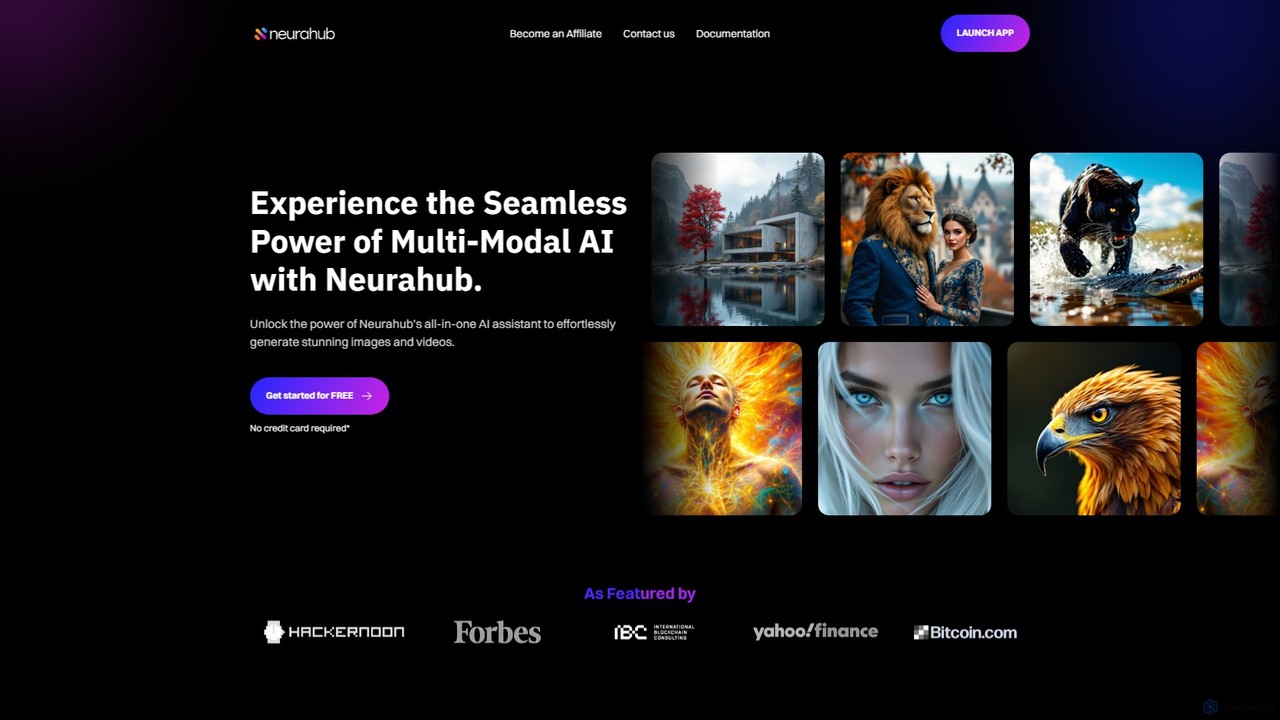
Neurahub is an all-in-one, agentic AI platform designed for multi-modal content creation. It empowers users to effortlessly generate high-quality images, dynamic videos, and code in multiple languages. The platform also features advanced document creation tools and real-time cryptocurrency price tracking, making it a versatile assistant for creators, developers, and enthusiasts.

Code Assistant
Visits 6.4KFavorites 120Likes 146
Kamara AI
Freemium

Kamara AI

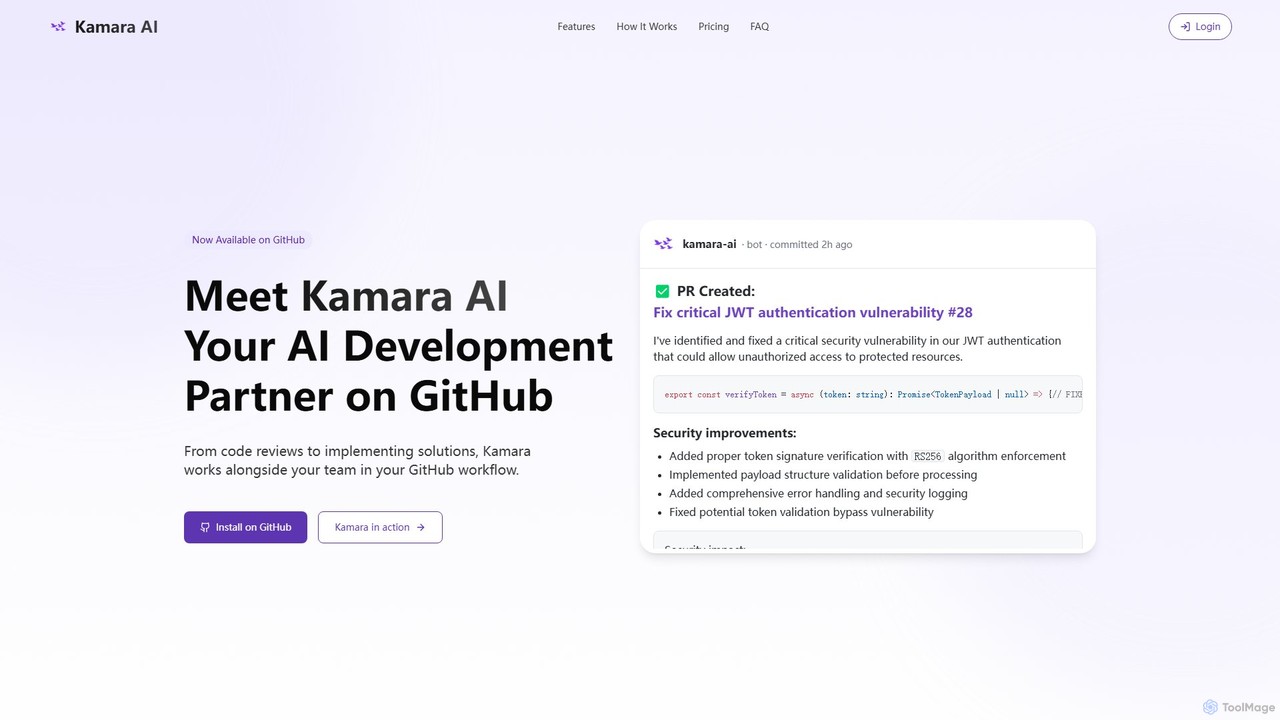
Kamara AI is an intelligent development partner that integrates directly into your GitHub workflow. It acts as an AI team member, providing full-context code analysis, automated code reviews, AI-implemented pull requests from issue descriptions, and self-updating documentation. Kamara helps teams accelerate development, improve code quality, and preserve institutional knowledge seamlessly.

Code Review
Visits 6.4KFavorites 138Likes 139
Fitten Code
Freemium

Fitten Code

Fitten Code is a next-generation AI programming assistant designed to accelerate software development. It offers ultra-fast code completion, intelligent Q&A, automated unit test generation, and code optimization. Built by a Tsinghua PhD team, it supports major IDEs and languages, significantly boosting developer productivity while ensuring data privacy.

Code Generation
Visits 19.6KFavorites 161Likes 176
Xvibe
Freemium

Xvibe

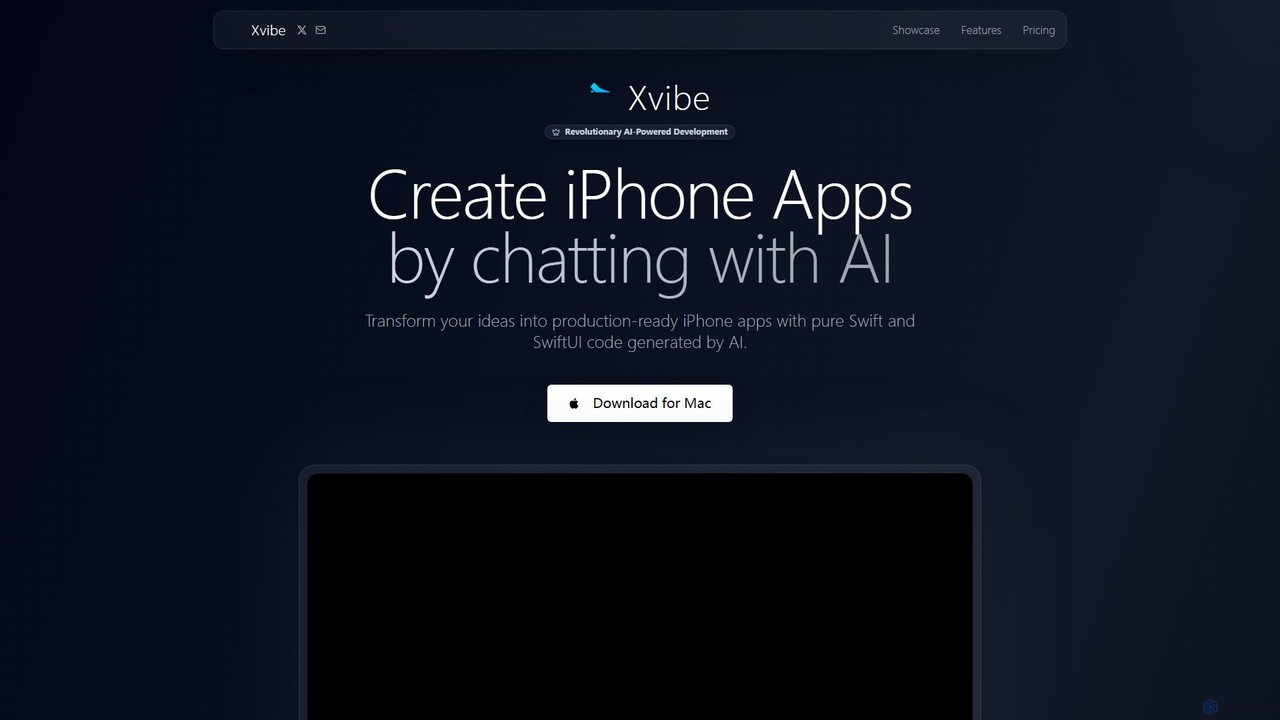
Xvibe is a revolutionary AI-powered development tool for macOS that transforms natural language prompts into production-ready native iOS applications. It generates pure Swift and SwiftUI code, enabling developers to build high-performance iPhone apps in minutes, complete with automated App Store metadata and global localization.

Code Generation
Visits 7.1KFavorites 159Likes 139
Teste.ai
Freemium

Teste.ai

An AI-powered platform designed for software testers and QA professionals to accelerate the software testing lifecycle. It automates the creation of test cases, scenarios, test data, and even automation code from simple requirements. It supports various testing types, including functional, API, security, and performance, aiming to increase test coverage and efficiency.

Code Generation
Visits 8.7KFavorites 138Likes 153
FlowTestAI
Freemium

FlowTestAI

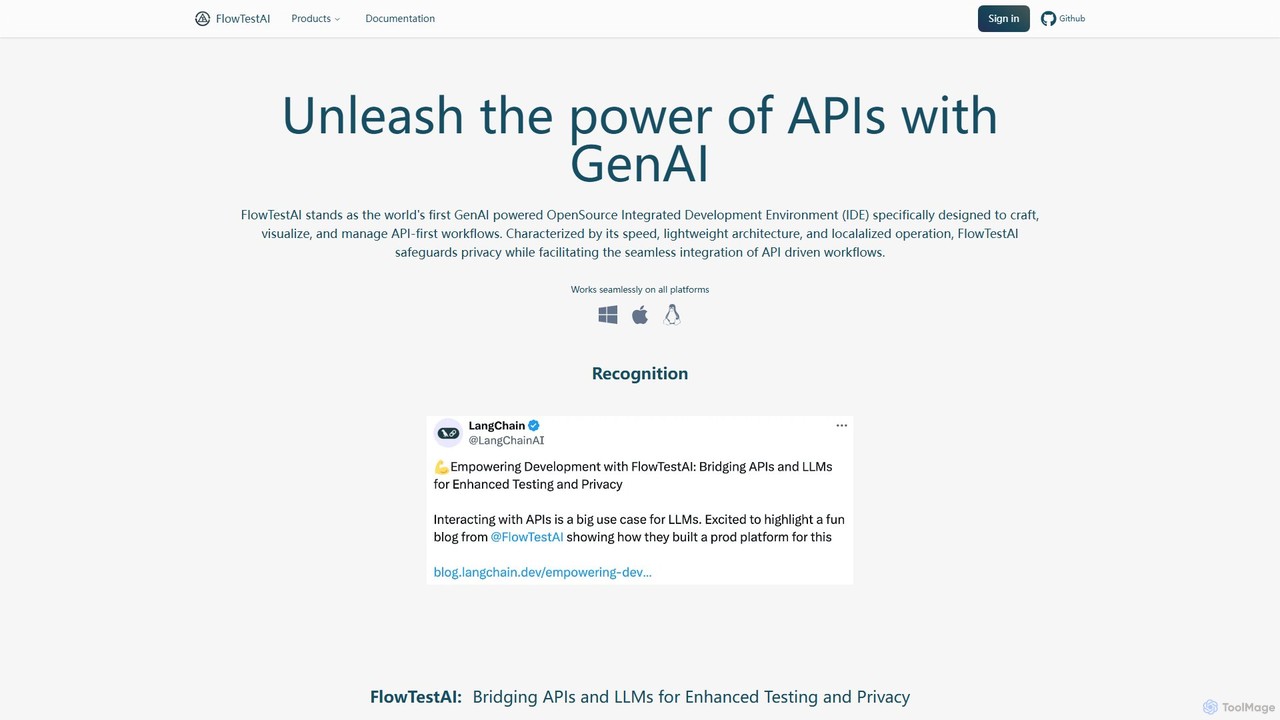
FlowTestAI is the first open-source, GenAI-powered IDE for API-first workflows. It allows developers to describe end-to-end user experiences in natural language and automatically translates them into executable API tests. Featuring a visual interface, CLI for CI/CD integration, and an analytics dashboard, it simplifies API testing, enhances collaboration, and prioritizes privacy with local operation.

Api Management
Visits 6.3KFavorites 110Likes 119
papert
Free

papert

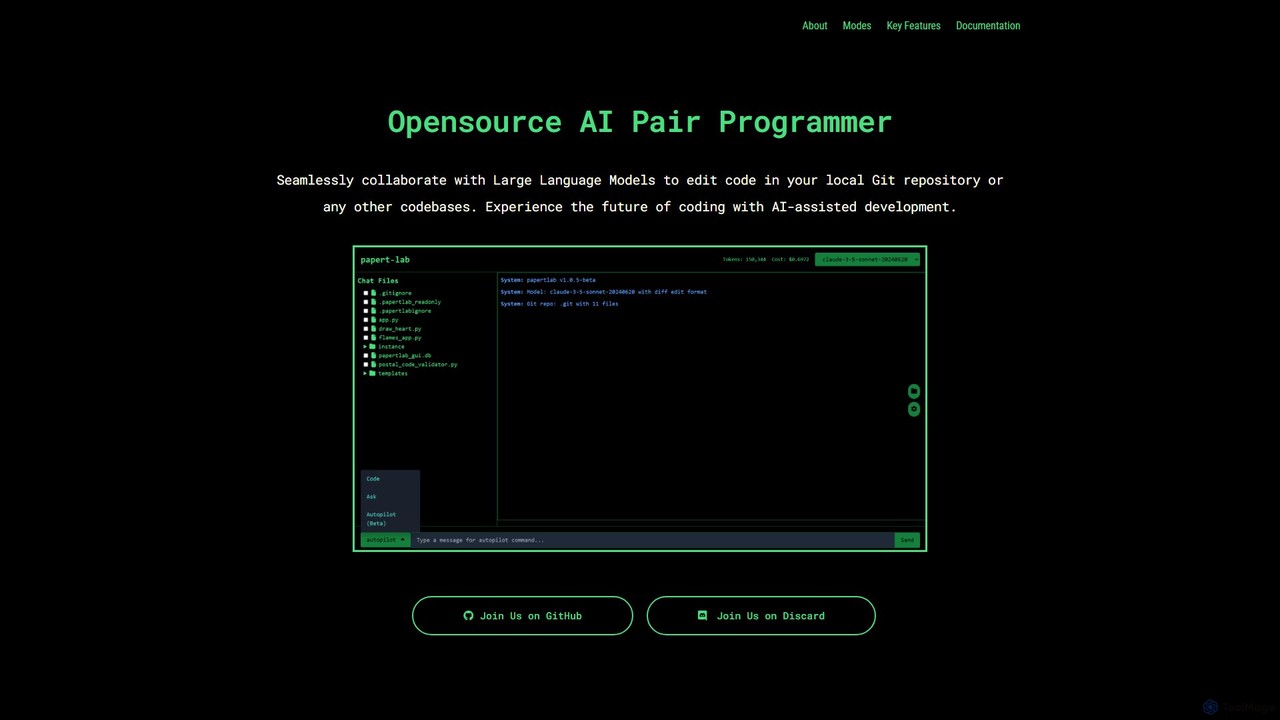
papert is an open-source AI pair programmer that integrates with your local Git repository. It allows developers to collaborate with LLMs like GPT-4o and Claude 3.5 Sonnet to ask questions, edit code across multiple files, refactor, debug, and automate routine coding tasks.

Debugging
Visits 7.8KFavorites 168Likes 171
hyperficient
Free

hyperficient

hyperficient is an open-source AI tool for developers and ML engineers that automates the search for the most efficient fine-tuning strategies for neural networks. It significantly reduces computational costs, GPU time, and manual effort, enabling optimal model performance on limited resources.

Libraries
Visits 6.2KFavorites 124Likes 135
ShellMate
Free

ShellMate

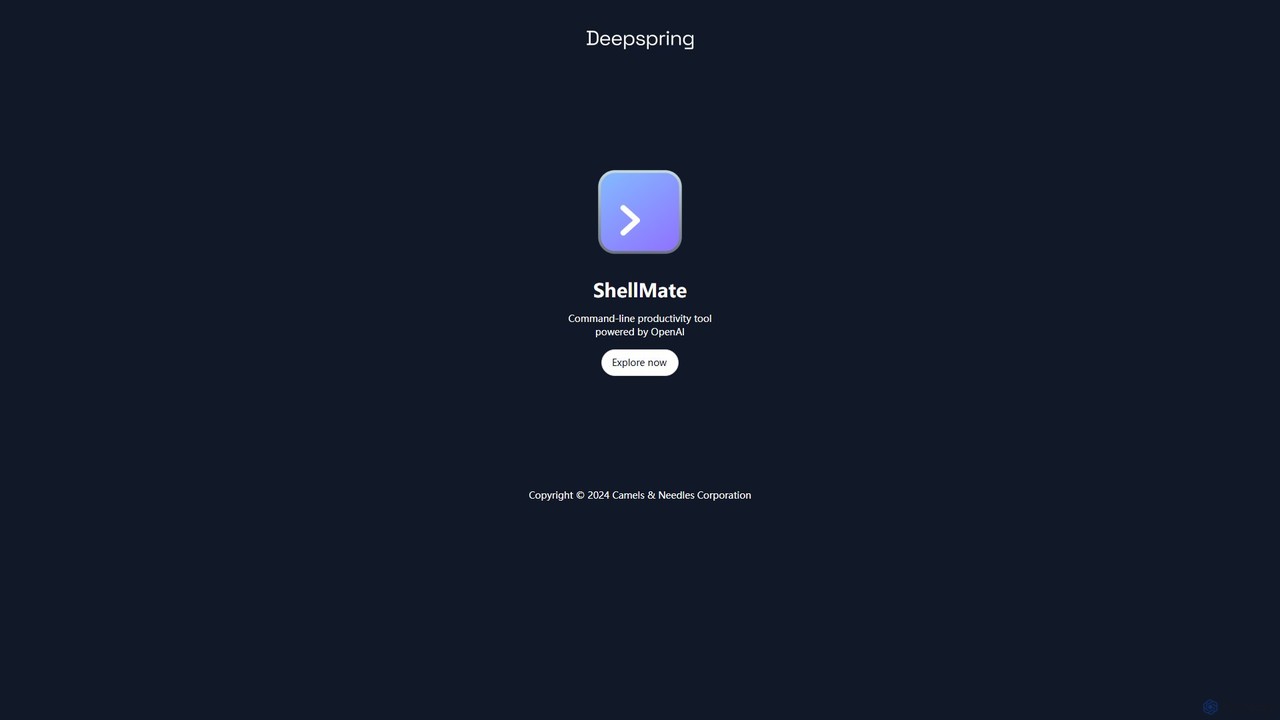
ShellMate is an open-source, AI-powered command-line productivity tool designed for developers and system administrators. Powered by OpenAI, it acts as your terminal's best friend, allowing you to use natural language to find commands, get predictive suggestions based on your history, and receive context-aware help without ever leaving your console. Simply use the `sm` shortcut to boost your command-line efficiency and reduce time spent searching for syntax.

Code Assistant
Visits 6.8KFavorites 179Likes 170
I18n Studio
Free

I18n Studio

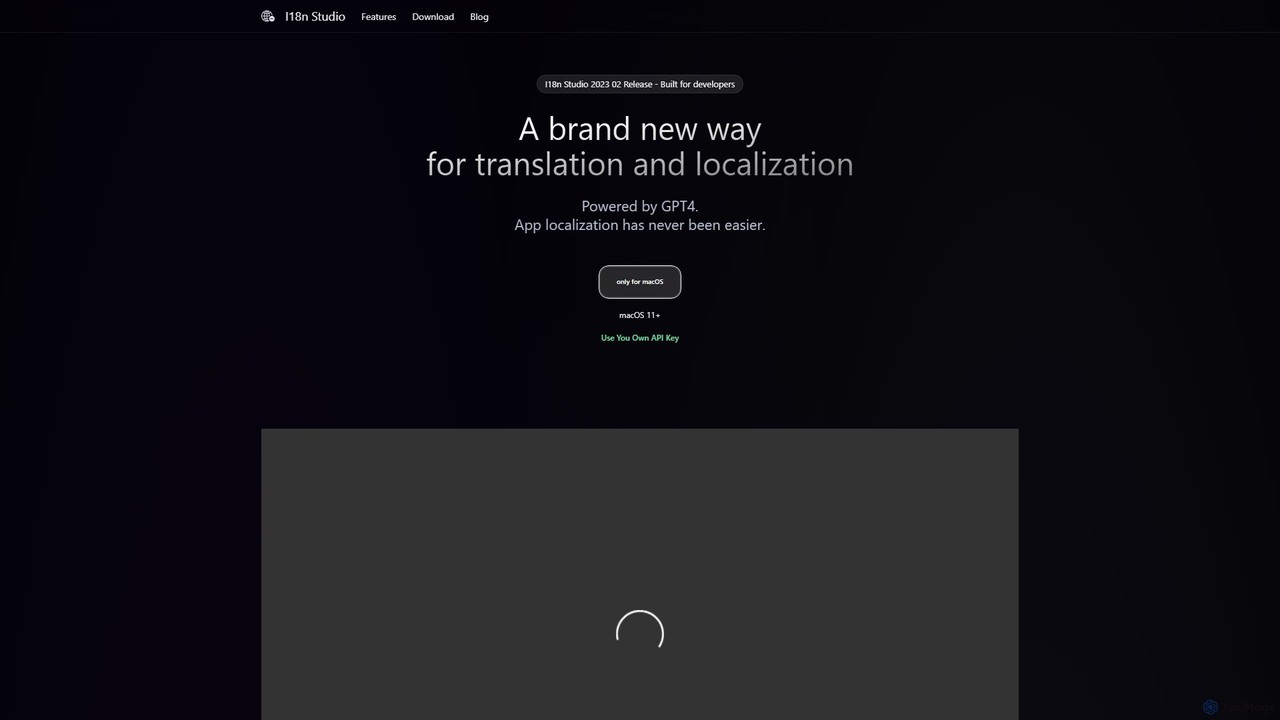
I18n Studio is a GPT-4 powered localization tool for developers on macOS. It streamlines the translation of app resource files (JSON, XML, .strings) for iOS, Android, and web apps, offering context-aware, one-click batch translations and seamless integration with IDEs like Xcode and VSCode.

Internationalization
Visits 8.9KFavorites 151Likes 157
Komandi
Paid

Komandi

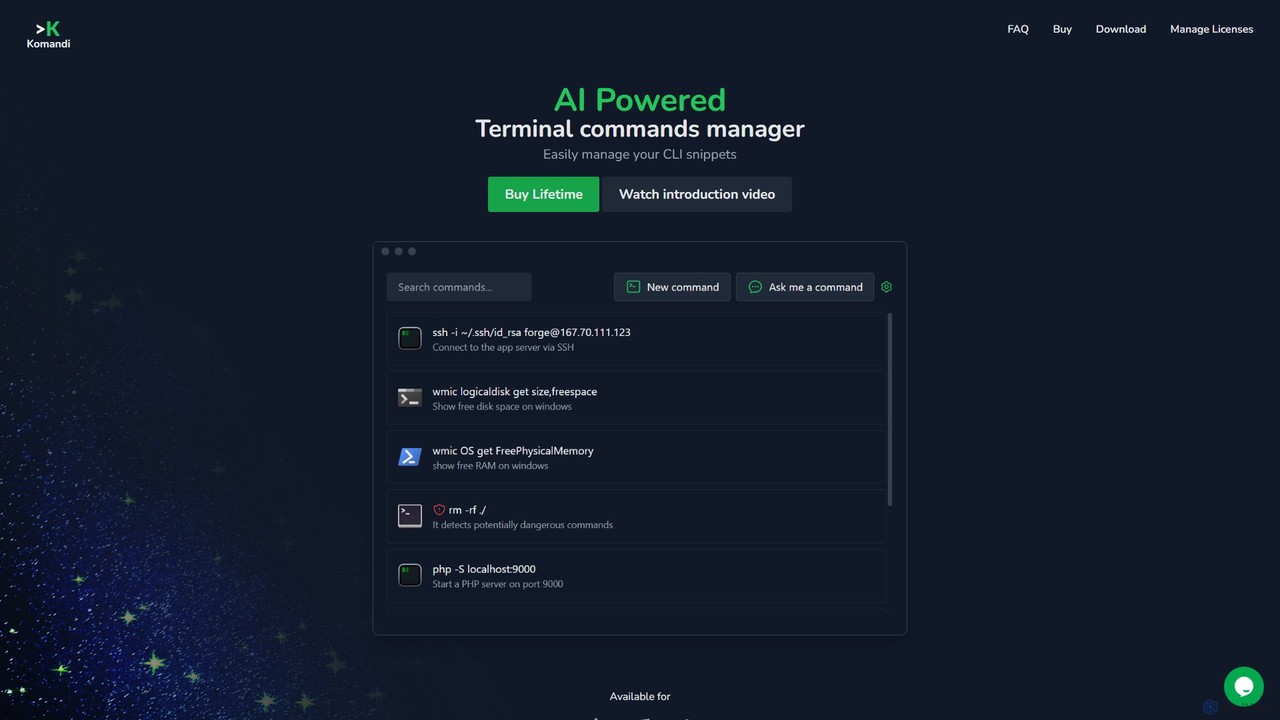
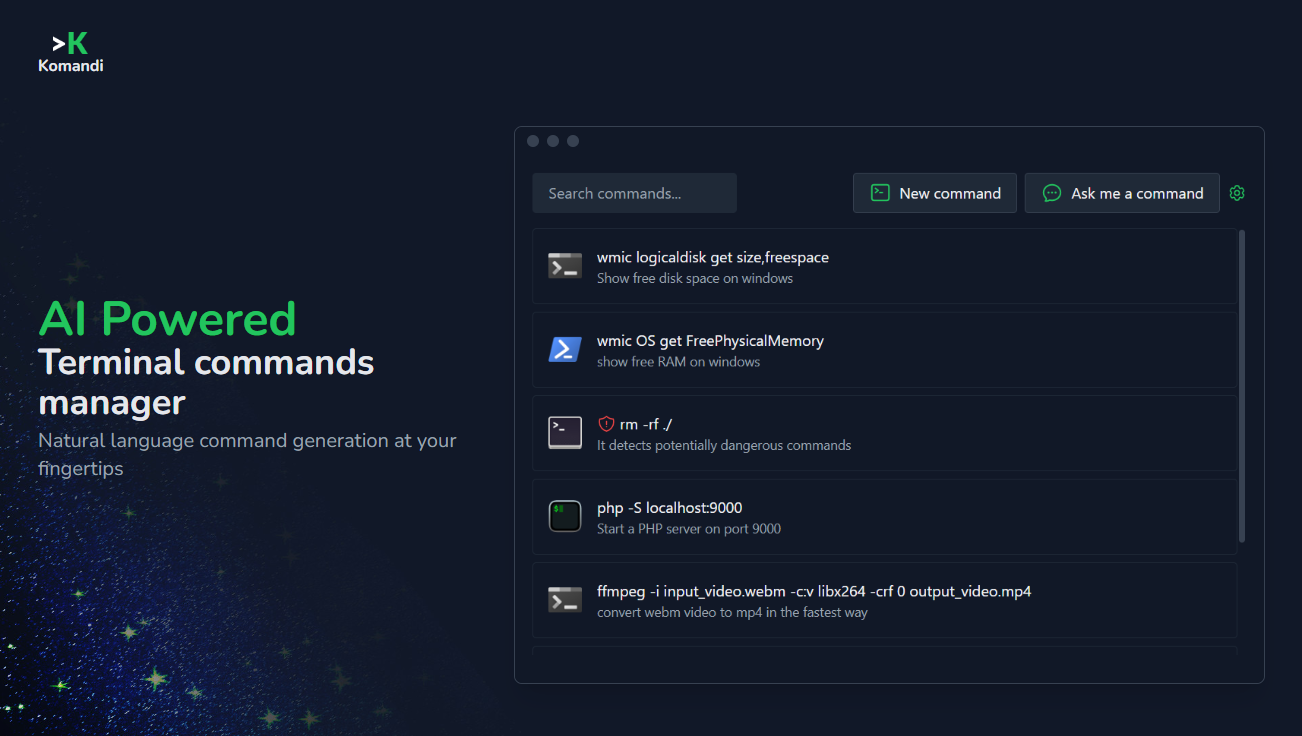
Komandi is an AI-powered CLI/terminal command manager for developers and sysadmins. It simplifies command-line operations by allowing you to manage snippets, generate complex commands from natural language, and execute them safely. It supports macOS, Windows, and Linux, streamlining your workflow by organizing frequently used commands and detecting potentially dangerous ones before execution.

Code Assistant
Visits 6.9KFavorites 184Likes 172
Bito
Freemium

Bito

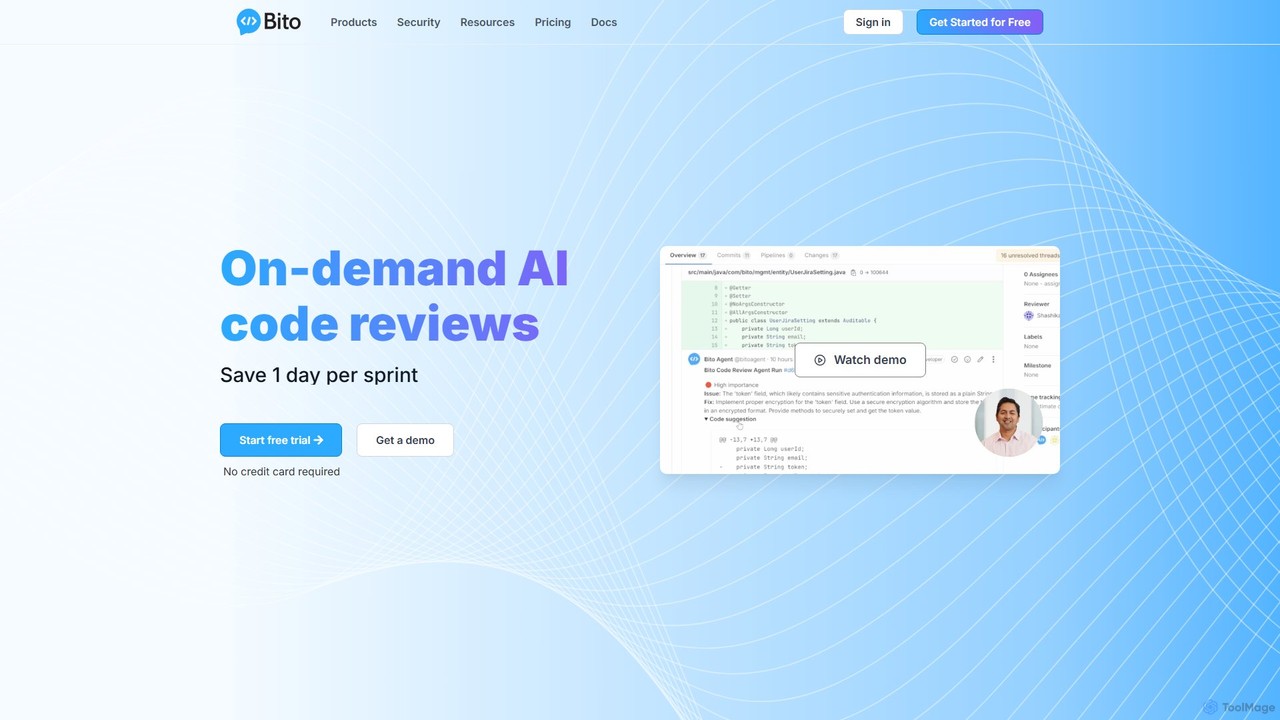
Bito is an AI-powered code review assistant that integrates directly into your IDE and Git provider. It helps development teams accelerate their workflow, improve code quality, and reduce regressions by providing on-demand, context-aware feedback and suggestions. Bito is designed to save time, upskill junior engineers, and ensure enterprise-grade security.

Code Quality
Visits 103.6KFavorites 121Likes 118
Sublayer
Freemium

Sublayer

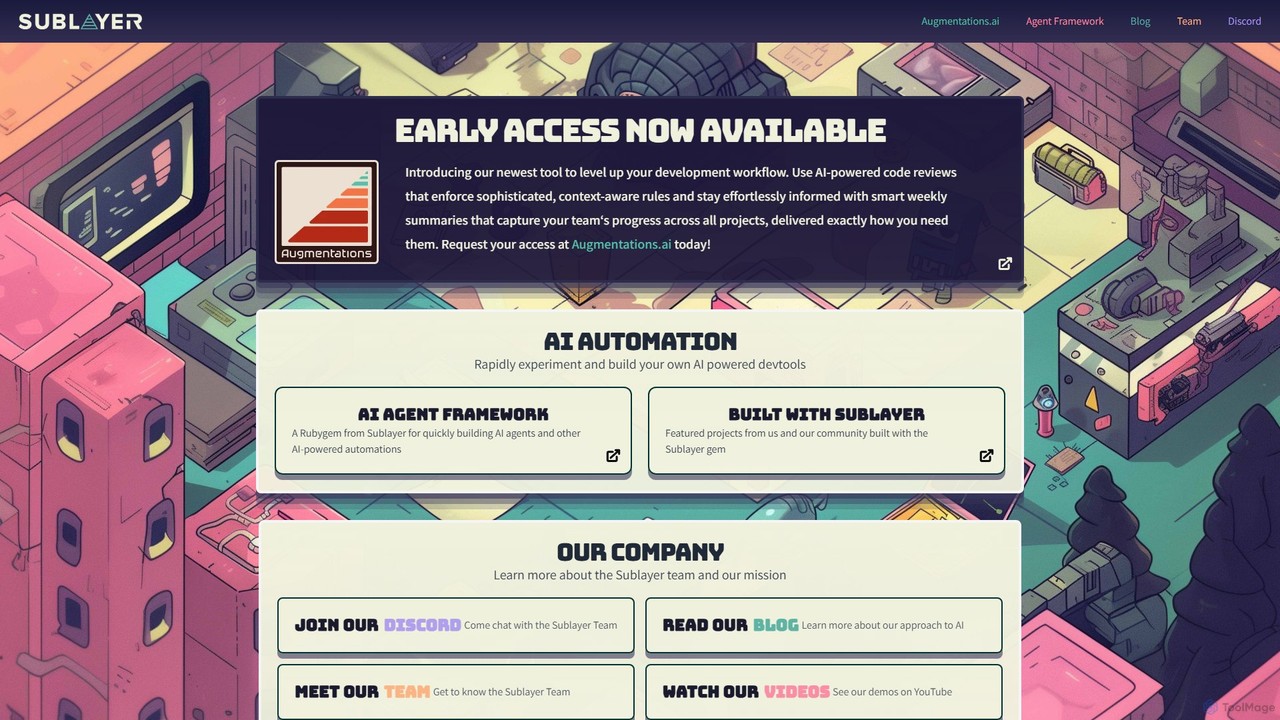
Sublayer is a model-agnostic AI agent framework for Ruby developers. It provides a powerful Rubygem to rapidly build, experiment with, and deploy AI agents and custom developer tools, enabling personalized and context-aware automation for software development workflows.

Code Assistant
Visits 6.7KFavorites 125Likes 134
Kiro
Free

Kiro

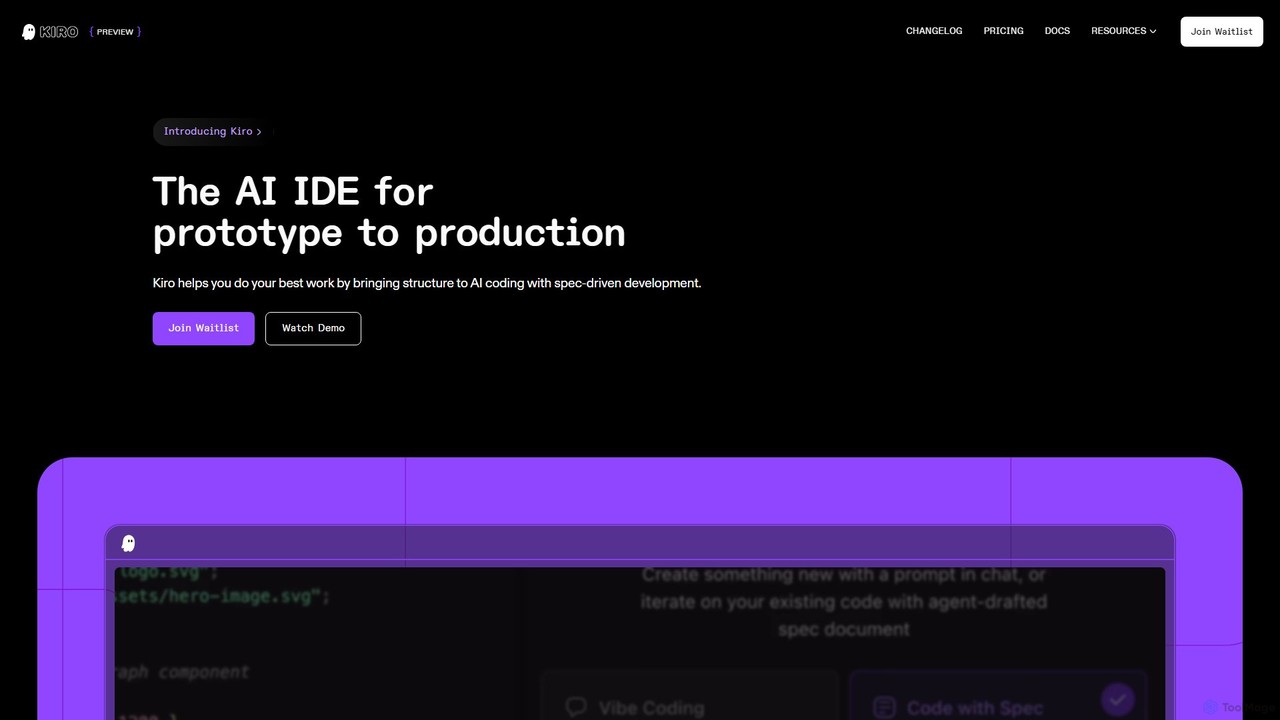
Kiro is an AI-powered Integrated Development Environment (IDE) designed to streamline the entire software development lifecycle, from prototype to production. It introduces a structured, spec-driven development approach, transforming natural language prompts into clear requirements, system designs, and executable tasks. By leveraging AI agents, Kiro automates coding, testing, and documentation, helping developers build complex applications faster and with higher quality.

Code Assistant
Visits 3.8MFavorites 131Likes 134
HoshAI
Freemium

HoshAI

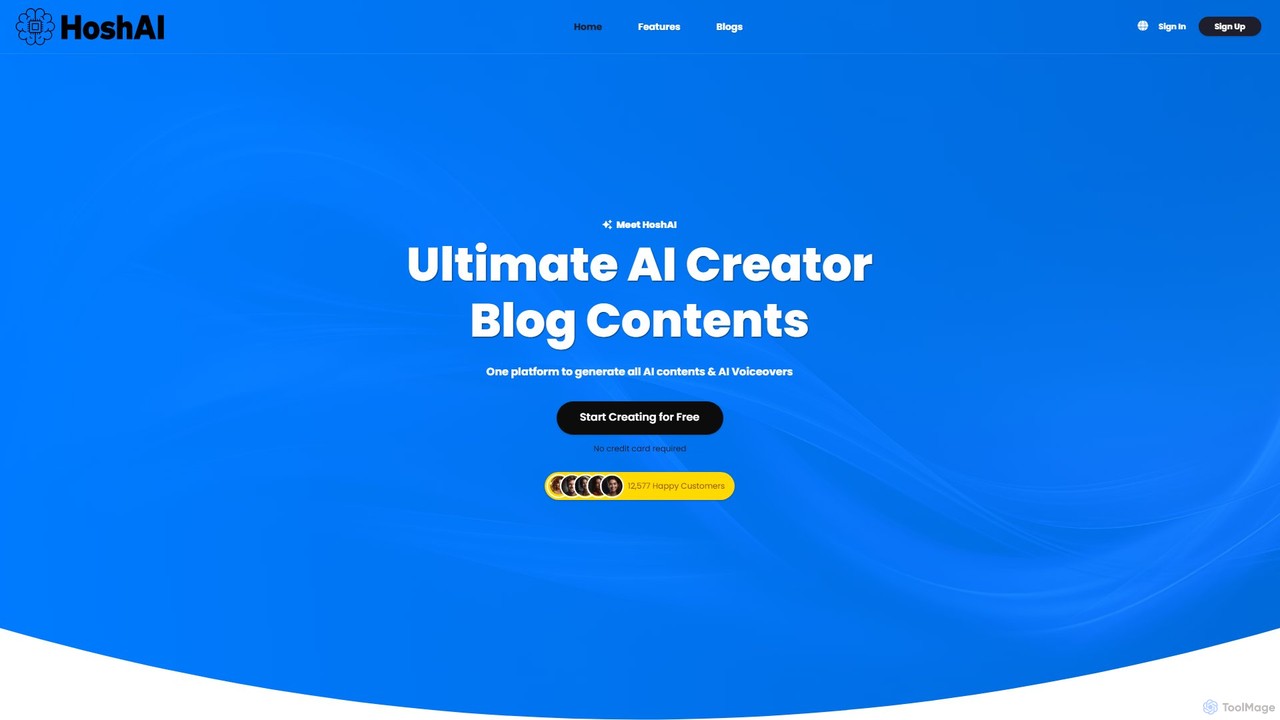
HoshAI is an all-in-one AI platform for content creation, offering tools for writing, text-to-speech, image generation, AI chatbots, and coding. It provides a vast array of templates for marketing, social media, blogs, and e-commerce, supporting over 54 languages to streamline your creative workflow.

Text To Speech
Visits 6.3KFavorites 133Likes 145
SQLPilot
Freemium

SQLPilot

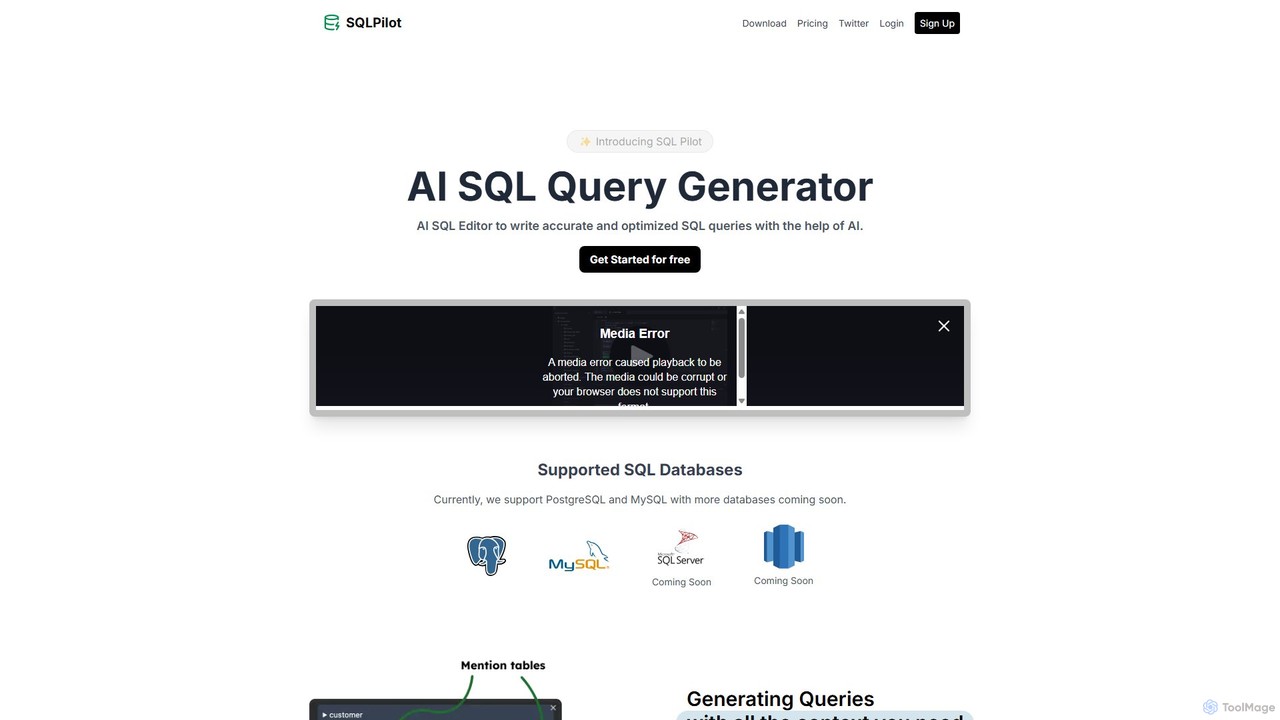
SQLPilot is an AI-powered SQL query generator and editor that transforms natural language prompts into accurate, optimized SQL queries. It supports multiple databases like PostgreSQL and MySQL, various GPT models, and ensures data privacy by not storing your credentials or schemas.

Code Assistant
Visits 7.4KFavorites 142Likes 159
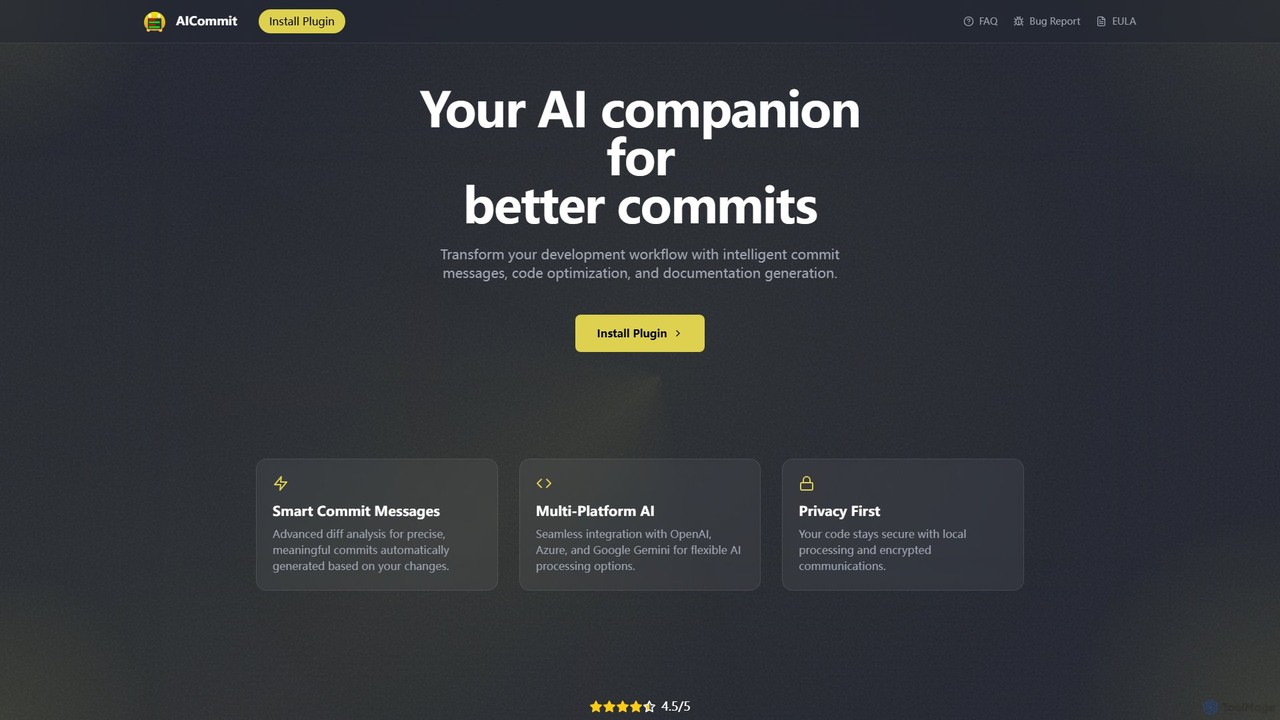
AICommit
Freemium

AICommit

AICommit is an intelligent IDE plugin that transforms your development workflow by automatically generating precise and meaningful Git commit messages. It analyzes your code changes and uses AI models from OpenAI, Azure, or Google Gemini to create high-quality commits, saving you time and improving repository clarity.

Version Control
Visits 8.3KFavorites 126Likes 135
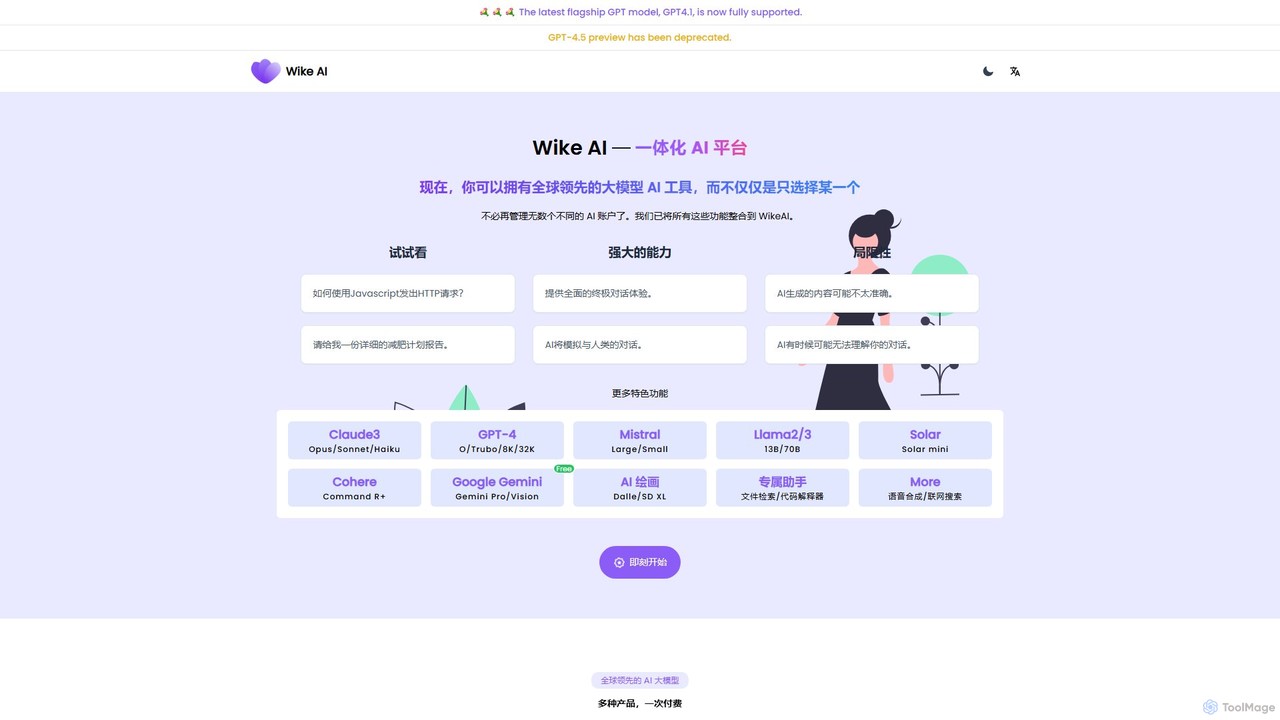
WikeAI
Freemium

WikeAI

WikeAI is an all-in-one AI platform integrating leading models like GPT-4, Claude 3, Mistral, and Llama into a single interface. It offers AI chat, content generation, image creation with DALL-E 3 and Stable Diffusion, code interpretation, and web search. With a unified, token-based payment system, users can access a wide range of advanced AI capabilities without managing multiple subscriptions, making it a cost-effective and powerful solution for writers, developers, and creators.

Code Assistant
Visits 7KFavorites 143Likes 130
PearAI
Freemium

PearAI

PearAI is an intelligent, all-in-one AI code editor designed for developers. It features a unique AI Router that automatically selects the best coding model (like GPT-4o or Claude 3), a coding agent for autonomous development and bug fixing, and a context-aware chat that understands your entire codebase. It aims to streamline the entire development workflow from idea to deployment.

Code Generation
Visits 43.4KFavorites 168Likes 167
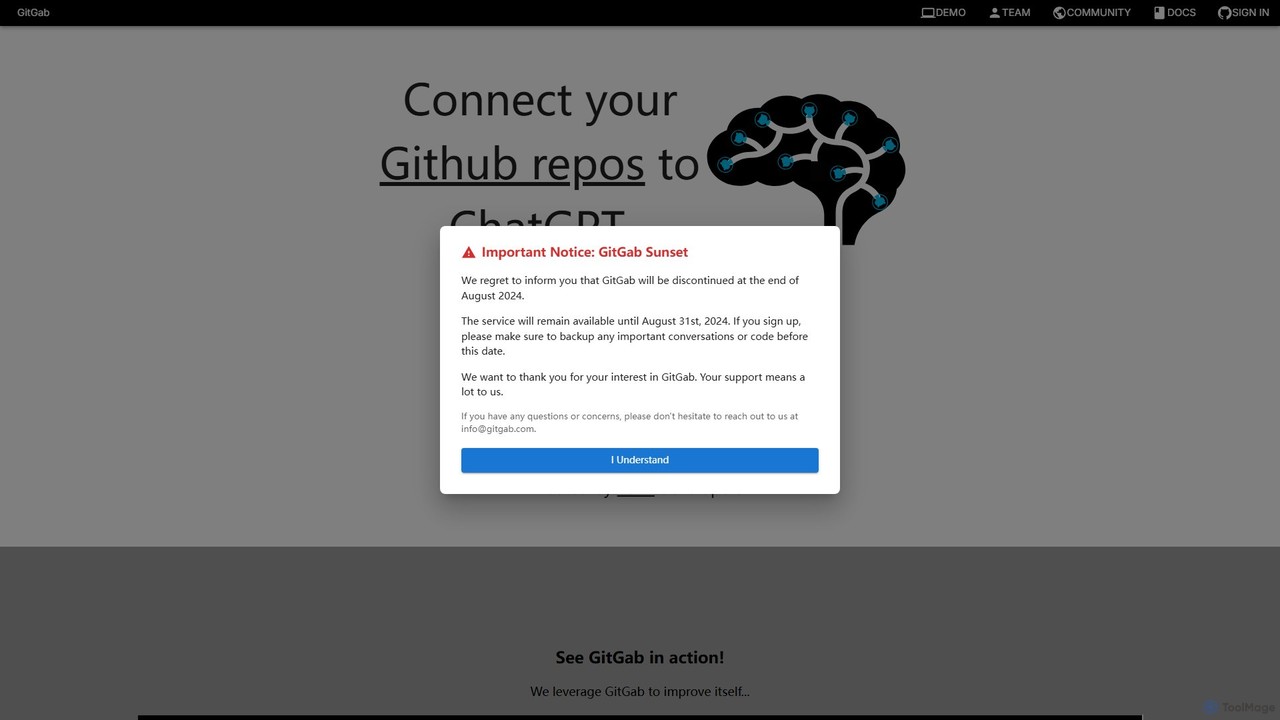
GitGab
Freemium

GitGab

GitGab is an advanced AI code assistant that leverages top models like ChatGPT, Claude, and Gemini. It uniquely contextualizes your entire codebase, including multiple repositories and local files, to help you implement features, find bugs, write documentation, and optimize code with unparalleled accuracy.

Code Generation
Visits 6.4KFavorites 147Likes 157

About Code

AI Code tools are intelligent assistants designed to accelerate the software development lifecycle. These tools leverage large language models (LLMs) trained on vast codebases to understand context, suggest completions, and even generate entire functions from natural language prompts. They primarily serve to enhance developer productivity, reduce manual errors, and improve overall code quality. By automating repetitive tasks like writing boilerplate code and generating tests, they allow developers to focus on complex problem-solving and architectural design.

Core Features

  • Intelligent Code Completion: Provides context-aware suggestions for variables, functions, and entire code blocks, going beyond simple autocompletion.
  • Code Generation: Translates natural language descriptions or comments into functional code snippets in various programming languages.
  • Debugging and Error Detection: Analyzes code to identify potential bugs, logical errors, and security vulnerabilities, often suggesting concrete fixes.
  • Code Refactoring and Optimization: Suggests improvements to existing code for better readability, performance, and maintainability.
  • Automated Documentation: Generates comments and documentation for functions and classes, explaining their purpose and usage.

Use Cases

AI Code tools are widely adopted by software developers, data scientists, and students. In agile development teams, they speed up feature implementation and prototyping. For data scientists, they simplify the process of writing complex data analysis scripts and machine learning models. Students and new programmers use them as learning aids to understand syntax and programming patterns more quickly.

How to Choose

When selecting an AI Code tool, consider its integration with your preferred Integrated Development Environment (IDE), such as VS Code or JetBrains. Evaluate the breadth of its programming language and framework support to ensure it matches your tech stack. Assess the accuracy and relevance of its suggestions, as model performance varies. Finally, review the tool's privacy policy, especially regarding how it handles your proprietary code for security and confidentiality.

Featured tool rankings

Code use cases

1

Accelerate Backend API Development

A backend developer is tasked with creating a new set of RESTful API endpoints for a user management module. Instead of writing all the boilerplate code for database connections, request validation, and response formatting manually, the developer uses an AI Code tool. They write a simple comment like 'create a POST endpoint to register a new user with email and password'. The AI assistant generates a complete, functional code block, including error handling and status codes. This process reduces development time for a single endpoint from 30 minutes to less than 5, allowing the developer to build and test the entire module significantly faster.

2

Generate Comprehensive Unit Tests

A software engineer has just completed a complex function for calculating shipping costs based on weight, distance, and user subscription level. To ensure its reliability, they need to write extensive unit tests. Using an AI Code tool, they highlight the function and prompt it to 'generate unit tests for this function, covering edge cases like zero weight, negative distance, and premium subscription'. The tool instantly produces a test suite with multiple test cases, including valid inputs, invalid inputs, and boundary conditions. This automates a tedious but critical task, improves test coverage, and helps catch bugs early in the development cycle.

3

Refactor Legacy Code for Modernization

A maintenance team is working on a legacy application with outdated, hard-to-read code. A senior developer needs to refactor a large, monolithic function into smaller, more manageable pieces. They paste the old function into their IDE and ask the AI assistant to 'refactor this function into smaller, single-responsibility functions and add type hints'. The AI breaks down the logic, creates several new, well-named functions, and updates the original call site. This not only improves code quality and maintainability but also serves as a learning tool, demonstrating modern coding practices to the team and reducing the technical debt of the application.

4

Translate Code Between Programming Languages

A company is migrating a critical service from Python to Go to improve performance. A developer, who is an expert in Python but new to Go, needs to translate a complex data processing library. Instead of a manual, line-by-line translation, they use an AI Code tool. They provide the Python code and ask the AI to 'translate this Python code to idiomatic Go'. The tool generates the equivalent Go code, correctly mapping data structures and control flows while adhering to Go's conventions. The developer can then review and refine the output, drastically reducing the time and learning curve associated with the language migration project.

5

Generate SQL Queries from Natural Language

A data analyst needs to pull specific data for a quarterly report but is not an expert in SQL. They need to find 'the top 5 customers by total sales in the EU region for Q2 2023, excluding returns'. Instead of struggling with complex joins and subqueries, they type this request into an AI Code tool that supports SQL generation. The tool instantly produces a well-structured and optimized SQL query. This empowers non-technical or less-technical users to interact with databases directly, democratizes data access, and saves significant time for both the analyst and the data engineering team they might otherwise have to consult.

6

Explain and Document Complex Code

A junior developer joins a team and is assigned to work on a critical but poorly documented microservice. They encounter a complex algorithm they don't understand. Instead of interrupting a senior team member, they highlight the code block and ask the AI Code tool to 'explain this code step-by-step'. The AI provides a clear, natural language explanation of the code's logic, purpose, and variable states. The developer then asks the tool to 'generate docstring comments for this function'. The tool creates detailed comments explaining the function's parameters, return value, and any exceptions it might raise. This accelerates onboarding and promotes a culture of better documentation.

Code FAQ

What are AI Code tools?

AI Code tools, also known as AI coding assistants or pair programmers, are software applications that use artificial intelligence to help developers write, debug, and manage code. They integrate into development environments (IDEs) and provide features like intelligent code completion, code generation from natural language, error detection, and automated refactoring. By leveraging large language models trained on billions of lines of code, they understand programming context to offer relevant and accurate suggestions, significantly speeding up the development process and improving code quality.

How do I choose the right AI coding assistant?

Choosing the right AI coding assistant depends on your specific needs. Consider the following factors:

  • IDE Integration: Ensure the tool has a stable and well-supported extension for your primary code editor (e.g., VS Code, JetBrains, Neovim).
  • Language and Framework Support: Verify that it excels in the programming languages and frameworks you use most frequently.
  • Feature Set: Determine if you need basic autocompletion or more advanced features like code generation, debugging, and automated testing.
  • Performance and Accuracy: Look for tools known for their speed and the relevance of their suggestions. Some tools offer trials to test their performance.
  • Privacy and Security: If you work with proprietary code, carefully review the tool's data privacy policy to understand how your code is handled and whether it's used for training.
Can AI Code tools replace human developers?

AI Code tools are not designed to replace human developers but to augment their abilities. They excel at automating repetitive, pattern-based tasks, which frees up developers to focus on higher-level activities like system architecture, complex problem-solving, creative solutions, and user experience. While AI can generate code, it lacks true understanding, context, and the business acumen required for building robust software. The most effective workflow involves a partnership where the developer directs the overall strategy and logic, while the AI assistant handles the more mechanical aspects of coding, acting as a powerful productivity multiplier.

Are AI Code tools safe to use with proprietary code?

The safety of using AI Code tools with proprietary code depends on the specific tool's privacy policy and architecture. Many leading tools offer enterprise-grade plans with strict privacy controls. Key features to look for include:

  • Zero Data Retention: The service does not store your code snippets or prompts after the request is processed.
  • No Training on User Data: An explicit guarantee that your private code will not be used to train their public AI models.
  • On-Premises or Private Cloud Deployment: Some solutions can be hosted within your own infrastructure, ensuring your code never leaves your network.

It is crucial to read the terms of service and privacy policy before using any AI coding assistant with sensitive or confidential code. For personal or open-source projects, this is generally less of a concern.

What are the main functions of AI Code tools?

AI Code tools offer a range of functions to support the entire development lifecycle. The most common functions include:

  • Code Completion: Suggesting single lines or entire blocks of code as you type, based on the current context.
  • Code Generation: Creating code from natural language prompts, such as 'create a function to fetch user data from an API'.
  • Debugging and Analysis: Identifying bugs, performance bottlenecks, and security vulnerabilities, and often suggesting fixes.
  • Code Translation: Converting code from one programming language to another (e.g., Python to Go).
  • Automated Documentation: Generating comments, docstrings, and explanations for existing code to improve maintainability.
  • Test Generation: Automatically creating unit tests for functions to ensure code quality and robustness.