ToolMage
Sign in

Best 97 Data Science AI tools

Popular Data Science AI tools include Papers with Code, Comet, Supervised.co, PyTorch, Streamlit, TensorFlow, Neural4D, Fast.ai, aistudio, and Allen Institute for AI (AI2), helping you work more efficiently.

bosch_ai

bosch_ai

Bosch Center for Artificial Intelligence (BCAI) is Bosch's center of excellence for AI, driving the development and deployment of safe, robust, and explainable AI solutions across industrial sectors. It bridges fundamental research with real-world applications in manufacturing, automotive, and supply chain management.

Autonomous Driving
Visits 5.7KFavorites 111Likes 113
Allen Institute for AI (AI2)
Free

Allen Institute for AI (AI2)

The Allen Institute for AI (AI2) is a non-profit research institute dedicated to building breakthrough AI for the common good. It focuses on creating truly open-source large language models like OLMo, comprehensive datasets, and specialized AI tools to advance scientific research and address major global challenges in areas such as climate science, conservation, and medicine.

Datasets
Visits 374.5KFavorites 111Likes 125
Radicalbit
Paid

Radicalbit

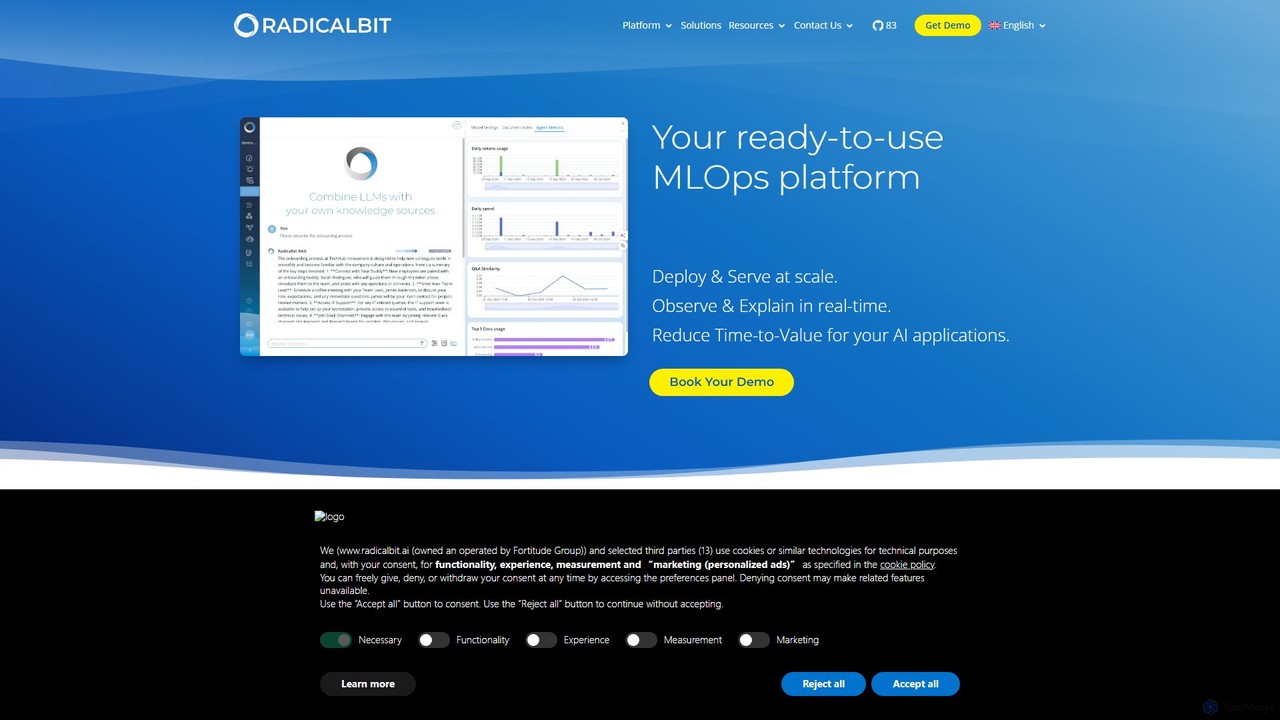
Radicalbit is an enterprise-grade MLOps platform designed to deploy, serve, and monitor AI and LLM models at scale. It offers real-time observability, explainability, and data integrity to accelerate time-to-value, reduce operational costs, and ensure robust governance and compliance for AI applications.

Model Management
Visits 7.3KFavorites 158Likes 144
Clore.ai
Paid

Clore.ai

Clore.ai is a decentralized GPU marketplace providing on-demand access to a global network of high-performance computing resources. It connects users needing GPU power for tasks like AI training, 3D rendering, and scientific simulations with hardware owners looking to monetize their idle servers. The platform features a flexible rental market, its own cryptocurrency (CLORE) for transactions, and a unique Proof-of-Holding system for enhanced rewards and discounts, creating a comprehensive ecosystem for high-performance computing.

Model Training
Visits 198.4KFavorites 114Likes 110
Variational AI
Paid

Variational AI

Variational AI leverages a generative AI foundation model, Enki™, to discover novel, drug-like small molecules. It accelerates drug discovery by generating selective lead structures in weeks, enabling biopharmaceutical partners to bypass traditional high-throughput screening and redefine the economics of therapeutic development.

Generative Models
Visits 10.5KFavorites 118Likes 130
aistudio
Freemium

aistudio

AI Studio is an all-in-one AI learning and development community by Baidu, powered by the PaddlePaddle deep learning platform. It provides developers with a free online programming environment, GPU computing power, extensive open-source models, and datasets to build, train, and deploy AI applications seamlessly.

Notebooks
Visits 375.8KFavorites 118Likes 116
H2O.ai
Paid

H2O.ai

H2O.ai is an end-to-end AI Cloud platform for enterprises, combining predictive and generative AI. It enables businesses to build, deploy, and manage secure, high-performance AI models and applications in any environment, from cloud to on-premise. The platform features AutoML, a Feature Store, Document AI, and robust Model Risk Management.

Enterprise Solutions
Visits 175.8KFavorites 123Likes 129
Anyscale
Freemium

Anyscale

Anyscale is a fully-managed compute platform for scaling AI and Python workloads. Built on the open-source Ray framework by its original creators, it empowers developers to build, run, and scale distributed applications, from LLM training to data processing, with optimized performance and cost-efficiency on any cloud.

Mlops
Visits 77.8KFavorites 123Likes 130
Captum
Free

Captum

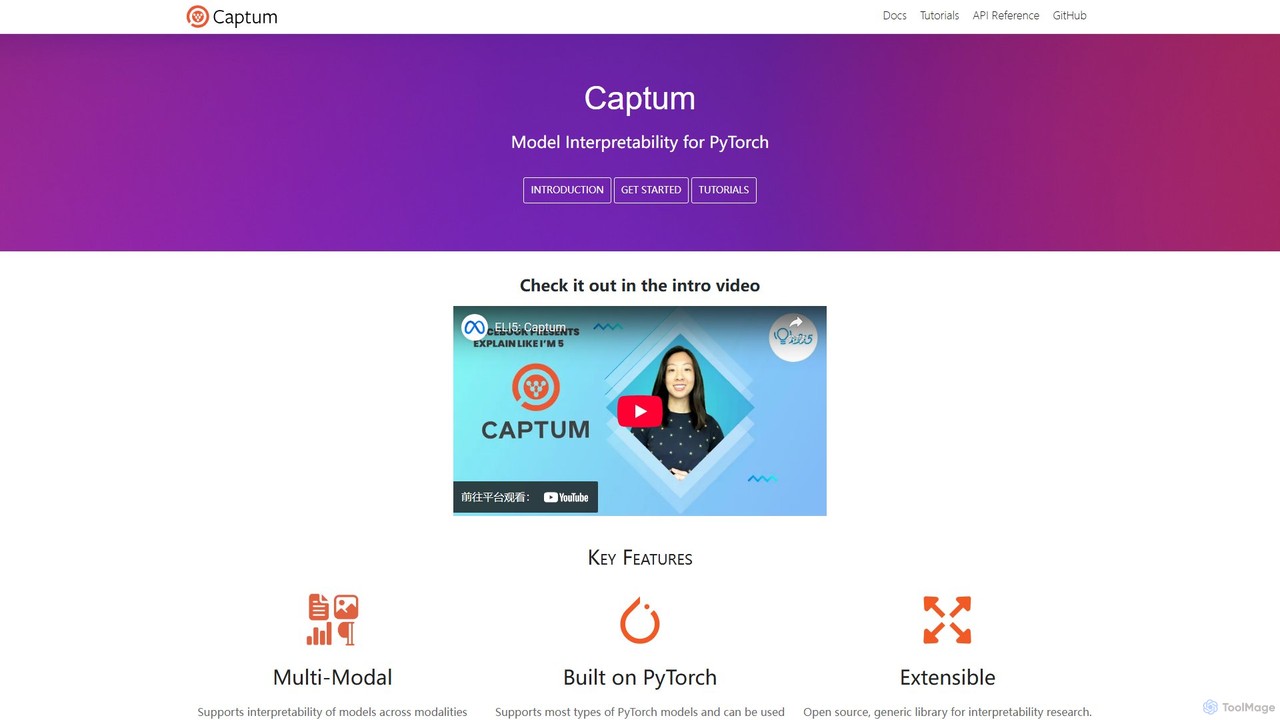
Captum is an open-source model interpretability and explainability library for PyTorch. It provides state-of-the-art algorithms to help developers and researchers understand which features influence a model's predictions. Supporting multi-modal data like text, vision, and more, Captum makes it easy to debug models, improve transparency, and benchmark new interpretability techniques within the PyTorch ecosystem.

Model Explainability
Visits 20.2KFavorites 83Likes 82
TensorFlow
Free

TensorFlow

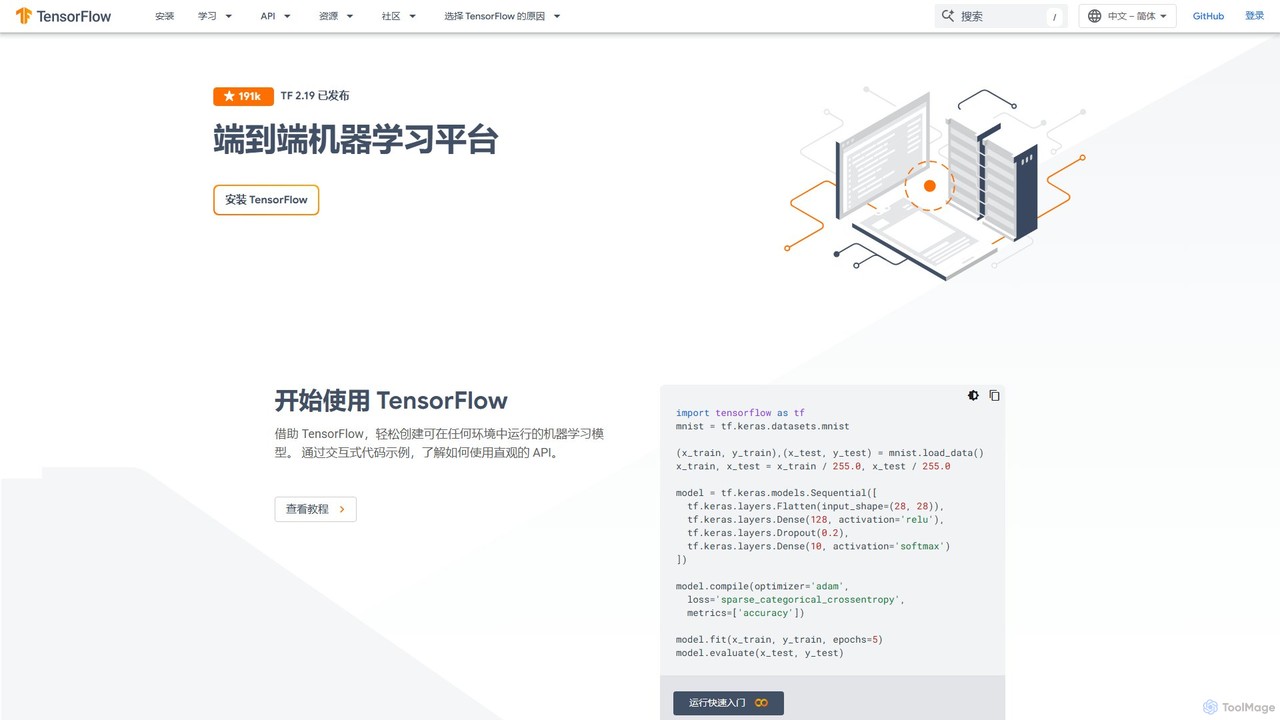
TensorFlow is an end-to-end open-source platform for machine learning developed by Google. It provides a comprehensive, flexible ecosystem of tools, libraries, and community resources that lets researchers and developers build and deploy ML-powered applications. From beginners to experts, TensorFlow offers intuitive high-level APIs for easy model building and powerful low-level APIs for advanced research, enabling deployment across servers, edge devices, and browsers.

Frameworks
Visits 694KFavorites 95Likes 79
Labellerr
Freemium

Labellerr

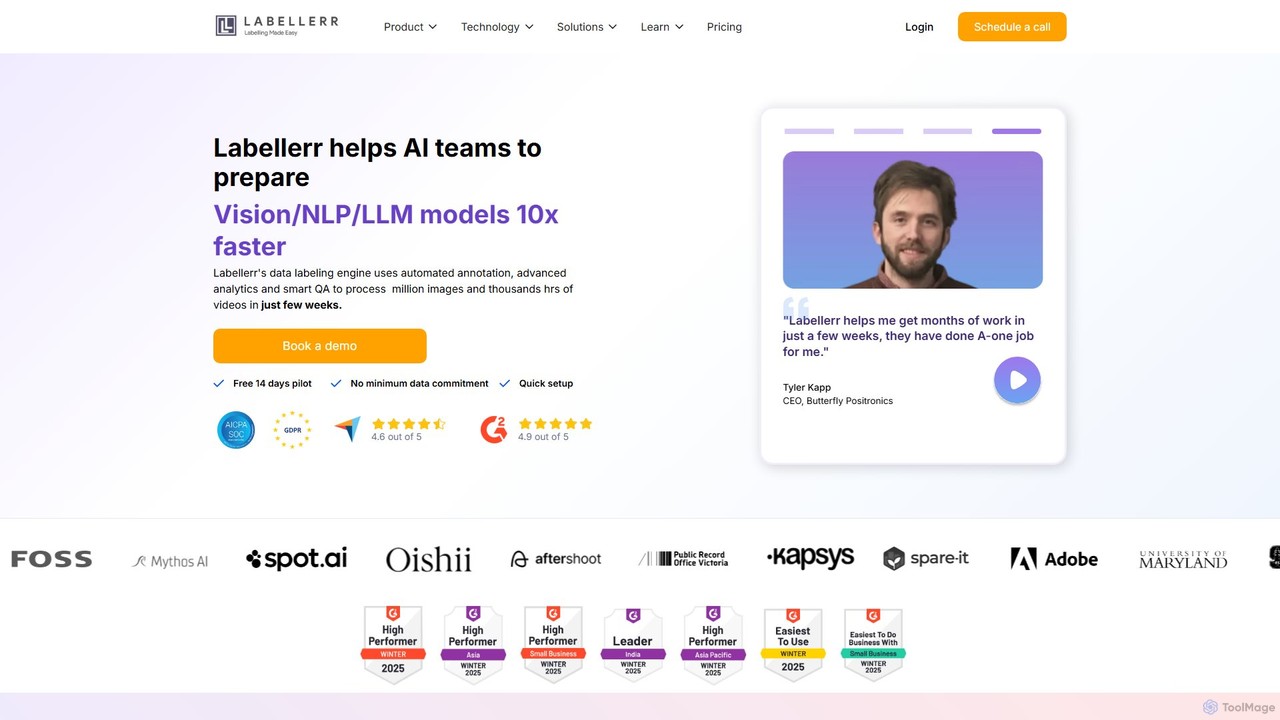
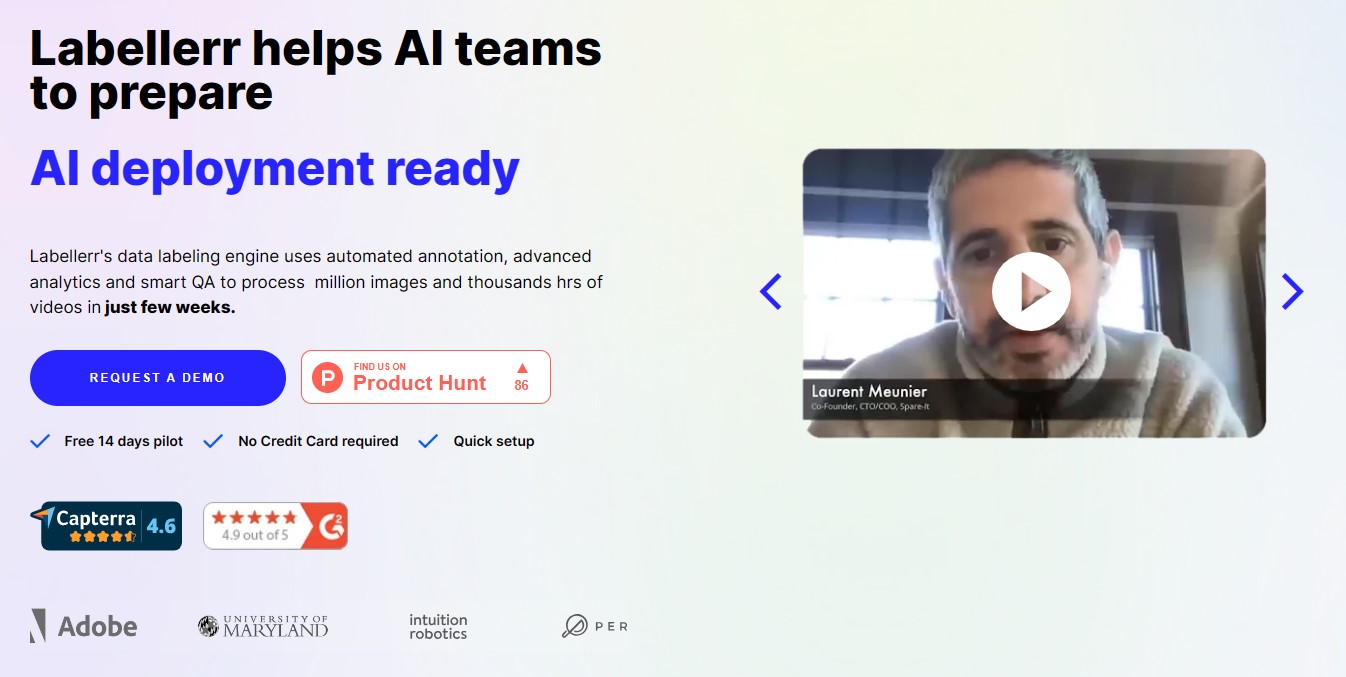
Labellerr is an AI-powered data labeling and annotation platform designed to accelerate the development of Vision, NLP, and LLM models. It offers automated annotation, smart quality assurance, and seamless MLOps integration to deliver 99% accurate labels up to 99x faster, significantly reducing data preparation time and development costs for AI teams.

Machine Learning Operations
Visits 115KFavorites 159Likes 154
Neurond AI
Paid

Neurond AI

Neurond AI is a full-service artificial intelligence company providing bespoke AI and data science solutions for businesses globally. With over 15 years of experience, they specialize in machine learning, NLP, computer vision, and forecasting to help organizations work smarter, enhance productivity, and unlock new possibilities.

Ai Consulting
Visits 7.8KFavorites 91Likes 117
Eventual
Freemium

Eventual

Eventual is building the future of data infrastructure with Daft, a high-performance, open-source query engine for multimodal data. It enables engineers to process petabyte-scale images, video, audio, and text with the simplicity of SQL, drastically accelerating AI and ML workflows without the need for deep distributed systems expertise.

Machine Learning
Visits 12.4KFavorites 133Likes 140
Voxel51
Freemium

Voxel51

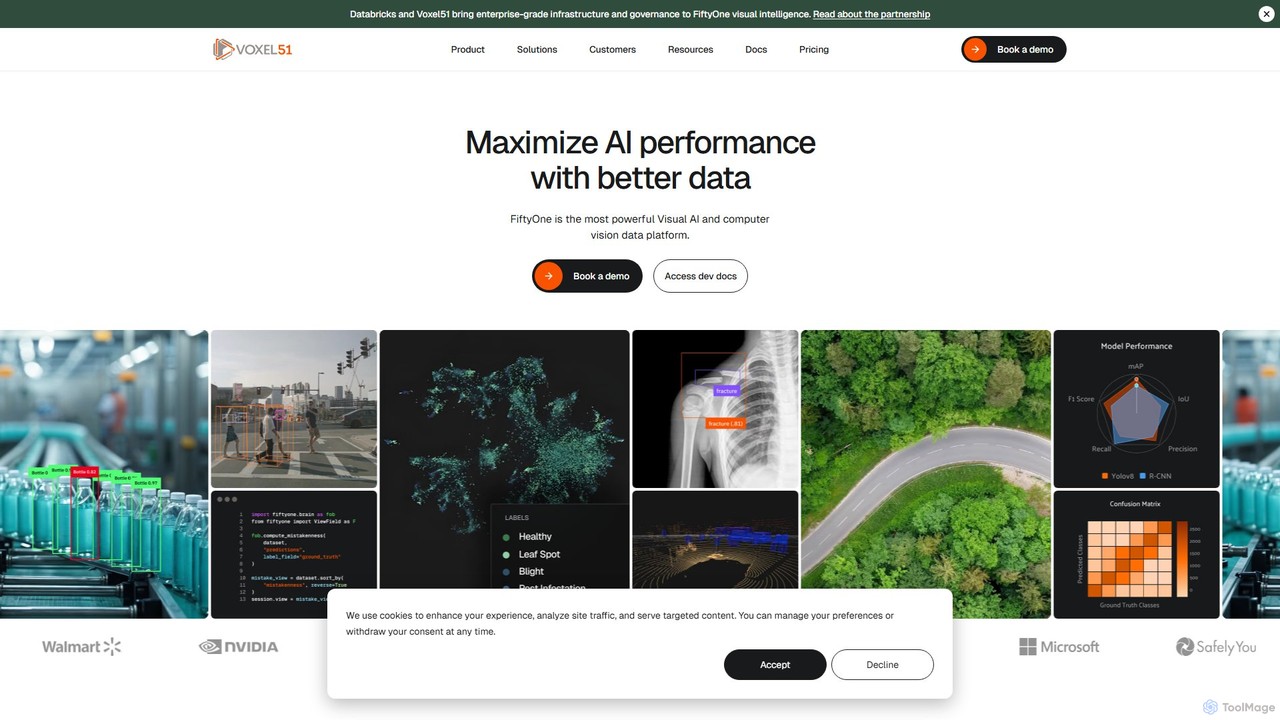
Voxel51 provides FiftyOne, an enterprise-grade computer vision and multimodal AI platform. It empowers developers and data scientists to curate, visualize, and evaluate complex datasets, leading to higher-performing models. By focusing on data-centric AI, FiftyOne streamlines workflows for data annotation, quality improvement, and model analysis, accelerating the entire development lifecycle.

Mlops
Visits 119.7KFavorites 119Likes 117
Comet
Freemium

Comet

Comet is a family of high-performance, open-source large language models (LLMs) developed by Perplexity AI. Designed for exceptional speed and accuracy, Comet powers fast conversational AI applications and is available for developers via API and direct download.

Natural Language Processing
Visits 138.1MFavorites 136Likes 121
Mixpeek
Freemium

Mixpeek

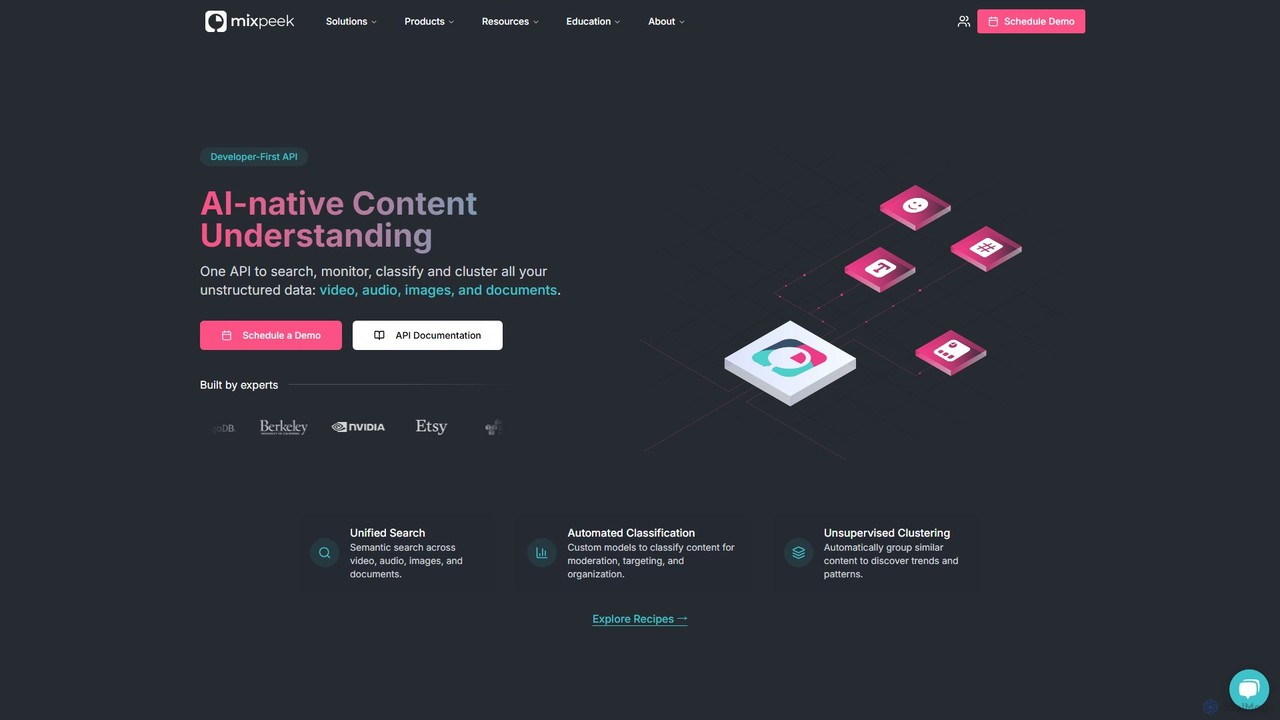
Mixpeek is a developer-first API and multimodal data warehouse for processing, searching, and analyzing unstructured data like video, audio, images, and documents. It simplifies the AI/ML pipeline with unified semantic search, automated classification, and seamless model management, allowing developers to build powerful multimodal applications.

Machine Learning
Visits 29.1KFavorites 106Likes 121
airtrain.ai
Freemium

airtrain.ai

airtrain.ai is a no-code platform that empowers users to train, deploy, and manage custom AI models on their own data. It simplifies the entire machine learning workflow, enabling businesses and developers to build bespoke models for tasks like image recognition, text classification, and predictive analysis without extensive coding expertise.

Model Training
Visits 7.8KFavorites 165Likes 177
DataRobot AI Platform (formerly Algorithmia)
Paid

DataRobot AI Platform (formerly Algorithmia)

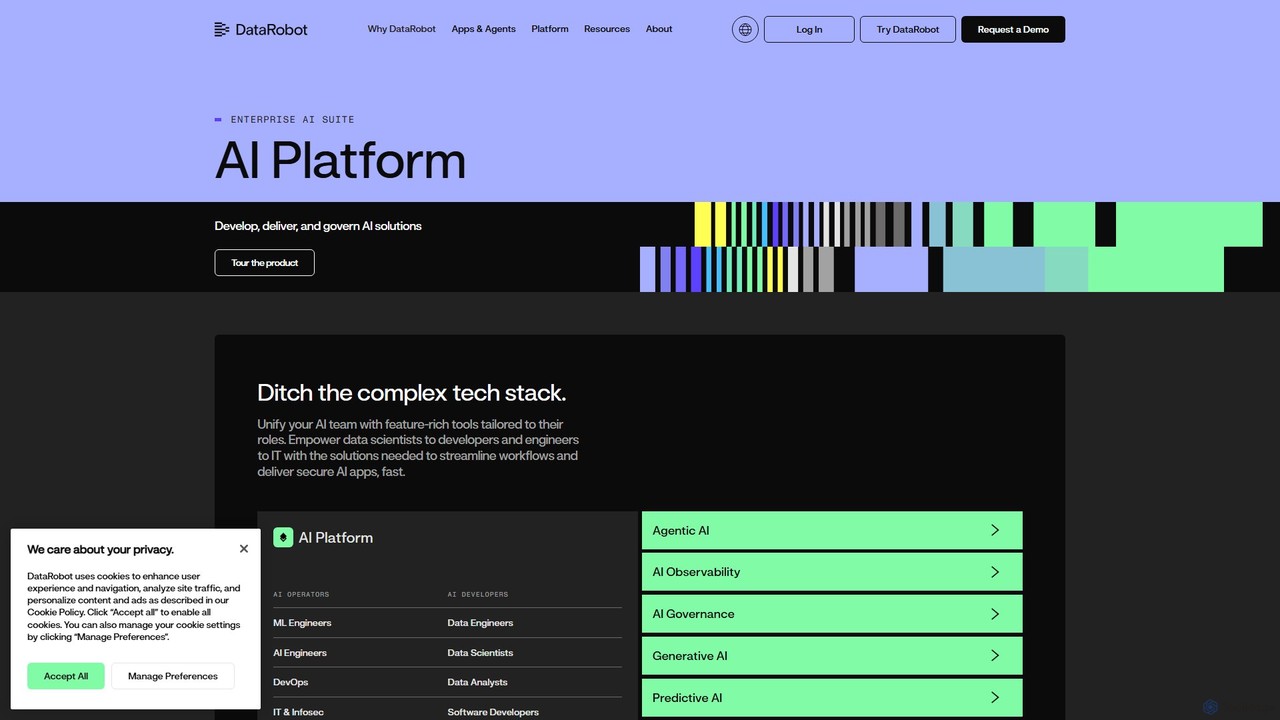
DataRobot AI Platform, which has integrated Algorithmia's powerful MLOps technology, is an end-to-end enterprise solution for the entire AI lifecycle. It enables organizations to rapidly build, deploy, manage, and govern machine learning models and generative AI applications at scale, accelerating the journey from data to value.

Enterprise Solutions
Visits 123.7KFavorites 136Likes 130
MONAI
Free

MONAI

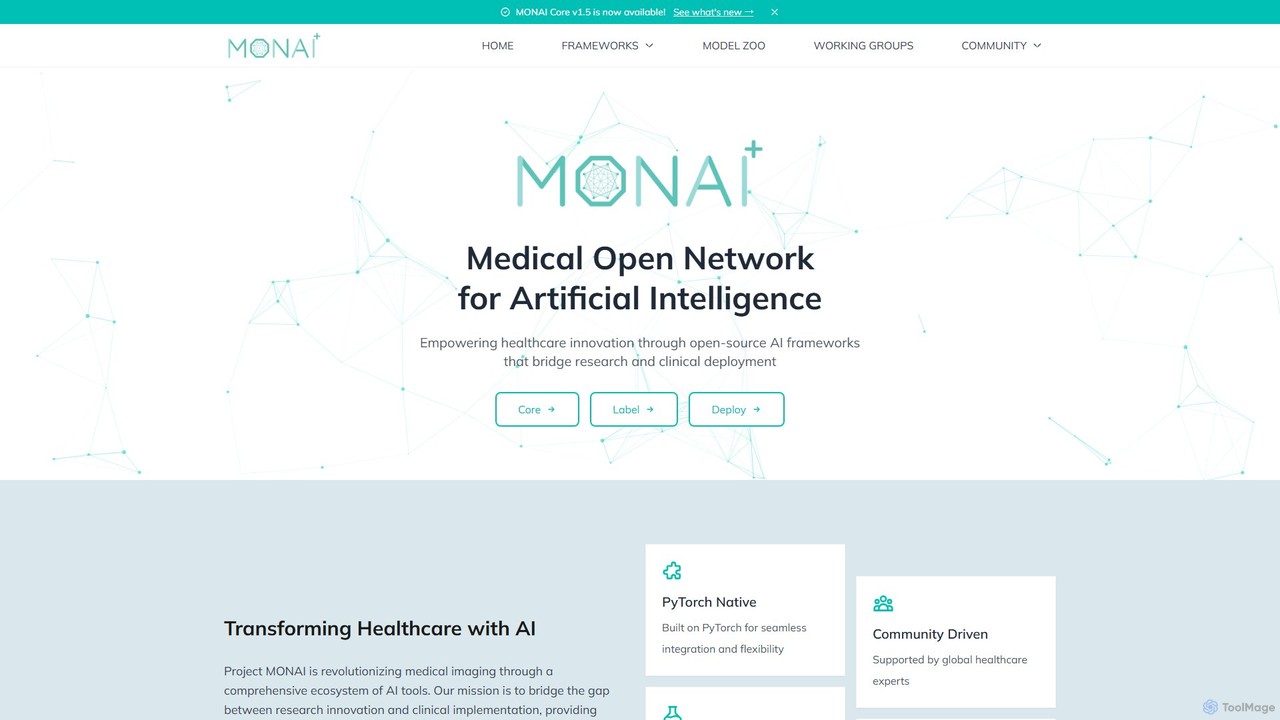
MONAI (Medical Open Network for AI) is a free, open-source, PyTorch-based framework designed to accelerate AI in healthcare. It provides a comprehensive ecosystem of tools for researchers and clinicians, covering the entire AI lifecycle from data annotation and model training (MONAI Core, MONAI Label) to clinical deployment (MONAI Deploy), bridging the gap between research and real-world application.

Data Annotation
Visits 23.4KFavorites 135Likes 130
Ludwig
Free

Ludwig

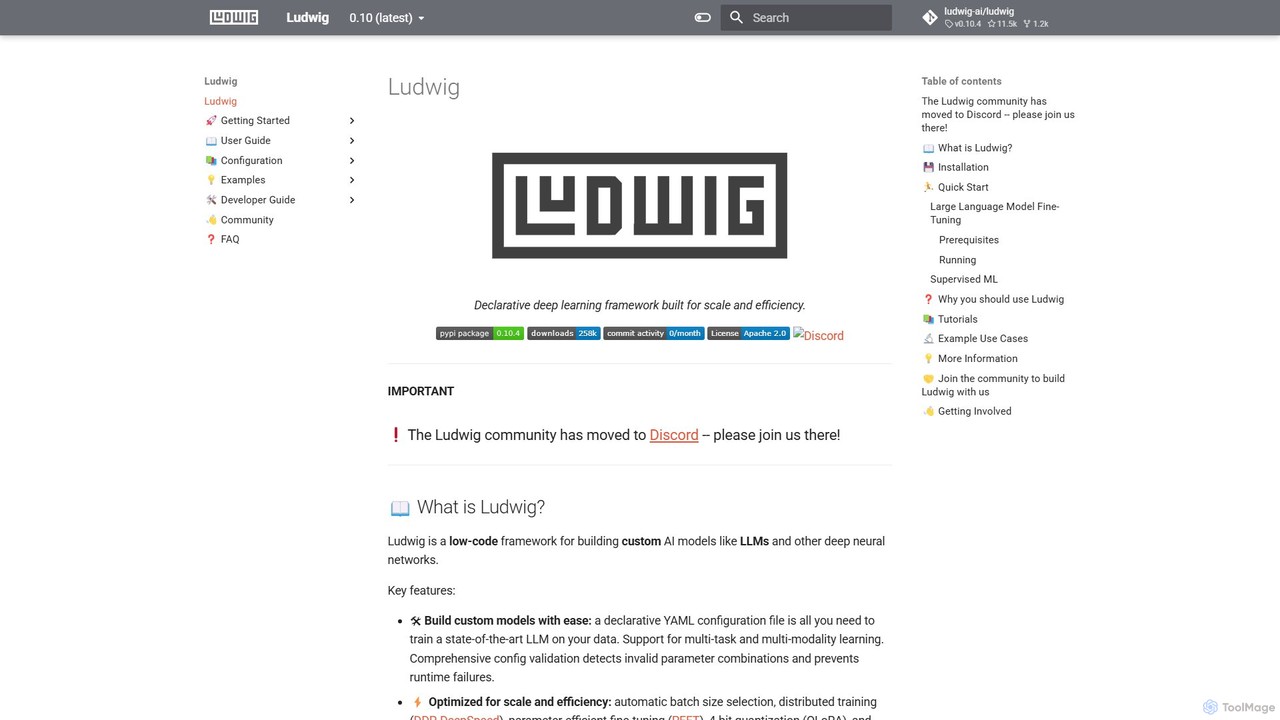
Ludwig is a low-code, open-source deep learning framework that simplifies building and training custom AI models. Using declarative YAML configurations, users can easily create complex models, including LLMs, for multi-modal and multi-task learning without extensive boilerplate code. It's designed for scalability, production-readiness, and integrates with popular tools like HuggingFace and MLFlow.

Model Training
Visits 12.2KFavorites 96Likes 109
WisBot

WisBot

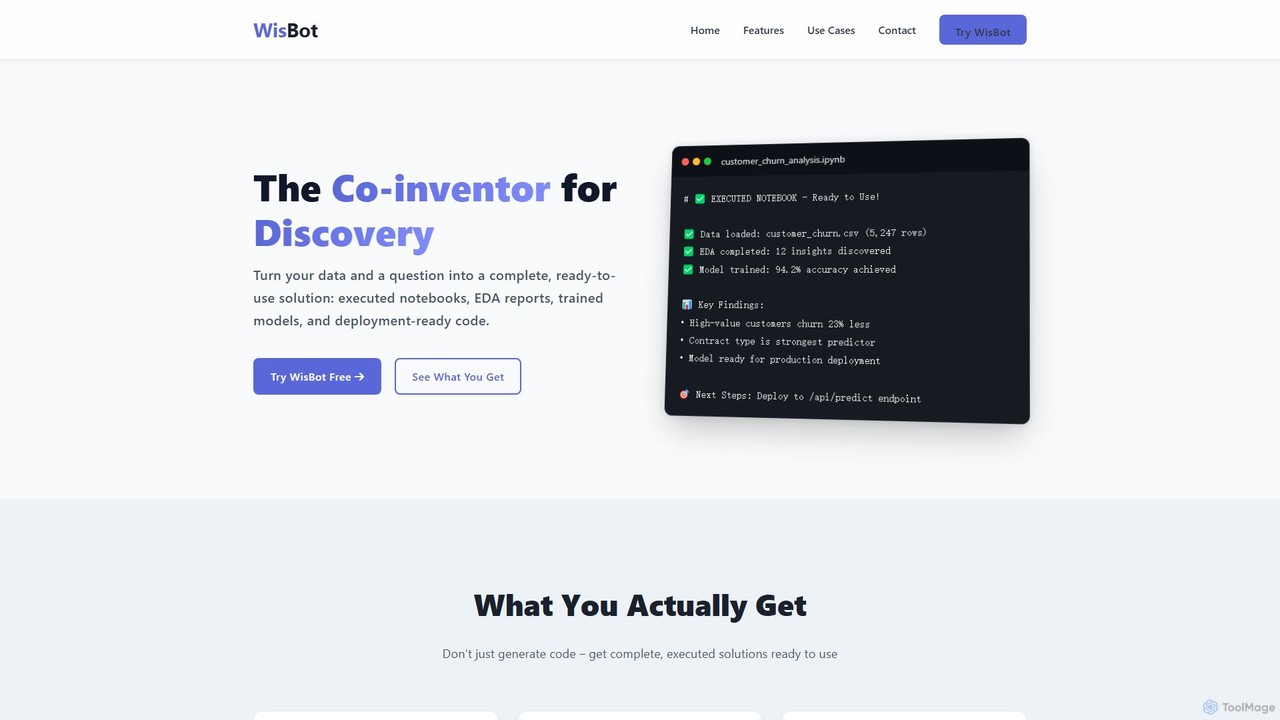
WisBot is an AI co-inventor that accelerates data science and software development. It goes beyond code generation by delivering complete, executed Jupyter notebooks for data analysis and production-ready Python project scaffolds. Simply upload your data and a prompt to receive fully tested, documented, and deployable solutions, streamlining your workflow from discovery to production.

Machine Learning
Visits 5.1KFavorites 140Likes 136
Papers with Code
Free

Papers with Code

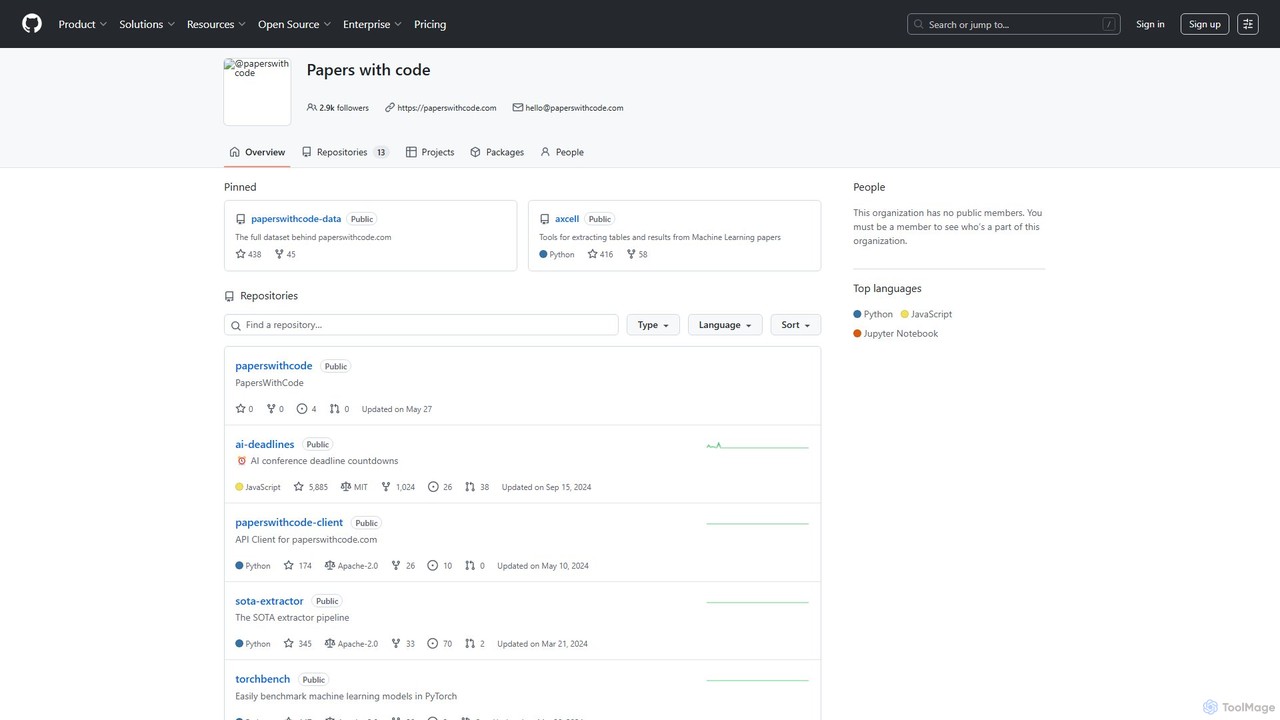
Papers with Code is a free, open resource for machine learning researchers and developers. It connects scientific papers to their corresponding open-source code, making research more accessible and reproducible. The platform features state-of-the-art leaderboards, browsable datasets, and a comprehensive collection of AI research, helping users track progress, find implementations, and accelerate their work. It is an essential tool for anyone in the AI/ML community.

Machine Learning
Visits 636.1MFavorites 116Likes 118
Union.ai
Freemium

Union.ai

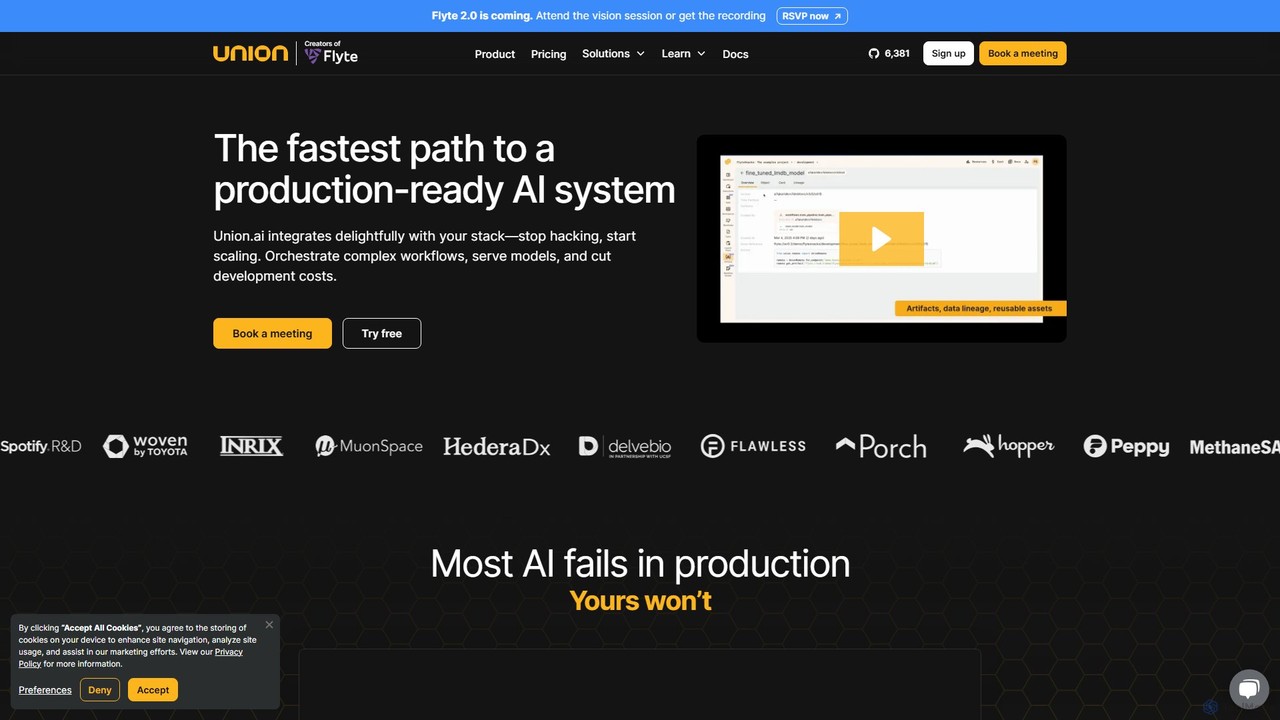
Union.ai is an enterprise-grade, production-ready platform for orchestrating complex AI and machine learning workflows. Built on the open-source Flyte, it empowers teams to build, serve, and scale compound AI systems with unparalleled performance and efficiency. It bridges the data-ML gap, optimizes cloud costs with features like scale-to-zero, and enhances developer velocity through a seamless, integrated experience.

Orchestration
Visits 30.3KFavorites 141Likes 152
Leeroo
Paid

Leeroo

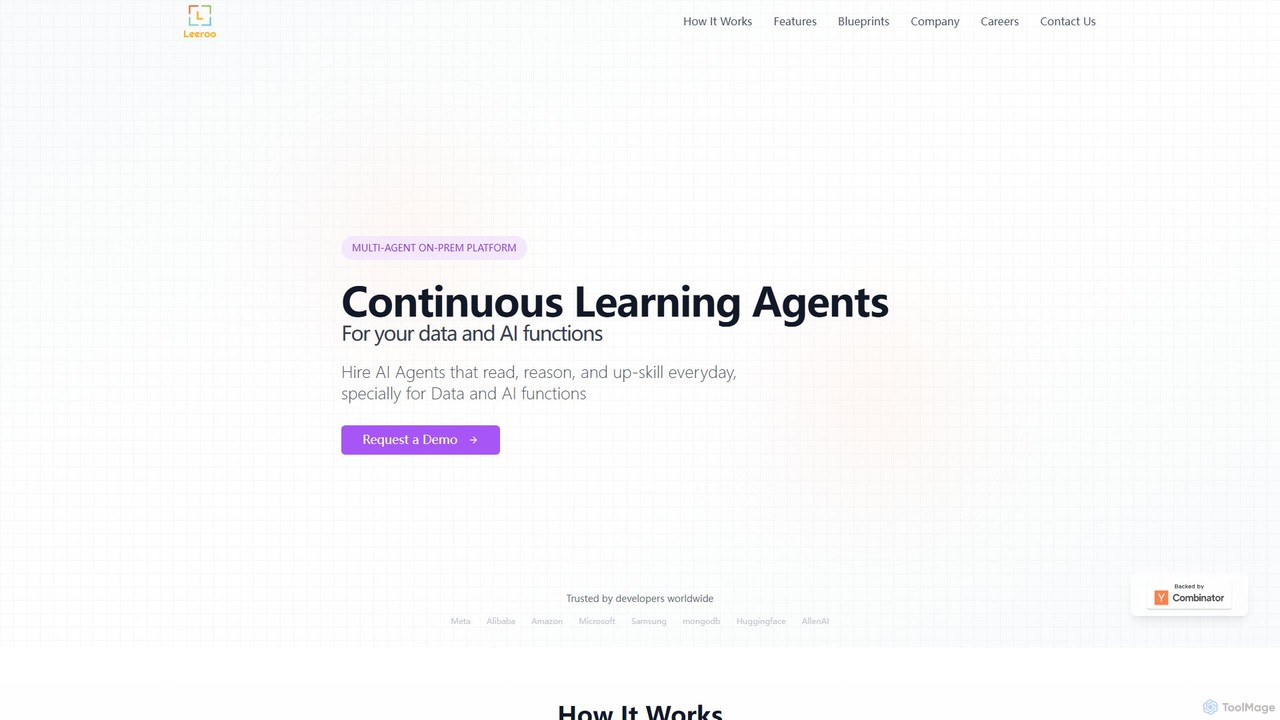
Leeroo is an advanced multi-agent AI platform offering trainable deep agents that learn continuously. Designed for enterprise use, it can be deployed on-premise or in the cloud to automate complex data and AI functions. The platform enables agents to collaborate, reason, and up-skill daily, ensuring data sovereignty and delivering expert-level performance for specialized engineering tasks.

Machine Learning
Visits 5.9KFavorites 112Likes 109

About Data Science

Data Science AI tools are advanced platforms that leverage artificial intelligence, machine learning, and deep learning to automate and enhance the entire data science lifecycle. These tools streamline complex processes from data ingestion and preparation to model development, deployment, and monitoring, making data analysis more efficient and accessible. They empower organizations to extract deeper insights, predict future trends, and make data-driven decisions with greater speed and accuracy.

Core Features

  • Automated Data Preprocessing: Cleans, transforms, and prepares raw data for analysis, handling missing values and inconsistencies.
  • Feature Engineering: Automatically creates new, relevant features from existing data to improve model performance.
  • Automated Machine Learning (AutoML): Selects optimal algorithms, tunes hyperparameters, and builds predictive models with minimal human intervention.
  • Model Deployment & Monitoring: Facilitates the seamless deployment of models into production environments and tracks their performance over time.
  • Insight Generation: Identifies patterns, anomalies, and correlations within large datasets, presenting actionable insights.

Use Cases

Data Science AI tools are crucial for businesses seeking to optimize operations, personalize customer experiences, and mitigate risks. They are used by data scientists to accelerate model development, by business analysts to uncover hidden trends, and by executives to inform strategic planning across various industries like finance, healthcare, and retail.

How to Choose

When selecting Data Science AI tools, consider the breadth of their capabilities, including data preparation, AutoML, and MLOps features. Evaluate their integration with existing data infrastructure, scalability for growing data volumes, and the level of technical expertise required. Pricing models, community support, and compliance with industry regulations are also critical factors.

Featured tool rankings

Data Science use cases

1

Predictive Maintenance for Industrial Equipment

Manufacturing engineers use AI data science tools to analyze sensor data from machinery, predicting potential failures before they occur. This enables proactive maintenance scheduling, reducing downtime, optimizing spare parts inventory, and significantly cutting operational costs by preventing costly breakdowns.

2

Personalizing Customer Marketing Campaigns

Marketing teams leverage AI data science tools to segment customer bases based on purchasing history, browsing behavior, and demographic data. The tools then predict individual customer preferences, allowing for the creation and delivery of highly personalized marketing messages and product recommendations, increasing engagement and conversion rates.

3

Real-time Financial Fraud Detection

Financial institutions employ AI data science tools to monitor transaction data in real-time, identifying anomalous patterns indicative of fraudulent activity. Machine learning models learn from historical fraud cases to flag suspicious transactions instantly, minimizing financial losses and enhancing security for customers.

4

Accelerating Drug Discovery and Development

Pharmaceutical researchers utilize AI data science tools to analyze vast biological and chemical datasets, identifying potential drug candidates and predicting their efficacy and toxicity. This significantly speeds up the drug discovery process, reduces experimental costs, and brings life-saving medications to market faster.

5

Optimizing Global Supply Chain Logistics

Logistics managers use AI data science tools to forecast demand, optimize inventory levels, and plan efficient delivery routes. By analyzing historical sales data, weather patterns, and geopolitical events, these tools help minimize stockouts, reduce transportation costs, and improve overall supply chain resilience and responsiveness.

6

Predicting and Preventing Customer Churn

Customer success teams in subscription-based businesses deploy AI data science tools to identify customers at high risk of churning. By analyzing usage patterns, support interactions, and feedback, the tools provide early warnings, enabling targeted retention strategies like personalized offers or proactive support, thereby improving customer lifetime value.

Data Science FAQ

What are Data Science AI tools?

Data Science AI tools are software solutions that integrate artificial intelligence and machine learning to automate and enhance various stages of the data science workflow. They typically feature capabilities for data preparation, automated model building (AutoML), predictive analytics, and insight generation, making complex data analysis more efficient and accessible for users.

How do AI Data Science tools differ from traditional data analysis?

AI Data Science tools primarily differ from traditional data analysis by leveraging automation and advanced machine learning algorithms. Traditional methods often rely on manual statistical analysis and human-driven hypothesis testing, which can be time-consuming. AI tools automate tasks like feature engineering, model selection, and hyperparameter tuning, enabling faster insights, handling larger datasets, and uncovering more complex patterns that might be missed manually.

Who benefits most from using Data Science AI tools?

A wide range of professionals and organizations benefit from Data Science AI tools. Data scientists can accelerate their workflow, focusing on strategic problems rather than repetitive tasks. Business analysts gain the ability to perform advanced analytics without deep coding knowledge. Executives and decision-makers receive clearer, data-driven insights for strategic planning. Industries like finance, healthcare, retail, and manufacturing see significant advantages in efficiency and predictive power.

What are the key functions of Data Science AI tools?

Key functions of Data Science AI tools include automated data preprocessing, which cleans and transforms raw data; automated feature engineering, for creating optimal input variables; and Automated Machine Learning (AutoML), which streamlines model selection and tuning. They also provide capabilities for predictive modeling, prescriptive analytics, data visualization, and the deployment and monitoring of machine learning models in production environments.

How to choose the right Data Science AI tool for my business?

To choose the right Data Science AI tool, first assess your specific needs, such as the types of data you handle, the complexity of analyses required, and your team's technical expertise. Consider the tool's integration capabilities with your existing data infrastructure, its scalability, and the range of AI/ML algorithms it supports. Evaluate the user interface, pricing structure, and the availability of support and training resources to ensure it aligns with your budget and operational requirements.