ToolMage
Sign in

Best 97 Data Science AI tools

Popular Data Science AI tools include Papers with Code, Comet, Supervised.co, PyTorch, Streamlit, TensorFlow, Neural4D, Fast.ai, aistudio, and Allen Institute for AI (AI2), helping you work more efficiently.

Lilac
Free

Lilac

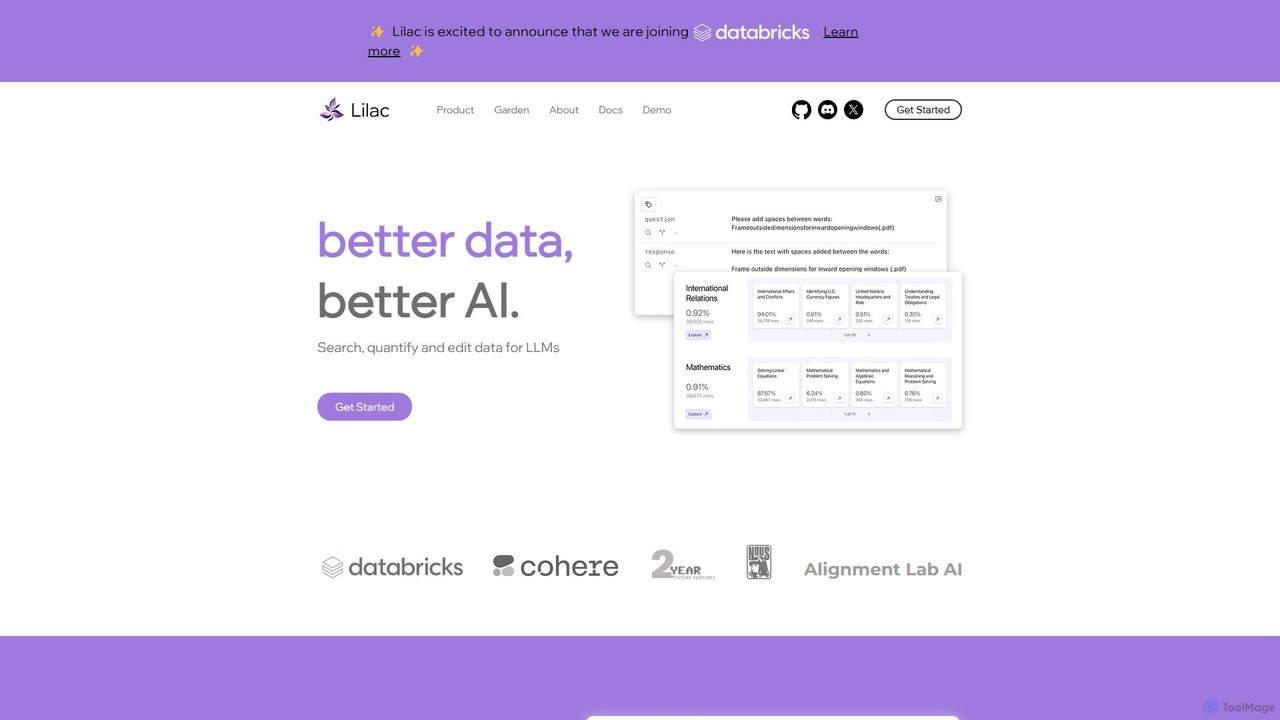
Lilac is an open-source tool for data scientists and ML engineers to explore, clean, and improve datasets for large language models (LLMs). It offers powerful semantic search, data clustering, and quality analysis to build better AI.

Model Training
Visits 21.9KFavorites 127Likes 130
Neural4D
Paid

Neural4D

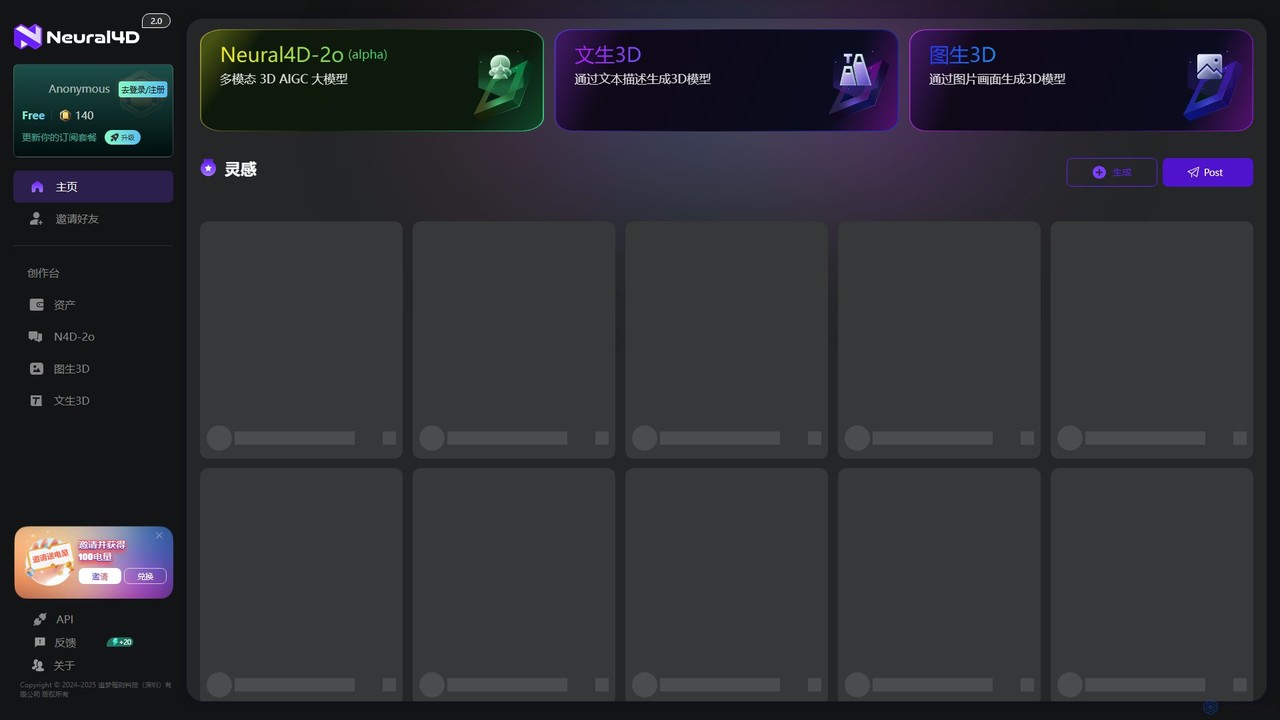
Neural4D is an advanced AI platform for 4D medical imaging analysis. It leverages deep learning to process spatio-temporal data from dynamic CT, MRI, and PET scans, enabling faster diagnostics, precise tumor tracking, and quantitative analysis of physiological functions for healthcare professionals and researchers.

Data Visualization
Visits 432.6KFavorites 108Likes 136
QuData
Paid

QuData

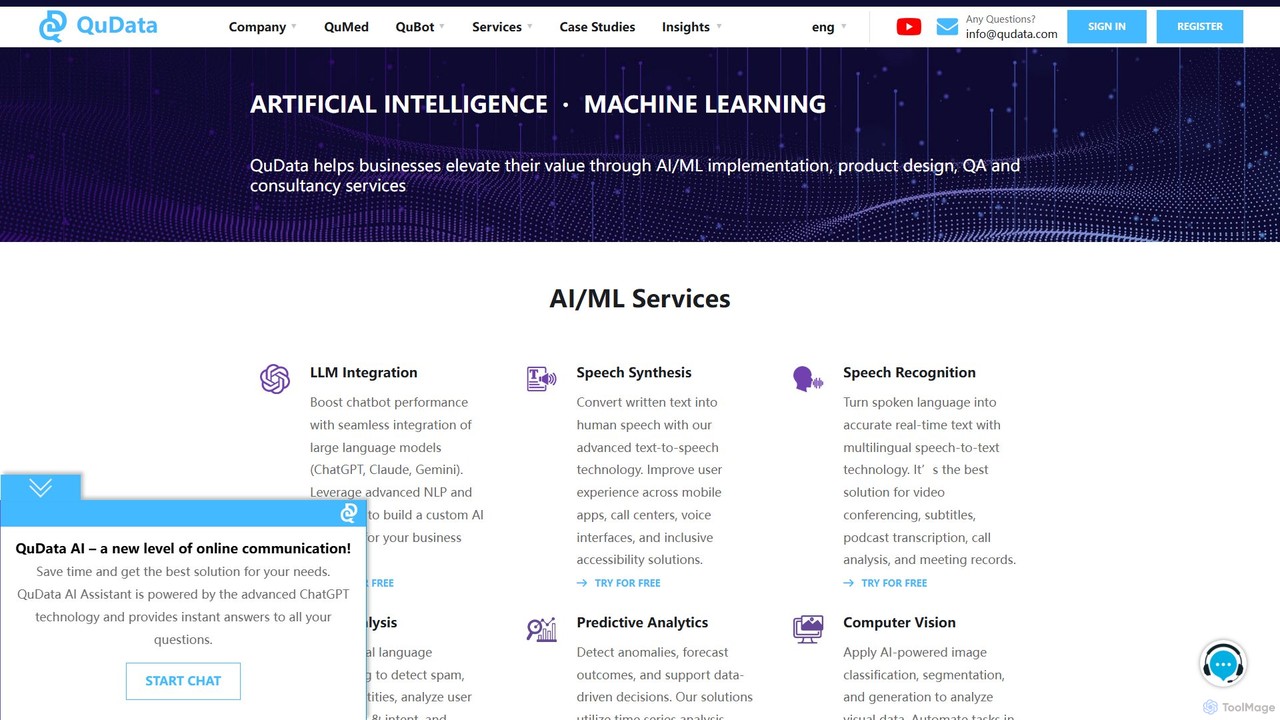
QuData is a specialized AI and Machine Learning solutions provider that helps businesses with custom development, implementation, and consultancy. They offer a wide range of services, including LLM integration for advanced chatbots like their QuBot platform, computer vision, predictive analytics, speech synthesis, and big data processing, delivering tailored solutions to meet specific industry needs.

Chatbots
Visits 112.4KFavorites 110Likes 122
SnapMeasureAI
Freemium

SnapMeasureAI

SnapMeasureAI is an advanced AI platform offering three core solutions: precise 3D body measurements from photos to reduce retail returns, automated generation of perfectly labeled image datasets for AI training, and markerless 3D motion capture from standard videos for animation and analysis.

Motion Capture
Visits 5.6KFavorites 122Likes 140
AI for Good Foundation
Free

AI for Good Foundation

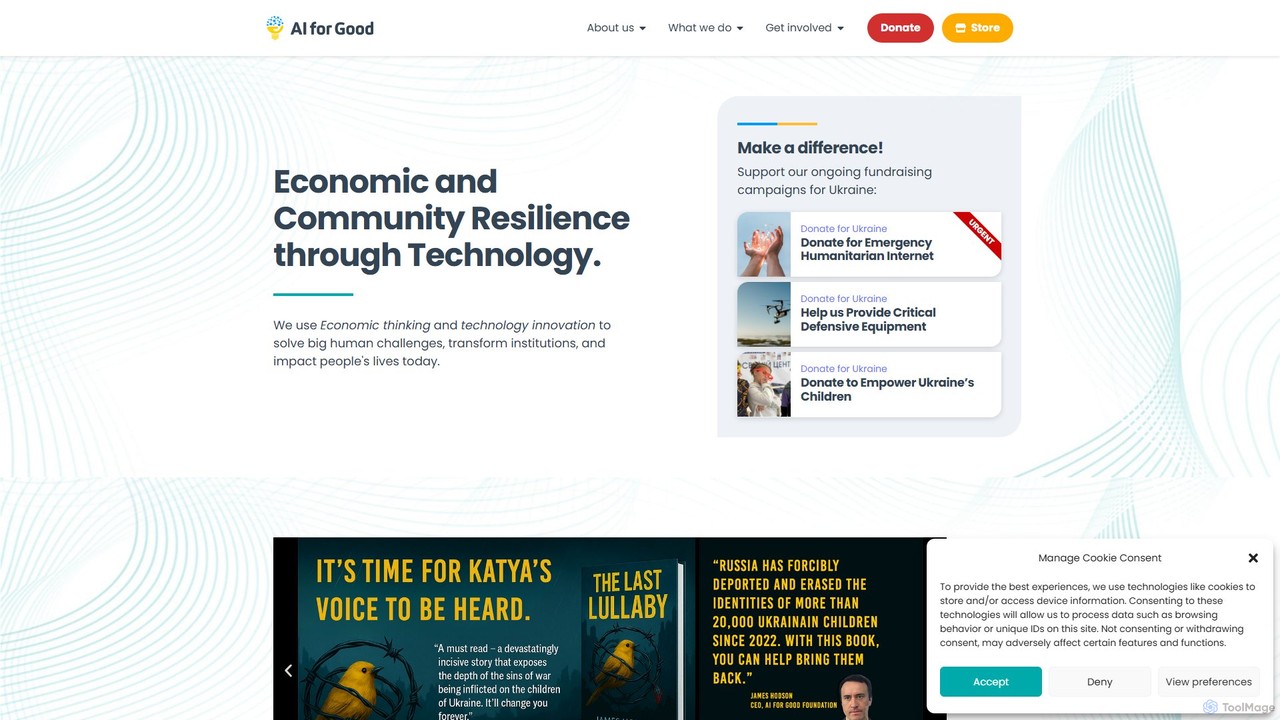
AI for Good Foundation is a global non-profit organization that harnesses the power of artificial intelligence and data science to address pressing humanitarian issues and advance the UN's Sustainable Development Goals. It develops technology, provides open data, and fosters a network of experts to create tangible social impact.

Open Data Platforms
Visits 25.6KFavorites 114Likes 119
deid
Freemium

deid

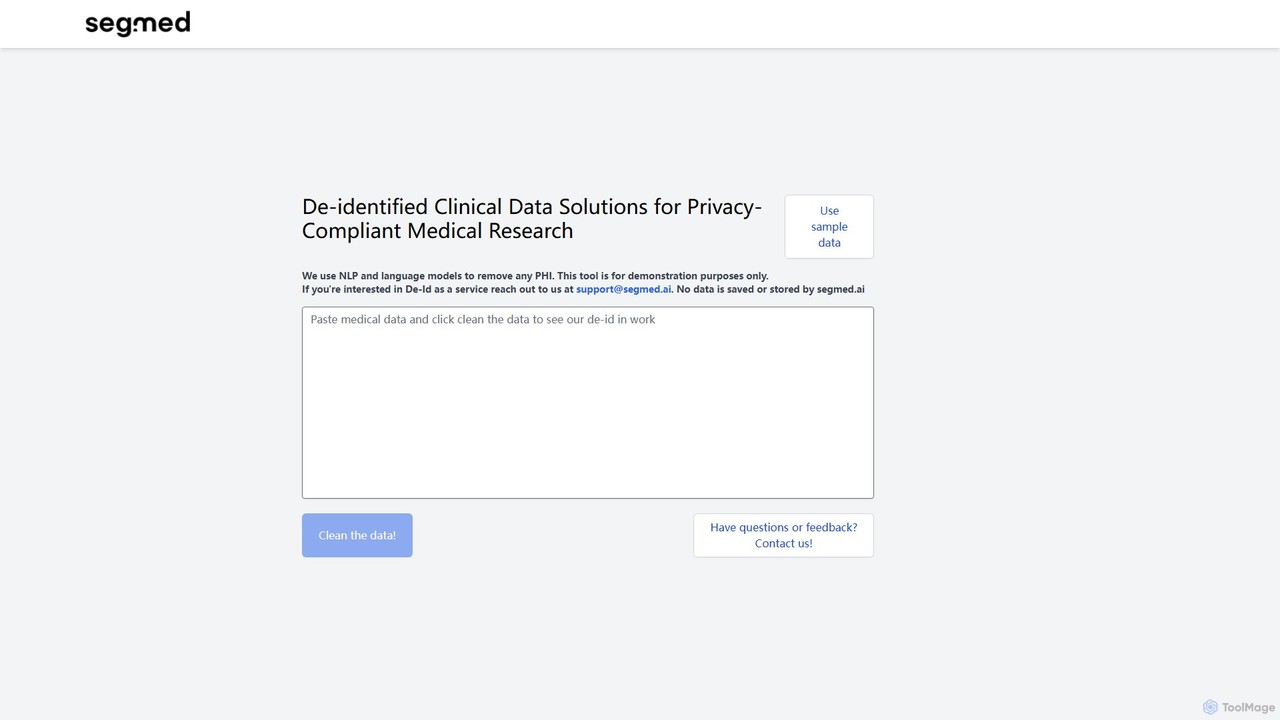
An AI-powered tool by Segmed for the de-identification of medical data. It uses NLP and language models to automatically detect and remove Protected Health Information (PHI) from clinical texts, ensuring privacy and compliance for medical research and data sharing.

Privacy
Visits 5.2KFavorites 159Likes 130
Aampe
Paid

Aampe

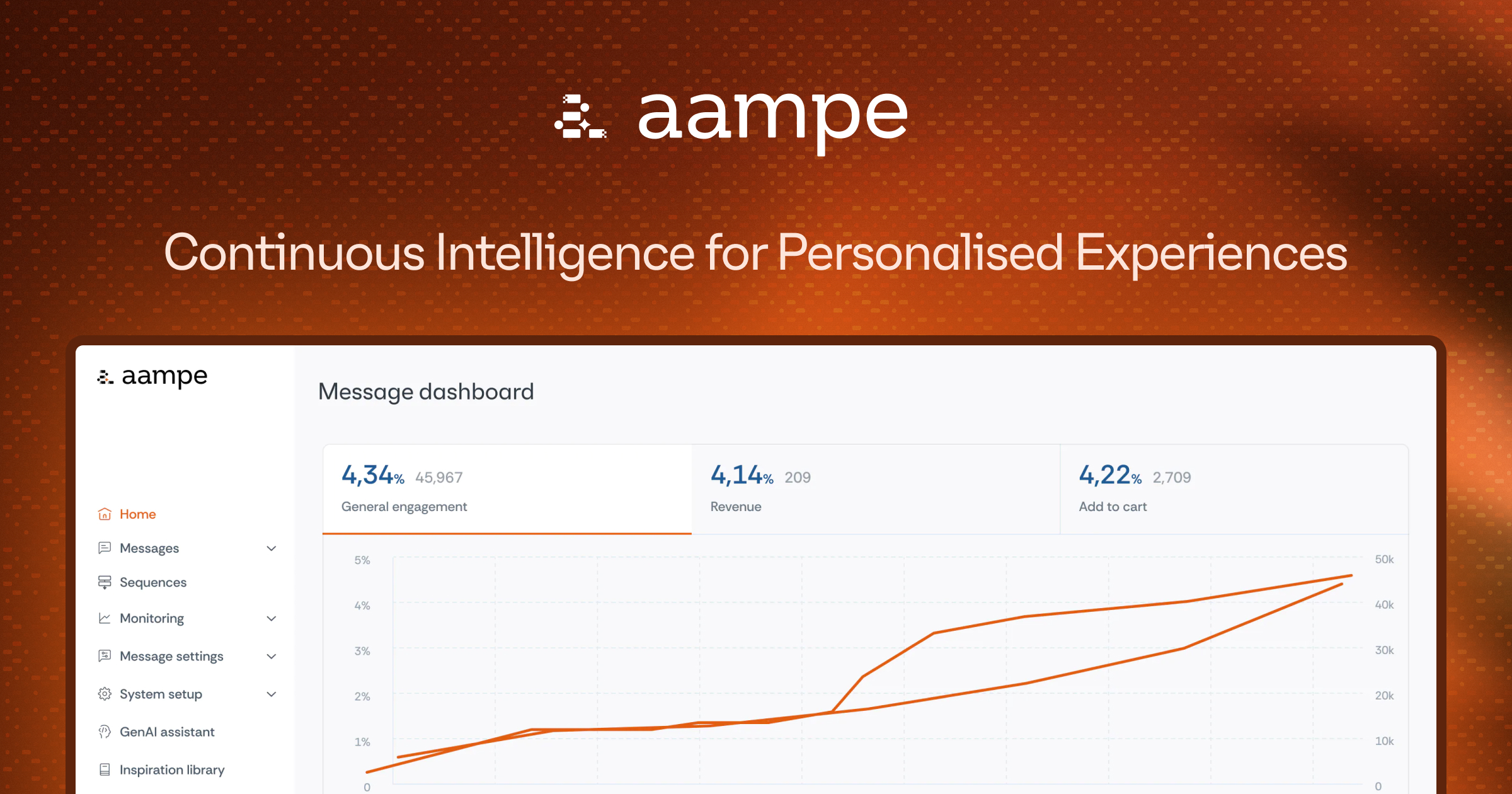
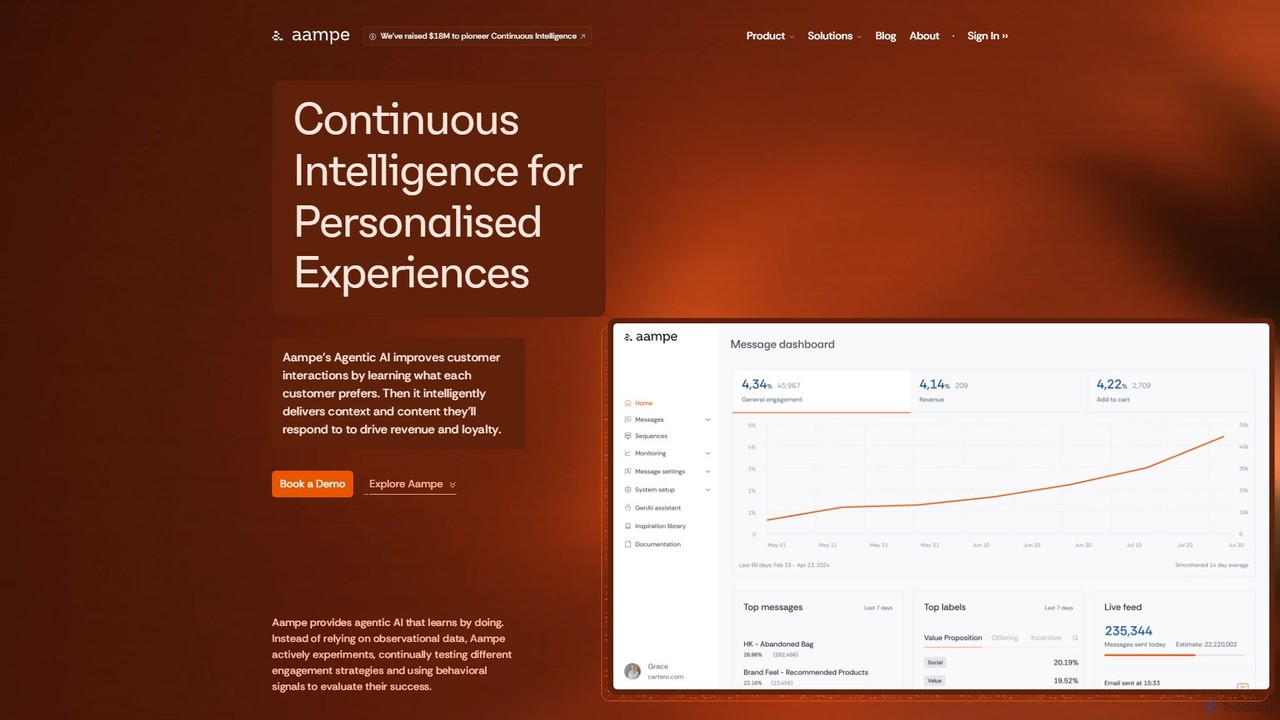
Aampe is an agentic AI platform that revolutionizes customer engagement. It assigns a dedicated AI agent to each user, using reinforcement learning to continuously test and optimize messaging, timing, and content. This moves beyond static segments to deliver true 1:1 personalization, driving revenue and loyalty.

Customer Engagement
Visits 29KFavorites 173Likes 159
Unlearn
Paid

Unlearn

Unlearn is an AI-powered platform that accelerates clinical trials by creating 'Digital Twins' of patients. By leveraging machine learning models trained on vast historical data, it generates prognostic forecasts for each trial participant. This allows pharmaceutical and biotech companies to design smaller, faster, and more powerful studies, optimize trial design, and make more informed decisions, ultimately fast-tracking the development of new therapies.

Predictive Modeling
Visits 32.5KFavorites 124Likes 121
Supervised.co
Freemium

Supervised.co

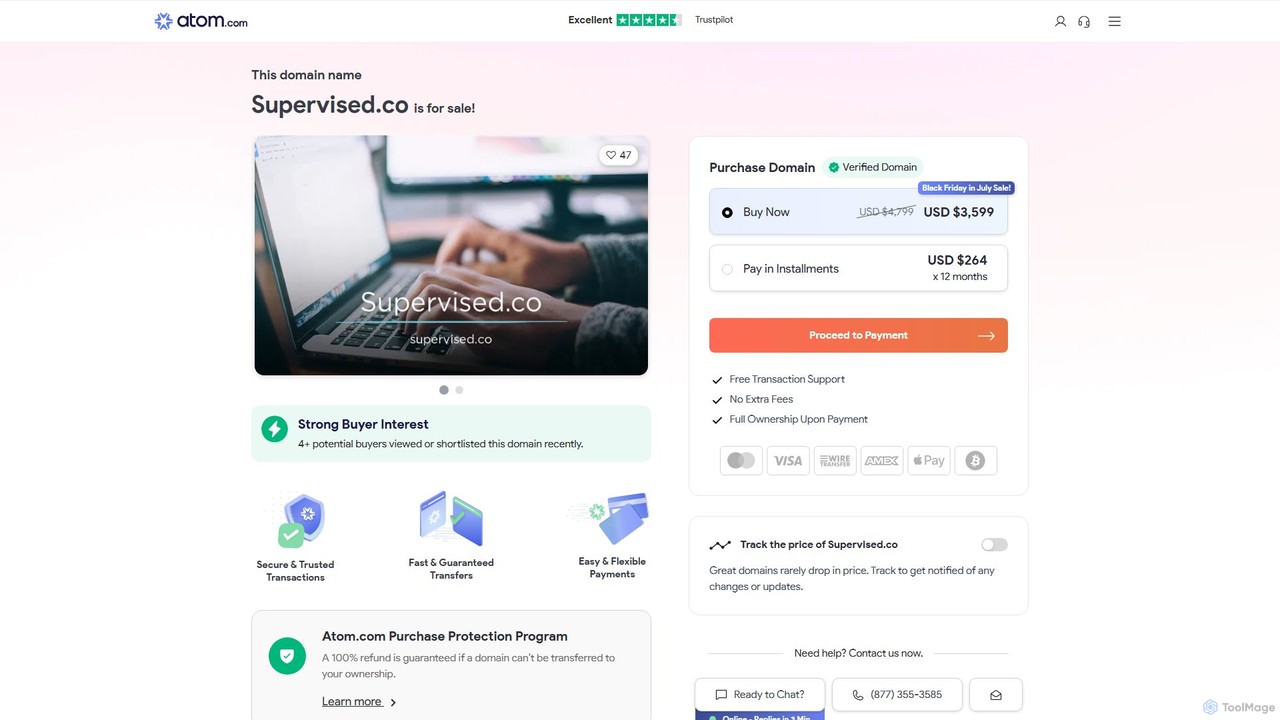
Supervised.co is an end-to-end platform for building, training, and deploying supervised machine learning models. It simplifies the MLOps lifecycle with integrated data annotation, automated model training, and one-click API deployment, empowering teams to create high-performance AI solutions efficiently.

Data Annotation
Visits 3.5MFavorites 129Likes 121
denvrdata
Freemium

denvrdata

Denvr Dataworks offers a high-performance AI cloud platform for training, inference, and data science. It provides vertically integrated infrastructure with on-demand and dedicated GPU compute services. Tailored for developers and startups, it features the Ascend Program, offering significant compute credits to accelerate AI innovation.

Model Training
Visits 6.7KFavorites 117Likes 102
Dataiku
Freemium

Dataiku

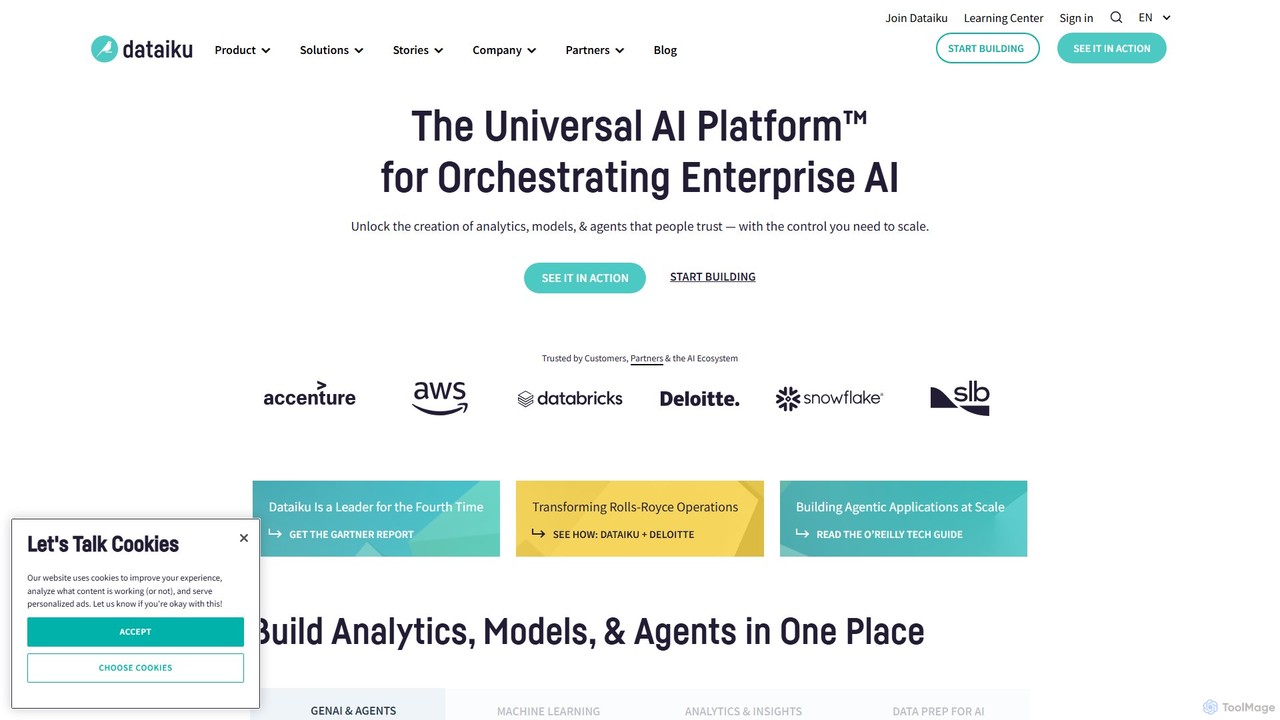
Dataiku is the Universal AI Platform™, enabling organizations to build, deploy, and manage AI and analytics applications. It provides a collaborative, end-to-end environment for everyone, from data analysts to data scientists, to work with data, create machine learning models, and build enterprise-grade Generative AI solutions with robust governance and scalability.

Business Intelligence
Visits 308.6KFavorites 107Likes 104
victordibia
Free

victordibia

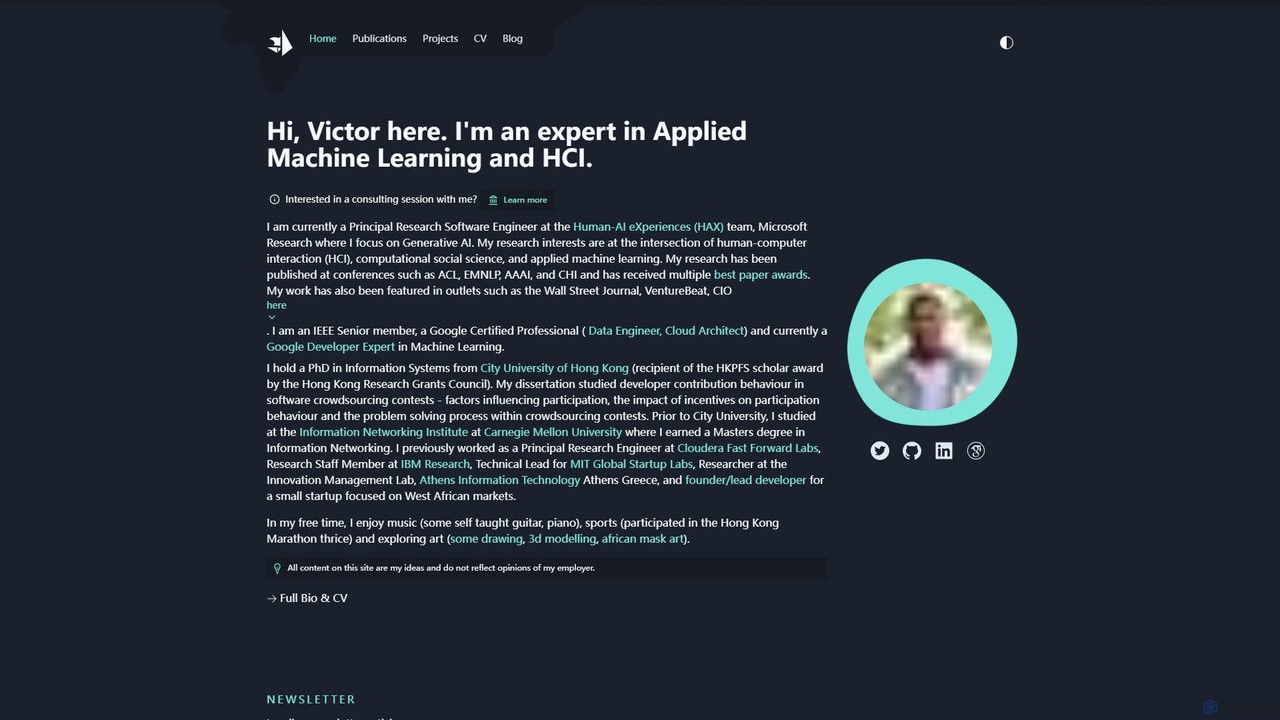
A comprehensive resource hub by Victor Dibia, a leading researcher in Applied ML and HCI. It features open-source AI tools like AutoGen Studio and LIDA, in-depth articles, research papers, and talks on generative AI, multi-agent systems, and human-computer interaction. A valuable platform for developers, researchers, and AI enthusiasts.

Data Visualization
Visits 27.6KFavorites 149Likes 137
MindSpore
Free

MindSpore

MindSpore is an open-source, all-scenario AI computing framework designed for developers and data scientists. It provides a developer-friendly experience with flexible deployment across cloud, edge, and device environments. It excels in distributed training for large models and offers specialized toolkits for scientific computing (AI4S), ensuring high performance and efficiency, especially on Ascend hardware.

Scientific Computing
Visits 66.9KFavorites 116Likes 116
UbiOps
Freemium

UbiOps

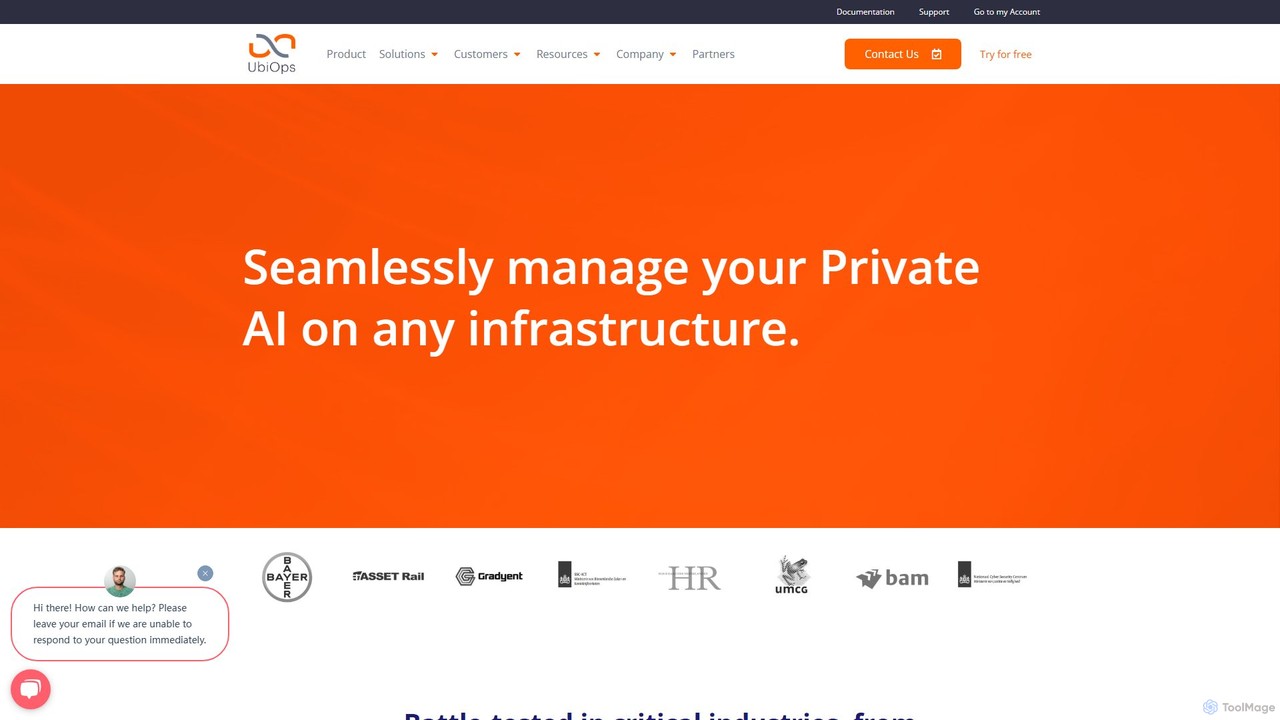
UbiOps is a powerful MLOps platform for AI model serving, orchestration, and training. It enables data scientists and AI teams to seamlessly deploy, manage, and scale their models on any infrastructure—local, hybrid, or multi-cloud—without deep engineering expertise. The platform handles containerization, API creation, and auto-scaling, accelerating the path from development to production for various AI applications, including Generative AI and Computer Vision.

Platform As A Service (Paas)
Visits 19.5KFavorites 134Likes 141
getmarkup
Freemium

getmarkup

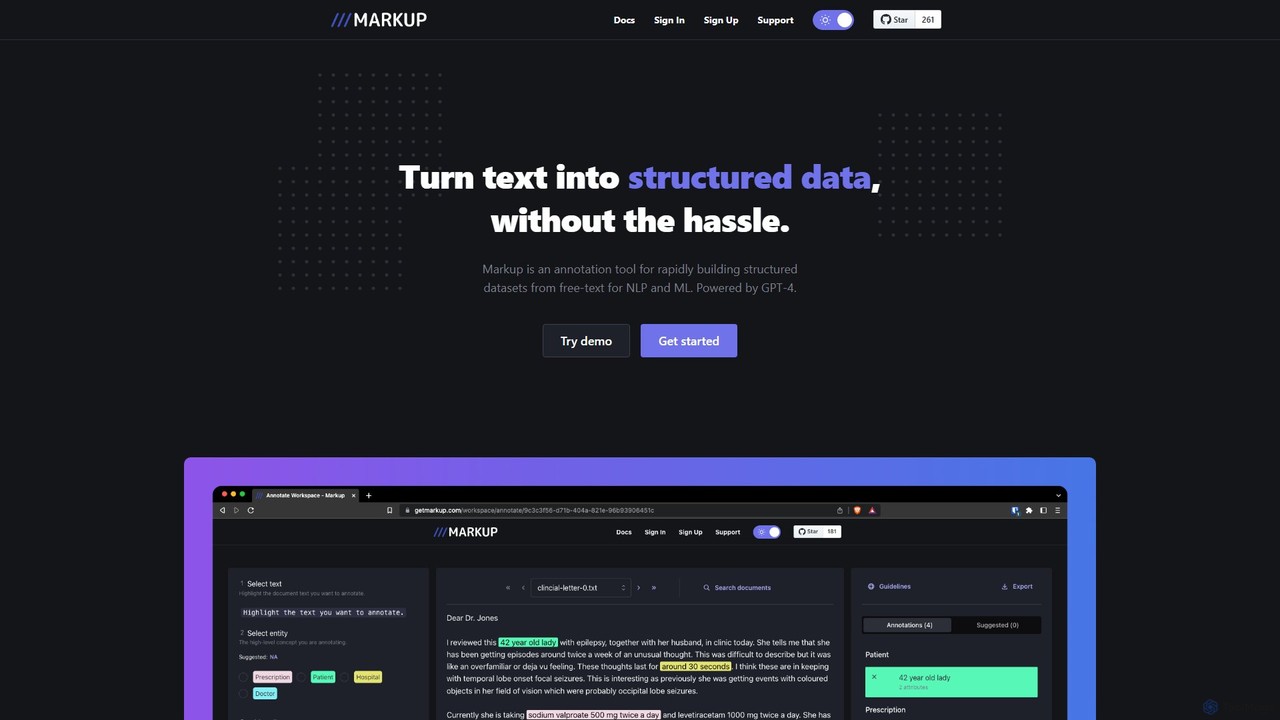
getmarkup is an AI-powered annotation tool, utilizing GPT-4 to rapidly build structured datasets from unstructured text. It's designed to accelerate NLP and ML workflows by automating and assisting in tasks like named-entity recognition, data classification, and concept mapping.

Natural Language Processing
Visits 6.4KFavorites 114Likes 117
weco
Freemium

weco

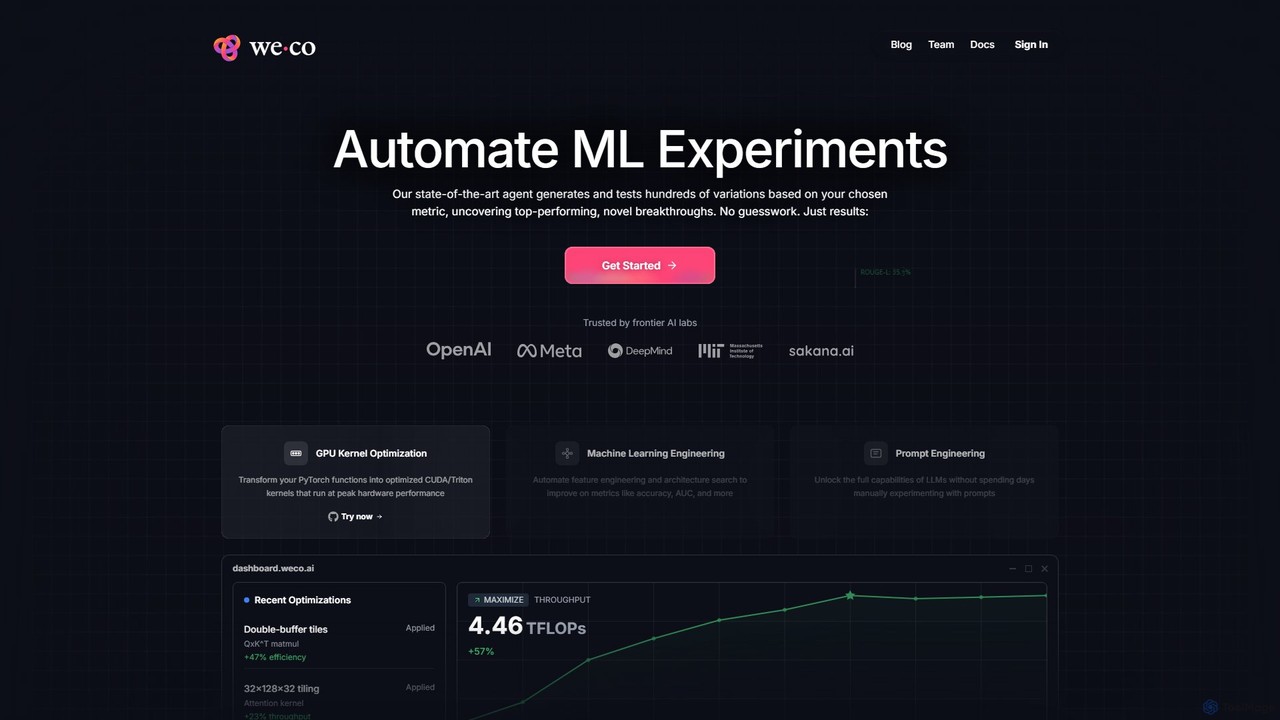
weco is an AI-powered platform that automates machine learning experiments. It utilizes a state-of-the-art agent to generate and test hundreds of code variations for GPU kernel optimization, feature engineering, and prompt engineering, systematically finding top-performing solutions based on user-defined metrics.

Machine Learning
Visits 37.1KFavorites 97Likes 100
HKU NLP Group
Free

HKU NLP Group

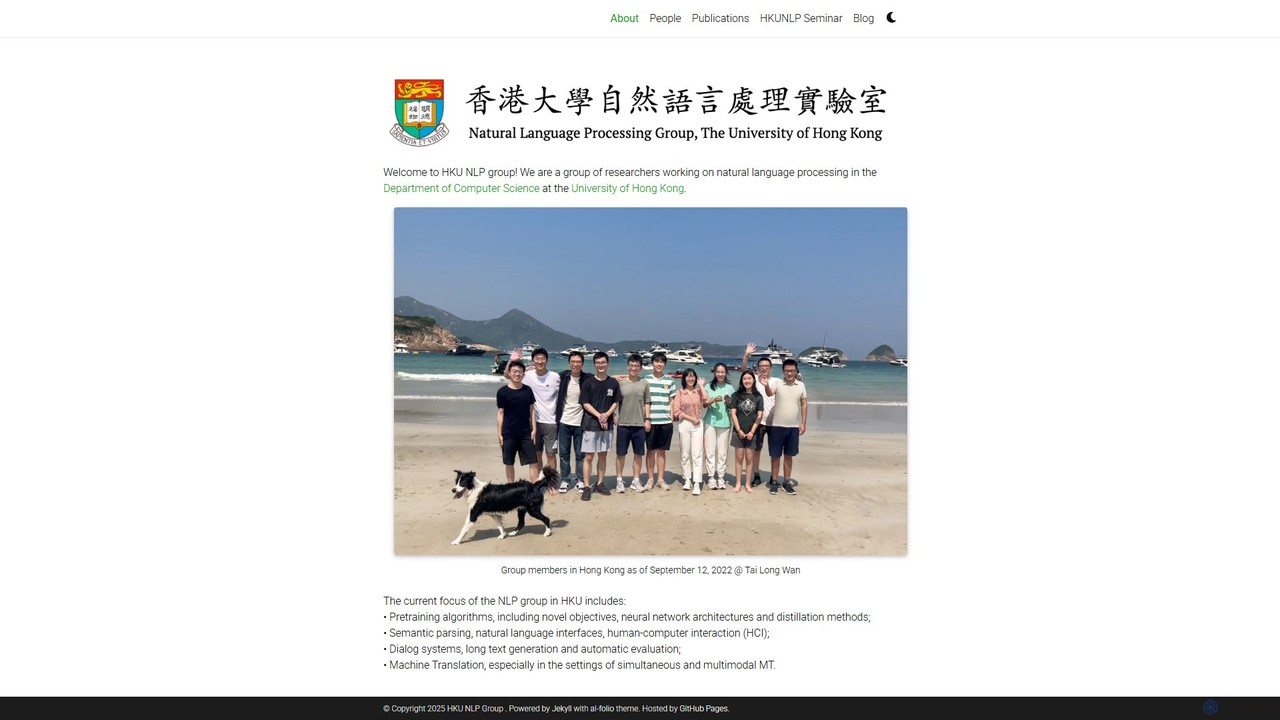
HKU NLP Group is a leading academic research hub from The University of Hong Kong, providing open-source, cutting-edge models and research in Natural Language Processing. It focuses on pre-training, semantic parsing, dialogue systems, and machine translation.

Natural Language Processing
Visits 8.2KFavorites 116Likes 102
Flyte
Freemium

Flyte

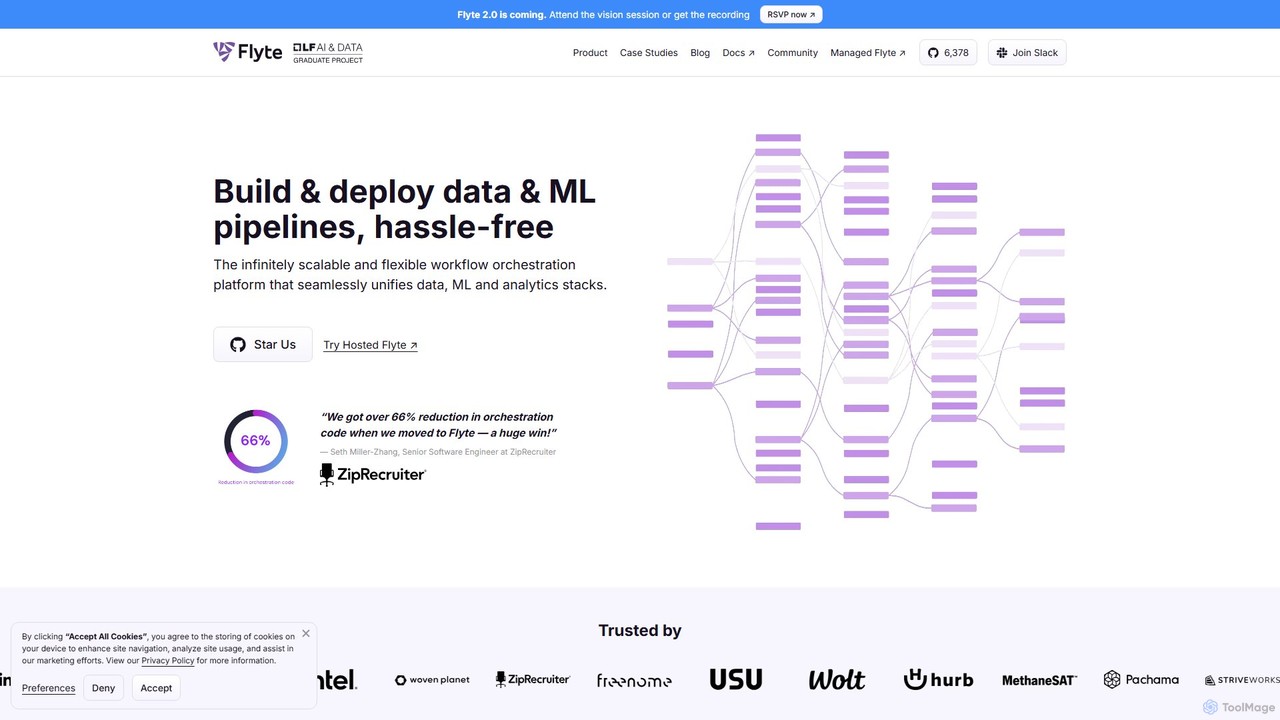
Flyte is an open-source, cloud-native workflow orchestration platform designed for building, deploying, and managing production-grade data, machine learning, and analytics pipelines. It emphasizes scalability, reproducibility, and ease of use, enabling teams to move from local development to large-scale production seamlessly. With a Python-first SDK and support for multiple languages, Flyte empowers data scientists and engineers to create complex, versioned, and maintainable workflows.

Mlops
Visits 31.7KFavorites 132Likes 142
V7
Paid

V7

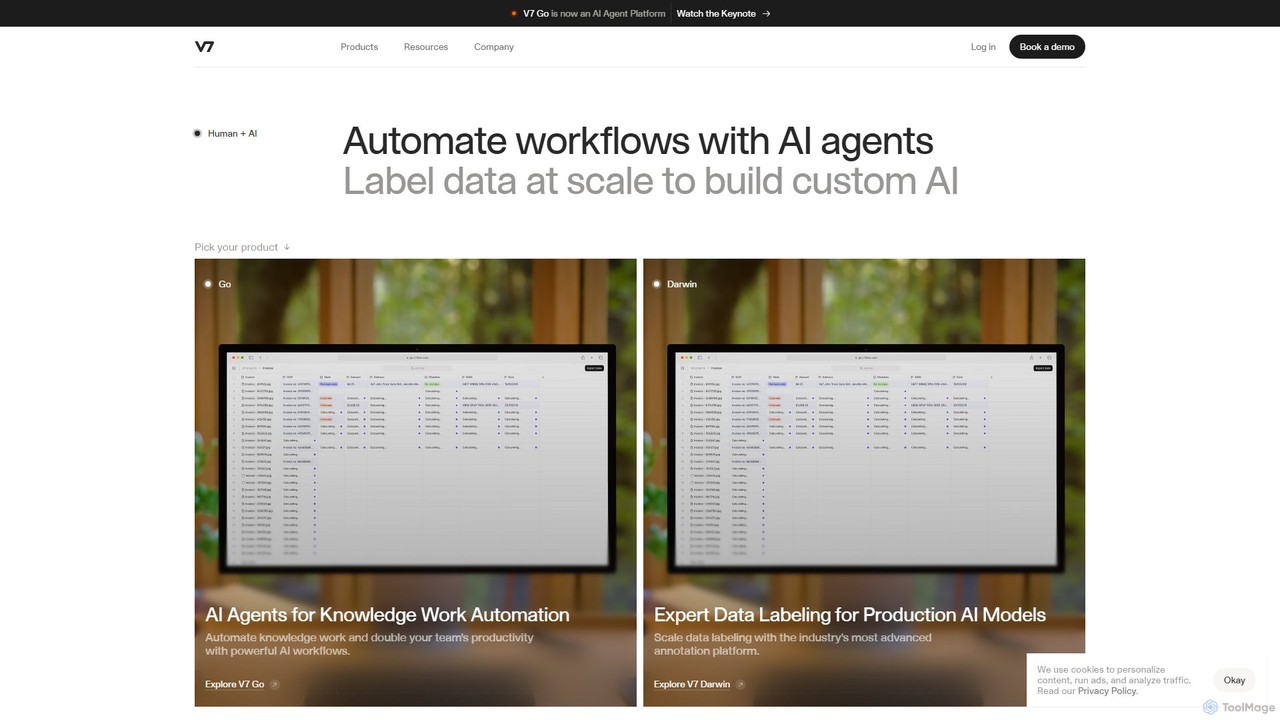
V7 is a comprehensive AI platform for building trustworthy AI. It features V7 Darwin for advanced data labeling and V7 Go for AI agent-powered workflow and document automation. It's designed for industries like healthcare, finance, and manufacturing to scale AI production with high-quality data and efficient processes.

Data Annotation
Visits 190.3KFavorites 141Likes 147
Lunit

Lunit

Lunit is a medical AI company dedicated to conquering cancer. It provides AI-powered solutions for cancer diagnostics and therapeutics, helping clinicians detect early-stage cancer with greater accuracy and predict patient response to treatment. Its products analyze medical images and tissue data to improve clinical outcomes.

Predictive Analytics
Visits 43.6KFavorites 93Likes 101
Flower
Free

Flower

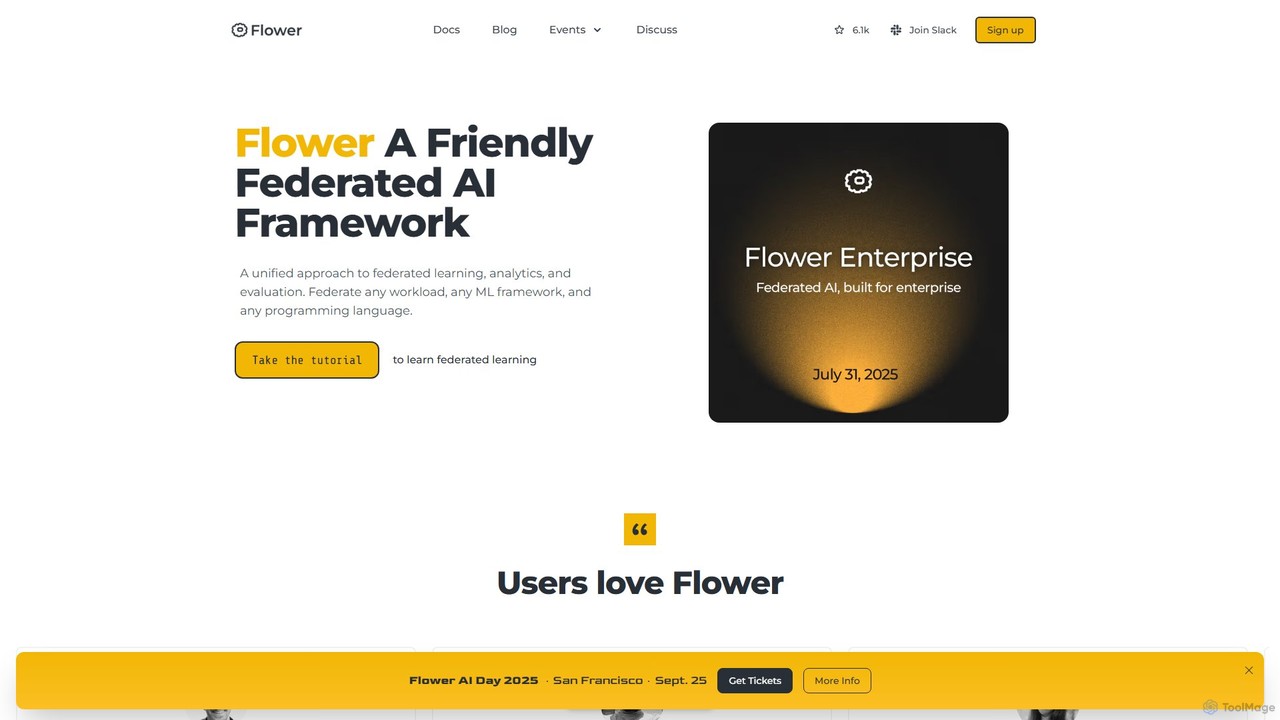
Flower is a friendly, open-source framework for federated learning, analytics, and evaluation. It enables training AI models on decentralized data across various devices and platforms without compromising privacy, supporting numerous ML frameworks like PyTorch, TensorFlow, and Hugging Face.

Frameworks
Visits 84.1KFavorites 125Likes 114
insightsaio
Paid

insightsaio

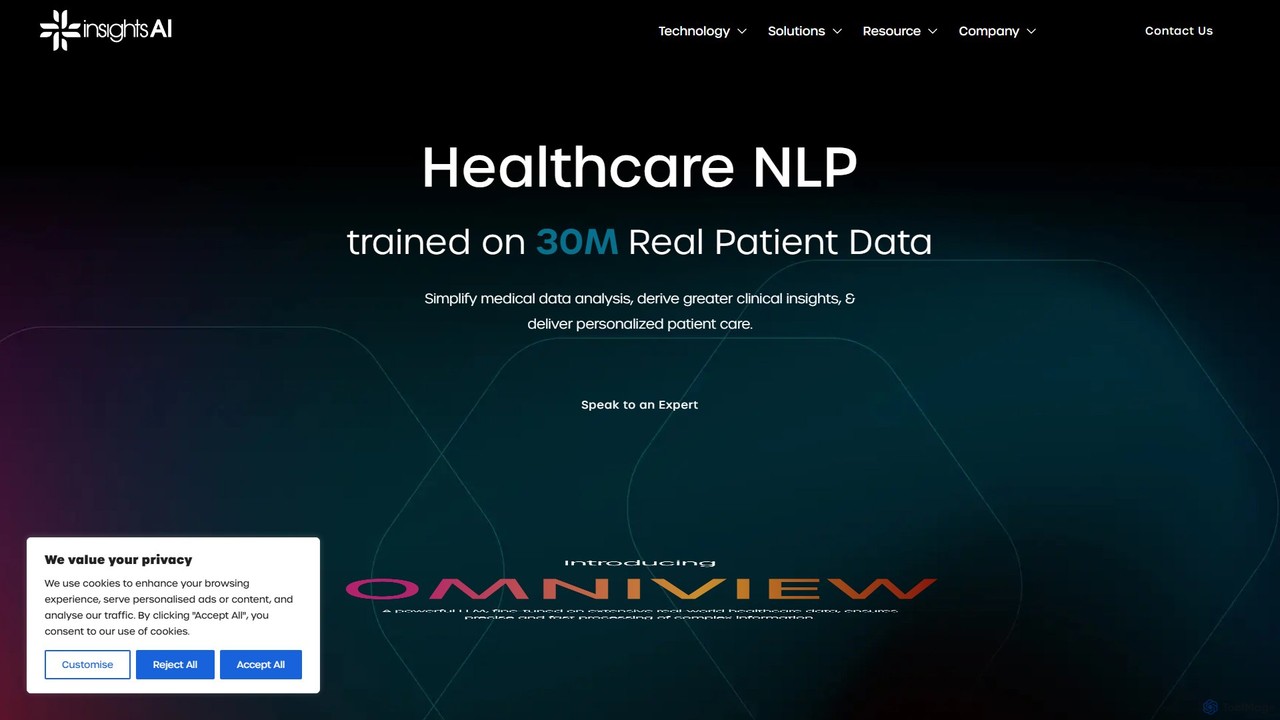
Insights AI offers a specialized healthcare NLP platform, Omniview, an LLM fine-tuned on 30 million real patient records. It provides high-precision APIs for medical data analysis, clinical insight extraction, data de-identification, and annotation. The platform ensures HIPAA compliance and data security with flexible on-premise or cloud deployment, designed to enhance clinical research and personalize patient care.

Natural Language Processing
Visits 5.2KFavorites 153Likes 147
Liner.ai
Free

Liner.ai

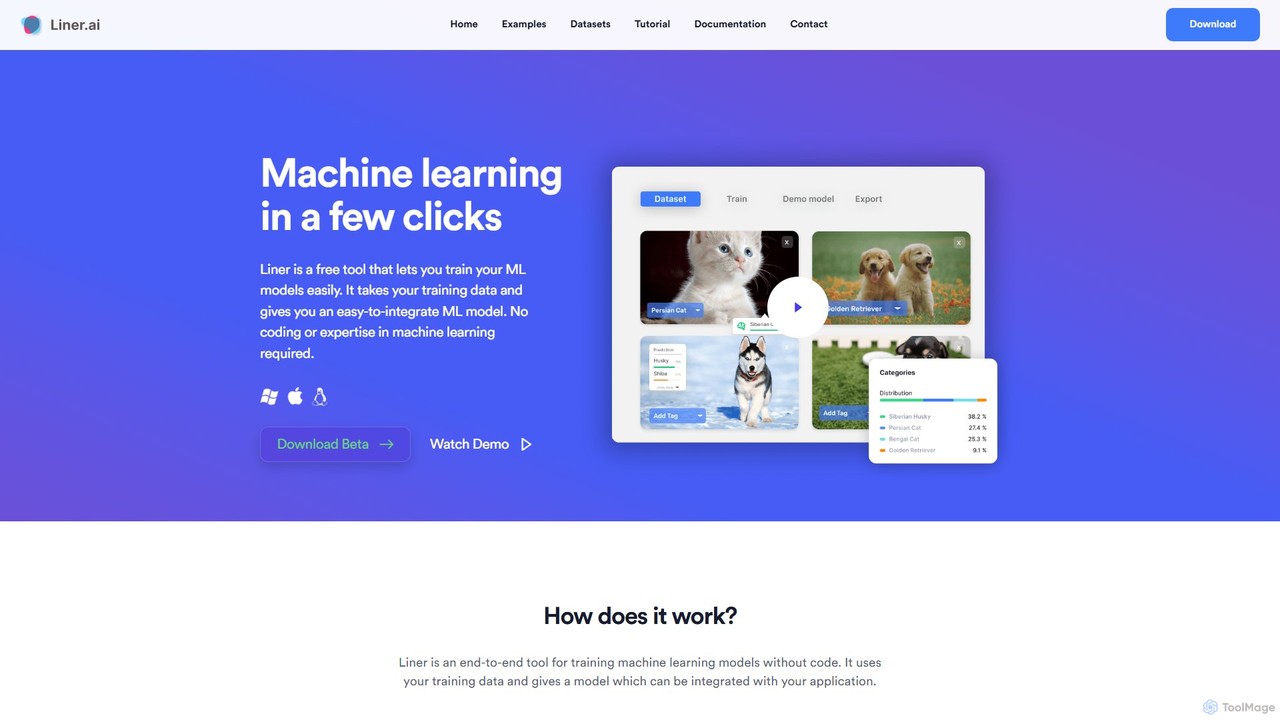
Liner.ai is a free, no-code desktop application for Windows and Mac that allows users to easily train and deploy machine learning models. It simplifies the entire ML workflow, from data import to model deployment, without requiring any coding or deep learning expertise. It's designed for creating applications in image, text, audio, and video classification, object detection, and more, with a focus on speed, accuracy, and data privacy.

Machine Learning
Visits 18.2KFavorites 127Likes 124
marimo
Freemium

marimo

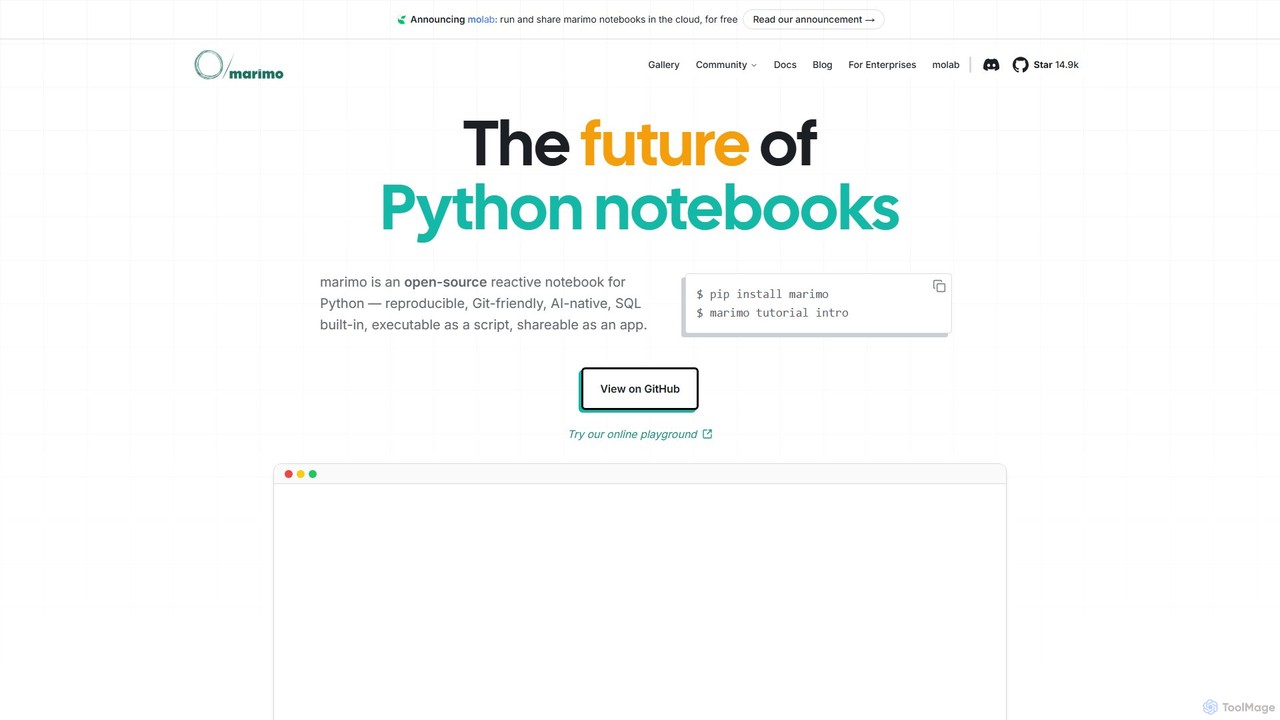
marimo is an open-source reactive Python notebook for modern data science and AI. It offers a reproducible, Git-friendly, and interactive environment where notebooks are pure Python scripts. Features include built-in AI assistance, SQL cells, and the ability to share notebooks as web apps, streamlining the workflow from experiment to production.

Data Visualization
Visits 161.8KFavorites 112Likes 119

About Data Science

Data Science AI tools are advanced platforms that leverage artificial intelligence, machine learning, and deep learning to automate and enhance the entire data science lifecycle. These tools streamline complex processes from data ingestion and preparation to model development, deployment, and monitoring, making data analysis more efficient and accessible. They empower organizations to extract deeper insights, predict future trends, and make data-driven decisions with greater speed and accuracy.

Core Features

  • Automated Data Preprocessing: Cleans, transforms, and prepares raw data for analysis, handling missing values and inconsistencies.
  • Feature Engineering: Automatically creates new, relevant features from existing data to improve model performance.
  • Automated Machine Learning (AutoML): Selects optimal algorithms, tunes hyperparameters, and builds predictive models with minimal human intervention.
  • Model Deployment & Monitoring: Facilitates the seamless deployment of models into production environments and tracks their performance over time.
  • Insight Generation: Identifies patterns, anomalies, and correlations within large datasets, presenting actionable insights.

Use Cases

Data Science AI tools are crucial for businesses seeking to optimize operations, personalize customer experiences, and mitigate risks. They are used by data scientists to accelerate model development, by business analysts to uncover hidden trends, and by executives to inform strategic planning across various industries like finance, healthcare, and retail.

How to Choose

When selecting Data Science AI tools, consider the breadth of their capabilities, including data preparation, AutoML, and MLOps features. Evaluate their integration with existing data infrastructure, scalability for growing data volumes, and the level of technical expertise required. Pricing models, community support, and compliance with industry regulations are also critical factors.

Featured tool rankings

Data Science use cases

1

Predictive Maintenance for Industrial Equipment

Manufacturing engineers use AI data science tools to analyze sensor data from machinery, predicting potential failures before they occur. This enables proactive maintenance scheduling, reducing downtime, optimizing spare parts inventory, and significantly cutting operational costs by preventing costly breakdowns.

2

Personalizing Customer Marketing Campaigns

Marketing teams leverage AI data science tools to segment customer bases based on purchasing history, browsing behavior, and demographic data. The tools then predict individual customer preferences, allowing for the creation and delivery of highly personalized marketing messages and product recommendations, increasing engagement and conversion rates.

3

Real-time Financial Fraud Detection

Financial institutions employ AI data science tools to monitor transaction data in real-time, identifying anomalous patterns indicative of fraudulent activity. Machine learning models learn from historical fraud cases to flag suspicious transactions instantly, minimizing financial losses and enhancing security for customers.

4

Accelerating Drug Discovery and Development

Pharmaceutical researchers utilize AI data science tools to analyze vast biological and chemical datasets, identifying potential drug candidates and predicting their efficacy and toxicity. This significantly speeds up the drug discovery process, reduces experimental costs, and brings life-saving medications to market faster.

5

Optimizing Global Supply Chain Logistics

Logistics managers use AI data science tools to forecast demand, optimize inventory levels, and plan efficient delivery routes. By analyzing historical sales data, weather patterns, and geopolitical events, these tools help minimize stockouts, reduce transportation costs, and improve overall supply chain resilience and responsiveness.

6

Predicting and Preventing Customer Churn

Customer success teams in subscription-based businesses deploy AI data science tools to identify customers at high risk of churning. By analyzing usage patterns, support interactions, and feedback, the tools provide early warnings, enabling targeted retention strategies like personalized offers or proactive support, thereby improving customer lifetime value.

Data Science FAQ

What are Data Science AI tools?

Data Science AI tools are software solutions that integrate artificial intelligence and machine learning to automate and enhance various stages of the data science workflow. They typically feature capabilities for data preparation, automated model building (AutoML), predictive analytics, and insight generation, making complex data analysis more efficient and accessible for users.

How do AI Data Science tools differ from traditional data analysis?

AI Data Science tools primarily differ from traditional data analysis by leveraging automation and advanced machine learning algorithms. Traditional methods often rely on manual statistical analysis and human-driven hypothesis testing, which can be time-consuming. AI tools automate tasks like feature engineering, model selection, and hyperparameter tuning, enabling faster insights, handling larger datasets, and uncovering more complex patterns that might be missed manually.

Who benefits most from using Data Science AI tools?

A wide range of professionals and organizations benefit from Data Science AI tools. Data scientists can accelerate their workflow, focusing on strategic problems rather than repetitive tasks. Business analysts gain the ability to perform advanced analytics without deep coding knowledge. Executives and decision-makers receive clearer, data-driven insights for strategic planning. Industries like finance, healthcare, retail, and manufacturing see significant advantages in efficiency and predictive power.

What are the key functions of Data Science AI tools?

Key functions of Data Science AI tools include automated data preprocessing, which cleans and transforms raw data; automated feature engineering, for creating optimal input variables; and Automated Machine Learning (AutoML), which streamlines model selection and tuning. They also provide capabilities for predictive modeling, prescriptive analytics, data visualization, and the deployment and monitoring of machine learning models in production environments.

How to choose the right Data Science AI tool for my business?

To choose the right Data Science AI tool, first assess your specific needs, such as the types of data you handle, the complexity of analyses required, and your team's technical expertise. Consider the tool's integration capabilities with your existing data infrastructure, its scalability, and the range of AI/ML algorithms it supports. Evaluate the user interface, pricing structure, and the availability of support and training resources to ensure it aligns with your budget and operational requirements.