ToolMage
Sign in

Best 97 Data Science AI tools

Popular Data Science AI tools include Papers with Code, Comet, Supervised.co, PyTorch, Streamlit, TensorFlow, Neural4D, Fast.ai, aistudio, and Allen Institute for AI (AI2), helping you work more efficiently.

MD.ai

MD.ai

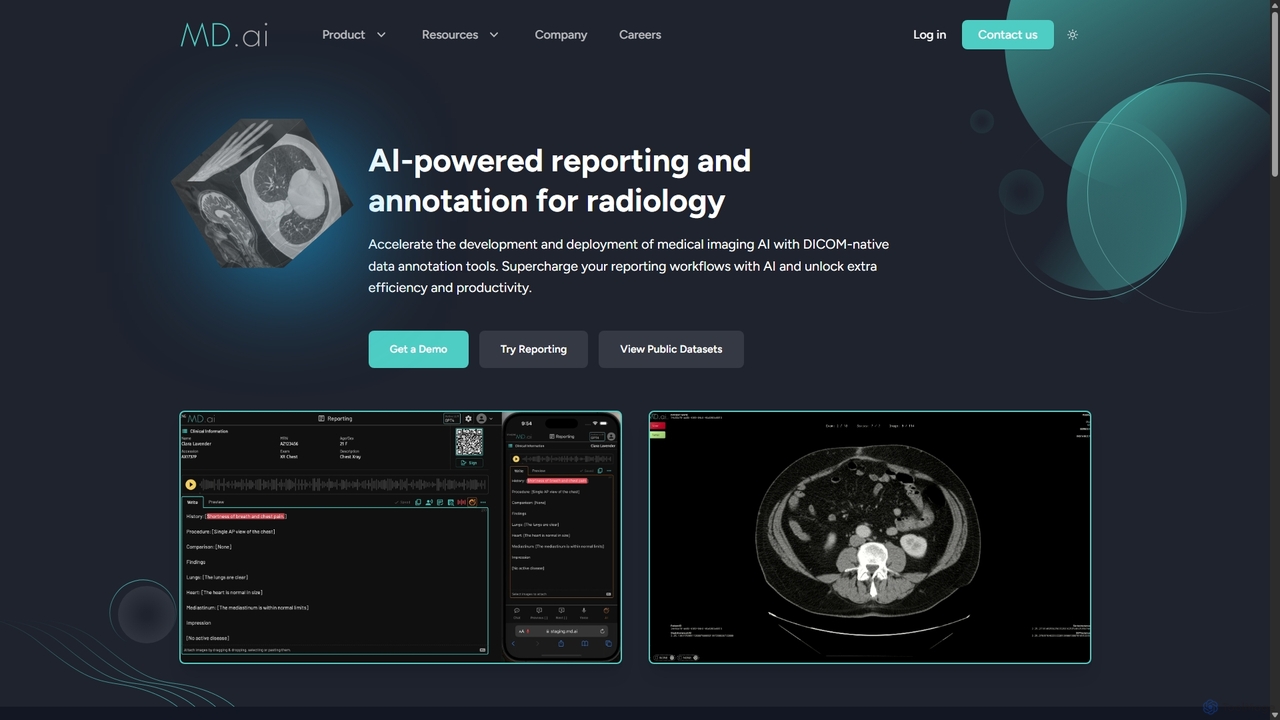
MD.ai is a comprehensive AI platform for radiology, offering DICOM-native data annotation tools to build and validate medical imaging AI models, and an LLM-powered reporting system to supercharge clinical workflows for radiologists, ensuring efficiency, accuracy, and compliance.

Data Annotation
Visits 10.3KFavorites 139Likes 128

1910genetics

1910genetics

1910genetics is a biotechnology company revolutionizing drug discovery with its multimodal AI platform, ITO™. Powered by lab automation, it accelerates the design of both small and large molecule therapeutics, aiming to make previously undruggable targets treatable for diseases like cancer, and neurological or autoimmune disorders.

Predictive Modeling
Visits 4.6KFavorites 111Likes 110
PostgresML
Freemium

PostgresML

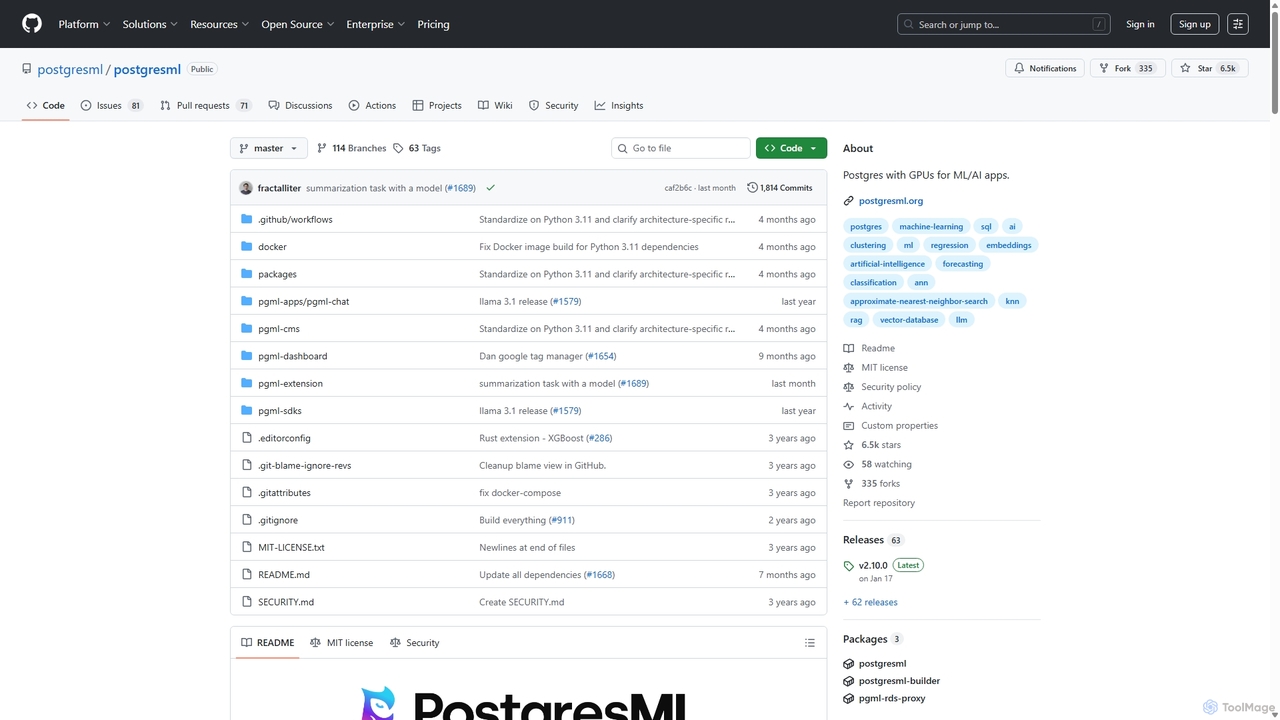
PostgresML is a powerful open-source extension that integrates machine learning and AI directly into your PostgreSQL database. It enables GPU-accelerated inference, vector search, and complete RAG pipelines using simple SQL commands, eliminating data movement and simplifying the MLOps stack for high-performance, scalable AI applications.

Mlops
Visits 4.7KFavorites 121Likes 121
PyTorch
Free

PyTorch

PyTorch is an open-source machine learning framework based on the Torch library, used for applications such as computer vision and natural language processing. It offers a flexible, Python-first environment that accelerates the path from research prototyping to production deployment.

Deep Learning
Visits 1.5MFavorites 163Likes 178
Dagster
Freemium

Dagster

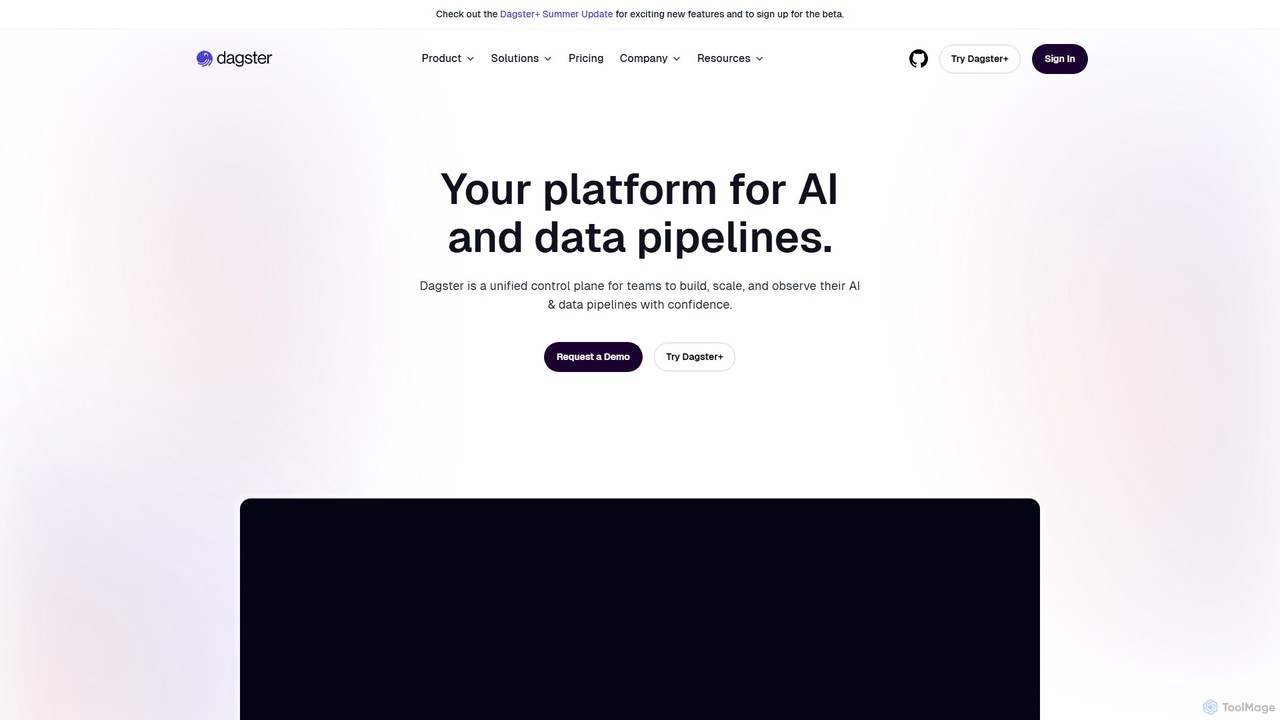
Dagster is a modern, open-source data orchestrator designed for building, scaling, and observing AI and data pipelines. It acts as a unified control plane, allowing teams to model data assets, track lineage, and ensure data quality with confidence. By integrating software engineering best practices like local testing and reusable components, Dagster helps data engineers and ML teams ship products faster and more reliably.

Machine Learning Operations
Visits 157KFavorites 121Likes 145
Streamlit
Freemium

Streamlit

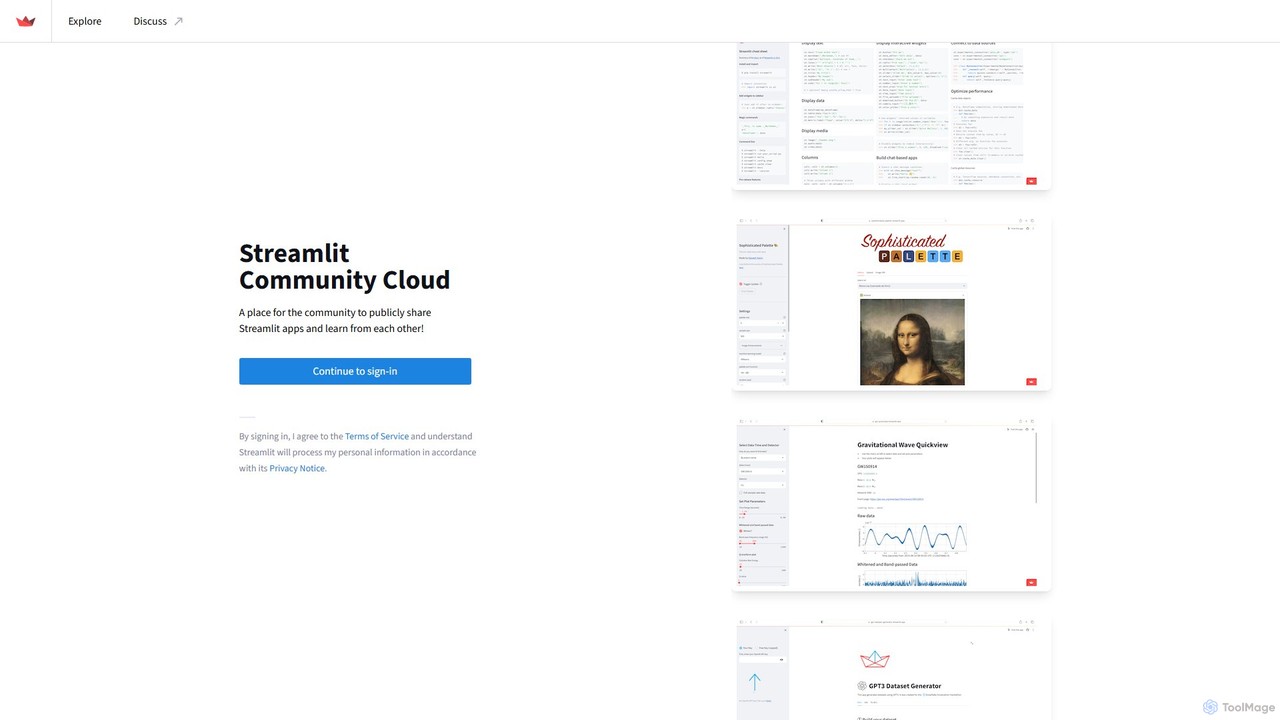
Streamlit is an open-source Python framework that enables developers and data scientists to build and share beautiful, custom web apps for machine learning and data science in minutes. The Streamlit Community Cloud provides a free platform to deploy, manage, and share these public applications with the world, fostering a collaborative environment for innovation.

Data Visualization
Visits 923.3KFavorites 136Likes 133
Open Interpreter
Free

Open Interpreter

An open-source tool that lets Large Language Models (LLMs) run code (Python, Shell, etc.) locally on your computer. It provides a natural language interface to your machine, enabling complex tasks like data analysis, file management, and automation with full access to your system's capabilities.

Data Analysis
Visits 63.2KFavorites 140Likes 133
The Foundry AI
Paid

The Foundry AI

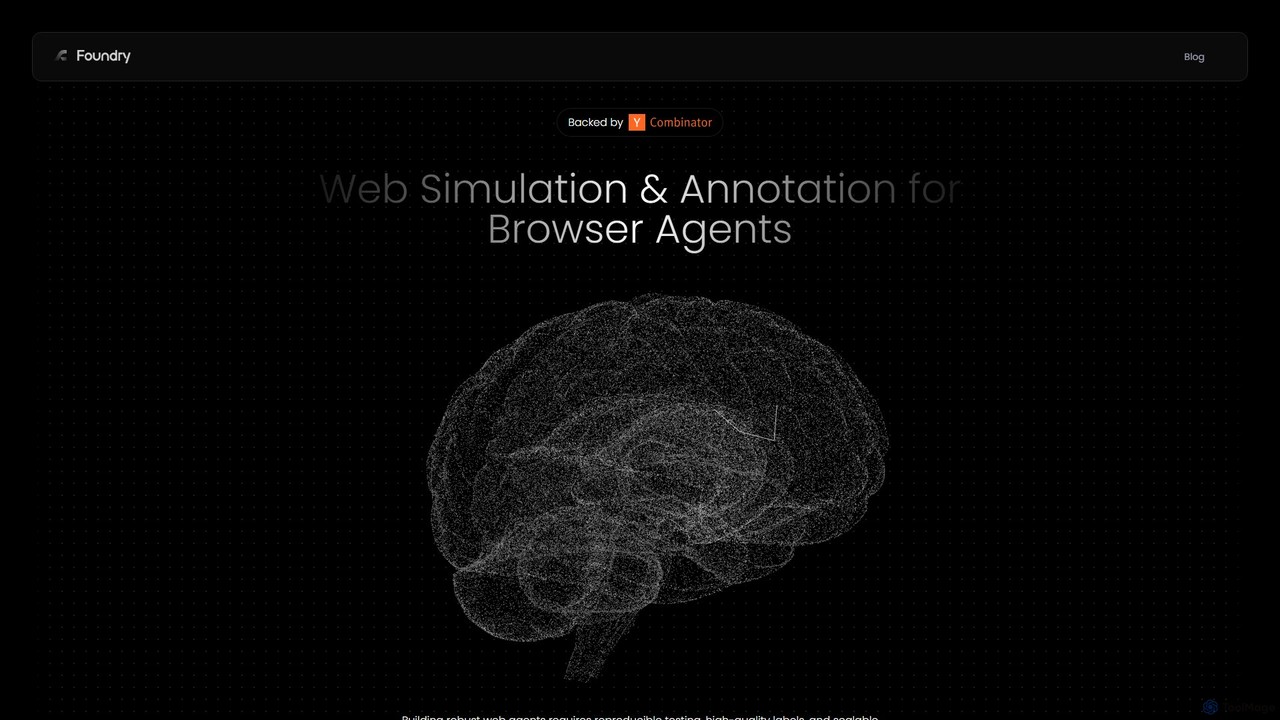
The Foundry AI is a specialized platform for developers building AI web agents. It offers a deterministic web simulator and an advanced annotation framework to test, benchmark, and debug agents in a reproducible environment, free from the unpredictability of the live web.

Model Evaluation
Visits 6.4KFavorites 124Likes 115
SelfMachines
Paid

SelfMachines

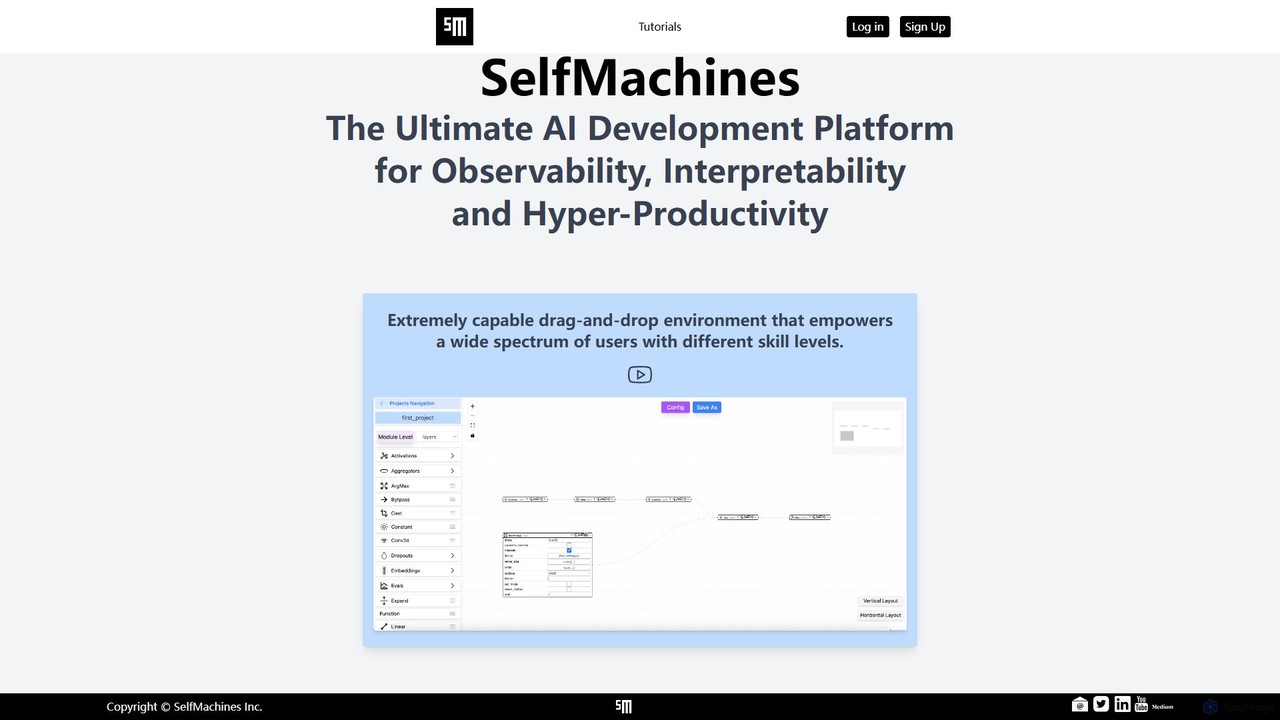
SelfMachines is a no-code AI development platform for building, training, and deploying complex, custom AI systems. It features a unique hierarchical graph-based architecture, a drag-and-drop interface, and modular extensibility, empowering users of all skill levels to create highly tailored solutions with enhanced observability and interpretability.

Machine Learning
Visits 4.8KFavorites 134Likes 129
Jiva.ai
Paid

Jiva.ai

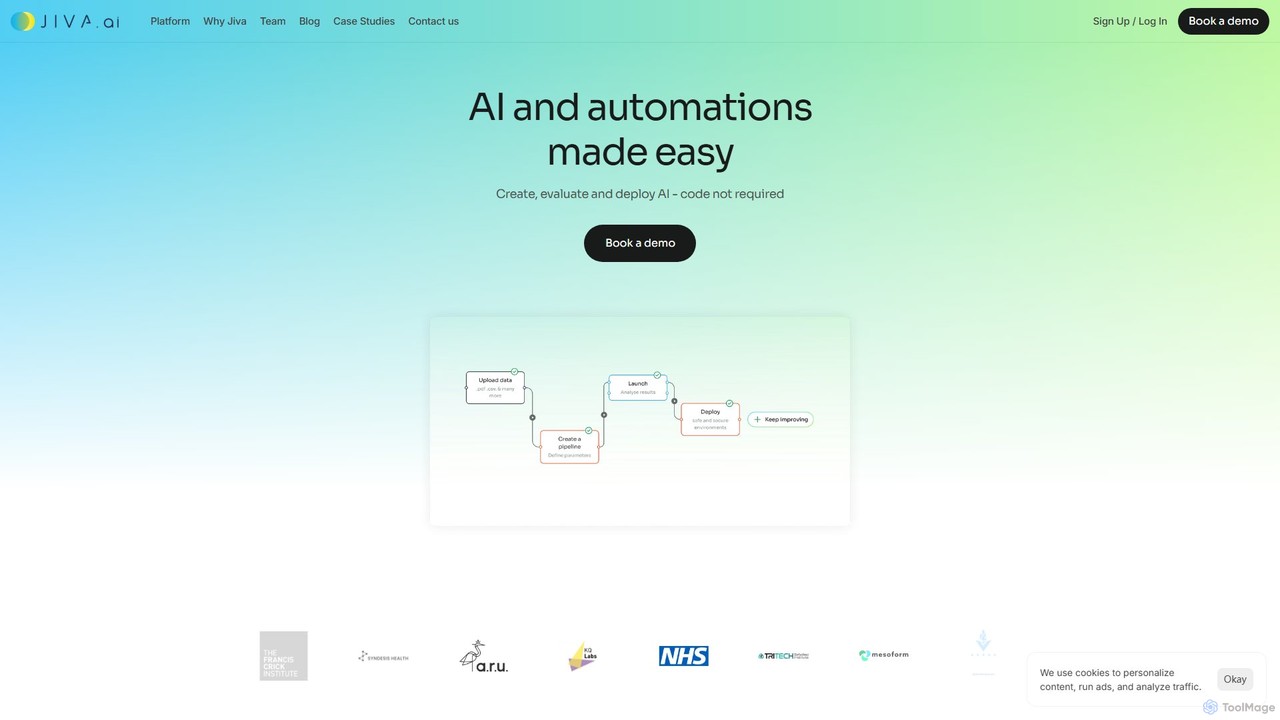
Jiva.ai is a zero-code, end-to-end platform for rapid multimodal AI development. It empowers organizations to build, train, and deploy complex AI models using imaging, video, text, audio, and structured data, without needing extensive data science expertise.

Machine Learning
Visits 11.3KFavorites 145Likes 137
Plat.AI
Paid

Plat.AI

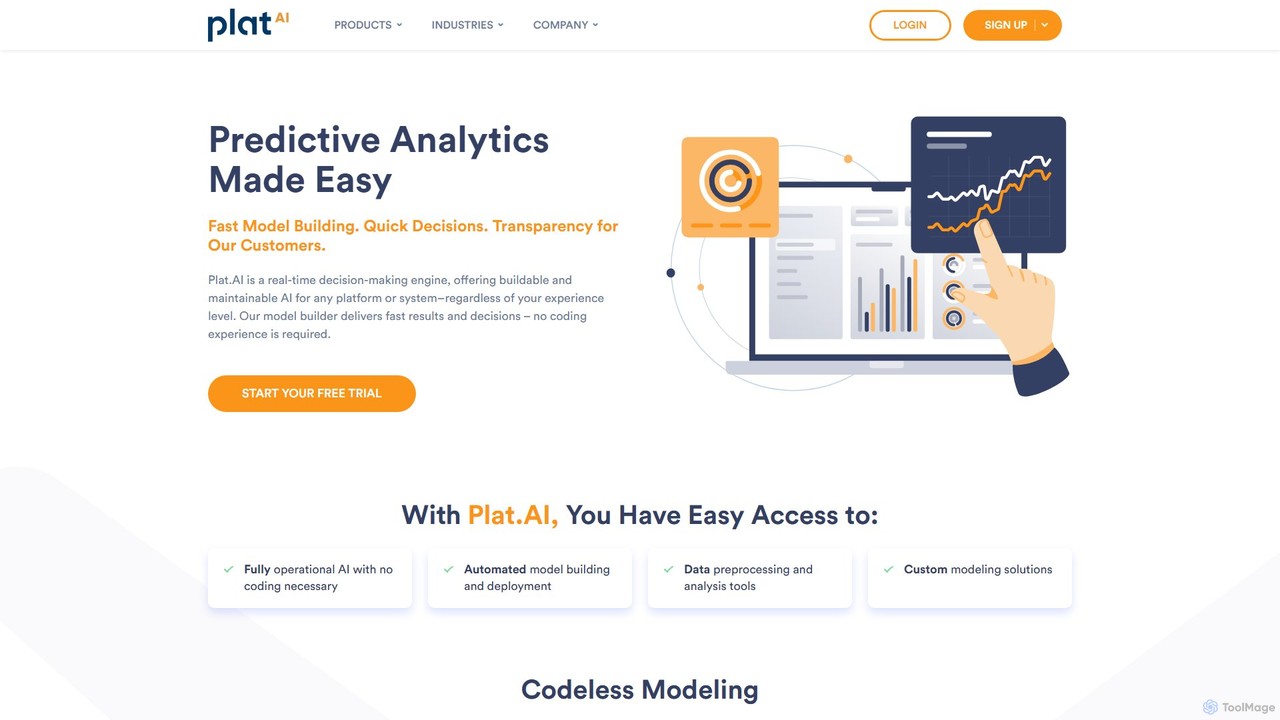
Plat.AI is an automated predictive analytics platform for businesses. It transforms existing company data into real-time, actionable insights using machine learning and deep learning models. The platform offers a self-service or server-based solution, focusing on speed, transparency, and security. It helps companies in sectors like finance and marketing to reduce risk, detect fraud, and make smarter, data-driven decisions through custom-built, maintained, and compliant predictive models.

Predictive Analytics
Visits 9.6KFavorites 153Likes 148
Ocular AI
Paid

Ocular AI

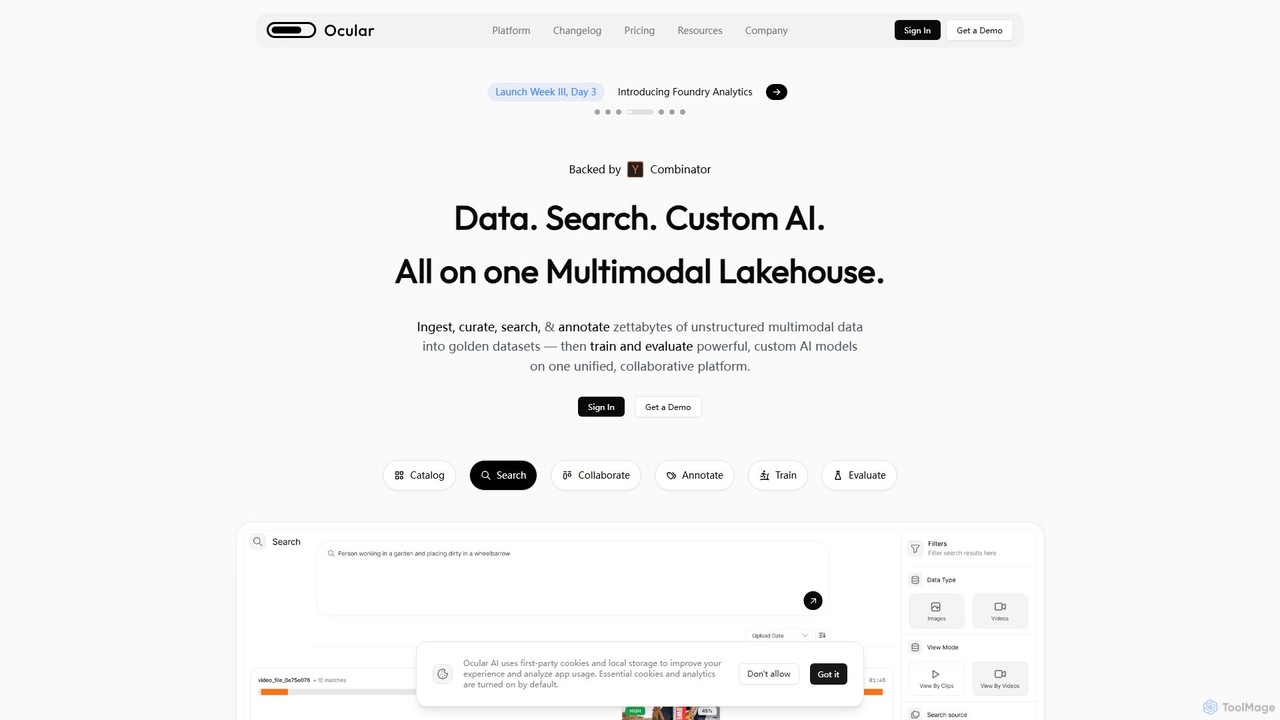
Ocular AI is an end-to-end platform for the multimodal AI era, enabling teams to ingest, curate, search, and annotate zettabytes of unstructured data. It provides a unified multimodal lakehouse, advanced search, and tools for training and evaluating custom AI models, accelerating the entire AI development lifecycle.

Image Recognition
Visits 7.7KFavorites 106Likes 104
PlexeAI
Paid

PlexeAI

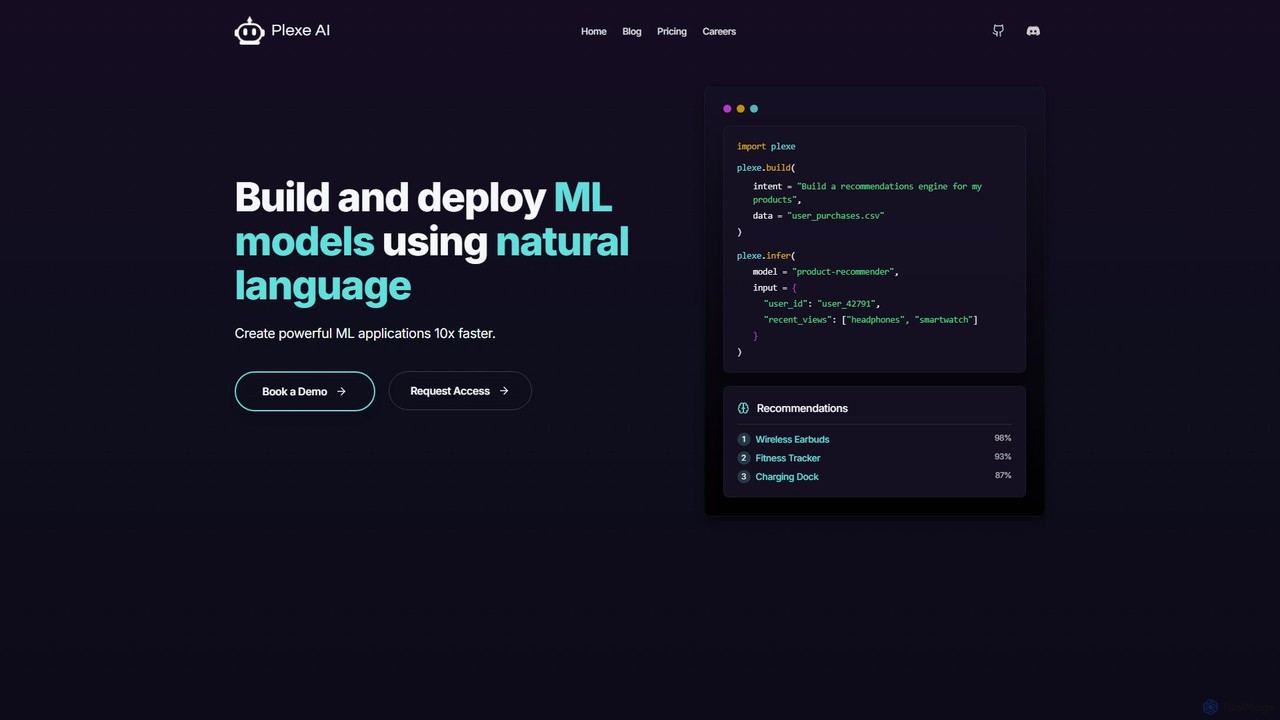
PlexeAI is a no-code/low-code platform that empowers users to build, train, and deploy custom machine learning models using simple natural language commands. It automates data preprocessing and offers one-click API deployment, making it up to 10x faster to integrate powerful AI capabilities like recommendation engines or predictive analytics into applications without extensive coding knowledge.

Automl
Visits 6.4KFavorites 108Likes 109
Qdrant
Freemium

Qdrant

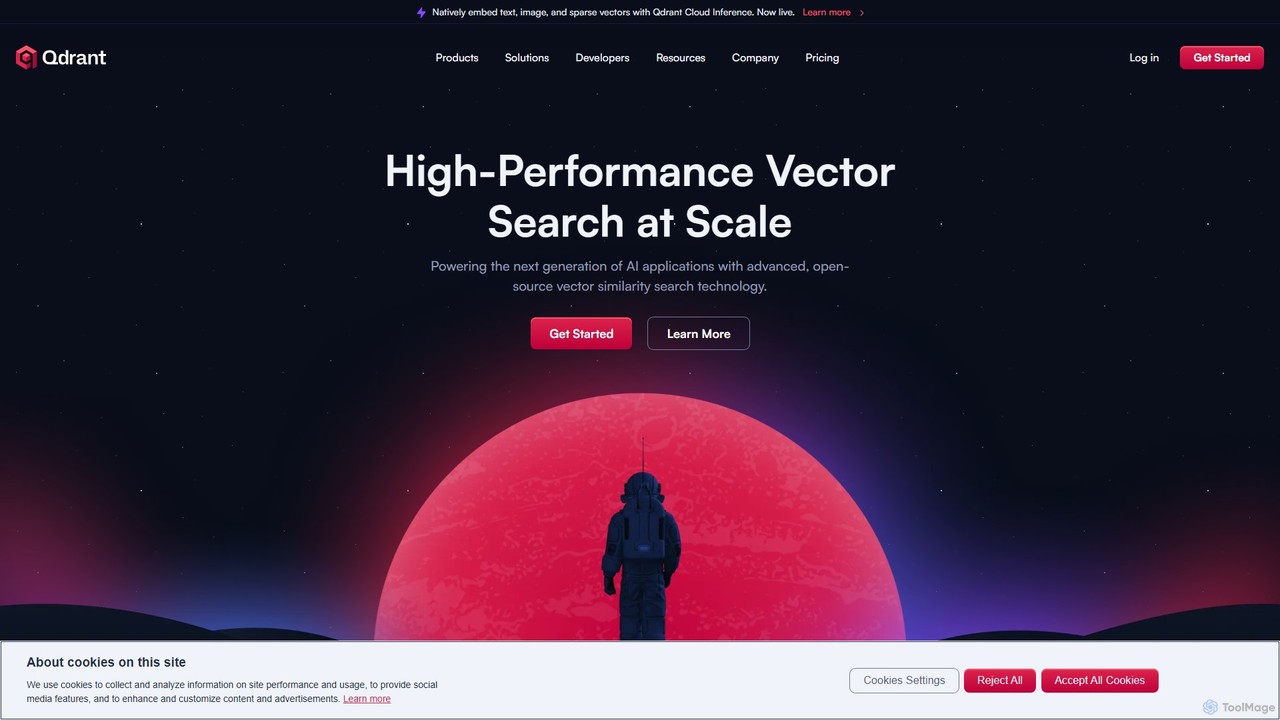
Qdrant is a high-performance, open-source vector database and similarity search engine built in Rust. It's designed to power next-generation AI applications by efficiently managing and searching billions of high-dimensional vectors. With advanced features like rich filtering, payload storage, and various quantization methods, Qdrant enables developers to build scalable and cost-effective solutions for semantic search, recommendation systems, and Retrieval Augmented Generation (RAG).

Vector Search
Visits 304.9KFavorites 146Likes 128
Daytona
Freemium

Daytona

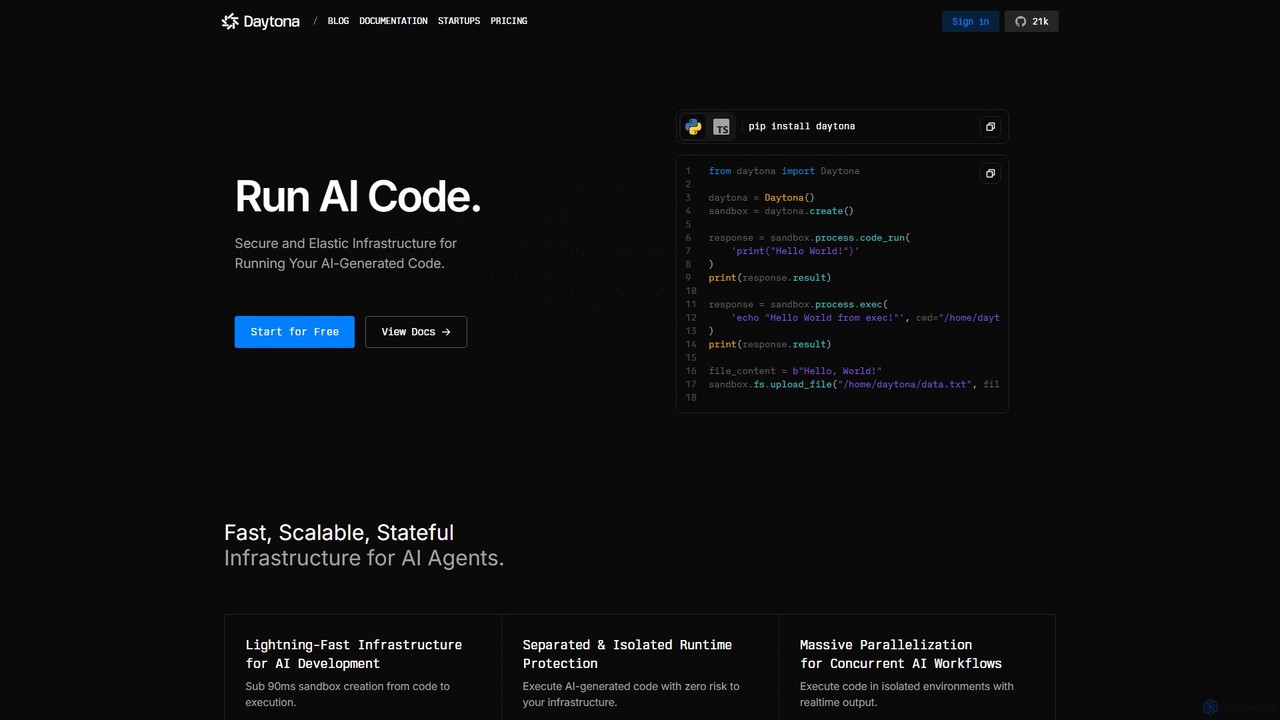
Daytona is a secure, elastic, and high-performance runtime environment designed for executing AI-generated code. It provides isolated sandboxes for AI agents, data analysis, and scalable evaluations, enabling developers to run untrusted code with zero risk to their infrastructure. It's built for speed, scalability, and stateful, long-running tasks.

Runtime Environment
Visits 259.4KFavorites 106Likes 104
Pipekit
Paid

Pipekit

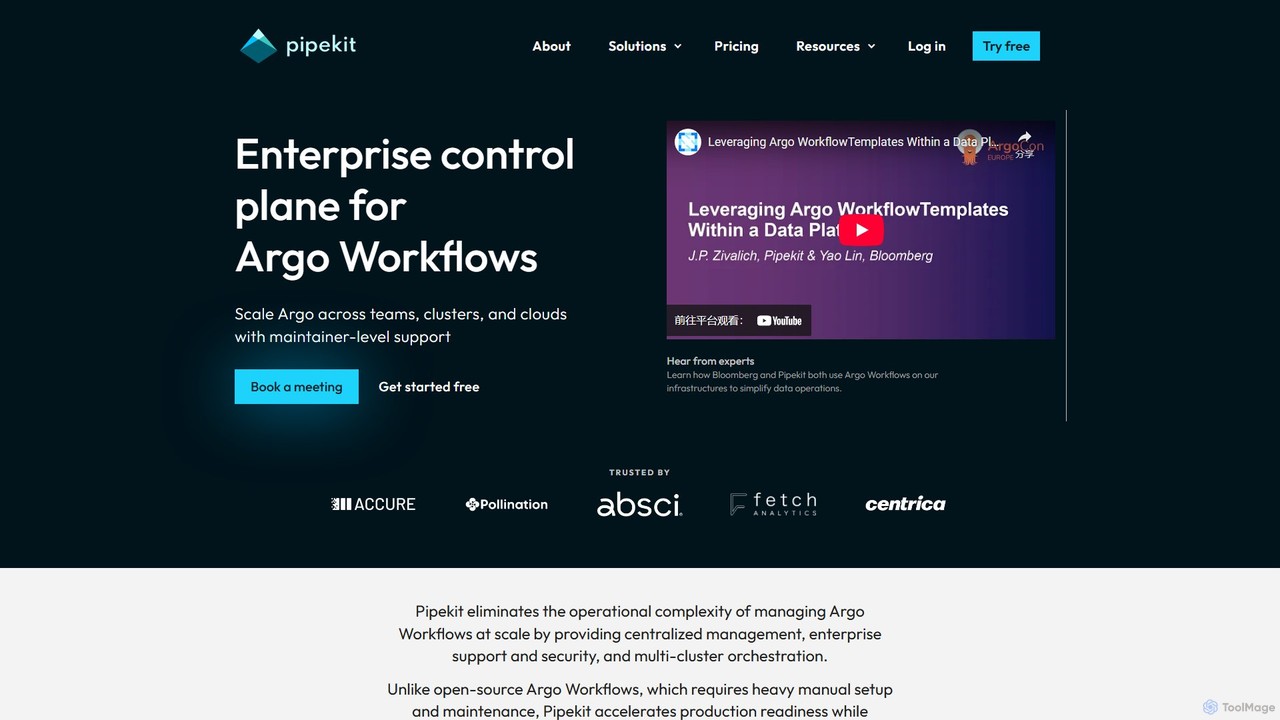
Pipekit is an enterprise-grade control plane and support service for Argo Workflows. It empowers platform and data teams to run, monitor, and govern large-scale data, MLOps, and CI/CD pipelines on Kubernetes across multiple clusters and clouds.

Orchestration
Visits 10.6KFavorites 164Likes 156
MOSTLY AI
Freemium

MOSTLY AI

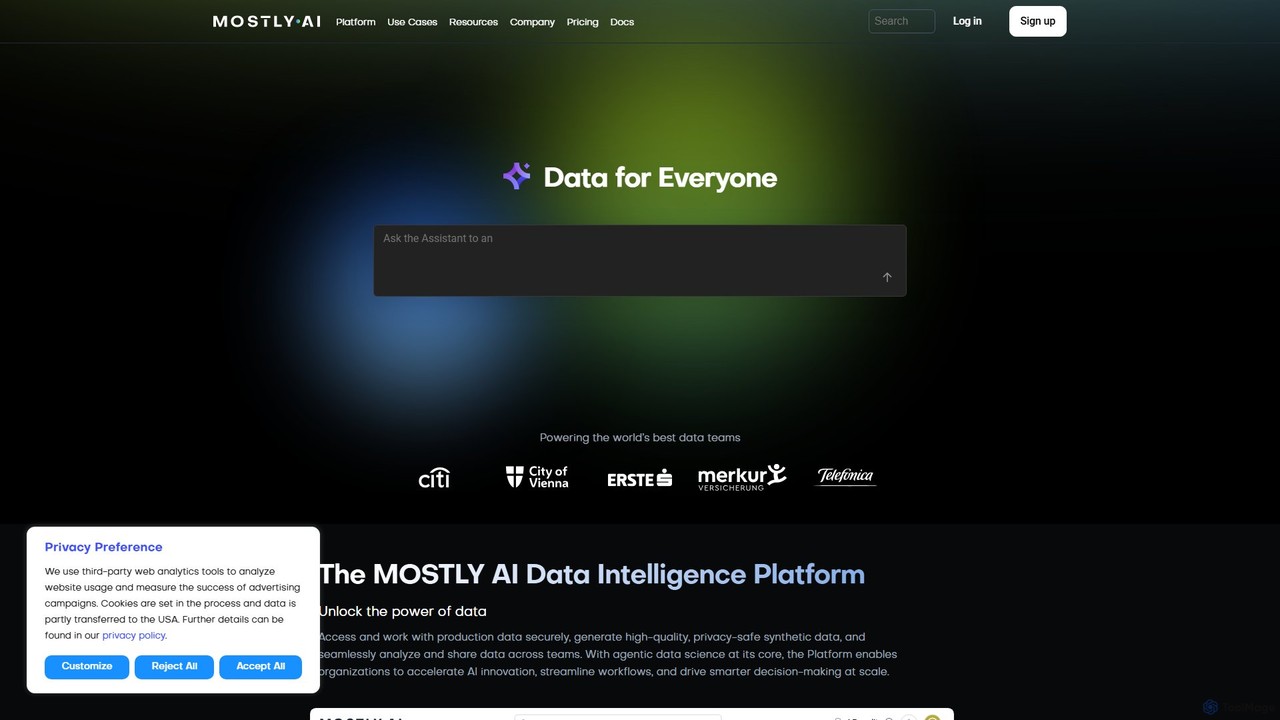
MOSTLY AI is a Data Intelligence Platform that specializes in generating high-quality, privacy-safe synthetic data. It enables organizations to securely access, analyze, and share data, accelerating AI innovation and streamlining workflows while ensuring full compliance with privacy regulations.

Machine Learning
Visits 72KFavorites 143Likes 142
perpetual_ml
Paid

perpetual_ml

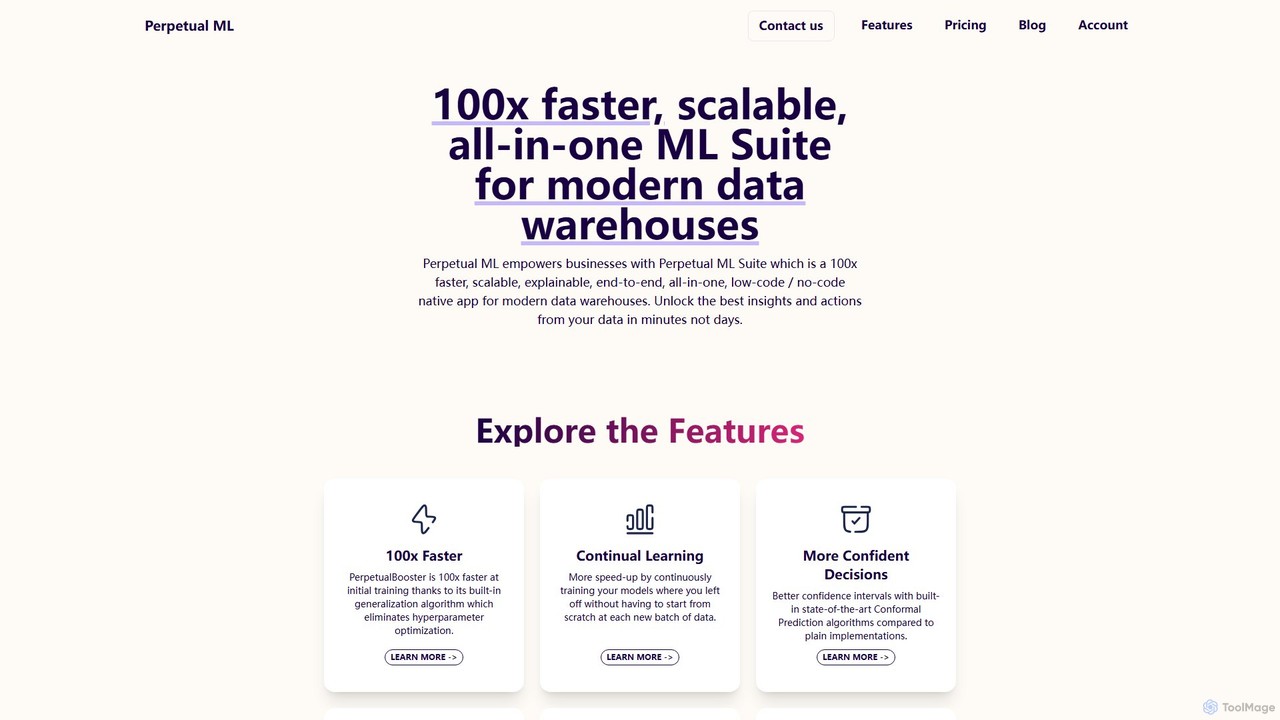
Perpetual ML is an all-in-one, low-code/no-code machine learning suite designed for modern data warehouses like Snowflake. It accelerates model training by up to 100x by eliminating hyperparameter optimization. The platform supports continual learning, integrated model monitoring, and provides state-of-the-art conformal prediction for more confident decision-making, all without requiring specialized hardware like GPUs.

Machine Learning
Visits 4.6KFavorites 106Likes 121
PyBrain
Free

PyBrain

PyBrain is a modular and flexible open-source Machine Learning Library for Python. It provides powerful, easy-to-use algorithms for machine learning tasks, with a particular focus on neural networks, reinforcement learning, and unsupervised learning. It is designed to be accessible for beginners while remaining powerful enough for research purposes.

Libraries & Frameworks
Visits 4.7KFavorites 121Likes 115
Rescale
Paid

Rescale

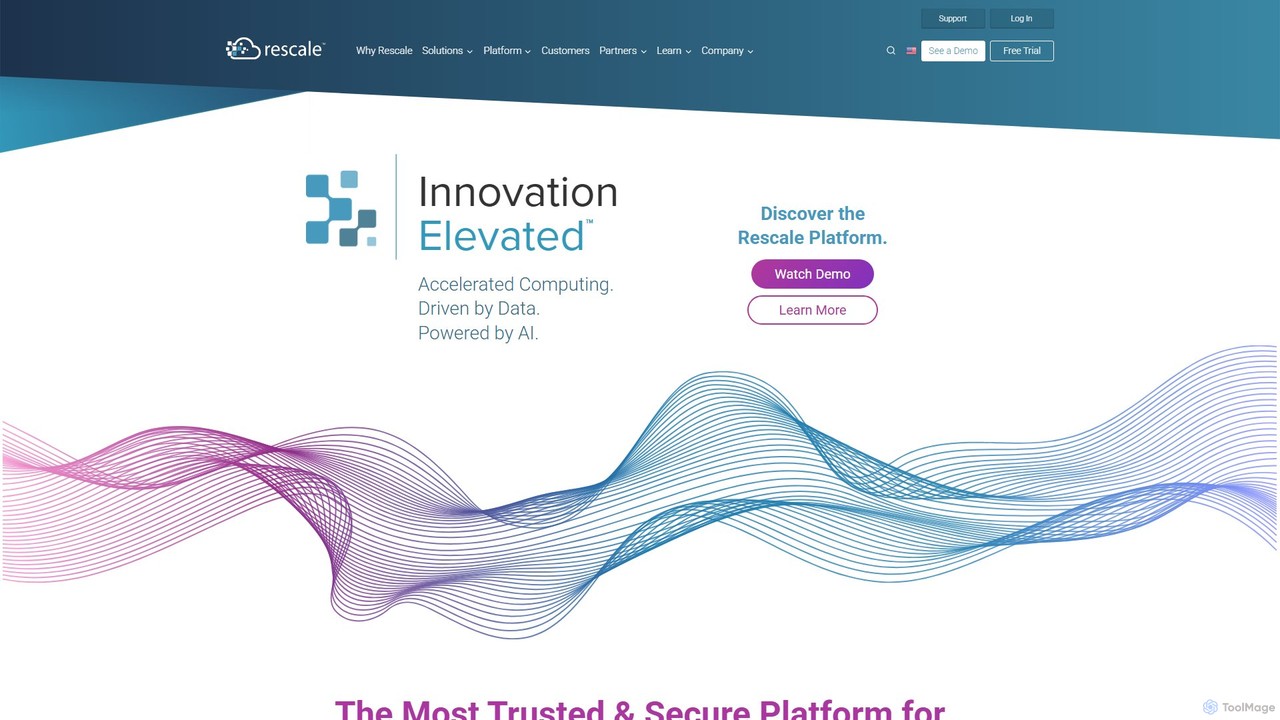
Rescale is a cloud-based High Performance Computing (HPC) platform designed to accelerate engineering and scientific R&D. It provides on-demand access to a multi-cloud infrastructure, a vast catalog of simulation and AI software, and a unified environment for managing complex workflows, data, and security. It empowers organizations in aerospace, automotive, life sciences, and more to innovate faster and more efficiently.

High Performance Computing (Hpc)
Visits 121.6KFavorites 133Likes 118
autogon
Freemium

autogon

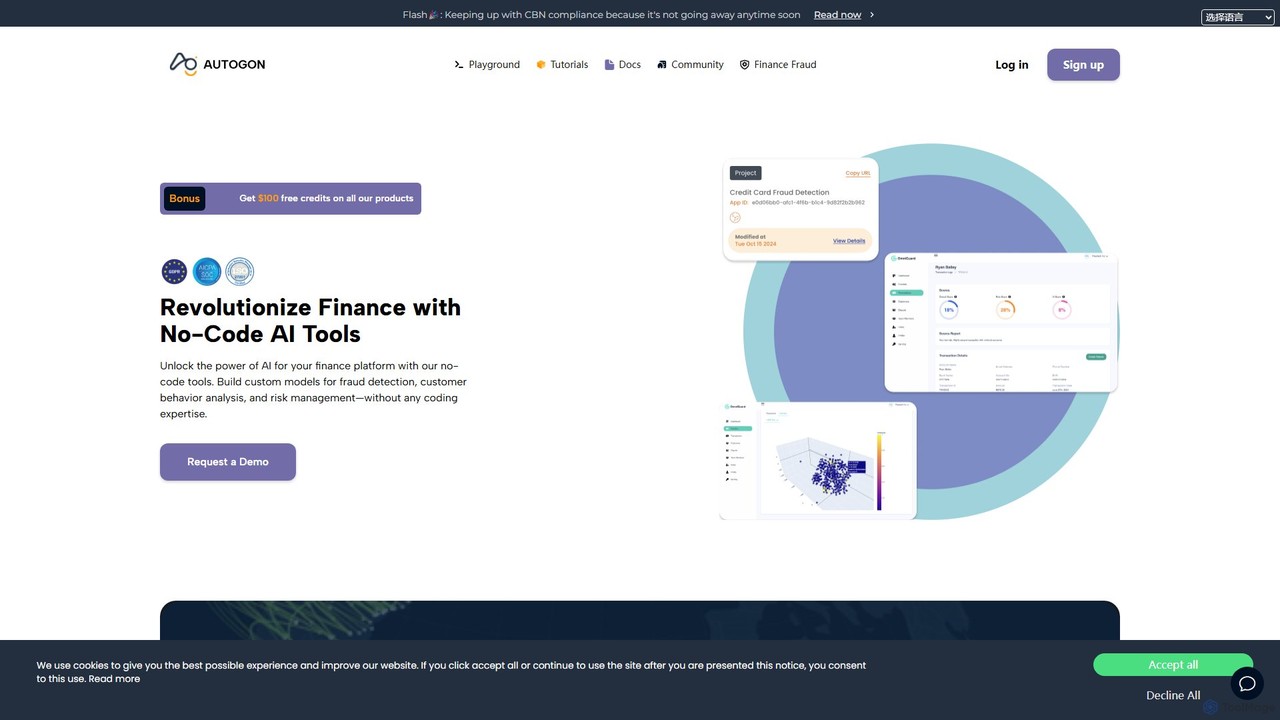
Autogon is a powerful no-code AI platform designed to democratize artificial intelligence, especially for the finance sector. It enables users to build, deploy, and manage custom AI models for fraud detection, risk management, customer analytics, and automated chatbots without writing a single line of code. It also offers a versatile AI playground for various other industries.

Machine Learning
Visits 9.2KFavorites 117Likes 113
infiniflow
Free

infiniflow

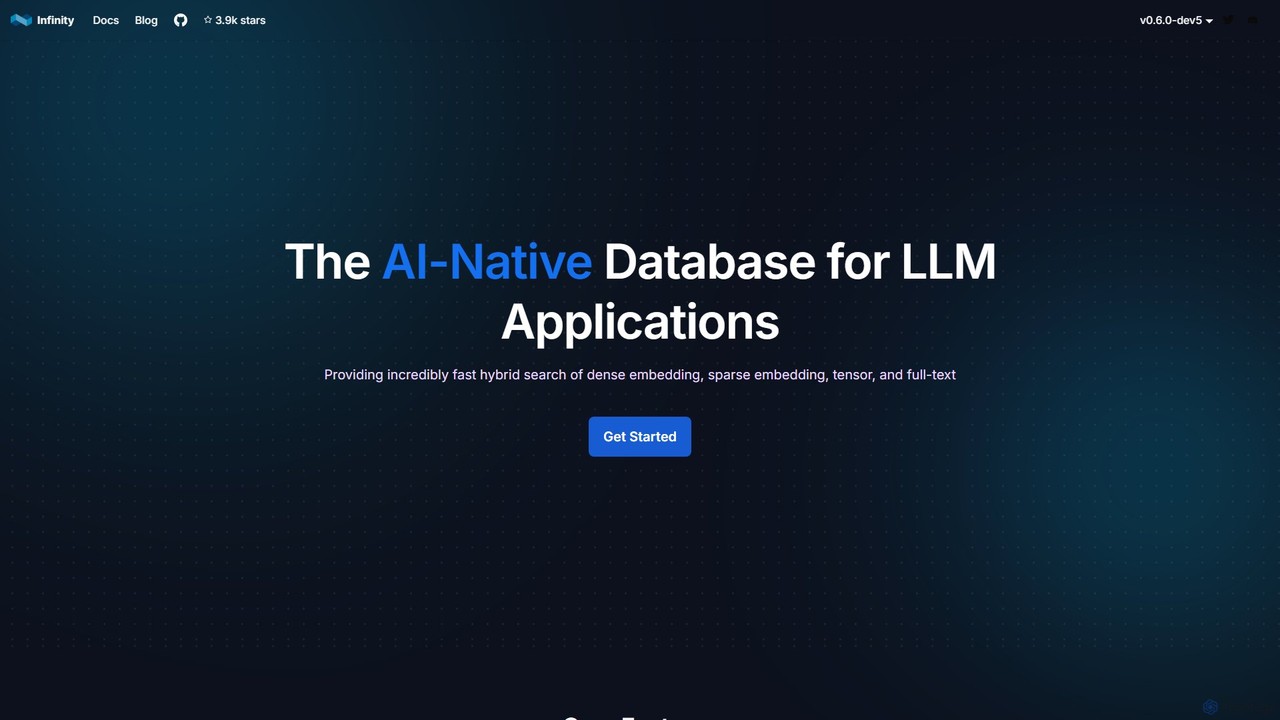
infiniflow is a high-performance, open-source, AI-native database specifically designed for LLM applications. It offers incredibly fast vector search, powerful hybrid search capabilities (vector, full-text, tensor), and simplified deployment. With an intuitive Python API, it's built to power demanding AI tasks like Retrieval-Augmented Generation (RAG) and semantic search with millisecond latency.

Vector Search
Visits 7.4KFavorites 144Likes 144
CodeSquire
Freemium

CodeSquire

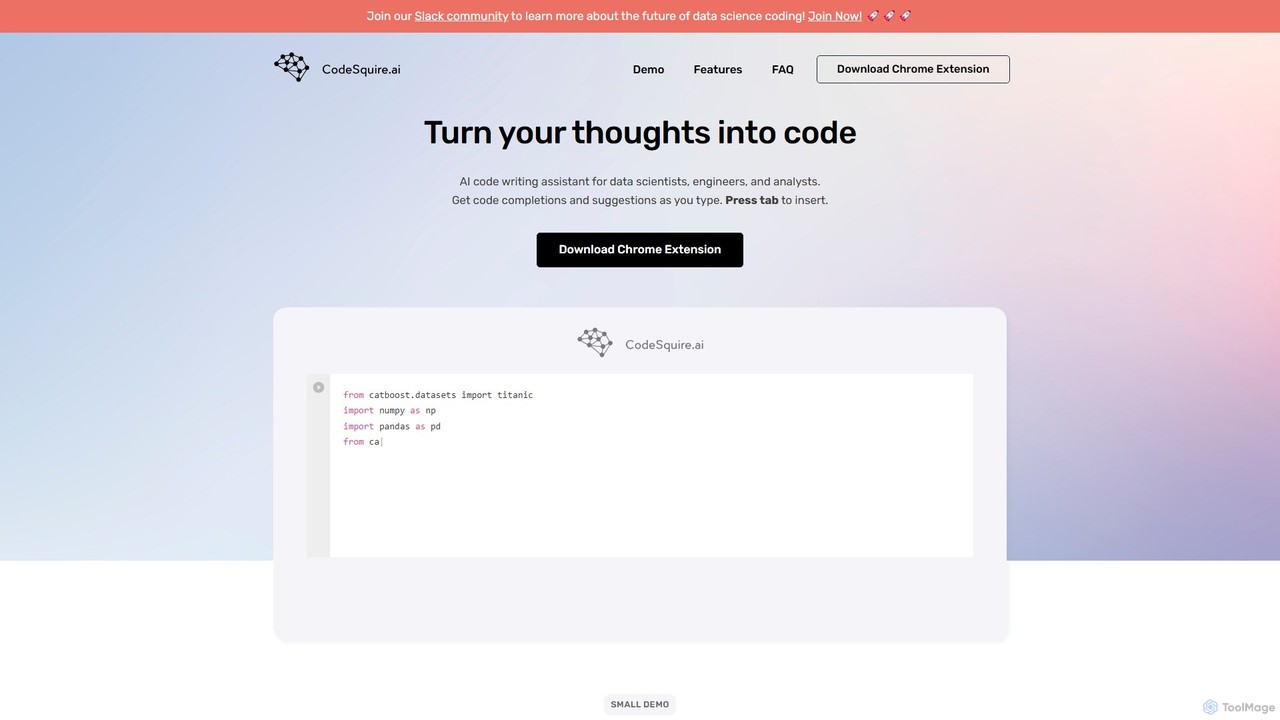
CodeSquire is an AI-powered code writing assistant designed for data scientists, engineers, and analysts. It accelerates development by turning natural language comments into code, generating complex functions, writing SQL queries, and providing intelligent code completions directly within your favorite web-based environments.

Machine Learning
Visits 6.3KFavorites 134Likes 139
Cleora
Free

Cleora

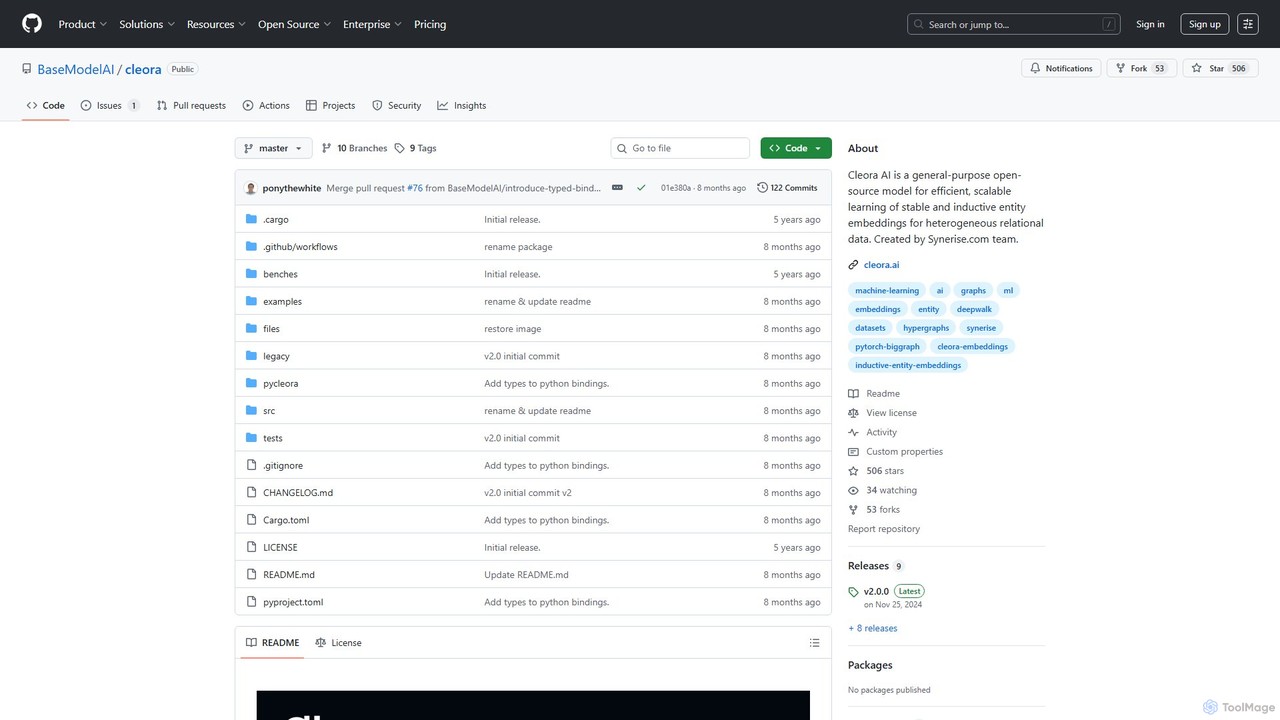
Cleora is an open-source, high-performance model for creating stable and inductive entity embeddings from large-scale, heterogeneous relational data and hypergraphs. Written in Rust with a Python API, it offers unparalleled speed and scalability for tasks like recommendation systems and graph analytics.

Embedding Models
Visits 56.9KFavorites 98Likes 103

About Data Science

Data Science AI tools are advanced platforms that leverage artificial intelligence, machine learning, and deep learning to automate and enhance the entire data science lifecycle. These tools streamline complex processes from data ingestion and preparation to model development, deployment, and monitoring, making data analysis more efficient and accessible. They empower organizations to extract deeper insights, predict future trends, and make data-driven decisions with greater speed and accuracy.

Core Features

  • Automated Data Preprocessing: Cleans, transforms, and prepares raw data for analysis, handling missing values and inconsistencies.
  • Feature Engineering: Automatically creates new, relevant features from existing data to improve model performance.
  • Automated Machine Learning (AutoML): Selects optimal algorithms, tunes hyperparameters, and builds predictive models with minimal human intervention.
  • Model Deployment & Monitoring: Facilitates the seamless deployment of models into production environments and tracks their performance over time.
  • Insight Generation: Identifies patterns, anomalies, and correlations within large datasets, presenting actionable insights.

Use Cases

Data Science AI tools are crucial for businesses seeking to optimize operations, personalize customer experiences, and mitigate risks. They are used by data scientists to accelerate model development, by business analysts to uncover hidden trends, and by executives to inform strategic planning across various industries like finance, healthcare, and retail.

How to Choose

When selecting Data Science AI tools, consider the breadth of their capabilities, including data preparation, AutoML, and MLOps features. Evaluate their integration with existing data infrastructure, scalability for growing data volumes, and the level of technical expertise required. Pricing models, community support, and compliance with industry regulations are also critical factors.

Featured tool rankings

Data Science use cases

1

Predictive Maintenance for Industrial Equipment

Manufacturing engineers use AI data science tools to analyze sensor data from machinery, predicting potential failures before they occur. This enables proactive maintenance scheduling, reducing downtime, optimizing spare parts inventory, and significantly cutting operational costs by preventing costly breakdowns.

2

Personalizing Customer Marketing Campaigns

Marketing teams leverage AI data science tools to segment customer bases based on purchasing history, browsing behavior, and demographic data. The tools then predict individual customer preferences, allowing for the creation and delivery of highly personalized marketing messages and product recommendations, increasing engagement and conversion rates.

3

Real-time Financial Fraud Detection

Financial institutions employ AI data science tools to monitor transaction data in real-time, identifying anomalous patterns indicative of fraudulent activity. Machine learning models learn from historical fraud cases to flag suspicious transactions instantly, minimizing financial losses and enhancing security for customers.

4

Accelerating Drug Discovery and Development

Pharmaceutical researchers utilize AI data science tools to analyze vast biological and chemical datasets, identifying potential drug candidates and predicting their efficacy and toxicity. This significantly speeds up the drug discovery process, reduces experimental costs, and brings life-saving medications to market faster.

5

Optimizing Global Supply Chain Logistics

Logistics managers use AI data science tools to forecast demand, optimize inventory levels, and plan efficient delivery routes. By analyzing historical sales data, weather patterns, and geopolitical events, these tools help minimize stockouts, reduce transportation costs, and improve overall supply chain resilience and responsiveness.

6

Predicting and Preventing Customer Churn

Customer success teams in subscription-based businesses deploy AI data science tools to identify customers at high risk of churning. By analyzing usage patterns, support interactions, and feedback, the tools provide early warnings, enabling targeted retention strategies like personalized offers or proactive support, thereby improving customer lifetime value.

Data Science FAQ

What are Data Science AI tools?

Data Science AI tools are software solutions that integrate artificial intelligence and machine learning to automate and enhance various stages of the data science workflow. They typically feature capabilities for data preparation, automated model building (AutoML), predictive analytics, and insight generation, making complex data analysis more efficient and accessible for users.

How do AI Data Science tools differ from traditional data analysis?

AI Data Science tools primarily differ from traditional data analysis by leveraging automation and advanced machine learning algorithms. Traditional methods often rely on manual statistical analysis and human-driven hypothesis testing, which can be time-consuming. AI tools automate tasks like feature engineering, model selection, and hyperparameter tuning, enabling faster insights, handling larger datasets, and uncovering more complex patterns that might be missed manually.

Who benefits most from using Data Science AI tools?

A wide range of professionals and organizations benefit from Data Science AI tools. Data scientists can accelerate their workflow, focusing on strategic problems rather than repetitive tasks. Business analysts gain the ability to perform advanced analytics without deep coding knowledge. Executives and decision-makers receive clearer, data-driven insights for strategic planning. Industries like finance, healthcare, retail, and manufacturing see significant advantages in efficiency and predictive power.

What are the key functions of Data Science AI tools?

Key functions of Data Science AI tools include automated data preprocessing, which cleans and transforms raw data; automated feature engineering, for creating optimal input variables; and Automated Machine Learning (AutoML), which streamlines model selection and tuning. They also provide capabilities for predictive modeling, prescriptive analytics, data visualization, and the deployment and monitoring of machine learning models in production environments.

How to choose the right Data Science AI tool for my business?

To choose the right Data Science AI tool, first assess your specific needs, such as the types of data you handle, the complexity of analyses required, and your team's technical expertise. Consider the tool's integration capabilities with your existing data infrastructure, its scalability, and the range of AI/ML algorithms it supports. Evaluate the user interface, pricing structure, and the availability of support and training resources to ensure it aligns with your budget and operational requirements.