ToolMage
Sign in

Best 158 Document Management AI tools for Productivity

Popular Document Management AI tools in Productivity include Adobe, Dropbox, Zoom, WPS Office, PDFflex, Wondershare, TeraBox, HelloSign, PDFgear, and Coda, helping you work more efficiently.

Wrapsody
Paid

Wrapsody

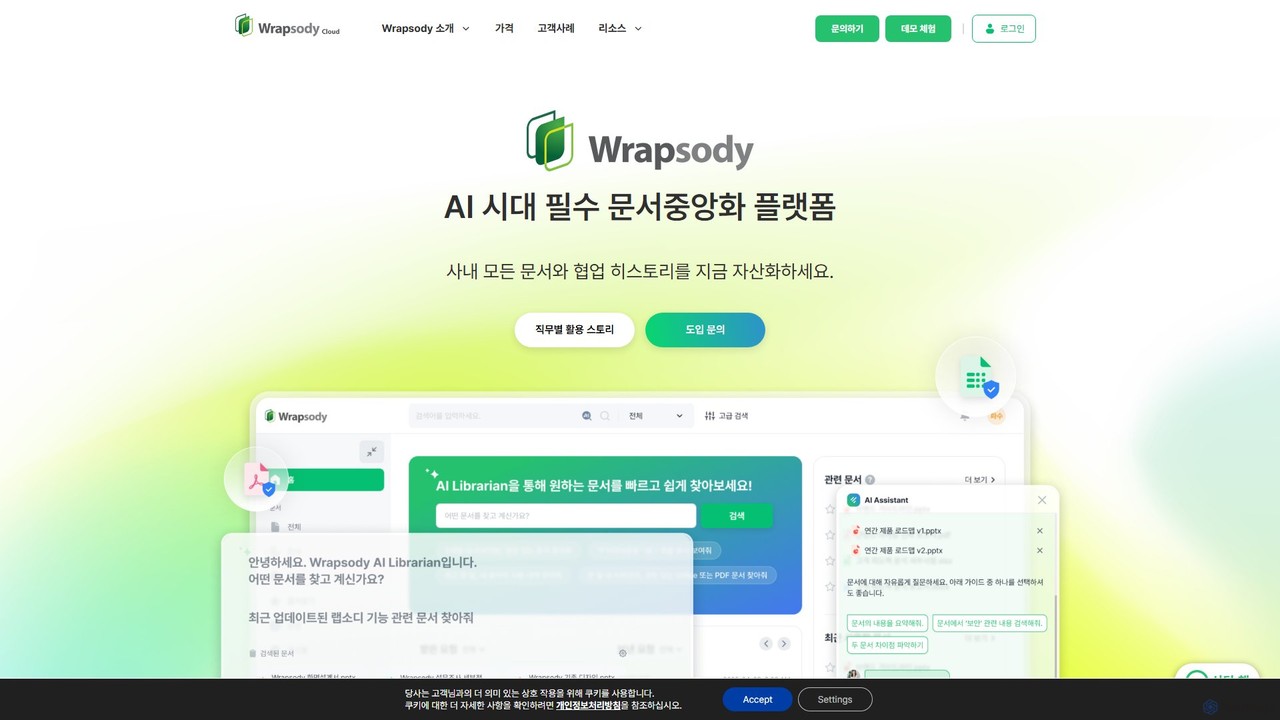
Wrapsody is an enterprise-grade document centralization platform designed for the AI era. It virtualizes and centralizes all company documents, regardless of their location, preventing data silos and ensuring everyone works with the latest version. With file-level security, comprehensive audit trails, and integrated collaboration tools, Wrapsody transforms scattered documents and communication history into valuable, secure corporate assets, essential for building reliable private AI models and boosting overall productivity.

Data Management
Visits 14.6KFavorites 122Likes 125
Handl
Paid

Handl

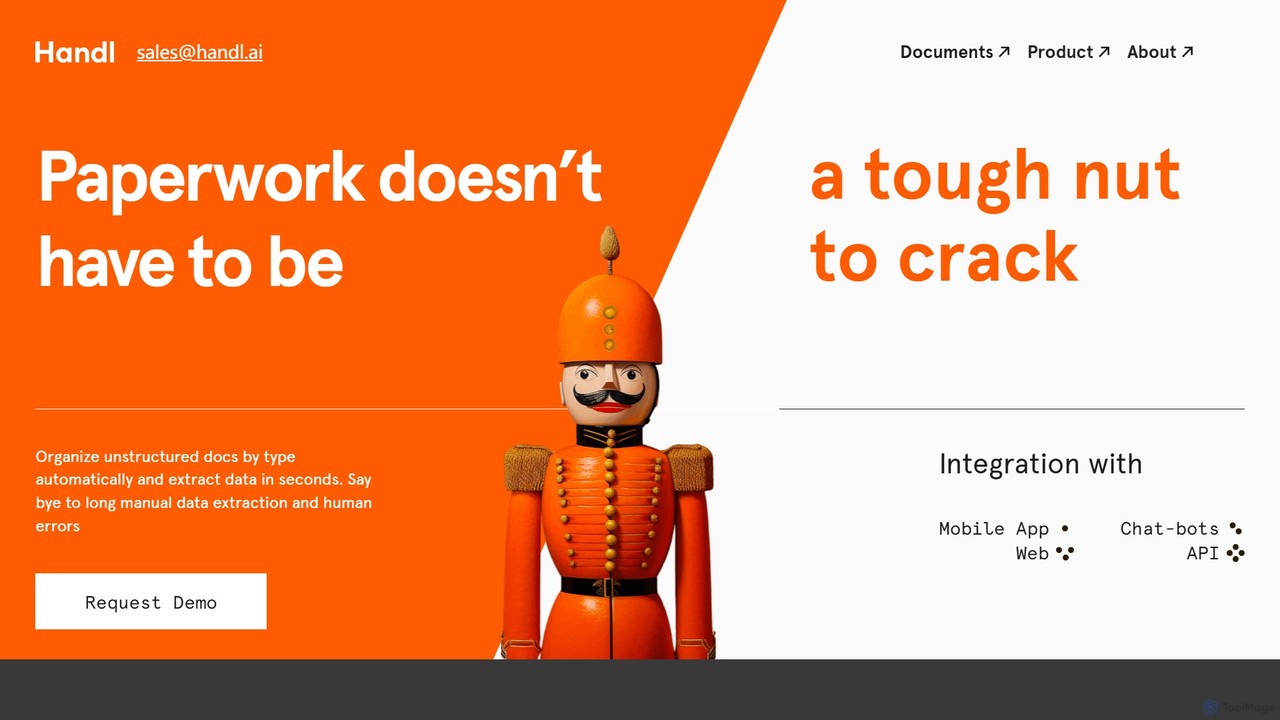
Handl is an intelligent AI document processing platform that automates data extraction from any document type. It combines advanced AI with human-in-the-loop validation to deliver up to 98% accuracy, reducing manual work, costs, and processing time while offering robust antifraud capabilities for businesses.

Data Extraction
Visits 6.8KFavorites 124Likes 149
Paxton
Paid

Paxton

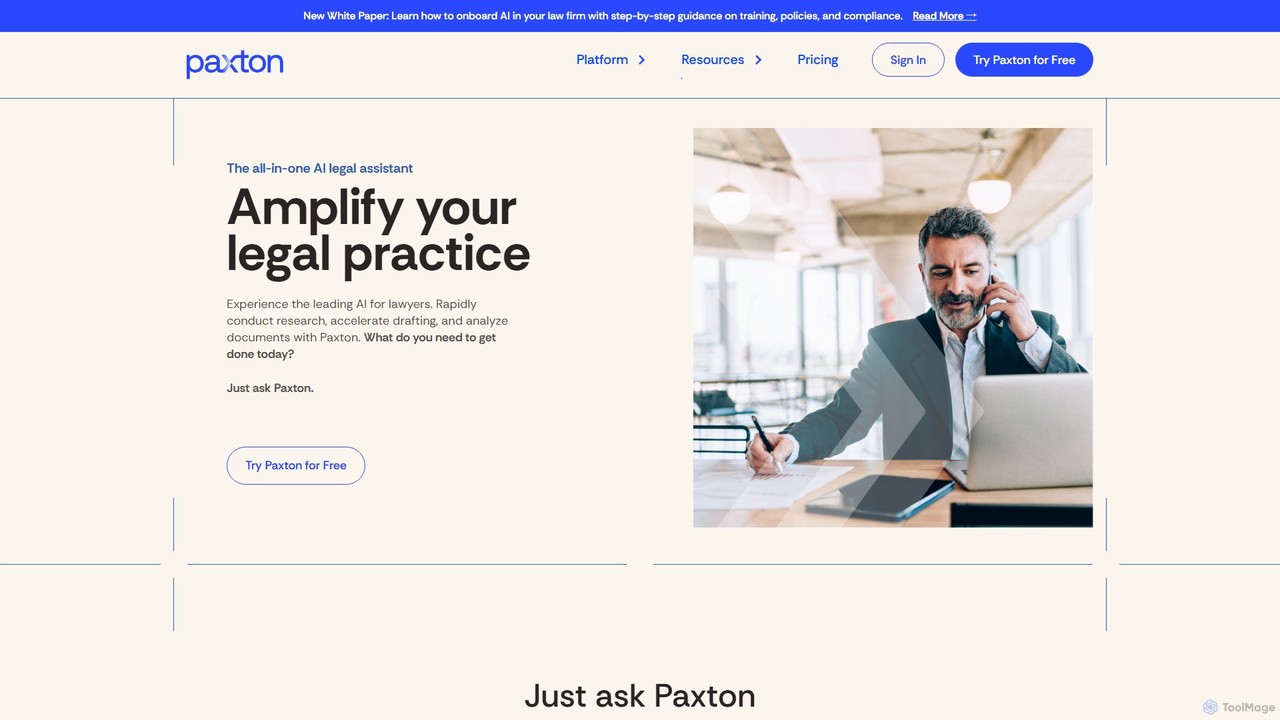
Paxton is an all-in-one AI legal assistant designed to streamline legal workflows. It automates document drafting, provides in-depth document analysis, and conducts contextual legal research, catering to various legal fields like personal injury, family, and corporate law. It serves as a powerful tool for legal professionals to enhance efficiency and accuracy.

Legal Tech
Visits 87.6KFavorites 152Likes 162
Kudra
Freemium

Kudra

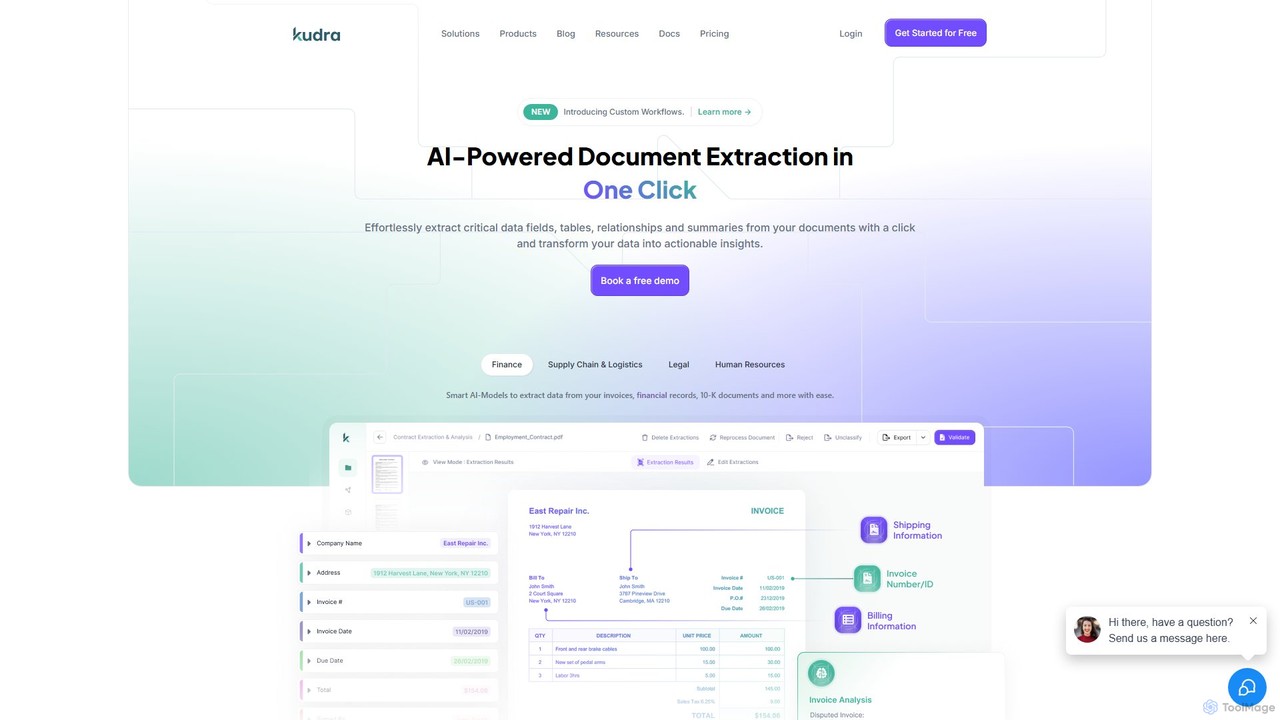
Kudra is an AI-powered platform that automates data extraction from any document in one click. It transforms unstructured data from PDFs, emails, and images into structured, actionable information. Ideal for finance, logistics, legal, and HR, Kudra offers customizable models, workflow automation, and seamless integrations to boost efficiency and reduce errors.

Data Analysis
Visits 12.3KFavorites 151Likes 143
Filevine
Paid

Filevine

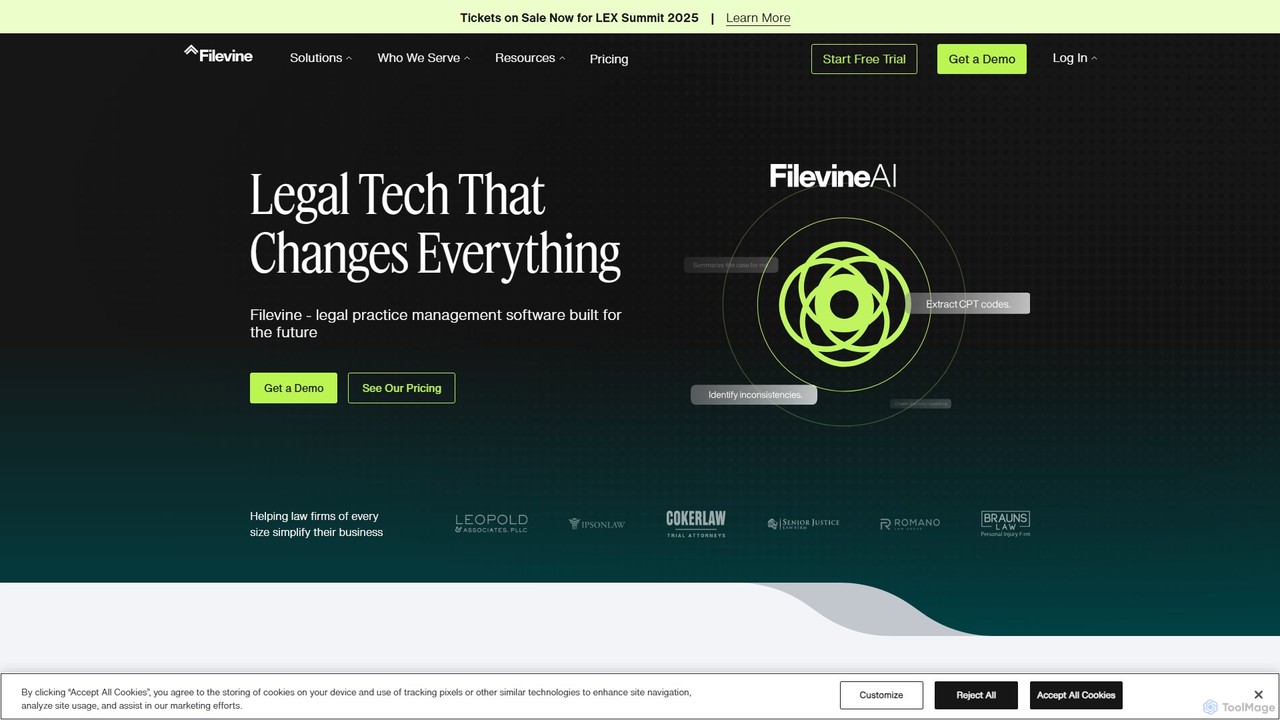
Filevine is an AI-powered legal practice management platform designed to streamline operations for law firms. It automates workflows, centralizes case management, and offers advanced AI tools for document review, data extraction, and case analysis. By handling mundane tasks, Filevine allows legal professionals to focus on strategic work, client service, and achieving better case outcomes with enhanced efficiency and accuracy.

Data Analysis
Visits 680.4KFavorites 130Likes 139
pdftranslator
Freemium

pdftranslator

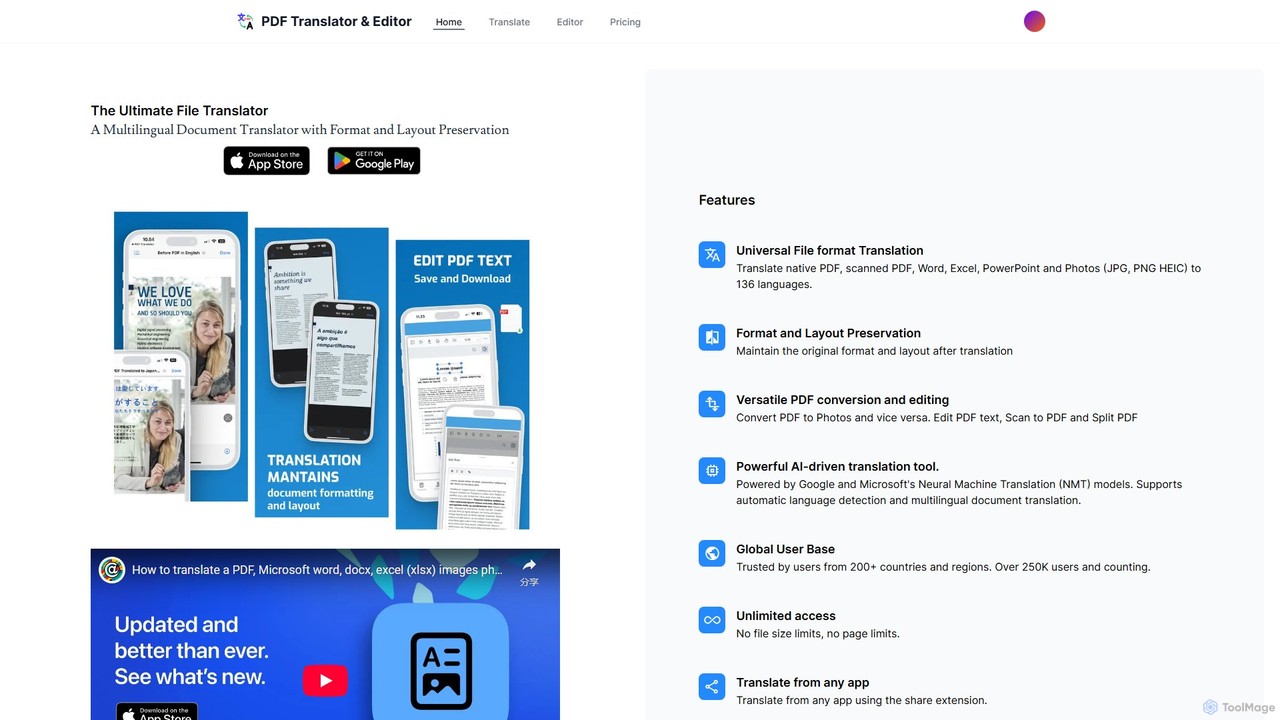
An AI-powered platform for translating and editing documents in over 136 languages. It supports various formats like PDF, Word, and images, while meticulously preserving the original layout. Features include OCR for scanned documents, PDF text editing, and cross-platform availability on web and mobile.

Translation
Visits 6.4KFavorites 175Likes 165
PDF Candy
Freemium

PDF Candy

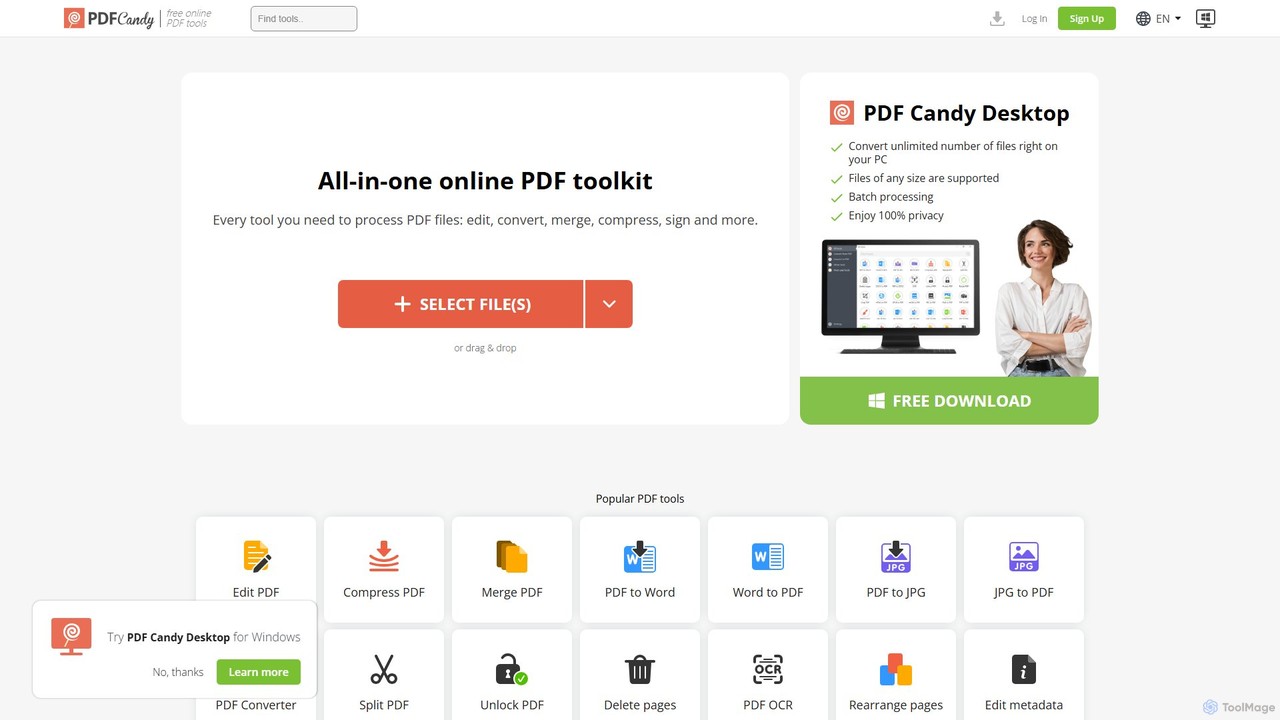
PDF Candy is a comprehensive all-in-one online and desktop toolkit offering over 90 free tools to manage PDF files. Users can easily edit, convert from and to various formats, merge, compress, sign, unlock, and perform OCR on documents. It provides a user-friendly interface for both casual and professional use, ensuring high-quality results for all your PDF needs.

File Conversion
Visits 2.5MFavorites 150Likes 128
360 Bangong
Freemium

360 Bangong

360 Bangong is an all-in-one AI-powered office and creative suite developed by 360. It integrates a vast array of tools for writing, image generation and editing, video creation, PDF conversion, and design, aiming to significantly boost productivity for professionals, students, and content creators.

Image Generator
Visits 75.3KFavorites 157Likes 159
ScantextAI
Free

ScantextAI

ScantextAI is a free, web-based OCR tool that instantly converts images into editable text. It supports over 50 languages and various image formats, allowing users to export text to PDF or Word (DOCX) files. With a strong focus on privacy, it processes files locally on your device, ensuring your data remains secure. No registration is required, making it a quick and efficient solution for students, professionals, and anyone needing to digitize documents.

Ocr
Visits 8.8KFavorites 128Likes 151
SearchMyDocs.ai
Paid

SearchMyDocs.ai

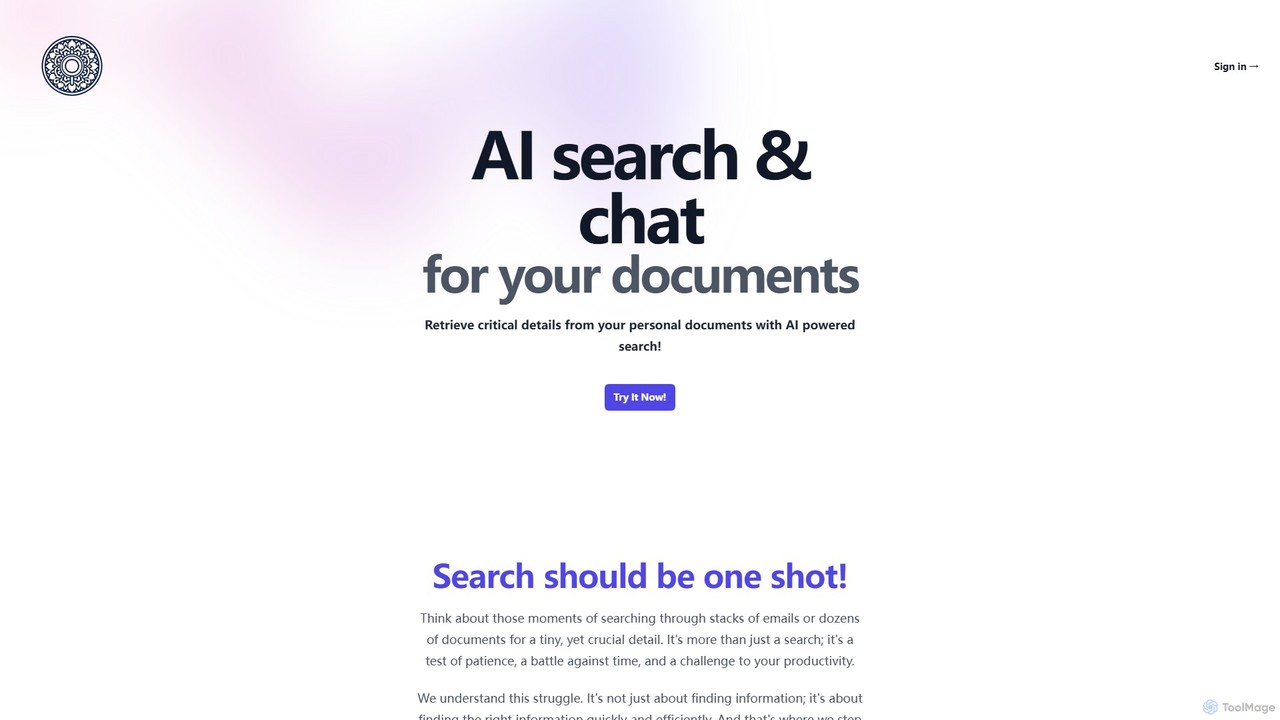
SearchMyDocs.ai is an AI-powered search engine that allows you to chat with your private documents. Upload files like PDFs, Word docs, and images, and ask questions to retrieve specific information instantly. It acts as a secure, private ChatGPT for your personal document library, ensuring quick and precise answers while prioritizing data privacy with robust encryption.

Chat With Pdf
Visits 6.3KFavorites 134Likes 162
hushhushai
Freemium

hushhushai

hushhushai is an AI-powered platform designed for automated data anonymization and PII (Personally Identifiable Information) redaction. It helps businesses and individuals protect sensitive data in documents and images, ensuring compliance with privacy regulations like GDPR, HIPAA, and CCPA. Secure your data effortlessly with advanced AI.

Legal
Visits 5.9KFavorites 132Likes 136
InvoiceOCR
Freemium

InvoiceOCR

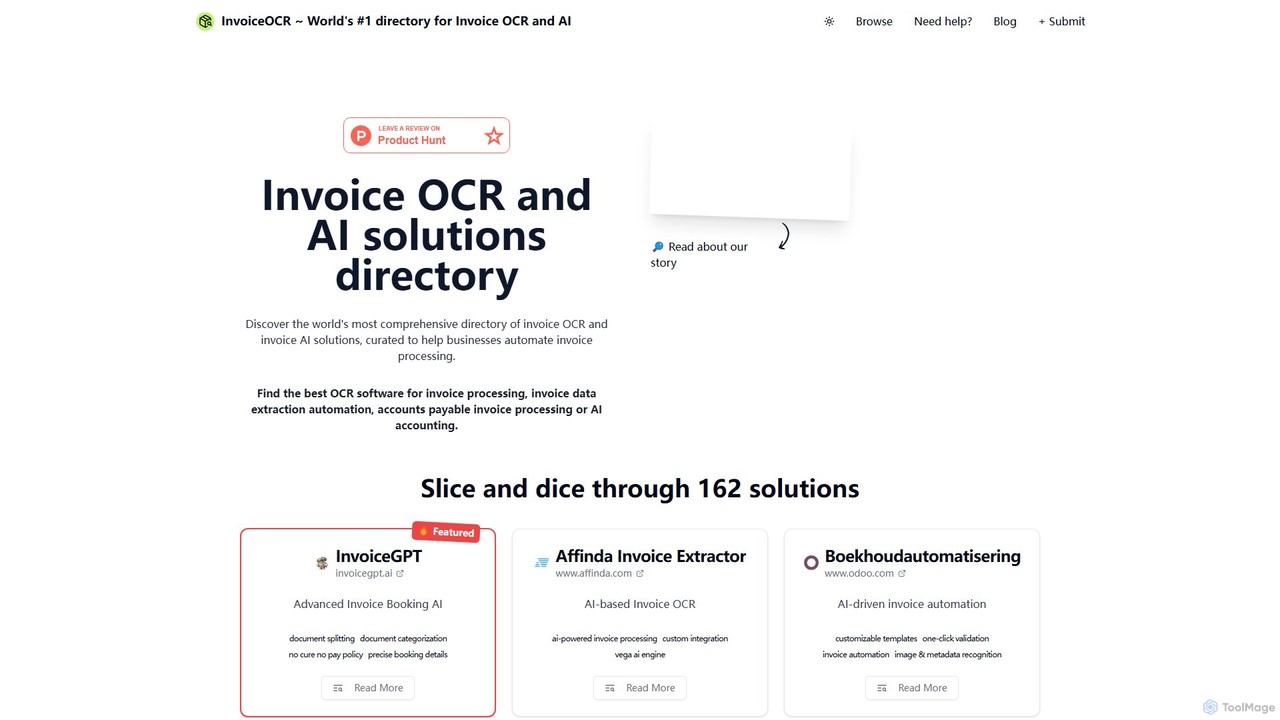
InvoiceOCR is the world's #1 directory for AI-powered invoice processing and accounts payable automation solutions. It's a comprehensive resource hub designed to help businesses discover, compare, and select the best OCR and AI accounting tools. The platform offers detailed reviews, curated lists, and a unique expert consultation service for personalized guidance in achieving end-to-end financial automation.

Automation
Visits 5.8KFavorites 165Likes 168
Context
Freemium

Context

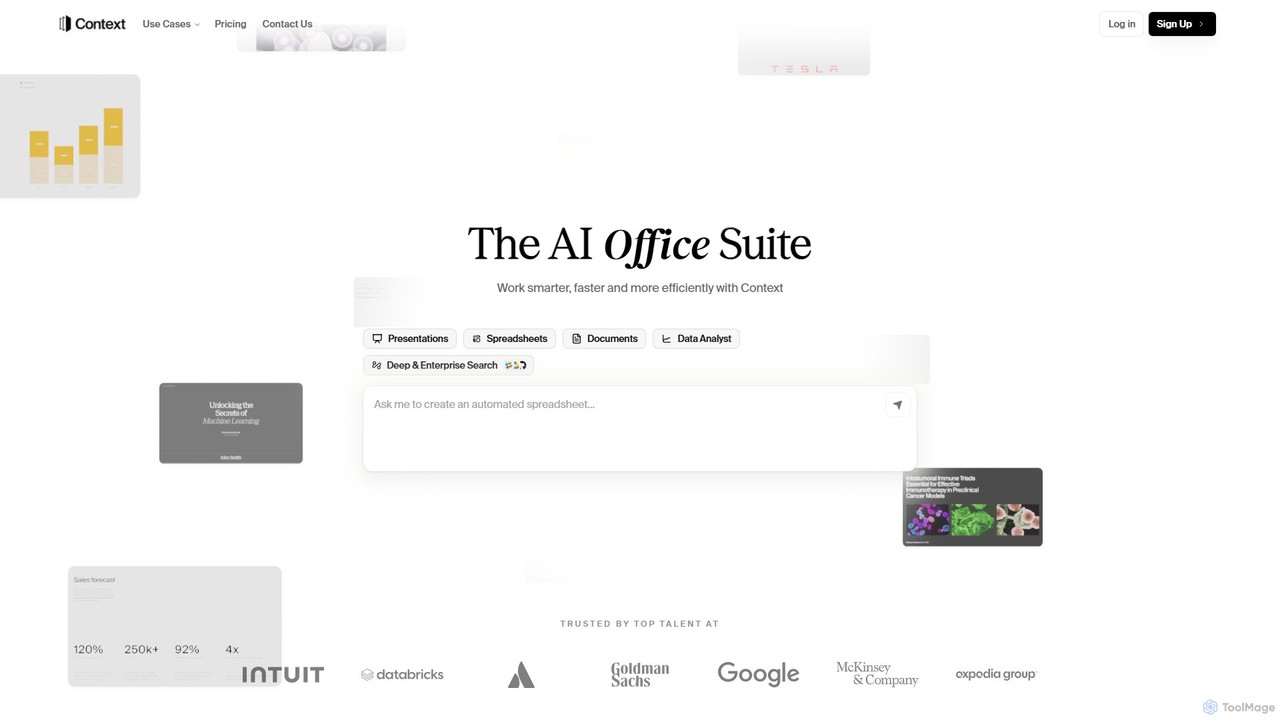
Context is an AI-powered office suite designed to streamline professional workflows. It integrates with over 300 tools like Slack and Salesforce to gather data and automatically generate polished presentations, insightful spreadsheets, and professional documents. By learning your unique style and voice, Context automates research, analysis, and content creation, helping teams work smarter, faster, and more efficiently.

Presentation
Visits 157.9KFavorites 178Likes 174
Compliance Quarter
Paid

Compliance Quarter

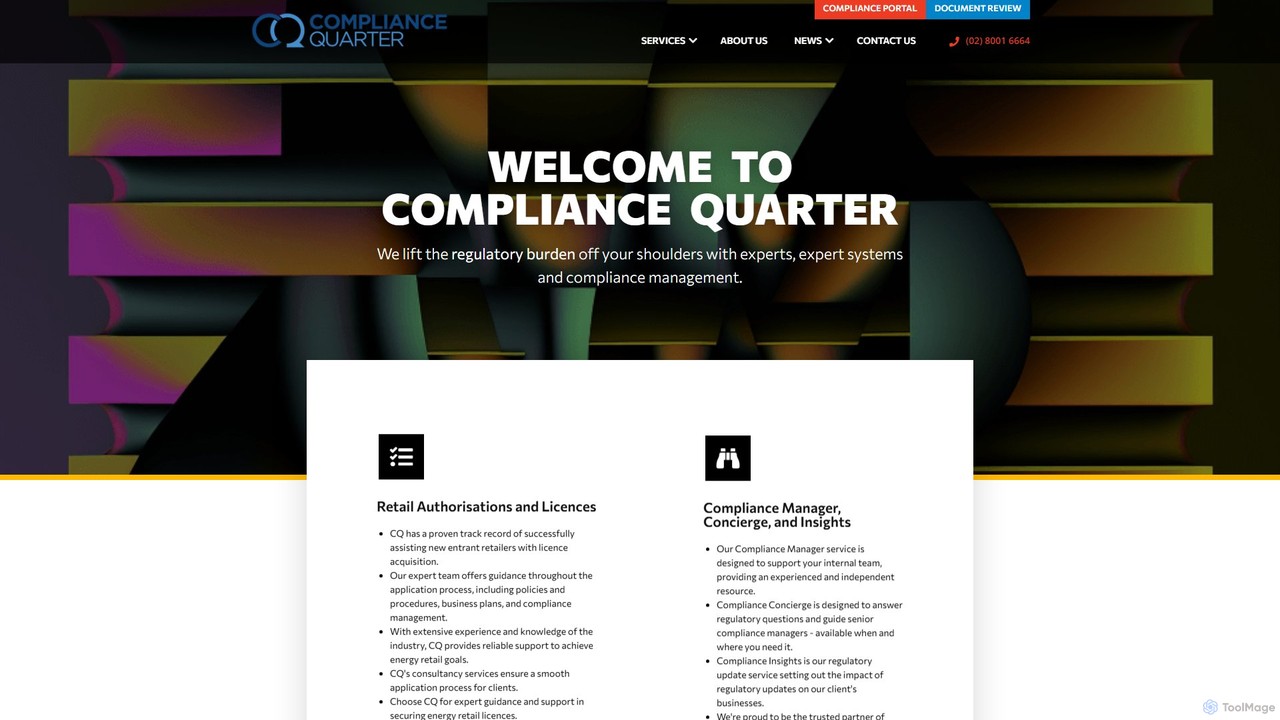
Compliance Quarter is an AI-powered RegTech platform specializing in the Australian energy sector. It leverages its proprietary AI, Titan, to automate compliance tasks, answer complex regulatory questions, analyze legislative changes, and manage risks, effectively lifting the regulatory burden from businesses.

Risk Management
Visits 8.4KFavorites 131Likes 142

About Document Management

AI Document Management tools are a class of software that uses artificial intelligence to intelligently process, analyze, and organize digital documents. Leveraging technologies like Natural Language Processing (NLP) and Optical Character Recognition (OCR), these tools go beyond simple storage to understand the content and context within files. This enables automated data extraction, semantic search, and intelligent summarization, transforming static documents into dynamic, searchable knowledge assets and significantly reducing manual data entry in data-intensive workflows.

Core Features

  • Intelligent Data Extraction: Automatically pulls specific information like names, dates, and amounts from unstructured documents such as invoices or contracts.
  • Semantic Search: Allows users to search for concepts and meanings, not just keywords, across an entire document repository.
  • Automated Classification & Tagging: AI automatically categorizes documents and applies relevant tags based on their content for superior organization.
  • Document Summarization: Generates concise summaries of long documents, reports, or legal agreements to accelerate review processes.

Use Cases

These tools are particularly valuable in sectors like legal, finance, healthcare, and research, where handling large volumes of unstructured documents is a daily task. For instance, law firms use them to quickly find precedents in case files, while accounting departments automate invoice data entry, and researchers build searchable knowledge bases from academic papers.

How to Choose

When selecting a tool, evaluate its data extraction accuracy for your specific document types. Consider its integration capabilities with existing systems like CRM or ERP, the range of supported languages and file formats, and the security protocols in place for handling sensitive information.

Featured tool rankings

Document Management use cases

1

Automate Invoice Processing for Finance Teams

A finance department receives hundreds of PDF invoices weekly. Using an AI Document Management tool, an accounts payable specialist can create a workflow that automatically ingests these invoices from an email inbox. The AI uses OCR to digitize the text and then applies NLP to identify and extract key data points like vendor name, invoice number, total amount, and due date. This extracted data is then automatically populated into the company's accounting software, reducing manual entry time by over 80% and minimizing human error.

2

Accelerate Legal Contract Review and Analysis

A corporate legal team needs to review dozens of contracts for a merger. Instead of reading each one manually, they upload all documents into an AI platform. The system automatically classifies contracts by type (e.g., NDA, MSA) and uses semantic search to allow lawyers to ask questions like, "Show me all contracts with a liability clause exceeding $1 million." The AI can also highlight non-standard clauses or potential risks, enabling the team to focus their attention on critical areas and complete the due diligence process in a fraction of the time.

3

Create a Searchable Knowledge Base from Internal Docs

An enterprise has thousands of internal documents—reports, presentations, and manuals—spread across various drives. A knowledge manager uses an AI tool to ingest all this content. The tool processes various formats, extracts the text, and indexes it for semantic search. Now, any employee can ask a natural language question like "What was our Q3 revenue in the APAC region last year?" and the system will instantly find and present the relevant snippets from multiple documents, complete with source links. This transforms a messy archive into a centralized, intelligent knowledge hub.

4

Streamline Customer Onboarding with ID Verification

A financial institution needs to verify customer identities during onboarding, which involves processing documents like passports, driver's licenses, and utility bills. An AI document tool automates this. A customer uploads photos of their documents. The AI performs OCR, extracts personal details (name, address, DOB), and cross-references them against the application form. It can also check for signs of tampering and verify the document's authenticity. This reduces the manual verification workload for compliance teams and provides a faster, smoother experience for new customers.

5

Summarize Medical Records for Clinical Support

A clinician preparing for a patient consultation needs to quickly understand a long and complex medical history. Instead of spending valuable time reading through pages of records, they use an AI tool to process the patient's file. The AI generates a concise, structured summary highlighting key information such as diagnoses, past treatments, allergies, and recent lab results. This allows the doctor to grasp the patient's situation rapidly, enabling a more informed and efficient consultation, and ultimately improving the quality of care.

6

Manage and Analyze Academic Research Papers

A postgraduate researcher is working on a literature review and has collected hundreds of academic papers. They use an AI document management tool to organize their library. After uploading the PDFs, the tool automatically extracts metadata like authors, publication year, and journal. More importantly, it allows the researcher to perform semantic searches to find papers related to specific concepts, even if the exact keywords aren't used. The AI can also generate summaries for each paper, helping the researcher quickly assess relevance and build a comprehensive understanding of the field.

Document Management FAQ

What is AI Document Management?

AI Document Management refers to software that uses artificial intelligence technologies like NLP and OCR to do more than just store files. It actively processes, understands, and organizes the content within documents. Key capabilities include automatically extracting data (like invoice details), enabling searches based on meaning (semantic search), and classifying documents by content. This transforms a static digital filing cabinet into an intelligent, interactive knowledge base.

How does AI Document Management differ from cloud storage like Google Drive?

The primary difference is intelligence. Cloud storage services like Google Drive or Dropbox are excellent for storing, sharing, and basic keyword searching of files. AI Document Management platforms, however, are designed to understand the content within those files.

  • Search: Cloud storage uses keyword search. AI tools use semantic search, understanding context and intent.
  • Processing: Cloud storage holds the file as is. AI tools actively process it to extract data, classify it, and summarize it.
  • Workflow: AI platforms often include features for automating workflows, such as routing an invoice for approval after data extraction.
In short, cloud storage is a digital shelf; AI document management is an intelligent librarian that reads and organizes the books on that shelf.

What are the key features to look for in an AI Document Management tool?

When evaluating these tools, focus on features that deliver the most value for your specific needs. Key features include:

  • High-Accuracy OCR: The ability to accurately convert scanned documents and images into machine-readable text is fundamental.
  • Intelligent Data Extraction: Look for tools that can be trained to accurately identify and extract specific fields from your document types (e.g., invoice numbers, contract dates).
  • Semantic Search Capabilities: The tool should allow you to find information based on concepts and natural language questions, not just exact keyword matches.
  • Integration Options: Check for robust APIs or pre-built connectors to your existing software, such as accounting systems, CRMs, or collaboration platforms.

Who can benefit most from AI Document Management tools?

While many roles can benefit, these tools are particularly impactful for professionals and departments that handle a high volume of unstructured or semi-structured documents. This includes:

  • Legal Teams: For contract analysis, e-discovery, and case file management.
  • Finance and Accounting: For automating invoice processing, expense report management, and financial auditing.
  • Human Resources: For streamlining resume screening, onboarding paperwork, and employee record management.
  • Researchers and Academics: For organizing vast libraries of research papers and quickly finding relevant information.
Essentially, any organization seeking to reduce manual data entry, accelerate information retrieval, and unlock insights from its documents can gain significant value.

How do I choose the right AI Document Management tool for my business?

Choosing the right tool depends on your specific use case. Start by defining the problem you want to solve (e.g., slow invoice processing, difficult contract retrieval). Then, evaluate potential tools based on these criteria:

  • Use Case Fit: Does the tool specialize in your document type (e.g., legal, financial, medical)? Some are general-purpose, while others are highly specialized.
  • Accuracy and Training: How accurate is its data extraction out-of-the-box? Can you easily train the model to improve its performance on your specific documents?
  • Scalability: Can the tool handle your current and future document volume without a significant drop in performance?
  • Security and Compliance: Ensure the provider meets industry-specific compliance standards (like HIPAA for healthcare or GDPR) and has robust security measures.
It's often wise to start with a pilot project or trial to test the tool's effectiveness on a small set of your actual documents.