Freemium
Popular Developer Tools include Google Gemini, vocode, Papers with Code, codegate, GitHub, DeepSeek, Telegram Messenger, Steam, OpenAI, and doubao, helping you work more efficiently.

Codimite is an AI-powered coding assistant designed to accelerate the software development lifecycle. It acts as a pair programmer, helping developers write, debug, and optimize code faster with features like intelligent code completion, natural language-to-code generation, and automated bug fixing, integrating directly into your favorite IDE.
Code Generation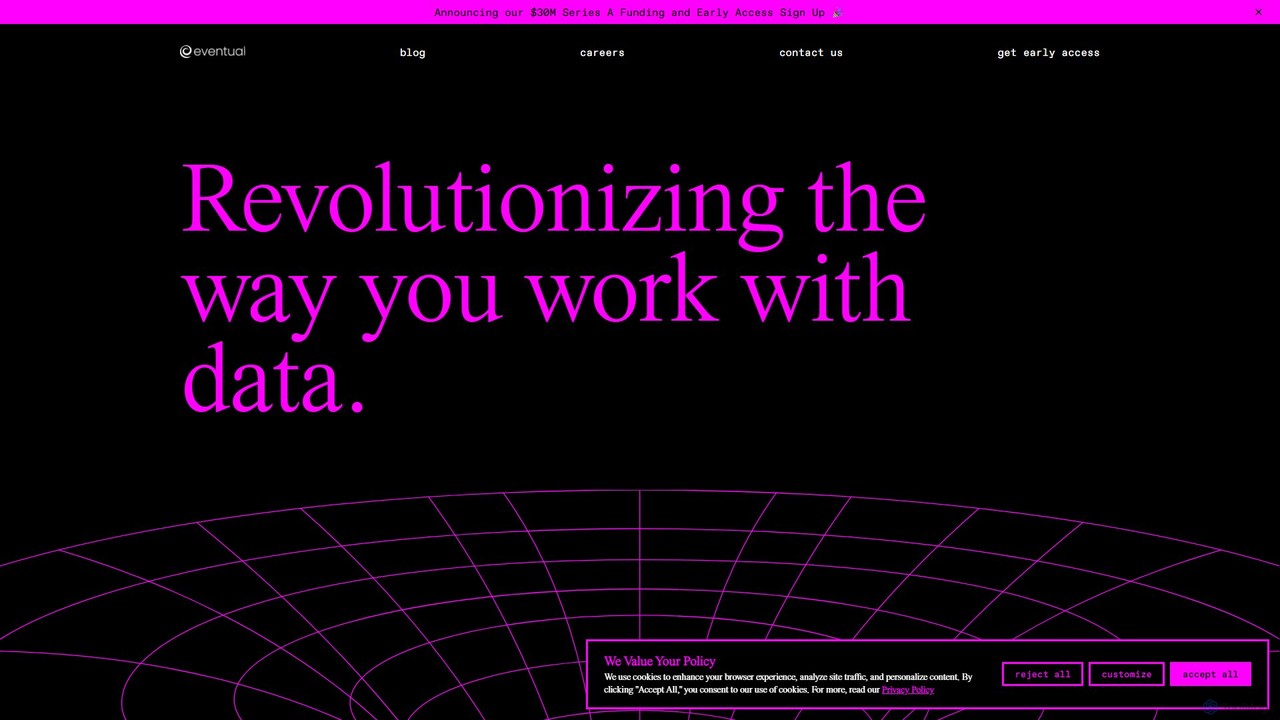
Eventual is building the future of data infrastructure with Daft, a high-performance, open-source query engine for multimodal data. It enables engineers to process petabyte-scale images, video, audio, and text with the simplicity of SQL, drastically accelerating AI and ML workflows without the need for deep distributed systems expertise.
Machine Learning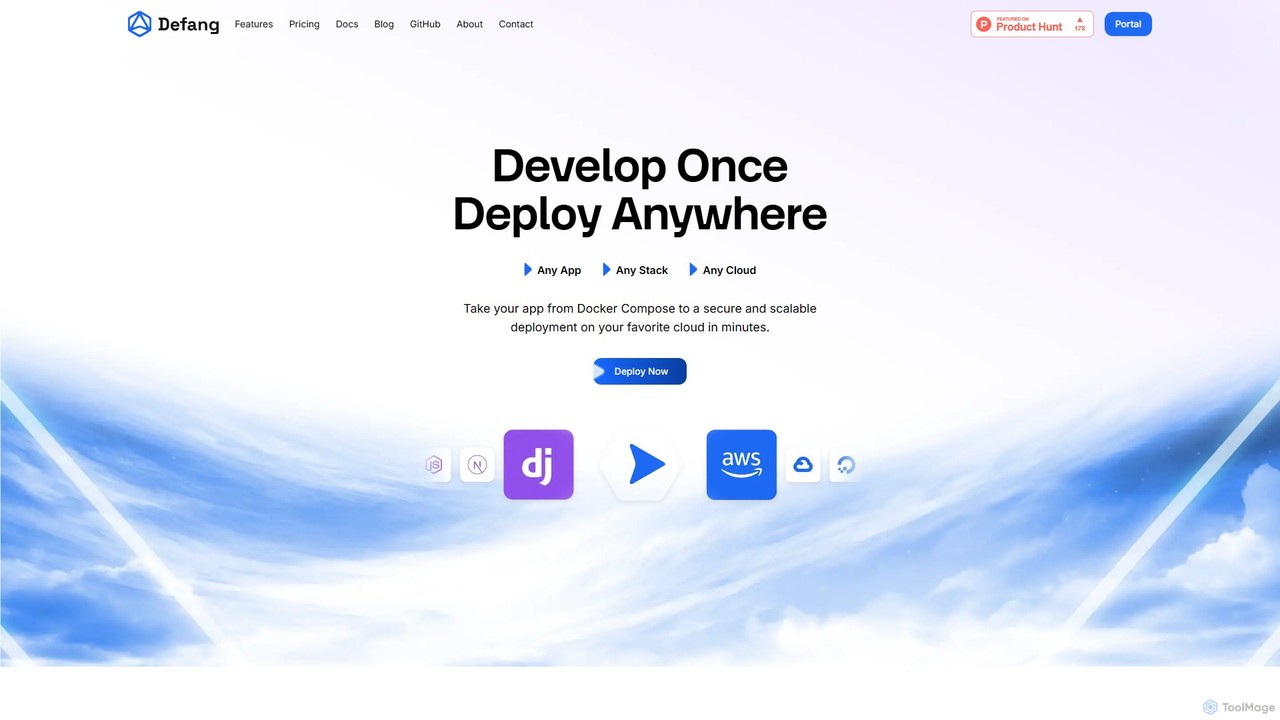
Defang is an AI-powered platform that simplifies cloud deployment. It enables developers to take any Docker Compose project and deploy it to major cloud providers like AWS and GCP with a single command, automating complex infrastructure setup, security, and scaling.
Platform As A Service (Paas)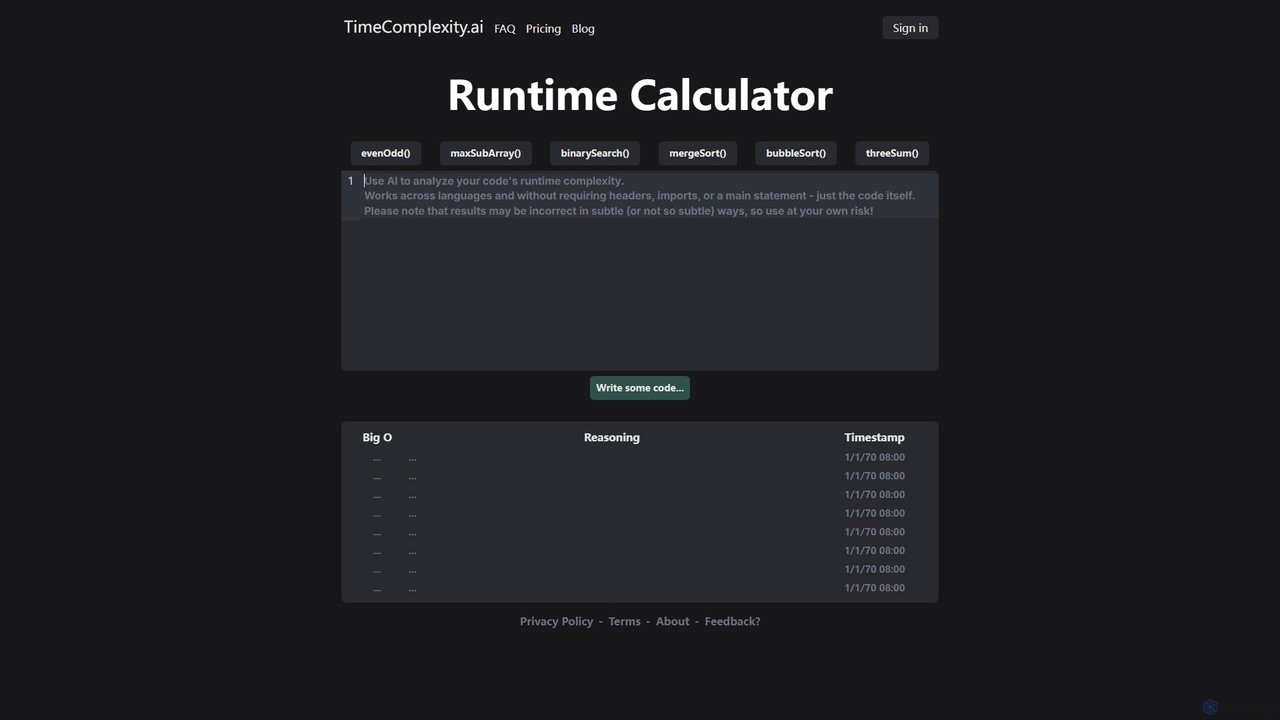
TimeComplexity.ai is an AI-powered tool that analyzes the runtime complexity of your code. It supports various programming languages and provides instant Big O notation along with detailed reasoning. Ideal for developers, students, and anyone preparing for technical interviews to understand and optimize algorithm efficiency.
Code Analysis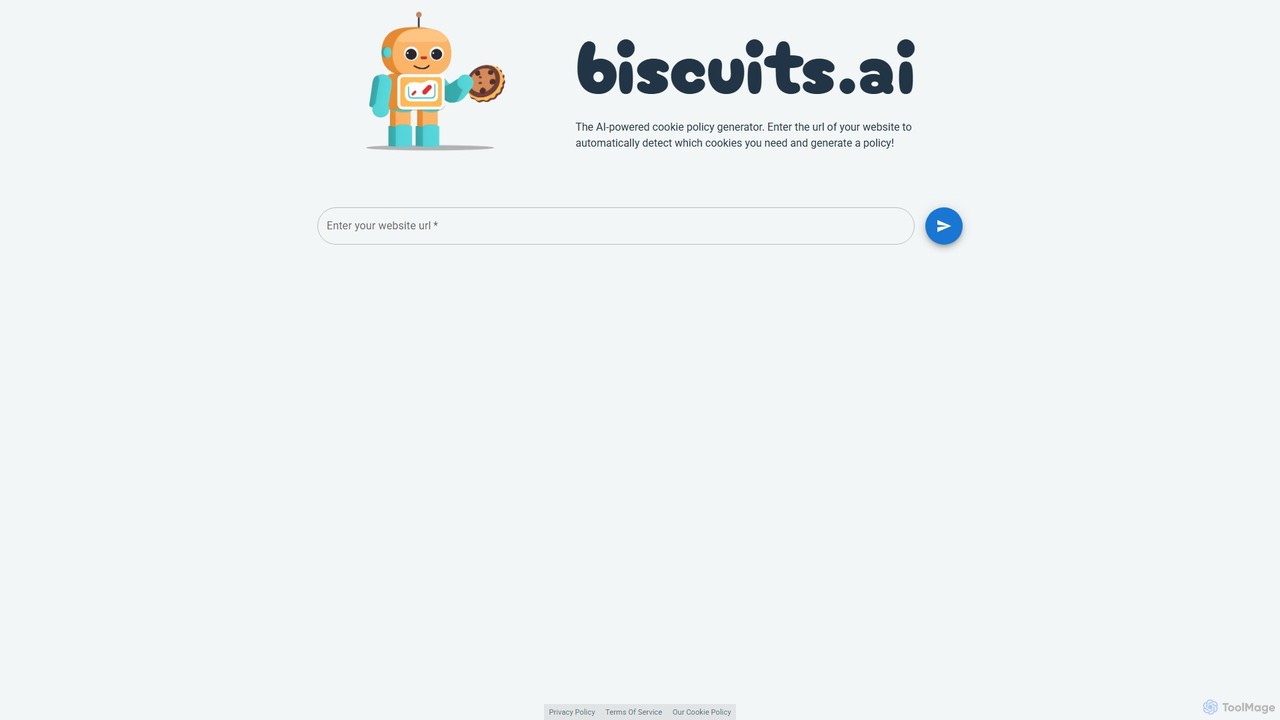
biscuits.ai is an AI-powered tool that automatically scans your website to detect all cookies and generates a comprehensive, compliant cookie policy in minutes. It simplifies legal compliance for GDPR and CCPA, saving you time and legal fees.
Website Utilities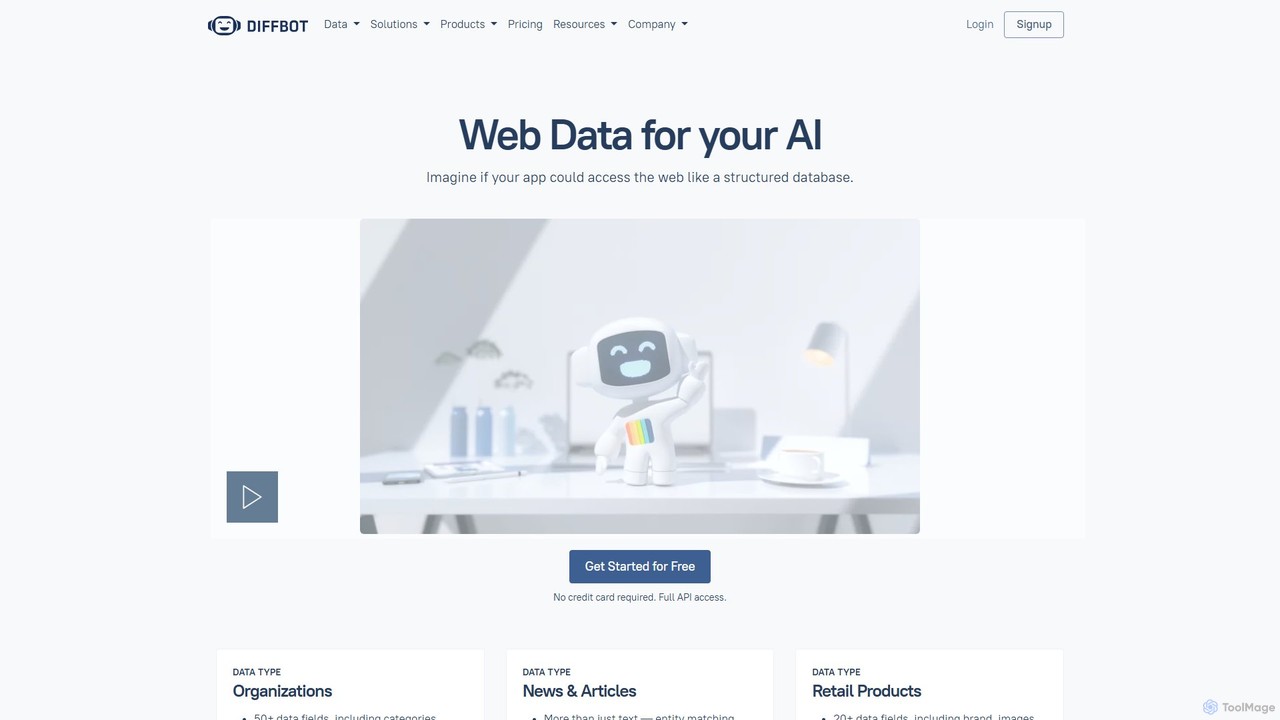
Diffbot is an AI-powered platform that transforms the unstructured web into a massive, structured Knowledge Graph. It offers APIs for web data extraction, crawling, and natural language processing, enabling businesses to access clean, organized data on organizations, news, products, and more for applications in finance, market intelligence, and risk management.
Market Intelligence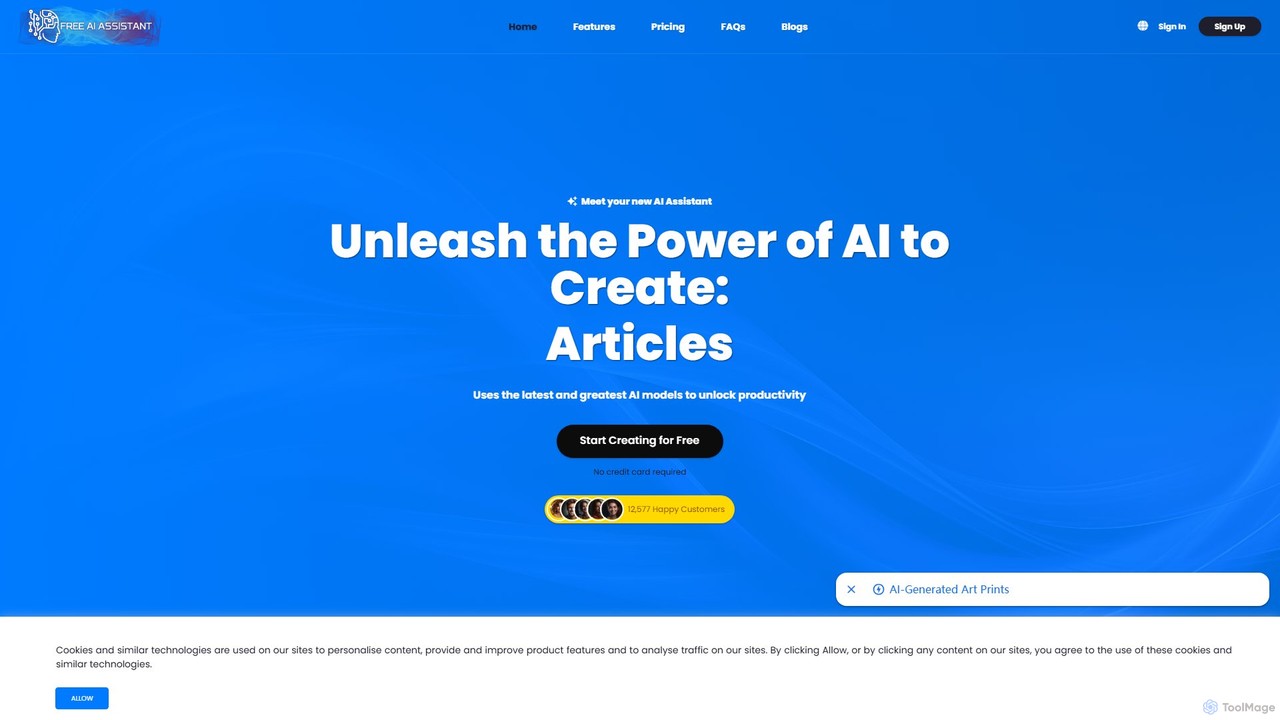
freeassist is an all-in-one AI-powered platform designed to boost productivity. It offers a comprehensive suite of tools for content generation, including articles, ad copy, and social media posts. The platform also features AI image creation, realistic voiceovers from text, speech-to-text transcription, document analysis, and AI code generation, leveraging top models from OpenAI, Google, and Anthropic.
Voice Generation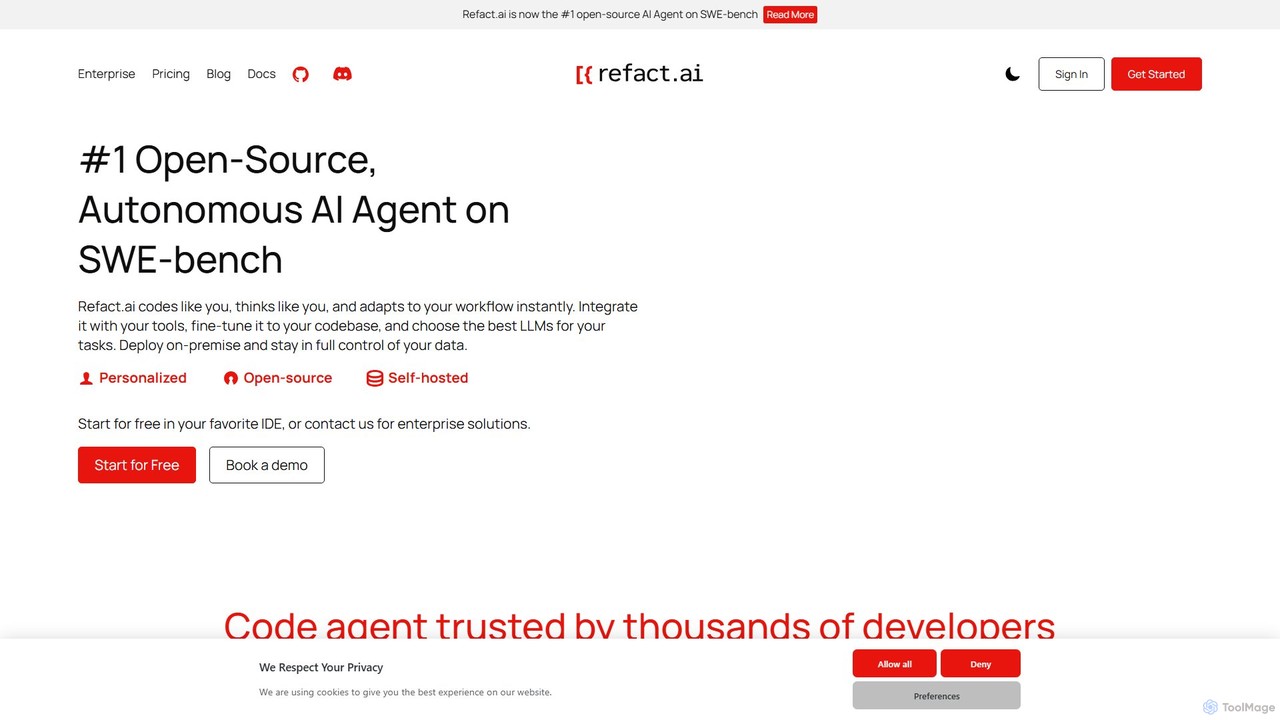
Refact is an open-source, self-hostable, and autonomous AI coding agent. It integrates into your IDE to act as a digital twin, automating coding tasks, providing context-aware completions and chat, and adapting to your codebase for maximum productivity and data privacy.
Code Assistant
Talkbase is a community-led growth platform that acts as a central CRM for all your community activities. It integrates with platforms like Slack, Discord, and GitHub to unify member data, track engagement, and provide actionable analytics to help you build and scale your community effectively.
Analytics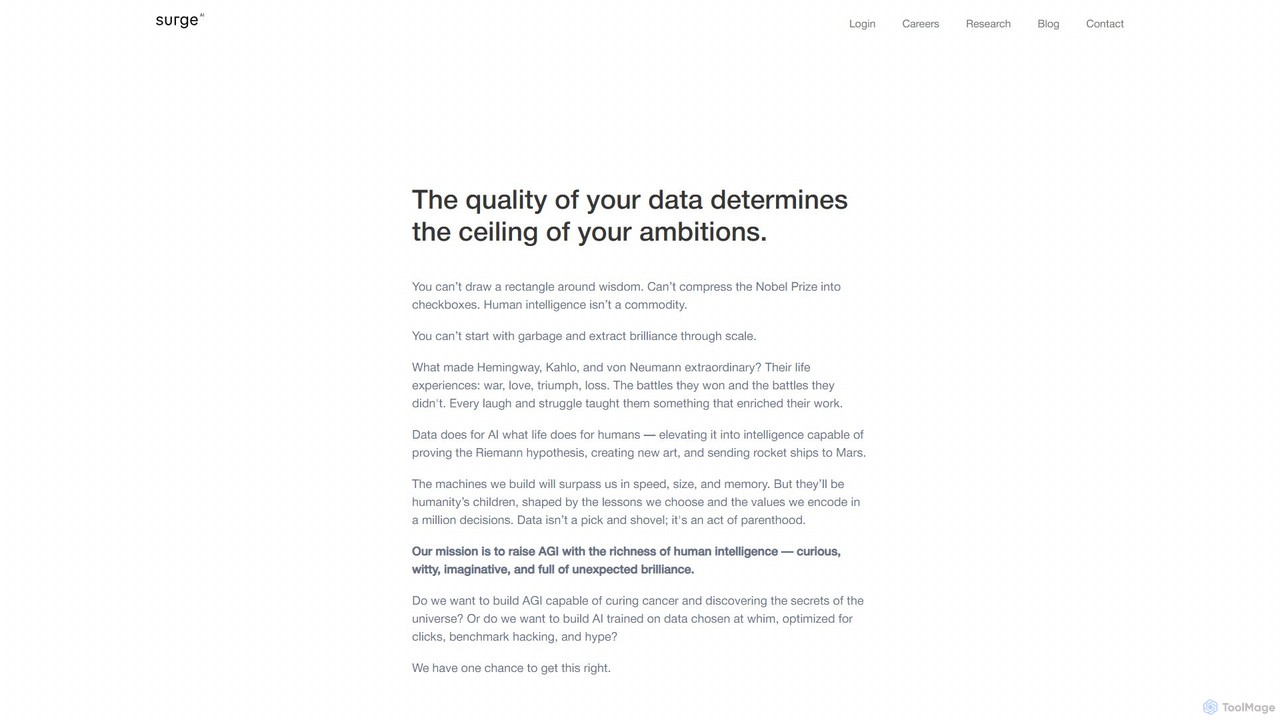
Surge AI is a premier data labeling platform that provides elite human intelligence to power the development of advanced AI and AGI. Specializing in high-quality data for RLHF, model evaluation, and custom dataset creation, Surge AI partners with leading AI labs like OpenAI and Anthropic to train, align, and test next-generation models. They focus on the nuance and complexity required to build truly intelligent systems.
Mlops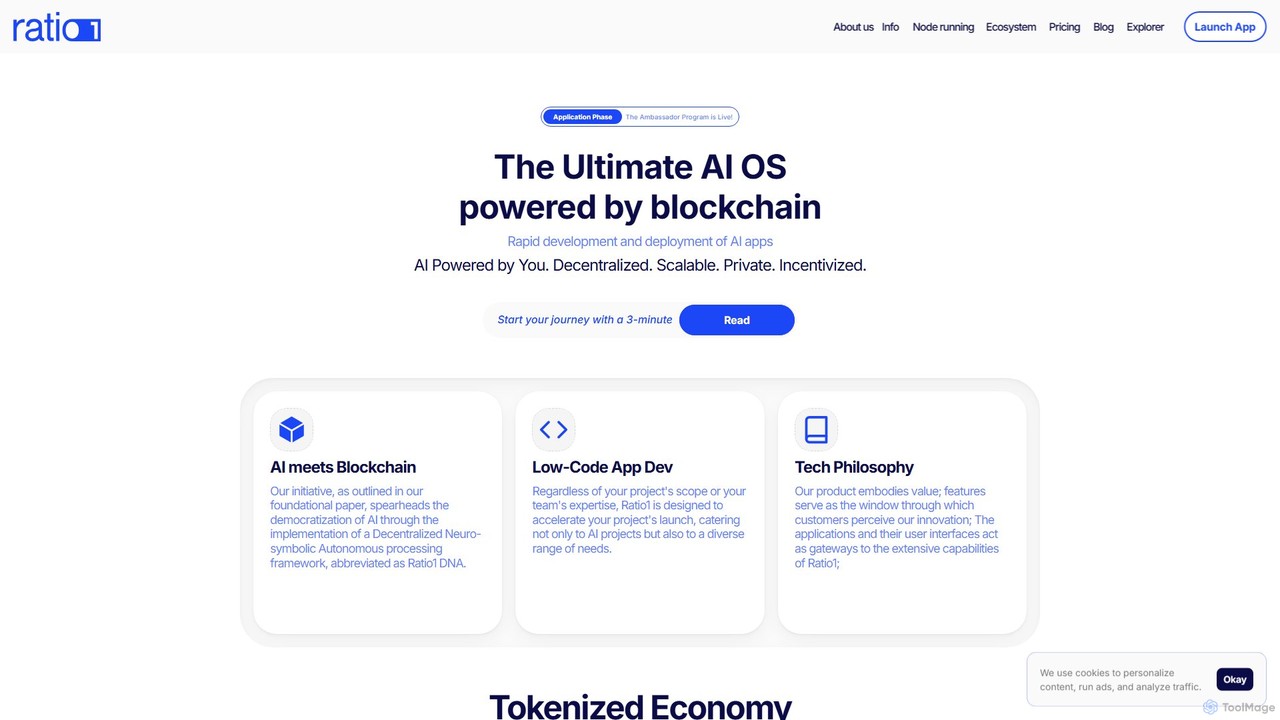
Ratio1 is a decentralized AI operating system powered by blockchain. It creates a global supercomputer by connecting idle devices, allowing users to monetize their hardware or access affordable, scalable GPU compute power for AI applications and development.
Gpu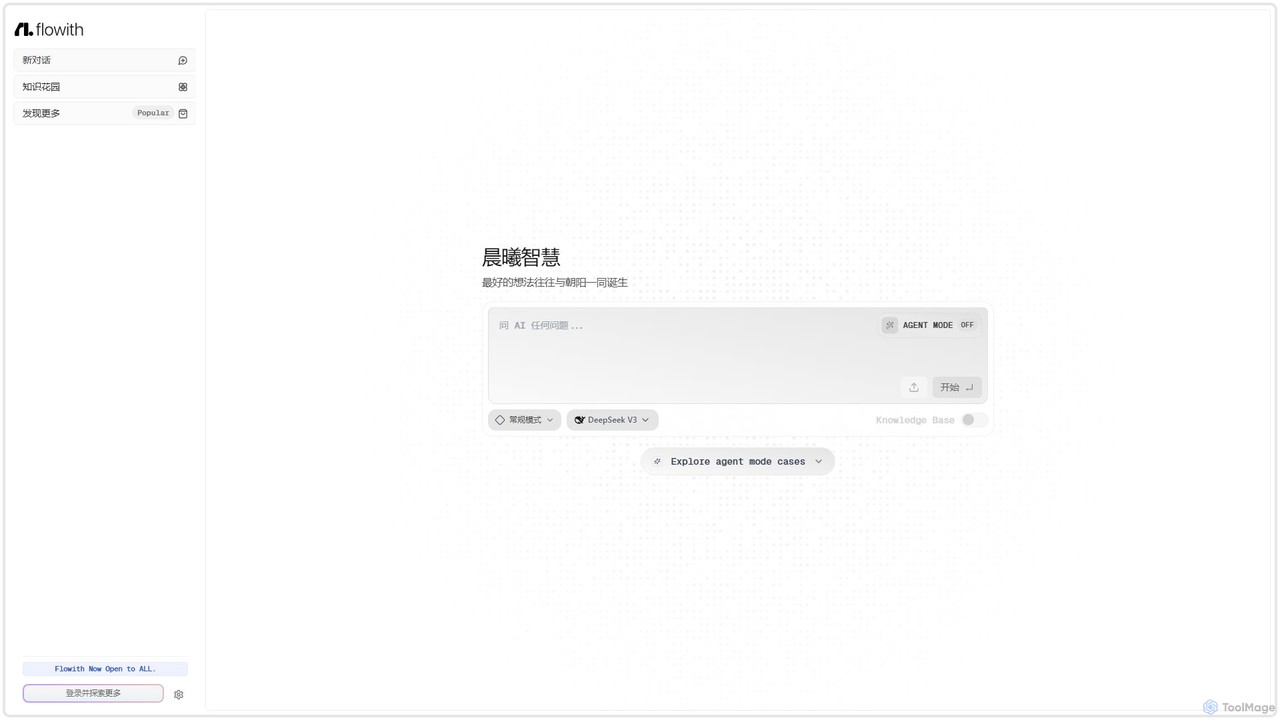
flowith is an AI creation workspace that integrates your personal knowledge base to build powerful, customized AI agents. It combines a conversational AI with an 'Agent Mode' to automate complex tasks, analyze documents, and provide context-aware insights based on your data.
No Code & Low Code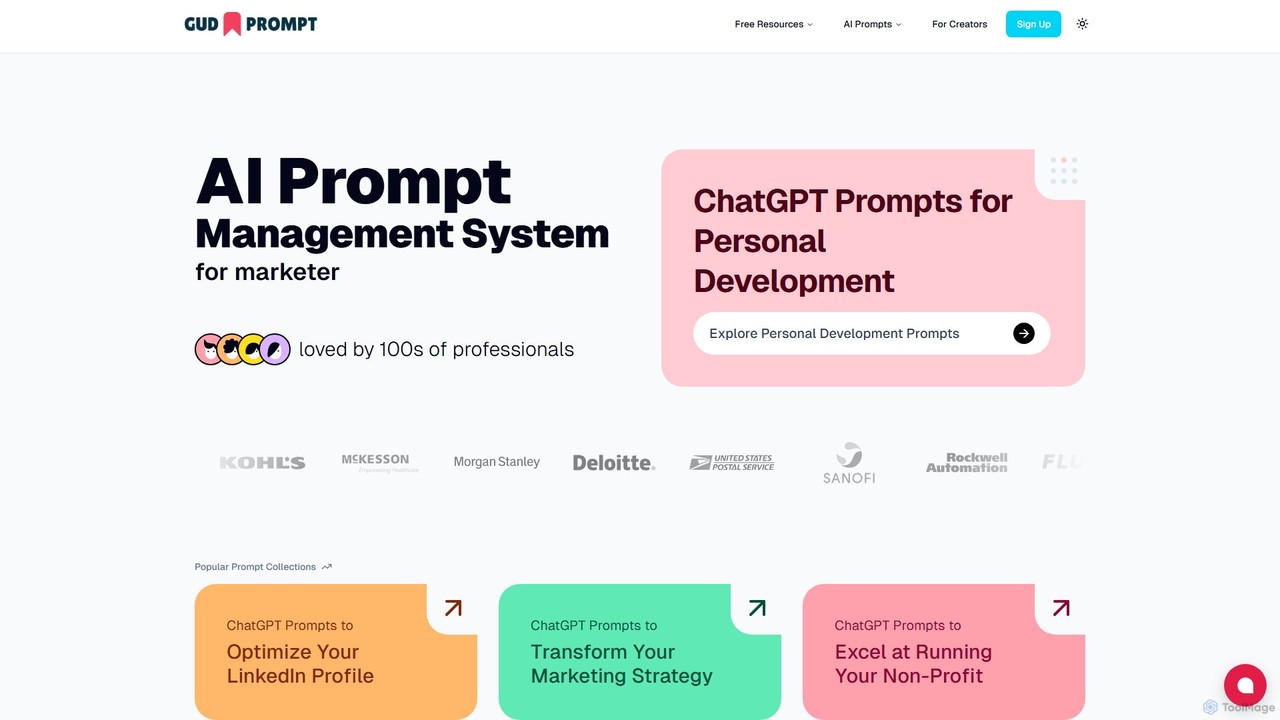
Gud Prompt is an efficient AI prompt management system for professionals, teams, and creators. It allows you to discover, save, organize, share, and monetize your AI prompts for platforms like ChatGPT and Claude. Featuring a powerful Chrome extension, it streamlines your AI workflow by making your best prompts accessible anywhere.
Code Assistant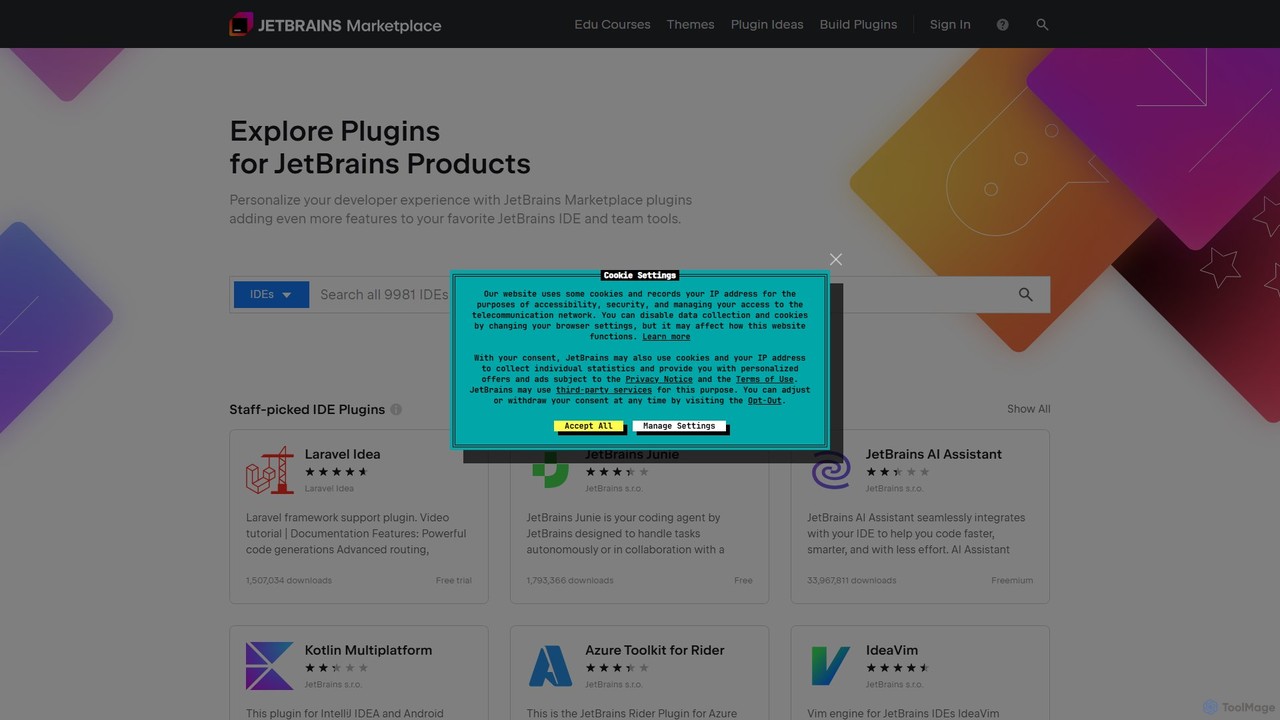
The official hub for plugins and extensions for all JetBrains IDEs. Discover thousands of tools, including AI-powered coding assistants, framework integrations, themes, and more, designed to personalize your development environment and significantly boost productivity.
Ide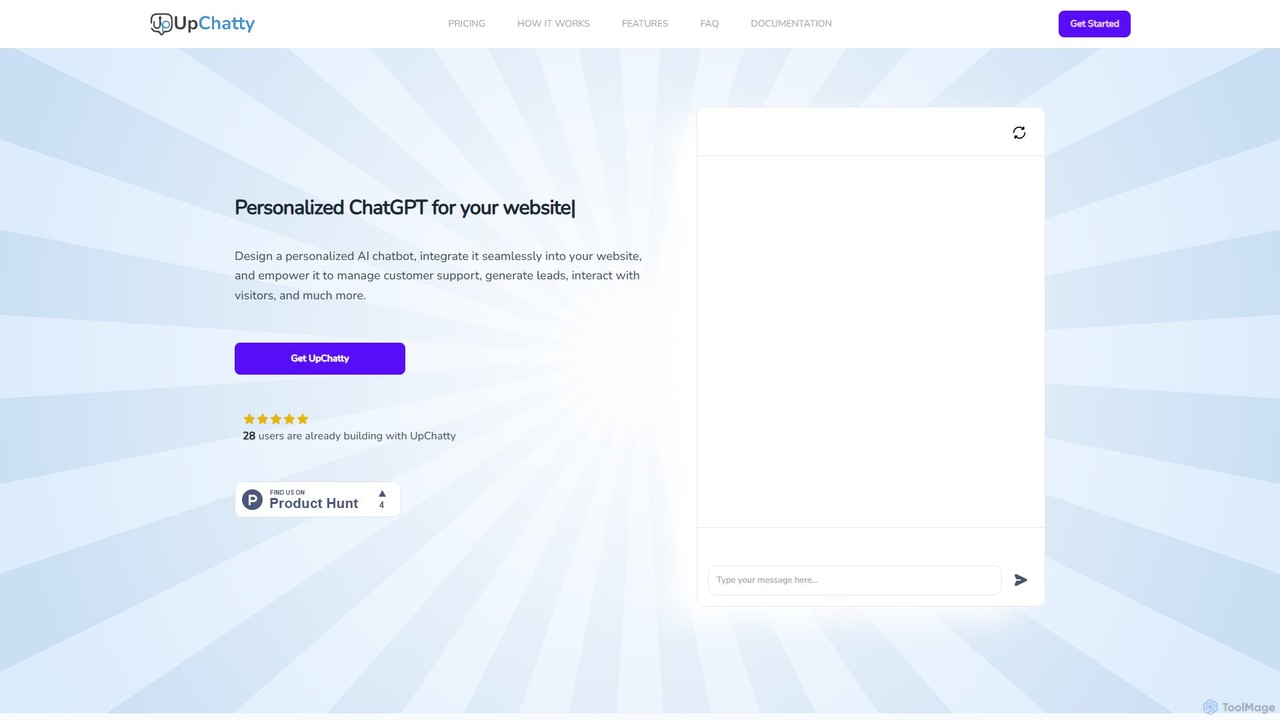
UpChatty is a no-code platform for creating and deploying personalized AI chatbots on your website. Train your chatbot with your own data, customize its appearance and personality, and integrate it seamlessly to handle customer support, generate leads, and engage visitors in over 80 languages. It offers advanced features like model cascading and a fully whitelabel solution.
Automation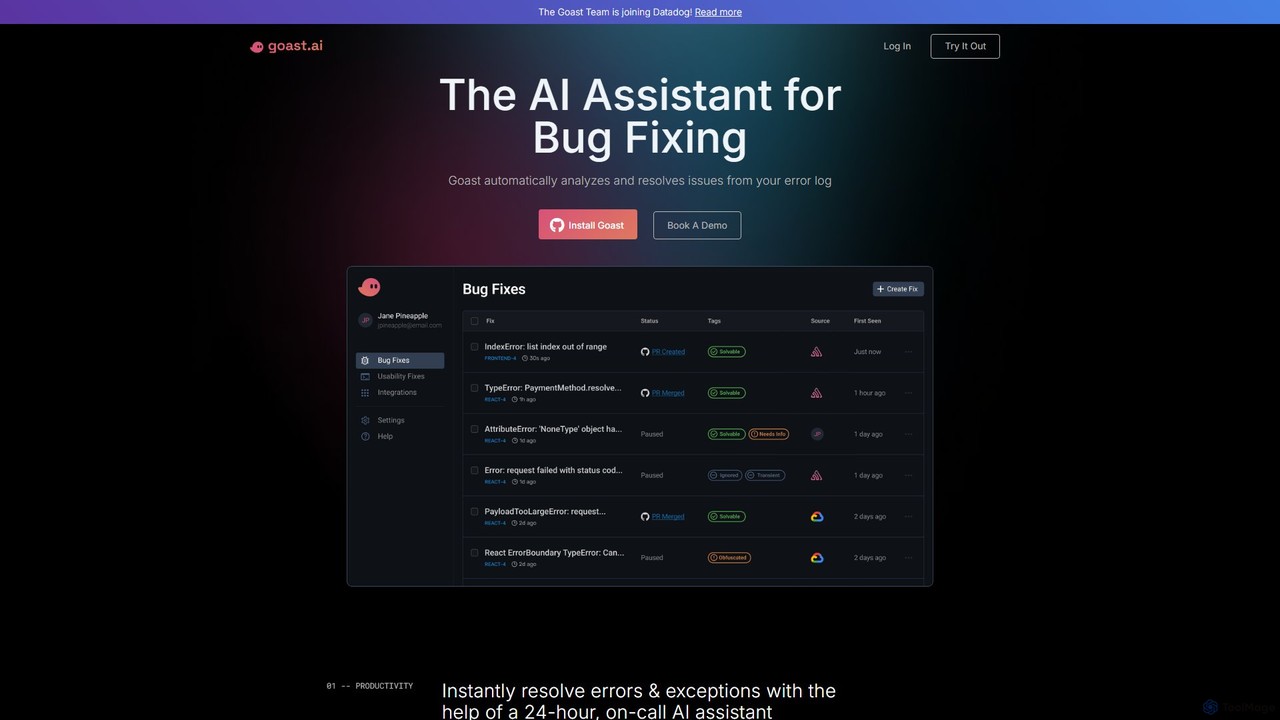
Goast.ai is an AI-powered assistant designed for engineering teams to automate bug fixing. It analyzes error logs, identifies the root cause, and automatically generates pull requests with code fixes, significantly speeding up the resolution process. NOTE: The Goast.ai team has been acquired by and joined Datadog.
Code Review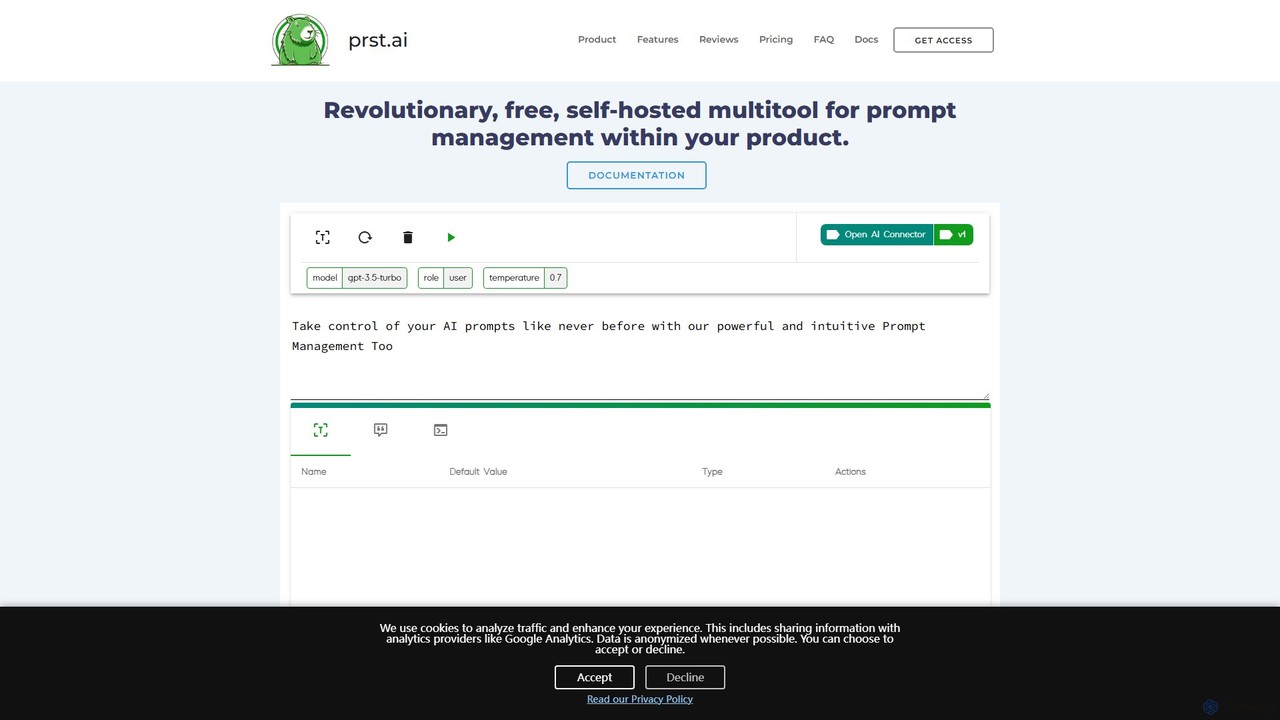
prst.ai is a self-hosted AI automation and prompt management platform. It enables businesses to seamlessly integrate any external AI model, manage prompts without code, and control operational costs with custom pricing rules. Featuring A/B testing, feedback analysis, and enterprise-grade scalability, prst.ai provides full data ownership and a flexible framework to build, test, and optimize AI-powered applications.
Ai Integration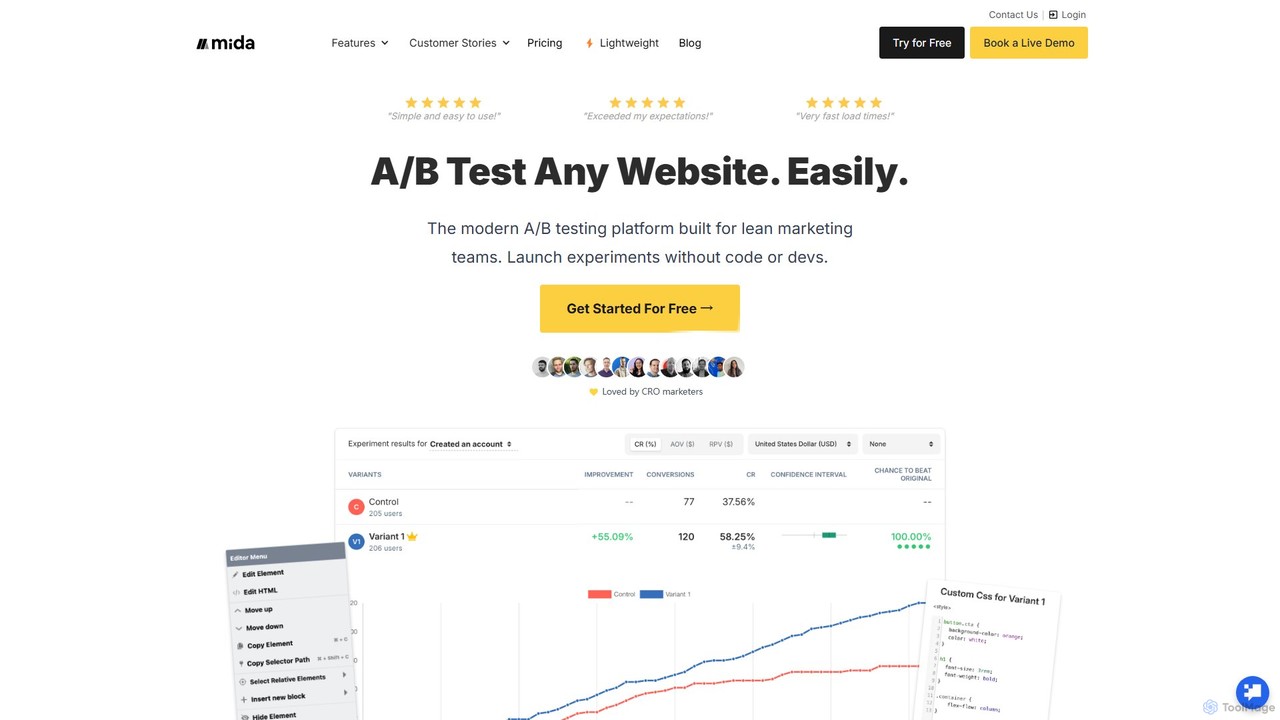
Mida.so is a lightweight, no-code A/B testing and feature flagging platform designed for speed and simplicity. It helps marketers, developers, and product managers optimize website conversions and roll out features safely with a script that is 10x smaller than competitors, ensuring minimal impact on site performance.
Testing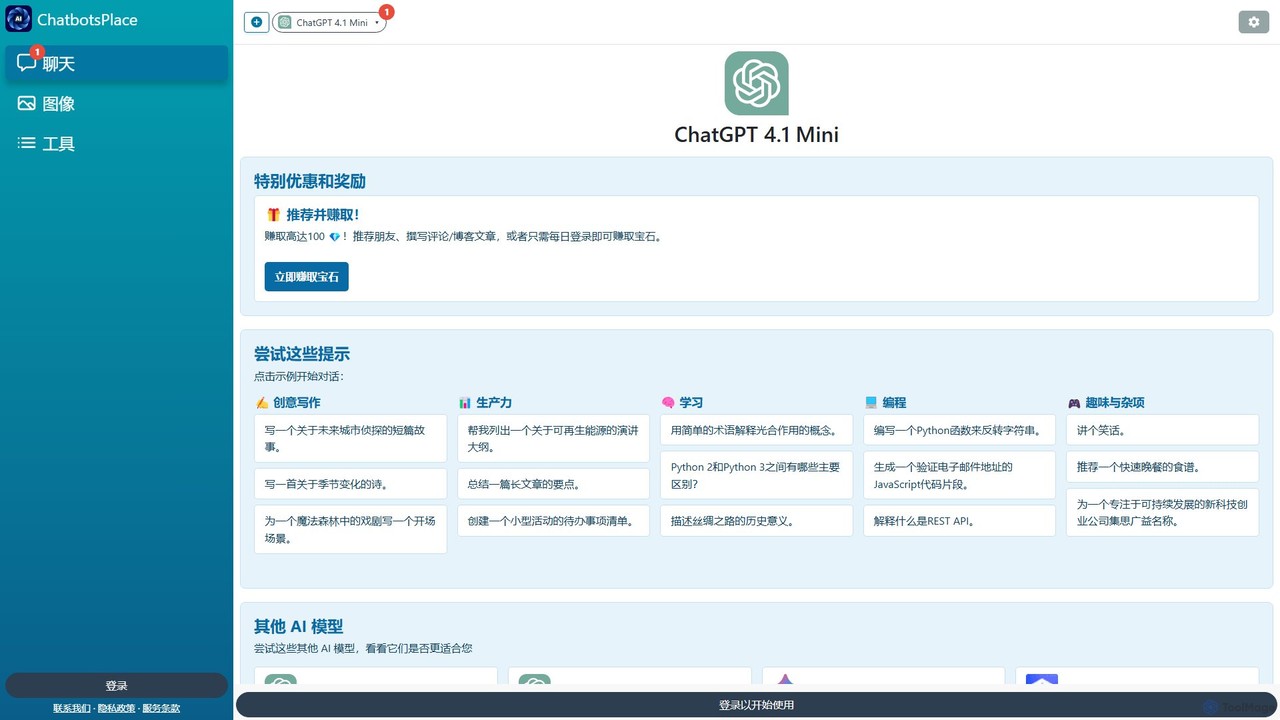
ChatGPT 4.1 Mini is a versatile and fast AI chatbot on the ChatbotsPlace platform. It's designed for a wide range of tasks, including creative writing, productivity, learning, and programming. Accessible via web, browser extensions, and mobile apps, it offers a user-friendly interface with prompt suggestions to help users get started quickly and efficiently.
Code Assistant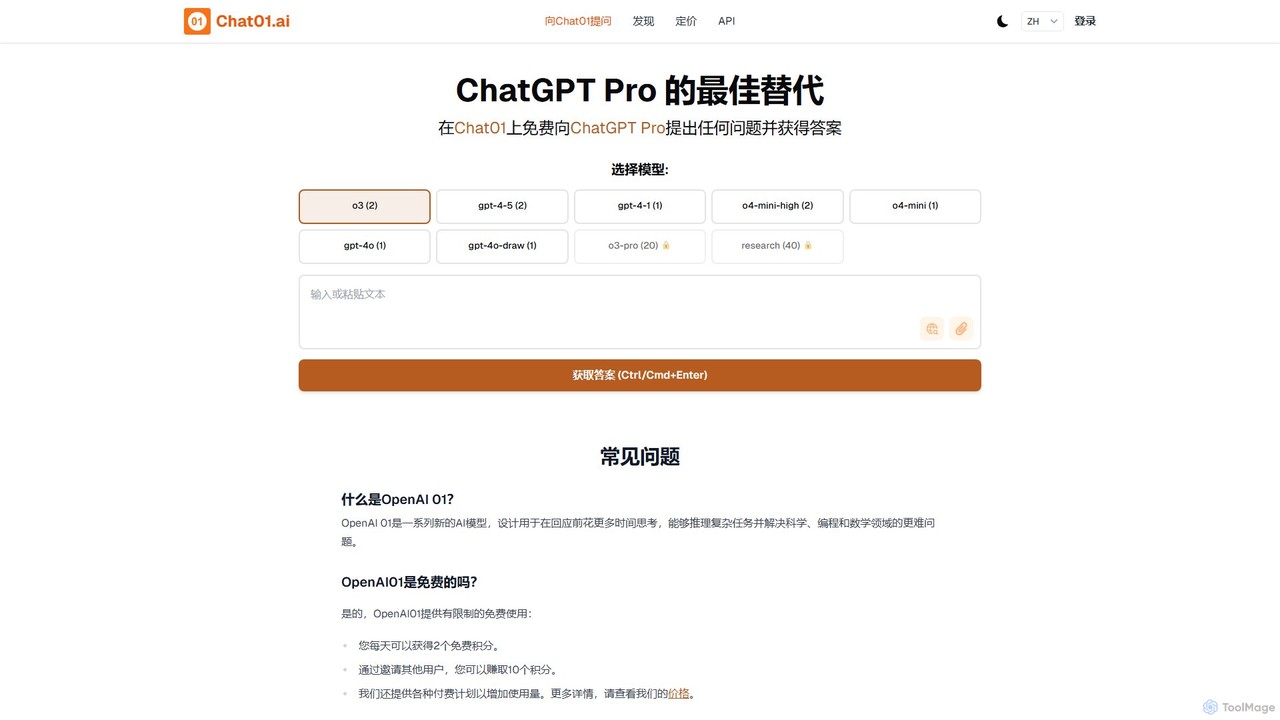
Chat01.ai is an advanced AI chat platform offering access to cutting-edge models like OpenAI's o1 and GPT-4o. Positioned as a superior alternative to ChatGPT Pro, it excels at complex reasoning tasks in science, programming, and mathematics. The platform supports multimodal inputs, including image and file analysis, and provides a freemium model with daily credits, making powerful AI accessible to everyone from developers to researchers.
Writing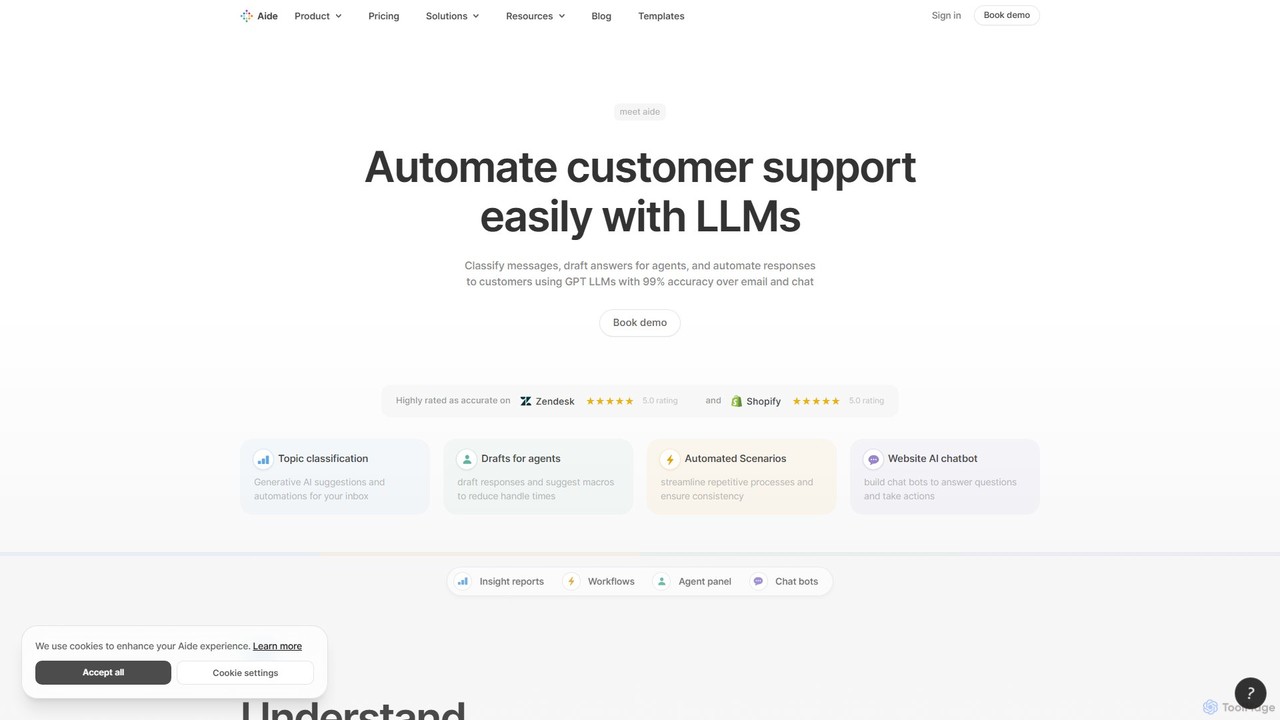
Aide is an AI-powered multi-agent coding assistant that automates software development directly within your GitHub workflow. It interprets GitHub issues, autonomously generates code, creates pull requests, and iterates based on your feedback, effectively acting as a team of AI engineers on your codebase.
Code Generation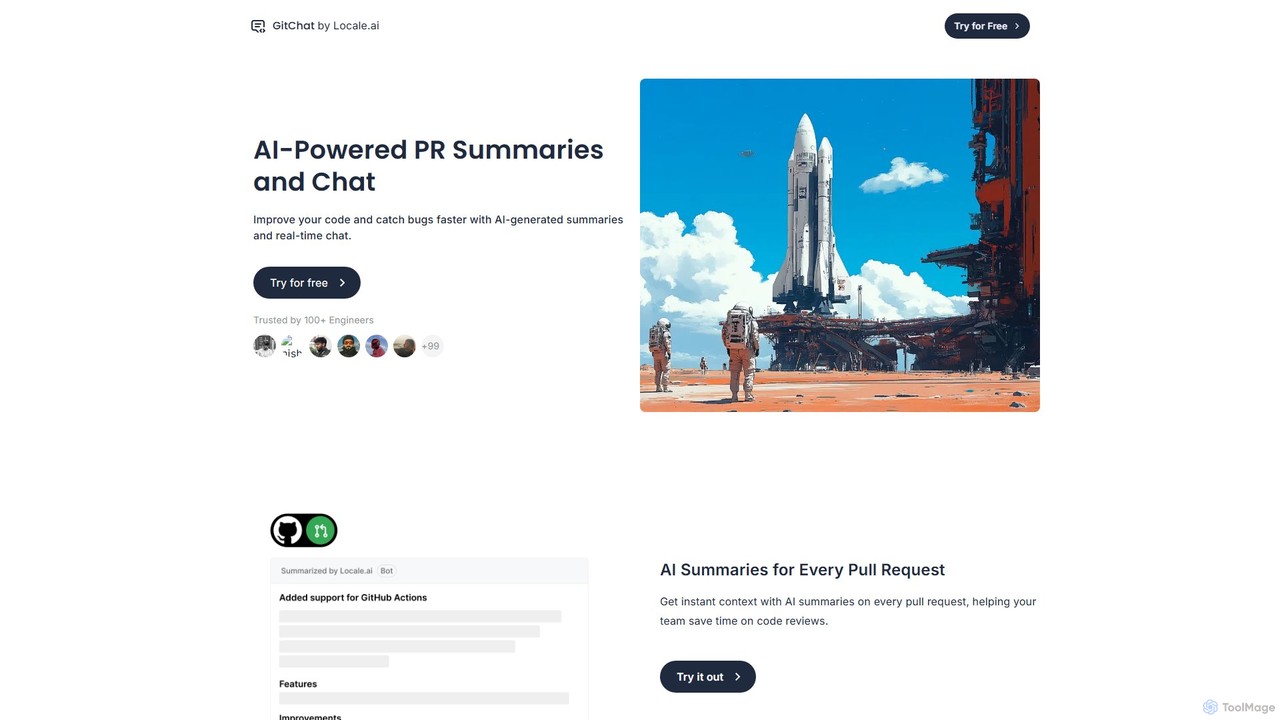
GitChat is an AI-powered assistant for GitHub that supercharges code reviews. It automatically generates summaries for Pull Requests, provides instant feedback on code, and allows developers to chat with an AI directly within PR comments to improve code quality and accelerate development.
Code Assistant
Omnifact is a privacy-first, enterprise-grade generative AI platform designed for businesses. It provides secure AI chat and custom knowledge bases (Spaces) while ensuring GDPR compliance through cloud and on-premise deployments. It offers flexible access to leading AI models like GPT-4 and Claude 3, prioritizing data security and control.
Enterprise SolutionsDeveloper Tools are AI-powered solutions designed to enhance every stage of the software development lifecycle, from initial concept to deployment and maintenance. These tools leverage advanced machine learning, natural language processing, and sophisticated algorithms to automate repetitive tasks, improve code quality, and accelerate innovation across various programming paradigms. They empower developers to build, test, deploy, and manage applications more efficiently, fostering a new era of intelligent software creation and enabling teams to deliver high-quality products faster.
Software development teams across various industries, from startups to large enterprises, utilize AI Developer Tools to streamline their workflow. For instance, a team can leverage AI to generate boilerplate code for new features, significantly reducing manual coding effort and accelerating development cycles. These tools are also invaluable for maintaining large and complex codebases by automatically refactoring code, identifying security vulnerabilities, and ensuring consistent quality across projects.
When selecting AI Developer Tools, it is crucial to consider the specific needs of your development team and project requirements. Key factors include the range of programming languages and frameworks supported, seamless integration capabilities with your existing IDEs and CI/CD pipelines, and the level of automation and intelligence offered. Additionally, evaluate the accuracy and relevance of AI suggestions, the ease of customization, the vendor's commitment to data privacy and security, and the overall pricing model, including any usage-based costs for AI inference.
Software engineers can use AI Developer Tools to automatically generate boilerplate code or complex functions for new features. By providing a natural language description of the desired functionality, the AI can produce ready-to-integrate code, significantly reducing the time spent on repetitive coding tasks and allowing developers to focus on higher-level architectural design and problem-solving.
During the development and testing phases, AI-powered debugging tools analyze code in real-time, identifying potential errors, performance bottlenecks, and security vulnerabilities. They not only pinpoint the exact location of issues but also suggest optimal solutions or code refactorings, helping developers resolve problems faster and improve overall code quality before deployment.
Developers often spend considerable time integrating various APIs and SDKs into their applications. AI Developer Tools can simplify this process by automatically generating API client code, handling authentication, and providing intelligent suggestions for data mapping and error handling. This accelerates the integration of third-party services and reduces the likelihood of integration-related bugs.
Data scientists and MLOps engineers leverage AI Developer Tools to automate the entire lifecycle of machine learning models, from training and versioning to deployment and monitoring in production. These tools ensure models are continuously optimized, scaled efficiently, and perform reliably, reducing manual intervention and accelerating the time-to-market for AI-driven applications.
Quality assurance teams and developers can utilize AI to automatically generate diverse and comprehensive test cases, including edge cases, for their applications. These tools can also create realistic synthetic test data, which is crucial for testing sensitive systems without using real user data, ensuring thorough coverage and robust application performance.
For maintaining and improving existing codebases, AI Developer Tools analyze code for readability, efficiency, and adherence to best practices. They provide intelligent suggestions for refactoring complex code, optimizing algorithms, and improving overall code structure, helping teams maintain high code quality and reduce technical debt over time.
AI Developer Tools are software applications that integrate artificial intelligence capabilities to assist developers throughout the software development lifecycle. They leverage AI to automate tasks like code generation, debugging, testing, and deployment, aiming to boost productivity, improve code quality, and accelerate innovation in software engineering.
These tools enhance efficiency by automating repetitive and time-consuming tasks such as writing boilerplate code, generating test cases, and identifying bugs. They provide intelligent suggestions for code completion, refactoring, and optimization, allowing developers to focus on complex problem-solving and creative aspects of software design, thereby significantly speeding up development cycles.
The key benefits include accelerated development timelines, improved code quality through automated error detection and optimization, reduced manual effort for repetitive tasks, and enhanced innovation by freeing up developers to tackle more complex challenges. AI also aids in better decision-making through data-driven insights into code performance and project progress.
Data privacy and security are critical considerations for AI Developer Tools. Reputable tools often process code locally or use secure, encrypted cloud environments. They typically offer options for controlling what data is shared with AI models, ensuring sensitive information remains protected. Developers should review the privacy policies and security features of each tool carefully.
When choosing an AI Developer Tool, consider its compatibility with your existing tech stack (programming languages, IDEs, CI/CD), the specific development tasks you want to automate, and the accuracy and relevance of its AI suggestions. Also, evaluate its integration capabilities, pricing model, community support, and the vendor's commitment to data privacy and security.