AI Collaboration tools are a class of software that leverages artificial intelligence to streamline teamwork, enhance communication, and automate project management. These platforms analyze team interactions, project data, and workflows to provide intelligent suggestions, automate routine tasks, and surface critical insights. By doing so, they help teams improve productivity, make faster decisions, and overcome the complexities of modern, often remote, work environments. Key features often include automated meeting summaries, intelligent task allocation, and real-time communication analysis.
Core Features
- Intelligent Task Management: Automatically suggests task assignments, prioritizes work based on project goals, and predicts potential delays.
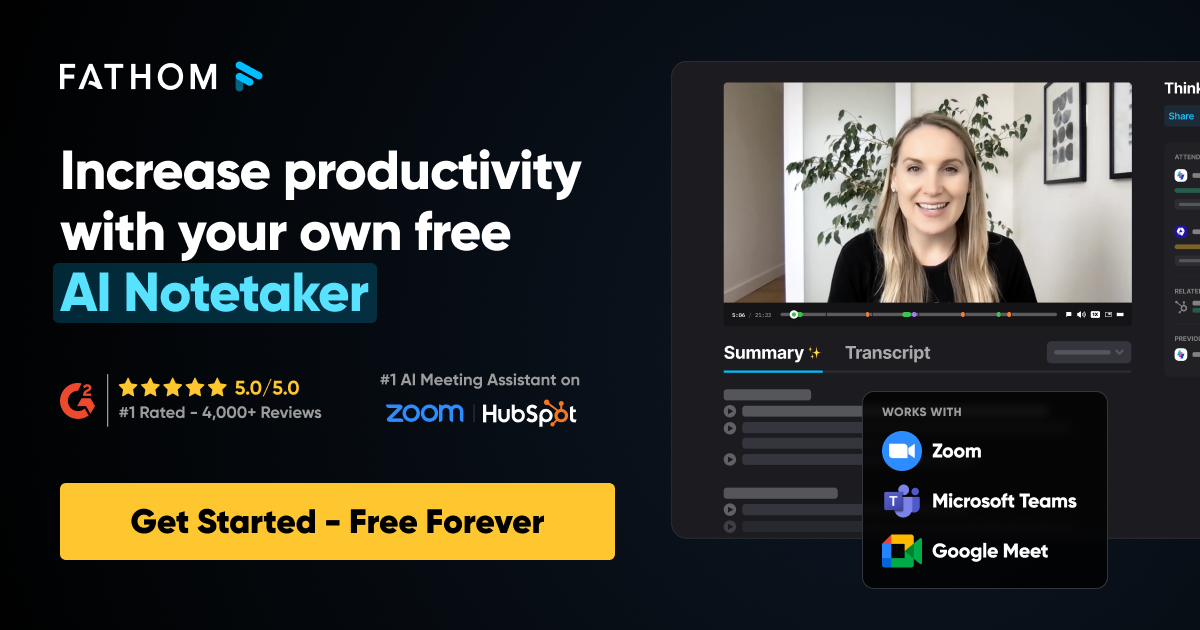
- Automated Meeting Summaries: Transcribes discussions, identifies key decisions and action items, and generates concise meeting notes.
- Communication Analysis: Analyzes team chat and email data to gauge sentiment, identify knowledge gaps, and suggest communication improvements.
- Smart Scheduling: Finds optimal meeting times for all participants by analyzing calendars, time zones, and work patterns.
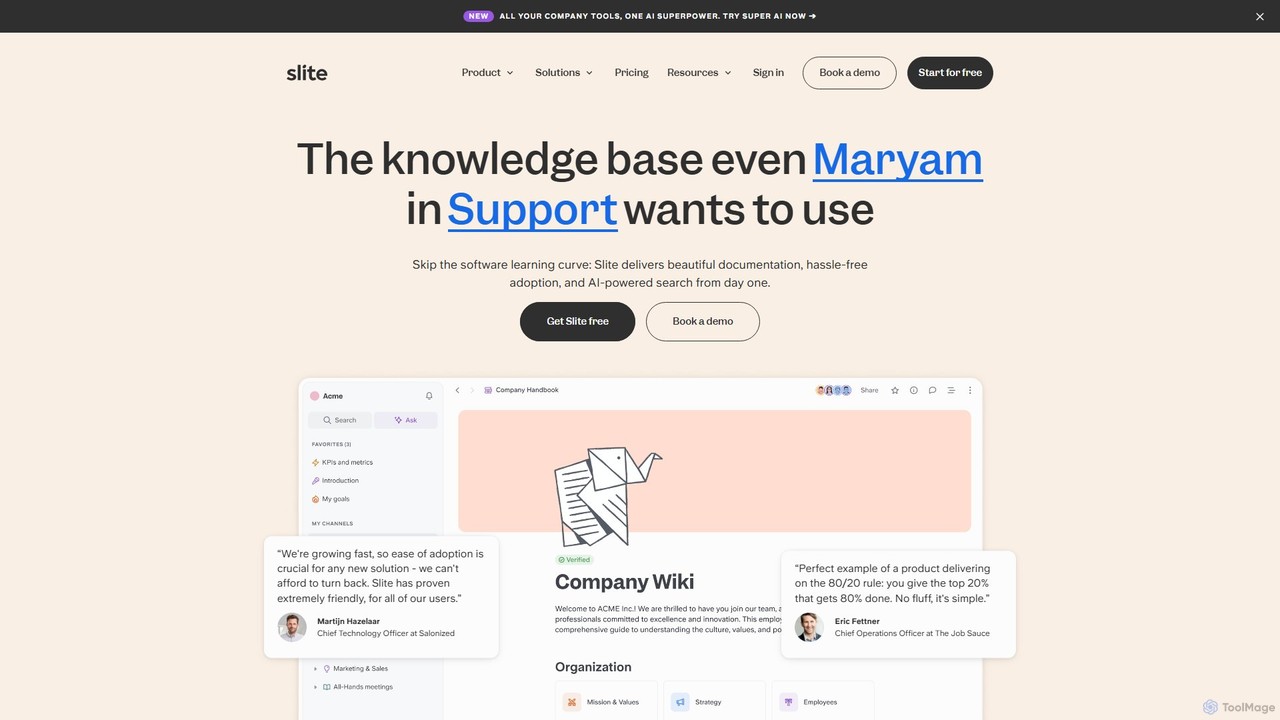
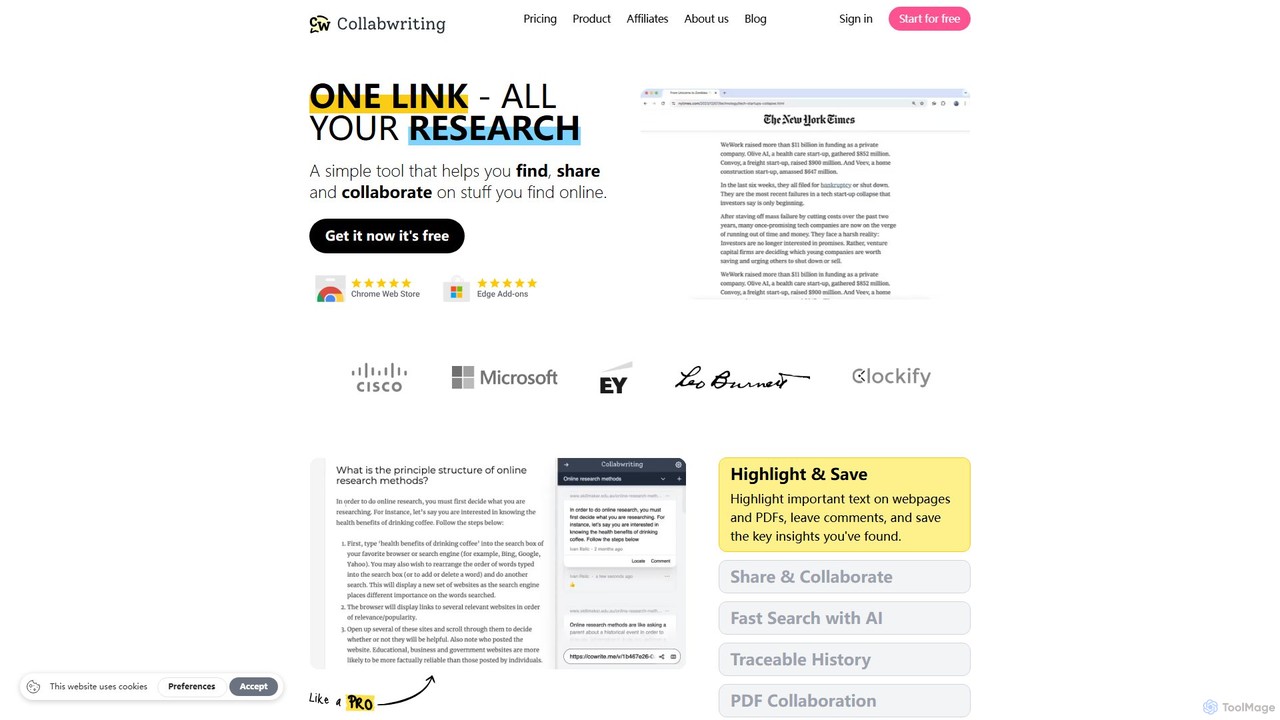
- Centralized Knowledge Hub: Organizes shared documents, conversations, and project assets into a searchable knowledge base that surfaces relevant information on demand.
Use Cases
AI Collaboration tools are widely used by remote and hybrid teams, project managers, and cross-functional departments in industries like technology, marketing, and consulting. They are particularly effective for managing complex software development sprints, coordinating global marketing campaigns with multiple stakeholders, and streamlining client communication in agency settings. These tools help maintain alignment and momentum regardless of geographical distribution.
How to Choose
When selecting an AI Collaboration tool, first assess its integration capabilities with your existing software stack, such as Slack, Jira, or Google Workspace. Evaluate the specificity and relevance of its AI features to your team's primary pain points. Consider the tool's scalability to support your team's growth and the robustness of its security protocols, especially if handling sensitive information. Finally, compare pricing models to ensure they align with your budget and usage patterns.