ToolMage
Sign in

Best 94 Api Management AI tools for Developer Tools

Popular Api Management AI tools in Developer Tools include OpenRouter, Contentful, TypingMind, Fivetran, CometAPI, Merge, Scalar, apix_drive, PricePerToken, and Eden AI, helping you work more efficiently.

GPT-Prompter
Freemium

GPT-Prompter

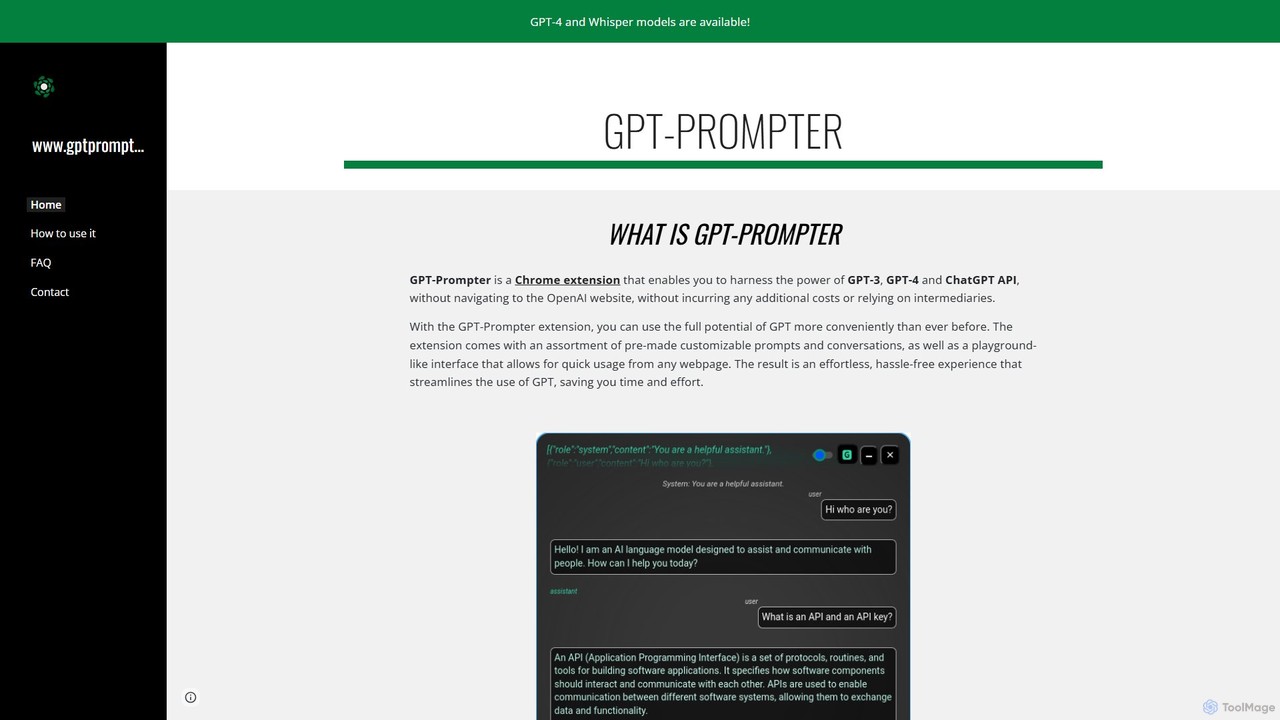
GPT-Prompter is a powerful Chrome extension that integrates GPT-3, GPT-4, and ChatGPT directly into your browser. It allows you to use OpenAI's models on any webpage without visiting the OpenAI site. Create, manage, and execute custom prompts via a right-click context menu or a playground-style interface. It streamlines your workflow by bringing AI assistance to your fingertips, complete with features like Whisper API transcription and detailed usage history.

Api Management
Visits 5.9KFavorites 121Likes 110
useapi
Paid

useapi

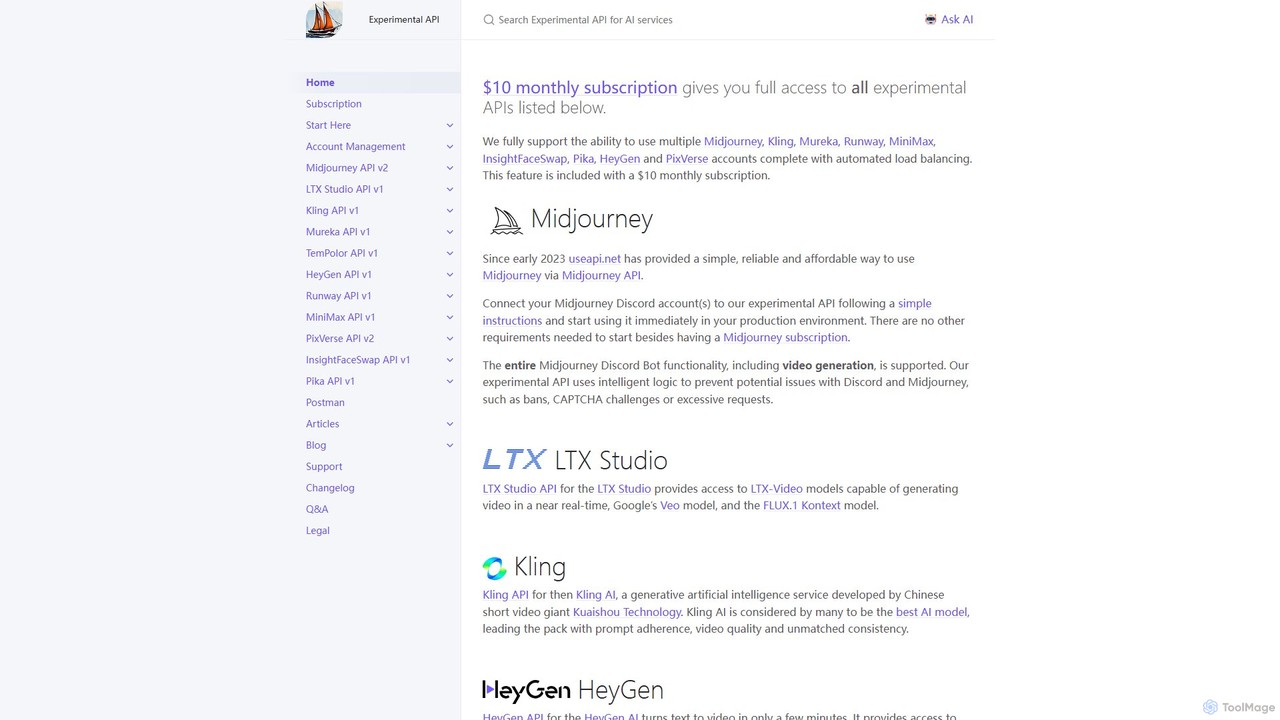
useapi offers a unified, experimental API gateway for leading AI generative models. For a single monthly fee, developers can access services like Midjourney, Kling, Runway, and HeyGen through a simple, reliable API. It features automated load balancing, support for multiple accounts, and intelligent logic to ensure stable and safe integration into production environments.

Music Generation
Visits 38.1KFavorites 125Likes 120
EnterGPT
Freemium

EnterGPT

EnterGPT is an enterprise-grade AI gateway designed to help businesses securely integrate and manage various Large Language Models (LLMs). It provides a unified platform for prompt management, team collaboration, API integration, and cost control, enabling organizations to scale their AI adoption efficiently and securely.

Enterprise Solutions
Visits 5.1KFavorites 159Likes 170
fastn
Freemium

fastn

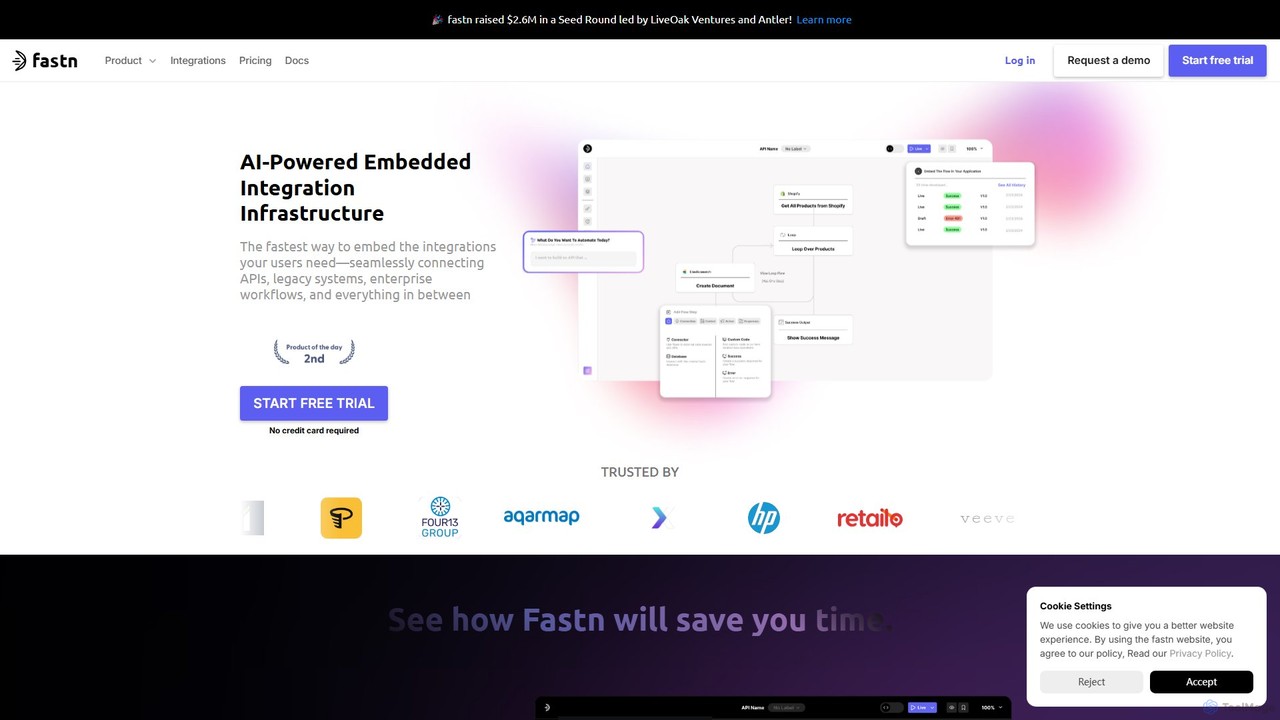
fastn is an AI-powered, low-code embedded integration platform (iPaaS) for SaaS companies. It enables developers to rapidly build, manage, and embed complex integrations using a visual interface and AI-driven prompts. Unify data from disparate sources like APIs, legacy systems, and enterprise workflows into a single, high-performance API to accelerate development and reduce costs.

Api Management
Visits 9.9KFavorites 148Likes 138
GiGOS
Freemium

GiGOS

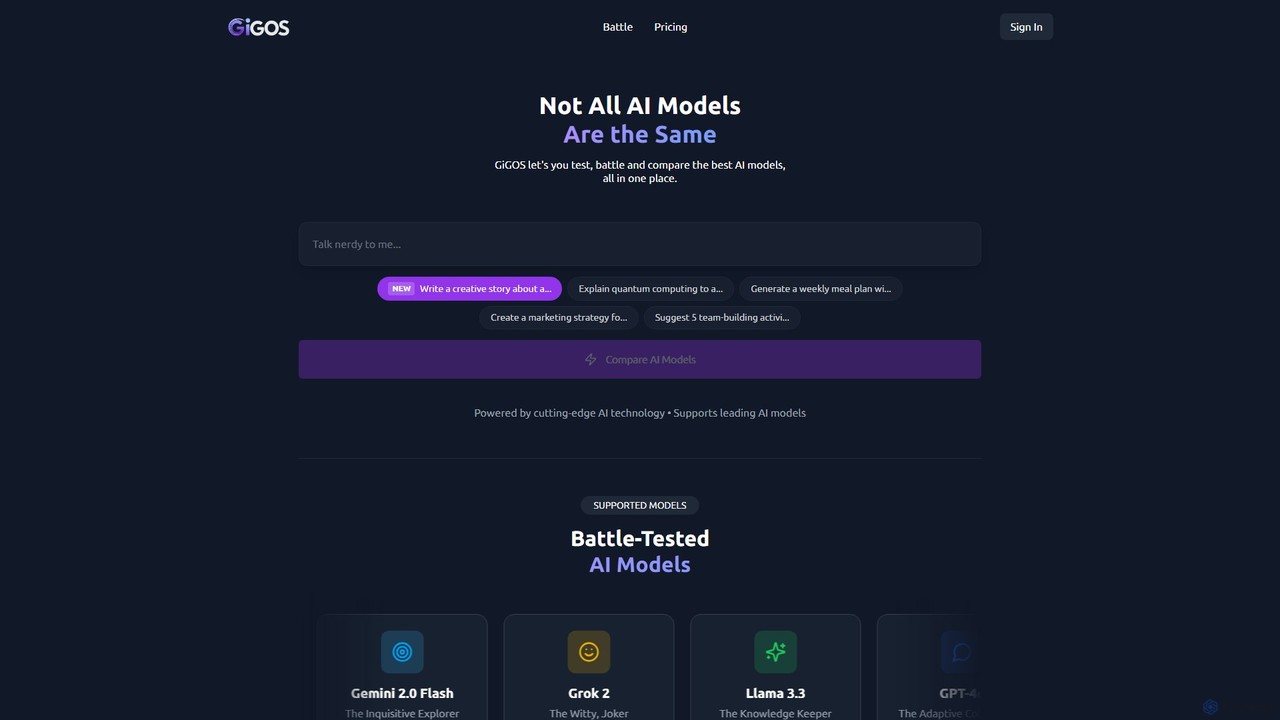
GiGOS is an all-in-one platform that allows users to test, compare, and utilize a variety of leading AI models like GPT-4o, Claude 3.7, and Llama 3. It features a unique "Battle Mode" for side-by-side model comparisons and a flexible pay-as-you-go credit system. Ideal for developers, writers, and marketers looking to find the best AI for their specific tasks without subscribing to multiple services.

Api Management
Visits 6.1KFavorites 123Likes 106
inweave
Freemium

inweave

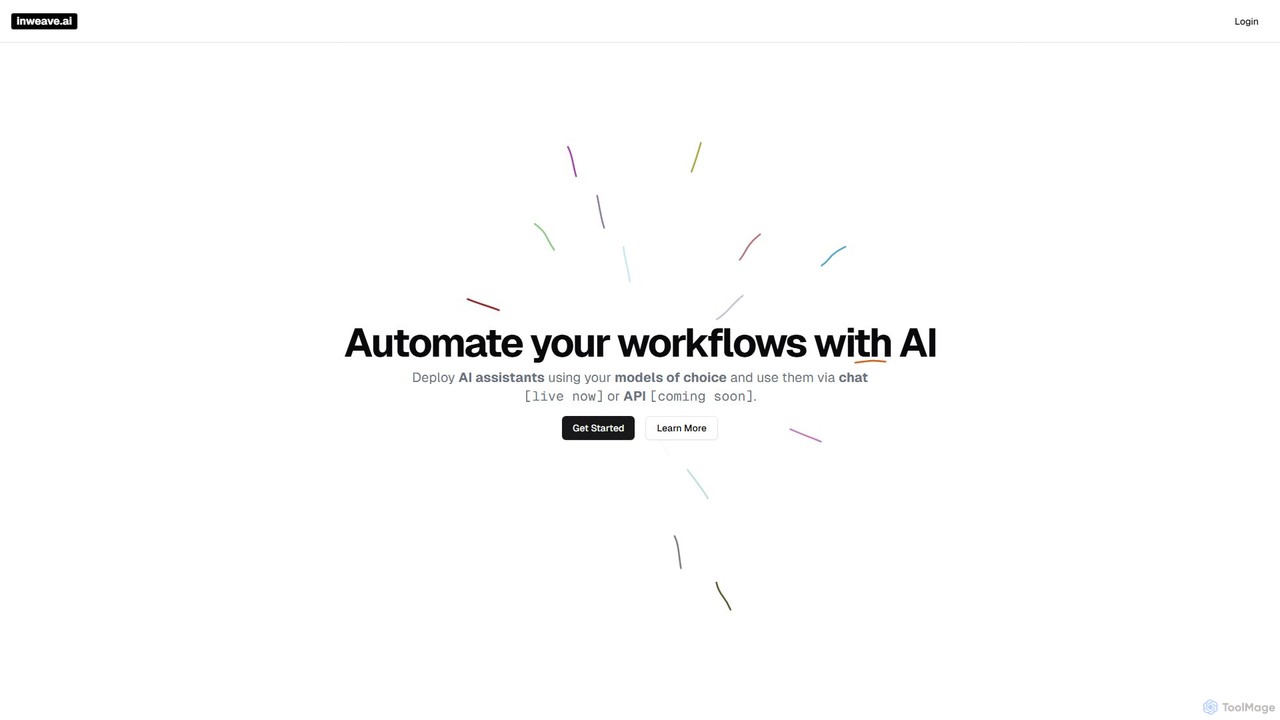
inweave is an AI integration platform designed for startups and developers, providing a unified interface to deploy and manage AI assistants. It allows users to choose from a wide range of models from top providers like OpenAI, Anthropic, and Groq, automating workflows through a simple chat interface or a powerful API. The platform emphasizes flexibility, scalability, and transparent pay-as-you-go pricing, eliminating vendor lock-in and simplifying AI integration.

Startup Tools
Visits 5.7KFavorites 129Likes 141
fleak
Freemium

fleak

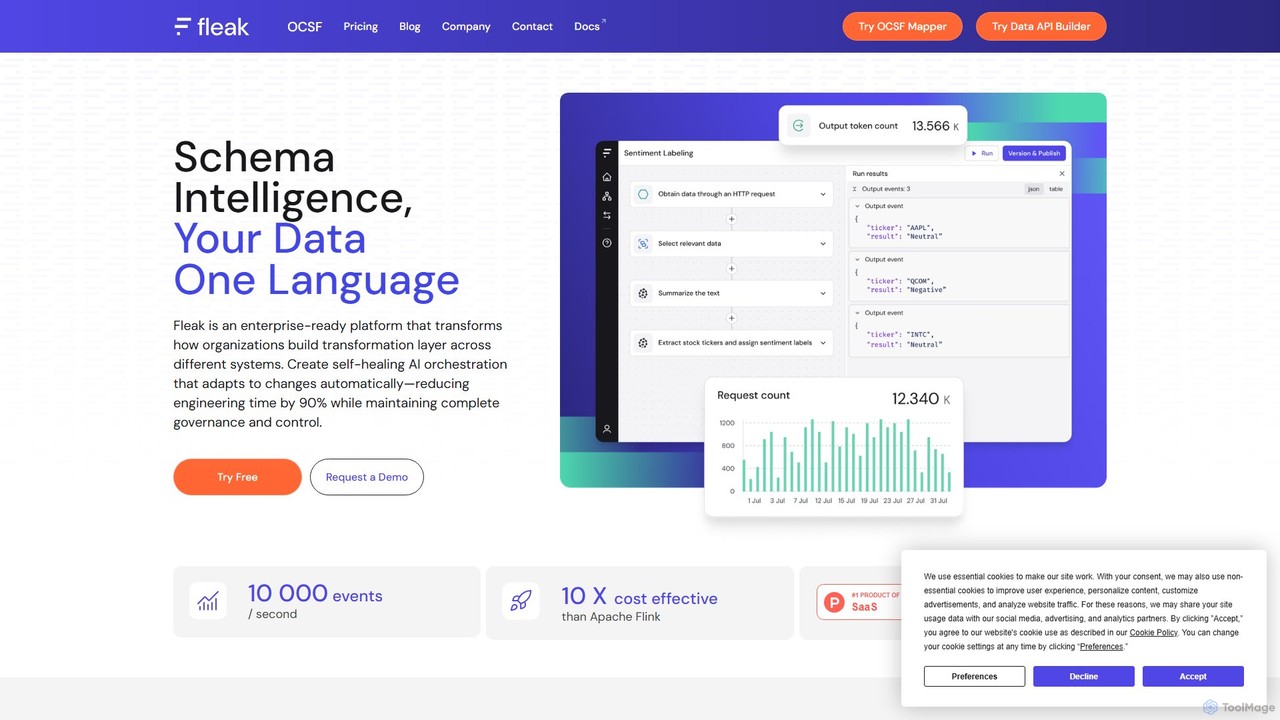
Fleak is an enterprise-ready, serverless platform for building self-healing AI data workflows. It simplifies data transformation and integration across systems using a low-code, drag-and-drop interface. Fleak unifies API services and streaming data processing, orchestrates LLMs, and ensures enterprise-grade governance, reducing engineering time by up to 90% without requiring infrastructure management.

Data Integration
Visits 9.3KFavorites 143Likes 130
Vapify
Freemium

Vapify

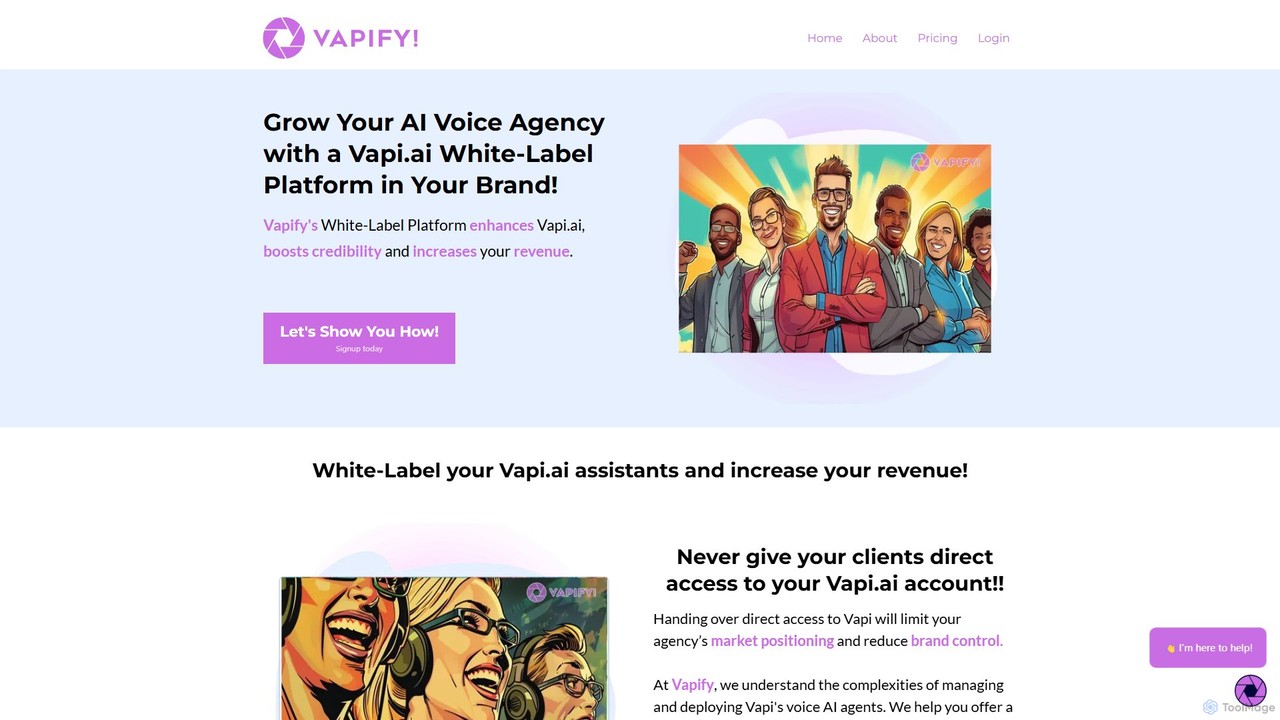
Vapify is a white-label platform for agencies using Vapi.ai. It allows you to rebrand and sell advanced AI voice agent solutions under your own brand, with tools for client management, custom pricing, secure prompt protection, and seamless integration. Empower your agency to increase revenue, enhance brand credibility, and scale your AI voice services.

White Label
Visits 9.2KFavorites 115Likes 112
grafychat
Freemium

grafychat

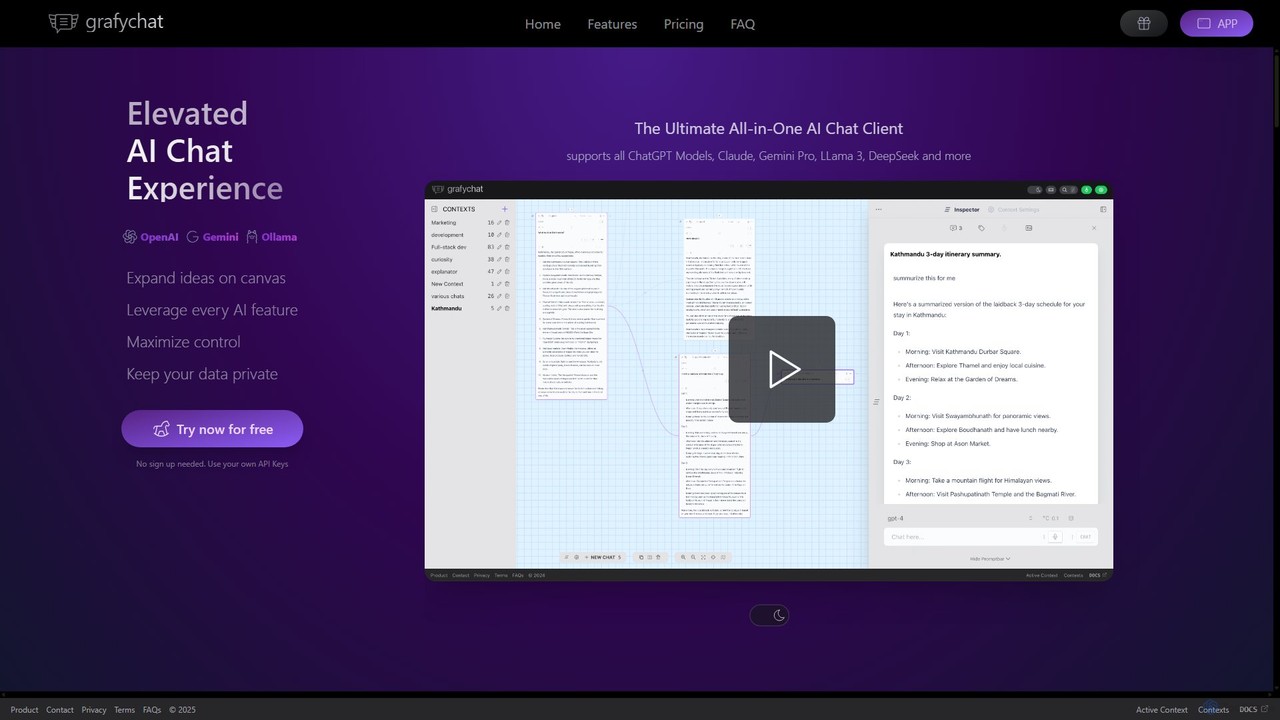
grafychat is a privacy-first, all-in-one AI chat client that offers a unique visual canvas interface. It allows users to connect with major AI models like ChatGPT, Gemini, Claude, and Llama 3 using their own API keys, providing a non-linear, organized, and highly customizable chat experience.

Api Management
Visits 7.7KFavorites 121Likes 96
Andes
Freemium

Andes

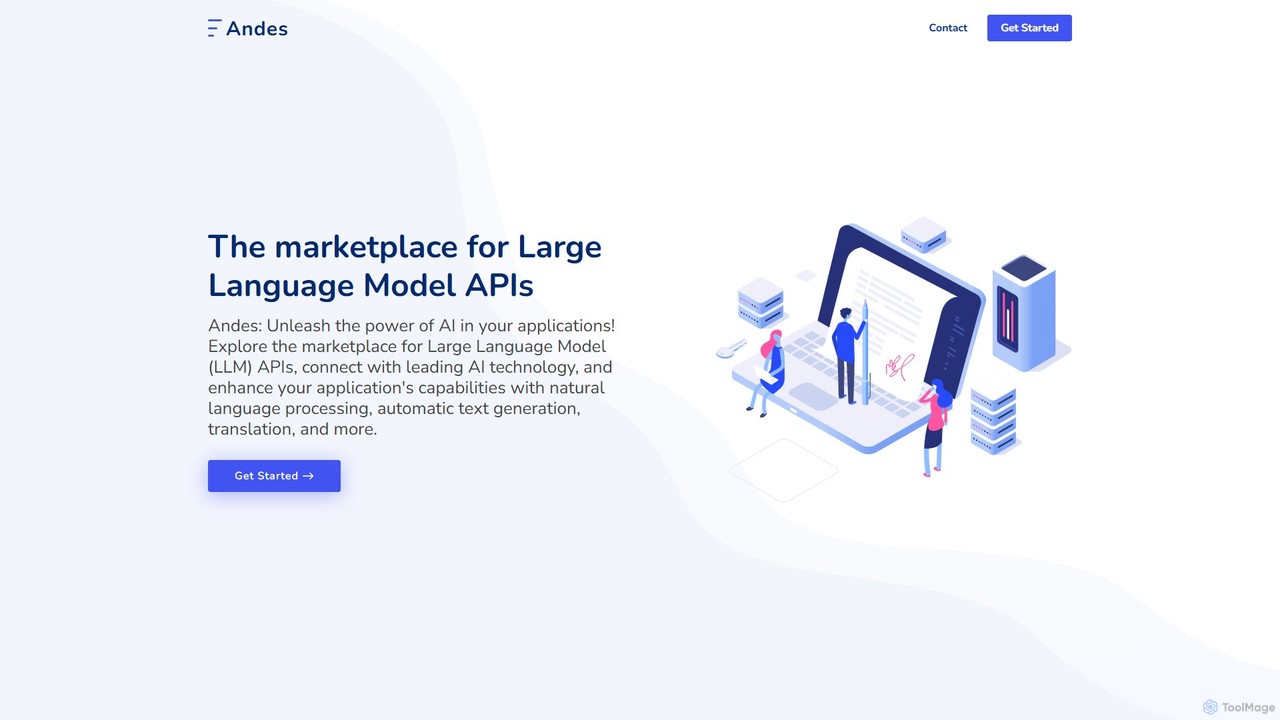
Andes is a unified API marketplace for developers, providing access to a wide range of Large Language Models (LLMs) through a single, streamlined interface. It simplifies the integration of advanced AI capabilities like text generation, NLP, and translation into applications.

Infrastructure
Visits 5.2KFavorites 123Likes 110
ChatKit
Freemium

ChatKit

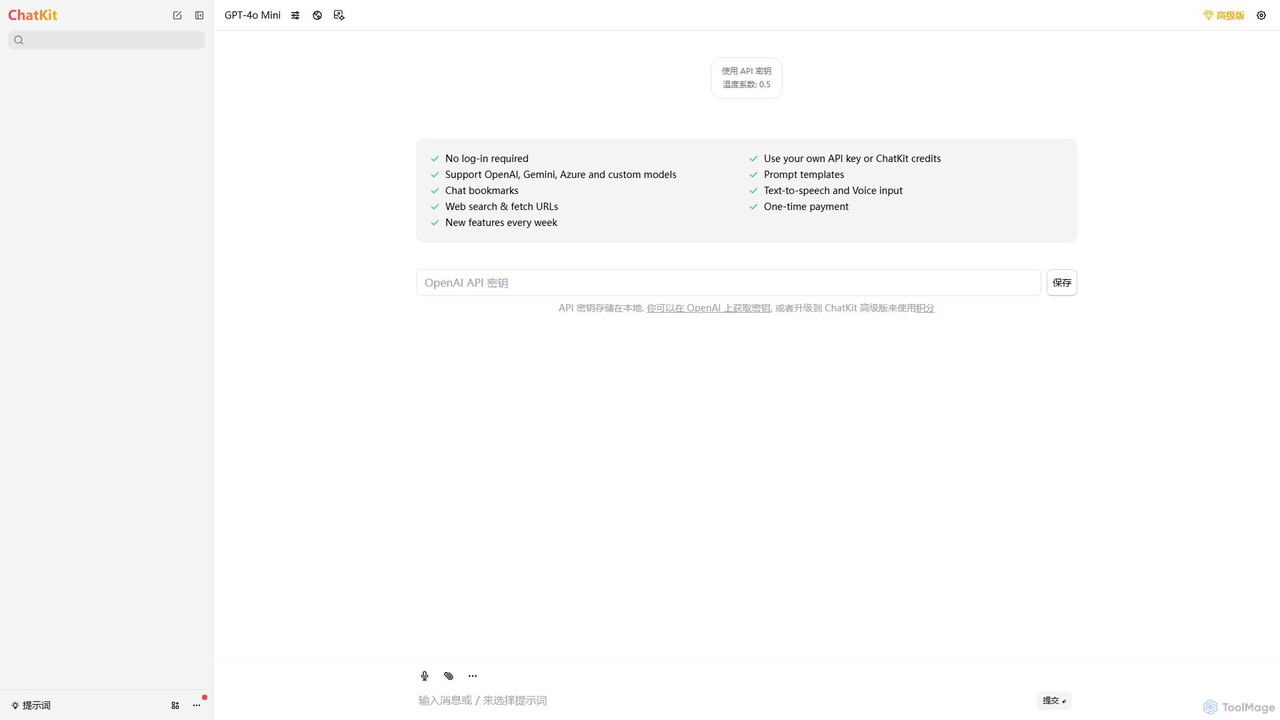
ChatKit is a refined, unified chat interface for top AI models like OpenAI, Gemini, and Azure. It enhances your workflow with features like web search, prompt templates, voice input, and chat bookmarks, all while prioritizing user privacy with local API key storage and no required login.

Api Management
Visits 8.5KFavorites 133Likes 142
PromptLabs
Freemium

PromptLabs

PromptLabs is an advanced platform for prompt engineering, enabling users to create, test, manage, and optimize AI prompts. It provides a comprehensive suite of tools for developers, writers, and teams to enhance the quality and efficiency of their interactions with large language models (LLMs).

Api Management
Visits 5.1KFavorites 139Likes 143
prst.ai
Freemium

prst.ai

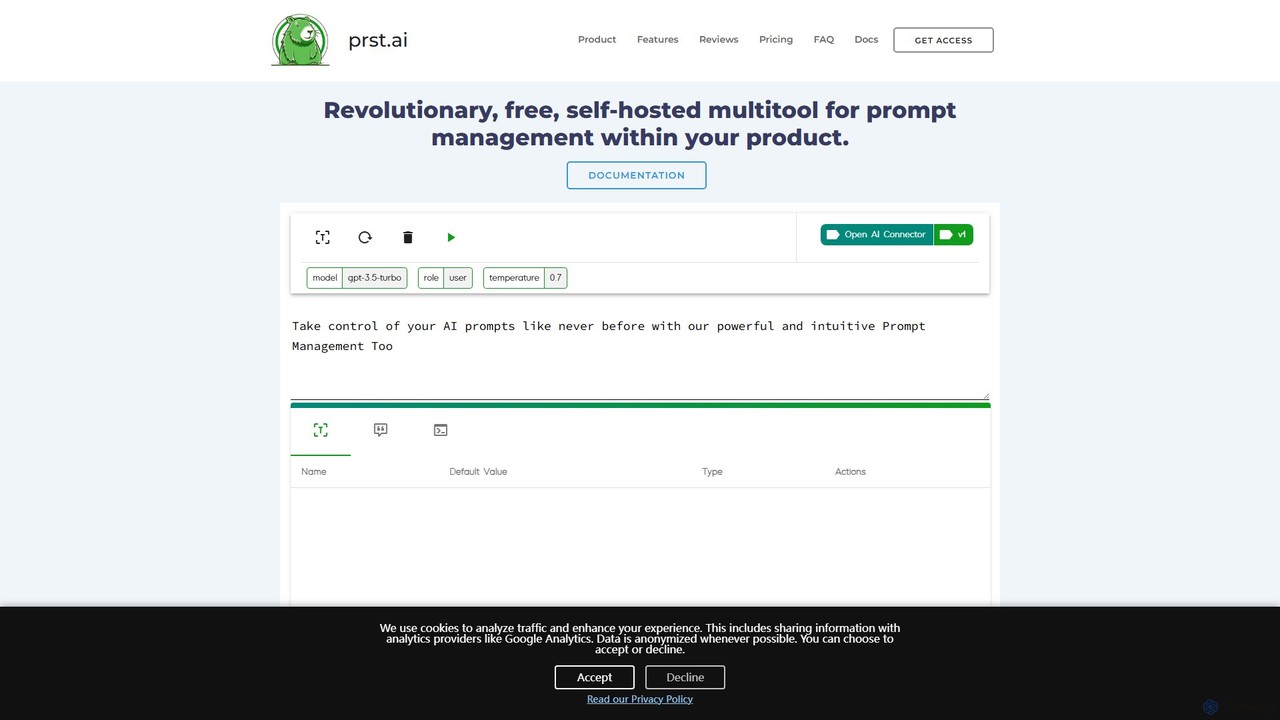
prst.ai is a self-hosted AI automation and prompt management platform. It enables businesses to seamlessly integrate any external AI model, manage prompts without code, and control operational costs with custom pricing rules. Featuring A/B testing, feedback analysis, and enterprise-grade scalability, prst.ai provides full data ownership and a flexible framework to build, test, and optimize AI-powered applications.

Ai Integration
Visits 7.4KFavorites 125Likes 127
Grafbase
Freemium

Grafbase

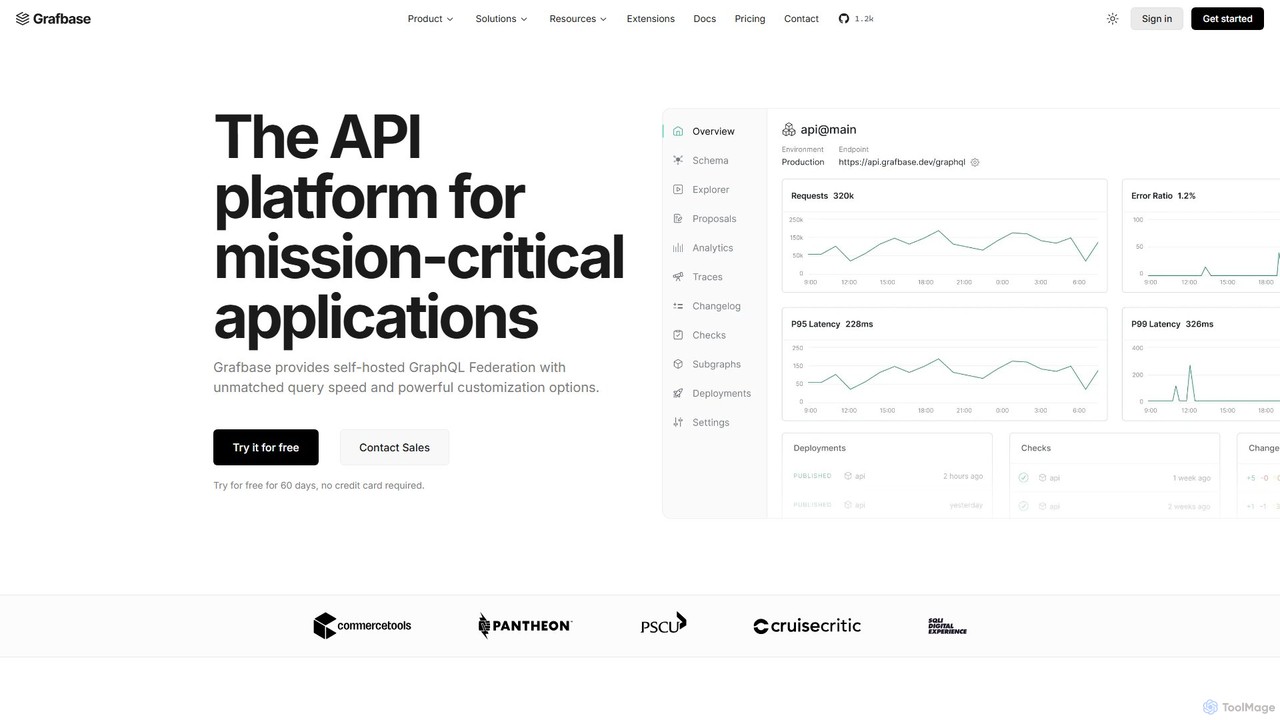
Grafbase is an enterprise-grade API platform for scaling GraphQL Federation. It provides a high-performance, self-hosted gateway built with Rust, offering unmatched speed and security. A key feature is its native support for the Model Context Protocol (MCP), enabling AI agents to query your APIs using natural language, making it a future-proof solution for building AI-powered applications.

Model Integration
Visits 8.8KFavorites 114Likes 115
Sloped

Sloped

Sloped is an AI-powered platform that transforms your data APIs into intuitive, searchable data sources. Ask questions in plain text and get instant insights from your customer analytics platforms like Google Analytics, Intercom, and Stripe, without writing a single line of code or API query.

Business Intelligence
Visits 5.1KFavorites 147Likes 147
Higress.AI
Freemium

Higress.AI

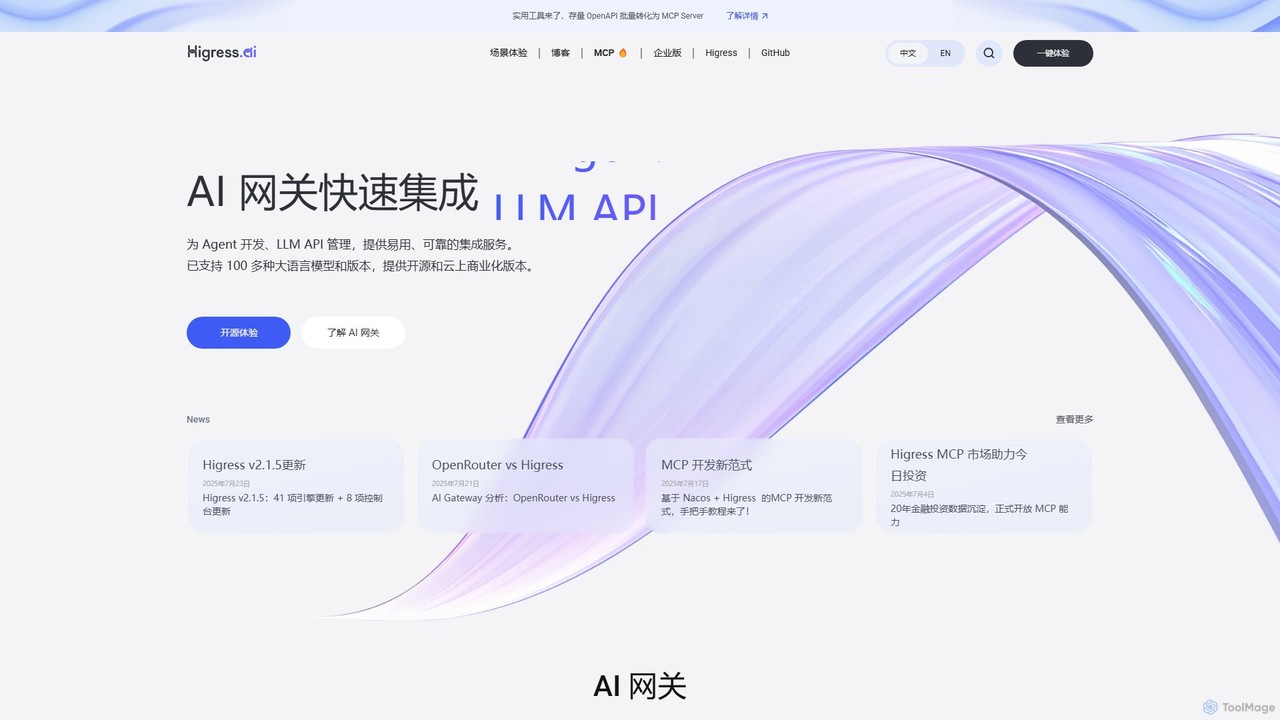
Higress.AI is an advanced, open-source AI Gateway designed for developers and enterprises. It simplifies the integration and management of Large Language Models (LLMs) and AI Agents by providing a unified API proxy for over 100 models. Key features include REST to MCP conversion, semantic caching, token-based rate limiting, and a robust plugin system, enabling secure, scalable, and observable AI application infrastructure.

Model Deployment
Visits 34KFavorites 98Likes 107
CookieChimp
Freemium

CookieChimp

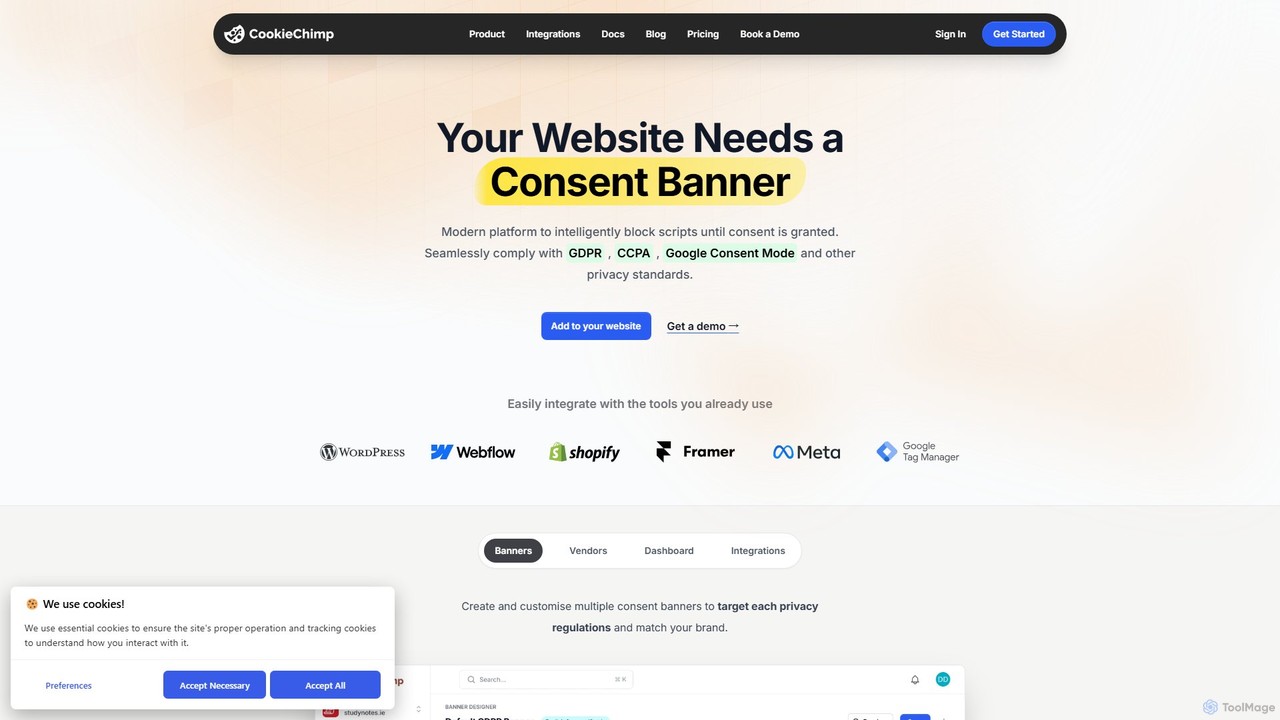
CookieChimp is an AI-powered consent management platform that helps websites achieve compliance with global privacy laws like GDPR and CCPA. It automates cookie scanning and categorization, provides customizable consent banners, and ensures high performance without slowing down your site. Designed for both simplicity and power, it offers a developer-friendly experience with robust API access and seamless integrations.

Api Management
Visits 12.2KFavorites 138Likes 143
getconduit
Freemium

getconduit

getconduit is an AI integration and workflow automation platform that simplifies connecting to various large language models (LLMs) and AI services. It provides a unified API and a no-code builder to create, manage, and scale AI-powered applications and workflows, reducing development complexity and costs.

Integration Platform
Visits 5.3KFavorites 105Likes 118
Coot AI
Freemium

Coot AI

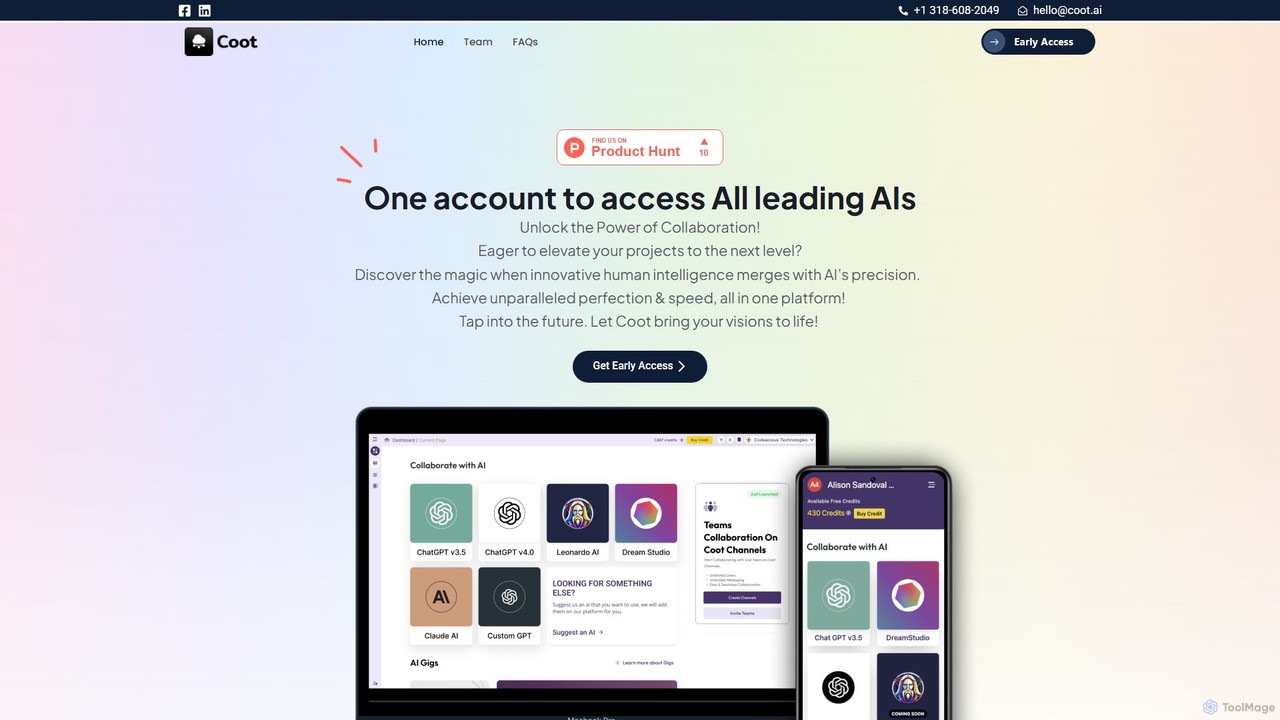
Coot AI is a unified platform providing single-account access to all leading AI models. It's designed for collaboration, merging human intelligence with AI precision to enhance project speed and perfection. It offers team workspaces, custom AI solutions, and a scalable infrastructure.

Collaboration
Visits 6.3KFavorites 141Likes 139
Contentful
Freemium

Contentful

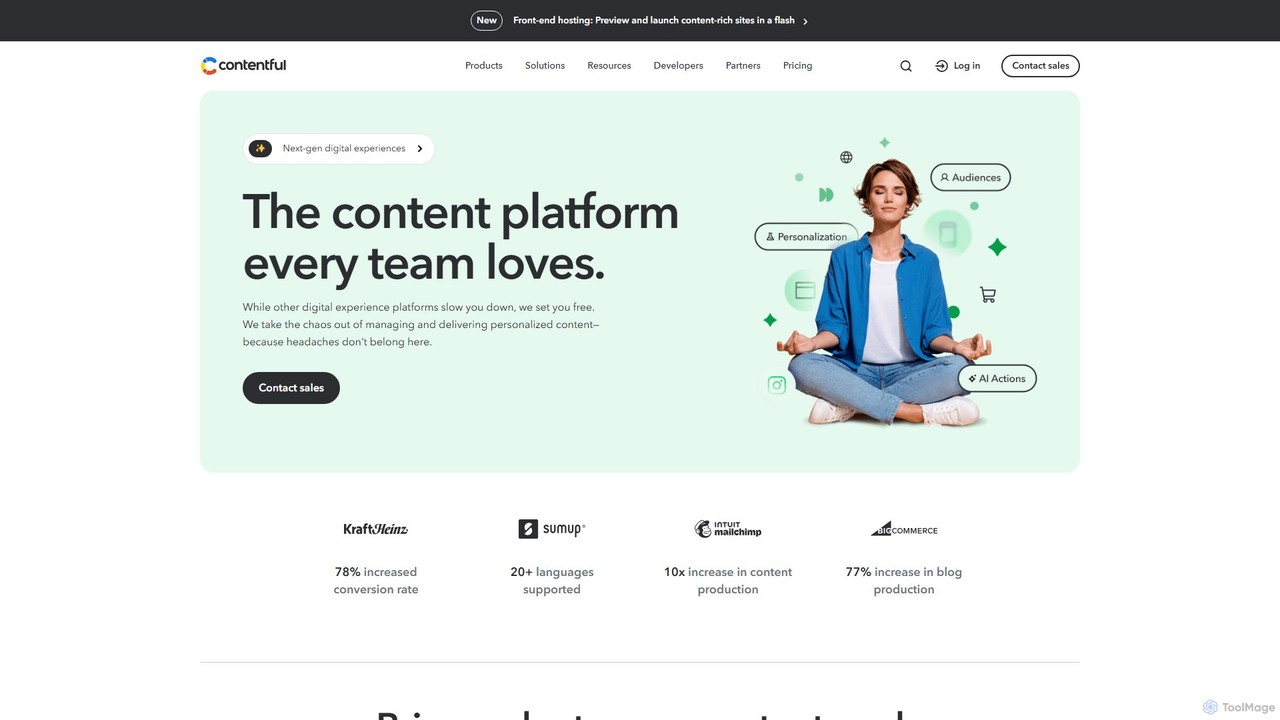
Contentful is an intelligent composable content platform that helps enterprises create, manage, and deliver digital experiences at scale. Evolving from a headless CMS, it empowers marketing and development teams with AI-driven tools, a modular content architecture, and powerful APIs. This allows for faster content production, seamless omnichannel delivery, and personalized customer journeys, reducing reliance on developers and accelerating campaign launches.

Headless Cms
Visits 1MFavorites 133Likes 143
Merge
Freemium

Merge

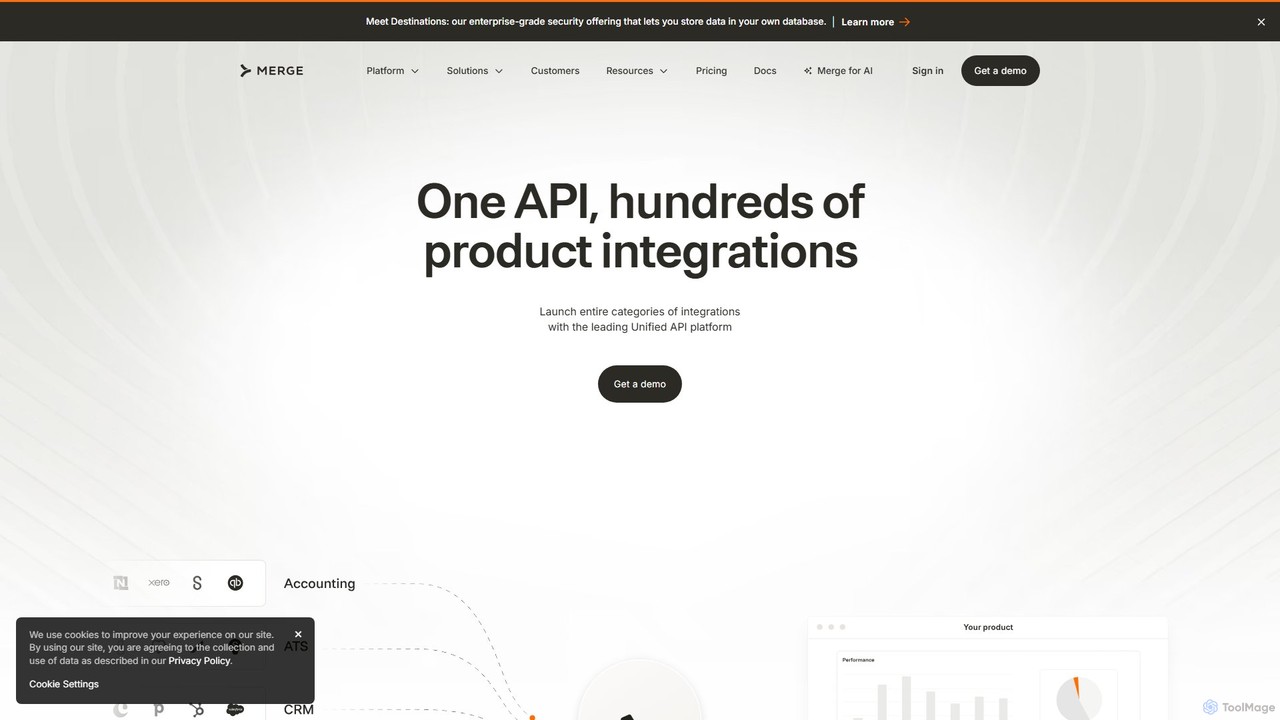
Merge is a leading Unified API platform for B2B companies, enabling them to add hundreds of customer-facing integrations for HR, Payroll, Accounting, CRM, and more. It simplifies data access and synchronization, allowing developers to build once and connect to a vast ecosystem of third-party applications, accelerating product development and reducing engineering overhead.

Integration Platform As A Service (Ipaas)
Visits 322.6KFavorites 93Likes 111
Keywords AI
Freemium

Keywords AI

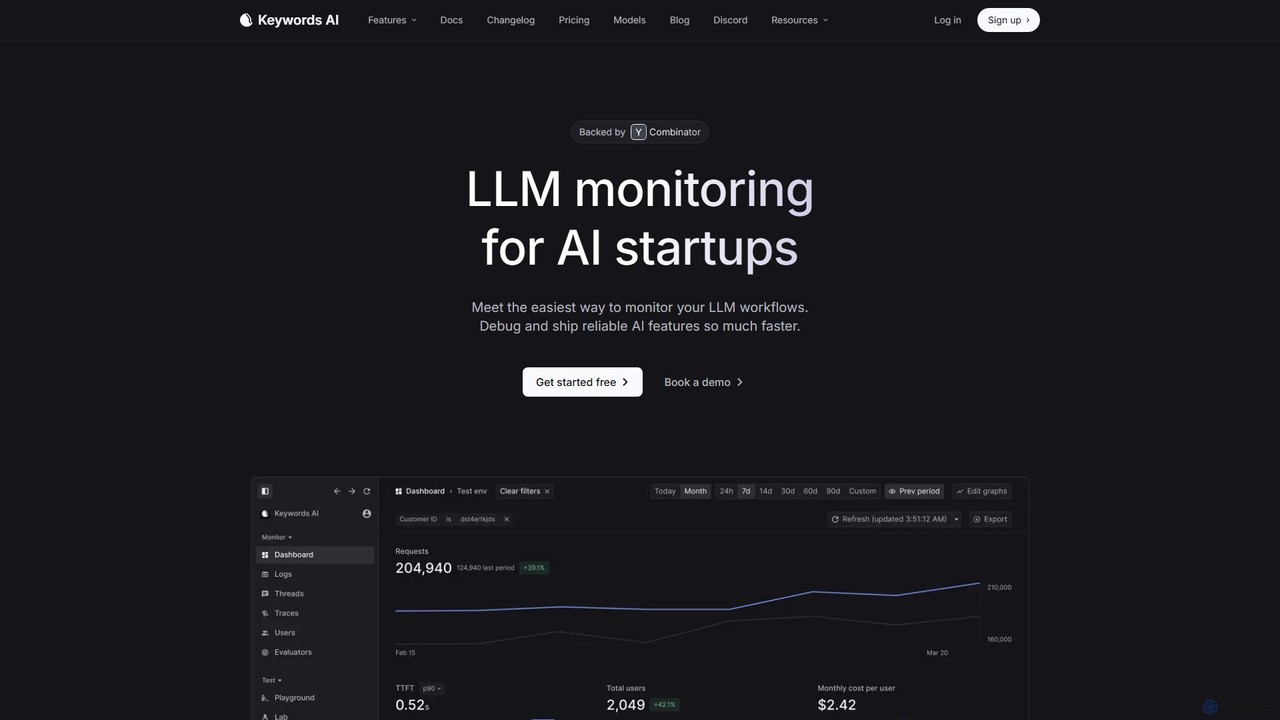
Keywords AI is a comprehensive LLM observability and monitoring platform designed for AI startups and developers. It provides a unified API to deploy, test, monitor, and optimize LLM workflows, supporting over 200 models with a simple, two-line integration to help teams build and ship reliable AI features faster.

Api Management
Visits 10.2KFavorites 150Likes 141
Eden AI
Freemium

Eden AI

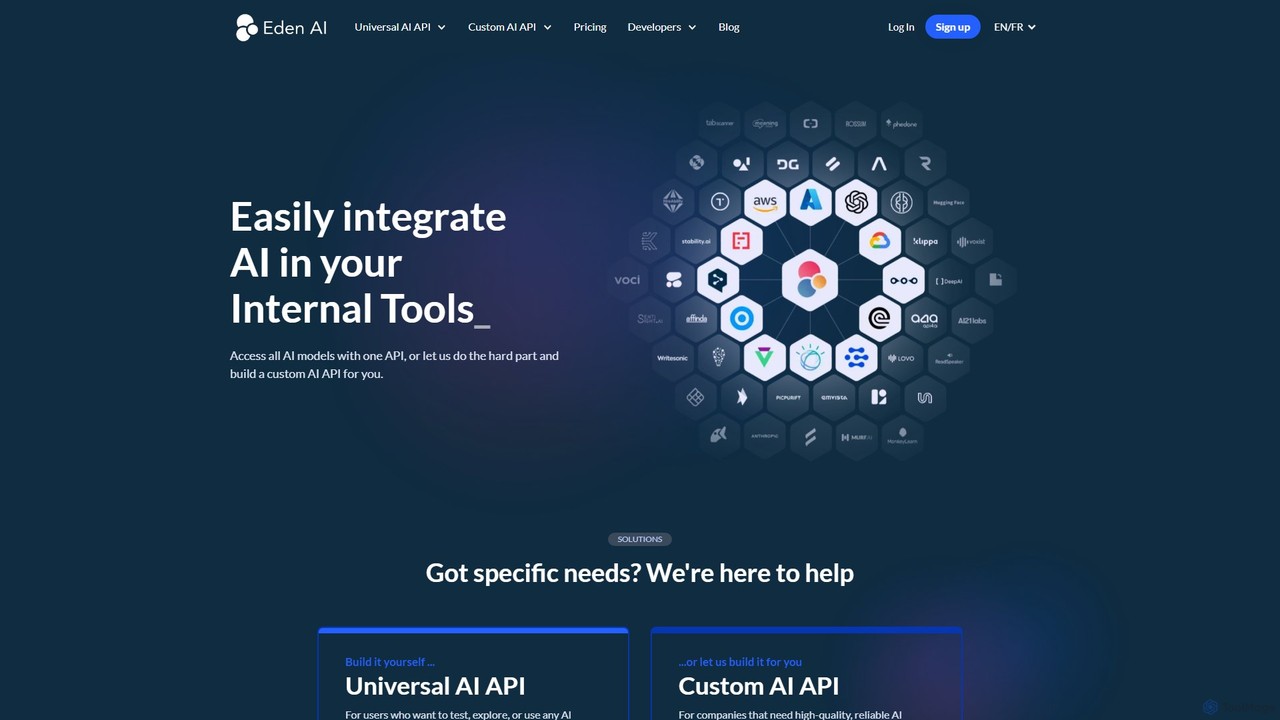
Eden AI is a unified API platform that allows developers to easily access and integrate the best AI models from various providers like OpenAI, Google, and AWS. It simplifies AI integration, enables performance and price benchmarking, and offers custom AI solutions for specific business needs.

Platform
Visits 129.6KFavorites 99Likes 113
InfernoAI
Freemium

InfernoAI

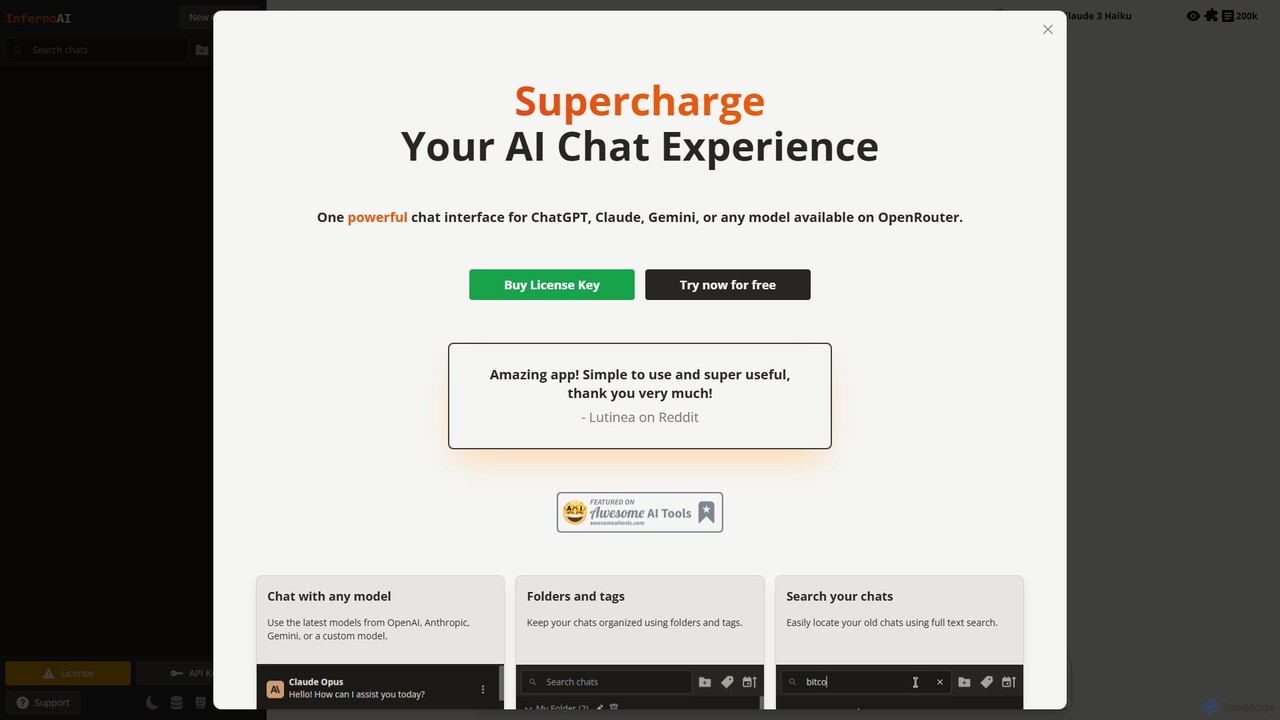
InfernoAI is a powerful web-based chat interface that unifies access to top AI models like ChatGPT, Claude, and Gemini through OpenRouter. It operates on a 'Bring Your Own Key' model, ensuring privacy with local data storage. Features include advanced chat organization, full-text search, text-to-speech, and integrated image generation, all without monthly fees.

Ai Chat Interface
Visits 5.4KFavorites 127Likes 116

About Api Management

API Management tools are platforms designed to create, publish, maintain, monitor, and secure APIs in a controlled environment. They provide a centralized point of control for an organization's entire API lifecycle, from design and documentation to security enforcement and usage analytics. This enables businesses to securely expose data and services to partners, developers, and other applications, fostering innovation and creating new digital ecosystems. Key components typically include an API gateway, a developer portal, and robust monitoring dashboards.

Core Features

  • API Gateway: Acts as a single entry point for all API requests, handling routing, composition, and protocol translation while enforcing security policies.
  • Developer Portal: A self-service hub where developers can discover APIs, access interactive documentation, register applications, and obtain API keys.
  • Lifecycle Management: Tools to manage the entire API lifecycle, including versioning, deployment, deprecation, and retirement of APIs.
  • Security and Governance: Implements authentication and authorization standards like OAuth 2.0 and JWT, and applies rate limiting and throttling to prevent abuse.
  • Analytics and Monitoring: Provides detailed dashboards to track API usage, performance metrics, error rates, and latency, offering insights into API health and adoption.

Use Cases

API Management is crucial for enterprises building a public API program to engage external developers. It's also essential for companies adopting a microservices architecture to govern communication between internal services. SaaS providers use these tools to offer robust integrations, and organizations undergoing digital transformation leverage them to modernize legacy systems by exposing them through secure, modern APIs.

How to Choose

When selecting an API Management tool, consider its deployment model (cloud, on-premise, or hybrid) to fit your infrastructure. Evaluate its security capabilities, ensuring it supports your required authentication standards. Assess its scalability and performance to handle your expected traffic load. Finally, examine the quality of the developer portal, as a positive developer experience is key to API adoption.

Featured tool rankings

Api Management use cases

1

Launch a Public Partner API Program

A fintech company wants to build an ecosystem around its payment services. Using an API Management platform, their API product managers design and publish a set of secure REST APIs. The platform's developer portal allows third-party developers to easily discover the APIs, read interactive documentation, and obtain API keys in a self-service manner. The built-in API gateway enforces OAuth 2.0 security, applies rate limits based on subscription tiers, and logs every transaction. This strategy accelerates partner onboarding and creates new revenue streams by monetizing API access.

2

Govern Internal Microservices Communication

A large e-commerce enterprise is migrating from a monolithic architecture to microservices. A DevOps team implements an API Management platform to act as a central gateway for all inter-service communication. This provides a unified way to handle authentication, apply consistent rate limiting to prevent cascading failures, and gain centralized visibility into traffic patterns. Developers can now build and deploy services independently, knowing that the gateway will manage security and routing, which significantly reduces complexity and improves system resilience.

3

Monetize Data Assets via APIs

A data analytics firm possesses valuable market trend datasets. To create a new revenue stream, they use an API Management platform to package this data as a commercial API product. The platform allows them to define multiple subscription plans (e.g., Free, Pro, Enterprise) with different usage quotas and rate limits. It integrates with a payment processor to automate billing based on API consumption. The analytics dashboard provides insights into which data endpoints are most popular, helping the product team refine their offerings and pricing strategy.

4

Secure Mobile and Web Application Backends

A development team for a mobile banking app needs to ensure all communication with backend services is secure and performant. They place an API Gateway from their management platform in front of all backend APIs. This gateway acts as a policy enforcement point, terminating TLS, validating JWT tokens for every request, and protecting against common threats like SQL injection and DDoS attacks. It also provides a single point for monitoring latency and error rates, allowing the operations team to quickly identify and resolve performance bottlenecks before they impact users.

5

Accelerate Developer Onboarding and Adoption

A SaaS company wants to reduce the support overhead required to onboard new customers to their API. They utilize the Developer Portal feature of their API Management solution. This portal provides a central, branded location with comprehensive, interactive API documentation generated directly from their OpenAPI specifications. New developers can sign up, create an application, receive API keys, and test API calls in a sandbox environment, all without manual intervention from the support team. This self-service experience reduces onboarding time from days to minutes and significantly improves developer satisfaction.

6

Modernize Legacy Systems with an API Facade

A large insurance company relies on a mainframe system with a complex, outdated interface. To enable new web and mobile applications to access this data, they use an API Management platform to create an 'API facade'. The API Gateway receives modern REST/JSON requests and translates them into the SOAP/XML or other protocols required by the mainframe. This decouples new applications from the legacy system, allowing for faster development cycles. It also adds a crucial layer of security, analytics, and access control that the legacy system lacks, extending its life and value.

Api Management FAQ

What is API Management?

API Management is the process of overseeing Application Programming Interfaces (APIs) in a secure, scalable, and controlled environment. It involves a set of tools and platforms that handle the entire API lifecycle, which includes designing, publishing, documenting, securing, and analyzing APIs. The primary goal is to allow organizations to share data and functionality securely with external developers, partners, and internal teams. A typical API Management solution includes an API Gateway, a Developer Portal, and analytics capabilities.

How to choose the right API Management tool?

Choosing the right API Management tool depends on your specific needs. Consider these key factors:

  • Deployment Model: Do you need a cloud-based (SaaS), on-premise, or hybrid solution to comply with data residency or security policies?
  • Security Features: Ensure the tool supports essential security standards like OAuth 2.0, OpenID Connect, and JWT, and offers robust threat protection.
  • Scalability and Performance: Evaluate if the platform can handle your current and future API traffic without introducing significant latency.
  • Developer Experience: A high-quality, customizable developer portal is crucial for API adoption. Check for interactive documentation and self-service features.
  • Integration: Assess how well the tool integrates with your existing CI/CD pipelines, identity providers, and monitoring systems.
What is the difference between an API Gateway and API Management?

An API Gateway is a core component of a full API Management platform, but they are not the same. An API Gateway is a runtime component that acts as a single entry point for API calls. Its primary job is to route requests, enforce security policies like authentication and rate limiting, and perform protocol translation. In contrast, API Management is a broader solution that covers the entire API lifecycle. It includes the API Gateway, but also adds a developer portal for discovery and onboarding, analytics for monitoring usage, and tools for designing, versioning, and monetizing APIs.

What are the key features of an API Management platform?

A comprehensive API Management platform typically includes several key features working together:

  • API Gateway: The runtime proxy that enforces policies on all API traffic.
  • Developer Portal: A self-service website for developers to find, learn about, and start using your APIs.
  • API Lifecycle Management: Tools for designing (e.g., with OpenAPI/Swagger), versioning, deploying, and eventually retiring APIs.
  • Security: Features for authentication (API keys, OAuth 2.0), authorization, and threat protection against common attacks.
  • Analytics and Monitoring: Dashboards that provide real-time and historical data on API usage, performance, and errors.
Who needs to use API Management tools?

API Management tools are valuable for a wide range of organizations and roles. Key users include:

  • Enterprises with Public APIs: Companies that want to build a developer ecosystem, create new business models, or integrate with partners.
  • Organizations Adopting Microservices: Teams that need to manage, secure, and monitor the complex web of communication between internal services.
  • SaaS Providers: Businesses that offer their product's functionality via APIs to enable customer and third-party integrations.
  • IT and DevOps Teams: Professionals responsible for governance, security, and operational stability of the company's application infrastructure.
  • API Product Managers: Individuals who treat APIs as products and are responsible for their strategy, adoption, and monetization.