ToolMage
Sign in

Best 125 Database AI tools for Developer Tools

Popular Database AI tools in Developer Tools include MongoDB, Databricks, Elastic, Pinecone, Milvus, InfluxData, Chroma, Navicat, Vectorize, and MotherDuck, helping you work more efficiently.

Outerbase
Freemium

Outerbase

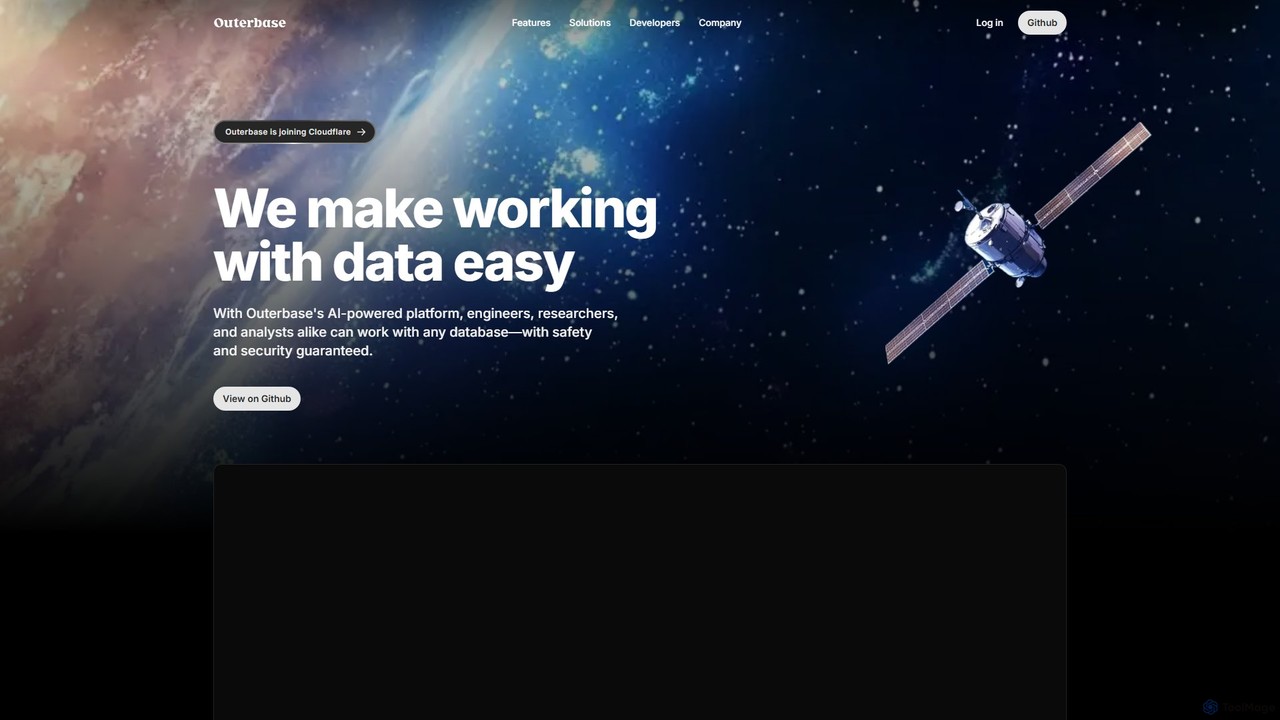
Outerbase is an AI-powered interface for your database, providing a modern, all-in-one platform for data interaction, analysis, and visualization. It allows users to ask questions in natural language (EZQL™), build dashboards, and manage data across various SQL and NoSQL databases with robust security and collaboration features.

Analytics
Visits 13.6KFavorites 132Likes 133
Chat2DB
Freemium

Chat2DB

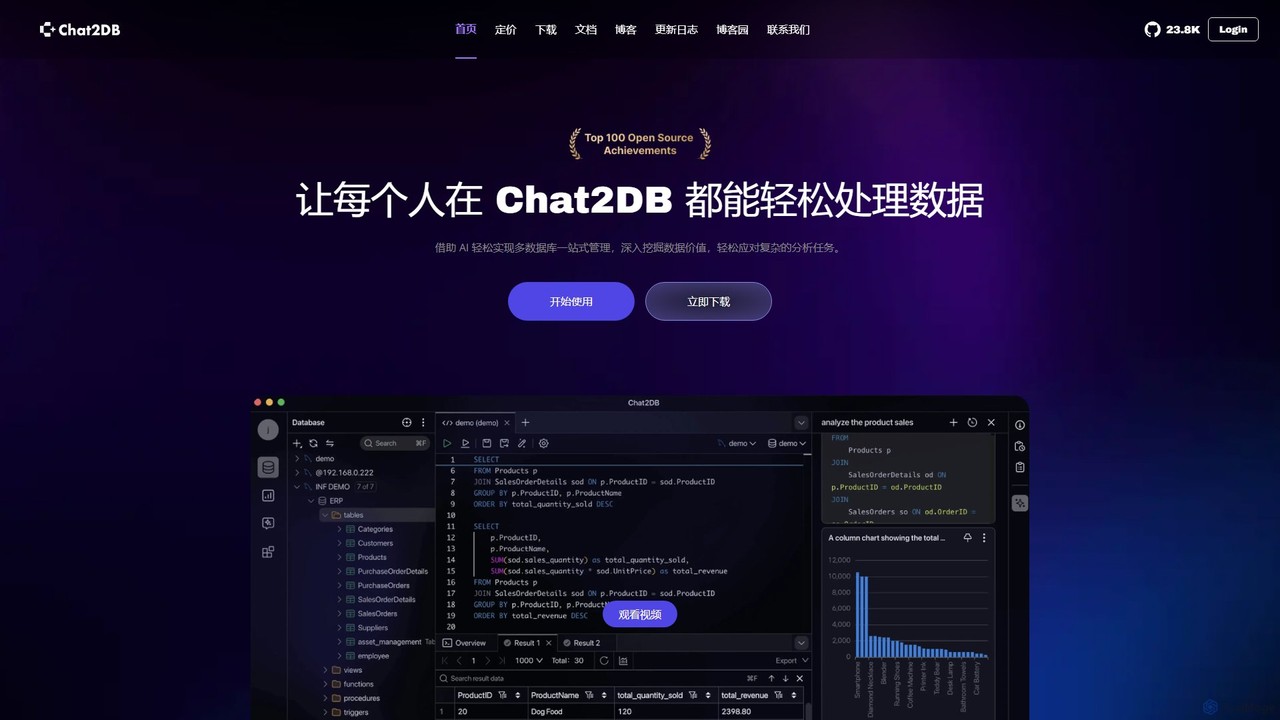
Chat2DB is an intelligent, all-in-one database management tool powered by AI. It supports over 30 databases, including MySQL, PostgreSQL, and MongoDB, allowing users to manage, query, and analyze data using natural language. Features include AI SQL generation, data visualization, no-code dashboard creation, and robust security protocols, making it ideal for developers, analysts, and business users.

Business Intelligence
Visits 38.6KFavorites 152Likes 149
MotherDuck
Freemium

MotherDuck

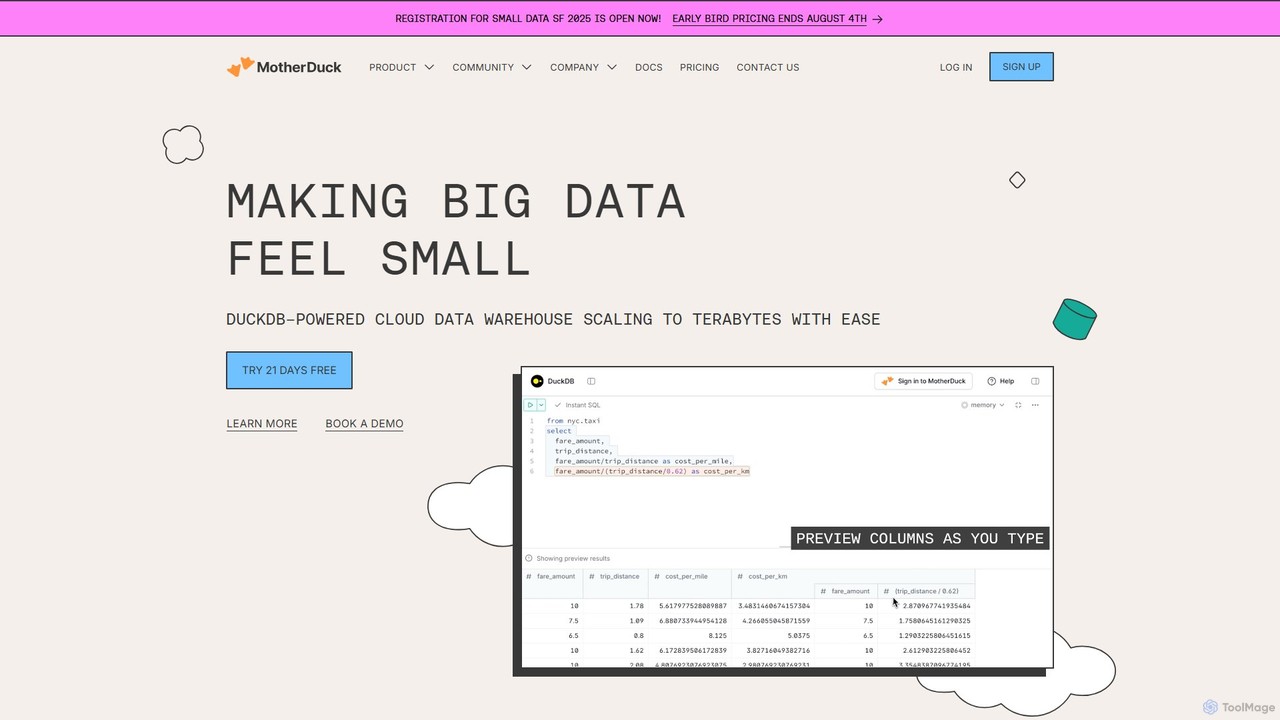
MotherDuck is a serverless cloud data warehouse powered by the high-performance DuckDB engine. It simplifies data analytics by offering a hybrid execution model, allowing users to seamlessly query data both locally and in the cloud. It's designed for engineers and data scientists to easily manage and analyze growing datasets without the complexity of traditional data warehouses.

Database
Visits 212.2KFavorites 152Likes 147
Querio
Freemium

Querio

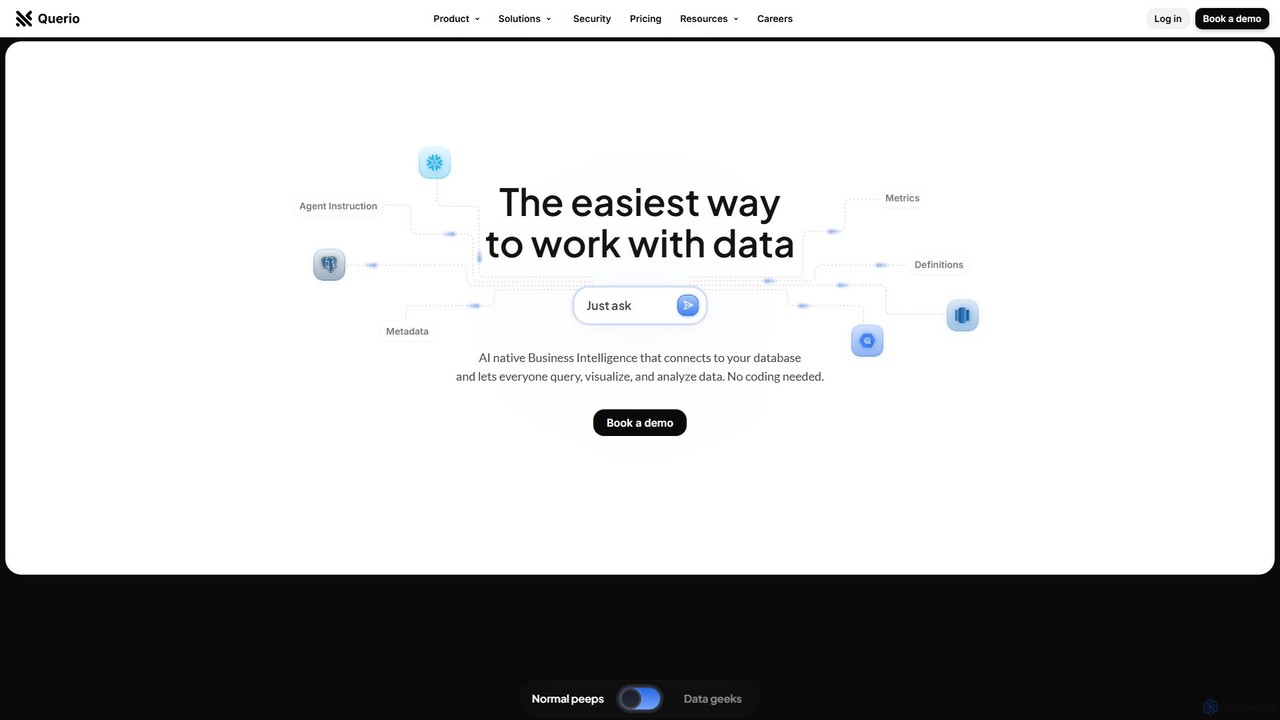
Querio is an AI-native Business Intelligence (BI) platform that allows teams to analyze their data using natural language. Connect directly to your database and ask questions to generate queries, visualizations, and reports without writing any code. It's designed for both technical and non-technical users to make data-driven decisions quickly.

Business Intelligence
Visits 55.3KFavorites 146Likes 141
Milvus
Freemium

Milvus

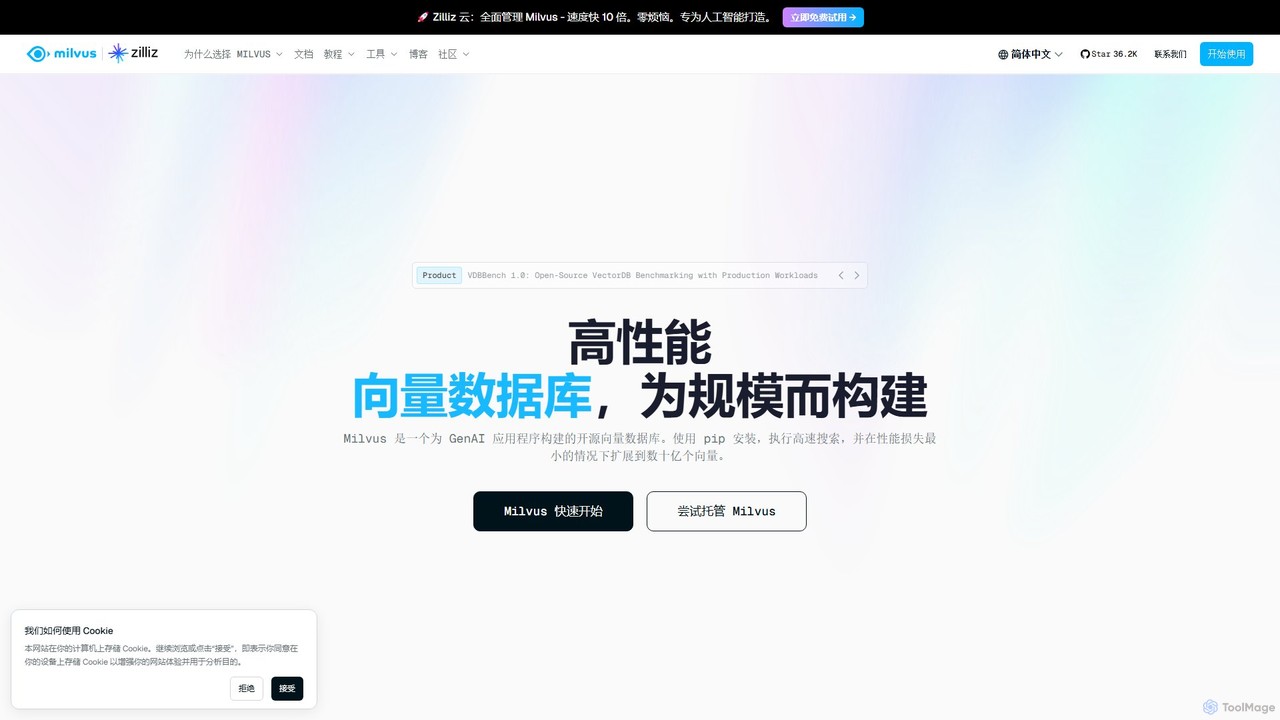
Milvus is a high-performance, open-source vector database built for AI applications. It enables developers to manage and search through billions of high-dimensional vectors with minimal latency. Ideal for building scalable systems like retrieval-augmented generation (RAG), recommendation engines, and semantic search, Milvus offers flexible deployment options from local prototyping to large-scale distributed clusters.

Machine Learning
Visits 536.9KFavorites 122Likes 143
Elastic
Freemium

Elastic

Elastic is a comprehensive Search AI platform built on Elasticsearch. It provides powerful solutions for enterprise search, observability, and security, integrating generative AI and a leading vector database to help organizations analyze data, monitor systems, and protect against threats in real-time.

Database
Visits 1.3MFavorites 155Likes 163
Quadratic
Freemium

Quadratic

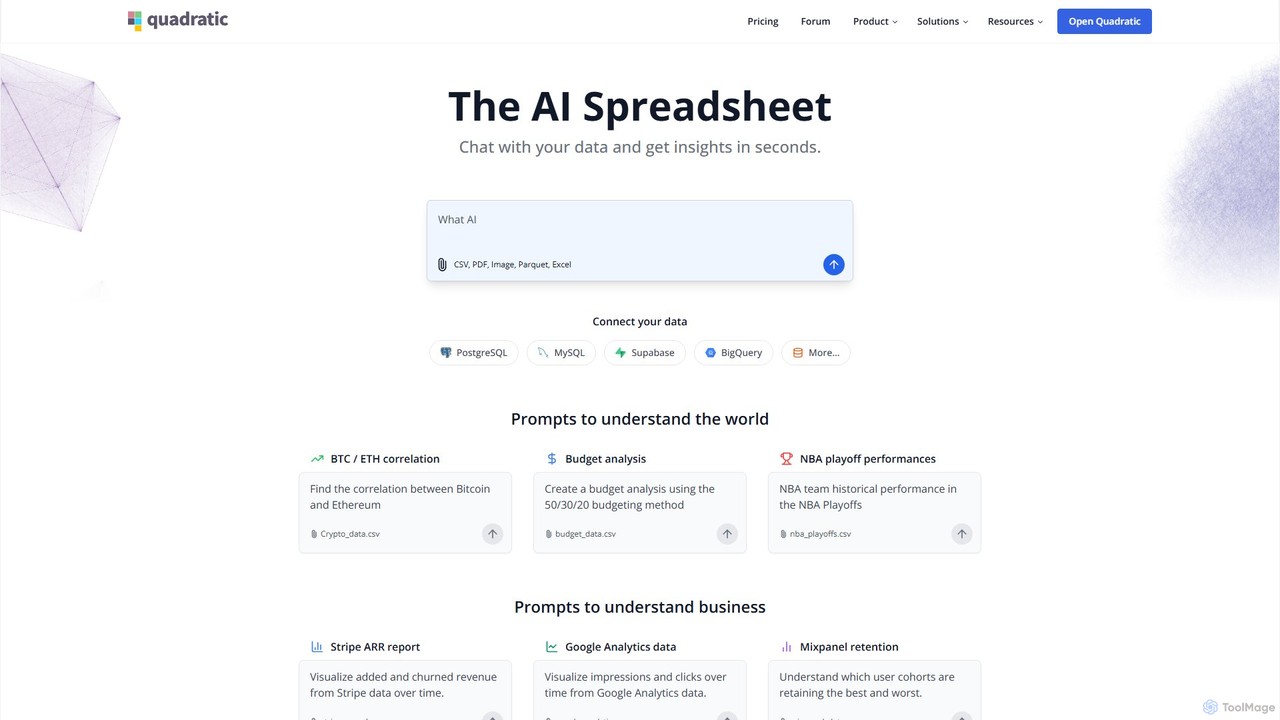
Quadratic is a powerful AI spreadsheet that integrates a familiar interface with Python, SQL, and natural language prompts. Connect directly to live databases, analyze data, extract information from PDFs, and create visualizations instantly. It's a secure, collaborative platform for data analysts, business professionals, and developers.

Business Intelligence
Visits 124.9KFavorites 128Likes 113
sqltroughai
Freemium

sqltroughai

sqltroughai is an AI-powered assistant that translates natural language into SQL queries, optimizes existing code, and explains complex queries in plain English. It empowers developers, analysts, and business users to interact with databases effortlessly and efficiently.

Code Assistant
Visits 6.3KFavorites 110Likes 110
sqlbuilder
Freemium

sqlbuilder

sqlbuilder is an AI-powered platform that simplifies database interactions. It enables users to generate, explain, optimize, and validate SQL and NoSQL queries using plain English. Designed for both developers and non-technical users, it accelerates data exploration, report generation, and database management, eliminating the need for deep SQL knowledge and reducing development time.

Code Assistant
Visits 6.5KFavorites 124Likes 129
MyScale
Freemium

MyScale

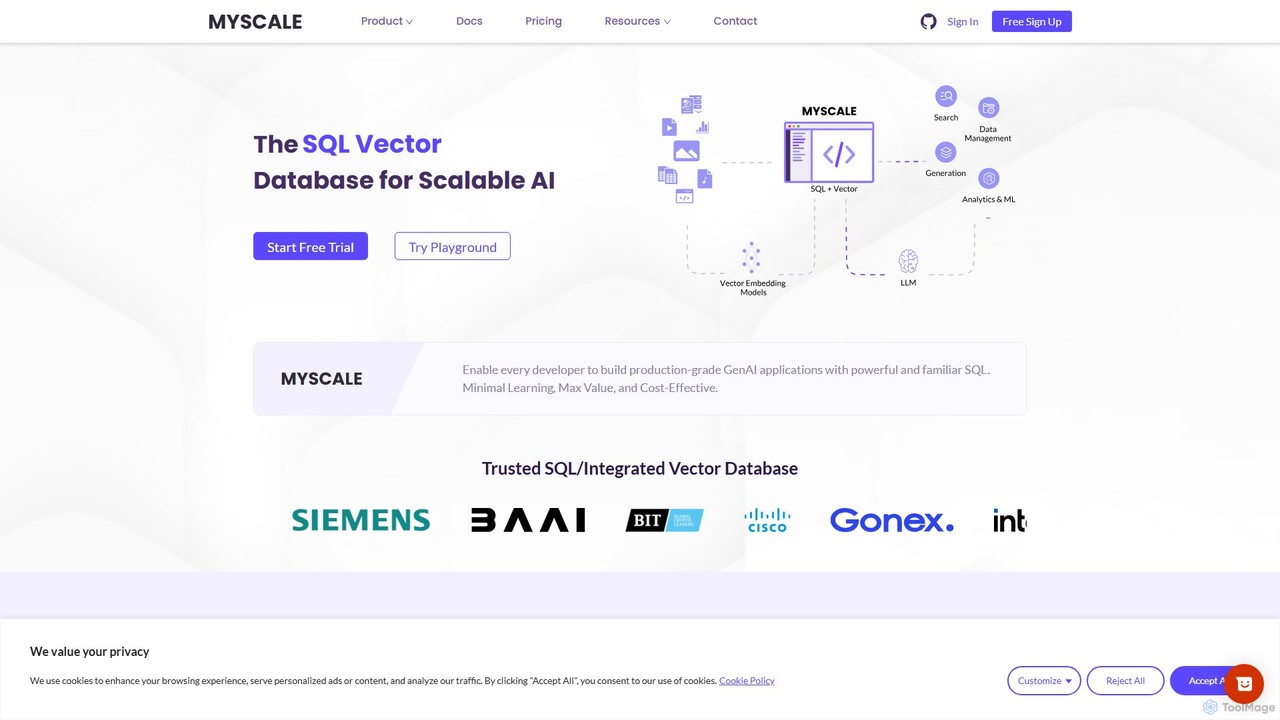
MyScale is a high-performance vector database that uniquely combines vector search with the power of SQL. It's designed for building advanced AI applications like RAG, semantic search, and recommendation systems, simplifying the tech stack by allowing developers to run hybrid queries on vectors and structured data using a single, familiar interface.

Vector Database
Visits 46.1KFavorites 140Likes 121
Xata
Freemium

Xata

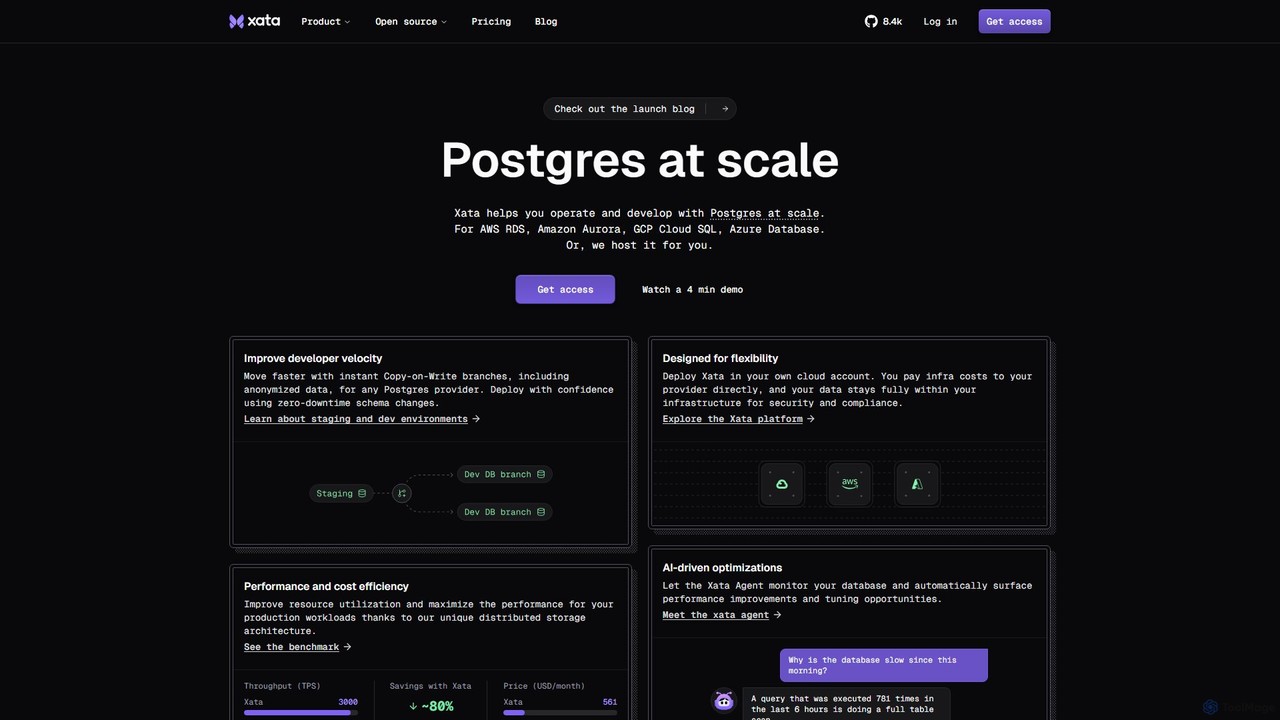
Xata is a "Postgres at scale" platform designed to enhance developer velocity and optimize database performance. It offers unique features like instant Copy-on-Write branches with PII anonymization, zero-downtime schema migrations, and an AI-powered agent for automated performance tuning. Deploy on Xata's infrastructure or within your own cloud for maximum flexibility and compliance.

Database Optimization
Visits 66.3KFavorites 150Likes 148
WebDB
Free

WebDB

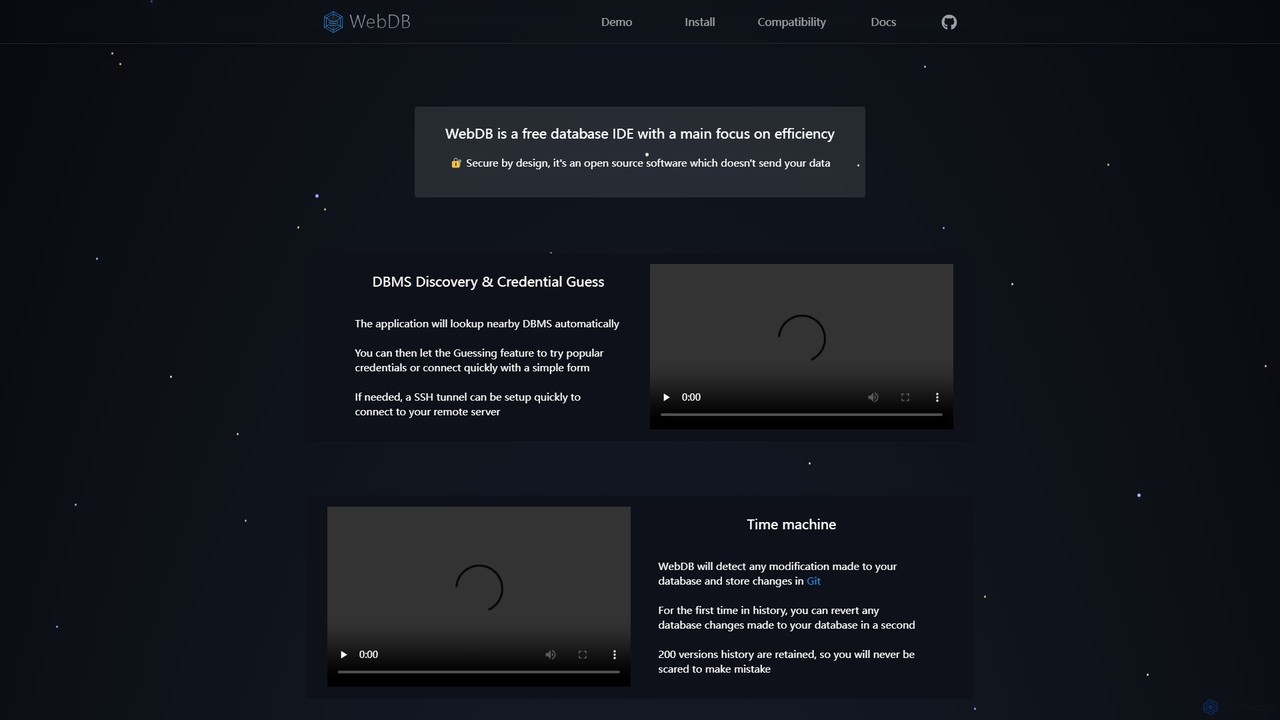
A free, open-source, and efficient database IDE designed for developers. It features an AI assistant (integrating ChatGPT, Gemini, etc.), a unique Git-based "Time Machine" for reverting database changes, powerful query editing, NoSQL structure inference, and robust security. It supports a wide range of databases like MySQL, PostgreSQL, and MongoDB, all within a privacy-focused framework.

Data Management
Visits 6.9KFavorites 127Likes 125
eversql
Freemium

eversql

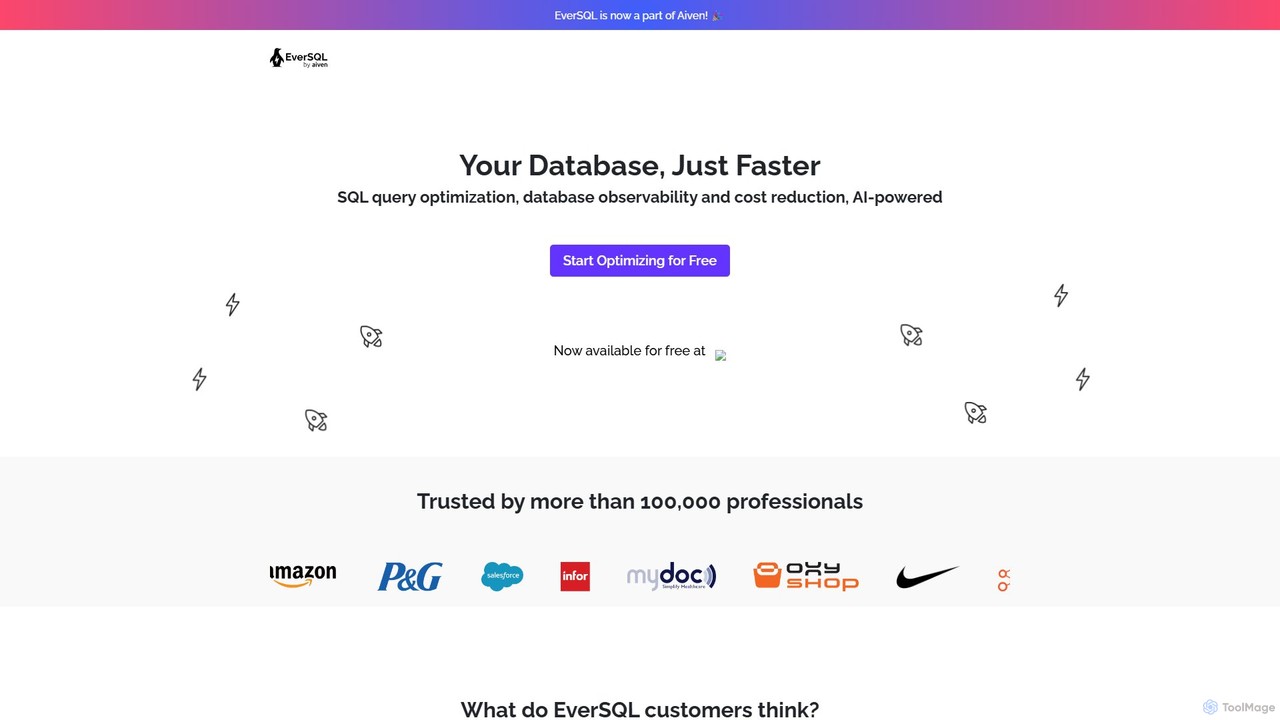
eversql is an AI-powered SQL optimization platform for PostgreSQL and MySQL. It automatically rewrites slow queries, suggests intelligent indexing, and provides continuous performance monitoring. By using smart algorithms, eversql helps developers, DBAs, and DevOps teams improve database performance, reduce infrastructure costs, and save significant time on manual tuning.

Database
Visits 12.9KFavorites 154Likes 151
IceburgCRM
Freemium

IceburgCRM

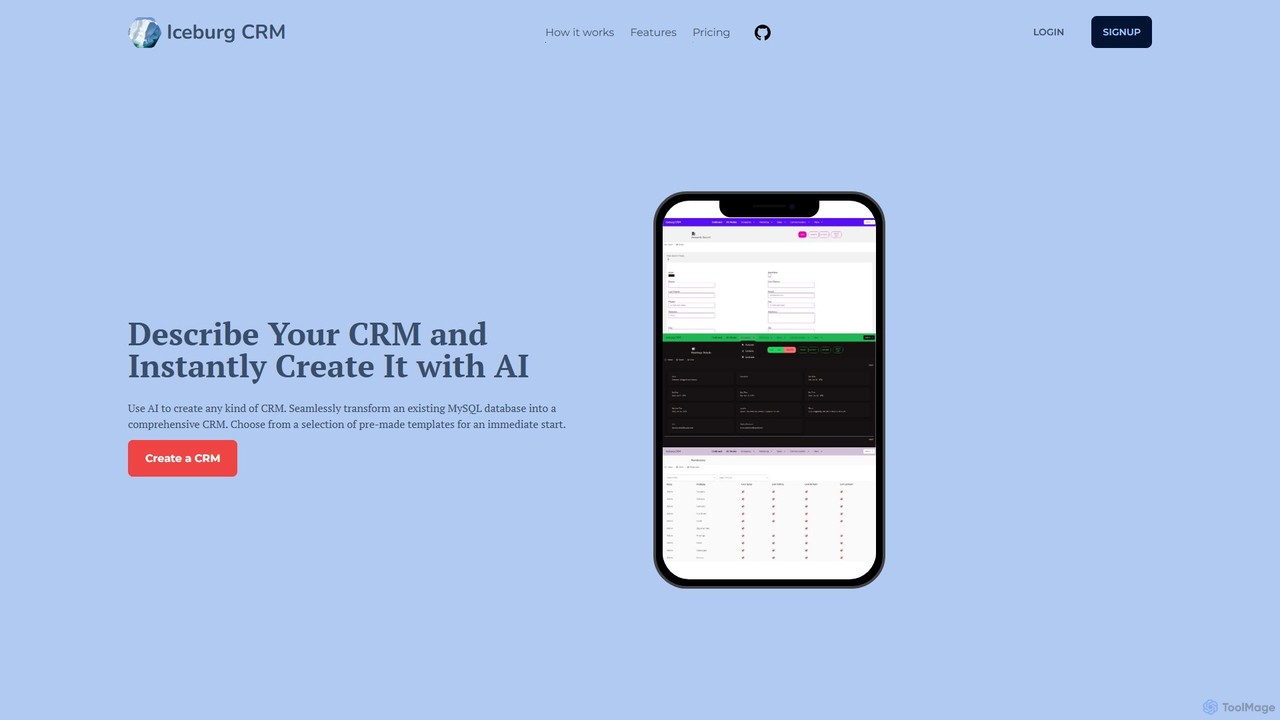
IceburgCRM is an AI-powered platform that allows you to instantly create custom CRM systems. Generate a CRM by describing your needs in plain text, choosing from pre-made templates, or seamlessly converting an existing MySQL database. It's designed for rapid development, customization, and efficient data management for any niche.

Sales
Visits 6.3KFavorites 137Likes 123
TiDB AI Assistant
Free

TiDB AI Assistant

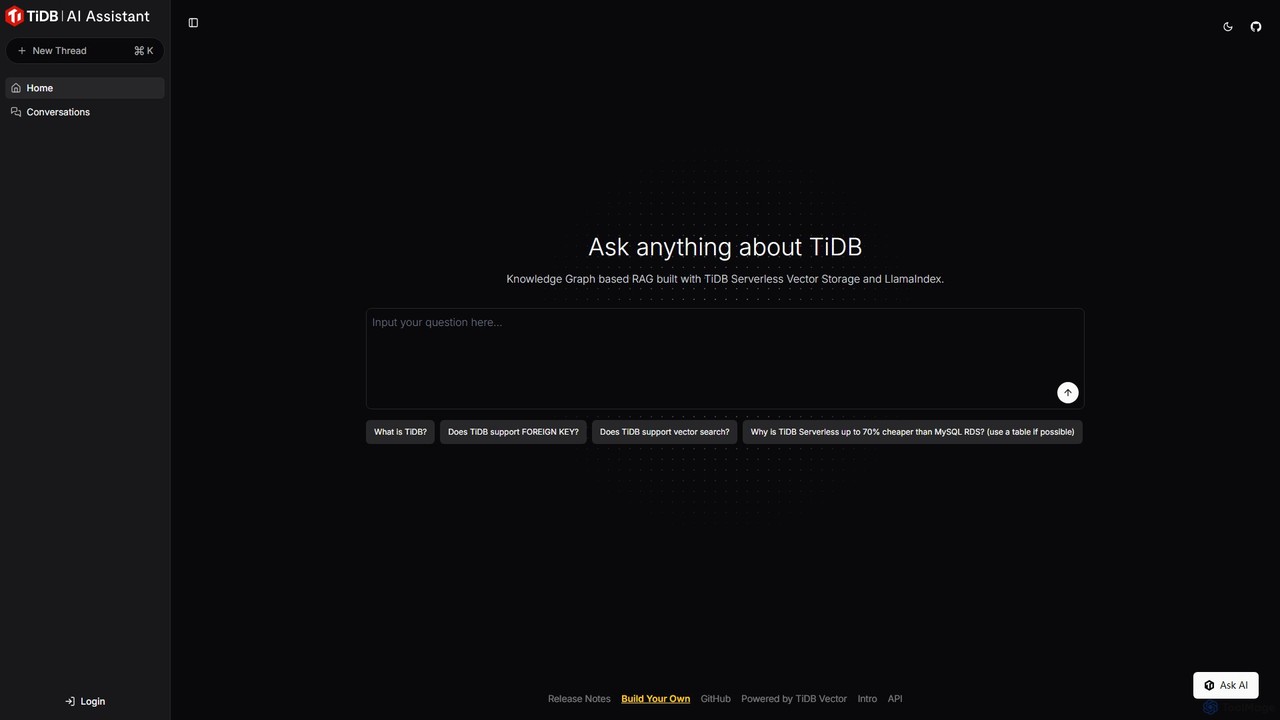
An intelligent AI assistant for the TiDB database. Powered by a Knowledge Graph-based RAG system using TiDB Serverless Vector Storage, it provides fast, accurate answers to all your TiDB-related questions, from technical specifications to best practices.

Database
Visits 11.7KFavorites 104Likes 113
robotika.ai
Paid

robotika.ai

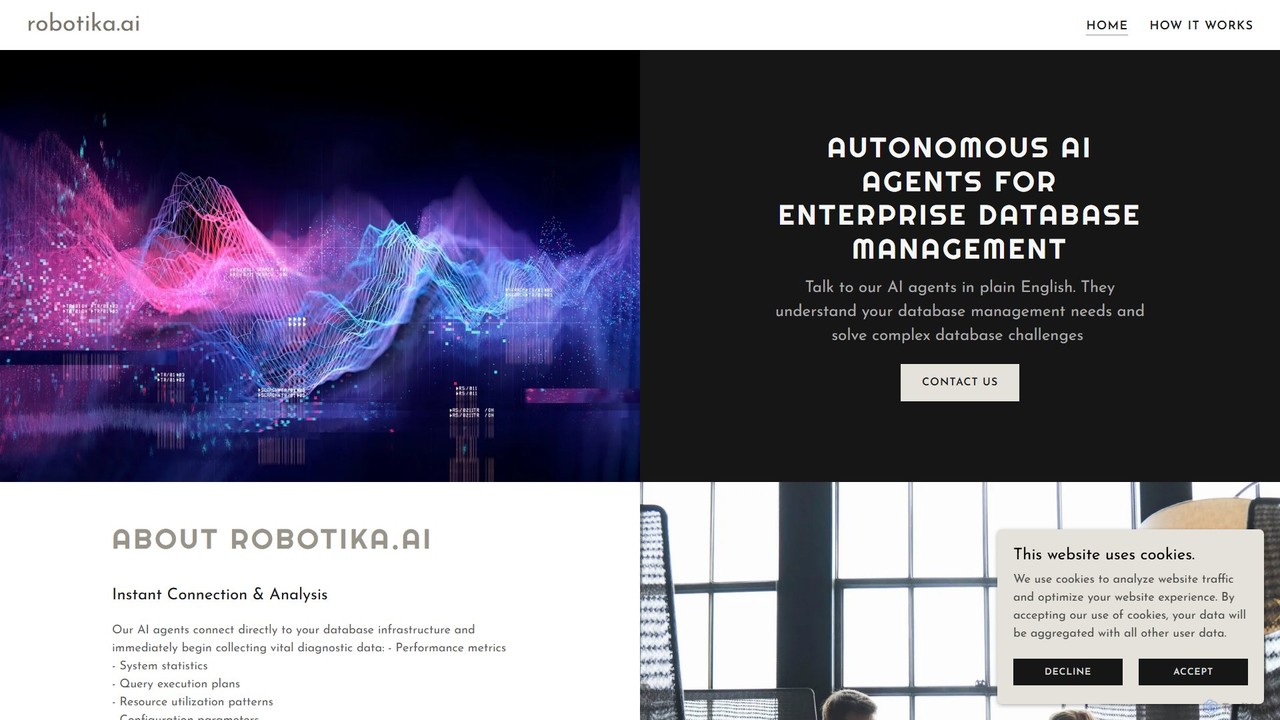
robotika.ai provides autonomous AI agents for enterprise database management. Interact with your database using plain English to diagnose issues, optimize performance, and receive 24/7 monitoring. These agents act as senior-level database administrators, offering instant analysis and proactive solutions.

Database
Visits 6.2KFavorites 131Likes 135
Morphik
Freemium

Morphik

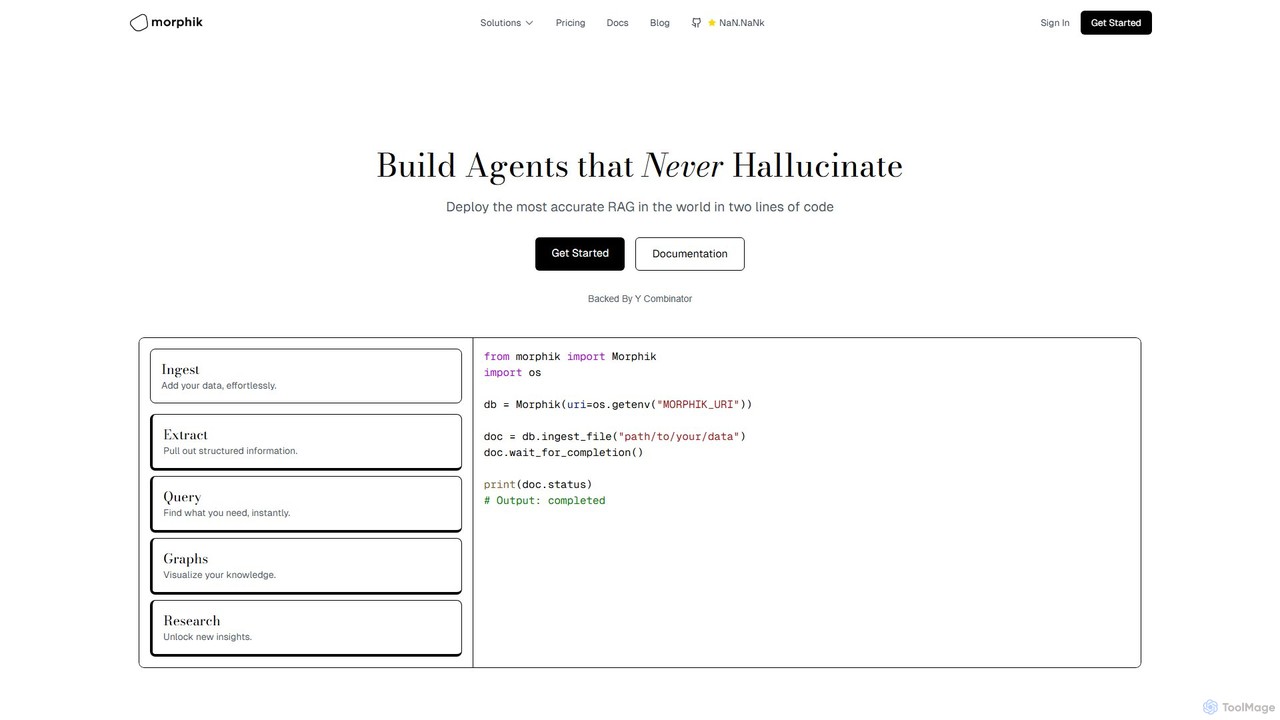
Morphik is an advanced developer platform for building highly accurate Retrieval-Augmented Generation (RAG) systems and AI agents. It specializes in eliminating hallucinations by using visual-first retrieval to understand complex, domain-specific documents, including diagrams and schematics. Deployable with just two lines of code, it offers superior performance, speed, and scalability for enterprise-grade AI applications.

Enterprise
Visits 16.8KFavorites 149Likes 141
Navicat
Paid

Navicat

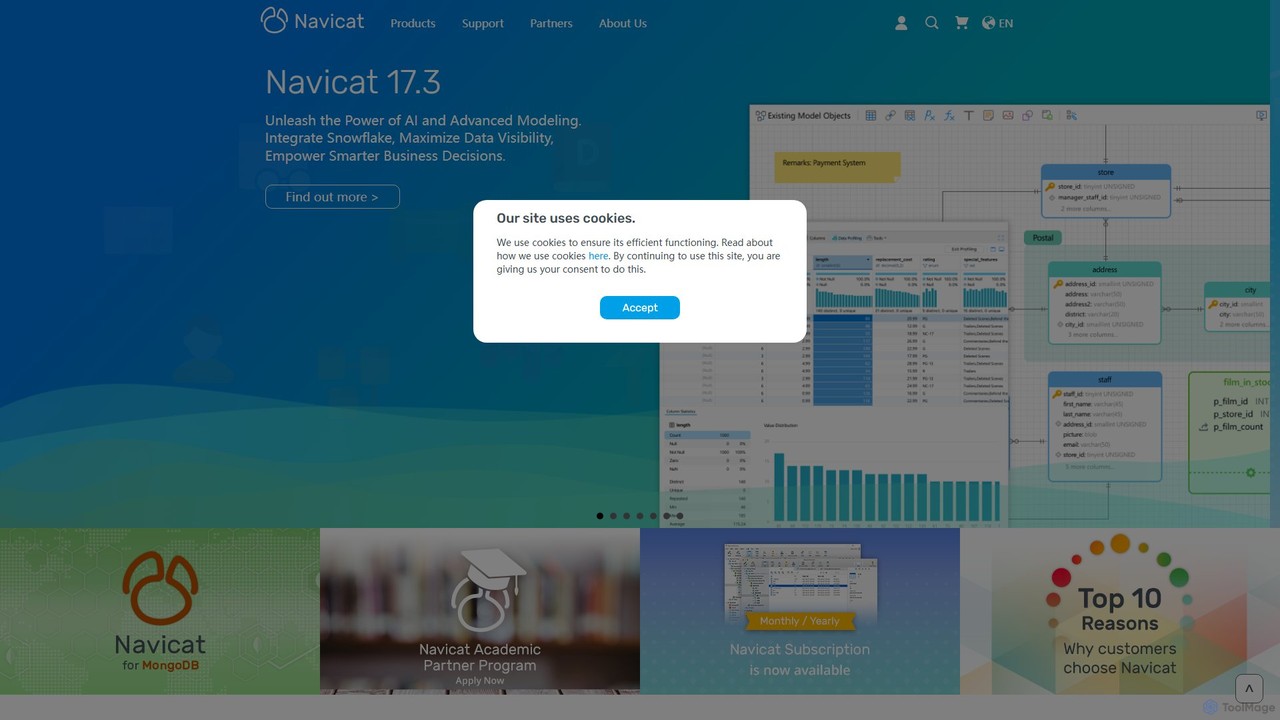
Navicat is a comprehensive database management and development tool with integrated AI features. It provides a user-friendly GUI for managing a wide range of databases like MySQL, PostgreSQL, MongoDB, and Snowflake. It boosts productivity with an AI Assistant for query generation, advanced data modeling, BI visualization, and seamless cloud collaboration, making it a top choice for developers, DBAs, and data analysts.

Business Intelligence
Visits 225.4KFavorites 143Likes 163
superduperdb
Freemium

superduperdb

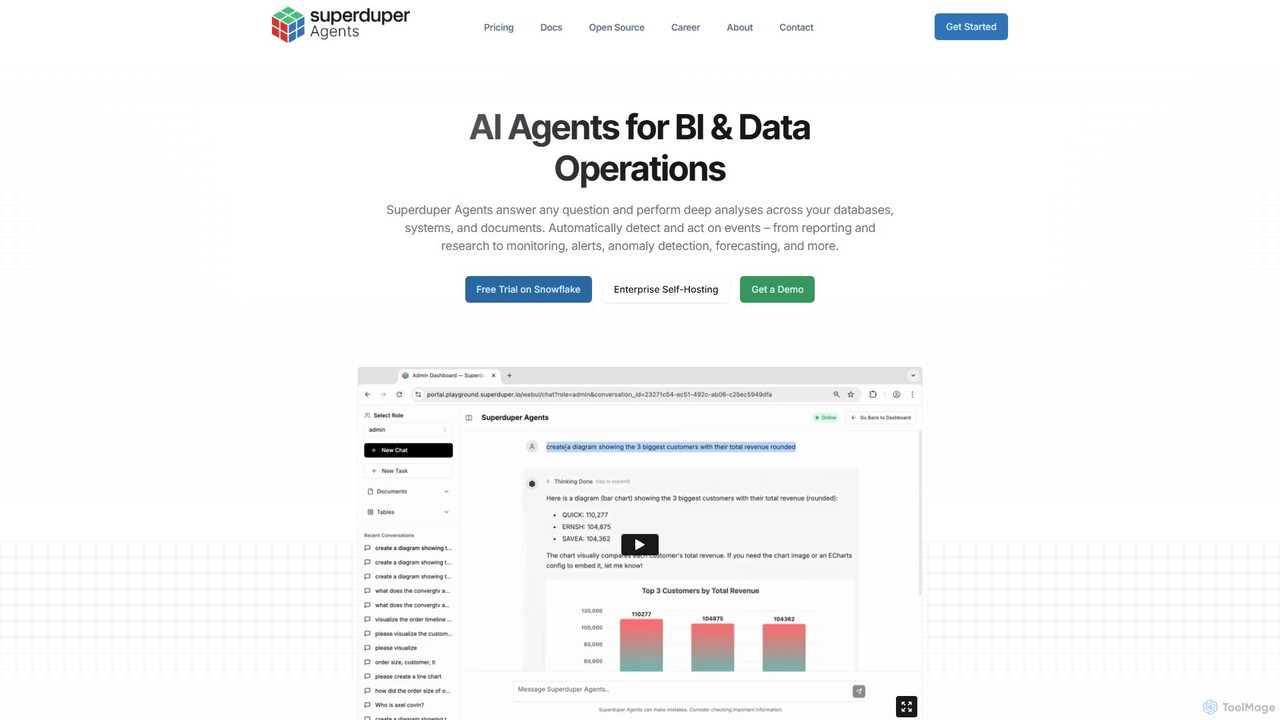
superduperdb is an enterprise AI agent orchestration platform that seamlessly integrates with your existing databases and systems. It allows you to build and deploy AI agents to automate complex tasks, answer data-driven questions, and perform deep analyses across all your structured and unstructured data without data migration. It empowers every department to leverage AI for enhanced productivity and data-driven decision-making.

Orchestration
Visits 6.3KFavorites 122Likes 114
Briefer
Freemium

Briefer

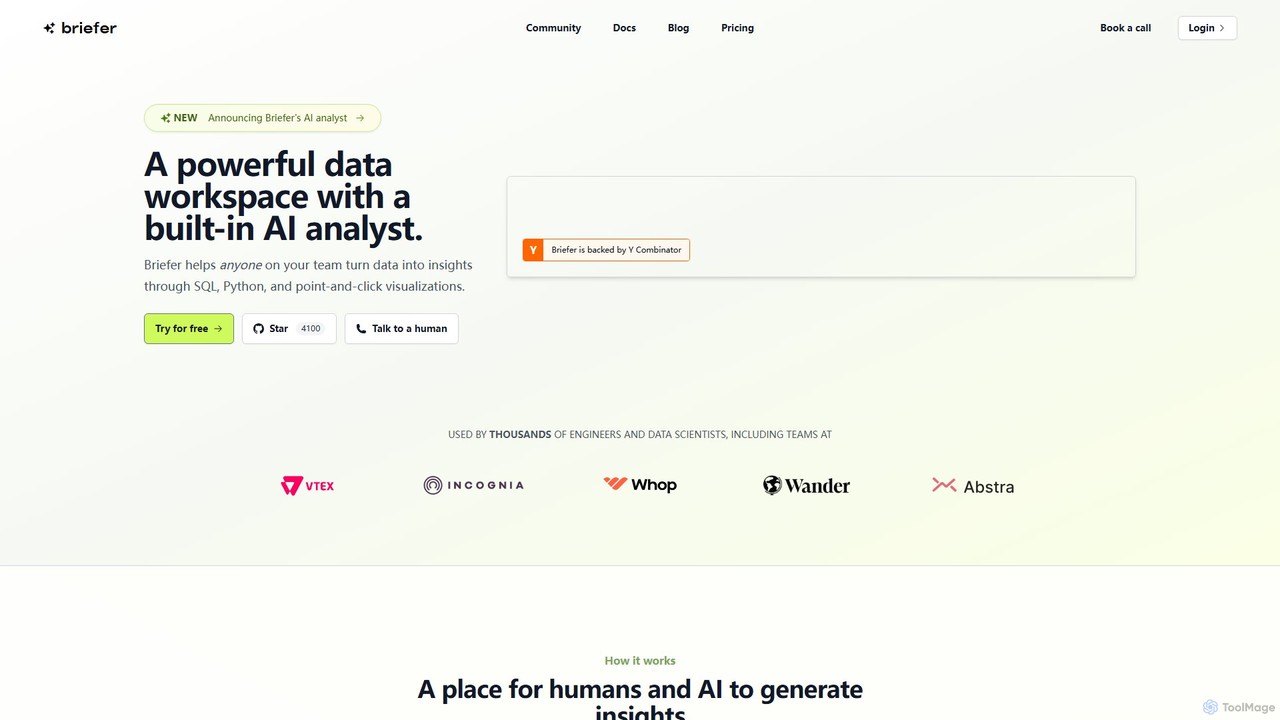
Briefer is a collaborative data platform featuring a built-in AI analyst. It empowers teams to transform data into actionable insights using SQL, Python, and interactive visualizations within a unified workspace. Designed for both technical and non-technical users, it streamlines data analysis, reporting, and real-time collaboration, accelerating data-driven decision-making. It is backed by Y Combinator and offers both cloud-hosted and self-hosted open-source versions.

Database
Visits 8.4KFavorites 141Likes 123
InfluxData
Freemium

InfluxData

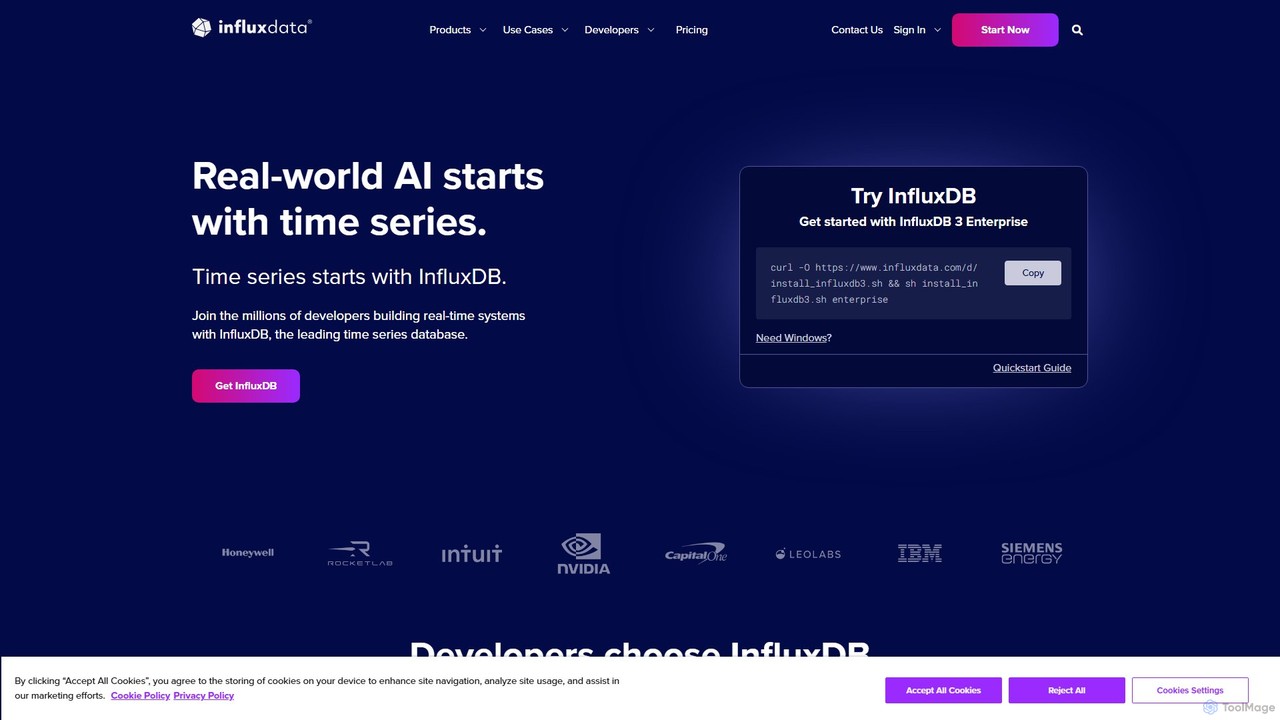
InfluxData offers InfluxDB, the leading time series database platform built for real-time data and AI applications. It empowers developers to ingest, store, and analyze massive volumes of high-velocity data from IoT, applications, and infrastructure. Featuring high-performance querying, superior data compression, and seamless integration with data lakes and AI/ML pipelines, InfluxData is the engine for anomaly detection, predictive maintenance, and autonomous systems.

Data Management
Visits 316.8KFavorites 169Likes 164
SQLAI.ai
Freemium

SQLAI.ai

SQLAI.ai is an advanced AI-powered assistant that generates, optimizes, explains, and debugs SQL & NoSQL queries from natural language. Ideal for developers, analysts, and beginners, it supports over 30 databases, handles large schemas, and turns plain English into accurate code in seconds, boosting productivity and simplifying database management.

Database
Visits 32.5KFavorites 150Likes 144
Secoda
Paid

Secoda

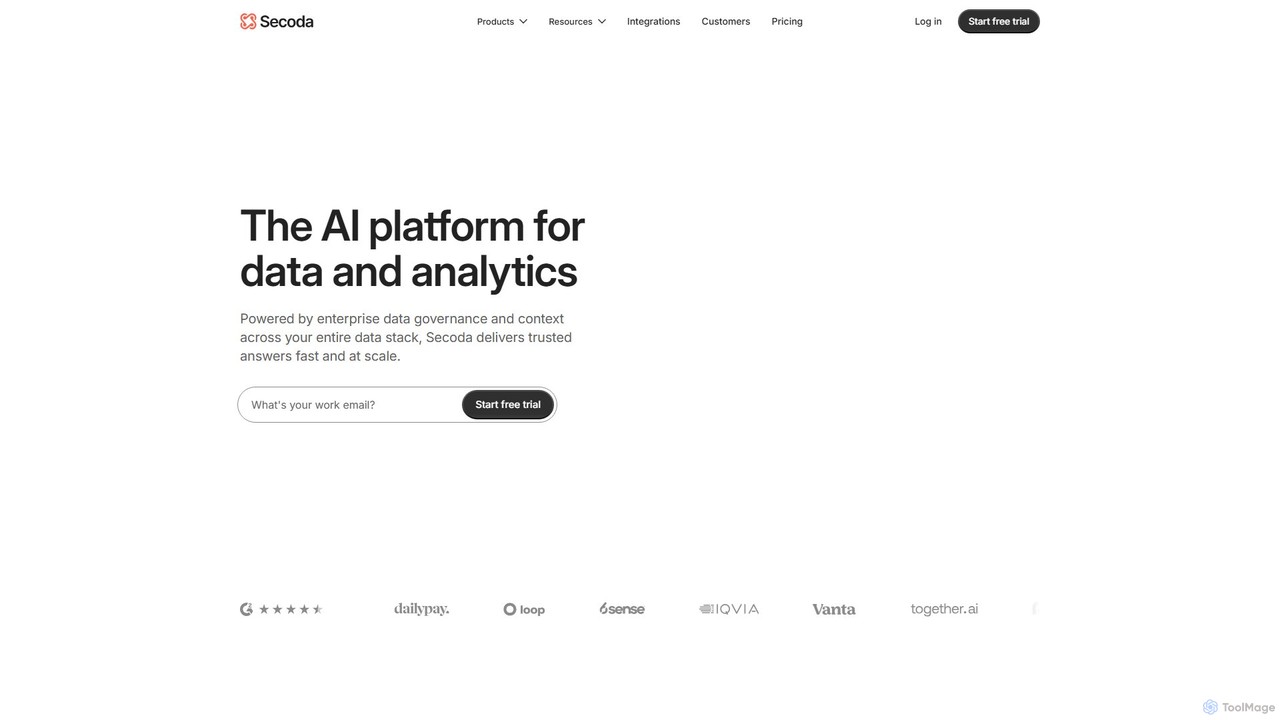
Secoda is an AI-powered data platform that unifies data discovery, lineage, cataloging, and governance. It helps teams find, understand, and trust their data through an intelligent, centralized hub, enabling self-service analytics and scalable AI infrastructure.

Analytics
Visits 59.6KFavorites 142Likes 141
Raw Query
Freemium

Raw Query

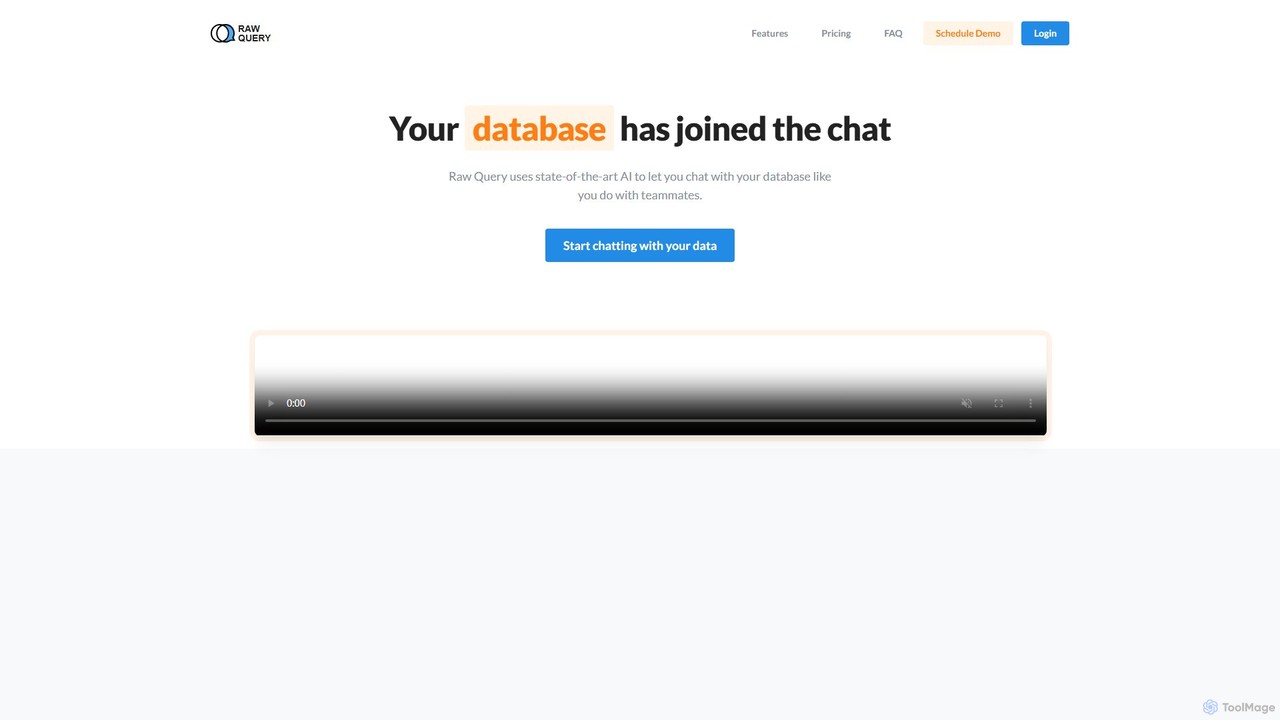
Raw Query is an AI-powered data assistant that allows you to interact with your database using natural language. Query, add, and update data through a simple chat interface, eliminating the need for complex SQL or custom internal tools. Ideal for developers and business teams to get instant data insights.

Business Intelligence
Visits 7KFavorites 103Likes 120

About Database

AI Databases are advanced data management systems that integrate artificial intelligence to automate and enhance data operations. They leverage machine learning for tasks like natural language querying, automated performance tuning, and vector search, enabling more intuitive and powerful data interaction. These tools are essential for building next-generation applications requiring semantic search, real-time analytics, and predictive modeling. Their primary value lies in reducing manual database administration and unlocking deeper insights from complex, unstructured datasets.

Core Features

  • Natural Language Querying: Interact with data using plain English questions instead of complex SQL code.
  • Automated Performance Tuning: The system self-optimizes indexes, caching, and query plans for maximum efficiency.
  • Integrated Vector Search: Natively store and search data based on semantic meaning and similarity, ideal for recommendation engines.
  • In-Database Machine Learning: Train and execute machine learning models directly on the data without moving it.

Use Cases

AI Databases are widely used by developers and data scientists building intelligent applications. Common scenarios include creating sophisticated recommendation engines for e-commerce, developing real-time fraud detection systems in finance, and enabling powerful semantic search capabilities for internal knowledge bases or customer-facing products.

How to Choose

When selecting an AI Database, consider the specific AI features you need, such as vector search or natural language processing. Evaluate its scalability and performance for your expected workload. Also, check its compatibility with your existing tech stack and machine learning frameworks, and consider the ease of use for both developers and data analysts.

Featured tool rankings

Database use cases

1

Building a Semantic Search Engine for E-commerce

An e-commerce developer needs to create a product search feature that understands user intent, not just keywords. Instead of matching 'red shoes', it should understand queries like 'footwear for a summer party'. Using an AI database with built-in vector search, the developer converts product descriptions and images into vector embeddings. When a user searches, their query is also converted into a vector, and the database finds the most semantically similar products. This results in more relevant search results, improved user experience, and higher conversion rates.

2

Developing a Real-time Fraud Detection System

A data scientist at a financial institution is tasked with preventing fraudulent transactions. They use an AI database with in-database machine learning capabilities. Transaction data streams directly into the database, where a pre-trained anomaly detection model runs in real-time. The model analyzes patterns, such as transaction amount, location, and frequency. If a transaction deviates significantly from a user's normal behavior, the database flags it instantly, allowing the institution to block the transaction and alert the customer, minimizing financial loss.

3

Natural Language Interface for Business Intelligence

A business analyst needs to quickly generate reports without relying on the IT department to write complex SQL queries. By connecting their BI tool to an AI database, they can ask questions in plain English, such as 'Compare sales of product X and product Y in the last quarter by region'. The AI database's natural language processing (NLP) engine translates this question into a formal query, executes it, and returns the data. This empowers non-technical users to perform self-service analytics, accelerating decision-making and freeing up developer resources.

4

Automated Performance Tuning for a High-Traffic App

A DevOps engineer manages the database for a rapidly growing social media application. As user traffic fluctuates, database performance can degrade. Instead of manually creating and dropping indexes or tuning query parameters, they use an AI database that performs automated tuning. The database's AI component continuously monitors workload patterns and predicts future query needs. It proactively creates optimal indexes, adjusts memory allocation, and rewrites inefficient queries on the fly. This ensures consistent high performance without constant manual intervention, reducing operational overhead.

5

Building a Personalized Content Recommendation Engine

A content creator for a streaming platform wants to increase user engagement by suggesting highly relevant videos. They use an AI database to store vector representations of their video content (based on titles, descriptions, and subtitles). When a user watches a video, the system queries the database to find other videos with the most similar vectors. This goes beyond simple tag-based matching, capturing the nuances and topics of the content. The result is a 'Recommended for You' section that feels genuinely personalized, leading to longer watch times and higher user retention.

6

Intelligent Log Analysis for Troubleshooting

A site reliability engineer (SRE) is investigating a production issue, facing millions of log entries. Instead of using complex grep commands or rigid log query languages, they ingest the logs into an AI database. They can then ask questions like, 'Show me all error logs related to payment failures in the last hour from the EU cluster'. The database uses NLP to understand the query and semantic search to find relevant log entries, even if they don't contain the exact keywords. This dramatically speeds up the root cause analysis process, reducing system downtime.

Database FAQ

What is an AI Database?

An AI Database is a data management system enhanced with artificial intelligence capabilities. Unlike traditional databases that simply store and retrieve data, AI databases can understand, analyze, and automate operations on the data. Key features often include natural language querying (asking questions in English), automated performance tuning, and integrated vector search for finding data based on semantic meaning. They are designed to power intelligent applications and simplify complex data analysis.

How do AI Databases differ from traditional SQL/NoSQL databases?

The primary difference lies in their core capabilities. Traditional databases focus on structured storage and efficient retrieval based on exact matches (SQL) or key-value lookups (NoSQL). AI Databases add a layer of intelligence on top of storage. Key differences include:

  • Querying: AI databases often support natural language or semantic search, while traditional ones rely on structured query languages like SQL.
  • Optimization: Many AI databases can self-tune their performance, whereas traditional databases require manual tuning by a database administrator (DBA).
  • Data Types: AI databases are built to handle complex, unstructured data like text and images through vector embeddings, a capability not native to most traditional systems.
What is vector search and why is it important for AI Databases?

Vector search is a method of finding data based on its semantic similarity rather than exact keyword matches. It works by converting data (like text, images, or audio) into numerical representations called vectors. The database then finds items whose vectors are closest in multi-dimensional space. This is crucial for AI databases because it enables applications like recommendation engines, image search, and question-answering systems that understand the context and meaning behind a user's query, providing far more relevant results than traditional search methods.

How do I choose the right AI Database for my project?

Choosing the right AI Database depends on your specific needs. Consider the following factors:

  • Primary Use Case: Are you building a search engine (needs strong vector search), a BI tool (needs good NLP), or a real-time analytics system (needs fast in-database ML)?
  • Data Model: Does your data fit a relational, document, or graph model? Ensure the AI database supports your data structure.
  • Scalability: Evaluate how the database handles growing data volumes and query loads. Look for distributed architecture and cloud-native options.
  • Ecosystem Integration: Check for compatibility with your programming languages, frameworks (like TensorFlow or PyTorch), and existing data infrastructure.
Can AI Databases work with both structured and unstructured data?

Yes, one of the key strengths of many AI databases is their ability to handle a mix of data types. They can manage traditional structured data (like user profiles in tables) while also excelling at processing unstructured data (like product reviews, images, or support tickets). They often achieve this by creating vector embeddings for unstructured content, allowing it to be queried and analyzed alongside structured data, providing a unified view of all information.