ToolMage
Sign in

Best 94 Api Management AI tools for Developer Tools

Popular Api Management AI tools in Developer Tools include OpenRouter, Contentful, TypingMind, Fivetran, CometAPI, Merge, Scalar, apix_drive, PricePerToken, and Eden AI, helping you work more efficiently.

Ouro
Freemium

Ouro

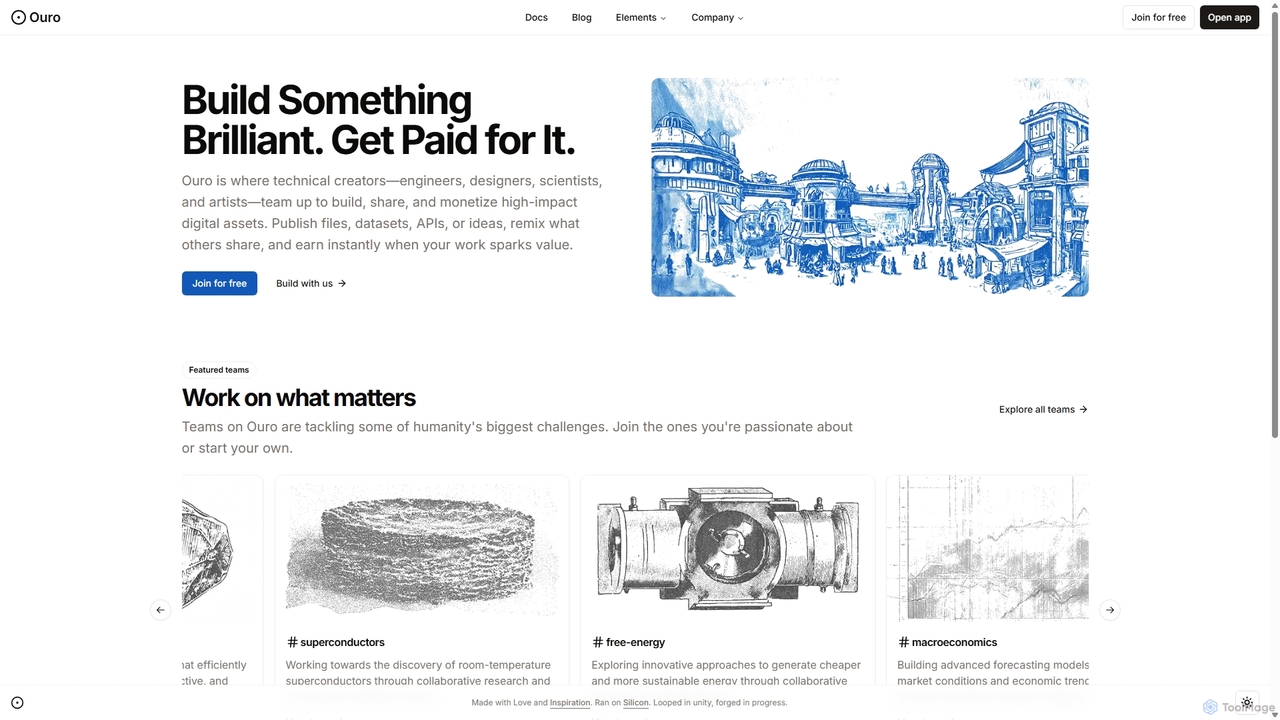
Ouro is a collaborative platform for technical creators—engineers, scientists, and AI developers—to build, share, and monetize high-impact digital assets. It enables users to publish APIs, datasets, and AI agents, fostering a community focused on solving major challenges and creating passive income streams.

Ai Agent Platforms
Visits 6.8KFavorites 153Likes 144
Superglue
Freemium

Superglue

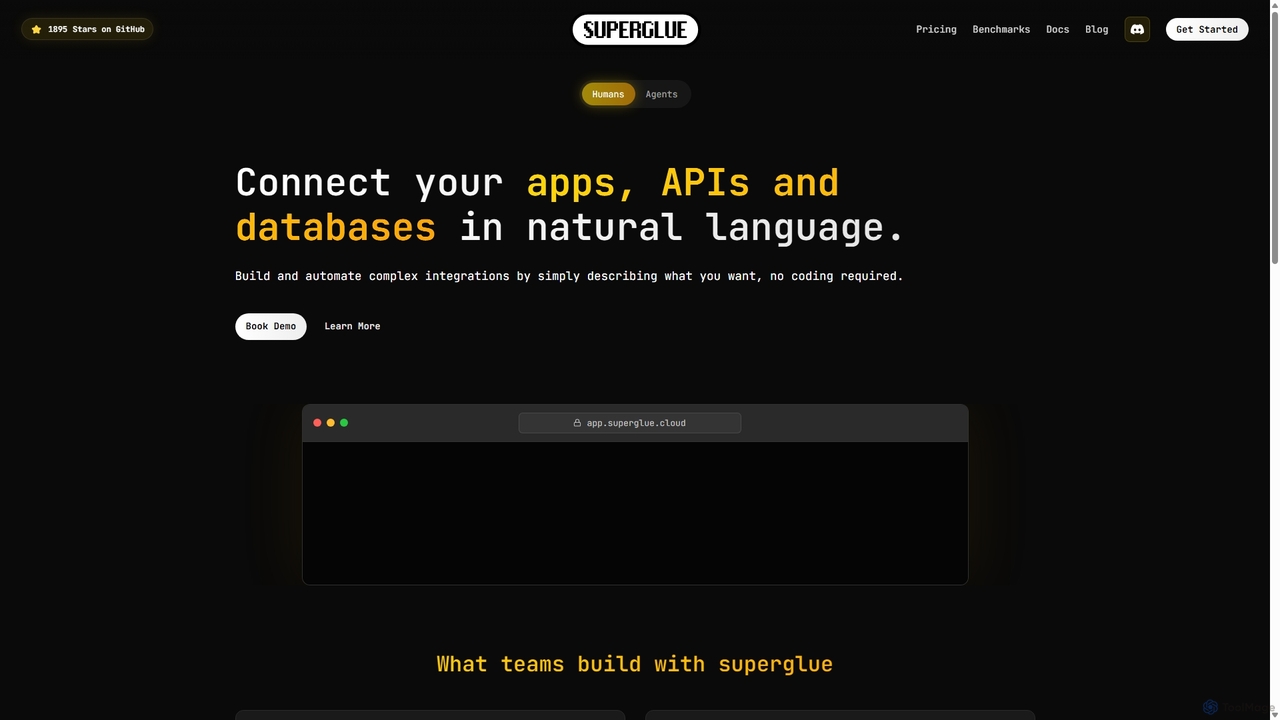
Superglue is an AI-powered platform that translates natural language intent into reliable API execution. It enables developers and teams to automate ETL pipelines, build API connectors instantly, migrate data, and create complex workflows using a chat interface or code. It's designed to empower AI agents with dynamic, production-ready tools for any API.

Tooling
Visits 5.6KFavorites 146Likes 120
LeakSignal

LeakSignal

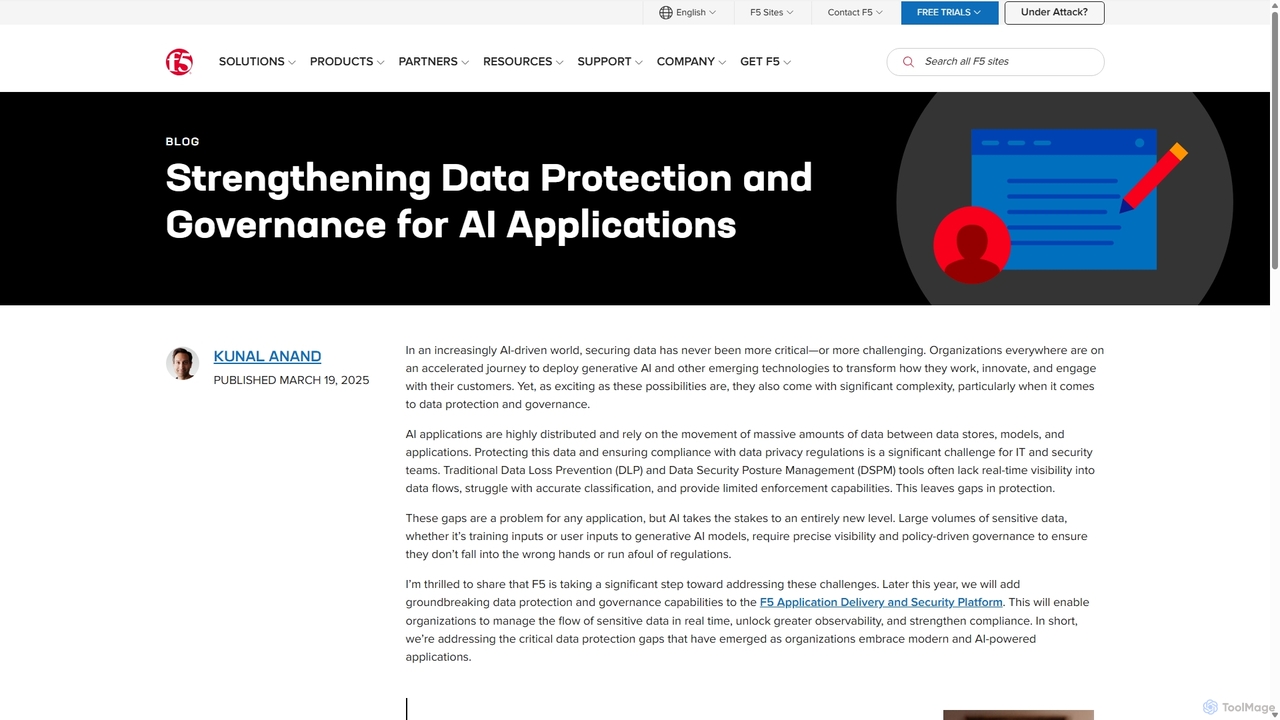
LeakSignal is an advanced, AI-powered data governance and protection platform, now part of F5. It specializes in real-time data classification and policy enforcement for data-in-transit, specifically designed to secure modern applications, APIs, and AI/LLM interactions against sensitive data leaks and ensure regulatory compliance.

Data Governance
Visits 5.1KFavorites 120Likes 116
OpenRouter
Freemium

OpenRouter

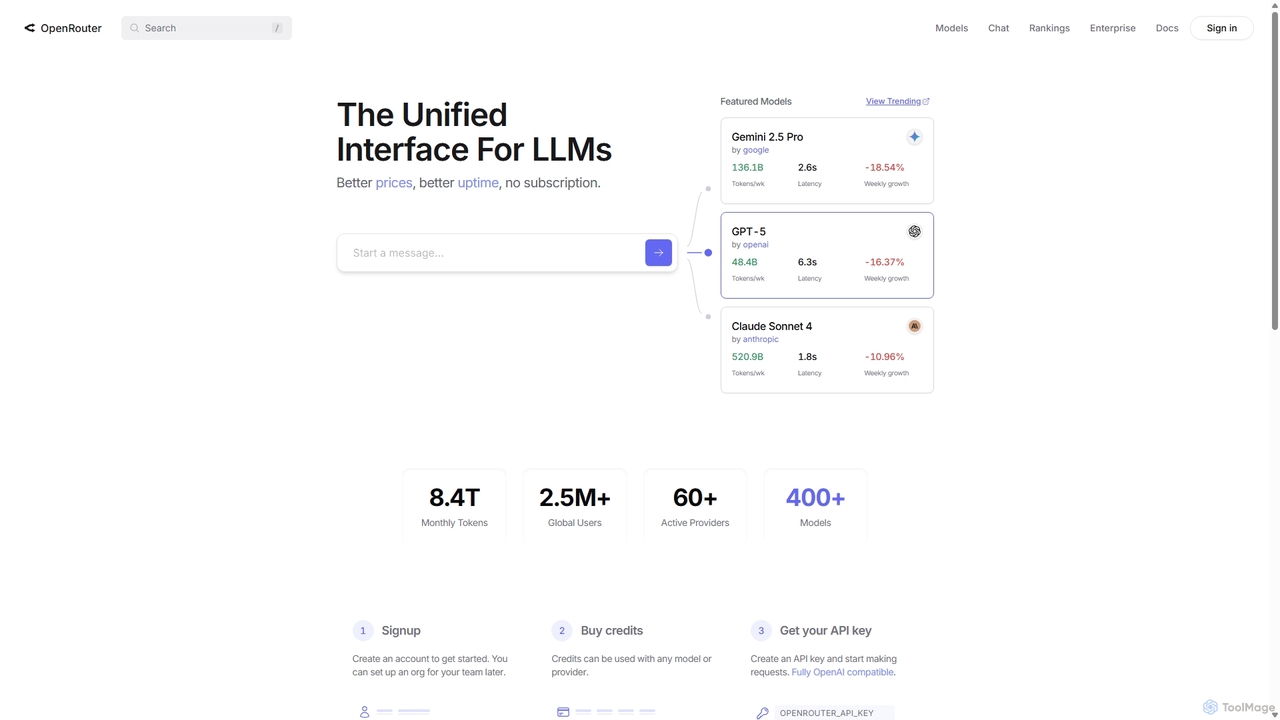
OpenRouter is a unified API gateway for developers, providing access to over 400 AI models from 60+ providers like OpenAI, Google, and Anthropic. It simplifies development with a single API, offers competitive pay-as-you-go pricing, automatic failovers for high availability, and intelligent model routing to optimize cost and performance.

Model Deployment
Visits 16.8MFavorites 142Likes 140
getknit
Freemium

getknit

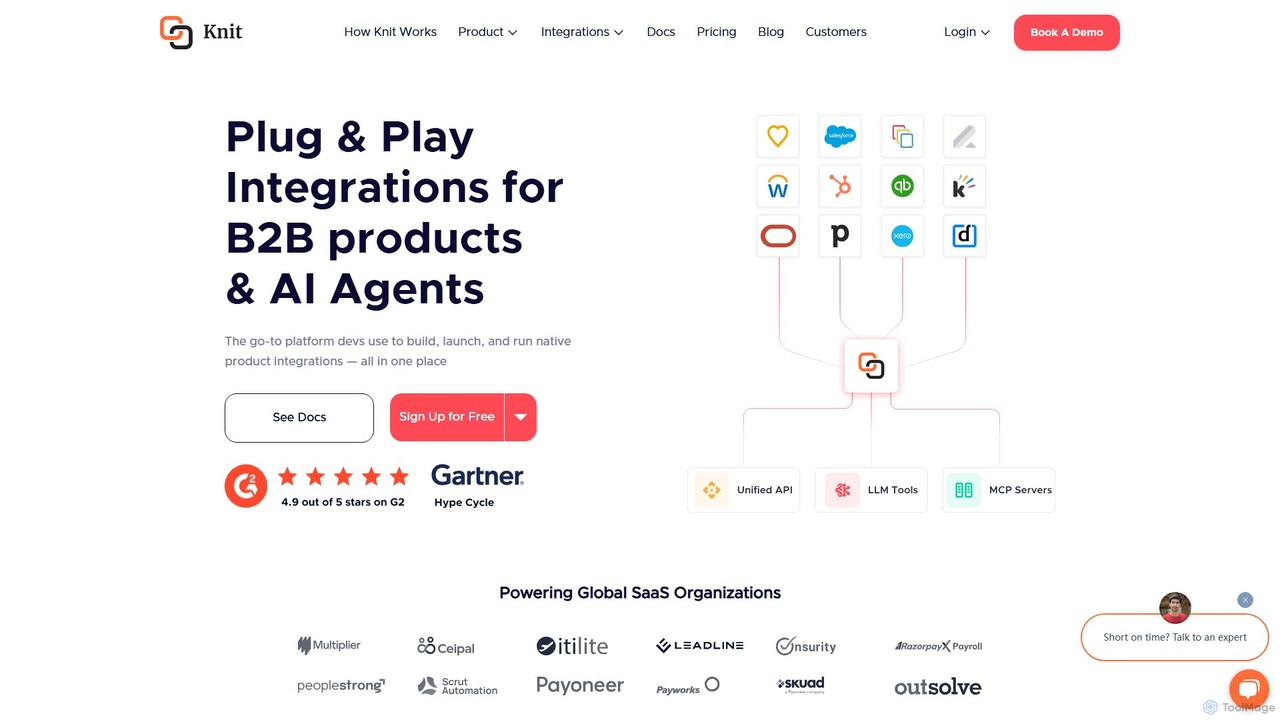
Knit is a unified API platform for developers, designed to build, launch, and manage native product integrations for B2B SaaS applications and AI agents. It simplifies connectivity to over 12 SaaS categories, enabling rapid development, reduced engineering overhead, and scalable integration solutions. Knit provides tools for bi-directional data syncs, empowering AI agents with action-taking capabilities, and automating complex workflows.

Agent Tooling
Visits 35.7KFavorites 111Likes 114
ChatWise
Free

ChatWise

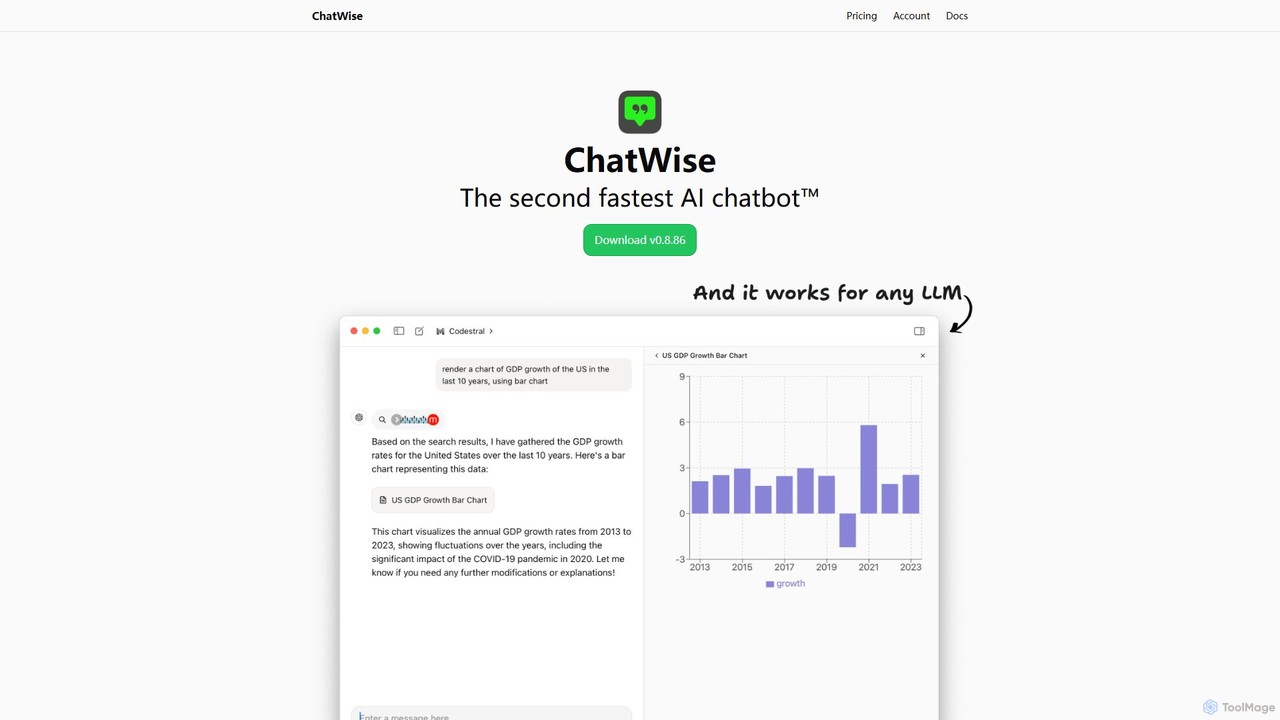
ChatWise is a high-performance, privacy-focused desktop application that provides a unified interface for interacting with various LLMs like ChatGPT, Claude, Gemini, and Llama. It supports multi-modal inputs, web search, and tool integration, storing all your data locally.

Api Management
Visits 31KFavorites 100Likes 95
ttapi.io
Freemium

ttapi.io

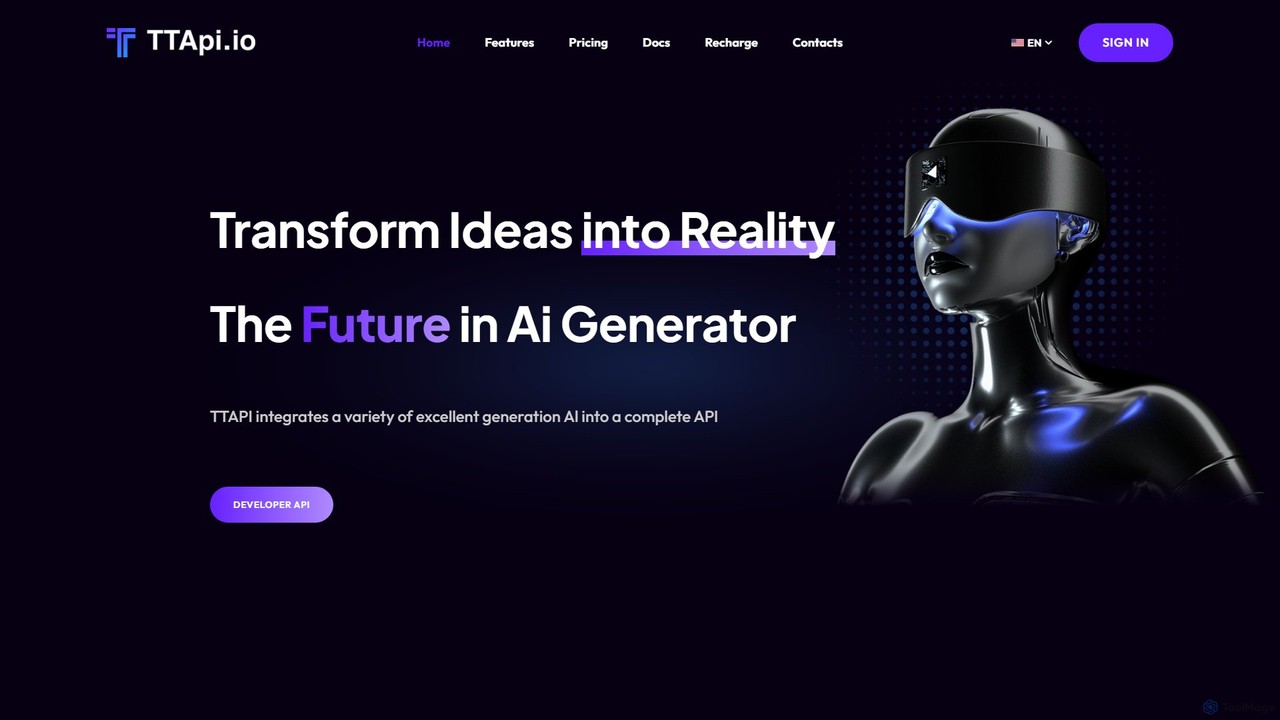
ttapi.io is a unified API platform providing developers with affordable and fast access to a wide range of generative AI models, including Midjourney, DALL-E 3, Luma for video, and ChatGPT-series LLMs, all through a single integration.

Api Management
Visits 12.2KFavorites 139Likes 143
EasyFunctionCall
Freemium

EasyFunctionCall

A developer-centric platform designed to simplify the integration of function calling and API connections for Large Language Models (LLMs). It abstracts the complexity of building AI agents and applications that can interact with external tools and data sources, enabling faster development and more robust performance. Supports major LLMs like GPT, Gemini, and Claude.

Model Integration
Visits 5.8KFavorites 118Likes 118
Aspen
Free

Aspen

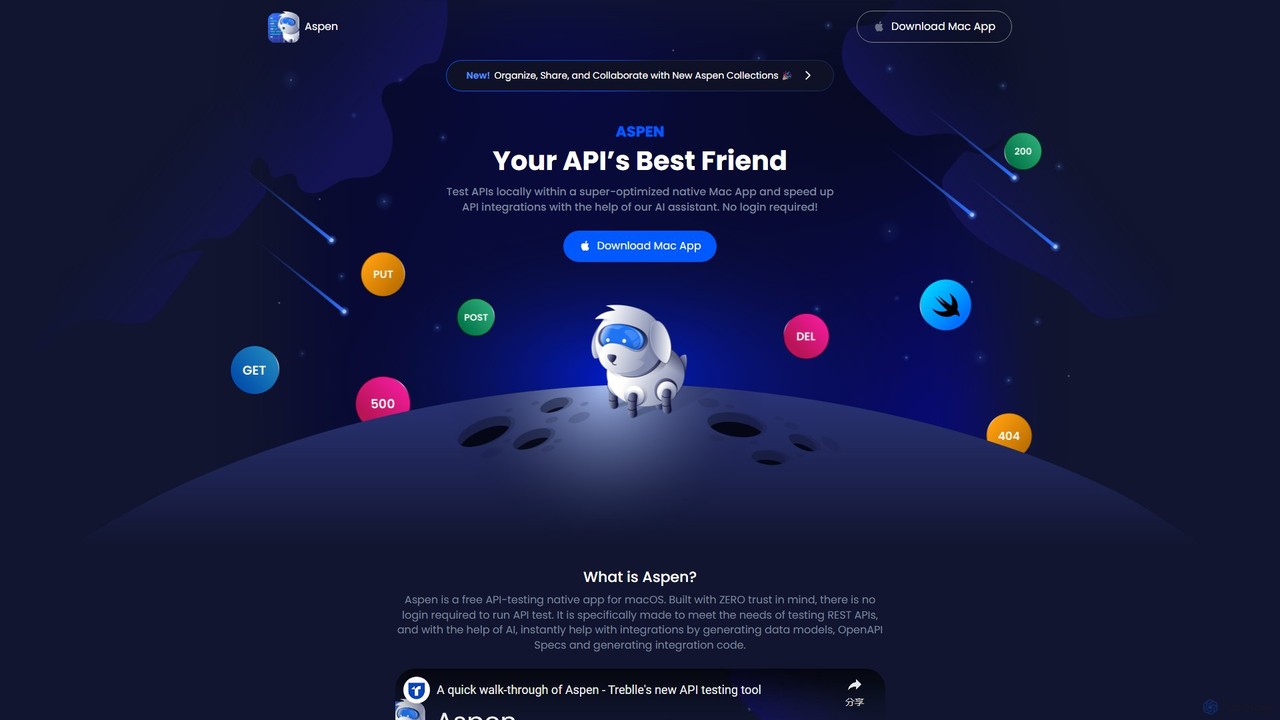
Aspen is a free, native macOS application for API testing, supercharged with an AI assistant. It offers a fast, private, and efficient way to test REST APIs, generate code, create data models, and produce OpenAPI specs without requiring a login.

Api Management
Visits 7.4KFavorites 138Likes 130
PromptDrive
Freemium

PromptDrive

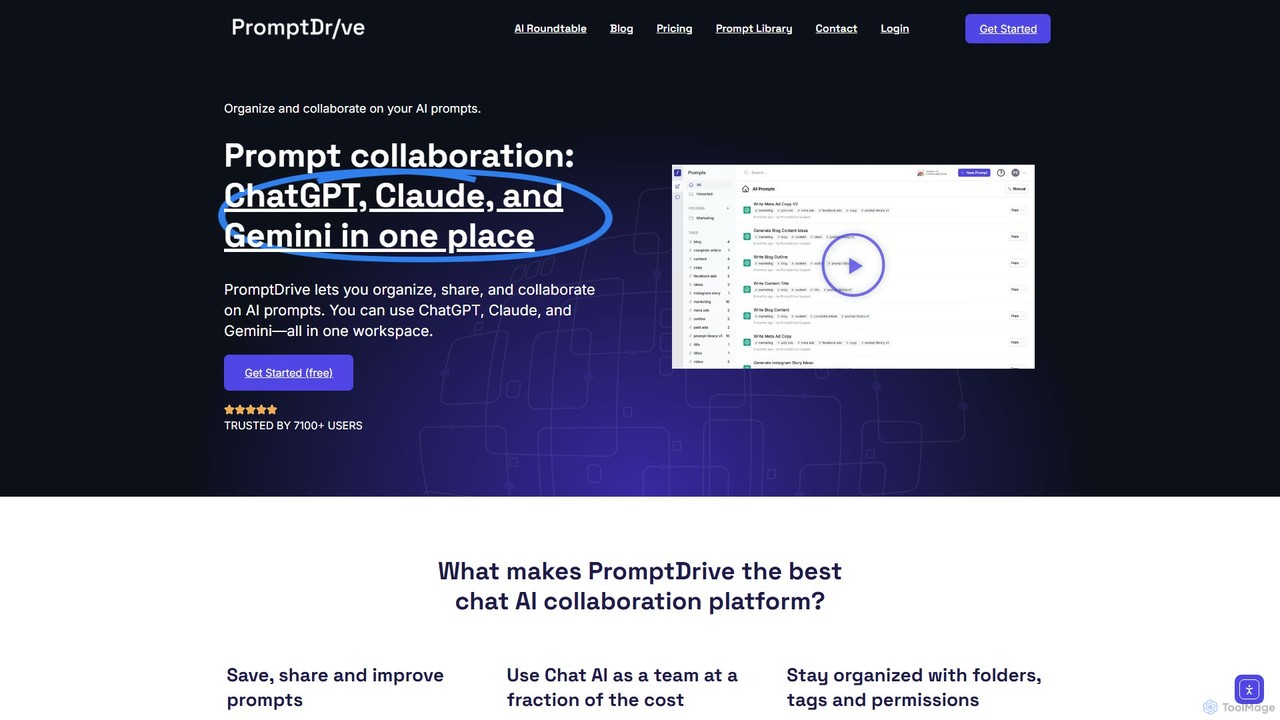
PromptDrive is a collaborative AI platform that helps teams organize, share, and execute prompts for ChatGPT, Claude, and Gemini in a single workspace. It streamlines AI workflows, enhances team productivity, and ensures consistent quality in AI-generated content through features like shared folders, prompt variables, and a unified interface.

Api Management
Visits 16.1KFavorites 113Likes 110
apifabric
Freemium

apifabric

apifabric is an AI-powered API generator that creates full-stack applications from natural language descriptions or existing databases. It automates the generation of Python backend APIs and React/Angular frontends, significantly accelerating development. By defining business logic in plain English and leveraging open-source components, it offers a flexible and rapid solution for building prototypes, internal tools, and MVPs.

Api Management
Visits 5.1KFavorites 145Likes 145
OpenSesame
Paid

OpenSesame

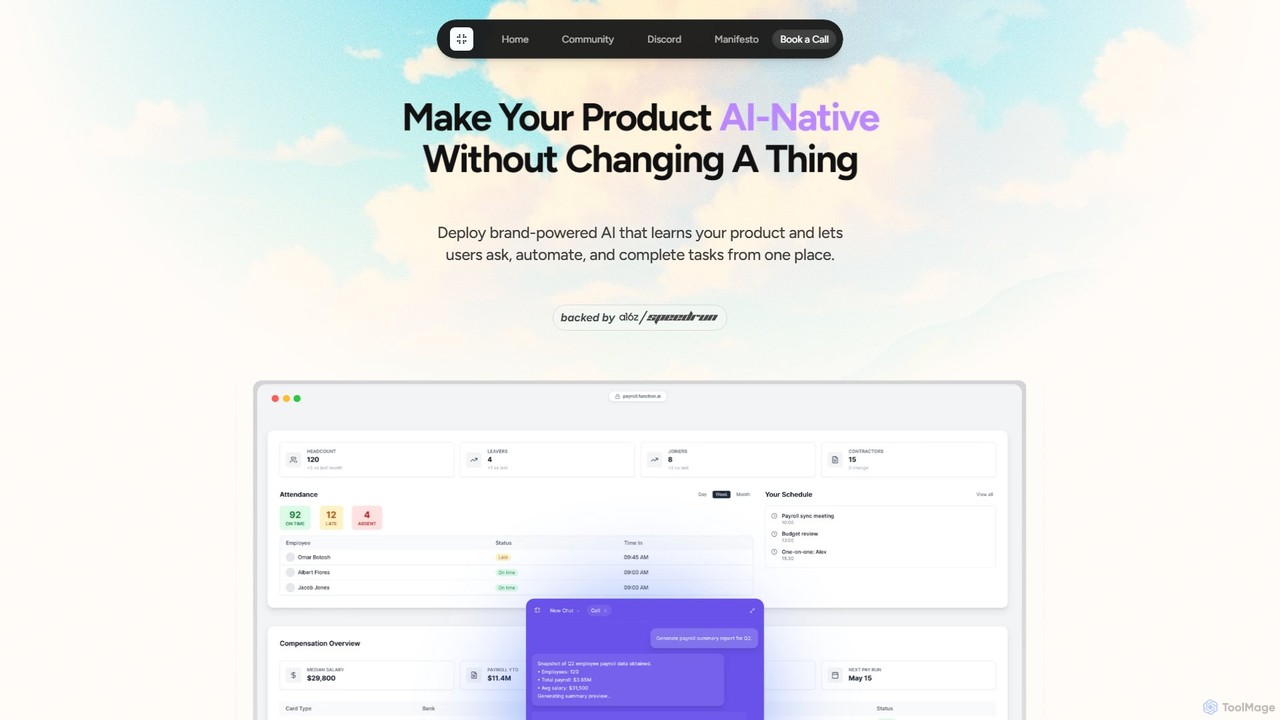
OpenSesame allows you to rapidly make your product AI-native by deploying a brand-powered AI agent called Cell. It connects to your existing APIs, enabling users to ask questions, automate workflows, and complete tasks using natural language directly within your application. This solution provides deep user analytics and helps create new revenue streams without extensive R&D.

Automation
Visits 5.2KFavorites 156Likes 139
Fivetran
Freemium

Fivetran

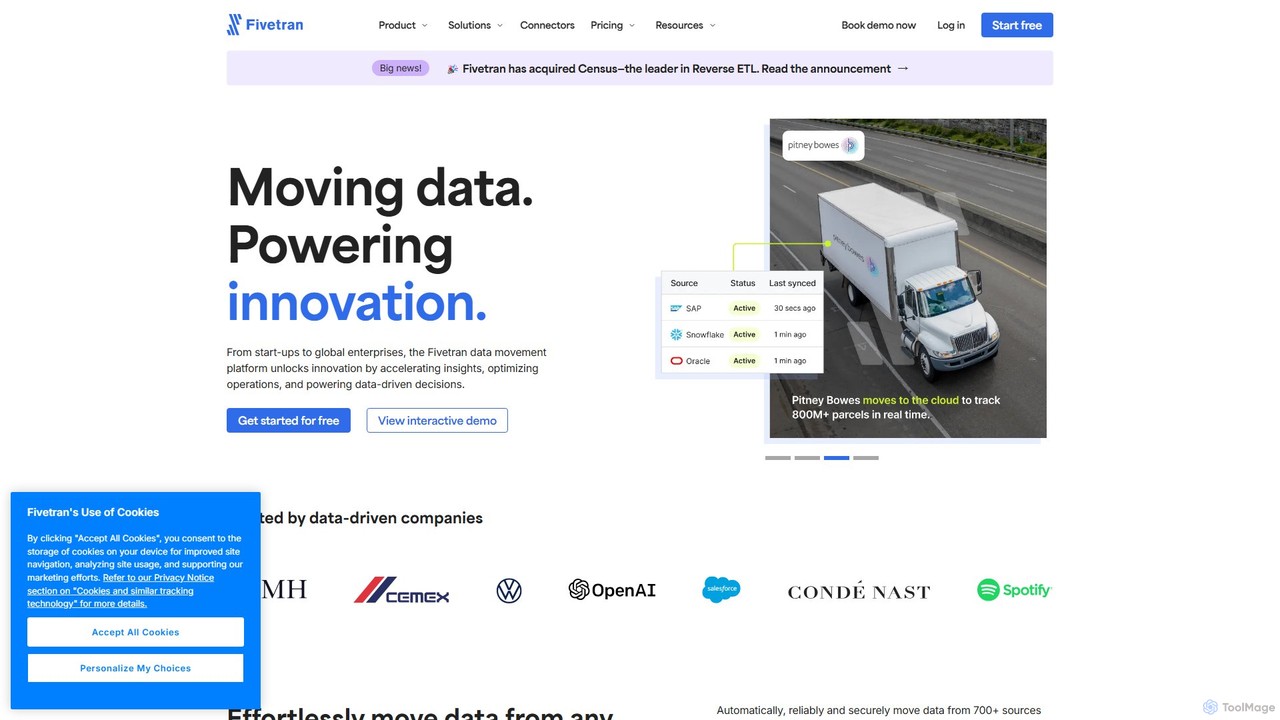
Fivetran is an automated data movement platform that centralizes data from hundreds of sources into cloud data warehouses, lakes, and databases. It simplifies and accelerates data integration with pre-built, zero-maintenance pipelines, enabling teams to focus on analytics, AI, and business intelligence rather than on engineering.

Etl
Visits 386.8KFavorites 175Likes 184
API2D
Paid

API2D

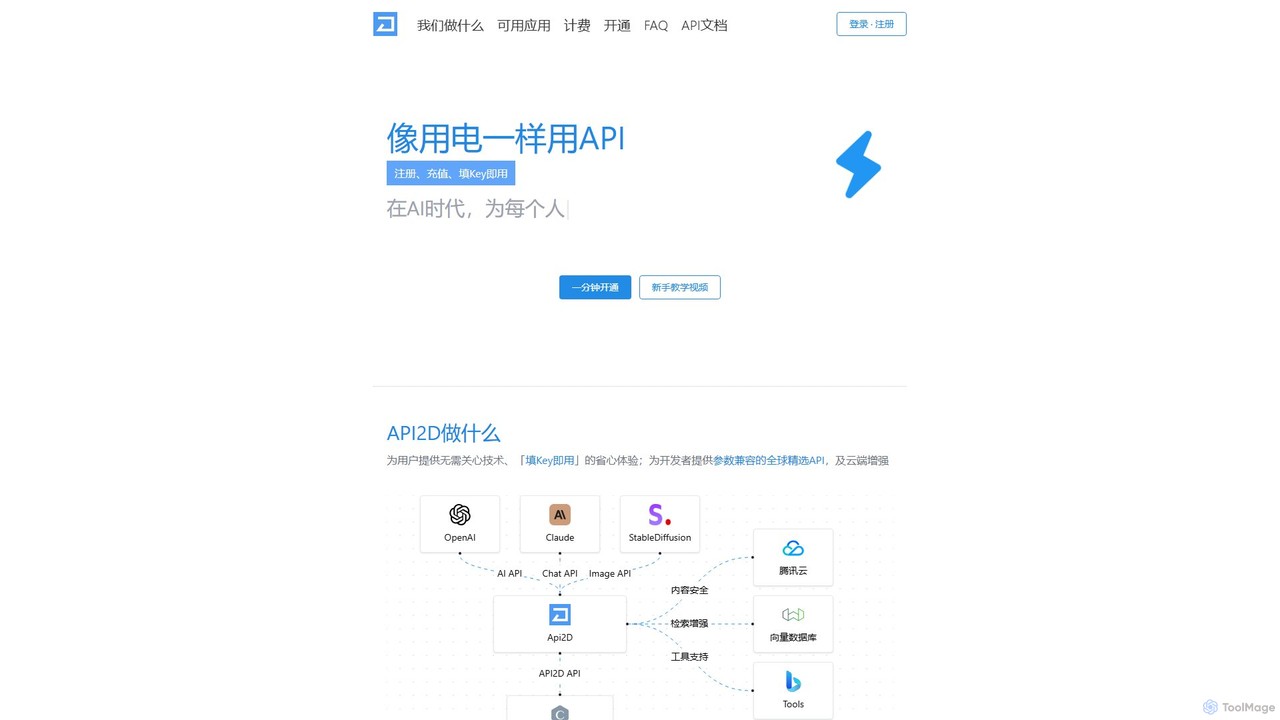
API2D is an API aggregator and proxy service that simplifies access to leading AI models like GPT-4, Claude, and Stable Diffusion. It provides a single, unified API key compatible with OpenAI standards, allowing for easy integration into hundreds of existing applications. With a pay-as-you-go pricing model and features like caching and content safety, API2D offers a convenient and cost-effective solution for developers and users to leverage powerful AI capabilities without complex setups or geographical restrictions.

Middleware
Visits 12.6KFavorites 138Likes 126
Summon
Freemium

Summon

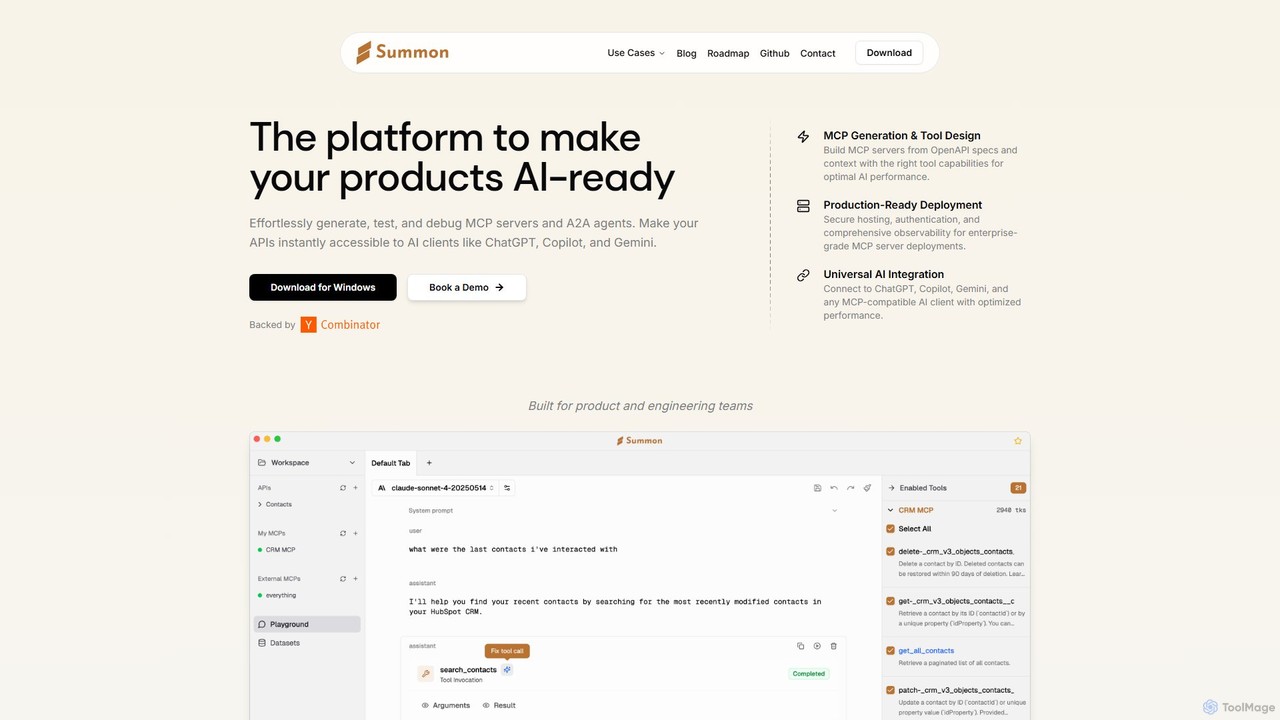
Summon is a developer platform designed to make your product's APIs AI-ready. It enables you to effortlessly generate, test, and deploy secure MCP servers from OpenAPI specs, making your services instantly accessible to major AI clients like ChatGPT, Copilot, and Gemini. By bridging the gap between your APIs and the AI ecosystem, Summon helps you unlock new distribution channels, increase user engagement, and provide seamless, AI-powered workflows for your customers.

Agent Development
Visits 5.8KFavorites 110Likes 110
AI Spend
Paid

AI Spend

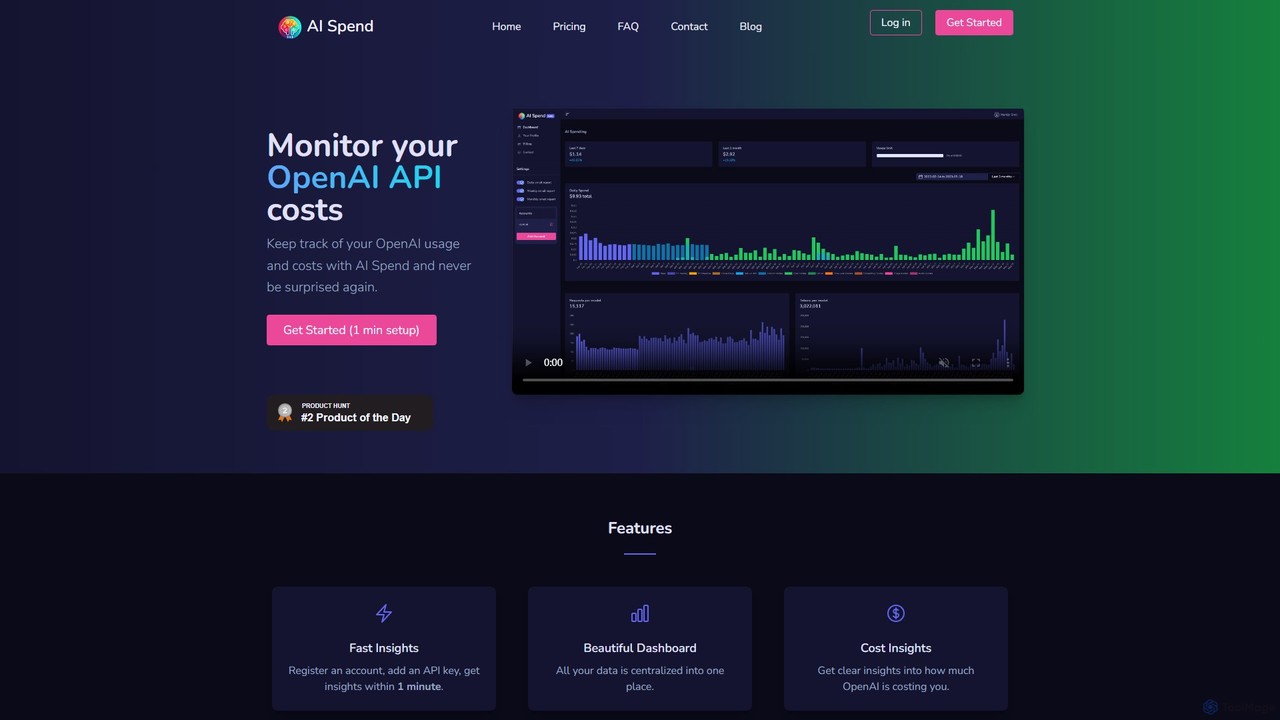
AI Spend is a dedicated monitoring tool for OpenAI API costs. It provides a centralized dashboard to track usage, analyze spending trends, and receive timely notifications, helping developers, startups, and businesses prevent unexpected bills and manage their AI budget effectively.

Api Management
Visits 8KFavorites 105Likes 92
itstelepathic

itstelepathic

itstelepathic is an AI-powered infrastructure platform designed for the new era of search. It helps businesses ensure their content is discoverable and accurately represented in AI search tools and answer engines. The platform provides the necessary tools to structure, manage, and syndicate brand information, enabling companies to get found without significantly scaling their teams.

Data Management
Visits 7KFavorites 116Likes 103
mfuniko
Paid

mfuniko

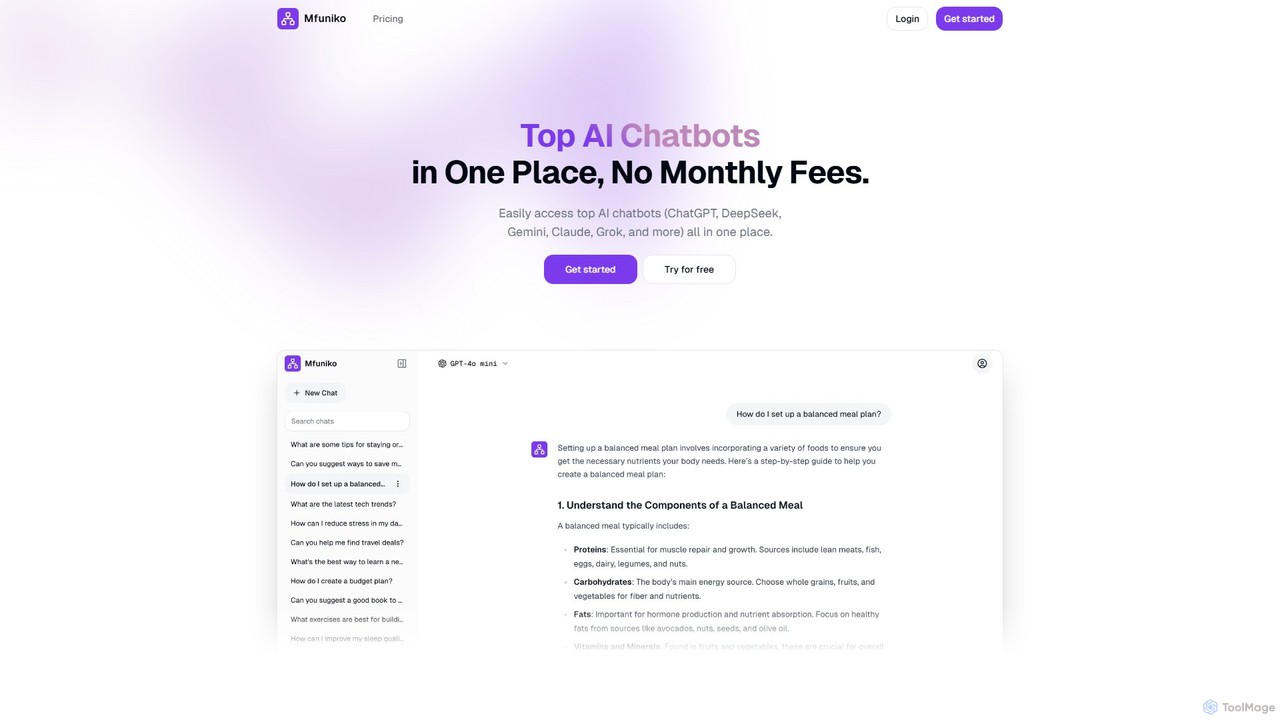
Mfuniko is a unified AI chat interface that allows you to access top AI models like ChatGPT, Gemini, Claude, and Grok in one place. It operates on a 'bring your own API key' model with a one-time payment for lifetime access, eliminating monthly subscription fees. It offers advanced features like file and image chat, chat organization, and text-to-speech to streamline your AI workflow.

Api Management
Visits 5.2KFavorites 97Likes 110
Brainfish
Paid

Brainfish

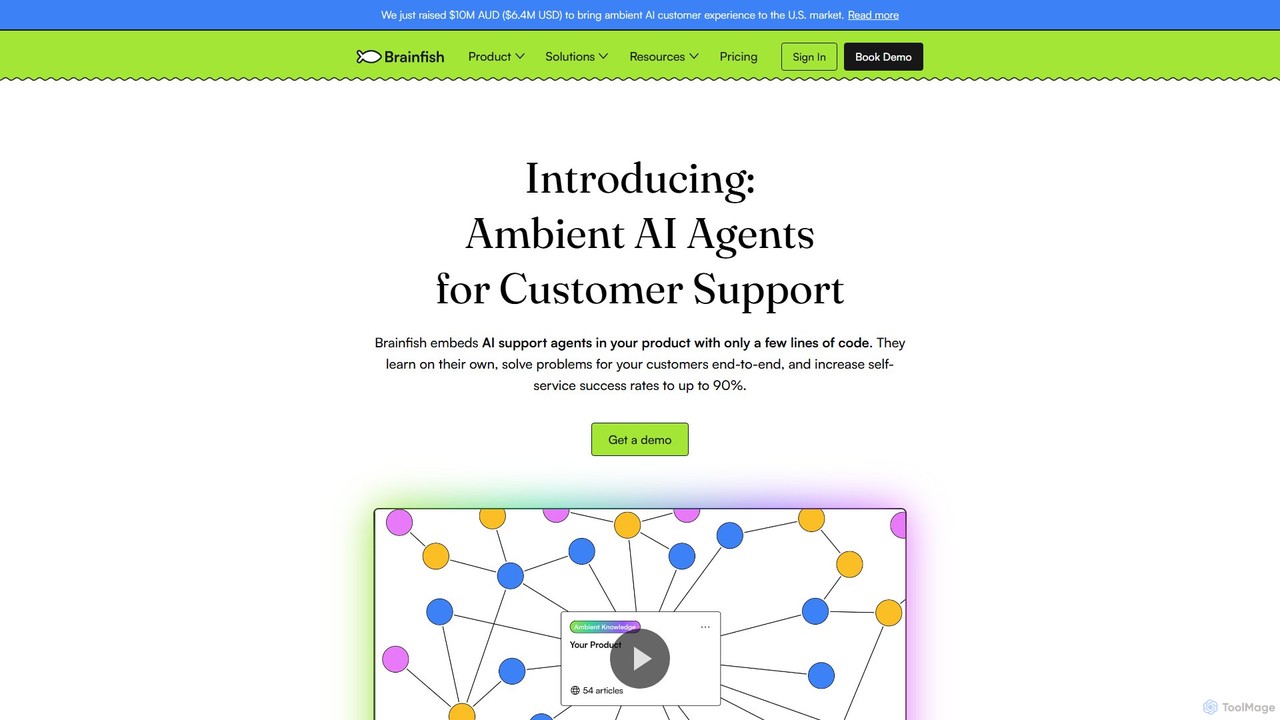
Brainfish is an ambient AI agent for customer support that embeds directly into your product. It autonomously learns from user behavior, automatically generates and updates help documentation, and proactively solves customer issues to increase self-service success rates up to 90%.

Customer Experience
Visits 12.6KFavorites 137Likes 149
Conversease
Freemium

Conversease

A privacy-focused AI chat platform that provides a unified interface for leading AI models like GPT-4o and Pixtral. Users connect their own API keys to store, manage, and search conversations locally on their browser. It supports advanced features including PDF chat and image analysis, offering a secure and versatile AI interaction experience.

Api Management
Visits 5KFavorites 144Likes 151
MindMac
Freemium

MindMac

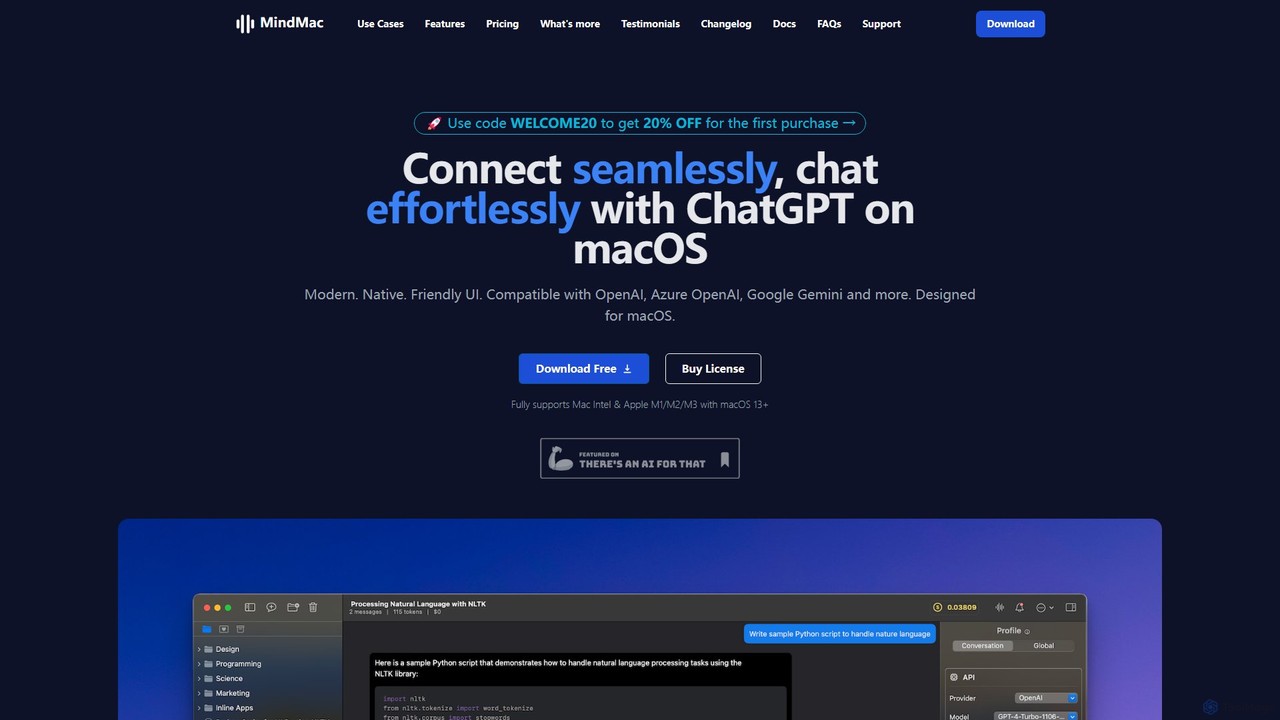
MindMac is a powerful, native macOS client that provides a unified interface for interacting with a vast range of AI models, including OpenAI's GPT, Google Gemini, Claude, and local LLMs. It enhances productivity with features like an inline mode for use in any app, a rich prompt library, and extensive customization. It prioritizes privacy and security by storing API keys locally and communicating directly with AI providers.

Macos
Visits 18.5KFavorites 117Likes 110
apix_drive
Freemium

apix_drive

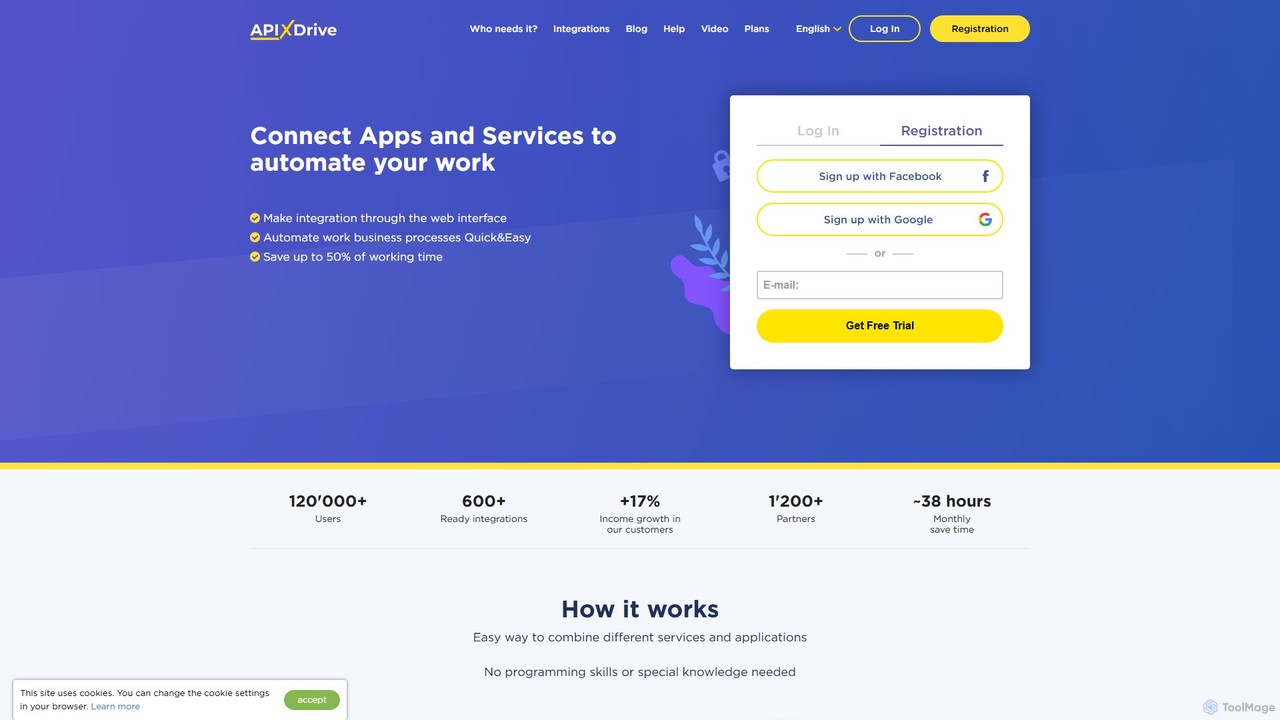
ApiX-Drive is a no-code integration platform that automates workflows by connecting over 600 apps and services. Easily link your CRM, marketing tools, e-commerce platforms, and AI applications like ChatGPT without any programming skills. Streamline data transfer, automate lead management, and save significant time.

Api Management
Visits 207KFavorites 110Likes 114
Chatbot UI
Freemium

Chatbot UI

Chatbot UI is an open-source chatbot interface that allows you to connect with over 80 AI models, including those from OpenAI, Google, and Anthropic. It offers a self-hostable, customizable alternative to proprietary chat platforms, giving users full control over their data and conversations. Organize chats, create prompts, and seamlessly switch between models in a single, unified workspace.

Api Management
Visits 20.2KFavorites 136Likes 133
Valyr
Freemium

Valyr

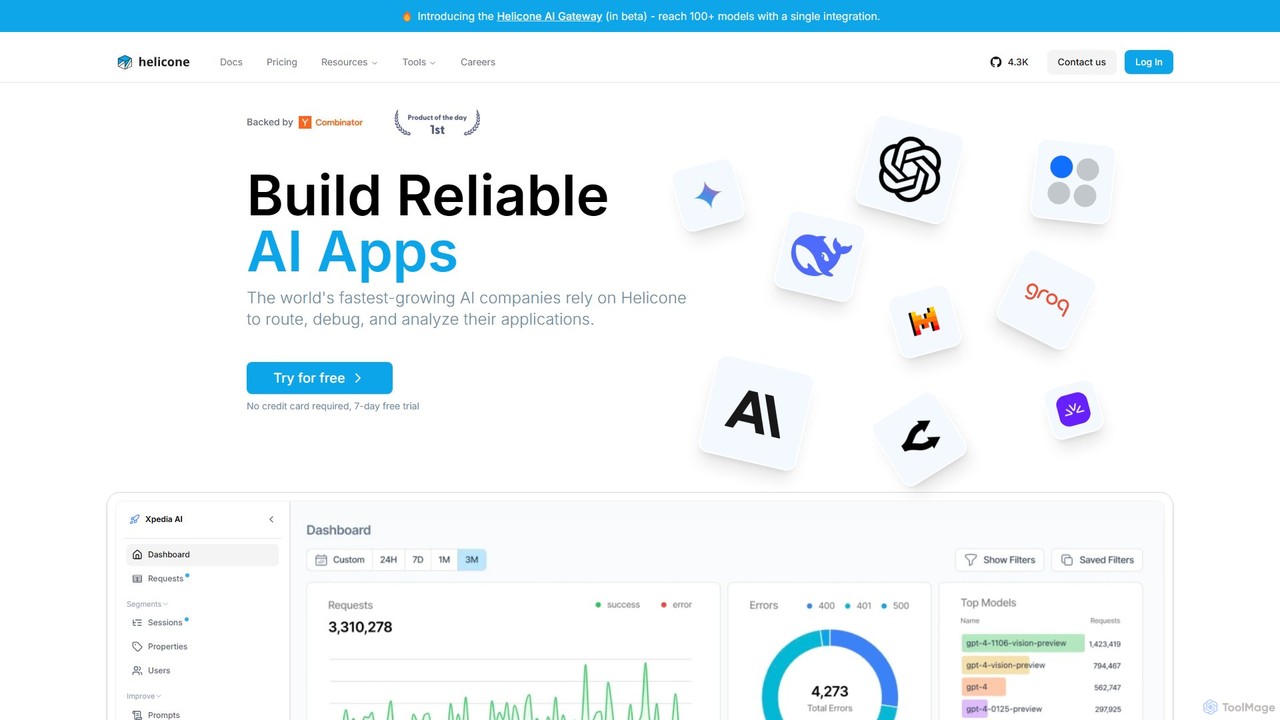
Valyr (formerly Helicone) is an open-source LLM observability platform and AI gateway. It helps developers monitor, debug, and analyze their AI applications, providing a single integration to access over 100 models, manage costs, and improve reliability with features like caching and rate limiting.

Api Management
Visits 5.2KFavorites 153Likes 147

About Api Management

API Management tools are platforms designed to create, publish, maintain, monitor, and secure APIs in a controlled environment. They provide a centralized point of control for an organization's entire API lifecycle, from design and documentation to security enforcement and usage analytics. This enables businesses to securely expose data and services to partners, developers, and other applications, fostering innovation and creating new digital ecosystems. Key components typically include an API gateway, a developer portal, and robust monitoring dashboards.

Core Features

  • API Gateway: Acts as a single entry point for all API requests, handling routing, composition, and protocol translation while enforcing security policies.
  • Developer Portal: A self-service hub where developers can discover APIs, access interactive documentation, register applications, and obtain API keys.
  • Lifecycle Management: Tools to manage the entire API lifecycle, including versioning, deployment, deprecation, and retirement of APIs.
  • Security and Governance: Implements authentication and authorization standards like OAuth 2.0 and JWT, and applies rate limiting and throttling to prevent abuse.
  • Analytics and Monitoring: Provides detailed dashboards to track API usage, performance metrics, error rates, and latency, offering insights into API health and adoption.

Use Cases

API Management is crucial for enterprises building a public API program to engage external developers. It's also essential for companies adopting a microservices architecture to govern communication between internal services. SaaS providers use these tools to offer robust integrations, and organizations undergoing digital transformation leverage them to modernize legacy systems by exposing them through secure, modern APIs.

How to Choose

When selecting an API Management tool, consider its deployment model (cloud, on-premise, or hybrid) to fit your infrastructure. Evaluate its security capabilities, ensuring it supports your required authentication standards. Assess its scalability and performance to handle your expected traffic load. Finally, examine the quality of the developer portal, as a positive developer experience is key to API adoption.

Featured tool rankings

Api Management use cases

1

Launch a Public Partner API Program

A fintech company wants to build an ecosystem around its payment services. Using an API Management platform, their API product managers design and publish a set of secure REST APIs. The platform's developer portal allows third-party developers to easily discover the APIs, read interactive documentation, and obtain API keys in a self-service manner. The built-in API gateway enforces OAuth 2.0 security, applies rate limits based on subscription tiers, and logs every transaction. This strategy accelerates partner onboarding and creates new revenue streams by monetizing API access.

2

Govern Internal Microservices Communication

A large e-commerce enterprise is migrating from a monolithic architecture to microservices. A DevOps team implements an API Management platform to act as a central gateway for all inter-service communication. This provides a unified way to handle authentication, apply consistent rate limiting to prevent cascading failures, and gain centralized visibility into traffic patterns. Developers can now build and deploy services independently, knowing that the gateway will manage security and routing, which significantly reduces complexity and improves system resilience.

3

Monetize Data Assets via APIs

A data analytics firm possesses valuable market trend datasets. To create a new revenue stream, they use an API Management platform to package this data as a commercial API product. The platform allows them to define multiple subscription plans (e.g., Free, Pro, Enterprise) with different usage quotas and rate limits. It integrates with a payment processor to automate billing based on API consumption. The analytics dashboard provides insights into which data endpoints are most popular, helping the product team refine their offerings and pricing strategy.

4

Secure Mobile and Web Application Backends

A development team for a mobile banking app needs to ensure all communication with backend services is secure and performant. They place an API Gateway from their management platform in front of all backend APIs. This gateway acts as a policy enforcement point, terminating TLS, validating JWT tokens for every request, and protecting against common threats like SQL injection and DDoS attacks. It also provides a single point for monitoring latency and error rates, allowing the operations team to quickly identify and resolve performance bottlenecks before they impact users.

5

Accelerate Developer Onboarding and Adoption

A SaaS company wants to reduce the support overhead required to onboard new customers to their API. They utilize the Developer Portal feature of their API Management solution. This portal provides a central, branded location with comprehensive, interactive API documentation generated directly from their OpenAPI specifications. New developers can sign up, create an application, receive API keys, and test API calls in a sandbox environment, all without manual intervention from the support team. This self-service experience reduces onboarding time from days to minutes and significantly improves developer satisfaction.

6

Modernize Legacy Systems with an API Facade

A large insurance company relies on a mainframe system with a complex, outdated interface. To enable new web and mobile applications to access this data, they use an API Management platform to create an 'API facade'. The API Gateway receives modern REST/JSON requests and translates them into the SOAP/XML or other protocols required by the mainframe. This decouples new applications from the legacy system, allowing for faster development cycles. It also adds a crucial layer of security, analytics, and access control that the legacy system lacks, extending its life and value.

Api Management FAQ

What is API Management?

API Management is the process of overseeing Application Programming Interfaces (APIs) in a secure, scalable, and controlled environment. It involves a set of tools and platforms that handle the entire API lifecycle, which includes designing, publishing, documenting, securing, and analyzing APIs. The primary goal is to allow organizations to share data and functionality securely with external developers, partners, and internal teams. A typical API Management solution includes an API Gateway, a Developer Portal, and analytics capabilities.

How to choose the right API Management tool?

Choosing the right API Management tool depends on your specific needs. Consider these key factors:

  • Deployment Model: Do you need a cloud-based (SaaS), on-premise, or hybrid solution to comply with data residency or security policies?
  • Security Features: Ensure the tool supports essential security standards like OAuth 2.0, OpenID Connect, and JWT, and offers robust threat protection.
  • Scalability and Performance: Evaluate if the platform can handle your current and future API traffic without introducing significant latency.
  • Developer Experience: A high-quality, customizable developer portal is crucial for API adoption. Check for interactive documentation and self-service features.
  • Integration: Assess how well the tool integrates with your existing CI/CD pipelines, identity providers, and monitoring systems.
What is the difference between an API Gateway and API Management?

An API Gateway is a core component of a full API Management platform, but they are not the same. An API Gateway is a runtime component that acts as a single entry point for API calls. Its primary job is to route requests, enforce security policies like authentication and rate limiting, and perform protocol translation. In contrast, API Management is a broader solution that covers the entire API lifecycle. It includes the API Gateway, but also adds a developer portal for discovery and onboarding, analytics for monitoring usage, and tools for designing, versioning, and monetizing APIs.

What are the key features of an API Management platform?

A comprehensive API Management platform typically includes several key features working together:

  • API Gateway: The runtime proxy that enforces policies on all API traffic.
  • Developer Portal: A self-service website for developers to find, learn about, and start using your APIs.
  • API Lifecycle Management: Tools for designing (e.g., with OpenAPI/Swagger), versioning, deploying, and eventually retiring APIs.
  • Security: Features for authentication (API keys, OAuth 2.0), authorization, and threat protection against common attacks.
  • Analytics and Monitoring: Dashboards that provide real-time and historical data on API usage, performance, and errors.
Who needs to use API Management tools?

API Management tools are valuable for a wide range of organizations and roles. Key users include:

  • Enterprises with Public APIs: Companies that want to build a developer ecosystem, create new business models, or integrate with partners.
  • Organizations Adopting Microservices: Teams that need to manage, secure, and monitor the complex web of communication between internal services.
  • SaaS Providers: Businesses that offer their product's functionality via APIs to enable customer and third-party integrations.
  • IT and DevOps Teams: Professionals responsible for governance, security, and operational stability of the company's application infrastructure.
  • API Product Managers: Individuals who treat APIs as products and are responsible for their strategy, adoption, and monetization.