ToolMage
Sign in

Best 360 Knowledge Management AI tools for Productivity

Popular Knowledge Management AI tools in Productivity include Notion, Feishu, Britannica, Glean, Wikiwand, Glasp, FlowUs, Zhida, YouMind, and CSDN SO, helping you work more efficiently.

Docmonster
Freemium

Docmonster

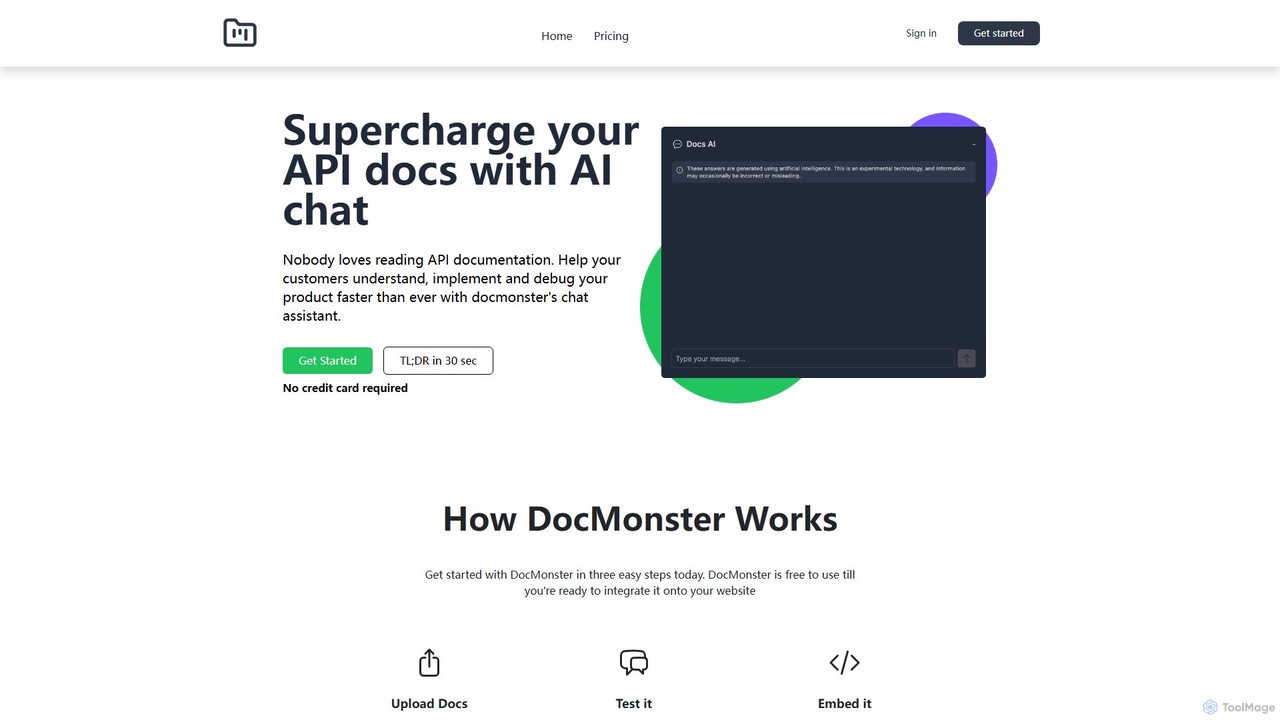
Docmonster enhances API documentation by adding an intelligent AI chat assistant. It allows developers to quickly understand, implement, and debug APIs by asking natural language questions. The tool generates custom code examples, provides instant answers from your documentation, and offers analytics on user queries to help you improve your docs. Simply upload your documents, test the chatbot, and embed it on your website with a few lines of code to significantly reduce integration time and improve the developer experience.

Chatbots
Visits 5.6KFavorites 146Likes 133

Core
Freemium

Core

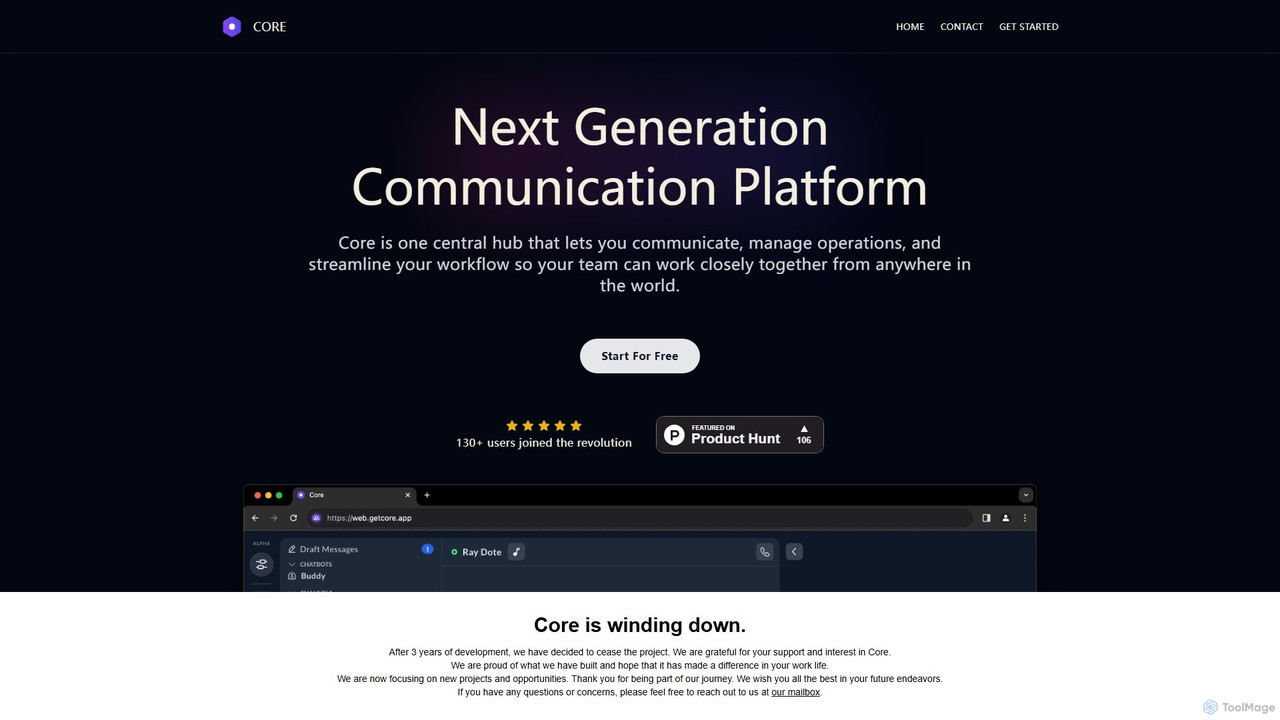
Core is an AI-powered, all-in-one communication and collaboration platform for teams. It centralizes chat, video calls, calendar, and a native knowledge base to reduce distractions, streamline workflows, and boost productivity with features like process automation and AI assistants.

Team Chat
Visits 8.8KFavorites 127Likes 136
myframework
Freemium

myframework

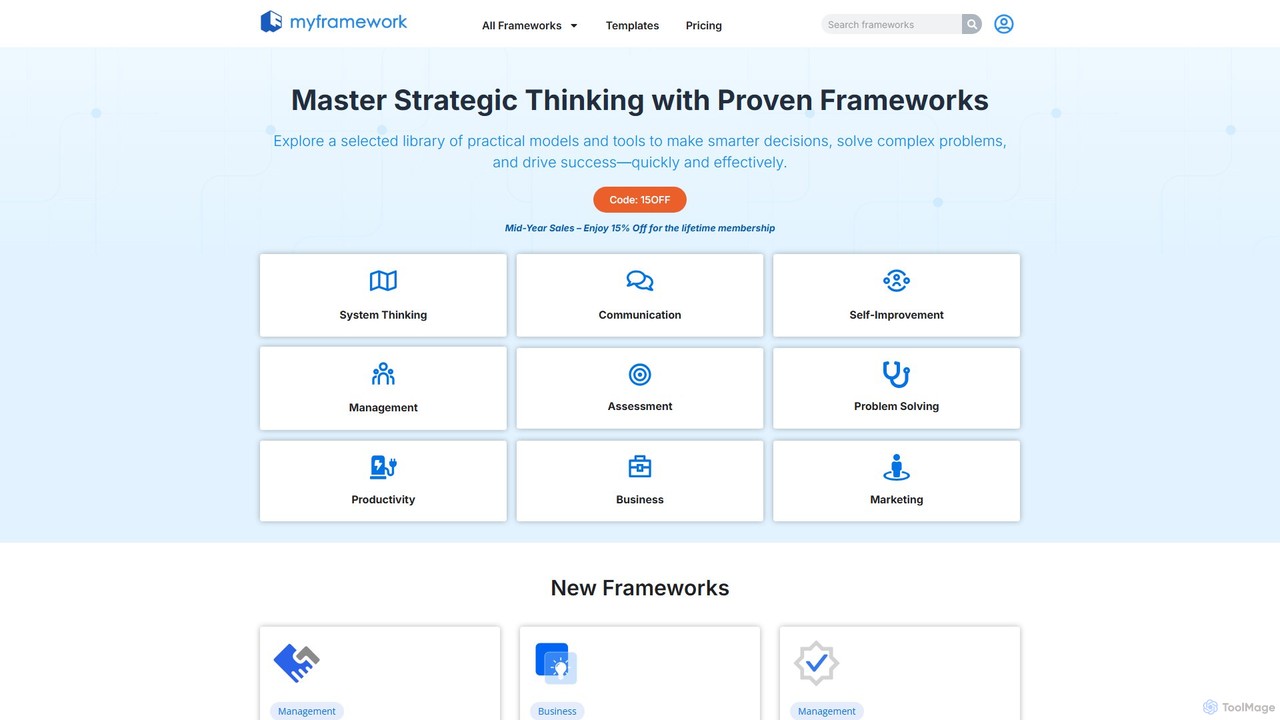
Myframework is a curated digital library of proven thinking frameworks and mental models. It helps users make smarter decisions, solve complex problems, and enhance productivity across business, marketing, and self-improvement. The platform offers practical tools, templates, and AI-powered prompts to turn theory into action.

Strategic Planning
Visits 7KFavorites 148Likes 168
Sense
Freemium

Sense

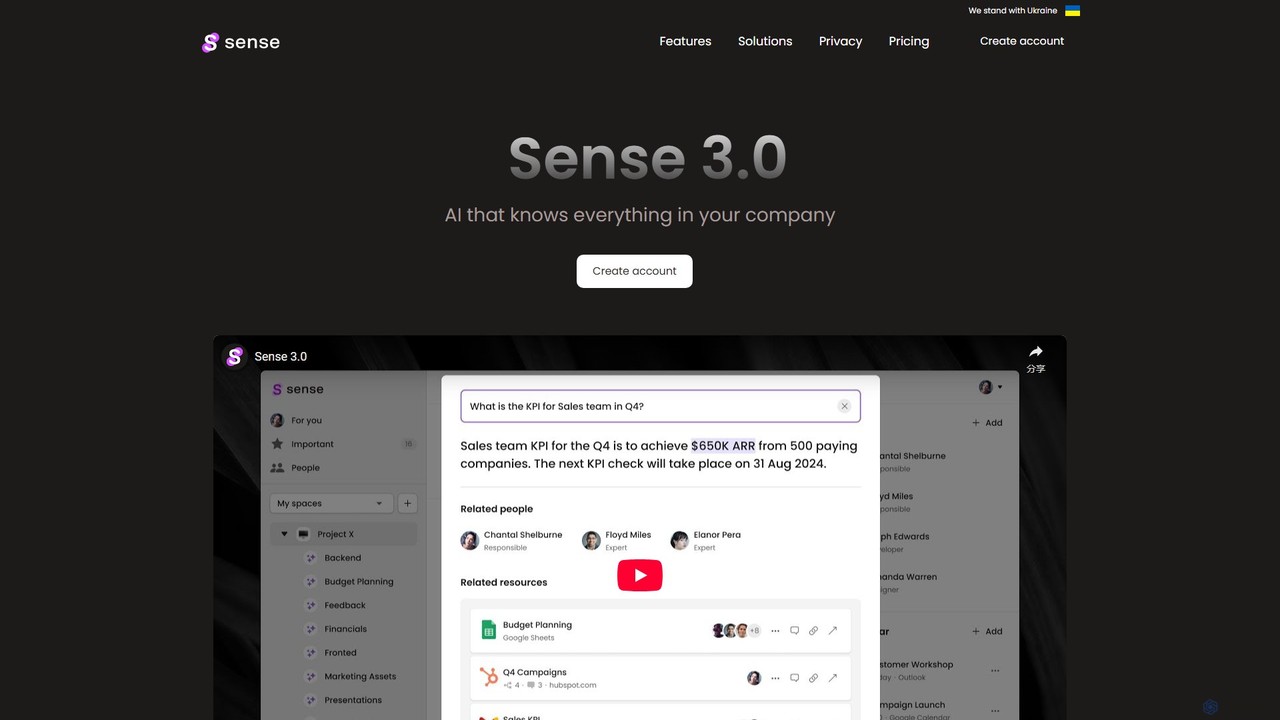
Sense is an AI-powered knowledge hub that integrates with all your company's applications to create a single, searchable source of truth. It automatically organizes data, provides intelligent answers to your questions, and delivers personalized updates to enhance team productivity and collaboration.

Collaboration
Visits 5.7KFavorites 133Likes 138
UNLESS

UNLESS

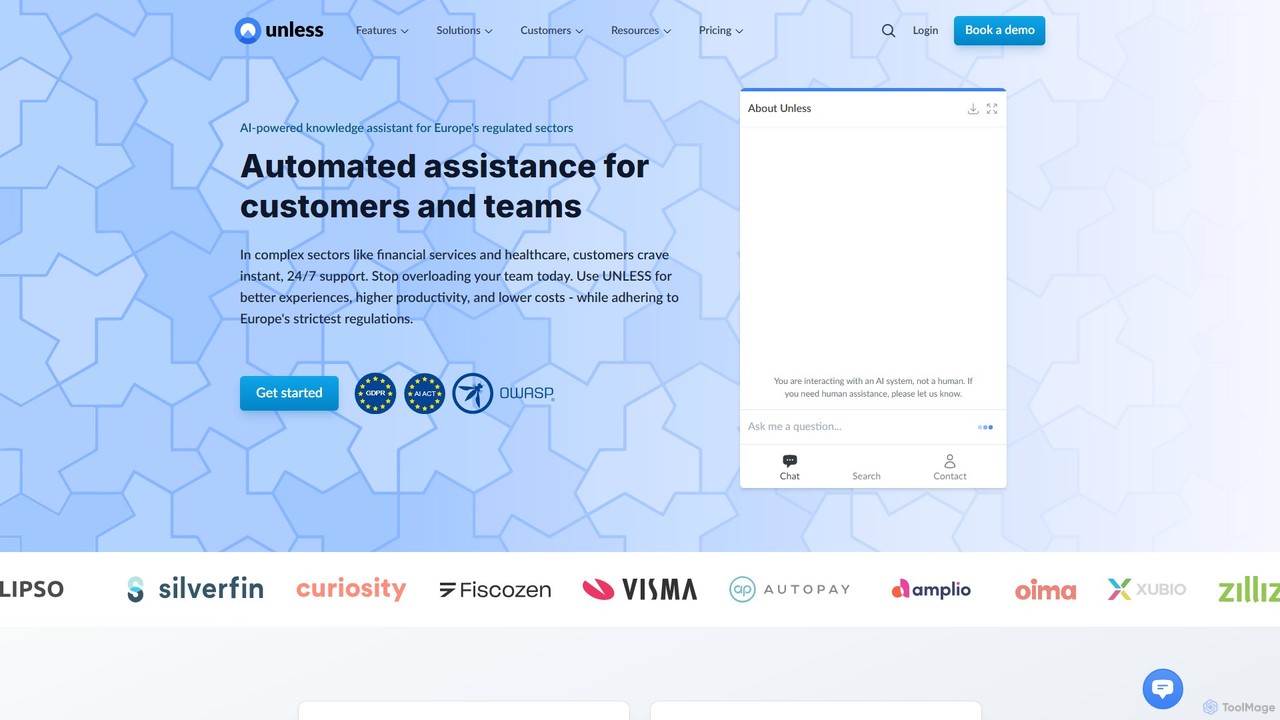
UNLESS is an enterprise-grade AI platform designed for Europe's regulated industries, such as finance and healthcare. It provides a compliant, all-in-one solution for customer success, featuring AI-powered assistants, automated task handling, and a unified knowledge base to enhance user experiences, boost team productivity, and reduce operational costs while adhering to strict GDPR and EU AI Act regulations.

Chatbot
Visits 9KFavorites 125Likes 135
New Dialogue
Freemium

New Dialogue

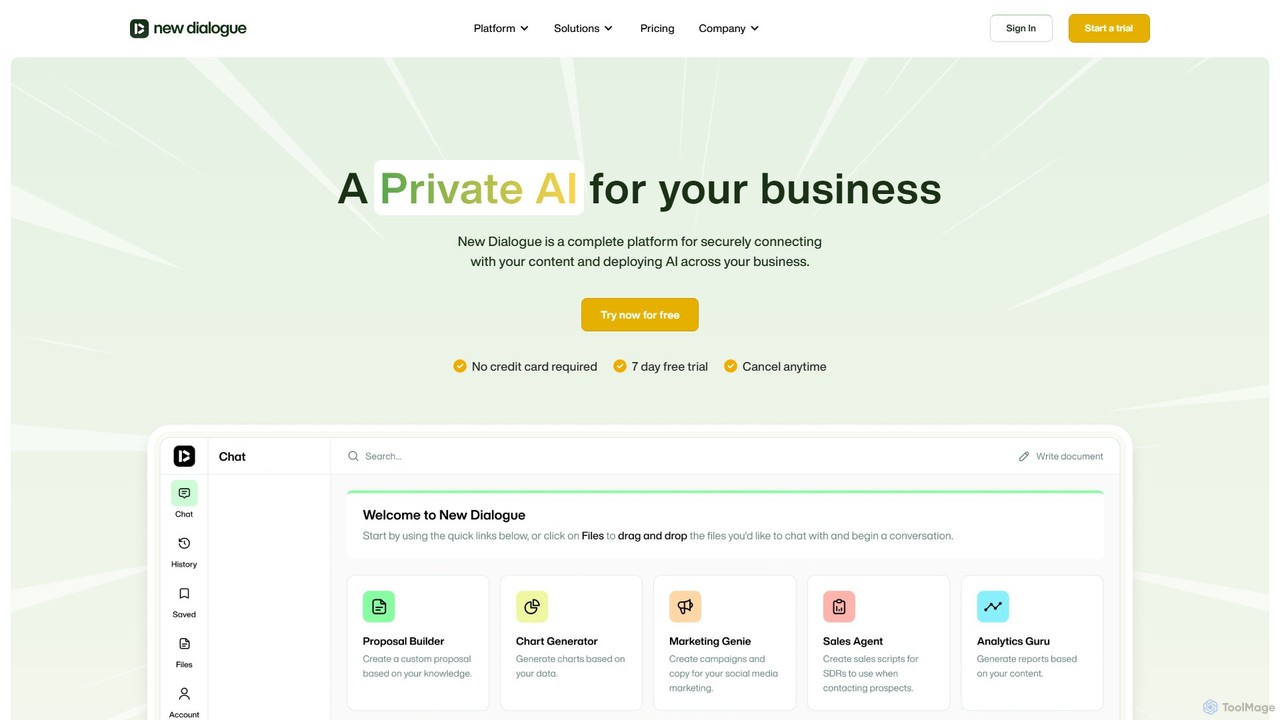
New Dialogue is a private AI platform for businesses to transform internal knowledge into actionable results. It allows teams to securely chat with documents, build custom AI tools like proposal generators, and deploy chatbots for internal use or customer support.

Data Analysis
Visits 8.3KFavorites 142Likes 124
SearchUnify
Paid

SearchUnify

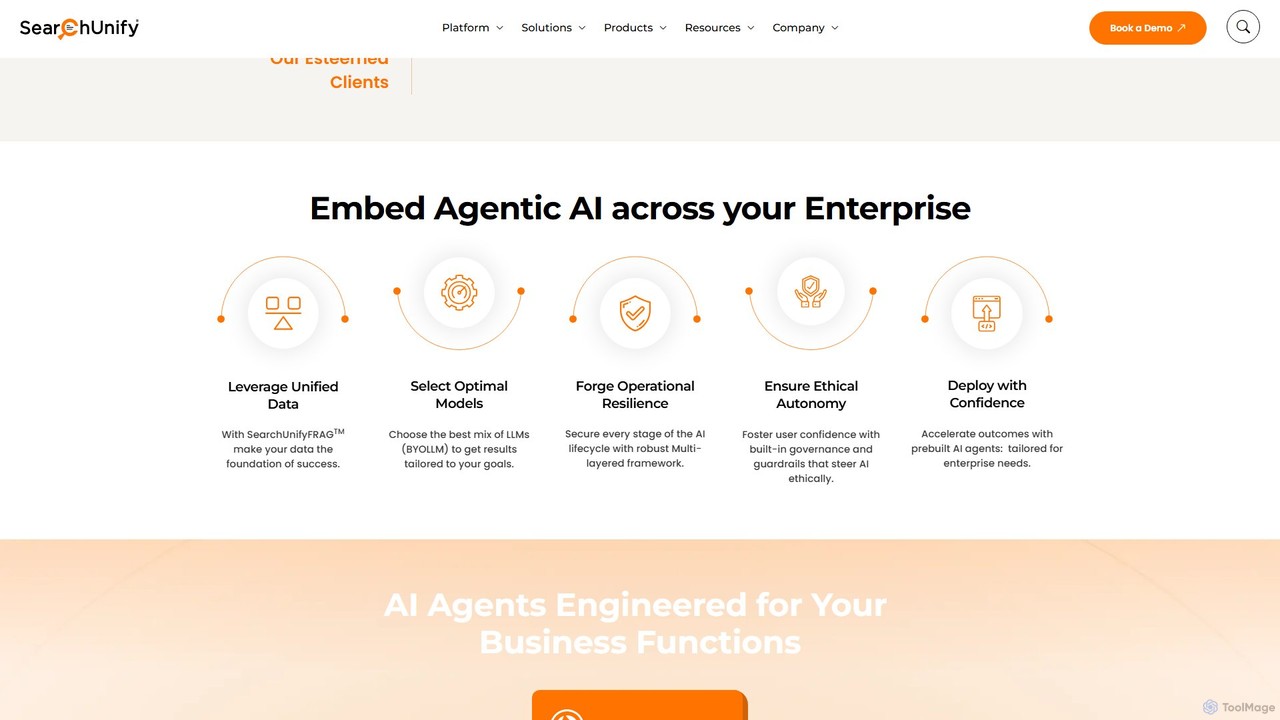
SearchUnify is an enterprise-grade agentic AI platform designed to transform customer support and other business functions. It unifies disparate data sources and deploys pre-built AI agents to automate self-service, augment support workflows, and enhance operational efficiency, driving higher CSAT and significant ROI.

Enterprise Search
Visits 36.2KFavorites 125Likes 111
Whybot
Freemium

Whybot

Whybot is an AI-powered exploration tool designed to provide deep, comprehensive answers to complex questions. It helps users move beyond surface-level information to truly understand the 'why' behind any topic, from quantum computing to human biology. Ideal for students, researchers, and the endlessly curious.

Research
Visits 6KFavorites 109Likes 93
FlowUs
Freemium

FlowUs

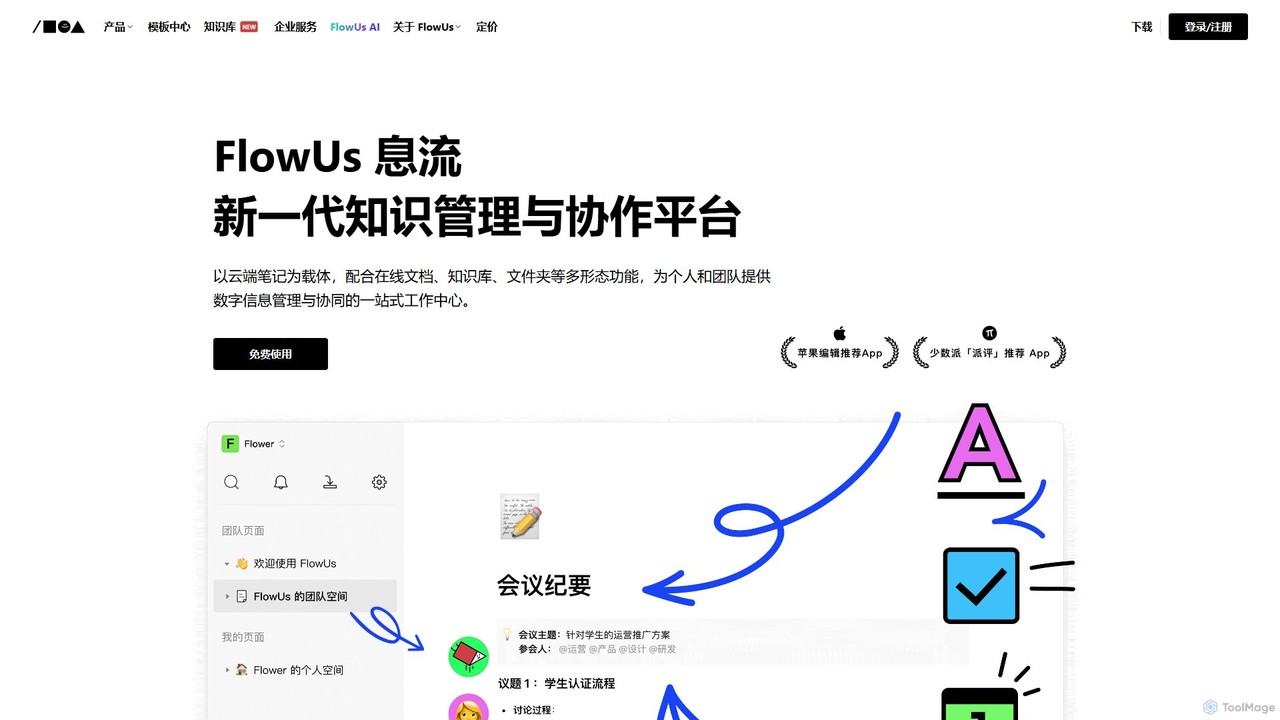
FlowUs is a next-generation knowledge management and collaboration platform that integrates documents, notes, databases, and project management into a unified workspace. It features a powerful, natively embedded AI assistant to streamline workflows for individuals and teams.

Writing
Visits 1.6MFavorites 114Likes 122
Jigso
Paid

Jigso

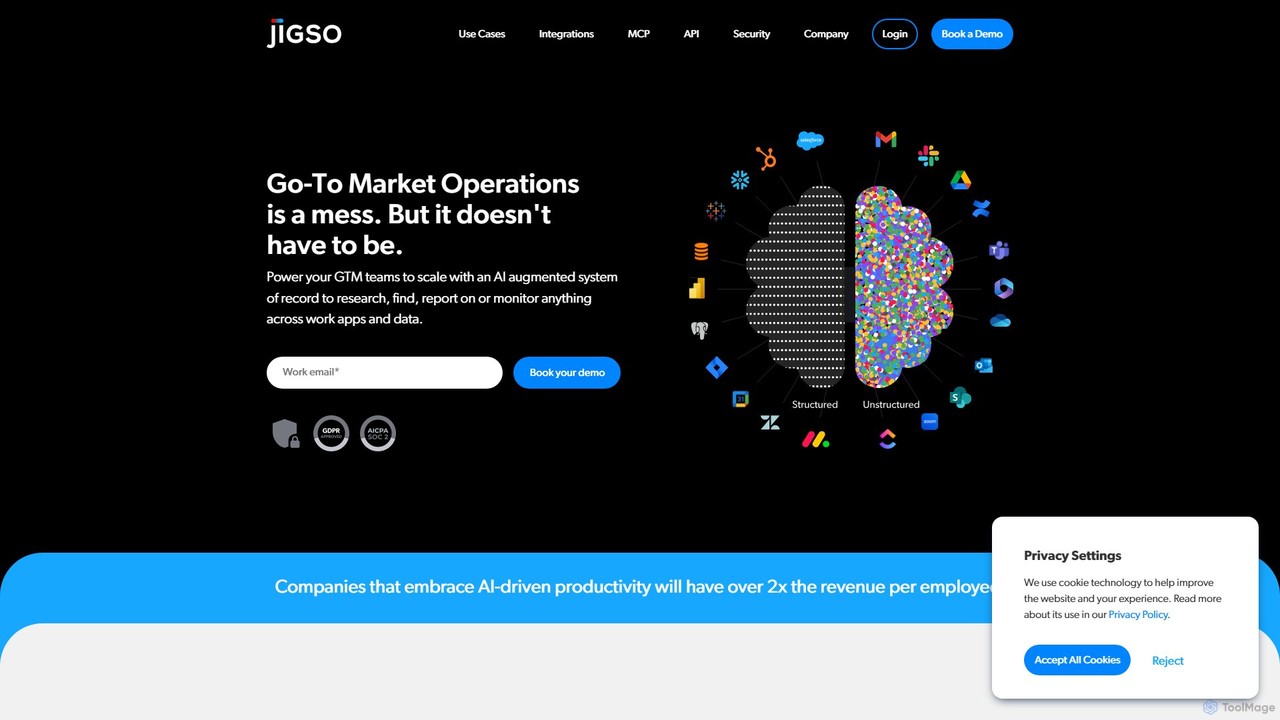
Jigso is an AI-powered command center for enterprises, unifying data from all work apps into a single, queryable system. It helps teams prepare for meetings, analyze data, research topics, and track important activities, transforming data chaos into actionable intelligence and operational efficiency.

Business Intelligence
Visits 7.5KFavorites 106Likes 120
KnowSilos
Freemium

KnowSilos

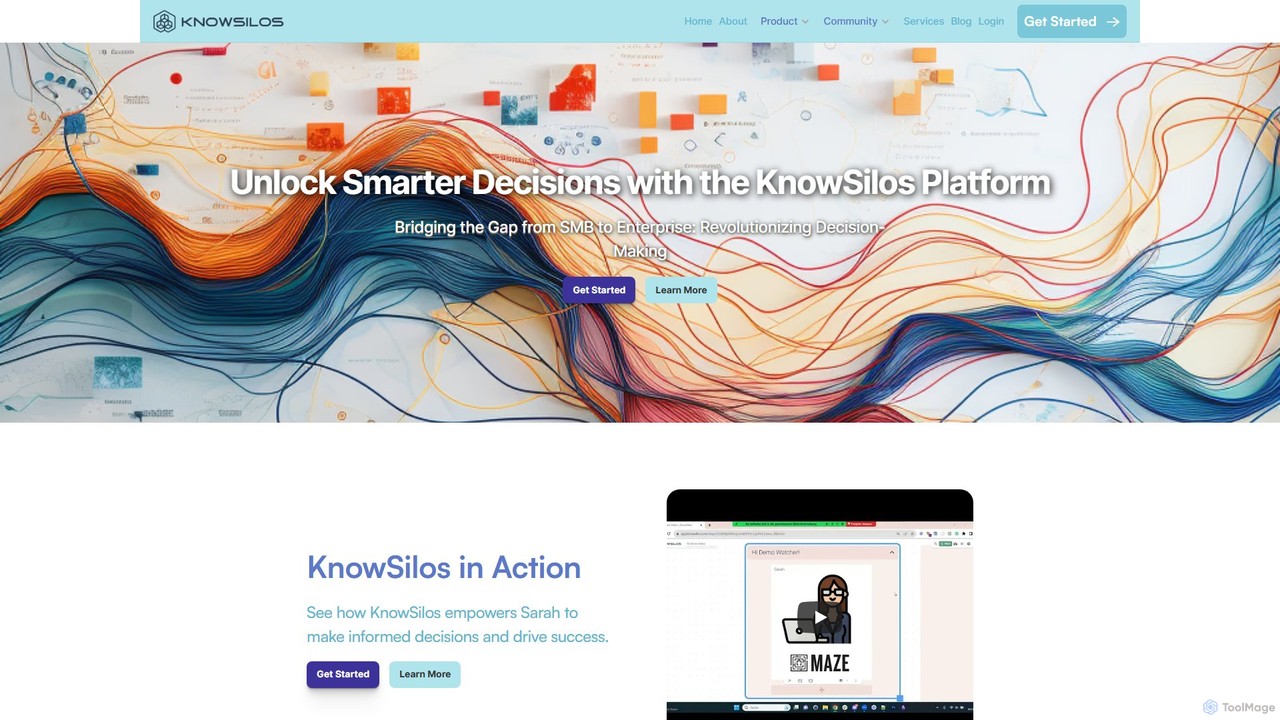
KnowSilos is an advanced knowledge management and decision-making platform designed to break down information silos. It integrates scattered internal and external data, uses AI to extract insights from documents, and transforms it into structured knowledge graphs. This empowers businesses to make faster, data-driven decisions through collaborative tools and customizable reports.

Decision Making
Visits 5.6KFavorites 123Likes 147
AnythingLLM
Freemium

AnythingLLM

AnythingLLM is an open-source, all-in-one AI application that allows you to chat with any document, use AI agents, and leverage powerful LLMs. It runs locally on your desktop or in a private, self-hosted environment, ensuring complete data privacy and security for individuals and teams.

Document Analysis
Visits 687.4KFavorites 113Likes 108
Archbee
Freemium

Archbee

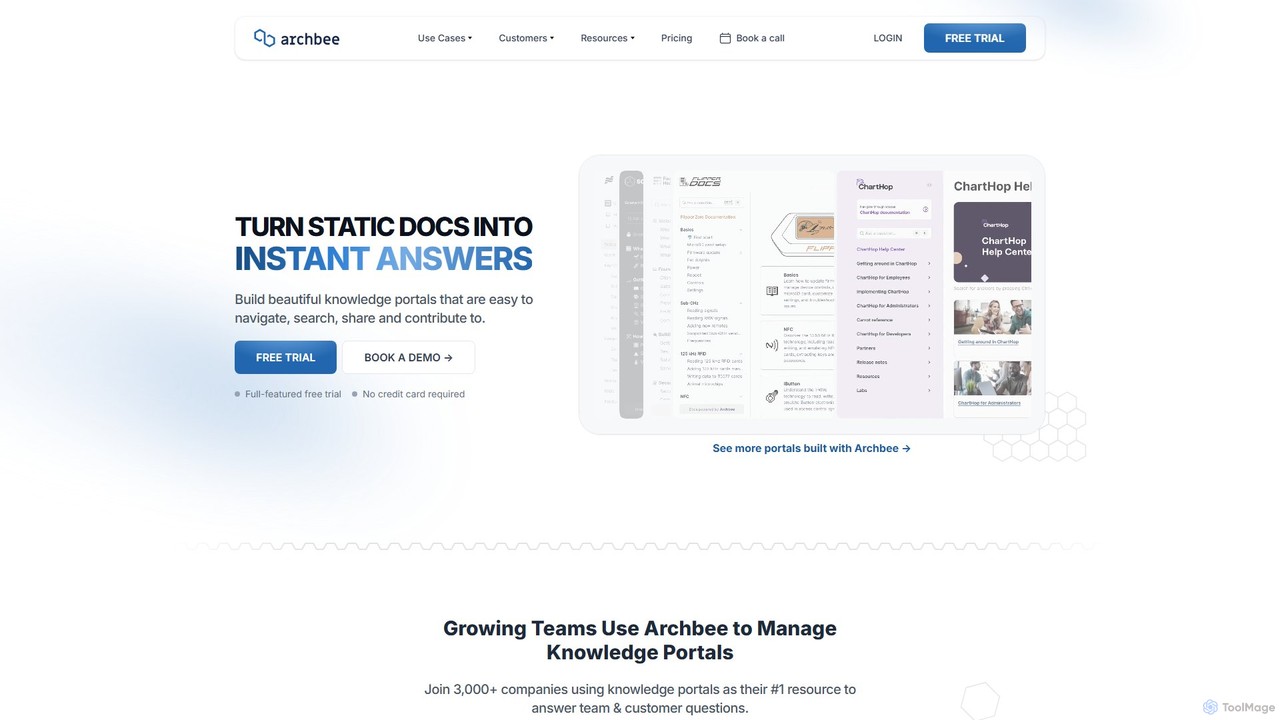
Archbee is an AI-powered knowledge portal platform designed for teams and customers. It transforms static documentation into interactive, searchable knowledge bases, enabling instant answers to questions. It's ideal for creating product docs, API documentation, internal wikis, and customer help centers with powerful collaboration and content management features.

Help Center
Visits 40.9KFavorites 147Likes 148
Mendable
Freemium

Mendable

Mendable is an AI platform that enables businesses to build and deploy custom AI chatbots trained on their technical resources. It provides instant, accurate answers for customer support, sales enablement, and internal knowledge management, reducing support tickets and improving user experience.

Chatbots
Visits 10.2KFavorites 144Likes 136
grahamai
Freemium

grahamai

grahamai is an AI-powered chatbot trained on the extensive works of Paul Graham, co-founder of Y Combinator. It provides instant, insightful answers to your questions about startups, technology, fundraising, and entrepreneurship. Engage in a conversation with the digital persona of Paul Graham to get tailored advice, validate your ideas, and access a synthesized knowledge base of his influential essays and talks, available 24/7.

Learning
Visits 7.5KFavorites 149Likes 135
Onri
Freemium

Onri

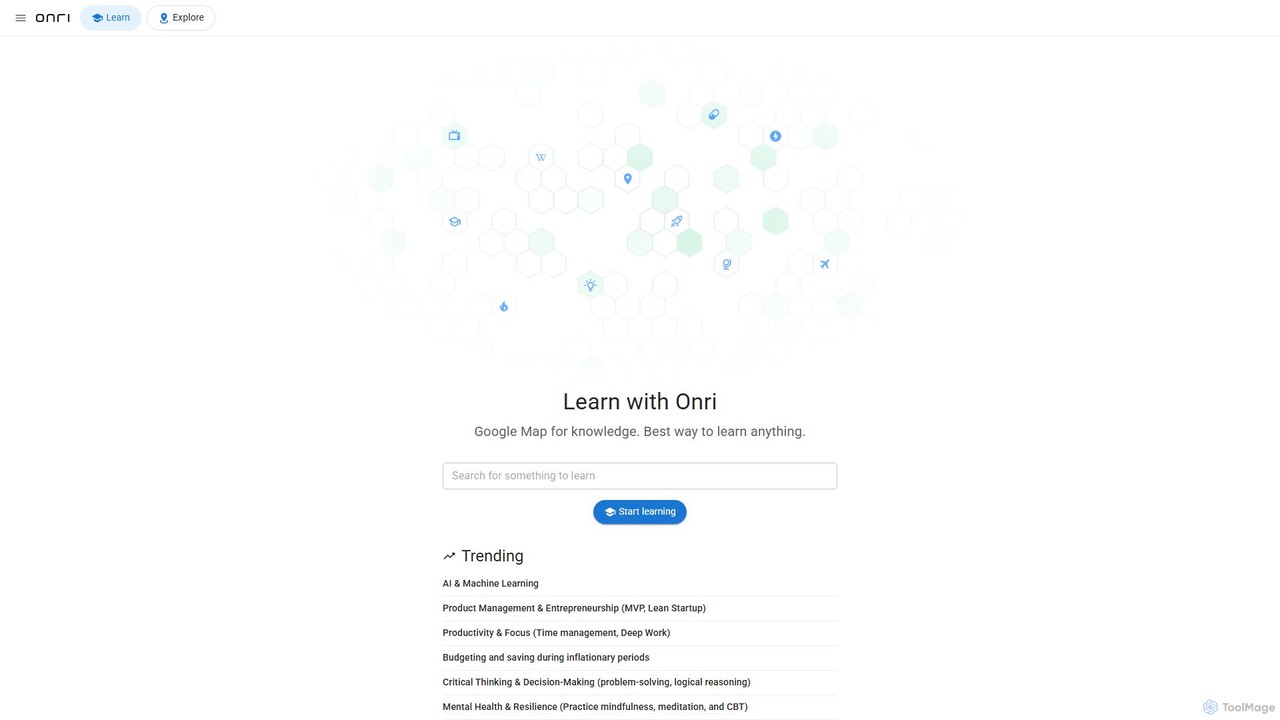
Onri is an AI-powered learning platform that acts as a "Google Map for knowledge." It generates structured, visual learning paths to help users understand and master complex topics efficiently. Covering a vast range of subjects from AI and product management to personal finance and mental health, Onri provides the shortest path to learn anything.

Learning
Visits 5.6KFavorites 121Likes 112
Memable
Freemium

Memable

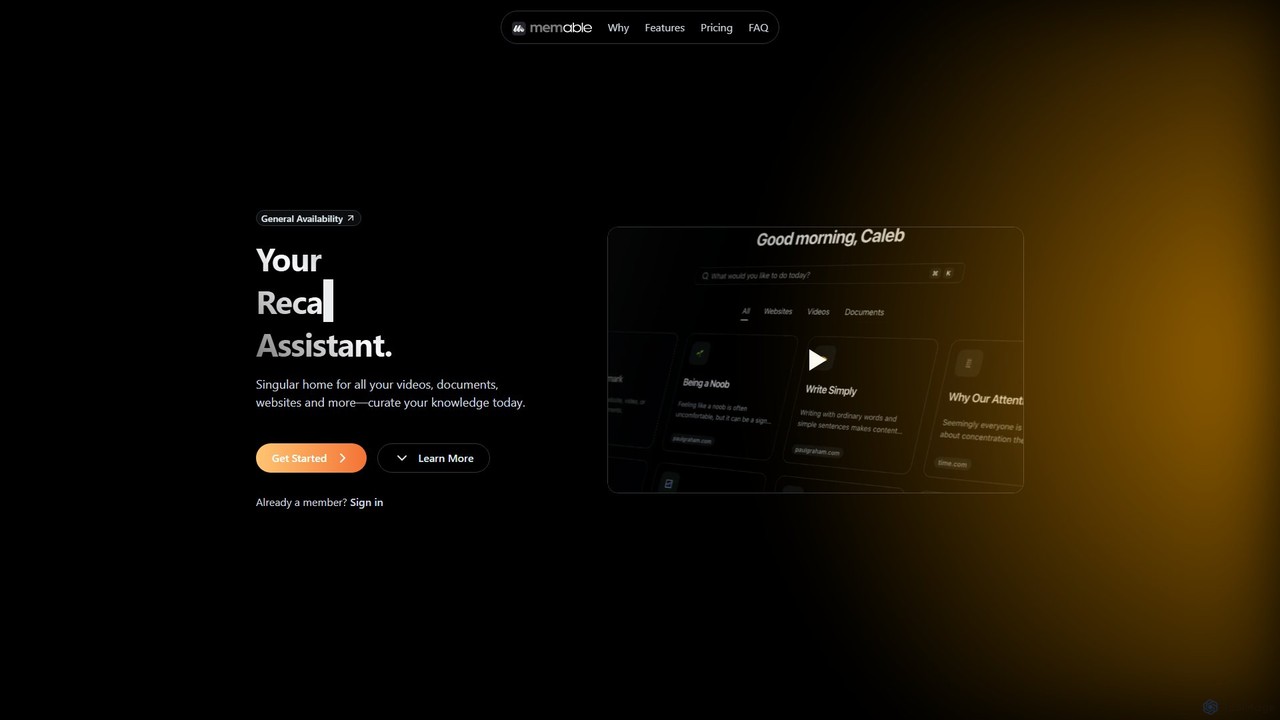
Memable is an AI-powered knowledge assistant designed to help you curate and recall information effortlessly. It provides a single home for your videos, documents, and websites, using AI to synthesize notes and create a searchable personal knowledge base. Chat with your content, visualize connections on a knowledge map, and overcome information overload to build lasting knowledge.

Note Taking
Visits 6.7KFavorites 120Likes 126
Embedding.io
Freemium

Embedding.io

An AI-powered platform that transforms any website into an interactive, queryable knowledge base for Large Language Models (LLMs). Easily create custom chatbots, AI search functions, and automated support systems by providing a simple URL. It handles crawling, embedding, and API integration.

Search
Visits 6.3KFavorites 130Likes 140
ArcaNotes
Freemium

ArcaNotes

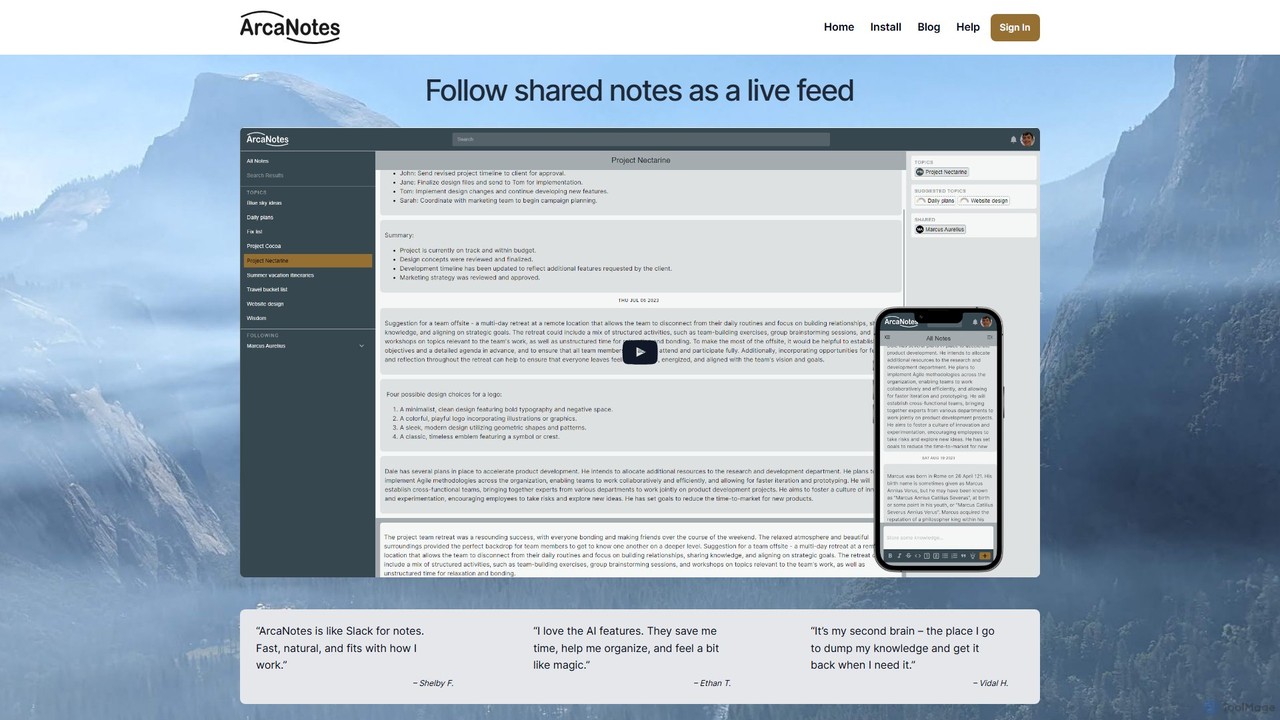
ArcaNotes is an AI-enhanced micro-note app designed for elevated productivity and knowledge management. It acts as your second brain, allowing you to quickly capture, organize, and retrieve information. With on-device AI, it offers intelligent topic suggestions, natural language Q&A with your notes, and collaborative sharing features, all while prioritizing user privacy with robust encryption.

Personal Assistant
Visits 5.7KFavorites 111Likes 121
Refinder
Freemium

Refinder

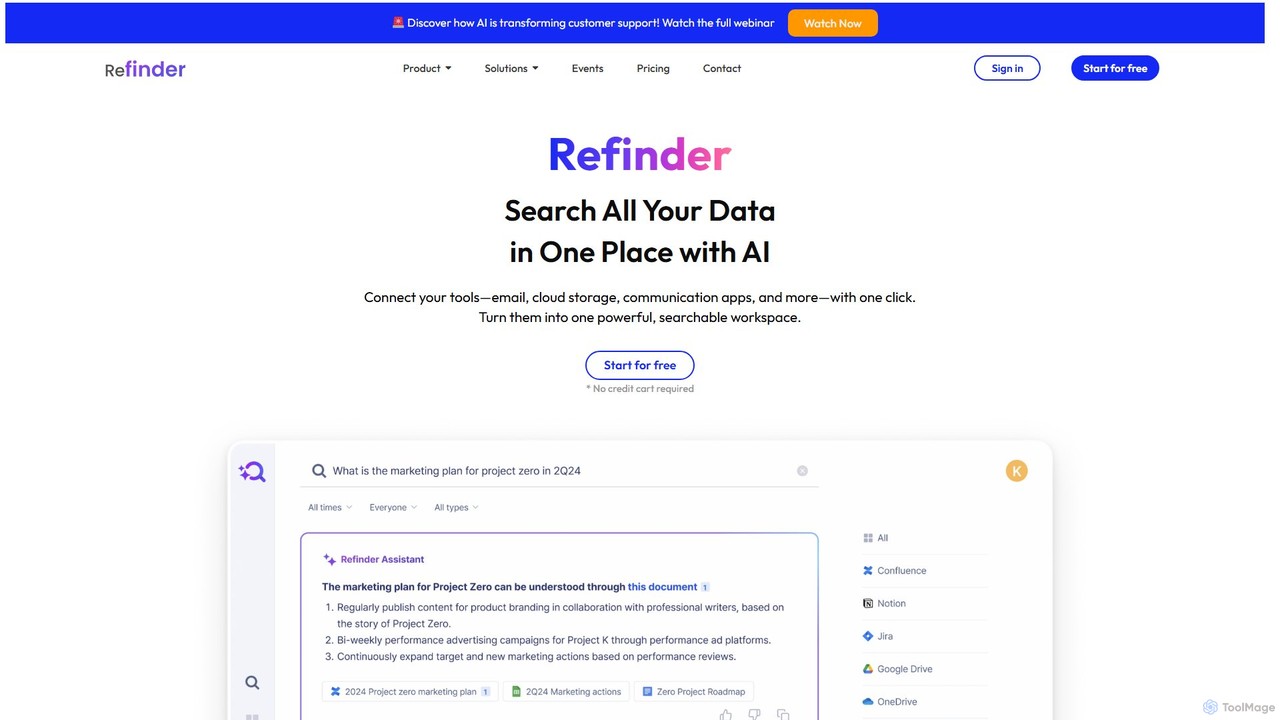
Refinder is an AI-powered enterprise search platform that connects all your work applications—email, cloud storage, and collaboration tools—into a single, searchable workspace. It acts as a personal AI assistant, helping you find information instantly, summarize documents, and gain actionable insights from your company's collective knowledge.

Enterprise Search
Visits 12.4KFavorites 127Likes 133

xMem
Freemium

xMem

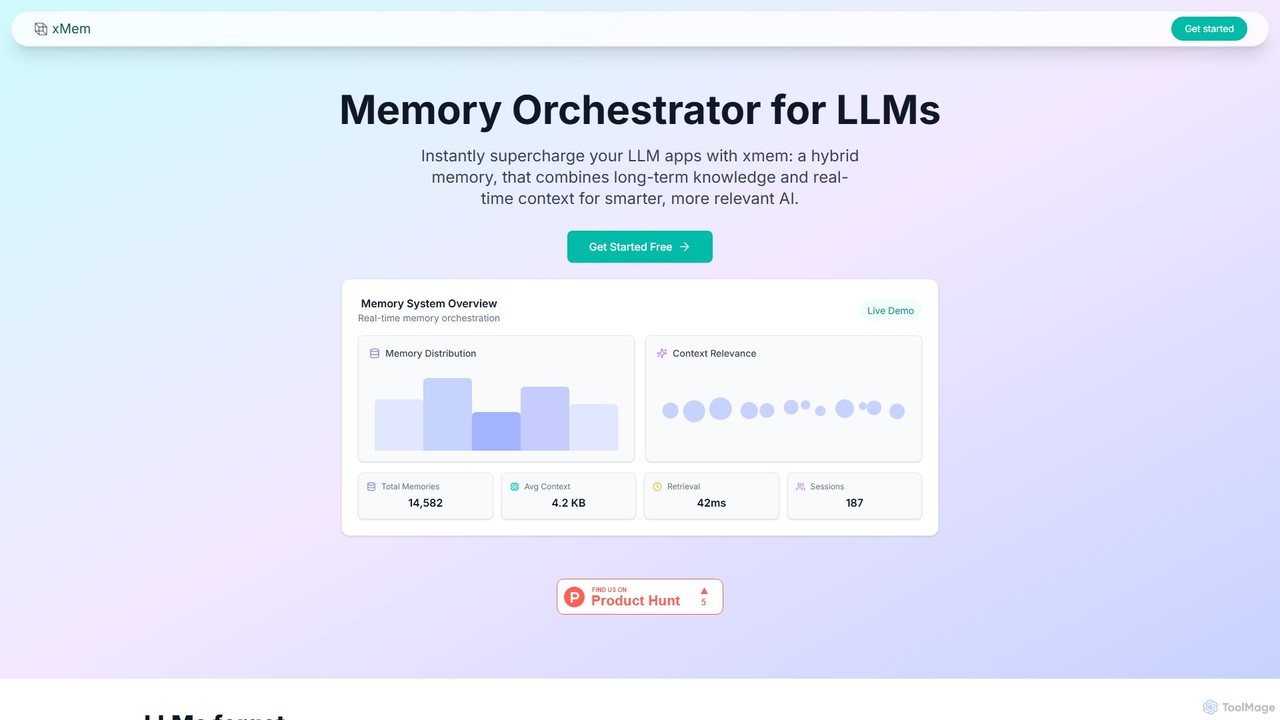
xMem is a hybrid memory orchestrator for LLMs, designed to give AI applications persistent memory. It combines long-term knowledge from vector databases with real-time session context, enabling LLMs to remember past interactions and deliver smarter, more relevant responses without losing context between sessions.

Database
Visits 6.3KFavorites 137Likes 143
keepi
Freemium

keepi

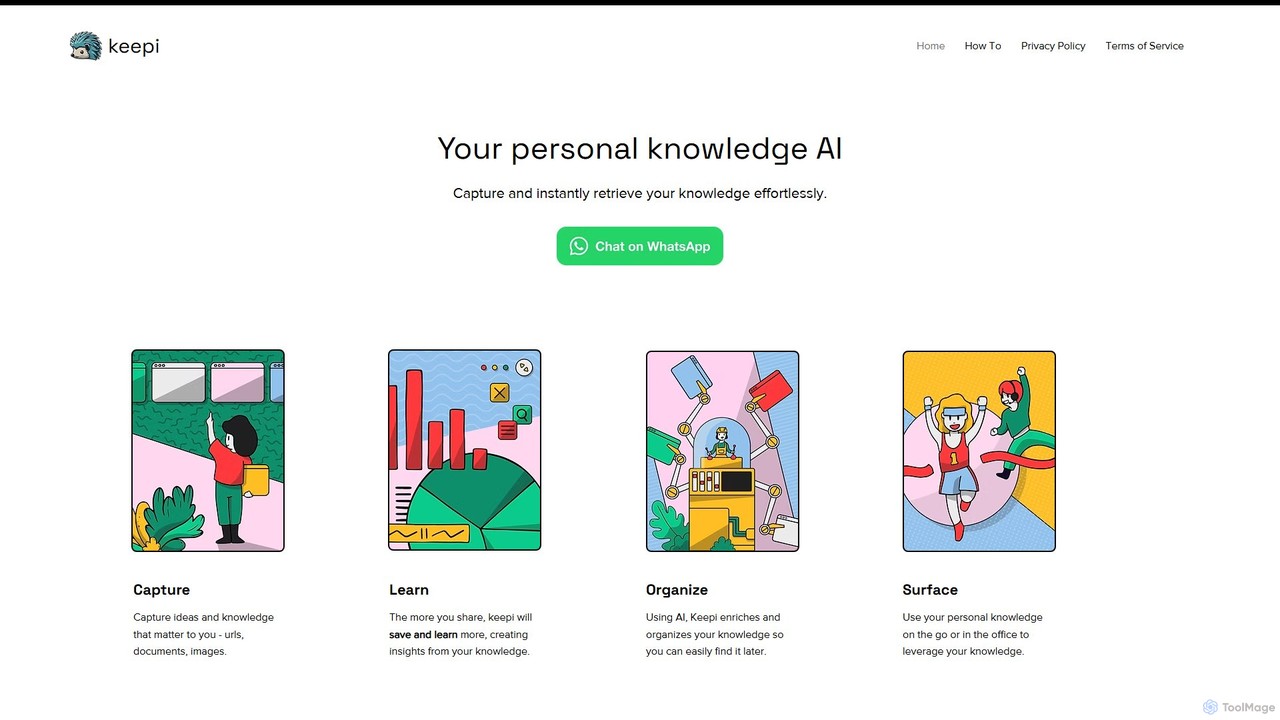
keepi is a personal knowledge AI that acts as your second brain within WhatsApp. Effortlessly capture, organize, and retrieve information like URLs, documents, images, and voice notes. It uses AI to learn from your content, provide insights, transcribe audio, and even generate images on command.

Chatbots
Visits 5.9KFavorites 145Likes 139
Feishu
Freemium

Feishu

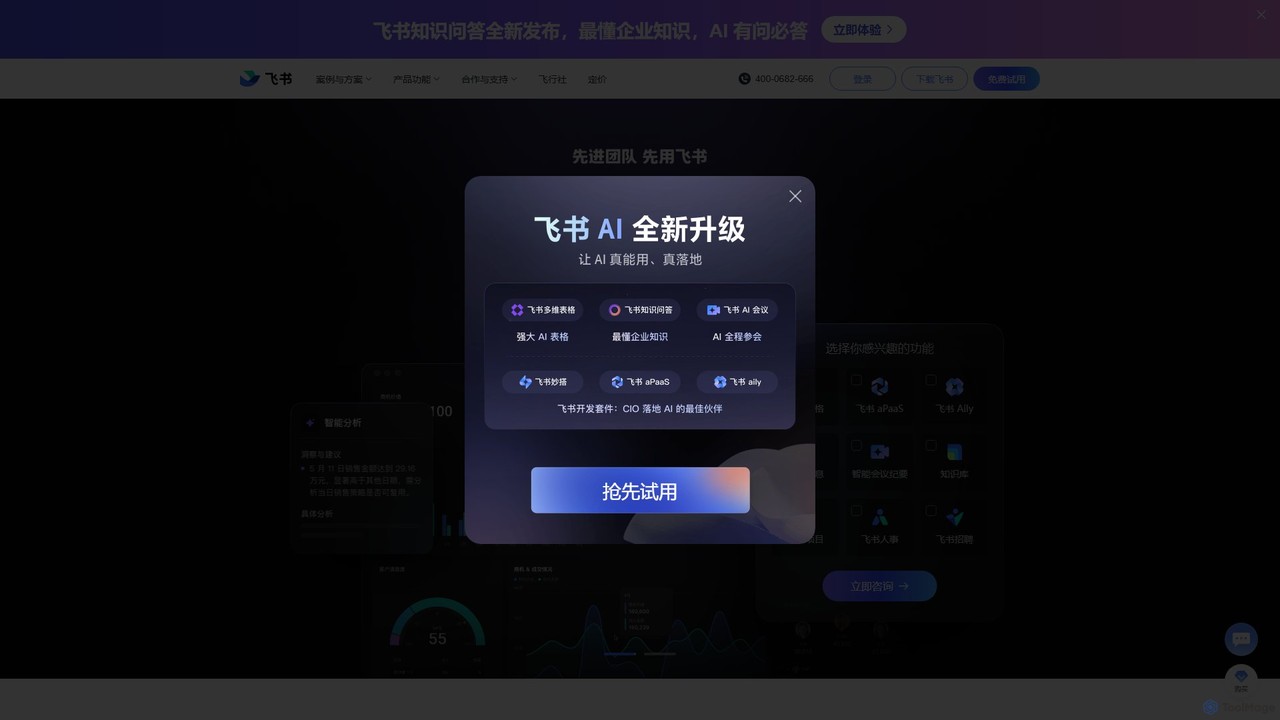
Feishu is an all-in-one enterprise collaboration and management platform powered by AI. It integrates instant messaging, video conferencing, collaborative docs, project management, and HR tools into a single, seamless experience. Designed for modern teams, Feishu enhances productivity, streamlines workflows, and leverages AI to provide smart summaries, knowledge Q&A, and business process automation, helping organizations achieve efficient growth.

Human Resources
Visits 65MFavorites 145Likes 158
Harken
Freemium

Harken

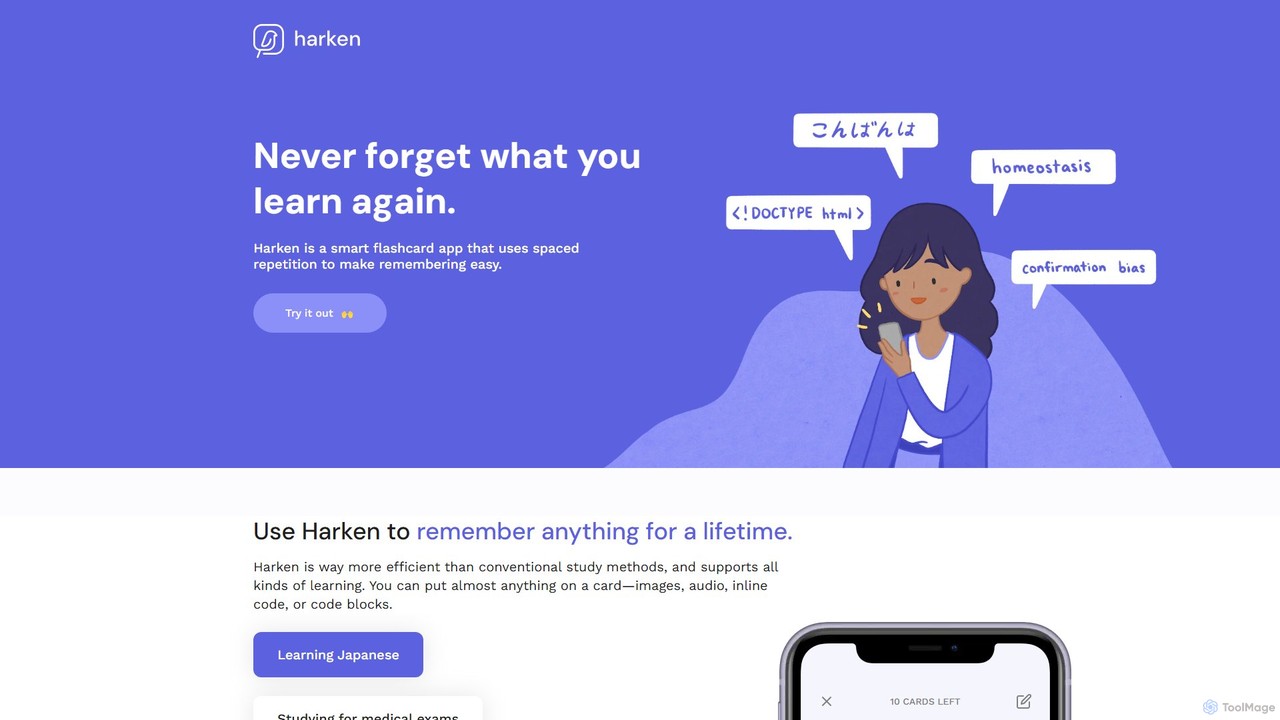
Harken is an intelligent flashcard application that utilizes AI and the science of spaced repetition to help you remember anything you learn, permanently. It's designed for efficient, long-term knowledge retention, supporting diverse content like text, images, audio, and code.

Learning
Visits 6.5KFavorites 143Likes 142

About Knowledge Management

AI Knowledge Management tools are a specialized category of productivity software that uses artificial intelligence to capture, organize, and retrieve information. These tools leverage technologies like Natural Language Processing (NLP) and semantic search to understand the context and meaning within documents, notes, and conversations. They transform scattered company data into a centralized, intelligent, and queryable 'second brain'. This allows teams to find accurate answers quickly, uncover hidden insights, and make better-informed decisions without manually sifting through countless files.

Core Features

  • Semantic Search: Find information based on conceptual meaning and intent, not just exact keywords.
  • Automated Content Organization: AI automatically tags, categorizes, and links related pieces of information from various sources.
  • Information Synthesis: Generate summaries, key takeaways, or answers from multiple documents in response to a query.
  • Conversational Q&A: Ask questions in natural language and receive direct answers sourced from the knowledge base.
  • Knowledge Graph Visualization: Map out and display the relationships between different concepts, people, and projects.

Use Cases

These tools are particularly valuable for medium to large enterprises, research teams, customer support departments, and product development groups. For instance, a support team can instantly find solutions to complex customer issues, while an R&D team can accelerate innovation by synthesizing findings from numerous research papers and internal reports.

How to Choose

When selecting an AI Knowledge Management tool, consider its integration capabilities with your existing platforms (like Slack, Google Drive, Notion). Evaluate the security protocols and access control features to protect sensitive data. Assess the quality and speed of its search and synthesis engine, and consider the user interface's ease of use for non-technical team members.

Featured tool rankings

Knowledge Management use cases

1

Building a Corporate 'Second Brain'

An operations manager at a fast-growing tech company centralizes all internal documentation, including project plans from Notion, meeting notes from Google Docs, and key discussions from Slack channels. The AI knowledge management tool ingests and indexes all this unstructured data. Now, any employee can ask questions like, 'What were the key decisions from the Q3 product sync?' and receive a synthesized answer with links to the source documents. This reduces repetitive questions by 70% and ensures a single source of truth across the organization.

2

Accelerating New Employee Onboarding

A human resources department uses an AI knowledge base to streamline the onboarding process. They upload all training materials, company policies, and departmental guides. New hires are encouraged to ask the system questions like 'How do I request PTO?' or 'What is our process for code reviews?'. The system provides instant, accurate answers, freeing up HR staff and team mentors from answering basic queries. This approach helps new employees become productive 30% faster and feel more self-sufficient from day one.

3

Streamlining Customer Support Resolutions

A customer support team for a SaaS product connects their knowledge management tool to their help desk articles, technical documentation, and past support tickets. When a complex customer query arrives, an agent types the issue into the knowledge base. The AI instantly surfaces relevant troubleshooting steps, links to specific API documentation, and even finds similar resolved tickets from the past. This allows agents to resolve complex issues in under 5 minutes, a task that previously took over 20 minutes of manual searching, improving customer satisfaction scores by 15%.

4

Enhancing Market Research and Analysis

A market research analyst uploads dozens of industry reports, competitor analyses, and customer survey results into their AI knowledge hub. Instead of reading hundreds of pages, they can ask high-level questions like, 'What are the top three trends in the renewable energy sector according to these reports?' The tool synthesizes information from all documents to provide a concise, evidence-backed summary. This allows the analyst to produce comprehensive competitive landscape reports in a single day, a process that used to take a full week.

5

Personal Knowledge Management for Researchers

A PhD student uses an AI knowledge tool to manage hundreds of academic papers, lecture notes, and research data. The tool automatically identifies key themes and connections between different papers. The student can ask, 'Which authors discuss the theory of cognitive dissonance in relation to social media?' and instantly get a list of relevant sources and summaries. The knowledge graph feature helps visualize the evolution of research in their field, sparking new ideas for their thesis and saving countless hours of manual organization.

6

Preserving Institutional Knowledge

A large engineering firm faces the challenge of experienced engineers retiring and taking valuable knowledge with them. They implement an AI knowledge management system where senior engineers document their project experiences, design rationales, and lessons learned. The system structures this information, making it easily searchable for junior engineers. When a new project faces a familiar challenge, a young engineer can query the system for 'best practices for seismic retrofitting in concrete structures' and access decades of institutional wisdom, preventing costly mistakes and preserving the firm's competitive edge.

Knowledge Management FAQ

What are AI Knowledge Management tools?

AI Knowledge Management tools are advanced software systems that use artificial intelligence to help organizations and individuals capture, organize, and access information more effectively. Unlike traditional storage systems like folders or basic wikis, they use technologies like semantic search and NLP to understand the content's meaning. This allows users to ask questions in natural language and get synthesized answers from across all connected data sources, turning scattered information into an accessible and intelligent knowledge base.

How do AI Knowledge Management tools differ from note-taking apps like Notion or Evernote?

While note-taking apps are excellent for capturing and structuring personal or team information, AI Knowledge Management tools go a step further. The key difference lies in intelligence and retrieval.

  • Intelligence: AI tools actively analyze and connect information automatically, creating knowledge graphs and surfacing insights you might miss. Note-taking apps rely on manual organization (folders, tags).
  • Retrieval: AI tools use semantic search to find answers based on meaning, not just keywords. You can ask complex questions, and they synthesize answers from multiple sources. Note-taking apps offer basic keyword search within pages.
In essence, note-taking apps are for storage and organization, while AI knowledge tools are for discovery and synthesis.

How to choose the right AI Knowledge Management tool?

Selecting the right tool depends on your specific needs. Consider these key factors:

  • Integrations: Does it connect seamlessly with the tools your team already uses, such as Google Drive, Slack, Notion, or Jira?
  • Security and Permissions: Does it offer robust access controls to ensure that sensitive information is only visible to authorized personnel?
  • Search Quality: Test the tool with your own documents. How relevant and accurate are the search results and synthesized answers?
  • User Experience: Is the interface intuitive for all team members, not just technical users? A tool is only effective if people use it.
  • Scalability: Can the tool handle your current volume of data and scale as your organization grows?

Who can benefit from using AI Knowledge Management tools?

A wide range of users can benefit. For businesses, it's invaluable for customer support teams, R&D departments, HR for onboarding, and any team that relies on a large body of shared information. It helps preserve institutional knowledge when employees leave. For individuals, researchers, writers, and students can use these tools to manage vast amounts of information, connect ideas, and accelerate their research and writing processes. Essentially, anyone looking to turn information overload into actionable insights can find value in these tools.

Is my data secure with AI Knowledge Management tools?

Security is a critical consideration for reputable AI Knowledge Management providers. Most leading tools offer robust security features, including:

  • End-to-end encryption: Data is encrypted both in transit and at rest.
  • Access controls: Administrators can define granular permissions, ensuring users only see the information they are authorized to access.
  • Compliance certifications: Many providers comply with industry standards like SOC 2 and GDPR, demonstrating their commitment to data security and privacy.
However, it is always essential to review the specific security policies and compliance certifications of any tool you are considering to ensure they meet your organization's requirements.