ToolMage
Sign in

Best 449 Workflow Automation AI tools for Productivity

Popular Workflow Automation AI tools in Productivity include Airtable, Base44, Lever, Formstack, Zapier, Workday, OPAX.ai, Zigi.ai, Scribe, and Pipefy, helping you work more efficiently.

dotapp
Freemium

dotapp

dotapp is an AI-powered no-code platform that enables users to build fully functional web and mobile applications simply by describing their ideas in natural language. It automates design, development, and deployment, making app creation accessible to everyone.

App Builder
Visits 5.8KFavorites 150Likes 150
Writer
Freemium

Writer

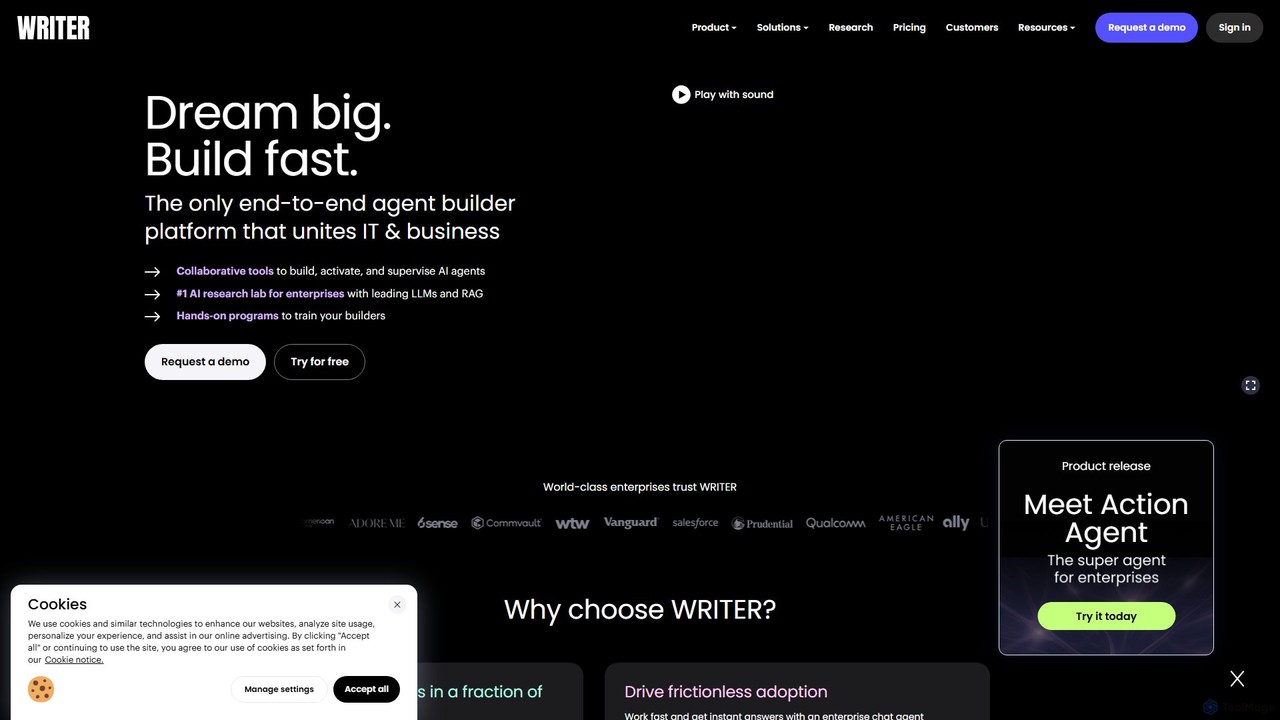
Writer is an end-to-end, full-stack generative AI platform for enterprises. It enables businesses to build, deploy, and govern custom AI agents grounded in their own data. The platform unites IT and business teams to automate workflows, enhance productivity, and ensure brand and compliance consistency across all content and communications.

Business Intelligence
Visits 287.5KFavorites 127Likes 136
Tracecat
Freemium

Tracecat

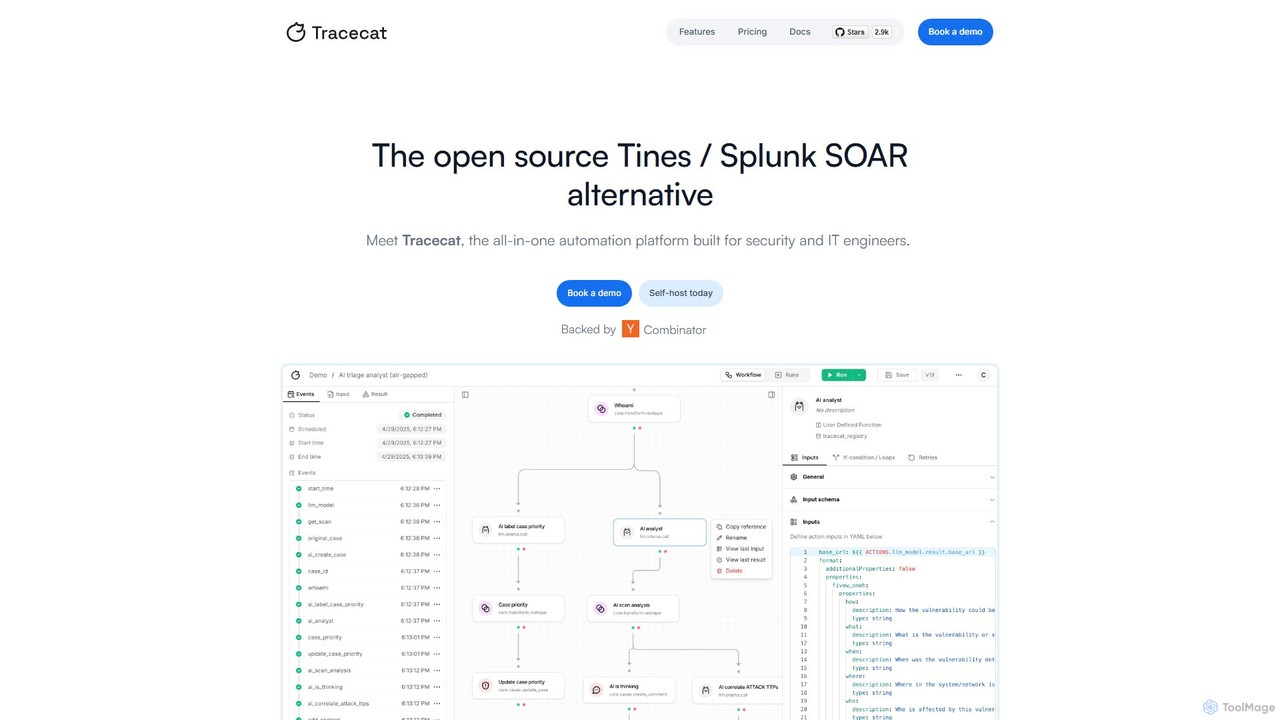
Tracecat is an open-source Security Orchestration, Automation, and Response (SOAR) platform designed for security and IT engineers. It serves as a powerful alternative to tools like Tines and Splunk SOAR, offering a unified solution for building automated workflows, managing cases, and utilizing lookup tables. It features a no-code visual builder alongside support for custom Python/YAML integrations, making it accessible and highly customizable.

Devops
Visits 9.8KFavorites 119Likes 123
Siit
Freemium

Siit

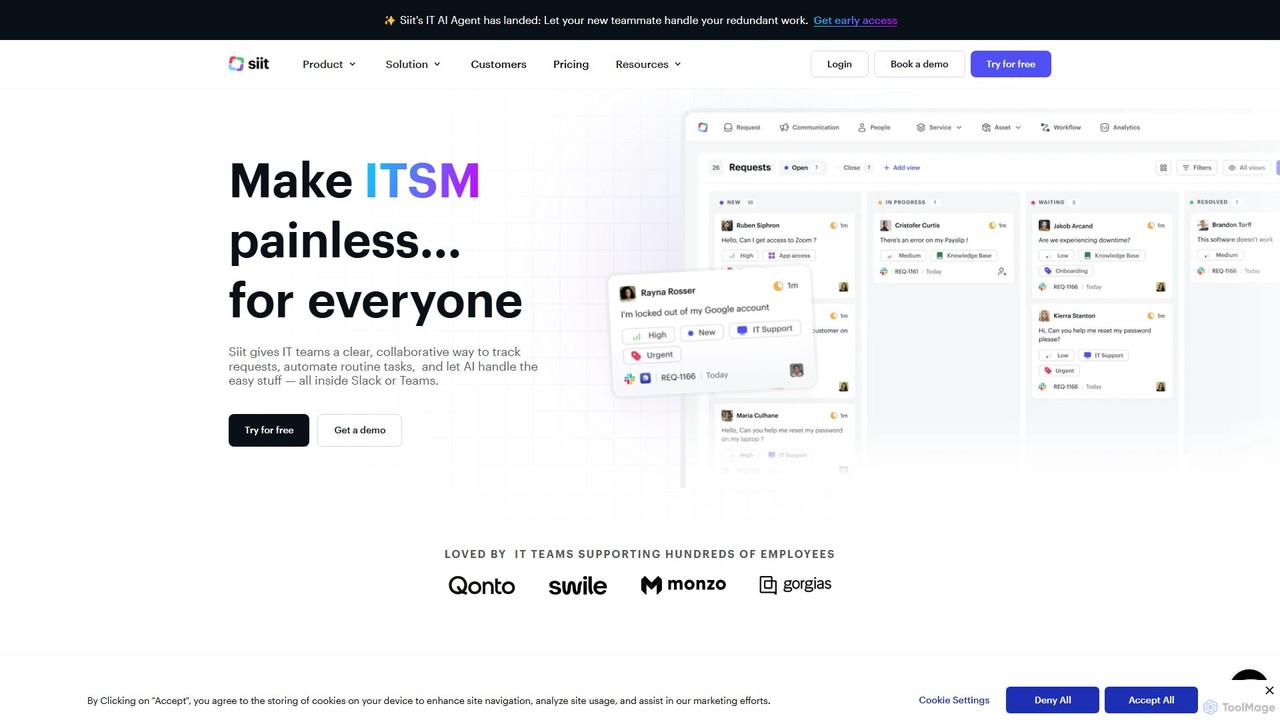
Siit is an AI-powered IT Service Management (ITSM) platform designed to streamline internal operations directly within Slack and Microsoft Teams. It automates routine tasks, manages service requests, and uses AI agents to handle level 1 support, freeing up IT teams to focus on complex issues. Siit provides a unified, conversational, and efficient service desk experience for modern businesses.

It Management
Visits 77.3KFavorites 127Likes 128
Zams
Freemium

Zams

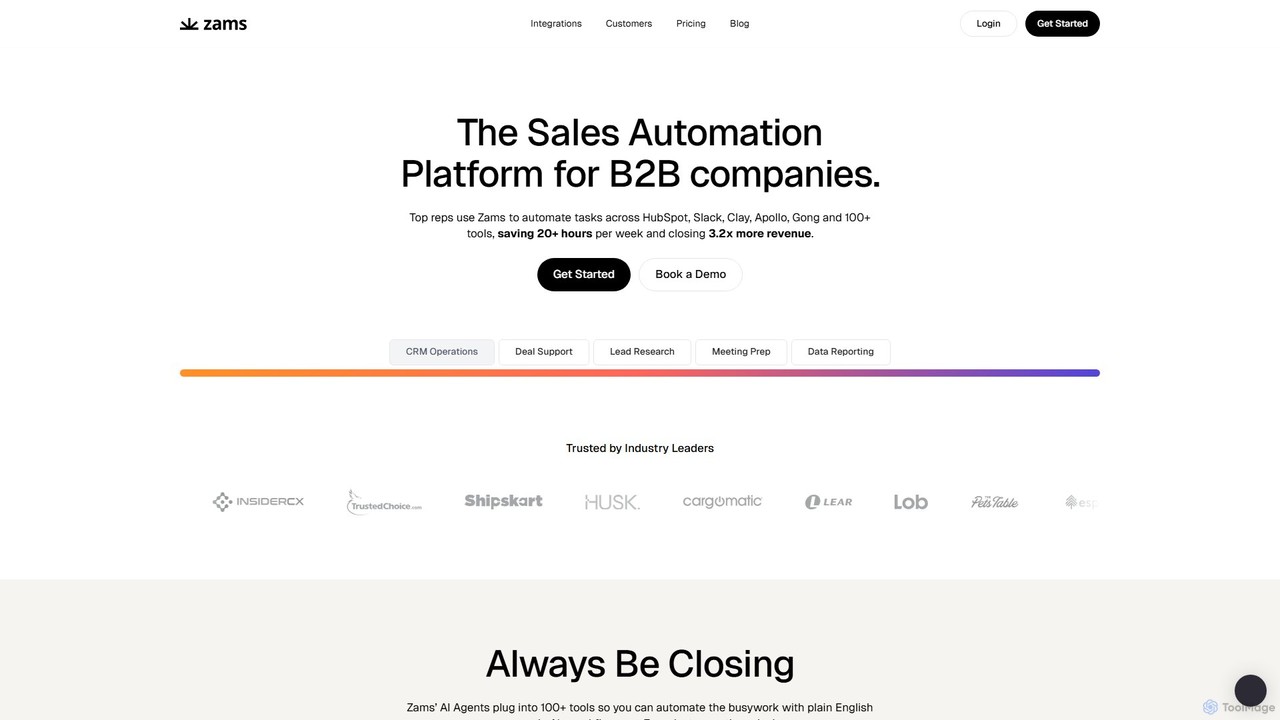
Zams is a B2B sales automation platform that uses AI agents to automate tasks across over 100 tools like HubSpot, Slack, and Salesforce. By using simple English commands, sales teams can eliminate manual busywork, save over 20 hours per week, and focus on closing deals, ultimately increasing revenue.

Crm
Visits 30.5KFavorites 131Likes 139
Sytex
Paid

Sytex

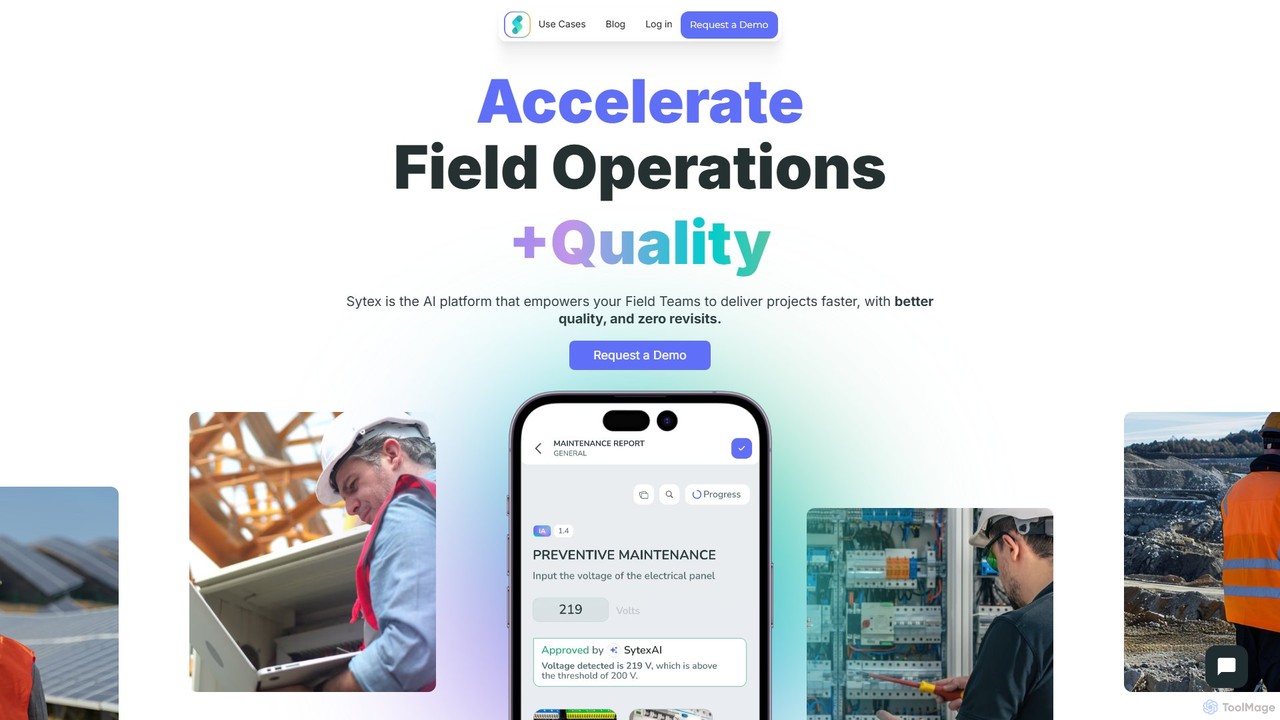
Sytex is an intelligent platform designed to accelerate and optimize field operations, particularly for the telecommunications industry. It digitizes and centralizes workflows, from planning and material management to execution and reporting. By providing real-time data, task management, and powerful analytics, Sytex enhances team collaboration, ensures project traceability, and drives significant operational efficiency.

Telecommunications
Visits 126.8KFavorites 160Likes 160
ModaMind
Paid

ModaMind

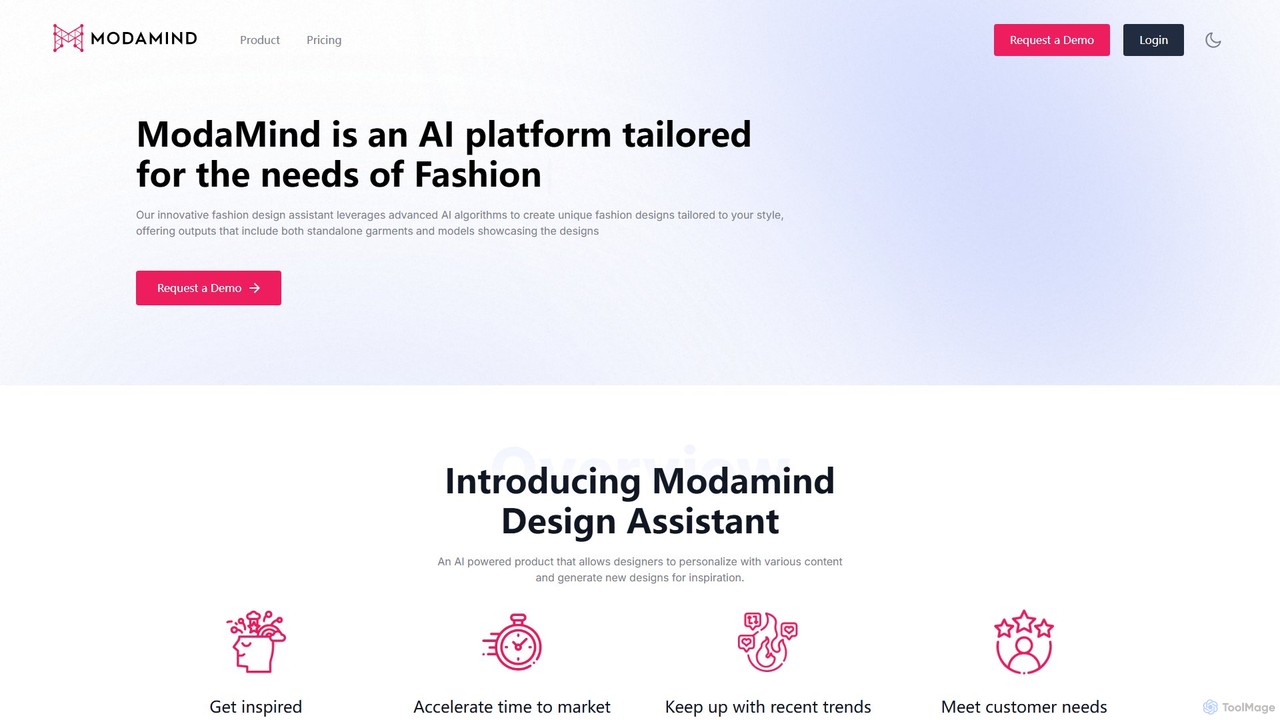
ModaMind is an AI-powered fashion design platform that helps designers ignite their creativity. It generates unique garment designs, patterns, and model showcases from text prompts or images. Features include style personalization, trend analysis, and the ability to train a custom AI on your brand's aesthetic, accelerating the entire design-to-market workflow.

Fashion
Visits 6KFavorites 160Likes 149
Vital
Paid

Vital

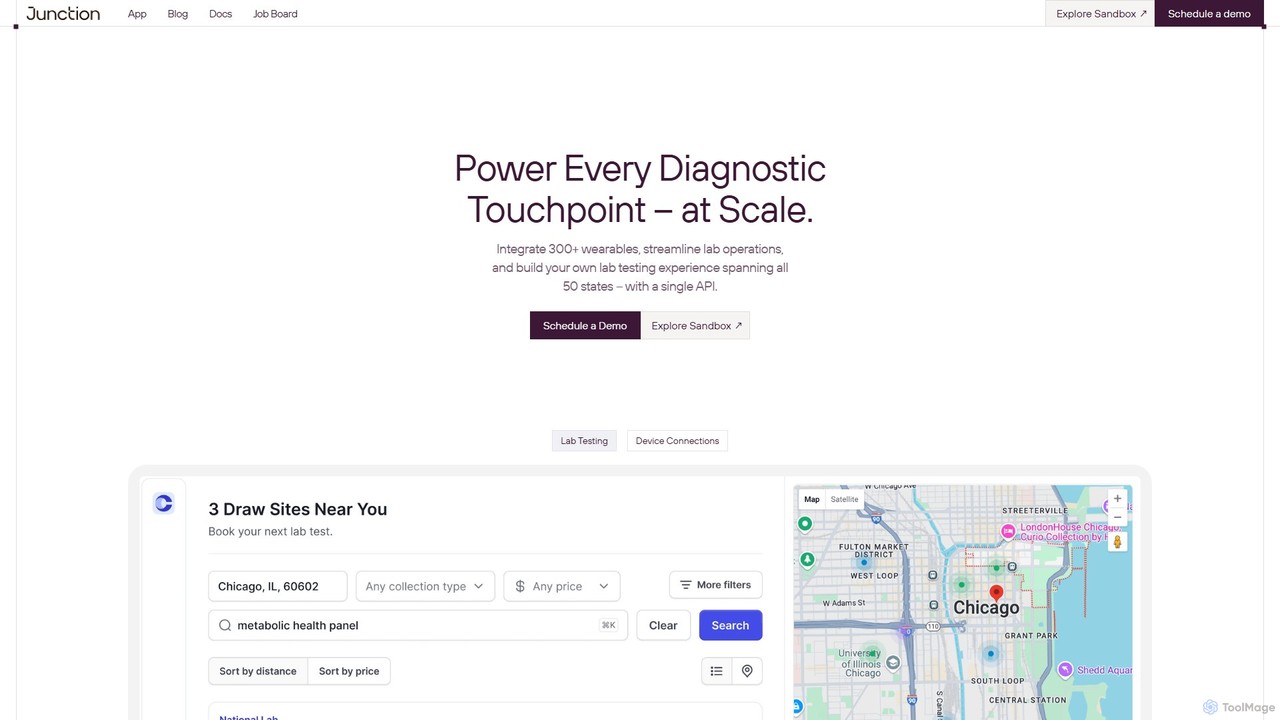
Vital offers a unified API for healthcare companies to integrate at-home lab testing and data from over 300 wearables and medical devices. It streamlines diagnostic workflows, from ordering to results, enabling personalized and scalable patient care for digital health platforms.

Data Management
Visits 46.2KFavorites 148Likes 161
ImageTool
Freemium

ImageTool

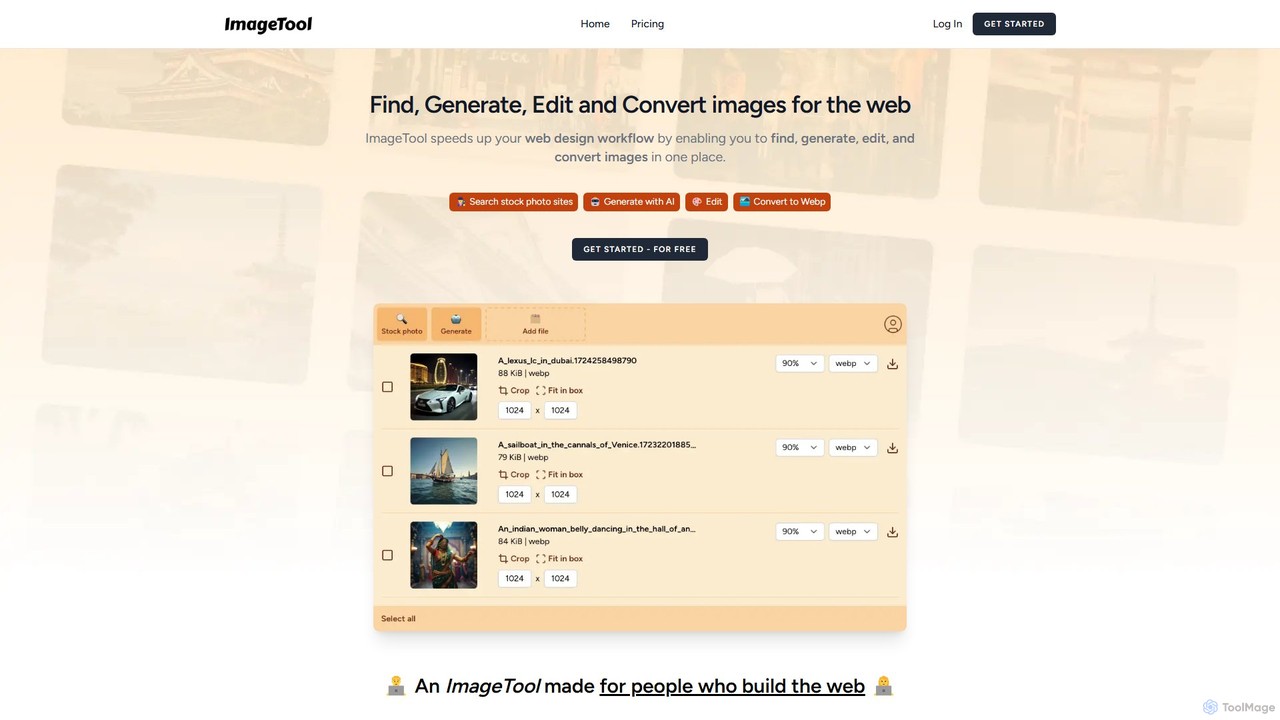
An all-in-one image toolkit for web creators. ImageTool allows you to find stock photos, generate unique images with AI, perform advanced edits like cropping and compression, and convert images to modern web formats like WebP and AVIF, all within a single, streamlined platform.

Web Development
Visits 5.9KFavorites 144Likes 131
Promptech
Freemium

Promptech

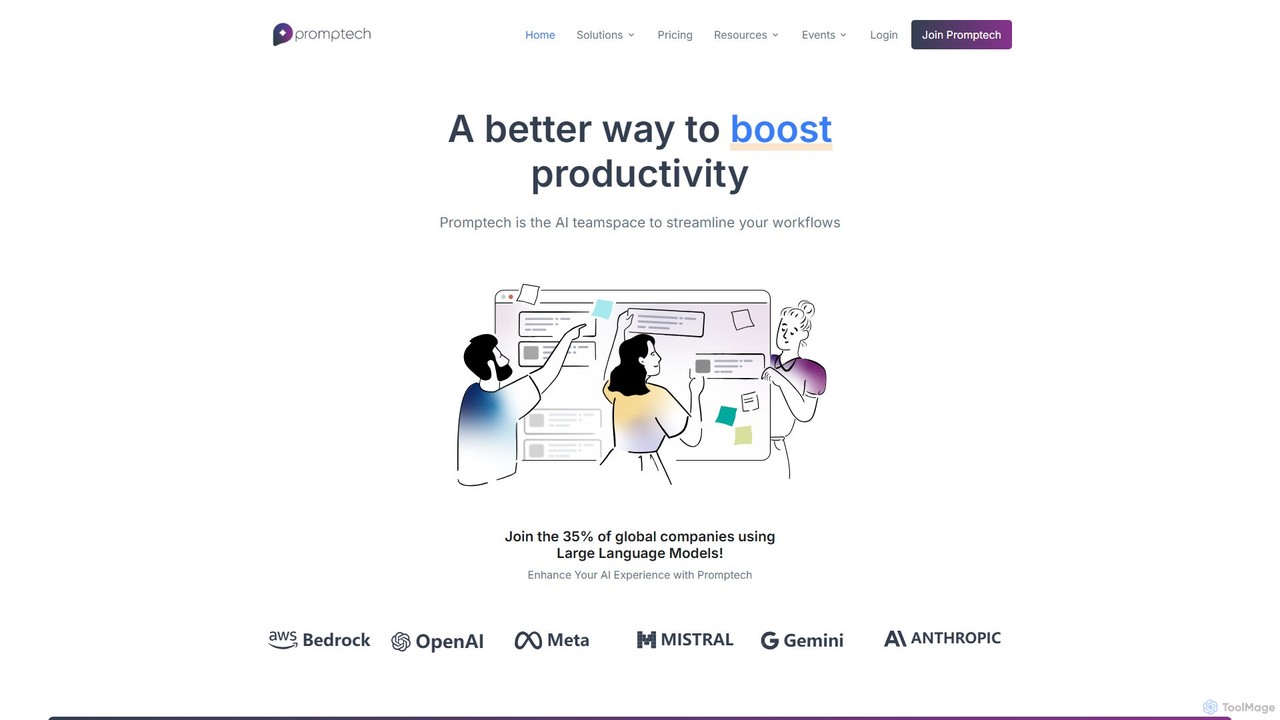
Promptech is a collaborative AI teamspace designed for businesses to streamline workflows using multiple large language models. It offers advanced prompt engineering tools, enterprise-grade security, and a unified platform for teams to create, test, and deploy AI-powered solutions, boosting productivity and innovation.

Collaboration
Visits 7.3KFavorites 145Likes 149
Flowscript

Flowscript

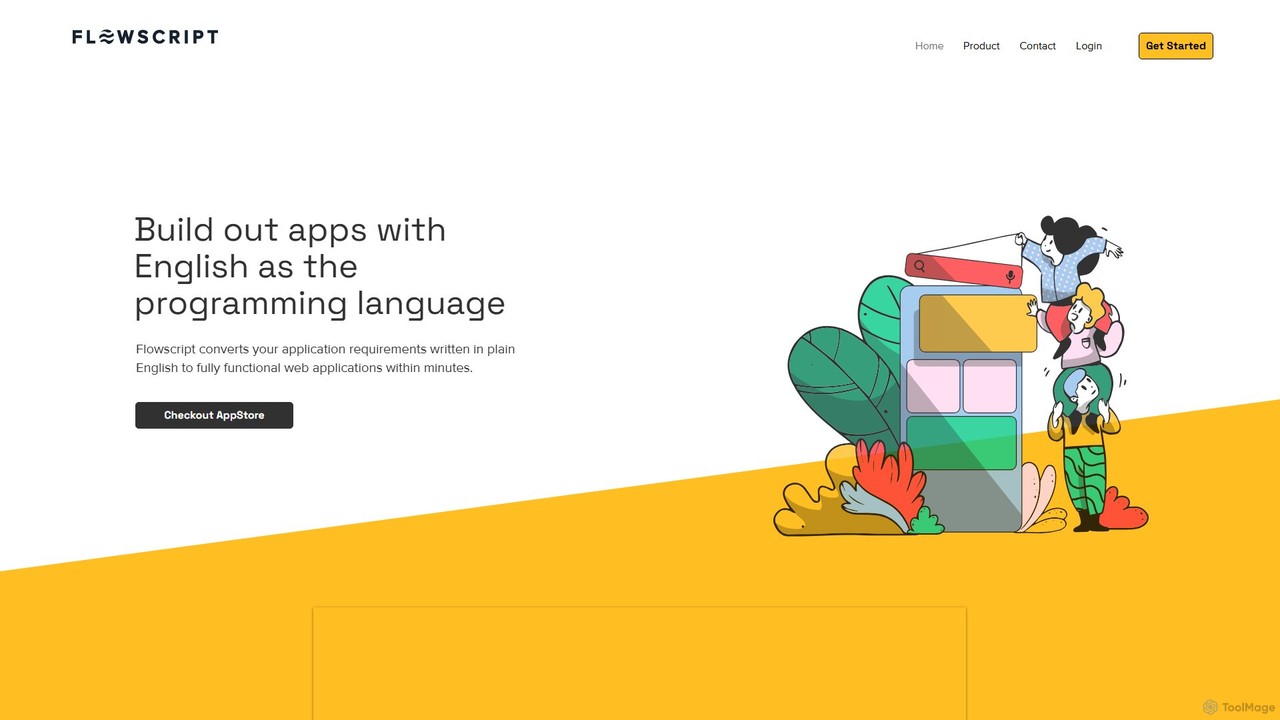
Flowscript is a revolutionary no-code platform that transforms plain English into fully functional web applications. Its AI-powered engine interprets your requirements to build apps with complex workflows, robust data management, and security rules in minutes. This empowers anyone, regardless of technical skill, to become a developer, streamlining processes and bringing ideas to life at the speed of thought.

Internal Tools
Visits 5.7KFavorites 116Likes 123
Dynobase
Freemium

Dynobase

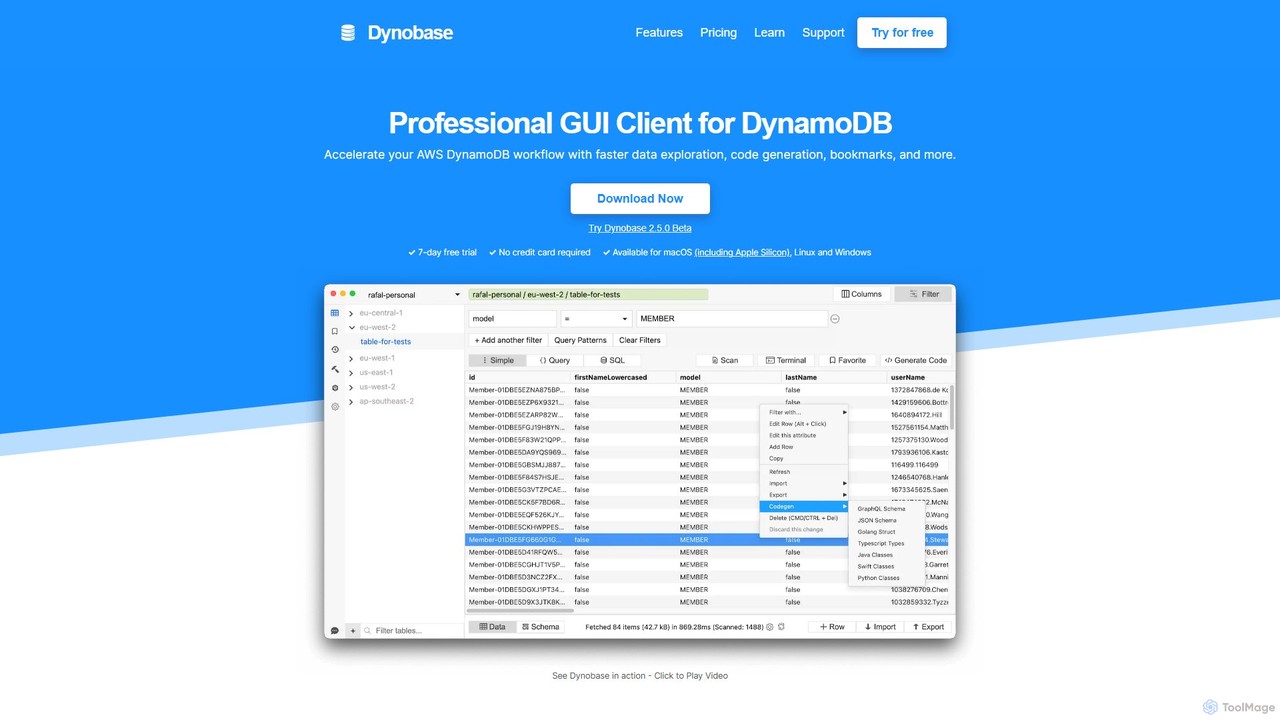
Dynobase is a professional GUI client for AWS DynamoDB, designed to accelerate development workflows. It features an intuitive interface for data exploration, a powerful query builder with SQL support, and an AI-powered code generator for multiple languages. With features like offline support, advanced filtering, and secure AWS integration, Dynobase simplifies DynamoDB management for developers on macOS, Windows, and Linux.

Code Generation
Visits 17KFavorites 164Likes 158
fynk
Freemium

fynk

fynk is an AI-powered, all-in-one contract management software designed to streamline the entire contract lifecycle. It helps teams create, review, sign, analyze, and manage contracts efficiently, using AI to automatically extract key data and ensure compliance.

Document Management
Visits 135.1KFavorites 146Likes 146
bahama
Paid

bahama

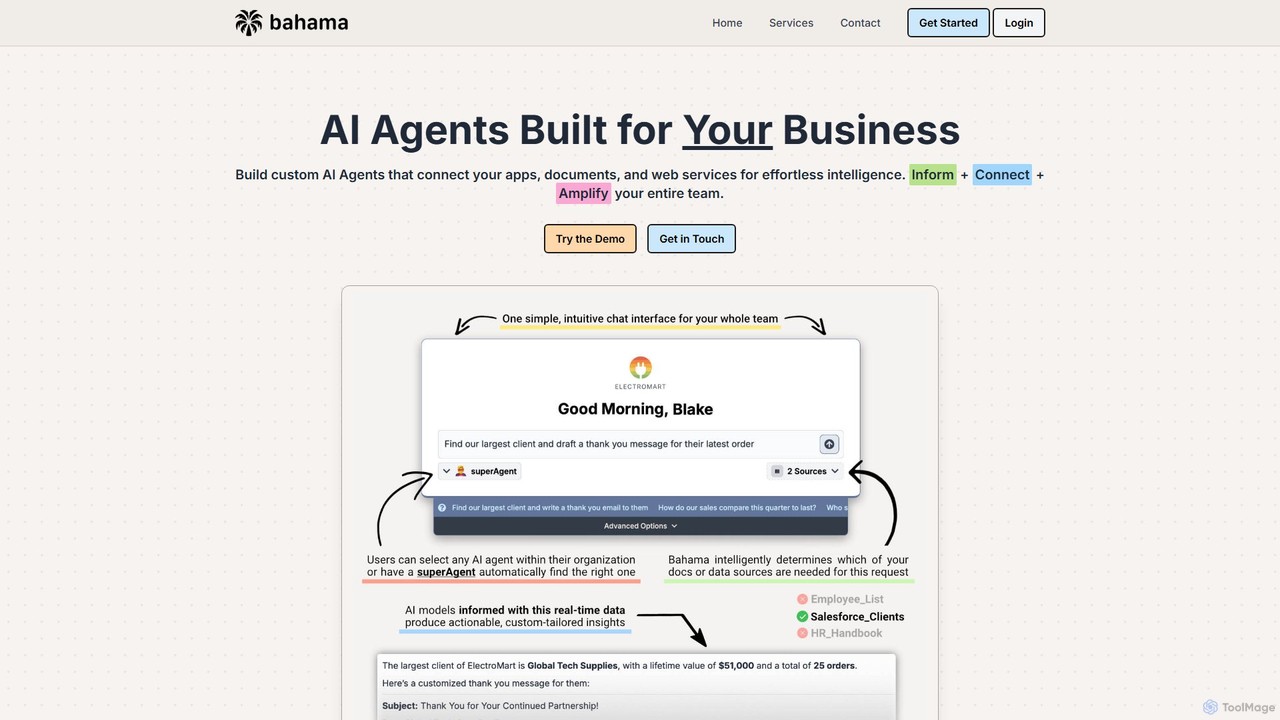
Bahama is a no-code platform for building custom AI agents for businesses. It connects to your existing apps, documents, and web services (like Salesforce and Zendesk) to create intelligent assistants. These agents help teams automate workflows, retrieve data instantly, and improve customer support through a simple chat interface, making AI adoption easy and secure.

Ai Agent Builder
Visits 5.9KFavorites 177Likes 174
SubscriptionPro
Paid

SubscriptionPro

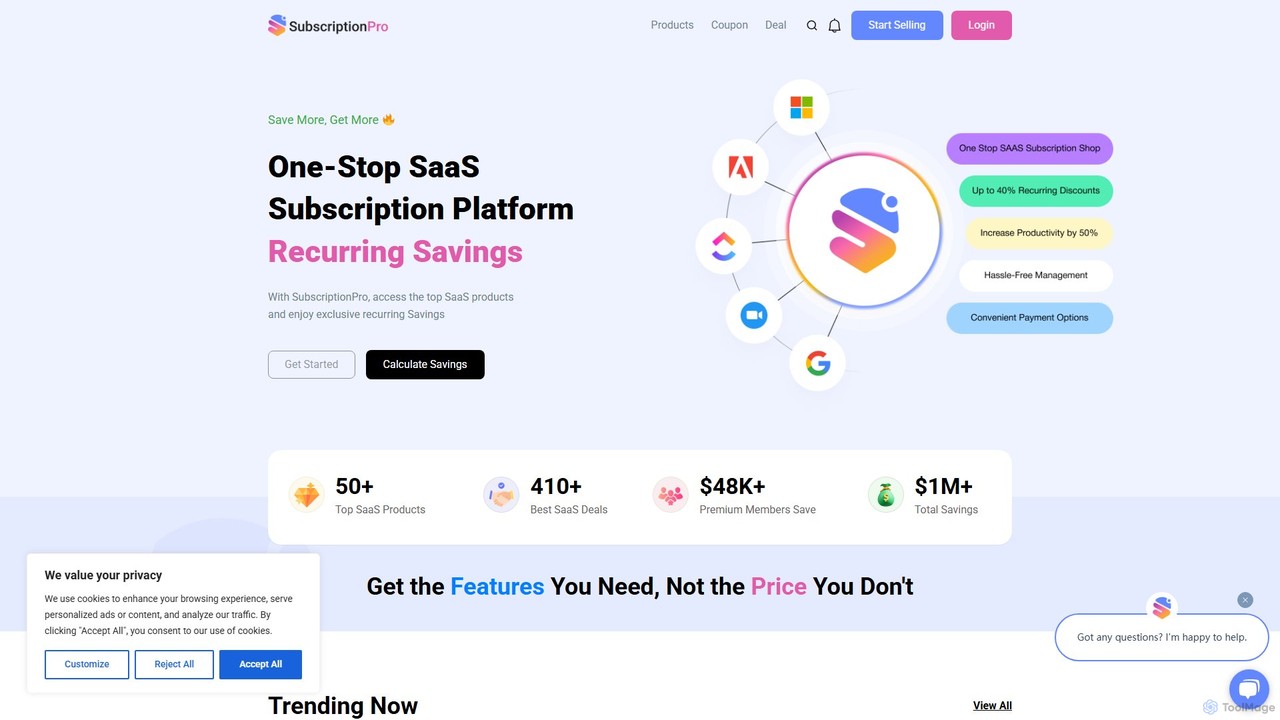
SubscriptionPro is a centralized platform designed for businesses to manage all their software and service subscriptions. It simplifies operations by consolidating billing, offering expert support, and providing AI-powered analytics to optimize spending on services like Google Workspace, Zoom, and ClickUp. It streamlines procurement and offers flexible payment solutions, making it a comprehensive tool for managing SaaS sprawl.

Saas Management
Visits 9.1KFavorites 122Likes 120
Fusion
Freemium

Fusion

Fusion is an all-in-one AI workspace that integrates text generation, image creation, data analysis, and code assistance into a single, seamless platform. It's designed for creators, marketers, and developers to streamline complex workflows, automate tasks, and foster innovation by combining multiple AI capabilities in one unified environment.

Data Analysis
Visits 6KFavorites 147Likes 151
rain
Paid

rain

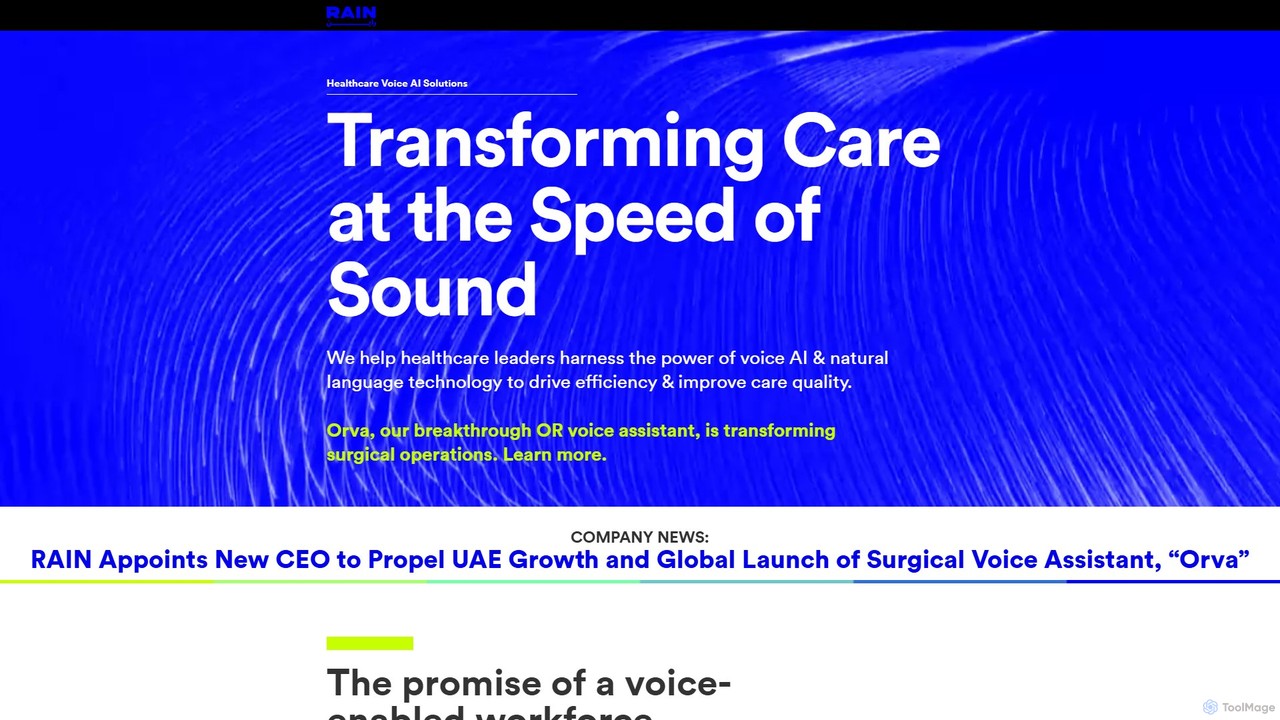
RAIN is a leading voice and conversational AI agency that designs and builds custom AI-powered solutions for enterprises. Specializing in enhancing productivity for the deskless workforce, they create bespoke voice assistants and platforms for industries like healthcare, automotive, and retail, transforming complex data into accessible, voice-activated knowledge.

Voice Solutions
Visits 6KFavorites 134Likes 149
SuperGrowthAI
Freemium

SuperGrowthAI

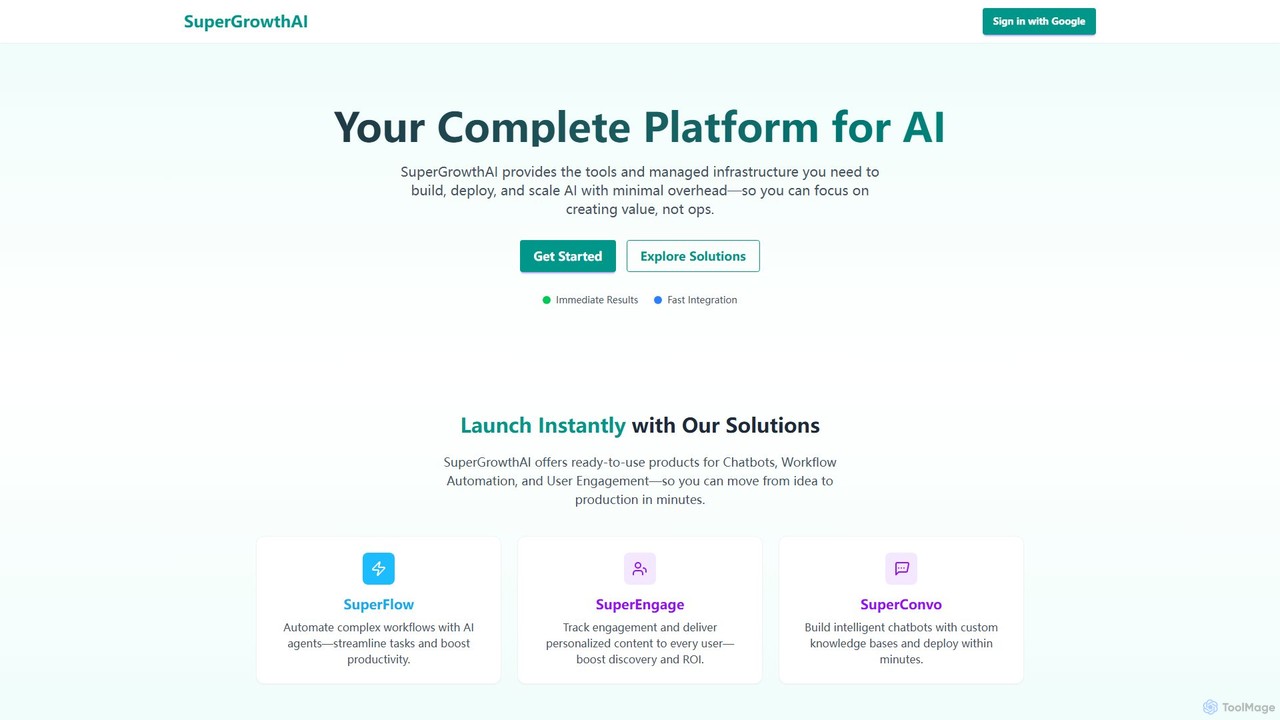
SuperGrowthAI is a comprehensive AI platform providing tools and managed infrastructure to build, deploy, and scale AI applications with minimal overhead. It offers ready-to-use solutions like SuperFlow for workflow automation, SuperConvo for intelligent chatbots, and SuperEngage for personalized user engagement, enabling rapid development from idea to production.

Chatbots
Visits 6.8KFavorites 160Likes 189
Review Insights Pro
Freemium

Review Insights Pro

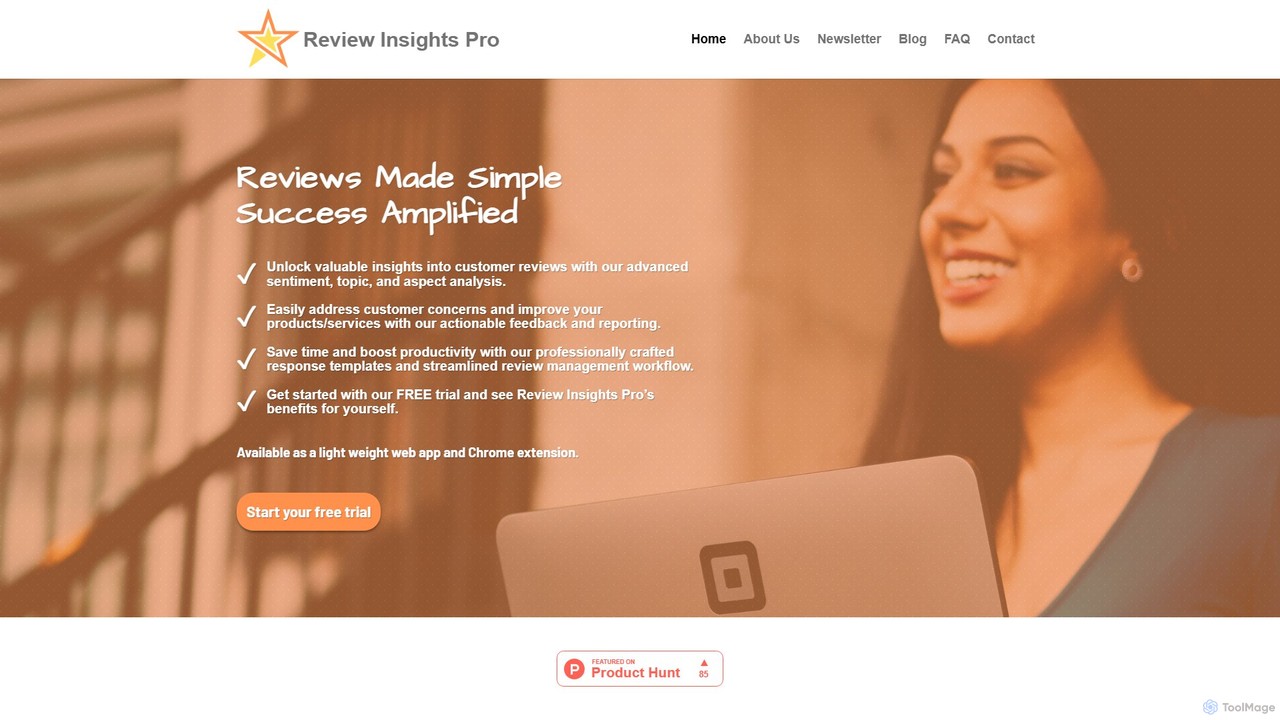
Review Insights Pro is an AI-powered review management tool designed specifically for small businesses. It simplifies reputation management through advanced sentiment, topic, and aspect analysis of customer reviews. Available as a web app and Chrome extension, it helps users understand feedback, address concerns, and craft professional responses efficiently, saving time and boosting productivity.

Reputation Management
Visits 6.5KFavorites 161Likes 150

SmartCoder
Freemium

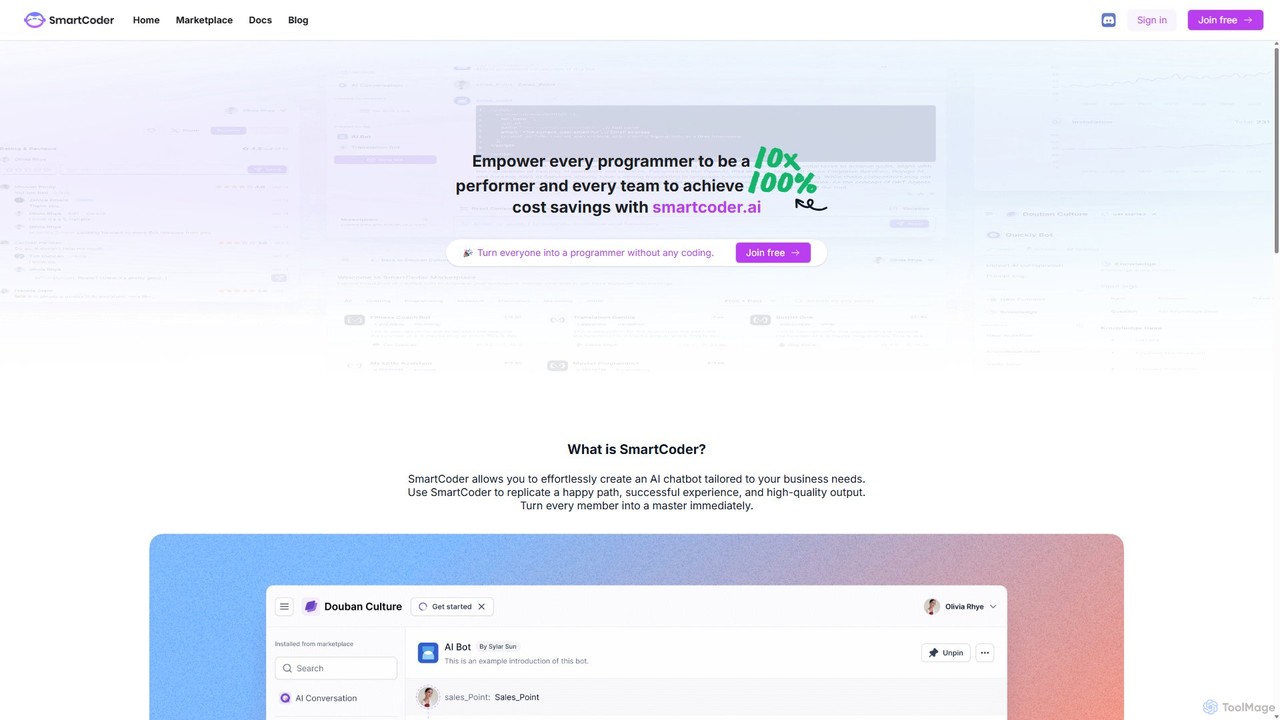
SmartCoder

SmartCoder is a no-code/low-code platform that empowers users to build custom AI chatbots and automate complex workflows. It enables businesses to create private AI assistants trained on their own data, integrate with existing IT systems, and streamline repetitive tasks to boost productivity for both developers and non-technical team members.

Data Analytics
Visits 5.9KFavorites 166Likes 152
Velos
Paid

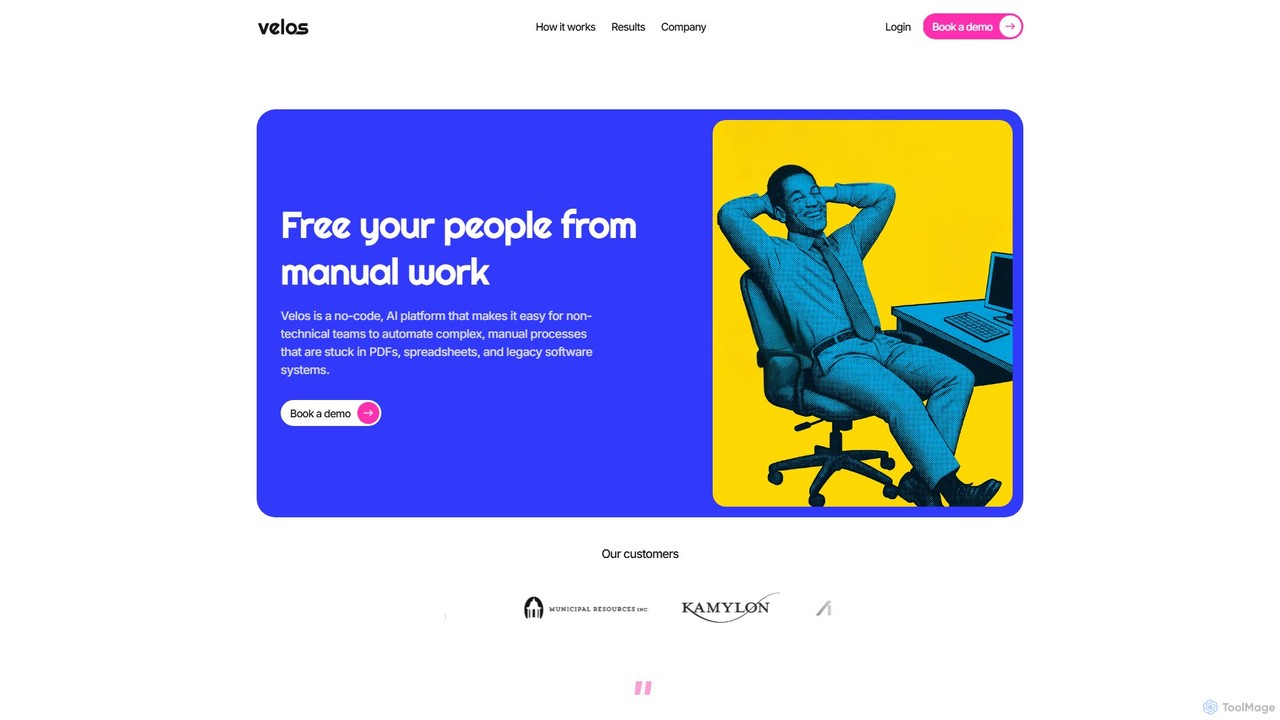
Velos

Velos is an AI-powered automation platform that acts as an "AI workforce" for your back office. It specializes in handling complex, manual tasks like data extraction from PDFs and emails, data entry, and decision-making. By combining customizable rules with human-in-the-loop feedback, Velos automates end-to-end workflows, reducing reliance on traditional RPA and offshore teams. It's built for industries like finance, insurance, and government, offering a secure and scalable solution to modernize mission-critical processes.

Data Extraction
Visits 8.2KFavorites 153Likes 143
Heep AI
Paid

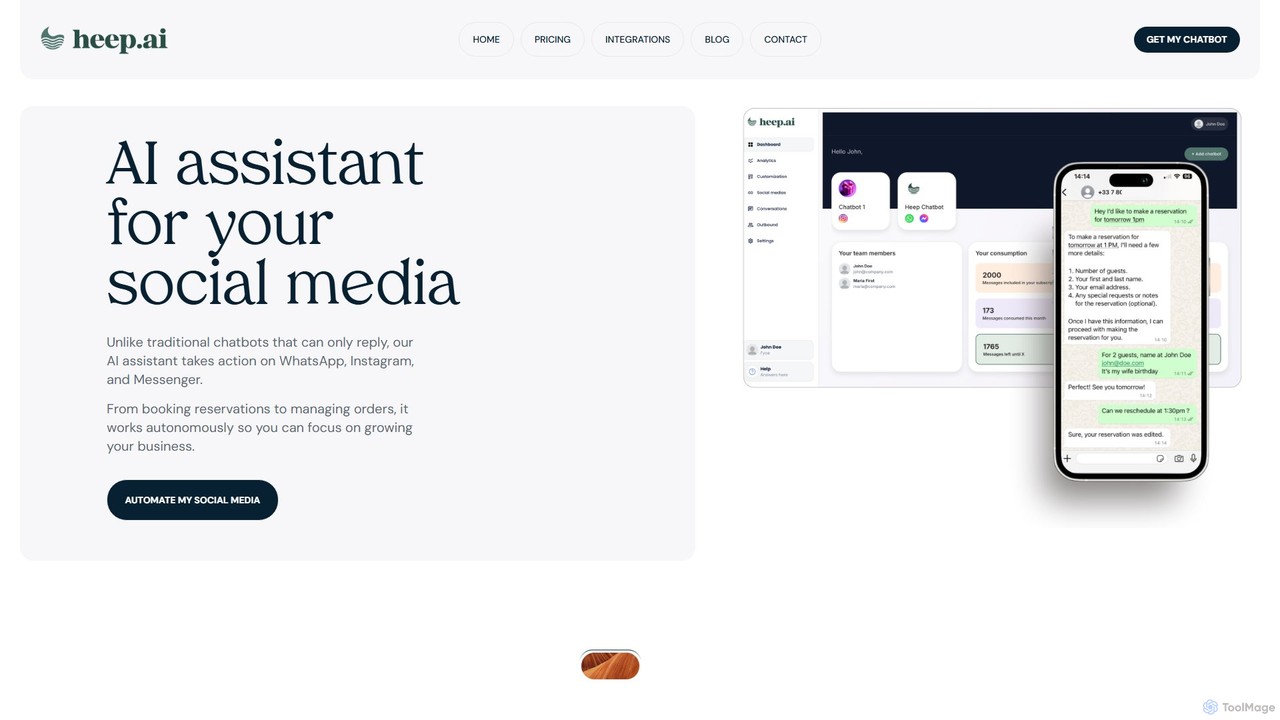
Heep AI

Heep AI is an advanced AI agent for social media platforms like WhatsApp, Instagram, and Messenger. It goes beyond simple chatbots by taking direct action, such as booking reservations, managing orders, and tracking deliveries. Offering custom features and integrations tailored to specific business needs, Heep AI operates 24/7 in multiple languages to enhance customer engagement and streamline workflows for various industries.

Chatbot
Visits 6KFavorites 152Likes 154
Paradime
Freemium

Paradime

Paradime is an AI-powered ELT platform for analytics and AI, designed as a superior alternative to dbt Cloud. It integrates an AI-enhanced Code IDE, automated data pipelines (Bolt), and a FinOps cost-saving tool (Radar) into a single, unified platform. This empowers data teams to accelerate development, increase reliability, and significantly reduce data warehouse costs, streamlining the entire analytics engineering workflow.

Analytics
Visits 23.7KFavorites 121Likes 124
Neuralfulai
Freemium

Neuralfulai

Neuralfulai offers a comprehensive suite of AI-powered tools for image editing and productivity. Enhance, upscale, restore, and generate stunning visuals effortlessly across web, mobile, and desktop platforms. Ideal for influencers, photographers, and developers.

Image Editing
Visits 6.3KFavorites 158Likes 171

About Workflow Automation

Workflow Automation tools are platforms designed to connect different applications and services to automate multi-step tasks and processes. They operate on a system of triggers and actions, where an event in one app automatically initiates a sequence of actions in other connected apps. This allows users to build complex, automated sequences without writing code, significantly reducing manual data entry and repetitive work. As a key part of the Productivity ecosystem, these tools enable seamless data flow between cloud services like CRMs, email marketing platforms, and project management software.

Core Features

  • Visual Workflow Builder: An intuitive drag-and-drop interface for designing and visualizing automation sequences.
  • App Connectors Library: A vast collection of pre-built integrations for thousands of popular SaaS applications and services.
  • Conditional Logic and Filters: The ability to create complex workflows with 'if/then' conditions, branching paths, and data filtering rules.
  • Data Mapping and Transformation: Tools to format, modify, and move data between different application fields to ensure compatibility.
  • Execution History and Monitoring: Dashboards to track workflow runs in real-time, review logs, and troubleshoot errors.

Use Cases

Workflow Automation is widely used in marketing, sales, and operations. For instance, marketing teams automate lead nurturing by syncing form submissions to a CRM and an email list. Sales teams use it to trigger invoicing and project creation when a deal is closed. It's also essential for IT and support teams to automate ticket creation and assignment processes.

How to Choose

When selecting a Workflow Automation tool, first evaluate its integration library to ensure it supports the apps you use. Consider the complexity of workflows you need to build—whether it supports multi-step, conditional logic. Analyze the pricing model, which is often based on the number of tasks or operations per month. Finally, assess the user interface to determine if it's suitable for non-technical users.

Featured tool rankings

Workflow Automation use cases

1

Automate Marketing Lead Nurturing

A marketing manager needs to efficiently process new leads from Facebook Lead Ads. Using a workflow automation tool, they set up a process where every new lead submission automatically triggers a sequence. The lead's information is instantly added as a new row in a Google Sheet for tracking, simultaneously subscribed to a specific audience in Mailchimp for email nurturing, and a real-time notification with the lead's details is sent to the sales team's Slack channel. This eliminates manual data entry and ensures immediate follow-up, reducing lead response time from hours to seconds.

2

Streamline Sales and Client Onboarding

A sales operations specialist aims to automate the post-sale process. They create a workflow that triggers when a deal's stage is updated to 'Closed Won' in a CRM like Salesforce. This action automatically generates a new invoice in QuickBooks with the client's details, creates a new client onboarding project in Asana from a template, and sends a personalized welcome email via Gmail to the new client. This ensures a smooth, error-free transition from sales to project delivery and finance, improving client satisfaction and internal efficiency.

3

Automate Content Creation and Distribution

A content creator or social media manager publishes articles on a WordPress blog. To maximize reach, they use a workflow automation tool. When a new post is published, it triggers a workflow that automatically generates a summary using an AI tool, then shares the post link and summary to Twitter, LinkedIn, and a Facebook Page. Simultaneously, it adds a new task to a Trello board to 'Monitor engagement for new post' and archives the post details in an Airtable base for performance tracking. This automates the entire distribution and tracking setup, saving hours each week.

4

Automate E-commerce Order Fulfillment

An e-commerce store owner using Shopify needs to streamline their order processing. They set up an automation where a new paid order in Shopify triggers several actions. First, the customer and order details are added to a shipping platform like ShipStation to prepare for fulfillment. Next, the inventory count for the purchased items is updated in a central Google Sheet. Finally, a confirmation SMS is sent to the customer via Twilio, informing them that their order has been received and is being processed. This workflow reduces manual errors and keeps customers informed, improving operational efficiency.

5

Manage Customer Support Tickets Efficiently

A customer support manager wants to automate ticket routing. They create a workflow where any new email sent to their support address is automatically processed. The tool creates a new ticket in Zendesk from the email content. It then uses conditional logic to scan the email's subject line for keywords like 'billing' or 'technical'. Based on the keyword found, the ticket is automatically assigned to the correct department (e.g., Finance or Tech Support) and tagged appropriately. This ensures tickets reach the right people faster without manual sorting, speeding up resolution times.

6

Enhance Personal Productivity and Meeting Prep

An executive assistant or any busy professional can automate their meeting preparation. They can set up a workflow that triggers one hour before any event in their Google Calendar. The workflow checks if the event title contains 'meeting'. If it does, it automatically searches for the attendees' LinkedIn profiles, creates a new note in Evernote or Notion with the meeting agenda and attendee profiles, and sends a reminder with this information to a personal Slack channel. This automation ensures they are always prepared for meetings without last-minute scrambling.

Workflow Automation FAQ

What is Workflow Automation?

Workflow Automation refers to software platforms that connect different applications and services to automate multi-step processes without manual intervention. They work on a 'trigger-action' basis: an event in one app (a trigger) initiates a predefined sequence of tasks (actions) in other apps. The primary goal is to eliminate repetitive, manual tasks, reduce errors, and ensure seamless data flow between the tools you use every day, such as CRMs, email platforms, and project management software.

How do I choose a Workflow Automation tool?

To choose the right tool, consider these factors:

  • App Integrations: Ensure the platform supports the specific applications critical to your workflow (e.g., your CRM, email marketing service, project manager).
  • Workflow Complexity: Assess if the tool can handle the complexity you need. Some are for simple two-step automations, while others support multi-step logic, conditional paths, and data formatting.
  • Pricing Model: Understand how you'll be charged. Common models are based on the number of tasks executed per month, the number of active workflows, or user seats.
  • Ease of Use: Evaluate the user interface. A good no-code tool should be intuitive for non-technical team members to build and manage automations.
What's the difference between Workflow Automation and RPA?

Workflow Automation and Robotic Process Automation (RPA) both automate tasks, but they work differently. Workflow Automation connects modern applications via their APIs (Application Programming Interfaces). It's ideal for automating processes across cloud-based services like Google Workspace, Slack, and Salesforce. In contrast, RPA mimics human actions on a user interface (UI), like clicking buttons and typing into fields. RPA is typically used to automate tasks in legacy systems, desktop applications, or websites that do not have APIs available for integration.

Do I need coding skills to use Workflow Automation tools?

No, most workflow automation tools are designed as 'no-code' or 'low-code' platforms. This means they are built for non-technical users, featuring visual, drag-and-drop interfaces to build automations. You can connect apps and set up complex logic without writing a single line of code. While some advanced platforms may offer features for developers, such as custom API calls or scripting, the core functionality is accessible to everyone, regardless of their technical background.

What are some common examples of workflow automation?

Common examples span across various business functions:

  • Marketing: Automatically adding new leads from a web form to a CRM and an email marketing list.
  • Sales: When a deal is marked as 'won' in a CRM, automatically generate an invoice and create a client onboarding task.
  • Social Media: Automatically sharing new blog posts across multiple social media platforms like Twitter, LinkedIn, and Facebook.
  • HR: Automating the new hire onboarding process by creating accounts, sending welcome documents, and scheduling orientation meetings.
  • Customer Support: Creating a support ticket in a helpdesk system from a new email or form submission and notifying the team in Slack.