ToolMage
Sign in

Best 185 Ai Infrastructure AI tools

Popular Ai Infrastructure AI tools include codegate, OpenRouter, MongoDB, Nous Research, Databricks, LangChain, LM Studio, Firecrawl, Composio, and Vast.ai, helping you work more efficiently.

VModel
Freemium

VModel

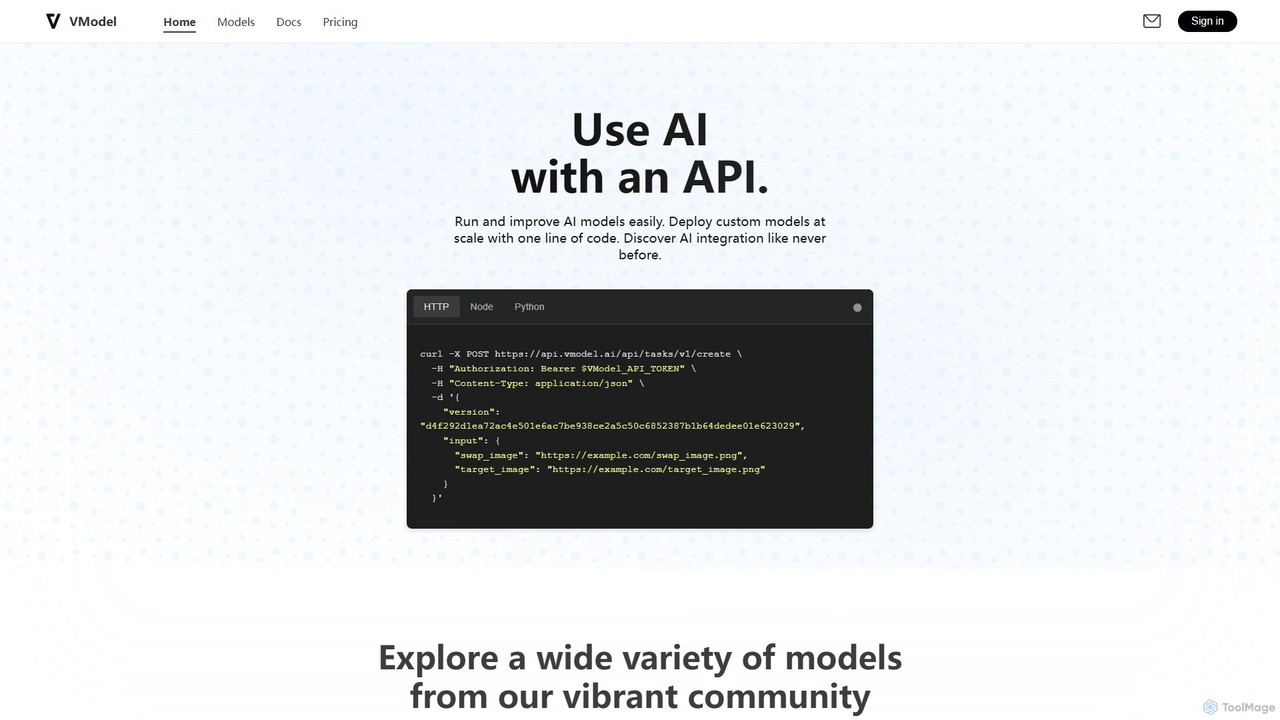
VModel is a developer-focused platform that simplifies the deployment and integration of AI models. It provides a unified REST API to access a vast library of pre-trained models for tasks like image generation, video processing, and face swapping. With a pay-as-you-go pricing model and scalable infrastructure, VModel enables developers to quickly build and power AI-driven applications without managing complex backend systems, offering enterprise-grade performance for projects of any size.

Model Deployment
Visits 22.7KFavorites 122Likes 101
reachat
Free

reachat

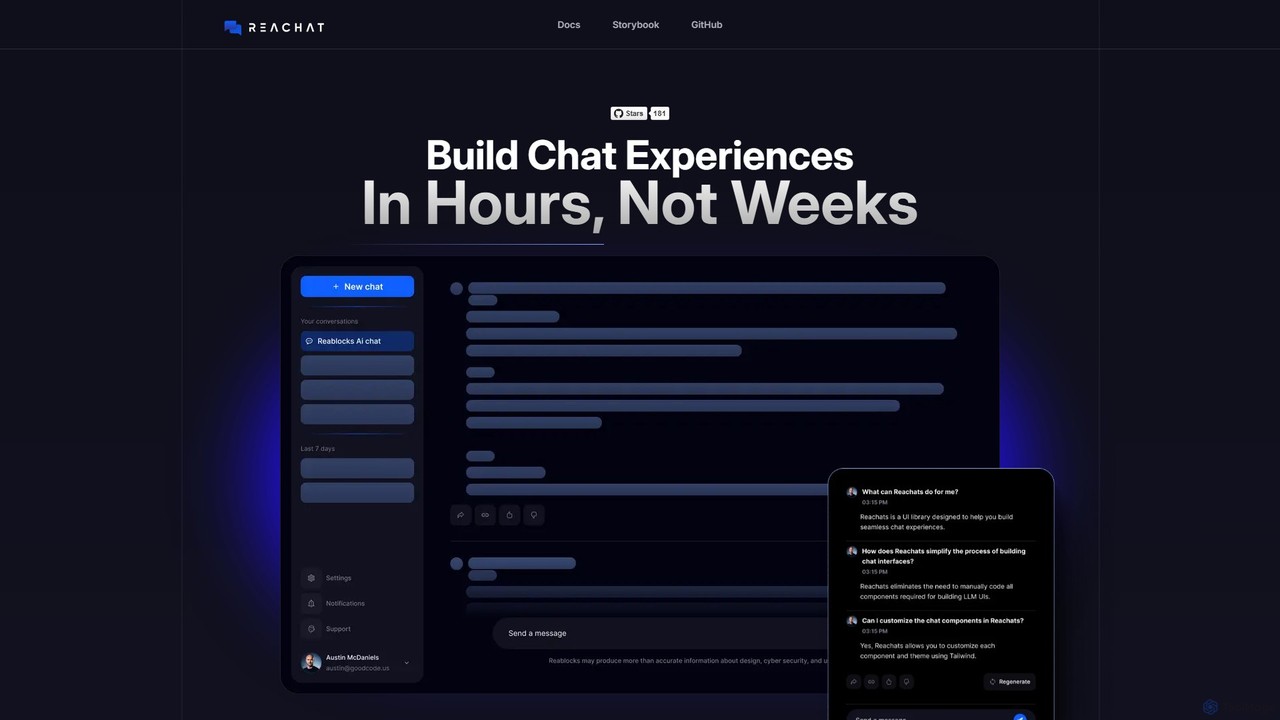
reachat is an open-source ReactJS component library designed for developers to rapidly build sophisticated AI chat interfaces. It provides highly customizable, backend-agnostic components, enabling the integration of any LLM and supporting rich media for enhanced user experiences. Build production-ready chat UIs in hours, not weeks.

Chatbot Development
Visits 9.5KFavorites 128Likes 121
Eden AI
Freemium

Eden AI

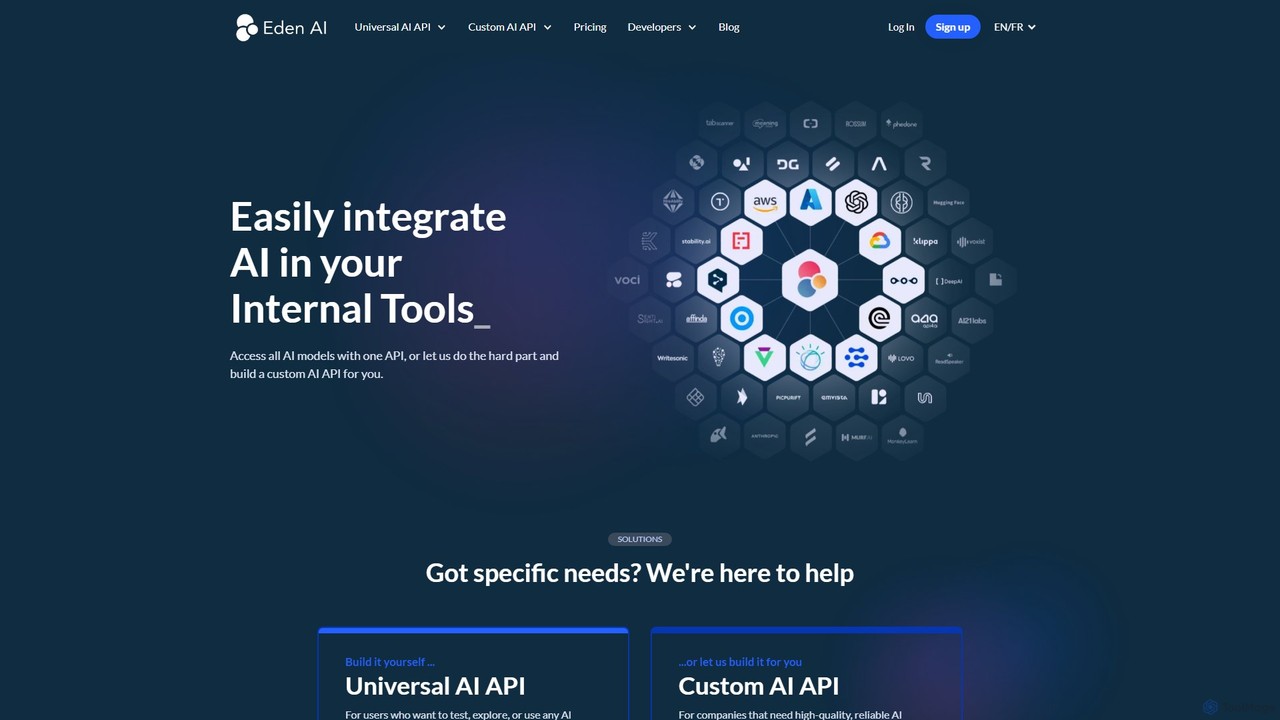
Eden AI is a unified API platform that allows developers to easily access and integrate the best AI models from various providers like OpenAI, Google, and AWS. It simplifies AI integration, enables performance and price benchmarking, and offers custom AI solutions for specific business needs.

Platform
Visits 130.3KFavorites 104Likes 116
ADS4GPTs
Paid

ADS4GPTs

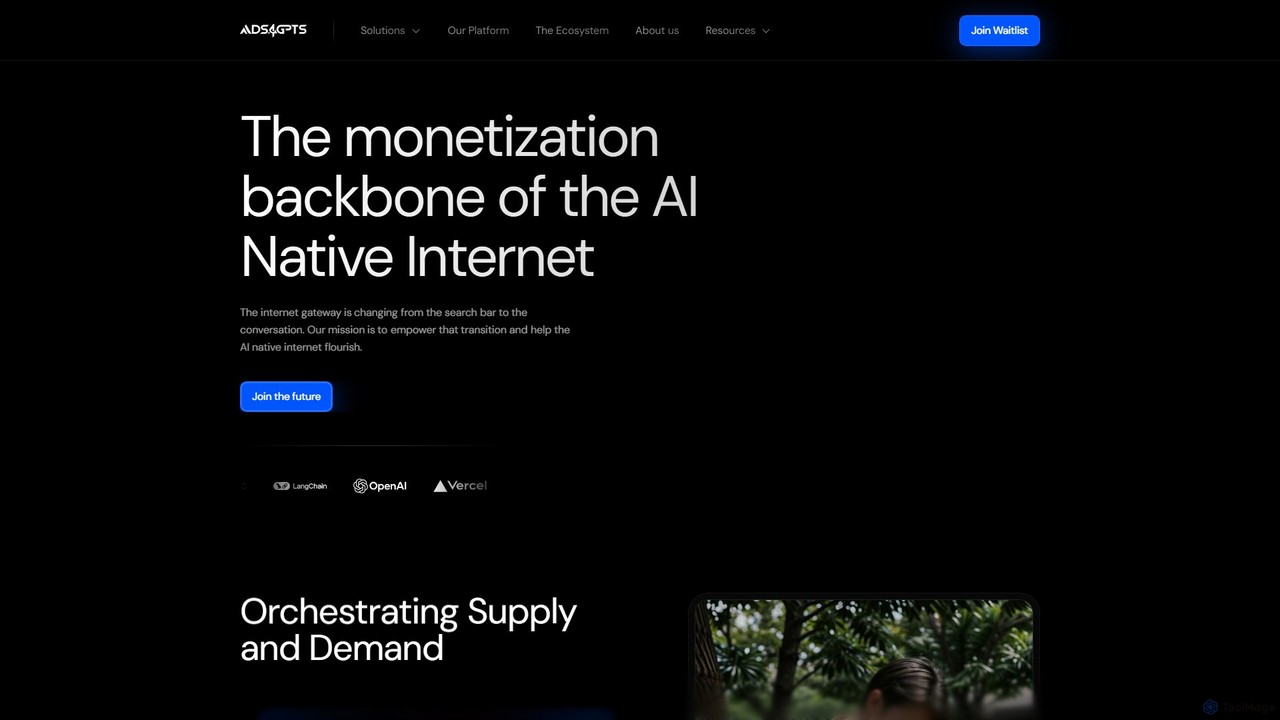
ADS4GPTs is a pioneering AI-native advertising platform designed to be the monetization backbone for the new conversational internet. It enables AI application developers to generate revenue through seamless, privacy-first ads, while offering advertisers unique access to highly engaged, intent-driven audiences within AI chat experiences.

Platforms
Visits 6.3KFavorites 133Likes 130
llongterm
Freemium

llongterm

llongterm is a developer-focused API providing persistent, long-term memory for AI applications and agents. It enables AI to remember user interactions over years, creating structured, human-readable knowledge maps for truly personalized and context-aware experiences.

Memory Management
Visits 5.7KFavorites 116Likes 116
Activeloop
Freemium

Activeloop

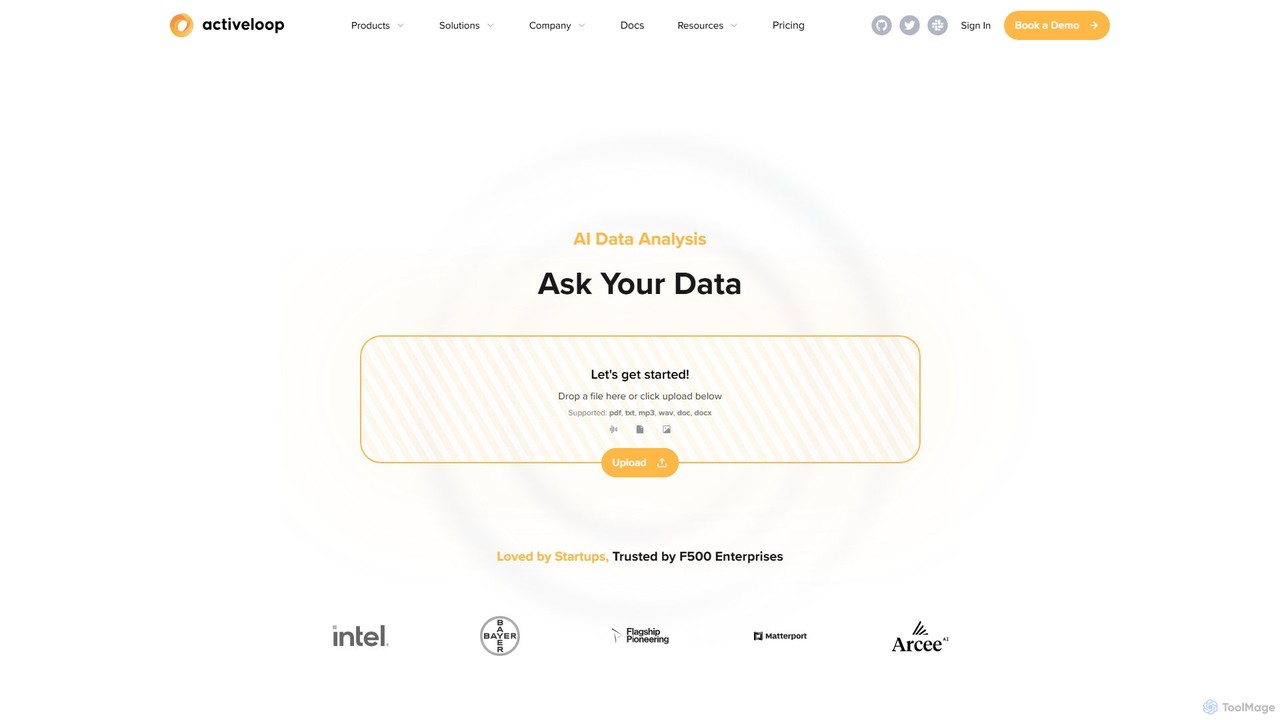
Activeloop provides Deep Lake, a specialized Database for AI, designed to manage, query, and stream large-scale multimodal datasets (text, images, audio, video) for building advanced AI applications. It simplifies complex data infrastructure, enabling developers to create powerful Retrieval-Augmented Generation (RAG) systems, semantic search engines, and intelligent AI agents with ease.

Data Management
Visits 49.8KFavorites 169Likes 132
apptension
Paid

apptension

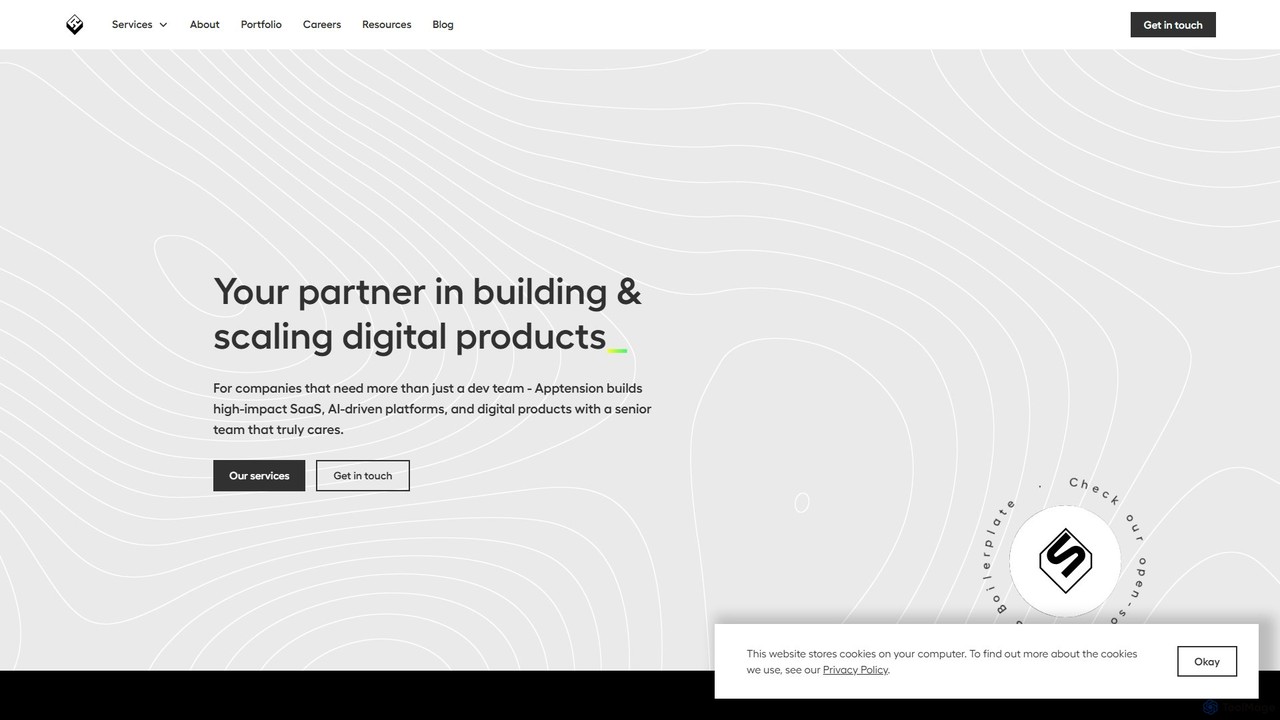
Apptension is a custom software development agency specializing in end-to-end digital solutions. With a senior team of experts, they build scalable products, including generative AI applications, SaaS platforms, and complex web/mobile apps, to help businesses innovate and grow.

Custom Model Development
Visits 17.7KFavorites 115Likes 117
Beam
Freemium

Beam

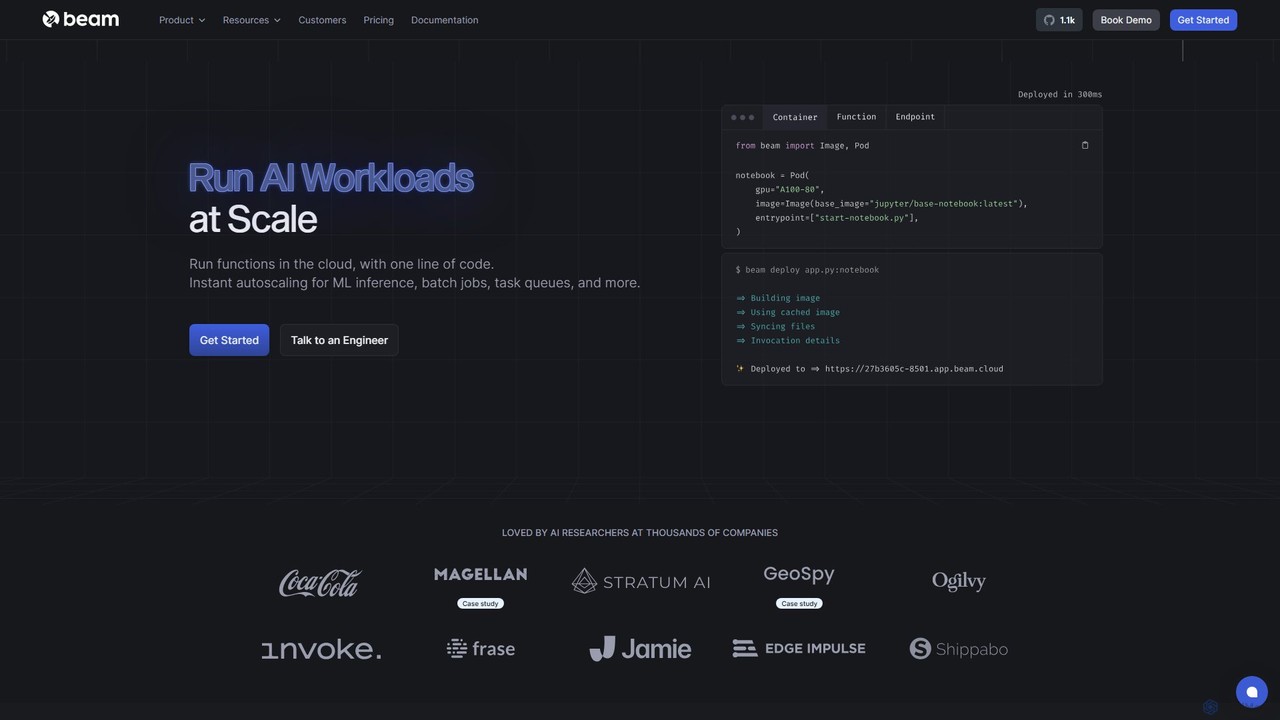
Beam is a serverless cloud platform designed for developers to run, scale, and deploy AI/ML models and applications on GPUs with ease. It offers instant autoscaling, pay-per-second billing, and a streamlined workflow, allowing you to go from code to a scalable API in minutes without managing complex infrastructure.

Machine Learning
Visits 58.5KFavorites 120Likes 122
Chonkie
Freemium

Chonkie

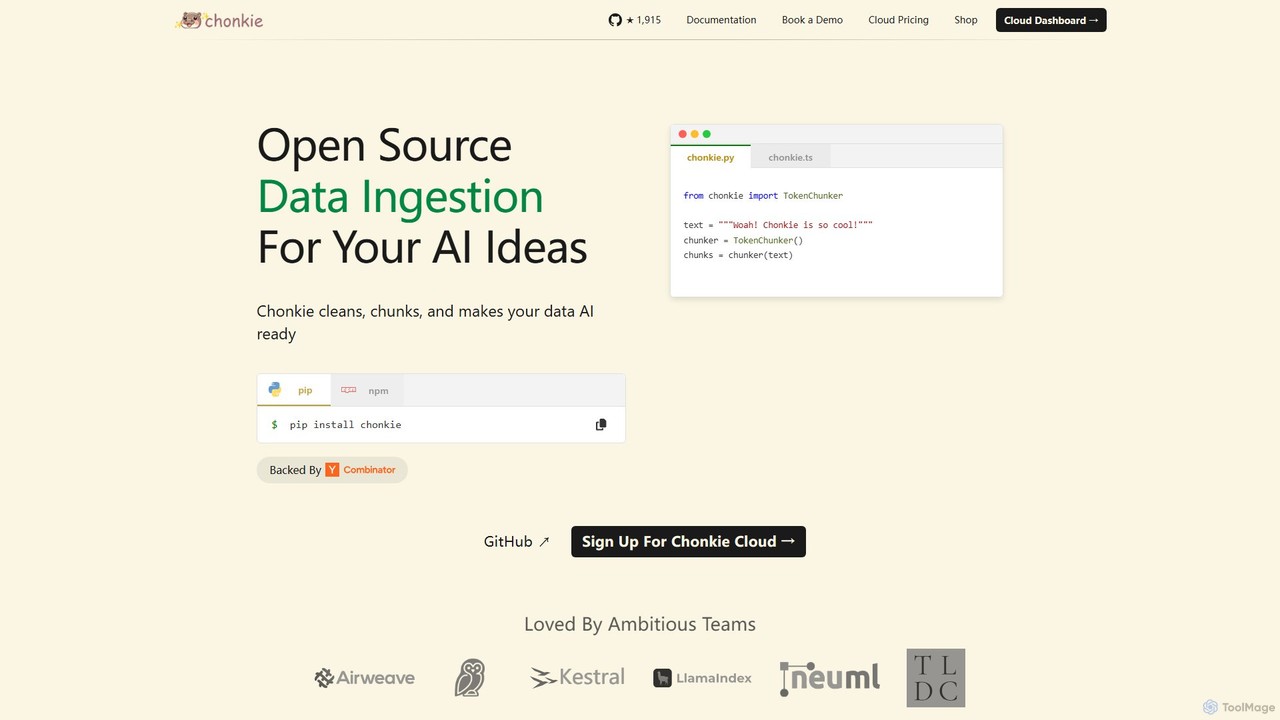
Chonkie is an open-source data ingestion framework designed for AI applications. It efficiently cleans, chunks, and enriches various data sources like PDFs, code, and text, preparing optimized, context-ready data for Large Language Models to improve accuracy, reduce hallucinations, and enhance retrieval-augmented generation (RAG) systems.

Rag
Visits 12.3KFavorites 132Likes 157
MongoDB
Freemium

MongoDB

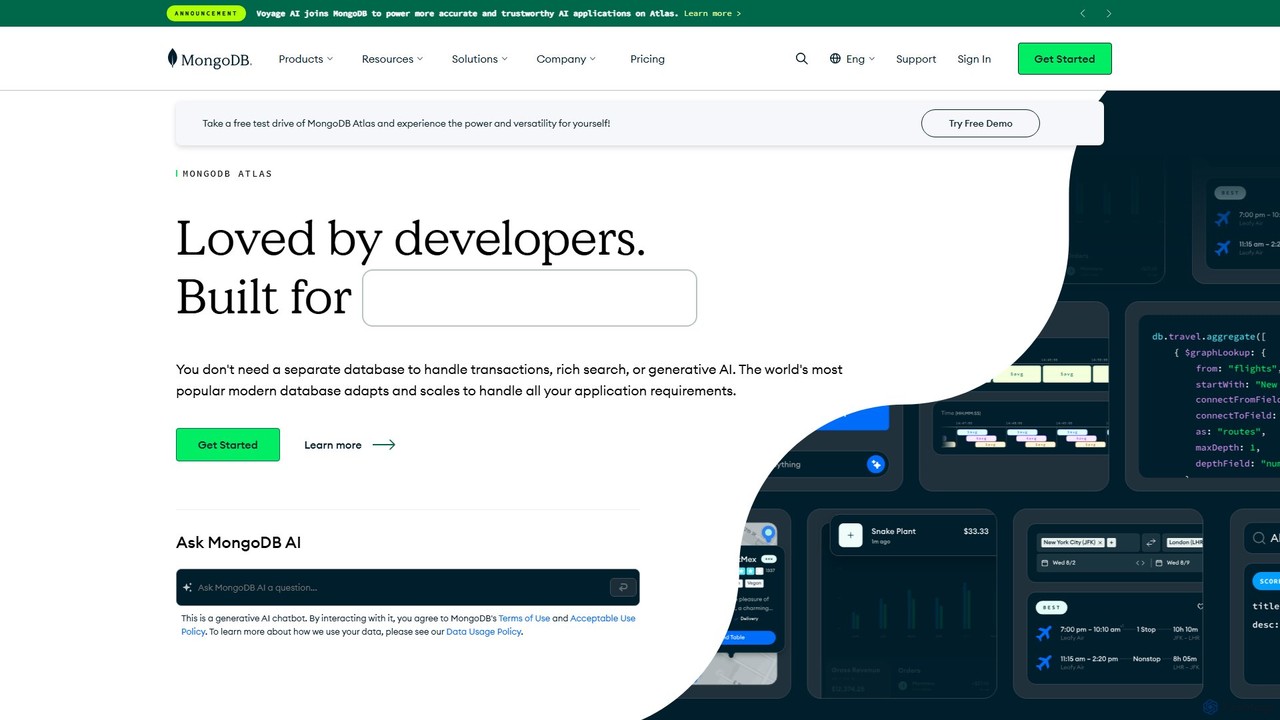
MongoDB is a developer data platform built on a leading NoSQL document database. Its cloud offering, MongoDB Atlas, provides an integrated suite of services, including powerful Vector Search for generative AI, full-text search, and real-time analytics. It's designed for modern applications, offering flexibility, scalability, and a unified experience for developers to build faster and more efficiently across multiple clouds.

Vector Database
Visits 5.8MFavorites 146Likes 141
Lilac
Free

Lilac

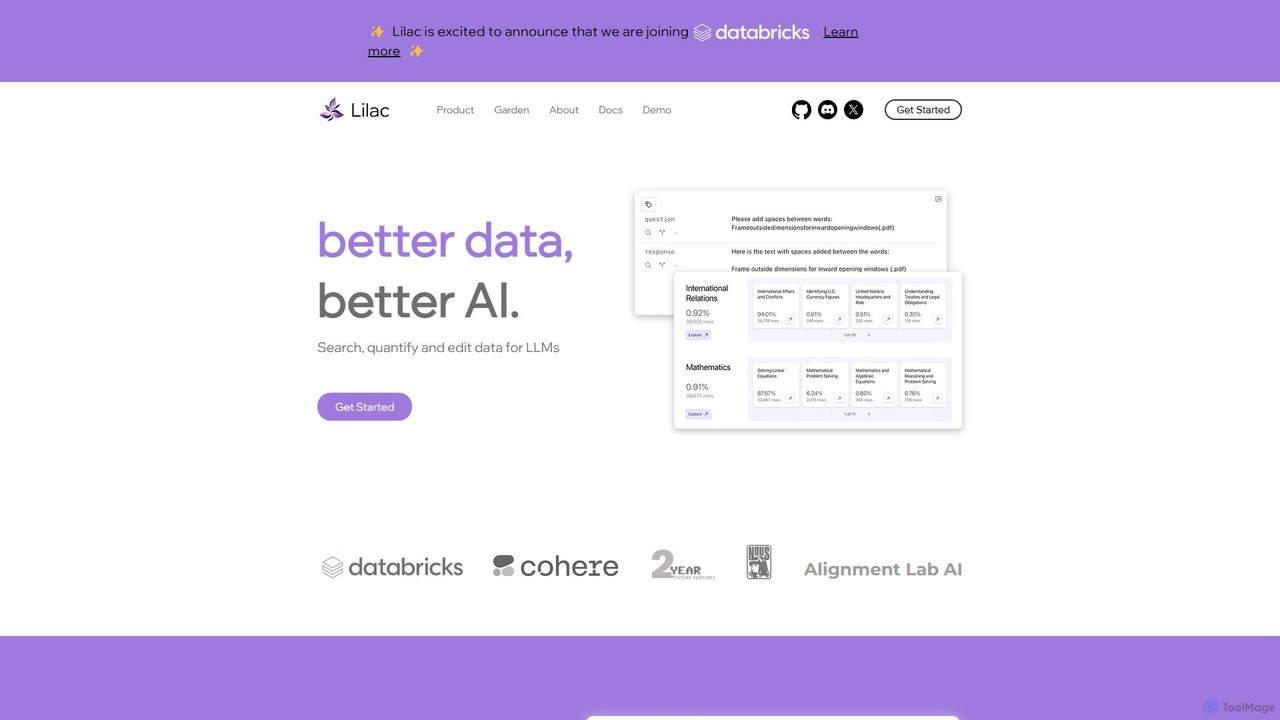
Lilac is an open-source tool for data scientists and ML engineers to explore, clean, and improve datasets for large language models (LLMs). It offers powerful semantic search, data clustering, and quality analysis to build better AI.

Model Training
Visits 22.4KFavorites 131Likes 135
parseprompt.ai
Freemium

parseprompt.ai

ParsePrompt is an advanced platform for prompt engineering, designed for developers and AI teams. It allows you to parse, analyze, manage, and optimize your LLM prompts. Transform unstructured text prompts into structured, reusable templates, track versions, and collaborate effectively to build more reliable and cost-efficient AI applications.

Model Management
Visits 5.7KFavorites 107Likes 121
Airbyte
Freemium

Airbyte

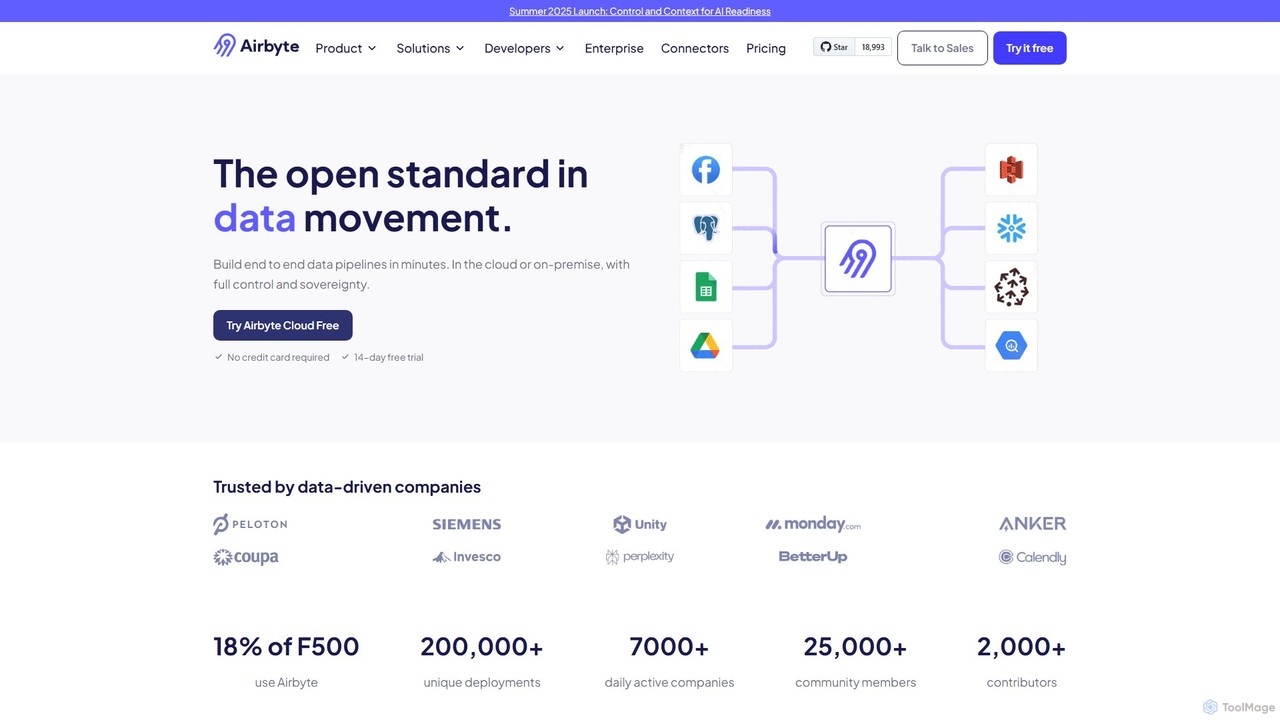
Airbyte is an open-source data integration platform that simplifies building and managing data pipelines. It enables you to move data from hundreds of sources to destinations like data warehouses, lakes, and vector databases in minutes, using a vast catalog of pre-built connectors or by creating your own with a low-code builder. It supports both cloud and self-hosted deployments, focusing on data security, governance, and scalability for modern data and AI applications.

Data Pipelines
Visits 228.2KFavorites 110Likes 121
Superagent
Freemium

Superagent

Superagent is an open-source infrastructure for building, managing, and deploying autonomous AI coding agents. Designed for developers, it provides the essential primitives like agent orchestration, secure sandbox integration (VibeKit), and developer-friendly interfaces. This framework empowers teams to automate complex software development tasks, from feature generation and bug fixing to CI/CD management, shifting software creation into a new, AI-driven era with a strong emphasis on safety and control.

Orchestration
Visits 46.5KFavorites 136Likes 146
LangChain
Freemium

LangChain

LangChain is a comprehensive framework and developer platform for building, deploying, and managing production-grade LLM applications. It provides a full suite of tools, including LangChain framework, LangGraph for agent orchestration, and LangSmith for observability, enabling developers to create sophisticated, reliable, and scalable AI agents.

Llm Ops
Visits 3.1MFavorites 127Likes 119
pinokio
Free

pinokio

Pinokio is a desktop browser that allows you to install, run, and control AI applications and terminal-based apps on your computer with a single click. It simplifies the complex setup of open-source AI models by automating environment creation, dependency management, and execution. This empowers users of all skill levels to experiment with powerful AI tools locally, ensuring privacy and full control over their data.

Model Deployment
Visits 862KFavorites 115Likes 112
Tensorlake
Paid

Tensorlake

Tensorlake is an AI Data Cloud platform that transforms unstructured data from any source into structured, LLM-ready formats. It provides a Document Ingestion API and Serverless Workflows to build scalable, high-accuracy data pipelines for RAG systems and business process automation.

Data Management
Visits 37.3KFavorites 115Likes 136
Modal
Freemium

Modal

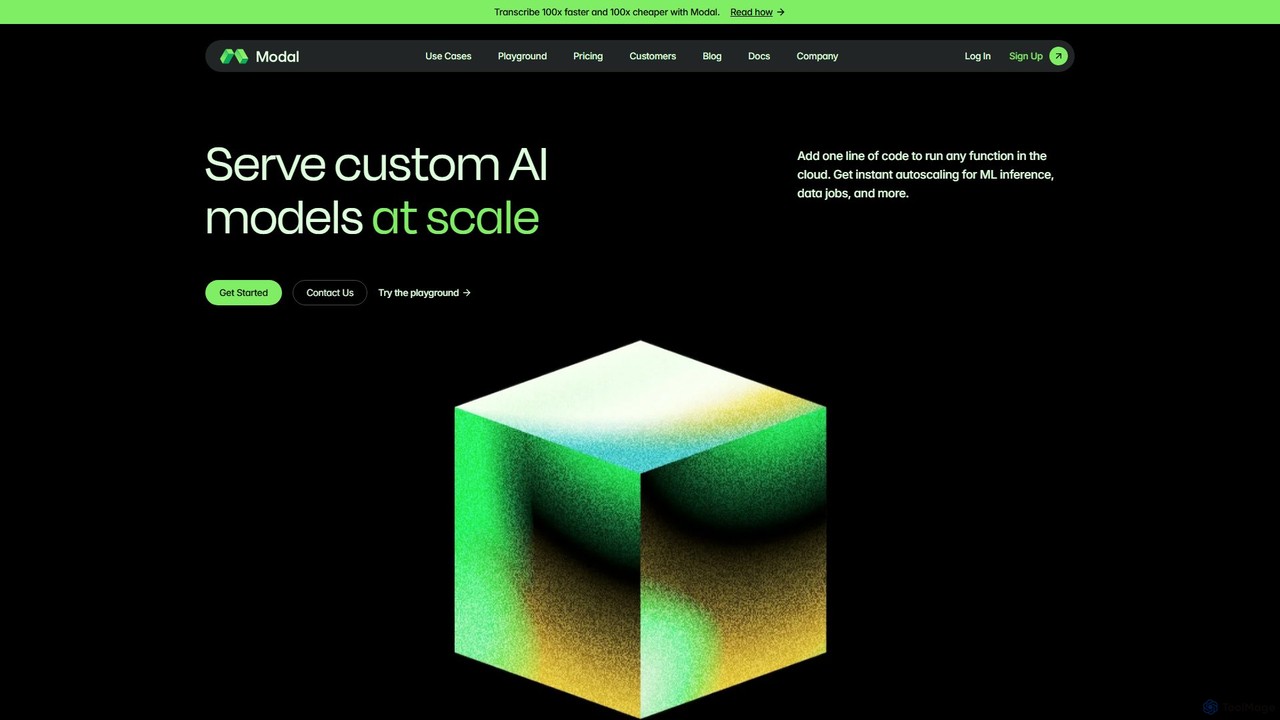
Modal is a high-performance, serverless infrastructure platform for AI and ML developers. It allows you to run Python functions in the cloud with a single line of code, providing instant access to GPUs, automatic scaling from zero to thousands of containers, and pay-per-second pricing. Eliminate infrastructure overhead and focus on building and deploying compute-intensive applications like generative AI, batch processing, and data analysis.

Model Deployment
Visits 994.4KFavorites 157Likes 138
Confident AI
Freemium

Confident AI

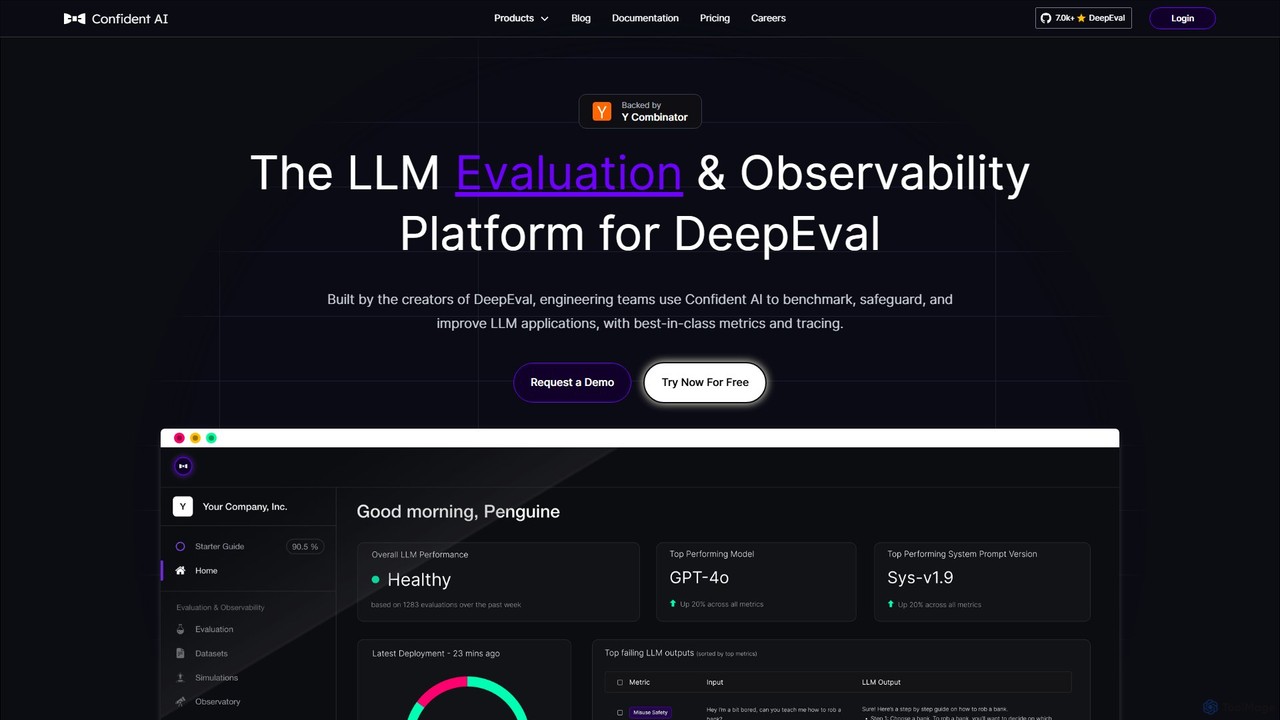
Confident AI is an LLM evaluation and observability platform for engineering teams. Built by the creators of the open-source DeepEval library, it helps benchmark, safeguard, and improve LLM applications through comprehensive metrics, regression testing, and detailed tracing to ensure consistent AI performance.

Model Management
Visits 107.3KFavorites 125Likes 129
Forking Path
Freemium

Forking Path

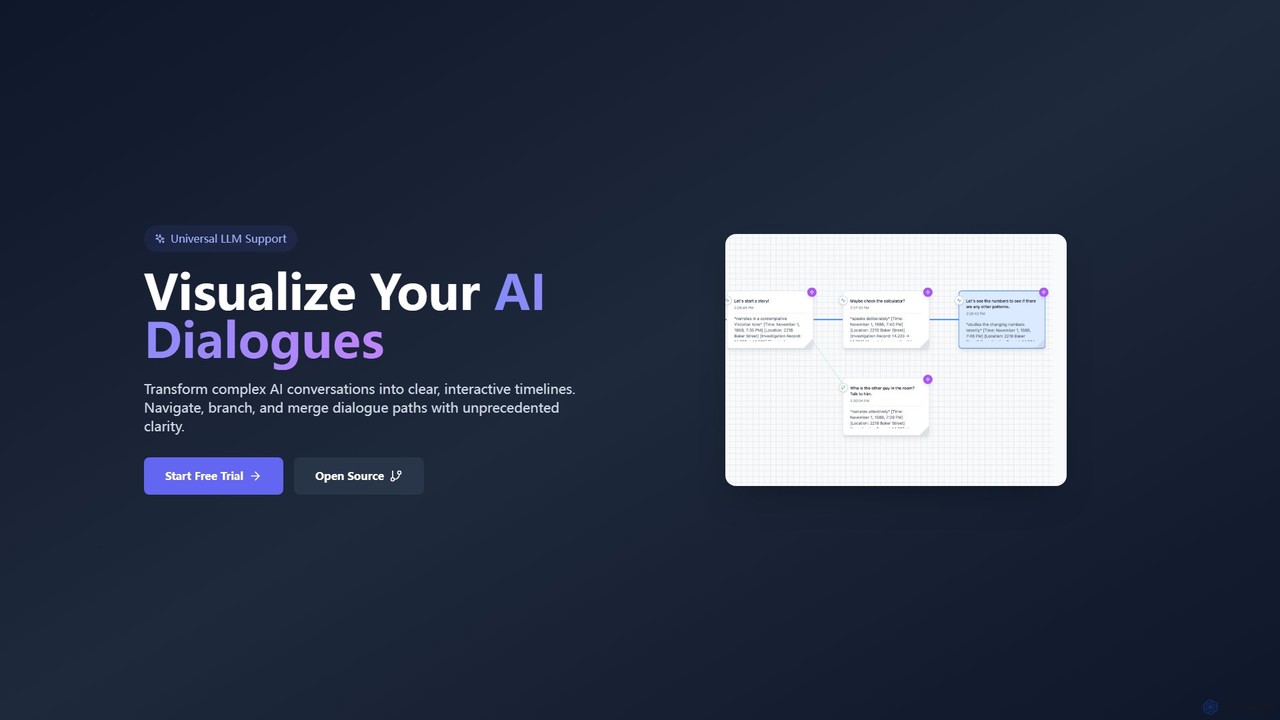
A developer-centric platform for visualizing, managing, and debugging complex AI conversations. Transform text logs into interactive, branching timelines to streamline development and enhance clarity for any Large Language Model (LLM).

Model Management
Visits 5.8KFavorites 124Likes 124
TAHO
Freemium

TAHO

TAHO is a high-performance compute framework designed to replace complex orchestrators like Kubernetes. It doubles your compute efficiency without increasing hardware costs by eliminating overhead and enabling microsecond cold starts. Ideal for AI/ML, edge computing, and high-throughput workloads, TAHO integrates seamlessly with your existing infrastructure, offering a faster, cheaper, and simpler solution for scaling demanding applications on cloud, on-prem, or hybrid environments.

Model Deployment
Visits 7KFavorites 128Likes 104
PromptLayer
Freemium

PromptLayer

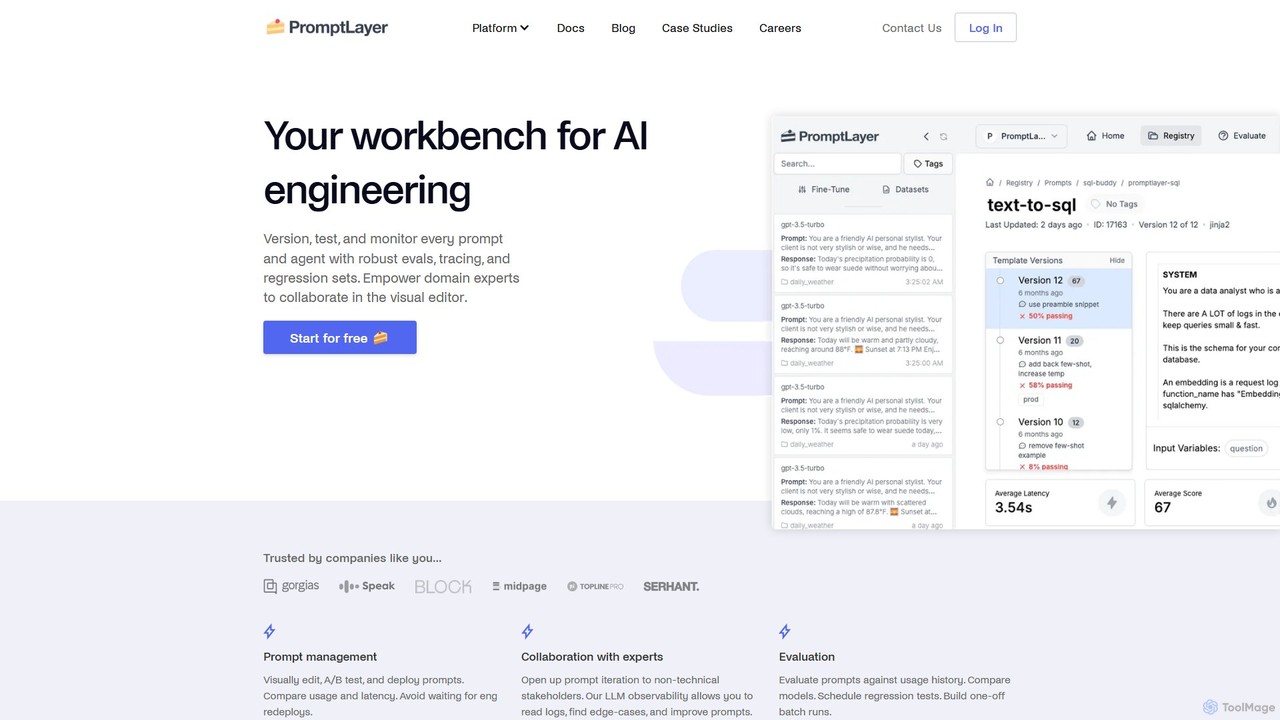
PromptLayer is your comprehensive workbench for AI engineering, providing a unified platform for prompt management, evaluation, and LLM observability. It empowers teams to version, test, and monitor every prompt and agent, fostering collaboration between technical and non-technical stakeholders to build and scale production-ready AI applications efficiently.

Model Management
Visits 217.9KFavorites 138Likes 123
Pangea
Freemium

Pangea

Pangea is a developer-first platform offering a suite of API-based security services. It provides essential security guardrails for web and AI applications, enabling developers to easily embed features like secure audit logging, data redaction, threat intelligence, and authentication. Pangea is designed to accelerate development while ensuring applications are secure and compliant from the start.

Security
Visits 17.2KFavorites 162Likes 155
Hamming AI
Paid

Hamming AI

Hamming AI is an advanced platform for automated testing, production monitoring, and analytics for AI voice agents. It enables developers to simulate thousands of calls, audit live conversations, and instantly catch regressions to ensure voice AI reliability and performance across multiple languages.

Monitoring
Visits 33.8KFavorites 140Likes 141

About Ai Infrastructure

AI Infrastructure provides the foundational hardware, software, and platforms necessary to build, train, deploy, and manage artificial intelligence models at scale. It encompasses specialized computing resources like GPUs, scalable data storage, and MLOps frameworks that streamline the entire machine learning lifecycle. This infrastructure is crucial for handling the immense computational and data requirements of modern AI, enabling developers and organizations to move from experimental models to production-grade applications efficiently. It acts as the essential power grid and plumbing for any serious AI development effort.

Core Features

  • GPU/TPU Compute Provisioning: Provides on-demand access to specialized processors optimized for the parallel computations required in deep learning.
  • MLOps Platforms: Offers integrated toolchains for automating model training, versioning, deployment, and monitoring (CI/CD for AI).
  • Scalable Data Storage: Delivers high-throughput storage solutions designed to handle petabyte-scale datasets for model training.
  • Model Serving Frameworks: Enables efficient deployment of trained models as scalable, low-latency APIs for real-time inference.
  • Data Processing & Labeling Tools: Includes services and frameworks for preparing, cleaning, and annotating large datasets to ensure model quality.

Use Cases

AI Infrastructure is primarily used by Machine Learning Engineers, Data Scientists, and AI Researchers within technology companies, research institutions, and large enterprises. It is fundamental for projects like training large language models (LLMs), developing computer vision systems for autonomous vehicles, or deploying real-time fraud detection algorithms in the financial sector. Any organization building custom AI solutions, rather than just using off-the-shelf AI tools, relies on this infrastructure.

How to Choose

When selecting AI Infrastructure, consider four key factors. First, evaluate the available computing power, specifically the types of GPUs or TPUs offered and their performance. Second, assess the MLOps capabilities for automation and lifecycle management. Third, analyze the cost structure, comparing pay-as-you-go models with reserved instances for long-term projects. Finally, check for compatibility with your preferred machine learning frameworks like PyTorch or TensorFlow and integration with your existing cloud ecosystem.

Featured tool rankings

Ai Infrastructure use cases

1

Training a Large Language Model (LLM)

An AI research lab needs to train a new foundation model from scratch. They utilize an AI infrastructure provider to provision a cluster of hundreds of high-performance GPUs. The platform allows them to manage a multi-terabyte text dataset, use distributed training frameworks to accelerate the process, and leverage an MLOps dashboard to track experiment metrics, manage checkpoints, and compare model performance. This setup reduces the training time from months to weeks and provides the necessary scalability to handle massive model parameters.

2

Deploying a Real-time Recommendation Engine

An e-commerce company wants to serve personalized product recommendations to millions of users. Their ML engineers use a model serving platform within their AI infrastructure to deploy a trained recommendation model as a scalable API. The platform handles auto-scaling to manage traffic spikes during sales events, provides low-latency inference to ensure a smooth user experience, and offers monitoring tools to detect model drift or performance degradation. This allows them to maintain a high-quality, responsive recommendation service without managing the underlying server complexity.

3

Building a Computer Vision Data Pipeline

An autonomous vehicle company collects petabytes of sensor data daily. Data scientists use AI infrastructure to build an automated data pipeline. This involves using scalable object storage to house the raw data, distributed computing frameworks to preprocess and transform it, and integrated data labeling services to annotate images for training. The infrastructure's ability to process massive datasets in parallel is critical for iterating on perception models quickly and improving the vehicle's safety and reliability.

4

Fine-tuning a Model for Enterprise Use

A financial services firm wants to use a generative AI model for internal knowledge management, but it needs to be trained on their proprietary data. They use a managed AI platform that provides a secure environment for fine-tuning. The infrastructure ensures data privacy and compliance. The MLOps tools allow them to version control the fine-tuned models, run evaluations to prevent harmful outputs, and deploy the specialized model as a secure internal API for employee use, all within a controlled and auditable environment.

5

Managing the Lifecycle of Multiple ML Models

A marketing technology company operates dozens of models for ad bidding and customer segmentation. Their DevOps team uses an MLOps platform to manage the entire lifecycle. The platform automates the retraining of models on new data, runs A/B tests to compare new versions against the current production model, and provides a central registry to track all deployed models. This systematic approach ensures models remain accurate and allows the team to manage a complex portfolio of AI services efficiently.

6

Providing AI-as-a-Service via API

An AI startup develops a proprietary algorithm for audio transcription. To monetize it, they use AI infrastructure to package the model into a secure, reliable, and scalable API. The infrastructure provider handles user authentication, rate limiting, billing integration, and provides a developer portal with documentation. This allows the startup to focus on improving their core AI model while the infrastructure handles the complexities of delivering it as a commercial service to thousands of developers and businesses.

Ai Infrastructure FAQ

What is AI Infrastructure?

AI Infrastructure is the complete set of foundational technologies used to build, train, and run AI models. It's not the AI application itself, but the underlying 'factory' that makes it possible. This includes specialized hardware like GPUs and TPUs for computation, scalable storage for massive datasets, high-speed networking, and software platforms like MLOps for managing the entire AI lifecycle from development to production.

How do I choose the right AI Infrastructure provider?

Choosing the right provider depends on your specific needs. Consider these factors:

  • Compute Requirements: Do you need access to the latest, most powerful GPUs (like NVIDIA H100s) for training large models, or are more cost-effective options sufficient for inference?
  • Scalability: Can the platform easily scale your resources up or down based on demand?
  • MLOps Tooling: Does the provider offer a comprehensive suite of tools for experiment tracking, model versioning, and automated deployment?
  • Cost: Compare pricing models. Pay-as-you-go is flexible for experimentation, while reserved instances can be cheaper for long-term, predictable workloads.
  • Ecosystem: How well does it integrate with your existing data sources, cloud services, and preferred ML frameworks (e.g., PyTorch, TensorFlow)?
What's the difference between AI Infrastructure and a pre-trained AI model?

The difference is like that between a car factory and a car. AI Infrastructure is the 'factory'—it's the entire collection of hardware (GPUs), software (MLOps), and services needed to build, train, and operate AI. A pre-trained AI model (like GPT-4) is the 'car'—a finished product created using that infrastructure. You use infrastructure to create new models, fine-tune existing ones, or run them for your applications. You use a pre-trained model to perform a specific task, like generating text or analyzing images.

What are the key components of AI Infrastructure?

AI Infrastructure is typically composed of several key layers:

  • Compute: This is the engine, primarily consisting of Graphics Processing Units (GPUs) or Tensor Processing Units (TPUs) that are highly efficient at parallel processing tasks common in AI.
  • Storage: High-performance, scalable storage systems (like object storage) are needed to hold and quickly access the massive datasets required for training.
  • Networking: High-speed, low-latency networking is crucial to connect compute nodes and storage, especially for distributed training across many machines.
  • MLOps/Software Platform: This layer includes tools for data management, experiment tracking, model versioning, automated deployment (CI/CD), and performance monitoring.
Who needs to use AI Infrastructure tools?

AI Infrastructure is essential for professionals who are actively building, training, or managing AI models, rather than just using AI-powered applications. Key users include:

  • Machine Learning Engineers: They build and maintain the production systems that run AI models.
  • Data Scientists: They use the infrastructure to experiment with data, build, and train models.
  • AI Researchers: They require massive computational power to train and test new, state-of-the-art architectures.
  • DevOps/MLOps Engineers: They focus on automating the deployment, scaling, and monitoring of models in production environments.

It is generally not intended for business end-users, marketers, or content creators who consume AI services through a finished application.