ToolMage
Sign in

Best 98 Prototyping AI tools for Productivity

Popular Prototyping AI tools in Productivity include Lovable, Stitch, Rork, Teachable Machine, UX Pilot, Flux, lablab.ai, Uizard, Pixso, and Banani, helping you work more efficiently.

appbuildchat
Freemium

appbuildchat

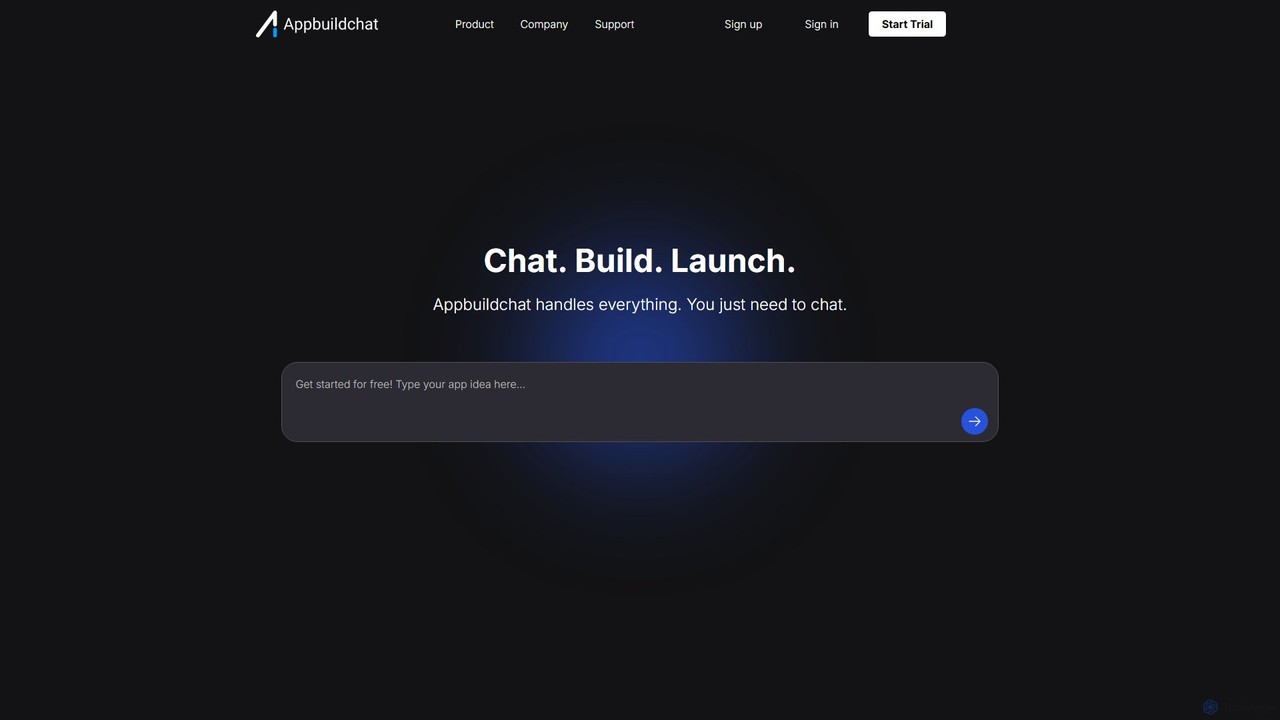
appbuildchat is a no-code AI application builder designed for startups and entrepreneurs. It empowers users to design, build, and launch sophisticated AI-powered web applications without writing a single line of code. Integrate powerful features like AI chatbots, image generation, user authentication, and more through an intuitive visual interface, dramatically accelerating the journey from idea to a market-ready product.

Startup Tools
Visits 15.4KFavorites 158Likes 164
Sparkable
Freemium

Sparkable

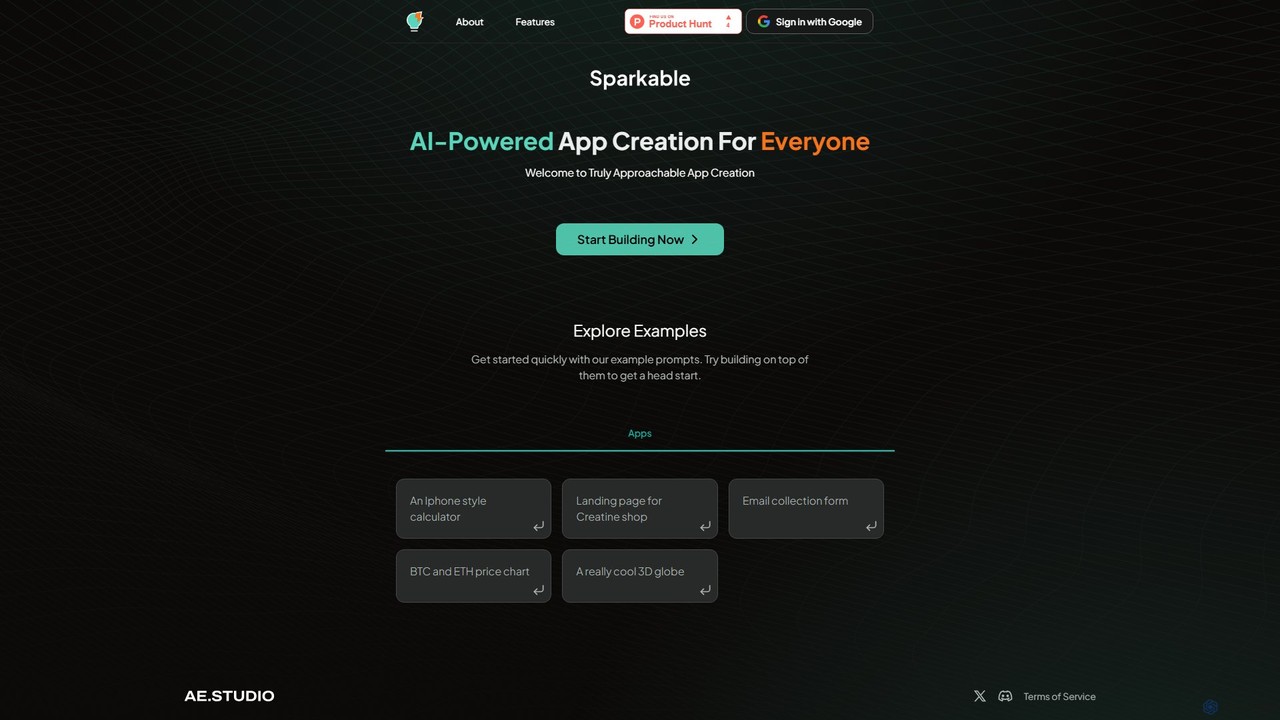
An AI-powered platform that enables anyone to create web applications and components using simple text prompts. It translates natural language descriptions into functional code, making app development accessible, fast, and intuitive for both beginners and developers.

Low Code No Code
Visits 6.3KFavorites 149Likes 137
Amanu
Paid

Amanu

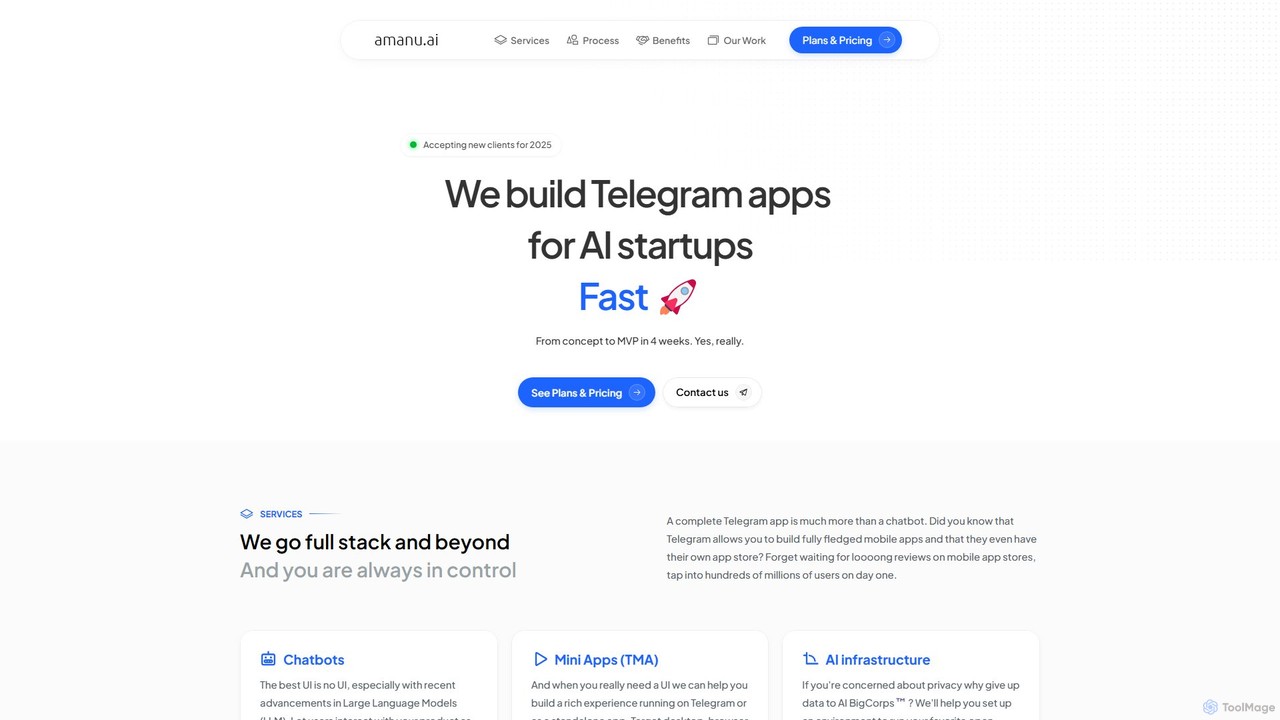
Amanu is a development service that builds custom AI-powered Telegram applications for startups. They specialize in rapidly creating Minimum Viable Products (MVPs), taking concepts to fully functional chatbots and Mini Apps within four weeks, enabling direct access to Telegram's vast user base.

Platform As A Service
Visits 5.8KFavorites 144Likes 134
PersonifAI
Freemium

PersonifAI

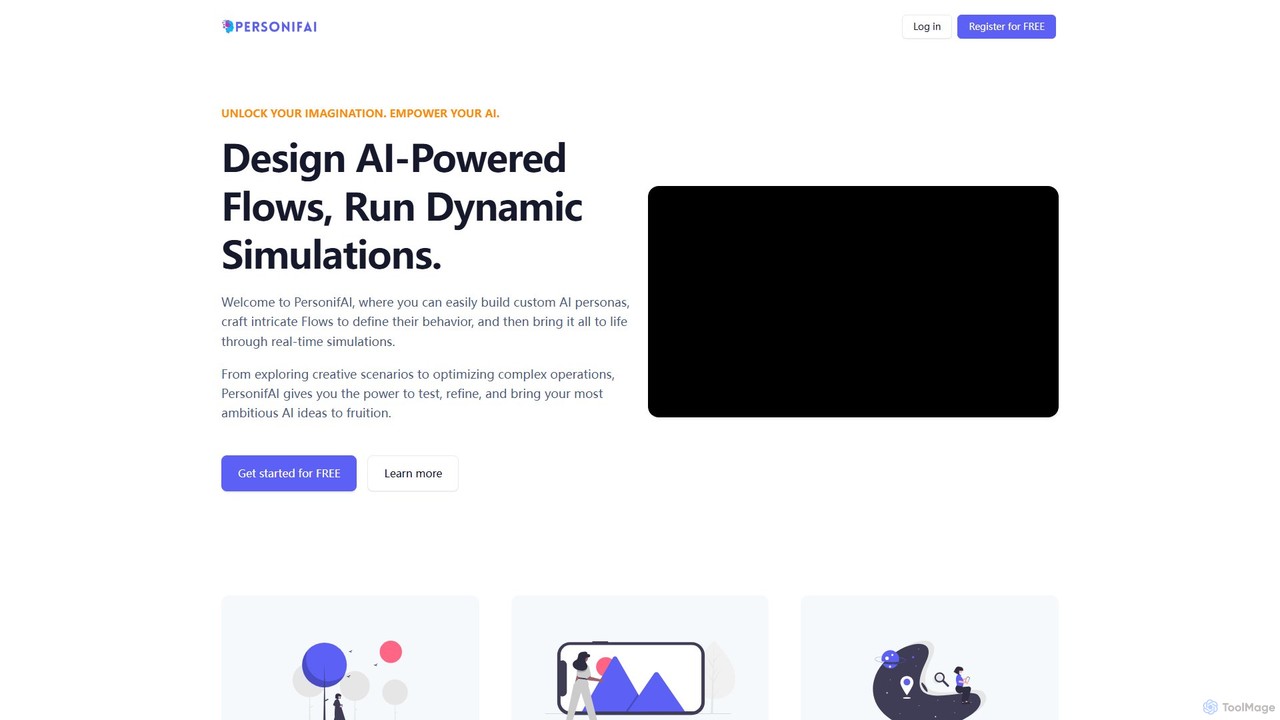
PersonifAI is a powerful platform for designing custom AI personas, creating intricate interaction flows, and running dynamic simulations. It empowers users to test, refine, and optimize AI behavior for creative storytelling, complex operational modeling, and rapid prototyping without needing to code.

Customization
Visits 6.5KFavorites 122Likes 139
Groq Appgen
Free

Groq Appgen

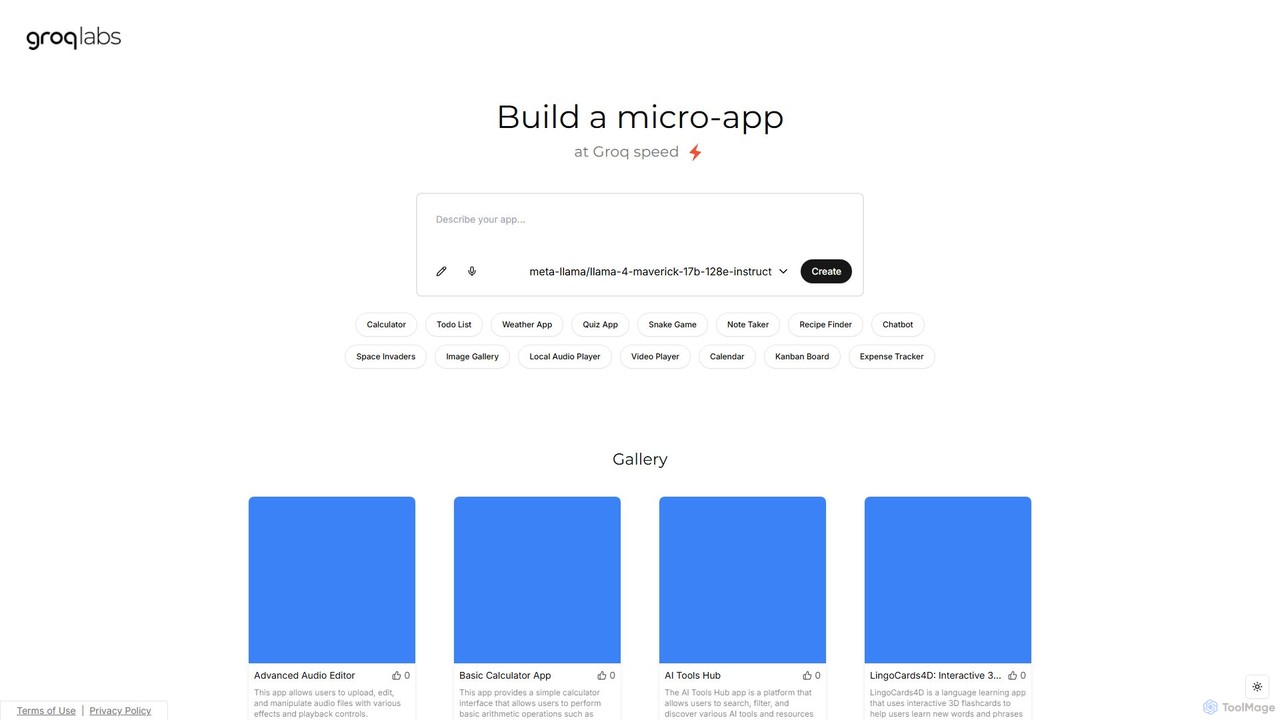
Groq Appgen is a revolutionary AI tool that generates functional web applications from simple text prompts at unparalleled speed. Powered by Groq's LPU inference engine, it allows anyone to create micro-apps like calculators, games, and utility tools instantly, without writing a single line of code. It's an ideal platform for rapid prototyping, learning, and building custom solutions.

No Code & Low Code
Visits 6.3KFavorites 117Likes 108
Banani
Freemium

Banani

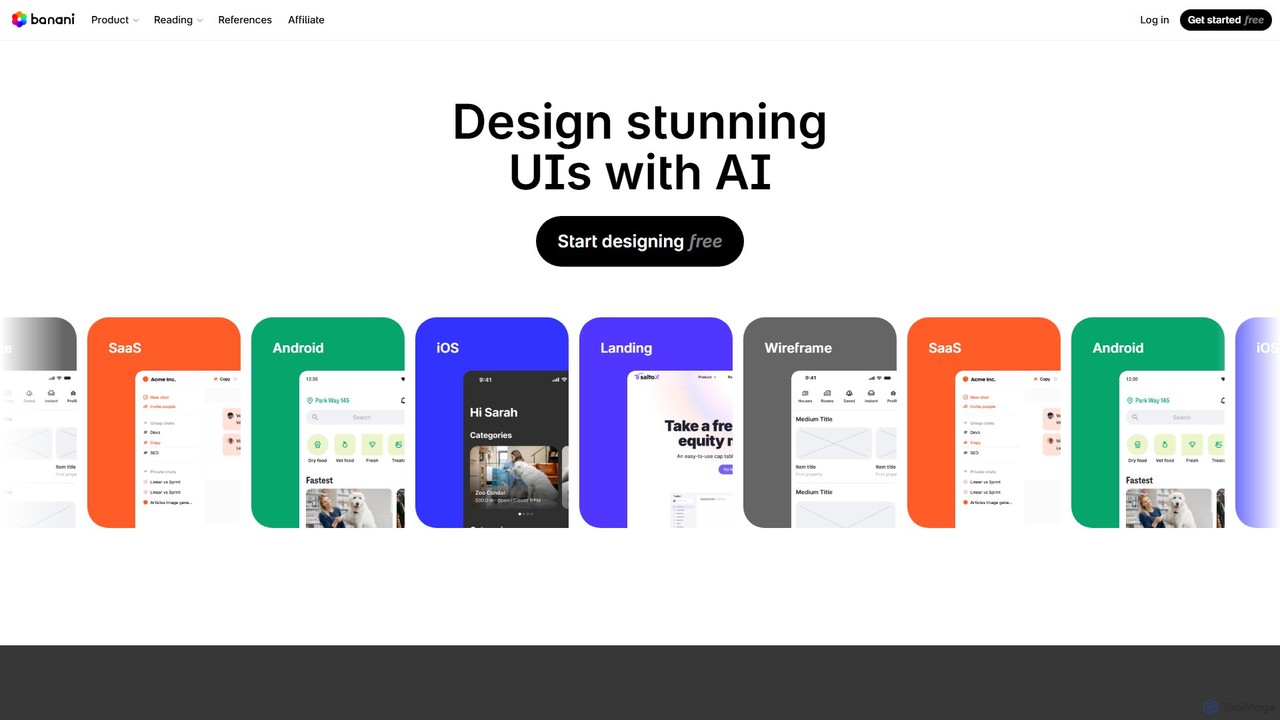
Banani is an AI-powered UI design copilot that transforms text prompts into stunning, interactive user interfaces and prototypes. It's designed for rapid ideation and visualization, enabling product managers, founders, and designers to create beautiful, user-friendly designs in seconds, even without prior design skills.

Ui Design
Visits 424.3KFavorites 133Likes 109
Noodl
Freemium

Noodl

Noodl is an AI-powered low-code platform designed for creating sophisticated web and mobile applications. It combines a visual, node-based editor with an AI assistant that generates code, making it ideal for both non-coders and experienced developers. Build everything from simple prototypes to full-stack applications with unprecedented speed and flexibility.

Code Generation
Visits 16.3KFavorites 123Likes 108
usersketch
Freemium

usersketch

usersketch is an AI-powered platform designed to accelerate the UX/UI design process. It enables users to instantly generate wireframes, user flows, sitemaps, and personas from simple text descriptions. Ideal for product managers, designers, and developers, it streamlines ideation, prototyping, and collaboration, turning concepts into visual designs in minutes.

Ux Design
Visits 5.7KFavorites 173Likes 166
uiants.co
Paid

uiants.co

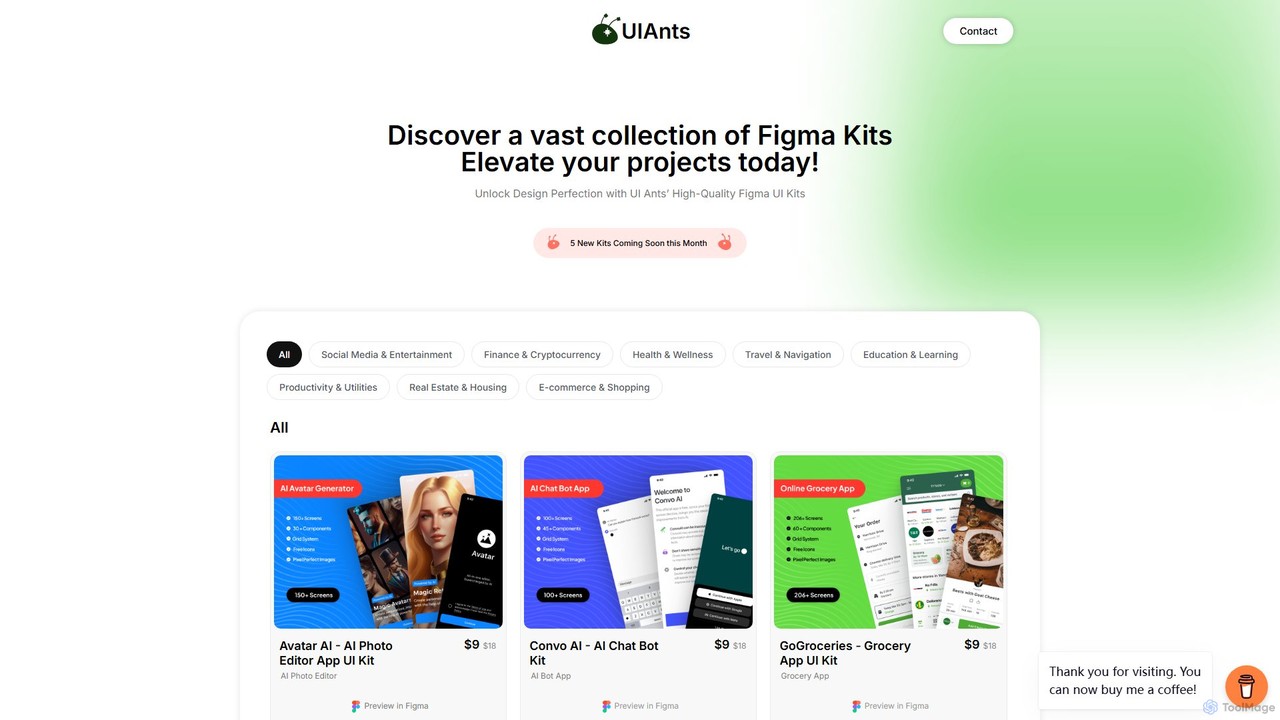
uiants.co is a marketplace offering a vast collection of high-quality, professionally designed Figma UI kits. It helps designers, developers, and startups accelerate their app development process with ready-to-use, fully customizable templates for various industries.

Ui Kits
Visits 7KFavorites 143Likes 128
AI Love Code
Freemium

AI Love Code

AI Love Code is an innovative AI-powered tool that generates responsive websites with full source code in minutes. It leverages modern frameworks like Tailwind CSS and Alpine.js, enabling developers, beginners, and designers to rapidly create and prototype web pages, landing pages, and demos with complete code ownership and customizability.

Website Builder
Visits 7.1KFavorites 144Likes 145
dymolab
Freemium

dymolab

Dymolab is an AI-powered platform for creating dynamic simulations and interactive 3D models. It enables engineers, educators, and designers to build and test complex systems, product prototypes, and educational content through a simple, no-code interface.

3D
Visits 5.9KFavorites 105Likes 113
snappy
Freemium

snappy

snappy by Appy Pie is an AI-powered no-code platform that enables users to create custom mobile apps for iOS and Android without any programming knowledge. Simply describe your app idea, and the AI will generate a functional prototype. It's designed for entrepreneurs, small businesses, and creators to quickly and affordably bring their app concepts to life through an intuitive drag-and-drop interface.

App Builder
Visits 107.1KFavorites 147Likes 163
Flux
Freemium

Flux

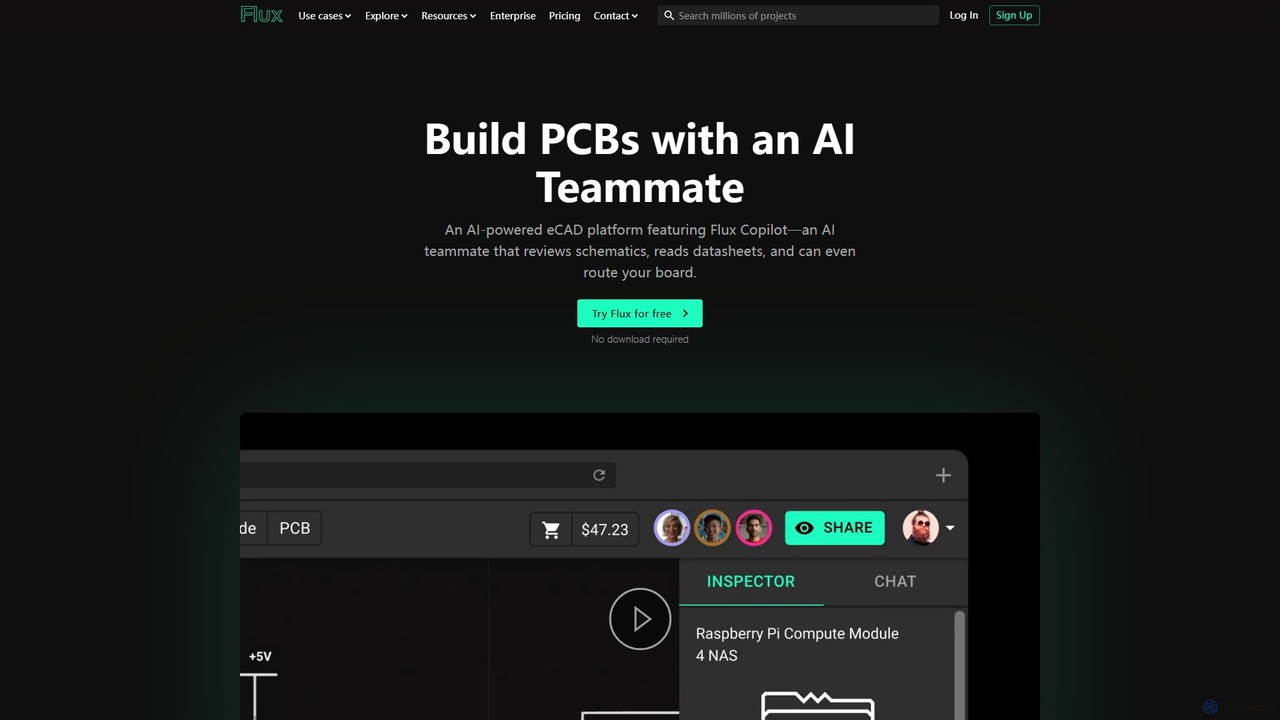
Flux is a modern, browser-based electronics design tool that leverages AI to revolutionize PCB creation. Its AI Copilot automates the tedious routing process with a single click, producing human-like, professional layouts. Designed for collaboration, Flux integrates a circuit simulator and a vast component library, making it accessible for beginners while offering powerful features for advanced engineers.

Hardware
Visits 701.4KFavorites 167Likes 165
downrightdesign
Paid

downrightdesign

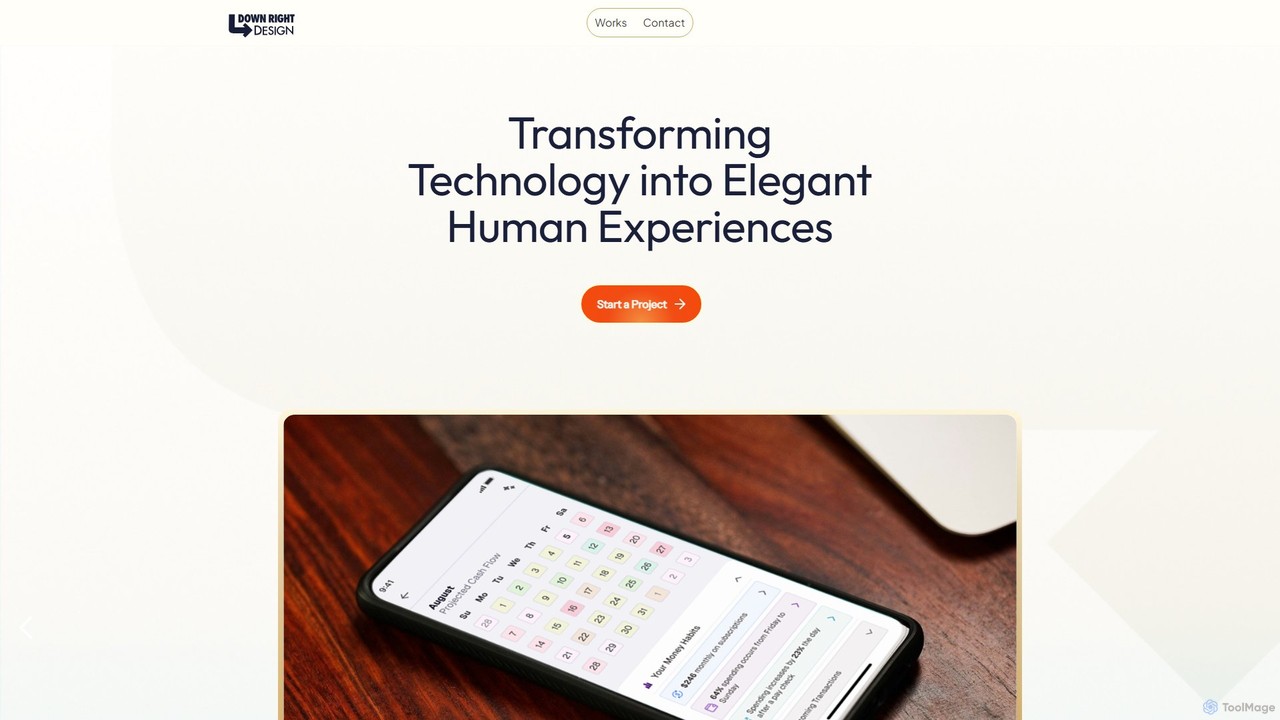
A specialized design agency that creates intuitive, human-centric digital experiences for mobile apps, web applications, and AI interfaces. They transform complex functionality into natural and enjoyable user interactions.

Consulting
Visits 5.7KFavorites 133Likes 128
lablab.ai
Free

lablab.ai

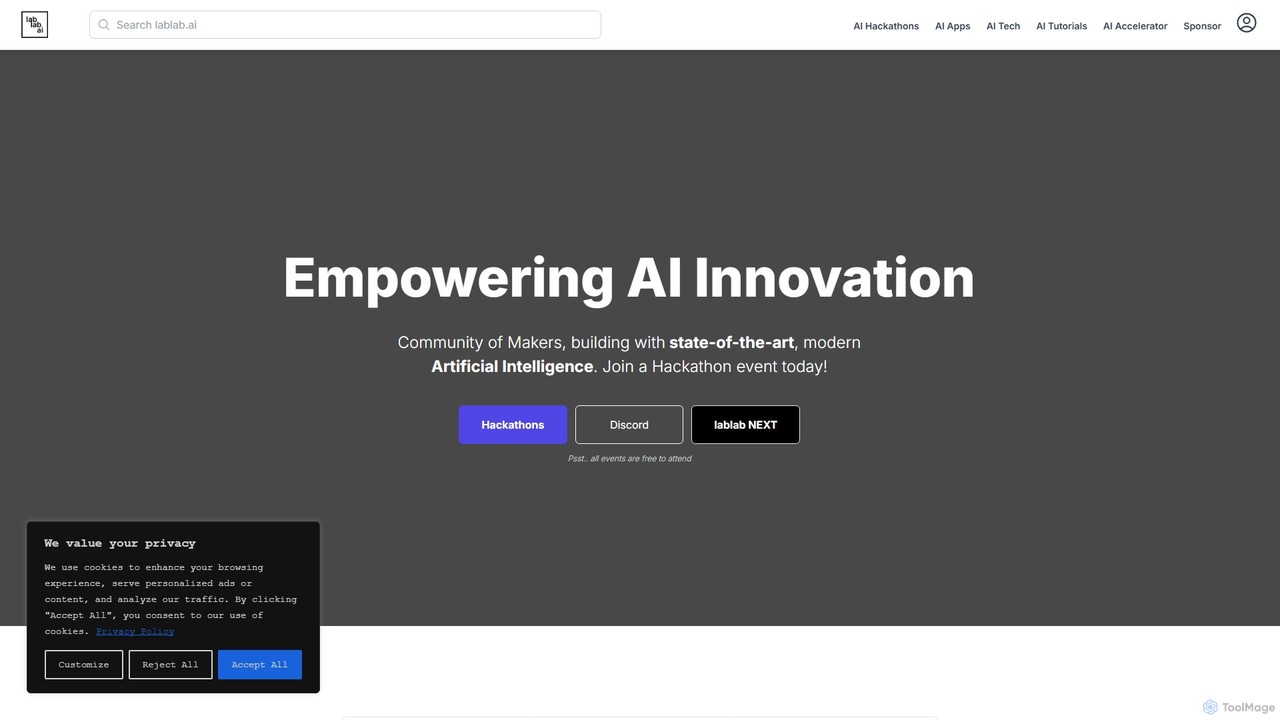
lablab.ai is a global community platform that hosts AI hackathons, empowering creators, developers, and entrepreneurs to build innovative applications with state-of-the-art AI technologies from partners like OpenAI, Google, and Meta. Participate for free to learn, collaborate, and turn ideas into prototypes with expert mentorship.

Developer Communities
Visits 643.5KFavorites 138Likes 137
Hypi
Freemium

Hypi

Hypi is a low-code platform designed to accelerate application development. It provides a serverless backend, instant GraphQL APIs, and real-time data synchronization, enabling developers and businesses to build and scale applications faster and more efficiently without managing infrastructure.

Backend As A Service (Baas)
Visits 5.7KFavorites 179Likes 144
HaiSnap
Freemium

HaiSnap

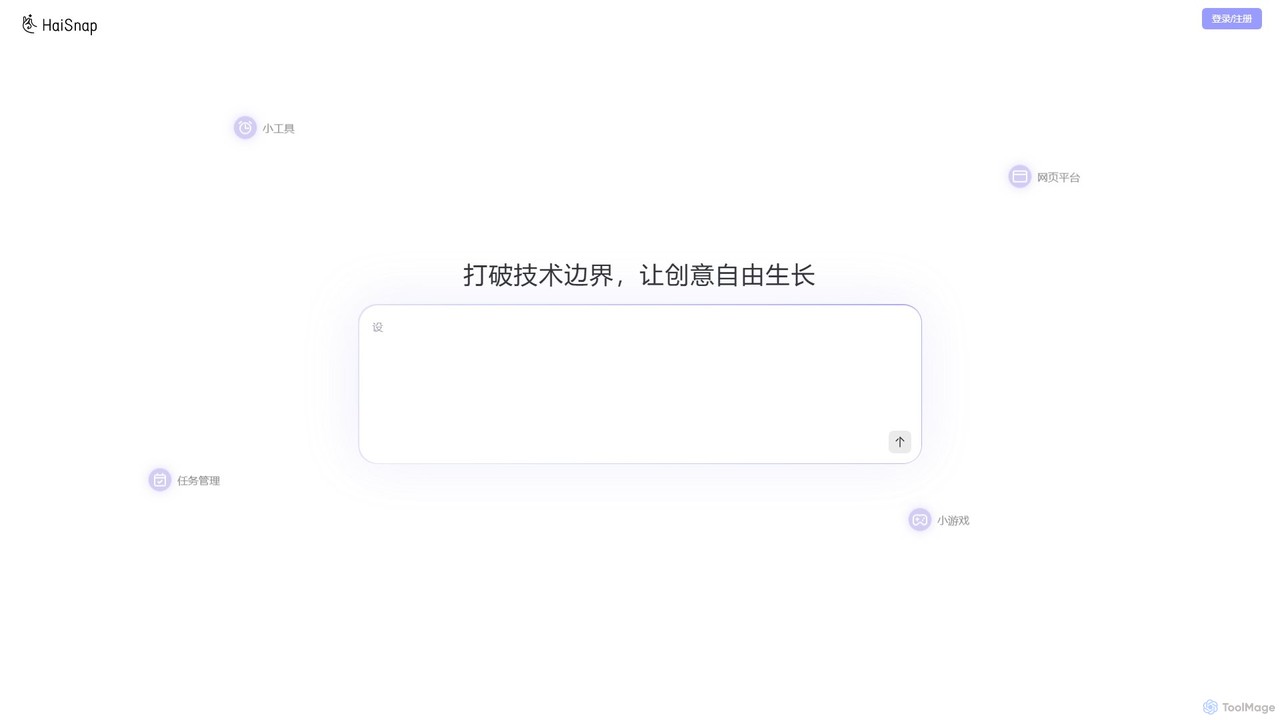
HaiSnap is a revolutionary no-code AI application platform that allows anyone to create web apps, tools, and mini-games through natural language conversations. Turn your ideas into reality without writing a single line of code.

Generative Ai
Visits 39KFavorites 121Likes 129
VisualizeAI
Freemium

VisualizeAI

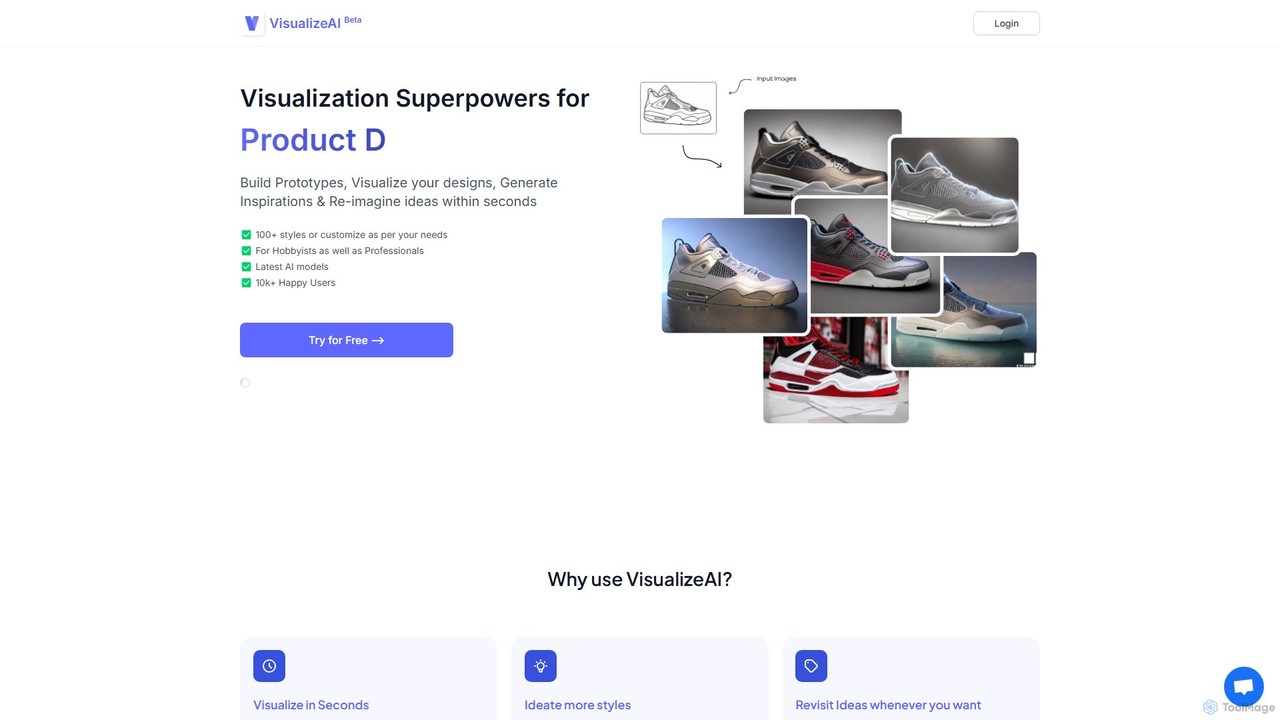
VisualizeAI is an AI-powered design visualization tool that transforms sketches, images, and basic models into high-quality renders in seconds. It's designed for architects, interior designers, and product designers to rapidly prototype, generate inspiration, and re-imagine ideas with over 100 styles.

Architecture
Visits 56.3KFavorites 147Likes 139
Lovable
Freemium

Lovable

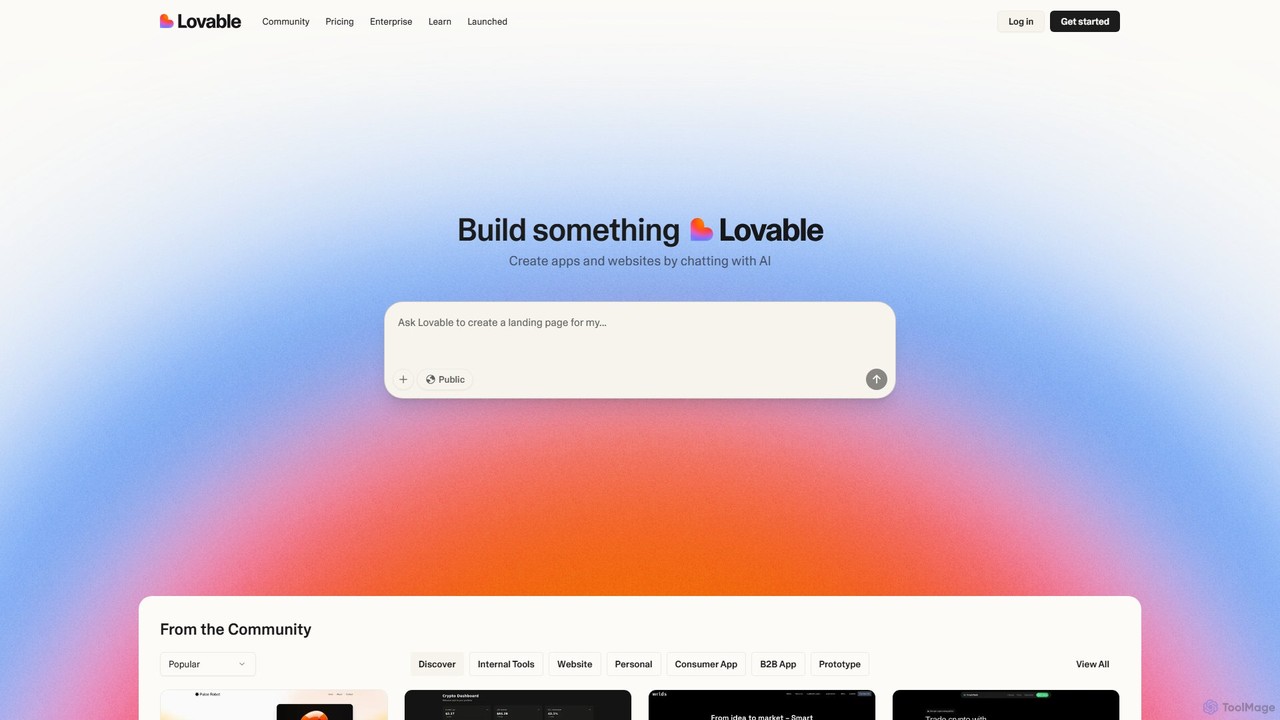
Lovable is an AI-powered development platform that allows you to build web applications and websites through a simple conversational interface. Describe your idea in plain English, and the AI will generate the full-stack application, enabling rapid prototyping and development for both technical and non-technical users.

Low Code No Code
Visits 34.8MFavorites 126Likes 142
Postgres Sandbox
Free

Postgres Sandbox

An intuitive, web-based visual tool for designing, prototyping, and experimenting with PostgreSQL database schemas. Create tables, define relationships, and generate SQL code in a risk-free sandbox environment. Ideal for developers, DBAs, and students.

Database
Visits 30.2KFavorites 121Likes 121
Buzzy
Freemium

Buzzy

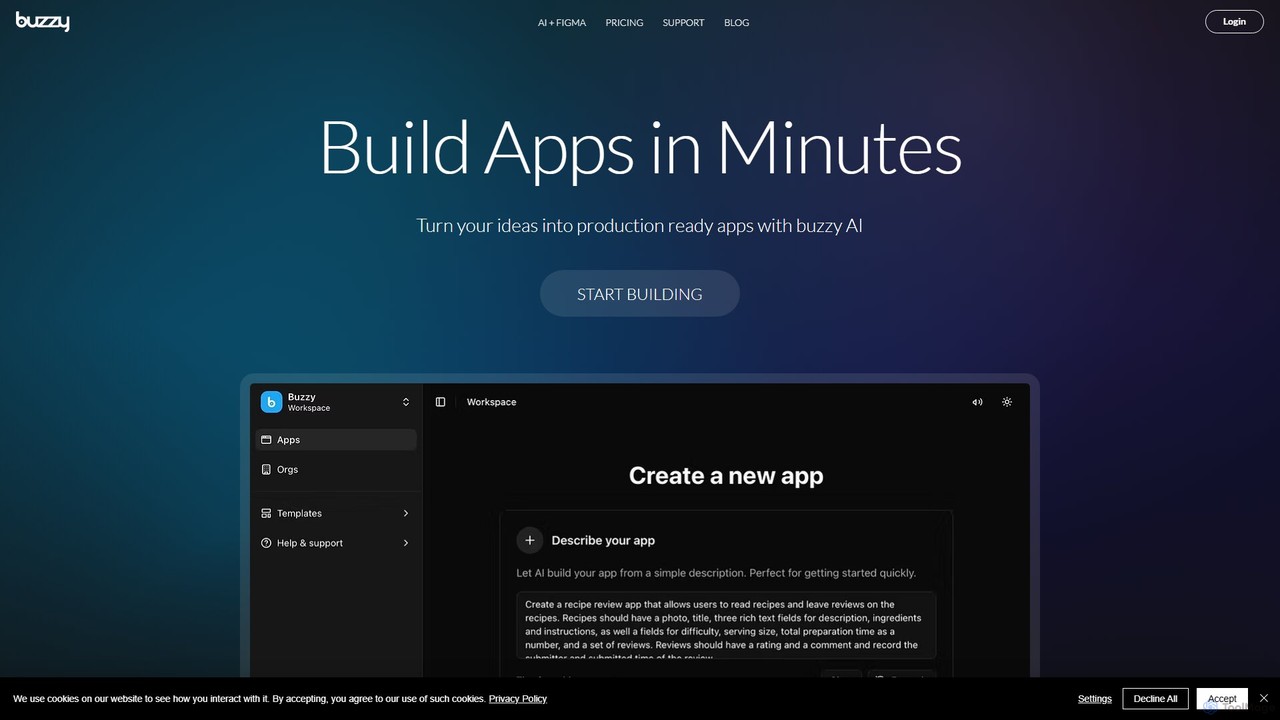
Buzzy is an AI-powered no-code platform that transforms your ideas into fully functional web and mobile applications in minutes. By simply describing your concept or importing a Figma design, Buzzy leverages AI to generate the entire application, from frontend to backend. It's ideal for entrepreneurs, designers, and businesses looking to rapidly prototype and launch custom software, including AI chatbots and data-driven tools, without writing a single line of code.

App Builder
Visits 32.3KFavorites 129Likes 132
Glowbom
Freemium

Glowbom

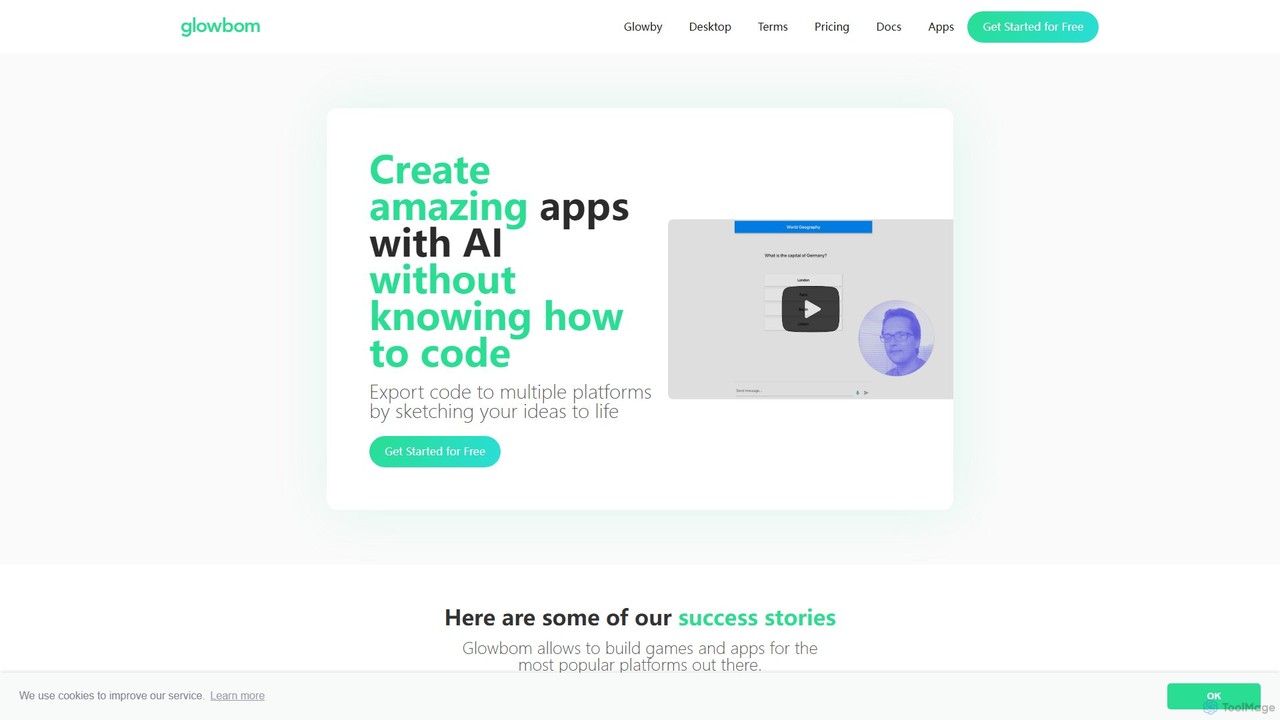
Glowbom is a revolutionary AI-powered platform that transforms your sketches and design ideas into functional, multi-platform application code. Without writing a single line of code, you can create games and apps for iOS, Android, Web, and even Apple Vision Pro, significantly accelerating the development process for creators and developers.

Mobile App Builder
Visits 5.7KFavorites 130Likes 161
TUGADOT
Paid

TUGADOT

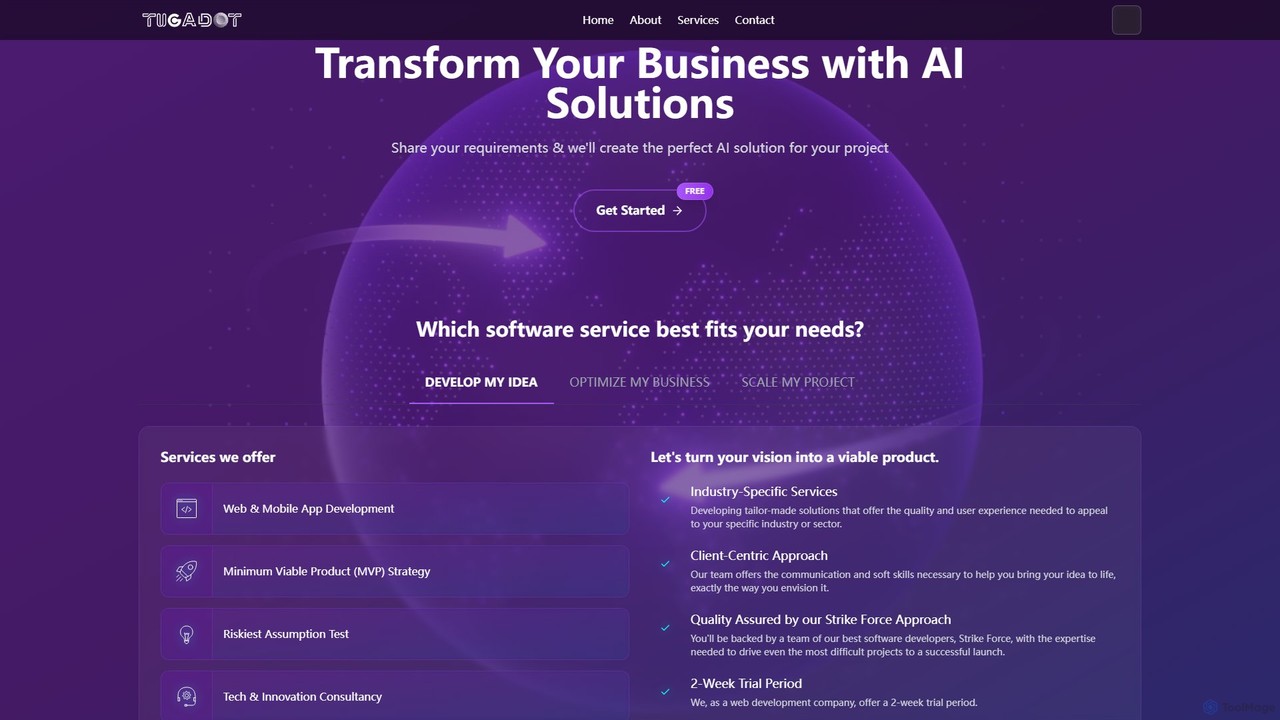
TUGADOT is a custom software development and AI integration agency. They partner with businesses to transform ideas into powerful, tailor-made technological solutions, including web/mobile apps, MVP development, and advanced AI systems.

Model Integration
Visits 5.8KFavorites 109Likes 116
InstaSnippet
Freemium

InstaSnippet

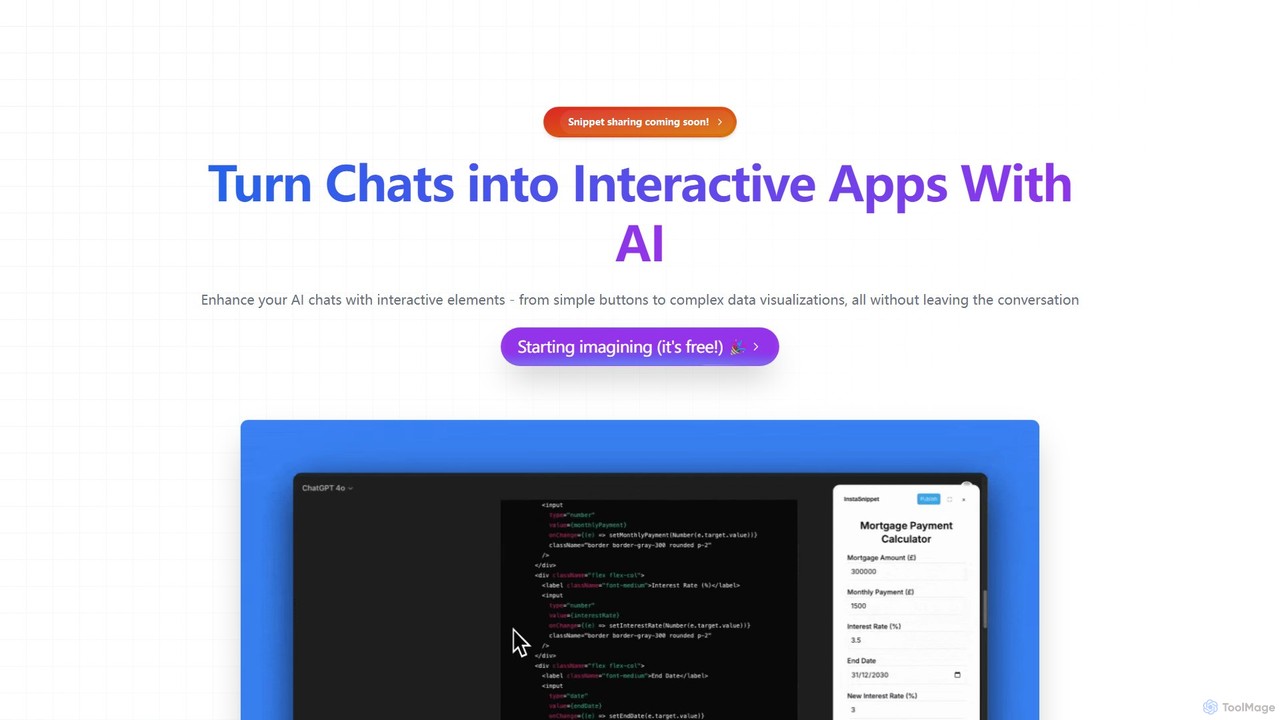
InstaSnippet is an AI-powered platform that transforms your text-based conversations with AI models like ChatGPT and Claude into fully interactive applications. Generate UI components, from simple buttons to complex data visualizations, directly within your chat interface, streamlining the process of prototyping and development.

Data Visualization
Visits 5.7KFavorites 114Likes 114

About Prototyping

AI Prototyping tools are applications that use artificial intelligence to rapidly generate interactive mockups, wireframes, and user interfaces for websites and applications. They leverage generative models to transform text prompts, sketches, or data into visual designs and functional user flows. This allows designers, developers, and product managers to visualize, test, and iterate on ideas at a fraction of the time required by traditional methods. By automating repetitive design tasks, these tools significantly accelerate the product development lifecycle, bridging the gap between concept and a tangible prototype.

Core Features

  • Text-to-UI Generation: Converts natural language descriptions or requirements directly into interactive interface layouts and components.
  • Automated User Flow Creation: Generates logical screen sequences and navigation paths based on specified user goals or scenarios.
  • AI-Powered Design Systems: Intelligently suggests components, maintains visual consistency, and applies design rules automatically across the prototype.
  • Generative Content Population: Fills designs with realistic placeholder text, images, and data, making prototypes feel more authentic for testing.
  • Code Export: Translates visual designs into foundational front-end code (e.g., HTML/CSS, React, Swift) to streamline the developer handoff process.

Use Cases

These tools are primarily used by UI/UX designers, product managers, and startup founders in the tech and software industries. They are invaluable for rapid concept validation, creating multiple design variations for A/B testing, and presenting interactive demos to stakeholders or investors. Developers also use them to quickly scaffold the front-end of a new feature based on a design concept.

How to Choose

When selecting an AI Prototyping tool, consider the input methods it supports (text, sketch, data). Evaluate the quality and customizability of the generated UI and the accuracy of its code export. Also, assess its integration capabilities with other design tools like Figma or Sketch, and its collaboration features for team-based projects. Finally, consider the learning curve and whether its feature set aligns with your specific workflow needs.

Featured tool rankings

Prototyping use cases

1

Rapid App Concept Validation for Startups

A startup founder has a new app idea but lacks design resources. They use an AI prototyping tool by inputting a simple text prompt like, 'Create a mobile app for tracking personal reading habits with a library, progress tracker, and social sharing feature.' The AI generates a multi-screen interactive prototype in minutes. The founder can then immediately use this functional mockup to pitch to investors, gather early user feedback, and validate the core concept without writing a single line of code or hiring a designer, saving weeks of time and significant capital.

2

Accelerating UI/UX Design Iterations

A UX designer is tasked with redesigning a complex dashboard. Instead of manually creating multiple layout variations in a traditional tool, they use an AI prototyper. They provide the core data components and ask the AI to 'generate three different dashboard layouts focusing on data visualization.' The tool produces distinct options: one with a sidebar, one with top-level tabs, and another using a card-based system. This allows the designer to quickly compare high-fidelity approaches and present them to the team for feedback, compressing a process that could take days into a single afternoon.

3

Streamlining Developer Handoff with Code Export

A design team finalizes an interactive prototype for a new user onboarding flow. Using the AI tool's code export feature, they generate foundational code for React components. This exported code includes the structure, styling (CSS), and basic component states. While not production-ready, it provides the development team with a solid, functional starting point. Developers can directly use this boilerplate, saving significant time on translating static design files into code and ensuring a higher degree of accuracy between the intended design and the final implementation.

4

Generating Realistic Prototypes for User Testing

A product manager needs to conduct usability testing on a new e-commerce feature before launch. They use an AI prototyping tool with generative content filling. The tool automatically populates the product pages with realistic product names, descriptions, prices, and high-quality images relevant to their store's category. This creates a high-fidelity, life-like prototype that provides a much more authentic testing experience for users compared to mockups with 'Lorem Ipsum' text and generic grey boxes for images, leading to more reliable and actionable feedback.

5

Converting Hand-Drawn Wireframes into Digital Prototypes

During a brainstorming session, a design team sketches several user flow ideas on a whiteboard. Instead of manually recreating these in a digital tool, a designer takes a photo of the whiteboard. They upload this image to an AI prototyping tool that specializes in sketch-to-UI conversion. The AI recognizes the hand-drawn elements—boxes, text, arrows—and transforms them into a clean, interactive digital wireframe. This instantly digitizes the team's collaborative work, allowing them to immediately start refining the interactions and sharing the prototype digitally.

6

Automating User Flow Generation for Complex Processes

A business analyst is mapping out a new, multi-step insurance claim process. They use an AI prototyping tool and provide a high-level description: 'A user submits a claim, uploads documents, an admin reviews it, and the user is notified of the decision.' The AI automatically generates a complete user flow diagram with all the necessary screens: login, claim form, file upload, submission confirmation, admin review dashboard, and notification screens. This saves the analyst hours of manually creating and linking individual screens, ensuring a logical and complete flow from the start.

Prototyping FAQ

What are AI Prototyping tools?

AI Prototyping tools are advanced software applications that use artificial intelligence to automate and accelerate the creation of user interfaces (UI) and user experiences (UX). Unlike traditional tools, they can interpret inputs like text descriptions, hand-drawn sketches, or data to generate interactive wireframes, mockups, and even basic code. Their primary purpose is to drastically reduce the time and effort required to turn an idea into a testable, visual prototype, enabling faster iteration and validation in the product development process.

How do AI Prototyping tools differ from traditional tools like Figma or Sketch?

Traditional tools like Figma and Sketch are powerful digital canvases that require designers to manually create every element, component, and connection. They provide precision and control. AI Prototyping tools act as an accelerator on top of this process. Their key differences are:

  • Generation vs. Creation: AI tools generate designs from prompts, whereas traditional tools require manual creation.
  • Automation: AI tools automate repetitive tasks like creating user flows, populating content, or building component variations.
  • Speed for Early Stages: AI tools are exceptionally fast for initial ideation and creating low-to-mid fidelity concepts, while traditional tools excel at high-fidelity refinement and detailed design system management.

Many modern workflows involve using an AI tool to generate initial ideas quickly, then importing them into a tool like Figma for detailed polishing and collaboration.

How should I choose the right AI Prototyping tool?

Choosing the right tool depends on your specific needs. Consider these factors:

  • Input Method: Do you prefer generating designs from text prompts, converting hand-drawn sketches, or using existing data? Choose a tool that matches your creative process.
  • Output Fidelity: Do you need quick, low-fidelity wireframes for brainstorming, or high-fidelity, interactive mockups for user testing and presentations?
  • Code Export Quality: If developer handoff is a priority, examine the quality and usability of the exported code (e.g., HTML/CSS, React, Swift).
  • Integrations: Check if the tool integrates with your existing design stack, such as Figma, Sketch, or Adobe XD, for a seamless workflow.
  • Collaboration Features: If you work in a team, look for features like real-time editing, commenting, and version control.
Who can benefit from using AI Prototyping tools?

A wide range of professionals can benefit from these tools. Key users include:

  • UI/UX Designers: To rapidly explore multiple design directions and automate the creation of wireframes and user flows.
  • Product Managers: To quickly visualize new features, create interactive demos for stakeholders, and facilitate communication between design and development.
  • Startup Founders & Entrepreneurs: To create compelling, functional prototypes for investor pitches and market validation without needing a large design team.
  • Developers: To get a head start on front-end development with AI-generated boilerplate code and to quickly build interfaces for internal tools.
  • Marketers: To create mockups for landing pages and ad campaigns for A/B testing and concept approval.
Can AI Prototyping tools generate production-ready code?

Generally, the code generated by AI Prototyping tools is not considered production-ready. It serves as an excellent starting point or a 'scaffold' for developers. The exported code typically handles the visual structure and styling (HTML/CSS) well, but it often lacks the complex logic, state management, accessibility standards, and performance optimizations required for a production application. Developers will need to take this generated code, integrate it into their existing codebase, refactor it for best practices, and add the necessary business logic and functionality.