ToolMage
Sign in

Best 51 Team Collaboration AI tools

Popular Team Collaboration AI tools include JetBrains, tldv, GitKraken, Helpjuice, Shortwave, Grain, Superlist, Magai, Komodo, and Macro, helping you work more efficiently.

Swe Studio

Swe Studio

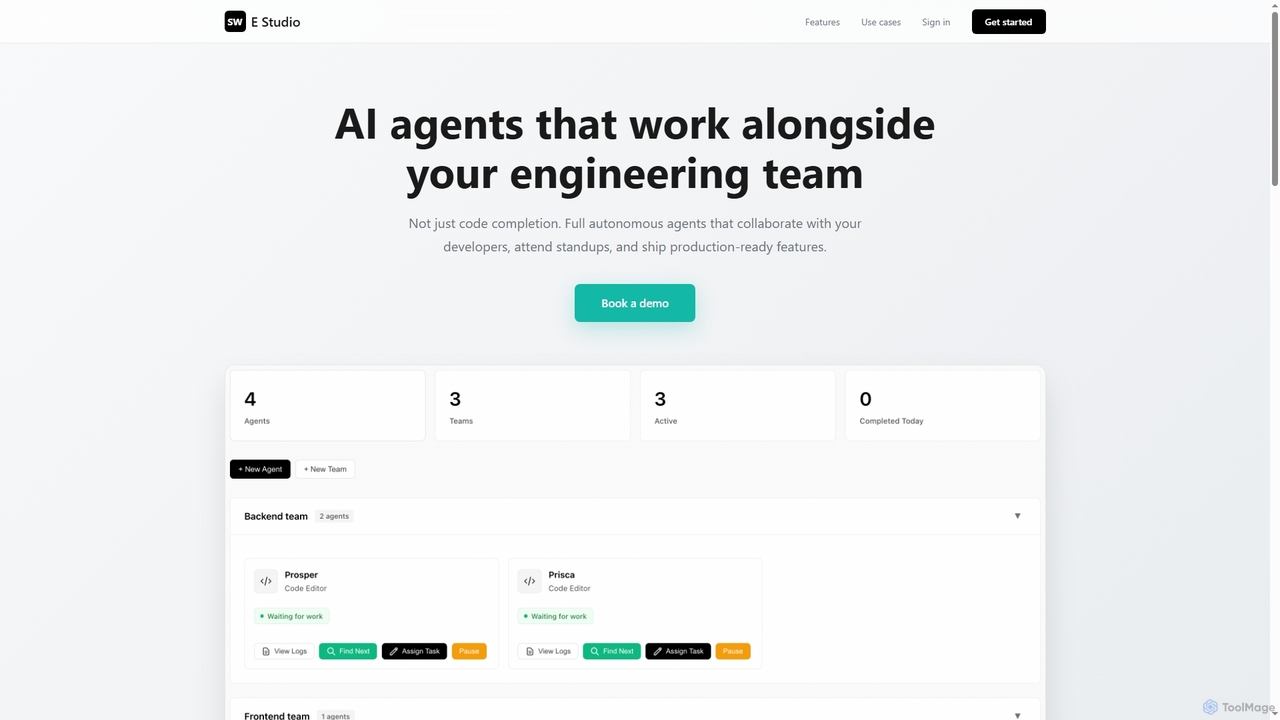
Swe Studio provides autonomous AI agents that function as full members of your engineering team. They independently handle development tasks from Jira tickets to pull requests, collaborating via Slack and GitHub to ship production-ready features.

Code Assistant
Visits 3.7KFavorites 125Likes 136
Pilot
Freemium

Pilot

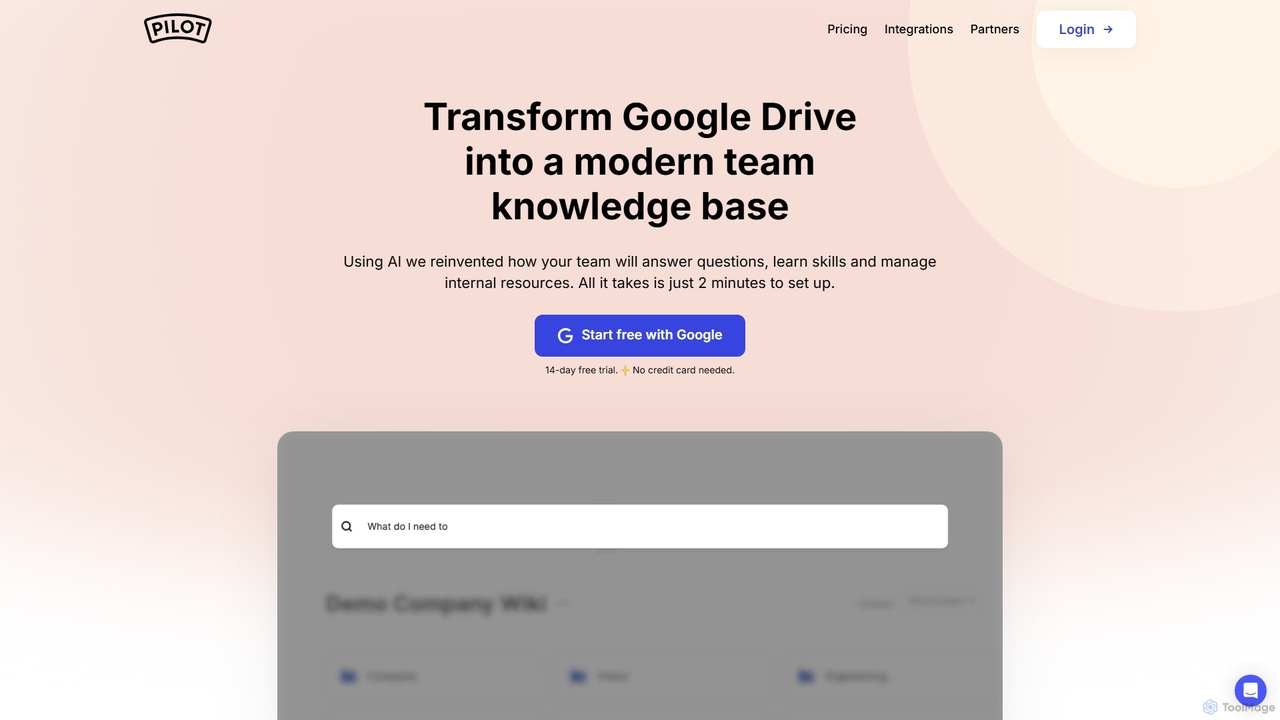
Pilot is an AI-powered knowledge base and wiki designed for teams using Google Workspace. It transforms your Google Docs, Sheets, and Slides into a centralized, searchable hub of information. With its conversational AI search, Pilot allows teams to instantly find answers from internal documents, streamline employee onboarding, and foster a culture of knowledge sharing.

Knowledge Base
Visits 5.5KFavorites 105Likes 115
Savvy
Freemium

Savvy

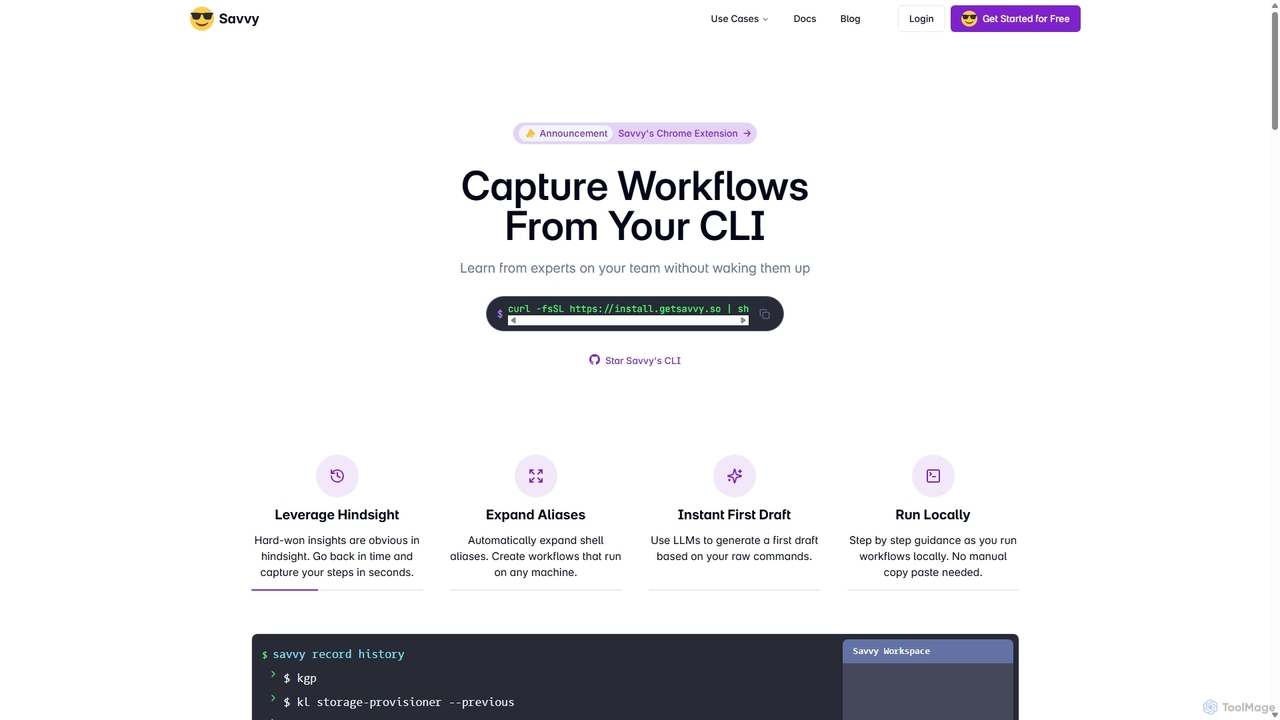
Savvy is an AI-powered tool for developers that captures Command Line Interface (CLI) actions to create shareable, step-by-step workflows. It helps teams document tribal knowledge, accelerate new hire onboarding, and resolve incidents faster by turning complex command sequences into easy-to-follow guides. With features like sensitive data redaction and AI-generated documentation, Savvy enhances productivity and collaboration for technical teams.

Command Line
Visits 6.8KFavorites 118Likes 118
Vidura
Freemium

Vidura

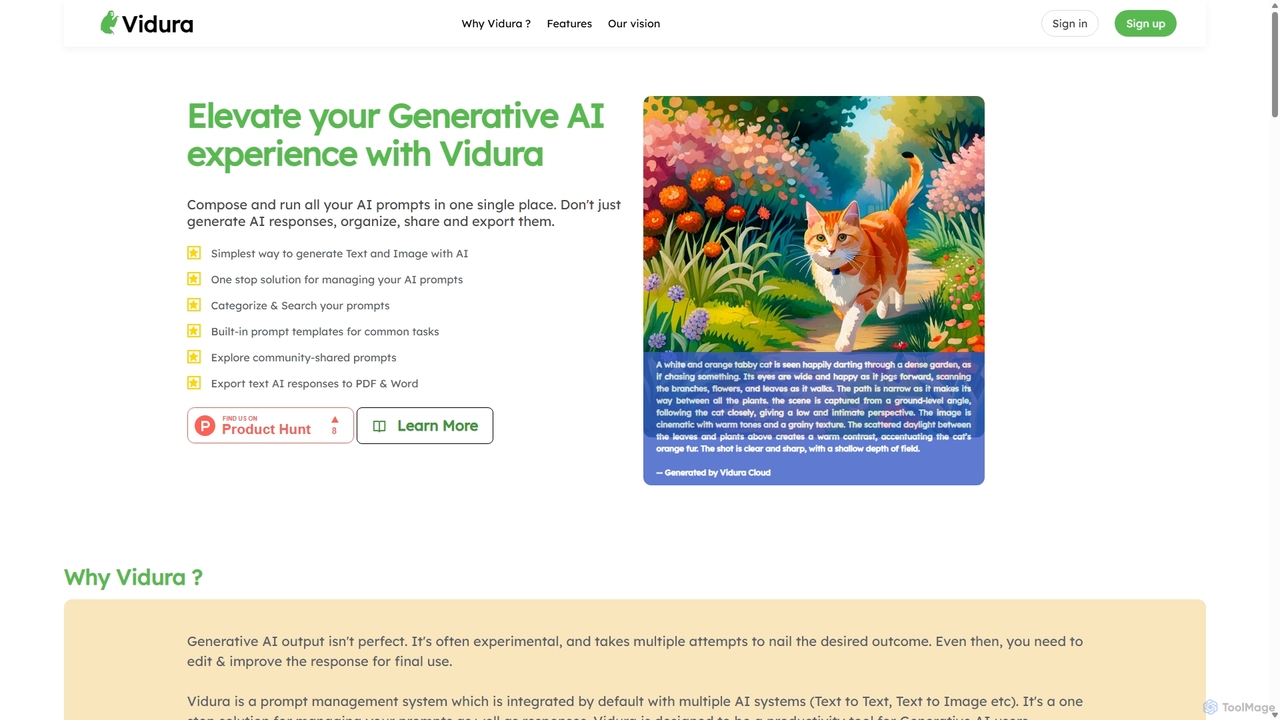
Vidura is a powerful prompt manager for generative AI, designed to help individuals and teams organize, create, test, and share AI prompts efficiently. It provides a centralized library for text and image prompts, featuring dynamic templates, version history, and secure team collaboration tools to streamline your AI workflow and enhance content generation.

Prompt Engineering
Visits 7KFavorites 129Likes 110
Worldofgami
Freemium

Worldofgami

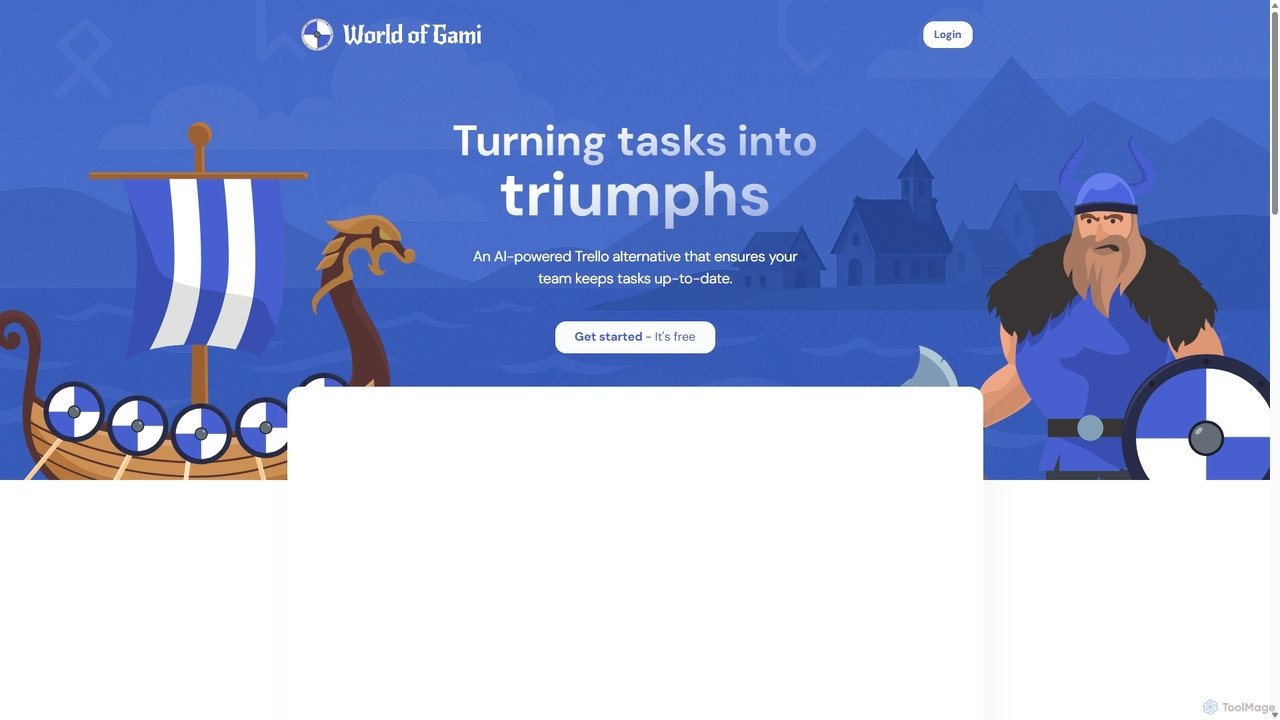
World of Gami is an AI-powered project management tool and a Trello alternative that gamifies task management. It transforms workflows into an engaging game, encouraging teams to keep tasks updated through competitive sprints. Features include AI task generation, Kanban boards, and Notion-like documentation, all designed to boost motivation, collaboration, and productivity in a fun, interactive environment.

Project Management
Visits 6.6KFavorites 109Likes 113
Zivy
Freemium

Zivy

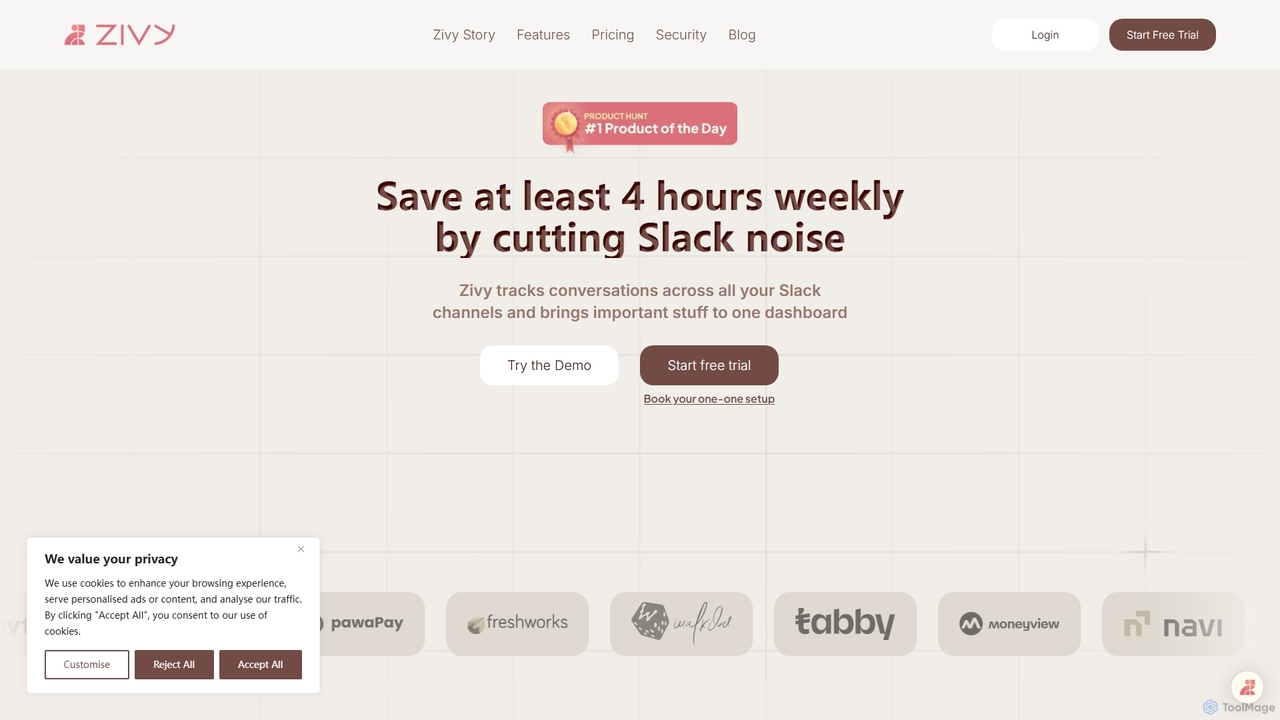
Zivy is an AI copilot for Slack designed to help managers and teams reduce noise, prioritize conversations, and automate tasks. It intelligently filters messages, summarizes long threads, automates follow-ups, and drafts replies, saving users over 4 hours per week and transforming Slack from a source of distraction into a focused productivity hub.

Task Management
Visits 6.8KFavorites 134Likes 139
Tingo.ai
Freemium

Tingo.ai

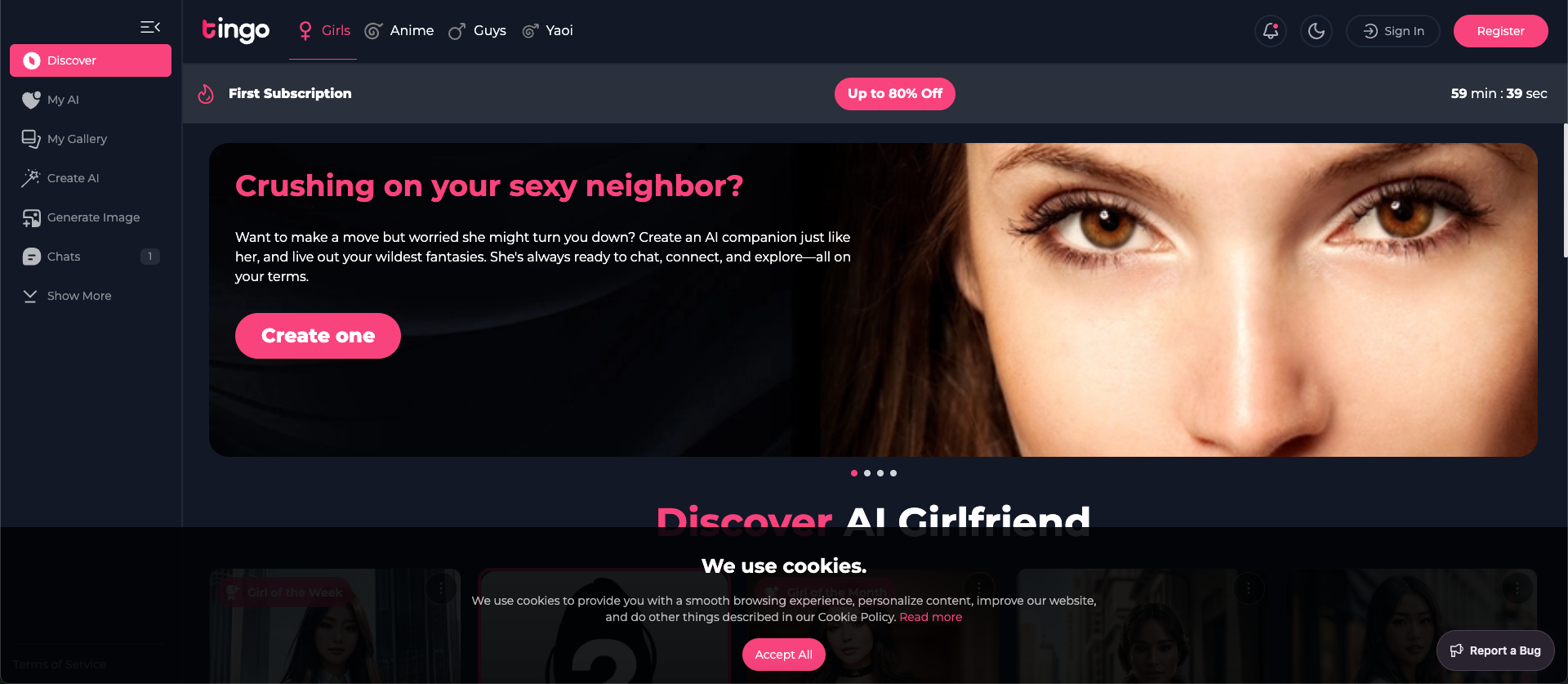
Tingo.ai is an AI-powered productivity and workflow automation platform designed for modern teams. It integrates with your existing tools like Slack and Jira to automate meeting summaries, task management, and knowledge base creation, helping your team stay aligned and focus on what matters most.

Project Management
Visits 5.1KFavorites 101Likes 107
Slite
Freemium

Slite

Slite is an AI-powered knowledge base and team collaboration tool. It serves as a single source of truth, helping teams organize their documents, share knowledge, and make decisions asynchronously. Its core AI feature, 'Ask', allows users to find answers from across the entire workspace using natural language questions, making information instantly accessible.

Internal Communication
Visits 3.7KFavorites 122Likes 111
Grain
Freemium

Grain

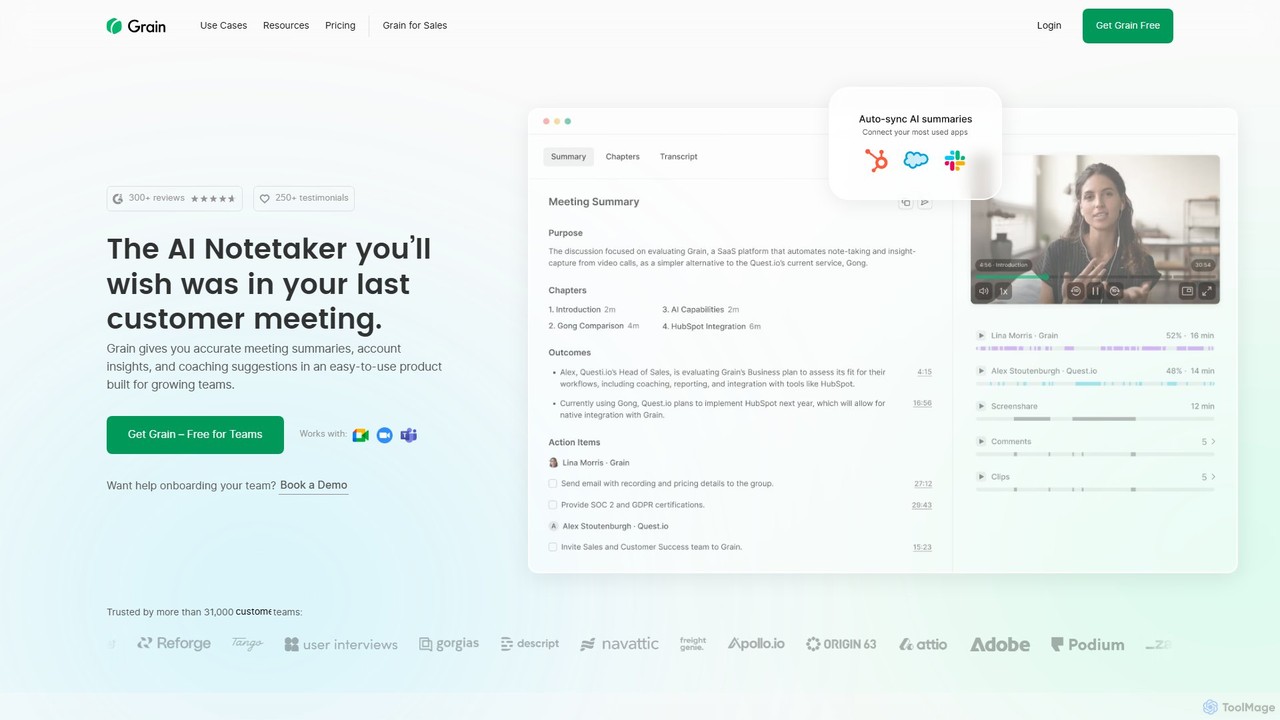
Grain is an AI-powered meeting notetaker designed for growing teams. It automatically records, transcribes, and summarizes video calls from platforms like Zoom, Google Meet, and Microsoft Teams. It helps sales, customer success, and product teams capture crucial insights, automate follow-ups, sync data to CRMs, and facilitate team coaching and collaboration, allowing everyone to stay focused during conversations.

Customer Feedback
Visits 193KFavorites 121Likes 134
Otron
Freemium

Otron

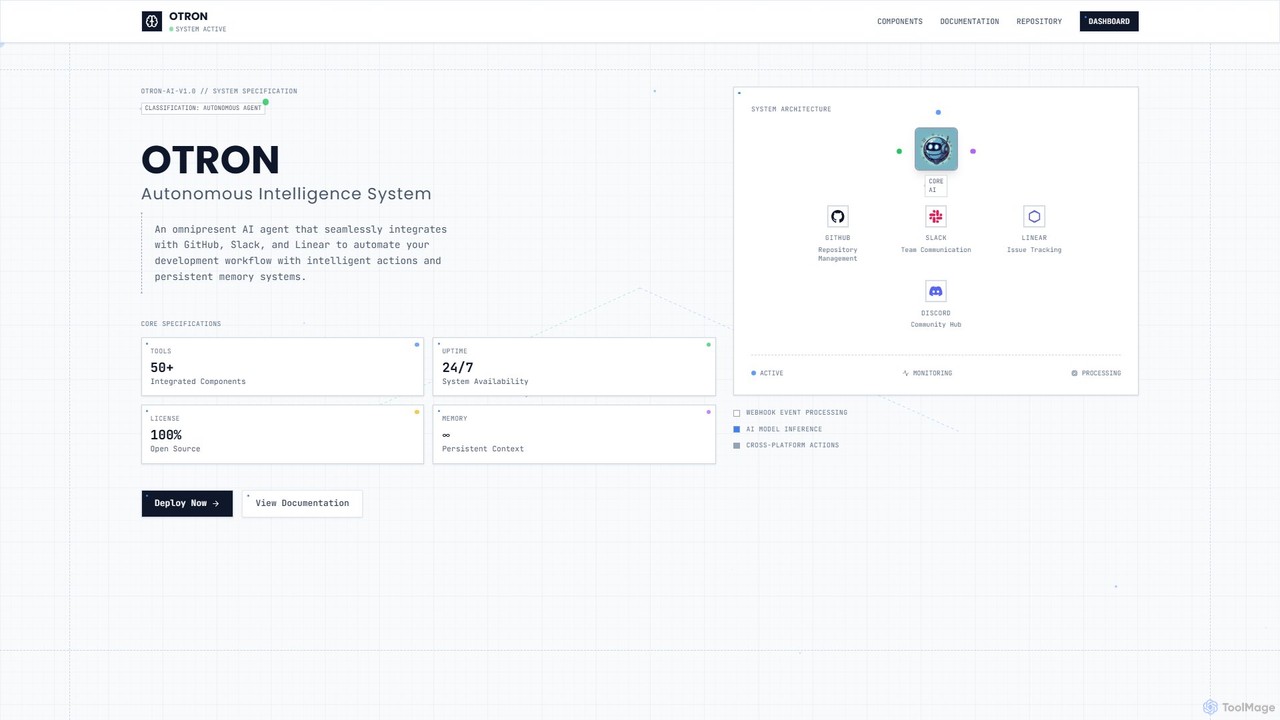
Otron is an open-source, autonomous AI development agent designed to streamline your software development lifecycle. It seamlessly integrates with GitHub, Slack, and Linear to automate workflows, manage code, handle project tasks, and facilitate team communication, all powered by advanced AI models like Claude and GPT-4.

Code Assistant
Visits 3.8KFavorites 121Likes 124
PromptDrive
Freemium

PromptDrive

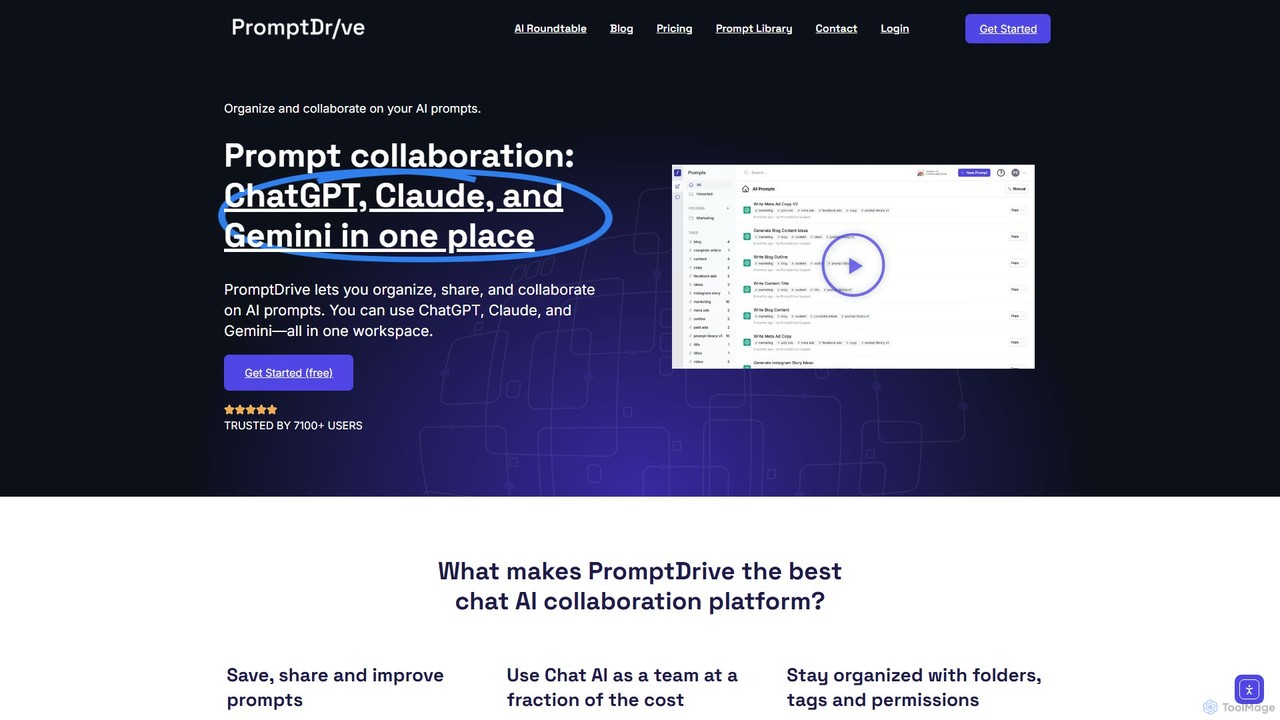
PromptDrive is a collaborative AI platform that helps teams organize, share, and execute prompts for ChatGPT, Claude, and Gemini in a single workspace. It streamlines AI workflows, enhances team productivity, and ensures consistent quality in AI-generated content through features like shared folders, prompt variables, and a unified interface.

Api Management
Visits 14.6KFavorites 104Likes 100
Project Manda
Freemium

Project Manda

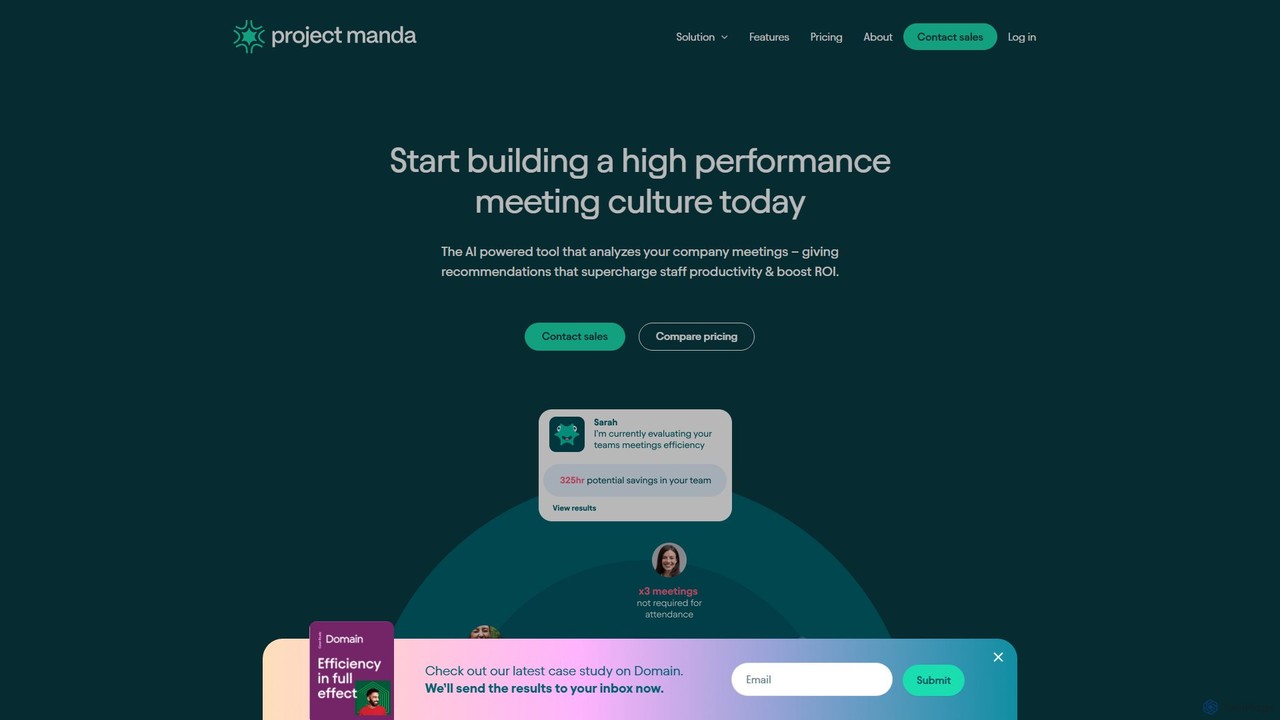
Project Manda is an AI-powered meeting performance platform that analyzes your company's meetings to provide actionable recommendations. It helps reduce meeting costs, boost staff productivity, and foster a high-performance meeting culture by integrating seamlessly with your existing calendar and communication tools.

Analytics
Visits 5.6KFavorites 109Likes 122
Code2.ai
Paid

Code2.ai

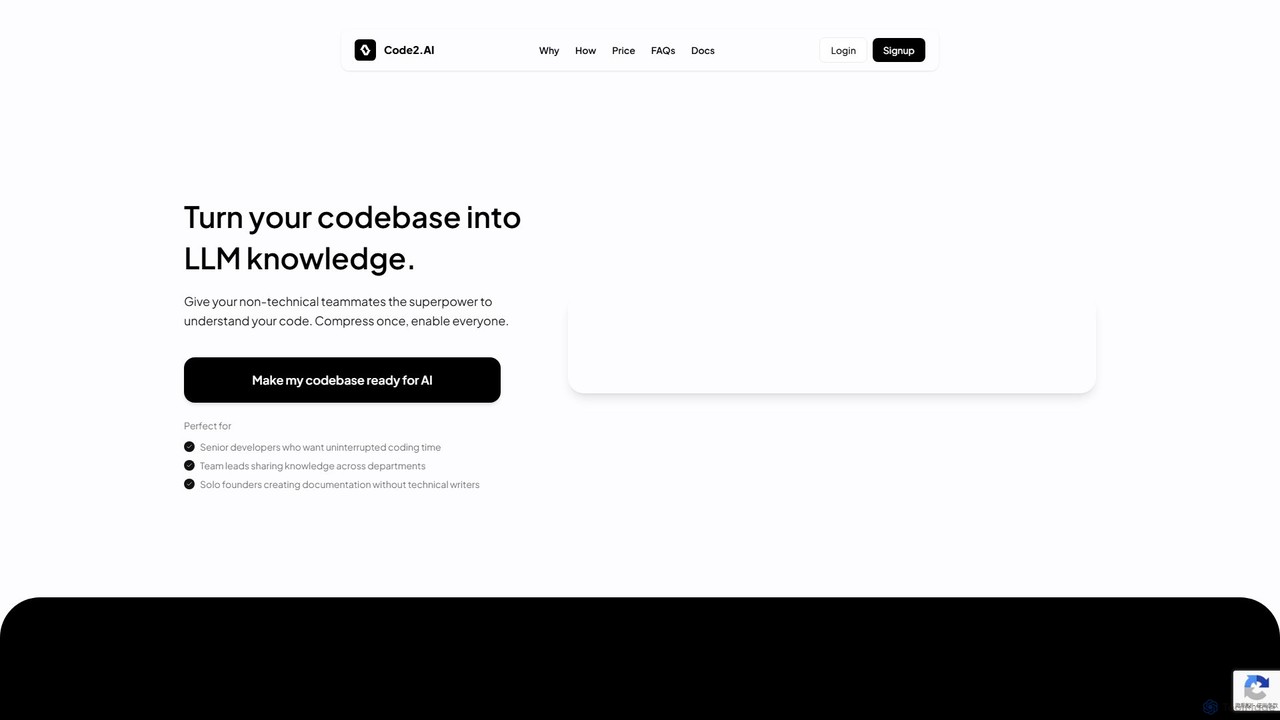
Code2.ai is a developer tool that transforms entire codebases into a compressed, AI-ready format. It enables both technical and non-technical team members to query the code using any LLM, receiving context-aware answers. By generating structured summaries and removing noise, it helps accelerate developer onboarding, reduce interruptions for senior engineers, and create accurate documentation, bridging the gap between complex code and team-wide understanding.

Code Assistant
Visits 3.6KFavorites 122Likes 116
Meet For Slack
Freemium

Meet For Slack

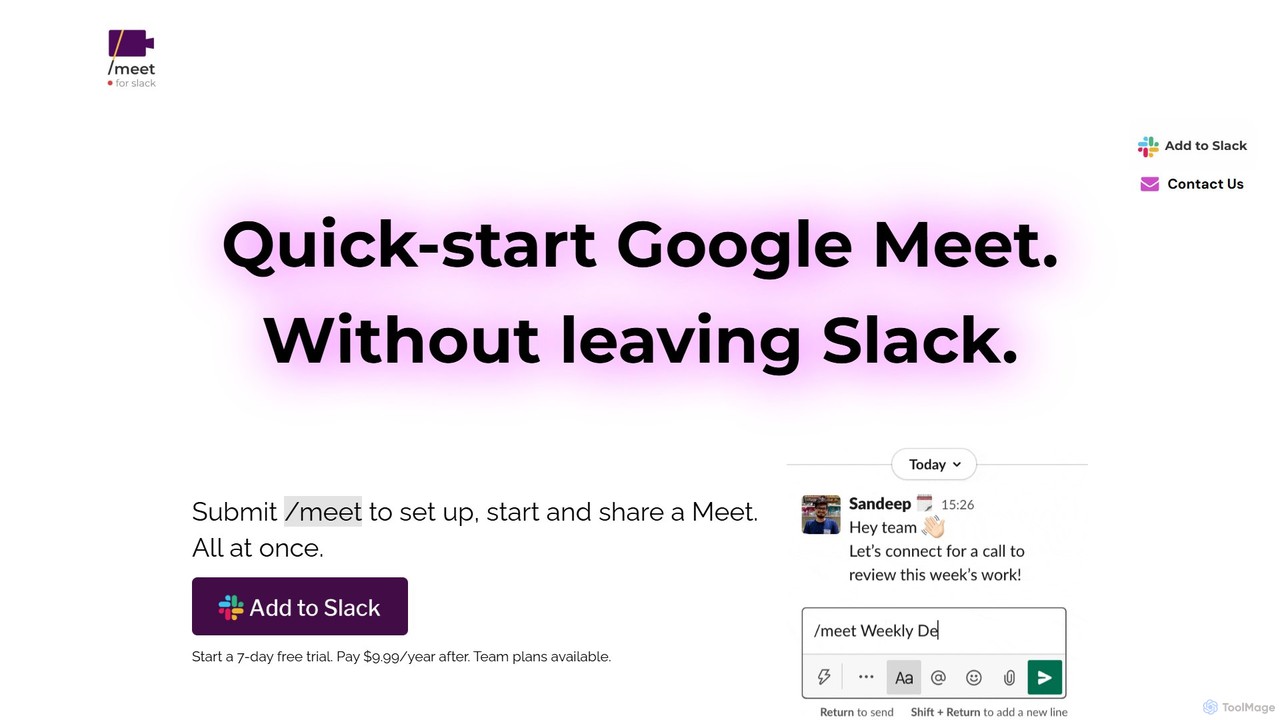
A powerful integration that allows you to instantly launch Google Meet video conferences directly from your Slack workspace. Streamline your team's communication and workflow by starting meetings with a simple slash command, eliminating the need to switch between applications.

Workflow Automation
Visits 3.8KFavorites 122Likes 124
Keymate.AI
Freemium

Keymate.AI

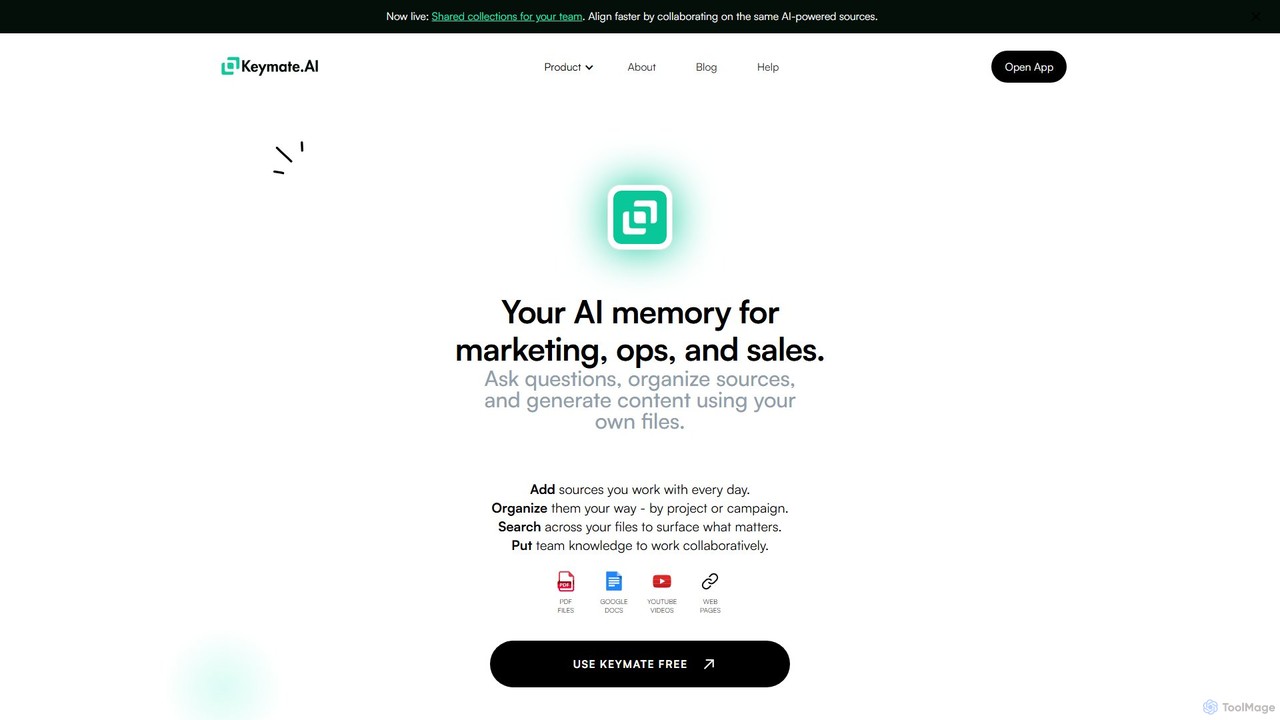
Keymate.AI is an AI-powered workspace that acts as your personal and team memory. It allows you to upload, organize, and search across various sources like PDFs, Google Docs, and web pages. Ask questions and get accurate, source-based answers, enhancing productivity for marketing, operations, and sales teams.

Content Creation
Visits 5.2KFavorites 101Likes 108
Komodo
Freemium

Komodo

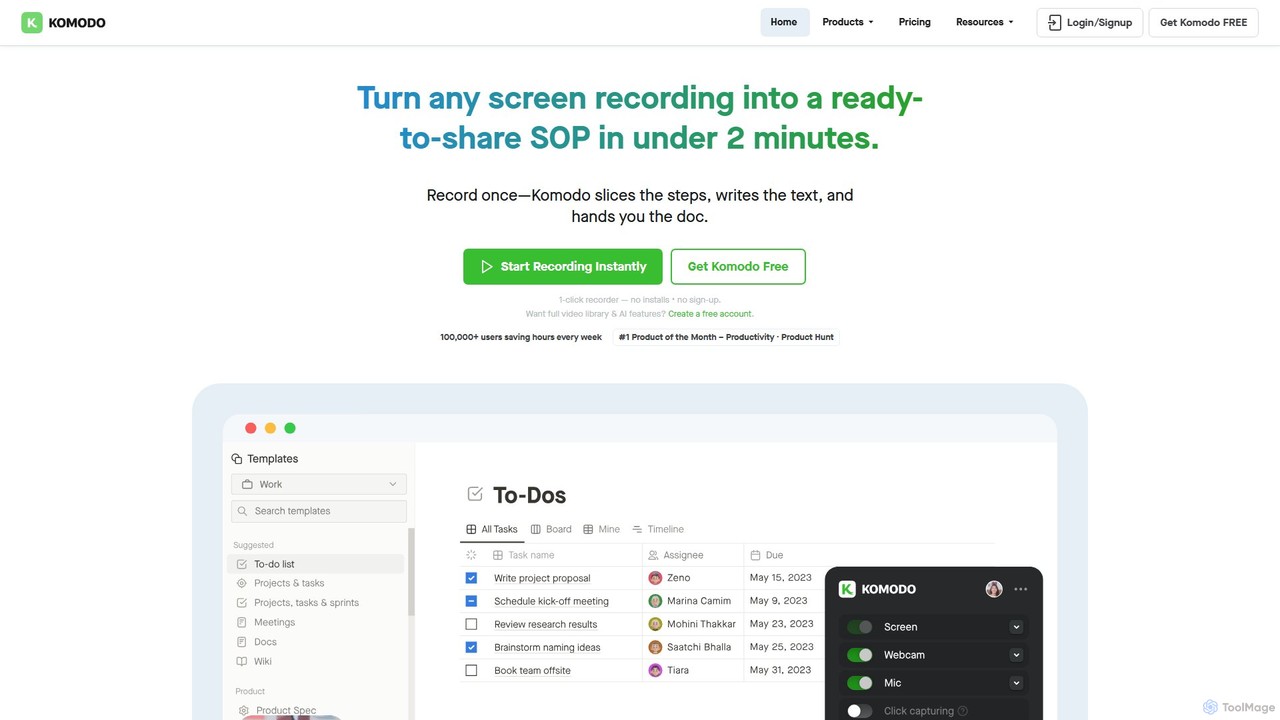
Komodo is an AI-powered screen recorder and knowledge base that automatically transforms screen recordings into step-by-step SOPs, guides, and training documents. It also records meetings, generates AI summaries and action items, and provides a searchable video library, consolidating multiple tools into one platform for enhanced team productivity and collaboration.

Knowledge Management
Visits 113.2KFavorites 78Likes 97
Impactor
Freemium

Impactor

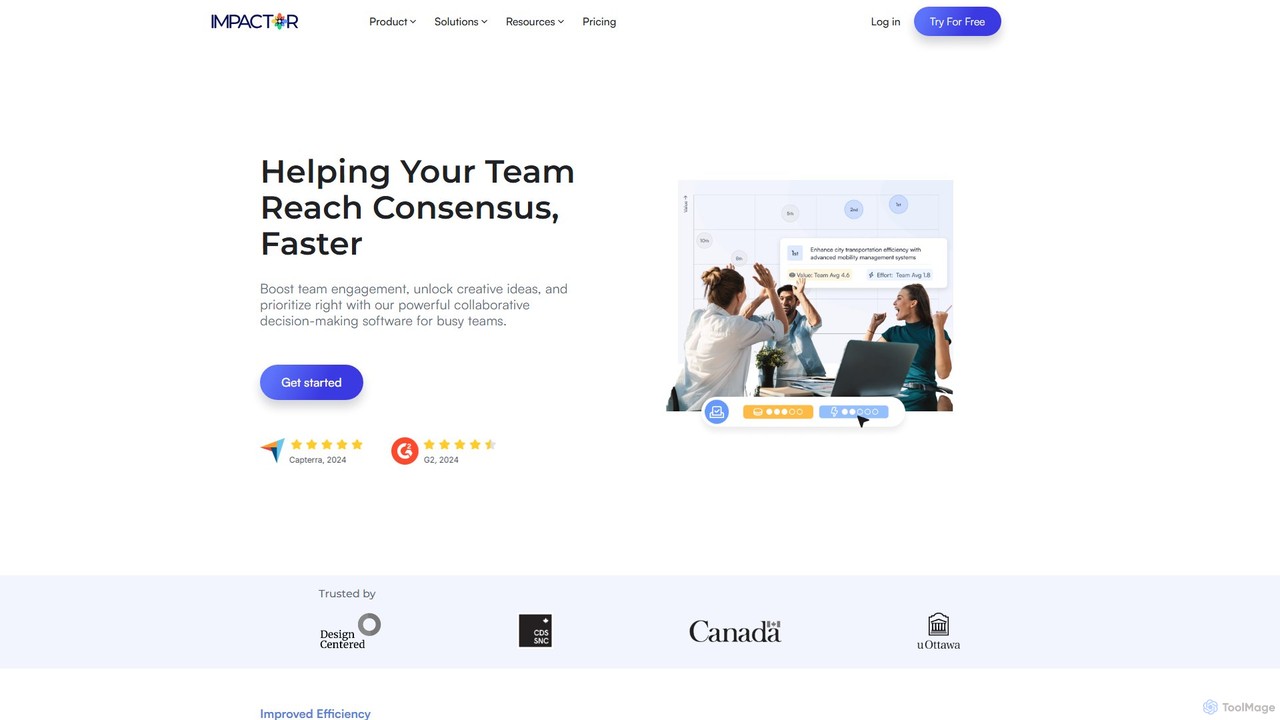
Impactor is an AI-powered collaborative decision-making software designed for teams. It facilitates faster consensus by streamlining brainstorming, idea prioritization, and strategic alignment. Features like anonymous ideation and an AI assistant help boost engagement and overcome creative blocks, ensuring teams focus on high-impact tasks.

Decision Making
Visits 5.5KFavorites 162Likes 169
tldv
Freemium

tldv

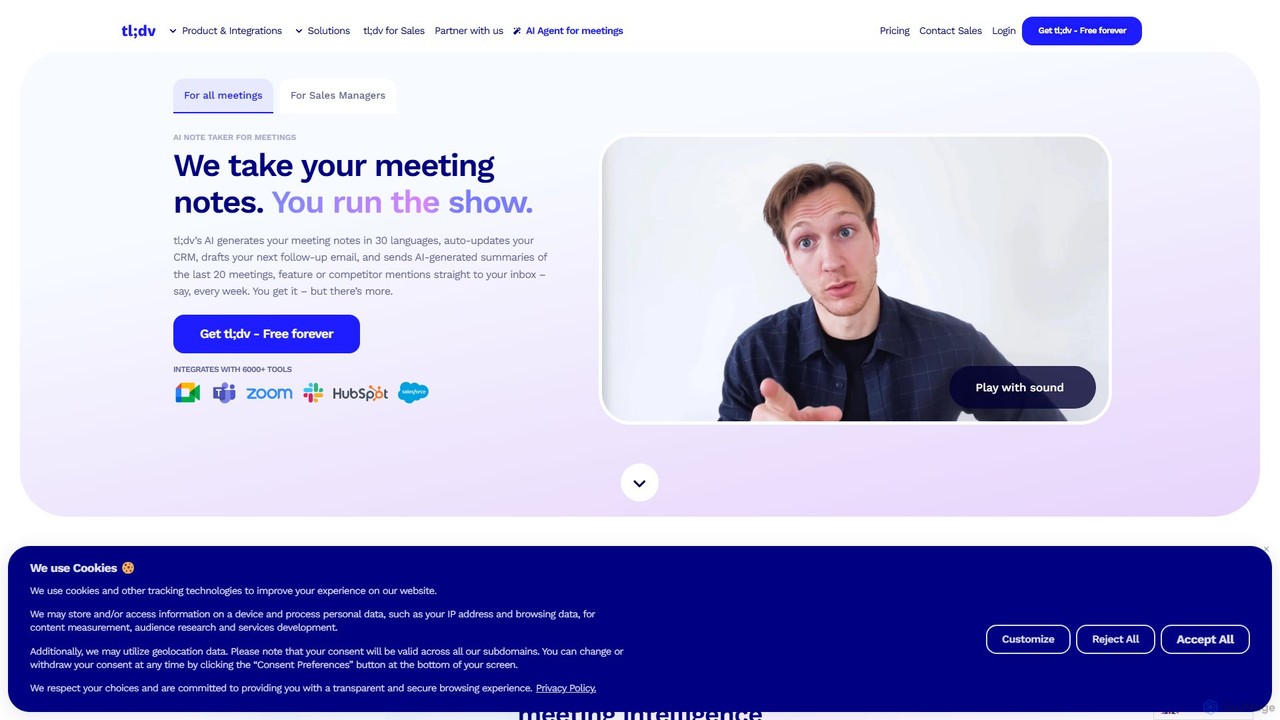
tldv is an AI meeting assistant for Zoom, Google Meet, and MS Teams. It automatically records, transcribes, summarizes, and timestamps your meetings. Instantly create clips from long recordings, share insights, and automate workflows by integrating with tools like Slack and CRMs. It's designed to boost productivity for sales, product, and collaborative teams.

Meeting Assistant
Visits 1.5MFavorites 117Likes 111
Archbee
Freemium

Archbee

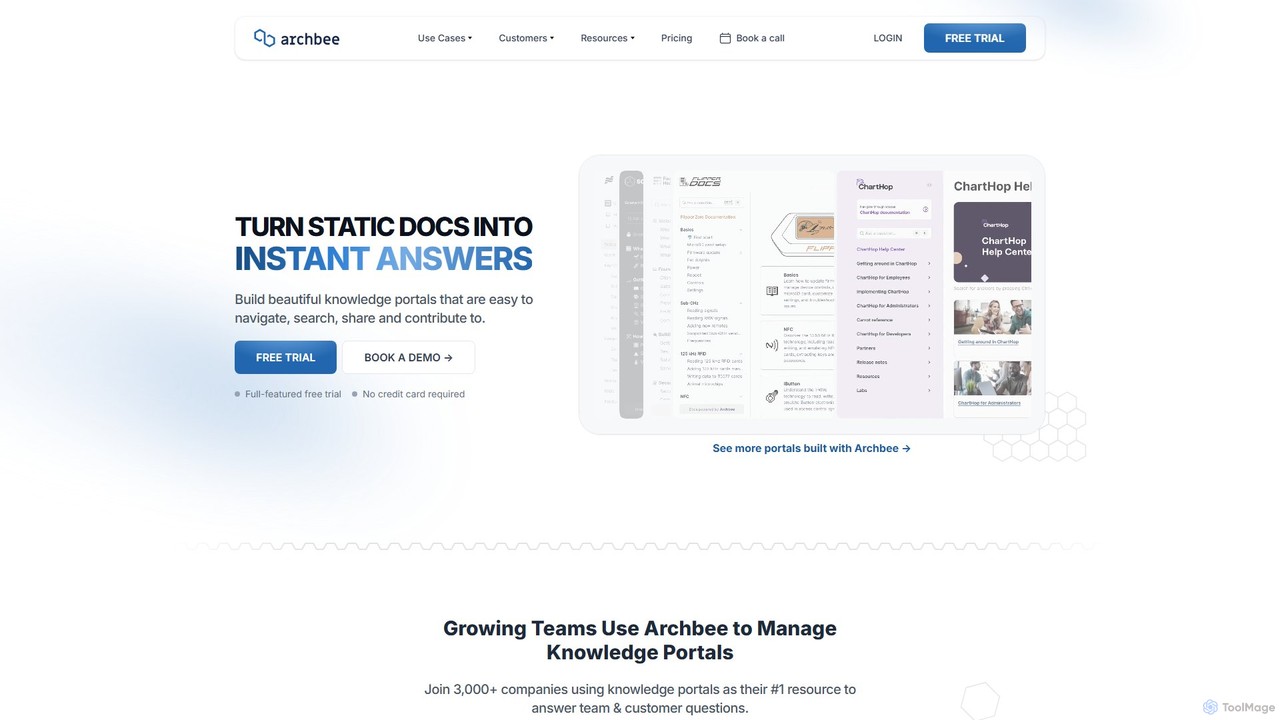
Archbee is an AI-powered knowledge portal platform designed for teams and customers. It transforms static documentation into interactive, searchable knowledge bases, enabling instant answers to questions. It's ideal for creating product docs, API documentation, internal wikis, and customer help centers with powerful collaboration and content management features.

Help Center
Visits 38.9KFavorites 122Likes 115
PromptPanda
Freemium

PromptPanda

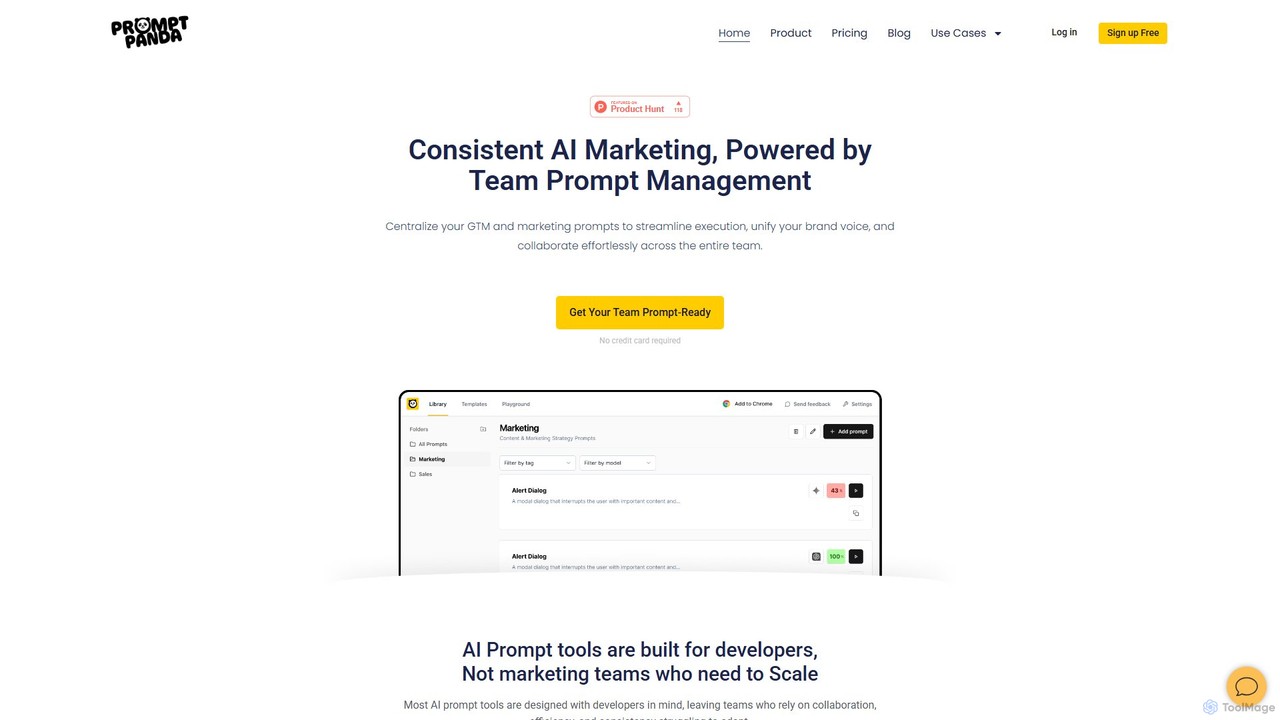
PromptPanda is a collaborative AI prompt management system designed for marketing teams. It helps centralize, organize, and optimize prompts to ensure brand consistency, streamline workflows, and enhance content creation. With features like a shared library, prompt variables, and a quality improver, it eliminates chaos and scales your team's AI efforts.

Content Creation
Visits 10.9KFavorites 98Likes 101
Perfect Wiki
Freemium

Perfect Wiki

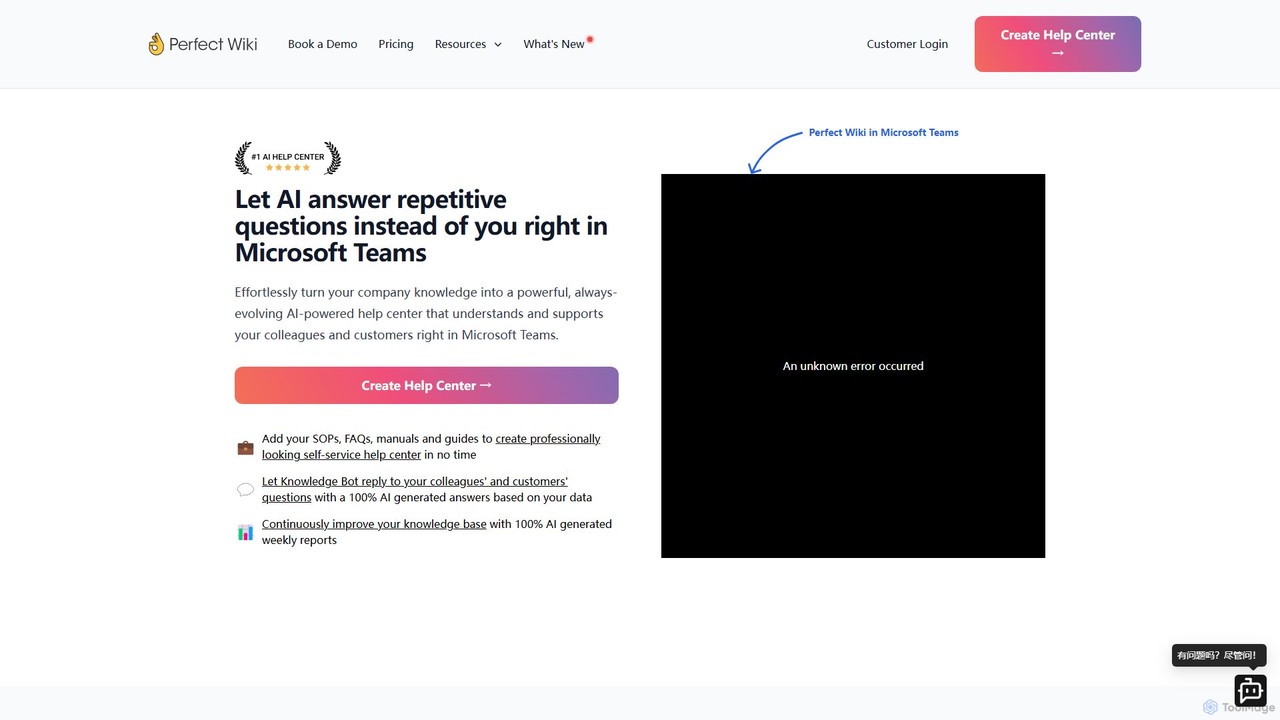
Perfect Wiki is an AI-powered knowledge base integrated directly into Microsoft Teams. It transforms your company's SOPs, FAQs, and manuals into a self-service help center, allowing an AI bot to instantly answer repetitive questions from colleagues and customers, boosting team productivity and centralizing knowledge.

Internal Tools
Visits 14.3KFavorites 103Likes 127
Sune AI
Freemium

Sune AI

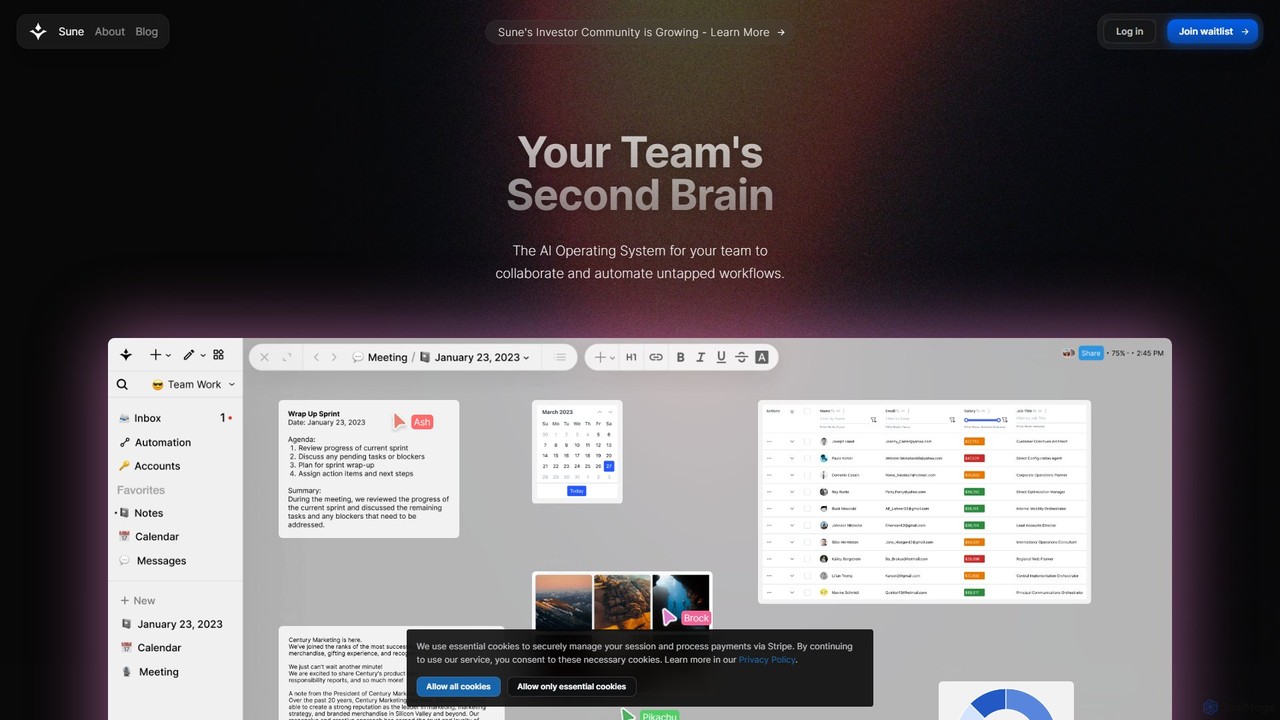
Sune AI is a collaborative AI operating system designed to be your team's second brain. It integrates documents, projects, and data into a single intelligent workspace, enabling powerful, context-aware automations and insights to streamline complex workflows and boost productivity.

Workflow
Visits 5.9KFavorites 128Likes 125
checklist.gg
Freemium

checklist.gg

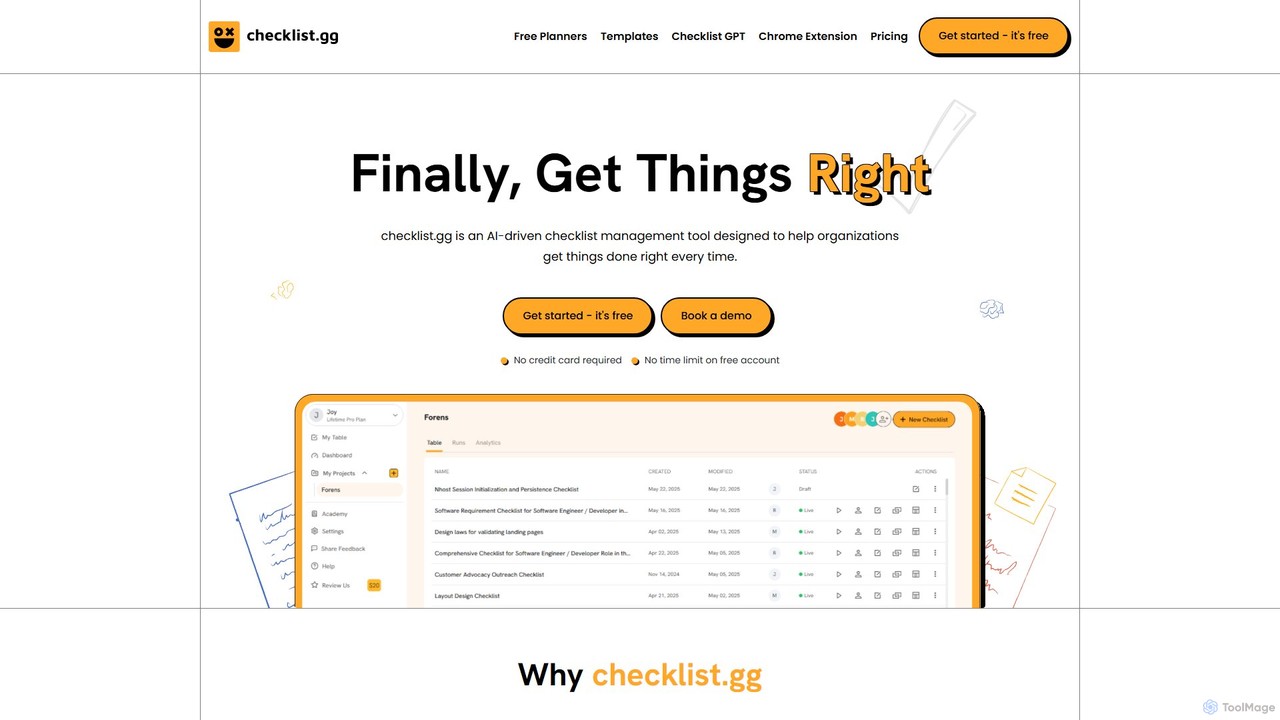
checklist.gg is an AI-driven checklist management tool that helps teams and organizations create, manage, and automate checklists, processes, and SOPs. Instantly generate comprehensive lists from prompts, documents, or links to reduce errors, save time, and ensure consistent execution.

Process Management
Visits 14KFavorites 112Likes 103
We Report Work
Freemium

We Report Work

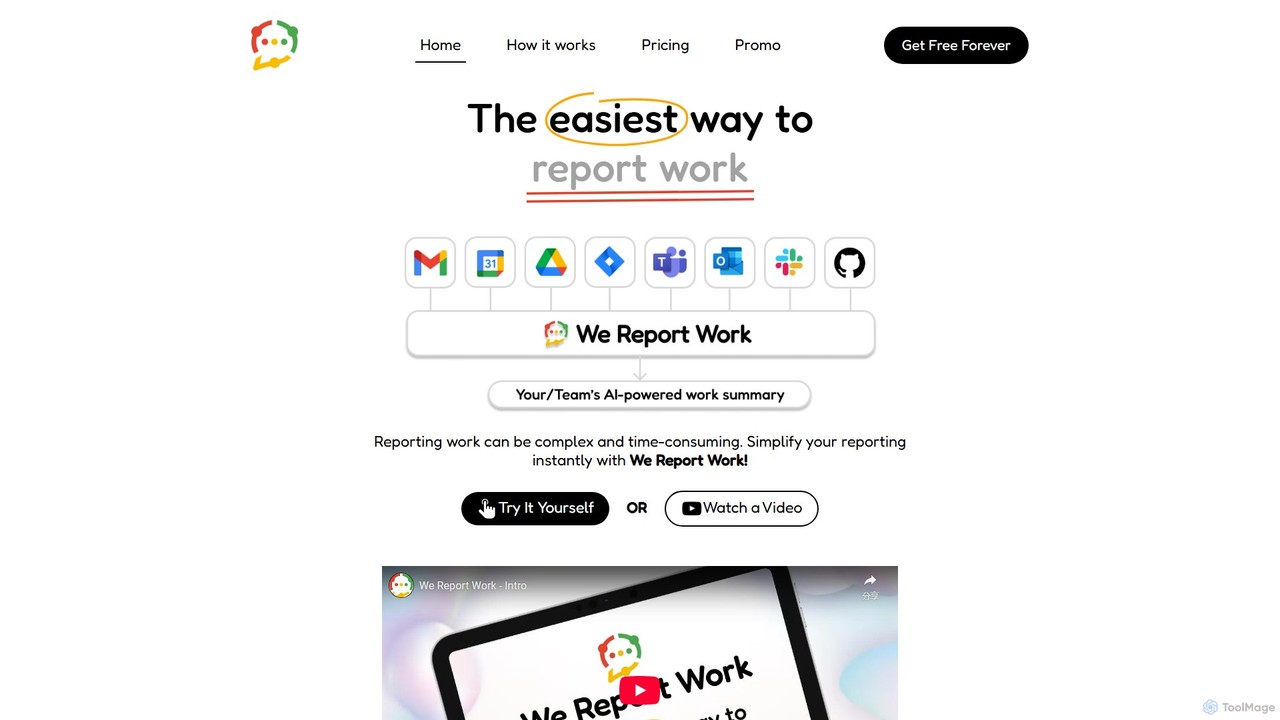
We Report Work is an AI-powered software that automates work reporting. It connects to your work tools like Google Workspace to generate instant, data-driven summaries, enhancing team accountability, improving remote work management, and helping leaders identify top performers effortlessly.

Performance Management
Visits 3.6KFavorites 114Likes 124

About Team Collaboration

AI Team Collaboration tools are platforms that use artificial intelligence to streamline communication, automate workflows, and enhance project management. These tools leverage technologies like natural language processing (NLP) to summarize meetings and machine learning to prioritize tasks. They enable teams to reduce administrative overhead, make data-driven decisions, and maintain alignment in remote or hybrid work environments. By automating repetitive processes and providing intelligent insights, these platforms help teams focus on strategic, high-value work.

Core Features

  • AI Meeting Assistant: Automatically transcribes conversations, generates concise summaries, and identifies action items from meetings.
  • Intelligent Task Management: Prioritizes tasks based on urgency, dependencies, and individual workloads to optimize team productivity.
  • Automated Workflow Builder: Creates and manages multi-step processes across different applications without manual intervention.
  • Semantic Knowledge Base: Organizes team documents and conversations, allowing users to find information using natural language queries.
  • Predictive Project Analytics: Forecasts project timelines, identifies potential risks, and suggests resource allocation adjustments.

Use Cases

These tools are widely used by software development teams for agile project management, marketing agencies for coordinating campaigns, and remote-first companies for maintaining seamless communication. They are also valuable for large enterprises managing complex, cross-departmental projects where clear coordination and information flow are critical.

How to Choose

When selecting an AI Team Collaboration tool, evaluate its integration capabilities with your existing software stack (e.g., Slack, Jira, Google Workspace). Assess the specific AI features you need, such as meeting summarization versus predictive analytics. Also consider the tool's scalability to support your team's growth and its data security and compliance standards.

Featured tool rankings

Team Collaboration use cases

1

Automate Post-Meeting Follow-ups

A project manager leads a weekly client check-in call. Instead of manually taking notes, they use an AI collaboration tool to record and transcribe the meeting in real-time. Immediately after the call, the AI generates a structured summary highlighting key decisions, open questions, and assigned action items with deadlines. The manager reviews the summary, makes minor edits, and shares it with all stakeholders in under five minutes. This process eliminates note-taking errors and saves approximately 30 minutes of administrative work per meeting, ensuring everyone is aligned on next steps.

2

Optimize Agile Sprint Planning

A software development team uses an AI collaboration platform integrated with their code repository and project management board. During sprint planning, the AI analyzes historical data on task completion times and developer performance. It suggests realistic story point estimates for new tasks and recommends assigning specific tasks to developers best suited for them based on skills and past work. The tool also flags potential dependencies and risks that could impact the sprint goal. This data-driven approach helps the team create more accurate and achievable sprint plans, reducing scope creep and improving delivery predictability.

3

Centralize Marketing Campaign Knowledge

A marketing team uses an AI-powered knowledge base to store all campaign-related documents, reports, and discussions. When a new team member needs to understand the performance of last year's holiday campaign, they can simply ask the system in natural language, "What was our ROI for the Q4 2023 campaign and which channels performed best?" The AI scans all relevant documents and provides a synthesized answer with key metrics and links to source materials. This avoids lengthy searches through shared drives and empowers team members to find information independently, accelerating onboarding and campaign planning.

4

Streamline Cross-Departmental Projects

An operations team designs an automated workflow for new employee onboarding. When a candidate's status is changed to "Hired" in the HR system, it triggers a multi-step process in the AI collaboration tool. The tool automatically creates and assigns tasks: IT receives a ticket to provision a laptop, Finance is notified to set up payroll, and the hiring manager gets a task to schedule a welcome meeting. The AI monitors the progress of all tasks and sends reminders for any overdue items, ensuring a smooth and consistent onboarding experience for every new hire without manual coordination.

5

Enhance Asynchronous Communication

A globally distributed team across different time zones relies on an AI collaboration platform for asynchronous work. When a developer in Asia logs on, the AI provides a personalized daily digest summarizing key decisions made, important messages they were mentioned in, and urgent tasks assigned while they were offline. The platform can also summarize long chat threads on demand, allowing team members to quickly catch up on conversations without reading through hundreds of messages. This ensures everyone stays informed and can contribute effectively, regardless of their working hours.

6

Proactive Risk Management in Projects

A large construction firm uses an AI collaboration tool with predictive analytics to oversee a major building project. The tool analyzes daily progress reports, resource allocation data, supply chain updates, and even external factors like weather forecasts. It identifies patterns that indicate potential delays or cost overruns, such as a specific subcontractor consistently falling behind schedule. The AI then flags this as a high-risk item on the project dashboard and suggests proactive measures, like reallocating resources or engaging a backup supplier, allowing managers to mitigate problems before they escalate.

Team Collaboration FAQ

What are AI Team Collaboration tools?

AI Team Collaboration tools are software platforms that use artificial intelligence to improve how teams work together. They go beyond traditional collaboration tools by actively automating tasks, providing intelligent insights, and streamlining workflows. Key features often include automatic meeting summarization, intelligent task prioritization based on project goals, and semantic search capabilities that allow users to find information within the team's knowledge base using natural language. The primary goal is to reduce manual administrative work and empower teams with data-driven guidance to enhance productivity and decision-making.

How do I choose the right AI collaboration tool?

To choose the right AI collaboration tool, consider these key factors:

  • Integration Capabilities: Ensure the tool integrates seamlessly with your existing ecosystem, such as project management software (Jira, Asana), communication platforms (Slack, Microsoft Teams), and cloud storage (Google Drive, Dropbox).
  • Core AI Features: Identify your primary need. Do you need powerful meeting transcription and summarization, predictive project analytics, or automated workflow creation? Choose a tool that excels in the features most critical to your team.
  • Scalability and Team Size: Select a tool that can grow with your team. Check its pricing tiers and ability to handle an increasing number of users, projects, and data without a drop in performance.
  • Security and Compliance: Verify that the tool meets your organization's security standards, including data encryption, access controls, and compliance with regulations like GDPR or SOC 2.
What's the difference between a standard collaboration tool and an AI-powered one?

The primary difference lies in intelligence and automation. A standard collaboration tool (like a basic chat app or project board) provides a passive platform for communication and organization; users must manually perform all actions like taking notes, assigning tasks, and finding information. An AI-powered collaboration tool is an active participant. It uses AI to automate these manual processes, such as generating meeting summaries, suggesting task priorities, and proactively surfacing relevant documents. In essence, standard tools provide the space to collaborate, while AI tools enhance the collaboration process itself with intelligent assistance.

What are the key functions of AI in team collaboration?

AI performs several key functions to enhance team collaboration:

  • Natural Language Processing (NLP): This enables tools to understand, transcribe, and summarize human language from meetings and chats, extracting key insights and action items.
  • Machine Learning (ML): ML algorithms analyze past project data to predict future outcomes, such as project completion dates, identify potential risks, and recommend optimal task assignments.
  • Workflow Automation: AI connects different apps and services to automate routine, multi-step tasks (like onboarding new hires) based on predefined triggers, reducing manual effort.
  • Semantic Search: Instead of relying on keywords, AI understands the context and intent behind a query to find the most relevant information across all team documents and conversations.
Who can benefit from using AI Team Collaboration tools?

A wide range of teams and roles can benefit from these tools. Project Managers use them to automate reporting, track progress, and manage risks. Remote and Hybrid Teams rely on them to bridge communication gaps across time zones and maintain alignment. Software Development Teams leverage them for more accurate sprint planning and resource allocation. Marketing and Creative Agencies use them to centralize campaign assets and streamline client feedback loops. Essentially, any team that deals with complex projects, high volumes of information, and a need for efficient coordination can see significant improvements in productivity and outcomes.